Simplified antibiotic may set the stage for antitumor treatments

Garden soil houses a variety of bacteria and their natural byproducts — including one that may help halt tumor growth. Lankacidins are molecules that can be isolated from Strepomyces rochei, a common bacterium in soil. In addition to antimicrobial properties, a type of lankacidins, called lankacidin C, can inhibit tumor activity in various cancer cell lines, including leukemia, melanoma, ovarian and breast cancers. Lankacidin C offers a potential foundation on which to design anticancer drugs, but its structure is complicated and difficult to manipulate, according to an international research group. The same group recently identified where antitumor activity is housed on the molecule and has now used that information to simplify lankacidin as a potential starting point to engineer treatments.
They published their results on Jan. 1 in Bioorganic & Medicinal Chemistry.
“Lankacidins have potential antitumor agents, however, their structural modification has somewhat problem due to the presence of complex bicyclic ring in lankacidin antibiotics,” said paper author Kenji Arakawa, associate professor at Hiroshima University’s Graduate School of Integrated Sciences for Life. “Structural modification of lankacidin C, as a mother compound, would be an excellent starting point for enhancing antitumor activity through computational prediction.”
The researchers preliminarily assessed how various components of lankacidin-group antibiotics may contribute to its antitumor activity using a computational model, finding that a structural ring of carbon atoms, called the delta-lactone ring, may not be essential. According to Arakawa, the implication was striking, since the ability to structurally modify lankacidins has been limited by the presence of the delta-lactone ring.
“In this study, we synthesized lankacyclinone C, a novel lankacidin C variant lacking the delta-lactone ring,” Arakawa said. “In doing so, we solved one major issue of structural function in the lankacidin skeleton, the bicyclic structure of the delta-lactone ring, for antitumor activity.”
They used a protein called Orf23 to convert the bicyclic structure with the delta-lactone ring to a monocyclic version. A computational model predicted that the resulting lankacyclinone C, with a simplified ring, would still prove cytotoxic to target cancer cells. Experimental results supported the prediction.
“Rather than bicyclic lankacidins, structurally simple and flexible monocyclic lankacidins may be better substrates for further structural redesigning to improve antitumor activity,” Arakawa said.
According to Arakawa, the researchers plan to further investigate the rational design of molecular compounds with the goal of creating the ultimate antitumor agents.
Other contributors include Rukman Muslimin, Natsumi Nishiura and Aiko Teshima, Unit of Biotechnology, Division of Biological and Life Sciences, Graduate School of Integrated Sciences for Life, Hiroshima University, Japan; Kiep Minh Do, Takeshi Kodama and Hiroyuki Morita, Institute of Natural Medicine, University of Toyama, Japan; Cody Wayne Lewis and Gordon Chan, Department of Oncology, Cross Cancer Institute and Cancer Researcher Institute of Northern Alberta, University of Alberta, Canada; and Ahmed Taha Ayoub, Medicinal Chemistry Department, Heliopolis University, Egypt.
Arakawa, Nishiura and Teshima are also affiliated with the Hiroshima Research Center for Healthy Aging, Hiroshima University.
The Japan Society for the Promotion of Science, the Ministry of Scientific Research/Science and Technology Development Fund, the Ministry of Education, Culture, Sports, Science and Technology of Japan, the Izaak Walton Killam Memorial Scholarship, the Natural Sciences and Engineering Research Council of Canada, the Canadian Institutes of Health and the Indonesia Endowment Fund for Education supported this work.

Read more →

New imaging method reveals causes of cerebral oedema

Cerebral oedema is a dangerous complication in many brain-related conditions such as strokes. Researchers at the Institute of Neurobiology at Heinrich Heine University Düsseldorf (HHU) have developed a new measurement method in collaboration with colleagues from Bonn and with the involvement of a Berlin-based optoelectronics company that enables better understanding of the cellular causes of cerebral oedema. In the latest issue of the Journal of the American Society for Neuroscience they describe how the TRPV4 ion channel in particular plays an important role.
Our brain is well-protected by the bone of the skull. However, many illnesses lead to swelling of the cerebral tissue, which is referred to as “cerebral oedema.” As the brain cannot expand within the skull, this swelling often results in a dangerous rise in intercranial pressure. This in turn damages further brain cells and may, for example in the case of causative strokes, further impair blood supply to the brain.
There are many causes of cerebral oedema, yet even today there are few therapeutic approaches for treating them successfully. Consequently, many patients require an operation to remove part of the skull bone — a so-called craniotomy — to ensure sufficient space for the brain. However, this operation is not without risks — and it does not eliminate the dangerous swelling.
In collaboration with the company Picoquant, Professor Dr. Christine Rose and her team from the Institute of Neurobiology at HHU have now developed a new method with which they can depict the changes that lead to the swelling of nerve cells in real time. This imaging method, known as “rapidFLIM” (Fluorescence Lifetime IMaging), permits the depiction of cellular processes at an unprecedented temporal resolution. Professor Dr. Christian Henneberger from the University of Bonn provided further conceptual support.
In the paper they have now published, the researchers recreated the conditions to which nerve cells are exposed during an ischaemic stroke in the laboratory. Dr. Jan Meyer, one of the two lead authors of the study, says: “Using rapidFLIM we can show that a breakdown in cellular energy supply — one of the principal side effects of a stroke — results in nerve cells quickly becoming charged with sodium ions. This in turn is a key cause of the subsequent swelling of cells.”
Dr. Niklas Gerkau, co-lead author, adds: “Previous methods were unable to depict properly how this sodium charging develops over time and its extent. Combining rapidFLIM with our high-resolution, multi-photon microscopy opens up new perspectives for us and allows a better understanding of the sodium regulation of nerve cells.”
In their study, the researchers also discovered a previously unknown mechanism for this fatal sodium charging in which the TRPV4 ion channel in the nerve cells plays a key role. This channel is instrumental in determining how much of the element sodium enters the cell. Professor Rose comments: “The TRPV4 channel is a promising starting point for limiting cellular damage and infarction size after an ischaemic stroke.”
The research work was conducted within the framework of the research group FOR 2795 “Synapses under stress: Early events induced by metabolic failure at glutamatergic synapses” coordinated by Professor Rose at HHU. Professor Henneberger is also part of this group. The Ilselore Luckow Foundation also supported the work.
Story Source:
Materials provided by Heinrich-Heine University Duesseldorf. Original written by Arne Claussen. Note: Content may be edited for style and length.

Read more →

Depression and anxiety spiked in pregnant women during COVID-19 pandemic, research shows

The COVID-19 pandemic caused a spike in depression and anxiety in expectant mums, a new study by the University of Essex has revealed.
The research found social support protected against anxiety symptoms associated with the pandemic but highlighted changes to maternity services forced by lockdown and other restrictions likely hit mental health.
It is speculated in the BMC Pregnancy and Childbirth-published paper that the removal of appointments and other changes to face-to-face contact may have affected well-being.
The senior author, Dr Silvia Rigato, said it was vital to “protect maternal wellbeing during pregnancy and beyond” and “to ensure that all children, and their new families, are given the best possible start in life.”
The study found there was a spike in reported depression rates of 30 per cent from pre-pandemic levels, from 17 per cent to 47 per cent — with anxiety rates also jumping up 37 per cent in expecting mothers to 60 per cent.
The peer-reviewed study of 150 women took place during the height of the Coronavirus crisis between April 2020 and January 2021 — before the vaccination programme rolled out — and was led by Dr Maria Laura Filippetti and Dr Rigato, researchers at the Essex Babylab in the University of Essex.

Read more →

Making RNA vaccines easier to swallow

Like most vaccines, RNA vaccines have to be injected, which can be an obstacle for people who fear needles. Now, a team of MIT researchers has developed a way to deliver RNA in a capsule that can be swallowed, which they hope could help make people more receptive to them.
In addition to making vaccines easier to tolerate, this approach could also be used to deliver other kinds of therapeutic RNA or DNA directly to the digestive tract, which could make it easier to treat gastrointestinal disorders such as ulcers.
“Nucleic acids, in particular RNA, can be extremely sensitive to degradation particularly in the digestive tract. Overcoming this challenge opens up multiple approaches to therapy, including potential vaccination through the oral route,” says Giovanni Traverso, the Karl van Tassel Career Development Assistant Professor of Mechanical Engineering at MIT and a gastroenterologist at Brigham and Women’s Hospital.
In a new study, Traverso and his colleagues showed that they could use the capsule they developed to deliver up to 150 micrograms of RNA — more than the amount used in mRNA Covid vaccines — in the stomach of pigs.
Traverso and Robert Langer, the David H. Koch Institute Professor at MIT and a member of MIT’s Koch Institute for Integrative Cancer Research, are the senior authors of the study. Alex Abramson PhD ’19 and MIT postdocs Ameya Kirtane and Yunhua Shi are the lead authors of the study, which appears today in the journal Matter.
Oral drug delivery
For several years, Langer’s and Traverso’s labs have been developing novel ways to deliver drugs to the gastrointestinal tract. In 2019, the researchers designed a capsule that, after being swallowed, can place solid drugs, such as insulin, into the lining of the stomach.

Read more →

Activated protein C can protect against age-related cardiac ischemia and reperfusion injury

A University of South Florida Health (USF Health) preclinical study offers molecular insight into how activated protein C (APC) may improve aging patients’ tolerance to reperfusion injury — a potentially adverse effect of treatment for ischemic heart disease.
The research, published online Dec. 21 in Circulation Research, suggests that drugs derived from APC may limit ischemia and reperfusion-induced heart damage (reperfusion injury for short) and thereby help preserve cardiac function in older hearts.
Advanced age is a major risk factor for ischemic heart disease, often caused by a buildup of plaques in coronary arteries that narrows the vessels and restricts the supply of oxygenated blood to the heart. This “hardening of the arteries” can eventually trigger a heart attack.
Blood thinners, clot-buster medications, and other drugs, as well as procedures such as coronary artery bypass surgery and balloon angioplasty, are commonly used to restore blood flow to oxygen-starved (ischemic) heart muscle tissue. Paradoxically, especially in older patients, these necessary revascularization treatments can worsen cellular dysfunction and death around the site already damaged by a heart attack, or coronary artery disease. No effective treatments currently exist to prevent age-related reperfusion injury.
“Our research focuses on trying to determine why older hearts are at greater risk for reperfusion injury than younger hearts,” said lead author Di Ren, PhD, a research associate in the Department of Surgery, USF Health Morsani College of Medicine. “Our goal is to find targeted therapeutic strategies to help older people improve their resistance to the pathological condition of ischemia and reperfusion stress.”
“The preliminary evidence in this paper suggests that treatment with activated protein C has the potential to strengthen the cardiac tolerance of aging patients to reperfusion injury from surgery, minimally invasive procedures, or drugs, and (thereby) increase heart attack prevention or survival,” said the study’s principal investigator Ji Li, PhD, a professor of surgery at the USF Health Heart Institute.

Read more →

Researchers use mobile device data to predict COVID-19 outbreaks

Researchers at the Yale School of Public Health were able to accurately predict outbreaks of COVID-19 in Connecticut municipalities using anonymous location information from mobile devices, according to a new study published in Science Advances.
The novel analysis applied in the study could help health officials stem community outbreaks of COVID-19 and allocate testing resources more efficiently, the researchers said.
The study was conducted by data scientists and epidemiologists from the Yale School of Public Health, the Connecticut Department of Public Health, the U.S. Centers for Disease Control and Prevention and Whitespace Ltd., a spatial data analytics firm.
The key to the findings was the precision with which researchers were able to identify incidents of high frequency close personal contact (defined as a radius of 6 feet) in Connecticut down to the municipal level. The CDC advises people to keep at least six feet of distance with others to avoid possible transmission of COVID-19.
“Close contact between people is the primary route for transmission of SARS-CoV-2, the virus that causes COVID-19,” said the study’s lead author Forrest Crawford, an associate professor of biostatistics at the Yale School of Public Health and an associate professor of ecology and evolutionary biology, management, statistics and data science at Yale.
“We measured close interpersonal contact within a 6-foot radius everywhere in Connecticut using mobile device geolocation data over the course of an entire year,” Crawford said. “This effort gave Connecticut epidemiologists and policymakers insight to people’s social distancing behavior statewide.”
Other studies have used so-called “mobility metrics” as proxy measures for social distancing behavior and potential COVID-19 transmission. But that analysis can be flawed.

Read more →

Small group of genetic variants found in extremely ill patients with COVID may help explain big differences in how sick people get

The search to better understand the tremendous range of responses to infection with the COVID-19 virus — from symptom free to critically ill — has uncovered in some of the sickest patients a handful of rare structural gene variants involved in body processes, like inflammation, which the virus needs to be successful.
“The virus has to attach to our cells, it has to get inside our cells and it has to multiply inside our cells. It also has to attract inflammation,” says Dr. Ravindra Kolhe, director of the Georgia Esoteric and Molecular Laboratory at the Medical College of Georgia at Augusta University. “We have identified genes with structural changes in very sick individuals that are part of all four of these essential processes.”
In apparently the first study of its kind, investigators used optical genome mapping, to get a thorough, three-dimensional assessment of the genome of 52 severally ill patients with COVID-19.
In nine of the sickest patients, they identified seven rare structural variants affecting a total of 31 genes involved in key pathways mediating the response between a person, or host, and a virus. These include innate immunity, our frontline immune defense against invaders like viruses; the inflammatory response, a key response to an infection that, gone awry, can also destroy the lungs of some of the sickest patients; and the ability of a virus to replicate and spread. As an example, one variant they identified can lead to overexpression of keratin genes. Keratins are proteins that are the structural components of things like our hair and nails, but that also have been identified as key to the transmission of both flu viruses and the COVID-19 virus between cells and are known to be upregulated in the respiratory tract during an infection.
“It’s a hyperactivation of the normal systems,” says Kolhe, corresponding author of the study, published by the international collaborative COVID-19 Host Genome Research consortium in the journal iScience.
“Millions of people get infected, and fortunately only a very small percentage become symptomatic, and a very small percentage of the symptomatic individuals require oxygen and a small percentage of those individuals are hospitalized and die,” Kolhe says. “But even a small percentage amounts to millions of people and that is too many.”
“Our data show that large (structural variants) identified using optical genome mapping might further explain the inter-individual clinical variability in response to COVID-19,” the investigators write.

Read more →

8 Lessons About Intuitive Eating From the Eat Well Challenge

It’s not always easy to change your eating habits, but mindfulness can help you improve the quality of your daily diet, without food restrictions.As a chronic dieter for most of my life, it hasn’t been easy to kick the dieting habit.I grew up in a home where food was so restricted that my siblings and I learned to “sneak” snacks and sips of soda. My mother was on and off diets for as long as I can remember, a habit she unknowingly passed on to me.I loved my mom dearly, but one of our last conversations was about dieting. She was in hospice, and I was on Jenny Craig. I remember when my brother brought a bowl of microwave popcorn into the hospital room and I reached for it, and my mom gently chided me for breaking my diet. “Tara, you’re being bad,” she said. I know those weren’t her last words to me, but it’s what I remember.Since then I’ve tried many different weight loss approaches — intermittent fasting, cutting carbs, Whole30 and, most recently, Noom — all of which have felt like restrictive diets wrapped up in different marketing packages. “Diet culture has been so shape-shifting that even diet companies now are saying, ‘We’re not a diet,’” said Evelyn Tribole, a registered dietitian and a co-author of the popular book “Intuitive Eating: A Revolutionary Anti-Diet Approach.” “But yes, they are.”Now there’s mounting scientific evidence to suggest that restrictive dieting makes you want to eat more, slows your metabolism and makes it even harder to lose weight in the future.Tired of the dieting roller coaster, I made the decision about a year ago to never diet again. I put my energy into practicing mindfulness, learning to meditate and enjoying cooking.The science of mindful eatingNo restrictive diets have ever been proven to result in sustainable, long-term weight loss for the majority of people who try them. To be sure, there is only limited research on the effectiveness of so-called nondiet approaches, often called mindful eating, intuitive eating or attuned eating.What all these approaches have in common is that they don’t restrict foods, but instead focus on paying attention to internal cues, like hunger, fullness and cravings. But it takes practice. In one study, it took participants at least 10 to 15 tries — and for many people it took 38 or more attempts — to begin to reshape their eating behaviors through mindfulness.A Brown University study of 104 overweight women found that mindfulness training reduced craving-related eating by 40 percent. Another review by scientists at Columbia University found that training in mindful eating often resulted in at least one benefit for metabolic or heart health, such as better glucose levels, lower cholesterol or improved blood pressure. A 2014 review of 20 mindful eating interventions showed improvements in psychological health, including less depression, better self-esteem and improved quality of life.Success doesn’t always mean weight lossAlthough some people who practice mindful eating may end up losing weight over time, proponents say it’s best to start by listening to your body and bringing awareness to how foods make you feel.“Just focus on paying attention as you eat,” said Dr. Judson Brewer, an associate professor in behavioral and social sciences at the Brown University School of Public Health.Traci Mann, a University of Minnesota psychologist and author of “Secrets From the Eating Lab,” advises people to set new health goals unrelated to weight loss.“Maybe the goal is to eat more vegetables, because that carries all the healthy stuff our bodies need,” said Dr. Mann. “If the outcome is reducing personal shame or guilt, getting you to stress less about your diet or getting you to not diet, those are all excellent goals. That will make you healthier even if it doesn’t make you thinner.”Dr. Rudolph Leibel, a professor of medicine at Columbia University’s Institute of Human Nutrition, said he encourages his patients to focus on the metabolic benefits of healthful eating and small amounts of weight loss, rather than their appearance. “More modest reductions are easier to sustain than the ones people often go after for cosmetic reasons,” said Dr. Leibel.Lessons from the Eat Well ChallengeAsking myself the simple question, “How will eating this make me feel?” has helped me improve the quality of my diet without the perils of food restriction. To my surprise, I’ve even lost a little weight, albeit very slowly. While I’m still overweight, it has been liberating and even joyful to stop dieting and start eating mindfully.Ms. Tribole said one of the biggest challenges for chronic dieters is to stop restricting foods and listen to their bodies instead. “There’s a tendency to become rule-based when you come from diet culture,” said Ms. Tribole. “Dieting is such a profound disruption between you and your body and trusting your body.”This month, we’ve heard from hundreds of readers who texted us their own lessons for reshaping their eating habits. For the final installment of the Eat Well Challenge, I’m sharing tips from readers about mindful eating.Eat on a fancy plate!I love this tip for turning an everyday meal into a celebration. Creating a colorful and appetizing plate of food and reveling in the joy of cooking and eating are all ways to practice mindful eating. Studies suggest that the health benefits of Mediterranean-style eating, which includes an abundance of vegetables, olive oil and seafood, are likely enhanced by the tendency of people in the region to enjoy and savor their food and to turn every meal into a celebration with friends and family.No more multitasking while eating.Many readers have discovered they have a habit of looking at their phones, reading, doing work or watching television while eating. While there’s nothing wrong with enjoying your food while watching the Super Bowl or during family movie night, mindful eating is best achieved when your focus is on the meal.“My biggest aha moment so far: slowing down and really being present while I eat,” shared a reader. “I put my phone or book elsewhere and just focus on the taste, smell, texture, look of my food. I enjoy the food so much more when I savor it!”Put the fork down.A number of readers shared this advice, noting that once they became more aware of their eating habits, they noticed that they had a tendency to scoop a new forkful of food before they even finished chewing. Learning to put the fork down between bites helped them focus on the taste and texture of their food, rather than the next bite. A consistent theme I heard from readers is that mindful eating also helped them to slow down at the dinner table, and made them realize how fast they had been gobbling down their food, a habit often learned in childhood.Use smaller plates.A number of readers have told us that using smaller dishes has helped them serve smaller portions and tune in to their body’s hunger and satiety signals. With smaller plates, seconds are still an option if you’re still hungry.“American dinnerware is huge, and it’s really easy to fill the plate,” shared a reader. “Many of us were also trained by our parents to clean our plates, and so we don’t stop eating when we’re full.”Never grocery shop while hungry.Paying attention to hunger signals helped readers notice that it’s better not to shop for food while they’re hungry. Studies show that when people shop on an empty stomach, they don’t buy more food — they buy higher-calorie, less healthful food. This happens because our brains are more reactive to “rewarding” sweet and salty foods when we’re hungry.Ride the wave of food cravings.For many readers, accepting that food cravings are normal has been a revelation. Evan Forman, a psychology professor at Drexel University in Philadelphia and the director of the university’s Center for Weight, Eating and Lifestyle Science, teaches his clients to “ride the wave” of food cravings by identifying the craving, noticing how you feel and accepting it, rather than trying to suppress it.“The simple visual concept of ‘riding the wave’ has been amazingly helpful for me,” said a reader. “I used it three times last night to overcome post-dinner snacking. Worked like a charm!”Just add vegetables.Some readers suggested adding more vegetables to meals — rather than restricting other foods. “I vowed never to diet after having a daughter but rather eat healthfully and be active,” shared a reader who has focused on eating more vegetables. “I didn’t want her to obsess like my friends, sisters and I did.”Get more sleep.Mindful eating made several readers more aware of a tendency to snack at night and to snack more when they stayed up late. A number of studies show that foods can affect our sleep, and lack of sleep can affect our eating patterns.

Read more →

How to Build Resilience in Hard Times

In “The Myth of Closure,” Pauline Boss offers guidance for moving forward amid the painful losses of the moment.Many people I know are waiting, patiently or otherwise, for life to return to normal. We are eager for the day when we can again live without fear of a deadly virus that lurks like a stalker, disrupting social and cultural events, travel, education and life’s milestones that once missed, can never be retrieved.And many people remain crippled by despair over the death of loved ones, as well as lost jobs, businesses, housing, income and even sleep. How, so many of us wonder, are we supposed to cope with so many obstacles blocking our way forward?One way is to call upon an age-old characteristic that enables us to weather adversity: resilience. Resilience is the ability to roll with the punches, “because if you’re brittle, you’ll break,” said Pauline Boss, professor emeritus at the University of Minnesota and author of the recently published book, “The Myth of Closure.” Dr. Boss, a family therapist, educator and researcher, is best known for her pioneering work on “ambiguous loss,” which is also the title of her 1999 book depicting unresolved, and often unresolvable, physical or emotional losses.“When the pandemic subsides, things will not go back to ‘normal’,” said Dr. Boss, who at 87 has lived through multiple upheavals, starting with World War II. With all that has happened during the pandemic, she wrote, “we can’t expect to go back to the normal we had.”In an interview, she told me, “Normal implies status quo, but things are always changing, and if you don’t change, you don’t grow. We will never be the same again. The pandemic is epic, a power greater than us, and we have to be flexible, resilient enough to bend in order to survive. And we will survive, but our lives will be forever changed.”Resilience allows us to adapt to stress and maintain one’s equilibrium when faced with adversity. “When resilient people are confronted with a crisis that takes away their ability to control their lives, they find something they can control,” Dr. Boss said. “At the start of the pandemic, many people turned to baking bread, home cooking and cleaning out drawers as something they could control. These were functional coping mechanisms.”However, she added, if people are unable to adapt when faced with a problem they can’t solve, “they often turn to absolute solutions that are dysfunctional, and make statements like ‘The pandemic is a hoax’ and ‘There’s no such thing as this virus.’”Although resilience is often viewed as an inherent personality trait that people either have or lack, studies have shown it is a characteristic that can be acquired. People can adopt behaviors, thoughts and actions that help to build resilience, at any age.Dr. Boss reassured parents that their children will be all right, despite pandemic-related academic and social disruptions. “Children are naturally resilient, and they will be stronger for having survived this bad thing that happened to them. They’ll bounce back and grow from it.”More than children, “we need to focus on adults,” she said. “This generation of parents has faced no world war, no global threat” of this scale. Many parents are struggling, though she worries that some may be over-shielding their children, which can erode their natural ability to solve problems and cope with adversity.Dr. Boss’s sentiments brought to mind the concerns my husband and I had in 1980, when our 10-year-old twin sons were facing enrollment in a public middle school where rampant misbehavior and physical threats were common. The boys declined our offer to send them to private school for those tumultuous three years, saying, “What would we learn about life in private school?”Moving forwardIn her new book, Dr. Boss offers guidelines for increasing one’s resilience to overcome adversity and live well despite painful losses. She quotes Dr. Viktor E. Frankl, an Austrian neurologist, psychiatrist, author and Holocaust survivor, who wrote, “When we are no longer able to change a situation, we are challenged to change ourselves.” She recommends that people use each guideline as needed, in no particular order, depending on the circumstances.Find meaning. The most challenging guideline for many people is to find meaning, to make sense of a loss, and when this is not possible to take some kind of action. Perhaps seek justice, work for a cause or demonstrate to try to right a wrong. When Dr. Boss’s little brother died from polio, her heartbroken family went door to door for the March of Dimes, raising money to fund research for a vaccine.Adjust your sense of mastery. Instead of trying to control the pain of loss, let the sorrow flow, carry on as best as you can and eventually the ups and downs will come less and less often. “We do not have power to destroy the virus, but we do have the power to lessen its impact on us,” she wrote.Rebuild identity. Also helpful is to adopt a new identity in sync with your current circumstances. When Dr. Boss’s husband became terminally ill, for example, her identity shifted over time from being a wife to being a caregiver, and after his death in 2020, gradually trying to think of herself as a widow.Normalize ambivalence. When you lack clarity about a loss, it’s normal to feel ambivalent about how to act. But Dr. Boss says it’s best not to wait for clarity; hesitation can lead to inaction and puts life on hold. Better to make less-than-perfect decisions than to do nothing.Revise attachment. Dr. Boss emphasizes that rather than trying to sever your attachment to a lost loved one, the goal should be to keep them present in your heart and mind and gradually rebuild your life in a new way, with a new sense of purpose, new friends or a new project. Accept the reality of the loss and slowly revise your attachment to the person who died. But, she says, “there is no need to seek closure, even if other relationships develop.”Discover new hope. Begin to hope for something new that enables you to move ahead with your life in a new way. Stop waiting, take action and seek new connections that can minimize isolation and foster support that in turn nurtures your resilience.Perhaps Dr. Boss’s most valuable advice when faced with pandemic losses: “What we need to hope for is not to go back to what we had, but to see what we can create now and in the future.” She suggests brainstorming with others and being willing to try new things. “Hope for something new and purposeful that will sustain you and give you joy for the rest of your life.”

Read more →

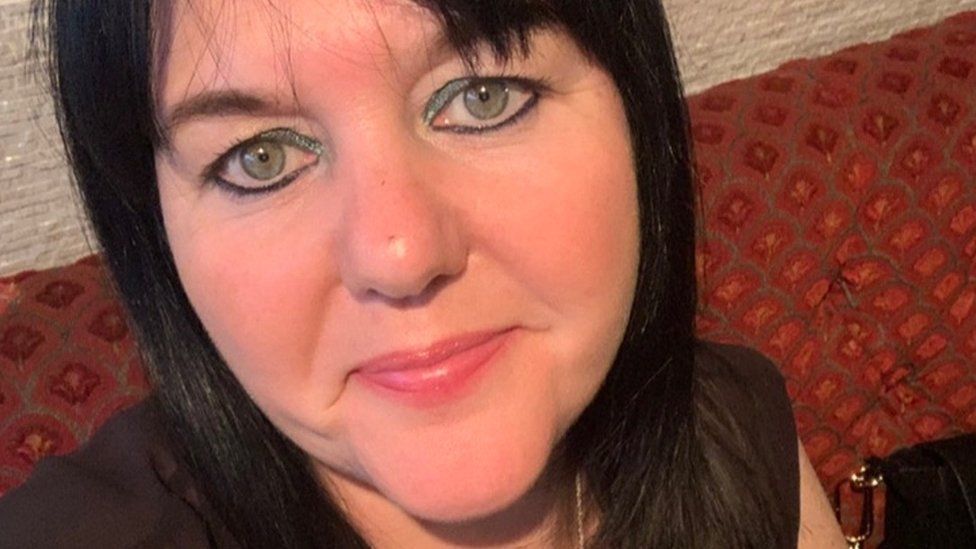
Women who gamble: Winning £127,000 'worst day of my life'

SharecloseShare pageCopy linkAbout sharingImage source, Lisa An awareness campaign is being launched to support an estimated one million UK women at risk of harmful gambling. The charity Gamble Aware says some may not recognise the warning signs or feel too much shame and stigma to seek help. The estimates come from a nationally representative YouGov poll of 9,649 women, using a recognised scoring system – Problem Gambling Severity Index – to measure gambling harms.It suggests half a million could be dangerously hooked.The campaign will run until March across TV, social and digital channels. Lisa Walker, 49, from Rainham in east London, struggled with compulsive gambling for more than a decade. Her habit escalated in her late 20s, after she won a large sum of money playing poker. “I won over £127,000 in one night. That was the worst night of my life because that’s when my addiction really started to spiral out of control. “The casino wanted me back and they offered me anything I wanted – free drinks, free meals to entice me.”She says she would go there often, as well as nipping into the local bingo hall and betting shop, to feed what had become a damaging habit. “Most days I thought about gambling and most days I did gamble. It got to the stage where I didn’t have any value of money any more.”Eventually, she lost all of her winnings, as well as her home, after re-mortgaging her house to keep gambling. She ended up staying in a hostel for a while with her two children, who were 10 and 11 at the time.More on gambling addictionThis video can not be playedTo play this video you need to enable JavaScript in your browser.Paul Merson: ‘I wouldn’t wish this on anybody’Widow urges gambling reform after husband’s deathShilton calls for change to gambling lawsAt 45, Lisa’s addiction continued. She even chose to marry her partner at a venue in Vegas – then spent her wedding night gambling at the casino rather than celebrating with her groom and guests. When she returned from Vegas, Lisa realised she needed help, as gambling had taken her to a “deep, dark place” where she could think of nothing else. Lisa decided to attend a Gamblers Anonymous meeting, where she was one of two women among 35 men. She now attends meetings every week and is starting to see more women come to the meetings. Lisa is in recovery and is setting up her own women’s group, as well as working for Betknowmore as a Peer Aid worker. She says online gambling is a new way people are getting hooked. “We are seeing so many people coming through, getting online. You’ve got a 24-hour mobile phone and a 24-hour casino in your pocket and within a couple of minutes you can be online gambling.”Liz Karter, a UK expert in gambling addiction in women and a gambling addiction counsellor, said: “Gambling behaviours manifest themselves differently in women than men. “For example, we know the easy availability of online gambling leads many women to games which appear innocent and socially acceptable. The games seem safe and familiar, as they are so similar to the free play digital games we are all now used to playing.”In addition, the hopes of financial gains can prove a powerful motivator. While gambling doesn’t always lead to harm, it’s vital women are aware of early warning signs including losing track of time, incurring increasing debt, or a tendency to hide gambling from others or gambling to forget their problems.”GP Dr Ellie Cannon said warning signs of gambling harms include:betting more than you can affordborrowing to gamblelosing track of timefeeling anxious or guilty about itkeeping your gambling secret from those around youClick here for help with problem gamblingA spokeswoman for the Gambling Commission, the government body which regulates gambling in the UK, said: “Campaigns like this are absolutely vital to raising awareness of the risks of gambling harms. “We support any initiative which offers support and advice to help those gambling do so in a safe manner. Alongside our strong regulatory requirements on gambling companies, it plays an important role in preventing and reducing gambling-related harms.”Help and supportIf you’re affected by any of the issues in this article, you can find details of organisations who can help via the BBC Action Line.Gamblers AnonymousGambling-related harms evidence review – GOV.UKHelp for problem gambling – NHSGamble AwareBetknowmore UKThe BBC is not responsible for the content of external sites.

Read more →