
The NHS workers that faced UK's first Covid cases

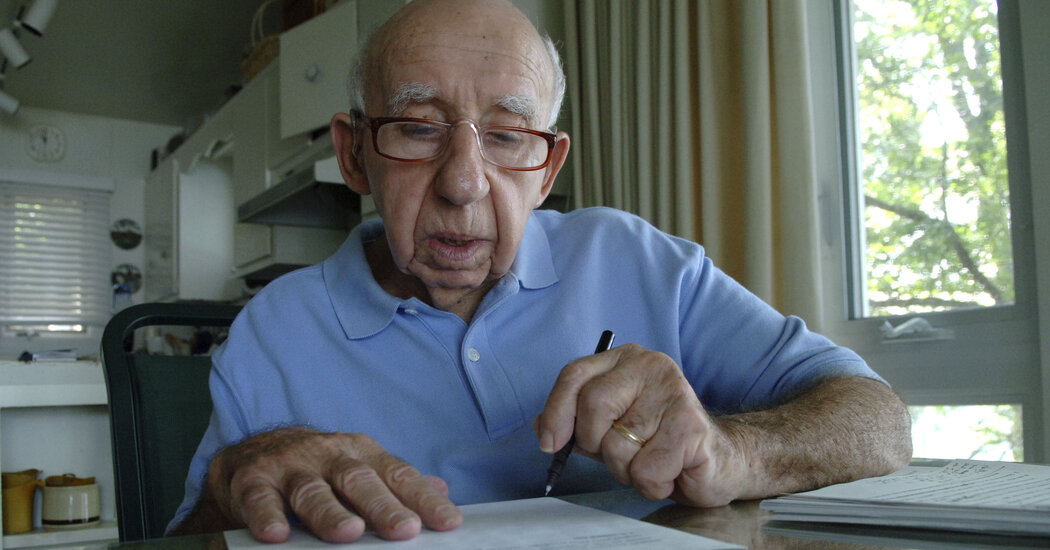
He was at the forefront of studies that found links between salt, diet and other risk factors and cardiovascular ailments.Jeremiah Stamler, an indefatigable cardiovascular researcher who was at the forefront of studies that identified risk factors for heart disease and ways to prevent it, died on Wednesday at his home in Sag Harbor, N.Y., on Long Island. He was 102.His stepson Michael Beckerman confirmed the death.Dr. Stamler’s long career also had a distinction unrelated to medicine: He faced down the notorious House Committee on Un-American Activities by refusing to testify when he was subpoenaed, and he sued the committee for having no legislative purpose.In his studies, Dr. Stamler demonstrated that eating a healthier diet, exercising, not smoking and reducing salt intake would reduce the likelihood of heart disease and strokes — advice that is commonplace now but was not widely accepted decades ago.“I was always interested in the heart artery problem,” he said in an interview with The Chicago Tribune in 2019. “Why did human beings with diabetes get more heart artery disease? What’s the relation of habitual lifestyle, fat intake, saturated fat intake, cholesterol intake, salt intake with cardiovascular disease?”Dr. Stamler undertook his research in a hospital laboratory in Chicago after World War II, where he fed chickens feed heavy in cholesterol to learn what happened to their arteries; at the Chicago Board of Health, where he started a program to prevent rheumatic fever; and at the Northwestern University School of Medicine, where he founded the department of preventive medicine in 1972 and was its chairman for many years.“Many, including myself, believe that he is largely responsible for the remarkable decline in coronary heart disease and stroke that occurred in the U.S. over the past few decades,” Dr. Lawrence Appel, a professor of medicine at Johns Hopkins University, wrote in an email. “Cardiovascular disease remains a major cause of disease and death, but it was far worse.”Dr. Donald Lloyd-Jones, chairman of Northwestern’s department of preventive medicine and president of the American Heart Association, added: “He was part of a generation of scientists who put the traditional risk factors for heart disease on the map. He did the studies to show that smoking, diabetes, obesity and cholesterol drive most heart attacks.”One of Dr. Stamler’s studies, involving more than 300,000 people, looked at the ideal levels for weight, cholesterol and physical activity to achieve cardiovascular health — a set of standards the American Heart Association adopted.Another study, of about 10,000 people worldwide, showed that high salt intake was “one of the quantitatively important, preventable mass exposures causing the unfavorable population-wide blood pressure pattern that is a major risk factor for epidemic cardiovascular disease,” he wrote in The American Journal of Clinical Nutrition in 1997.A study of dietary factors that contribute to high blood pressure, which Dr. Stamler began about 30 years ago, is continuing. He last applied for a grant renewal when he was 95.Gordon M. Grant for The New York TimesA third study, begun about 30 years ago and still ongoing, looks at dietary factors besides salt, like animal protein, that contribute to high blood pressure.“I remember there being criticism that he was an older man in his 70s, and could he complete the five years of the project,” Dr. Philip Greenland, a professor in Northwestern’s department of preventive medicine, said in an interview. “Then he had multiple renewals of the grant application, and at the last renewal he was 95 years old.”Jeremiah Stamler was born on Oct. 27, 1919, in Brooklyn and grew up in West Orange, N.J. His parents — George Stamler, a dentist, and Rose (Baras) Stamler, a teacher — had immigrated from Russia.After receiving a bachelor’s degree from Columbia University, he earned his medical degree from Long Island College of Medicine (now SUNY Downstate Health Sciences University) in Brooklyn in 1943 and was an intern at Kings County Hospital Center, also in Brooklyn. He served in the Army in Bermuda as a radiologist before beginning his career at Michael Reese Hospital in Chicago, where he worked with Dr. Louis Katz, a top cardiology researcher.“Dr. Katz told me, ‘Why the hell do you want to go into research?’” Dr. Stamler told The Tribune. “‘You never win. When you first discover something, people will say, “I don’t believe it.” Then you do more research and verify it and they’ll say, “Yes, but. …” Then you do more research, verify it further, and they’ll say, “I knew it all the time.”’ And he was right.”In the late 1950s, Dr. Stamler joined both the Chicago Board of Health and Northwestern, as a part-time assistant professor of medicine. In 1965, when he was director of the board’s heart disease control program, he was subpoenaed to testify by the House Committee on Un-American Activities. Accused of having been part of a Communist Party underground in the 1950s, he refused to testify or to take the Fifth Amendment, as many other witnesses did. Instead he gave a statement saying he was a loyal American.He and two others — one of whom was Yolanda Hall, a nutritionist who collaborated with Dr. Stamler at the Board of Health — filed a lawsuit on the grounds that the committee was unconstitutional and had no legislative function.“Its function was to embarrass people, to make them take the Fifth Amendment, lose their jobs and ruin their lives,” Thomas Sullivan, one of his lawyers, said in a video on the website of his firm, Jenner & Block. “They didn’t care what the answers were.”Dr. Stamler was indicted on a charge of contempt of Congress for refusing to answer questions from the committee and walking out of the hearing. He was suspended by the Board of Health. He watched his legal case climb the federal court system, up to the United States Supreme Court.Finally, in 1973, the committee — by then called the House Internal Security Committee — dropped the charges against him, and he dropped his lawsuit.Although the committee’s constitutionality did not go to trial, Dr. Stamler told The Chicago Tribune in 1973 that the dismissal of his suit set a legal precedent “that can be relied on by any citizen whose civil liberties are threatened as ours were.”In early 1975, the House disbanded the committee, an action that Mr. Sullivan believed was caused largely by Dr. Stamler’s case.Dr. Stamler published nearly 700 peer-reviewed papers and wrote 22 books and monographs, including “Your Heart Has Nine Lives” (with Alton Blakeslee, 1963), and “The Hypertension Handbook” (1974).In addition to his stepson Michael, he is survived by his son, Paul; another stepson, Jonathan Beckerman; five step-grandchildren; and two step-great-grandchildren. His first wife, Rose (Steinberg) Stamler, who was also his research partner and an associate professor of preventive medicine at Northwestern, died in 1998; his second wife, Gloria (Beckerman) Stamler, died last year.Dr. Greenland, who succeeded Dr. Stamler as chairman of Northwestern’s department of preventive medicine, said that when Dr. Stamler was 85, “we had a big party for him because we thought ‘How much longer can this go on?’ and we should take advantage of him being cognitively intact and physically well. Colleagues from around the world came.“And when he turned 90,” he added, “we had another party, and at 95 it was time for another party, and then another one when he turned 100.”Asked in 2005 about his longevity, Dr. Stamler told The New York Times: “My father died at 84, my mother at 90. When I was a kid, a doctor convinced my father to change his diet — he was a meat and potatoes man — to lots of fruits and vegetables. I started smoking in college and quit in medical school when I became short of breath walking up two flights of stairs.”Dr. Stamler, a follower of the Mediterranean diet, added: “I always exercised and I still do, a minimum of an hour every day. I love to eat and I believe in the pleasure of eating.”
Read more →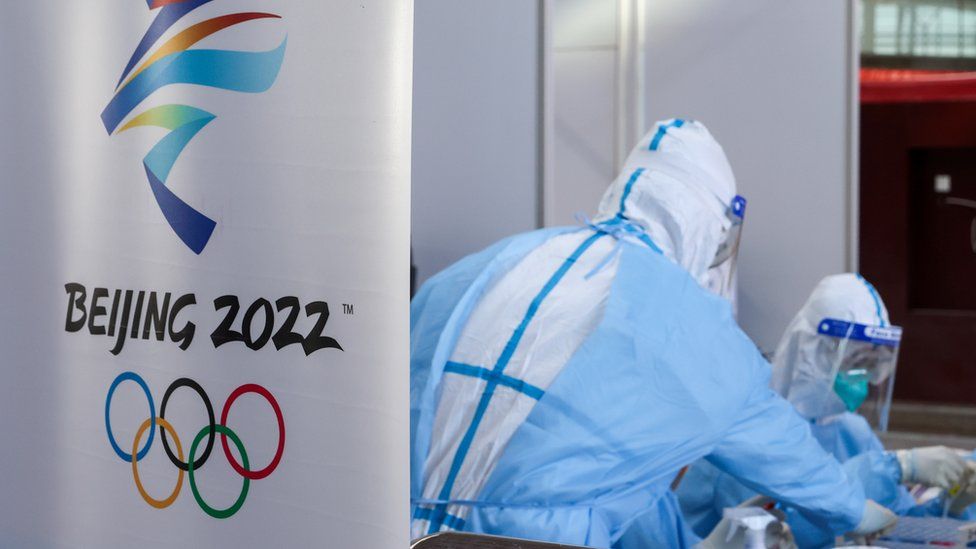
SharecloseShare pageCopy linkAbout sharingImage source, Tass via GettyBeijing has reported its highest number of Covid-19 cases in 18 months, five days ahead of the start of the Winter Olympics in the Chinese capital.After 20 more cases were reported in the capital, officials announced that some local areas had been locked down with residents being tested. Separately, organisers of the Olympics reported 34 new infections within the event’s “closed-loop” bubble.Officials said it included 13 athletes or officials arriving at the airport. Anyone testing positive is being put into isolation and only allowed to compete after getting two negative test results in 24 hours.What is China’s Covid plan for the Olympics?Two Olympics and two very different ChinasThe Winter Olympics are going ahead despite travel in and out of China being severely restricted since the pandemic began.Those travelling to Beijing for the games must come on charter flights and stay in their bubble until they leave. People have to clear Covid-19 tests before and after arriving in China, with tens of thousands inside the bubble also undergoing daily testing as well as being expected to wear masks.This video can not be playedTo play this video you need to enable JavaScript in your browser.The country’s National Health Commission (NHC) reported 20 new cases in Beijing on Sunday – the highest number since June 2020.Local officials have locked down housing compounds in the Fengtai district – where many of the cases were recorded. Some 2 million people will be tested for the virus in response, AFP news agency reports.The NHC reported 54 new cases in total nationwide on Sunday, including cases in the eastern city of Hangzhou and Suifenhe in Heilongjiang province.The virus was first detected in the Chinese city of Wuhan in late 2019 before spiralling into a global pandemic.China has maintained a zero-Covid policy since the first outbreak, with local transmission met with harsh restrictions and widespread testing to stop the spread.The country has reported about 120,000 cases and 4,600 coronavirus deaths since – much lower than the figures reported by other major nations.
Read more →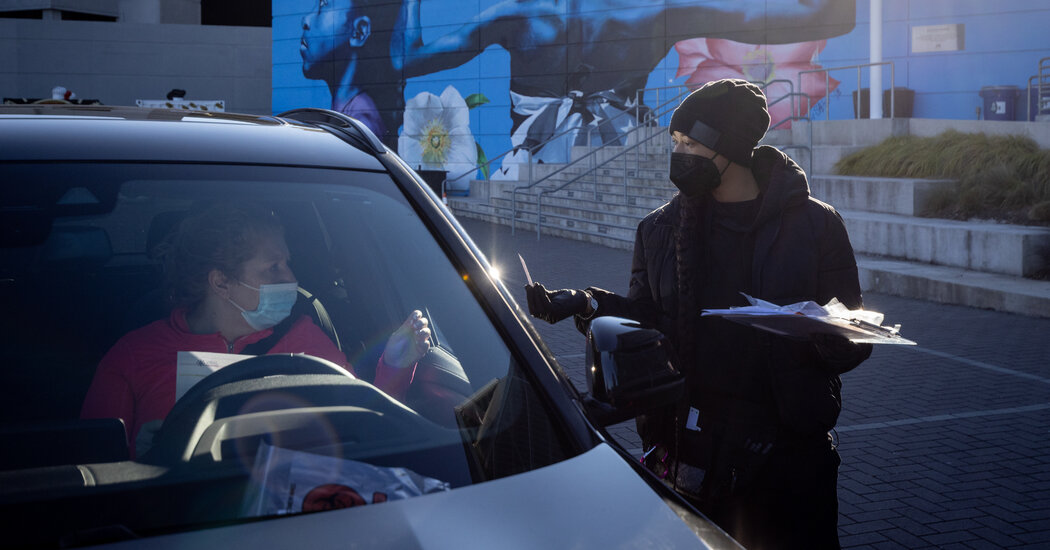
A mutated version of the Omicron variant could slow the steep decline in cases, but it is not likely to change the overall course of the pandemic, scientists said.In recent days, headlines about a “stealth” Omicron variant have conjured the notion that a villainous new form of the coronavirus is secretly creating a disastrous new wave of Covid.That scenario is highly unlikely, scientists say. But the new variant, which goes by the scientific name BA.2 and is one of three branches of the Omicron viral family, could drag out the Omicron surge in much of the world.So far, BA.2 doesn’t appear to cause more severe disease, and vaccines are just as effective against it as they are against other forms of Omicron. But it does show signs of spreading more readily.“This may mean higher peak infections in places that have yet to peak, and a slowdown in the downward trends in places that have already experienced peak Omicron,” said Thomas Peacock, a virologist at Imperial College London.In November 2021, researchers in South Africa first raised the alarm about Omicron, which carried 53 mutations setting it apart from the initial coronavirus strain isolated in Wuhan. Some of those mutations enabled it to escape the antibodies produced by vaccines or previous infections. Other mutations appear to have made it concentrate in the upper airway, rather than in the lungs. Since then, Omicron’s genetic changes have driven it to dominance across the world.Within weeks of Omicron’s emergence, however, researchers in South Africa started finding a few puzzling, Omicron-like variants. The viruses shared some of Omicron’s distinctive mutations, but lacked others. They also carried some unique mutations of their own.It soon became clear that Omicron was made up of three distinct branches that split off from a common ancestor. Scientists named the branches BA.1, BA.2 and BA.3.The earliest Omicron samples belonged to BA.1. BA.2 was less common. BA.3, which was even rarer, appears to be the product of a kind of viral sex: BA.1 and BA.2 simultaneously infected the same person, and their genes were scrambled together to create a new viral hybrid.At first, scientists focused their attention on BA.1 because its occurrence outnumbered the others by a ratio of 1,000 to one. A lucky break made it easy for them to track it.Common PCR tests typically detect three coronavirus genes. But the tests can identify only two of those genes in BA.1 because of a mutation in the third gene, known as spike.In December, researchers in South Africa found that a growing number of PCR tests were failing to detect the spike gene — a sign that BA.1 was becoming more common. (The dominant variant at the time, known as Delta, didn’t cause spike failures in PCR tests.) As Omicron rose, Delta waned.Unlike BA.1., BA.2 lacks the spike mutation that makes PCR tests fail. Without the ability to use PCR tests to track BA.2, some scientists nicknamed it the “stealth” version of Omicron.But BA.2 wasn’t invisible: Researchers could still track it by analyzing the genetic sequences of samples from positive tests. And once Delta virtually disappeared, scientists could use PCR tests to tell the difference between BA.1 and BA.2: Samples that caused spike failures contained BA.1, whereas the ones that didn’t contained BA.2.The Coronavirus Pandemic: Key Things to KnowCard 1 of 4Omicron in retreat.
Read more →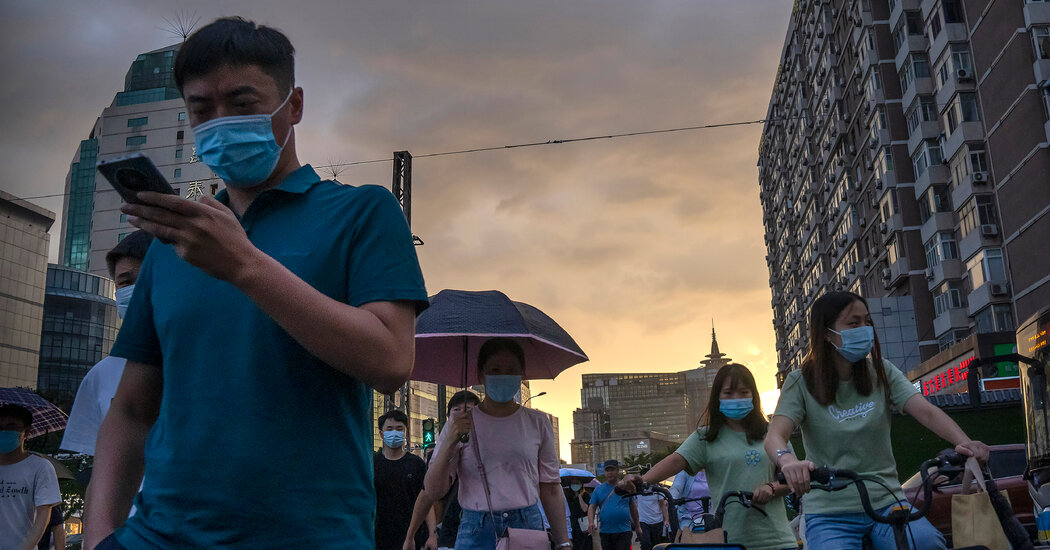
The country has instituted a wide range of high-tech controls on society as part of a mostly successful effort to stop the virus. The consequences may endure.The police had warned Xie Yang, a human rights lawyer, not to go to Shanghai to visit the mother of a dissident. He went to the airport anyway.His phone’s health code app — a digital pass indicating possible exposure to the coronavirus — was green, which meant he could travel. His home city, Changsha, had no Covid-19 cases, and he had not left in weeks.Then his app turned red, flagging him as high risk. Airport security tried to put him in quarantine, but he resisted. Mr. Xie accused the authorities of meddling with his health code to bar him from traveling.“The Chinese Communist Party has found the best model for controlling people,” he said in a telephone interview in December. This month, the police detained Mr. Xie, a government critic, accusing him of inciting subversion and provoking trouble.The pandemic has given Xi Jinping, China’s top leader, a powerful case for deepening the Communist Party’s reach into the lives of 1.4 billion citizens, filling out his vision of the country as a model of secure order, in contrast to the “chaos of the West.” In the two years since officials isolated the city of Wuhan in the first lockdown of the pandemic, the Chinese government has honed its powers to track and corral people, backed by upgraded technology, armies of neighborhood workers and broad public support.Surveillance cameras in Beijing. The government has refined its powers to track people, handing Mr. Xi a potent tool, critics say, to pursue his agenda.Ng Han Guan/Associated PressEmboldened by their successes in stamping out Covid, Chinese officials are turning their sharpened surveillance against other risks, including crime, pollution and “hostile” political forces. This amounts to a potent techno-authoritarian tool for Mr. Xi as he intensifies his campaigns against corruption and dissent.The foundation of the controls is the health code. The local authorities, working with tech companies, generate a user’s profile based on location, travel history, test results and other health data. The code’s color — green, yellow or red — determines whether the holder is allowed into buildings or public spaces. Its use is enforced by legions of local officials with the power to quarantine residents or restrict their movements.These controls are key to China’s goal of stamping out the virus entirely within its borders — a strategy on which the party has staked its credibility despite the emergence of highly contagious variants. After China’s initial missteps in letting the coronavirus spread, its “zero Covid” approach has helped keep infections low, while the death toll continues to grow in the United States and elsewhere. But Chinese officials have at times been severe, isolating young children from their parents or jailing people deemed to have broken containment rules.City officials did not respond to questions about assertions by Mr. Xie, the lawyer. While it is hard to know what goes on in individual cases, the government itself has signaled it wants to use these technologies in other ways.Officials have used pandemic health monitoring systems to flush out fugitives. Some fugitives have been tracked down by their health codes. Others who avoided the apps have found life so difficult that they have surrendered.Covid testing in January in Beijing. The authorities are on high alert to curb the spread of the coronavirus ahead of the Winter Olympics.Kevin Frayer/Getty ImagesFor all of its outward sophistication, though, China’s surveillance system remains labor intensive. And while the public has generally supported Beijing’s intrusions during the pandemic, privacy concerns are growing.“China’s pandemic controls have really produced great results, because they can monitor down to every individual,” said Mei Haoyu, 24, an employee at a dental hospital in Hangzhou, a city in eastern China, who worked as a volunteer early in the pandemic.“But if after the pandemic ends these means are still there for the government,” he added, “that’s a big risk for ordinary people.”‘A vicious cycle arises’A Covid cluster that rippled across Zhejiang Province in east China late last year began with a funeral. When one attendee, a health worker, tested positive in a routine test, 100 tracers sprang into action.Within hours, officials alerted the authorities in Hangzhou, 45 miles away, that a potential carrier of the coronavirus was at large there: a man who had driven to the funeral days earlier. Government workers found and tested him — also positive.Using digital health code records, teams of tracers plotted out a network of people to test based on where the man had been: a restaurant, a mahjong parlor, card-playing rooms. Within a couple of weeks, they stopped the chain of infections in Hangzhou — in all, 29 people there were found to be infected.China’s capacity to trace outbreaks like this has relied heavily on the health code. Residents sign up for the system by submitting their personal information in one of a range of apps. The health code is essentially required, because without it, people cannot enter buildings, restaurants or even parks. Before the pandemic, China already had a vast ability to track people using location data from cellphones; now, that monitoring is far more expansive.People scanning a QR code with their health code apps to get through a checkpoint in Wuhan last year. The apps dictate whether a person can enter buildings or be subject to quarantine.Roman Pilipey/EPA, via ShutterstockIn recent months, the authorities in various cities have expanded their definition of close contact to include people whose cellphone signals were recorded within as much as half a mile of an infected person. The party’s experiment in using data to control the flow of people has helped keep Covid at bay. Now these same tools potentially give officials greater power to manage other challenges.Mr. Xi visiting the Hangzhou “City Brain” in March 2020.Ju Peng/Xinhua, via Getty ImagesMr. Xi has praised Hangzhou’s “City Brain” center — which pulls together data on traffic, economic activity, hospital use and public complaints — as a model for how China can use technology to address social problems.Since 2020, Hangzhou has also used video cameras on streets to check whether residents are wearing masks. One district monitored home power consumption to check whether residents were sticking to quarantine orders. The central city of Luoyang installed sensors on the doors of residents quarantining at home, in order to notify officials if they were opened.Inside Hangzhou’s “City Brain” office in 2020.Costfoto/Barcroft Media, via Getty ImagesWith so much invested, financially and politically, in technological solutions, failures can have big repercussions.During the recent lockdown in Xi’an, a city of 13 million in northwest China, the health code system crashed twice in two weeks, disrupting the lives of residents who had to update their apps each day with proof that they had taken Covid tests.By focusing on technology and surveillance, Chinese officials may be neglecting other ways of protecting lives, such as expanding participation in public health programs, wrote Chen Yun, a scholar at Fudan University in Shanghai, in a recent assessment of China’s response to Covid.The risk, Ms. Chen wrote, is that “a vicious cycle arises: People become increasingly marginalized, while technology and power increasingly penetrate everywhere.”‘On call at all times’For over a decade, the Communist Party has been shoring up its armies of grass-roots officials who carry out door-to-door surveillance. The party’s new digital apparatus has supercharged this older form of control.China has mobilized 4.5 million so-called grid workers to fight the outbreak, according to state media — roughly one in every 250 adults. Under the grid management system, cities, villages and towns are divided into sections, sometimes of just a few blocks, which are then assigned to individual workers.During normal times, their duties included pulling weeds, mediating disputes and keeping an eye on potential troublemakers.Amid the pandemic, those duties mushroomed.A checkpoint in Xi’an in December. The lockdown imposed on the city was crude, rushed and occasionally deadly.Agence France-Presse — Getty ImagesWorkers were given the task of guarding residential complexes and recording the identities of all who entered. They called residents to make sure they had been tested and vaccinated, and helped those in lockdown take out their trash.They also were given powerful new tools.The central government has directed the police, as well as internet and telephone companies, to share information about residents’ travel history with community workers so that the workers can decide whether residents are considered high-risk.In a county in southwestern Sichuan Province, the ranks of grid workers tripled to more than 300 over the course of the pandemic, said Pan Xiyu, 26, one of the new hires. Ms. Pan, who is responsible for about 2,000 residents, says she spends much of her time distributing leaflets and setting up loudspeakers to explain new measures and encourage vaccination.Getting haircuts at a residential block that was placed under lockdown in Xi’an in January. Chinatopix, via Associated PressThe work can be exhausting. “I have to be on call at all times,” Ms. Pan said.And the pressure to stifle outbreaks can make officials overzealous, prioritizing adherence to the rules no matter the cost.During the lockdown of Xi’an, hospital workers refused medical care to a woman who was eight months pregnant because her Covid test result had expired hours earlier. She lost the baby, an episode that inspired widespread public fury. But some blamed the heavy burden placed upon low-level workers to stamp out infections.The Coronavirus Pandemic: Key Things to KnowCard 1 of 4Omicron in retreat.
Read more →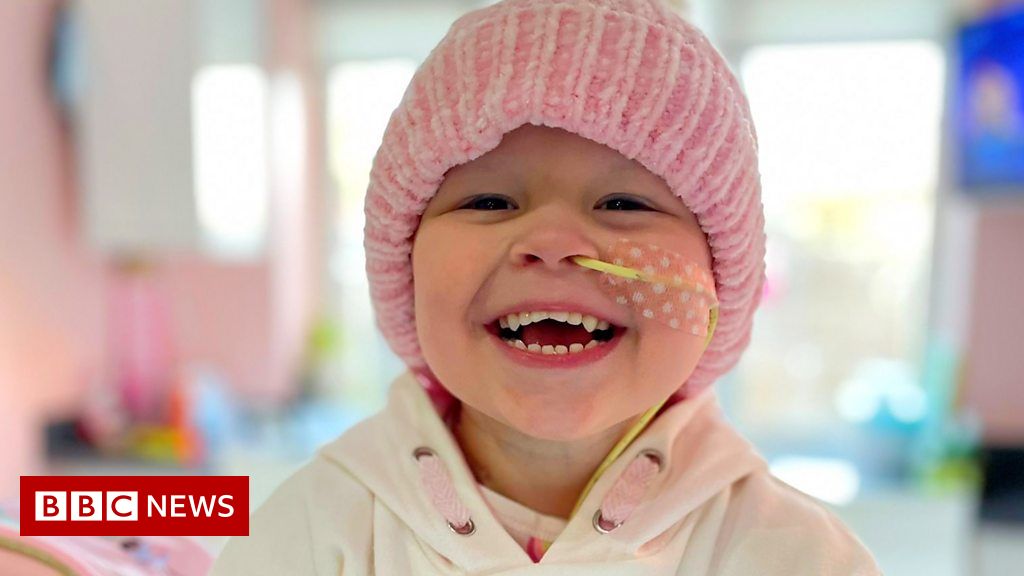
A mother has described her amazement at how her two-year-old daughter retained her high spirits while being treated for a fast-growing cancer.Florence, from Hinckley in Leicestershire, was diagnosed with rhabdomyosarcoma in 2021 after developing a tumour in her stomach.Florence’s mother Sophie was initially told by a doctor the lump in Florence’s stomach could be constipation but, after further tests at A&E, they received a diagnosis.Sophie said: “I just start to get emotional. How can someone of two years old even go through something like that?”Your world comes crashing down but, at the same time, they’ve still got their high spirits.”Doctors told Sophie that after treatment, there is a 10% chance of Florence’s cancer returning.Video journalist: Chris WaringFollow BBC East Midlands on Facebook, Twitter, or Instagram. Send your story ideas to eastmidsnews@bbc.co.uk.
Read more →
Regina Perez, 57, had never been hospitalized for her lifelong asthma condition until she came down with Covid this month.She started having difficulty breathing, even after taking her usual medications. “It kind of took over, almost,” she said. She wound up at St. Luke’s Hospital in Allentown, Pa., for most of a week at time when nearly all the Covid patients sampled had contracted the Omicron variant.The episode frightened her. While doctors were able to get her asthma and breathing under control, “I’ll probably be scared for the rest of my life,” she said. Ms. Perez, who was fully vaccinated and is now recovering at home, said she had spent the last two years doing everything she could to avoid infection, including working from home and rarely going out. She has not yet gotten a booster shot.Throughout the pandemic, people like Ms. Perez have been at higher risk for serious illness from Covid because they have underlying medical conditions, like asthma, diabetes, heart or lung disease. More than half of American adults have at least one underlying chronic condition, and for many of them, the Omicron wave hasn’t been as mild as it has for the larger, healthier populations around the world.Omicron has indeed caused far lower rates of severe illness and death in the U.S. population, especially among those who are vaccinated and have received booster shots. Still, the variant’s high transmissibility did lead to record-setting case counts that resulted in pandemic-high hospitalizations.Dr. Rochelle Walensky, the director for the Centers for Disease Control and Prevention, warned on Wednesday that this surge was still imposing a heavy burden. “Importantly, ‘milder’ does not mean ‘mild,’” she said. “And we cannot look past the strain on our health systems and substantial number of deaths — nearing 2,200 a day as a result of the extremely transmissible Omicron variant.”In the last few weeks, the rate of hospitalization has declined considerably in some regions, where Omicron first arrived and sent case counts soaring. While a smaller share of people with the variant are being hospitalized, according to a recent report from researchers at the C.D.C., the soaring number of Omicron infections has led to higher admissions than in previous surges. Nationally, hospital admissions are still averaging about 150,000 people a day, including many rural regions where facilities are stretched thin.“Our experience is that it’s worse right now than it’s ever been,” said Craig Thompson, chief executive of Golden Valley Memorial Healthcare, a small rural hospital in Clinton, Mo. This month, the Covid, heart attack and stroke patients that the hospital would typically transfer to larger facilities were boarded in the emergency room for days. Staff members made about 200 phone calls to get beds for patients — at times up to 400 miles away.The majority of those hospitalized with severe illness during the Omicron surge are unvaccinated, public health experts say. But some who were vaccinated and have underlying conditions have also been at risk for more serious illness caused by the virus, and for the infection potentially worsening their existing diseases, increasing their chances of hospitalization.While they may not be hospitalized for respiratory illnesses, “we are seeing some exacerbation of other conditions in individuals who are vulnerable,” said Dr. Sandra Nelson, an infectious disease specialist at Massachusetts General Hospital and an assistant professor of medicine at Harvard Medical School. In some cases, patients were dehydrated from the effects of a virus infection and came in with kidney failure.Doctors say that it is not always clear what role Omicron plays, but there is a plausible biological explanation for a virus causing patients to develop systemic issues. “You’re going to see kidneys get worse, etc.,” said Dr. Panagis Galiatsatos, a critical care specialist and assistant professor of medicine at Johns Hopkins Medicine.At St. Luke’s, where Ms. Perez was admitted, roughly two-thirds of the coronavirus-positive patients in the system’s network had a primary diagnosis of Covid, but an additional 15 to 20 percent were diagnosed with other illnesses, like sepsis or acute kidney failure, that doctors said were clearly related to a virus infection.“It isn’t an incidental diagnosis,” said Dr. Jeffrey Jahre, an infectious disease specialist who is senior vice president for medical and academic affairs at St. Luke’s University Health Network, which operates 11 hospitals in Pennsylvania and New Jersey.In some cases, these patients may have had a “smoldering” case of diabetes or hypertension that a Covid case pushed over into serious illness, said Dr. Nicholas Kman, an emergency physician at the Ohio State University Wexner Medical Center in Columbus. In other cases, individuals who had successfully been managing their conditions before becoming infected, like Ms. Perez, are coming in with high blood sugar levels or worrying hypertension.Others, like transplant or cancer patients — although fully vaccinated — are not able to mount a sufficient immune response to protect themselves from serious disease when they become infected.Doctors say these admissions — often categorized as “with” Covid rather than “for” Covid — have had significant effects on stressed hospitals. “All those patients add to the surge and the volume,” Dr. Kman said, adding that “one or two extra patients can push a health system over the edge.”Hospitals at maximum capacity have also been dealing with nationwide shortages of basic supplies that are needed to care for patients with complicated conditions, including intravenous bags of saline solution, small syringes of saline solution and small plastic tubes to take blood samples.Frontline nurses, already parceling out a few minutes an hour to each patient under their care, say juggling unfamiliar products or adjusting to workarounds makes their jobs even more fraught.The caseloads have had a rippling effect, far more pronounced in this wave than in others. Severe staffing shortages at nursing homes and dialysis clinics have made it difficult to discharge patients from the hospital who were still positive for the coronavirus, said Dr. David Margolius, an internal medicine specialist at MetroHealth in Cleveland. Some facilities do not accept Covid patients, and others have been so short-staffed that there are no openings.“With Covid, for Covid, it’s putting so much stress on the health care system because of the implications of having Covid for placement,” he said.Other patients at high risk — including pregnant women — have also become seriously ill. Alex Chandler, 27, a teacher in Killeen, Texas, who was vaccinated and had received a booster shot, was diagnosed with Covid when she gave birth on Jan. 9, according to her mother, Jenny Clay. That week, Omicron made up 99.7 percent of the Covid cases in Texas and surrounding states, federal data show.Initially her throat felt as if she had swallowed broken glass, and her chills were hard to shake. But her symptoms gave way to the consuming care of her firstborn child, Beau.Five days after giving birth, Ms. Chandler sought follow-up care for her son, and staff members noticed that she was breathing heavily, Ms. Clay said. Her oxygen saturation read 76 percent, far lower than the typical 95 to 100 percent.A C.D.C. spokeswoman, Belsie González, said that women have higher heart rates, lower lung capacity and immune system changes during pregnancy. Nearly all of the pregnant women admitted to critical care in Europe were unvaccinated, according to a study published Friday.Her mother said she was admitted to the hospital on Jan. 14, and developed pneumonia and a pneumothorax, or punctured lung, a known Covid-19 complication. By the following morning, she had been put on a ventilator, and she is in the intensive care unit at AdventHealth Central Texas in Killeen.The Coronavirus Pandemic: Key Things to KnowCard 1 of 4Omicron in retreat.
Read more →
With one in five people experiencing ongoing pain long after knee replacement surgery, new research, led by the University of Bristol and North Bristol NHS Trust (NBT) and published in The Lancet Rheumatology today [27 January], has shown a way to help reduce people’s continuing pain that could also save the NHS time and money too.
One hundred thousand knee replacement surgeries are carried out in the UK every year. Most of these operations take place to treat pain related to osteoarthritis. Unfortunately, each year, around 20,000 people who have knee replacement surgery to relieve their pain find that they have moderate to severe pain three months or longer after their operation, which impacts on their everyday lives.
The study found the STAR care pathway (Support and Treatment After joint Replacement) reduces pain severity, the amount pain interferes with people’s lives and is cost-effective. The new treatment could potentially save the NHS up to £14 million per year through reduced inpatient admissions.
The study found patients who received the STAR care pathway had: Less pain severity and impact on daily life at both six and 12 months after treatment (nine and 15 months after surgery) Half the number of hospital re-admissions Reduced length of hospital stay for any inpatient admissions three months after surgery Less unpaid time off workThe aim of the five-year STAR programme was to find ways to improve the care and support that people with ongoing pain receive. The programme, funded by the National Institute for Health Research (NIHR), designed and tested a new treatment in a randomised controlled trial in eight UK hospitals.
The programme looked at how likely patients are to get ongoing knee pain after their operation and discovered why patients don’t seek help. The research team developed a new treatment — a care pathway — for patients and compared how patients did on the STAR care pathway when compared with a control group who had the usual care.
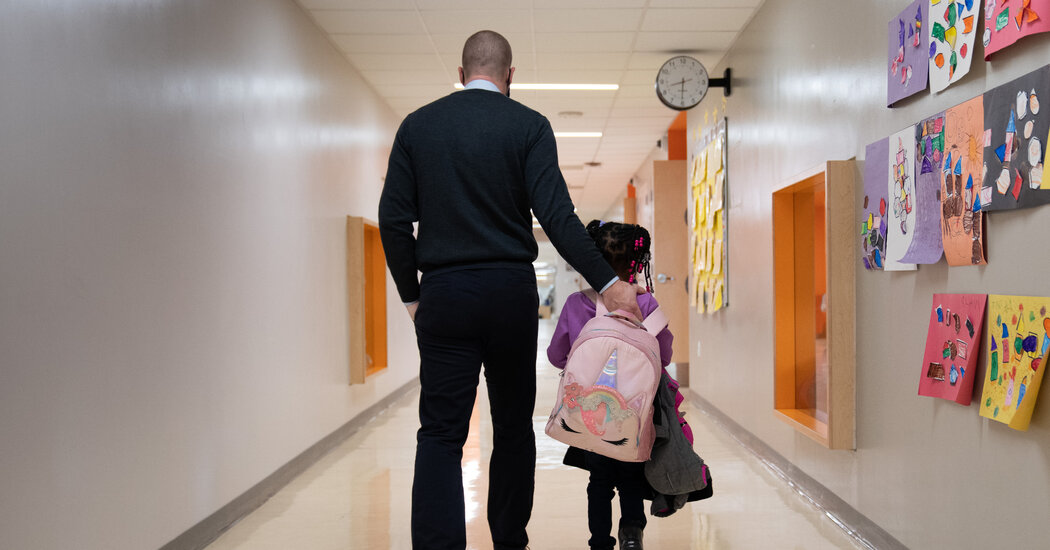
Getting more young school-age children vaccinated is crucial for ending the pandemic, public health officials say, and many are focusing on that group.For weeks, the school principal had been imploring Kemika Cosey: Would she please allow her children, 7 and 11, to get Covid shots?Ms. Cosey remained firm. A hard no.But Mr. Kip — Brigham Kiplinger, the principal of Garrison Elementary School in Washington, D.C. — swatted away the “no’s.”Ever since the federal government authorized the coronavirus vaccine for children 5 through 11 nearly three months ago, Mr. Kip has been calling the school’s parents, texting, nagging, cajoling daily. Acting as a vaccine advocate — a job usually handled by medical professionals and public health officials — has become central to his role as an educator. “The vaccine is the most important thing happening this year to keep kids in school,” Mr. Kiplinger said.Largely through Mr. Kiplinger’s skill as a parent-vax whisperer, Garrison Elementary has turned into a public health anomaly: Eighty percent of the 250 Garrison Wildcats in grades kindergarten through fifth grade now have at least one shot, he said.But as the Omicron variant has stormed through America’s classrooms, sending students home and, in some cases, to the hospital, the rate of vaccination overall for America’s 28 million children in the 5-to-11 age group remains even lower than health experts had feared. According to a new analysis by the Kaiser Family Foundation based on federal data, only 18.8 percent are now fully vaccinated and only 28.1 percent have received one dose.The disparity of rates among states is stark. In Vermont, the share of children who are fully vaccinated is 52 percent; in Mississippi, it is 6 percent.“It’s going to be a long slog at this point to get the kids vaccinated,” said Jennifer Kates, a senior vice president at Kaiser who specializes in global health policy. She says it will take unwavering persistence like that of Mr. Kiplinger, whom she knows firsthand because her child attends his school. “It’s hard, hard work to reach parents.”After the Pfizer-BioNTech vaccine was authorized for younger children in late October, the out-of-the-gate surge in demand lasted a scant few weeks. It peaked just before Thanksgiving, then dropped precipitously and has since stalled. It now hovers at 50,000 to 75,000 new doses a day.“I was surprised at how quickly the interest in the vaccine for kids petered out,” Dr. Kates said. “Even parents who had been vaccinated themselves were more cautious about getting their kids vaccinated.”Kemika Cosey with her children, Zurie, left, and Zamir, students at Garrison. The principal nagged her for weeks to get them Covid shots. “But it’s a good nag,” she said.Erin Schaff/The New York TimesPublic health officials say that persuading parents to get their younger children vaccinated is crucial not only to sustaining in-person education but also to containing the pandemic overall. With adult vaccination hitting a ceiling — 74 percent of Americans who are 18 and older are now fully vaccinated, and most of those who aren’t seem increasingly immovable— unvaccinated elementary school children remain a large, turbulent source of spread. Traveling to and from school on buses, traversing school hallways, bathrooms, classrooms and gyms, they can unknowingly act as viral vectors countless times a day.Parents give numerous reasons for their hesitation. And with their innate protective wariness on behalf of their children, they are susceptible to rampant misinformation. For many working parents, the obstacle is logistical rather than philosophical, as they struggle to find time to get their children to the clinic, doctor’s office or drugstore for a vaccine.In some communities where adult opposition to vaccines is strong, local health departments and schools do not promote the shots for children vigorously for fear of backlash. Pharmacies may not even bother to stock the child-size doses.Despite the proliferation of Covid-crowded hospitals, sick children and the highly contagious aspect of Omicron, many parents, still swayed by last year’s surges that were generally not as rough on children as adults, do not believe the virus is dangerous enough to warrant risking their child’s health on a novel vaccine.Health communication experts additionally blame that view on the early muddled messaging around Omicron, which was initially described as “mild” but also as a variant that could pierce a vaccine’s protection.Many parents interpreted those messages to mean that the shots served little purpose. In fact, the vaccines have been shown to strongly protect against severe illness and death, although they are not as effective in preventing infections with Omicron as with other variants.And caseloads of children in whom Covid has been diagnosed only keep rising, as a report last week from the American Academy of Pediatrics underscores. Dr. Moira Szilagyi, the academy’s president, pressed for greater rates of vaccination, saying, “After nearly two years of this pandemic, we know that this disease has not always been mild in children, and we’ve seen some kids suffer severe illness, both in the short term and in the long term.”Recognizing the urgency, proponents of Covid shots are redoubling their efforts to convince parents. The American Academy of Pediatrics has put together talking points for pediatricians and parents. Kaiser has its own parent-friendly vaccine-information site. Patsy Stinchfield, a nurse-practitioner who is the incoming president of the National Foundation for Infectious Diseases, keeps up an exhaustive speaking schedule, answering Covid vaccine questions from parents, teenagers, pediatricians and radio talk show hosts.Only 18.8 percent of the country’s 28 million children ages 5 through 11 are fully vaccinated against Covid, a rate even lower than experts had feared.Jim Wilson/The New York TimesThe Johns Hopkins Bloomberg School of Public Health has just posted a free, online training course to help give pro-vaccine parents language and ways to approach their resistant friends. It provides vaccine facts, resources and techniques to engage them.One tip is to share personal stories about Covid, to ground the purpose of the vaccine in real-world experience. Another is to normalize Covid vaccination by proudly telling friends and family when children get Covid shots.Rupali Limaye, an associate scientist at Bloomberg who studies vaccine messaging and developed the course, said that giving parents tools to persuade others about Covid shots could improve uptake rates, particularly now that some hesitant parents are rejecting the advice of pediatricians. Peer “vaccine ambassadors,” as she calls them, have more time and exert less of a power dynamic than harried doctors. “This is a supersensitive topic for a lot of people,” Dr. Limaye added.The Coronavirus Pandemic: Key Things to KnowCard 1 of 5Omicron in retreat.
Read more →
An influenza vaccine administered through the nose and constructed with nanoparticles that enhance immune response offers strong protection against different influenza virus strains, according to researchers in the Institute for Biomedical Sciences at Georgia State University.
The intranasal vaccine contributed to multifaceted immune responses, leading to robust cross protection against influenza in mice. The vaccine consists of PEI-HA/CpG nanoparticles. PEI (polyethyleneimine), a robust and versatile delivery system, can simultaneously carry antigens (hemagglutinin, HA) that induce an immune response in the body, and adjuvants (CpG) that enhance the body’s immune response to an antigen for optimal immunoenhancement.
These comprehensive immune responses and cross protection were long lasting, exhibiting defense from influenza virus over six months after immunization. The findings are published in the journal ACS Applied Materials & Interfaces.
Intranasal vaccination is an ideal approach for infectious respiratory diseases such as influenza. Seasonal influenza vaccines generally induce narrow immune responses that rapidly decline, which leaves populations vulnerable to novel influenza strains. Advancements in influenza vaccine technology are needed to protect against a wide range of influenza viruses. Intranasal vaccination can improve local mucosal immune responses by preventing influenza infection at the portal of virus entry.
In the influenza virus, HA is a protein that plays a crucial role in the early stages of virus infection. Influenza HA has a head region and stalk region. Current influenza vaccines elicit immune responses against the HA head, but this head region is highly changeable and accounts for lowered efficiency against different strains. The HA stalk region is more conservative across different strains of influenza viruses.
Protein antigens that are administered intranasally are usually less able to provoke an immune response, so adjuvants are needed to have highly efficient intranasal vaccines. Adjuvants, such as CpG, can enhance and manipulate immune responses, thus improving the potency and breadth of protection.
“The PEI-HA/CpG nanoparticles show good potential as a cross-protective influenza vaccine candidate,” said Dr. Baozhong Wang, corresponding author of the study and a professor in the Institute for Biomedical Sciences at Georgia State. “The combination of PEI and CpG in the PEI-HA/CpG nanoparticle group contributed to the multifaceted immune responses, leading to vigorous cross protection. The incorporation of CpG and antigens into the same nanoparticle enhanced cellular immune responses.
“Our results revealed that the nanoparticles significantly enhanced HA immunogenicity, or the ability to provoke an immune response, providing cross protection against different influenza virus strains. The conserved HA stalk region induced substantial antibodies in the nanoparticle immunization groups.”
“Nanoparticle platforms have shown intriguing characteristics and great potentials in the development of next-generation cross-protective influenza vaccines,” said Dr. Chunhong Dong, the first author of the study and a postdoctoral fellow in the Institute for Biomedical Sciences. “However, challenges exist to the successful research and development of nanoparticle vaccines. Though no apparent adverse effects were observed in the study, a more comprehensive safety evaluation of the nanoparticle adjuvant system is needed before clinical trials.”
Co-authors of the study include Baozhong Wang, Chunhong Dong (first author), Ye Wang, Wandi Zhu, Yao Ma, Joo Kim, Lai Wei and Gilbert X. Gonzalez.
The study was funded by the National Institute of Allergy and Infectious Diseases (NIAID) of the National Institutes of Health.
Story Source:
Materials provided by Georgia State University. Note: Content may be edited for style and length.