Protein machinery of respiration becomes visible

Researchers provide high-resolution electron microscopy analysis of the molecular machinery within the respiratory chain.
Oxygen and sugar are the basis of life for animals, plants, fungi and many bacteria. The metabolic process called respiration makes it possible to convert food into energy for the cells. Biochemist Prof. Dr. Carola Hunte and her team from the Cluster of Excellence CIBSS at the University of Freiburg have now visualized for the first time with unparalleled precision how an assembly of protein machines, which also supplies energy to humans, is structured and functions. The team studied two respiratory chain complexes fused into a supercomplex in a group of bacteria called Actinobacteria. In addition to providing a basic elucidation of respiratory processes, the cryogenic electron microscope analysis could aid in the development of new drugs to treat tuberculosis or diphtheria. “These images are like a journey into our molecular inner workings and its peculiar rules,” Hunte explains, “Elucidating the structure simultaneously illuminates how the supercomplex works.”
The results of the study appeared in the journal Nature Communications and were produced in collaboration with Dr. Bruno Klaholz, research director at the Centre for Integrative Biology (CBI) / Institute of Genetics and of Molecular and Cellular Biology (IGBMC) of the CNRS, Inserm and the University of Strasbourg/France.
The energy currency of the cell
Adenosine triphosphate (ATP) is the energy currency of the cell — the molecule is obtained during respiration and transfers energy from food to all processes in the cell. Thanks to the processes on the respiratory chain, adenosine diphosphate is turned into the energy-rich ATP. To do this, protein complexes of the respiratory chain build up an electrochemical driving force across a membrane with electrons and protons in a complicated chemical-physical process that is powered by the combustion of sugar.
“We analyzed the respiratory cytochrome bcc-aa3 supercomplex. Twenty-six proteins make up the protein machine. The exact interaction of molecular forces and dynamics is not well understood yet, and this is where such a detailed description helps us,” explains the study’s first author Dr. Wei-Chun Kao of Hunte’s team. The proton pump of the complex is very similar to humans, the researchers find, but the part where electrons are taken over by the electron carrier quinone shows clear differences in the bacterium. “This is where we could tie in and develop specific agents that kill pathogenic actinobacteria such as Mycobacterium tuberculosis or Corynebacterium diphtheriae by interfering with the respiratory chain,” Hunte adds.
Cryogenic microscope with atomic resolution
Cryogenic electron microscopy (Cryo-EM) is a technique that examines samples at low temperatures of — 183 Celsius in a high-resolution microscope and can resolve structures to the level of single atoms. In the process, machine learning algorithms are used to further refine the collected data. “With this data, we can also better understand the interplay of metabolism and signalling, which is a particular focus in the Cluster of Excellence CIBSS,” Hunte emphasizes. She is a member of the CIBSS speaker team, which develops integrative approaches to biological signalling research. The cryo-EM measurements took place at the CBI/IGBMC in Strasbourg/Illkirch. The Freiburg Research Collaboration Program from FRIAS — Freiburg Institute of Advanced Studies supported this international collaboration.
Story Source:
Materials provided by University of Freiburg. Note: Content may be edited for style and length.
Read more →

Researchers discover how the placenta may be blocking SARS-CoV-2 transmission to babies during pregnancy

While COVID-19 disease significantly impacts many pregnant women, the rates of transmission from mother to baby in pregnancy are very low. A new study from Boston University School of Medicine (BUSM) has demonstrated that ACE-2, the receptor that allows SARS-CoV-2 to enter cells, is found in lower levels in the placentas of women with COVID-19 in pregnancy compared to women with normal (COVID negative) pregnancies.
“We think that when a woman has COVID-19 in pregnancy, the placenta is shedding off ACE-2 as a way to block SARS-CoV-2 from being passed to the fetus,” explained co-corresponding author Elizabeth S. Taglauer, MD, PhD, assistant professor of pediatrics at BUSM.
The study is a collaborative effort between placental/perinatal researchers at BUSM, Boston Medical Center (BMC), Ke Yuan, PhD a lung vascular biologist at Boston Children’s Hospital and Hongpeng Jia, PhD, an ACE-2 expert at Johns Hopkins University. It involved collecting placentas from two groups of women who delivered at BMC from July 2020-April 2021, an effort led by study co-author Elisha Wachman, MD, an associate professor of pediatrics at BUSM and a neonatologist at BMC. The first group was women who had normal pregnancies and no report of SARS-CoV-2 infection. The second group of women were SARS-CoV-2 positive and had active COVID-19 disease during pregnancy. They then observed the ACE-2 expression in their placentas under the microscope and compared placental ACE-2 expression using genetic and protein analysis techniques.
According to the researchers, the placenta has many similarities with the lung, so this study also highlights the importance of studying the placenta to help understand a variety of lung diseases and highlights the important role of controlling ACE-2 as a way to prevent SARS-CoV-2 infections.
“The placenta is one of the few “success stories” of the pandemic. If we understand how the placenta is naturally protecting babies from COVID-19, this may provide important information for therapies and strategies to help prevent other SARS-CoV-2 infections from continuing to spread,” adds Taglauer, a neonatologist at BMC.
These findings appear online in the American Journal of Pathology.
Funding for this research was provided by the Boston University Clinical and Translational Science Institute COVID-19 Pilot Grant Program, UL1TR001430 (ET,EW) and supported by research grants from the National Institutes of Health (R21AI14932, and R01AI148446 to H.J and 5R01HL150106-02 to K.Y.)
Story Source:
Materials provided by Boston University School of Medicine. Note: Content may be edited for style and length.

Read more →

The two types of climate coping and what they mean for your health

When it comes to coping with climate change, there may be two types of people: those who take action to try to improve the environment and those who don’t bother because they don’t believe their actions will make a difference.
Knowing who’s who could help public policymakers better target their messaging around climate change, suggests a new study led by University of Arizona researcher Sabrina Helm.
Helm, an associate professor in the College of Agriculture and Life Sciences’ Norton School of Family and Consumer Sciences, studies climate anxiety and consumer behavior.
In her latest research, published in the journal Anxiety, Stress and Coping, Helm set out to identify how different people cope, psychologically and behaviorally, with the stressor of a changing climate.
She and her collaborators surveyed 334 parents who had children between the ages of 3 and 10 living with them. They were asked about their general climate change beliefs, how stressed they feel about environmental issues, how they cope with that stress and how effective they think consumers can be in combating climate change. They also were asked how often they engage in certain behaviors, such as eating meat, traveling by air or making efforts to conserve energy and water. And they were asked questions about their mental and overall health.
Based on the survey responses, the researchers identified two prevailing climate change coping profiles: adaptive approach coping and maladaptive avoidance coping.

Read more →

Promising results of Phase 1 drug trial for HIV patients

A Phase 1 clinical trial conducted by University of Minnesota researchers has demonstrated the safety and efficacy of a novel immunotherapy drug in the treatment of human immunodeficiency virus (HIV). Results of the trial were published today in Nature Medicine.
“We are excited by the promise shown in this initial trial,” said Tim Schacker, MD, the study principal investigator and vice dean for research at the Medical School. “We hope to move this work into Phase II trials so that we can ultimately add a hopeful treatment for those living with HIV.”
The trial involves a novel investigative drug — N-803 — that has been studied in blood cancers and with other tumors. This is the first time the drug has been tested with HIV patients, moving beyond the preclinical phase of study.
This Phase 1 trial at the University enrolled 16 participants who were required to be on antiretroviral therapy (ART) for at least one year. Of enrollees, 11 completed the trial with minimal adverse effects, suggesting N-803 administration for HIV patients who are ART-suppressed is safe.
Although not a primary goal of the trial, participants using N-803 showed a significant decrease in HIV infected cells in the blood for a period of up to six months following treatment.
“What was exciting in this Phase 1 trial was that it actually showed a decrease in the number of HIV infected cells, suggesting this might eventually be part of a long-awaited HIV cure strategy” said Schacker.
The research team hopes the drug will go to Phase 2 trials in the near future.
This research was funded by a grant from Altor BioSciences and ImmunityBio to the PI. Neither Altor BioSciences nor ImmunityBio played any role in study design or execution of the study.
Story Source:
Materials provided by University of Minnesota Medical School. Original written by Kat Dodge. Note: Content may be edited for style and length.

Read more →

Researchers develop molecular traps to target SARS-CoV-2

A research team led by scientists at UC Riverside and UCLA has engineered novel nanoparticles to serve as “molecular traps” to target SARS-CoV-2, the virus that spreads COVID-19. The traps bind to SARS-CoV-2 and prevent it from attacking macrophages — white blood cell that surround and kill microorganisms.
“These nanoparticles can help maintain white blood cells’ regular function to combat virus infection,” said Changcheng Zhou, a professor of biomedical sciences in the UCR School of Medicine, who co-led the research with Tzung K. Hsiai, a professor of medicine and bioengineering at UCLA.
Macrophages
Zhou explained that macrophages serve as frontline immune cells in response to SARS-CoV-2 infection by recognizing and swallowing up viruses. These cells also produce cytokines, the production of which is an important part of the body’s immune response but can become out of control. The virus-induced cytokine storm — the flooding by the immune system of the bloodstream with inflammatory proteins called cytokines — that follows an infection can kill tissue and damage organs. Zhou said inflamed macrophages are capable of infiltrating different tissues to cause adverse effects associated with COVID-19, such as myocarditis or heart inflammation.
“Our findings can potentially be used to treat COVID-19-associated diseases, including heart disease,” he said. “In addition to lung inflammation or injury, approximately 15% of COVID-19 patients with pre-existing conditions may develop acute cardiac arrhythmia and myocarditis, and macrophages may play an important role in this process.”
Mechanisms underlying SARS-CoV-2-mediated macrophage dysfunctions are not entirely known to scientists. According to Zhou, this is because many immune cells, including macrophages, express low levels of human ACE2, or hACE2, the receptor for SARS-CoV-2.

Read more →

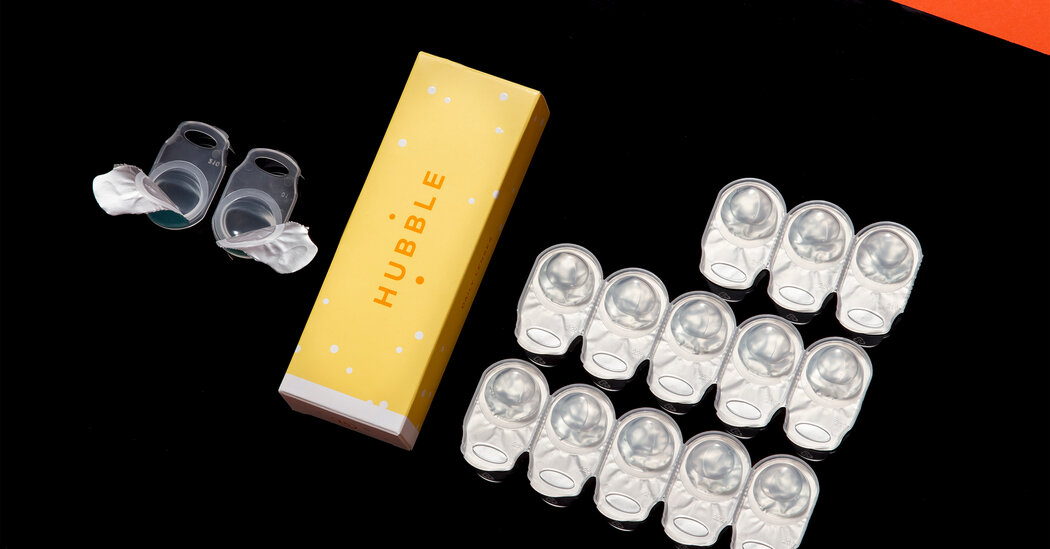
Maker of Hubble Contact Lenses to Pay $3.5 Million in F.T.C. Settlement

Vision Path, the maker of Hubble contact lenses, will pay $3.5 million to settle Federal Trade Commission charges that the company failed to obtain customers’ prescriptions or to properly verify prescription information and that it substituted Hubble lenses for those actually prescribed to consumers.The company’s practices violated F.TC. rules around selling contact lenses, the commission said in a release on Friday. The F.T.C. also said that, in another violation of its rules, many online reviews of Hubble had been written by people who had been compensated, including in at least one instance one of its own executives.The settlement comes after an investigation by The New York Times in 2019 detailed criticism of Hubble by optometrists and ophthalmologists. They said that the brand’s direct-to-consumer model bypassed eye care professionals, that it did not properly vet prescriptions and that it took advantage of federal regulations to sell customers its own brand of contact lenses. Industry professionals told The Times that Hubble switched people out of their prescribed lens brands and into Hubble’s lenses, which could be harmful to customers.Vision Path and Hubble sought to disrupt the contact lens industry by offering a line of low-cost daily lenses via monthly $39 subscriptions. The company, which raised more than $70 million in funding from venture firms and companies like Colgate-Palmolive, marketed itself heavily through social media and sought to mimic the success of other direct-to-consumer companies like Harry’s and Dollar Shave Club.But contact lenses are typically fitted, prescribed and sold by optometrists, who often specify brands from major manufacturers like Acuvue Oasys or Biofinity Toric in prescriptions. Before selling lenses, companies must obtain a copy of a consumer’s prescription or verify their information with a prescriber.The F.T.C. said that until it began investigation, Hubble failed to ask consumers for copies of their contact lens prescriptions and typically would not allow customers to provide their prescriptions on its website. This, according to the F.T.C., “ensured that Hubble could not receive customers’ prescriptions and thus could act as though it was unaware that these consumers had prescriptions for non-Hubble lenses.” The company sometimes failed to make required attempts to verify customer-provided prescription information or made it difficult or impossible for prescribers to verify prescriptions, according to the F.T.C.“Hubble’s business model boosted its bottom line but created needless risk for its customers’ eye health,” Samuel Levine, the director of the F.T.C.’s Bureau of Consumer Protection, said in the release.Vision Path said in a statement on Friday that it disagreed with many of the F.T.C.’s claims but believed a settlement was the best way for Hubble to move forward.“The F.T.C’s allegations relate to a period when the company was just starting up, and all requirements in the order were addressed long ago through improvements to our systems and internal processes,” said Steven Druckman, the chief executive of Vision Path.

Read more →

Machine learning fine-tunes flash graphene

Rice University scientists are using machine-learning techniques to streamline the process of synthesizing graphene from waste through flash Joule heating.
The process discovered two years ago by the Rice lab of chemist James Tour has expanded beyond making graphene from various carbon sources to extracting other materials like metals from urban waste, with the promise of more environmentally friendly recycling to come.
The technique is the same for all of the above: blasting a jolt of high energy through the source material to eliminate all but the desired product. But the details for flashing each feedstock are different.
The researchers describe in Advanced Materials how machine-learning models that adapt to variables and show them how to optimize procedures are helping them push forward.
“Machine-learning algorithms will be critical to making the flash process rapid and scalable without negatively affecting the graphene product’s properties,” Tour said.
“In the coming years, the flash parameters can vary depending on the feedstock, whether it’s petroleum-based, coal, plastic, household waste or anything else,” he said. “Depending on the type of graphene we want — small flake, large flake, high turbostratic, level of purity — the machine can discern by itself what parameters to change.”
Because flashing makes graphene in hundreds of milliseconds, it’s difficult to tease out the details of the chemical process. So Tour and company took a clue from materials scientists who have worked machine learning into their everyday process of discovery.

Read more →

Key growth factor protects gut from inflammatory bowel disease

A growth factor protein produced by rare immune cells in the intestine can protect against the effects of inflammatory bowel disease (IBD), according to a new discovery from Weill Cornell Medicine researchers.
In their study, published Jan. 31 in Nature Immunology, the researchers found that the growth factor, HB-EGF, is produced in response to gut inflammation by a set of immune-regulating cells called ILC3s. These immune cells reside in many organs including the intestines, though their numbers are known to be depleted in the inflamed intestines of IBD patients.
The researchers showed in experiments in mice that this growth factor can powerfully counter the harmful effects of a key driver of intestinal inflammation called TNF. In doing so, ILC3s protect gut-lining cells when they would otherwise die and cause a breach in the intestinal barrier.
“We’ve discovered a new cellular pathway that is essential to protect against gut inflammation. This discovery could lead to a better understanding of IBD pathogenesis and new strategies to treat this disease” said study senior author Dr. Gregory Sonnenberg, an associate professor of microbiology and immunology in medicine in the Division of Gastroenterology & Hepatology and a scientist in the Jill Roberts Institute for Research in Inflammatory Bowel Disease at Weill Cornell Medicine.
IBD, a disease category including ulcerative colitis and Crohn’s disease, features chronic gut inflammation and many potential follow-on effects including arthritis and colorectal cancer. The condition appears to be quite common in the United States; a survey-based study by researchers at the Centers for Disease Control and Prevention in 2015 suggested that more than 1 percent of the U.S. population — more than three million people — were living with IBD. Current treatments help some but not all patients.
Dr. Sonnenberg and his laboratory have found in recent studies that ILC3s play a key role in protecting the gut from harmful inflammation and are depleted in human patients who have IBD or colon cancer. In the new study, the team sought a more precise understanding of how ILC3s fight against IBD’s inflammatory effects.

Read more →

Burst of radiation and vesicles-based immunotherapy suppress brain cancer growth

Short bursts of radiation therapy dramatically enhanced the efficiency of targeting glioblastomas with natural nanoparticle-based immunotherapy, thus suppressing growth of the deadly tumor, inducing anti-tumor immunity and prolonging survival in animal models, a research team at Massachusetts General Hospital (MGH) has discovered. The combined strategy, described in ACS Nano, uses extracellular vesicles (EVs) to deliver the immunotherapeutic to the brain, bridging the blood-brain barrier and reversing immune suppression of both the tumor and the surrounding microenvironment.
“We showed that priming glioblastoma with a single burst of radiation results in the recruitment of immune cells to the tumor site and increases by nearly fivefold the uptake by the tumor and the microenvironment of therapeutic EVs,” says senior author Bakhos Tannous, PhD, director of the Experimental Therapeutics Unit in the Department of Neurology at MGH. “These EVs are loaded with immunotherapeutic small interfering RNA (siRNA), and when combined with radiation they significantly increase the activity of CD8+ cytotoxic T cells, halting tumor growth and increasing animal survival.”
Glioblastoma is the most common, deadliest and most treatment-resistant of cancers of the central nervous system, with a median survival of fewer than 15 months after standard-of-care surgery, chemotherapy and radiation therapy. While immune checkpoint blockade, a revolutionary new class of drugs that enables the body’s immune system to recognize and attack cancer cells, has produced responses in some cancers, glioblastoma has shown limited to no benefit. Scientists believe one reason may be the blood-brain barrier, composed of tightly packed cells in the brain’s capillaries that prevent medications from gaining entry to the brain. Another reason could be the profoundly immune suppressive environment characteristic of glioblastoma, and the narrow therapeutic window of dose escalation due to the potential for serious safety issues.
MGH researchers overcame these hurdles by using extracellular vesicles, which are secreted by cells in the body and are known to facilitate intercellular communications governing diverse processes, such as immune response. EVs have come into the scientific limelight recently through studies showing their efficacy in delivering therapeutics, as well as their ability to cross biologic barriers. “We developed a unique targeted therapy for EV delivery across the blood- brain/tumor barrier by modifying the EV surface with a brain-tumor-targeting peptide and loading it with immunotherapeutic siRNA,” explains lead author Tian Tian, PhD, with the MGH Experimental Therapeutics Unit and the Department of Neurobiology at Nanjing Medical University in China. “This approach reverses within glioblastomas and tumor-associated myeloid cells the expression of PD-L1 (programmed cell death-ligand 1), the protein responsible for immunosuppression of the larger tumor environment.”
While extracellular vesicles are a highly effective vector for drug delivery, Tannous stresses that radiation is the key to making the novel treatment strategy uncovered by the MGH team work. “A short burst of radiation — akin to stereotactic radiosurgery — is critical to recruiting immune cells to the tumor site and to optimizing the effects of PD-L1 inhibition,” he notes. “We’ve shown that the combination of radiation with EV-based checkpoint inhibition can be a safe and effective way to target a cancer that has proven extremely resistant to treatment over the years.”
Tannous is associate neuroscientist at MGH and associate professor of Neurology at Harvard Medical School (HMS). Lead author Tian Tian is an investigator with MGH and the Department of Neurobiology, Nanjing Medical University, China. Co-authors include Jun Gao, PhD, professor and dean of the Department of Neurobiology, Nanjing Medical University; E. Antonio Chiocca, MD, PhD, neurosurgeon-in-chief and chairman, Department of Neurosurgery, Brigham and Women’s Hospital; and Ralph Weissleder, MD, PhD, director, Center for Systems Biology, MGH, and professor of Systems Biology, HMS.
The study was funded by the National Institute of Neurological Disorders and Stroke (NINDS).
Story Source:
Materials provided by Massachusetts General Hospital. Note: Content may be edited for style and length.

Read more →

How Far Should a Coronavirus Test Go?

How Far Should a Coronavirus Test Go?Noah PisnerReporting on the coronavirusEllen LoWe built an augmented reality effect that shows you the interior of a nasal cavity, and how far each type of swab reaches, on your own head. To experience this effect, you’ll need the Instagram app.

Read more →