Omicron Helped Clarify Pfizer Vaccine Efficacy in Young Kids, Gottlieb Says

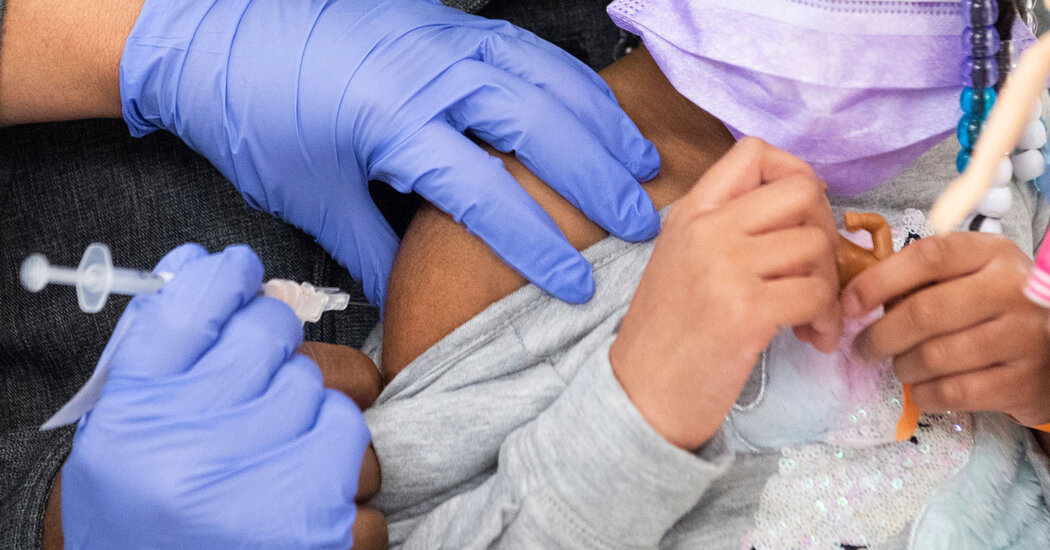
By now, the Omicron wave of the coronavirus has crested in much of the United States. But the size the wave, which broke records for national cases and hospitalizations, has given regulators and scientists an opportunity to better assess vaccine efficacy in children aged 6 months to 4 years old, Dr. Scott Gottlieb, a former commissioner of the Food and Drug Administration, said on Sunday.Dr. Gottlieb, who sits on the board of the vaccine-maker Pfizer, said that he hopes key data expected on Friday will shed additional light on whether the federal government should grant emergency authorization for two doses of Pfizer-BioNTech’s vaccine for children in this age group.“We now have an opportunity to look at a much richer data set,” Dr. Gottlieb, said on CBS’s “Face The Nation.” He did not specify what that data would reveal. Still, he emphasized that the toll Omicron took on children in particular gave Pfizer a stronger basis for comparison of those given vaccines and those not.“Some got infected, hopefully some didn’t,” he said of the test group. “I think that’s what the data package is going to show, and I think it’s going to give a much clearer picture of” the vaccine’s efficacy against Omicron.He said that the newer data will help illuminate results that had been less rich before the full Omicron wave had crested.At the urging of the federal government, Pfizer and its partner BioNTech applied last week for authorization for two doses of its vaccine to children aged 4 and younger.But results released in December did not show the hoped-for immune response in children aged 2 to 4. Children 6 months to 2 years old showed a comparable response to that of older teenagers and young adults.The disappointing finding has led the companies to test a third shot in young children, but those results will not available for a few weeks. Still, in hopes of getting a jump start on the vaccination effort, the F.D.A. urged the companies to apply for authorization of two doses while everyone awaits data on the third dose.The thinking is that if two doses are authorized and given, then children would be prepared for a third dose if and when research demonstrates that three shots prove fully effective.That three doses will work is the working presumption of Pfizer and of some experts. Critics have argued that this strategy is short-circuiting the research process and that there is not yet clear evidence that a third dose will be make up for the inadequacies of two doses.The Coronavirus Pandemic: Key Things to KnowCard 1 of 4The state of the virus in the U.S.

Read more →

Afghanistan’s Health Care System Is Collapsing Under Stress

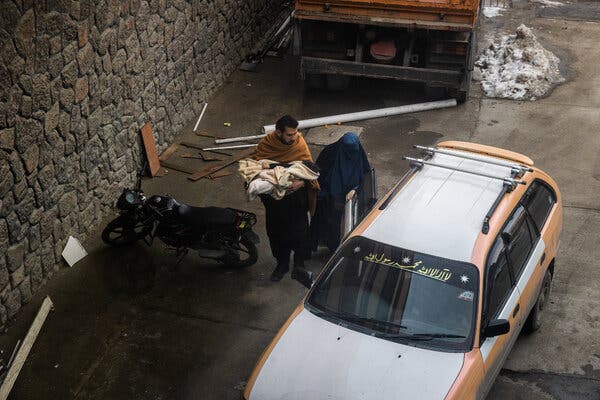
KABUL, Afghanistan — Amena, 7 months old, lay silently in her hospital crib amid the mewling of desperately ill infants in the malnutrition ward.Her mother, Balqisa, had brought the child to Indira Gandhi Children’s Hospital in Kabul, Afghanistan’s capital, the night before. “Her body was so hot,” she said, stroking her daughter’s emaciated leg.The baby had a high fever, convulsions and sepsis, said Dr. Mohammad Iqbal Sadiq, a pediatrician, glancing at her chart.“Her chances are not good,” the doctor said. “We got her too late.”At the Indira Gandhi hospital, and in faltering hospitals across Afghanistan, famished children arrive by car and taxi and ambulance every day and night. Acute malnutrition is just one of a cascade of maladies that threaten to topple the country’s fragile health system.Late last month, Antonio Guterres, the United Nations secretary-general, told the Security Council that Afghanistan was “hanging by a thread,” as he called for countries to suspend all sanctions that restricted the delivery of humanitarian aid to the country.“For 20 years, we kept Afghanistan on a transfusion,” said Filipe Ribeiro, country representative for Medecins Sans Frontieres in Kabul. “Overnight, we removed the drip. Now we have to find a way to put it back.”A mother and father arrived with a child by taxi at the Indira Gandhi Children’s Hospital.Women tend to recovering children at the malnutrition ward of the Indira Gandhi Children’s Hospital.Three-quarters of Afghanistan’s population had plunged into acute poverty, with 4.7 million Afghans likely to suffer severe malnutrition this year, according to the United Nations. Last month, the organization made its biggest appeal ever for a single country, asking international donors to give more than $5 billion to fend off a humanitarian disaster.Save the Children said the number of critically malnourished children visiting its clinics in Afghanistan had doubled since August, with 40 children dying in December on their way to receive medical care.Jonas Gahr Store, the prime minister of Norway, whose country hosted meetings between Taliban representatives and Afghan civil society groups last week, spoke to the Security Council about the urgency to expedite aid.“We need new agreements and commitments in place to be able to assist and help an extremely vulnerable civil population, and most vulnerable among them, the children who face hunger and suffering,” he said.Before the U.S.-backed Afghan government disintegrated in August as the Taliban overran the country, the health system relied on international aid to survive. But much of that funding has been frozen to comply with sanctions imposed on the Taliban.As a result, the International Rescue Committee recently predicted that 90 percent of Afghanistan’s health clinics are likely to shut down in the coming months. The World Health Organization has said that outbreaks of diarrhea, measles, dengue fever, malaria and Covid-19 threaten to overwhelm overburdened hospitals.Beds were double occupied at an intensive care ward for babies in the Indira Gandhi Children’s Hospital.A doctor examines 7-month-old Amena at the malnutrition ward.Kabul’s Indira Gandhi hospital nearly shut down in October, when the unpaid staff had to cut down trees for cooking fires. A flush of funding in November from the International Committee of the Red Cross allowed it to keep its doors open and provide desperately needed medical supplies.The infusion could keep the hospital afloat for the next several months, according to Dr. Sadiq, the pediatrician.“After that, no one knows what will happen,” he said.While there have been other infusions of aid, including $308 million in relief authorized by the United States, they have not been enough to cover 1,200 health facilities and 11,000 health workers.Though the dramatic decline in war-related casualties has relieved the burden of such patients on many hospitals, the suspension of operations by private facilities and the ability to safely travel Afghanistan’s roads has left other hospitals overrun with people.On a recent morning, the corridors of Indira Gandhi hospital were crammed with beds as patients’ family members squatted on floors amid parcels of food bought at the local bazaar.Patients’ meals consist of an egg, two applies, a milk packet, rice and juice, so many families supplement them with outside food. Some buy medicine at local pharmacies because the hospital can provide only about 70 percent of required medication, Dr. Sadiq said.Women line up as a nurse distributes formula at the malnutrition ward of the Indira Gandhi Children’s Hospital in Kabul last month.A malnourished child at the Indira Gandhi Children’s Hospital.In the children’s critical care ward, many of the tiny cribs held two or three infants. In the ward for premature babies, two newborns had been placed in some incubators designed for a single infant.“I’ve never seen it like this,” said Dr. Sadiq, who has worked at the hospital for more than three years. “And just imagine this same situation in every hospital in Afghanistan.”The hospital, the largest in Afghanistan, is squeezing 500 patients into the 360-bed facility, Dr. Hasibullah Rahimzay Wardak, the hospital director, said. More than 1,000 patients arrive on a typical day, many from distant provinces. About 250 to 300 are admitted daily.In the crowded malnutrition ward, 15 to 20 emaciated babies arrived daily, with about 60 infants filling the crowded malnutrition ward on any given day. The mortality rate is 2 to 3 percent, Dr. Sadiq said.Soraya, 2, had arrived 20 days earlier, dangerously underweight and gasping for breath. Her mother, Sara, 17, sat by her child’s bed as the girl’s bony chest heaved up and down. Dr. Sadiq tenderly lifted the girl’s legs, which were limp and swollen.Soraya weighed 14 pounds on arrival, the doctor said, but weighed just 12 pounds now. Even so, he said, her condition had improved. Her chances of survival were good.Hospital beds were installed in the hallways of the Indira Gandhi Children’s Hospital as there wasn’t enough space in the wards.Soraya, 2, and her mother Sara, 17, at the malnutrition ward.Adding more pressure on Afghanistan’s overburdened health care system is a fourth wave of Covid-19. Yet the virus is an afterthought in Afghanistan, where many people struggle to find enough to eat every day.The Coronavirus Pandemic: Key Things to KnowCard 1 of 4The state of the virus in the U.S.

Read more →

Climate Change Enters the Therapy Room

Climate Change Enters the Therapy RoomTen years ago, when psychologists proposed that a wide range of people would suffer anxiety and grief over climate, the idea was seen as a fringe neurosis. But that sSkepticism about that idea is gone.Feb. 6, 2022, 5:00 a.m. ETAlina Black, a mother of two in Portland, Ore., sought a therapist who specialized in climate anxiety to address her mounting panics. “I feel like I have developed a phobia to my way of life,” she said.Credit…Mason Trinca for The New York TimesPORTLAND, Ore. — It would hit Alina Black in the snack aisle at Trader Joe’s, a wave of guilt and shame that made her skin crawl.Something as simple as nuts. They came wrapped in plastic, often in layers of it, that she imagined leaving her house and traveling to a landfill, where it would remain through her lifetime and the lifetime of her children.She longed, really longed, to make less of a mark on the earth. But she had also had a baby in diapers, and a full-time job, and a 5-year-old who wanted snacks. At the age of 37, these conflicting forces were slowly closing on her, like a set of jaws.In the early-morning hours, after nursing the baby, she would slip down a rabbit hole, scrolling through news reports of droughts, fires, mass extinction. Then she would stare into the dark.It was for this reason that, around six months ago, she searched “climate anxiety” and pulled up the name of Thomas J. Doherty, a Portland psychologist who specializes in climate.A decade ago, Dr. Doherty and a colleague, Susan Clayton, a professor of psychology at the University of Wooster, published a paper proposing a new idea. They argued that climate change would have a powerful psychological impact — not just on the people bearing the brunt of it, but on people following it through news and research. At the time, the notion was seen as speculative.That skepticism is fading. Eco-anxiety, a concept introduced by young activists, has entered a mainstream vocabulary. And professional organizations are hurrying to catch up, exploring approaches to treating anxiety that is both existential and, many would argue, rational.Though there is little empirical data on effective treatments, the field is expanding swiftly. The Climate Psychology Alliance provides an online directory of climate-aware therapists; the Good Grief Network, a peer support network modeled on 12-step addiction programs, has spawned more than 50 groups; professional certification programs in climate psychology have begun to appear.As for Dr. Doherty, so many people now come to him for this problem that he has built an entire practice around them: an 18-year-old student who sometimes experiences panic attacks so severe that she can’t get out of bed; a 69-year-old glacial geologist who is sometimes overwhelmed with sadness when he looks at his grandchildren; a man in his 50s who erupts in frustration over his friends’ consumption choices, unable to tolerate their chatter about vacations in Tuscany.The field’s emergence has met resistance, for various reasons. Therapists have long been trained to keep their own views out of their practices. And many leaders in mental health maintain that anxiety over climate change is no different, clinically, from anxiety caused by other societal threats, like terrorism or school shootings. Some climate activists, meanwhile, are leery of viewing anxiety over climate as dysfunctional thinking — to be soothed or, worse, cured.But Ms. Black was not interested in theoretical arguments; she needed help right away.She was no Greta Thunberg type, but a busy, sleep-deprived working mom. Two years of wildfires and heat waves in Portland had stirred up something sleeping inside her, a compulsion to prepare for disaster. She found herself up at night, pricing out water purification systems. For her birthday, she asked for a generator.She understands how privileged she is; she describes her anxiety as a “luxury problem.” But still: The plastic toys in the bathtub made her anxious. The disposable diapers made her anxious. She began to ask herself, what is the relationship between the diapers and the wildfires?“I feel like I have developed a phobia to my way of life,” she said.An Idea on the Edge Spreads OutThomas Doherty in Portland, Ore. He specializes in distress related to climate disaster, or ecopsychology, which was, as he put it, a “woo-woo area” until recently.Mason Trinca for The New York TimesLast fall, Ms. Black logged on for her first meeting with Dr. Doherty, who sat, on video, in front of a large, glossy photograph of evergreens.At 56, he is one of the most visible authorities on climate in psychotherapy, and he hosts a podcast, “Climate Change and Happiness.” In his clinical practice, he reaches beyond standard treatments for anxiety, like cognitive behavioral therapy, to more obscure ones, like existential therapy, conceived to help people fight off despair, and ecotherapy, which explores the client’s relationship to the natural world.He did not take the usual route to psychology; after graduating from Columbia University, he hitchhiked across the country to work on fishing boats in Alaska, then as a whitewater rafting guide — “the whole Jack London thing” — and as a Greenpeace fund-raiser. Entering graduate school in his 30s, he fell in naturally with the discipline of “ecopsychology.”At the time, ecopsychology was, as he put it, a “woo-woo area,” with colleagues delving into shamanic rituals and Jungian deep ecology. Dr. Doherty had a more conventional focus, on the physiological effects of anxiety. But he had picked up on an idea that was, at that time, novel: that people could be affected by environmental decay even if they were not physically caught in a disaster.Recent research has left little doubt that this is happening. A 10-country survey of 10,000 people aged 16 to 25 published last month in The Lancet found startling rates of pessimism. Forty-five percent of respondents said worry about climate negatively affected their daily life. Three-quarters said they believed “the future is frightening,” and 56 percent said “humanity is doomed.”The blow to young people’s confidence appears to be more profound than with previous threats, such as nuclear war, Dr. Clayton said. “We’ve definitely faced big problems before, but climate change is described as an existential threat,” she said. “It undermines people’s sense of security in a basic way.”Caitlin Ecklund, 37, a Portland therapist who finished graduate school in 2016, said that nothing in her training — in subjects like buried trauma, family systems, cultural competence and attachment theory — had prepared her to help the young women who began coming to her describing hopelessness and grief over climate. She looks back on those first interactions as “misses.”“Climate stuff is really scary, so I went more toward soothing or normalizing,” said Ms. Ecklund, who is part of a group of therapists convened by Dr. Dougherty to discuss approaches to climate. It has meant, she said, “deconstructing some of that formal old-school counseling that has implicitly made things people’s individual problems.”‘Obviously, it would be nice to be happy’Caroline Wiese, 18, of New York City experienced “multiday panic episodes” over climate data, which interfered with her schoolwork.Calla Kessler for The New York TimesMany of Dr. Doherty’s clients sought him out after finding it difficult to discuss climate with a previous therapist.Caroline Wiese, 18, described her previous therapist as “a typical New Yorker who likes to follow politics and would read The New York Times, but also really didn’t know what a Keeling Curve was,” referring to the daily record of carbon dioxide concentration.Ms. Wiese had little interest in “Freudian B.S.” She sought out Dr. Doherty for help with a concrete problem: The data she was reading was sending her into “multiday panic episodes” that interfered with her schoolwork.In their sessions, she has worked to carefully manage what she reads, something she says she needs to sustain herself for a lifetime of work on climate. “Obviously, it would be nice to be happy,” she said, “but my goal is to more to just be able to function.”Frank Granshaw, 69, a retired professor of geology, wanted help hanging on to what he calls “realistic hope.”He recalls a morning, years ago, when his granddaughter crawled into his lap and fell asleep, and he found himself overwhelmed with emotion, considering the changes that would occur in her lifetime. These feelings, he said, are simply easier to unpack with a psychologist who is well versed on climate. “I appreciate the fact that he is dealing with emotions that are tied into physical events,” he said.As for Ms. Black, she had never quite accepted her previous therapist’s vague reassurances. Once she made an appointment Dr. Doherty, she counted the days. She had a wild hope that he would say something that would simply cause the weight to lift.That didn’t happen. Much their first session was devoted to her doomscrolling, especially during the nighttime hours. It felt like a baby step.“Do I need to read this 10th article about the climate summit?” she practiced asking herself. “Probably not.”Frank Granshaw, a retired glacial geologist in Portland, sees a psychologist who is well versed on the climate. Mason Trinca for The New York TimesA Knot Loosens: ‘There Will Be Good Days’Several sessions came and went before something really happened.Ms. Black remembers going into an appointment feeling distraught. She had been listening to radio coverage of the Intergovernmental Panel on Climate Change meeting in Glasgow and heard a scientist interviewed. What she perceived in his voice was flat resignation.That summer, Portland had been trapped under a high-pressure system known as a “heat dome,” sending temperatures to 116 degrees. Looking at her own children, terrible images flashed through her head, like a field of fire. She wondered aloud: Were they doomed?Dr. Doherty listened quietly. Then he told her, choosing his words carefully, that the rate of climate change suggested by the data was not as swift as what she was envisioning.“In the future, even with worst-case scenarios, there will be good days,” he told her, according to his notes. “Disasters will happen in certain places. But, around the world, there will be good days. Your children will also have good days.”At this, Ms. Black began to cry.She is a contained person — she tends to deflect frightening thoughts with dark humor — so this was unusual. She recalled the exchange later as a threshold moment, the point when the knot in her chest began to loosen.“I really trust that when I hear information from him, it’s coming from a deep well of knowledge,” she said. “And that gives me a lot of peace.”Dr. Doherty recalled the conversation as “cathartic in a basic way.” It was not unusual, in his practice; many clients harbor dark fears about the future and have no way to express them. “It is a terrible place to be,” he said.A big part of his practice is helping people manage guilt over consumption: He takes a critical view of the notion of a climate footprint, a construct he says was created by corporations in order to shift the burden to individuals.Ms. Black still tears up remembering a moment when Dr. Doherty told her, “In the future, even with worst-case scenarios, there will be good days.” The conversation was “cathartic in a basic way,” Dr. Doherty recalled.Mason Trinca for The New York TimesHe uses elements of cognitive behavioral therapy, like training clients to manage their news intake and look critically at their assumptions.He also draws on logotherapy, or existential therapy, a field founded by Viktor E. Frankl, who survived German concentration camps and then wrote “Man’s Search for Meaning,” which described how prisoners in Auschwitz were able to live fulfilling lives.“I joke, you know it’s bad when you’ve got to bring out the Viktor Frankl,” he said. “But it’s true. It is exactly right. It is of that scale. It is that consolation: that ultimately I make meaning, even in a meaningless world.”At times, over the last few months, Ms. Black could feel some of the stress easing.On weekends, she practices walking in the woods with her family without allowing her mind to flicker to the future. Her conversations with Dr. Doherty, she said, had “opened up my aperture to the idea that it’s not really on us as individuals to solve.”Sometimes, though, she’s not sure that relief is what she wants. Following the news about the climate feels like an obligation, a burden she is meant to carry, at least until she is confident that elected officials are taking action.Her goal is not to be released from her fears about the warming planet, or paralyzed by them, but something in between: She compares it to someone with a fear of flying, who learns to manage their fear well enough to fly.“On a very personal level,” she said, “the small victory is not thinking about this all the time.”

Read more →

Why switching asthma inhaler could be better for you and the planet

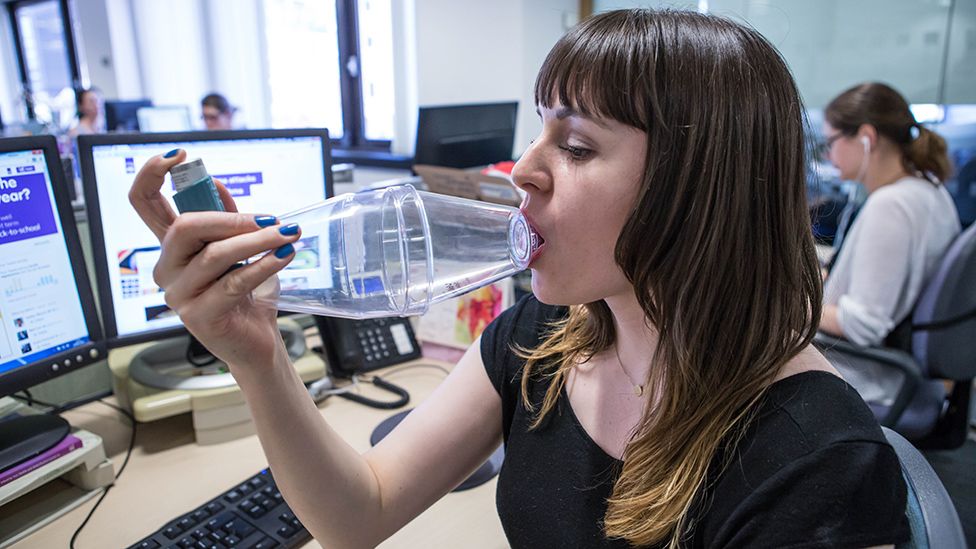
SharecloseShare pageCopy linkAbout sharingImage source, Asthma UKThe current aerosol asthma inhalers we use are cheap but, because of the gases they contain, are one of the NHS’s biggest contributions to climate change. Other countries think alternatives are superior – and some patients in the UK who have switched say they are controlling their asthma better. So, could millions of people be prescribed different inhalers?”It’s like there’s a vacuum cleaner in your lungs trying to pull your air out.” That’s what an asthma attack feels like for nine-year-old Sebastian. Some of his attacks have needed treatment in hospital. A recent cross-country race left him keeled over on the floor struggling to breathe through the inflammation in his lungs and his tightened airways. “I fell over and my lungs felt like the air can’t go in, it felt like there was nothing in me left,” he says. Image source, Caroline SousekAsthma runs in his family. His mum Caroline Sousek says the disease has “hugely dominated” her life since the age of three. It would start from the moment she woke up wheezing: “I would not go anywhere without an inhaler in my hand, it really affected what I was able to do and when I was able to do it.”Both mum and son say they have transformed control of their asthma by changing their inhalers to ones that are also much better for the planet. “I just can’t believe the impact it’s had… it has literally been life-changing,” says Caroline – speaking to me for BBC Radio 4’s Inside Health. She and Sebastian still have “preventer” medication to reduce the risk of an attack and “reliever” medication in case one happens. But the crucial change for them, is how those drugs get into their lungs. Image source, Caroline SousekBefore, they had been using aerosol spray inhalers – also known as puffers or pressurised metered-dose inhalers. “The aerosol sprays contain a powerful greenhouse gas which is used to propel the medicine out of the inhaler and into the airways,” says Dr Alex Wilkinson, an NHS consultant in Stevenage who specialises in lung diseases. The different gases – called hydrofluorocarbons – used in these inhalers are between 1,000 and 3,000 times more potent at warming the planet than carbon dioxide. Inside Health is broadcast on BBC Radio 4 on Tuesdays at 2100 GMT – and Wednesdays at 1530 GMT. It is also available as a podcast on BBC Sounds.Listen to Inside Health: Asthma inhalers and Covid antivirals You might not think that adds up to much, after all inhalers are small and just slip inside your coat pocket. But more than five million people are being treated for asthma in the UK and the overwhelming majority are prescribed aerosol spray inhalers. Overall, around 4% of the NHS’s entire carbon footprint comes from asthma drugs. The only other medicines to come close are the anaesthetic gases used in surgery.Now, Caroline and Sebastian have “greener” inhalers that contain no propellant. These are called dry powder inhalers and you have to do the work of sucking the medicine out. The case for using dry powder inhalers is clear if you only care about climate change, but are they a better choice for patients?In a GP surgery in Sheffield you’ll find one of the country’s first “net-zero” GPs. Dr Aarti Bansal’s aim is to simultaneously improve care for patients and cut carbon emissions.”As long as you can get the medication into the right place in your lungs, then one inhaler is not necessarily better than the other and the vast majority of patients can use a dry powdered inhaler,” she tells Inside Health.She says the aerosol spray inhalers are “actually quite tricky” to use and people often get the technique wrong. So instead of the medicine going into the lungs “it’s going to hit the back of your throat”.Aerosol spray inhalers require a slow steady breath as the inhaler is used. A dry powder inhaler needs a quick hard suck, which is how many people use inhalers instinctively. Image source, Getty ImagesAsthma UK: How to use your inhaler Caroline says she found it “really difficult” to coordinate her breathing and the aerosol inhaler, particularly when she was feeling wheezy. But the switch to dry powder inhalers has transformed her life and she can even do a 10km run now.”A year and a half ago it seemed like something I could never do, I could manage 3km and my chest would feel like it was imploding.”Since I started taking [a dry powder preventer], I haven’t needed to take my reliever inhaler.”Image source, Caroline SousekDr Bansal says Caroline’s experience is far from unique and that she changes patients’ inhalers if they’re using the wrong technique. “I find if I switch them to a dry powder inhaler that often improves their control,” she says.Control is key for both patients and the planet. The less people need to rely on their reliever inhalers the better it is for both their quality of life and greenhouse gas emissions. The NHS says somebody has a potentially life-threatening asthma attack every 10 seconds in the UK. Dry powder inhalers are not radical or new. They used to be common in the UK and remain the preferred choice in other countries. In Norway, only one person in 10 with asthma has an aerosol spray inhaler. “Over the past two decades, we’ve had a dramatic switch [to aerosols] and it appears that’s been done to reduce drug costs,” says Dr Wilkinson. However, he says it is not clear if the aerosol inhalers really were cheaper overall – if poor technique meant people ended up having more attacks and needing more treatment.That momentum is now being reversed as the NHS attempts to cut its carbon emissions. The National Institute for Health and Care Excellence, which advises doctors on which medicines should be used, says dry powder inhalers will be suitable for many. Dr Bansal says aerosol inhalers have become the default choice: “It’s just become a prescribing habit really, it’s what we are used to.”Asthma carbon footprint ‘as big as eating meat’Use a ‘greener’ inhaler if you can, patients toldHowever, there are concerns that the drive towards “greener” inhalers could harm some patients. Those who have well-controlled asthma and are used to aerosol spray inhalers may be better off sticking with their current device. The very elderly and young children may not be able to perform the rapid intake of breath that’s needed with a dry powdered inhaler. But nine-year-old Sebastian is happy he’s on the right one. “They’re making me feel wonderful, like I barely even have asthma. I feel really happy for not just me, but all the animals of the world can be less endangered.”Follow James on Twitter

Read more →

The Pandemic Has Made Many Seniors Less Active

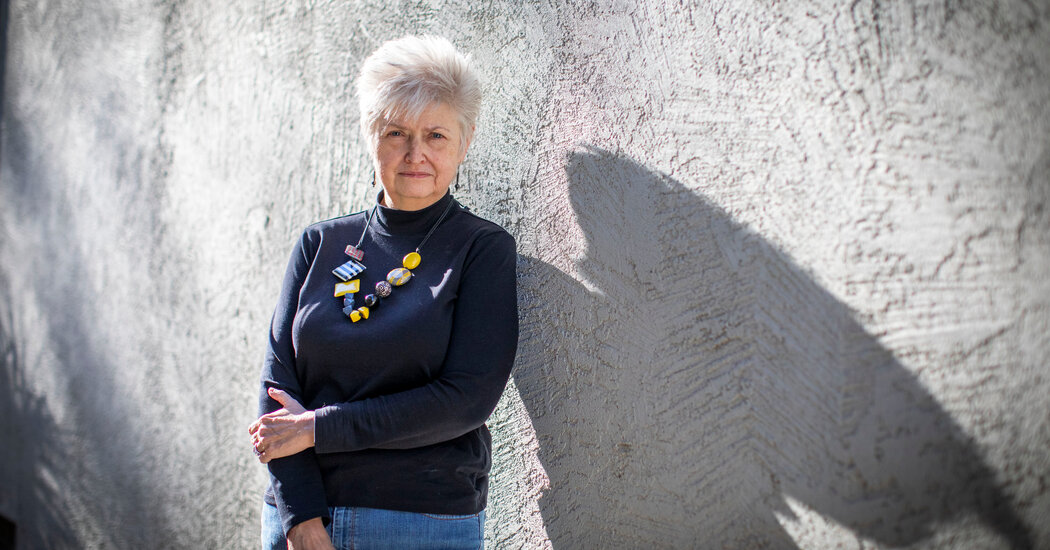
Health experts are concerned that the pandemic, in upending daily routines, has reduced mobility and physical conditioning in older adults.In normal times, Cindy Myers, an executive at a nonprofit organization, is “not a real physical person,” she said. “I work at desk jobs. I’m not a big exerciser.”Still, before the pandemic, Dr. Myers, who is 64 and has a doctorate in organization development, commuted from her home in Petaluma, Calif., to an office in San Francisco. She met friends for lunch or coffee, and she went to restaurants, theaters and lectures with her wife. “There was so much more variety in my life, more locations, more people,” she said. “You’re not cognizant of all the moves you’re making.”Like many employees, Ms. Myers has now been working remotely for two years, curtailing social and cultural events and forgoing travel. That shift, perhaps exacerbated by a bout of depression in 2020, has taken a physical toll, she said. Her limbs feel weak, her balance rocky; she has fallen several times.“Basic kinds of movement you take for granted, like walking from one end of the house to the other, are exhausting,” she said. “I’m worried about it.”Many health experts are worried about worsening physical conditioning and mobility among older adults since Covid-19 upended the daily routine. Recent research indicates that many of those who had mild to moderate infections, even some who have managed to avoid the virus altogether, may be suffering functional declines.To date, much of the attention paid to the pandemic’s effects on the older population has focused on its frightful mortality rate: Nearly three-quarters of Americans who have died have been 65 or older.Researchers have also reported that, unsurprisingly, older adults whose Covid symptoms became serious enough to require hospitalization often contended with persistent physical and mental health problems.“When you’re hospitalized and you’re older, it takes a long time to get back on your feet,” said Marla Beauchamp, who researches mobility, aging and chronic disease at McMaster University in Hamilton, Ontario. “Covid is still impacting them in a significant way months and months later.”But less severe disease can also affect their physical ability. Dr. Beauchamp led a recent study of Canadians over 50 who had confirmed, probable or suspected Covid in 2020, when testing was not widely available. The study revealed worsened mobility among those with mild to moderate illness — 93 percent of whom were never hospitalized — compared with those without Covid.Nearly half of those 65 and older who had contracted Covid reported less ability to engage in physical activity like walking and exercising than before the pandemic — but so did about one-quarter of those who did not become infected. Smaller proportions of those uninfected said their ability to move around the house, and to do housework like dishwashing and dusting, had also declined.Although some of that decline might reflect normal aging, the study measured changes over only a nine-month period. In people who did not develop Covid, “the most plausible reason for the decline is public health restrictions during the pandemic,” Dr. Beauchamp said.Declines in physical function are showing up in older Americans, too. A University of Michigan team surveyed about 2,000 American adults aged 50 to 80 in early 2021, asking about their activity levels (but not about their Covid status).It found that almost 40 percent of those over 65 reported both reduced physical activity and less daily time spent on their feet since the start of the pandemic in March 2020. In this representative national sample, those factors were associated with worsened physical conditioning and mobility.“It’s a cascade of effects,” said Geoffrey Hoffman, a health-services researcher at the university’s School of Nursing and the lead author of the study. “You start with changes in activity levels. That results in worsened function. That in turn is associated with both falls and fear of falling.”Dr. Beauchamp added: “It’s really concerning to see this decrease in mobility. This is telling us that the pandemic alone has had a significant impact on older adults.”Neither of these observational studies, in Canada or in the United States, explored reasons for the self-reported increase in physical decline. But their authors suggested that pandemic-related restrictions could have caused deconditioning, even in people who were not ill.Not only did gyms, yoga studios, pools, adult day programs, community and senior centers all close for extended periods; many older people also undertook fewer ordinary chores and errands and may have skipped recreational pastimes.“If you’re limiting visits to the grocery store or having groceries delivered, or not going to visit or help with your grandchildren, if you’re not meeting friends at a coffee shop — those all take a certain level of physical activity,” Dr. Beauchamp said.Many older people did less traveling or in-person shopping; religious services, family gatherings and medical appointments moved online. “Picture how much activity we do without even thinking about it,” Dr. Hoffman said. When that changes substantially, “it adds up over six or nine months, then you have loss of balance or muscle strength, which leads to more trips and falls.”Disparities in health and income also appear to play a role, with reduced physical conditioning and mobility more commonly reported, in both countries, by respondents in low-income categories, in fair or poor health or with multiple chronic conditions.“Relatively healthy older adults have sufficient reserve if they reduce activity,” said Neil Alexander, a geriatrician at the University of Michigan and Ann Arbor Veterans Affairs who was not involved in the study. “High-risk people may be driving these numbers.”Dr. Alexander also pointed out that early in the pandemic, older patients had less access to rehabilitation and other services. “It was difficult to get people into the home for occupational therapy and physical therapy,” he said. “The support services to keep people mobile and functioning were disrupted.” Now, work force shortages may be having a similar effect, he noted.Physical function is key to living independently — the future that a great majority of older people envision for themselves. A loss of mobility and function across a considerable proportion of the senior population could mean increasing disability, a greater need for eventual long-term care, and higher Medicare and Medicaid costs.But that is not inevitable, Dr. Hoffman said: “You can reverse deconditioning. You can recover mobility.”Dr. Hoffman would like to see Medicare, which covers hip fracture surgery and rehabilitation after serious falls, underwrite extensive “pre-habilitation,” to rebuild the strength and balance of beneficiaries and prevent falls and fractures. He hoped that doctors conducting annual Medicare wellness visits would ask about fall risks and refer deconditioned patients to occupational and physical therapy.In the interim, individuals can resume walking, enroll in yoga or tai chi classes (outdoors, online, or seated in chairs, as needed), join fall-prevention programs, even practice getting in and out of chairs and lifting small weights on their own. (People should consult a doctor or physical therapist first if they have become severely deconditioned, however.)“You want to do everything you can to be as active and mobile as possible,” Dr. Beauchamp said.Dr. Myers, having found that “simply going about my daily routine isn’t enough to bring back my stamina and strength,” has a portable exercise bike set up in front of her television. She uses it, she said, but not often enough, a pattern she wants to change.“I need an intervention,” she said. “This isn’t the way I want to live.”

Read more →

All-terrain wheelchair: ‘My chair is my freedom’

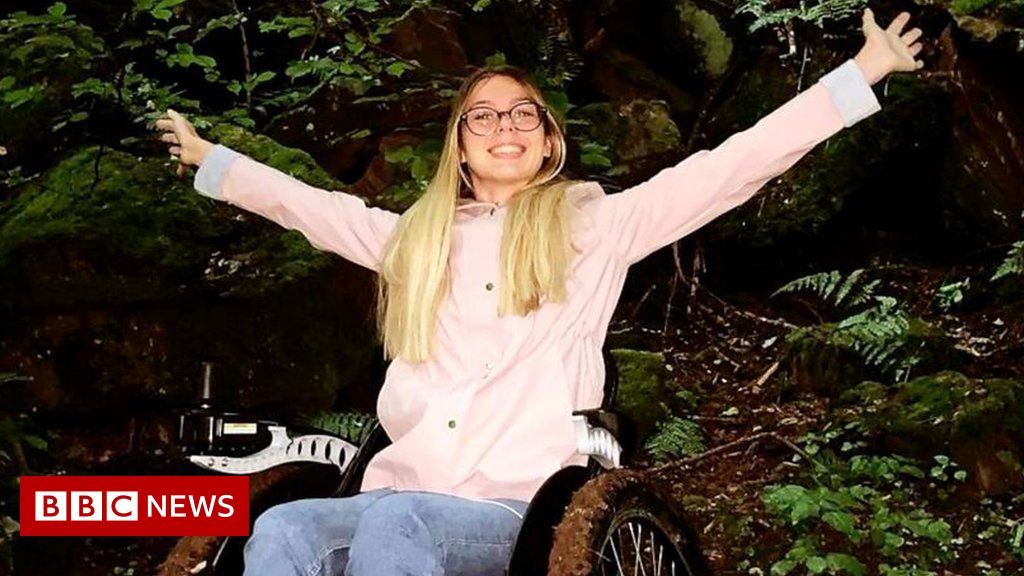
A woman who raised funds for an all-terrain wheelchair, so she could access the Peak District home she loves so much, says it has liberated her.Naomi Wheeler, 28, from Matlock, Derbyshire, has cerebellar ataxia, which affects her balance, coordination and speech.Although Naomi was diagnosed with the condition at the age of 23, after noticing a change in the way she walked, she said her consultant had told her he had never seen the condition develop in that way before and was therefore unable to provide a more precise diagnosis or prognosis.She uses social media to help raise awareness of accessibility issues for wheelchair users on rural walks.Naomi said her chair makes her feel free – “like I can do whatever and I’m defying odds”.Responding to the issues Ms Wheeler raised, wheelchair charity Whizz-Kidz said: “Whilst we don’t know the exact number of accessible routes in rural areas across the UK, we know first-hand that lack of equal access in all public spaces is a major problem for many and must be bettered.”This change has to begin with consulting wheelchair users first.”Video journalist: Chris WaringFollow BBC East Midlands on Facebook, Twitter, or Instagram. Send your story ideas to eastmidsnews@bbc.co.uk.

Read more →

Younger Americans Benefited Less From Booster Shots Than Older People

Among those under age 50, vaccination even without a booster protected strongly against hospitalization and death, according to new C.D.C. data.The Centers for Disease Control and Prevention on Thursday night published new data on the risks of hospitalization and death from Covid-19 among people who are unvaccinated and vaccinated, with or without booster doses.The agency recommends booster shots for Americans 12 and older. These are the first comprehensive data on the effectiveness of boosters by age in the United States.The figures confirm that booster doses are most beneficial to older adults, as the C.D.C. has previously reported. But the new numbers for younger Americans were less compelling. In those age groups, vaccination itself — two doses of the Moderna or Pfizer-BioNTech vaccines, or one dose of the Johnson & Johnson vaccine — decreased the risk of hospitalization and death so sharply that a booster shot did not seem to add much benefit.The data run only through the end of December, when the Omicron surge had just begun. Because the variant is so highly contagious, booster shots may have helped limit the variant’s spread through the population, an argument for boosters that would not be fully captured in the new research.Still, several recent studies have found that vaccination alone, without boosters, remained strongly protective against severe illness and death in most people, even after Omicron’s appearance.“I do not think these data support a universal booster rollout for everyone,” said Dr. Celine Gounder, an infectious disease expert and epidemiologist at Kaiser Health News.Instead, boosters seem most essential for older adults, she said, and those who have certain immune conditions or live in long-term care facilities. In younger Americans, it may have made sense to make booster shots available only to those with certain medical risks, she said.The advantages of booster shots in various age groups were hotly debated last fall, when the Delta variant was the primary form of the virus in the United States. But many scientists came to favor additional doses after the arrival of the highly contagious Omicron variant.“The effect of the booster can be seen in the data sets, but it’s far smaller than the effect of vaccination compared to not,” said John Moore, a virologist at Weill Cornell Medicine in New York. “The real problem is the carnage among the unvaccinated.”Unvaccinated people in every age group are at higher risk of infection, hospitalization and death than those who have been immunized, according to the C.D.C.’s data — a persistent trend ever since vaccines were introduced.As of Dec. 25, the rate of hospitalization among unvaccinated adults older than age 65 was 246 per 100,000 people. That rate dropped to 27.4 per 100,000 among people who were vaccinated without a booster dose, and to 4.9 among those who were vaccinated and received a booster.There were roughly 44 deaths per 100,000 unvaccinated adults 65 and older. Vaccinations dropped that number to about 3.6 deaths per 100,000, one-twelfth as much. Booster shots reduced the rate further, to about 0.5 deaths per 100,000, a figure 90 times as small.But such risk comparisons were less useful in younger people, for whom the rate of severe outcomes was already low.Among adults 50 to 64, 73 unvaccinated adults per 100,000 were hospitalized, compared with nine per 100,000 among those who were vaccinated and just two per 100,000 among those who had also received a booster shot.Boosters made less of a difference in the number of Covid deaths in this age group. Vaccinations decreased the rate to 0.4 deaths per 100,000 from 8.26 per 100,000. With boosters, that number fell to 0.1 deaths per 100,000 people.“This is the difference between a relative risk reduction and an absolute risk reduction,” Dr. Gounder said. “If you’re starting off with a relatively low risk, and you further reduce that risk, in the big picture that may not be such a big impact.”The agency did not provide hospitalization numbers for adults 18 through 49, perhaps because the numbers were too small. Dr. Gounder added that such data “would be really helpful in guiding decisions about boosters.”The C.D.C. also did not release data for children age 12 and older, possibly because boosters have not been recommended for long enough in that age group to have generated meaningful numbers.The Coronavirus Pandemic: Key Things to KnowCard 1 of 4The state of the virus in the U.S.

Read more →

Preventing pandemics costs far less than controlling them

We can pay now or pay far more later. That’s the takeaway of a new peer-reviewed study, published Feb. 4 in the journal Science Advances, that compares the costs of preventing a pandemic to those incurred trying to control one.
“It turns out prevention really is the best medicine,” said Stuart Pimm, Doris Duke Professor of Conservation Ecology at Duke University, who was co-lead author of the study. “We estimate we could greatly reduce the likelihood of another pandemic by investing as little as 1/20th of the losses incurred so far from COVID into conservation measures designed to help stop the spread of these viruses from wildlife to humans in the first place.”
A smart place to start, the study shows, would be investing in programs to end tropical deforestation and international wildlife trafficking, stop the wild meat trade in China, and improve disease surveillance and control in wild and domestic animals worldwide.
COVID, SARS, HIV, Ebola and many other viruses that have emerged in the last century originated in wild places and wild animals before spreading to humans, the study’s authors note. Tropical forest edges where humans have cleared more than 25% of the trees for farming or other purposes are hotbeds for these animal-to-human virus transmissions, as are markets where wild animals, dead or alive, are sold.
“The bottom line is, if we don’t stop destroying the environment and selling wild species as pets, meat or medicine, these diseases are just going to keep coming. And as this current pandemic shows, controlling them is inordinately costly and difficult,” Pimm said. “It’s been two years since COVID emerged and the cure still isn’t working. Not enough people are vaccinated in the U.S, where shots are available and we can afford them, and not enough vaccines are going to other countries that can’t afford them.”
The new study, by epidemiologists, economists, ecologists, and conservation biologists at 21 institutions, calculates that by investing an amount equal to just 5% of the estimated annual economic losses associated with human deaths from COVID into environmental protection and early-stage disease surveillance, the risks of future zoonotic pandemics could be reduced by as much as half. That could help save around 1.6 million lives a year and reduce mortality costs by around $10 trillion annually.

Read more →

RNA ‘heroes’ can disarm bad-actor proteins in leukemia

Scientists at The University of Texas Health Science Center at San Antonio (UT Health San Antonio) believe it may be possible to prevent DNA changes driven by two proteins highly active in leukemia and other cancers. They reported a new mechanistic target for drug development Jan. 21 in the journal eLife.
The proteins, called METTL-3 and METTL-14, can alter the chemical structure of DNA — the molecular vault in cells that stores a person’s genetic information. This is a new understanding, said article senior author Yogesh Gupta, PhD, assistant professor of biochemistry at UT Health San Antonio’s Greehey Children’s Cancer Research Institute. For 27 years since the discovery of METTL-3 and -14, scientists believed that the proteins could only alter a separate molecule called RNA, but not DNA, he said.
RNA molecules, which float inside cells either reading out DNA instructions to make proteins or influencing this process indirectly, can form different shapes such as hairpins. Dr. Gupta, lead author; Shan Qi, a PhD student in the Gupta lab; and the team observed that RNA of a certain structure like a hairpin can act as a glue that binds to METTL-3 and -14, preventing it from changing DNA’s chemical structure.
“It is a desirable therapeutic target,” Dr. Gupta said. “By uncovering the DNA-altering function of METTL-3 and -14 and learning that it can be regulated by certain RNAs, we provided information that will help in drug discovery research.
“Our next step is to understand DNA, RNA and METTL-3 and -14 interaction so that we can identify the areas on the proteins for the purpose of drug development,” he said.
This work was supported by the Max and Minnie Tomerlin Voelcker Fund, the Cancer Prevention & Research Institute of Texas, the Institute for Integration of Medicine and Science/Clinical and Translational Science Award, the Greehey Children’s Cancer Research Institute, The University of Texas System and the National Institute of Allergy and Infectious Diseases (1R01AI161363).
Story Source:
Materials provided by University of Texas Health Science Center at San Antonio. Original written by Will Sansom. Note: Content may be edited for style and length.

Read more →

Widely-used hormone drug associated with increased risk of benign brain tumor at high doses

High doses of a widely-used drug used in the hormonal treatment of conditions such as excessive hair growth, early puberty, prostate cancer, are linked to an increased risk of meningioma — the most common type of benign brain tumour, finds a University of Bristol-led study of over 8-million patients. The study is published in Scientific Reports today [Friday 4 Feb 2022].
Typically slow-growing, meningiomas are benign tumours, which are often revealed incidentally by imaging but can cause significant disability due to compressing or squeezing the adjacent brain, nerves and vessels and pressure effects within a fixed cranial vault.
Recent studies have reported an association between the growth of meningiomas and hormonal treatments, particularly prolonged and high dose use of the drug cyproterone acetate (CPA).
High doses of cyproterone acetate ( > 50 mg/day) is usually prescribed to male patients with inoperable prostate cancer, a condition which leads to excessive hair growth known as hirsutism, or male-to-female transsexual hormonal therapy. Lower doses (2-10 mg/day) of the drug are typically used in combination with oestradiol to treat androgen-associated alopecia or female seborrhoea.
Given the drug’s widespread use, researchers at the Universities of Bristol, Cambridge and the National University of Singapore, conducted a systematic review and meta-analysis study using four studies comprising a sample of 8,132,348 patients, to assess the evidence of the association between cyproterone acetate and incidence of meningiomas.
The sample included 165,988 patients who were identified as taking cyproterone acetate at varying dose amounts. Using this data, the team analysed the occurrence of meningioma in patients using high versus low dose cyproterone acetate and found a significant association between high dose usage and increased risk of meningioma. However, this association was not found with low doses.
Keng Siang Lee, a medical student and the study’s lead author from Bristol Medical School at the University of Bristol, said: “The cause of meningiomas is controversial but there is strong evidence to suggest a plausible role for sex hormones in the onset of meningioma. We know it has a predilection for females especially after puberty. Furthermore, fluctuations in meningioma growth during the menstrual cycle, pregnancy, and breastfeeding have also been well-documented. We are also aware of the well-characterised distribution of progesterone, oestrogen, and androgen receptors in certain meningiomas located at the base of the skull.
“In light of these results, prescription of high-dose cyproterone acetate, especially for off label indications, should be considered carefully. Additionally, we suggest that routine screening and meningioma surveillance by brain MRI offered to patients prescribed with cyproterone acetate is likely a reasonable clinical consideration if given at high doses for long periods of time.
“However, our study underscores the current limited evidence about the risk of intracranial meningioma associated with low dose cyproterone acetate. It is still unknown whether or not cyproterone acetate below a certain threshold may be completely safe in terms of the risk of meningioma. The results obtained herein suggest the necessity for further clinical research on intracranial meningioma associated with cyproterone acetate.”
Story Source:
Materials provided by University of Bristol. Note: Content may be edited for style and length.

Read more →