Impact of COVID-19 social isolation measures on early development

An international consortium with researchers from 13 countries has investigated the impact of Covid-19 related social isolation measures on 2,200 young infants and toddlers between 8 and 36 months of age. Their findings provide insights into the effects of lockdown on language acquisition and screen time in the generation of youngsters growing up during this extraordinary period. A study on the impact of lockdown-related activities on language development, led by the University of Oslo, was published in the journal Language Development Research. A second study on the increase in screen-time during lockdown and its impact on language development, led by the University of Göttingen with the Max Planck Institute for Psycholinguistics in Nijmegen and the University of Applied Sciences and Arts Western Switzerland, was published in the journal Scientific Reports.
Shortly after lockdown began in early March 2020 across 13 countries, parents were asked to complete an online questionnaire containing questions on the child’s age, exposure to different languages, number of siblings and vocabulary development. Parents were then contacted again at the end of the lockdown (for that family or in that area, in general). They were asked about the activities that they undertook with their child during lockdown, the amount of time their child had access to screens both during lockdown and before, as well as questions on how much screen time they typically had themselves and their attitudes towards children’s screen time. Parents were also asked to complete a standardized vocabulary checklist indicating the number of words their child understood and/or said at the beginning, and again, at the end of lockdown so that an increase in the number of words gained over lockdown could be calculated.
The studies find that, during lockdown, children who were read to more frequently were reported by their caregivers to have learned more words, relative to their peers who were read to less frequently. However, children with increased exposure to screens learned to say fewer words, relative to their peers with less screen time. In addition, while children were exposed to more screen time during lockdown than before, overall, children were reported to have gained more words than expected during lockdown, relative to pre-pandemic levels. The increase in screen time during lockdown was greater if lockdown was longer, and in families with fewer years of education, and where parents reported using screens for longer themselves.
“Identifying the effects of parent-child activities on the child’s vocabulary growth is a significant finding, given that we assessed changes in children’s vocabularies over an average period of just over one month in our study,” says Professor Julien Mayor, University of Oslo.
“While this suggests that the relatively short isolation did not detrimentally impact language in young children, we should be cautious in assuming this would apply during normal times or to longer lockdowns, given the extraordinary circumstances that children and their parents faced during this time,” adds Associate Professor Natalia Kartushina, University of Oslo.
Indeed, the authors attribute increased screen time precisely to the unprecedented circumstances that families found themselves in during lockdown, including but not limited to the closure of day care centres, sport facilities and play groups for children. “Many caregivers were in the novel situation of caring for and entertaining their young infants at home all day without recourse to other activities and in addition to their other responsibilities. Allowing your child increased screen time is an understandable solution to this unprecedented situation, in which caregivers were juggling multiple responsibilities — meetings at work or chores that require concentration, together with a small child who needs entertaining. We’ve all done it during lockdown,” says Professor Nivedita Mani, University of Göttingen.
The authors suggest, therefore, that it makes sense that even young children — who had no online schooling or attendance requirements — had increased screen time during lockdown. Nevertheless, the authors find it reassuring, that despite having increased exposure to screen time during lockdown, children learned more words during the lockdown period in March 2020, relative to before the pandemic. This is potentially due to other activities that parents undertook with their children during lockdown.
Story Source:
Materials provided by University of Göttingen. Note: Content may be edited for style and length.

Read more →

Is the Coronavirus in Your Backyard?

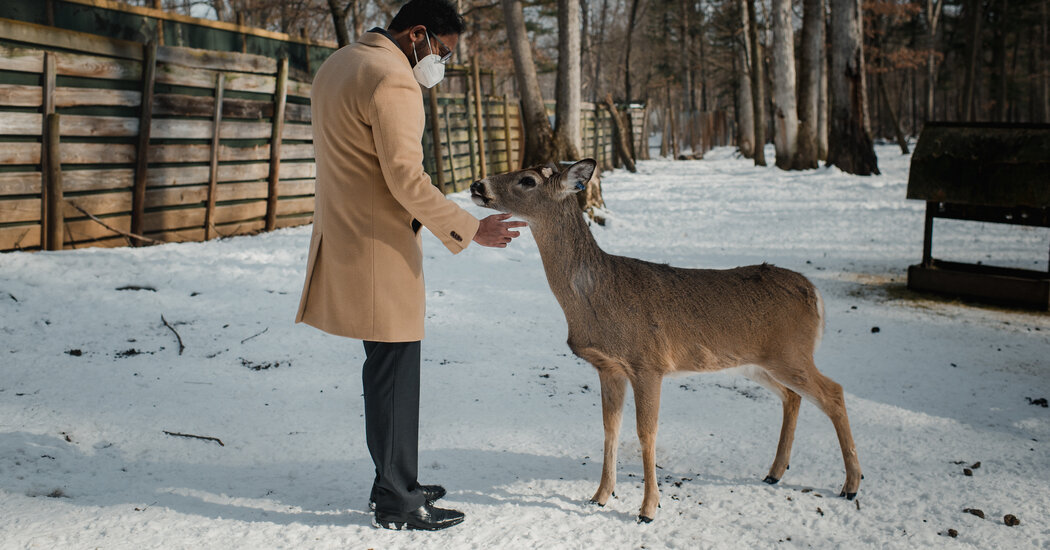
White-tailed deer could become a reservoir for the virus, putting people and animals at risk, health experts say.In late 2020, the coronavirus silently stalked Iowa’s white-tailed deer. The virus infected large bucks and leggy yearlings. It infiltrated a game preserve in the southeastern corner of the state and popped up in free-ranging deer from Sioux City to Dubuque.When scientists sifted through bits of frozen lymph node tissue — harvested from unlucky deer killed by hunters or cars — they found that more than 60 percent of the deer sampled in December 2020 were infected.“It was stunning,” said Vivek Kapur, a microbiologist and infectious disease expert at Penn State, who led the research.Dr. Kapur and his colleagues have now analyzed samples from more than 4,000 dead Iowa deer, diligently marking the location of each infected animal on a map of the state. “It’s completely mad,” he said. “It looks like it’s everywhere.”From the start of the pandemic, experts were aware that a virus that emerged from animals, as scientists believe SARS-CoV-2 did, could theoretically spread back to animals. Mink have garnered much attention after the virus spread through mink farms in Europe and North America, leading to massive culls of the animals. But white-tailed deer, which may wander into urban and rural backyards, are also easily infected.Infections in free-ranging deer, which display few signs of illness, are tricky to detect and difficult to contain. Deer also live alongside us in dizzying numbers; about 30 million white-tailed deer roam the continental United States.Vivek Kapur, a microbiologist at Penn State University. “It’s completely mad,” he said. “It looks like it’s everywhere.”Hannah Yoon for The New York TimesIf white-tailed deer become a reservoir for the virus, the pathogen could mutate and spread to other animals or back to us. Adaptation in animals is one route by which new variants are likely to emerge.“This is a top concern right now for the United States,” said Dr. Casey Barton Behravesh, who directs the One Health Office — which focuses on connections between human, animal and environmental health — at the Centers for Disease Control and Prevention.“If deer were to become established as a North American wildlife reservoir, and we do think they’re at risk of that, there are real concerns for the health of other wildlife species, livestock, pets and even people,” she added.The virus is likely to continue circulating in deer, many experts predicted. But crucial questions remain unanswered: How are deer catching the virus? How might the pathogen mutate inside its cervid hosts? And could the animals pass it back to us?White-tailed deer are a “black box” for the virus, said Stephanie Seifert, an expert on zoonotic diseases at Washington State University: “We know that the virus has been introduced multiple times, we know that there’s onward transmission. But we don’t know how the virus is adapting or how it will continue to adapt.”Cervid surgeA researcher trying to swab a white-tailed deer at a wildlife center at Texas A&M University in College Station.Sergio Flores for The New York TimesThe coronavirus enters human cells by attaching to what are known as ACE2 receptors. Many mammals have similar versions of these receptors, making them susceptible to infection.Early in the pandemic, scientists analyzed the genetic sequences for ACE2 receptors in hundreds of species to predict which animals might be at risk. Deer ranked high on the list, and laboratory experiments later confirmed that the animals could become infected with the virus as well as transmit it to other deer.The U.S. Department of Agriculture’s Animal and Plant Health Inspection Service began looking for coronavirus antibodies in blood samples from deer in Illinois, Michigan, New York and Pennsylvania. In July, the agency reported that 40 percent of the animals in those areas had antibodies, suggesting that they had already been infected by the virus.Some months later, Dr. Kapur’s team, which partnered with the Iowa Department of Natural Resources, reported that active coronavirus infections were common in Iowa deer, and another group announced that more than one-third of the deer they had swabbed in northeastern Ohio were infected. Genomic analysis suggested that in both Iowa and Ohio, humans had passed the virus to deer multiple times and then the deer readily passed it to one another.“The early detections in companion animals, in mink farms, in zoological collections — those were all different because those were confined populations,” said Dr. Andrew Bowman, a veterinary epidemiologist at Ohio State University, who led the Ohio research. “We didn’t really have a natural setting where the virus could run free.”Whether the virus makes deer sick remains unknown. There is no evidence that infected deer become seriously ill, but humans might not notice if a wild animal was feeling slightly under the weather.And these early studies — which have largely relied on pre-existing disease surveillance or population control projects in deer — provided only a snapshot of what could be a sprawling problem. “I wouldn’t be surprised if more sampling uncovers the fact that these are not necessarily sporadic events,” said Dr. Samira Mubareka, a virologist at Sunnybrook Research Institute and the University of Toronto.In Canada, reports of infected deer are beginning to trickle in from Ontario, Quebec and Saskatchewan. When Dr. Mubareka’s team sequenced virus recovered from Canadian deer, the researchers found it closely matched sequences in Vermont. “Deer don’t respect borders,” said Arinjay Banerjee, a virologist at the University of Saskatchewan.Samples taken from deer that tested negative in Dr. Kapur’s lab at Penn State UniversityHannah Yoon for The New York Times‘No masking, no social distancing’How humans are transmitting the virus to deer remains an open question. “It’s definitely a mystery to me how they’re getting it,” said Dr. Angela Bosco-Lauth, a zoonotic disease expert at Colorado State University.There are many theories, none entirely satisfying. An infectious hunter might encounter a deer, Dr. Mubareka noted, but “if they’re good at hunting,” she added, “it’s a terminal event for the deer.”If an infected hiker “sneezes and the wind is blowing in the right direction, it could cause an unlucky event,” said Dr. Tony Goldberg, a veterinary epidemiologist at the University of Wisconsin-Madison. Or if people feed deer from their porch, they could be sharing more than just food.And white-tailed deer are expert leapers, reaching heights of eight feet. “If you want to fence deer out of a place, you have to be trying very hard,” said Scott Creel, an ecologist at Montana State University. Deer would have no trouble jumping into alfalfa fields to graze alongside cattle, perhaps inviting a close encounter with a farmer, Dr. Creel said.Transmission could also happen indirectly, through wastewater or discarded food or other human-generated trash. “Deer, like most other animals, will sniff before they eat,” Dr. Kapur said. And deer release their feces as they feed, creating conditions where other deer might forage in areas contaminated with waste, or snuffle around waste that has feed mixed in, experts say.But it’s not clear how long the virus would remain viable in a polluted water source or on the surface of a half-eaten apple, or whether enough of it would be present to pose a transmission risk.An intermediate host, such as an itinerant cat, might ferry the virus from humans to deer. Farmed deer, which have frequent contact with humans, might also pass the virus to their wild counterparts through an escapee or their feces, Dr. Seifert said. (More than 94 percent of the deer in one captive site in Texas carried antibodies for the virus, researchers found — more than double the rate found in free-ranging deer in the state.)Dr. Sarah Hamer, a veterinary microbiologist at Texas A&M University, who is interested in contact tracing of deer to understand how their social interactions influence viral transmission.Sergio Flores for The New York TimesIt may not require many spillovers for the virus to take off in a herd. Infected deer, which shed virus in nasal secretions and feces and have an infectious period of five to six days, can readily spread the virus to others, said Dr. Diego Diel, a virologist at Cornell University.Wild deer are social — traveling in herds, frequently nuzzling noses and engaging in polygamy — and swap saliva through shared salt licks.And unlike humans, deer have no tools for flattening the curve. “They don’t have rapid antigen tests,” Dr. Banerjee said.Dr. Kapur added, “No masking, no social distancing.”Dr. Sarah Hamer, a veterinary epidemiologist at Texas A&M University, is seeking funding to start contact tracing of deer to understand how their social interactions influence viral transmission. She hopes to use proximity loggers to record the time and duration of the animals’ interactions with one another. “What deer are hanging out with what deer?” Dr. Hamer said. “Are there deer superspreaders?”Research is still in early stages, but understanding how the virus is spreading is essential both for slowing transmission in deer and for protecting other vulnerable wildlife. Deer may graze alongside other cervids, such as boreal woodland caribou, which are endangered in Canada and are a traditional food source of First Nations peoples.And if humans are contaminating the wilderness with the virus, it could threaten other, highly endangered species, such as the black-footed ferret, which experts fear may be vulnerable to the virus. “If it’s in the environment, and we don’t know exactly how it’s in the environment or how it’s spreading, all of a sudden we have these endangered animals that are at even higher risk,” said Kaitlin Sawatzki, a virologist at Tufts University.Knowing how we are giving the virus to deer is also crucial for assessing the risk that they may pass it back to us. “The metaphorical window is open, and we don’t know where,” Dr. Bowman said.Dr. Hamer took a sample from a house cat to see if it had the coronavirus after its family had been infected. Cats could be an intermediate host between humans and deer.Sergio Flores for The New York TimesHerd immunityThe virus is clearly spreading in deer. But what happens next, and how worried should we be?Many experts said they expected the virus to become established in deer and circulate indefinitely. “If it’s not already established, it’s heading in that direction,” Dr. Mubareka said.Still, scientists said they needed longer-term data to be sure, and the outcome was not a given. Currently, people appear to be reintroducing the virus to deer frequently; but if human case rates fell substantially, and people stopped spreading the virus, it could disappear from deer populations.Moreover, deer do develop antibodies to the virus; if the antibodies are strong enough and enough deer develop them, literal herd immunity could squelch the spread. But scientists know very little about deer immunity. “Does exposure to one variant protect the deer population from subsequent variants?” Dr. Banerjee asked.If the virus does establish itself in deer, it is likely to evolve in ways that help it thrive in its new hosts.A deer-optimized version of the virus would not necessarily be more dangerous for people; the virus might adapt in ways that make humans less hospitable hosts. “If this became ‘Deervid,’ then that would be great,” Dr. Goldberg said. (“Hopefully it would stay benign in deer,” he added.)But the virus could retain its ability to easily infect humans while picking up more worrisome mutations, including ones that might allow it to evade our existing immune defenses.“Even if you got the human population immune and fully vaccinated, if there’s still a reservoir persisting in the animals, then that can allow the virus to continue to evolve,” said Linda Saif, a virologist and immunologist at Ohio State University.There is not yet any evidence that deer are infecting people, and for the foreseeable future, experts agreed, humans are far more likely to catch the virus from one another than from anything with hooves.“Even if deer were infecting people, it’s largely inconsequential in the grand scheme, because millions of people are getting infected from human-to-human transmission,” said Dr. Scott Weese, an infectious diseases veterinarian at the University of Guelph in Ontario. “But it becomes more of a risk as we start to control it.”Hunters, who handle deer carcasses extensively, could be at higher risk for contracting the virus from deer, scientists said. (There is no evidence that people can be infected by eating deer meat cooked to an internal temperature of 165 degrees Fahrenheit.) People who hand-feed their local deer — a practice experts warn against — could also be at risk.An abundance of ungulatesDr. Hamer at the deer pen at Texas A&M. Scientists worry that the virus could incubate in deer and morph into a variant capable of spilling back into humans or infect other animals.Sergio Flores for The New York TimesOther animals, too, may be at risk from infection from deer. Predators such as mountain lions which kill deer by biting into their trachea or over their nose and mouth, could be infected while feasting.Scientists were relieved when early research suggested that cattle and pigs were minimally susceptible to the virus. But inside the bodies of white-tailed deer, the virus could morph into a pathogen capable of infecting such livestock.“That could be a big problem for food production stability,” Dr. Seifert said.Health officials must stay vigilant, experts said.The U.S.D.A. is now working with state agencies to collect blood samples and nasal swabs from dead deer in more than two dozen states. The work should help experts estimate how many deer have already been infected and whether certain characteristics, from age to habitat type, put some deer at elevated risk.“As we learn more, we will continue to refine and target our surveillance,” said Dr. Tracey Dutcher, the science and biodefense coordinator for the Animal and Plant Health Inspection Service at the U.S.D.A.Long-term genomic surveillance is also needed, experts said. “If we start to see some really divergent viral variants popping up in deer in certain places, that would be a red flag,” Dr. Goldberg said.Depending on what scientists learn in the near future, officials could consider a variety of potential mitigation measures, including vaccinating captive deer, thinning infected herds or cleaning up whatever environmental viral contamination is giving the deer the virus in the first place.“I think we’ve got to get our hands around the situation before we really make plans on where to go,” Dr. Bowman said.For now, scientists also advise keeping a close eye on other wildlife. If the virus is so prevalent in deer, which are relatively easy to sample, it could be silently spreading in other species, too.After all, the only reason scientists found the virus in deer is because they thought to look. “We hadn’t realized it was spread in deer at all,” Dr. Kapur said. “We had no clue.”

Read more →

Looking for Early Warning Signs of Pancreatic Cancer

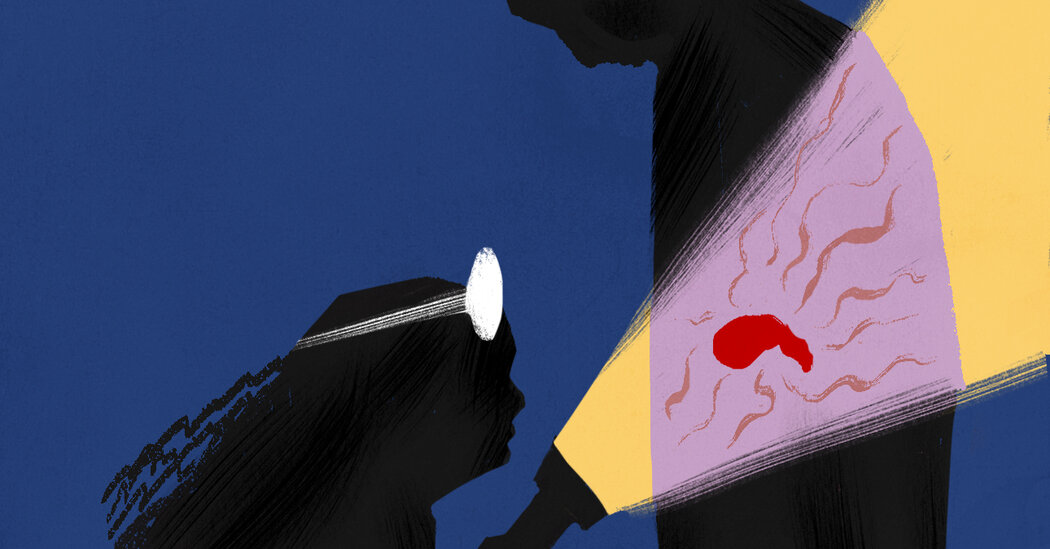
Scientists are exploring whether the onset of diabetes may in some cases herald the existence of one of the most deadly of all cancers.Pancreatic cancer is a nasty, stubborn killer that has thus far defied medicine’s best efforts at early diagnosis and curative treatment. In November, it claimed the life of my friend Peter L. Zimroth, a 78-year-old New York City attorney who was devoted to public service and who most recently oversaw the decline in the police department’s stop-and-frisk strategy.Mr. Zimroth had been on my “most admired” list even before he married the esteemed actress Estelle Parsons, who was 16 years his senior. Even during his yearlong, albeit losing, fight against cancer during the pandemic, Mr. Zimroth remained devoted to the public good, designing a brightly colored T-shirt and cap bearing an urgent plea, “Smash the Virus! Get the Shot,” and raising more than $73,000 to support research at Memorial Sloan Kettering Cancer Center, where doctors tried valiantly to buy him more time.Mr. Zimroth was fit and active and in otherwise good health before symptoms developed — in his case, stomach pains and constipation. By that time, the cancer had spread and it was too late to operate. His death follows that of several other well-known people who have succumbed to the same disease: Supreme Court Justice Ruth Bader Ginsburg, Representative John Lewis, the “Jeopardy!” host Alex Trebek and the Apple co-founder Steve Jobs.Although pancreatic cancer is a relatively rare cancer, it is so deadly it is now on track to become the country’s second leading cause of cancer-related deaths by 2040. Currently it accounts for about 3 percent of all cancers and 7 percent of cancer deaths. Overall, only one person in 10 diagnosed with pancreatic cancer survives five years. A cure is almost always a lucky accident, when the cancer is detected at an early, symptom-free stage during an unrelated abdominal scan or surgery and the tumor can be surgically removed.Dr. Brian M. Wolpin, director of the gastrointestinal cancer center at the Dana-Farber Cancer Institute in Boston, told me that this is such a hard cancer to find early because “it’s relatively uncommon in the population and the symptoms it causes, like weight loss, fatigue and abdominal discomfort, are nonspecific and more likely due to other conditions.” As a result, he said, “when 80 percent of patients walk through my door for the first time, I know that we are highly unlikely to cure their cancer.”Risk factors for pancreatic cancerStill, there are several major risk factors for developing pancreatic cancer. Smoking doubles the risk and accounts for about a quarter of all cases. Being obese, gaining excess weight as an adult and carrying extra weight around the waist, even if not otherwise very overweight, also increase one’s risk.That may be why Type 2 diabetes, which is most often related to being overweight, is an important risk factor as well. Other risks include chronic pancreatitis, a persistent inflammation of the pancreas often linked to heavy alcohol consumption and smoking, and workplace exposure to certain chemicals, like those used in dry cleaning and metal work industries.Older age is also a risk factor — some two-thirds of cases occur in those 65 and older. And family history may also play a role, including inherited genetic conditions like mutations in the BRCA1 or BRCA2 genes that are most often associated with breast and ovarian cancers.Diabetes as an early warning signIt’s long been known that the best chance of surviving most cancers results from early detection, when the malignancy is totally confined to the organ or tissue in which it originates. (Blood cancers present different issues.) The pancreas is a rather small, carrot-shaped organ, about six inches long and less than two inches wide, that lies well hidden between the ribs and the stomach.An early cancer in the pancreas doesn’t produce a lesion that can be felt, and it rarely causes symptoms that might prompt a definitive medical work-up until it has escaped the confines of the pancreas and spread elsewhere.But scientists are studying one possible early warning sign: a link between pancreatic cancer and newly developed Type 2 diabetes. Diabetes, too, arises in the pancreas, which contains specialized cells that produce the hormone insulin that regulates blood sugar levels. And while it’s not yet known which comes first, diabetes or cancer, some research suggests that the recent development of Type 2 diabetes may herald the existence of cancer hidden in this organ.New Developments in Cancer ResearchCard 1 of 5Progress in the field.

Read more →

Tinnitus biobank needed to explain ringing ears condition

SharecloseShare pageCopy linkAbout sharingImage source, Kirsty StewartThe UK urgently needs a biobank library of human tissue samples so experts can study and find better treatments, or a cure, for “ringing in the ears”, says the British Tinnitus Association (BTA). More than seven million adults in the UK are thought to have tinnitus. This stressful and upsetting condition of hearing whooshing, buzzing or other intensely annoying sounds with no external source is poorly understood. For some, it becomes difficult or impossible to lead a normal life. A survey by the charity, carried out in November with 2,600 people with tinnitus, suggests almost one in 10 living with the condition has experienced thoughts about suicide or self-harm in the past two years.One in three thought about their condition every hour – causing them anxiety and sadness. Kirsty Stewart, from Hampshire, was 28 when she developed tinnitus. “At first, it sounded like a lawn-mower. I thought maybe a neighbour was doing their lawn, but they weren’t. It was really bizarre.”Kirsty tried to ignore it, but the sound was persistent and then it changed to something even more distressing for her. “It became a loud piercing ringing noise. It was so bad and loud that I couldn’t escape it. It was constant. It was like torture.”She says it took a massive toll on her wellbeing. “It sent my whole life crashing in. I stopped eating, seeing friends and family, and I didn’t feel able to work because I couldn’t concentrate.”It got so bad that I spoke to my mum about not wanting to be here any more. I was so desperate.”The BTA says other people with tinnitus share similar experiences of feeling isolated, debilitated and stressed. It has published the survey findings in a new report. As one of the respondents confided: “You don’t like telling people, because you think that they will think you are crazy. And you don’t want to bring people down with you when you are down and stressed with the noise 24/7.”Another said: “It has made me feel that large parts of my life were stolen from me. “From my ability to go to concerts or to enjoy music ever again, to having to give up my daily and nightly meditation practice to being fearful of any and all loud noises.”Kirsty saw a doctor who referred her to a specialist experienced with managing tinnitus. She says she has found ways to cope with the noises she still hears in both ears. Kirsty says counselling and reflexology have helped her adjust.Malcolm Hilton, an ear, nose and throat expert at University of Exeter’s Medical School, says a national biobank for tinnitus would be massively beneficial, and might reveal better ways for managing the condition. “There are many treatments available for tinnitus and it is disappointing that people still come away with the message that they have to ‘learn to live with it’ without support. The main issue is that there is usually no ‘quick fix’ and different treatment approaches are needed for different people,” he said.Head of the BTA, David Stockdale, said: “We know that developing cures for any condition takes time and so we need to make headway in tinnitus research.”The charity has information, tips and support for people affected by tinnitus. Things you can try to help cope include:relaxation and meditationplaying background sound or music as a distractionfinding ways to improve your sleep such as sticking to a bedtime routine, or cutting down on caffeinejoining a support groupBBC Two – What can I do about tinnitus?British Tinnitus AssociationThe BBC is not responsible for the content of external sites.

Read more →

Covid: Delays to a plan to tackle England's NHS backlog not down to money – Sajid Javid

Sajid Javid says that delays to a plan to tackle a backlog of patients on hospital waiting lists in England was not down to money.Details of the NHS scheme were expected to be published on Monday, but were delayed at the last minute, with reports suggesting the Treasury wanted to delay publication.The health secretary insisted that the Treasury was an “excellent partner”, and not the reason for the delay.

Read more →

Wrexham: Baby Lincoln's two life-saving heart operations

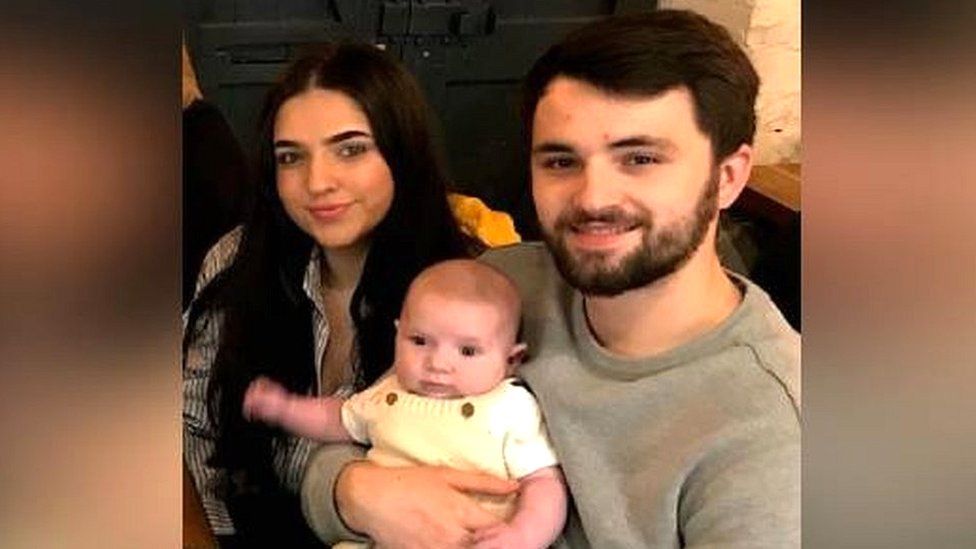
SharecloseShare pageCopy linkAbout sharingImage source, family photoA six-month-old boy who had his first life-saving heart operation at 13 days is now recovering from his second.Lincoln Edwards, from Wrexham, was born with a congenital condition that meant he needed surgery to improve his blood flow.Then last month he underwent nine hours of surgery to fully repair his heart.Now his parents are raising money for a charity treating children with similar conditions in developing countries.Child sunburn cases at Swansea’s Welsh burns hospital prompts warningTeen fed by tube as she waits for life-changing jaw fixHeart surgery Wales: Calls for child operations to resumeLincoln is recovering at home with mum and dad Georgia Struthers, 22, and Kallum Edwards, 24.His latest operation happened six months earlier than planned because he had outgrown his shunt – or tube.The surgery was performed by Dr Ramana Dhannapuneni at Liverpool Alder Hey Children’s Hospital.Ms Struthers and Mr Edwards now want to help him save the lives of children in developing countries. The couple are raising money for a charity Dr Dhannapuneni works with, called Healing Little Hearts.Founded in 2007, it has carried out more than 2,200 operations in 14 countries across Africa and Asia, where treatment is normally unavailable or expensive.Doctors and nurses work free in their own time. Relationship consultant Ms Struthers said funding one of the charity’s foreign missions seemed a fitting way to give thanks.Image source, family photo”We want to give those children the chance that Lincoln’s had,” she said. “If the shoe was on the other foot and that was us, we’d never be able to afford the treatment that Lincoln has had.”Without that he wouldn’t have a chance to live and we wouldn’t have him.”Dr Dhannapuneni has just returned from a trip to Namibia, where 10 children and babies were operated on in five days. He said in many countries parents struggled to find somewhere they could afford to have sick children treated. Image source, Healing Hearts Healing Little Hearts also mentors and trains medical staff so they can perform heart procedures themselves. Dr Dhannapuneni said this was vital. “That is a massive effect of our charitable missions. There are good stories of childrens’ heart centres being established from scratch.”

Read more →

Covid: Australia to reopen borders to international travel

SharecloseShare pageCopy linkAbout sharingImage source, Getty ImagesAustralia has announced the reopening of its borders to vaccinated tourists and other visa holders for the first time in almost two years. “If you’re double vaccinated, we look forward to welcoming you back,” Prime Minister Scott Morrison said.The reopening, on 21 February, will be welcome news for many sectors including international education.Australia has had some of the world’s strictest border controls throughout the coronavirus pandemic.In March 2020, the government closed the borders. It barred most foreigners from entering the country and put caps on total arrivals to help combat Covid.Some international students and skilled migrants have been permitted to enter the country since last December.The battle to open up ‘Fortress Australia’Australia revisited – a country changed by CovidOn Monday, Mr Morrison said those entering Australia when the borders fully reopened would need to provide proof of vaccination. “That’s the rule. Everyone is expected to abide by it,” he said.Unvaccinated travellers who have a medical reason for not being jabbed will still need to apply for a travel exemption and, if successful, will be required to quarantine at a hotel.Since the start of the pandemic, Australia has implemented strict measures to help fight the spread of Covid infections – even banning its own people from leaving the country last year.The country has so far reported more than 2.7 million cases of coronavirus and 4,248 Covid-related deaths, according to Johns Hopkins University data. Nearly 80% of the population is fully vaccinated.This video can not be playedTo play this video you need to enable JavaScript in your browser.Are you planning to travel to Australia? Share your stories by emailing haveyoursay@bbc.co.uk.Please include a contact number if you are willing to speak to a BBC journalist. You can also get in touch in the following ways:WhatsApp: +44 7756 165803Tweet: @BBC_HaveYourSayUpload pictures or videoPlease read our terms & conditions and privacy policy

If you are reading this page and can’t see the form you will need to visit the mobile version of the BBC website to submit your question or comment or you can email us at HaveYourSay@bbc.co.uk. Please include your name, age and location with any submission.

Read more →

Kush: Sierra Leone's new illegal drug

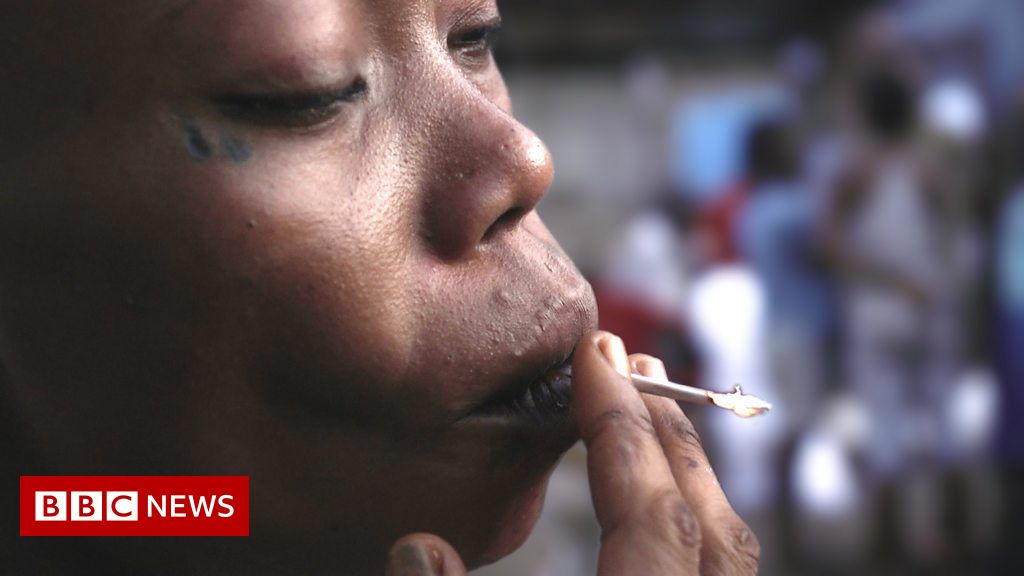
This film contains upsetting scenes, drug use, and references to self-harm and suicide.Kush – a cheap new illegal drug, is ravaging communities in Sierra Leone. The BBC has heard reports of young people killing themselves or harming themselves and others. Medical staff in the capital Freetown say that 90% of the male admissions to the central psychiatric ward are due to Kush use. Police are battling to win the war against the drug.With Kush use spreading rapidly, with ever-younger users being exposed to it, Africa Eye reporter, Tyson Conteh, investigates the drug and asks whether Sierra Leone can stop the march of this dangerously addictive high.If you are affected by the issues in this video, help and support is available via the BBC Action Line http://www.bbc.co.uk/actionline.

Read more →

Fatherhood joy for paralysis implant dad

David M’zee was 22 when an injury damaged his spine, leaving him paralysed 12 years ago. In 2017, an electrical implant to his spine enabled him to stand and walk slowly by boosting the nerve signals to his legs. He uses the device for short periods to exercise his muscles and practise walking, and says that even when it’s not turned on, it’s brought such an improvement to his health that he’s been able to have a child.Reporter: BBC Science Correspondent Pallab GhoshProducer: Emily SelvaduraiCamera: Julius PeacockEditor: Aisha Doherty

Read more →

One in four Australian workers suffer ‘ringing ears’, survey shows

As many as half a million Australians are suffering from constant tinnitus, with farmers, automotive workers, transport drivers, construction workers and other trades people at the greatest risk, a national survey as part of Curtin-led research has found.
The new research, published today in the Medical Journal of Australia, examined the prevalence of tinnitus among 5,000 adults currently employed across the country.
Tinnitus Awareness Week, which runs from today until February 13, aims to raise awareness of the symptoms of tinnitus, a sensation of ringing, buzzing, clicking or other noises in the ears that can disturb sleep and cause anxiety and depression.
Lead author and audiologist Ms Kate Lewkowski, from the Curtin School of Population Health, said the survey results indicated one-quarter of the Australian workforce suffered from tinnitus, including half a million who live with it constantly.
“We estimate that more than 500,000 Australian workers experience constant tinnitus, indicating the prevalence of tinnitus in the Australian workforce is high,” Ms Lewkowski said.
“Working men aged 55 to 64 years were most likely to suffer from tinnitus, with workers in the automotive, transport, agricultural, construction and other trade industries at the greatest risk.”
Transport workers included mobile plant operators, as well as taxi, delivery, truck, tanker, bus, rail and forklift drivers.

Read more →