How our body controls inflammation during clean-up mechanisms of damaged cells

A research team from Cologne and Osnabrück has investigated in detail how messenger substances signal inflammation during the removal of damaged cells in the body. Using high-resolution microscopy methods, the researchers were able to show that two proteins interact dynamically with each other and thus determine whether a dying cell triggers an inflammatory reaction in the body.
The study led by Professor Dr. Ana J. Garcia-Saez (CECAD — Cluster of Excellence for Aging Research at the University of Cologne) and Junior Professor Dr. Katia Cosentino (CellNanOs — Center for Cellular Nanoanalytics at the Osnabrück University) has been published in the journal Molecular Cell under the title ‘The interplay between BAX and BAK tunes apoptotic pore growth to control mitochondrial DNA-mediated inflammation’.
Normally, the body initiates apoptosis — a form of programmed cell death — to get rid of damaged cells. Knowledge of how exactly this clean-up mechanism functions at the level of the molecules involved can make a significant contribution to the therapy of diseases. In cancer, for example, the cells are not systematically removed from the body, but continue to live and spread. Radiotherapy treatment is routinely used to kill cancer cells, but it induces inflammation in the body. Research is being carried out worldwide to find out how cancer therapies cause inflammation and how treatments can be less harmful to the body.
In this study, the research team from CECAD and CellNanOs focused on two proteins that are already known to be involved in cell death. BAX and BAK are the two proteins that regulate the cell death mechanism in mitochondria, the power-houses of the cell. Using high-resolution imaging techniques, the researchers were able to observe for the first time how dynamically BAX and BAK formed structures in mitochondria that influenced cell death and inflammation.
Due to their great similarity, BAX and BAK have so far been referred to as twin proteins. That they differ systematically in their mechanism of action is a new finding of this study. The research team was able to show that BAK proteins organize into smaller structures more quickly than BAX, and that the two proteins influence each other.
‘We could clearly observe under the microscope how both proteins interacted with each other to form a pore in the mitochondrion, so that the mitochondrial DNA exited through the pore to trigger inflammation,’ explained Andreas Jenner of the University of Cologne. This dynamic interplay of BAK and BAX proteins was previously unknown, and it regulates the formation of the pore and thus the amount of mitochondrial DNA released. This, in turn, determines whether an inflammatory response is triggered in the body.
‘The relative availability of BAX and BAK proteins in cells determines the growth of the pore and the rate at which mitochondrial DNA is released. Possibly, our findings open up new perspectives to control inflammation during cancer treatments,’ explained Katia Cosentino of the Osnabrück University.
‘Our results highlight how BAX and BAK contribute to cell death in different ways and suggest that these two proteins should be well balanced in therapeutic cancer treatments,’ said Ana J. Garcia-Saez of the University of Cologne.
However, such therapy does not yet exist. For now, further investigation is needed to determine whether additional molecules contribute to the dynamics of BAX and BAK pore formation and regulate pore growth and size.
Work for the study began at the IFIB (Interfaculty Institute of Biochemistry) in Tübingen and was completed at the CECAD Research Center, Institute of Genetics, in the Garcia-Saez laboratory in Cologne and at the Center for Cellular Nanoanalytics (CellNanOs) at the Osnabrück University.
Story Source:
Materials provided by University of Cologne. Note: Content may be edited for style and length.

Read more →

Those at highest risk for severe COVID-19 often least likely to get monoclonal antibodies, study finds

People over age 65 at the highest risk for severe COVID-19 have often been the least likely to receive monoclonal antibodies (mAbs) — a highly effective treatment for the disease — both across and within U.S. states, according to new research co-authored by researchers from Harvard T.H. Chan School of Public Health.
The analysis will be published online February 4, 2022 in JAMA.
“Monoclonal antibodies should first go to patients at the highest risk of death from COVID-19, but the opposite happened — the healthiest patients were the most likely to get treatment. Unfortunately, our federal and state system for distributing these drugs has failed our most vulnerable patients,” said Michael Barnett, assistant professor of health policy and management at Harvard Chan School and lead author of the study.
Monoclonal antibodies are very effective at treating mild to moderate COVID-19 infection among non-hospitalized patients. But during the pandemic, mAbs have been in short supply. Federal guidelines prioritize patients at higher risk of being hospitalized or dying from COVID-19, including older people and those with chronic conditions.
The researchers wanted to learn how the limited supply of mAb therapy was allocated to patients at highest risk for severe disease. They looked at data from more than 1.9 million Medicare beneficiaries who had been diagnosed with COVID-19 between November 2020 and August 2021, and compared rates of receiving mAbs by age, sex, race and ethnicity, region, and number of chronic conditions.
They found that, among Medicare beneficiaries who weren’t hospitalized or who didn’t pass away within seven days of their diagnosis, only 7.2% received mAb therapy. The likelihood of receiving mAbs was higher among those with fewer chronic conditions — 23.2% of those with no chronic conditions received mAbs, versus 6.3%, 6.0%, and 4.7% of those with 1-3, 4-5, and 6 or more chronic conditions, respectively. The researchers also found that Blacks were less likely to receive mAbs than whites — 6.2% versus 7.4%.
In addition, there were significant differences among states when it came to mAb treatment. For example, Rhode Island and Louisiana administered mAbs to the highest proportion of non-hospitalized patients with COVID-19 (24.9% and 21.2%), while Alaska and Washington administered the lowest proportion (1.1% and 0.7%). Southern states had the highest rates of mAb therapy (10.6% of beneficiaries), while states in the West had the lowest rates (2.9%).
Speculating as to why mAb therapy often failed to reach the highest-risk COVID-19 patients, the researchers said it’s possible that higher-risk patients may have had difficulty navigating the multiple steps needed to receive mAbs, from receiving a timely diagnosis to referral and scheduling an infusion within 10 days. As for differences among states, they suggested that mAb supply may have been low or less used by clinicians in some regions of the U.S.
“We need new approaches to prevent these inequities from happening again with newer treatments on the horizon,” said Barnett.
Other Harvard Chan School co-authors included Ellen Meara, Arnold Epstein, and E. John Orav.
Funding for the study came from the National Institute on Aging (grant K23 AG058806) and the Agency for Healthcare Research and Quality (award U19 HS024075).
Story Source:
Materials provided by Harvard T.H. Chan School of Public Health. Note: Content may be edited for style and length.

Read more →

Dose-finding trial paves way for new rotavirus vaccine to prevent a deadly diarrheal disease from birth

A phase 2 clinical trial has found that the Australian-developed neonatal rotavirus vaccine RV3-BB was safe and produced a robust immune response in African babies. The immune response generated was similar in the group given a reduced dose of the vaccine compared to the high dose, providing an opportunity to reduce vaccine manufacturing costs.
Rotavirus vaccines reduce rotavirus-related deaths and hospitalisations but are less effective in high child mortality countries. The unique characteristics of RV3-BB, with the first dose given soon after birth, has the potential to make a significant impact on rotavirus diarrhea disease burden in children in Africa and Asia.
Researchers from the Murdoch Children’s Research Institute (MCRI), the Malawi Liverpool Wellcome Clinical Research Programme and University of Liverpool have found a reduced dose of an Australian-developed rotavirus vaccine produced a robust immune response in children at risk from deadly diarrheal disease in Africa.
Rotavirus vaccines reduce rotavirus-related deaths and hospitalisations but are less effective in high child mortality countries. Although 114 countries have now introduced a rotavirus vaccine, there are still over 80 million or 45% of children less than 5 years of age that do not receive a rotavirus vaccine.
Developed from a unique neonatal rotavirus strain in Melbourne, the RV3-BB vaccine is given to babies from birth with the potential to improve the level of protection, limit barriers to timely administration and improve the safety of rotavirus vaccines.
The phase 2 clinical trial, published in Lancet Infectious Diseases, was co-led by the Murdoch Institute’s Professor Julie Bines and Professor Nigel Cunliffe from the University of Liverpool. It assessed the safety and immune reaction to three different amounts of the RV3-BB vaccine in 711 Malawian infants at birth or in the first weeks of life.

Read more →

Tweaked genes borrowed from bacteria excite heart cells in live mice

Biomedical engineers at Duke University have demonstrated a gene therapy that helps heart muscle cells electrically activate in live mice. The first demonstration of its kind, the approach features engineered bacterial genes that code for sodium ion channels and could lead to therapies to treat a wide variety of electrical heart diseases and disorders.
The results appeared online February 2 in the journal Nature Communications.
“We were able to improve how well heart muscle cells can initiate and spread electrical activity, which is hard to accomplish with drugs or other tools,” said Nenad Bursac, professor of biomedical engineering at Duke. “The method we used to deliver genes in heart muscle cells of mice has been previously shown to persist for a long time, which means it could effectively help hearts that struggle to beat as regularly as they should.”
Sodium-ion channels are proteins in the outer membranes of electrically excitable cells, such as heart or brain cells, that transmit electrical charges into the cell. In the heart, these channels tell muscle cells when to contract and pass the instruction along so that the organ pumps blood as a cohesive unit. Damaged heart cells, however, whether from disease or trauma, often lose all or part of their ability to transmit these signals and join the effort.
One approach researchers can take to restoring this functionality is gene therapy. By delivering the genes responsible for creating sodium channel proteins, the technique can produce more ion channels in the diseased cells to help boost their activity.
In mammals, sodium channel genes are unfortunately too large to fit within the viruses currently used in modern gene therapies in humans. To skirt this issue, Bursac and his laboratory instead turned to smaller genes that code for similar sodium ion channels in bacteria. While these bacterial genes are different than their human counterparts, evolution has conserved many similarities in the channel design since multi-cellular organisms diverged from bacteria hundreds of millions of years ago.

Read more →

Mosquitoes are seeing red: These new findings about their vision could help you hide from these disease vectors

Beating the bite of mosquitoes this spring and summer could hinge on your attire and your skin. New research led by scientists at the University of Washington indicates that a common mosquito species — after detecting a telltale gas that we exhale — flies toward specific colors, including red, orange, black and cyan. The mosquitoes ignore other colors, such as green, purple, blue and white. The researchers believe these findings help explain how mosquitoes find hosts, since human skin, regardless of overall pigmentation, emits a strong red-orange “signal” to their eyes.
“Mosquitoes appear to use odors to help them distinguish what is nearby, like a host to bite,” said senior author Jeffrey Riffell, a UW professor of biology. “When they smell specific compounds, like CO2 from our breath, that scent stimulates the eyes to scan for specific colors and other visual patterns, which are associated with a potential host, and head to them.”
The results, published Feb. 4 in Nature Communications, reveal how the mosquito sense of smell — known as olfaction — influences how the mosquito responds to visual cues. Knowing which colors attract hungry mosquitoes, and which ones do not, can help design better repellants, traps and other methods to keep mosquitoes at bay.
“One of the most common questions I’m asked is ‘What can I do to stop mosquitoes from biting me?'” said Riffell. “I used to say there are three major cues that attract mosquitoes: your breath, your sweat and the temperature of your skin. In this study, we found a fourth cue: the color red, which can not only be found on your clothes, but is also found in everyone’s skin. The shade of your skin doesn’t matter, we are all giving off a strong red signature. Filtering out those attractive colors in our skin, or wearing clothes that avoid those colors, could be another way to prevent a mosquito biting.”
In their experiments, the team tracked behavior of female yellow fever mosquitoes, Aedes aegypti, when presented with different types of visual and scent cues. Like all mosquito species, only females drink blood, and bites from A. aegypti can transmit dengue, yellow fever, chikungunya and Zika. The researchers tracked individual mosquitoes in miniature test chambers, into which they sprayed specific odors and presented different types of visual patterns — such as a colored dot or a tasty human hand.
Without any odor stimulus, mosquitoes largely ignored a dot at the bottom of the chamber, regardless of color. After a spritz of CO2 into the chamber, mosquitos continued to ignore the dot if it was green, blue or purple in color. But if the dot was red, orange, black or cyan, mosquitoes would fly toward it.

Read more →

Scientists move HIV vaccine research forward by developing an immunogen that produces tier-2 antibodies

Nearly four decades after its discovery, HIV has killed 36.3 million people, with no vaccine in sight. However, a new study by researchers at The Wistar Institute, an international biomedical research leader in cancer, immunology, infectious disease, and vaccine development, takes a promising step in the direction of developing an HIV vaccine.
The findings, published in Nature Communications, demonstrate the promise of using a unique native-like trimer to develop Tier-2 neutralizing antibodies — the kind that matter for combating HIV — in mice for the first time.
Previously, eliciting these types of antibodies using candidate vaccines required long and expensive experiments in large animal models creating a significant bottleneck on HIV-1 vaccine development. “With our new finding, we have opened the door to rapid, iterative vaccinology in a model that can produce Tier-2 neutralizing antibodies, enabling development of more advanced HIV vaccine concepts,” said Daniel Kulp, Ph.D., associate professor in the Vaccine & Immunotherapy Center at The Wistar Institute and corresponding author on the paper.
The researchers encoded the native-like trimer into DNA for delivery into the mice. This has the practical advantage of turning the host bodies into “antigen factories” instead of requiring what would otherwise be a complex vaccine manufacturing process. The researchers then compared the results from the mice who received the DNA-encoded native-like trimer to results from mice who received a standard protein immunization. Only those mice that received the DNA-encoded native-like trimer developed Tier-2 neutralizing antibodies.
“We were able to generate strong immune responses with both platforms, but the DNA platform uniquely drove this neutralizing response,” said Kulp.
Once they’d verified their immunization regime was producing Tier-2 antibodies, Kulp and his colleagues isolated monoclonal antibodies from the mice and used cryo-electron microscopy to determine the atomic structure of one Tier-2 neutralizing monoclonal antibody. They found that the antibody binds to an epitope (a segment of a protein that sticks out of the antigen, which prompts an immune response) called C3V5. In the gold standard HIV vaccine model (non-human primates), prior research has shown that antibodies binding to C3V5 protect animals from a SHIV infection, which is a close relative of HIV that infects non-human primates.
“The structure gives us incredible insight into how this antibody is able to neutralize the virus,” said Kulp. “For the first time, we can strategize about how to design new vaccines that can generate broadly neutralizing antibody responses to the C3V5 epitope.”
Coauthor David B. Weiner, Ph.D., executive vice president and director of the Vaccine & Immunotherapy Center and the W.W. Smith Charitable Trust Professor in Cancer Research at The Wistar Institute, emphasized the utility of their findings.
“What we’ve done is enable direct in vivo self-assembly of structurally designed immunogens, which are engineered and delivered using nucleic acid technology, inside the vaccinated animal. Our data demonstrating induction of autologous Tier 2 neutralization illustrate the value of this approach as a tool to create surgically tailored immunity against a difficult pathogen’s vulnerable sites, in this case for HIV.”
Work supported by: National Health Institutes (NIH) IPCAVD Grant U19 Al109646-04; W. W. Smith Charitable Trust; and Wistar Monica H.M. Shander Memorial Fellowship.
Story Source:
Materials provided by The Wistar Institute. Note: Content may be edited for style and length.

Read more →

Covid: South Africa makes its own version of Moderna vaccine

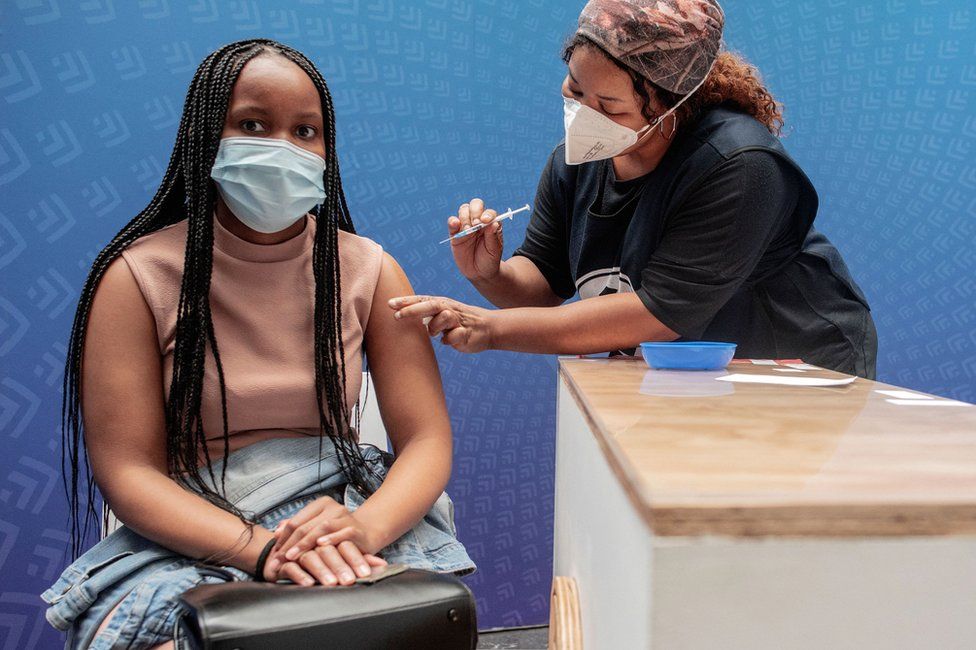
SharecloseShare pageCopy linkAbout sharingImage source, AFPScientists in South Africa have made a copy of the Moderna Covid vaccine, a move which they say could help boost vaccination rates across Africa.The continent currently has the lowest uptake of Covid shots in the world. The company behind the new vaccine – Afrigen Biologics – says it hopes to start clinical trials in November.Moderna previously said it would not enforce the patents on its vaccine, allowing scientists in Cape Town to make their own version of it.US backs waiver on vaccine patents to boost supplyCovid vaccines: How fast is worldwide progress?The researchers were backed by the World Health Organization (WHO).Petro Terblanche, director of Afrigen Biologics, said they were starting small, but had ambitions to scale up quickly.”We have used the sequence, which is the same sequence as the Moderna vaccine 1273,” he told the BBC.”This is part of a global initiative to build capacity and capability in low and middle-income countries to become self-sufficient.”The shot being copied is a messenger RNA vaccine made by US firm Moderna. Pfizer-BioNTech also made its vaccine using the same technology. They were some of the first Covid vaccines to be authorised for use around the world.This type of vaccine teaches cells how to make a protein that will trigger an immune response inside our bodies, rather than putting a weakened or inactivated germ into the body.The company’s chief scientist, Dr Caryn Fenner, called the achievement “really significant”.”It puts the power in our hands to be able to produce our own vaccines for the future, to be ready for further pandemics, to produce clinical trial material on African soil and then to look at other diseases of relevance in Africa.”Many of Africa’s countries have fully vaccinated less than 10% of their populations, compared to 60% in North America, 63% in Europe and 61% across Asia. Despite having one of the best rates on the continent, South Africa has only vaccinated 27% of its people.It’s been reported that BioNTech – the company which partnered Pfizer in producing an mRNA vaccine – also has plans to open a vaccine manufacturing plant on the continent.A number of other Covid-19 vaccine production facilities are in the pipeline in Africa, mainly focused on Russian and Chinese-made vaccines.This could be a major breakthrough for the African continent. The vast majority of mRNA vaccines have gone to wealthy countries and there have been sketchy plans to make these on African soil. But because Moderna said it wouldn’t enforce the patent rights on its vaccine, scientists have been able to reverse engineer it via a special World Health Organization-funded hub in Cape Town. Although the quantities made so far are small, it’s been developed more quickly than many expected. If the scale-up goes well and the trials succeed, it could be the start of more equal access to these cutting-edge vaccines. It will also be interesting to see how Moderna responds now that scientists have cracked the code of its vaccine. The pharmaceutical industry in general has opposed a campaign to waive intellectual property rights on Covid vaccines, arguing they are too complex to be made independently and that it would stunt innovation in the private sector. Campaigners point out huge amounts of public money were poured into many of the vaccine projects.

Read more →

Pandemic Era Tests May Speed Hepatitis-C Detection

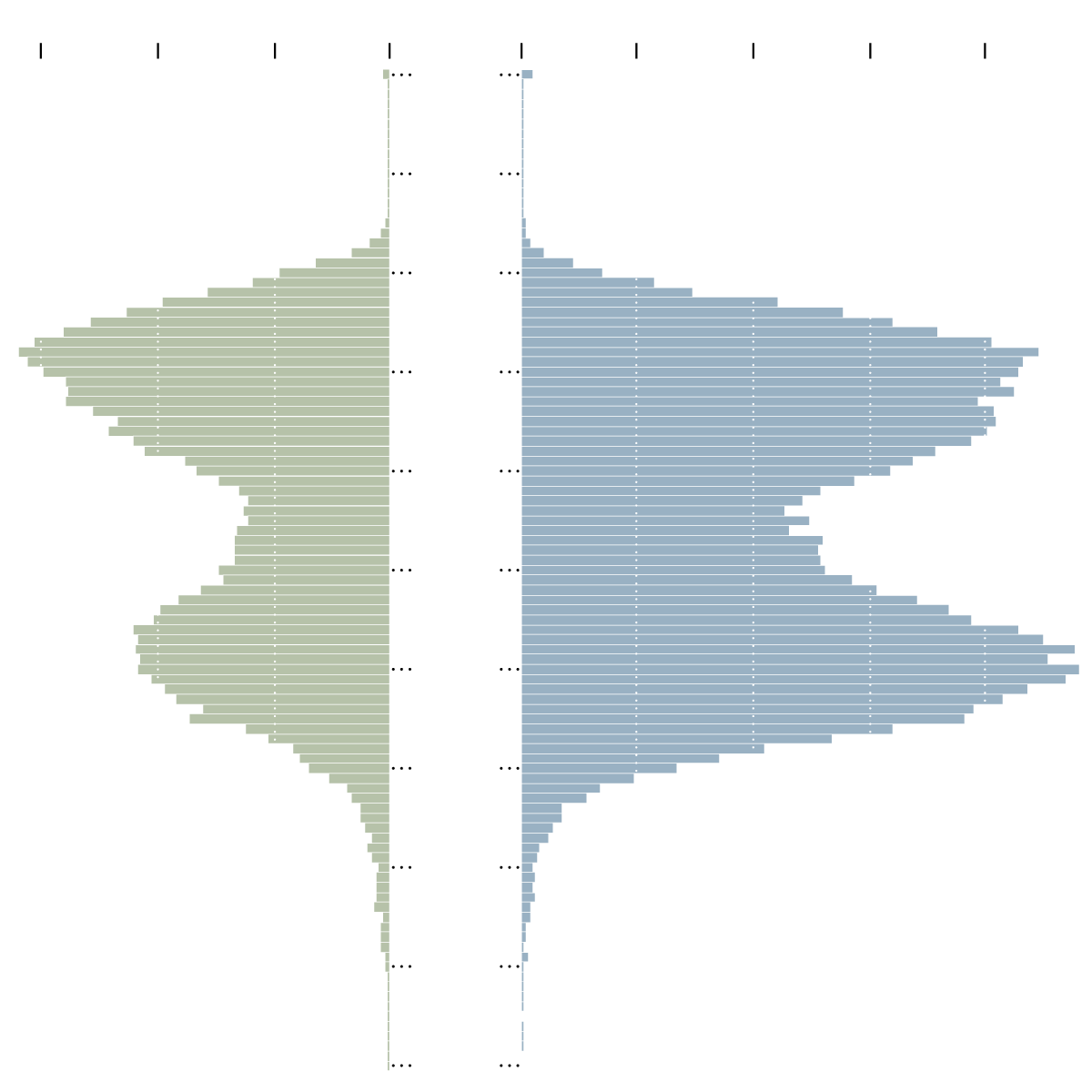
A wave of diagnostics ushered in by Covid could help revive flagging efforts to eliminate the disease.The Monday after Christmas, when Kellie Trent was scheduled to pick up medication to cure her hepatitis C, it seemed like a little miracle.She was expected at the Pioneer Family Practice in western Washington State, seven months after screening positive for the blood-borne infection at a clinic that dispenses medication to treat her heroin addiction. All that time, as she underwent more tests and waited for results while in and out of residential drug treatment, addressing her hepatitis C remained out of reach.On the eve of her December appointment, her physician, Dr. Lucinda Grande, grew concerned when a storm brought four inches of snow to the region, snarling the roads.But in the end, Ms. Trent did not show up because she landed in jail for a few days, arrested after missing court appearances for sentencing on a misdemeanor assault charge, according to court records.Dr. Grande stowed away the first half of the unused prescription — a four-week course of pills priced at $13,000.“She has had a bumpy road,” Dr. Grande said.Ms. Trent is among an estimated 2.4 million Americans with hepatitis C, which killed more than 14,000 in 2019, the most recent data available, despite the availability of drugs offering a relatively straightforward cure. The U.S. government set a target of largely vanquishing the disease by 2030, but data from the Centers for Disease Control and Prevention show the number of treated patients has been falling and is less than half the rate necessary to meet that goal.Progress has been further eroded by an explosion of new infections, driven by injection drug use among 20- and 30-year-olds, according to data from the C.D.C.Hepatitis CInjection drug use among people in their 20s and 30s has caused a spike in new cases of hepatitis C.

Read more →

Covid-19 Commission Modeled on 9/11 Inquiry Draws Bipartisan Backing

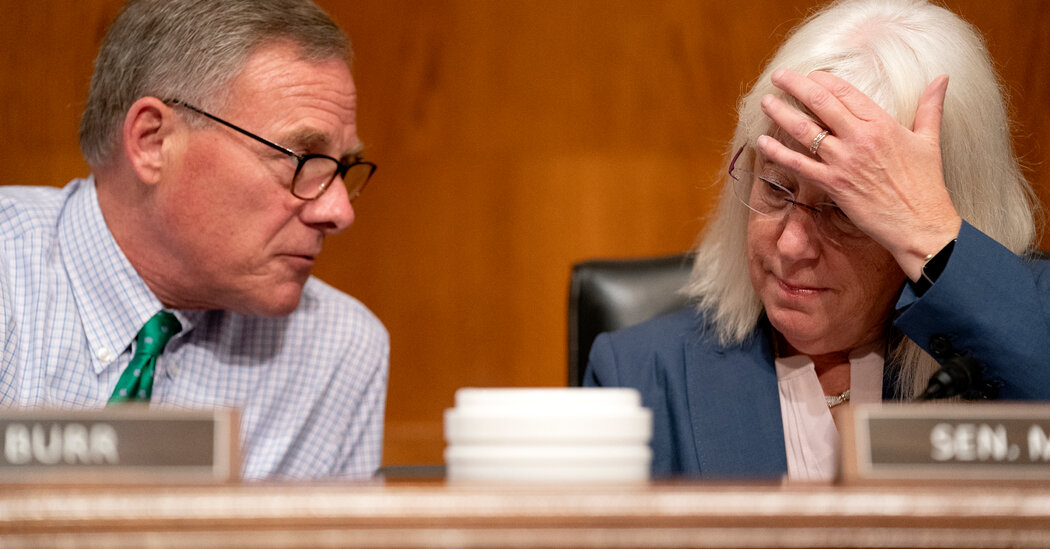
A broad, bipartisan group of senators is coalescing around a plan for an independent panel to investigate the origins of the coronavirus and the U.S. response.WASHINGTON — A broad and bipartisan group of senators is coalescing around legislation to create a high-level independent commission, modeled after the one that examined the Sept. 11 attacks, with broad powers to investigate the origins of the coronavirus pandemic and the response across the Trump and Biden administrations.Under a plan proposed by the top Democrat and Republican on the Senate Health Committee — Senators Patty Murray of Washington and Richard M. Burr of North Carolina — a 12-member panel would have subpoena power to “get a full accounting of what went wrong during this pandemic,” Ms. Murray said in an interview, and make recommendations for the future.The legislation, being circulated as a draft, is still in its early stages; Ms. Murray said she hopes to get feedback from colleagues within a month, followed by a hearing and a markup. In this highly polarized environment, both she and Mr. Burr acknowledged that politics could derail it.And even if the measure passes both houses of Congress and is signed into law, the panel itself could become bogged down in bitter partisanship, depending on who is appointed to it.But in interviews this week, more than a dozen senators from both parties embraced the idea, and none raised any substantive objections. More than half a dozen senators have similar proposals of their own that have produced some strange partnerships.“I’m all for it,” declared Senator Roger Marshall, Republican of Kansas, a medical doctor who is working with Senator Kirsten Gillibrand, Democrat of New York, and others on a similar bill. “As a doctor, if a patient dies and we don’t know why, we do an autopsy. In the military, when we have a major event we go back and figure out what we did right and what we did wrong.”The favorable reception from members of both parties is rare in a divided Capitol, and marks a significant turnabout. Bills introduced last year in both the House and the Senate, including one by Senators Susan Collins, Republican of Maine, and Bob Menendez, Democrat of New Jersey, have stalled, in part because Republicans feared they would target President Donald J. Trump’s early failures.But now President Biden has been in office long enough to have had failures of his own. And by explicitly stating that the origin of the pandemic must be investigated, the Murray-Burr bill appeals both to Republicans, some of whom theorize the virus emerged from a lab leak in China, and Democrats who want to put that theory to rest.“This is a crisis that has been shockingly polarizing,” said Philip D. Zelikow, the lawyer who led the 9/11 Commission and has been laying the groundwork for a pandemic inquiry. “This is the first signal that maybe leading Democrats and Republicans are now ready to come together. I think that’s really heartening. A lot of people would not have predicted it.”The Murray-Burr bill is carefully drafted to avoid partisan divisions. The panel would be made up of 12 “highly qualified citizens” — preferably, but not necessarily, nonpartisan subject matter experts in relevant fields like public health, manufacturing of medical products, supply chain issues and national security. They may not be government employees.Democrats and Republicans in Congress would each appoint half the members, who would name their own chairman and vice chairman. The White House would not make any appointments. The panel would hold hearings and take testimony, as the Sept. 11 panel did, and would be expected to produce a report within a year, with a possible six-month extension.“I think it’s a splendid idea,” said Senator John Kennedy, Republican of Louisiana. “I think we need to know what worked and what didn’t work. I think we need to be prepared for the next one. I would particularly like to know whether the lockdowns and the shutdowns we saw, whether the flame was worth the candle.”The measure avoids the use of the word “commission,” which acquired negative connotations in Washington after a bitter partisan debate doomed an effort to create a commission to investigate the Jan. 6 Capitol attack. Instead, the panel is called a “task force,” though Ms. Murray used the words “commission” and “task force” interchangeably.“We tried to structure it in a way that would make a partisan approach difficult,” Mr. Burr said.The proposal is part of a broader measure, the Prepare for and Respond to Existing Viruses, Emerging New Threats and Pandemics Act — or PREVENT Pandemics Act. It would require certain changes even before an inquiry has concluded, including making the director of the Centers for Disease Control and Prevention a Senate-confirmed position instead of serving at the will of the president.People familiar with the authors’ thinking say they want to put the measure on a fast track, possibly by attaching it to another must-pass piece of legislation.The Biden White House has been noncommittal. Jeffrey D. Zients, Mr. Biden’s coronavirus response coordinator, said this week that the administration was focused on the current crisis, but “over time we do look forward to engaging with Congress and reviewing lessons learned.”But Dr. Anthony S. Fauci, Mr. Biden’s top medical adviser for the pandemic, said it was important to investigate the origins of the pandemic. He said it took years after the coronavirus that caused SARS emerged in 2002 to determine that it had almost certainly jumped from bats or civets to humans at a wet market in China. That led to greater regulation of wet markets, he said.The 9/11 Commission, signed into law at the end of 2002 by an initially reluctant President George W. Bush, was an independent, bipartisan panel that spent a year and a half investigating the attacks and the country’s preparedness for them, holding public hearings in what amounted to a national reckoning.It produced an extensive report in book form — both a detailed analysis and a gripping narrative that was a surprise best seller and changed Americans’ understanding of the attacks, which killed nearly 3,000, and the terrorist threat. The report led to structural changes in government and in the way intelligence is evaluated and shared, as well as new cooperation among federal, state and local agencies.“We have prevented dozens of terrorist attacks in our city, because they work together,” Ms. Gillibrand said, referring to New York. “And so the same approach of a joint effort across government is necessary to stop the next pandemic.”Mr. Zelikow, who led the Sept. 11 panel, has laid the foundation for a commission to investigate the pandemic, with financial backing from four foundations and a paid staff that has already interviewed hundreds of public health experts, business leaders, elected officials, victims and their families.Mr. Zelikow, who has been consulting with Senators Burr and Murray, said he would be willing to turn his work over to a commission created by Congress. The pandemic has fundamentally challenged Americans’ trust in government, he said, and a thorough inquiry would be an important “bridge to trying to rebuild that confidence and that trust.”Covid-19 victims and their families, many of whom support the idea of a commission, are also eager for the kind of airing of grievances that the Sept. 11 panel provided the victims of the terrorist attacks two decades ago. And, they say, a nonpartisan, serious inquiry might be something the country could rally around.“I would like to see a narrative of what people have gone through to really help bring the data to life and to give a little bit of an on-ramp to healing for families and others,” said Kristin Urquiza, the founder of Marked by Covid, a victims group. “Right now we are so divided, but I firmly believe that through our loss and pain and grief, it’s actually an avenue toward seeing one another as humans and Americans.”

Read more →

Lawmakers Press Amazon on Sales of Chemical Used in Suicides

Even as grieving families tried to warn Amazon and other e-commerce sites of the danger, there were more purchases and more deaths.The pleas to Amazon were explicit. A food preservative sold by the online retailer and other e-commerce sites was being used as a poison to die by suicide.“Please stop selling this product,” began one review, posted on Amazon in July 2019 by a person who wrote that a niece had used it to kill herself. “I’ve already notified Amazon and they said they would help with this but they have not.”Since then, suicides linked to sales of the preservative through Amazon have continued. The New York Times identified 10 people who had killed themselves using the chemical compound after buying it through the site in the past two years, including a 16-year-old girl in Ohio, a pair of college freshmen in Pennsylvania and Missouri, and a 27-year-old in Texas whose mother has filed a wrongful-death suit against Amazon. Enough people purchased the preservative to attempt suicide that the company’s algorithm began suggesting other products that customers frequently bought along with it to aid in such efforts.But when family members left behind and others alerted Amazon to the deaths and to the danger of the sales, the company declined to act.Now, members of Congress are demanding answers. In a letter sent last week to Andy Jassy, Amazon’s president and chief executive, a bipartisan group of House members sought an accounting of the company’s sales of the preservative and related suicides, details on how the retailer had addressed the dangers, and an explanation of how it had responded to complaints.The move comes just weeks after publication of a Times investigation that linked a website, which provides explicit instructions on suicide, to a long trail of deaths. Most were from the chemical compound, sold legally in many countries. Site members advised one another on where to buy it and how to use it. Many of those who died — The Times has now identified more than 50 people — were under 25; some were minors.In response to the article, members of Congress have sought briefings from Google and other tech companies that help make the suicide site accessible, and have asked Attorney General Merrick B. Garland to consider ways to prosecute its operators.In their letter to Amazon, seven House lawmakers pressed the company, saying that the ease and swiftness with which vulnerable people could buy the compound, called sodium nitrite, was a “grave concern.”The lawmakers are targeting Amazon for questioning because they believe it to be the e-commerce site most often used to buy the compound and get it quickly delivered, and because of claims by parents and others that product reviews on Amazon warning about the danger were removed, said Representative Lori Trahan, Democrat of Massachusetts and a member of the House Energy and Commerce Committee.In a written response to the lawmakers on Thursday, Brian Huseman, Amazon’s vice president for public policy, extended condolences to families of the dead while defending Amazon’s practices and sales of the compound. He said it was used for a range of purposes and was available from other retailers.“Amazon makes a wide selection of products available to our customers because we trust that they will use those products as intended by the manufacturers,” he wrote. “Like many widely-available consumer products,” he added, the compound “can unfortunately be misused.”The lawmakers found the company’s answers insufficient.“Amazon had the opportunity with their response to collaborate with us on this issue that’s tragically ending the lives of people across our nation,” Representative Trahan said. “Instead, they failed to answer many of our most critical questions”In email exchanges with The Times, an Amazon spokeswoman declined to comment on the 10 deaths that The Times identified.Other sites said they had restricted sales of the compound.Last year, an eBay director wrote to a coroner in England that the company had prohibited global sales of the compound in 2019 after receiving a report of its potential use in suicides. However, The Times identified eight suicides involving eBay sales of the poison since then, including a death the coroner was reviewing.EBay did not respond to detailed emails and messages seeking comment. But in the letter to the coroner, the eBay director acknowledged that despite the ban, it was possible for “unscrupulous or unaware sellers to circumvent our policies and filters.” He wrote that the company would support government restrictions on online sales of the chemical to prevent future suicides.In November 2020, Etsy banned sales of the compound, said a spokesperson, who declined to explain why. An Etsy customer posted in May 2018 that he was planning to use his purchase to kill himself. In August 2020, a 35-year-old in Mississippi wrote on the suicide site that he had bought the compound on the site. Days later, he was dead.The United States is among many countries that allow the chemical compound to be sold as a food preservative, and the federal Food and Drug Administration regulates its use for that purpose.There is no systematic tracking of suicides involving the compound, but The Times identified dozens of people who had used it since 2018 in the United States, the United Kingdom, Italy, Canada and Australia. More than 300 members of the suicide website had announced intentions to use the compound to kill themselves.A study of 47 cases of poisoning by the preservative reported to the National Poison Data System over a five-year period found that suicide attempts with it had been increasing since 2017. A 2020 article in the Journal of Emergency Medicine warned that because the compound “is readily accessible through online vendors, and is being circulated through various suicide forums,” emergency rooms might see more patients who have used it.Dr. Kyle Pires, a resident emergency room physician at Yale University Hospital who treated a 28-year-old woman who had bought the compound on Amazon, wrote in the journal Clinical Toxicology about her death and the recent rise in suicides by this method.The article, published last May, said policymakers should be aware of the preservative’s use in suicides, and encouraged emergency rooms to stock doses of an antidote, methylene blue, that can prevent death if administered early.In an interview, Dr. Pires said that businesses should be able to buy the preservative, but sales to individuals should be banned.“There’s an argument that it’s a slippery slope to restrict sales of something that is legal just because some people are using it to kill themselves,” Dr. Pires said. “This is a cost-benefit analysis of a small number of hobbyists using this chemical to cure meat at home versus these growing numbers of young people, including teenagers, using it to kill themselves. For me, it’s an easy calculation.”In the United Kingdom, coroners for nearly two years have been highlighting suicides involving online purchases of the preservative and asking the government to take action. A cross-government group is working with businesses — including manufacturers and online suppliers of the preservative — to reduce access and end some sales to individuals, according to a spokeswoman for the government’s Department of Health and Social Care. The United Kingdom already requires sellers to inform law enforcement officials of any suspicious purchases of the compound, though it’s unclear how often such reports are made.Some businesses have gone further.Metalchem, a British vendor, stopped selling the compound to the public in April 2020 after learning that it had been used for suicide. Mike Keay, the company’s chief executive, also notified an English coroner that he had asked other businesses to stop selling the compound online “when the reason for the purchase cannot be reasonably ascertained.”“Sadly, nearly two years later and the preservative is still available online, even on Amazon, with worldwide shipping,” Mr. Keay wrote in an email to The Times this week.In the United States, Amazon continued to receive complaints about its sales of the compound — including, in May 2020, from someone whose father had just used it to die; in October 2020, from the grieving mother of an 18-year-old who had killed himself; and last year from Ruth Scott of Schertz, Texas, who is now suing the company.An Amazon representative expressed condolences and told Ms. Scott that “at least your son is now on our God’s hand.”Tamir Kalifa for The New York TimesHer 27-year-old son, Mikael, who had struggled with depression, learned about the compound on the suicide website and bought it on Amazon. He killed himself in December 2020.Ms. Scott said she had reached out five times to inform Amazon, only to hit brick walls. A customer service representative wrote to her that her message would be passed along.“I am sorry for your loss,” said the email, which was reviewed by The Times. “But at least your son is now on our God’s hand.”After Carrie Goldberg, a lawyer for Ms. Scott, wrote to Amazon’s general counsel and implored the company to remove the product from its platform, lawyers for Amazon pointed out a Texas law and court decisions protecting the seller of a legal product used in a suicide.“They know it’s killing people,” Ms. Scott said in an interview. “They are fully aware. They just don’t care.”If you are having thoughts of suicide, in the United States call the National Suicide Prevention Lifeline at 800-273-8255 (TALK) or go to SpeakingOfSuicide.com/resources for a list of additional resources. Go here for resources outside the United States.

Read more →