New tool reveals how immune cells find their targets

The human body has millions of unique B and T cells that roam the body, looking for microbial invaders. These immune cells’ ability to recognize harmful microbes is critical to successfully fighting off infection.
MIT biological engineers have now devised an experimental tool that allows them to precisely pick out interactions between a particular immune cell and its target antigen. The new technique, which uses engineered viruses to present many different antigens to huge populations of immune cells, could allow large-scale screens of such interactions.
“This technique leads the way to understand immunity much closer to how the immune system itself actually works, will help researchers make sense of complex immune recognition in a variety of diseases, and could accelerate the development of more effective vaccines and immunotherapies,” says Michael Birnbaum, an associate professor of biological engineering at MIT, a member of MIT’s Koch Institute for Integrative Cancer Research, and the senior author of the study.
Former MIT graduate student Connor Dobson is the lead author of the paper, which appears today in Nature Methods.
A simple screen for a complex system
Both B and T cells play critical roles in launching an immune response. When a T cell encounters its target, it starts proliferating to produce an army of identical cells that can attack infected cells. And B cells that encounter their target begin producing antibodies that help recruit other components of the immune system to clear the infection.

Read more →

Psychedelic frees up depressed brain, study shows

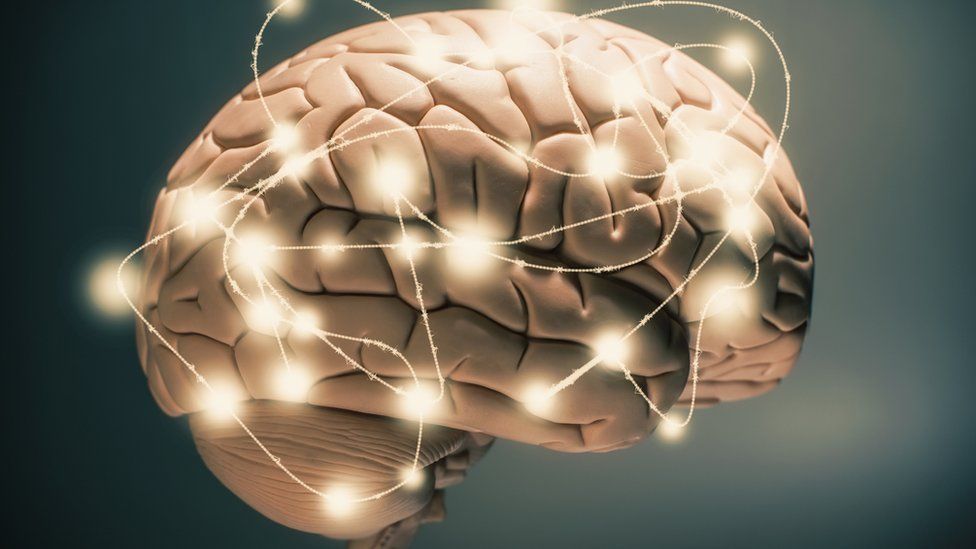
SharecloseShare pageCopy linkAbout sharingImage source, Getty ImagesPsilocybin, a drug found in magic mushrooms, appears to free up the brains of people with severe depression in a way that other antidepressants do not, a study has found.The results, based on brain scans of 60 people, mean the drug could treat depression in a unique way, the researchers say.Psychedelics are being studied to treat a range of mental health disorders.Patients with depression are warned not to take psilocybin on their own.A synthetic form of the drug is tested on people in trials under strict medical conditions, with psychological support from experts provided before, during and after it is taken.Prof David Nutt, study author and head of the Imperial College London’s Centre for Psychedelic Research, said the latest findings on psilocybin were “exciting” and “important”.With depression, the brain can get stuck in a rut and locked into a particular negative way of thinking, he said.But when given psilocybin, people’s brains opened up and became “more flexible and fluid” up to three weeks later.Magic mushroom compound ‘promising’ for depressionPM to consider calls to legalise magic mushroom drugThis could be seen in increased connections between regions of the brain when patients were scanned. These patients were more likely to experience an improvement in mood months later.Similar changes were not seen in the brains of people treated with a standard antidepressant.”This supports our initial predictions, and confirms psilocybin could be a real alternative approach to depression treatments,” Prof Nutt said.Brain activityWhile regular antidepressants are taken every day, psilocybin may only need to be taken once or twice to produce the same effect – but further research on more patients for longer is needed to confirm that.The results, published in Nature Medicine, are taken from two studies. In the first, everyone received psilocybin; and in the second – a randomised controlled trial – some were given the drug while others were given a different antidepressant. All participants also received talking therapies with registered mental health professionals. Brain scans were taken before, and then one day or three weeks after taking the therapy.Prof Robin Carhart-Harris, senior study author, said: “We don’t yet know how long the changes in brain activity seen with psilocybin therapy last, and we need to do more research to understand this. “We do know that some people relapse, and it may be that after a while their brains revert to the rigid patterns of activity we see in depression.” Earlier findings from the studies showed a reduction in symptoms of depression with the psilocybin therapy – but the researchers were not sure how and why it worked.Now they want to test their theory of changes in brain connectivity on other mental health illnesses, such as anorexia.More on this storyMagic mushroom compound ‘promising’ for depressionPsychedelic therapy could ‘reset’ depressed brainPM to consider calls to legalise magic mushroom drug

Read more →

Study suggests why most smokers don't get lung cancer

Cigarette smoking is overwhelmingly the main cause of lung cancer, yet only a minority of smokers develop the disease. A study led by scientists at Albert Einstein College of Medicine and published online today in Nature Genetics suggests that some smokers may have robust mechanisms that protect them from lung cancer by limiting mutations. The findings could help identify those smokers who face an increased risk for the disease and therefore warrant especially close monitoring.
“This may prove to be an important step toward the prevention and early detection of lung cancer risk and away from the current herculean efforts needed to battle late-stage disease, where the majority of health expenditures and misery occur,” said Simon Spivack, M.D., M.P.H., a co-senior author of the study, professor of medicine, of epidemiology & population health, and of genetics at Einstein, and a pulmonologist at Montefiore Health System.
Overcoming Obstacles to Study Cell Mutations
It’s long been assumed that smoking leads to lung cancer by triggering DNA mutations in normal lung cells. “But that could never be proven until our study, since there was no way to accurately quantify mutations in normal cells,” said Jan Vijg, Ph.D., a study co-senior author and professor and chair of genetics, professor of ophthalmology and visual sciences, and the Lola and Saul Kramer Chair in Molecular Genetics at Einstein (also at the Center for Single-Cell Omics, Jiaotong University School of Medicine in Shanghai, China). Dr. Vijg overcame that obstacle a few years ago by developing an improved method for sequencing the entire genomes of individual cells.
Single-cell whole-genome sequencing methods can introduce sequencing errors that are hard to distinguish from true mutations — a serious flaw when analyzing cells containing rare and random mutations. Dr. Vijg solved this problem by developing a new sequencing technique called single-cell multiple displacement amplification (SCMDA). As reported in Nature Methods in 2017, this method accounts for and reduces sequencing errors.
The Einstein researchers used SCMDA to compare the mutational landscape of normal lung epithelial cells (i.e., cells lining the lung) from two types of people: 14 never-smokers, ages 11 to 86; and 19 smokers, ages 44 to 81, who had smoked a maximum of 116 pack years. (One pack year of smoking equals 1 pack of cigarettes smoked per day for one year.) The cells were collected from patients who were undergoing bronchoscopy for diagnostic tests unrelated to cancer. “These lung cells survive for years, even decades, and thus can accumulate mutations with both age and smoking,” said Dr. Spivack. “Of all the lung’s cell types, these are among the most likely to become cancerous.”
Mutations Caused by Smoking

Read more →

Engineered bacteria could help protect 'good' gut microbes from antibiotics

Antibiotics are life-saving drugs, but they can also harm the beneficial microbes that live in the human gut. Following antibiotic treatment, some patients are at risk of developing inflammation or opportunistic infections such as Clostridiodes difficile. Indiscriminate use of antibiotics on gut microbes can also contribute to the spread of resistance to the drugs.
In an effort to reduce those risks, MIT engineers have developed a new way to help protect the natural flora of the human digestive tract. They took a strain of bacteria that is safe for human consumption and engineered it to safely produce an enzyme that breaks down a class of antibiotics called beta-lactams. These include ampicillin, amoxicillin, and other commonly used drugs.
When this “living biotherapeutic” is given along with antibiotics, it protects the microbiota in the gut but allows the levels of antibiotics circulating in the bloodstream to remain high, the researchers found in a study of mice.
“This work shows that synthetic biology can be harnessed to create a new class of engineered therapeutics for reducing the adverse effects of antibiotics,” says James Collins, the Termeer Professor of Medical Engineering and Science in MIT’s Institute for Medical Engineering and Science (IMES) and Department of Biological Engineering, and the senior author of the new study.
Andres Cubillos-Ruiz PhD ’15, a research scientist at IMES and the Wyss Institute for Biologically Inspired Engineering at Harvard University, is the lead author of the paper, which appears today in Nature Biomedical Engineering. Other authors include MIT graduate students Miguel Alcantar and Pablo Cardenas, Wyss Institute staff scientist Nina Donghia, and Broad Institute research scientist Julian Avila-Pacheco.
Protecting the gut
Over the past two decades, research has revealed that the microbes in the human gut play important roles in not only metabolism but also immune function and nervous system function.

Read more →

Psilocybin rewires the brain for people with depression, study finds

Psilocybin fosters greater connections between different regions of the brain in depressed people, freeing them up from long-held patterns of rumination and excessive self-focus, according to a new study by scientists at UC San Francisco and Imperial College London.
The discovery points toward a general mechanism through which psychedelics may be acting therapeutically on the brain to alleviate depression and possibly other psychiatric conditions that are marked by fixed patterns of thinking.
Scientists analyzed fMRI brain scans from nearly 60 people who had participated in two psilocybin trials. In the first one, all the participants had treatment-resistant depression and knew they were being given psilocybin. In the second one, the participants were depressed but not as severely, and they were not told whether they had been given psilocybin or a placebo that turned out to be escitalopram, an SSRI antidepressant. In addition to the drugs, all the participants received the same type of psychotherapy.
The scans, which were done before and after treatment, showed the psilocybin treatment reduced connections within brain areas that are tightly connected in depression, including the default mode, salience, and executive networks, and increased connections to other regions of the brain that had not been well integrated.
Participants were also less emotionally avoidant and their cognitive functioning got better. The improvement in their depressive symptoms correlated with changes to their brains, and these changes lasted until the study ended three weeks after the second psilocybin dose. No such changes were seen in the brains of those who received escitalopram, suggesting that psilocybin acts differently on the brain than SSRIs.
Psilocybin and other serotonergic psychedelics like ayahuasca affect 5-HT2A receptors, which are plentiful in brain networks that become overactive in depression. One hypothesis is that the drugs briefly disrupt these connections, giving them a chance to reform in new ways in the ensuing days and weeks.
“In previous studies we had seen a similar effect in the brain when people were scanned whilst on a psychedelic, but here we’re seeing it weeks after treatment for depression, which suggests a carry-over of the acute drug action,” said Robin Carhart-Harris, PhD, who directs the Neuroscape Psychedelics Division at UCSF and is the senior author of the study, which appears April 11, 2022, in Nature Medicine.
“We don’t yet know how long the changes in brain activity seen with psilocybin therapy last, and we need to do more research to understand this,” said Carhart-Harris, who is the Ralph Metzner Distinguished Professor of Neurology, Psychiatry, and Behavioral Sciences and a member of the UCSF Weill Institute for Neurosciences. “We do know that some people relapse, and it may be that after a while their brains revert to the rigid patterns of activity we see in depression.”
The authors caution that while these findings are encouraging, patients with depression should not attempt to self-medicate with psilocybin. The trials took place under controlled, clinical conditions, using a regulated dose formulated in a laboratory, and involved extensive psychological support before, during, and after dosing.
But the study points to a mechanism that, if it holds up, may explain both how psilocybin helps to alleviate depression and potentially other debilitating psychiatric conditions.
“For the first time we find that psilocybin works differently from conventional antidepressants — making the brain more flexible and fluid, and less entrenched in the negative thinking patterns associated with depression,” said David Nutt, DM, head of the Imperial Centre for Psychedelic Research. “This supports our initial predictions and confirms psilocybin could be a real alternative approach to depression treatments.”
Disclosures, as well as the full list of authors and funding are available in the paper.

Read more →

Epigenetic treatments: New allies for chemotherapies?

If genetics is interested in gene sequencing, epigenetics studies how genes are going to be used, or not used, by a cell. The epigenome of a cell represents the set of chemical modifications of the DNA or associated proteins that will determine the expression of the genes and thus the cell’s identity. This information, which is central from the development of the embryo onwards, leads to changes in how our genes are expressed without affecting their sequence. By modifying its epigenome, the cell can adapt quickly to its environment. Genetics and epigenetics work together to enable cells to perform their function.

advertisement

Read more →

Researchers identify a new treatment for metabolic syndrome

Metabolic syndrome increases a person’s risk for diabetes, heart disease, and stroke, and includes conditions such as obesity, high blood pressure and high blood sugar. In a recent mouse-model study, published in Cell Metabolism, researchers at University Hospitals (UH), Harrington Discovery Institute at UH, and Case Western Reserve University have furthered their progress to develop a drug to treat metabolic syndrome by identifying a receptor that controls appetite and body weight.
“In 2016, our lab discovered a hormone called asprosin, which stimulates appetite and increases blood glucose levels by acting on the hypothalamus and the liver,” explained Atul Chopra, MD, PhD, senior author on the study, Investigator at the Harrington Discovery Institute and Associate Director of the Oxford-Harrington Rare Disease Center, Attending Medical Geneticist at UH, and Associate Professor of Medicine, and Genetics and Genomics at Case Western Reserve School of Medicine. “Individuals that have low blood asprosin levels don’t feel hunger like others do and have lower glucose and insulin levels.”
Asprosin stimulates appetite by activating key “hunger” neurons of the brain, called AgRP neurons. Asprosin works by binding a protein on the neuron surface called a “receptor.” To better understand how receptors work, one might use a key and lock analogy, where a hormone is a key, and its receptor is the lock.
“By using a sophisticated technique called mass spectrometry, we identified protein tyrosine phosphatase receptor ? (Ptprd) as the receptor for asprosin,” said Ila Mishra, PhD, first author on the study and research associate at Harrington Discovery Institute and Case Western Reserve School of Medicine. “Genetic deletion of Ptprd in mice reduced appetite and body weight, rendering mice unresponsive to asprosin’s appetite stimulating effect. In other words, Ptprd is necessary for asprosin-mediated appetite stimulation. This result is the crux of our discovery. A receptor is necessary for a hormone to work, and in the case of asprosin’s ability to control appetite and body weight, that receptor is Ptprd.”
The identity of the receptor that allows asprosin to activate AgRP neurons and stimulate appetite was previously a mystery, and this gap in knowledge was a barrier to fully understanding how this hormone works.
Since the discovery of asprosin, many studies have shown that blood asprosin levels are elevated in patients with metabolic syndrome, leading to weight gain and high blood sugar. The research team has also seen that reduced blood asprosin levels lead to protection from metabolic syndrome by suppressing appetite and blood sugar.
“The identification of Ptprd as an asprosin receptor provided us an opportunity to develop a new therapeutic against metabolic syndrome,” said Dr. Chopra.
“We used the discovery of the asprosin-receptor to develop a new drug called a receptor trap,” explained Dr. Mishra. “This new drug suppressed appetite, body weight and blood glucose levels in obese mice by sequestering plasma asprosin. From a clinical standpoint, it means that this discovery could potentially yield a brand-new drug against metabolic syndrome.”
“Further, we believe that asprosin performs many more functions in addition to appetite stimulation,” added Dr. Mishra. “Identifying these new functions is the next step in our research.”
The team also plans to study intracellular mechanisms involved in asprosin-Ptprd signaling, and simultaneously develop the Ptprd receptor trap for potential use in patients with metabolic syndrome.

Read more →

Why Shanghai has done a U-turn on its ‘relaxed’ Covid approach

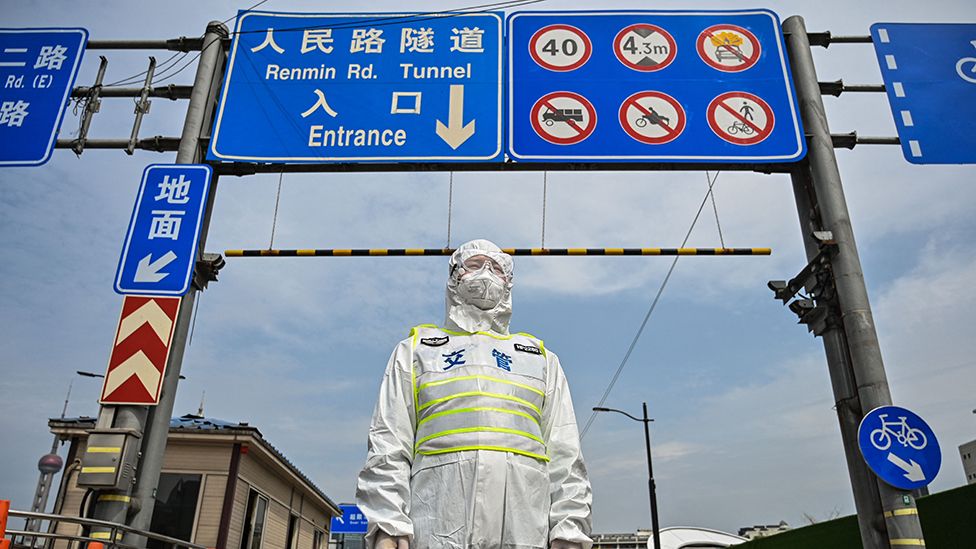
SharecloseShare pageCopy linkAbout sharingImage source, Getty ImagesSome 25 million people in Shanghai are in the second week of a strict lockdown, after a surge in Omicron cases. It’s the first time Shanghai has imposed such strict restrictions – until last month, it had taken a more relaxed approach than other Chinese cities.What’s happening in Shanghai?People in the city are confined to their homes, and most have to order in food and water and wait for government drop-offs of vegetables, meat and eggs.Videos shared on social media show complaints by angry residents about food shortages and inadequate medical supplies. It’s Shanghai’s first experience of a city-wide lockdown. Up till last month, it had tackled growing infection rates through smaller localised lockdowns. This typically meant individual residential complexes, each housing several hundred people, were locked down – instead of the entire city. And for a while, it looked like this method was working. Even when case numbers rose to nearly 1,800 in March 2021, Shanghai did not impose a full lockdown. By comparison, Xi’an, which is home to nearly 13 million people, sealed the entire city after less than 100 cases in December 2021. The city of Yuzhou, in Henan province, locked over 1.1 million people at home due to just three Covid cases. But in late March, Shanghai began seeing huge numbers – with more than 2,500 cases recorded on 27 March alone. The city decided to announce a phased lockdown, firstly in its eastern district, and then its western district days later. But as cases continued growing, Shanghai officials abandoned the idea of keeping half the city open. A city-wide lockdown followed on 3 April.Prof Martin Hibberd at the London School of Hygiene and Tropical Medicine thinks that Shanghai’s previous approach was not suited to the Omicron variant, which is far more transmissible. “Localised lockdowns of complexes are unlikely to restrict social interactions sufficiently, with such a large amount of asymptomatic transmission,” he says.Shanghai lockdown residents ‘running out of food’Shanghai Covid lockdown extended to entire cityWhy China is locking down its citiesWhy has Shanghai differed from the rest of China until now?The main reason is its importance for the Chinese economy.Shanghai has contributed over 3% of China’s GDP and makes up over 10% of China’s total trade since 2018. Airports in Shanghai have also been responsible for bringing in nearly half of the protective equipment and medicine that China needed in the early days of the pandemic, according to local news outlet Caixin. In 2020, cargo flights into Shanghai Pudong International Airport accounted for 3.4 million tonnes of goods – a million more than the airports in the cities of Beijing, Guangzhou and Shenzhen combined.Studies from the Chinese University of Hong Kong show a two-week lockdown on megacities like Beijing or Shanghai could cost China 2% of its monthly GDP. China’s monthly GDP in 2021 was 9.5tn yuan ($1.4tn) on average, so the country would stand to lose about 190bn yuan ($29.8bn) for each week the lockdown continues. The economic impact of the Shanghai lockdownAre these measures enough to tackle Omicron? Prof Hibberd suggests that these tough measures in Shanghai still may not be enough to tackle the outbreak of a highly transmissible variant like Omicron.Instead, he says, the highest priority to mitigate the effects of Covid should be to encourage everybody, “especially vulnerable people, to get vaccinated”. China has given more than 11 billion doses of Covid vaccines and vaccinated over 86% of its entire population.But vaccine rates among people over the age of 80 – who are among the most vulnerable – remain a lot lower than other age groups.The Chinese National Health Commission now says that vaccinating elderly people should be the priority task for local authorities. It has also approved clinical trials of two Covid-19 vaccines that use mRNA.Until now, the country has heavily relied on domestically produced vaccines which have been found to be inadequate for use with the Omicron variant. The Health Commission has stated that “the current vaccines are still effective in tackling Omicron” but did not specify whether it was including Chinese vaccines in this.When will the lockdown be eased?Shanghai has now relaxed some restrictions by dividing the city into three zones – lockdown zone, controlled zone and precautionary zone. Areas which have no new cases in a week will be marked as “control”, and if they reach two weeks with no new cases, they will be further downgraded to “prevention”. People in the zones with fewer or no cases will have more freedom, such as being allowed to move around within their housing compounds.Additional reporting by Tim Bowler; Graphics by Rob England and Jana TauschinskiMore on this storyWhy China is locking down its cities

Read more →

Smoking increased in those trying to quit during COVID-19, study shows

While smoking rates have declined dramatically in the United States, there are still 35 million smokers. There are few data about whether, and if so, how current cigarette smoking habits among those trying to quit are affected by the COVID-19 pandemic.
Charles H. Hennekens, M.D., Dr.PH., senior author, first Sir Richard Doll Professor of Medicine and senior academic adviser to the dean at Florida Atlantic University’s Schmidt College of Medicine and collaborators from Baylor College of Medicine, examined changes to smoking habits and correlates of increases and decreases during the COVID-19 pandemic among participants enrolled in a tobacco cessation and lung cancer screening program.
Between June and October 2020, they conducted a cross-sectional survey of a program participant sample. The survey consisted of three parts: changes in tobacco use; impact and coping strategies; and COVID-19 exposure and use of protective measures. Demographic variables included age, sex, race/ethnicity and marital status.
Results, published in the Ochsner Journal, showed statistically significant and potentially clinically important differences between those who increased and decreased tobacco use during the pandemic. Among current smokers, 28.2 percent reported increased tobacco use, 17.3 percent reported decreased tobacco use and 54.5 percent reported no change. In addition, there were no reports of relapse among former smokers.
Researchers found correlates of increased tobacco use related to coping strategies and mental health such as high uncertainty about the future, loneliness as a result of social distancing, anger or frustration with how the pandemic has disrupted daily life, boredom because of being unable to work or engage in regular daily activities/ routines, desire to cope using alcohol or drugs, sadness or feelings of hopelessness and worry or fear about challenges to securing basic needs such as groceries or medication.
In contrast, those who smoked less were more likely to practice social distancing and other preventive strategies of proven benefit.

Read more →

Hyperbaric oxygen therapy shows promise for opioid addiction treatment

Hyperbaric oxygen therapy may help people being treated for opioid addiction reduce their methadone dose and better manage pain and withdrawal symptoms, according to a pair of studies led by Washington State University scientists.
The research team recruited participants enrolled in a local opioid treatment program to test the effects of hyperbaric oxygen therapy, a treatment that involves breathing pure oxygen in a pressurized environment.
Published in the Journal of Addictions Nursing, the first paper describes a pilot study of 31 participants that showed that those who had received hyperbaric oxygen therapy as part of a planned methadone taper were able to maintain a significantly larger dose reduction of 4.3 mg three months after the study, as compared to 0.25 mg in participants who did not receive the therapy. They also reported half the level of withdrawal symptoms experienced by control participants after only one day of hyperbaric oxygen therapy.
“While methadone helps people with opioid addiction get stable and resume their normal lives, it’s still an opioid that they are taking every day,” said study co-author Matthew Layton, a professor in the WSU Elson S. Floyd College of Medicine and a former opioid treatment program medical director. “About half of people in treatment want to get off of methadone for various reasons, yet many who have tried have failed and relapsed. Our findings suggest that hyperbaric oxygen therapy could potentially be used as a non-pharmacological tool to help people step down their methadone treatment.”
The second study, which was published in Pain Management Nursing, was a small randomized controlled trial of eight participants that looked more closely at withdrawal symptom relief. It found that participants in the hyperbaric oxygen therapy treatment group reported lower pain intensity and drug cravings than control participants who had been given an oxygen mixture equivalent to room air delivered at normal atmospheric pressure. The researchers also saw improvements in other outcomes, such as sleep quality and mood.
“While for some the challenge is to get off methadone, others struggle to stay in treatment early on because finding the right dose to stabilize symptoms can be difficult to achieve,” said first author Marian Wilson, an associate professor in the WSU College of Nursing and an expert on pain management opioid use disorder. “As a result, a lot of people experience withdrawal symptoms in that adjustment period that can be severe enough to make them resume illegal drug use or drop out of treatment.”
Based on the collective findings from the two studies, the researchers are pursuing funding for a clinical trial to confirm their findings in a larger sample of participants, who would be followed for several years.

Read more →