Innovative technology will use smart sensors to ensure vaccine safety

A new study from Tel Aviv University enables developers, for the first time in the world, to determine vaccine safety via smart sensors that measure objective physiological parameters. According to the researchers, most clinical trials testing the safety of new vaccines. including COVID-19 vaccines, rely on participants’ subjective reports, which can lead to biased results. In contrast, objective physiological data, obtained through sensors attached to the body, is clear and unambiguous.
The study was led by Dr. Yftach Gepner of the Department of Epidemiology and Preventive Medicine at TAU’s Sackler Faculty of Medicine, together with Dr. Dan Yamin and Dr. Erez Shmueli from TAU’s Fleischman Faculty of Engineering. The paper was published in Communications Medicine, a journal from the Nature portfolio.
Dr. Gepner: “In most methods used today, clinical trials designed to evaluate the safety of a new drug or vaccine employ self-report questionnaires, asking participants how they feel before and after receiving the treatment. This is clearly a totally subjective report. Even when Pfizer and Moderna developed their vaccines for the new COVID-19 virus, they used self-reports to prove their safety.”
In the current study, researchers from Tel Aviv University demonstrated that smart sensors can be used to test new vaccines. The study was conducted when many Israelis received their second dose of the COVID-19 vaccine. The researchers equipped volunteers with innovative, FDA-approved sensors developed by the Israeli company Biobeat. Attached to their chests, these sensors measured physiological reactions from one day before to three days after receiving the vaccine. The innovative sensors monitored 13 physiological parameters, such as: heart rate, breathing rate, saturation (blood oxygen levels), heartbeat volume, temperature, cardiac output, and blood pressure.
The surprising results: a significant discrepancy was found between subjective self-reports about side effects and actual measurements. That is, in nearly all objective measures, significant changes were identified after vaccination, even for subjects who reported having no reaction at all.
In addition, the study found that side effects escalate over the first 48 hours, and then parameters return to the level measured before vaccination. In other words: a direct assessment of the vaccine’s safety identified physiological reactions during the first 48 hours, with levels restabilizing afterwards.
“The message from our study is clear,” says Dr. Gepner. “In 2022 the time has come to conduct continual, sensitive, objective testing of the safety of new vaccines and therapies. There is no reason to rely on self-reports or wait for the occurrence of rare side effects like myocarditis, an inflammation of the heart muscle, which occurs in one of 10,000 patients. Preliminary signs that predict such conditions can be detected with advanced sensors, identifying normal vs. extreme alterations in physiological parameters and any risk of inflammation. Today trial participants are invited to the clinic for blood pressure testing, but often their blood pressure rises just because the situation is stressful. Continual monitoring at home solves these problems with simple, convenient, inexpensive, and accurate means. This is the kind of medicine we should strive for in 2022.”
Story Source:
Materials provided by Tel-Aviv University. Note: Content may be edited for style and length.

Read more →

SARS-CoV-2: Neutralization of BA.1 and BA.2 by therapeutic monoclonal antibodies

The SARS-CoV-2 Omicron BA.1 sublineage has been supplanted in many countries by the BA.2 sublineage. Although Omicron is responsible for less severe forms in the general population, immunocompromised people are still at higher risk of developing severe forms of COVID-19. Several monoclonal antibodies are currently available in clinical practice as a preventive treatment for these patients. Scientists from the Institut Pasteur, the CNRS, the Vaccine Research Institute (VRI), in collaboration with Orléans Regional Hospital, the Paris Public Hospital Network (AP-HP), KU Leuven (the Catholic University of Leuven) and Université Paris Cité, studied the sensitivity of Omicron BA.1 and BA.2 to nine monoclonal antibodies, some of which are used in pre-exposure prophylaxis in immunocompromised individuals. The scientists showed a loss of neutralizing activity against BA.1 and BA.2 in people treated with two antibody cocktails (Ronapreve® or Evusheld®). These findings were published in Nature Medicine on March 23, 2022.
The Omicron sublineage BA.2 has become increasingly common and is now dominant in several countries, including France. Scientists from the Institut Pasteur’s Virus and Immunity Unit (a joint research unit with the CNRS) and the VRI began by studying the sensitivity of the Omicron BA.1 and BA.2 sublineages to therapeutic monoclonal antibodies in a cell culture system. This step involved isolating an infectious BA.2 strain in collaboration with the Rega Institute at KU Leuven. They then examined the efficacy of pre-exposure prophylaxis in immunocompromised individuals at risk of developing severe COVID-19. The scientists first described the in vitro sensitivity of BA.2 to nine therapeutic antibodies, as compared to the Delta variant and Omicron BA.1. They went on to examine the clinical implications of these observations by measuring the neutralizing activity of the antibodies in sera from 29 individuals who had been treated with Ronapreve® (a cocktail of two antibodies developed by Roche/Regeneron) and/or Evusheld® (a cocktail of two antibodies developed by AstraZeneca).
The scientists compared the ability of the patients’ sera to tackle BA.1 and BA.2 between 3 and 30 days after treatment. The results of the study show that therapeutic sensitivity varies depending on the Omicron sublineage.
“We show that the antibodies and corresponding sera are inactive or only weakly active against BA.1, but more active against BA.2. As compared to the Delta variant, neutralizing titers were more markedly decreased against BA.1 (344-fold) than BA.2 (9-fold),” explained Timothée Bruel, lead author of the study and a scientist in the Virus and Immunity Unit at the Institut Pasteur (a joint research unit with the CNRS) with regard to Evusheld®.
Four Omicron infections were also reported among the 29 patients treated with antibodies (including one severe case). “This shows that, in this case, treatment does not fully protect against infection or against severe forms,” explained Thierry Prazuck, co-last author of the study and Head of the Infectious Diseases Department at Orléans Regional Hospital.
“To our knowledge, this is the first study to directly describe the seroneutralization of individuals treated with monoclonal antibodies against Delta, BA.1 and BA.2, and to link the results with infections. BA.1, and to a lesser extent BA.2, is less sensitive to Evusheld® and Ronapreve® than Delta. This suggests that these treatments are probably less clinically effective against Omicron infection than against Delta,” commented Olivier Schwartz, last author of the study and Head of the Virus and Immunity Unit at the Institut Pasteur (a joint research unit with the CNRS).
There are thought to be 230,000 immunocompromised people in France, including individuals receiving immunosuppressants for a transplant or chemotherapy for cancer, patients with autoimmune diseases and those yet to be treated for HIV infection. The antibodies have been administered to tens of thousands of individuals worldwide. This therefore represents a major public health issue which will require further clinical studies so that treatments can be adjusted in line with circulating variants.
Story Source:
Materials provided by Institut Pasteur. Note: Content may be edited for style and length.

Read more →

Heart issues after COVID-19 uncommon in children and young adults, more research needed

Heart complications are uncommon, yet treatable for children and young adults after COVID-19 disease or SARS-CoV-2 infection, according to a new scientific statement from the American Heart Association that details what has been learned about how to treat, manage and even prevent cardiovascular complications from the SARS-CoV-2 virus in youth. The statement published today in the Association’s flagship journal Circulation.
The latest data also indicate returning to sports and strenuous physical activities after heart symptoms resolve is safe, though additional screening may be considered for youth who experience more severe symptoms.
The new statement also calls for more research, including studies looking at the long-term cardiovascular effects from COVID-19 in children and young adults. The volunteer writing group’s extensive research on the latest data found children with congenital heart disease (heart disease or defects present at birth) have low rates of infection and complications from SARS-CoV-2, the virus that causes COVID-19 disease. A scientific statement from the American Heart Association is an expert analysis of current research and may inform future guidelines.
“Two years into the pandemic and with vast amounts of research conducted in children with COVID-19, this statement summarizes what we know so far related to COVID-19 in children,” said Chair of the statement writing group Pei-Ni Jone, M.D., FAHA, director of 3D Echocardiography, the Kawasaki Disease Clinic and Quality in Echocardiography at Children’s Hospital Colorado in Aurora, Colorado. “We focused on the effects of this virus for those with congenital or other heart disease, as well as the latest data about the potential association of the COVID-19 vaccines with heart complications in children and young adults. While there is a lot we know, this public health emergency needs ongoing research to understand the short- and long-term impacts on children.”
Analysis of the latest research indicates children generally have mild symptoms from SARS-CoV-2 infection. In the U.S., as of Feb. 24, 2022, children have accounted for 17.6% of total COVID-19 cases and about 0.1% of deaths from the virus. In addition, young adults, ages 18 to 29, have accounted for 21.3% of cases and 0.8% of deaths from COVID-19. Studies suggest a few factors may help to explain why children may be less susceptible to severe COVID-19 infection: 1) cells in children’s bodies have fewer receptors to attach to the SARS-CoV-2 virus and 2) children may have a lower immune response due to a different cytokine response compared to adults and trained immunity from other vaccines and viral infections.
While children with congenital heart disease have had low infection and mortality rates from SARS-CoV-2 infection, having an underlying genetic syndrome, such as trisomy 21 (also known as Down syndrome), appears to be associated with an increased risk of severe COVID-19.

Read more →

Friend or foe? The immune system collaborates with blood cancer cells

An international study coordinated by a University of Helsinki research group demonstrates that the body’s immune system attacks itself in a rare type of blood cancer. Consequently, treatment should be targeted at the immune system as well, not only the cancer cells.
According to the latest international assessment, one in two persons will develop cancer at some point in their life. Blood cancers and other previously rare cancer types are also becoming increasingly common in the population. The study of rare cancers is important not only for improving the treatment of patients suffering from them but also because it can teach us about what makes other cancers vulnerable.
One such rare type of blood cancer is large granular lymphocyte (LGL) leukemia, where the body’s own immune cells, T cells, form the cancer cells. LGL leukemia is rarely fatal, but it causes several chronic symptoms, including an increased infection risk, anemia and joint pain.
The symptoms are thought to be caused by the LGL cancer cells attacking the body’s own tissues. In fact, LGL leukemia resembles autoimmune diseases. Current therapies are usually not curative, and patients’ symptoms return quickly.
“Our research group demonstrated 10 years ago that LGL cancer cells typically have a mutation in the STAT3 gene, a finding that is now used to diagnose this disease worldwide,” says Professor of Translational Hematology Satu Mustjoki from the University of Helsinki.
“Researchers have previously analysed primarily LGL cancer cells, but we wondered whether other cells of the patient’s immune system could also have a role in this disease,” says Doctoral Researcher Jani Huuhtanen, LicMed, from the University of Helsinki and Aalto University.

Read more →

Research helps provide scientific framework for psilocybin use in therapeutic settings

A new paper by an Oregon State University-led research team provides a scientific framework to help shape the rollout of a program in Oregon that will legally permit the use of psilocybin for therapeutic reasons.
Oregon voters approved a ballot measure in 2020 to allow use of psilocybin, the hallucinogenic compound found in some magic mushrooms, in therapeutic settings, becoming the first state to do so. Preliminary clinical trial data has shown psilocybin has potential to address mental health issues including depression, anxiety and PTSD.
The state created an advisory board to recommend how to roll out a safe and equitable system for psilocybin use. The Oregon Health Authority in February released draft rules crafted by the advisory board. They are expected to be finalized in the next year.
Jessie Uehling, a mycologist at Oregon State University who studies fungi and their applications that benefit humanity, was appointed last year by Gov. Kate Brown to the advisory board. Her involvement with the board made her realize the need for the recently published paper in the journal Fungal Biology.
“There was not a synthesis of all the information about psilocybin that an entity like the advisory board or any other state- or federal-level group would need to make decisions that are informed by science,” said Uehling, an assistant professor who has a doctoral degree in genetics and genomics and a master’s in mycology.
She, along with researchers in Mexico and several universities in the U.S., set out to change that. The paper they just published provides an overview of the biology, diversity and history of psilocybin-containing fungi.

Read more →

This Psychiatric Hospital Used to Chain Patients. Now It Treats Them.

Sierra Leone, one of the world’s poorest countries, is working to build a modern mental health system from scratch.FREETOWN, Sierra Leone — For centuries, they called the foreboding building on a hill above this capital city the Kissy Lunatic Asylum. It was built in the early 1800s by the British colonial administration, and behind the high walls, patients were kept in chains. People here say the stench seeped from the brick walls, and the screams of patients, whose psychosis and trauma were untreated by medication or therapy, echoed out the narrow, barred windows.Today a small wooden sign hangs over the front desk in the outpatient department: “Sierra Leone Psychiatric Teaching Hospital: Chain-free since 2018.” The sunny corridors of the newly renovated facility flash with the fuchsia uniforms of psychiatric nursing students. The shelves of the pharmacy are lined with the latest antipsychotics and antidepressants. Children bounce on a trampoline at a cheerful clinic just for them. And six residents are on their way to being the first psychiatrists ever trained in this country.The transformation at Kissy is part of an extraordinary effort to build a mental health care system from scratch in one of the poorest countries in the world. The residents work the wards and see patients in the packed outpatient clinic, under the supervision of three consulting psychiatrists. They are the only three in the country’s entire health system — a staggering ratio, but a threefold increase from decades when there was just one, who paid the patients at Kissy a weekly visit.Around the globe, the Covid-19 pandemic has brought a surge in mental health problems — and has drawn attention to the severe limits on resources to help. There are often long waiting lists for appointments with therapists in high-income countries, but the shortage in the developing world is something else all together.“You could have situations with one psychiatrist per million people, and no psychiatric nurses whatsoever,” Mark van Ommeren, who heads the World Health Organization’s mental health unit, said in an interview from Geneva. The front desk of the Sierra Leone Psychiatric Hospital. A sign above the desk reads “Chain-free since 2018.”Psychiatric nursing students attended a lecture in a new teaching complex at Kissy.The absence of personnel to study and diagnose mental illness makes the actual scope of the burden of disease in developing countries something of a mystery. Dr. George Eze, the head of the new teaching program, surveyed the noisy line that spilled from the clinic into the courtyard on a recent steamy morning and declared it both a tragedy and a wonderful thing. Sierra Leone is a vivid example of human resilience — anyone over the age of 30 today has lived through a civil war and displacement, an Ebola epidemic, devastating mudslides and now the lockdowns and disruptions of Covid. Most people, he said, have absorbed the traumas and carried on. But not everyone.“There is PTSD, depression, all the psychopathology that goes with disaster,” Dr. Eze said. “We see 100 outpatients per day. The wards are full. Now I extrapolate to the entire population. If you pass through any market, you’ll pass many people with depression, phobic states, personality disorders. This is just the tip of the iceberg.”Families once dreaded handing over their loved ones at the Kissy gates, Dr. Eze said; they brought them only when they felt they could not care for them at home, when paranoia or psychosis made their behavior violent or strange. “People used to bring their family here with their hands tied and say, ‘Take this man’ — a last resort,” he said.These days, when he arrives at work, he notices that patients and caregivers park motorbikes or cars out front, unashamed to be seen. “Now they come for help,” he said.Sierra Leone lacks more than just psychiatrists; there are only three physicians for every 100,000 people, the W.H.O. says (compared to 278 per 100,000 in the United States). But efforts to build the health system in the country are focused on physical health and primary care, as they are in many countries in the global south. Mental health care is often seen as an impossible luxury.The curriculum in medical schools and nursing colleges in developing countries rarely includes even a passing mention of mental health, Mr. van Ommeren said. Graduates primed on infectious disease and obstetrics are never taught to diagnose or treat postpartum depression, schizophrenia or post-traumatic stress.Sierra Leone has been pouring money, including funds from the World Bank and international donors, into rebuilding its health system since the end of a brutal civil war in 2001. The country is making gains against chronic problems such as malaria and maternal mortality.But it took serendipity, and some significant outside help, to take Kissy, named for the neighborhood where it is located, from asylum to teaching hospital.In 2014, the Boston-based humanitarian medical organization Partners in Health teamed up with the Sierra Leone health ministry to rehabilitate the hospital. The walls were lowered, the bars removed. Workers installed plumbing and electrical wiring, and a giant suite of generators, to make up for the failings of the rickety municipal power service. Patients were given bedsteads and fresh bedding, in lieu of torn and filthy mats on the floor.Dr. George Eze, head of psychiatry at the University of Sierra Leone Teaching Hospitals Complex.Morning at the fish market at Man of War Bay in Freetown. Sierra Leoneans over age 30 have lived through a civil war, an Ebola pandemic and other traumas, Dr. Eze said, but almost none have had access to mental health support.“And on the 18th of August, 2018, we unchained the patients,” said Anneiruh Braimah, the head of nursing. “It was epic.”Mr. Braimah, a wiry man who is known at Kissy as the Matron, has worked at the hospital since 1998. Drawn for reasons he can’t explain to psychiatric nursing, he studied in Nigeria and then turned down a job offer there to come home and offer his services at the health ministry, which dispatched him to “the asylum.”At Kissy for decades, he was both nurse and doctor, he said, sometimes prescribing medications, when he could get them, and supervising a shifting roster of people who came briefly to work there. The standard of care involved physically restraining patients — with the chains — and injecting them with heavy sedatives, when they could be obtained.It was hard to feel good about the work they were doing, Mr. Braimah said, but they didn’t have options. “We just weathered the storm,” he said. “Even basic care, you couldn’t do it.”With the Partners in Health investment, two things changed: The unchained patients no longer raged and hurled the contents of their chamber pots, and students — just one or two at first — expressed interest in doing proper training rounds at Kissy.Regina Conteh, a nursing student, said her parents had barraged her with warnings before her first day at Kissy. But on her first day in the women’s ward, she found that patients were not threatening her with violence. In fact, some sought out her care.On a recent day, a young patient named Aminatta brandished a bottle of orange nail varnish and offered to do Ms. Conteh’s nails. Aminatta had come to Kissy from a crowded low-income neighborhood in the city, mute and immobile with a depression that had never been treated. After a couple of months at the hospital, on regular antidepressants, she smiled and held her own hands out for Ms. Conteh to do the polishing. “You can do things for people,” the student nurse said as she painted.In the airy ward behind them, some patients lay unresponsive in their beds, while others did their laundry at a standpipe and tried to engage trainee nurses in boisterous conversation on topics including lunch, visitors and the possible return of the messiah.Partners in Health does not usually work in the field of psychiatric care, or in capital cities; it focuses on delivering services in the most underserved parts of the countries where it works. But in 2016, Dr. Bailor Barrie, now the organization’s country director in Sierra Leone, and a few colleagues happened to pay a brief visit to Kissy.Resting in the women’s ward of the hospital, which since 2014 has worked with Partners in Health to update its facilties.Patients played on a soccer field built as part of a an effort to introduce therapeutic options at the hospital.“From the moment we walked in, it was so miserable, so sorrowful, that it was clear that we had a moral imperative to be involved,” Dr. Bailor said.The organization and the health ministry agreed to work together on rehabilitating Kissy. The effort involved not just physical renovations but a significant shift in perception of mental illness as a public health problem like any other.The ministry hired Dr. Eze from Nigeria and another psychiatrist, a Sierra Leonean who had recently returned from years in the United States, to be the faculty for a handful of medical students who were newly willing to consider stints at the transformed clinic.Partners in Health has spent $2.5 million at Kissy over four years on renovations, drugs and a laboratory and on earning accreditation as a teaching hospital. The complex now includes a soccer field, an occupational therapy center where patients play board games and gather for group therapy, and a playground for the children’s clinic.The Kissy hospital project became a favorite of Dr. Paul Farmer, the organization’s co-founder, who died recently. In a conversation with a reporter shortly before his death, he called it “just the most fantastic story,” evidence of what was possible not just in Sierra Leone but across the global south.When Mattia Jusu qualified as a doctor and was given his assignment by the health ministry in 2019, he was horrified to learn that he had been posted to Kissy. “I was expecting a very short stay,” he said with a laugh. “But a few months into coming, I started to change my mind.”Some patients were calmer and more engaged with each passing day, and he began to see the power that mental health care could offer people who had been trapped in treatable but untreated illness for years. He is on track to be certified as the first domestically trained psychiatrist in two more years.Across the continent from Sierra Leone, in Ethiopia, there is a clue to both what the residency program may one day produce and a reminder of how long it may take. There, for the past 18 years, Addis Ababa University has run a program to train psychiatrists. The first group graduated in 2006 — seven of them, for a country of 115 million people. The program has grown steadily since then, so that there are now psychiatrists in most of Ethiopia’s major hospitals, a once-unthinkable level of coverage, said Dr. Dawit Wondimagegn, a professor of psychiatry who until recently served as director of the university’s college of health sciences. Still, that is one psychiatrist per million people.“Our fundamental challenge is that psychiatric disorders, and the need for access to mental health care in general, really is not a priority for health policy, in Ethiopia or anywhere in Africa,” Dr. Wondimagegn said. Stigma is pernicious, and it feeds the idea that there is nothing to be done to help a patient who suffers from psychosis or depression.Ethiopia’s model includes psychiatric education for nurses and community health workers who will be the main points of interaction with the health system in rural areas. The W.H.O. advocates for building mental health into primary care, rather than training specialists and building dedicated clinics.The only chains that remain at Kissy secure Ward 9, where male patients deemed to be a risk to themselves or others, or in drug and alcohol rehabilitation, are housed.Patients in the women’s ward of the hospital.The newest construction project at Kissy is a rehabilitation center, which will bring addiction treatment to Sierra Leone for the first time.“We have such high rates of substance abuse — have we ever asked ourselves why it’s happening?” mused Dr. Elizabeth Allieu, the resident who set up the children’s clinic. “All the child soldiers from the war, they have children now. These untreated people, traumatized and not healed, having children. What do you think will happen?”Kissy once turned children away. Now Dr. Allieu’s clinic has helped put programming about mental health in children on radio shows, and a team is starting school outreach.“We can do a lot here,” Dr. Allieu said. “A lot.”

Read more →

More than half of clinical trials do not report race/ethnicity data

Clinical trials represent one the largest investments of collective resources in science. These studies, which recruit participants and rigorously evaluate new interventions and therapeutics, aim to advance scientific knowledge and improve patient treatment. Including diverse and representative patient populations in clinical trials is essential to accurately predict how well therapies will work in the real world. For several decades, the United States has taken steps to try to increase enrollment of minority populations in clinical trials, but it’s remained unclear if these initiatives have improved representation. A new study led by investigators from Brigham and Women’s Hospital examined two decades worth of data from over 20,000 clinical trials and looked for changes over time. The team found that less than half of trials reported race/ethnicity data. Among those that did, minorities remained underrepresented, but there were improvements among certain groups over time. Results are published in Lancet Regional Health — The Americas.
“While we found some improvement in trial diversity, minorities overall remained underrepresented relative to their U.S. populations,” said corresponding author Brandon Turner, MD, of the Department of Radiation Oncology. “Our data show that, with investments and initiatives, we can address underrepresentation in clinical trials, but these improvements have been unequal, and we need to think more broadly about why that is and what best practices should look like.”
Turner and colleagues analyzed detailed trial records from ClinicalTrials.gov, a database of privately and publicly funded clinical studies, from March 2000 to March 2020. They aggregated data from trials representing over 4.7 million people and compared race/ethnicity data to U.S. Census population demographics.
According to the authors, the new study represents the largest analysis of race/ethnicity enrollment in clinical trials, allowing them to tease apart relationships for specific minority populations and explore possible mediators like trial funding and design. The team found that fewer than 44 percent of trials report any race/ethnicity data, but that this percentage had improved rapidly over the past few years. Among the 8,871 trials that did report race/ethnicity details, minorities were underrepresented. White enrollment exceeded the U.S. census of white people in the U.S. population (79.7 percent versus 72.4 percent). About 10 percent of trials reported 100 percent white enrollment.
When the team analyzed the five most commonly reported race/ethnicity groups (White, Hispanic/Latino, Black, Asian [including Pacific Islander and Native Hawaiian], and American Indian [including Alaskan Native]), the biggest gaps were seen in Hispanic/Latino and Asian participants. Overall, Black enrollment was not statistically below U.S. population representation, but about 21 percent of trials reported 0 Black enrollees.
Industry-funded studies appeared to have the greatest gaps in enrolling minority participants.
“This is troubling because industry-funded trials often feature drugs and devices with great promise for translation to patients in the clinic,” said Turner.
The authors note that while ClinicalTrials.gov represents the largest repository for clinical trial data, it is incomplete — many trials are not registered and many more never report results.
“From the data we do see, reporting and enrollment is poor, but it’s improving, and, from a policy perspective, this should be encouraging,” said Turner. “It’s important to examine these data and learn from the patterns that emerge; we can’t improve what we don’t measure.”
Disclosures: Co-author Mark R. Cullen has been compensated for consulting services to Pfizer in the Global Epidemiology Unit and to the Bill and Melinda Gates Foundation as a Scientific Review Lead.
Funding: This work received partial research funding from Stanford Medical Scholars and from the National Heart, Lung, and Blood Institute, NIH (1K01HL144607) and the American Heart Association/Robert Wood Johnson Medical Faculty Development Program.
Story Source:
Materials provided by Brigham and Women’s Hospital. Note: Content may be edited for style and length.

Read more →

Queen reveals Covid left her 'very tired and exhausted'

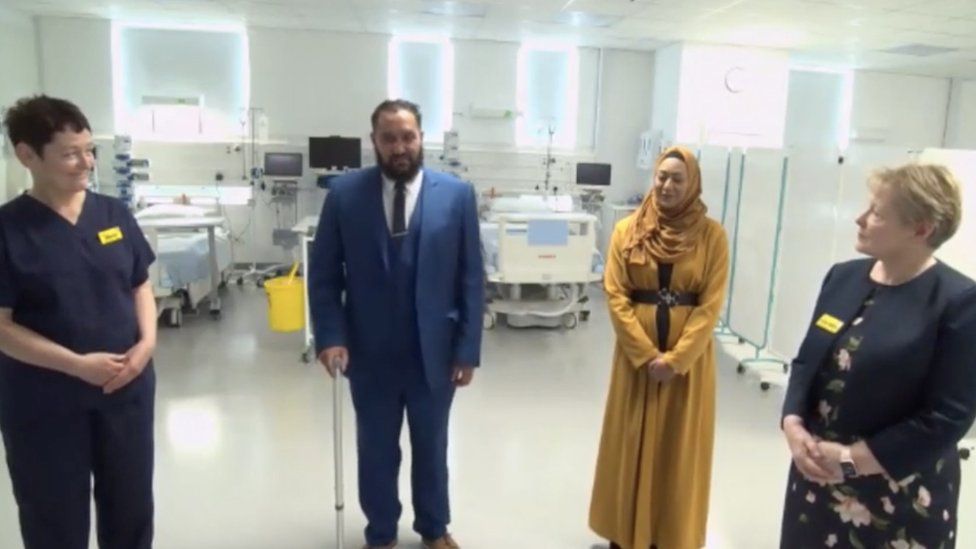
SharecloseShare pageCopy linkAbout sharingThis video can not be playedTo play this video you need to enable JavaScript in your browser.The Queen has revealed Covid left her “very tired and exhausted” after she caught the virus earlier this year.The monarch, 95, was taking part in a virtual hospital visit when she described her experience to a former virus patient, whose father and brother had died with the illness.The call to the Royal London Hospital last week marked the official opening of its Queen Elizabeth Unit.Buckingham Palace said in February that the monarch had coronavirus.She was said to be suffering “mild cold-like symptoms” at the time. During her video call to the hospital, the Queen said: “It [Covid] does leave one very tired and exhausted, doesn’t it?”Speaking to former Covid patient Asef Hussain and his wife Shamina, she added: “This horrible pandemic. It’s not a nice result.”Queen tests positive for CovidCharles met Queen two days before testing positiveCelebrations revealed for Queen’s Platinum JubileeMr Hussain was the third member of his family to be admitted to hospital with the virus in December 2020. While he was there, his brother and father died. After spending seven weeks on a ventilator, he is still recovering and uses a portable oxygen machine.Mrs Hussain told the Queen that at one point 500 friends and family from across the world were on a Zoom call praying for her husband. The monarch asked the couple: “So you have a large family, or a large influence on people?”And referring to the restrictions on people visiting loved ones being treated in hospital at the time, the Queen – patron of the hospital – said: “Of course not being able to see your relative was very hard.”Image source, Buckingham PalaceThe Queen heard how hospital staff coped with the huge influx of Covid patients. Mireia Lopez Rey Ferrer, a senior sister who has worked at the hospital in Whitechapel, east London, since 2008, told the Queen: “As nurses, we made sure that they were not alone. “We held their hands, we wiped their tears and we provided comfort. It felt at times that we were running a marathon with no finish line.”She added: “I look back to the last 18 months with great pride, pride not only in the care we provided to each and every single patient that was in one of our hospital beds, but pride in each member of staff that every day left their families at home despite their fears and worries and they came to work.”Image source, Buckingham PalaceAbout 800 people from across north-east London have so far been treated at the 155-bed Queen Elizabeth Unit. It was built in five weeks to meet the demand for Covid patients, instead of the normal time period of five months. At the end of the call, the Queen spoke to the construction team who created the unit, which is on two floors of the hospital. She told them: “It is very interesting, isn’t it, when there is some very vital thing, how everybody works together and pulls together – marvellous isn’t it?”When the team hailed the “Dunkirk spirit” that inspired them, the monarch replied: “Thank goodness it still exists.”More on this storyQueen hands over to Charles for Maundy ServiceQueen hears tributes to her ‘beloved Philip’Queen tests positive for CovidPalace eases concerns over Queen’s Covid case

Read more →

Uptick in New Covid Cases Is Concerning but Not Surprising, Dr. Fauci Says

The national uptick in new U.S. coronavirus cases in recent days is concerning, Dr. Anthony S. Fauci, the nation’s top infectious disease expert, said Sunday. But he suggested that the rise was not yet cause for alarm and that officials were monitoring it “very, very carefully.”Across the country, there are more than 30,700 new virus cases a day, on average, a 2 percent increase from two weeks ago, according to a New York Times database. But some regions and cities, including New York City and Washington, D.C., are experiencing sharper increases, though their average number of new cases remains far below peaks during the recent winter surge. In New York City, cases have increased nearly 50 percent over the past two weeks and several officials and Broadway stars have recently tested positive.This rise is not surprising, given the spread of the highly transmissible Omicron subvariant known as BA.2 and the easing of many public health measures, such as mask mandates, across the country, Dr. Fauci said on ABC’s “This Week.”“This is not unexpected — that you’re going to see an uptick when you pull back on the mitigation methods,” he said.Coronavirus cases in the United States by regionThis chart shows how reported cases per capita have changed in different parts of the country. The state with the highest recent cases per capita is shown.

Read more →

Will the Virus Cooperate With Broadway’s Spring Rebound?

It will be the busiest April for Broadway openings in more than a decade. But some of its biggest stars have been sidelined by positive tests.After a gloomy winter in which the Omicron variant shriveled Broadway’s lucrative holiday season, New York’s vaunted theater industry has been betting on a big spring, nearly doubling the number of shows on offer as the pandemic-battered business thirsts for a rebound.Adding all those plays and musicals — 16 new productions plus three returning from hiatuses are opening over a five-week stretch — was always going to be a gamble, since no one knows, in this not-yet-post-pandemic era, whether there are enough tourists and theatergoing locals to sustain that many shows.And now the stubborn persistence of the coronavirus is complicating matters even further. A rising number of cases in New York City, coinciding with the arrival of the virus’s BA. 2 subvariant, has once again rocked Broadway, infecting some of its biggest stars, including Daniel Craig, Sarah Jessica Parker and Matthew Broderick, and forcing four shows to temporarily cancel performances.“Our hope is that this isn’t a moment, but rather this is the way we will function now,” Parker said as she reflected on the high number of spring Broadway openings.OK McCausland for The New York Times“What we thought we were entering into this spring, which was always going to be busy and crowded, over the last week has changed dramatically,” said Greg Nobile, the lead producer of a new farce, “POTUS,” which, while still in rehearsals, has had to adapt as four of its seven actresses tested positive for the coronavirus. “Somehow it feels like, ‘This again?’ The answer is yes, but this time, we need to ask the question, how do we truly keep the show on, and what are the ways we are adjusting to what is a new normal?”Broadway’s big spring began on a cold night in late March with the opening of a revival of “Plaza Suite,” a Neil Simon comedy starring Parker and Broderick that was initially scheduled to start performances on March 13, 2020. Broadway shut down for the pandemic the day before that performance, and the Hudson Theater remained vacant, with the married co-stars’ names on the marquee and the set on the stage, for two full years before they returned to try again.“Every time I can walk a red carpet, I know it’s going to bring green currency to our city,” Mayor Eric Adams of New York said at the “Plaza Suite” opening.OK McCausland for The New York Times“Our hope is that this isn’t a moment, but rather this is the way we will function now,” Parker, in a pink satin gown with a beaded tulle overlay, said opening night at the end of an 80-foot-long preshow red carpet. “We have restaurants waiting to reopen still, we have hotel employees waiting to come back, we have delis that have been hit, we have ushers who are wanting to work the front of the house.”The crowd that came out to cheer her on, which included Mikhail Baryshnikov, Laura Linney, Cynthia Nixon and Martin Short, was buoyant.Broderick, finished with the gauntlet of camera crews arrayed inside a translucent tent, remarked how much he had enjoyed returning to the theater as an audience member, and now as a performer. “We’re learning to live with the pandemic or endemic — whatever you want to call it now — so the stronger theater and everything New York gets, the more normal life is,” he said. “This is part of the world coming back.”But eight days later, he tested positive, and two days later, so did she.Broadway openings remain starry, even in an era of few parties. Among those at the “Plaza Suite” opening: Anna Wintour, the longtime Vogue editor. OK McCausland for The New York TimesThe crowd that came out to cheer Parker and Broderick on included Mikhail Baryshnikov and his wife, Lisa Rinehart.OK McCausland for The New York Times“Plaza Suite” has been closed since Thursday, as has “Paradise Square,” a new musical which was already struggling at the box office and can ill afford the lost revenue. Craig’s show, a revival of “Macbeth,” canceled 10 days of previews. And “A Strange Loop,” a new musical which won the Pulitzer Prize based on its Off Broadway run, scrapped its first five days of previews. All cited positive coronavirus tests among company members as the reason; all hope to resume performances this week.The latest virus-related cancellations were all at new shows; shows that have been running longer had more time to prepare for cast absences, and have been able to soldier on with understudies. Most notably, a revival of Stephen Sondheim’s “Company” that opened last December temporarily lost six of its principals to positive coronavirus tests in April, including its lead actress, Katrina Lenk, but the show went on. (Its best known performer, Patti LuPone, was not among those stricken, possibly because she had tested positive in late February and missed 10 days then.)And the effects are not limited to Broadway: Off Broadway, shows including “Suffs,” at the Public Theater, and “At the Wedding,” at Lincoln Center Theater, have also temporarily canceled performances.The industry is undergoing a stress test of sorts, as the annual crush of Broadway openings, which tend to cluster just before an end-of-April deadline to qualify for the Tony Awards, is even bigger than usual because some productions postponed their start dates in the hopes of avoiding the peak of the Omicron variant. This month features the highest number of Broadway openings in any April for more than a decade.So many shows are opening that Times Square rehearsal space is scarce, so the farce “POTUS” turned to Union Square. Among those in the cast are Julianne Hough, front left, and Vanessa Williams, front right.OK McCausland for The New York TimesBroadway is always a risky business, in which far more shows fail than succeed. Some producers acknowledge that having a glut of new shows vying for attention and audience at the same fraught time is less than ideal, but they tend to be optimists, and each seems to believe that theirs is the show audiences have been waiting for.“You can play a bit of chicken-and-egg,” said Jordan Roth, the president of Jujamcyn Theaters, which runs five Broadway houses. “Should we wait until every tourist is in town? But why is every tourist going to be in town if we wait? At some point we have to decide that we’re going to live.”This is actually Broadway’s second attempt at a rebound. The first began gradually last June, with the return engagement of Bruce Springsteen’s wildly popular evening of songs and storytelling. The first play began performances last August, and in September, with a moment of hope and celebration, the biggest musicals returned.Julie White, right, was among the members of the “POTUS” cast who tested positive during rehearsals. On White’s first day back, still coughing and wearing a mask, the play’s director, Susan Stroman, helped silence prop watches.OK McCausland for The New York TimesEarly box office grosses and attendance were encouragingly robust. But then the Omicron variant arrived in New York, contributing to the premature closing of nine shows and crushing attendance at the worst possible time of year: Only 62 percent of Broadway’s seats were occupied during the week ending Jan. 9.Through late winter, there were only 19 shows running in Broadway’s 41 theaters. With little competition, many of those left standing — mostly established hits or shows with famous titles — did quite well. By the week ending March 20, 92 percent of seats were occupied.Now, as the number of shows grows, and untested titles join the hits, average attendance is slipping, with 85 percent of seats filled during the week ending April 3. Overall, 224,053 people were at the 31 shows running that week, which is the highest number of ticket holders this year, but is substantially lower than the 315,320 who attended the 38 shows running during the comparable week in 2019.“The reopening of these shows is a real celebration of moving forward,” said Tom Harris, the president of the Times Square Alliance, which is marking this busy spring with a display of 10-foot-tall Playbill monoliths erected on a theater district pedestrian plaza. He noted that while Times Square was growing livelier, it is still quieter than it used to be: In March there were about 255,000 people passing through the neighborhood on an average day, he said, down from about 365,000 daily visitors before the pandemic.The play did not miss a day of rehearsals, despite cast absences; in this scene, Anita Abdinezhad, seated, filled in for Rachel Dratch. OK McCausland for The New York TimesUntil the pandemic, Broadway was booming, with 14.8 million ticket holders spending $1.8 billion at the box office during the 2018-19 season, which was the last full season before the coronavirus. But travelers to New York City, who before the pandemic accounted for two-thirds of the Broadway audience, have not returned in prepandemic numbers; the city’s tourism agency is projecting 56.4 million visitors this year, down from 66.6 million in 2019.That helps explain why Mayor Eric Adams has been celebrating Broadway at every opportunity — showing up at the openings of “The Music Man” and “Paradise Square” and attending a student performance of “Hamilton” in recent weeks.“Every time I can walk a red carpet,” Adams said in an interview at the “Plaza Suite” opening, “I know it’s going to bring green currency to our city.”The play is a comedy by Selina Fillinger about seven women who try to shore up a problematic president. OK McCausland for The New York TimesNow, as the city has dropped vaccine mandates at restaurants and other public spaces, Broadway must decide whether to do the same. Its current safety protocols, which require that all ticket holders show proof of vaccination to enter theaters and remain masked while inside, except when eating or drinking, are in place through April 30. Theater owners and operators had planned to announce by April 1 whether they would extend those rules, but they postponed that decision until April 15 as case counts rose.At the same time, the new shows keep coming. So many are opening this month that “POTUS,” whose stars include Julianne Hough and Vanessa Williams, wound up rehearsing at the Daryl Roth Theater, in Union Square, because the production could not find suitable space in the theater district.On a recent Saturday, the cast gathered to work on scenes on a makeshift White House set. One of the stars, Rachel Dratch, was still out with the coronavirus, so her part was rehearsed by an understudy, Anita Abdinezhad, while another star, Julie White, was back for the first time since finishing her isolation period. White, who had kept an eye on rehearsals via video while recuperating, was still coughing beneath a mask, but had her lines down cold, and she leaned in to the comedy.As she arrived, she was visibly delighted to be back at work. She noted her relief at finally seeing negative results on her daily coronavirus test, saying, “It was so good to see that single line this morning.”

Read more →