Small Study on Rectal Cancer Results in Remission in Every Patient

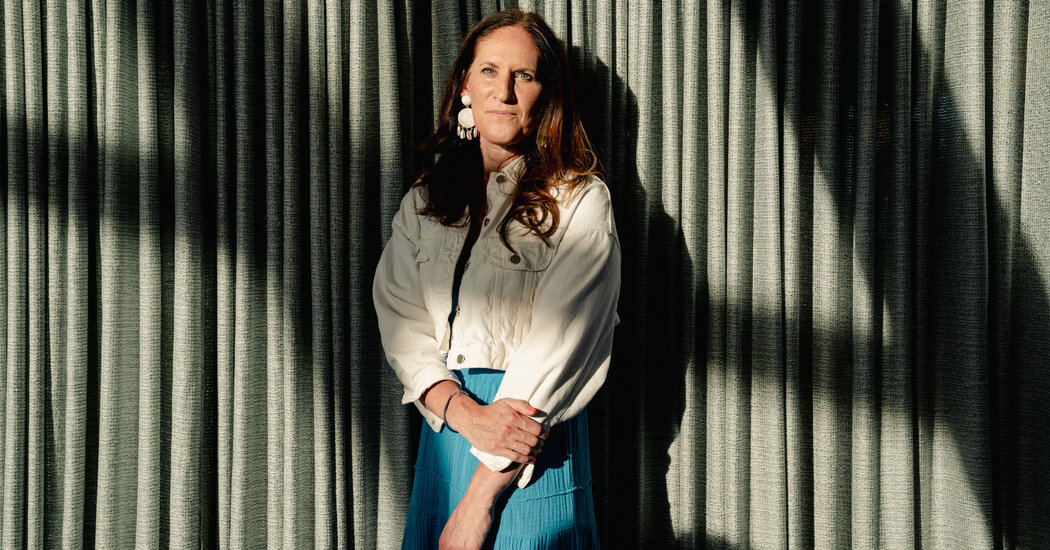
The study was small, and experts say it needs to be replicated. But for 18 people with rectal cancer, the outcome led to “happy tears.”It was a small trial, just 18 rectal cancer patients, every one of whom took the same drug.But the results were astonishing. The cancer vanished in every single patient, undetectable by physical exam, endoscopy, PET scans or M.R.I. scans.Dr. Luis A. Diaz Jr. of Memorial Sloan Kettering Cancer Center, an author of a paper published Sunday in the New England Journal of Medicine describing the results, which were sponsored by the drug company GlaxoSmithKline, said he knew of no other study in which a treatment completely obliterated a cancer in every patient.“I believe this is the first time this has happened in the history of cancer,” Dr. Diaz said.Dr. Alan P. Venook, a colorectal cancer specialist at the University of California, San Francisco, who was not involved with the study, said he also thought this was a first.A complete remission in every single patient is “unheard-of,” he said.These rectal cancer patients had faced grueling treatments — chemotherapy, radiation and, most likely, life-altering surgery that could result in bowel, urinary and sexual dysfunction. Some would need colostomy bags.They entered the study thinking that, when it was over, they would have to undergo those procedures because no one really expected their tumors to disappear.But they got a surprise: No further treatment was necessary.“There were a lot of happy tears,” said Dr. Andrea Cercek, an oncologist at Memorial Sloan Kettering Cancer Center and a co-author of the paper, which was presented Sunday at the annual meeting of the American Society of Clinical Oncology.Another surprise, Dr. Venook added, was that none of the patients had clinically significant complications.On average, one in five patients have some sort of adverse reaction to drugs like the one the patients took, dostarlimab, known as checkpoint inhibitors. The medication was given every three weeks for six months and cost about $11,000 per dose. It unmasks cancer cells, allowing the immune system to identify and destroy them.While most adverse reactions are easily managed, as many as 3 percent to 5 percent of patients who take checkpoint inhibitors have more severe complications that, in some cases, result in muscle weakness and difficulty swallowing and chewing.The absence of significant side effects, Dr. Venook said, means “either they did not treat enough patients or, somehow, these cancers are just plain different.”In an editorial accompanying the paper, Dr. Hanna K. Sanoff of the University of North Carolina’s Lineberger Comprehensive Cancer Center, who was not involved in the study, called it “small but compelling.” She added, though, that it is not clear if the patients are cured.“Very little is known about the duration of time needed to find out whether a clinical complete response to dostarlimab equates to cure,” Dr. Sanoff said in the editorial.Dr. Kimmie Ng, a colorectal cancer expert at Harvard Medical School, said that while the results were “remarkable” and “unprecedented,” they would need to be replicated.The inspiration for the rectal cancer study came from a clinical trial Dr. Diaz led in 2017 that Merck, the drugmaker, funded. It involved 86 people with metastatic cancer that originated in various parts of their bodies. But the cancers all shared a gene mutation that prevented cells from repairing damage to DNA. These mutations occur in 4 percent of all cancer patients.Patients in that trial took a Merck checkpoint inhibitor, pembrolizumab, for up to two years. Tumors shrank or stabilized in about one-third to one-half of the patients, and they lived longer. Tumors vanished in 10 percent of the trial’s participants.That led Dr. Cercek and Dr. Diaz to ask: What would happen if the drug were used much earlier in the course of disease, before the cancer had a chance to spread?They settled on a study of patients with locally advanced rectal cancer — tumors that had spread in the rectum and sometimes to the lymph nodes but not to other organs. Dr. Cercek had noticed that chemotherapy was not helping a portion of patients who had the same mutations that affected the patients in the 2017 trial. Instead of shrinking during treatment, their rectal tumors grew.Perhaps, Dr. Cercek and Dr. Diaz reasoned, immunotherapy with a checkpoint inhibitor would allow such patients to avoid chemotherapy, radiation and surgery.New Developments in Cancer ResearchCard 1 of 7Progress in the field.

Read more →

Improved progression-free survival in multiple myeloma patients following three-drug therapy with autologous stem cell transplant

Patients with multiple myeloma who have been treated with a three-drug combination therapy have a growing number of choices for subsequent treatment. Results of a new study led by researchers at Dana-Farber Cancer Institute can help patients and their physicians weigh benefits and risks of each option.
The study, being presented today at the Annual Meeting of the American Society of Clinical Oncology (ASCO) as a plenary session and published simultaneously in the New England Journal of Medicine, found that newly diagnosed patients treated with a triad of drugs (abbreviated as RVd) lived longer without their disease worsening if they received an autologous stem cell transplant soon after RVd therapy than if they simply had their stem cells collected for a possible future transplant. However, patients were just as likely to be alive more than six years after treatment regardless of whether they underwent an immediate stem cell transplant or chose to reserve transplant as a later option. Importantly the use of maintenance lenalidomide in both groups continuously until progression conferred substantial clinical benefit.
The results are influenced by other key factors. While an autologous stem cell transplant yielded a longer progression-free survival (PFS) — the length of time patients are alive with no relapse of their cancer — the high doses of the chemotherapy drug melphalan given in advance of a transplant significantly increase patients’ risk of developing secondary leukemia and myelodysplasia later. Patients who have an early transplant also experience harsher side effects than those who decide to keep a transplant on hold, but those effects generally diminish three or four months after the transplant, providing patients with a recovery in quality of life over the longer term, despite a significant decrease during transplant.
Additionally, researchers found that patients who had minimal residual disease (MRD) following RVd therapy — meaning tests still detected a small number of myeloma cells in their body — had a longer PFS if they underwent an early transplant than if they delayed a transplant. However, patients who were found to have no MRD after initial treatment did just as well whether they had an early transplant or not.
“Now more than ever, treatment for multiple myeloma can be adapted for each patient,” says Paul G. Richardson, MD, clinical program leader and director of clinical research in the Jerome Lipper Multiple Myeloma Center at Dana-Farber, who will present the study findings at ASCO and is the lead author of the paper in the New England Journal of Medicine. “Our study provides important information about the benefits of transplant in the era of highly effective novel therapies and continuous maintenance, as well as the potential risks, to help patients and their physicians decide what approach may be best for them. This is particularly relevant as we have now further improved the induction treatment for younger patients with newly diagnosed myeloma using quadruplet regimens incorporating monoclonal antibodies, such as RVd combined with daratumumab.”
The clinical trial led by Richardson, dubbed the DETERMINATION study, enrolled 722 patients under the age of 65 with multiple myeloma. Eighteen percent of participants were African American — whose risk of developing myeloma is twice that of whites — giving the trial the largest enrollment of African Americans of any similar myeloma treatment study to date. Fifty-six cancer centers across the U.S. were involved in the study. Dana-Farber’s Kenneth C. Anderson, MD, program director of the Jerome Lipper Multiple Myeloma Center and LeBow Institute for Myeloma Therapeutics, and Nikhil Munshi, MD, director of Basic and Correlative Science at the Jerome Lipper Multiple Myeloma Center, are co-senior authors of the study.

Read more →

Promising rectal cancer study

UNC Lineberger Comprehensive Cancer Center’s Hanna K. Sanoff, MD, MPH, is the author of a viewpoint in the New England Journal of Medicine that provides a perspective on the evolving treatment of rectal cancer. She offers prospects for future treatment of the disease in light of encouraging findings from a study published in the journal that found the immunotherapy drug dostarlimab was especially effective in a phase II clinical trial of a dozen patients with a subtype of rectal cancer.
Approximately 5-10% of rectal cancers are molecularly characterized as being deficient in mismatch repair enzymes (dMMR). These cancers tend to be less responsive to chemotherapy and radiation, which increases the chance that surgical treatment is necessary. Unfortunately, surgery can result in notable health consequences, including nerve damage, infertility, and bowel and sexual dysfunction.
“Over 45,000 people in the United States were diagnosed with rectal cancer last year, and many of those cases were in people under the age of 65. Historical treatment of the disease has included radiation, surgery and chemotherapy, which can be debilitating despite its curative potential, pointing to the need for better and more effective treatments that can prolong longevity while maintaining quality of life,” said Sanoff, who is the quality and innovation officer of the North Carolina Cancer Hospital and professor in the UNC School of Medicine Division of Oncology. “These initial findings of the remarkable benefit with the use of dostarlimab are very encouraging but also need to be viewed with caution until the results can be replicated in a larger and more diverse population.”
Sanoff also cautioned that little is known about how long the benefit of the drug will last or whether it will be curative in the long-term. Patients in this trial have only been observed for six months to two years so far.
“The responses in these first 12 of a planned-for 30 patients in the trial were remarkable and exceed what we would expect with the standard chemotherapy plus radiation,” Sanoff said. “Although quality of life measures have not been reported yet, it’s encouraging that some of the most difficult symptoms, such as pain and bleeding, all resolved with the use of dostarlimab.”
Sanoff noted there are other immunotherapy drugs that could also be tested against this form of rectal cancer. “As a gastrointestinal medical oncologist, I can think of nothing better for my patients than being able to offer them a drug that is more effective, less toxic and avoids surgery, chemotherapy, and radiation; that day can’t come soon enough,” she said.
Story Source:
Materials provided by UNC Lineberger Comprehensive Cancer Center. Note: Content may be edited for style and length.

Read more →

Monkeypox: Cases outside Africa rise to 780 in three weeks

SharecloseShare pageCopy linkAbout sharingImage source, Science Photo LibraryThere have been 780 confirmed cases of monkeypox in countries where the virus is not usually found, the World Health Organization says.That is roughly triple the 257 cases it reported a week ago.It says the figure – for the past three weeks – is probably an underestimate and assesses the global risk level as “moderate”.The infection is usually mild, but this is the first time it has spread widely outside Central and West Africa.The WHO said cases had been identified in 27 countries where it is not already “endemic” – meaning places it is expected to be found. Most of these new cases are in Europe and North America as well as small numbers in Mexico, Argentina, Morocco and the United Arab Emirates.The UK has the most cases, with 207, followed by Spain with 156 and Portugal with 138.In its latest update, the WHO said some countries were reporting that new cases were appearing beyond known contacts of previously confirmed cases, which it said suggested chains of transmission were being “missed through undetected circulation of the virus”.”It is highly likely that other countries will identify cases and there will be further spread of the virus,” it added.While the current risk to human health for the general public “remains low”, the public health risk could “become high” if the virus becomes widespread in countries where it is not normally found, it said. No deaths have been reported as a result of the current outbreak.The global health body said most, but not all, of the reported cases so far have involved men who have sex with men. There is no evidence that monkeypox is sexually transmitted, but it is passed on through close contact.Monkeypox: Handing out health advice without stigmaMonkeypox cases rise as new UK sex advice issuedThe organisation said many cases were not presenting with the typical clinical picture for monkeypox, with some describing pustules appearing before symptoms such as fever.Most cases of the virus clear up on their own within a few weeks. Symptoms include fever, headaches, swellings, back pain, aching muscles, as well as a rash which goes through different stages.Monkeypox can sometimes be more severe, however, and has been reported to have caused deaths in West Africa in the past.More on this storyMonkeypox outbreak mostly in young men in LondonWhat is monkeypox and how do you catch it?Monkeypox cases rise as new UK sex advice issuedThe Covid conspiracies being recycled for monkeypoxMonkeypox: Handing out health advice without stigma

Read more →

In Older Americans, Rising Debt May Adversely Affect Health

Research shows that debt has risen among older people, and those who owe are more likely to have multiple diagnosed illnesses.Denise Revel had a history of developing blood clots, so in 2011, when her leg grew painfully swollen and hot to the touch, she knew what to do. She headed for the emergency room.She recovered from the clot but could not pay the medical bill. Working as a fitness instructor, she had no health insurance. “I’ve always been financially challenged,” said Ms. Revel, 62, who lives with her daughter in Stockbridge, Ga. “I was a single parent raising two children.”Four years later, when she was working as a part-time cargo agent for Delta Air Lines, a workplace accident severely injured her leg, leading to extended hospitalization and rehab. Workers’ compensation picked up most, but not all, of the medical costs. In addition to her still-unpaid E.R. bill from years before, she acquired thousands in additional medical debt.With some older people finding themselves unable to dig out from debt, such dilemmas threaten any notion of a comfortable retirement and have generated alarm among economists and other researchers.“It’s like a dark cloud over your head,” Ms. Revel said. “You get people calling you, being demanding; some can be very rude. You don’t even want to answer your phone.” She worried constantly about her debts, including monthly installments on her 2014 Toyota Camry, and about being unable to access medical care if she needed it.Now, researchers at the Urban Institute, by analyzing broad national data over nearly 20 years, have reported that indebted older adults fare measurably worse on a range of health measures: fair or poor self-rated health, depression, inability to work, impaired ability to handle everyday activities like bathing and dressing.Those in debt were also more likely to ever have had two or more doctor-diagnosed illnesses like hypertension, diabetes, cancer, heart and lung disease, heart attacks and strokes.“There seems a clear causal link between certain types of debts, especially at higher amounts, and negative health outcomes, both physical and mental,” said Stipica Mudrazija, a senior research associate at the institute.“Debt is not a bad thing in and of itself,” he said. “If it’s used cautiously, it can build up wealth over time.”Older adults typically carry less debt than younger ones because people tend to shed debt as they approach and enter retirement. But in recent decades, each cohort of seniors has been more indebted than the previous one.“There’s a group of older people in financial distress,” said Annamaria Lusardi, an economist at the George Washington University. “They’re highly leveraged; they’re carrying high-cost debt. They’re being contacted by debt collectors. They’re not going to enjoy their golden years.”Dr. Mudrazija and his co-author, Barbara Butrica, a senior fellow at the institute, used data from the national Health and Retirement Study and calculated that in 1998, about 43 percent of Americans over age 55 had debt, a median of $40,145. By 2016, about 57 percent had debt and more of it: a median $62,784, adjusted for inflation.The proportion whose debt represented 30 percent of their total assets had risen to almost 45 percent, and the proportion whose debt-to-asset ratio had reached a worrisome 80 percent nearly doubled, to 15 percent.Although seniors with any debt were more likely to encounter health problems, the kind of debt mattered, according to the study, which was published by the Boston College Center for Retirement Research.Secured debt, like mortgages and other home loans, is backed by an asset: the dwelling. Such debt rose among older borrowers as real estate prices soared and interest rates remained low. “It’s increasingly less the norm for people to pay off their mortgages before they retire, the traditional model,” Dr. Mudrazija said.But secured debt appeared less detrimental to health than unsecured debt like credit card balances, student loans and overdue medical payments, which usually charge higher interest rates. About 24 percent of older adults’ debt was unsecured in 1998; by 2016, the proportion had climbed to 35 percent.Dr. Mudrazija and Dr. Butrica found, for example, that limitations in a person’s ability to perform activities of daily living was only slightly higher for people carrying secured debt than those without debt; the difference did not reach statistical significance. But those with unsecured debt were 28 percent more likely to need help with such activities.Moreover, as the level of unsecured debt rose, their risks climbed steeply. If what they owed amounted to 30 percent of their assets, they were 65 percent more likely to have trouble with daily activities compared with those with no debt and almost twice as likely if they owed 80 percent of their assets. Other health problems showed similar associations with unsecured debt.Why would unsecured debt have such impact? The mechanism through which debt affects health remains unclear, Dr. Mudrazija said. He added that the relationship can also work in the other direction: People with poorer health might need to borrow more, especially as increases in health care costs have outpaced inflation.But “secured debt is a planned debt,” he said. “I decide I’m going to buy a house. It’s an investment, and often a well thought-out decision.”“Unsecured debt often comes as a surprise,” he added. “You lose a job and have to live off a credit card. You get sick and face a huge hospital bill. The shock and stress might translate to deteriorating health.”In a 2020 study, also using Health and Retirement Study data, Dr. Lusardi and her co-authors found that even in a relatively high-income group of 51- to 61-year-olds, whose average household income was $103,000, almost one-quarter reported being contacted by bill collectors. “I was frankly shocked,” Dr. Lusardi said. “People close to retirement should be at the peak of their wealth accumulation.”The pressures are stronger still on older people with less income and education, and on women and nonwhite people.In a study using credit bureau data, Dr. Mudrazija and Dr. Butrica documented the disparity. “In ZIP codes where people are better off, older people carry mortgages, but they pay them off,” Dr. Mudrazija said. “Where people are poorer, they seem to carry debt indefinitely.” They are also more vulnerable to predatory payday lending.What could help seniors avoid these credit traps, apart from higher incomes and more comprehensive health insurance? (In 2020, one-fifth of Medicare beneficiaries over 65 paid $2,000 or more out of pocket, beyond the premiums themselves, according to a study by The Commonwealth Fund.)Dr. Lusardi advocates financial literacy training in workplaces, where employers are more apt to emphasize retirement savings than debt management. Some borrowers don’t grasp fundamentals such as the way interest compounds, she said.“We have made it very easy to borrow,” she said. “We also need to help people make good decisions.”But regulating credit, providing clearer consumer information and reining in predatory lending practices could also reduce high levels of unsecured debt, Dr. Mudrazija said.Last fall, Ms. Revel got a call out of the blue. The nonprofit RIP Medical Debt, which uses donated dollars to buy bundled medical debt, had acquired her long-outstanding emergency room debt of $2,728.50 and erased it. “I was so grateful,” she said.Unable to work, relying on disability payments, Ms. Revel is now ensured by Medicare and Medicaid, shielding her from most future medical debt. She is down to the last three months of car payments and “I’m counting the days.”But she still owes a local group of vascular specialists $5,000. At a negotiated $25 a month, she will be nearly 80 when she pays it off.

Read more →

Outcry Over High School Clinic Exposes Deep Divisions on Mental Health

American teenagers are reporting severe levels of anxiety and depression. But when Connecticut moved to expand mental health services in schools, it ran into fierce opposition in one town.KILLINGLY, Conn. — One evening in March, a high school senior named Sydney Zicolella stood before the school board in this rural, blue-collar Connecticut town and described her psychiatric history, beginning in the sixth grade, when she was “by definition, clinically depressed.”Ms. Zicolella, 17, who wore her dark, curly hair pulled back, is the third of four children in a devout Christian family, and the editor of the newspaper at Killingly High School.Many students there were struggling, she told the board. She had seen kids “walked, carried and cradled out of counseling, hysterical, not wanting to go to the hospital, but also not wanting to be sad anymore.”It was not uncommon, she said, for friends to “disappear for months, only to find out that they had been at a mental health hospital right down the road to my house.” She urged the board to approve the placement of a mental health clinic in the school, part of a push by the state of Connecticut to dramatically expand access to care for teenagers.Convincing the board was a long shot, she knew that. Her own mother, Lisa, 49, who, by her own account, grew up in “the generation of toughing things out,” didn’t support the clinic.It wasn’t that Lisa entirely disapproved of therapy — when Sydney was in crisis, she scoured northeastern Connecticut in search of a therapist who would take her insurance — but she feared school-based therapists would end up advising teens on matters like gender identity or birth control, which she felt belonged firmly in the grip of parents.“I do personally believe there’s a lot of agendas out there,” Lisa said. “And children are very malleable.”This debate has divided Killingly, and its families, since January, when Robert J. Angeli, the superintendent of schools, presented a plan to open a state-funded mental health clinic in the high school.Legislation to expand Connecticut’s network of school-based clinics had sailed through the legislature, passing the House by a vote of 143 to 4. When Mr. Angeli presented the plan before the town’s Board of Education, though, it ran into a solid wall of resistance, mostly on the grounds that it infringed on the rights of parents.In March, Killingly’s board members rejected the plan by a vote of 6 to 3. After that, dozens of supporters of the clinic filed a complaint with Connecticut’s Board of Education, asking the state to “investigate and take corrective action.”Pledging allegiance before a Board of Education meeting last month in Killingly.Christopher Capozziello for The New York TimesSince then, Killingly’s school board meetings have become a battleground for competing views on mental health, exposing divisions that are both partisan and generational. Teenagers have picketed on the well-manicured town common, where petunias grow around a memorial to the Civil War dead, with signs reading “14.7 PERCENT HAVE MADE A SUICIDE PLAN” and “TALK TO YOUR CHILDREN ABOUT MENTAL HEALTH.”Standoffs like the one in Killingly are being watched apprehensively by mental health advocates. During the pandemic, the mental health of children shot to the top of the agenda for both political parties. School-based services, which studies suggest can significantly decrease suicidal behavior and substance abuse, have emerged as a first-line policy response.Over the last year, legislators in more than 30 states have considered an expansion of school-based services, according to Inseparable, a mental health policy group, and eight states, including Connecticut, have passed legislation to do so. Before the services reach students, though, they must be embraced by American communities.In Connecticut, which already has more than 100 school-based health clinics, Killingly is an outlier. But lawmakers and conservative activists have targeted mental health curriculum in several states, often taking aim at social and emotional learning programs, known as SEL, which train students to manage emotions and practice conflict resolution. Lawmakers in Indiana and Oklahoma have put forward bills that would limit the use of SEL in the classroom.A plan is rejectedOlivia McOsker, 17, a senior at Killingly High School, spoke during public comment at the Board of Education meeting in support of the clinic.Christopher Capozziello for The New York TimesOn the January evening when the superintendent introduced staff from Generations Family Health Center, the nonprofit health care group that was to provide services in the school, the visitors peered out of Zoom screens with cheery smiles.The plan was for licensed therapists from Generations to work in a space on the school’s third floor. Students could be referred by teachers or family members, or could come in themselves, and therapy sessions would be scheduled during school hours. Therapists would bill insurance based on a sliding fee scale, using federal funds if necessary, so there would be no cost to the school and little, if any, to the families.Then a chill entered the room as the board members began peppering them with questions. The visitors’ smiles faded.Would they advise students on birth control or abortion? (They wouldn’t give medical advice, but might discuss if it comes up.) If children were referred and didn’t want therapy, would they be forced to do it? (No.) Would students be seen by peers going into treatment, exposing them to ridicule and stigma? (Hopefully not.) Could they get therapy without their parents knowing about it?Conceivably, yes, was the answer. By law, clinicians in Connecticut can provide six sessions of mental health treatment to minors without parental consent under a narrow set of circumstances — if the minor sought treatment, it was deemed clinically necessary and if requiring parental notification would deter the minor from receiving it.This provision is used rarely; in the nearby town of Putnam, which has hosted a school-based mental health clinic for nine years, treating hundreds of students, no child has ever been treated without parental permission, said Michael Morrill, a Putnam school board member.But it was a major sticking point for Norm Ferron, one of the Killingly board members, who said the arrangement would “give a student a lot more access to counseling without seeking parental approval, and I’m not real keen on that.”Another board member, Jason Muscara, said he had already heard enough to make his mind up.“I am not going to make it easier for kids to go around their parents,” he said. “I don’t think we should be helping a kid to walk into a mental health facility in a school and say, ‘I’m thinking about an abortion, let’s talk about that,’ without the parents knowing, for up to six visits.”Chris Viens, a member of the Board of Education, supports the expanded mental health program. He said he expected a little pushback, but was shocked by the vehemence of the opposition.Christopher Capozziello for The New York TimesKillingly’s school board, swept up in the culture wars of the Trump era, has repeatedly cast itself as a bulwark against liberalism and government intrusion. Several of its members were elected in 2020, amid popular outrage over a decision to retire the school’s mascot, the Redmen, at the urging of a student group who said it was offensive. After the election, the new board voted 5 to 4 to reinstate the mascot.The proposed mental health clinic has reopened those divisions, this time around psychotherapy and the values it might instill.At one meeting, a school board member said that, years ago, a therapist had “meddled with my teenaged son’s mind, because at that age they are most vulnerable and they want someone to talk to.” A local man got up to say that “our modern-day psychology is rooted in occultism,” noting that Sigmund Freud used drugs while writing his thesis and Karl Jung channeled spirit guides.Their wariness has resonated with some people in this community.Gerry Golob, 33, a house painter, said his view of psychiatry was shaped when his mother was committed to a state mental hospital, where “they just drug people up.” Plenty of people in Killingly receive mental health treatment, he said — he called the town “a walking pharmaceutical clinic” — but he doesn’t want his children exposed to it. If a clinic were placed in the school, he said, “I would remove my kids instantly.”The vehemence of the opposition to the clinic has come as a shock to Chris Viens, 49, one of three board members who has supported the idea. He said he expected “a little bit of pushback” but “really wasn’t prepared for the idea that we were going to have this long, drawn-out experience.”“It almost seems like there’s a fear that something about their belief system is under attack,” Mr. Viens said in an interview, adding that he was offering his views as a citizen, rather than a board member. “They seem to think that they have to stop it here. It’s almost like this line you don’t cross.”The superintendent, Mr. Angeli, and other members of the school board declined to comment for this article. ‘Why are we treating this like it’s taboo?’Jen Simpson runs a salon in Killingly where she said she hears teenage clients speaking with sophistication about mental health, a subject that was “taboo” when she was their age. Christopher Capozziello for The New York TimesOn the night in March when the Board of Education voted down the mental health center, Ms. Zicolella was at work, at a Mexican restaurant in Dayville. A mother from the school came up to the cash register, told her about the vote and burst into tears.“It was crazy, it made such an outpouring of emotion,” Ms. Zicolella said.For Sydney and her close friends, mental health was a frank topic of discussion. Many of them had struggled after a series of deaths in the school community when they were seventh-graders, she said. In high school, she was diagnosed with depression and generalized anxiety disorder.“Knowing what is going on in your head — being able to call it something official — helps you cope with those things,” she said. By the time they were seniors, her classmates were open about their diagnoses and treatments. “We do consider it part of our identity,” she said.Jen Simpson, 28, said she listens to teenage customers who come in to her salon, BeautyHaus, and is startled by their sophisticated discussion of anxiety and trauma, a vocabulary she assumes they have picked up from social media.Tips for Parents to Help Their Struggling TeensCard 1 of 6Are you concerned for your teen?

Read more →

Baby Formula Plant That Shut Down and Fueled Crisis Restarts Production

Abbott Nutrition said that its plant in Sturgis, Mich., resumed production of EleCare and other formulas on Saturday.Abbott Nutrition, the company that fueled a national shortage of baby formula when it shut down a leading production plant in February because of contamination concerns, said on Saturday that the site has restarted producing EleCare and other formulas.The restarting of the plant in Sturgis, Mich., which was the result of an agreement with the federal Food and Drug Administration, renewed hope that the formula shortage that has sent stressed parents scrambling would ease.Out-of-stock rates had soared to about 74 percent at stores across the country as of the week ending May 28, according to Datasembly, which tracks retail data. The crisis, which had been building for months and stems from pandemic supply issues, was worsened by the plant’s closure.In a statement, Abbott said EleCare would be released to consumers around June 20 and that it was “working hard” to restart production of Similac and other formulas.“We understand the urgent need for formula and our top priority is getting high-quality, safe formula into the hands of families across America,” the company said. “We will ramp production as quickly as we can while meeting all requirements.”Read More on the Baby Formula ShortageUnderstand the Shortage: With just a handful of companies making infant formula for the U.S. market, the shutdown of an Abbott Laboratories plant had an outsize effect.Pumping for the Cause: In New York City, the shortage has prompted a huge volunteer effort, with some mothers donating their excess supply of breast milk to help other parents.A Desperate Search: As the United States faces a baby formula shortage, some parents are rationing supplies, or driving for hours in search of them.An Emotional Toll: The shortage is forcing many new mothers to push themselves harder to breastfeed, with some even looking for ways to start again after having stopped.In February, Abbott announced it was voluntarily recalling three types of infant formula after four babies who were fed formula manufactured at the Sturgis plant became sick with bacterial infections.The F.D.A. had received three consumer complaints about Cronobacter sakazakii, a bacterium that can cause severe, life-threatening infections or inflammation of the membranes that protect the brain and spine. Abbott has said that there was no “conclusive evidence” to link the company’s formulas to the illnesses.Dr. Robert M. Califf, the commissioner of the Food and Drug Administration, told a House panel last month that the Sturgis plant had a leaking roof, water pooling on the floor and cracks in production equipment that allowed bacteria to get in and persist.He detailed “egregiously unsanitary” conditions but he also acknowledged that his agency was too slow in addressing problems at the plant.In a statement on Saturday, the F.D.A. said that it had investigators at the Sturgis plant for several days to observe flooring, roofing and equipment improvements made to the facility. Abbott reported that the facility tested negative for Cronobacter, the agency said.A consent decree the company signed with the government provides a series of new safeguards, including hiring a qualified expert to oversee improvements at the plant and notifying the F.D.A. if it finds any contamination.The agency on Saturday said the steps it has taken, and the restarting of the Sturgis plant, “will mean more and more infant formula is either on the way to or already on store shelves moving forward.”The plant shutdown exacerbated an existing supply crisis, as parents rushed to stock up on formula, sometimes driving for hours, as networks formed on social media to help connect them with dwindling supplies.Navigating the Baby Formula Shortage in the U.S.Card 1 of 6A growing problem.

Read more →

Biden Evacuated From Beach Home After Plane Enters Restricted Airspace

A White House official said the incursion appeared to be an accident and that there was no threat to the president or his family.WASHINGTON — President Biden was briefly evacuated Saturday from his beach home in Rehoboth Beach, Del., after a small private plane accidentally flew into restricted airspace, according to White House and Secret Service officials.Mr. Biden arrived in Rehoboth Beach on Thursday evening and is scheduled to return to the White House on Sunday. Officials said the president was not in danger during the incident.A White House official told reporters that Mr. Biden and the first lady were briefly evacuated and then returned to their residence.“A small private plane entered restricted airspace, all indications are by mistake, and precautionary measures were taken,” the official said. “There was no threat to the president or his family.”Steve Kopek, a spokesman for the Secret Service, said that the plane entered restricted airspace shortly before 1 p.m. Saturday.“The aircraft was immediately escorted out of the restricted airspace,” Mr. Kopek said in a statement. He did not provide more details, but several people in the area tweeted that they saw two military jets flying overhead around the same time.Officials did not provide details about Mr. Biden’s evacuation. But there were public reports that his motorcade was seen driving into a local fire station Saturday afternoon, and then seen leaving the station about a half-hour later. Rehoboth Avenue, a main commercial artery, was shut down briefly, people said on Twitter.Officials said only that precautions were taken.Mr. Kopek said that it appeared that the pilot of the small plane was unaware of the president’s presence in Delaware and of the airspace restrictions that came along with it.“Preliminary investigation reveals the pilot was not on the proper radio channel, was not following the NOTAMS (Notice to Airmen) that had been filed and was not following published flight guidance,” he said in the statement. “The United States Secret Service will be interviewing the pilot.”Mr. Biden owns a $2.7 million beach home in the North Shores, a wealthy neighborhood one mile north of town. He purchased the home in 2017 and frequently uses it for vacations and for brief weekend visits.

Read more →

Abbott: US baby formula plant linked to national shortage resumes production

SharecloseShare pageCopy linkAbout sharingThis video can not be playedTo play this video you need to enable JavaScript in your browser.US firm Abbott says it is restarting production at a baby formula plant after its shutdown contributed to a national shortage of the baby food.The plant in Michigan – one of America’s largest – was closed in February because of contamination.Coupled with global supply chain issues, the factory’s closure led to acute shortages.Parents were left scrambling for supplies, seeking formula from food banks, friends and doctor’s offices.Some turned to social media to try to track down baby milk, while others attempted to make their own substitutes (against medical advice).The facility has met initial government sanitary requirements for reopening, the company said in a statement.Abbott said it would initially prioritise the production of its EleCare speciality formulas for babies with severe food allergies and digestive problems. “We’re also working hard to fulfil the steps necessary to restart production of Similac and other formulas,” Abbott said, referring to its more mainstream products. It plans to ramp up production as quickly as possible “while meeting all requirements”, it said.The company said it would take about three weeks before new formula from the plant began reaching stores.Baby formula producer to supply US amid shortageOnline groups hunt for baby formula during US shortageUS mothers warned against DIY formula amid shortageLast month, US President Joe Biden invoked the Defense Production Act, a war-time measure, to boost domestic production of formula, and ordered the Pentagon to fly in shipments from overseas.A bill to alleviate the shortage was also overwhelmingly passed by the House of Representatives.Other countries have supplied formula to boost supplies during the crisis.The Abbott plant shut down in February after the death of two babies, and the company issued a product recall amid concerns over bacterial contamination. Inspectors for the Food and Drug Administration (FDA) say they uncovered a number of anomalies at the plant, including bacterial contamination, leaks in the roof and a lack of basic hygiene. The company says there is no conclusive evidence linking its products to infant illnesses or deaths. More on this storyBaby formula producer to supply US amid shortage35 tonnes of baby formula flown into the United StatesOnline groups hunt for baby formula during US shortageUS mothers warned against DIY formula amid shortageWorry and fear as US faces baby formula shortage

Read more →

Removing barriers to opioid use disorder treatment shows success during pandemic

Pandemic-era changes to prescribing guidelines for the lifesaving drug buprenorphine led to improved treatment outcomes for patients with opioid use disorder in Philadelphia, according to a recently published study in the journal Drug and Alcohol Dependence Reports from researchers at Drexel University’s Dornsife School of Public Health.
The authors analyzed data from medical records and the Pennsylvania Prescription Drug Monitoring Program for 506 patients who received buprenorphine for the treatment of opioid use disorder at the multi-service harm reduction organization Prevention Point Philadelphia between September 2018 and June 2020. Once the Drug Enforcement Agency (DEA) authorized less-restrictive prescribing regulations, in response to the pandemic, which included telemedicine visits to clients, longer prescriptions and fewer drug screening requirements during the course of treatment, patient retention in treatment improved. Patients accessing providers using telemedicine resources at Prevention Point stayed enrolled an average of 78 days and those accessing providers via telemedicine offsite stayed in care an average of 180 days. This translates to 3-8 times greater duration in treatment compared to those treated before the pandemic.
The findings are a useful case study for policymakers tasked with improving treatment options for the 1.7 million people in the United States experiencing opioid use disorder. Buprenorphine stops or limits the euphoric effects of opioids while making the body experience craving and withdrawal symptoms less often.
“We treated the policy changes as a natural experiment and compared treatment outcomes before and after they took effect,” said lead author Kathleen Ward, a doctoral research fellow at the Dornsife School of Public Health’s Urban Health Collaborative. “We found the lessened restrictions were associated with people remaining in care for a longer period time. This is a really important finding in support of these policy changes.”
“Prevention Point Philadelphia adapted quickly during the pandemic to care for clients by shifting from only offering onsite treatment at one of their locations to offering telemedicine visits with a provider,” Ward said. “This included allowing clients to come onsite to access telemedicine appointments if they did not have access to a smartphone or computer.”
“During the course of the pandemic, people are still having massive problems accessing care for substance use disorders,” said study co-author Benjamin Cocchiaro, MD, a family medicine provider at Prevention Point. “We’re now allowed to do telemedicine visits, space out urine drug screens — bringing down these barriers brought our internal follow-up rates from one out of five people staying for 180 days up to about three out of five people.”
Buprenorphine helps people recovering from opioid use disorder by reducing cravings and withdrawal symptoms, cutting risk of fatal overdose in half during the first six months of treatment. The medication is prescribed and monitored under the direction of a medical professional to help strengthen recovery from substance use disorder.

Read more →