DNA shed from colon cancers into bloodstream successfully guides chemotherapy after surgery

A new research study showed that circulating tumor DNA (ctDNA) — genetic material shed from tumors into the bloodstream — can identify stage II colon cancer patients who can most benefit from chemotherapy following surgery and spare other patients the need for this form of treatment.
The multi-institutional, international study, led by researchers at the Johns Hopkins Kimmel Cancer Center and WEHI in Melbourne, Australia, found that testing for ctDNA after surgery and directing chemotherapy to ctDNA-positive patients reduced the use of chemotherapy overall without compromising recurrence-free survival.
There are several prior research studies demonstrating that circulating tumor DNA can be detected in blood and that the presence of ctDNA post-surgery predicts a risk of cancer recurrence. However, this is believed to be the first clinical study showing that the measurement of circulating tumor DNA prior to therapy may benefit patients.
These findings will be published in the New England Journal of Medicine and presented at the annual meeting of the American Society of Clinical Oncology on June 4.
“Previous studies have theorized that ctDNA measurements might be useful in guiding patient management, and this study provides real-world clinical evidence that supports these theories,” says Bert Vogelstein, M.D., Clayton Professor of Oncology, co-director of the Ludwig Center at Johns Hopkins and a Howard Hughes Medical Institute investigator. Vogelstein and group were the first to show that colon cancer is caused by a sequence of genetic mutations and showed that DNA shed from tumors could be detected in blood, stool and other body fluids.
Currently, the use of chemotherapy in stage II colon cancer, which is defined as a colon cancer that has grown through the wall of the colon but does not extend to the lymph nodes or other organs, is controversial. There is no consensus among cancer experts on its benefit. This study was aimed at helping solve the controversy by assessing whether ctDNA could be used to provide a more precise prediction of recurrence risk after surgery. Patients who were ctDNA-negative could be spared the toxicities of chemotherapy, and those who had remaining cancer could receive chemotherapy to attack the lingering malignant cells.

Read more →

Fetterman Discloses Extent of Heart Issues: ‘I Avoided Going to the Doctor.’

Lt. Gov. John Fetterman of Pennsylvania, the Democratic nominee in what will be one of the hardest-fought Senate contests in the nation, has a heart condition called cardiomyopathy and appeared to have left other heart issues untreated for years, his doctor disclosed in a statement on Friday.Mr. Fetterman, who suffered a stroke days before the Democratic primary last month, had a pacemaker and defibrillator implanted on the day of the primary, which his campaign at the time described as a standard procedure that would address “the underlying cause of his stroke, atrial fibrillation.” His campaign offered few other details about his condition in the days that followed, but doctors questioned the campaign’s characterization of the use of a defibrillator, noting that they are not typically used for atrial fibrillation, and are more often used for conditions like cardiomyopathy — a weakened heart muscle.“Yesterday I talked to John about how, while afib was the cause of his stroke, he also has a condition called cardiomyopathy,” Ramesh R. Chandra, his doctor, wrote in a note. “The prognosis I can give for John’s heart is this: If he takes his medications, eats healthy, and exercises, he’ll be fine. If he does what I’ve told him, and I do believe that he is taking his recovery and his health very seriously this time, he should be able to campaign and serve in the U.S. Senate without a problem.”Cardiomyopathy “is a disease of the heart muscle that makes it harder for the heart to pump blood to the rest of the body,” according to the Mayo Clinic. “Cardiomyopathy can lead to heart failure.”Dr. Chandra said the defibrillator and pacemaker appeared to be “working perfectly and he is doing well.”Dr. Chandra also wrote that when Mr. Fetterman was diagnosed with atrial fibrillation and a decreased heart pump in 2017, he was prescribed medicine, lifestyle changes and follow-up appointments, but he “did not go to any doctor for 5 years and did not continue taking his medications.”“Like so many others, and so many men in particular, I avoided going to the doctor, even though I knew I didn’t feel well,” Mr. Fetterman said in a statement. “As a result, I almost died. I want to encourage others to not make the same mistake.”Dr. Chandra is Mr. Fetterman’s cardiologist, but after the stroke he was initially treated by other doctors at Lancaster General Hospital. They have not been made available for questions.Former Vice President Dick Cheney had a defibrillator implanted in 2001. He finished two terms in the White House, including a hard-fought re-election campaign in 2004. “Doctors have told me I need to continue to rest, eat healthy, exercise, and focus on my recovery, and that’s exactly what I’m doing,” Mr. Fetterman said. “It will take some more time to get back on the campaign trail like I was in the lead-up to the primary. It’s frustrating — all the more so because this is my own fault — but bear with me, I need a little more time. I’m not quite back to 100 percent yet, but I’m getting closer every day.”When he does return to the campaign trail, it appears his Republican opponent will be Dr. Mehmet Oz, the celebrity television physician. With a statewide recount still underway on Friday in the Republican Senate primary and no official race call, David McCormick conceded the race to Dr. Oz.Ed Rendell, a Democratic former governor of the state and a former chairman of the Democratic National Committee, said in an interview on Friday that he had no qualms about Mr. Fetterman’s fitness to serve. He downplayed how much Mr. Fetterman’s health would weigh on the minds of voters, saying that he did not think it would be an issue.“When I was governor, the Republicans used to say I was one cheese steak away from having a heart attack, and I never did,” said Mr. Rendell. Nancy Patton Mills, the chairwoman of the Pennsylvania Democrats, did not immediately respond to a request for comment on Friday. The Democratic Senatorial Campaign Committee did not immediately comment on Friday.Mr. Fetterman has been off the campaign trail since his stroke and has occasionally released brief videos since then. In a sign that Mr. Fetterman was moving back toward some political engagement, Senator Bob Casey, Democrat of Pennsylvania, wrote on Twitter that he’d had a “virtual double date” with Mr. Fetterman and his wife, Gisele Barreto Fetterman, earlier Friday afternoon.“Looking forward to many more on the campaign trail this summer!” Mr. Casey wrote.Gina Kolata

Read more →

Covid: Why do some vaccines protect you for longer than others?

A measles vaccine can protect you for a lifetime. Tetanus gives you about 10 years of cover, while flu vaccines need updating every year. When it comes to Covid-19, we’re still not sure exactly how long protection from the vaccine lasts. BBC Health and Disinformation Reporter Rachel Schraer explains why.Motion graphics by Jacqueline Galvin.

Read more →

Targeted drug achieves 43% response rate in KRAS-mutated lung cancer

Nearly 43% of patients with non-small cell lung cancer (NSCLC) whose lung cancers harbored a specific KRAS mutation responded to the experimental drug adagrasib, and the targeted agent also showed activity against lesions in the brain that metastasized from the lung tumors, according to results of a study led by Dana-Farber Cancer Institute investigators.
Mutations in the potent oncogene known as KRAS occur in about one in four patients with NSCLC, and approximately 13% of NSCLC patients’ tumors are driven by a specific KRAS mutation called G12C. KRAS mutations have long been considered nearly impossible to attack with targeted drugs after many years of research attempts. However, in 2021 a targeted drug, sotorasib, became the first drug approved by the Food and Drug Administration for NSCLC patients whose tumors harbored the G12C mutation, based on a clinical trial showing a 36% response rate in those patients after having initially received treatment with chemotherapy and a PD-1 immune checkpoint inhibitor.
Reporting the results of a new phase 2 trial presented at the 2022 Annual Meeting of the American Society of Clinical Oncology (ASCO) and simultaneously published in the New England Journal of Medicine, investigators led by Pasi Jänne, MD, PhD, director of the Lowe Center for Thoracic Oncology at Dana-Farber, showed that treatment with a different KRASG12C mutant inhibitor, adagrasib, yielded a 42.9% objective response rate and a median overall survival rate of 12.6 months in a cohort of 112 patients who had previously received both chemotherapy and immunotherapy with a PD-1 immune checkpoint blocker. Notably, adagrasib treatment also achieved a 33.3% response rate in 33 patients who had stable metastatic lesions in the brain and central nervous system that had spread from the lung tumors.
“These data highlight that inhibiting KRASG12C can lead to clinically meaningful benefits to NSCLC patients with this form of lung cancer,” said Jänne. “Brain metastases are challenging to treat and having a pharmacologic agent that shows activity in this setting is an advancement and movement in the right direction.”
Patients with KRASG12C have had few options after initial chemotherapy and immunotherapy stopped working. In the new clinical trial of adagrasib, median progression-free survival (the time patients lived before the cancer began to worsen again) was 6.5 months and the median response duration was 8.5 months. The oral drug was taken twice a day.
Because the KRASG12C tumor cells typically continue to proliferate, researchers believe sustained inhibition with drugs may be necessary. Consequently, adagrasib was optimized for favorable properties including a long half-life (23 hours) and ability to penetrate the central nervous system. Clinical activity with adagrasib has been shown in patients with other KRASG12C tumors, including colorectal, pancreatic, biliary tract, and other cancers.
This clinical trial was sponsored by Mirati Therapeutics, Inc.
KRYSTAL-1: Activity and safety of adagrasib (MRTX849) in patients with advanced/metastatic non-small cell lung cancer (NSCLC) harboring a KRASG12C mutation (Abstract 9002) will be presented by Alexander I. Spira, MD, PhD, Virginia Cancer Specialists Research Institute, during the Lung Cancer — Non-Small Cell Metastatic Oral Abstract Session on Friday, June 3, 2022.
Story Source:
Materials provided by Dana-Farber Cancer Institute. Note: Content may be edited for style and length.

Read more →

Novel approach identifies highly specific anti-cancer compounds

Researchers at Baylor College of Medicine and Texas Children’s Hospital have identified potent, highly specific compounds that interfere with bromodomain (BD)-containing proteins involved in cancer. The compounds, called BET BD1-inhibitors, are a starting point in the development of potentially more effective anti-cancer drugs with less side effects.
The team reports in the Proceedings of the National Academy of Sciences that the novel approach developed at Baylor’s Center for Drug Discovery (CDD) enables the screening of billions of compounds at once and precisely identifies potent drug-like molecules that bind to the cancer protein of interest. One key advantage of this approach is the price tag — these screens are a fraction of the cost of previous methods. In laboratory experiments with cells, the new BD1-inhibitors had marked anti-leukemic activity.
“BD-containing proteins are implicated in cancer, inflammation, infectious diseases and metabolic disorders and have emerged as potential drug targets in a variety of diseases,” said Dr. Joanna Yi, one of the lead authors and assistant professor of pediatric hematology/oncology at Baylor and Texas Children’s. “Over a decade of research has shown that BD-inhibitors can help control cancer growth; however, when tested in clinical trials some had side effects and limited efficacy, halting further clinical development. This has encouraged our group to search for more effective BD-inhibitors.”
The researchers focused on identifying inhibitors specific for the first bromodomains (BD1) in the bromodomain and extra-terminal (BET) subgroup of human proteins. Recent research has shown that BD1 is very important in driving cancer, the researchers explained.
“To identify novel BD1-inhibitors, we took advantage of an innovative, faster and more cost-effective drug discovery tool called DNA-Encoded Chemistry Technology, which enables us to screen billions of compounds,” said first author Dr. Ram K. Modukuri, a staff scientist in the Department of Pathology & Immunology and the CDD at Baylor.
The more commonly used method for discovering drugs, called high throughput screening, involves screening at most a million compounds in individual test tubes. In contrast, by using DNA-Encoded Chemistry Technology, the team was able to screen 4 billion DNA-encoded molecules all in one test tube against BD1 to find one that would bind to it with high specificity when compared to binding to other bromodomains.

Read more →

Novel method for early disease detection using DNA droplets

Aqueous droplet formation by liquid-liquid phase separation (or coacervation) in macromolecules is a hot topic in life sciences research. Of these various macromolecules that form droplets, DNA is quite interesting because it is predictable and programmable, which are qualities useful in nanotechnology. Recently, the programmability of DNA was used to construct and regulate DNA droplets formed by coacervation of sequence designed DNAs.
A group of scientists at Tokyo University of Technology (Tokyo Tech) led by Prof. Masahiro Takinoue has developed a computational DNA droplet with the ability to recognize specific combinations of chemically synthesized microRNAs (miRNAs) that act as biomarkers of tumors. Using these miRNAs as molecular input, the droplets can give a DNA logic computing output through physical DNA droplet phase separation. Prof. Takinoue explains the need for such studies, “The applications of DNA droplets have been reported in cell-inspired microcompartments. Even though biological systems regulate their functions by combining biosensing with molecular logical computation, no literature is available on integration of DNA droplet with molecular computing.” Their findings were published in Advanced Functional Materials.
Developing this DNA droplet required a series of experiments. First, they designed three types of Y-shaped DNA nanostructures called Y-motifs A, B, and C with 3 sticky ends to make A, B, and C DNA droplets. Typically, similar droplets band together automatically while to join dissimilar droplets a special “linker” molecule required. So, they used linker molecules to join the A droplet with B and C droplet; these linker molecules were called AB and AC linkers, respectively.
In their first experiment they evaluated the “AND” operation in the AB droplet mixture by introducing 2 input DNAs. In this operation, the presence of input is recorded as 1 while its absence is recorded as 0. The phase separation of AB droplet mixture occurred only at (1,1), meaning when both input DNAs are present, suggesting successful application of AND operation. Following this study, the scientists decided to introduce breast cancer tumor markers, miRNA-1 and miRNA-2, to AC droplet mixture as inputs for the AND operation. The AND operation was successful implying that the computational DNA droplet identified the miRNAs.
In subsequent experiments, the team demonstrated simultaneous AND as well as NOT operations in AB mixture with miRNA-3 and miRNA-4 breast cancer biomarkers. Lastly, they created an ABC droplet mixture and introduced all the 4 breast cancer biomarkers to this solution. The phase separation in ABC droplet depended on the linker cleavage resulting in a two-phase separation or a three-phase separation.
This property of ABC droplet enabled the researchers to demonstrate the ability to detect a set of known cancer biomarkers or detect markers of 3 diseases simultaneously. Prof. Takinoue, who is also the corresponding author, sees a huge potential for computational DNA droplets. According to him, “If a DNA droplet can be developed which can integrate and process multiple inputs and outputs, we can use it in early disease detection as well as drug delivery systems. Our current study also acts as a steppingstone for research in developing intelligent artificial cells and molecular robots.”
Story Source:
Materials provided by Tokyo Institute of Technology. Note: Content may be edited for style and length.

Read more →

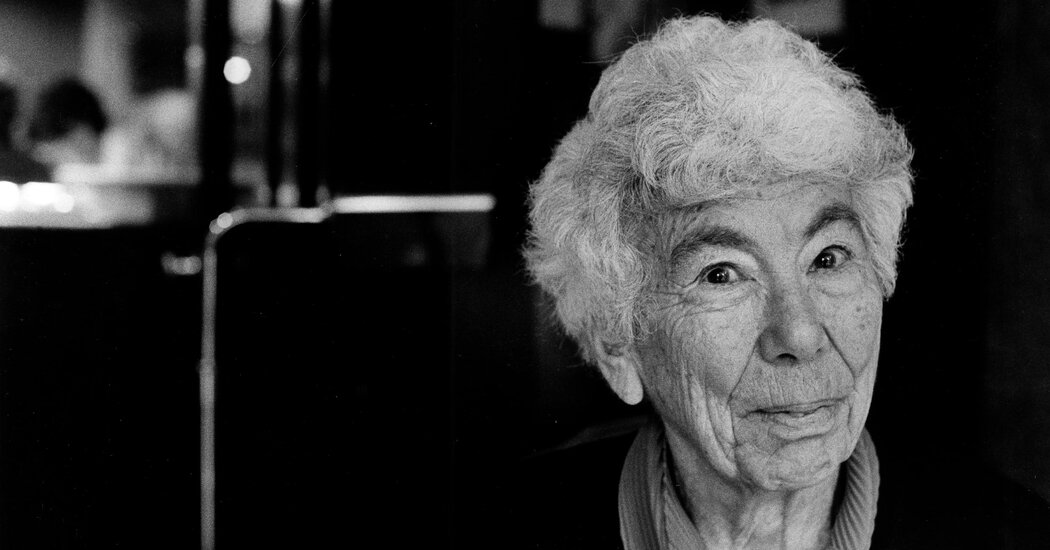
Sophie Freud, Critic of Her Grandfather’s Gospel, Dies at 97

Sigmund Freud’s last surviving grandchild, she fled the Nazis in Vienna, became a professor in America and argued that psychoanalysis was a “narcissistic indulgence.”Sophie Freud, who fled the Nazi onslaught in Europe and escaped to the United States, where, as a professor and psychiatric social worker, she challenged the therapeutic foundation of her grandfather Sigmund’s theories of psychoanalysis, died on Friday at her home in Lincoln, Mass. The last surviving grandchild of Sigmund Freud, she was 97.Her daughter Andrea Freud Loewenstein said the cause was pancreatic cancer.Professor Freud, who taught psychology at Simmons College (now Simmons University) in Boston, devoted her career as a psychosociologist to the protection of children and to introducing feminism into the field of social work.One of the few surviving members of her family to have known Dr. Freud personally, she was raised in what her mother called an “upper-middle-class Jewish ghetto” in Vienna in a turbulent household in which her parents led separate lives and her grandparents, aunts and other relatives from all sides mingled.“I was designated as a Freud, a distinction which carried its own problems,” Professor Freud wrote in “Living in the Shadow of the Freud Family” (2007), an amalgam of letters.Still, she survived her parents’ estrangement; bitter feuds with her brother; a rocky relationship and reconciliation with her mother; 40 years of marriage until she divorced her husband (“because I could not imagine becoming old with a man at my side”); and raising three successful children — all without ever having undergone psychotherapy herself.“I’m very skeptical about much of psychoanalysis,” she told The Boston Globe in 2002. “I think it’s such a narcissistic indulgence that I cannot believe in it.”Professor Freud and several of Dr. Freud’s other grandchildren visited him every Sunday either at his country villas or at Berggasse 19, his home and office in Vienna. They were ushered in promptly at 12:45 p.m. for a 15-minute audience, before lunch was served punctually at 1 p.m. (Inheriting his punctuality, Professor Freud kept an alarm clock at the front of her college classroom.)While fuzzily whiskered, Sigmund Freud was not remembered by his granddaughter as palpably warm. But each Sunday, until she was 14, he would engage in small talk with Sophie and give her eight shillings, enough to buy a ticket to the Burgtheater, she said. He also performed an integral if less ceremonial role.“These grandparents kept an eye on the tumultuous household that my mother and father had created,” Professor Freud wrote in a journal article in 2007. “There was his protective presence.”Decades after her grandfather’s death from cancer in 1939, Professor Freud considered many of his fundamental theories, from “penis envy” to transference, to be outdated — “brilliant as well as questionable,” as she put itWhile he often challenged the Victorian era’s patriarchal view of female sexuality, she wrote, “he mirrored in his theories the belief that women were secondary and were not the norm.” As for his conclusion that “women are forever falling in love with their male therapists,” she said, he sanitized such attachments as transference.“He said it doesn’t matter, women get over it afterward,” Professor Freud said, “but I disagree. Women then go to another therapist to get over that one.”She ratcheted up her criticism in an interview for a Canadian television film, “Neighbours: Freud and Hitler in Vienna” (2003), saying, “In my eyes, both Adolf Hitler and my grandfather were false prophets of the 20th century.” They shared, in her words, “the ambition to convince other men of the one and only truth they had come upon.”“Never could he be wrong,” she said.Professor Freud’s book, an amalgam of letters, was published in 2007.Praeger PublishersMiriam Sophie Freud was born in Vienna on Aug. 6, 1924. Her father, Jean Martin Freud (known as Martin), was Sigmund Freud’s eldest son and a lawyer who became the director of Dr. Freud’s Psychoanalytic Publishing House. Her mother, Ernestine (Drucker) Freud, was a speech therapist who was known as Esti.Sophie tried to make the most of her childhood, despite her parents’ feuding and the animosity between her and her older brother, Walter. Only when she was enrolled as a teenager in Vienna’s most progressive girls’ school, the Schwarzwaldschule, did she excel as a student.Vienna was seething with virulent antisemitism by the mid-1930s and largely welcomed Germany’s annexation of Austria in March 1938. Only after his daughter, Anna, was detained and interrogated by the Gestapo was Dr. Freud finally persuaded to evacuate the family. He and his wife and Anna settled in London, where he died at 83 within weeks of the outbreak of World War II.Sophie’s father, too, fled Vienna for London in May 1938, taking her brother. Sophie and her mother embarked on what in peacetime might have been an idyllic odyssey but was instead a harrowing pursuit for sanctuary. An initial stop in Paris was followed by a 400-mile bicycle trip to the French Riviera, a cruise to Morocco, a flight to Portugal and finally a third-class crossing to the United States.“When my brother, many years later, heard of my criticism of one of our grandfather’s theories,” Professor Freud recalled, “he said to me, ‘Without grandfather, the Nazis would have made lampshades with your skin.’”Sigmund Freud’s four sisters died in the Holocaust. (Walter eventually joined the British Army, helped capture a German air base and served as a war crimes investigator and a chemist. Martin Freud became a tobacconist in England.)Sigmund Freud in his Vienna office in 1930. Each Sunday, until she was 14, he would engage in small talk with Sophie and give her eight shillings, enough to buy a ticket to the Burgtheater, she said. Bettmann/CORBIS Sophie and her mother arrived in New York in November 1942, homeless and virtually penniless but soon to reunite with Esti’s sisters.Sophie applied to Hunter College in Manhattan but was rejected because her mother had not yet established legal residency. But her uncle, Edward Bernays, the public relations pioneer who was a nephew of Sigmund Freud’s, arranged for her admission to Radcliffe, in Cambridge, Mass., and paid her tuition. (Her introductory English course was taught by a young professor, the poet Delmore Schwartz.)In 1945, the summer before her last semester at Radcliffe, from which she graduated with a degree in psychology, she married Paul Loewenstein, an engineer and Jewish émigré who had escaped from a concentration camp. They had met in France.They divorced in 1985. In addition to her daughter Andrea, a novelist, Professor Freud is survived by a son, George Loewenstein, who teaches economics and psychology at Carnegie Mellon University in Pittsburgh; another daughter, Dania Jekel, chief executive of the Asperger-Autism Network in Watertown, Mass.; five grandchildren; and two great-granddaughters.Professor Freud earned a master’s in social work from Simmons College in 1948 and a doctorate in social welfare from Brandeis in 1970.She went on to work in clinics and mental hospitals and as an adoption specialist in a welfare agency. She also worked at Tufts University in Boston, helping teachers of young children deal with parents.Hired as a professor at Simmons after earning her doctorate, she was named head of the human behavior program. “As soon as I was teaching my first class, I knew that I had finally found my true calling,” she wrote.“I said goodbye to the psychoanalysts,” she recalled.For years Professor Freud rode a red motorbike to campus until she begrudgingly relinquished it to a student when she was in her late 70s. She officially retired in 1992 but continued to teach.While she regularly exercised to ward off illness — swimming in and jogging around Walden Pond, near her home in Lincoln, west of Boston — she was also a great believer in fate.“I think that one has only 5 percent liberty in how to control one’s life,” she wrote.Upon her own death, she said, she would reflect on a litany of what she viewed as inevitable natural and man-made catastrophes — global warming, deforestation, plagues.“I shall think of the sorrow of my children, and of the sorrow of my grandchildren for their children, in this harsh new world,” Professor Freud wrote, “and I will leave the world with relief thinking of all that will have been spared me.”Maia Coleman contributed reporting.

Read more →

Shaping up the genome for cell division

Our cells perform a marvel of engineering when it comes to packing information into small spaces. Every time a cell divides, it bundles up an amazing 4 metres of DNA into 46 tiny packages, each of which is only several millionths of a metre in length. Researchers from EMBL Heidelberg and the Julius-Maximilians-Universität Würzburg have now discovered how a family of DNA motor proteins succeeds in packaging loosely arranged strands of DNA into compact individual chromosomes during cell division.
The researchers studied condensin, a protein complex critical to the process of chromosome formation. Although this complex was discovered more than three decades ago, its mode of action remained largely unexplored. In 2018, researchers from the Häring group at EMBL Heidelberg and their collaborators showed that condensin molecules create loops of DNA, which may explain how chromosomes are formed. However, the inner workings by which the protein complex achieves this feat remained unknown.
“We have been working on this problem for a long time. But only now, by combining different experimental approaches, we have found an answer to this long-standing question,” said Christian Häring, former Group Leader at EMBL Heidelberg and now Professor at the Julius-Maximilians-Universität Würzburg.
Through meticulously designed experiments, some of which involved observing and manipulating single condensin molecules while they were in the process of forming DNA loops, the researchers found how different parts of the complex collectively act as a molecular machine: one part holds the DNA steady, like an anchor, whereas the other acts as a motor which moves the DNA forward, thus creating a wide loop.
Like other motor proteins, condensin takes ‘steps’ along the DNA, burning cellular energy in the form of ATP while doing so. However, these steps are more than 500 times longer than the steps taken by other DNA motor proteins, even though the amount of energy used is roughly the same. “It’s like a formula one racing car with the energy efficiency of an e-bike,” said Indra Shaltiel, the study’s first author.
“Advancements in cryo-electron microscopy techniques allowed us to visualise this complex mechanism in unprecedented detail,” said Sebastian Eustermann, Group Leader at EMBL Heidelberg and a senior author of the study published in Science. “We could capture condensin in action and derived a molecular choreography of how ATP fuels its motor activity — a key step towards understanding DNA loop formation. Similar loops and related molecular machines are involved in diverse genomic processes, including the control of how genes are switched on and off in between cell divisions. Consequently, our findings may have even wider implications.”
Condensins belong to one of the most evolutionarily ancient families of chromosomal proteins. The discovery of this new mechanism thus opens up a whole new field of study.
“Members of the class of motor proteins condensin belongs to are presumably essential for all life on earth,” Häring said. “It is obvious we are only just starting to understand their roles and how they might be affected in human conditions.”
Story Source:
Materials provided by European Molecular Biology Laboratory. Note: Content may be edited for style and length.

Read more →

Scientists uncover key factor in human brain development

Scientists at the Texas A&M University College of Medicine have made a breakthrough discovery about the development of the brain. This new information contributes to our understanding of how the part of the brain that makes humans more intelligent than other mammals develops, and offers insights into what causes intellectual disabilities, including autism spectrum disorders.
For years, experts have known that a thin layer of cells in the neocortex — the part of the brain that controls higher order functions such as cognition, perception and language — is directly correlated with intelligence in mammals. The larger the surface area of the neocortex, the more highly developed the mental capacity of that organism. For example, the thickness of the human neocortex is only about three-fold greater than that of mice. Yet, the surface area of the human neocortex is 1,000-fold greater than that of mice. Malformations in this part of the brain progress to developmental deficits that include autism spectrum disorders and intellectual disabilities.
What’s not understood is how evolutionary expansion of this part of the brain occurs preferentially in favor of expanding surface area of the neocortex at the expense of increasing its thickness. How the earliest populations of neural stem cells — the building blocks of the brain — distribute themselves is a key factor in this process.
“There are many, what we’ll call, individual processing units that are horizontally arranged in the neocortex. The more surface area you have, the more of these processing units you can accommodate,” said Vytas A. Bankaitis, Distinguished Professor at the College of Medicine, E.L. Wehner-Welch Foundation Chair in Chemistry, and co-author of this study, which was published in Cell Reports. “The question is, why is the neocortical surface area so much greater relative to its thickness as one climbs up the mammalian evolutionary tree? Why do neural stem cells spread themselves in a lateral direction as they proliferate and not pile on top of each other?”
This question is key because when the cells do not spread out, but instead pile up, it creates a thicker neocortex with a smaller surface area — a characteristic that has been observed in cases of intellectual disability and even autism.
“One of the most studied genetic causes of intellectual disability is a mutation in a gene that was originally called LIS1,” said Zhigang Xie, assistant professor at the College of Medicine and co-author of the study. “This genetic mutation will cause a smooth brain, which is associated with intellectual disability. And one typical observation is that the neocortex of the patient is thicker than normal. There are also very recent studies that identify common differences in the brain of autism that include abnormally thickened regions of the neocortex in those individuals.”
Scientists have known for some time that as neural stem cells divide, their nuclei move up and down within their anatomical space as a function of the cell cycle, a process called interkinetic nuclear migration. They do so by employing a cytoskeletal network that acts like train tracks with engines that move the nuclei up or down in a closely regulated manner. Although several ideas have been proposed, it remains an enigma why the nuclei move in this way, how this network of train tracks is controlled, and what role interkinetic nuclear migration plays in development of the neocortex.

Read more →

Research reveals secrets of baffling but all-too-common type of diabetes

A mysterious form of diabetes known as malnutrition-related diabetes afflicts tens of millions of people in Asian and sub-Saharan African countries. Its victims — mainly thin and impoverished adolescents and young adults — rarely live more than a year after diagnosis. Their young age and thinness suggest type 1 diabetes (T1D), but insulin injections usually don’t help and can even cause death from low blood sugar. Nor do patients seem to have type 2 diabetes (T2D), which is typically associated with obesity. The disease was first described nearly 70 years ago, yet lack of research into the condition means that doctors are still unsure how to treat it.
Key Step Towards a Treatment
For the past 12 years, Meredith Hawkins, M.D., M.S., founding director of Einstein’s Global Diabetes Institute, has spearheaded an international collaborative effort aimed at finding the underlying metabolic defects that lead to malnutrition-related diabetes — a crucial step towards finding effective treatments. In the first comprehensive study of individuals with this poorly understood disease, Dr. Hawkins and colleagues have shown that malnutrition-related diabetes is significantly different metabolically from T1D and T2D and should be considered a distinct type of diabetes. Their findings were published today in Diabetes Care.
“Current scientific literature offers no guidance on managing malnutrition-related diabetes, which is rare in high-income nations but exists in more than 60 low- and middle-income countries,” said Dr. Hawkins, professor of medicine and the Harold and Muriel Block Chair in Medicine at Einstein. “The doctors in those countries read Western medical journals, so they don’t learn about malnutrition-related diabetes and don’t suspect it in their patients. We hope our findings will increase awareness of this disease, which is so devastating to so many people, and will pave the way for effective treatment strategies.”
Investigating Insulin’s Role
The research was conducted at the Christian Medical College in Vellore, India, in collaboration with Dr. Hawkins and other members of the Global Diabetes Institute. Using state-of-the-art techniques for assessing insulin secretion and insulin action, the researchers performed in-depth metabolic evaluations on 20 males aged 19 to 45 identified as likely to have malnutrition-related diabetes. For comparison, groups of individuals with T1D, T2D, as well as healthy controls underwent the same metabolic tests. The study was limited to male participants to minimize sex-specific variability and because males account for about 85% of people who develop malnutrition-related diabetes.
“We used highly sophisticated techniques to rigorously and carefully study these individuals — and our conclusions differ from earlier clinical observations,” said Dr. Hawkins.
More specifically, earlier findings had suggested that malnutrition-related diabetes stemmed from insulin resistance. (The hormone insulin enables glucose in the blood to enter the body’s cells to be used for energy; in insulin resistance, glucose in the blood rises to toxic levels because cells no longer respond to a person’s own insulin.) “But it turns out,” said Dr. Hawkins, “that people with malnutrition-related diabetes have a very profound defect in insulin secretion, which wasn’t recognized before. This new finding totally revolutionizes how we think about this condition and how it should be treated.”
The good news, according to Dr. Hawkins, is that many new drugs have recently become available for treating T2D, some of which boost insulin secretion from the pancreas — raising the possibility of finding safe and effective ways of treating the condition.
“Diabetes has become a true global pandemic,” Dr. Hawkins noted. “One in 10 adults worldwide has the disease, and three-quarters of them — some 400 million people — live in low- and middle-income countries,” she said. “In those countries where it’s been studied, the prevalence of malnutrition-related diabetes among people with diabetes is about 20%, meaning that about 80 million people may be affected worldwide. For comparison, an estimated 38 million people are now living with HIV/AIDS. So we clearly need to learn a lot more about malnutrition-related diabetes and how best to treat it.”
Story Source:
Materials provided by Albert Einstein College of Medicine. Note: Content may be edited for style and length.

Read more →