COVID-19 accounted for 62% of duty-related law enforcement deaths in 2020, study finds

COVID-19 accounted for 62% of the 295 duty-related law enforcement deaths reported in 2020 to the National Law Enforcement Officer Memorial Fund database, which tracks law enforcement officers who died in the line of duty, according to a new University at Buffalo study.
The study, published last month in Policing: An International Journal, also found that COVID-19 accounted for 82% of deaths among Black members of law enforcement and 77% of deaths in Latinx officers, far higher than the 48% of deaths among white police officers.
These figures align with CDC data finding that race and ethnicity are risk markers for higher COVID-19 death rates, along with socioeconomic status, access to health care and exposure to the virus related to one’s occupation.
While the study looked specifically at COVID-19 deaths among members of law enforcement in 2020, there are important lessons for police and other first responder organizations going forward, said John Violanti, PhD, the study’s first author and research professor of epidemiology and environmental health in UB’s School of Public Health and Health Professions.
It’s the first study to examine law enforcement deaths from COVID-19 on a national level, demonstrating the widespread risk from COVID that officers face in their work.
Moreover, Violanti says, COVID has proven to be another source of stress for an occupational group that already faces numerous stressors that affect job performance and overall health. (Gunshots, automobile crashes, and physical stress were among the leading causes of death among law enforcement other than COVID-19.)
“The study’s finding that the majority of law enforcement deaths in 2020 were from COVID-19 reveals the added danger that law enforcement face during this pandemic,” added Violanti, a retired New York State Trooper and expert in police stress.

Read more →

Poor sleep linked to increased risk of COPD flare-ups

Poor sleep is associated with a significantly increased risk of life-threatening flare-ups in people withchronic obstructive pulmonary disease, or COPD, according to a new study supported by the National Institutes of Health. The risk for these flare-ups — sudden bouts of worsening breathing — was 25% to 95% higher in people who experienced poor sleep than in people who had good quality sleep. The findings suggest that poor sleep may be a better predictor of flare-ups than even a person’s history of smoking.
The observational study, one of the largest to look at the links between sleep quality and COPD flare-ups, was largely funded by the National Heart, Lung, and Blood Institute (NHLBI), part of the NIH. Its findings appear online on June 6 in the journal SLEEP.
COPD, a progressive, incurable lung condition that makes breathing difficult, affects more than 16 million adults in the United States and is a leading cause of death. COPD flare-ups, also known as exacerbations, can last for days and even weeks and are triggered by a variety of factors ranging from pollutants to cold and flu viruses. Poor sleep can weaken the immune system of a healthy person and make them more susceptible to colds and the flu; and this vulnerability can increase in people with COPD.
Although scientists have long known that people with COPD often experience sleep disturbances, the role of poor sleep as a trigger of COPD exacerbations has been understudied, with major research on this topic providing conflicting evidence. The current study fills an important knowledge gap, investigators say.
“Among those who already have COPD, knowing how they sleep at night will tell me much more about their risk of a flare-up than knowing whether they smoked for 40 versus 60 years,” said lead study author Aaron Baugh, M.D., a clinical fellow at the University of California San Francisco Medical School and a practicing pulmonologist. “That is very surprising and is not necessarily what I expected going into this study. Smoking is such a central process to COPD that I would have predicted it would be the more important predictor in the case of exacerbations.”
For the study, the researchers followed 1,647 people with confirmed COPD who were enrolled in the Subpopulations and Intermediate Outcome Measures in COPD Study (SPIROMICS), a multi-center U.S. longitudinal study funded by the NHLBI and the COPD Foundation and designed to evaluate COPD subpopulations, outcomes, and biomarkers. All the participants in this specific study were current or former tobacco smokers with a confirmed diagnosis of COPD, and they underwent at least one initial sleep evaluation upon enrollment.
The researchers recorded COPD flare-ups over a three-year follow-up period and compared these measurements against the sleep quality of the participants. The researchers used a common tool for analyzing self-reported sleep quality — a combination of seven sleep measures, including sleep duration, timing of sleep, and frequency of disturbances. The scores ranged from worse sleep quality to best sleep. The researchers reported their results after looking at how a person’s risk for flare-ups changed after one year.
They found that in general, poor sleep quality was strongly associated with a higher total of COPD flare-ups. Compared to those participants with the best possible sleep, those who were at the threshold or at the base level of poor sleep had a 25% increased chance of having a COPD flare-up within the next year. Those with the worst sleep had a nearly 95% increased risk of having a COPD exacerbation within the next year.
While the findings apply to all races and ethnicities, the study has particular relevancy for Black Americans, Baugh said. That’s because past studies show that this group tends to have poorer sleep quality than other races and ethnicities. As poorer sleep is now linked to worse COPD outcomes, the current study may help explain why Black Americans as a group tend to do worse when they have COPD, compared to other racial and ethnic groups, the researchers suggested.
“Our work provides a strong rationale into paying more attention to sleep than we have in the past, from both a clinical and research perspective,” said Baugh, who has a special interest in studying COPD disparities. “While we now know that sleep quality can predict future exacerbations, we don’t know whether improving sleep quality will yield direct improvements in COPD outcomes. We encourage future studies that can look at the impact of interventions, whether at the individual or community level.”
Marishka Brown, Ph.D., director of the NHLBI’s National Center on Sleep Disorders Research, agreed that this study is an important milestone. “Sleep has not been extensively studied as a modifier of COPD outcomes,” Brown said. “This study adds to a growing knowledge base demonstrating the harmful effects of poor sleep on health in general but can be particularly damaging in people with devastating preexisting conditions, such as COPD.”
Research reported in this study was funded in part by grants from the NHLBI (U01 HL137880, U24 HL141762, and L30HL134025). SPIROMICS was supported by contracts from the NHLBI (HHSN268200900013C, HHSN268200900014C, HHSN268200900015C, HHSN268200900016C, HHSN268200900017C, HHSN268200900018C, HHSN268200900019C, and HHSN268200900020C). SPIROMICS AIR was additionally supported by National Institute of Environmental Health Sciences grant R01ES023500. Additional support came from the NIH’s National Center for Advancing Translational Sciences grant KL2TR001882. The study was also supplemented by contributions from the Foundation for the NIH.

Read more →

Molecules found in mucus can thwart fungal infection

Candida albicans is a yeast that often lives in the human digestive tract and mouth, as well as urinary and reproductive organs. Usually, it doesn’t cause disease in its host, but under certain conditions, it can switch to a harmful form. Most Candida infections are not lethal, but systemic Candida infection, which affects the blood, heart, and other parts of the body, can be life-threatening.
MIT researchers have now identified components of mucus that can interact with Candida albicans and prevent it from causing infection. These molecules, known as glycans, are a major constituent of mucins, the gel-forming polymers that make up mucus.
Mucins contain many different glycans, which are complex sugar molecules. A growing body of research suggests that glycans can be specialized to help tame specific pathogens — not only Candida albicans but also other pathogens such as Pseudomonas aeruginosa and Staphylococcus aureus, says Katharina Ribbeck, the Andrew and Erna Viterbi Professor at MIT.
“The picture that is emerging is that mucus displays an extensive small-molecule library with lots of virulence inhibitors against all sorts of problematic pathogens, ready to be discovered and leveraged,” says Ribbeck, who led the research group.
Taking advantage of these mucins could help researchers design new antifungal medicines, or make disease-causing fungus more susceptible to existing drugs. Currently there are few such drugs, and some types of pathogenic fungus have developed resistance to them.
Key members of the research team also include Rachel Hevey, a research associate at the University of Basel; Micheal Tiemeyer, a professor of biochemistry and molecular biology at the University of Georgia; Richard Cummings, a professor of surgery at Harvard Medical School; Clarissa Nobile, an associate professor of molecular and cell biology at the University of California at Merced; and Daniel Wozniak, a professor of microbial infection and immunity, and of microbiology, at Ohio State University.

Read more →

Body versus brain: New evidence for an autoimmune cause of schizophrenia

Schizophrenia is a disorder that affects how people act, think, and perceive reality. It is often very difficult to treat because it has many different causes and symptoms. In a study published last month in Cell Reports Medicine, researchers from Tokyo Medical and Dental University (TMDU) have identified an autoantibody — a protein that is produced by the immune system to attach to a specific substance from the individual’s own body, rather than to a foreign substance like a virus or bacteria — in some patients with schizophrenia. Notably, they also found that this autoantibody caused schizophrenia-like behaviors and changes in the brain when they injected it into mice.
When considering possible autoantibodies that might cause schizophrenia, the research team had a specific protein in mind. Previous research has suggested that neural cell adhesion molecule (NCAM1), which helps cells in the brain talk to one another via specialized connections known as synapses, may have a role in the development of schizophrenia.
“We decided to look for autoantibodies against NCAM1 in around 200 healthy controls and 200 patients with schizophrenia,” explains lead author of the study Hiroki Shiwaku. “We only found these autoantibodies in 12 patients, suggesting that they may be associated with the disorder in just a small subset of schizophrenia cases.”
The research team didn’t stop there — they wanted to know whether these autoantibodies could cause any changes that commonly occur in schizophrenia, so they purified autoantibodies from some of the patients and injected them into the brains of mice.
“The results were impressive,” says Hidehiko Takahashi, senior author. “Even though the mice only had these autoantibodies in their brains for a short time, they had changes in their behavior and synapses that were similar to what is seen in humans with schizophrenia.”
Specifically, mice with the patient autoantibodies had cognitive impairment and changes in their regulation of the startle reflex, which are both seen in other animal models of schizophrenia. They also had fewer synapses and dendritic spines, which are structures that are important for the connections between brain cells, and are also affected in schizophrenia.
Given that schizophrenia can present very differently among patients and is often resistant to treatment, the results of this study are promising. If schizophrenia is indeed caused by autoantibodies against NCAM1 in some patients, this will lead to important improvements in their diagnosis and treatment.
Story Source:
Materials provided by Tokyo Medical and Dental University. Note: Content may be edited for style and length.

Read more →

New nanoparticles aid sepsis treatment in mice

Sepsis, the body’s overreaction to an infection, affects more than 1.5 million people and kills at least 270,000 every year in the U.S. alone. The standard treatment of antibiotics and fluids is not effective for many patients, and those who survive face a higher risk of death.
In new research published in the journal Nature Nanotechnology today, the lab of Shaoqin “Sarah” Gong, a professor with the Wisconsin Institute for Discovery at the University of Wisconsin-Madison, reported a new nanoparticle-based treatment that delivers anti-inflammatory molecules and antibiotics.
The new system saved the lives of mice with an induced version of sepsis meant to serve as a model for human infections, and is a promising proof-of-concept for a potential new therapy, pending additional research.
The new nanoparticles delivered the chemical NAD+ or its reduced form NAD(H), a molecule that has an essential role in the biological processes that generate energy, preserve genetic material and help cells adapt to and overcome stress. While NAD(H) is well known for its anti-inflammatory function, clinical application has been hindered because NAD(H) cannot be taken up by cells directly.
“To enable clinical translation, we need to find a way to efficiently deliver NAD(H) to the targeted organs or cells. To achieve this goal, we designed a couple of nanoparticles that can directly transport and release NAD(H) into the cell, while preventing premature drug release and degradation in the bloodstream,” says Gong, who also holds appointments in the Department of Biomedical Engineering and the UW School of Medicine and Public Health’s Department of Ophthalmology and Visual Sciences.
The interdisciplinary work was led by Gong along with Mingzhou Ye and Yi Zhao, two postdoctoral fellows in the Gong lab. John-Demian Sauer, a professor in the Department of Medical Microbiology and Immunology, also collaborated on the project.
Sepsis can be deadly in two phases. First, an infection begins in the body. The immune system responds by creating drastic inflammation that impairs blood flow and forms blood clots, which can cause tissue death and trigger a chain reaction leading to organ failure. Afterward, the body overcorrects itself by suppressing the immune system, which in turn increases infection susceptibility. Controlling complications caused by inflammation is vital in sepsis therapy.
The lipid-coated calcium phosphate or metal-organic framework nanoparticles designed by the Gong lab can be used to co-deliver NAD(H) and antibiotics. Gong’s lab tested the NAD(H)-loaded nanoparticles in multiple mouse models including endotoxemia, multidrug-resistant pathogen-induced polymicrobial bacteremia, as well as a puncture-induced sepsis model with secondary infection by a common illness-causing bacteria called P. aeruginosa.
The nanoparticle treatment performed much better than using NAD(H) alone. For instance, in an endotoxemia mouse model, mice without any treatment or treated with free NAD(H) died within two days. In contrast, mice treated with NAD(H)-loaded nanoparticles all survived. These animal studies demonstrated that the NAD(H) nanoparticles can help maintain a healthy immune system, support blood vessel function and prevent multiorgan injury.
This technology may pave the road for the development of a new clinical therapy for sepsis that could also be applied in other inflammation-related scenarios, such as COVID-19 treatment. An additional benefit of this therapy is the ability to treat infection with lower amounts of antibiotics, which reduces their overuse. Further research in larger animal models will be necessary before clinical trials in people could begin.
“The NAD(H) nanoparticles have the potential to treat many other diseases because NAD(H) is involved with so many biological pathways. There is strong evidence for the use of NAD(H) as an intervention or aid in critical illnesses,” says Gong.
Story Source:
Materials provided by University of Wisconsin-Madison. Original written by Laura Red Eagle. Note: Content may be edited for style and length.

Read more →

Screen time, alcohol, and poor sleep for girls: How the pandemic has impacted teens in Australia

Australian teens had overall improvements in sleep over the two years and some improvements in dietary choices during lockdown, however these were offset by increases in already concerning levels of screen time and worrying trends of alcohol use and poor sleep among girls.
Led by the University of Sydney and published in BMJ Open today, the study adds important new data to the growing chorus of concern around the long-term impacts of COVID-19 on young people. It also emphasises the importance of tailoring support and interventions to address specific concerns and groups — such as adolescent girls — who appear to be most impacted.
“We know these lifestyle risk behaviours are common among young people, but we also know they are key predictors of chronic diseases later in life, such as cancer, cardiovascular disease and mental disorders,” said lead author Dr Lauren Gardner, Research Fellow at the Matilda Centre for Research Excellence in Mental Health and Substance Use in the Faculty of Medicine and Health.
“It’s important that we understand how to best support young Australians moving forward, regardless of the course of the pandemic, and invest in prevention and health promotion activities.”
About the study
The research drew on self-reported longitudinal survey data from 983 Australian adolescents (average age 12.6 years at baseline) enrolled in the The Health4Life Study.

Read more →

New way to identify influenza A virus lights up when specific virus targets are present

The influenza A virus, which is responsible for seasonal flu outbreaks, is also the only influenza virus that has previously caused flu pandemics. This makes influenza A an important research topic, as the seasonal flu causes between 290,000 and 650,000 deaths per year globally. Because the influenza A virus is constantly changing, or mutating, it can be difficult to detect, treat, and inoculate against. To solve this problem, researchers are looking for parts of the influenza virus that do not change when the virus mutates. A panhandle structure on the virus known as the promoter region or promoter has emerged as a potential target.
In order to quickly detect the presence of the influenza A virus, researchers developed a fluorogenic probe that could bind to the promoter region of the influenza A virus RNA. A fluorogenic probe is based on small molecules called fluorophores that emit light when a specific target is present. In this study, the fluorogenic probe researchers created binds to part of the promoter region that consists of double-strand RNA structure carrying the internal loop, creating a significant light-up response that can identify the presence of influenza A.
The technique was presented in a paper published on May 23 in Analytical Chemistry.
“The promoter region of influenza A virus RNA has emerged as a new target for biochemical and therapeutic application because the sequences are not involved in the gene variations related to pathogenesis (how the flu virus develops) and antiviral resistance,” said Yusuke Sato, an associate professor at Tohoku University. “These results represent the development of new molecular probes for influenza A research, with a view toward the diagnosis of influenza A infection, as well as the design of new antivirus drugs targeting the influenza A virus RNA promoter region.”
In order to create the fluorogenic probe, researchers used a type of synthetic DNA called peptide nucleic acid (PNA). The triplex-forming PNA can be specifically developed to target the double-stranded RNA in the panhandle structure of the influenza A virus RNA in the sequence-selective manner. Researchers then combined the triplex forming PNA having a type of dye called thiazole orange with a small molecule that would bind with the internal loop structure of the RNA.
This combination is called a conjugate. To determine how effective the conjugate was, researchers first analyzed how brightly the conjugate glowed when it was bound to the target panhandle structure of the promoter region. It was more than 130-fold brighter than when it was not bound to anything. Compared to the small molecules alone, the combination of the PNA and the small molecules had a stronger binding affinity by two orders of magnitude. This result shows how promising this technique could be for the diagnosis of influenza A, since the promoter region remains stable no matter the strain of influenza.
“The research group demonstrated the selective fluorescence response of the conjugate for total RNA from influenza A virus H1N1-infected cells over that from mock-infected ones,” said Sato. “This technique would serve as a promising candidate for the analysis of influenza A virus RNA based on the direct sensing of the influenza A virus RNA promoter region, in sharp contrast to the gold standard PCR method.”
As the world keeps an eye on the ongoing COVID-19 pandemic, researchers are eager to find solutions now for future outbreaks of influenza A. By finding new ways to target specific parts of the influenza A virus that do not change when the virus mutates, this research could be used to create more sensitive tests that can detect the influenza A virus more easily. In the future, this could even be a promising target for antiviral drugs that could treat infections of influenza A.
Story Source:
Materials provided by Tohoku University. Note: Content may be edited for style and length.

Read more →

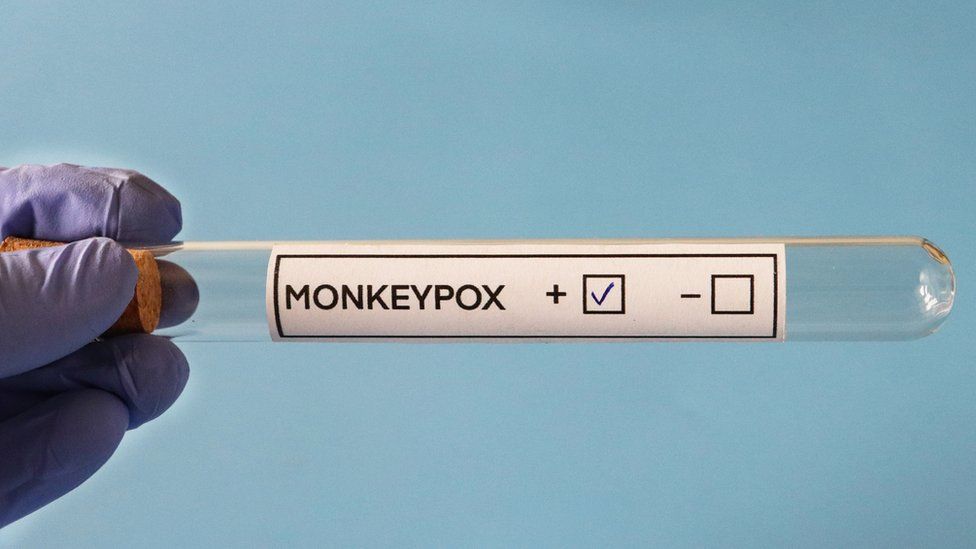
More than 300 monkeypox cases now found in UK

SharecloseShare pageCopy linkAbout sharingImage source, Getty ImagesMore cases of the rare monkeypox virus, normally found in Africa, have been confirmed in the UK, bringing the total to 302.Twenty-six other countries have also had cases, including many in Europe.Health officials say anyone can get monkeypox, particularly if they’ve had close contact with someone with symptoms.They advise contacting NHS 111 or a sexual health clinic if you have a rash with blisters on any part of the body.The UK Health Security Agency says there are currently 287 confirmed cases of monkeypox in England, 10 in Scotland, three in Wales and two in Northern Ireland.In total, 780 cases of monkeypox have been found in recent weeks in countries where the virus is not usually present, outside of west and central Africa.Spain, Portugal, France, Canada, Australia and Mexico are just some of the countries to have been affected.Image source, UKHSAThe risk to the general population is low and the symptoms usually clear up within a few weeks, but the virus can be more severe in those who are particularly vulnerable.What is monkeypox and how do you catch it? Monkeypox outbreak mostly in young men in LondonMonkeypox is not sexually transmitted but it looks like the infection has been introduced in networks of gay and bisexual men in the UK, and that’s where most cases are currently being seen.According to figures released last week, many of them are young men living in London. Monkeypox is not spread easily between people but it can be passed on through close contact with skin, clothes, bedding and towels. So far, no one factor linking the cases in the UK has been identified.Got a new rash? How to tell if it is monkeypoxMonkeypox: Handing out health advice without stigmaThe latest advice is to contact NHS 111 or a sexual health clinic if you have a rash with blisters, and you’ve:been in close contact, including sexual contact, with someone who has or might have monkeypox (even if they’ve not been tested yet) in the past three weeksvisited west or central Africa in the past three weeksMore on this storyWhat is monkeypox and how do you catch it?Monkeypox cases outside Africa rise to 780Monkeypox outbreak mostly in young men in LondonMonkeypox: Time to worry or one to ignore?

Read more →

21 Americans Infected With Monkeypox, C.D.C. Reports

As the number of cases outside Africa approaches 800, governments are scrambling for a limited pool of vaccines and treatments with unclear effectiveness.The Centers for Disease Control and Prevention has identified 21 monkeypox cases in 11 states, and the numbers are expected to rise, officials reported on Friday.Genetic analysis has revealed that while most of the cases appear to be closely related to the outbreak in Europe, two patients — one in Florida and one in Virginia — have versions of the virus that seem similar to the one infecting a patient in Texas last year. That suggests there have been at least two separate incidents where the virus spilled over from animals into people, the agency said.Of 17 U.S. patients for whom the agency has detailed information, all but one were men who had sex with men; 14 had traveled to other countries in the three weeks before their symptoms began. Three patients were immunocompromised.C.D.C. researchers have not been able to identify how one patient in an unnamed state acquired the virus. That suggests there is ongoing community transmission at least in that state and possibly others, Dr. Jennifer McQuiston of the C.D.C. told reporters.“We want to really increase our surveillance efforts,” she said.Health officials have identified a total of about 400 contacts of 13 patients who also risk becoming infected with monkeypox. Identifying contacts at risk will help officials determine what resources are needed to contain the outbreak.So far, health officials have delivered about 1,200 vaccine doses and 100 treatment courses to eight states, according to Dr. Raj Panjabi, the White House’s senior director for global health security and biodefense.Monkeypox’s toll worldwide rose sharply this week, to nearly 800 cases as of Friday. The spread of the virus to at least 31 countries outside Africa, where it is endemic, has raised alarm among scientists and public health officials.Health officials in some countries are asking anyone who tests positive for monkeypox to isolate at home. Britain, which has recorded the most cases, has urged patients to abstain from sex until their symptoms have cleared, to use condoms for eight weeks after that and to limit interactions with pets and other animals, which may become infected.As the outbreak expands, health officials worldwide are rushing to gather vaccines and treatments to protect infected people and their close contacts. The options are severely limited.The United States is among the few countries to have stockpiled millions of doses of vaccines and drugs for smallpox as a precaution against its return. Monkeypox is closely related to smallpox, and the vaccines and drugs are expected to be about as effective.In theory, at least two drugs and two types of vaccines are available to combat a monkeypox outbreak, but most of these have been tested primarily in animals.A pustule on a monkeypox patient. Monkeypox’s toll worldwide rose sharply this week, to nearly 800 cases as of Friday.VisualDxIn a recent study of the two drugs in seven patients, only one appeared to offer any benefit, while the other produced toxic side effects.The older of the two vaccine options was used to eradicate smallpox and can cause harsh side effects, including heart problems and death. Most doses have been in storage for decades and may have lost their effectiveness.The second vaccine option, made by the Danish company Bavarian Nordic, was approved by the Food and Drug Administration in 2019 to prevent smallpox and monkeypox. Called Jynneos in the United States, it is safer than earlier vaccines, but supplies are even more limited.Several countries, including Canada, Britain and France, have already begun vaccinating close contacts of infected people, and many others have placed orders to Bavarian Nordic for additional supplies.Several experts noted that African countries that have battled monkeypox for years have had little to no access to these vaccines and treatments. So far this year, 44 cases have been recorded in Nigeria and six other African countries where the virus is endemic, but those numbers are likely to be an underestimate.The monkeypox outbreak in Western countries may further limit access to vaccines and treatments in poor countries, some experts fear. “Vaccines and treatments that are being stockpiled elsewhere are not necessarily shared,” said Dr. Ifedayo Adetifa, director of the Nigeria Center for Disease Control.In Switzerland, the World Health Organization maintains about 2.4 million doses of the vaccine used to eradicate smallpox, and it has stockpiled another 31 million doses in five donor countries that could be released to countries in need.But the W.H.O. had previously recommended the vaccine only for people at high risk of exposure, said Tarik Jašarević, a spokesman for the organization. Experts convened by the W.H.O. were scheduled to review the guidance in October, but “that timeline will need to be sped up,” he said.The W.H.O. is also assessing the newer Jynneos vaccine for prequalification, a step needed for its use in many countries.Scientific advisers to the C.D.C. voted in November to recommend Jynneos for immunizing researchers and health care personnel who are at risk of exposure to smallpox or monkeypox.Smallpox vaccinations in New York in 1947. While the United States has stockpiled the vaccine for years, older vaccine doses in stockpiles may have lost their effectiveness.Tony Camerano/Associated PressThe U.S. emergency stockpile holds 100 million doses of an older smallpox vaccine called ACAM2000. But the vaccine contains live vaccinia virus, and causes about six cases of myopericarditis — inflammation of the heart muscle — for every 1,000 people who receive it.ACAM2000 cannot be used in pregnant women, infants or those who are immunocompromised — exactly the people who most need protection from the monkeypox virus.Jynneos, by contrast, has been shown to be safe in older adults, people with H.I.V. or AIDS and those who have received bone marrow transplants and are therefore immunocompromised.The U.S. stockpile once held 28 million doses of Jynneos, but those doses have all expired, according to Paul Chaplin, Bavarian Nordic’s chief executive. Federal health officials have said about 1,000 doses of Jynneos are available, but Bavarian Nordic has delivered thousands more in the past weeks, according to Dr. Chaplin.In all, the United States has access to about one million doses, he said.People infected with monkeypox can be vaccinated even a few days after exposure. They can also be treated with one of two drugs approved to treat smallpox, tecovirimat and brincidofovir, which slow the virus and buy the immune system time to rout it.What to Know About the Monkeypox VirusCard 1 of 5What is monkeypox?

Read more →

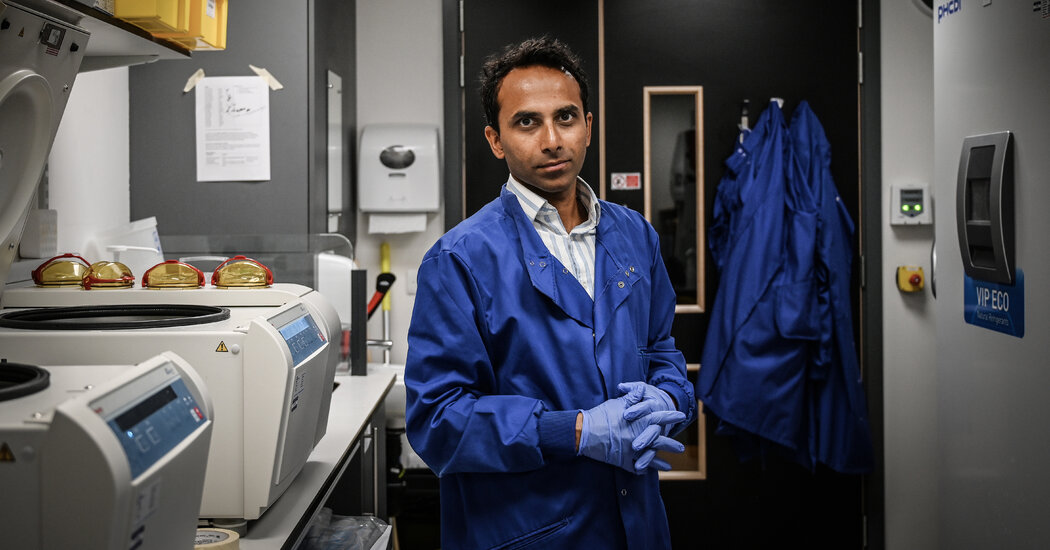
He Helped Cure the ‘London Patient’ of H.I.V. Then He Turned to Covid.

Ravindra Gupta, who led the efforts that resulted in the second case of a patient being cured of H.I.V., was drawn into pandemic research.Visionaries is a limited series that looks at figures who are trying to transform the way we live.Ravindra Gupta had studied drug-resistant H.I.V. for more than a decade when he first encountered Adam Castillejo, who would become known as the “London patient,” the second person in the world to be cured of H.I.V. Dr. Gupta, who goes by Ravi, was a professor at University College London straddling the clinical and academic worlds when Mr. Castillejo presented as both H.I.V.-positive and with relapsed lymphoma, after a previous transplant using healthy stem cells from Mr. Castillejo’s own body had failed.Building on work by the German hematologist Gero Hütter and others that went into curing the first person of H.I.V. — Timothy Ray Brown, known as the “Berlin patient” — Dr. Gupta and his colleagues proposed using stem cells from a donor with a rare genetic mutation that prevents certain individuals from being infected with H.I.V. Mr. Castillejo agreed and had his transplant in 2016. Seventeen months later, Dr. Gupta and his team took Mr. Castillejo off the antiretroviral drugs that kept his H.I.V. at bay. In 2019, three years after the transplant, Dr. Gupta published the results in Nature, confirming Mr. Castillejo was cured of H.I.V.The news shook the scientific world and revitalized the search for a cure. Dr. Gupta was hired as a professor of clinical microbiology at Cambridge and established Gupta Lab on the school’s biomedical campus to continue his research.A few months later, the coronavirus pandemic hit — and with nations going into lockdown and medical systems taxed to their breaking point, he found himself drawn into the response.“Respiratory viruses were never anything I would consider getting into. I didn’t think we had the skills or expertise to be useful,” Dr. Gupta said recently. But, he added, “the clinical interface of what I do dragged me into working on SARS. Things got bad here in March, and everything shut down. One of the desperate needs was identified as rapid testing.”Soon his team had completely pivoted and was publishing some of the first research validating rapid and antibody tests for the coronavirus using techniques honed during H.I.V. research. Over the past two and a half years, Gupta Lab has cranked out cutting-edge research, describing how new variants arise and providing some of the first evidence that breakthrough Covid infections were possible in vaccinated individuals.At his lab at Cambridge, he discussed both the remarkable strides made by scientists over the past three years, as well as the consequences of the public’s diminishing trust in scientific knowledge.This interview has been condensed and edited.How has earlier research on AIDS/H.I.V. affected the response to the coronavirus?Dr. Gupta in his office. “Strides have been made in H.I.V. over about 20 years,” he said. “That happened very quickly for Covid. And in the absence of a vaccine and mRNA technology, we would be in a much darker place.”Mary Turner for The New York TimesThe response to SARS-CoV-2 has accelerated largely because of H.I.V. advances. There have been huge advances in how we make drugs, target viruses, and a lot of this technology has been honed on H.I.V.What are the similarities between these two pandemics?Both have created a huge panic, SARS-CoV-2 more than H.I.V. — for good reason, because it is respiratory. Certain people are more vulnerable than others, and socioeconomics certainly matters. Also, in this age of availability of vaccines, the rich versus poor, global north versus global south — all of those inequalities have been coming through.Has this global emergency improved your ability to work with your colleagues across various disciplines?It’s certainly galvanized a load of interactions we otherwise wouldn’t have done. We got interested in immunology, we did some very cutting-edge work with colleagues downstairs and in different parts of the building. We started using stem cells to make artificial lungs to do experiments in. All of these things started happening as a result of the emergency. People who we would have never talked to, ideas we would have never had. So it’s really been exciting scientifically.Does fatigue account for the public’s waning response to Covid?Yeah, I think so. I think the intensity has caused a burnout of emotional energy. Of course strides have been made in H.I.V. over about 20 years. That happened very quickly for Covid. And in the absence of a vaccine and mRNA technology, we would be in a much darker place.Across society we are seeing a decline in trust in institutions, but in your field there are rather severe consequences to people refusing to get a vaccine, for example. Has that affected the way you think scientists and the medical establishment must communicate with the public?I think there’s a general lack of trust between the public and people who provide information. That’s partly driven by sectors of the public spreading misinformation. I think the actual communication was quite good in the beginning — you got clear messages and I think it was quite good. Public health messaging has gotten more complex because no one wants to wear masks.For example, after vaccination, people thought we’d be mask-free. We published a paper in Nature on breakthrough infections and the C.D.C. the next week cited our work as a reason to mask, even with the vaccine. Which sounds normal now, but back then it drove people crazy. But it was the right thing because your responses after a few months could wane, and plenty of people with double-dose vaccinations can end up with re-infections the second time around. So that all contributed to confusion based on lack of education or knowledge of nuance. And one thing we have to deal with now is that communication takes nuance that even scientists can’t grasp. So expecting the public to grasp this is pretty much impossible. So we’re at a crossroads for how we communicate complex messages.Are there long-term implications if we can’t persuade a larger proportion of the population to be vaccinated?Circulation may take off in places like China, where the population has been relatively naïve when it comes to vaccines, and the vaccines aren’t necessarily the best ones. And if people don’t get their boosters on time, we may end up reaching a period when it becomes another major health problem of the magnitude we have already seen. I can foresee in a few years’ time we may be in trouble again. The worrying thing is that we are winding down a lot of things we developed to deal with this.

Read more →