Why vaccination against malaria quickly loses its protective effect

Scientists from the German Cancer Research Center (DKFZ) studied the human immune response after immunization with the malaria pathogen Plasmodium falciparum. Their goal was to find out against which protein components the T helper cells induced in this way are directed. To the researchers’ surprise, the T helper cells reacted exclusively to the protein sequence of the vaccine strain and showed hardly any cross-reactivity with the naturally occurring pathogen variants. This could explain why natural infections, to which people in endemic areas are constantly exposed, offer little protection against new diseases with other strains, and why the effect of the vaccination available to date lasts only a short time.
Despite impressive successes in controlling malaria, more than 600,000 people worldwide still die from the tropical disease every year, according to the World Health Organization. The vast majority of fatal cases of malaria are caused by the pathogen Plasmodium falciparum. To date, there is only one approved vaccine against this single-celled organism, and its efficacy, which is already rather low, does not last long.
The vaccine is directed against CSP, the quantitatively dominant protein on the surface of the “sporozoites.” Sporozoites are the stage of the malaria pathogen which is transmitted with the bite of the mosquito and enters human blood. “To improve the vaccine, we need to understand which protective antibodies are induced by the immunization. But the production of such antibodies depends to a large extent on help from the so-called follicular T helper cells,” says Hedda Wardemann of the German Cancer Research Center. “They ensure that B cells transform into antibody-producing plasma cells and memory B cells.”
To study the T helper cell response against CSP in detail, the team led by DKFZ immunologist Wardemann examined the blood of volunteers infected with killed P. falciparum sporozoites from the vaccine strain. The volunteers were of European descent and had no prior contact with malaria pathogens. The researchers analyzed the induced Plasmodium-specific follicular T helper cells at the single cell level. In particular, they focused their investigation on which sequences of CSP are recognized by the receptors of the T helper cells.
The analyses revealed that the T-cell receptors mainly targeted amino acids 311 to 333 of the CSP. But another observation stunned the researchers: there was virtually no cross-reactivity between the individual T-cell clones. “The receptors highly specifically bind only the CSP epitopes of the vaccine strain used. Even deviations of only a single amino acid component were not tolerated in some cases,” Wardemann explains.
The immunologist points out that in the natural population of P. falciparum, sequence polymorphisms occur to a high degree in this region of the CSP. “The specificity of the T-cell clones prevents the constantly recurring natural infections with the pathogen from acting as a natural ‘booster.’ This could possibly explain why the protective effect of the malaria vaccine wears off so quickly,” Wardemann said. The researcher recommends that further development of the vaccine should test whether inducing a broader spectrum of T helper cells could generate longer-lasting immune protection.
Story Source:
Materials provided by German Cancer Research Center (Deutsches Krebsforschungszentrum, DKFZ). Note: Content may be edited for style and length.

Read more →

ADHD and ASD: What the eyes could reveal

It’s often said that ‘the eyes tell it all’, but no matter what their outward expression, the eyes may also be able to signal neurodevelopmental disorders such as ASD and ADHD according to new research from Flinders University and the University of South Australia.
In the first study of its kind, researchers found that recordings from the retina could identify distinct signals for both Attention Deficit Hyperactivity Disorder (ADHD) and Autism Spectrum Disorder (ASD) providing a potential biomarker for each condition.
Using the ‘electroretinogram’ (ERG) — a diagnostic test that measures the electrical activity of the retina in response to a light stimulus — researchers found that children with ADHD showed higher overall ERG energy, whereas children with ASD showed less ERG energy.
Research optometrist at Flinders University, Dr Paul Constable, says the preliminary findings indicate promising results for improved diagnoses and treatments in the future.
“ASD and ADHD are the most common neurodevelopmental disorders diagnosed in childhood. But as they often share similar traits, making diagnoses for both conditions can be lengthy and complicated,” Dr Constable says.
“Our research aims to improve this. By exploring how signals in the retina react to light stimuli, we hope to develop more accurate and earlier diagnoses for different neurodevelopmental conditions.

Read more →

Avian Flu’s Toll on Wild Birds Alarms Experts

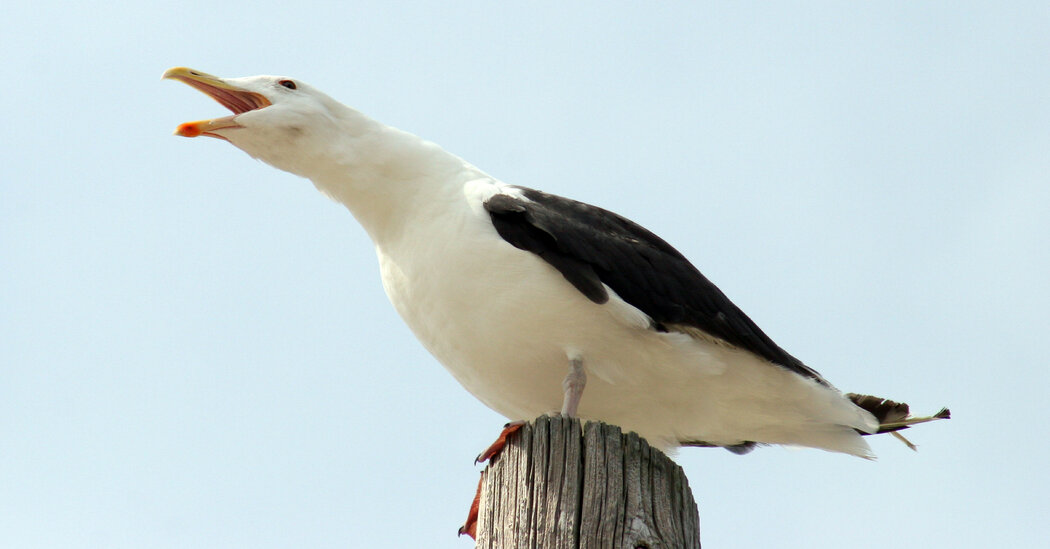
This year’s outbreak of the H5N1 virus has resulted in the deaths of nearly 400,000 wild birds worldwide. Scientists are studying the pathways of contagion among species. A great black-backed gull migrating from Europe to Eastern Canada last winter may have been the first carrier to North America of the deadly strain of avian influenza that has killed tens of millions of domestic poultry and devastated wild bird populations.The wide-scale outbreaks have provided researchers with a new opportunity to fine-tune their understanding of the disease by studying which wild bird species, behaviors and ecologies play key roles in transmission.“Previous studies looking at bird flu made these large categorizations of wild and domestic birds,” said Dr. Nichola Hill, an assistant professor of biology at the University of Massachusetts Boston and lead author of a new paper on the topic.But “wild birds are incredibly species-rich,” she said, adding that “each of them has a unique natural history and behavior.”Knowing which migratory species carry the pathogen, for example, can help predict when and where it might arrive based on migration routes.After the migrating gull came ashore, the highly pathogenic avian influenza, also known as the H5N1 virus, exploded across North America. More than 77 million poultry, most raised in crowded conditions that fueled the spread and evolution of the virus, have been culled in dozens of countries.For some experts, the toll wrought by this H5N1 strain on wild birds — it has struck more than 100 species so far — has been alarming and unprecedented in its depth and breadth. Among wild birds, the spread can be very difficult to contain, posing a greater threat of spillover to other wildlife. And some wild bird species, like cranes and some seabirds, are particularly vulnerable, especially those with low reproductive rates and those already endangered.The World Organization for Animal Health estimates that more than 383,000 wild bird deaths can be attributed to the virus since October 2021, although the count may be a vast underestimate because of how difficult it is to track sick and dead birds.The pathogen has spread rapidly through various regions and species, at much higher rates than during the last outbreak in 2014-2015.“It’s impacting a bigger host range and doesn’t dead-end in wild birds like it used to,” Dr. Hill said. “It is sustained in wild birds, and that is a frightening prospect. For many of us in this field, my God, what do we do when we get spillover into a wild animal for which there is no control?”It has long been assumed that the primary hosts for avian flu are dabbling ducks, such as mallards, teals and shovelers, that feed on the surface and just below with their rumps in the air. They are critical to the spread because they have mild or no symptoms and they carry it far and wide. The new study, however, found that other birds, like geese, played an underestimated role because of their natural history.“Geese are a little more tolerant of human-disturbed areas,” Dr. Hill said. “Imagine a commercial poultry operation or backyard operation where they spread grain around.” That attracts “geese and other scavenging birds, like gulls and crows and magpies, so there’s an interface between them,” she said.Rangers from the Ministry of Agriculture retrieved flu-stricken dead cranes from Hula Lake in northern Israel earlier this year.Abir Sultan/EPA, via ShutterstockThe unique natural history of the black-backed gull, for example, plays a role in transmission. “Gulls were really rare hosts for highly pathogenic forms of the virus,” Dr. Hill said. “When they did carry it, those rare occasions, they spread it really quickly. There is nothing like a gull for a really rapid dispersal of the virus and really long distances. They will catch a tail wind and cross the Atlantic in 24 hours.”The study may help other researchers track not only the continued spread of this year’s pathogen, but the paths taken by other viruses that are harmful to wildlife.“Knowing that gulls, geese and ducks may be moving this virus in different ways is a big contribution to understanding or eventually modeling with more accuracy how to expect a virus like this to spread,” said Jonathan Runstadler, professor and chair of the Department of Infectious Disease and Global Health at Tufts University’s Cummings School of Veterinary Medicine and a co-author of the paper.The data “allows us to predict if there’s a virus emerging, when that bird might enter North America and what bird populations we might target for surveillance to detect it,” Dr. Runstadler said.The highly pathogenic lineage of this year’s avian flu originated around 1996, found first in a domestic goose in China. It has been circulating around the world in wild and domestic birds ever since, evolving as it travels from host to host.In 2005, after a decade of evolution, the strain caused a large outbreak in wild birds in wetlands in China.The strain showed up in the United States for the first time in 2014, traveling in migrating birds from Eurasia across the Pacific to Alaska and farther east, causing outbreaks at U.S. poultry farms that resulted in the killing of 40 million turkeys and chickens.After it reached the Midwest, however, mass cullings stopped it, eliminating the viral spread for both wild and domestic populations.“We don’t have a vaccine,” Dr. Hill said. “All we have in our tool kit is the swapping out all of our poultry, which is awful, but to some degree it was successful.’’But killing off infected poultry hasn’t worked this time around, in part because the virus has been able to find a home in so many wild birds, spawning the largest outbreak of avian influenza ever.In some places, officials have been warning chicken producers and even people who keep backyard flocks to keep their birds indoors, while in other places, the threat seems to have passed.“This virus is so good because it Ping-Pongs back and forth between wild and domestic,” Dr. Hill said. “There is no better way to amplify a virus than taking a wild reservoir and domesticating a close relative. That’s exactly what we’ve done with chickens and ducks. Highly pathogenic forms of the virus only happen when the virus goes into agricultural animals.”On Quebec’s Magdalen Islands, wildlife officials recently discovered the carcasses of thousands of white gannets that had been wiped out by the flu.There is no way to predict whether the flu outbreaks will dwindle or grow worse.A colony of northern gannets on Bonaventure Island in the Gulf of St. Lawrence in Quebec in 2017.Robert F. Bukaty/Associated PressSome species, such as raptors, seabirds and shorebirds, are also at great risk of catching the virus because of their behaviors. Dozens of bald eagles are known to have died of the flu, largely because they prey on ducks and other birds that carry the pathogen.Birds that gather in large numbers are also at risk. “There’s a lot of flocking birds — shorebirds, terns and seabirds — that form massive, massive groups and that could just be a field day for the virus,” said Dr. Hill.The extent of the devastation to various species is difficult to assess, because surveillance is lacking. Better tracking along migration routes would help experts figure out ways to mitigate the spread of the virus.Deaths of large numbers of shearwaters and other seabird species have been reported along the Atlantic coast in Massachusetts, Maine, New Hampshire and Connecticut. The avian flu is a suspect, although tests have not confirmed that.“The geographic extent of detection, the number of species that we’re getting with detections, the amount of disease we’re seeing in wild birds, this is all unprecedented,” said Andy Ramey, a U.S. Geological Survey research wildlife geneticist in Alaska who studies avian influenza. “It’s unknown territory and hard to know what to expect.”There is also concern that during this year’s breeding season for many species, parents could pass the disease to offspring in the nest, which have underdeveloped immune systems. Young wild birds are often exposed to low-pathogenic viruses, which are common and can serve almost as inoculations, helping strengthen their immune systems.One endangered species being monitored is the roseate tern on Buzzards Bay off the coast of Massachusetts. Testing is just getting underway, and no sick birds have been found yet.“It does appear to be a rough food year for the terns,” said Carolyn Mostello, a coastal bird biologist for the Massachusetts Division of Fisheries and Wildlife. “Nesting has been slow. Hopefully we don’t have a combination of poor food resources and avian flu; that could act together to really injure the populations.”Experts say the avian flu poses a very low risk to people and so far has been detected in only two humans. However, as it persists and evolves, it could gain the ability to pose a serious threat of spillover into humans.Dr. Hill said that a major handicap to better understanding the outbreak has been the lack of funding for efforts to track the spread. “Surveillance is really, really, really bad,” she said. “We are spending very little money and time getting ahead of this.”

Read more →

A Better Way to Measure Immunity in Children

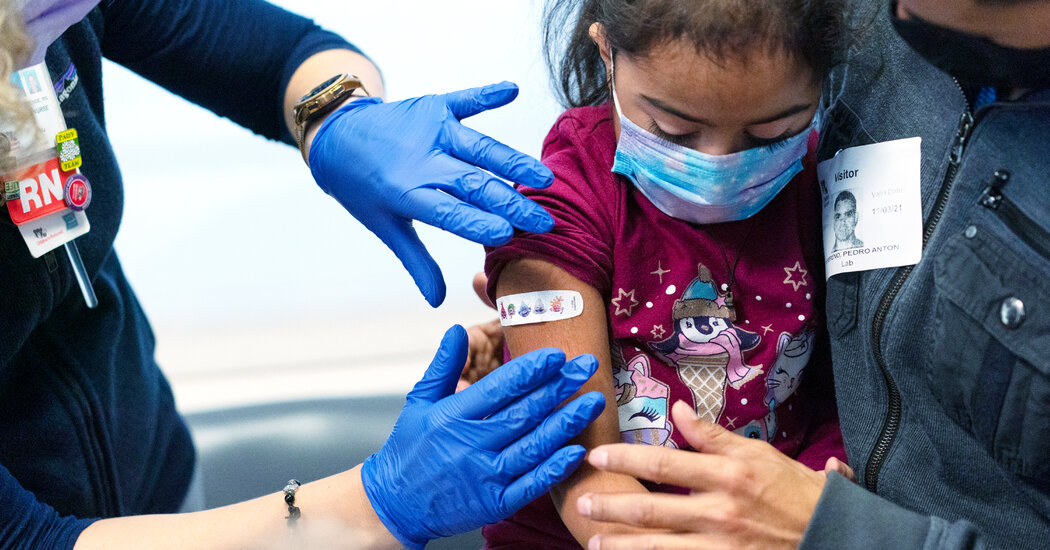
Some scientists believe that a clearer picture of Covid vaccine efficacy could have emerged sooner if investigators had tracked certain immune cells, not just antibodies.For Jacqueline Almeida, next week cannot come soon enough.She has watched friends roll their eyes when she asked to meet them outdoors. She has tried unsuccessfully to convince her sister to vaccinate her son. She was told by strangers on Twitter that putting her daughter in a mask was tantamount to child abuse.And yet the vaccines for the youngest Americans faced delay after delay. “It was very disappointing, month after month, seeing everything get pushed,” said Ms. Almeida, 33, who lives in Franklin, Tenn.But now there’s some good news: Vaccines should be available in days for her 6-month-old son and 2-year-old daughter. Scientific advisers to the Food and Drug Administration on Wednesday recommended the Pfizer-BioNTech vaccine for children aged 6 months through 4 and the Moderna vaccine for children aged 6 months through 5.The agency itself is expected to authorize the vaccines on Friday, and the Centers for Disease Control and Prevention is likely to follow suit on Saturday. If all goes according to plan, about 18 million children in this age group will become eligible for immunization against the coronavirus for the first time, the final piece in the nation’s vaccine strategy.After a series of delays by regulators, however, only about one in five parents plan to have their young children immunized right away, according to one recent survey.In a letter to F.D.A. officials in April, nearly 70 scientists offered their own assessment: The delay was preventable. Their argument is a technical one, but with broad implications.The agency and the manufacturers chose to evaluate the vaccines by tracking blood levels of antibodies, the scientists said. But had regulators also considered other parts of the immune system, it might have been clear early on that the vaccines could prevent serious illness, if not infection, in young children.In particular, the scientists argued, the vaccine manufacturers should have been measuring so-called T cells, which can kill infected cells and rid the body of the virus. That “would have allowed us to possibly make a different decision about allowing a vaccine to move forward earlier,” said John Wherry, director of the Institute for Immunology at the University of Pennsylvania and one of the letter’s signatories.“If we don’t measure the T cells, we’re missing a big part of what’s happening,” he added. “My gosh, we’re 18 months into this, we can devote a little bit of energy to stuff like that at this point.”The F.D.A. declined to comment on the letter, but Dr. Wherry said agency officials called the scientists about a month ago to discuss their ideas.Vaccine manufacturers ran large trials to measure the efficacy of the vaccines at preventing symptomatic infection in adults. But in the children’s trials, the investigators looked at blood levels of antibodies following vaccination, comparing them with the levels seen in young adults.The F.D.A. used this method, called immunobridging, to authorize the Pfizer-BioNTech vaccine for children aged 5 to 11 and for adolescents aged 12 to 15. But in December, the companies reported that two doses of their vaccine did not produce high antibody levels in children aged 2 through 4.The companies decided to assess whether a third dose improved the vaccine’s performance. Then, over the winter, some young children in the clinical trial became infected with the Omicron variant.Based on preliminary data from those infections, the F.D.A. said it would consider authorizing two doses of the vaccine while the companies continued to test the third — a decision that provoked mixed reactions from parents and experts.But the number of infections among children grew, and the accruing data did not support the F.D.A.’s decision, prompting the agency to cancel its planned review. The back-and-forth left parents confused and their children vulnerable, as Omicron variants rampaged through the nation.The C.D.C. reported in April that about 75 percent of children may have been infected with the coronavirus by March, many of them during the Omicron surge. Record numbers of children were hospitalized, although still in much lower numbers than adults.More information about T-cell immunity generated by the vaccines might have delivered the shots to desperate parents sooner and prevented at least some of those hospitalizations, experts said in interviews.Antibodies are essential for neutralizing the virus on entry and preventing infection, and they can easily be measured in just a drop or two of blood. But while there are dozens of rapid tests for antibody levels, assessing T cells requires at least a few milliliters of blood and at least a day to test just a few samples.Including T cells in a vaccine analysis would “really up the complexity and cost of the study,” said Dr. Camille Kotton, an infectious disease physician at Massachusetts General Hospital and a scientific adviser to the C.D.C.“It’s never as easy as antibodies, but it definitely would be helpful,” she said.And not everyone is convinced that T cells are an important metric for immunity. Low levels of antibodies may be enough on their own to prevent severe disease, said Dr. Miles Davenport, an immunologist at the University of New South Wales in Sydney.“There is no study demonstrating that the level of vaccine-induced T cells is predictive of either the risk of infection or the risk of severe disease,” Dr. Davenport said.Still, epidemiological data indicate that even as antibody levels declined and infections rose sharply, hospitalizations and deaths in vaccinated people remained relatively low. That suggests that something other than antibody levels protected people from severe illness, Dr. Wherry said.“Mortality is only increasing in the very old population or those who are immunocompromised, where we lacked or had poor T cell responses,” he added. “There’s a lot of good circumstantial data out there, but we’re really missing a smoking gun.”A new initiative at the University of Pennsylvania may deliver some answers. Called the Immune Health Project, the study will simultaneously assess antibody and T cell responses in immunocompromised patients after vaccination.Unanswered questions about immunity in children may explain why roughly 40 percent of parents of young children are on the fence about immunizations: Fewer than 30 percent of children aged 5 to 11 have received two doses, and the demand for the youngest children may be even lower.Monica Lo, 35, who is an assistant principal at a school in Seattle, is among the hesitant. “Covid vaccination is happening so quick and so fast that we wanted to give it a little bit more time,” she said.Ms. Lo and her husband are both fully vaccinated, but their 7-year-old son, Gian, had only one shot of vaccine in January before a planned trip to Hawaii. They decided to delay his second dose because of data suggesting that doing so might produce better immunity, Ms. Lo said.The couple also has a 2-year-old daughter, and Ms. Lo is pregnant with their third child, due in July. But they don’t plan to vaccinate their daughter just yet, Ms. Lo said: “We will not be first in line.”

Read more →

C.D.C.’s Advisers Meet to Discuss Vaccines for Youngest Children

Almost exactly 18 months after the first coronavirus vaccine was authorized for adults, and after months of scientific hiccups, the youngest Americans may finally get their shots.Over discussions scheduled for Friday and Saturday, scientific advisers to the Centers for Disease Control and Prevention will debate the use of Moderna’s vaccine for children younger than 6 and Pfizer-BioNTech’s vaccine for those younger than 5. Neither vaccine is intended for infants younger than 6 months old.No surprises are expected. On Wednesday, advisers to the Food and Drug Administration unanimously endorsed both vaccines despite thin evidence of their efficacy, particularly against the coronavirus variants now spreading throughout the nation.Still, the data indicate overall that both vaccines will at least protect children against severe illness, said Dr. Ofer Levy, director of the precision vaccines program at Boston Children’s Hospital and an adviser to the F.D.A.“These vaccines are largely safe and effective,” he said. “This was a remarkable achievement.”Assuming the advisers back the vaccines, the C.D.C.’s director, Dr. Rochelle Walensky, is expected to sign off. The White House has said that states have already acquired millions of doses and will be prepared to offer shots to children as early as Tuesday.But while some parents have been clamoring for the vaccines, many others seem hesitant — because their children may have already gained some protection through infection, or because they still have doubts about the safety and effectiveness of the vaccines.Pfizer’s vaccine has been available to children 5 to 11 years since November, but less than 30 percent of children in that age group have received two shots.Acceptance of the vaccines will depend partly on how clear the C.D.C.’s recommendations are. The F.D.A. authorization permits vaccines to be used, but doctors look to the C.D.C.’s advisory committee for specifics on how to use them.This time around, that advice is likely to be complicated, because the two vaccines differ in almost every aspect.For young children receiving the Moderna vaccine, the F.D.A. authorized two doses of 25 micrograms each, one-fourth the amount used for adults, spaced four weeks apart.But according to the data presented on Wednesday to the agency, two doses of the Pfizer vaccine — each just three micrograms, or one-tenth of the adult dose — fell short of producing strong immunity against the virus in young children.To be effective, the Pfizer vaccine will need to be administered in three doses: the first two spaced three weeks apart, and a third at least two months after that.The differences will make it difficult for parents and health care providers to choose between the two, Dr. Levy said. But “the conundrum is that they haven’t been compared head-to-head.”Scientists from both companies will present evidence in support of their vaccines for young children on Friday. The advisers will have an opportunity to ask questions and raise concerns before they make their recommendations on Saturday.The F.D.A.’s advisers on Tuesday also endorsed the use of Moderna’s vaccine for children aged 6 and older, but the C.D.C.’s committee has deferred that discussion for now.

Read more →

Paolo Macchiarini: Surgeon convicted for fatal Swedish transplants

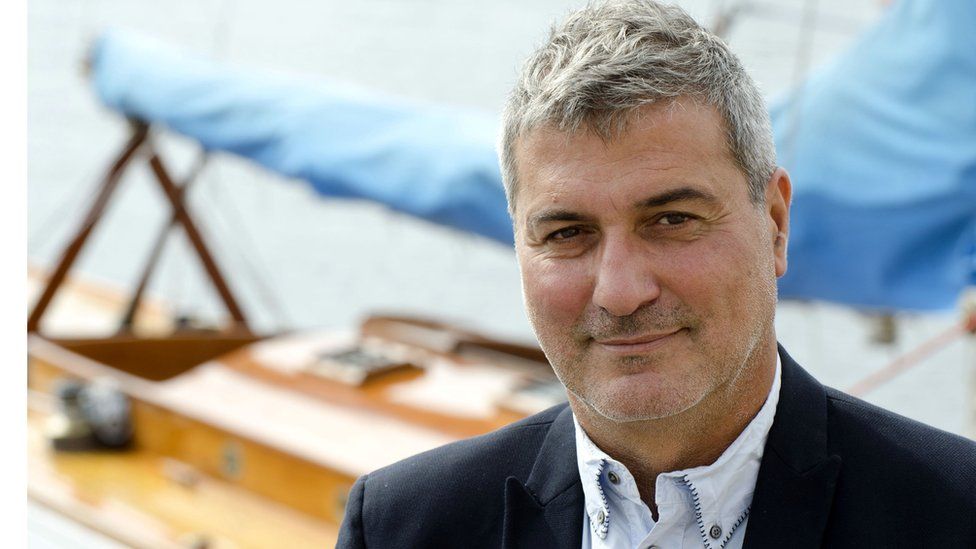
SharecloseShare pageCopy linkAbout sharingImage source, BBC/SVT/Lars GranstrandA Swedish court has given a disgraced Italian surgeon a suspended sentence for causing bodily harm during an experimental stem-cell windpipe transplant.Paolo Macchiarini, once seen as a pioneering transplant surgeon, was cleared of two charges of assault.Three patients treated in Sweden died.Prosecutors had recommended Macchiarini serve five years in jail but the district court ruled that he had not intended to cause the patients harm.He consistently denied the charges.Macchiarini was feted internationally in 2011 for carrying out the world’s first synthetic organ transplant at Sweden’s Karolinska University Hospital. His work using plastic tracheas with stem cells held out the prospect of patients no longer waiting for donors.He had been hired a year earlier from Italy, despite damning references from his previous employers.Andemariam Beyene, a graduate student from Eritrea who received the first transplant in 2011, died two and a half years later after a series of infections. His synthetic trachea was found to have come loose. Shortly after the operation he told the BBC: “I was very scared, very scared about the operation. But it was live or die.”Image source, University of IcelandTwo more patients were also given transplants at the Karolinska hospital and eventually died. Christopher Lyles from the US was given a synthetic trachea transplant in 2011 and died within months. Yesim Cetir, who was in her twenties, was operated on in 2011 and died in 2017. Other patients treated abroad also died, including Russian mother Julia Tuulik.Macchiarini was eventually suspended by the acclaimed Karolinska Institute. A TV documentary later exposed alarming practices he carried out during surgery and prosecutors investigated him for criminal wrongdoing.The case finally came to Solna district court near Stockholm, where he was charged with the criminal offences of aggravated assault and causing bodily harm. However, he was not accused of killing the patients.Chief judge Bjoern Skaensberg said the court had agreed with prosecutors that the surgery had not been consistent with “science and proven experience”. However, he told public broadcaster SVT that it had concluded that “two of the interventions were justifiable, but not the third”.He said the court had found that all three patients had suffered serious bodily injury. But Macchiarini was cleared of assault, he said, because no intent to harm had been proven.Macchiarini had always denied any wrongdoing, arguing that the transplants were aimed at saving the patients’ lives. However, whistleblower Dr Matthias Corbascio told SVT that the verdict was a scandal and there had never been any chance of the operations succeeding.The suspended sentence means he will be on probation for the next two years.More on this storyNobel judges fired in medical scandalThe downfall of a high-flying surgeon

Read more →

Long COVID risk less during Omicron compared to Delta, study finds

The Omicron variant is less likely to cause long COVID than the Delta variant, new research has found.
Analysis by researchers from King’s College London of data from the ZOE COVID Symptom study app is published today in a letter to The Lancet. The findings are from the first peer-reviewed study to report on long COVID risk and the Omicron variant.
Long COVID is defined by NICE guidelines as having new or ongoing symptoms four weeks or more after the start of disease. Symptoms include fatigue, shortness of breath, loss of concentration and joint pain. The symptoms can adversely affect day-to-day activities, and in some cases can be severely limiting.
Researchers found the odds of experiencing long COVID were between 20-50% less during the Omicron period versus the Delta period, depending on age and time since vaccination.
The study identified 56,003 UK adult cases first testing positive between December 20 2021 and March 9th 2022 when Omicron was the dominant strain. Researchers compared these cases to 41,361 cases first testing positive between June 1 2021 and November 27 2021 when the Delta variant was dominant.
The analysis shows 4.4% of Omicron cases were long COVID, compared to 10.8% of Delta cases. However, the absolute number of people experiencing long COVID was in fact higher in the Omicron period. This was because of the vast numbers of people infected with Omicron from December 2021 to February 2022. The UK Office of National Statistics estimated the numbers of people with long COVID actually increased from 1.3 million in January 2022 to 2 million as of 1st May 2022.
Lead author, Dr Claire Steves from King’s College London, said: “The Omicron variant appears substantially less likely to cause Long-COVID than previous variants but still 1 in 23 people who catch COVID-19 go on to have symptoms for more than four weeks. Given the numbers of people affected it’s important that we continue to support them at work, at home and within the NHS.”
Story Source:
Materials provided by King’s College London. Note: Content may be edited for style and length.

Read more →

Up to 80% of athletes who die suddenly had no symptoms or family history of heart disease

Recommendations on how to use gene testing to prevent sudden cardiac death in athletes and enable safe exercise are published today in the European Journal of Preventive Cardiology, a journal of the European Society of Cardiology (ESC).
“Genetic testing for potentially lethal variants is more accessible than ever before and this document focuses on which athletes should be tested and when,” said author Dr. Michael Papadakis of St George’s, University of London, UK. “Sportspeople should be counselled on the potential outcomes prior to genetic testing since it could mean exclusion or restricted play.”
In most cases, clinical evaluation will dictate the need for preventive therapy such as a defibrillator and the advice on exercise and participation in competitive sports. Dr. Papadakis explained: “Even if a genetic abnormality is found, recommendations on treatment and return to play usually depend on how severe the disease is clinically. Is it causing symptoms such as fainting? Is the heart excessively weak or thick? Can we see many irregularities of the heart rhythm (arrhythmias) and do they get worse during exercise? If the answer is ‘yes’ to any of these questions then play is likely to be curtailed in some way.”
One example is an inherited condition that can cause sudden cardiac death in athletes called hypertrophic cardiomyopathy (HCM), where the heart muscle is abnormally thick. Dr. Papadakis noted: “We used to be very conservative but now our advice is more liberal. Athletes with HCM should undergo comprehensive clinical evaluation to assess their risk of sudden cardiac death and then be offered an exercise prescription. Genetic testing in this condition does not impact management in most cases. Asymptomatic athletes judged to be at low risk can potentially participate in competitive sports after an informed discussion with their doctor. Others at higher risk may be restricted to moderate intensity exercise. The exercise prescription should be as specific as possible and outline how often, for how long, at what intensity, and which exercise or sport is safe.”
In some cases, however, genetic testing can dictate management. One example is long QT syndrome (LQTS), which is an inherited electrical fault of the heart. Identification of different genetic subtypes (LQT 1-3) can inform the risk of arrhythmias, identify potential triggers to be avoided, and help to target medical therapies and plan exercise advice. Dr. Papadakis said: “For instance, sudden immersion in cold water is more likely to cause life-threatening arrhythmias in LQT type 1 rather than types 2 or 3, so one should be more cautious with swimmers who have the type 1 genetic subtype than runners.”
The only situation where genetic testing alone may result in exclusion from play is a heart muscle condition called arrhythmogenic cardiomyopathy (ARVC). “Even if an athlete has no clinical evidence of the disease but has the gene for the condition, he or she should abstain from high intensity and competitive sport,” said Dr. Papadakis.2 “This is because studies show that people with the gene who exercise at a high level tend to develop the disease earlier in life and tend to develop more severe disease which can cause a life-threatening arrhythmia during sport.”
Pre-test genetic counselling should be performed to discuss the implications for athletes and their family. As an example, an athlete’s mother is clinically diagnosed with ARVC and has the causal gene, the athlete is then screened and all clinical tests are normal. The athlete has two choices: 1) clinical monitoring, probably annually, to check for signs of disease; or 2) genetic testing. “The athlete needs to know that if the test is positive that may signal the end of his or her career, even if there is no clinical evidence of disease,” said Dr. Papadakis. “On the other hand, if genetic testing is refused the condition may get worse. Post-test counselling is critical given the potential psychosocial, financial and mental health implications, particularly if the athlete is excluded from play.”
For child athletes, genetic counselling in an expert paediatric centre with assistance from a child mental health specialist may be needed. Dr. Papadakis pointed out: “The psychological impact of a positive genetic test result may be significant for the child, especially if this leads to sports exclusion even in the absence of clinical disease such as in ARVC.”
In children with a clinical diagnosis of an inherited condition, genetic testing may confirm the diagnosis and in some cases help predict the risk of sudden death during sports. For example, having the gene for an electrical fault of the heart called catecholaminergic polymorphic ventricular tachycardia (CPVT) may lead to advice for preventive therapies, such as beta blockers, and dictate decisions about exercise. “This is important as CPVT predisposes to arrhythmias during exercise and can cause sudden death at a very young age,” said Dr. Papadakis. “In contrast, the timing of genetic testing in children with a family history of HCM is controversial since in the absence of clinical signs it rarely causes sudden death in childhood.”
The scientific statement was prepared by the Sports Cardiology and Exercise Section of the European Association of Preventive Cardiology, the European Heart Rhythm Association, the ESC Working group on myocardial and pericardial diseases, the ESC Council on Cardiovascular Genomics, the European Society of Human Genetics and the Association for European Paediatric and Congenital Cardiology.

Read more →

Trial of New Alzheimer’s Drug Reports Disappointing Results

The drug, crenezumab, failed to prevent early symptoms or slow cognitive decline, the latest setback in the long quest to find effective therapies for the disease.A closely watched clinical trial of a potential Alzheimer’s drug failed to prevent or slow cognitive decline, another disappointment in the long and challenging effort to find solutions for the disease.The decade-long trial was the first time people who were genetically destined to develop the disease — but who did not yet have any symptoms — were given a drug intended to stop or delay decline. The participants were members of an extended family of 6,000 people in Colombia, about 1,200 of whom have a genetic mutation that virtually guarantees they will develop Alzheimer’s in their mid-40s to mid-50s. For many members of the family, who live in Medellín and remote mountain villages, the disease has quickly stolen their ability to work, communicate and carry out basic functions. Many die in their 60s.In the trial, 169 people with the mutation received either a placebo or the drug, crenezumab, produced by Genentech, part of the Roche Group. Another 83 people without the mutation received the placebo as a way to protect the identities of people likely to develop the disease, which is highly stigmatized in their communities.The trial investigators had hoped that intervening with a drug years before memory and thinking problems were expected to emerge might hold the disease at bay and provide important insights for addressing the more common type of Alzheimer’s that is not driven by a single genetic mutation.“We’re disappointed that crenezumab did not show a significant clinical benefit,” Dr. Eric Reiman, the executive director of Banner Alzheimer’s Institute, a research and treatment center in Phoenix, and a leader of the research team, said at a news conference about the results. “Our hearts go out to the families in Colombia and to everyone else who would benefit from an effective Alzheimer’s prevention therapy as soon as possible. At the same time, we take heart in the knowledge that this study launched and continues to help shape a new era in Alzheimer’s prevention research.”The results are also another setback for drugs that target a key protein in Alzheimer’s: amyloid, which forms sticky plaques in the brains of patients with the disease. Years of studies with various drugs that attack amyloid in different stages of the disease have fallen flat. In 2019, Roche halted two other trials of crenezumab, a monoclonal antibody, in people in the early stages of the more typical Alzheimer’s disease, saying the studies were unlikely to show benefit.Last year, in a highly controversial decision, the Food and Drug Administration granted its first approval of an anti-amyloid drug, Aduhelm. The F.D.A. acknowledged that it was unclear if Aduhelm could help patients, but greenlighted it under a program that allows authorization of drugs with uncertain benefit if they are for serious diseases with few treatments and if the drugs affect a biological mechanism that is reasonably likely to help patients. The F.D.A. said that biological mechanism was Aduhelm’s ability to attack amyloid, but many Alzheimer’s experts criticized the decision because of the poor track record of anti-amyloid therapies. The trial results on Thursday only added to the disappointing evidence.Laura Cuartas caring for her son Dario, one of four of her adult children with Alzheimer’s disease.Todd Heisler/The New York Times“Wish there were something more positive to say,” said Dr. Sam Gandy, the director of Mount Sinai’s Center for Cognitive Health, who was not involved in the Colombia research.“The pathogenic mutation in the Colombian family is known to be involved in amyloid metabolism,” Dr. Gandy said, adding, “The thinking was that these were the patients most likely to respond to anti-amyloid antibodies.”Dr. Pierre Tariot, the director of the Banner Alzheimer’s Institute and a leader of the Colombian research, said some of the data did suggest that patients receiving crenezumab fared better than those receiving the placebo, but the differences were not statistically significant.He also said there were no safety problems with the drug, an important finding because many anti-amyloid therapies, including Aduhelm, have caused brain bleeding or swelling in some patients.Additional data from the trial will be presented at a conference in August. Dr. Tariot and Dr. Reiman noted that Thursday’s results did not include more detailed information from brain imaging or blood analysis of the drug’s effects on proteins and other aspects of the biology of Alzheimer’s. They also did not reflect increases in the dose of crenezumab, which researchers began giving to patients as they learned more about the drug, Dr. Tariot said. He said some patients received up to two years of the highest dose during the five to eight years they were in the clinical trial.Dr. Francisco Lopera, a Colombian neurologist and another leader of the research, began working with the family members decades ago and helped determine that their affliction was a genetic form of Alzheimer’s. He said the trial had convinced him that “prevention is the best way of looking for the solution for Alzheimer’s disease, even if today we don’t have a good result.”“We know that we did a big step in the contribution to the investigation of Alzheimer’s disease,” he added. “And now we are prepared to start other steps in looking at the solution for this disease.”One participant’s wife, Maria Areiza of Medellín, said her husband, Hernando, whose surname is being withheld to protect his privacy, was among the first patients to enroll in the trial. Hernando, 45, who worked fixing telephone cables, began developing symptoms of cognitive decline about eight years ago. He has since progressed to Alzheimer’s dementia but can still hold a conversation. Because his deterioration has been relatively slow, his family had been hopeful that he was benefiting from the trial.“I had put all my hopes in this study,” his wife said.Jennie Erin Smith contributed reporting from Medellín, Colombia.

Read more →

A glucose meter could soon say whether you have SARS-CoV-2 antibodies

Over-the-counter COVID tests can quickly show whether you are infected with SARS-CoV-2. But if you have a positive result, there’s no equivalent at-home test to assess how long you’re protected against reinfection. In the Journal of the American Chemical Society, researchers now report a simple, accurate glucose-meter-based test incorporating a novel fusion protein. The researchers say that consumers could someday use this assay to monitor their own SARS-CoV-2 antibody levels.
Vaccines against SARS-CoV-2 and infection with the virus itself can guard against future infections for a while, but it’s unclear exactly how long that protection lasts. A good indication of immune protection is a person’s level of SARS-CoV-2 antibodies, but the gold standard measurement — the enzyme-linked immunosorbent assay (ELISA) — requires expensive equipment and specialized technicians.
Enter glucose meters, which are readily available, easy to use and can be integrated with remote clinical services. Researchers have been adapting these devices to sense other target molecules, coupling detection with glucose production. For example, if a detection antibody in the test binds to an antibody in a patient’s blood, then a reaction occurs that produces glucose — something the device detects very well. Invertase is an attractive enzyme for this type of analysis because it converts sucrose into glucose, but it’s difficult to attach the enzyme to detection antibodies with chemical approaches. So, Netzahualcóyotl Arroyo-Currás, Jamie B. Spangler and colleagues wanted to see whether producing a fusion protein consisting of both invertase and a detection antibody would work in an assay that would allow SARS-CoV-2 antibody levels to be read with a glucose meter.
The researchers designed and produced a novel fusion protein containing both invertase and a mouse antibody that binds to human immunoglobulin (IgG) antibodies. They showed that the fusion protein bound to human IgGs and successfully produced glucose from sucrose. Next, the team made test strips with the SARS-CoV-2 spike protein on them. When dipped in COVID-19 patient samples, the patients’ SARS-CoV-2 antibodies bound to the spike protein. Adding the invertase/IgG fusion protein, then sucrose, led to the production of glucose, which could be detected by a glucose meter. They validated the test by performing the analysis with glucose meters on a variety of patient samples, and found that the new assay worked as well as four different ELISAs. The researchers say that the method can also be adapted to test for SARS-CoV-2 variants and other infectious diseases.
The authors acknowledge funding from The Johns Hopkins University School of Medicine, the Emerson Collective Cancer Research Fund and the National Institutes of Health.
Story Source:
Materials provided by American Chemical Society. Note: Content may be edited for style and length.

Read more →