Why many cancer cells need to import fat

Columbia and MIT researchers are revealing the surprising reasons why cancer cells are often forced to rely on fat imports, a finding that could lead to new ways to understand and slow down tumor growth.
The research, led by Dennis Vitkup, PhD, associate professor of systems biology at Columbia University Vagelos College of Physicians, and Matthew G. Vander Heiden, MD, PhD, director of the Koch Center at MIT, was published June 23 in Nature Metabolism.
Common nutrients we eat, like fat, and the oxygen we breathe, are likely to play an essential role in the growth of cancer cells.
Oxygen is most known for its role in making energy in the body; that is why when we exercise, we start breathing harder. Because many cancer cells live in oxygen-depleted environments, it is often assumed that their growth is limited by energy.
But oxygen also has a less celebrated role, and that is to provide oxidizing power for the chemical reactions driving synthesis of biomolecules necessary for building new cells. Many biosynthetic reactions require a co-factor called NAD+, and when oxygen is lacking, cells cannot regenerate growth-promoting NAD+. And their key synthetic reactions come to a halt.
The new study found, surprisingly, that hypoxic cancer cells usually have more energy than they need for growth. When the researchers provided cancer cells with extra nutrients for energy generation, the cells did not respond.
Instead, when researchers used various methods to unclog biosynthetic pathways inhibited by lack of oxygen, cancer cells robustly increased proliferation.
The researchers found that while various biosynthetic pathways are sensitive to oxygen availability, synthesis of fats was among the most affected. Fat molecules are used to create membranes of new cells, and fat synthesis is especially challenging for cancer cells that need to synthesize new membranes for their growth. Without access to oxygen, cells cannot adequately supply their fat synthesis pathways.
“What makes our result very counterintuitive,” Vitkup says, “is that fat synthesis is not considered to be a process requiring a lot of oxygen. But our experiments demonstrated that up to 30% of oxygen used by cancer cells is not for energy generation but for synthesizing fats.”
As a result of oxygen’s impact on biosynthesis, cancer cells growing in oxygen-limited environments are strongly dependent on the import of fats from the environment. This creates a crucial vulnerability for cancer cells, such that cutting their supply of imported fats may slow or stop cancer growth.
Vitkup’s team is now trying to identify the receptors that cancer cells use to import fats in different tumors and which receptors could be targeted by drugs. The study also suggests that changing the composition of fats in the diet may play a vital role in influencing cancer growth.
“We usually think of cancer as being driven primarily by genetic mutations, but for cancer cells living in challenging conditions, such as oxygen-starvation, their environment is equally important,” Vitkup says. “Mutations stimulating uptake of fats, for example, will only promote tumor growth if these fats are actually available in their environment.”

Read more →

Chemically modified plant compounds work against hepatitis E virus

Hepatitis E virus (HEV) is widespread, and so far there is no effective drug. In the search for one, the so-called rocaglates have come into focus: plant compounds that can inhibit the replication of viruses. Researchers from the Department of Molecular and Medical Virology at Ruhr Universität Bochum (RUB) have examined a library of chemically modified rocaglates for their antiviral effect, which was developed by a team from Boston. One group of active ingredients in particular stood out, a so-called amidino group. It was particularly effective in inhibiting viral replication.
Plant compounds inhibit proliferation of cancer cells and viruses
Rocaglates are a group of plant substances produced by various mahogany plants. They are known to have an inhibitory effect on the proliferation of some cancer cells. It was not until 2008 that findings on their antiviral effect against RNA viruses were published for the first time: for example, they can inhibit the replication of Ebola viruses, HEV, Zika viruses and also Sars-Cov-2.
The Boston team led by Professor John Porco Jr. has created a library of rocaglates with various chemical modifications. “The core structure of the total of 205 substances is always the same, and chemical groups of different sizes or flexibility have been attached to them,” explains Mara Klöhn. The Bochum group tested these 205 substances for their effectiveness against HEV in cell culture. To do this, the researchers used cancer cell lines and HEV genomes tagged with a reporter gene. Based on the amount of protein produced, whose blueprint is located in this reporter gene, they can precisely measure how successfully the virus replicates in the presence of various substances.
Modified rocaglates have a stronger effect than natural ones
The researchers used a so-called half-maximum inhibitory concentration to indicate how strongly a substance inhibits viral replication. The lower it is, the better the substance works. “The half-maximum inhibitory concentration of our three-best tested rocaglates is between 0.5 and 3 nanomolar,” reports Mara Klöhn. “By comparison, that of the natural rocaglamide silvestrol is three to seven nanomolar.” A common feature of the top 3 rocaglates is an attached amidino group.
Because rocaglates also have a cell-damaging effect that is particularly noticeable in cancer cells, the researchers also studied this toxicity in healthy porcine liver cells. “Here, the toxicity was lower than in cell culture, which is, after all, based on cancer cell lines,” says Mara Klöhn. Further studies would have to examine the efficacy and toxicity of the most successfully tested substances in the organism. “We could also try to further chemically optimize the best amidino rocaglates so that they have an even stronger effect against viral replication,” she says, looking optimistically to the future.
Hepatitis E
The hepatitis E virus is the main cause of acute viral liver infections. An estimated 20 million people worldwide contract the disease every year, and around 70,000 of them die. Acute infections usually self-limiting in affected individuals with an intact immune system. In people with reduced or suppressed immune systems, such as organ transplant recipients or HIV-infected patients, HEV can become chronic. HEV is also particularly threatening to pregnant women. Ribavirin is the only agent currently in use, but it is not effective in all cases.
Story Source:
Materials provided by Ruhr-University Bochum. Original written by Meike Drießen. Note: Content may be edited for style and length.

Read more →

The effect of breast cancer screening is declining

Screening for breast cancer has a cost. This is shown by a Danish/Norwegian study that analysed 10,580 breast cancer deaths among Norwegian women aged 50 to 75 years.
“The beneficial effect of screening is currently declining because the treatment of cancer is improving. Over the last 25 years, the mortality rate for breast cancer has been virtually halved,” says Henrik Støvring, who is behind the study.
According to the researcher, the problem is that screenings lead to both overdiagnosis and overtreatment, which has a cost both on a human level and in terms of the economy.
Overdiagnosis and overtreatment
When the screening was introduced, the assessment was that around twenty per cent of the deaths from breast cancer among those screened could be averted. While this corresponded to approximately 220 deaths a year in Denmark 25 years ago, today the number has been halved.
The study shows that in 1996 it was necessary to invite 731 women to avoid a single breast cancer death in Norway, you would have to invite at least 1364 and probably closer to 3500 to achieve the same result in 2016.

Read more →

Novel, sensitive, and robust single-cell RNA sequencing technique outperforms competition

The advent of single-cell RNA sequencing (scRNA-seq) has revolutionized the fields of medicine and biology by providing the ability to study the inner workings of thousands of cells at one go. But scRNA-seq methods are limited by potential inaccuracies in determining cell composition and inefficient complementary DNA (cDNA) amplification — a process by which a double-stranded DNA that ‘complements’ the single-stranded RNA is generated and replicated millions of times — by the commonly-used template-switching reaction.
Recently, a research team from Japan, led by Assistant Prof. Shigeyuki Shichino and Prof. Kouji Matsushima of Tokyo University of Science, has developed a new and improved technique for scRNA-seq. The new method, terminator-assisted solid-phase cDNA amplification and sequencing (TAS-Seq), uses simple materials and equipment to provide higher-precision scRNA-seq data than current, widely-used technologies. “Our technique, TAS-Seq, combines genetic detection sensitivity, robustness of reaction efficiency, and accuracy of cellular composition to enable us to capture important cellular information,” reveals Assistant Prof. Shichino. The study was published in Communications Biologyon June 27, 2022. The research team also included Associate Prof. Satoshi Ueha of Tokyo University of Science, Prof. Taka-aki Sato of the University of Tsukuba, and Prof. Shinichi Hashimoto of Wakayama Medical University.
TAS-Seq uses a template independent enzyme for cDNA amplification called terminal transferase (TdT). But TdT is difficult to handle. To surmount this challenge, the research team included dideoxynucleotide phosphate (ddNTP) as a ‘terminator’ for the cDNA amplification reaction. “ddNTP spike-in, specifically dideoxycytidine phosphate (ddCTP), stops the excessive extension of polyN-tail by TdT in a stochastic manner, and greatly reduces the technical difficulties of the TdT reaction,” explains Assistant Prof. Shichino. TAS-Seq also uses a nanowell/bead-based scRNA-seq platform, which allows the isolation of single cells in tissue samples, thereby decreasing cell sampling bias and improving the accuracy of cell composition data. The research team then verified the efficiency of TAS-Seq and compared it to the current, widely used scRNA-seq techniques, 10X Chromium V2 and Smart-seq2, using murine and human lung tissue samples. They found that TAS-Seq could not only detect more genes overall, but also identify more highly variable genes, when compared to major scRNA-seq platforms. Assistant Prof. Shichino says, “We found that TAS-Seq may outperform 10X Chromium V2 and Smart-seq2 in terms of gene detection sensitivity and gene drop-out rates, indicating that TAS-Seq might be one of the most sensitive high-throughput scRNA methods. We can detect genes across a wide range of expression levels more uniformly and also detect growth factor and interleukin genes more robustly.”
An added advantage of the new method is that TAS-Seq is less susceptible to batch effects. TAS-Seq data was also highly correlated with flow-cytometric data on the tissue samples, indicating that it can generate highly accurate cell composition data.
Speaking on the future, Assistant Prof. Shichino reveals, “We have already completed development of TAS-Seq2, an improved, extensively-optimized version of TAS-Seq. TAS-Seq2 has 1.5 to 2 times more sensitive gene detection in mouse spleen cells.” The research team has also established ImmunoGenetics, a venture company from Tokyo University of Science, to provide scRNA-seq services using TAS-Seq and TAS-Seq2.
scRNA-seq is an important tool for medical and biology researchers. The development of TAS-Seq and TAS-Seq2 will lead to the discovery of new therapeutic targets for diseases and advancements in the field of ‘spatial transcriptomics,’ which also relies on solid-phase cDNA synthesis. It will also accelerate the development of single-cell omics technology, thereby promoting our understanding of the principles of biology and disease development and progression.
Video: https://youtu.be/B803lwsiu9w
Story Source:
Materials provided by Tokyo University of Science. Note: Content may be edited for style and length.

Read more →

Message received: Scientists identify the molecular mechanisms behind learning and memory

Patients with Alzheimer’s disease (AD) have lower levels of the neuromodulator acetylcholine (ACh) in their brains. Donepezil, an AD drug, increases brain ACh levels and improves AD-associated learning deficits. Now, researchers have identified the intracellular signal cascade through which ACh regulates aversive learning, a major preliminary test for AD drugs. Researchers also found that donepezil activates this signal cascade to regulate aversive learning. The findings indicate the potential of the signaling cascade as drug targets.
Acetylcholine (ACh) is a neuromodulator with a central role in aversive learning — rapid conditioning to unpleasant smell, taste, or touch. These learning functions play out in cells called D2 receptor-expressing medium spiny neurons (D2R-MSNs) that are located in the striatum/nucleus accumbens (NAc) of the brain. ACh levels increase in the NAc during aversive learning experiences. Previous studies have shown that ACh acts on D2R-MSNs through a receptor called muscarinic receptor M1 (M1R), which in turn activates the downstream signaling molecule called protein kinase C (PKC). However, thus far, the exact intracellular signaling mechanism through which ACh influences aversive learning has been unclear, which has limited the development of AD therapeutic strategies that directly target ACh intracellular signaling.
Recently, in a new study published in Molecular Psychiatry, researchers from the Prof. Kozo Kaibuchi laboratory at Fujita Health University (FHU), have elucidated the molecular mechanisms of ACh for learning and memory. “This is the first time this has been achieved in the 45 years since the cholinergic hypothesis of AD was established. Our study also led us to understand the intracellular mechanism of donepezil and its effect on learning and memory. This exciting discovery opens doors to new therapeutic strategies for AD,” explains Assistant Prof. Yukie Yamahashi, a lead author of the study.
Molecular signaling cascades are facilitated by a process called phosphorylation, which involves the addition of phosphate groups to certain substrate molecules by kinases within cells. To study phosphorylation, the research team employed a technique called kinase-oriented phosphoproteomic analysis, which was developed by Prof. Kozo Kaibuchi, the corresponding author of the study.
The research team confirmed the role of ACh in stimulating PKC after monitoring phosphorylation events following ACh binding to M1Rs in mice striatal/NAc slices ex vivo. Subsequently, the phosphoproteomic anaylsis was peformed, which yielded 116 PKC substrate candidates, including ‘β-PIX,’ the activator of a protein called ‘small GTPase Rac.’ “We discovered that PKC phosphorylated and activated β-PIX downstream of ACh, which in turn activated a kinase called PAK, a downstream target of Rac. We then examined the involvement of the identified ACh-M1R-PKC-Rac-β-PIX-PAK cascade in aversive learning and aversion memory by using passive avoidance tests in mice,” says Dr. Yamahashi. Finally, the researchers also found that donepezil activates the cascade to enhance aversive learning. “This study constitutes the first evidence for the intracellular mechanisms of donepezil that regulate learning and memory,” says Dr. Yamahashi.
Their findings tie in well with a recent study from Prof. Kaibuchi’s lab published in the Journal of Neurochemistry. The first author of the study, Dr. Md. Omar Faruk, has been awarded the Mark A. Smith Prize from the International Society for Neurochemistry (ISN). The study showed the involvement of the ‘voltage-gated potassium channel KCNQ2’ — which was identified as another PKC substrate candidate in the above phosphoproteomic analysis — in aversive learning. In fact, PKC directly phosphorylates KCNQ2 at threonine 217, the phosphorylation site previously reported for possible involvement of modulating its channel activity. Furthermore, the administration of donepezil also enhanced the phosphorylation event in the NAc.
The team’s findings directly imply that the signal cascade, M1R-PKC-β-PIX-PAK, is involved in recognition memory and associative learning. This is very significant as the cascade itself offers a platform for screening AD drugs undergoing development. “While we only focused on β-PIX and elucidating the M1R-PKC-PAK pathway, our phosphoproteomic data revealed many other PKC substrates — presynaptic proteins and postsynaptic scaffold proteins to name a few, which are registered in a database called Kinase-Associated Neural PHOspho-Signaling (KANPHOS) (https://kanphos.neuroinf.jp/). We are only seeing the tip of the iceberg and believe future research could yield novel mechanisms of signal transduction in other brain areas,” says Dr. Yamahashi, regarding the future prospects of their research.
These findings are sure to be glad tidings for patients with AD and their loved ones, and provide hope for the development of new treatments that can improve learning and memory function.
Story Source:
Materials provided by Fujita Health University. Note: Content may be edited for style and length.

Read more →

NFHS-5: Why birth control remains a woman’s burden in India

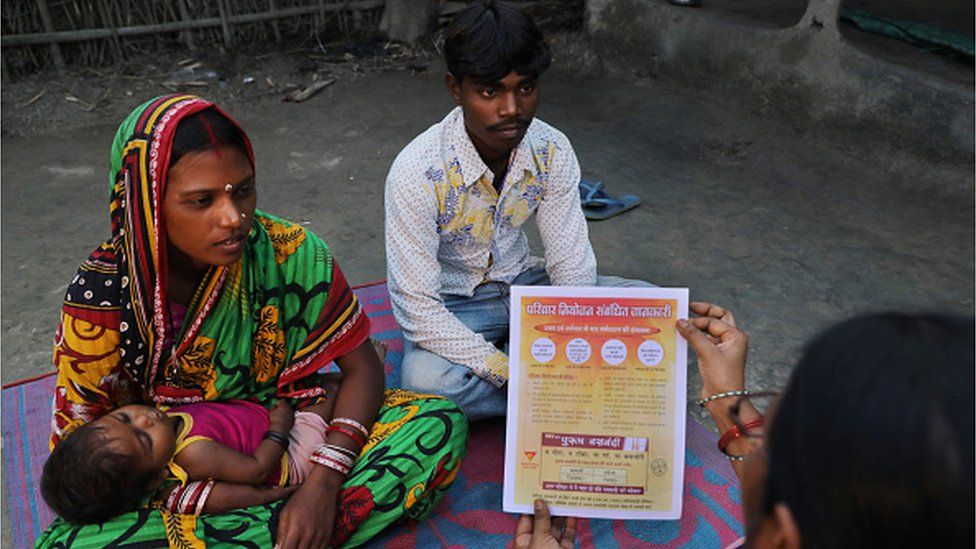
SharecloseShare pageCopy linkAbout sharingImage source, Getty ImagesWhen Ranjani Sharma told her husband that she was considering sterilisation, he initially tried to dissuade her.”He said it may impact your health adversely,” the 27-year-old mother-of-three told me on the phone from her home on the outskirts of the northern Indian city of Lucknow.But, Ms Sharma said she was fed up. The couple had decided they didn’t want any more children and had been using condoms to avoid pregnancy. But it was not a “foolproof method” and when she conceived – twice – she took over-the-counter abortion pills.”I had heavy bleeding, my head would spin, I had blackouts and I was listless and tired all the time. So I told him that sterilisation would be better than taking these blighted pills,” she said.The couple considered whether it was her husband who should instead get the procedure done.”But I told him no,” Ms Sharma said. “He’s the family breadwinner and sterilisation will make him weak, he won’t be able to do heavy lifting.”Dr S Shantha Kumari, president of the Federation of Obstetric and Gynaecological Societies of India, says it’s “myths and misconceptions” like these that male sterilisation or vasectomy will impact virility is what prevents men from participating in family planning programmes, leaving the burden of contraception entirely to women.”India’s family planning campaigns, run by the government and non-governmental organisations, are also completely focussed on women. I believe it should be the responsibility of both men and women, that they should be partners in this decision. But the onus is always on women,” she says.The claim is borne out by the latest National Family Health Survey (NFHS-5), the most comprehensive household survey of health and social indicators by the government, conducted between 2019-2021.The survey reveals that more than 99% of married men and women between the ages of 15 and 49 know about at least one modern method of contraception – which includes male and female sterilisation, condoms, pills, injectables and intrauterine devices – and that their usage has increased from 47.8% to 56.5% between 2015-16 and 2019-21. But that’s where the silver lining ends.With fewer than one in 10 men – 9.5% – using condoms, female sterilisation remains the most popular method of contraception and has even risen from 36% to 37.9% in the past five years. Male sterilisation, even though it’s safer and easier, remains unchanged at 0.3%.The survey also saw 50% of men in Uttar Pradesh, Bihar and Telangana states saying that “contraception is women’s business and a man should not have to worry about it”. One in three men in Andhra Pradesh, Madhya Pradesh and West Bengal and 45% of men in Karnataka expressed similar views.For things to really change, it’s this attitude that needs to change first, says Abhinav Pandey, who led a research project from 2017-2019 in five states – Uttar Pradesh, Bihar, Madhya Pradesh, Chhattisgarh and Rajasthan – on the unequal burden of family planning methods on women.”In all the states we found that male engagement in family planning programmes was very low, mainly due to a lack of awareness,” Mr Pandey says.”There are lots of misconceptions about sterilisation, men feel that they would lose their masculinity and will not be able to work in jobs that involve hard labour. Condoms are more acceptable, but a lot of men told us they didn’t like them because they were uncomfortable and made sex less pleasurable.”In villages and among urban poor, government workers distribute free condoms as part of the family planning programme and as protection from sexually transmitted diseases.But, Akansha Yadav of the GB Pant Institute of Studies in Rural Development, who trains rural health workers and village council members in safe abortion practices, says that many women get pregnant if a condom is faulty or not used correctly or when their husbands come home drunk at night and refuse to use protection. And then it becomes a woman’s headache. With few women aware that abortions are legal in India, Ms Yadav says, women turn to over-the-counter abortion pills or permanent sterilisation – like Ranjani Sharma did.Image source, Getty ImagesDr Kumari says in the first instance, she advocates only long-term reversible contraception, not permanent sterilisation. “Once a couple has had two children, I tell them to go for a temporary but long-term sterilisation and a few years later, they can decide whether they want to go for permanent sterilisation.” For women, she says, long-term contraception comes in the form of intrauterine devices or pills, but there is nothing similar available for men. “There is research going on across the world to find long-term reversible contraception for men, but there is nothing in the basket at the moment.” Mr Pandey says until that happens, family planning programmes must find ways to reach out to men. But don’t expect a miracle, he warns, because the change will be slow.”Men are not comfortable talking about sex in open forums. In rural areas, government health workers are almost all females who deliver condoms to people’s homes but they have little access to men. So we have suggested that that the government recruit male volunteers to mobilise men to increase their participation in family planning.” In 2016, he says, a pilot project was rolled out in 148 districts across India where mothers-in-law and daughters-in-law were called to talk about family planning. In 2019, Rajasthan started calling husbands to these meetings and a year later it was introduced in Uttar Pradesh.”This helped improve male engagement to some extent. We saw that some men started accompanying their wives for counselling sessions, but they were still reluctant to use contraception.” For that to change, Dr Kumari says, the government, doctors and the media need to join hands for a campaign that will convince young men that vasectomy is safe and simple. Until that happens, she says, men will continue to shirk the responsibility of family planning and the burden of contraception will remain a woman’s.Graphic by the BBC’s Shadab NazmiRead more on India’s family survey from the BBC:Indians are getting fatter – and it’s a big problemDoes India really have more women than men?Indian Muslim women fight ‘abhorrent’ polygamyWhat a breakfast murder says about wife beating in IndiaIndia’s preference for sons over daughters remains

Read more →

Roe v Wade: US firms pledge to pay staff travel expenses for abortions

SharecloseShare pageCopy linkAbout sharingImage source, Getty ImagesMajor companies including Disney, JP Morgan and Facebook owner Meta have told staff they will cover employee travel expenses for abortions, as millions of US women face restricted access.It follows a landmark ruling by the US Supreme Court that overturned the constitutional right to abortion. The judgement paves the way for individual states to ban the procedure.Other firms, such as Amazon, had already announced similar moves.But since the ruling a growing number of companies have confirmed they will cover travel costs through their health insurance plans for employees who leave their home state to get an abortion. What is Roe v Wade ruling on abortion? What happens now Roe v Wade has been overturned?Disney said it had told employees it recognised the impact of the Supreme Court ruling and remained committed to giving them “comprehensive access” to affordable healthcare, including family planning and reproductive care, “no matter where they live”. Disney employs around 80,000 people at its resort in Florida, where the governor has already signed into law a ban on abortions after 15 weeks of pregnancy, which is scheduled to take effect on 1 July. Banking giant JP Morgan also told its US employees it would cover travel expenses for medical services, including “legal abortions”, according to a staff memo, dated 1 June and seen by Reuters news agency. “We’re focused on the health and well-being of our employees, and want to ensure equitable access to all benefits,” a bank spokeswoman said on Friday.This video can not be playedTo play this video you need to enable JavaScript in your browser.Another leading US investment bank, Goldman Sachs, also said it would cover travel expenses for employees who needed to go to another state to get an abortion from 1 July, according to Reuters. Social media company Meta said it intended to reimburse travel expenses where permitted by law, “for employees who will need them to access out-of-state health care”. “We are in the process of assessing how best to do so given the legal complexities involved,” a spokesperson added. Other companies which have indicated they will take similar steps include Vogue publisher Conde Nast, jeans brand Levi Strauss, and ride hailing companies Lyft and Uber. Lyft also said it would legally shield drivers in abortion cases, with a spokesperson adding that “no driver should have to ask a rider where they are going and why”. Several other companies, including Amazon, review website Yelp, and banking giant Citigroup, had already said before the Supreme Court ruling that they would reimburse employees who travel to circumvent local abortion restrictions Yelp chief executive Jeremy Stoppelman said on Twitter that the court’s decision “puts women’s health in jeopardy”, adding that “business leaders must speak out”. Abortion will not automatically become illegal in the US – but individual states will now be allowed to decide if and how to allow abortions.A total of 13 states have already passed “trigger laws”, which come into effect upon Roe v Wade being overturned, to outlaw abortion. More than 20 states are making moves to limit access, according to the Guttmacher Institute.Companies which offer to cover the cost of travelling to another state for the procedure are likely to face a backlash from anti-abortion Republicans.Lawmakers in Texas have already threatened Citigroup and Lyft with legal repercussions, while the state’s Republican Party chairman Matt Rinaldi urged Republicans not to use Citi’s services. Abortion is a highly divisive issue in the US. A recent Pew survey found that 61% of adults say abortion should be legal all or most of the time, while 37% say it should be illegal all or most of the time.More on this storyThe world reacts to US abortion rulingAmazon will pay staff travel expenses for abortionsWhat is Roe v Wade ruling on abortion?What happens now Roe v Wade has been overturned?

Read more →

Abortion Pills Take the Spotlight as States Impose Abortion Bans

Demand for medication abortion is surging, setting the stage for new legal battles.In the hours after the Supreme Court released its decision overturning the legal right to abortion in the United States, nearly 100 requests for appointments flowed into Just the Pill, a nonprofit organization that arranges for patients to obtain abortion pills in several states.That was about four times the usual daily number of appointment requests for the organization, and many came from patients in Texas and other states that quickly halted abortions after the court ruling.Abortion pills, already used in more than half of recent abortions in the U.S., are becoming even more sought-after in the aftermath of Roe v. Wade being overturned, and they will likely be at the center of the legal battles that are expected to unfold as about half the states ban abortion and others take steps to increase access.The method, known as medication abortion, is authorized by the Food and Drug Administration for use in the first 10 weeks of pregnancy. It involves taking two different drugs, 24 to 48 hours apart, to stop the development of a pregnancy and then to cause contractions similar to a miscarriage to expel the fetus, a process that usually causes bleeding similar to a heavy period.Many patients choose medication abortion because it is less expensive, less invasive and affords more privacy than surgical abortions — the pills can be received by mail and taken at home, or anywhere, after an initial consultation with a doctor by video, phone, in person or even just by filling out an online form.The patient must participate in the consultation from a state that allows abortion, even if it simply involves being on the phone in a car just over the border. The IP address of the computer or phone they use allows the clinic to identify where they are.For states that ban all forms of abortion, medication abortion is likely to provide significant enforcement challenges. It is one thing to shut down a clinic; it is much harder to police activities like sending or receiving pills through the mail or traveling to a state where pills are legal to have a consultation and pick them up, legal experts say.“When people say we’re going back to the days before Roe, there’s no such thing as a time machine — we have a very different pharmaceutical landscape,” said Katie Watson, a constitutional scholar and medical ethicist at the Feinberg School of Medicine at Northwestern University.The abortion laws beginning to take effect in numerous conservative states ban all forms of abortion, including medication abortion. In addition, 19 states already had laws barring using telemedicine for abortion. Texas recently enacted a law prohibiting sending abortion pills through the mail. So groups and some state governments that support abortion rights are mobilizing to help patients obtain the pills in states where they are legal.Since October 2020, Just the Pill has provided more than 2,500 telemedicine consultations with doctors to supply abortion pills by mail to patients in Colorado, Minnesota, Montana and Wyoming. Within a few days, it plans to deploy in Colorado the first of what will become “a fleet of mobile clinics” to park along state borders, providing consultations for medication abortions and dispensing pills, said Dr. Julie Amaon, the organization’s medical director.Called “Abortion Delivered,” the clinic-on-wheels program, which will also provide surgical abortions for patients who prefer it or are too far along in pregnancy for a medication abortion, is designed to reach patients from nearby states like Texas, Oklahoma and South Dakota that quickly outlawed abortion after the court decision, as well as other states like Utah that are expected to ban or sharply restrict abortion.“By operating on state borders, we will reduce travel burdens for patients in states with bans or severe limits,” Dr. Amaon said. “And by moving beyond a traditional brick-and-mortar clinic, our mobile clinics can quickly adapt to the courts, state legislatures, and the markets, going wherever the need is.”Similar medication abortion providers are also planning for an influx. Hey Jane, an organization that has served nearly 10,000 patients in California, Colorado, Illinois, New Mexico, New York and Washington, plans to expand to more states. “We’ve ramped up our team to accommodate this significant increase in demand,” said its chief executive, Kiki Freedman.Anti-abortion groups are trying to counter the rise in interest in medication abortion by claiming it is unsafe, calling it “chemical abortion.” James Studnicki, vice president of data analytics at Charlotte Lozier Institute, an arm of Susan B. Anthony Pro-Life America, said on Friday that “the safety of the abortion pill is greatly exaggerated,” and called the rise in medication abortion “a serious public health threat.”Much remains unknown about how states that ban all or most abortions will try to enforce their laws in cases of medication abortion. But as the Biden administration scrambled to react to the court ruling, two cabinet members swiftly released statements vowing to protect the right to take medicines that had been approved by the federal government.“We stand unwavering in our commitment to ensure every American has access to health care and the ability to make decisions about health care — including the right to safe and legal abortion, such as medication abortion that has been approved by the F.D.A. for over 20 years,” Xavier Becerra, the secretary of Health and Human Services, said in his statement. In another statement, Merrick B. Garland, the attorney general, referred specifically to the first drug in the medication abortion regimen, mifepristone. In December, the F.D.A. made access to it significantly easier by permanently lifting the requirement that patients obtain mifepristone by visiting an authorized clinic or doctor in person.“We stand ready to work with other arms of the federal government that seek to use their lawful authorities to protect and preserve access to reproductive care,” Mr. Garland said. “In particular, the F.D.A. has approved the use of the medication mifepristone. States may not ban mifepristone based on disagreement with the F.D.A.’s expert judgment about its safety and efficacy.”But it is unclear what the Justice Department can do. Some legal scholars have argued that federal drug approval pre-empts state actions to restrict a drug’s use. Others say that has only applied to cases where a state claims that safety or efficacy is an issue.“Today, the Supreme Court said abortion, it can only be regulated in sort of a health and safety way when it’s permitted, but it can be completely banned,” Professor Watson said.As a result, she said, the ability of the federal government to assert that the F.D.A.’s approval takes precedence over state laws “is limited, given, traditionally, states get to regulate the practice of medicine.”Legal experts said there might be other ways for the Justice Department to become involved in fighting medication abortion restrictions, such as contesting laws that bar mailing pills, since the mail is under federal oversight.On Friday, the F.D.A. took a cautious stance, saying in a statement, “We have not had an opportunity to review the opinion, but we do note that F.D.A.’s independent and regulatory decisions are based on science and facts.”The agency added that “patients should have access to medications that are safe and effective for their F.D.A.-approved use.”Medication abortion became legal in the United States in 2000, when mifepristone was approved by the F.D.A. The agency imposed tight restrictions on the drug, many of which remain in place. But access to the method increased in 2016, when the F.D.A. expanded the time frame within which the drug could be taken — from seven weeks to 10 weeks into a pregnancy.Major medical groups cite years of data showing that medication abortion is safe. For example, a research program that the F.D.A. allowed to provide telemedicine consultations and send pills by mail reported that 95 percent of the 1,157 abortions that occurred through the program between May 2016 and September 2020 were completed without requiring any follow-up procedure. Patients made 70 visits to emergency rooms or urgent care centers, with 10 instances of serious complications, the study reported.As conservative states began passing more laws restricting access to surgical abortions, more patients opted for pills, especially because they could be taken in the privacy of one’s home.The Covid pandemic fueled that trend. The Guttmacher Institute, a research organization that supports abortion rights, reported that in 2020, medication abortion accounted for 54 percent of all abortions.As patients look for ways to obtain the pills, some are expected to turn to international websites like Aid Access, a European organization that the F.D.A. has tried — so far unsuccessfully — to stop from mailing pills to the United States, further complicating enforcement efforts.Mary Ziegler, a law professor at the University of California, Davis, who has written widely on abortion, said in an interview last month that there might be attempts by states that ban abortion to prosecute doctors and other health providers in other states who provide abortion services like consultations and pills to their residents, or to try to block organizations or funds that give financial help to patients to travel to other states.States where abortion remains legal are mobilizing to increase access stifle legal assaults from other states. Connecticut passed a bill that would prevent abortion providers from being extradited to other states, bar Connecticut authorities from cooperating with abortion investigations from a patient’s home state and allow Connecticut residents who are sued under another state’s abortion provision to countersue. Legislation in California would provide financial assistance to patients traveling from other states to obtain abortions and increase the number of abortion providers. Justice Brett Kavanaugh, in an opinion concurring with the Supreme Court decision, suggested that patients who traveled to other states to receive an abortion would be protected by the constitutional right to interstate travel.So far, most states that restrict abortion have long adhered to a principle of targeting providers and others who help patients, but not the patients themselves. Professor Ziegler said it was possible that could also change because, in circumstances where the abortion takes place outside state boundaries, “there may be absolutely no one else in that state to go after but the patient.”Katie Benner contributed reporting from Washington.

Read more →

Jeffrey Escoffier, Health Official and Scholar of Gay Theory, Dies at 79

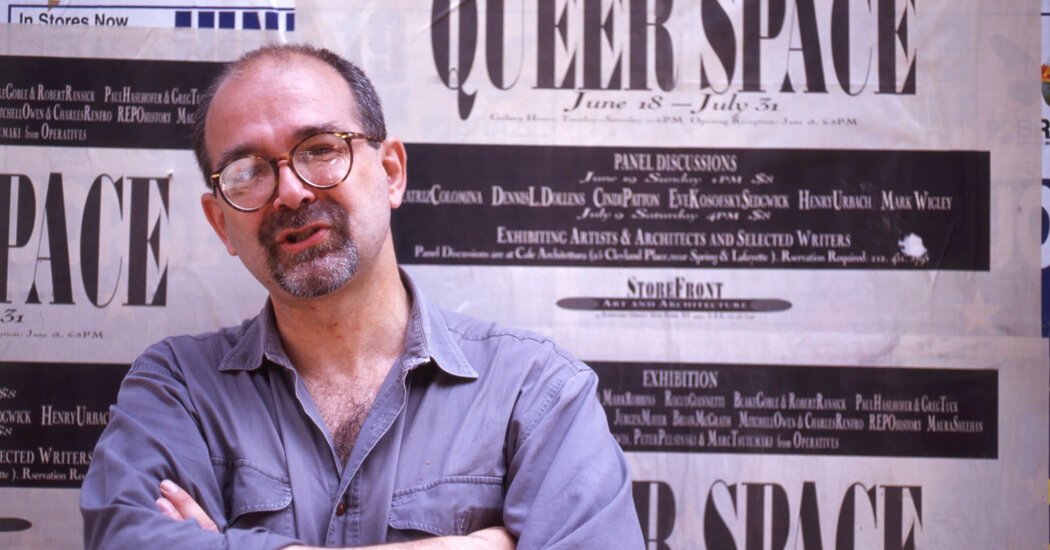
He wrote extensively on gay identity and history, but New Yorkers knew a different side of his work: his campaigns on H.I.V. and other health issues.Jeffrey Escoffier, whose remarkably varied career included helping to shape public health campaigns in New York City and writing extensively on gay identity and how it has been influenced by gay pornography and other factors, died on May 20 in Brooklyn. He was 79.His family said the cause was complications of a fall he took while on his way to teach a class at the Brooklyn Institute for Social Research.New Yorkers encountered Mr. Escoffier’s work on trains, buses and elsewhere for years, although few knew it. From 1999 to 2015 he was the director of health media and marketing for New York City’s Department of Health and Mental Hygiene, which meant that he was directly involved in numerous public health campaigns. Among other things, he arranged one of the more unusual photography sessions on record.It was for a 2004 poster campaign emphasizing that littering and feeding pigeons and squirrels worsened the city’s rat infestation. The poster showed a rat on its haunches, standing in the shadow of a giant version of itself.“The rat is a relatively small animal, and we wanted to suggest that it’s a big problem,” Mr. Escoffier explained to The Daily News that year. “The shadow really is the shadow that is cast by the rat problem in the city.”Getting an image of a rat, though, wasn’t as easy as you might think.“There are not that many stock photos of rats,” Mr. Escoffier told the newspaper. “We actually had a photo shoot with the rat.”Dr. Thomas R. Frieden, the city’s health commissioner for part of Mr. Escoffier’s tenure, said by email that Mr. Escoffier was “always able to see a new side to a challenging issue or situation — and often to bring out the humor in it.”But long before he was working on the rat problem (as well as H.I.V., West Nile virus, smoking, childhood asthma and other serious health concerns), Mr. Escoffier was a leading voice in gay and lesbian scholarship and theory, both as an editor and as an essayist.In 1972, early in the post-Stonewall gay liberation movement, he founded The Gay Alternative, a publication of the Gay Activists Alliance of Philadelphia. He relocated to San Francisco from Philadelphia in 1977 and 11 years later, after spending much of the 1980s as executive editor of Socialist Review, founded Out/Look: National Lesbian and Gay Quarterly, which published articles of interest both to gay men and to lesbians, two groups that at the time were often at odds.And he wrote voluminously. Many of his essays, as he put it in the introduction to “American Homo: Community and Perversity,” his 1998 book, “explore the social significance of homosexual emancipation since the end of World War II and the political reaction that it has precipitated in American public life.”That included excavating the pre-Stonewall history of gay life, along with economic and other aspects of it. It also included examining gay pornography, how it had changed over the decades and how it had both reflected and helped to shape gay identity. His most recent essay collection, published last year, was “Sex, Society, and the Making of Pornography: The Pornographic Object of Knowledge.”“Jeffrey Escoffier embodied the radical queer public intellectual,” Whitney Strub, an associate professor at Rutgers University-Newark whose books include “Perversion for Profit: The Politics of Pornography and the Rise of the New Right” (2010), said by email. “In particular, in such essays as ‘The Political Economy of the Closet,’ he showed how to think and write gay economic history, even when its archives had often been erased or destroyed. Later, his pioneering work on pornography called on scholars to move beyond textual analysis and think about labor, the work behind the bodies onscreen.”Jeffrey Paul Escoffier was born on Oct. 9, 1942, in Baltimore and grew up in Manhattan and on Staten Island. His father, George, was an Army colonel, and his mother, Iris (Miller) Wendel, owned an antique shop.“I had my first homosexual experience at 16 during the summer of 1959,” Mr. Escoffier wrote in “American Homo.” “After that, I thirsted for wild adventure. Growing up on Staten Island, realizing my queerness in its sleepy working-class communities, I viewed Greenwich Village as Shangri-La.”Mr. Escoffier earned a bachelor’s degree at St. John’s College in Annapolis, Md., and a master’s in international affairs at Columbia University. He moved to Philadelphia in 1970 and did doctoral work in economic history at the University of Pennsylvania.He became president of the Philadelphia chapter of the Gay Activists Alliance soon after arriving in the city. A 1975 article by The Associated Press described him as “a librarian who yesteryear was considered queer, today gay.”“There was a time he wouldn’t have wanted the last fact mentioned,” it continued. “Now he seems to welcome the chance to talk about it and the city’s gay community.”Fifteen years later, in San Francisco, Mr. Escoffier showed just how far the new openness had come. He and his colleagues at Out/Look had organized OutWrite, a conference for gay and lesbian writers. The 1990 conference drew 1,200 people.“We are here to mark the coming-of-age of gay and lesbian literature,” he told The Los Angeles Times.The Out/Look journal lasted until 1992. In 1993 Mr. Escoffier moved to New York, and two years later he joined the city health department as deputy director of the Office of Gay and Lesbian Health, where, among other duties, he helped to shape “Julio and Marisol,” the comic-strip serial that had begun appearing in city subway cars in 1989 as part of an AIDS education campaign. In 1999 he was promoted to the marketing position.Dr. Frieden, his former boss, called him a “kind, gentle, creative man who thoughtfully designed lifesaving public health campaigns.”Dr. Mary T. Bassett, now the New York State health commissioner, said that when she became New York City’s health commissioner in 2014, one of the first things she did was to reach out to Mr. Escoffier.“The Affordable Care Act was about to begin enrollment through the exchange, and I wanted to give New York City residents a tailored campaign,” she said by email. “He got to work. In just two weeks Jeff and his team came with about a dozen images, with the tag line ‘Get Covered!’ Today only 5 percent of NYers are uninsured — and Jeff made sure we hit the ground running.”Mr. Escoffier, who lived in Brooklyn, is survived by three sisters, Lin Boulay, Deirdre Wendel and Leith ter Meulen.Ms. Escoffier was also co-editor of a book about dance and wrote a biography of John Maynard Keynes. Sandra Mullin, an associate commissioner in the health department when Mr. Escoffier was there, said she was dazzled by his eclectic résumé.“He was our Renaissance man,” she said by email.“He was a queer man who lifted people up on his team long before the rest of the world gained D.E.I. consciousness,” she added. “No creative idea was dismissed, even bad ones. He always made them better. And in his way —- whether a hard-hitting tobacco campaign or another installment of the soap opera H.I.V. subway campaign ‘Julio y Marisol,’ Jeffrey helped save lives.”

Read more →

Roe v Wade: The world reacts to US abortion ruling

SharecloseShare pageCopy linkAbout sharingImage source, Getty ImagesThe US Supreme Court’s overturning of the constitutional right to abortion is being felt in countries across the world, where activists on both sides of the debate have been explaining what it means to them.Our correspondents in Italy, El Salvador, India, Ireland and Canada report on the reverberations being felt where they are.US touches ‘raw nerve’ in ItalyBy Mark Lowen, BBC News, RomeIn 1978, five years after Roe v Wade, Italy legalised abortion with Law 194. And while it is not the same lightning rod political issue here, the rise of a new hard-right conservative politics, ever closer to the Catholic church, has brought it back into focus – and the US Supreme Court’s decision is reverberating in Italy too.From the political left and centre, there’s been a chorus of condemnation and alarm. Emma Bonino, a leftist former foreign minister who helped pass Law 194, said it showed the risk in Italy of moving backwards and of “losing achievements that had seemed permanent.”But on the right, some feel galvanised. “A great victory”, declared Simone Pillon from the far-right League, adding that he hoped Italy and Europe would follow suit. However, his party leader, Matteo Salvini, was notably more nuanced, stating that he believes “in the value of life… but on pregnancy, the last word belongs to the woman” – perhaps a recognition that the majority of Italians say they still support the right to abort. ANALYSIS: Why this was a seismic day in AmericaNEXT: What happens now Roe v Wade has been overturned?BACKGROUND: What is Roe v Wade ruling on abortion? While it’s unlikely abortion would be restricted here, Law 194 allowed for conscientious objection by doctors – and across the country, around 70% of medics now refuse to perform the procedure. In some regions, it’s 90%.With the Vatican in its backyard, Italy is often behind the curve on some social issues, such as LGBT rights. There is pride among many that abortion was fought for, and enshrined in law, decades ago. But it is for some a raw nerve – and the US decision will touch that. A passionate response across IrelandBy Emma Vardy, BBC Ireland correspondentAcross the island of Ireland news of the US Supreme Court ruling has triggered a swift and passionate response. The issue stirs deep emotions here where abortion was only relatively recently decriminalised. Many vocal Irish campaign groups and activists still exist on both sides.”The world continues to watch America become unrecognisable,” wrote Dr Jennifer Cassidy on Twitter, a university lecturer who was in Dublin in 2018 when jubilant crowds celebrated as the Republic of Ireland voted to decriminalise abortion.Many on the pro-choice side have been reliving memories of that day, now expressing their horror at what they are witnessing in the US.The story of Savita Halappanavar, who died of sepsis in Ireland in 2012, because she was not allowed a termination, is now being reshared widely in Ireland, by people warning Americans to prepare themselves for many similar deaths.Image source, Getty ImagesA “shameful decision” said Grainne Taggart of Amnesty International, who has fought hard for abortion rights in Northern Ireland.But campaigners who were devastated by the legalisation of abortion on the island of Ireland have been reinvigorated.”Its a bit of a wake-up for us here,” said Bernie Smyth, one of Northern Ireland’s most prominent anti-abortion campaigners. “There’s a lot to be learnt from what is happening in the US.””My personal hope for the future is that we too will one day reverse the legislation. I think the movement in the US have been very wise. This brings a lot of hope, and the battle goes on.”Conservative groups emboldenedBy Will Grant, BBC News, San Salvador, El SalvadorJust as they felt the tide was beginning to turn on abortion in Latin America, many reproductive rights’ campaigners now fear the worst following the Supreme Court ruling on Roe V Wade. “This will embolden the most conservative groups in our countries who consistently deny women rights”, says Mariana Moisa, a leading pro-abortion rights’ activist in El Salvador where abortion is banned in all cases including where the mother’s life is endangered, rape or incest. “The denial of the human rights of women and girls being forced to bear children who are the product of abuse” already disproportionately affects the poorest in society, she says. Meanwhile, anti-abortion politicians who control El Salvador’s parliament have welcomed the move and insist that their position on abortion remains the dominant view in the Americas. While the Supreme Court was solely concerned with the law in US states, Washington continues to exercise a huge influence over Central America. Ms Moisa says the message being sent out by this ruling is stark.”It’s lamentable. A retrograde step which only goes to illustrate the contempt and lack of concern which exists around the world for women.” ‘A devastating setback’By Robin Levinson-King, BBC News, TorontoCanada doesn’t often like to butt its nose in its neighbour’s – and largest trading partner’s – business. But when the Supreme Court overruled Roe v Wade, Canada’s progressive-leaning prime minister, Justin Trudeau, did not mince words, calling it a “devastating setback” and “horrific” for women.”Quite frankly, it’s an attack on everyone’s freedoms and rights,” Mr Trudeau said from the Commonwealth summit in Kigali, Rwanda.Abortion has been de-criminalised in Canada since 1983, but access is not a guaranteed right. In many areas, women have to drive for hours to get abortions. Inside a US abortion clinic on its last dayElation and despair outside US Supreme CourtThere are many pro-life Canadians, but the issue has not been politicised to the same degree as it has south of the border. RightNow, a Canadian pro-life organisation, tweeted that it was a “truly historic day for our friends in the United States”.’America is a model for the world’By Geeta Pandey, BBC News, DelhiGender justice activists in India have described the ruling as “a huge step back for women’s rights” and say it’s guided by “Victorian morality”.Dr Veena JS, activist and forensic medicine professor who teaches medical ethics to doctors, says the Roe v Wade ruling will impact women’s reproductive rights not just in the US but have a cascading effect around the world too.”America is generally a model for the world and I fear, at some point, India could take a cue from them and bring in a similar legislation,” she says. “And we will be forced to raise children we don’t want.” This, Dr Veena says, will affect the physical and mental health of women and children. “Research has shown that post-partum psychosis and depression increases in women who are forced against their will to give birth. The quality of life of these ‘unwanted’ children will also be poor.”Abortions have been legal in India since 1971, although with conditions, especially to curb female foeticide in a country with an overwhelming preference for sons. But because of a general lack of awareness among women, stigma attached to the topic and doctors’ reluctance to perform abortions out of religious or moral beliefs mean a majority of abortions are still held outside of registered medical facilities.

Read more →