
In Light of Roe v. Wade Ruling, Men Share Their Abortion Stories

What Men Who Have Experiences With Abortion Want People to Know
Read more →
What Men Who Have Experiences With Abortion Want People to Know
Read more →
The increased use of contraception in many countries is not because more women at any moment want to delay pregnancy or have no further children. Instead, it is because contraception is helping more women achieve their childbearing goals.
This is the overwhelming conclusion from a study of national survey data from 59 low- and middle-income countries around the world.
Results showed that 85-90% of the change in contraception use is attributable to meeting the prevalent demand for reproductive control, versus only 10-15% attributable to an increase in the fraction of women who want to avoid pregnancy.
“Contraception use is increasing because women are more successfully carrying through on their preferences, achieving what they want. It’s not due to large increases in the proportion of women who want to avoid pregnancy,” said Mobolaji Ibitoye, lead author of the study and postdoctoral scholar at The Ohio State University’s Institute for Population Research.
The rise in use of modern contraceptives in low- and middle-income countries over the past few decades has sparked a long-running debate on whether the increase is due to women wanting fewer children or not, said John Casterline, co-author of the study and professor of sociology at Ohio State’s IPR.
One of the most surprising things about this new study is how definitively it answered that question, Casterline said.
A spiral wave of electrical activity in the heart can cause catastrophic consequences. One spiral wave creates tachycardia — a heart rate that’s too fast — and multiple spirals cause a state of disorganized contraction known as fibrillation. Researchers from the Georgia Institute of Technology offer a new method to disrupt spiral waves that uses less energy and that may be less painful than traditional defibrillation.
This research has been ongoing in School of Physics Professor Flavio Fenton’s lab with his student Noah DeTal and research scientist Abouzar Kaboudian. Their latest findings are published in the paper, “Terminating Spiral Waves with a Single Designed Stimulus: Teleportation as the Mechanism for Defibrillation,” in the journal Proceedings of the National Academy of Science.
The Problem with Spiral Waves
Electrical waves enable the heart to contract and send blood throughout the body. When a wave becomes a spiral, its rotation is faster than the heart’s natural pacemaker and suppresses normal cardiac function. Instead, one spiral wave can spawn more spirals until the heart is overtaken by multiple spiral waves, leading to disorganized contraction, and preventing the heart from supplying the body with blood.
For years, scientists and doctors have worked to find the best way to stop spiral waves before they get out of control. Yet for over half a century the best method has been a single strong electric shock. The 300 joules of energy required for defibrillation excites not just the heart cells, but the entire body, making it very painful for the patient.
Over the years researchers have experimented with using weaker shocks to reorganize arrythmias.
An oral antiviral drug that targets a key part of the respiratory syncytial virus (RSV) polymerase and inhibits the synthesis of viral genetic material has been identified, a finding that could provide an effective treatment against RSV disease, according to researchers in the Center for Translational Antiviral Research at Georgia State University.
The findings, published in the journal Science Advances, identify AVG-388 as the lead drug candidate, which effectively blocks the activity of the viral RNA polymerase, an enzyme responsible for replication of the viral genome. RSV is a leading cause of lower respiratory infections in infants and immunocompromised individuals, but no efficient therapeutic exists. The virus caused an estimated 33.1 million cases worldwide in 2015 that required 3.2 million hospitalizations and resulted in 59,800 deaths.
Finding effective drugs to fight RSV has been challenging. Through mutations, RSV has escaped advanced candidate classes that prevent the virus from entering a cell. To overcome this issue, recent drug development efforts have focused on the viral RNA-dependent RNA polymerase complex of RSV because of the possible broader window of opportunity to fight the virus during viral genome replication and transcription.
“We have identified the AVG class of inhibitors of RSV RNA synthesis,” said Dr. Richard K. Plemper, senior author of the study, Distinguished University Professor and director of the Center for Translational Antiviral Research in the Institute for Biomedical Sciences at Georgia State. “Through chemical optimization, we have developed the clinical candidate AVG-388, which is orally efficacious against RSV in animal models of infection.”
In addition, the researchers demonstrated potent antiviral activity in human airway epithelium organoid cultures.
“In this study, we have mapped an exciting druggable target in the RSV RNA-dependent RNA-polymerase and established the clinical potential of the AVG inhibitor class against RSV disease,” said Dr. Julien Sourimant, first author of the study and a postdoctoral fellow in the Center for Translational Antiviral Research in the Institute for Biomedical Sciences at Georgia State.
The research team investigated the effect of treatment on viral replication at different oral doses intended to prevent or cure disease. They demonstrated that treatment reduced virus load by several orders of magnitude in the different disease models.
“Our results lay the foundation for formal development of the AVG class and the structure-guided identification of companion drugs with overlapping target sites but distinct resistance profiles,” Plemper said.
Co-authors of the study include Julien Sourimant (first author), Carolin M. Lieber, Jeong-Joong Yoon, Mart Toots and Richard K. Plemperof the Center for Translational Antiviral Research in the Institute for Biomedical Sciences at Georgia State; Mugunthan Govindarajan, Venkata Udumula and Michael G. Natchusof Emory Institute for Drug Development at Emory University; Kaori Sakamotoof the College of Veterinary Medicine at the University of Georgia; Joseph Pattiof Aviragen Therapeutics Inc. (now at JP Biotech Advisors Inc.); and John Vernachioof Aviragen Therapeutics Inc.
The study was funded by the National Institutes of Health.
Story Source:
Materials provided by Georgia State University. Note: Content may be edited for style and length.
Within and upon every human being reside countless microorganisms — the microbiota that help shape and direct the lives of their hosts. A similar phenomenon occurs between people, microbes and the homes they share.
Writing in the June 24, 2022 issue of Science Advances, scientists at University of California San Diego School of Medicine and elsewhere report on the molecular impact of life indoors, describing how the presence of humans interacts with their microbial roommates, changing the home’s biology and chemistry.
The findings, suggest the authors, should influence future building designs.
Modern Americans spend approximately 70 percent of their time inside, reshaping the indoor microbiome with inputs from their bodies. Limited research has investigated the interaction between humans and indoor exposures to specific pollutants, toxins and particles, but the new study more ambitiously documents how people influence the entire molecular and chemical composition of a home through routine activities.
An experimental test home was erected in Austin, Texas during the summer of 2018. The house was designed for ordinary use and included bathrooms, a kitchen, gathering and work areas. Overnight stays were prohibited, but 45 study participants, plus visitors, spent time in the house, occupying it for approximately six hours per day for 26 days, during which they performed scripted activities, such as cooking, cleaning and socializing.
Researchers sampled the distribution of detectable molecules and microbes throughout the occupied areas of the house at the beginning of the experiment, dubbed T1, and again 28 days later, dubbed T2, largely by swabbing surfaces and conducting different genomic, metabolic and chemical analyses.
While lower vertebrates can repair their adult hearts after a heart attack, mammals — including humans — cannot. The ability to regenerate dead muscle tissue in mammalian hearts disappears just a few days after birth because the heart muscle cells, called cardiomyocytes, exit the cell cycle.
After that, all growth of the heart comes from enlargement of existing cells, not from creation of new muscle cells. In an adult heart attack, heart failure results when the lost cardiomyocytes are replaced by fibrous scar tissue, instead of new muscle cells. This starts a vicious cycle of heart enlargement, loss of pumping function and eventual death.
In 2020, University of Alabama at Birmingham researchers reported that surgery to remove the left ventricle apex of the heart of pigs, one day after birth, somehow extended the replication ability of heart muscle cells. In fact, after such surgery, pigs can completely recover from a heart attack four weeks after birth, without scarring or decline in heart function.
To better understand the underlying gene expression changes in this extended regeneration window, UAB researchers now report nuclear RNA-sequencing of heart muscle cells, using this porcine model. From such knowledge, and much further research yet to come, clinicians may potentially learn how to regenerate adult heart cardiomyocytes after a heart attack.
This study, led by Jianyi “Jay” Zhang, M.D., Ph.D., chair of the UAB Department of Biomedical Engineering, is published as a Circulation research letter.
The researchers compared nuclei from heart tissue of five groups of pigs. Two groups were regeneration models that had left ventricle apical resections, or AR, at postnatal day one, or P1. One of those two groups then had ligation of the left anterior descending coronary artery four weeks after birth, or P28, to induce a myocardial infarction, or MI; this group is called ARP1MIP28. The other group, called ARP1, did not have ligation.
Along with high blood pressure, diabetes, and smoking, environmental factors such as air pollution are highly predictive of people’s chances of dying, especially from heart attack and stroke, a new study shows.
Led by researchers at NYU Grossman School of Medicine and the Icahn School of Medicine at Mount Sinai, the study showed that exposure to above average levels of outdoor air pollution increased risk of death by 20%, and risk of death from cardiovascular disease by 17%.
Using wood- or kerosene-burning stoves, not properly ventilated through a chimney, to cook food or heat the home also increasd overall risk of death (by 23% and 9%) and cardiovascular death risk (by 36% and 19%). Living far from specialty medical clinics and near busy roads also increased risk of death.
Publishing in the journal PLOS ONE online June 24, the findings come from personal and environmental health data collected from 50,045 mostly poor, rural villagers living in the northeast Golestan region of Iran. All study participants were over age 40 and agreed to have their health monitored during annual visits with researchers dating as far back as 2004.
Researchers say their latest investigation not only identifies environmental factors that pose the greatest risk to heart and overall health, but also adds much-needed scientific evidence from people in low- and middle-income countries. Traditional research on environmental risk factors, the researchers note, has favored urban populations in high-income countries with much greater access to modern health care services.
Compared with those who have easier access to specialized medical services, those living farther away from clinics with catheterization labs able to unblock clogged arteries, for example, were at increased risk of death by 1% for every 10 kilometers (6.2 miles) of distance. In Golestan, most people live more than 50 miles (80 kilometers) away from such modern facilities.
In the largest epidemiologic study of arsenic and birth outcomes to date, researchers from the University of Illinois Chicago and collaborating institutions estimated arsenic levels in U.S. private well water sources by county and compared estimates to documented birth outcomes. They found an association between estimated groundwater arsenic concentration and risk of low birth weight.
The findings, which are reported in the journal Environment International, suggest that efforts to reduce arsenic in private wells could help more babies be born at healthy weights, particularly in rural areas.
Arsenic is a natural element that, in some forms, is highly toxic when consumed through contaminated water used for drinking, food preparation or crop irrigation. All public water systems in the U.S. are required to monitor arsenic levels, but private wells — which are used by 14% of people in the country — are unregulated. As a result, there is limited comprehensive data on the extent of arsenic contamination and associated health risks in the U.S.
“While we have known that arsenic is dangerous, this lack of data on exposures from private wells has left some U.S. communities disproportionately vulnerable to adverse health events from the contaminant,” said study co-author Maria Argos, associate professor of epidemiology and associate dean for global health at the UIC School of Public Health. “Developing a method to estimate these exposure risks was the first step in understanding the true exposure risk for all people living in the U.S.”
Using several machine learning algorithms, the researchers characterized the probability that specific ranges of arsenic concentration occurred in groundwater sources in nearly all 3,000-plus counties in the conterminous U.S.
“These machine learning models are based on data collected by the USGS from over 20,000 private wells located throughout the U.S.,” said Melissa Lombard, hydrologist at the U.S. Geological Survey, who is also a co-author of the study. “The models allow us to estimate arsenic in areas where there are no data. The development of the models was a collaboration between hydrologists and epidemiologists to explore connections between arsenic exposure from drinking water and human health outcomes.”
Probabilistic model estimates and private well usage data were linked to all live birth certificates issued in 2016. The researchers compared the models to data on birth outcomes, which are tracked by public health departments, looking at gestational age and birth weight.
While there was no observed association in gestational age, there was an inverse association with birthweight, even at moderately low levels.
The model predicted that counties with a higher probability of private well arsenic concentrations exceeding 5 micrograms per liter were associated with a birth weight 1.8 grams lower than average. Similarly, counties with a higher probability that private well arsenic concentrations exceeded 10 micrograms per liter — the standard followed by the federal government — were associated with a 2.8-gram reduction in birth weight, compared to average.
The researchers said the association they found is somewhat limited because the analysis was based on estimates of exposures rather than individual-level measured exposures, but the limitations of their model may be an underestimate of the true association.
“Birth outcomes are an indicator of health and chronic disease risk throughout the lifespan, and the results of our study offer evidence that building awareness of exposures and expanding testing resources in communities that rely on private wells should be a public health priority,” Argos said.
The research was funded by the USGS John Wesley Powell Center for Analysis and Synthesis working group “Linking environmental and public health data to evaluate health effects of arsenic exposure from domestic and public supply wells.”
Story Source:
Materials provided by University of Illinois Chicago. Note: Content may be edited for style and length.
Most research on immunity to the SARS-CoV-2 virus and COVID-19 vaccine development has focused on antibody responses to the spike protein and other viral surface proteins. But antibodies that recognize the virus’s internal proteins could also be important for immunity and disease outcomes, according to a new study led by University of Pittsburgh, Georgia Institute of Technology and Emory University researchers.
In the study, online now in Cell Reports, the team performed the most comprehensive analysis to date of COVID-19 antibodies in a small set of patients with severe disease. They found that antibody profiles of internal viral proteins, including those conserved across coronaviruses, predicted which patients survived or died just as well as corresponding profiles for surface proteins, suggesting that targeting other parts of the virus beyond the spike protein could be important for enhancing COVID-19 vaccines and therapies.
“The novel aspect of this study is that we conducted very deep profiling of SARS-CoV-2 antibodies and looked at many different aspects of these antibodies,” said co-senior author Jishnu Das, Ph.D., assistant professor of immunology and of computational and systems biology in Pitt’s School of Medicine. “The whole world has been focused on the spike protein and the receptor binding domain, but this study is the first concrete evidence that specific antibodies against internal proteins are also positively associated with survival in severe COVID-19.”
When the immune system encounters a virus, it produces antibodies that help neutralize and clear the infection. Each antibody specifically recognizes just one antigen, often a viral protein. Most COVID-19 immunity research has focused on the spike and other surface proteins, which form the virus’s outer coat, but beyond these so-called “canonical antigens,” SARS-CoV-2 has about 25 other internal proteins.
To see whether immune responses to these non-canonical antigens could predict survival outcomes in patients with severe COVID-19, Das teamed up with co-senior authors Aniruddh Sarkar, Ph.D., assistant professor in the Wallace H. Coulter Department of Biomedical Engineering at Georgia Tech and Emory University, and Harinder Singh, Ph.D., professor of immunology and the director of the Center for Systems Immunology at Pitt.
The researchers analyzed blood samples that had been collected from 21 patients who were hospitalized with severe COVID-19 in 2020 — prior to the approval of vaccines. Seven of these patients died from the disease, and the other 14 survived. Using a microscale antibody profiling platform developed by Sarkar, the team comprehensively analyzed antibodies to three canonical and four non-canonical antigens.
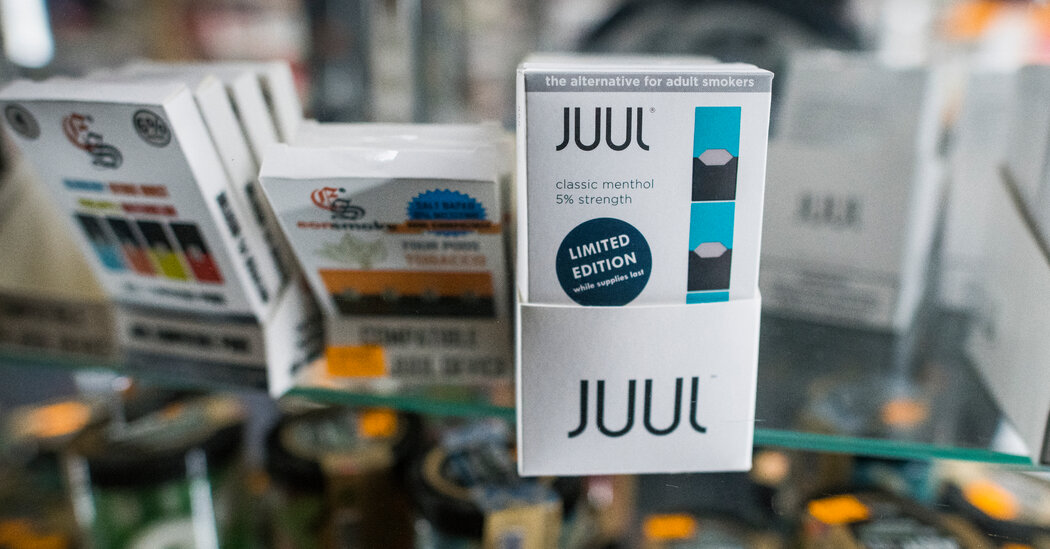
The company is appealing the F.D.A.’s ruling that it stop selling its vaping products. Whether they will remain on the market in the interim has yet to be decided.The Food and Drug Administration on Thursday ordered Juul Labs to stop selling e-cigarettes in the United States, saying the company had provided conflicting and insufficient data that prevented the agency from determining potential health risks of its products.The company’s pods and cartridges are among the most widely sold electronic vaping devices. Does the F.D.A.’s ruling mean they are no longer for sale, and what are the alternatives for Juul users?What’s the next step for Juul?Early on Friday, Juul asked the U.S. Court of Appeals for the District of Columbia for an emergency stay on the F.D.A.’s order.In its filing, Juul argued that the agency’s decision was motivated by political forces that sought to blame the company for the youth vaping crisis. The F.D.A. decided to ban Juul “after immense political pressure from Congress,” the filing states, “even though several of its competitors now have a larger market share and much higher underage-use rates.”However, the F.D.A. did not cite underage use in its decision to ban Juul from the market. Rather, the agency said Juul had not provided sufficient evidence that its product prevents leaching of chemicals from the device to the nicotine vapor that users inhale.Read More on Smoking and VapingNicotine Levels: Aiming to reduce the toll of smoking, the Food and Drug Administration is planning to require tobacco companies to slash the amount of nicotine in cigarettes.Menthol Ban: The F.D.A. has also proposed a plan to ban sales of menthol cigarettes, a measure experts say may save hundreds of thousands of lives, especially among Black smokers.‘Smoking Is Back’: Cigarettes, still the No. 1 cause of preventable death in the United States, are making a comeback with a younger crowd.Vaping Loophole: A crackdown on flavored e-cigarettes was meant to curtail teenage vaping, but sales are rising due to synthetic nicotine.The Rise of Juul: A Times documentary traced the e-cigarette maker on its path from fledgling start-up to Silicon Valley juggernaut and, eventually, public health villain.If Juul were granted a stay, that could prohibit the F.D.A. from enforcing the sales ban on Juul products, pending an appeal of the decision to the court, the federal agency or both. This is not Juul’s only option at this time for a stay, and the company is trying all short-term options to keep selling its products while it begins a longer appeals process.Will Juul users still be able to buy the company’s pods and e-cigarettes?Some consumers were still able to buy Juul cartridges and the company’s tobacco and menthol-flavored pods as news of the ruling spread.But the F.D.A. said on Thursday that retailers selling Juul products would be subject to enforcement action at some point, and ordered Juul to stop selling or distributing its products. Juul is no longer selling its products on its own website. Unless the company is granted a stay that allows it to keep its products on the market, the items will very likely be removed from shelves soon.In its court filing, Juul said that the agency’s decision had “already had its intended effect,” indicating that some retailers had stopped selling Juul products.Individual consumers would not be subject to penalties, the F.D.A. said.Will I still be able to buy other e-cigarette products?The F.D.A. is not seeking a blanket ban on all vape products. As part of its new regulatory authority over so-called electronic nicotine delivery systems, or ENDS, the agency has been reviewing applications for millions of products. It has already granted approval to 23 of them, including Vuse Alto, the market leader which is made by R. J. Reynolds, and several other products made by NJoy and Logic. (Applications for a million other products have been denied.)As part of its review, the agency must consider whether a product is a viable alternative to combustible tobacco that can help cigarette smokers quit and whether the product’s benefits to public health outweigh its harm.What are the best-selling e-cigarettes still on the market?According to data from Nielsen, the top-selling vaping brand in the United States over the past 12 weeks was Vuse Alto, which earned $414 million in sales and had 33.4 percent of the overall e-cigarette market. A close second was Juul, with a 33-percent market share. None of the other brands came close to these two companies; the next best-selling brand, NJoy Ace, accounted for just 2.4 percent of the market.How does the tobacco industry stack up against vaping?The cigarette industry in the United States brought in about $99 billion in revenue last year, compared with $7.8 billion for vaping products like Juul, according to Euromonitor, a data research firm. But sales of tobacco are declining: Euromonitor estimates that cigarette sales will fall by about 13 percent through 2026, while vaping products are expected to grow by about 22 percent. Altria, the tobacco giant that took a 35 percent stake in Juul in 2018, had sales fall slightly last year, according to regulatory filings.There are an estimated 30 million smokers of traditional cigarettes in the United States, a number that has been in decline for decades.
Read more →