'Junk' DNA could lead to cancer by stopping copying of DNA

Scientists have found that non-coding ‘junk’ DNA, far from being harmless and inert, could potentially contribute to the development of cancer.
Their study has shown how non-coding DNA can get in the way of the replication and repair of our genome, potentially allowing mutations to accumulate.
It has been previously found that non-coding or repetitive patterns of DNA — which make up around half of our genome — could disrupt the replication of the genome.
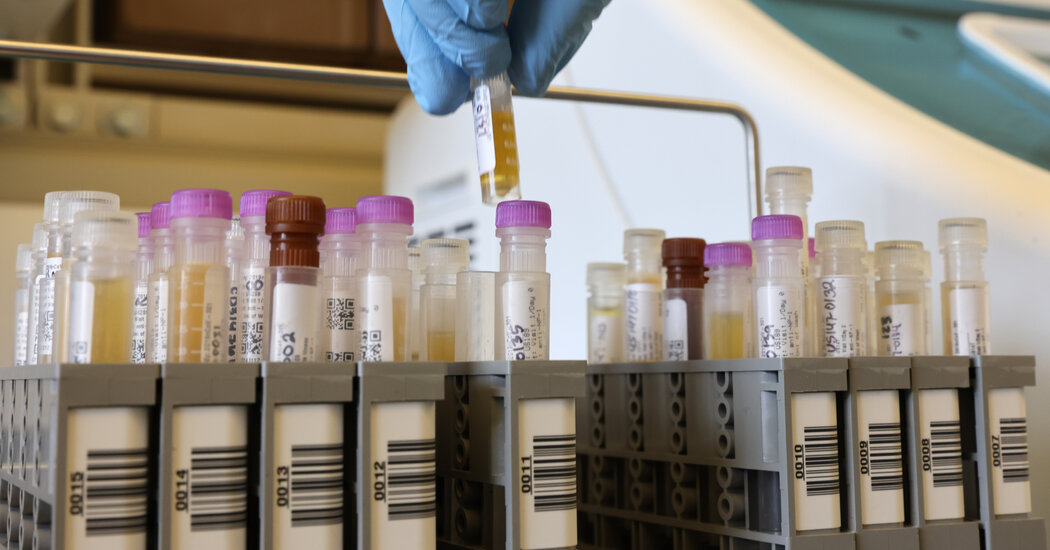
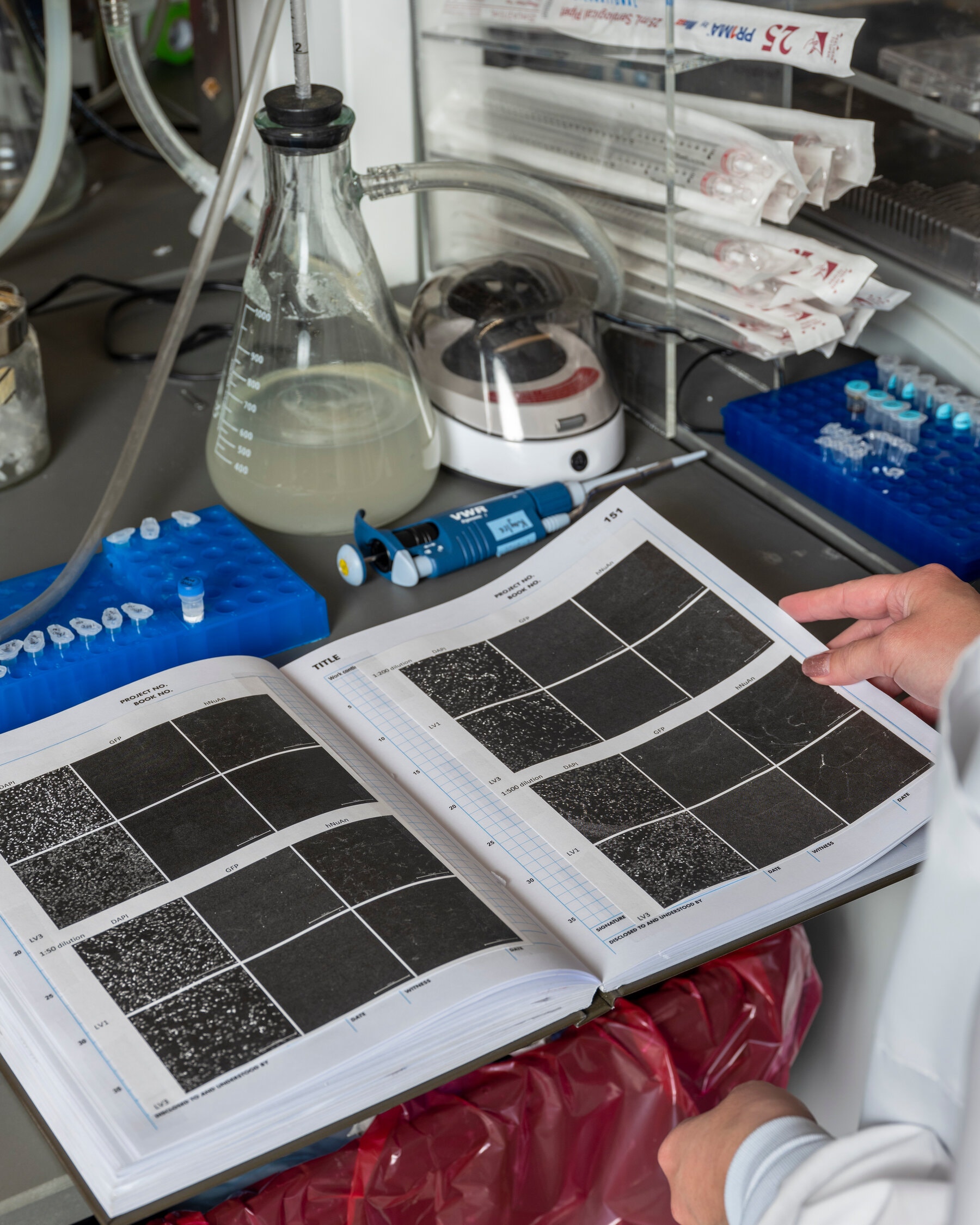
But until now scientists have not understood the underlying mechanism, or how it could contribute to cancer’s development. In the new study, scientists at The Institute of Cancer Research, London, reconstituted the entire process of DNA replication in a test tube in order to understand it more completely.
The researchers were able to describe how repetitive patterns of DNA are copied during replication and how they are able to stall replication entirely — increasing the risk of errors that can be an early driver of cancer. This vital knowledge may eventually lead to better drugs and treatments.
The researchers believe the work could also help to improve the diagnosis and monitoring of some cancers, such as bowel cancer, where common errors in copying the repetitive sequences of DNA indicate whether cancer is progressing.

Read more →

Diverse nurse workforce linked to better maternal health outcomes in childbirth

A new study at Columbia University Mailman School of Public Health and Columbia Vagelos College of Physicians and Surgeons provides robust evidence to support diversifying the healthcare workforce as a remedy for addressing racial and ethnic disparities in maternal health outcomes, and a call to action to improve maternal health. The researchers focused on registered nurses in particular because they are critical for comprehensive maternal healthcare, and are the frontline healthcare providers involved in the early recognition of warning signs for maternal complications. Delayed recognition of these warning signs has been repeatedly identified as a major contributor to preventable maternal deaths. The study is published online in the American Journal of Obstetrics & Gynecology MFM.
“Until now, evidence linking healthcare workforce diversity to improved maternal health outcomes was scant,” said Jean Guglielminotti, MD, PhD, in the Department of Anesthesiology at Columbia P&S, and first author. Compared with non-Hispanic white birthing people, racial and ethnic minorities were up to three times more likely to experience life-threatening complications during pregnancy, childbirth, and the post-partum period, according to Guglielminotti.
Black and Native American people were at particularly high risk of severe adverse maternal outcomes. “Structural racism in public policies, institutional practices, cultural representations, and other norms works to perpetuate racial group inequities and what we believe contributes to these disparities in severe adverse maternal outcomes, independent of poverty and other social determinants of health,” said Guglielminotti.
The researchers analyzed data from 2017 U.S. Birth Certificate from all 50 states and the District of Columbia. Proportions of registered nurses who were racial and ethnic minorities in each state were abstracted from the American Community Survey and categorized into three groups: 1) low state racial and ethnic diversity (3.3-14 percent); 2) intermediate state diversity (14-32 percent); and 3) high state diversity (32-68 percent). Severe adverse maternal outcomes (SAMO) are defined as eclampsia, blood transfusion, hysterectomy, or intensive care unit admission which are recorded in specific check boxes o
Of the 3,668,813 birth certificates studied, 29,174 recorded SAMO or 0.8 percent. The most frequent complication recorded was blood transfusion (0.39 percent) followed by eclampsia (0.28 percent), ICU admission (0.16 percent), and hysterectomy (0.05 percent ). Native American mothers had the highest SAMO incidence (1.75 percent), followed by Black mothers (1 percent), mothers of more than one race (1 percent), white mothers (0.74 percent), Asian/Pacific Islander mothers (0.73 percent), and Hispanic mothers (0.7 percent).
The average state proportion of registered nurses who were racial and ethnic minorities was 22 percent, and ranged from 3 percent in Maine to 68 percent in Hawaii. Compared with giving birth in states with the lowest diversity of nurse workforce, giving birth in states with the highest nurse diversity was associated with a 32 percent reduced risk of SAMO for white mothers, 20 percent for Black mothers, 31 percent for Hispanic mothers, and 50 percent for Asian and Pacific Islander mothers. SAMO risk was not significantly reduced for Native American mothers or mothers of more than one race, mainly because of the small sample sizes in these groups.
“A racially diverse nurse workforce may help to reduce provider implicit bias and enhance communications and trust between patients and clinicians,” said Guohua Li, MD, DrPH, professor of epidemiology and anesthesiology at Columbia Mailman School and P&S, and senior author. “Perinatal care is a team work. Frontline nurses play a key role in ensuring the safety and wellbeing of mothers and their newborns.”
“Our study provides robust evidence to support the recommendation to diversify the healthcare workforce as a strategy for addressing racial and ethnic disparities in maternal health outcomes,” noted Li. “We hope this research will help facilitate the development of intervention programs to reduce racial and ethnic disparities in maternal health outcomes,” said Guglielminotti.
Co-authors are Goleen Samari, Columbia Mailman School of Public Health, and Alexander Friedman, Allison Lee, and Ruth Landau, Columbia Vagelos College of Physicians and Surgeons.
The study was presented at the 54th Annual Meeting of the Society of Obstetric Anesthesia and Perinatology in Chicago.

Read more →

Benefits of NHS Breast Screening Programme outweigh the small risk of overdiagnosis, study finds

In the UK, breast cancer accounts for 31% of all new cancers diagnosed in women each year, with cases having increased by 4% in the last decade. Despite the rise in cases, deaths caused by breast cancer are declining. This is in part due to early diagnosis of breast cancer through the NHS Breast Screening Programme.
The NHS Breast Screening Programme invites anyone registered with a GP as female aged 50-70 for a screening every three years. Breast cancer screening uses x-rays called mammograms to check breasts for signs of cancer. Despite the benefits of screening, there remains some debate over the potential harms of screening — notably overdiagnosis. Overdiagnosis is not the same as when a test finds something abnormal that turns out not to be cancer (a false-positive). Overdiagnosis is diagnosis of a real cancer which grows so slowly that it would never have actually given any symptoms.
Overdiagnosis may be a consideration when women are thinking about whether or not to participate in breast cancer screening. Until now, estimates of overdiagnosis have varied widely, ranging from less than 5% of screen detected cancers to more than 30%. When a cancer is diagnosed, we cannot tell whether it is overdiagnosed or not, so all cancers need treatment. It is important for women to have reliable estimates of overdiagnosis in order to make an informed decision on whether to be screened or not.
To quantify overdiagnosis in the NHS Breast Screening Programme, Queen Mary researchers undertook a study of 57,493 breast cancer cases diagnosed in 2010 or 2011, matched with 105,653 controls.
They estimated the effect of screening on breast cancer risk, and the results were combined with national incidence data to estimate absolute rates of overdiagnosis. Overdiagnosis was calculated as the cumulative excess of cancers diagnosed in women aged 50-77 attending three-yearly screening between ages 50 and 70 compared with women attending no screens.
The estimated number of cases of overdiagnosis in women attending all screens in the programme was just under 3 per 1000, corresponding to an estimated 3.7% of screen detected cancers overdiagnosed.
This is considerably lower than has been suggested in the past. Authors conclude that the NHS Breast Screening Programme is associated, at worst, with modest overdiagnosis of breast cancer.
Stephen Duffy, Professor of Cancer Screening, Queen Mary University of London and joint lead investigator, said: “These results provide some reassurance that participation in the NHS Breast Screening Programme confers only a low risk of an overdiagnosed breast cancer. Along with the results of our previous study of the effect of screening on breast cancer mortality, this indicates that the benefit of screening in preventing deaths from breast cancer outweighs the small risk of overdiagnosis.”
Peter Sasieni, Academic Director of the Clinical Trials Unit and Professor of Cancer Prevention at King’s College London, and joint lead investigator, said: “Overdiagnosis is quite a complex issue. Had we stopped following women at age 70, nearly 1% of screened women would seemingly have been over-diagnosed, but by wating another 7 years, more never-screened women will be diagnosed with breast cancer and the three-quarters of the excess cancers turn out to have been diagnosed early rather than over-diagnosed. What this means is that most previous studies have overestimated the harms of participating in breast cancer screening up to the age of 70.”
This study was funded by the NIHR Policy Research Programme.
Story Source:
Materials provided by Queen Mary University of London. Note: Content may be edited for style and length.

Read more →

New key protection against COVID-19 found in saliva

The novel coronavirus (SARS-CoV-2) has spread around the world at an unprecedented rate, evading containment countermeasures. Understanding the mechanisms by which SARS-CoV-2 successfully evades the body’s defense systems is essential to reduce the transmission of this virus.
An Osaka Metropolitan University research group led by Associate Professor Misako Matsubara of the Department of Veterinary Science, Graduate School of Veterinary Science, and Specially Appointed Professor Katsutoshi Yoshizato of the Department of Hepatology, Graduate School of Medicine, suspected that the innate immune system may prevent SARS-CoV-2 infection; the onset and severity of novel coronavirus (COVID-19) infection are age-dependent, as are the volume and quality of saliva, which are significantly reduced in the elderly.
SARS-CoV-2 is transmitted when the spike protein S1 on the viral envelope binds to the angiotensin-converting enzyme 2 (ACE2) receptor on the membrane of human cells. Saliva and oral cells are important transmission routes for COVID-19 infection. The research group has shown that saliva from SARS-CoV-2 uninfected (healthy) individuals interferes with S1 and ACE2 binding in a concentration-dependent manner. They identified four proteins in saliva that bind to ACE2 and among these proteins, neutrophil elastase and histone H2A markedly inhibit the binding of S1 and ACE2. Neutrophil elastase and H2A are positively charged proteins, which act as a barrier against SARS-CoV-2 binding by covering the negatively charged S1 binding site of ACE2. The research group also showed that cationic polypeptides such as ε-poly-L-lysine are similarly effective in preventing the binding of S1 to ACE2.
This research is the result of a joint study by the Osaka Metropolitan University Graduate School of Medicine and the Graduate School of Veterinary Science, and Cosmo Bio Co., Ltd., and was published online in The Journal of Biochemistry on July 6, 2022.
Professor Yoshizato concluded, “This study shows that salivary neutrophils are moderately activated by indigenous microorganisms and continuously release a variety of proteins, among which elastase and histone H2A contribute to self-defense against SARS-CoV-2 infection by masking the ACE2 receptor on host cells. We believe that our findings will contribute to the development of methods to not only prevent or treat COVID-19 infection, but also prevent unknown viruses from infecting humans in the future at the innate immune level.”
Story Source:
Materials provided by Osaka Metropolitan University. Note: Content may be edited for style and length.

Read more →

Mother's immune cells appear to exacerbate complications of preeclampsia

T-cells, immune cells that normally protect us, appear to play a key role in the development of preeclampsia, says a young scientist who wants to find a better way to intervene in the syndrome that can have lifelong consequences for mother and child.
These key immune cells appear to contribute to a vicious circle in which the placenta does not develop an adequate thoroughfare for mother’s blood, which is packed with essential nutrients and oxygen, to reach her baby. Mother’s blood pressure increases to try to force more of the essentials through; inflammation and tissue damage develop; and T cells move in to help. But the immune cells instead multiply the inflammation, blood vessel dysfunction and resulting kidney damage in the mother and increase the risk of premature birth or worse for baby.
“Everything should be in balance and what I think is happening in preeclampsia is we are moving more toward the proinflammatory, prooxidative stress side of things. It’s full on the gas, no brake involved,” says Dr. John Henry Dasinger, senior postdoctoral fellow in the Department of Physiology at the Medical College of Georgia at Augusta University.
In this scenario, the typically protective T cells recruit even more T cells which produce even more reactive oxygen species, or ROS, in their likely well-intended effort to clean up the mess. ROS, a byproduct of the body’s use of oxygen that at low levels serves as an important signaling mechanism for cells, is toxic at high levels and in preeclampsia Dasinger has evidence T cells are producing a lot of ROS.
Blood vessels further constrict, and production of the powerful blood vessel dilator nitric oxide goes down in this “recipe for disaster,” Dasinger says. “Somehow if we could blunt their response, that could be helpful,” Dasinger says of where his findings point.
Right now, there is a rather long list of risk factors for preeclampsia, that includes things like the mother already being hypertensive and/or obese, but no definitive test to determine which women will develop it and better treatment is needed for those who do.

Read more →

Global supply chains remain resilient in the wake of natural disasters

While many U.S. policy makers are calling for reshoring and nearshoring to combat trade disruptions caused by COVID-19, new University of California San Diego School of Global Policy and Strategy research suggests retrenchment of global supply chains is unlikely to happen in the post-pandemic context.
A study from economist Caroline Freund, dean of the School of Global Policy and Strategy, is the first to examine the long-term consequences natural disasters have on global supply chains. The paper uses detailed international trade data for two major Japanese export sectors — automobile and electronics — to study whether in the aftermath of the 2011 earthquake in Japan, importers more dependent on Japan before the earthquake behaved differently from less dependent importers.
The research, published by International Monetary Fund Economic Review, reveals that importers dependent on Japan before the earthquake reduced their dependence on Japan in its aftermath, but they did not reshore, nearshore, or increase import diversification in either auto or electronics.
In fact, the importers highly dependent on specific products from Japan before the 2011 earthquake increased total imports of those products, choosing to intensify offshoring rather than reshoring.
Similar to the shocks of COVID-19, the 2011 earthquake had major disruptions to trade. For example, a shortage of over 100 parts manufactured in Japan left Toyota’s North American operations operating at 30% capacity for several weeks.
“The research assesses how firms behave when faced with new risks,” said Freund, former global director of Trade, Investment and Competitiveness at the World Bank. “While there is evidence the shock led to a partial reconfiguration of supply chains, there is no evidence that supply chains were increasingly reshored or nearshored. In fact, any manufacturing that did move out of Japan shifted to low-cost developing countries. Similarly, today we are seeing that with disruptions to exports from China, manufacturing is moving to countries such as Vietnam, which is not exactly closer to the U.S.”
Freund added that while manufacturing at home or importing from neighboring countries is touted as a way to build resilience among supply chains, firms in the study consistently opted to offshore — choosing to keep costs down by selecting low-cost suppliers that could produce at scale.
“These data suggest that current U.S. initiatives to ramp up nearshoring and reshoring as a way to fight inflation would likely hike up prices more,” said Freund.
In addition to economic fundamentals, another reason offshoring remained popular among firms after the 2011 earthquake is that supply chain relationships are not easy to replace.
“Reliable suppliers who repeatedly meet quality standards and customization needs and deliver goods on time remain linked with buyers,” Freund said. “Precisely because these quality relationships are hard to find, they are difficult to replace.”
One key difference between the earthquake in Japan and the COVID-19 pandemic is that factories were destroyed in the former but not in the latter. Thus, firms today are more likely to favor keeping production where it is, rather than incurring the costs of building new facilities closer to home or in other countries.
The IMF paper “Natural Disasters and the Reshaping of Global Value Chains” is co-authored by Aaditya Mattoo, chief economist for East Asia and the Pacific at the World Bank; Alen Mulabdic, economist for the Equitable Growth, Finance and Institutions’ Chief Economist’s Office at the World Bank and Michele Ruta, lead economist at the World Bank.
Story Source:
Materials provided by University of California – San Diego. Original written by Christine Clark. Note: Content may be edited for style and length.

Read more →

As Baby Boomers Age, Developers Explore Housing Options for Them

Shifting demographics are reshaping complexes built for older Americans, who are looking for a variety of rates and services.The pandemic crushed the senior housing market, cutting occupancy rates and stalling construction. Now, as the market begins an uneven rebound, developers are adapting to the coming wave of aging baby boomers with a new crop of living developments.Specialized housing for older Americans has been around for decades. But shifting demographics are forcing the industry to diversify more rapidly across rates and services, yielding increasingly lavish residences for upper-income Americans as well as a growing number of affordable housing models.For example, Trillium, a high-rise under construction near Washington, features restaurants, a wellness spa, and other boutique-hotel-style amenities and finishes. And in the Boston area, Opus Newton, a more modest development, will rely on resident volunteers to help reduce costs.Developers are also experimenting with nontraditional models. In Loveland, Colo., Kallimos Communities is planning a multigenerational development featuring 100 subsidized rental homes clustered around shared green spaces and offering dining, arts and wellness opportunities.The aging of more and more baby boomers (an estimated 65 million in total) is creating “a big surge,” said Beth Mace, chief economist for the National Investment Center for Seniors Housing & Care, a data service provider for the elder care industry.Other changes are reshaping housing, from pandemic-fueled safety concerns and labor shortages to trends favoring more personalized and community-based solutions. Housing for older Americans offers three general options: independent living, for active lifestyles; assisted living, which includes some medical care; and memory care. (Nursing homes provide nursing care and typically do not fall under the category of senior housing.)“Everybody is trying to figure out the secret sauce — what the senior housing consumer wants,” Ms. Mace said. “Bottom line: You’re going to see a lot of options.”Developers are banking on the fact that if they build enough variety, they will be able to draw the next generation of aging Americans.“We have to design communities that cater to what boomers want, and that’s a difference between senior housing today and housing developed 10 or 20 years ago,” said Bobby Zeiller, vice chairman and co-chief executive of Silverstone Senior Living, the developer behind the Trillium.After focusing on suburban-style senior communities, Silverstone is expanding into urban environments, Mr. Zeiller said. The industry, he said, “is evolving very fast.”Coterie Cathedral Hill features five restaurants, a cinema room, and landscaped courtyards and terraces. The average occupancy rate for the nation’s 31 largest senior housing markets was 81 percent in the first quarter of 2022, up from a low of 78 percent in the first quarter of 2021 but below the prepandemic level of 87 percent in 2020, Ms. Mace said.The numbers are starting to tick up in select markets, according to data from the National Investment Center. In Miami, for example, construction as a share of inventory amounted to 11 percent in the first quarter of 2022, the second-highest level ever. But at the other end of the spectrum is Sacramento, where construction fell to about 1 percent, down from 17 percent in 2019.Even before the pandemic, only about 11 percent of Americans over 75 lived in senior housing. Strong preferences for aging in place is one reason for the low rate.The high cost of housing is another factor, especially for the eight million middle-income Americans who do not qualify for subsidies but cannot afford to pay out of pocket. The national median monthly rate for assisted living was $4,300 in 2021, according to a survey by Genworth, an insurance holding company. And the average monthly cost of memory care is $7,277, according to the National Investment Center.Developers of luxury projects are betting on larger units, sophisticated design and amenities, and a heightened focus on social engagement and active living.Two-bedroom units at Coterie Cathedral Hill start at $16,660 a month. Monthly rent for a studio is $7,900.Kelsey McClellan for The New York TimesCoterie Cathedral Hill, a 208-unit development that opened in San Francisco in April, features five restaurants, an outdoor pool, and landscaped courtyards and terraces. Wellness staff receive training through the Mayo Clinic, and an on-site care coordinator helps residents meet a broad range of mental, emotional and physical health goals, including assistance with social and philanthropic objectives.A joint venture between the real estate developer Related Companies and Atria Senior Living, one of the nation’s largest senior living providers, Coterie focuses on affluent urban dwellers who seek “consistency between the lifestyle they were accustomed to when they were living in a traditional high-rise,” said Joanna Mansfield, general manager of Coterie Hudson Yards, a second development that will open this fall in New York.At Coterie Cathedral Hill, monthly rental rates range from $7,900 for a studio to $16,660 and up for two-bedroom residences.A new spate of thrifty business models focus on middle-income Americans. Opus Newton, for example, will require residents to volunteer 10 hours a week, giving them a stronger sense of purpose and community while “meaningfully reducing staff overhead costs,” said Amy Schectman, president and chief executive of 2Life Communities, a nonprofit organization that is developing the project.Other cost savers include outsourcing care and providing discounted memberships at the nearby Jewish Community Center, eliminating the need for in-house recreational facilities.Ms. Schectman expressed confidence in the future of congregate senior living, despite lingering pandemic concerns.“Coronavirus revealed a pandemic of loneliness and isolation,” she said. “Aging in place harms society by presenting the choice to live with others as a failure. We are creatures of community.”The San Francisco development also includes a rooftop bocce court and a pool.Upfront costs for Opus Newton’s 174 units start at $391,000, a fee that many of the residents will pay by selling their homes.Repurposing existing buildings is the key to solving the middle-market challenge, said Fee Stubblefield, chief executive of The Springs Living, a developer in Portland, Ore., with 18 properties serving seniors across the income spectrum.The Springs Living has two luxury high-rises under construction, one on the Columbia River in Vancouver, Wash. The properties will include firewalls to cordon off floors in the event of a disease outbreak, and they will be certified to meet new health and wellness standards regarding design and operations.Starting rents in the new buildings range from $3,700 to $10,000 per month.There are two types of senior housing residents, Mr. Stubblefield said: those who want to live there and those who have to. Those who want senior living are “a big portion of our society,” he said. “The social and wellness component is underbuilt for that population.”Labor shortages add to the economic challenges facing developers of senior housing. Employment in long-term care declined 6.7 percent from February 2020 to December 2021, according to a recent analysis of Bureau of Labor Statistics data.The average occupancy rate in the nation’s 31 largest senior housing markets was 81 percent last quarter, below prepandemic levels.Kelsey McClellan for The New York Times“Work-force stability is the most important factor in the future of housing and service for older adults,” Mr. Stubblefield said, adding that operators have an “obligation” to create career pathways for the entry-level staff who sustain the industry.Bill Thomas, a co-founder of Kallimos Communities, offers another solution to the various challenges tied to the future of aging and retirement in the United States. “The very best thing you can have for helping you stay independent is damn good neighbors,” he said.The first Kallimos community, a partnership with the Loveland Housing Authority, is rooted in the idea that older Americans can be supported in homes designed for elder living in community-oriented mixed-age neighborhoods.“Young people and elders have been living together and supporting each other for many millennia,” Mr. Thomas said. “The idea that we’ve wandered into a cul-de-sac of history where young people don’t see any merit in being around old people is just wrong.”

Read more →

C.D.C. advisers are meeting to discuss Novavax’s Covid vaccine.

An influential scientific panel is meeting on Tuesday to discuss who should receive a newly authorized Covid-19 vaccine from Novavax, a Maryland pharmaceutical company that hopes its shot will appeal to Americans who have so far declined to be vaccinated.The independent experts, who advise the Centers for Disease Control and Prevention on its vaccine policies, will convene at 10 a.m. Eastern (you can watch the meeting here). They are scheduled to vote on whether to endorse Novavax’s latecomer vaccine, which is expected to play a limited role in the country’s immunization campaign, at least initially. The Food and Drug Administration last week authorized it as a primary immunization for adults, but has not yet considered it for a booster shot.The Biden administration said last week that it would buy 3.2 million doses of the two-shot vaccine, enough to fully vaccinate 1.6 million people in the United States. The vaccine is not yet available in pharmacies and other clinics that administer shots in the United States. In announcing the purchase, the government said that Novavax was expected to soon finish its quality testing, a necessary step before the doses can be released.If the C.D.C. panel, called the Advisory Committee on Immunization Practices, votes to endorse the vaccine’s use, the next step will be for the C.D.C. director, Dr. Rochelle Walensky, to accept its recommendations, which typically happens swiftly.The vaccine was found to be highly protective against infection and severe disease from the coronavirus in clinical trials, but those were conducted before the emergence of the Omicron variant, which has sharply reduced the effectiveness of other authorized vaccines in preventing infections.At the meeting on Tuesday, a C.D.C. official will review clinical trial data that has linked the vaccine to an elevated but small risk of developing forms of heart inflammation known as myocarditis and pericarditis. In their review of Novavax’s data, F.D.A. scientists identified six cases of the conditions in about 40,000 trial volunteers.Novavax’s vaccine works differently from the three Covid vaccines previously authorized in the United States. It provokes an immune response with nanoparticles made up of proteins from the surface of the coronavirus that causes Covid-19. Similar protein-based vaccines have been used globally for decades.Novavax executives contend that this tried-and-true technology will make the vaccine more acceptable to those concerned that the messenger RNA technology used by Pfizer-BioNTech and Moderna in their vaccines, which account for the vast majority of the vaccinations in the United States.

Read more →

Can a ‘Magic’ Protein Slow the Aging Process?

Elevian is one of several companies searching for ways to increase life span — in this case, using a protein called GDF11. But challenges lie ahead.This article is part of Upstart, a series about young companies harnessing new science and technology.Several years ago, scientists studying aging at the Harvard Stem Cell Institute used a somewhat Frankensteinian technique known as parabiosis — surgically joining a young mouse and an old mouse so that they share blood — to see what would happen to the heart and skeletal muscle tissue. They knew from previous research that putting young blood in old mice caused them to grow biologically younger, and that young mice exposed to old blood aged faster.The Harvard researchers, Amy Wagers and Dr. Richard Lee, found that the old mouse’s heart tissue had been repaired and rejuvenated, becoming young again. In fact, the size of the old mouse’s heart had reduced to that of a young heart.“We all wondered, what’s the magic stuff in the blood?” said Lee Rubin, a professor of stem cell and regenerative medicine at Harvard and the co-director of the neuroscience program at the Stem Cell Institute. The “magic” they identified was a protein, GDF11, one of tens of thousands produced in the human body. Dr. Rubin’s lab also found that GDF11 in mice stimulated the growth of new blood vessels in the brain and neurons in the hippocampus, a part of the brain associated with learning and memory. Dr. Wagers’s lab found that GDF11 rejuvenated skeletal muscle tissue, too. The scientists’ discoveries were published in the journals Cell and Science in 2013 and 2014.The obvious next question: Could GDF11 be harnessed to promote regeneration and repair in humans? In 2017, Drs. Rubin, Wagers and Lee, along with five others, founded the pharmaceutical start-up Elevian with the aim of commercializing GDF11-based therapies to stop, slow or reverse diseases associated with aging. It’s a big step from mice to humans, but one that could have profound consequences.“We’re interested in proteins like GDF11 that are excreted into the bloodstream because those can cause changes throughout the body,” said Dr. Mark Allen, the chief executive of Elevian. “And those are the kind of changes we want.”Scientists at Elevian’s headquarters looking at markers of new neuron formation in rats treated with GDF11.Cody O’Loughlin for The New York TimesDr. Allen started his first health care company while in medical school at the University of California, Los Angeles, and he left his residency position in 2000 to start a second. In early 2017, he and his investment partner, Sebastian Giwa, an economist, were looking to start a new one that would develop therapies targeting the degenerative processes involved in aging. They looked at two dozen potential research projects before deciding on GDF11.“I had this idea that aging itself could be a target for therapeutic intervention,” Dr. Allen said, “because if we target one aspect of the aging process, then we have the potential to treat many different diseases.”Lee Rubin, a professor of stem cell and regenerative medicine at Harvard and the co-director of the neuroscience program at the university’s Stem Cell Institute. Dr. Rubin’s lab found that GDF11 in mice stimulated the growth of new blood vessels in the brain.Cody O’Loughlin for The New York TimesThe initial research into the rejuvenating properties of GDF11 has gotten some pushback from the scientific community. In 2015, after Dr. Wagers and Dr. Lee had published their results, a group of researchers led by David Glass, the executive director of the Novartis Institutes for Biomedical Research in Cambridge, Mass., at the time, challenged the accuracy of their findings in an article in the journal Cell Metabolism. The Harvard researchers subsequently countered the Novartis team’s findings in another paper published later that year in the journal Circulation Research, in which the Harvard researchers cited a problem with the Novartis team’s findings.Dr. Glass, who is now at the biotechnology company Regeneron, said in a recent email that he stands by his original work, which showed that GDF11 inhibits, rather than helps, muscle regeneration. But, he added, “our work still leaves open the possibility that there could be positive effects of GDF11 in particular settings.”Dr. Allen said that since the original controversy, Elevian’s research team has reproduced and extended its original findings in multiple studies, but none have yet been published in peer-reviewed journals. However, institutions unrelated to Elevian have conducted and published many preclinical studies demonstrating the therapeutic efficacy of rGDF11 (the form of GDF11 developed in a lab) in treating age-related diseases.The company is on track to begin human clinical trials in the first quarter of 2023 and has raised $58 million in two rounds of funding, with another round set for mid-2023.Elevian is one of many companies racing to find ways to increase the human life span by increasing “health span,” the period of life when a person is in generally good health. This emerging sector of the pharmaceutical industry is often referred to as “longevity therapeutics” and includes companies like Altos Labs, which started in January with $3 billion in funding; Calico Life Sciences at Google; Unity Biotechnology; Alkahest; and Juvenescence. About $2 billion in venture capital was invested in pharmaceutical companies focused on anti-aging in 2021, according to Longevity Technology, a market research company and investment platform focused on the longevity sector.From left: Scans of mice brain cells that have been treated with GDF11; protein purification instruments used to extract GDF11 protein; and a scientist working in Dr. Rubin’s lab.Cody O’Loughlin for The New York TimesFor years, researchers have been looking for drugs that can extend life span and health span. The Interventions Testing Program at the National Institutes of Health began testing drugs — some approved by the Food and Drug Administration, some not — in mice 17 years ago to see if these interventions would extend their lives. Dr. Richard A. Miller, a professor of pathology at the University of Michigan and the director of the Paul F. Glenn Center for Biology of Aging Research, said anti-aging therapies are often tested on mice because aging in mice is very similar to aging in humans. “Mice and people share organs, cell biology and most varieties of neurons and neurotransmitters, and they often respond to drugs in similar ways,” he said.A significant challenge lies ahead for all of these companies: Commercializing a drug for aging is nearly impossible because the F.D.A. doesn’t recognize aging as a disease to be treated. And even if it were considered a disease, the clinical studies required to prove that a treatment for it worked would take many years.“It is likely that clinical studies to see if some drug slows aging — and thereby delays the many consequences of aging — would take a long time,” Dr. Miller said.So Elevian’s founders determined that the fastest way to market for GDF11 was to target a specific medical condition.“We thought, what’s the worst disease that has no good treatment and that we could treat for the shortest possible duration and show clinical effects?” Dr. Allen said. “We decided that stroke was the right one to target, because it’s the No. 1 cause of long-term disability with very limited treatment options.”Dr. Elisabeth Breese Marsh, the medical director of the comprehensive stroke program at Johns Hopkins Bayview Medical Center in Baltimore, said the best treatments for strokes caused by clots (about 87 percent of them) is a type of medication known as tissue plasminogen activators, or tPA, which must be given within 4.5 hours of the stroke, and the surgical removal of large clots.But according to experts, only about 20 percent of stroke victims receive tPA, either because the stroke is not recognized soon enough or because the patient doesn’t qualify because of pre-existing conditions. Elevian’s researchers said their preclinical (and as yet unpublished) studies have shown that just a few days of treatment with GDF11 can improve recovery after stroke. They have found that GDF11 reduces inflammation, improves metabolism and stimulates the brain to regenerate blood vessels and neurons.Dr. Mark Allen, the chief executive of Elevian, at the company’s headquarters.Cody O’Loughlin for The New York TimesThe next big hurdle for Elevian is scaling its manufacturing, which requires specialized equipment and conditions. So much research is being conducted in biotech that contract manufacturers are “full up,” Dr. Allen said. “They are busy with Covid-related work, and there has been a lot of funding in biotech generally,” he added. “So it’s a challenge finding the space that meets our specifications.”And, like almost all other sectors of the economy, biotech research is facing supply chain issues, which make it harder for Elevian to get some of the basic materials it needs to conduct research. But the company is moving forward as fast as it can, and Dr. Allen said he believed the results of its work would have a profound impact on the way we age and how long we live.“By targeting fundamental mechanisms of aging, we have the opportunity to treat or prevent multiple aging-related diseases and extend the health span,” he said. “We want to make 100 the new 50.”

Read more →

Making ‘Aftershock,’ a Documentary About Black Maternal Mortality

The directors Paula Eiselt and Tonya Lewis Lee discuss their journey in making the documentary “Aftershock,” which shines a light on a national health crisis.“Black lives matter because Black wombs matter!” Shawnee Benton Gibson chanted from the stage during a National Action Network rally in Washington, D.C., in 2020.In October 2019, her daughter Shamony Gibson died just two weeks after giving birth. Her death, at age 30, was another grim emblem of a national crisis: the epidemic of Black maternal mortality. The United States is the most dangerous industrialized country to give birth, with Black women dying at three times the rate of white women.Not long after Shamony’s death, her mother, along with her partner, Omari Maynard, held a celebration of her life that they called “Aftershock.” Ahead of it, Paula Eiselt and Tonya Lewis Lee, the directors of a documentary that shares a title with that event, reached out to them.“We didn’t know them, but they were open for us to come and film,” Lee said in an interview this month along with Eiselt. “That really started and jelled the film as it is now.”Shortly after, the directors met Bruce McIntyre, who held a news conference to sound the alarm about maternal mortality and demand accountability for the death of his partner, Amber Rose Isaac, 26, who died postpartum in April 2020.Shamony and Amber anchor “Aftershock,” which not only examines America’s abysmal maternal mortality rates among Black and brown women but also follows the women’s loved ones as they grapple with fresh grief and fight for a solution. Pulling together numerous threads, the directors delve into the U.S. medical system — illuminating disparities in Black and brown communities and the gross neglect that befalls them as a result of centuries-long systemic racism.Omari Maynard and Shamony Gibson in “Aftershock.” Gibson died two weeks after giving birth to their child.Onyx Collective“History is everything,” said Eiselt, who directed the 2018 documentary “93Queen,” about a female emergency-responder unit in Brooklyn. “Aftershock” is the directorial debut of Lee, who has produced films like “Monster” and the Netflix series “She’s Gotta Have It” (from her husband, Spike Lee).“It was really important to us to show how we got here,” Eiselt said, “that this crisis didn’t just pop up out of nowhere. It’s on a historical continuum that started from 1619, where Black women were devalued and dehumanized. And here we are.”The film, streaming on Hulu, presents a litany of jarring facts — for one, the explosion of cesarean births since the 1970s. The procedure, which is often more profitable for hospitals, results in significantly more maternal deaths than vaginal deliveries.Despite the grim subject matter, the film does not wallow in tragedy. Instead, it’s underpinned by optimism and hope: in the families’ fights for change and in efforts on Capitol Hill, particularly the Black Maternal Health Momnibus Act of 2021, which would be the greatest investment in maternal health in U.S. history.Here’s what Eiselt and Lee, who had never worked together before, learned about filmmaking, and themselves, with this project.Expect the unexpected.It doesn’t take long to realize that the documentary was captured at the height of Covid, with mask-wearing throughout and plenty of outdoor scenes. At one point, Omari, a teacher, talks to a student via a laptop while caring for his new baby.“Oh my God, how are we going to do this?” Lee remembered telling Eiselt at the beginning of the pandemic. “We did have to adjust,” Lee said, and be “nimble and flexible.” They found ways to pivot, including giving iPhones to Omari, Shawnee and Bruce to film themselves at home and “keep themselves going.”Plans to film in hospitals in New York and in Tulsa, Okla., were also complicated. (Oklahoma’s maternal mortality rate is double that of the nation, with Black women making up a disproportionate amount of those deaths.)“Maybe things worked out in the end,” Lee said. “We were more out in the streets and had very small shoots.”Follow the stories, wherever they lead.Early in the film, Bruce and Omari form a profound bond. The pair go on to gather with other Black men whose partners died in a similar way, finding comfort and commiseration in each other.“People are often struck by the fact that we followed fathers in this film,” Lee said. “Being able to see these men who are raising their children — who clearly love their partners very much, who are driven by a love for their partners, for their community, for their families — it’s just been really special to us as well, something we were not expecting when we first got down to make this film.”Black maternal mortality is not just a women’s issue, Lee said: “It’s a family issue. It’s a community issue. It’s everybody’s issue.”Omari with his son. “People are often struck by the fact that we followed fathers in this film,” said Tonya Lewis Lee, who directed the documentary with Paula Eiselt.Onyx CollectiveNew viewpoints beget growth.Before Lee and Eiselt met at a conference in 2019 — “I was pregnant, I probably looked crazy,” Eiselt joked — they were strangers. But their shared vision, along with their passion and urgency, spurred them to team up.“You need that passion to just jump in with someone, you know? We just were like, ‘we’re going to do this,’” Eiselt said. “We spent so much time talking — like, really talking. I would speak to Tonya more than anyone else in my life.”“We were real and deep from the beginning,” Lee said.As for any challenging moments between them, there were times, Eiselt said, where Lee would push back: “She would say like, ‘You don’t have that perspective.’ She’s a Black woman. I am not.”These conversations pushed Eiselt to “think very deeply about everything that we were doing,” she said, particularly because they were filming during the George Floyd uprisings. “We went through so many huge world events,” Eiselt said. “We grew so much because of the circumstances of the world.”“We would go at it, but in the spirit of, how are we going to make it better?” Lee added. “It was always about, how do we elevate the story?”Balance emotions and professionalism.The intimate nature of the documentary, bringing viewers into the fresh pain of the families, is gutting to watch. For the filmmakers, maintaining the appropriate amount of distance was tough at times.Eiselt, for instance, was pregnant for part of the project and then postpartum. At one point, she was interviewing Omari while nine months along. “In order to compartmentalize it, I had to really almost numb myself in a way which isn’t necessarily the best thing,” she said. “But I felt like, at points, if I started to go there, I wouldn’t come back.”This balance is not uncommon for documentary filmmakers, she said. “I feel like in film school, you should take psychology.”But watching Shawnee, Omari and Bruce “turning their pain into power,” Eiselt said, fueled the directors.“I can’t be in tears on the floor,” Lee said, “if Shawnee is out there charging forward.”

Read more →