Flies, roaches not likely to spread COVID-19, study shows

Insects like biting flies and cockroaches are not likely to spread the agent of COVID-19 to humans, according to a recently published article by Texas A&M AgriLife Research scientists.
Chris Roundy, Ph.D., a post-doctoral student in the Department of Entomology at the time of the study, removes flies from a sticky trap. (Texas A&M AgriLife photo by Gabe Hamer)
Public health experts and officials know much more about the spread of COVID-19, but concerns remained about how the virus spreads indirectly from human to human through contaminated surfaces, animals or insects.
Insects are known to spread many infectious diseases among humans, so evaluating the role of insects in the potential transmission of SARS-CoV-2 was a high priority in the early stages of the COVID-19 pandemic, according to study co-author Gabriel Hamer, Ph.D., AgriLife Research entomologist in the Texas A&M Department of Entomology.
The published article, “No Evidence of SARS-CoV-2 Among Flies or Cockroaches in Households Where COVID-19 Positive Cases Resided” in the Journal of Medical Entomology covers the project and the team’s finding.
The team included Gabriel Hamer, Sarah Hamer, Ph.D., DVM, associate professor of epidemiology at Texas A&M’s College of Veterinary Medicine and Biomedical Sciences, along with the help of research associates and graduate students and other faculty in the Department of Entomology in the College of Agriculture and Life Sciences and School of Public Health. The lead author, Chris Roundy, Ph.D., was a post-doctoral student in the Department of Entomology at the time and is now working in the Colorado Department of Public Health and Environment.

Read more →

Scientists create nanobody that can punch through tough brain cells and potentially treat Parkinson's disease

Proteins called antibodies help the immune system find and attack foreign pathogens. Mini versions of antibodies, called nanobodies — natural compounds in the blood of animals such as llamas and sharks — are being studied to treat autoimmune diseases and cancer. Now, Johns Hopkins Medicine researchers have helped develop a nanobody capable of getting through the tough exterior of brain cells and untangling misshapen proteins that lead to Parkinson’s disease, Lewy body dementia, and other neurocognitive disorders caused by the damaging protein.
The research, published July 19 in Nature Communications, was a collaboration between Johns Hopkins Medicine researchers, led by Xiaobo Mao, Ph.D., and scientists at the University of Michigan, Ann Arbor. Their aim was to find a new type of treatment that could specifically target the misshapen proteins, called alpha-synuclein, which tend to clump together and gum up the inner workings of brain cells. Emerging evidence has shown that the alpha-synuclein clumps can spread from the gut or nose to the brain, driving the disease progression.
In theory, antibodies have potential for zeroing in on clumping alpha-synuclein proteins but the pathogen-fighting compounds have a hard time getting through the outer covering of brain cells. To squeeze through tough brain cell coatings, the researchers decided to use nanobodies, the smaller version of antibodies.
Traditionally, nanobodies generated outside of the cell may not perform the same function inside the cell. So, the researchers had to shore up the nanobodies to help them keep stable within a brain cell. To do this, they genetically engineered the nanobodies to rid them of chemical bonds that typically degrade inside a cell. Tests showed that without the bonds the nanobody remained stable and was still able to bind to misshapen alpha-synuclein.
The team made seven, similar types of nanobodies, known as PFFNBs, that could bind to alpha-synuclein clumps. Of the nanobodies they created, one — PFFNB2 — did the best job of glomming onto alpha-synuclein clumps and not single molecules, or monomer of alpha-synuclein. Monomer versions of alpha-synuclein are not harmful and may have important functions in brain cells. The researchers also needed to determine if the PFFNB2 nanobody could remain stable and work inside brain cells. The team found that in live mouse-brain cells and tissue, PFFNB2 was stable and showed a strong affinity to alpha-synuclein clumps rather than single alpha-synuclein monomers.
Additional tests in mice showed that the PFFNB2 nanobody cannot prevent alpha-synuclein from collecting into clumps, but it can disrupt and destabilize the structure of existing clumps.
“Strikingly, we induced PFFNB2 expression in the cortex, and it prevented alpha-synuclein clumps from spreading to the mouse brain’s cortex, the region responsible for cognition, movement, personality and other high-order processes,” says Ramhari Kumbhar, Ph.D., the co-first author, postdoctoral fellow at the Johns Hopkins University School of Medicine.
“The success of PFFNB2 in binding harmful alpha-synuclein clumps in increasingly complex environments indicates that the nanobody could be key to helping scientists study these diseases and eventually develop new treatments” says Mao, associate professor of neurology.
Other researchers involved in this study include Yuqing Liu, Ramhari Kumbhar, Kundlik Gadhave, and Ning Wang of the Johns Hopkins University School of Medicine; Yemima R Butler, Wenjing Wang, and Peiran Zhao of the University of Michigan, Ann Arbor; and Yanmei Li of Tsinghua University.
This work was supported by the University of Michigan, the National Institutes of Health (AG072009, NS107318, AG073291, AG071820, NS125592, AG056841, NS125559), the Parkinson’s Foundation, and the Maryland Stem Cell Research Foundation Discovery Award.

Read more →

Cold sores traced back to kissing in Bronze Age by Cambridge research

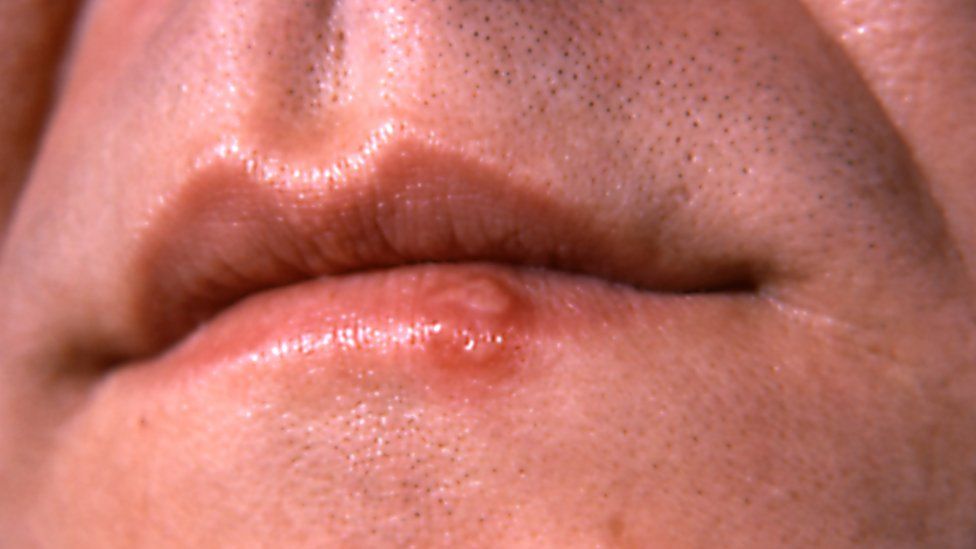
Published25 minutes agoSharecloseShare pageCopy linkAbout sharingImage source, Getty ImagesThe spread of cold sores could be traced back to kissing in the Bronze Age, a study found.Scientists at the University of Cambridge said the HSV-1 strain of the herpes virus arose during vast migrations of people from Eurasia to Europe about 5,000 years ago.The virus currently infects about 3.7 billion people worldwide.Researchers have been studying DNA samples from thousands of years ago to understand how viruses adapt.The migration led to denser populations, which increased transmission, and new cultural practices including kissing, the study found.Image source, University of CambridgeThe research team said it had become the first to uncover and sequence ancient genomes of the virus,Previously, genetic data for herpes only went back to 1925, but the researchers discovered four samples from human remains dating over a 1,000-year period.From the samples the team was able to develop an estimated timeline of the virus’ evolution.Researchers took the samples used in the study by extracting viral DNA from the roots of the teeth of four individuals.Image source, University of CambridgeFacial herpes is spread orally, and researchers said the earliest known record of kissing was from a Bronze Age manuscript from South Asia.Centuries later, the Roman Emperor Tiberius tried to ban kissing at official functions to prevent disease spread, and researchers believed this may have been herpes-related.Dr Christiana Scheib, research fellow at St John’s College, Cambridge, and head of the ancient DNA lab at Tartu University, said: “Every primate species has a form of herpes, so we assume it has been with us since our own species left Africa.”However, something happened around 5,000 years ago that allowed one strain of herpes to overtake all others, possibly an increase in transmissions, which could have been linked to kissing.”Find BBC News: East of England on Facebook, Instagram and Twitter. If you have a story suggestion email eastofenglandnews@bbc.co.ukMore on this storySurgeon may have given herpes to C-section mums who died22 November 2021Related Internet LinksUniversity of CambridgeThe BBC is not responsible for the content of external sites.

Read more →

Rapid loss of smell predicts dementia and smaller brain areas linked to Alzheimer's

Though we often undervalue our ability to smell compared to our abilities to see and hear, our olfactory sense provides our brain with critical information, from detecting potential dangers like smoke to recognizing the sweet smell of baking cookies.
Researchers at the University of Chicago Medicine have discovered another reason to appreciate our sniffers. Not only can a decline in a person’s sense of smell over time predict their loss of cognitive function, it can foretell structural changes in regions of the brain important in Alzheimer’s disease and dementia.
The findings, based on a longitudinal study of 515 older adults published July 2 in Alzheimer’s & Dementia: The Journal of the Alzheimer’s Association, could lead to the development of smell-test screening to detect cognitive impairment earlier in patients.
“This study provides another clue to how a rapid decline in the sense of smell is a really good indicator of what’s going to end up structurally occurring in specific regions of the brain,” said senior author Jayant M. Pinto, MD, a professor of surgery at the University of Chicago and ENT specialist who studies olfactory and sinus disease.
It’s estimated more than 6 million Americans have Alzheimer’s disease, which is characterized by memory loss and other symptoms, such as mood changes and trouble completing everyday tasks. There is no cure for Alzheimer’s, but some medications can temporarily slow its symptoms.
Memory plays a critical role in our ability to recognize smells, and researchers have long known of a link between the sense of smell and dementia. The plaques and tangles that characterize tissue affected by Alzheimer’s disease often appear in olfactory and memory- associated areas before developing in other parts of the brain. It’s still unknown if this damage actually causes the decline in a person’s sense of smell.

Read more →

COVID vaccine patch fights variants better than needles, study in mice shows

A needle-free vaccine patch could better fight COVID-19 variants, such as Omicron and Delta, than a traditional needle vaccine according to a University of Queensland study in mice.
The research, conducted in partnership with Brisbane biotechnology company Vaxxas, tested the Hexapro SARS-CoV-2 spike vaccine using the Vaxxas high-density microarray patch (HD-MAP) technology, and the results found the patch was far more effective at neutralising COVID-19 variants.
UQ’s Dr Christopher McMillan said the vaccine patch appeared to counteract new variants more effectively than the current SARs-CoV-2 vaccine delivered by injection.
“The high-density microarray patch is a vaccine delivery platform that precisely delivers the vaccine into the layers of the skin which are rich in immune cells,” Dr McMillan said.
“We found that vaccination via a patch was approximately 11 times more effective at combatting the Omicron variant when compared with the same vaccine administered via a needle.”
He said the results extended further than just the Hexapro vaccine.

Read more →

Advanced MRI benefits patients with heart stiffening disease

An advanced form of cardiac MRI, developed by academics at UCL in collaboration with the Royal Free Hospital, has for the first-time enabled clinicians to measure the effectiveness of chemotherapy in patients with the life-limiting condition ‘stiff heart syndrome’.
Researchers say the breakthrough, published in the European Heart Journal, means doctors will now be able to better guide treatment strategies and, by doing so, improve patients’ prognosis.
Light-chain cardiac amyloidosis (stiff heart syndrome) occurs when plaques of protein called amyloid build up in heart muscle, affecting its ability to pump blood, and without treatment can rapidly lead to heart failure and death.
However, assessing the condition has been difficult, as while clinicians can detect the presence of amyloid in the heart, there has been no safe test to measure the amount.
This has also meant there has been no way of measuring the therapeutic effect of chemotherapy — the normal first line treatment.
A patient’s response is currently assessed with indirect biological markers, but these do not measure the amount (or reduction) of cardiac amyloid — the drug’s ultimate target — and doctors find the markers less useful when trying to assess second-line chemotherapy treatments.

Read more →

A 'nano-robot' built entirely from DNA to explore cell processes

Constructing a tiny robot from DNA and using it to study cell processes invisible to the naked eye… You would be forgiven for thinking it is science fiction, but it is in fact the subject of serious research by scientists from Inserm, CNRS and Université de Montpellier at the Structural Biology Center in Montpellier[1]. This highly innovative “nano-robot” should enable closer study of the mechanical forces applied at microscopic levels, which are crucial for many biological and pathological processes. It is described in a new study published in Nature Communications.
Our cells are subject to mechanical forces exerted on a microscopic scale, triggering biological signals essential to many cell processes involved in the normal functioning of our body or in the development of diseases.
For example, the feeling of touch is partly conditional on the application of mechanical forces on specific cell receptors (the discovery of which was this year rewarded by the Nobel Prize in Physiology or Medicine). In addition to touch, these receptors that are sensitive to mechanical forces (known as mechanoreceptors) enable the regulation of other key biological processes such as blood vessel constriction, pain perception, breathing or even the detection of sound waves in the ear, etc.
The dysfunction of this cellular mechanosensitivity is involved in many diseases — for example, cancer: cancer cells migrate within the body by sounding and constantly adapting to the mechanical properties of their microenvironment. Such adaptation is only possible because specific forces are detected by mechanoreceptors that transmit the information to the cell cytoskeleton.
At present, our knowledge of these molecular mechanisms involved in cell mechanosensitivity is still very limited. Several technologies are already available to apply controlled forces and study these mechanisms, but they have a number of limitations. In particular, they are very costly and do not allow us to study several cell receptors at a time, which makes their use very time-consuming if we want to collect a lot of data.
DNA origami structures
In order to propose an alternative, the research team led by Inserm researcher Gaëtan Bellot at the Structural Biology Center (Inserm/CNRS/Université de Montpellier) decided to use the DNA origami method. This enables the self-assembly of 3D nanostructures in a pre-defined form using the DNA molecule as construction material. Over the last ten years, the technique has allowed major advances in the field of nanotechnology.
This enabled the researchers to design a “nano-robot” composed of three DNA origami structures. Of nanometric size, it is therefore compatible with the size of a human cell. It makes it possible for the first time to apply and control a force with a resolution of 1 piconewton, namely one trillionth of a Newton — with 1 Newton corresponding to the force of a finger clicking on a pen. This is the first time that a human-made, self-assembled DNA-based object can apply force with this accuracy.
The team began by coupling the robot with a molecule that recognizes a mechanoreceptor. This made it possible to direct the robot to some of our cells and specifically apply forces to targeted mechanoreceptors localized on the surface of the cells in order to activate them.
Such a tool is very valuable for basic research, as it could be used to better understand the molecular mechanisms involved in cell mechanosensitivity and discover new cell receptors sensitive to mechanical forces. Thanks to the robot, the scientists will also be able to study more precisely at what moment, when applying force, key signaling pathways for many biological and pathological processes are activated at cell level.
“The design of a robot enabling the in vitro and in vivo application of piconewton forces meets a growing demand in the scientific community and represents a major technological advance. However, the biocompatibility of the robot can be considered both an advantage for in vivo applications but may also represent a weakness with sensitivity to enzymes that can degrade DNA. So our next step will be to study how we can modify the surface of the robot so that it is less sensitive to the action of enzymes. We will also try to find other modes of activation of our robot using, for example, a magnetic field,” emphasizes Bellot.
[1] Also contributed to this research: the Institute of Functional Genomics (CNRS/Inserm/Université de Montpellier), the Max Mousseron Biomolecules Institute (CNRS/Université de Montpellier/ENSCM), the Paul Pascal Research Center (CNRS/Université de Bordeaux) and the Physiology and Experimental Medicine: Heart-Muscles laboratory (CNRS/Inserm/Université de Montpellier).

Read more →

COVID-19: New energy for flagging immune cells

In severe Covid-19 patients, the metabolism produces insufficient amounts of certain energy-rich compounds called ketone bodies. However, these energy carriers are needed by two important cell types in the immune system in order to fight the virus effectively. Perhaps this finding explains why some people fall ill so much more severely than others. A study led by the University of Bonn and the University Hospital Bonn at least points in this direction. The results have now been published in the journal Nature. They also give hope for new therapies.
When we fall ill, we often lose our appetite. This also has an effect on our metabolism: since it is no longer as well supplied with carbohydrates, it switches to burning fat. This creates energy-rich molecules called ketone bodies. And these may help our body to cope better with viruses.
At least that is what the results of the current study suggest. “We found that patients with influenza infections produce ketone bodies in considerable quantities,” explains Prof. Dr. Christoph Wilhelm from the Institute of Clinical Chemistry and Clinical Pharmacology at the University Hospital Bonn, who is also a member of the Immunosensation2 Cluster of Excellence at the University of Bonn. “In contrast, we saw hardly any increase in Covid-19 patients, at least in those with a moderate or severe course.”
In addition, it was striking that those infected with the coronavirus had lower levels of inflammatory messengers in their blood. This was particularly true for interferon-gamma. This is a cytokine secreted by a specific group of immune cells, the T-helper cells. These cells use it to summon the help of phagocytes and other defense troops of the immune system to fight viruses. For efficient production of IFN-gamma, however, the helper T cells apparently require an adequate supply of ketone bodies. If this is lacking, they produce less interferon-gamma. In addition, the helper T cells then die earlier.
Ketone bodies make immune system more powerful
The researchers also saw similar effects in another important group of immune cells, the killer T cells. “They too need ketone bodies to function well and effectively eliminate the virus,” says Dr. Christian Bode, lecturer at the Department of Anesthesiology and Surgical Intensive Care Medicine at the University Hospital Bonn. Apparently, the ketone bodies promote the function of mitochondria, metabolic power houses fueling the immune cells. This not only ensures improved energy production, but also provides molecules that are needed for interferon production.
“Without an adequate supply of ketone bodies, on the other hand, the killer T cells and helper T cells show signs of exhaustion,” Bode explains. “In this depleted state, they can no longer perform their function adequately.” However, the researchers were able to revive the immune cells by placing diseased mice on a ketogenic diet (a diet low in carbohydrates and protein) or by administering ketone bodies directly. The animals then succeeded better in eliminating the virus and also developed significantly less lung damage.
Hope for new treatment options
The results therefore also raise hope for new treatment options. “It may be possible to increase the power of the body’s own defenses through a targeted change in diet,” says Wilhelm. “Whether this really works must now be shown by further studies.” The researchers expressly advise against self-experimentation with dietary supplements or diets — these could possibly do more harm than good.
The new findings could also be relevant for other infections. In the medium term, they may even contribute to new strategies to help the body fight tumors.
Participating institutions and funding:
In addition to the University Hospital and the University of Bonn, the TU Braunschweig and the University Hospitals of Hannover, Zurich, Nijmegen and Essen were involved in the study. The study was funded by the German Research Foundation (DFG), the German Federal Ministry of Education and Research (BMBF), the European Research Council (ERC), and the Netherlands Organization for Scientific Research (NWO).
Story Source:
Materials provided by University of Bonn. Note: Content may be edited for style and length.

Read more →

Dangerous bacterium found in Mississippi soil

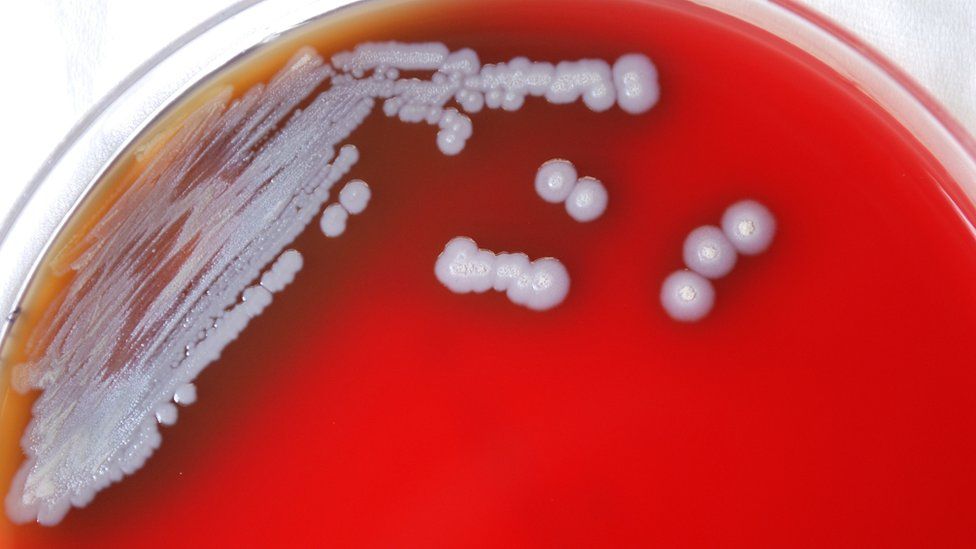
Published18 minutes agoSharecloseShare pageCopy linkAbout sharingImage source, Getty ImagesUS health officials say they have found a rare but dangerous type of bacterium in soil and water samples in the Gulf Coast region of Mississippi. The bug, called Burkholderia pseudomallei, can make some people extremely sick if they become infected. Most healthy people who come into contact will not develop the serious illness called melioidosis, which can be treated with antibiotics. Medics are now on alert for any possible cases. Melioidosis can occur in people who have underlying diseases, such as diabetes and chronic kidney disease. The US Centres for Disease Control is advising residents who might be at higher risk to take precautions:Avoid contact with soil or muddy water when possible, particularly after heavy rains, and protect open wounds with waterproof dressingsWear waterproof boots when gardening or doing agricultural workWear gloves to protect the hands when working directly with soil”Given the very small number of cases of melioidosis identified historically in the United States, CDC believes the risk of melioidosis for the general population continues to be very low,” the agency said.It is unclear how long it has been in the environment and where else it might be found in the US. Worldwide, most cases are in people who live in, or have travelled to, areas where the bacterium naturally occurs, such as parts of South and South East Asia and northern Australia.Cases of melioidosis have also been linked to imported contaminated commercial products from disease-endemic countries. This happened in the US in 2021, when a cluster of four cases in four states were linked to an imported contaminated aromatherapy spray.The soil investigations in Mississippi were prompted by two cases of melioidosis in unrelated people living in the region in recent years. Person-to-person spread is extremely rare.Health officials tested soil and water samples in and around both patients’ homes. Three of the samples tested positive, suggesting the bacterium has been present in the area since at least 2020.Melioidosis can cause symptoms like fever, joint pain, and headaches as well as lung problems and blood infections.Around the BBCBBC World Service – Health Check, The Deadly Disease MelioidosisCave rescue- The dangerous diseases lurking underground – BBC FutureRelated Internet LinksCDCThe BBC is not responsible for the content of external sites.

Read more →

Dr. Caitlin Bernard, Who Provided Abortion to Ohio 10-Year Old, Speaks Out and Pays a Price

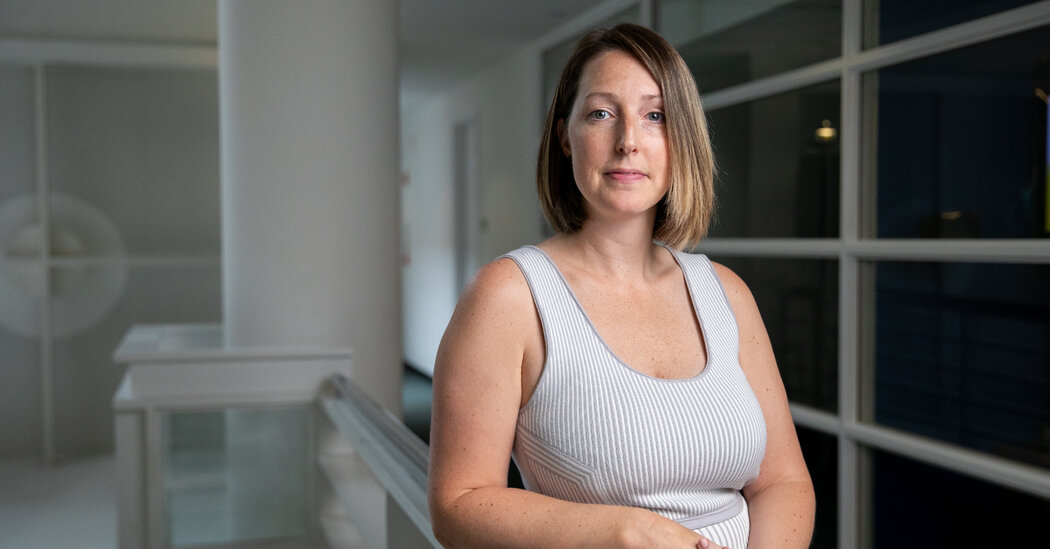
Dr. Caitlin Bernard, who provided an abortion to a 10-year-old, says doctors shouldn’t be silent. But she finds herself at the center of a post-Roe clash shaking the medical community.Three weeks before the Supreme Court overturned Roe v. Wade, Dr. Caitlin Bernard, an Indianapolis obstetrician-gynecologist, donned her white lab coat, put her infant daughter into a front-pack baby carrier and joined a few colleagues who marched to the State Capitol, hoping to deliver a letter to Gov. Eric Holcomb.Signed by hundreds of health professionals, the letter implored Mr. Holcomb, a Republican, not to convene a special legislative session to further restrict abortions. It contained a pointed political message: “Abortion bans are not popular in our state.”Dr. Bernard, who catapulted into the national spotlight for providing an abortion to a 10-year-old rape victim last month, delivers babies and provides contraceptive care, pap smears and other routine obstetric and gynecological care. She is also one of a small number of doctors in her state with specific training in complex reproductive care, including second-trimester abortions.But some of her riskiest work takes place outside her hospital, advocating publicly for abortion access.Her outspokenness has extracted a price. Dr. Bernard, 37, has been criticized across right-wing media, faced harassment and is the subject of an investigation by the Indiana attorney general. She’s landed at the center of a post-Roe clash that the medical community has been dreading — one in which doctors themselves are the focus of political and legal attacks.“Physicians who provide abortion have been harassed, they have been murdered,” Dr. Bernard said on Tuesday in an interview with The New York Times. “And for too long, I think, because of that, they’ve had to be silent to protect their families, and it’s created an idea that we’re doing something wrong or something illegal. And we’re not. And I feel compelled to say that.”Threats against abortion providers are hardly new. But the overturning of Roe has created a frightening new legal landscape for doctors.Legislators standing for prayer at the beginning of a special session on abortion at the Indiana Statehouse on Monday.Kaiti Sullivan for The New York TimesIn conservative states like Indiana, where abortion access is restricted, they face mounting legal requirements that, if not followed, could jeopardize their licenses or land them in jail. A wave of new abortion bans and restrictions across the nation call for hefty prison terms and fines against doctors who provide abortions.In Indiana, Todd Rokita, the attorney general, is investigating whether Dr. Bernard, an assistant professor of clinical obstetrics & gynecology at the Indiana University School of Medicine, reported the Ohio girl’s abortion to Indiana state officials, as required. Records show she did.Read More on Abortion Issues in AmericaRifts Among Conservatives: An effort in Indiana to pass an abortion ban has exposed clashing views among Republicans on how to legislate in a post-Roe world.The First Post-Roe Vote: In Kansas, voters will soon decide whether to remove protections of abortion rights from their State Constitution, providing the first electoral test since the end of Roe.Straining the System: In some states where abortion remains legal, interstate travel for the procedure is already causing wait times for appointments to increase.Cancer Patients: One in 1,000 U.S. women who get pregnant each year will also receive a cancer diagnosis. Amid abortion bans and restrictions, many face wrenching choices about treatment.In a statement to The Times on Tuesday, the attorney general said he would “see this duty through to the very end,” and accused Dr. Bernard of using “a 10-year-old rape victim’s personal trauma” to “push her ideological stance.”Dr. Bernard, in turn, says Mr. Rokita is just another politician engaging in “state intimidation for their own political ends.” She has filed a tort claim against him, the first step toward a potential lawsuit for defamation.Medical professionals who work in reproductive health are watching the events in Indiana closely, said Dr. Kristin Lyerly, an obstetrician-gynecologist in Wisconsin who coordinates reproductive health care advocacy in the upper Midwest for the American College of Obstetricians and Gynecologists. Before Roe was overturned, she said, she was providing abortions at one of four clinics in Wisconsin. Abortion is now banned there under an 1849 law that makes it a criminal offense.“Those of us who provide abortion care have been trying to do it discreetly and carefully for many years knowing that this is necessary health care for our patients,” Dr. Lyerly said. “Now, we feel like we really need to tell the story and be very frank about what we’re seeing and experiencing and what our patients are dealing with, while walking that very fine line of protecting patient privacy.”Dr. Bernard, right, working in Kenya in February 2017.Abortions are only a small part of Dr. Bernard’s practice. She handles complex abortion cases — those where the life of the mother is in danger — at the university’s medical center. She provides abortions — both surgical and medication — several days a month at Planned Parenthood clinics in Indiana and Kentucky.The work has long included stressful elements that go well beyond delivering sensitive medical care: In 2020, she said, the F.B.I. informed Planned Parenthood it was investigating a kidnapping threat against her daughter.Her patients describe her as kind and caring; Rebecca Evans, a nurse midwife who sought care from Dr. Bernard after she suffered a miscarriage, called Dr. Bernard a “full scope” clinician, who “does all of these different things, and she’s really passionate about all of it.”Dr. Bernard’s advocacy, she says, is in furtherance of her goal of providing patients the best medical care possible. By limiting abortion options, and requiring her to make certain statements — such as informing patients that fetuses feel pain during an abortion when the science on that issue is still unclear — the state is forcing her to practice medicine in a way that is unsafe and not medically accurate, she says.She is the plaintiff in a 2019 lawsuit filed by the American Civil Liberties Union that sought unsuccessfully to overturn Indiana’s ban on nearly all second-trimester abortions. She testifies frequently in the State Legislature. After Roe was overturned, she organized a protest. (She also sports a tattoo on her left foot, showing a wire coat hanger — a symbol of a dangerous at-home abortions before the procedure was legal — over the words “Trust women.”)Indiana currently allows abortions up to 22 weeks. This week, as the Indiana legislature considered a near-total ban on abortion during the legislative session she fought against, Dr. Bernard was not there.Abortion opponents have been leaving hateful messages on her cellphone, she says. She continues to see patients, but has hired a security detail, and her colleagues have started a GoFundMe account to help with her mounting legal bills. An in-person appearance in a tense environment at the Legislature might further inflame the situation.“The politicization of me, and of the work that I do, has definitely made it difficult for me to continue to do the advocacy that I have in the past,” she conceded.Not long after Roe was overturned, the Indianapolis Star learned of her 10-year-old patient, who had traveled from Ohio, where abortion is banned after six weeks, even in cases of rape or incest. Dr. Bernard’s allies say it is no accident that the 10-year-old child was referred to her; there are very few doctors, they say, who could handle such a sensitive case.Earlier this month, President Biden cited the case when he signed an executive order designed to ensure access to abortion medication. Suddenly, all eyes were on Dr. Bernard.Indiana attorney general Todd Rokita at the America First Agenda Summit in Washington, D.C., on Monday.Oliver Contreras/SIPA, via Associated PressDr. Bernard on Tuesday refused to discuss any aspect of the case, citing the girl’s privacy. In addition to worrying about prosecution, she could face consequences at work. Until Tuesday, her employer, Indiana University School of Medicine, a state-funded institution, and Indiana University Health, a nonprofit health care system, had been publicly silent about her, except to say she had not violated patient privacy laws.In a statement to The Times, Indiana University’s president, Pam Whitten, and medical school dean, Dr. Jay Hess, said Dr. Bernard remains “a member of the faculty in good standing.” I.U. Health called her a “valued and respected physician” and a “true advocate for the health and well-being of her patients.”In a sense, Dr. Bernard’s life has prepared her for this moment. She absorbed her activist streak from her parents, who came of age in the socially liberal 1960s, and lived on a communal farm in upstate New York when their children were little.When she was five, she informed her family that she was going to be a doctor, said her sister, Rebeccah Johnson. When she was 15, she and her sister walked past a phalanx of protesters at a Planned Parenthood clinic to get birth control. Later, she witnessed firsthand the complications women can suffer from pregnancy when she and her father, a carpenter, went to Guatemala to help run health clinics.Perhaps because of that, she said, she was always drawn to obstetrics and gynecology. Early in her career, Dr. Bernard joined a program called AMPATH, led by Indiana University, which brings American doctors to Kenya, where abortion is largely prohibited.Nearly a third of the patients she saw were suffering from complications from unsafe at-home abortions. “We’d often see women who had been raped, assaulted, and now pregnant,” said Dr. Astrid Christoffersen-Deb, her supervisor.Dr. Tracey A. Wilkinson, left, a pediatrician involved with Indiana’s chapter of the Reproductive Health Advocacy Project, with Dr. Bernard at a rally for abortion rights at the Indiana Statehouse on June 25. After completing medical school and residency at Upstate Medical University in Syracuse, N.Y., Dr. Bernard trained at Washington University in St. Louis, where she became accredited in “complex family planning,” a specialty that qualifies her to handle complicated cases including second-trimester abortions.“People who need abortions in the second trimester are often facing the absolute worst imaginable situations — they have a very wanted pregnancy and their baby is not going to survive or is going to have an incredibly difficult life and they are trying to spare their child from that outcome,” she said, adding, “Politicians, people who are uncomfortable with abortion care, have usually never been in those situations.”In 2017, Dr. Bernard left St. Louis for Indiana, where she has become the “go-to” doctor to speak out for reproductive rights, said Dr. Tracey A. Wilkinson, a pediatrician who, along with Dr. Bernard, is involved with Indiana’s chapter of the Reproductive Health Advocacy Project. Dr. Wilkinson spent all day Monday at the Indiana Capitol, and said she felt Dr. Bernard’s absence acutely.“We do not go knowing that we are going to change the way the votes happen,” Dr. Wilkinson said. “We go to put in the record that somebody stood up and said that this was wrong. We go so that our patients hear somebody standing up for them.”On Tuesday, Indiana’s abortion ban advanced out of a Senate committee, drawing critics from across the political spectrum. Abortion rights advocates called the measure an attack on women, while several anti-abortion activists criticized exceptions that would allow for abortion in cases of rape and incest; one suggested that Dr. Bernard’s 10-year-old patient should have been required to give birth.If the bill passes, Dr. Bernard said, she will likely find herself referring Indiana women to abortion providers out of state. Though she knows it may create further problems for her, she does not intend to be quiet.“One of the most important things about the issue of abortion in the U.S. is that people don’t want to talk about it,” she said. “They fear the stigma, providers fear the stigma that they’re going to be harassed, targeted, because they have been. So one of the most important things is just being honest about it.”Mitch Smith

Read more →