Rhodiola rosea root might be beneficial for managing type 2 diabetes

A team of researchers led by the University of California, Irvine has discovered that treatment with an extract from the roots of the Rhodiola rosea plant might be effective for helping manage type 2 diabetes, showing promise as a safe and effective non-pharmaceutical alternative.
The study, recently published online in Scientific Reports, found that in a mouse model of human type 2 diabetes, Rhodiola rosea lowered fasting blood sugar levels, improved response to insulin injections, modulated the composition of bacteria in the gastrointestinal tract and decreased several biomarkers of inflammation.
“The prevalence of type 2 diabetes and the associated health costs have risen steadily in recent decades. Humans have used plants and natural products for thousands of years to treat diseases, and our study shows Rhodiola rosea is a good candidate for further investigation,” said corresponding author Dr. Mahtab Jafari, UCI professor of pharmaceutical sciences. “Current treatment recommendations include lifestyle changes as well as oral and intravenous medications. However, these drugs have significant limitations or side effects, increasing the need for new therapeutic interventions.”
The team utilized a genetically engineered mouse model that develops obesity, insulin resistance and high blood sugar, similar to advanced human type 2 diabetes, to test whether Rhodiola rosea could improve glucose homeostasis. In the study, cohorts of age-matched male and female mice were randomly assigned to one of two groups: control, which received water, or experimental, which were administered Rhodiola rosea extract.
“Our findings suggest that Rhodiola rosea might be beneficial for treating type 2 diabetes, acting through changes in the microbiome that result in increased gut barrier integrity and decreased translocation of inflammatory molecules into the blood circulation,” Jafari said. “Gut barrier integrity influences body weight and insulin response, and this botanical product may improve the responses of liver and muscle tissues to insulin produced by the pancreas.”
The team’s next steps are to perform a larger follow-up study in a different mouse model of obesity-induced diabetes to confirm these findings and to investigate the molecular mechanisms involved. Ultimately, Jafari hopes to conduct Rhodiola rosea clinical trials in patients with type 2 diabetes.
“Our research presents a solid case for the importance of conducting high-quality pre-clinical studies based on sound methodologies to evaluate the efficacy of standardized plant extracts. We have set the stage for human clinical studies, with the ultimate goal of improving health outcomes for type 2 diabetes patients,” Jafari said.
The team included students and faculty members from UCI, UCI Health and Brigham Young University in Provo, Utah.
This work was supported by the UCI School of Medicine-Pharmaceutical Sciences Collaborative Research Funds and Mr. and Mrs. John P. and Lois C. Wareham.
Story Source:
Materials provided by University of California – Irvine. Note: Content may be edited for style and length.
Read more →

Multiple shots of the BCG vaccine protect type 1 diabetics from COVID-19, study finds

Researchers at Massachusetts General Hospital (MGH), published a new paper in Cell Reports Medicine demonstrating the protective potential of multiple doses of the Bacillus Calmette-Guerin (BCG) vaccine against COVID-19 and other infectious diseases.
In a double-blind, placebo-controlled study of patients with type 1 diabetes conducted at the start of the pandemic (before COVID-specific vaccines were available), the researchers found that 12.5% of placebo-treated individuals and 1% of BCG-treated individuals met criteria for confirmed COVID-19, yielding a vaccine effectiveness of 92%.
The BCG-vaccinated group also displayed protective effects against other infectious diseases, including fewer symptoms, lesser severity and fewer infectious disease events per patient. No BCG-related systemic adverse events occurred.
BCG’s broad-based infection protection suggests that, in addition to COVID-19, may potentially provide protection against new SARS-CoV-2 variants and other pathogens.
The researchers are hoping the results will spur a larger scale study of the effects of the BCG vaccine in patients with type 1 diabetes, considered among the most vulnerable groups to COVID-19.
The BCG vaccine is an avirulent tuberculosis strain Mycobacterium bovis historically given to protect against tuberculosis and, since its introduction in 1921, has been the most widely administered vaccine in the history of medicine.

Read more →

Road signs for immune defense cells

Organisms are constantly invaded by pathogens such as viruses. Our immune system swings into action to combat these pathogens immediately. The innate non-specific immune response is triggered first, and the adaptive or acquired immune response follows. In this second defence reaction, specialised cytotoxic T lymphocytes known as killer T cells destroy cells in the body that have been infected and thus prevent damage from spreading. Humans possess a repertoire of some 20 million T cell clones with varying specificity to counter the multitude of infectious agents that exist. But how do the killer T cells know where danger is coming from? How do they recognise that something is wrong inside a cell in which viruses are lurking? They can’t just have a quick peek inside.
At this point, antigen processing comes into play. The process can be compared to making a road sign. The molecular barcode is “processed” or assembled in the cell — in the endoplasmic reticulum, to be exact. Special molecules are used in its making, the MHC class I molecules. They are loaded with information about the virus invader in a molecular machine, the peptide loading complex (PLC). This information consists of peptides, fragments of the protein foreign to the body. These fragments also contain epitopes, the molecular segments that elicit a specific immune response. During the loading process, an MHC I-peptide epitope complex thus forms, and this is the road sign that is then transported to the surface of the cell and presented in a readily accessible form to the killer T cells — we could almost say that it is handed to them on a silver platter. The chaperones, special accessory proteins that assist the correct folding of proteins with complex structures in cells, also play a significant role.
The chaperones that support antigen processing are calreticulin, ERp57, and tapasin. But how do they work together? And how important are they for antigen processing? An answer has now been supplied by a study carried out by Goethe University Frankfurt and the University of Oxford and published in Nature Communications. “With this study, we have achieved a breakthrough in our understanding of cellular quality control,” says Professor Robert Tampé, Director of the Institute of Biochemistry at Goethe University Frankfurt. He explains the logic underlying this quality control process as follows: “The MHC I-peptide epitope complex, the road sign, needs to be exceptionally stable, and for quite a long time, because the adaptive immune response does not start instantly. It needs 3 to 5 days to get going.” So, the sign must not collapse after one day; that would be disastrous, as the immune defence cells would then fail to detect cells infected by a virus. This would mean that they would not destroy these cells and the virus would be able to continue its spread unhindered. A similar problem would arise if a cell in the body had mutated into a tumour cell: the threat would remain undetected. It is imperative, therefore, that a quality control system is in place.
As the study shows, the chaperones are central process components: they give the road sign the long-term stability it must have by making a strict selection. By rejecting the short-lived virus fragments in the mass of available material, they ensure that only MHC I molecules loaded with the best and most stable peptide epitopes in complex with MHC I are released from the peptide loading complex. The chaperones have different tasks in this selection process that is so important for the adaptive immune response, Tampé says: “Tapasin acts as a catalyst that accelerates the exchange of suboptimal peptide epitopes for optimal epitopes. Calreticulin and ERp57, in contrast, are deployed universally.” This concerted approach ensures that only stable MHC I complexes with optimal peptide epitopes reach the cell surface and perform their role of guiding the killer T cells to the infected or mutated cell.
In what directions does the study point? “We now better understand which peptides are loaded and how this occurs now. We can also more reliably predict the dominant peptide epitopes, in other words the stable peptide epitopes that will be selected by the chaperone network.” Tampé hopes that the new findings will prove useful for developing future vaccines against virus variants. They could also facilitate progress on future tumour therapies. “Both topics are directly linked. But the applications in tumour therapy are certainly more complex and more for the long term.”
Story Source:
Materials provided by Goethe University Frankfurt. Note: Content may be edited for style and length.

Read more →

Nuclear war would cause a global famine and kill billions

More than 5 billion people would die of hunger following a full-scale nuclear war between the U.S. and Russia, according to a global study led by Rutgers climate scientists that estimates post-conflict crop production.
“The data tell us one thing: We must prevent a nuclear war from ever happening,” said Alan Robock, a Distinguished Professor of climate science in the Department of Environmental Sciences at Rutgers Universityand co-author of the study. Lili Xia, an assistant research professor in the Department of Environmental Sciences at Rutgers,is lead author of the study published in the journal Nature Food.
Building on past research, Xia, Robock and their colleagues worked to calculate how much Sun-blocking soot would enter the atmosphere from firestorms that would be ignited by the detonation of nuclear weapons. Researchers calculated soot dispersal from six war scenarios — five smaller India-Pakistan wars and a large U.S.-Russia war — based on the size of each country’s nuclear arsenal.
These data then were entered into the Community Earth System Model, a climate forecasting tool supported by the National Center for Atmospheric Research (NCAR). The NCAR Community Land Model made it possible to estimate productivity of major crops (maize, rice, spring wheat and soybean) on a country-by-country basis. The researchers also examined projected changes to livestock pasture and in global marine fisheries.
Under even the smallest nuclear scenario, a localized war between India and Pakistan, global average caloric production decreased 7 percent within five years of the conflict. In the largest war scenario tested — a full-scale U.S.-Russia nuclear conflict — global average caloric production decreased by about 90 percent three to four years after the fighting.
Crop declines would be the most severe in the mid-high latitude nations, including major exporting countries such as Russia and the U.S., which could trigger export restrictions and cause severe disruptions in import-dependent countries in Africa and the Middle East.

Read more →

Sugar metabolism is surprisingly conventional in cancer

For over a century, cancer cell metabolism has been viewed as something of a paradox. New work from researchers at Washington University in St. Louis shows that it might not be such an anomaly after all. The study is published Aug. 15 in Molecular Cell.
Glucose, a common sugar in food, is one of the most important nutrients in the body. Cancer cells tend to consume it at an astounding pace. At first glance, that seems to make good sense because cancer cells have a lot of synthesis to do. After all, as tumors grow rapidly, each cell has to replicate its entire contents.
But here’s the catch. Cancer cells don’t use the glucose very efficiently. Instead of sucking all of the energy they can out of glucose, they release most of it as a waste material.
“To extract the maximum amount of energy from glucose, cells must transport its transformation products into mitochondria,” said Gary Patti, the Michael and Tana Powell Professor of Chemistry in Arts & Sciences and of genetics and of medicine at the School of Medicine. Patti, a member of Siteman Cancer Center at Barnes-Jewish Hospital and the School of Medicine, is senior author of the new study
“There are certain biochemical rules that metabolism is supposed to follow. It’s been interesting to think about why tumors might be allowed to break them,” Patti said. “However, the findings we report here demonstrate that cancer cells do follow conventional principles.”
Overflowing
Mitochondria are tiny compartments inside cells, often referred to as the cell’s power plants or powerhouses. What goes in and out of them is tightly controlled.

Read more →

Hormone from fat cells restrains tumor growth in mice

A hormone secreted by fat cells can restrain the growth of liver tumors in mice, according to a new study from the University of Michigan Life Sciences Institute.
The findings offer a proof-of-concept for developing therapies against hepatocellular carcinoma, the most common form of liver cancer.
Jiandie Lin and his team use mice as a model to study how molecular and cellular changes are affected by nonalcoholic fatty liver disease, and how these changes consequently lead to the progression of this disease. While it begins as a relatively benign accumulation of fat in the liver, the disorder can develop into nonalcoholic steatohepatitis, or NASH, which increases the risk for liver cancer.
The liver contains scores of different cell types, including various immune cells. Using single-cell RNA sequencing, a technology for probing gene expression of individual cells within complex tissues, Lin and his team previously constructed a liver cell atlas and a blueprint of intercellular signaling in healthy and NASH mouse livers.
For this latest study, scheduled to publish Aug. 15 in Cell Metabolism, the scientists wanted to identify specific molecular changes in the NASH state that disrupt balance and interactions of these cell types, as potential therapeutic targets to reverse the progression from NASH to cancer.
“Liver cancer in NASH patients is different from cancers caused by viral hepatitis, in that it often develops in the absence of liver cirrhosis,” said Lin, a faculty member at the U-M Life Sciences Institute and the study’s senior author. “We suspect that different disease mechanisms may be engaged in NASH-related liver cancer.”
Lin and colleagues observed changes in two types of immune cells in particular that appear to contribute to the development of HCC. In mouse livers with NASH, T cells — the immune cells that normally fight infected or damaged cells, such as cancerous cells — showed hallmarks of functional impairments. At the same time, the team found that a second type of immune cell, called macrophages, acquired molecular features typically associated with cancers.

Read more →

Exercise answer: Research shows it's how often you do it, not how much

So… should I exercise a little bit every day, or exercise for longer once a week?
It’s a dilemma faced by many health-conscious people — and new research from Edith Cowan University (ECU) is answering the question.
This latest research indicates a little bit of daily activity could well be the most beneficial approach, at least for muscle strength.
And happily, it also suggests you don’t have to put in a mountain of work every day.
In collaboration with Niigata University and Nishi Kyushu University in Japan, the four-week training study had three groups of participants performing an arm resistance exercise and changes in muscle strength and muscle thickness were measured and compared.
The exercise consisted of ‘maximal voluntary eccentric bicep contractions’ performed on a machine which measures muscle strength in each muscle contraction you would do at the gym.

Read more →

Engineered cell receptors successfully reproduce their original's functionality on demand

How do signals from outside the cell cause a response inside it? Such outside signals could be hormones or neurotransmitters. To notice them, the cell’s surface possesses receptors. One of the key classes of such receptors are so-called G protein-coupled receptors, or in short GPCRs. They are proteins placed on the cell’s membrane. Once an outside signal activates them, they trigger processes inside the cell with far-reaching impacts on cell growth, migration, and metabolism as well as cell-to-cell communication. This group of more than 800 receptors also plays a vital role in many diseases. Therefore, GPCRs have become important targets of drugs. In fact, 35% of all drugs approved by the US Food and Drug Administration (FDA) target GPCRs, accounting for an annual market of estimated 180 billion US dollars.
While so important, major challenges exist in investigating GPCRs. First, many of the substances that bind to them, so-called ligands, are unknown. Second, even the known ligands may have poor availability in the organism or cause unwanted side-effects. And third, it is difficult to pinpoint responses, when the same receptor is present on different cells within the body, meaning that in immune cells the same GPCR may modulate inflammation, while in bronchial tissue it may relax muscles. “We wanted to overcome these limitations. So we developed an accessible and effective toolbox for everyone, who studies GPCRs,” says Rouven Schulz, doctoral student at the Institute of Science and Technology Austria (ISTA) and lead-author of the study published in Nature Communications.
Mimicking a receptor
In simplified terms, Schulz and his colleagues engineered artificial replicas of GPCRs. The replicas are ignorant to the original outside signals, but can be activated by an unrelated drug, which is precisely designed to only signal to this receptor and therefore easily controllable. The known framework of creating Designer Receptors Exclusively Activated by Designer Drugs (DREADDs) allowed the authors to produce chimeras of virtually any GPCR. For the proof of principle, they chose β2AR — a receptor of broad biological importance, also in humans. The replica of β2AR is selectively activated by a known drug called clozapine-N-oxide. “Once we had a prototypic chimera of β2AR, we could successfully reproduce many of the original’s behavior in the living organism. Amazingly, the chimera mimics the receptor accurately across many functions,” explains Schulz.
In the last stage, the researchers applied the method to microglia cells. These immune cells are key cells in the maintenance of the brain and the overall central nervous system. They constantly scavenge for infectious agents as well as damaged or non-functional neuronal connections. “GPCRs, specifically β2AR, are critical for these functions of microglia cells. Equipped with our chimera receptor of β2AR, the microglia cells replicated the process of driving inflammation in the nervous system.”
The bigger picture
Looking closely at GPCRs in microglia cells and overall immune cells, one exhibits a broad variety of them. Yet, at this point, nobody knows why organisms and humans have such a diversity of these receptors. Oftentimes, GPCRs are categorized in the main ways of how they forward signals, the so-called signaling pathways. “But we see in our data that there are subtle differences between receptors even when they drive the same overall pathway,” says Assistant Professor Sandra Siegert. “That suggests fine-tuned properties that transcend these standard canonical pathways. Now, we have a possibility to look into these details.” Currently, the group brings the method to the human regime using stem cells. By this, they aim to investigate how various kinds of inflammatory characteristics change upon GPCR stimulation.
Story Source:
Materials provided by Institute of Science and Technology Austria. Note: Content may be edited for style and length.

Read more →

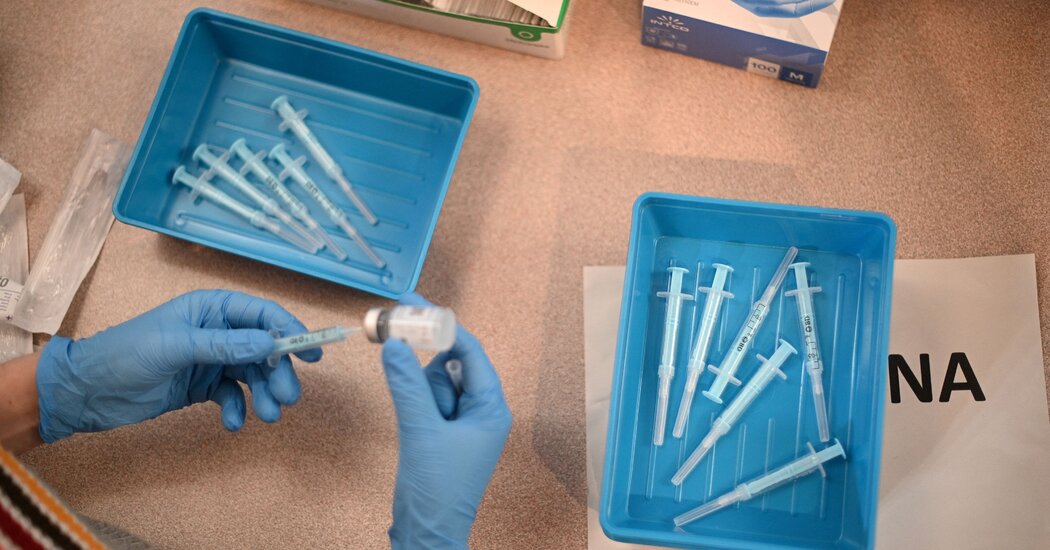
U.K. Approves Covid Booster Vaccine That Targets Two Variants

The vaccine, which has been approved for adults, generated a strong immune response against both the original virus and the Omicron variant.British regulators on Monday approved the country’s first Covid-19 booster vaccine to target two coronavirus variants, the original virus and the Omicron variant.Half of each dose of the vaccine, or 25 micrograms, will target the original variant, and the other half will target Omicron. In clinical trials, the vaccine, an updated version of Moderna’s original Covid vaccine, generated a good immune response to these two variants, as well as the BA.4 and BA.5 subvariants in adults, researchers found.Dr. June Raine, the chief executive of Britain’s Medicines and Healthcare Products Regulatory Agency, said she was pleased that the new booster vaccine met the regulator’s standards of safety, quality and effectiveness. The decision was endorsed by Britain’s independent expert scientific advisory body, the Commission on Human Medicines.“The first generation of Covid-19 vaccines being used in the U.K. continue to provide important protection against the disease and save lives,” Dr. Raine said. “What this bivalent vaccine gives us is a sharpened tool in our armory to help protect us against this disease as the virus continues to evolve.”Side effects were the same as those seen for the original Moderna booster dose and were typically mild, with no serious safety concerns, British regulators said.The emergence of highly contagious Omicron subvariants this spring have appeared to reduce the protection offered by the Pfizer-BioNTech and Moderna vaccines against Covid hospitalizations, with more vaccinated people admitted to the hospital with Covid than they had been during the winter Omicron wave. But booster shots have raised people’s levels of protection, scientists from the U.S. Centers for Disease Control and Prevention said last month. The C.D.C. recommends that people receive booster shots as soon as they are eligible.

Read more →

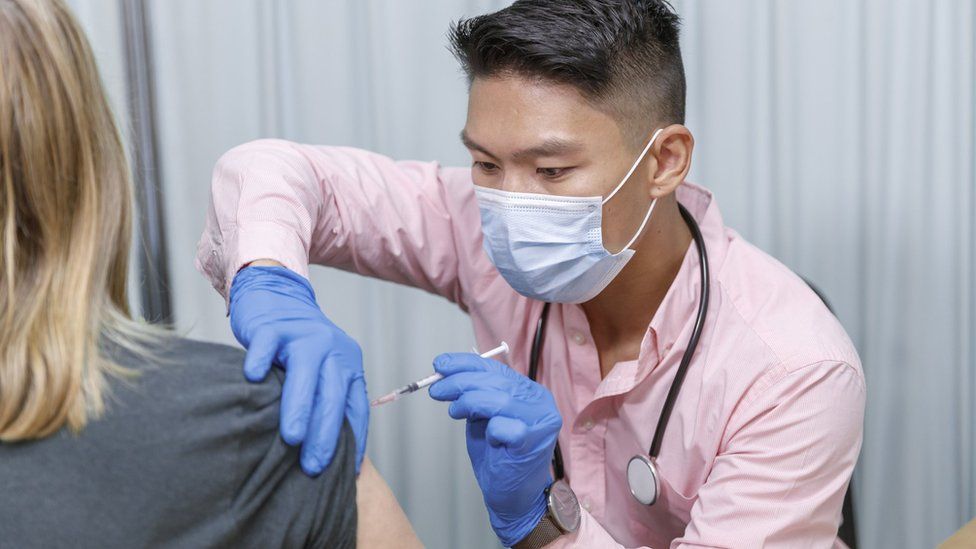
Covid: UK approves Moderna's Omicron booster

Published25 minutes agoSharecloseShare pageCopy linkAbout sharingImage source, Getty ImagesThe UK has become the first country to approve a dual vaccine which tackles both the original Covid virus and the newer Omicron variant.The upgraded vaccine should be available as an autumn booster and give better protection against variants. Moderna said it could supply 29 million doses this year, but exactly who will get them has yet to be announced. All over-50s and people in high-risk groups will be offered some form of booster from next month. The original vaccines used in the pandemic were designed to train the body to fight the first form of the virus that emerged in Wuhan, in China, at the end of 2019.The Covid virus has since mutated substantially, with a stream of new variants emerging that can dodge some of our immune defences. They have caused large surges in cases around the world. ‘Sharpened tool’Moderna’s vaccine targets both the original strain and the first Omicron variant (BA.1), which emerged last winter. It is known as a bivalent vaccine as it takes aim at two forms of Covid.The UK’s Medicines and Healthcare Products Regulatory Agency has considered the evidence and given the vaccine approval for use in adults.Dr June Raine, the regulator’s chief executive, said: “The first generation of Covid-19 vaccines being used in the UK continue to provide important protection against the disease and save lives. “What this bivalent vaccine gives us is a sharpened tool in our armoury to help protect us against this disease as the virus continues to evolve.”The results of experiments on 437 people showed the updated vaccine was safe and gave better immune protection against newer variants. Levels of antibodies that were able to stick to and disable Omicron (BA.1) were eight times higher with the new vaccine than Moderna’s old one. Tests against more recent Omicron variants (BA.4 and BA.5), which are causing the UK’s current wave, also showed higher levels of protection with the updated vaccine. However, while there is better protection against known variants, it is uncertain what we will be facing in the coming months and exactly how well the updated vaccine will perform. Stéphane Bancel, the chief executive officer of Moderna, said he was “delighted” the vaccine had been approved. He said: “This represents the first authorization of an Omicron-containing bivalent vaccine, this bivalent vaccine has an important role to play in protecting people in the UK from Covid-19 as we enter the winter months.”In the UK, the following people will be offered some form of booster:health and social care staffeveryone aged 50 and overcarers who are over the age of 16people over five whose health puts them at greater risk, this includes pregnant womenpeople over five who share a house with somebody with a weakened immune systemOriginally those aged 50-65 were not going to be jabbed. However, the immunisation campaign has been expanded because of the fast spread of variants, uncertainty about how the virus will mutate and the expectation that we will be more social this winter than in previous years – giving the virus more chance to spread.Who gets a winter booster?Moderna is not the only company updating its vaccines, Pfizer has also been developing vaccines that can target Omicron.Follow James on Twitter.More on this storyAll over 50s to get an autumn Covid booster15 July

Read more →