Shark or Orca: Which Should You Fear More?

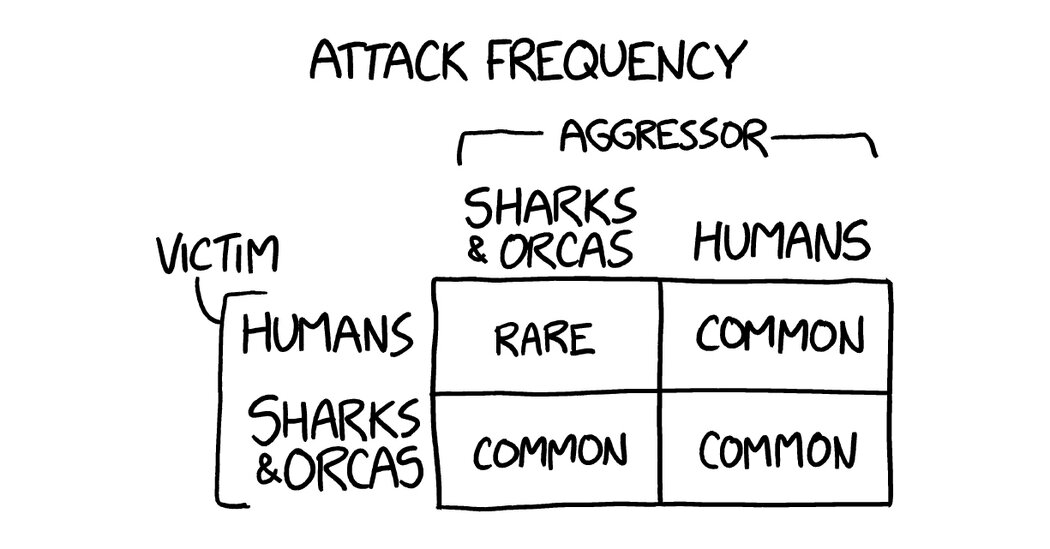
Swimmers often worry about attacks by certain marine predators. But beware the bite of a more common animal.In the wild, is a human more likely to survive an encounter with an orca or a great white shark?— Kameryn F., Yardley, Pa.By the numbers, white sharks are a lot more dangerous to humans than orcas are. Despite the name “killer whale,” there’s only one well-documented instance of a wild orca attacking someone — Hans Kretschmer, who was bitten on the leg while surfing in California in 1972. Attacks by white sharks, although still rare, happen quite a bit more often; there are several hundred on record. So why are killer whale attacks so rare? Emma Luck, a marine-mammal researcher at the University of Alaska, told me that a big part of it is just that orcas don’t encounter humans as often. “Killer whales are found in all oceans, but they tend to be found in higher densities around cold, high-latitude regions,” she wrote in a message. “These are areas where the water is not particularly inviting for the average beachgoer!”She said the 1972 orca attack was probably a case of mistaken identity, as is the case with many shark attacks. “In an open water context, where all parties can view each other clearly, I would wager that both the shark and the killer whale are going to leave you alone,” she said.In fact, you don’t have to spend long browsing police blotters to confirm that not only are killer whale attacks rarer than shark attacks, they are also rarer than documented cases of swimmers being attacked and bitten by other humans. Granted, that’s because there are a lot more humans than orcas around, but that doesn’t change the conclusion: In the ocean, you’re more likely to be attacked and bitten by a person than by a killer whale.What’s on Your Mind?If there’s a science mystery keeping you awake at night, send it to Good Question.

Read more →

‘Frustration and Stress’: State Officials Fault Rollout of Monkeypox Vaccine

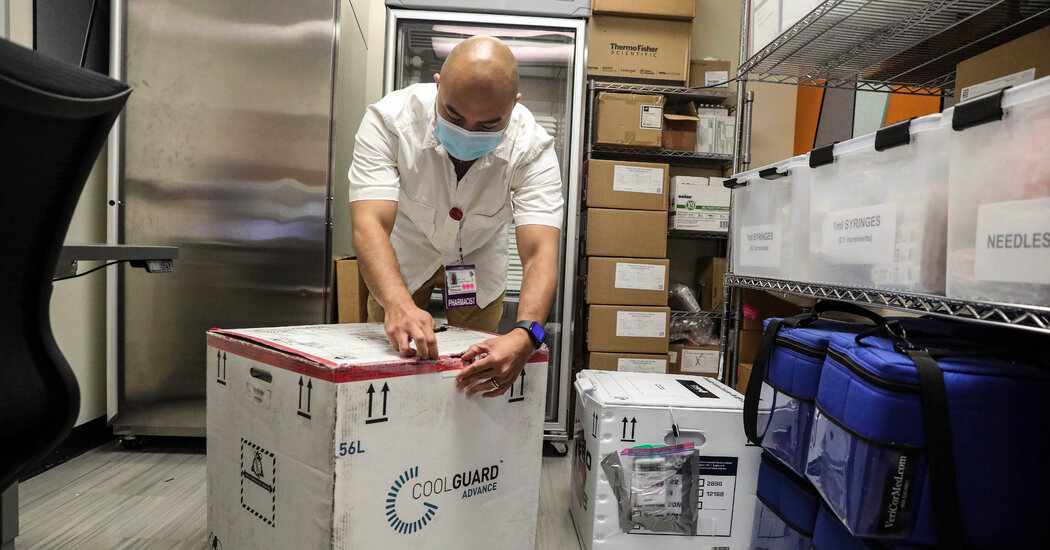
Federal officials are not relying on an established system to distribute the vaccine, slowing immunizations and burdening local health departments, critics say.Roughly 5,000 doses of monkeypox vaccine intended for Fort Lauderdale, Fla., left the national stockpile’s warehouse in Olive Branch, Miss., on July 19. They somehow ended up in Oklahoma.Then Tennessee. Then Mississippi again. Then, finally, Florida.In Idaho, a shipment of 60 vaccine doses disappeared and showed up six days later, refrigerated rather than frozen, as needed. Another 800 doses sent to Minnesota — a significant portion of the state’s total allotment — were unusable because the shipment was lost in transit for longer than the 96-hour “viability window.”The federal government’s distribution of monkeypox vaccine has been blemished by missteps and confusion, burdening local officials and slowing the pace of immunizations even as the virus spreads, according to interviews with state health officials and documents obtained by The New York Times.Officials in at least 20 states and jurisdictions have complained about the delivery of the vaccine, called Jynneos. (More than half are led by Democrats, including California, Washington, Connecticut and Michigan, suggesting that their grievances are not politically motivated.)“This is happening everywhere,” said Claire Hannan, executive director of the Association of Immunization Managers, a nonprofit group that represents state, local and territorial officials.“Our response is completely inefficient and breaking the back of state and local responders,” she added. Ms. Hannan said she had never “seen this level of frustration and stress.”In previous emergencies, including the 2009 swine flu outbreak and the Covid-19 pandemic, vaccines were delivered directly from manufacturers to health care providers through a system run by the Centers for Disease Control and Prevention.That system, called VTrckS (pronounced “vee-tracks”), routinely moves billions of vaccine doses for annual immunizations and, importantly, is integrated with state databases that track vaccinations and doses.But Jynneos is being disbursed from the National Strategic Stockpile by a different government agency under the Department of Health and Human Services. That agency was never set up to take ongoing orders, arrange deliveries from the stockpile, track shipments or integrate with state systems.Instead, the stockpile was designed to deliver massive amounts of vaccine to each state in response to a catastrophic event, according to a federal official with knowledge of the stockpile’s operations.“If it was a smallpox response, they’re not going to be sitting in their offices ordering vaccine,” the official said of state health authorities. The stockpile is intended to be “pushing products out — it’s not an ordering-based system,” the official added.As it stands now, the stockpile is shipping monkeypox vaccine to just five sites in each state, regardless of its size. State officials must distribute the doses, track them manually and enter the data into their databases, none of which would have been necessary under the C.D.C.’s system.Until recently, orders for Jynneos had to be placed via email instead of an automated system, and state officials often did not know where their deliveries were or whether they had been sent at all.What to Know About the Monkeypox VirusCard 1 of 7What to Know About the Monkeypox VirusWhat is monkeypox?

Read more →

Polio Has Been Detected in New York City Wastewater, Officials Say

The detection of the virus in sewage suggests it is circulating in the city, Health Department officials said.Polio outbreaks incited regular panics decades ago, until a vaccine was developed and the disease was largely eradicated. Then on Friday, New York City health authorities announced that they had found the virus in wastewater samples, suggesting polio was probably circulating in the city again.Parents of young children found themselves wondering — perhaps for the first time in their lives, and, collectively, for the first time in generations — just how much they should worry about polio.Anabela Borges, a designer who lives in Brooklyn’s Crown Heights neighborhood, said she had friends whose children probably were not vaccinated. After the announcement on Friday, she said she planned to “make her friends aware.”Ms. Borges said she hoped her 7-month-old daughter, Ava, who is old enough to have had three of the four shots recommended for children, was far along enough in the regimen to be protected. “Polio is really dangerous for babies like her,” Ms. Borges said as she and her daughter’s nanny took Ava for a walk in her stroller.In New York City, the overall rate of polio vaccination among children 5 and under is 86 percent, and most adults in the United States were vaccinated against polio as children. Still, in some city ZIP codes, fewer than two-thirds of children 5 and under have received at least three doses, a figure that worries health officials.The state Health Department said in a statement the discovery of the virus underscored “the urgency of every New York adult and child getting immunized, especially those in the greater New York metropolitan area.”The announcement came three weeks after a man in Rockland County, N.Y., north of the city, was diagnosed with a case of polio that left him with paralysis. Officials now say polio has been circulating in the county’s wastewater since May.“The risk to New Yorkers is real but the defense is so simple — get vaccinated against polio,” Dr. Ashwin Vasan, the New York City health commissioner, said in a statement. “With polio circulating in our communities, there is simply nothing more essential than vaccinating our children to protect them from this virus, and if you’re an unvaccinated or incompletely vaccinated adult, please choose now to get the vaccine.”The spread of the virus poses a risk to unvaccinated people, but three doses of the current vaccine provide at least 99 percent protection against severe disease. Children who are too young to be fully vaccinated are also vulnerable, as are children whose parents have declined to have them immunized or have put off having them get the shots.Health officials fear that the detection of polio in New York City’s wastewater could precede other cases of paralytic polio.The Fight Against PolioThe highly contagious virus was one of the most feared diseases until the 1950s, when the first vaccine was developed.New York Case: Officials in a New York suburb reported a case of polio in an unvaccinated adult man in July — the first U.S. case in nearly a decade.A Multibillion-Dollar Effort: A partnership of national governments and health organizations has a plan to rid the world of polio by 2026, which is now endemic in just two countries.Major Obstacles: Two of the three strains of polio have been eliminated from the Earth. But new barriers to full eradication keep cropping up.Childhood Vaccinations Drop: A sharp decline in childhood vaccinations around the world during the coronavirus pandemic — including those for polio — could threaten the lives of millions of children.“Absent a relatively massive vaccine drive, I think it’s very likely they’ll be one or more cases” in the city, said Dr. Jay Varma, an epidemiologist and former deputy city health commissioner.The citywide vaccination rate dipped amid the pandemic, as visits to pediatricians were postponed, and the spread of misinformation about vaccines accelerated. Even before Covid’s arrival, vaccination rates for a range of preventable viruses in some neighborhoods were low enough to worry health officials.Although effective at preventing paralysis, the vaccine used in the United States in recent decades is less effective at limiting transmission. People who have been vaccinated may still carry and shed the virus, even if they do not experience infection or symptoms.That, epidemiologists say, may mean the virus will be difficult to eradicate quickly, further underscoring why vaccination is so critical for protection, a state Health Department spokeswoman said.Many people who become infected with polio do not develop symptoms, but some people will have fevers or nausea. Dr. Bernard Camins, an infectious diseases specialist and medical director of infection prevention for the Mount Sinai Health System, urged doctors to be on the lookout for those symptoms and to consider ordering polio tests for patients who are not fully vaccinated.About 4 percent of those who contract the virus get viral meningitis, and about 1 in 200 will become paralyzed, according to the health authorities.“The problem,” Dr. Camins said, “is if you have one case of paralysis, there may be hundreds of others that aren’t symptomatic or have symptoms that aren’t likely to be identified as polio.”The polio virus had previously been found in wastewater samples in Rockland and Orange Counties, but the announcement on Friday was the first sign of its presence in New York City.Neither the city nor state health departments provided details about where in the five boroughs the virus had been detected in wastewater. State officials did say six “positive samples of concern” had been identified in city wastewater, two collected in June and four in July.The last case of polio to be found in the United States before the one in Rockland County was in 2013.Before polio vaccines were first introduced in the 1950s, the virus was a source of dread, especially during summer months, when outbreaks were most common. Cities closed swimming pools as a prevention tactic, and some parents kept their children indoors.In 1916, polio killed 6,000 people in the United States and left at least another 21,000 — most of them children — with a permanent disability. More than a third of the deaths were in New York City, where the outbreak led to a delay in the opening of public schools.An outbreak in 1952 caused paralysis in more than 20,000 people, and left many children in iron lungs. The first effective vaccine emerged shortly after, and the virus began to recede.Today, there are only two countries, Pakistan and Afghanistan, where polio is endemic. It has been kept at bay in the rest of the world through the wide use of vaccines.Cases do appear beyond those two countries with some regularity, a result of the oral vaccine that is used in much of the world. The oral vaccine uses a weakened but live virus. It is safe, but a person who receives it can spread the weakened virus to others. Only inactivated polio vaccine has been used in the United States since 2000.The C.D.C. recommends that children receive four doses, with the final shot administered between the ages of 4 and 6.“What we are seeing is a wake-up call for folks who thought poliovirus was just a problem elsewhere,” said Capt. Derek Ehrhardt, an epidemiologist and the Centers for Disease Control and Prevention’s polio-eradication incident manager.The virus lives primarily in a person’s throat and intestines and is spread most commonly through contact with feces.If the weakened virus used in the oral vaccine circulates widely enough in communities with low vaccination rates, or replicates in someone with a compromised immune system, it can mutate to a virulent form that can cause paralysis, according to the C.D.C.Outbreaks of such “circulating vaccine-derived polio virus” have occurred in numerous countries in recent years. Open sewers and contaminated drinking water can help hasten the spread.The health authorities believe the polio virus was introduced to New York by someone who had received the live virus vaccine in another country, or by an unvaccinated person who caught vaccine-derived polio while abroad.Officials say the virus detected in the two counties north of New York City is genetically linked to vaccine-derived virus collected from samples this year in Jerusalem, as well as to wastewater samples in London that have led to a renewed polio vaccination campaign there.As of Friday, the C.D.C. had confirmed the presence of poliovirus in 20 wastewater samples in Rockland and Orange Counties, all genetically linked to the paralytic polio case in the Rockland County resident. The counties are next to each other.Of the 20 samples, two were collected in May, three in June and eight in July from Rockland County; two were collected in June and five in July in Orange County.Dr. Irina Gelman, Orange County’s health commissioner, said officials were assuming that each positive sample collected in her county indicated a separate person infected by the virus locally, but she added she was awaiting further genetic analysis from the C.D.C. to be sure.Health officials believe hundreds of people in the area could be infected, she said. The estimate is based on how many people would typically need to have the virus for there to be a single case of paralytic polio, combined with the rise of cases of vaccine-derived polio globally and the very low vaccine coverage in sections of New York.“A part of me still hopes that not to be the case,” she said.“We’re really working with sort of a perfect storm scenario,” she added. “We have low vaccination rates in Orange County for vaccine preventable diseases, especially among our pediatric populations.”The one case of polio to be confirmed so far was in a 20-year-old male ultra-Orthodox Jewish resident of Rockland County, according to several local officials. Orange and Rockland Counties are both home to large numbers of ultra-Orthodox Jews, and anti-vaccine sentiment has spread among some in that community.A measles outbreak in 2019 was also concentrated among people in the ultra-Orthodox community, although vaccine misinformation and low vaccination rates are also found more widely, Dr. Gelman said.Vaccination rates in Rockland and Orange Counties are well below those needed to prevent the spread of the virus, according to the state Health Department. Among 2-year-olds, about 60 percent of children in both counties had all three recommended polio shots, state data shows, compared with 79 percent statewide.Wearied by Covid and alarmed by the recent emergence of monkeypox, New Yorkers thoughts turned to a third virus on Friday, as they wondered if they were fully vaccinated, and if their protection had lasted through the decades.Gregory Ludd, 46, a Crown Heights resident who works as a porter, has six children. They are up-to-date on their vaccinations, he said.“I am scared of it because we really haven’t heard about polio coming out since we probably were young, young kids,” he said. “But all you can do is, you put your faith in God and just hope that doesn’t happen with your kid.”Lola Fadulu

Read more →

Using mathematical modelling to fight malaria

Researchers have created a mathematical model to predict genetic resistance to antimalarial drugs in Africa to manage one of the biggest threats to global malarial control.
Malaria is a life-threatening disease caused by parasites and spread to humans through infected mosquitos. It is preventable and curable, yet resistance to current antimalarial drugs is causing avoidable loss of life. The World Health Organisation estimated there were 241 million cases of malaria worldwide in 2020, with more than 600,000 deaths.
In research published today in PLOS Computational Biology, an international research team used data from the WorldWide Antimalarial Resistance Network (WWARN), a global, scientifically independent collaboration, to map the prevalence of genetic markers that indicate resistance to Plasmodium falciparum — the parasite that causes malaria.
Lead author Associate Professor Jennifer Flegg from the University of Melbourne said malaria has devastating impacts on lower-income countries and effective treatment is key to elimination.
“The antimalarial drug sulfadoxine-pyrimethamine (SP) is commonly used in various preventative malaria treatment programs in Africa, particularly for infants, young children and during pregnancy. But we know its efficacy as a treatment is threatened in areas where resistance to SP is high,” Associate Professor Flegg said.
“The statistical mapping tool we have developed is critical for health organisations to understand the spread of antimalarial resistance. The model takes in the data that is available and fills in the gaps by making continuous predictions in space and time.

Read more →

Rotator cuff regeneration: potential breakthrough treatment

Tears of the major tendons in the shoulder joint, commonly called the rotator cuff, are common injuries in adults. Advances in surgery have made ever better rotator cuff repairs possible. But failure rates with surgery can be high. Now, a team of researchers from the UConn School of Medicine led by surgeon, engineer and scientist Dr. Cato T. Laurencin reports that a graphene/polymer matrix embedded into shoulder muscle can prevent re-tear injuries.
“Most repairs focus on the tendon,” and how to reattach it to the bone most effectively, Laurencin says. “But the real problem is that the muscle degenerates and accumulates fat. With a tear, the muscle shrinks, and the body grows fat in that area instead. When the tendon and muscle are finally reattached surgically to the shoulder bone, the weakened muscle can’t handle normal stresses and the area can be re-injured again.
Dr. Laurencin along with graduate student Nikoo Shemshaki worked with other UConn Connecticut Convergence Institute researchers to develop a polymer mesh infused with nanoplatelets of graphene. When they used it to repair the shoulders of rats who had chronic rotator cuff tears with muscle atrophy, the muscle grew back. When they tried growing muscle on the mesh in a petri dish in the lab, they found the material seemed to encourage the growth of myotubes, precursors of muscle, and discourage the formation of fat.
“This is really a potential breakthrough treatment for tears of the rotator cuff. It addresses the real problem: muscle degeneration and fat accumulation,” Laurencin says.
The next step in their work is studying the matrix in a large animal. The team looks forward to developing the technology in humans.
This work was funded by NIH National Institute of Arthritis and Musculoskeletal and Skin Diseases Grant No. DP1AR068147 and National Science Foundation Emerging Frontiers in Research and Innovation Grant No. 1332329.
Story Source:
Materials provided by University of Connecticut. Original written by Kim Krieger. Note: Content may be edited for style and length.

Read more →

Early-term births associated with higher rate of ADHD as reported by teachers

Among children born at term (37-41 weeks), those born before 39 weeks are more likely to experience symptoms associated with attention-deficit/hyperactivity disorder (ADHD), according to a study by Rutgers Robert Wood Johnson Medical School.
ADHD, which affects more than 10 percent of U.S. school-age children, according to the Centers for Disease Control and Prevention, manifests early in childhood with symptoms of hyperactivity, impulsivity or inattention, and has known links to preterm birth (less than 37 weeks gestation). The study, published in the Journal of Pediatrics, is one of only a few to investigate the associations between gestational age at term (37-41 weeks) and a diagnosis or symptoms of ADHD. It is the first to include reports from teachers.
“Teachers’ reports, in conjunction with maternal reports and physician evaluations, provide valuable input for the diagnosis of ADHD,” said Nancy Reichman, author of the study and a professor of pediatrics at Rutgers Robert Wood Johnson Medical School. “Mother-reported symptoms generally reflect behaviors in the home or in small family or social groups, while teacher-reported symptoms reflect behaviors in a structured educational setting by professionals who work with a large number of children and observe the range of behaviors that students exhibit in classrooms.”
Reichman and her team, which included Rutgers Robert Wood Johnson Medical School neonatology fellow Geethanjali Linguasubramanian, sought to estimate the associations between gestational age at term and 9-year-old children’s symptoms of ADHD reported by their teachers.
They analyzed data on about 1,400 children in the Fragile Families and Child Wellbeing study, a U.S. birth cohort study that randomly sampled births in 75 hospitals in 20 large U.S. cities from 1998 to 2000 and re-interviewed mothers over nine years. During the nine-year follow-up, consent was obtained to contact the children’s teachers, who were asked to evaluate their students using the Conners’ Teacher Rating Scale-Revised Short Form, which includes symptoms of hyperactivity, ADHD, oppositional behavior and cognitive problems or inattention.
Overall, the Rutgers researchers found that children born early-term (37-38 weeks) had significantly higher scores on the teacher rating scales than children who were full-term (39-41 weeks) for hyperactivity, ADHD and cognitive problems or inattention, but that gestational age wasn’t significantly associated with oppositional behavior.
Specifically, the researchers found that each week of gestational age at term was associated with 6 percent lower hyperactivity scores and 5 percent lower ADHD and cognitive problems or inattention scores, and that birth at 37 to 38 weeks was associated with 23 percent higher hyperactivity scores and 17 percent higher ADHD scores when compared with birth at 39 to 41 weeks.
“The findings add to growing evidence supporting current recommendations for delaying elective deliveries to at least 39 weeks and suggest that regular screenings for ADHD symptoms are important for children born at 37 to 38 weeks,” Reichman said.
Preterm infants are at increased risk for ADHD because of immature brain development, she said. “Significant growth and development in various kinds of brain cells are observed between 34 and 40 weeks of gestation,” said Reichman. “Infants born at full-term likely benefit from the additional one to two weeks of brain growth in utero compared with those born early-term.”
Story Source:
Materials provided by Rutgers University. Note: Content may be edited for style and length.

Read more →

Nutrition Drinks Including Varieties of Oatly and Glucerna Are Recalled

The recall of nearly 90 Lyons Magnus products over concern for microbial contamination came after “continued collaboration and consultation” with the U.S. Food and Drug Administration.Lyons Magnus, a nutritional drinks company, expanded a voluntary recall of some varieties of popular products including the oat drink Oatly, Optimum Nutrition protein powder and Glucerna shakes, because of the potential for microbial contamination, the company and federal authorities said this week.The company said in a statement on July 28 that no illnesses or complaints related to recalled products had been reported. A company statement on Wednesday announcing that more products had been recalled did not say whether anyone had been sickened, and a spokeswoman declined to comment beyond the news releases.The Food and Drug Administration posted a listed of 89 products, along with lot and case numbers involved in the recall, which came after “continued collaboration and consultation” with the agency, the company said in its statement. Some of the recalled products were distributed nationally, the company said.The statement said that “root cause analysis” indicated that the products did not meet “commercial sterility specifications.”F.D.A. officials did not immediately reply to requests for comment on Friday evening.The recalled brands include varieties of Organic Valley milk and Stumptown Cold Brew Coffee.The company said that the recalled products could potentially be contaminated by harmful organisms that included Cronobacter sakazakii and Clostridium botulinum. Cronobacter sakazakii is a bacterium that can cause life-threatening infections or inflammation of the membranes that protect the brain and spine. Clostridium botulinum is a bacterium that makes dangerous toxins that could cause a severe form of food poisoning, according to the World Health Organization.“Although Clostridium botulinum has not been found in products, consumers are warned not to consume any of the recalled products even if they do not look or smell spoiled,” the company said in a statement that was also posted on the website of the U.S. Food and Drug Administration. “Consumers also are advised not to consume any products that are beyond their ‘best by’ date,” the statement said.According to the statement, the symptoms of Cronobacter sakazakii, which is rare, can include fever, vomiting and a urinary tract infection. Clostridium botulinum can bring on illness anywhere from six hours to two weeks after eating contaminated food and could be deadly, the statement said. Symptoms can include impaired vision, drooping eyelids, slurred speech, difficulty swallowing and muscle weakness.

Read more →

What the New C.D.C. Guidelines Mean for You

The new recommendations put the onus on individuals to protect themselves. Here’s how to navigate them.The Centers for Disease Control and Prevention relaxed many of its Covid-19 guidelines this week, shifting sharply away from several of the precautions, including quarantines and social distancing, that have long defined the pandemic.The move was prompted by the fact that many Americans now have some immunity to the coronavirus — through a combination of vaccination and previous infection — and by the availability of vaccines, booster shots and antiviral medications that can reduce the risk of severe disease.Part of the public health agency’s goal in issuing the new guidance was to streamline the recommendations and help people manage their own risk, officials said. But the guidelines are still complex and contain plenty of nuance.Here are answers to some common questions about what the guidelines mean for you.Do I still have to stand six feet away from strangers?The C.D.C. has not abandoned the idea of social distancing entirely — instead, the agency suggests keeping a distance from others as one of many strategies that people can use to help reduce their risk.The old guidelines recommended that people who were not up-to-date on their vaccinations “stay at least six feet away from other people” in indoor public spaces.Now, the agency recommends that people “may want to avoid crowded areas” or maintain a distance from others in order to minimize their exposure to the virus. This precaution may be especially important for people who are at high risk for severe Covid-19, the agency noted.Do I still have to wear a face mask?The general mask guidelines have not changed. The C.D.C. still recommends that everyone age 2 and older wear a well-fitting mask in public indoor spaces when the local Covid-19 community level is high. People who are at high risk for severe disease should also wear a mask when their communities are at the medium level, according to the guidelines.Nearly 40 percent of counties across the United States are at a high community level, according to the C.D.C.What should I do if I’ve been exposed to the virus?As a precautionary measure, the C.D.C. used to recommend that people who were not up-to-date on their vaccinations and had been in close contact with someone with Covid-19 stay home for at least five days, a practice known as quarantining. (People who were up-to-date on their shots did not need to quarantine if they were asymptomatic, according to the previous guidelines.)The quarantine recommendation has disappeared, one of the biggest changes in the new guidance.“Quarantines are sort of a blunt tool,” said Jennifer Nuzzo, the director of the Pandemic Center at the Brown University School of Public Health. “I do think we have to shift in how we think about controlling this virus.”Some streets are still closed off to cars in Chicago, allowing restaurants extra room to seat patrons outside.Jamie Kelter Davis for The New York TimesNow, people who have been exposed to the virus can continue with their daily routines regardless of their vaccination status, as long as they remain asymptomatic. However, they should wear a well-fitting mask for 10 full days, monitor themselves for symptoms, take extra safety measures around vulnerable people and get tested at least five days after exposure.If you use an at-home antigen test, you may need to test yourself repeatedly. To reduce the risk of false negative results, people who have no symptoms should take at least three tests, each 48 hours apart, according to a new recommendation from the Food and Drug Administration. People who do have Covid-19 symptoms should take at least two tests 48 hours apart.“Your viral load grows after you get infected,” said Dr. Michael Mina, a former Harvard epidemiologist who is now the chief science officer for eMed, which sells at-home tests. “It goes up, and that takes time.”What should I do if I test positive for the virus?Isolate at home for at least five days, and keep your distance from others in your household. This recommendation has not changed.If you remained asymptomatic during your time in isolation — or if your symptoms are improving and you have been fever-free for at least a day — you can leave isolation after Day 5, according to the guidelines.Previously, the C.D.C. recommended that people with Covid-19 wear a mask for 10 full days. Under the new guidelines, people can remove their masks sooner if they test negative on two rapid antigen tests, taken at least 48 hours apart. Others should continue to mask for 10 days.People who experience moderate to severe illness, or have compromised immune systems, should isolate for at least 10 days, the agency said.If symptoms return after isolation, people should start their isolation periods over, according to the new guidelines.What does this mean for schools and offices?In theory, the new guidelines could free many schools and businesses from some of the restrictive measures that have been difficult to enforce, including navigating a different set of rules for vaccinated and unvaccinated people. Quarantines have been especially disruptive and divisive in schools.Under the new guidelines, children who have been in close contact with someone who has Covid-19 do not need to stay home, and schools do not need to administer frequent tests in order to keep these children in the classroom, an approach known as “test to stay.” Contact tracing and routine surveillance testing of asymptomatic people are no longer necessary in most settings, the C.D.C. said.In reality, the new guidelines may not change much at many schools, which had increasingly been moving away from these measures. Massachusetts, for instance, dropped its quarantine requirements for asymptomatic children in May.Still, some districts and officials do take their cues from the federal guidance, which could prompt some localities to relax their rules for the coming academic year.“We welcome these guidelines,” Randi Weingarten, the president of the American Federation of Teachers, said in a statement on Thursday. “Every educator and every parent starts every school year with great hope, and this year even more so. After two years of uncertainty and disruption, we need as normal a year as possible so we can focus like a laser on what kids need.”In an email to The New York Times on Friday, the New York State Department of Health said it was reviewing the new C.D.C. recommendations and would issue its own back-to-school guidance “soon.”New York City’s Department of Health and Mental Hygiene said on Friday that it was also reviewing the new federal guidelines and still finalizing plans for the coming school year.The C.D.C.’s guidelines said schools that are experiencing outbreaks may want to temporarily adopt additional precautions, including surveillance testing, contact tracing, mask-wearing and opening windows and doors to improve ventilation.

Read more →

People Exposed to Coronavirus May Need to Take as Many as Three At-Home Tests, F.D.A. Says

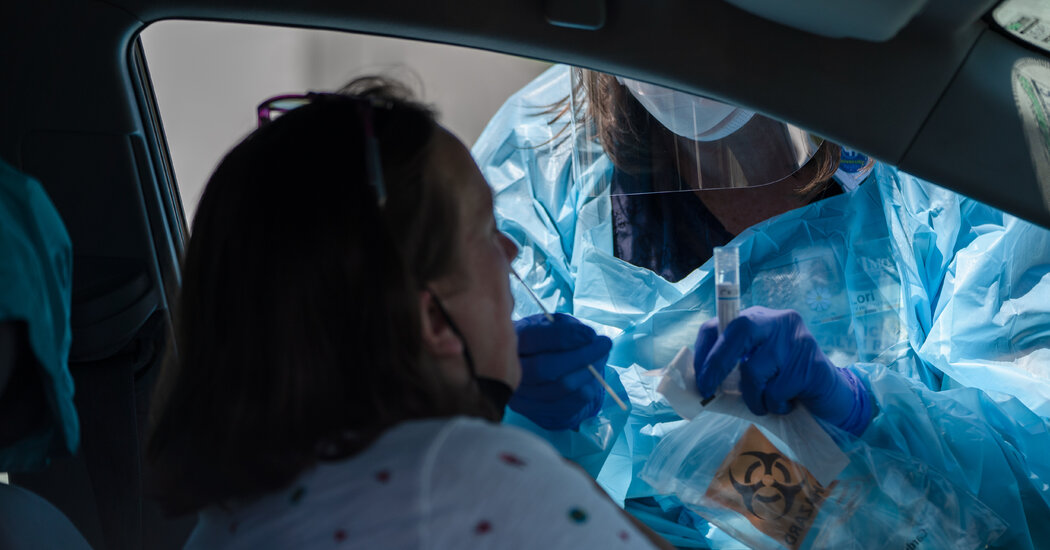
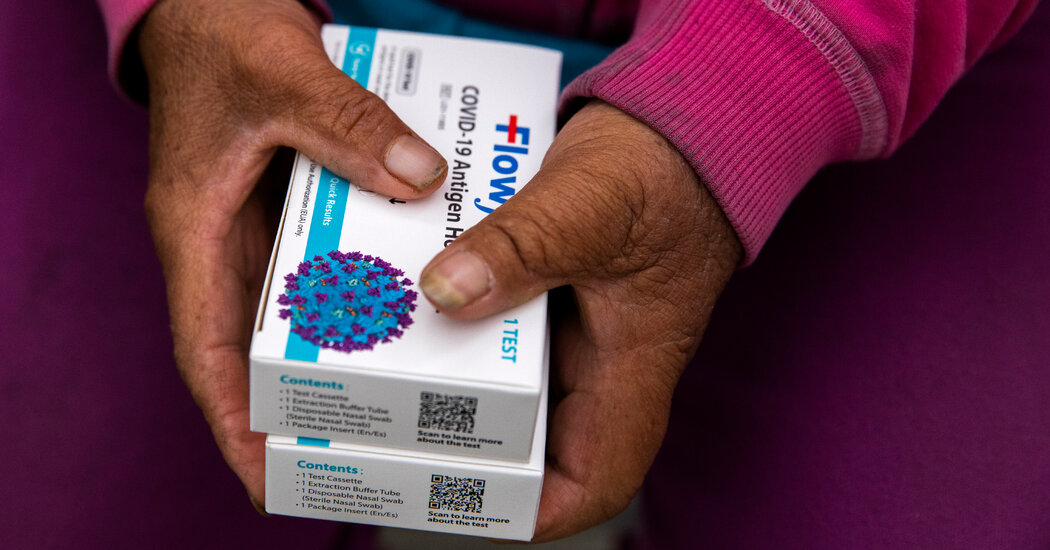
Repeat tests, spaced two days apart, reduce the odds of false negative results, the agency noted.The U.S. Food and Drug Administration issued a new recommendation on Thursday that asymptomatic people who are using coronavirus antigen tests take at least three tests, each spaced 48 hours apart, to reduce the odds of missing an infection.People who have Covid-19 symptoms should take at least two tests, 48 hours apart, according to the agency.The new guidelines come as the highly transmissible BA.5 subvariant of Omicron continues to spread, and after the Centers for Disease Control and Prevention eased its recommendation for routine surveillance testing in most circumstances.Many people have reported that at-home tests failed to detect their infections, but studies have generally shown that rapid antigen tests are as good at detecting Omicron as they were at detecting Delta, the previous variant of concern.The new recommendations are “very grounded in science,” said Dr. Michael Mina, a former Harvard epidemiologist who is now the chief science officer for eMed, which sells at-home tests. “Sometimes it takes the virus two days to grow to a detectable level and sometimes it takes six days to grow.”Read More on the Coronavirus PandemicBoosters: Britain became the first country to authorize a coronavirus vaccine that targets two variants. Half of each dose of the Moderna-made shot will target the original variant, and the other half will target Omicron.New Guidelines: The Centers for Disease Control and Prevention loosened its Covid-19 guidance, saying those exposed to the virus no longer need to quarantine. A day later, the U.S. Food and Drug Administration recommended that people exposed to Covid who are asymptomatic take at least three at-home antigen tests, each spaced 48 hours apart, to reduce the risk of missing an infection.Parents and Pandemic Politics: They were once Democrats and Republicans. But fears for their children fueled by vaccine skepticism have turned them into single-issue voters, on the side of no vaccine mandates for their children.Coronavirus Origins: Two new studies exploring how the Covid outbreak began, concluded that the wet market in Wuhan, China, was the likely epicenter of its emergence.Experts have long noted that rapid antigen tests, which are less sensitive than P.C.R. tests, are designed to be used serially, and that they are most likely to detect the coronavirus when people take them repeatedly over the course of several days.The new recommendations emphasize the need for “additional testing over a longer period of time,” the agency said.“The F.D.A.’s new recommendations for at-home Covid-19 antigen tests underscore the importance of repeat testing after a negative test result in order to increase the chances of detecting an infection,” Dr. Jeff Shuren, the director of the agency’s Center for Devices and Radiological Health, said in a statement.The new guidance is based on the results of a new national study, which has not yet been published in a scientific journal. The study, led by researchers at the University of Massachusetts Chan Medical School, focused on 154 people who tested positive for the virus using P.C.R. tests between October 2021 and February of this year.It found that among symptomatic people, two tests taken 48 hours apart detected 93 percent of infections. But the same testing pattern detected just 63 percent of infections in asymptomatic people.When people without symptoms took three tests, each two days apart, the tests caught 79 percent of infections.“We provide data-based evidence on how to test when using rapid antigen tests,” said Dr. Apurv Soni, an assistant professor at UMass Chan Medical School, who led the research. “The schedule of testing is important.”Some people enrolled in the study had Delta infections, while others were infected with Omicron, the researchers said.“The fact that the tests can detect Omicron is an important point that cannot be emphasized enough,” said Nathaniel Hafer, a molecular biologist at UMass Chan Medical School and an author of the study.People who are worried that they may be infected even after receiving two or three negative results on at-home antigen tests can continue to test themselves, seek out a more sensitive P.C.R. test or consult with a doctor, the F.D.A. said.Those who test positive using at-home tests, the agency said, should assume that they are infected and follow the guidelines set forth by the C.D.C.The C.D.C. updated its Covid-19 guidance on Thursday but did not change its recommendation that people who test positive for the coronavirus isolate at home for at least five days.People do not need to use the same brand of test each time, the F.D.A. said.“If you plan to use at-home Covid-19 antigen tests, have several tests on hand so you can test more than once,” the agency said.

Read more →

Using sound and bubbles to make bandages stickier and longer lasting

Researchers have discovered that they can control the stickiness of adhesive bandages using ultrasound waves and bubbles. This breakthrough could lead to new advances in medical adhesives, especially in cases where adhesives are difficult to apply such as on wet skin.
“Bandages, glues, and stickers are common bioadhesives that are used at home or in clinics. However, they don’t usually adhere well on wet skin. It’s also challenging to control where they are applied and the strength and duration of the formed adhesion,” says McGill University Professor Jianyu Li, who led the research team of engineers, physicists, chemists, and clinicians.
“We were surprised to find that by simply playing around with ultrasonic intensity, we can control very precisely the stickiness of adhesive bandages on many tissues,” says lead author Zhenwei Ma, a former student of Professor Li and now a Killam Postdoctoral Fellow at the University of British Columbia.
Ultrasound induced bubbles control stickiness
In collaboration with physicists Professor Outi Supponen and Claire Bourquard from the Institute of Fluid Dynamics at ETH Zurich, the team experimented with ultrasound induced microbubbles to make adhesives stickier. “The ultrasound induces many microbubbles, which transiently push the adhesives into the skin for stronger bioadhesion,” says Professor Supponen. “We can even use theoretical modeling to estimate exactly where the adhesion will happen.”
Their study, published in the journalScience, shows that the adhesives are compatible with living tissue in rats. The adhesives can also potentially be used to deliver drugs through the skin. “This paradigm-shifting technology will have great implications in many branches of medicine,” says University of British Columbia Professor Zu-hua Gao. “We’re very excited to translate this technology for applications in clinics for tissue repair, cancer therapy, and precision medicine.”
“By merging mechanics, materials and biomedical engineering, we envision the broad impact of our bioadhesive technology in wearable devices, wound management, and regenerative medicine,” says Professor Li, who is also a Canada Research Chair in Biomaterials and Musculoskeletal Health.
Story Source:
Materials provided by McGill University. Note: Content may be edited for style and length.

Read more →