F.D.A. Clears Path for Over-the-Counter Hearing Aids

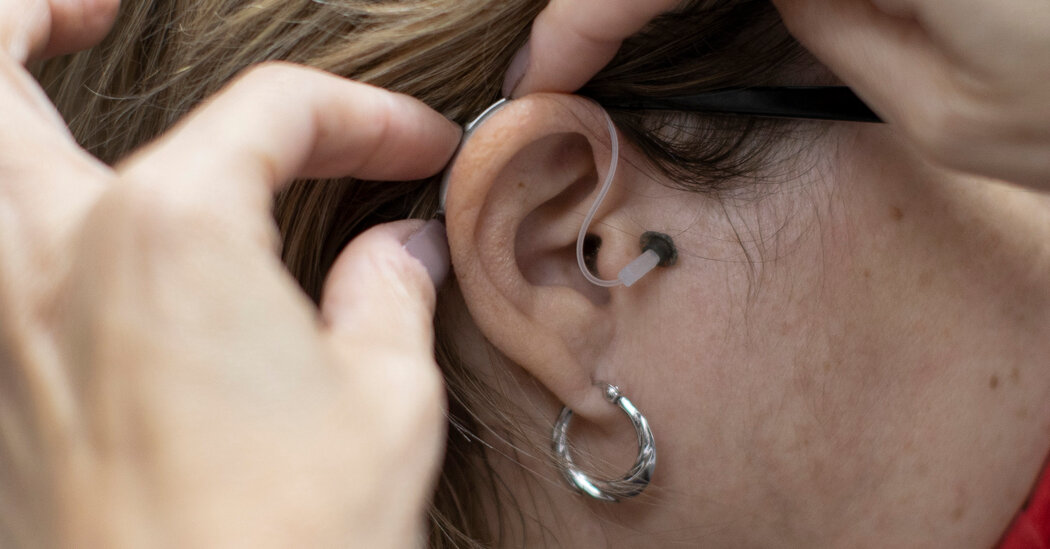
The agency issued a final rule that took years to complete and opens the door to cheaper, more accessible devices without a prescription or medical exam.The Food and Drug Administration moved today to make hearing aids available over the counter and without a prescription to adults, a long-sought wish of consumers frustrated by expensive exams and devices.As soon as mid-October, consumers with mild to moderate hearing loss should be able to buy hearing aids over the counter online and in retail stores, without being required to see a doctor for an exam to get a prescription.The F.D.A. cited studies estimating that about 30 million Americans experience hearing loss, but only about one-fifth of them get help. The changes could upend the market, which is dominated by a relatively small number of manufacturers, and make it a broader field with less costly, and perhaps, more innovative designs. Current costs for hearing aids, which tend to include visits with an audiologist, range from about $1,400 at Costco to roughly $4,700 elsewhere.“This could fundamentally change technology,” said Nicholas Reed, an audiologist at the Department of Epidemiology at Johns Hopkins Bloomberg School of Public Health. “We don’t know what these companies might come up with. We may literally see new ways hearing aids work, how they look.”The F.D.A.’s final rule takes effect in 60 days. Industry representatives say device makers are largely ready to launch new products, though some may need time to update labeling and packaging or to comply with technical details in the rule.Dr. Robert Califf, the F.D.A. commissioner, tweeted Tuesday that the rule tackles a “critical public health issue” that affects millions.“Establishing this new regulatory category will allow people with perceived mild to moderate hearing loss to have convenient access to an array of safe, effective and affordable hearing aids from their neighborhood store or online,” he said.Hearing loss is associated with cognitive decline, depression, isolation and other health problems in older adults. Yet the barriers to getting hearing help have included costs that are not covered by Medicare. There is also stigma — such as appearing “old” — that comes with use.Appreciation for the importance of sharp hearing is for adults is also off-kilter: A recent survey found that people aged 50 to 80 were twice as likely to plan on taking their pet to the veterinarian in the coming year than to get their hearing checked.“It breaks my heart a little bit,” said Sarah Sydlowski, associate chief improvement officer of the Cleveland Clinic Head and Neck Institute and lead author of the study. “I think our biggest challenge as a profession and as a health care system is to make sure that people understand that hearing is incredibly important. It deserves their attention, it deserves their action.”The change has been percolating for years. In 2016, a proposal for the F.D.A. to approve over-the-counter hearing aids for adults with mild to moderate hearing loss came out in a National Academies report. The following year, Senators Chuck Grassley, a Republican of Iowa, and Elizabeth Warren, a Democrat of Massachusetts, introduced a bill enabling the agency to make the change that was signed into law.The process to finalize regulations has moved slowly since then, with some conflict over details, like how the federal rule would interact with state laws on hearing aid returns or warrantee policies and how much the devices should amplify sound.President Biden issued an executive order last July calling for greater competition in the economy, which included a call for the rule “to promote the wide availability of low-cost hearing aids” to be published.That rule came out in the fall, followed by a period of public comment. The Hearing Industries Association, an industry group, submitted a 45-page comment letter warning the F.D.A. about companies that had come on the market in 2018, after the initial law passed, selling hearing aids that “were ineffective, of poor quality, and in some cases, dangerous.” The organization offered detailed advice on how to avoid a repeat scenario.“We applaud the action to increase access to care for persons who have difficulty and encourage them to seek a professional,” to help navigate their options and the fitting process, said Kate Carr, president of the trade group. Other organizations raised concerns that the F.D.A. would be creating a safety issue by allowing new hearing aid makers to make devices that allow users to hear loud sounds.Senators Warren and Grassley had released a joint report accusing the “dominant hearing aid” makers of engaging in an “astroturf lobbying” effort by flooding the F.D.A. with repetitive comments steering the agency toward a new generation of hearing aids that would be “less effective, protecting manufacturers’ existing market share and locking in their competitive advantage.”“The logic is simple: The less effective an O.T.C. hearing aid is, the more likely consumers will be forced to abandon these options and instead opt for more expensive, prescription devices sold by the manufacturers that dominate this line of business,” the senators’ investigative report said.

Read more →

Marshall Islands, Nearly Covid-Free, Confronts an Outbreak

It was one of the last places on the planet to see its first Covid-19 cases. Now the virus is spreading rapidly.As a remote nation in the Pacific, the Marshall Islands had been almost completely spared from Covid-19, registering just a handful of cases throughout the pandemic, with no community transmission detected.But in just over a week, more than 4,000 people have tested positive in a population of about 60,000, including the country’s secretary of health and human services, Jack Niedenthal. He has been providing updates on Facebook and said 75 percent of those tested in Majuro, the capital, had Covid, “an incredibly high positivity rate.”In an interview on Tuesday, Mr. Niedenthal said there was some panic and concern, given that the islands, about halfway between Hawaii and the Philippines, had not recorded a single Covid case last year.“So people were thinking, ‘Hey, these guys really know what they’re doing,’” he said. “The problem is people started wanting to travel, they missed their loved ones, some leaders traveled.”As life began to return to normal, keeping the virus out was impossible, he said. Mr. Niedenthal expected the case count to continue rising, given the dense population. “The next three to four days are going to be pretty rough,” he said.Hundreds of health care workers have been among the infected. At the hospital in Majuro, immunizations were halted because almost the entire team was out, most of the medical record keepers were out, and the housecleaning staff was reduced to one person, he said.On Aug. 10, Mr. Niedenthal called health care workers back to work even if they tested positive, saying they would be screened and would not interact with patients. He said it was a drastic measure that “has been taken throughout the world and the Pacific as Covid numbers rise quickly and we are left with no other choice.”Hospitalizations and deaths tend to lag behind case numbers, but as of this week there had been few severe cases, including six deaths.The population is highly vaccinated: 72 percent are fully vaccinated in Majuro, and 61 percent have boosters, according to government data. The Marshall Islands closed its borders in early March 2020, taking more drastic measures than its neighbors at the time. It was one of the last places on the planet to get its first cases, when two travelers were quarantined before spreading it in October 2020.Mr. Niedenthal said the first known cases of the current outbreak were among a group of teenagers who had no travel history or known contact with anyone who had been in quarantine. “So we knew we were in trouble, because they came from a crowded community,” he said.He said that over the past few days, people have been worried, but that there was a strong sense of community on the islands. “It’s not like panic in the U.S. where everybody is buying toilet paper,” he said.And unlike early in the pandemic, the islands now have access to Covid treatments, like Paxlovid, an antiviral medication shown to prevent serious Covid cases, sent by the U.S. government. Representatives from the U.S. Centers for Disease Control and Prevention arrived on the island in recent days to assist with the response.Other governments have pitched in: Taiwan donated thousands of masks, protective gowns and other hygiene products, while American Samoa sent shipments of Paxlovid. The Australian government has provided protective equipment, testing kits, masks and face shields.Angeline Heine Reimers, a government worker in Majuro, said catching the virus had become almost “unavoidable.” Many people live in multifamily homes, she said, adding that 15 of the 16 people who live in her house had contracted the virus.“The good thing is that all of us had been vaccinated,” said Ms. Heine Reimers, 46, adding that each of their cases had been mild. Many Marshallese live with comorbidities that place them at higher risk if they are sickened, and the Marshall Islands has one of the highest rates of diabetes in the world, according to data compiled by the World Bank. “Everybody is just really scared,” Ms. Heine Reimers said.Marie Davis Milne, the mayor of Ebon Atoll, about 240 miles southwest of Majuro, said that the authorities were trying to prevent the spread of the virus by stopping most planes and ships that travel between neighboring islands.She said that in the past few days, she had volunteered at testing sites on Majuro, where some people had waited under the hot sun for hours. “Even if it rains they don’t move,” Ms. Davis Milne said. “They don’t want to lose their place in line.”Jenny Gross

Read more →

The Forgotten Virus: Zika Families and Researchers Struggle for Support

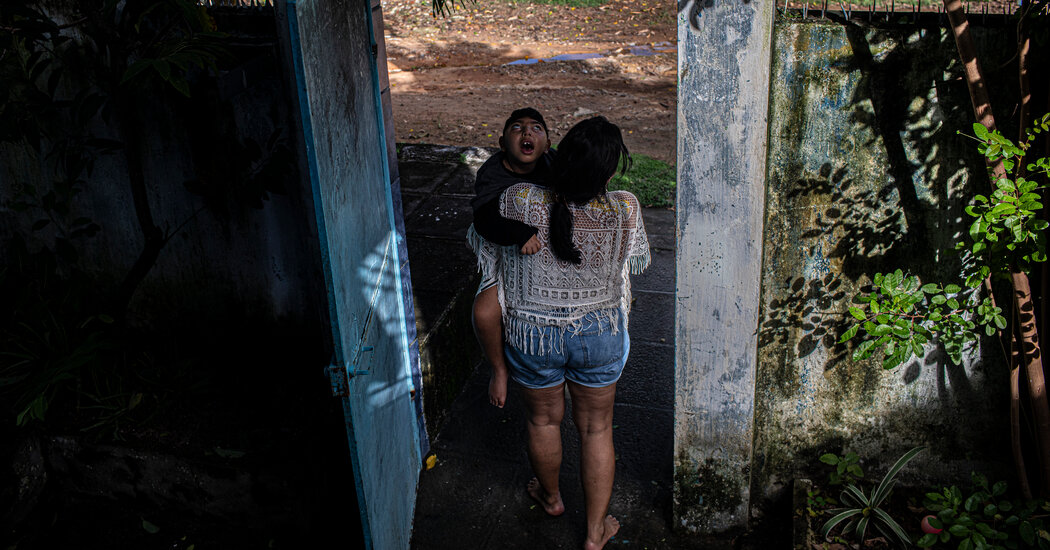
Some babies born with devastating birth defects from the mosquito-borne illness are 7 now, but Covid turned the world’s attention away.RECIFE, Brazil — A procession of mothers pushed children in bulky wheelchairs down a long corridor at a health center in this northeastern Brazilian city, passing patients who glanced at the children, looked away, then looked back, quickly and uneasily.The children were smartly turned out in Disney T-shirts, striped socks, plastic sandals. Girls had ponytails tied with big bows; many wore brightly colored glasses. And all were profoundly disabled, their limbs rigid, their mouths slack, many with foreheads that sloped sharply back above their dark eyes.Most Brazilians know as soon as they see them: These are Zika babies, whose mothers were infected with the virus while pregnant during a virulent outbreak of the mosquito-borne illness in 2015 and 2016. The chief signifier at birth was microcephaly, unusually small heads that hinted at the devastating brain damage the virus caused while they were still in utero.Seven years later, they are now children, many of them nearly as big as their mothers. The sight of them visibly startles people who have not thought about them for years. After the Zika epidemic did not turn into a pandemic that swept the globe, Brazil and the rest of the world moved on.That has left families in this scrappy corner of Brazil, where the epidemic originated, struggling, mostly alone, to get help for their children, whose mysterious condition presents new challenges constantly. Many rely on charity, such as free physical therapy at the private foundation where they come each week in the procession of wheelchairs. Many of the women pushing the chairs wear T-shirts that say “Fight like a Mother” in Portuguese.It has also left scientists unable to answer basic questions about the virus and the danger it could pose.The virus is still circulating at a low level in Brazil and elsewhere in Latin America, as well as in South and Southeast Asia. But attention and funding dried up after the global concerns faded, said Dr. Diana Rojas Alvarez, who leads the Zika work by the World Health Organization.“This is what happens when you have a public health emergency that affects tropical countries and that doesn’t have the global impact Covid had,” she said. “Initially, there was a lot of interest in developing good treatments and diagnostic tests — I remember being in a meeting where there were 40 vaccine candidates in development. But since 2017, everything went quiet.”A group of Zika-affected children and their mothers waiting for therapy to begin at a private clinic in Recife.Artur and Agata, both 6, having swimming therapy to fight muscle stagnation.When Zika failed to cause much damage in the United States, both the Centers for Disease Control and Prevention, and the National Institute of Allergies and Infectious Diseases, scaled back their funding for work related to the disease. In Brazil, President Jair Bolsonaro, who took office in early 2019, made deep cuts to scientific research.The few virologists and infectious disease specialists who continued to work on Zika after the epidemic subsided were forced to set it aside when the coronavirus pandemic hit, Dr. Rojas Alvarez said.This phenomenon is not uncommon when a public health threat recedes. “All the mysteries of 2016, we still have them,” said Dr. Maria Elisabeth Lopes Moreira, a neonatologist who leads a project following children born with congenital Zika syndrome at a research institute for maternal and child health in Rio de Janeiro.Read More on the Coronavirus PandemicBoosters: Britain became the first country to authorize a coronavirus vaccine that targets two variants. Half of each dose of the Moderna-made shot will target the original variant, and the other half will target Omicron.New Guidelines: The Centers for Disease Control and Prevention loosened its Covid-19 guidance, saying those exposed to the virus no longer need to quarantine. A day later, the U.S. Food and Drug Administration recommended that people exposed to Covid who are asymptomatic take at least three at-home antigen tests, each spaced 48 hours apart, to reduce the risk of missing an infection.Parents and Pandemic Politics: They were once Democrats and Republicans. But fears for their children fueled by vaccine skepticism have turned them into single-issue voters, on the side of no vaccine mandates for their children.Coronavirus Origins: Two new studies exploring how the Covid outbreak began, concluded that the wet market in Wuhan, China, was the likely epicenter of its emergence.Seven years after the first mysterious cases of microcephaly were identified in Brazil, scientists are not much closer to understanding how a virus that was first identified 75 years ago in a forest in Uganda and never known to be harmful, turned up in the northeast of Brazil in 2015.There, it took advantage of a heavy rain season and a booming crop of a mosquito species that made a fine new host to roar through the population, infecting about three-quarters of the residents of Recife and other cities. Scientists have established that a mutation in Zika allowed it to cross the barrier of the placenta in the womb — a first for a mosquito-borne virus — but they don’t know why the babies of some pregnant women who caught Zika escaped unscathed.Between 7 percent and 14 percent of babies born to mothers who caught Zika while pregnant have congenital Zika syndrome, the spectrum of symptoms observed in infants exposed to the Zika virus in utero. In about 3 percent, the effects include microcephaly.“What’s the difference between them? I don’t know,” Dr. Moreira said. One factor appears to be when in the course of her pregnancy a mother was infected: the earlier she caught the virus, the more severe impact on the baby. “But we don’t have the budget any more to do research.”The researchers suspect they have yet to identify all of the affected children. Some babies born to mothers with Zika infections had normal head sizes and did not cause concern until they started to miss basic developmental milestones, and scans revealed they did not have key structures in their brains or had severe calcification of brain tissue.Deforested cliffs were covered in plastic tarps after torrential rains flooded parts of the Burity neighborhood in Recife, where two-thirds of low-income women showed evidence of Zika infection in 2015.A polluted reservoir in the Apipucos neighborhood of Recife. Researchers say new cases of congenital Zika syndrome are occurring and that the virus is still circulating in Brazil and beyond.Now, as the children born at the peak of the Zika outbreak begin to attend school, neurodevelopmental screening may identify more of them, said Dr. Ricardo Ximenes, an epidemiologist and professor of tropical medicine at the Federal University of Pernambuco, who co-directs a large longitudinal study following 700 children with congenital Zika syndrome in Recife. “There may be mild damage of the nervous system that may affect their learning ability, or not; we don’t know.”For the children who have struggled since birth, there is a “spectrum of symptoms,” Dr. Ximenes said. Many have significant hearing and visual problems. The majority have needed feeding tubes implanted because they cannot swallow. They are hypertonic, with arms and legs held stiffened by overly contracted muscles. Many are now having hip surgeries because their joints malformed as they grew. They have a range of cognitive defects.“Mostly, they froze in motor and intellectual development at six months,” said Dr. Demócrito de Barros Miranda-Filho, an epidemiologist and associate professor of infectious disease at the State University of Pernambuco, who is following the children with Dr. Ximenes.Some of the Zika children have died. Dr. Moreira said about one-fifth of the children in the group she has followed since birth have died, many from respiratory infections they contracted after choking on food.As research funds have dwindled, Dr. Moreira said, so has the once-robust support for the Zika families.“We are basically forgotten,” said Verônica Santos, who spends her days and nights never more than a few feet away from her son João Guilherme, 7.João Guilherme now weighs almost as much as his mother does, but he needs her to lift and move him, to attach and clean his feeding tube several times a day, to change his diapers, to suction his throat and to leap up from the floor where she sleeps by his bed and jostle him if an alarm tells her he has stopped breathing in the night.João Guilherme receives pro bono physical therapy and audio and visual stimulation every day at a clinic in Recife.Ms. Santos adding drinking water to João’s gastric feeding and drinking tube. “Sometimes I think about: What will happen to him when I’m gone?” she said.João Guilherme twitches and groans in recognition when his father lifts him in the air, when his mother smothers him with kisses and when his sisters walk by and drop a smooch on his head. But that is the extent of his communication.“Sometimes I wonder: What will happen to him when I’m gone?” Ms. Santos said.Because Ms. Santos is a fierce advocate for her son, he gets physiotherapy and audio and visual stimulation every day. In Recife, about 80 of the Zika children receive free physical therapy and audiological and ophthalmological care at the Altino Ventura Foundation, a private charity. A few hundred more receive therapies and support through a large public hospital.Many others, however, are being raised by families in the rural interior of the country and have no access to services.The research group has also identified a cohort of children who were born with microcephaly but do not have brain damage. They have caught up developmentally as they have grown and now are “basically fine,” said Dr. Miranda-Filho.“This was surprising,” he said.Researchers say there are also new cases of congenital Zika syndrome occurring, since the virus continues to circulate in Brazil and beyond, said Dr. Albert Ko, an epidemiologist and professor of public health at Yale University. He plunged into research on Zika back in 2015 in low-income neighborhoods in the northeastern Brazilian city of Salvador, where he had been studying infectious disease for years.Now, he said, transmission of the virus is not being detected there or in other communities that bore the brunt of the epidemic seven years ago because so many people were infected that immunity will likely last for many years. But there are other areas of Brazil and Latin America where the Aedes aegypti mosquito, the primary transmitter of the Zika virus, lives and where most of the population has never been exposed to Zika.“My suspicion is there is transmission, but it’s not hitting the books, it’s not being detected,” he said. It was only the phenomenally high rate of infection seven years ago that caused enough babies to be born with microcephaly at the same time that it triggered alarm in pediatric neurologists and a rush to unravel the mystery.Researchers at the Oswaldo Cruz Foundation breed and raise mosquitoes infected with Wolbacchia bacteria in the hope of reducing the population of disease-carrying mosquitoes.Mosquito pupae inoculated with Wolbacchia bacteria at the FioCruz facility in Rio de Janeiro.Brazil registered 19,719 probable cases of Zika in 2022 by the end of July, likely a fraction of those that have occurred. Some 70 percent of Zika infections are asymptomatic, and if people seek medical help for symptoms, they may be diagnosed with or tested for dengue virus, which can look similar and is much more common. The only existing test for Zika is cross-reactive with dengue antibodies, so a person can easily be misdiagnosed.“It’s still as urgent as it was back in 2015: We still need better ways to diagnose Zika infection,” Dr. Ko said.A PCR test for Zika is only effective for about five days at the height of person’s infection. Very few of the women who were infected took that test, which left researchers retrospectively trying to establish that they had Zika during their pregnancies. Dr. Moreira said her priority is development of a test that could be administered at the birth of a child to every woman living in an area that has Aedes aegypti mosquitoes to show if she was recently infected so the newborn could be followed closely.A strikingly large number of the women who had babies with congenital Zika syndrome, at the height of the epidemic, were Black or mixed race, at least in part because both fall disproportionately into the lowest income groups.A number of studies have found that Zika infection was worse in low-income areas of cities than in high-income ones. One survey by Dr. Ernesto Marques, an associate professor of infectious diseases and microbiology at the University of Pittsburgh, found that about one-third of high-income women in Recife showed evidence of Zika infection in 2015, while almost two-thirds of low income women did. Low-income women are less likely to have air conditioning, more likely to live at the ground level, more likely to live in areas with poor sanitation, which provide more breeding territory for mosquitoes — and thus are more likely to have been bitten.“How cruel that you have these gradients in risk that are just created by living in poor communities,” said Dr. Ko.But Dr. Marques, who is from Recife and who dived into study of the pandemic when it began in 2015, wondered if there were other factors at work. “You see 97 percent of the cases are in lower socioeconomic classes, and only 3 percent in medium and high. Why is that?” he said. “It could be a variety of things: It could be immunological background, it could be other infections you’ve already had making you susceptible, it could be stress during the pregnancy. All these are the things that are associated with poverty in some way that facilitate the virus to cross the placenta.”He hopes for funding specifically to research genetic factors that may increase susceptibility; while African ancestry has been shown to be protective against dengue, the related virus, he wonders if Indigenous ancestry, which mixed-raced Brazilians often have, will prove to increase vulnerability to Zika.Christian Ipojuca, 6, had a pro bono eye exam at a private clinic in Recife.A rainy evening in the Boa Viagem neighborhood of Recife. Climate change and urbanization worldwide are allowing the Zika virus’s main vector mosquito to expand its domain.For now, Dr. Marques and his colleagues can do only the most minimal work on the virus. “Everyone was basically obliged to work on Covid since 2020,” he said. “My lab closed completely, and I could only do work if it was related to Covid.”At the height of the Zika crisis, the United States government led investment in the search for a vaccine. Dr. Marques called it a model for the Operation Warp Speed effort to find a Covid-19 vaccine.But this was “turtle speed, not warp speed,” he said, and the vaccine candidates never got past Phase 1 before most interest passed.It is difficult to test a vaccine without an active outbreak of the virus, but Dr. Marques said there should be a stockpile of candidate vaccines manufactured and ready to deploy if and when there is another surge of cases. There is no antiviral Zika treatment, another research project largely abandoned when the disease waned.After the outbreak in Brazil, Zika turned up in South and then Southeast Asia, and then once again in Africa, where babies with microcephaly were born in Angola in 2016, although on a much smaller scale than in Brazil. The range of the main vector mosquito is expanding steadily because of climate change and urbanization — two billion people live around the insects now, almost all of them in areas without reliable access to testing or standard maternal screening for fetal development.But if the virus arrives in a new place when it is not peak mosquito season, then it may not trigger a detectable outbreak. “Are Indians and Thais less susceptible, or are we just not detecting it?” Dr. Ko asked. “Is congenital Zika syndrome being misdiagnosed as something like toxoplasmosis?”It’s puzzling that the global trajectory of the disease has looked so different from that in Brazil, he said, and it is urgent to answer the question of why. “It is going to come back and hit us, whether it’s in the Americas or other places in the world,” he said. “We haven’t done what’s really needed and set up good surveillance in these low-income countries.”The research institute where Dr. Ximenes and his colleagues work is cramped and decrepit. The rainy season sent muddy water cresting over the pathways between buildings, and the researchers spoke with a visiting reporter in a meeting-room-turned-supply-closet because their office was flooded. They seem weighed down by the quantity of questions they lack the resources to investigate.“Is Zika gone, will it come back? We don’t know,” said Dr. Ximenes. “We have to learn as much as we can about what happened to mount a better response to another wave, if it comes.”

Read more →

Dame Deborah James's mother on life without her daughter

Before she died, Dame Deborah James told her family to enjoy their lives, her mother has told BBC Breakfast.Speaking for the first time since her daughter’s passing on 28 June, Heather James said she felt heartache for not being able to do anything when the family learned that Dame Deborah was going to die. The campaigner, blogger, broadcaster and former teacher died at home after receiving end-of-life care for bowel cancer and had raised millions for cancer research.

Read more →

Targeted cancer vaccines eliminate tumors and prevent recurrence in mice

Researchers around the world have been working for years on developing vaccines against different types of cancer, but without much success. Now, Tufts School of Engineering researchers think they have found one that does work. They have devised a method of targeting cancer in mice with a vaccine that is so strong and precise, it eliminates tumors and even prevents their recurrence.
The cancer vaccine works similarly to COVID vaccines from Pfizer and Moderna that deliver mRNA in tiny lipid (fat molecule) bubbles that ultimately fuse with cells in the body, allowing the cells to “read” the mRNA and produce viral antigens, small fragments of the virus that activate the immune system.
The cancer vaccine also delivers mRNA in tiny bubbles, but the mRNA codes for antigens found in cancer cells, and the bubbles, called lipid nanoparticles, can zero in on the lymphatic system — where immune cells are ‘trained’ — so that the response is significantly more potent.
“What we are doing now is developing the next generation of mRNA vaccines using lipid nanoparticle delivery technology, with the ability to target specific organs and tissues,” said Qiaobing Xu, a professor of biomedical engineering. “Targeting the lymphatic system helped us to overcome many of the challenges that have faced others in developing a cancer vaccine.” The research was reported in the journal Proceedings of the National Academy of Sciences.
More than 20 mRNA cancer vaccines have been enrolled to date in clinical trials, but usually much of the mRNA ends up in the liver. While antigens produced in the liver can still induce an immune response, there remains a risk of liver inflammation and damage. The response could be more effective and long-lasting if more of the vaccine were directed to the lymphatic system, where B cells, T cells and other cells of the immune system are concentrated and learn to fight off unwelcome intruders.
Xu and his team had previously designed lipid nanoparticles (LNPs) that targeted gene editing packages to the brain and liver, as well as gene therapy to the lungs to reverse a genetic condition in a mouse model. Targeting is achieved by modifying the chemical structure of the lipids that make up the bubbles as well as other additives until the researchers find a combination that prefers to go to the organ of interest. In this case, they found an LNP that concentrated in the lymph nodes after they were injected subcutaneously into mice. The researchers think the LNPs collect molecules from the blood stream on their surface, and those selected molecules bind to specific receptors in the target organ.

Read more →

First bivalent Covid-19 booster gets UK approval

A dual-strain Covid vaccine, which targets Omicron and the original strain of Covid-19 has been approved.The bivalent medicine, made by Moderna, meets the requirements of the UK regulator, the Medicines and Healthcare products Regulatory Agency (MHRA). Steve Barclay, Secretary of State for Health and Social Care, said: “It means that those over 50 or those with particular health needs will have the comfort of knowing that their immunity has been topped up.”

Read more →

ADHD clinic: 'I'm 22 and I've just been diagnosed'

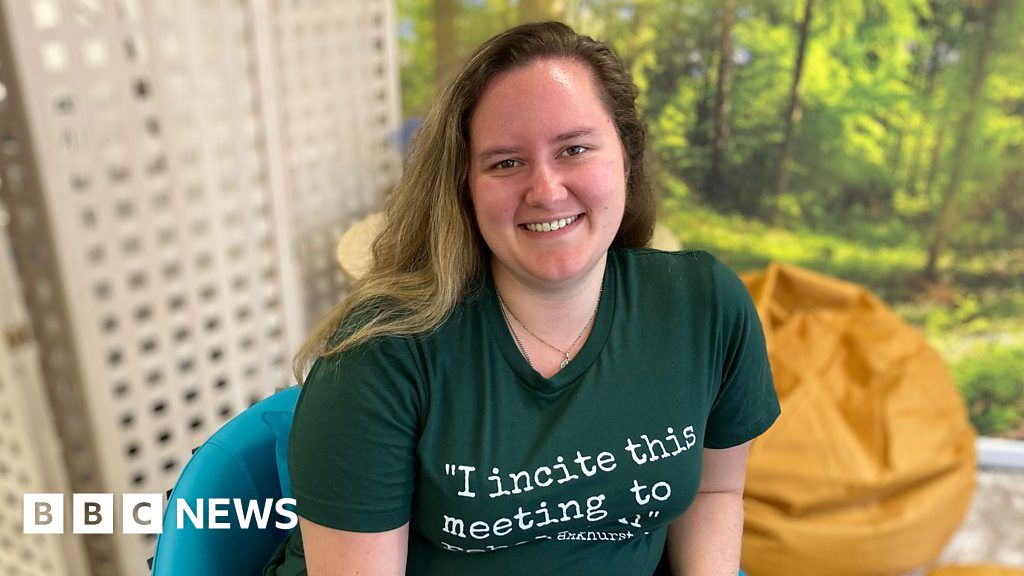
A mother has set up an autism and ADHD clinic after her daughter didn’t meet the criteria on the NHS.Jane Lambert, who is a nurse, wanted to help other families by creating a team of specialists to diagnose and treat the conditions. It is currently private, but she would like it to be a public service.Lucy Bint is the first patient to be diagnosed in Jane’s clinic with ADHD. She is 22 and started to suspect she had the condition while studying her masters in psychology.Lucy was told she would have to wait two years to be diagnosed at her GP. She said: “I feel incredibly lucky that I had another way of getting help. I just feel relieved that there’s some level of understanding.”Video by Gem O’Reilly

Read more →

Delays in contact tracing impeded early COVID-19 containment

Contact tracing programs were deployed around the globe to slow the spread of COVID-19, but these programs could not prevent the multiple waves of transmission and loss of life that have occurred since March 2020. In a new study published in the Proceedings of the National Academy of Sciences, researchers at The University of Texas at Austin found that a five-day delay between identifying a case and isolating contacts was the Achilles’ heel of a contact tracing program in a large U.S. city.
Using a mathematical model to analyze data collected by the program between October 2020 and January 2021, the study concludes that shortening that delay from five days to a single day would prevent 26.6% more infections under certain conditions. The findings can inform cities’ efforts to increase the effectiveness of contact tracing programs, including those intended to mitigate the effects of emerging threats.
The UT COVID-19 Modeling Consortium and Dell Medical School team built a data-driven model of a contact tracing program, using information collected by Dell Med under the authority of Austin Public Health. They simulated a large number of strategies for increasing the program’s efficacy, including detecting a greater fraction of symptomatic cases, successfully tracing more contacts, and reducing the time taken to isolate a contact. All three of these levers can significantly slow the spread of COVID-19, but the feasibility of each strategy will depend on the availability of tests, contact tracing personnel, isolation facilities, and other key resources.
The bottom line: In a surging pandemic with a highly infectious virus, every day counts. In Austin, the researchers estimated that the time taken to isolate a contact was three days longer in the general community than in the university community. Reducing the number of days to isolation from five to two translates to about a 40% reduction in new infections.
“The challenge with COVID is that people can spread the virus before they have symptoms. So, the sooner we isolate contacts who may be infected, the better,” said Darlene Bhavnani, an assistant professor of population health at Dell Medical School and collaborator with the consortium. “Preventing a single infection not only protects an individual but breaks the possible chain of transmission.”
“Many COVID-19 contact tracing programs in the U.S. did not have the resources they needed to prevent the worst of the pandemic,” said Lauren Ancel Meyers, director of the consortium and a professor of integrative biology and statistics and data sciences at UT. “The answer is not to disband them but to bolster them. Looking ahead to COVID-19 and future pandemic threats, our study suggests that we should invest in technologies and strategies that increase the speed and success of tracing contacts.”
Contact tracing programs not only slow spread, but also collect valuable information about the virus and disseminate critical health information throughout the community, Bhavnani said. “That nudge from the tracer to get tested, even if asymptomatic, as well as information about where and when to get tested, can save lives.”
“Although PCR tests take only a few hours, delays in specimen submission, processing, recording and communication led to several delays,” said Xutong Wang, the study’s lead author and an alumna of the Meyers Lab and UT consortium.
“Having interoperable and integrated electronic health records and public health surveillance systems could facilitate the rapid reporting of test results,” Bhavnani said. “Monkeypox is yet another example of a virus where rapid testing, case notification and contact tracing may be critical to containment.”
Other authors are Zhanwei Du, previously of Meyers Lab and now with The University of Hong Kong, Emily James of Dell Med, Spencer J. Fox of Meyers Lab and Michael Lachmann of Santa Fe Institute. Meyers is the Cooley Centennial Professor of Integrative Biology and Statistics and Data Sciences at UT.
This research was supported by the National Institutes of Health and the Centers for Disease Control and Prevention. Bhavnani’s effort on this project was also supported by core funds of Dell Med.
Story Source:
Materials provided by University of Texas at Austin. Note: Content may be edited for style and length.

Read more →

Low school test scores linked to racial segregation and lead exposure in North Carolina

Black children who have been exposed to the metal lead have lower test scores than their peers, and this effect is exacerbated for those who live in racially segregated neighborhoods, according to research led by a Duke environmental epidemiologist.
The findings appear the week of August 8 in the Proceedings of the National Academy of Sciences.
The researchers linked birth data, blood lead levels and fourth grade end-of-grade test scores for more than 25,000 children living in North Carolina to investigate how childhood lead exposure and neighborhood racial residential segregation affect early childhood educational outcomes.
“Our study concluded that it’s not just about where lead exposure is highest — that’s just one piece of the puzzle,” said Mercedes A. Bravo, PhD, assistant research professor at the Duke Global Health Institute and first author on the paper.
“Black children are more likely to be exposed to lead and are also more likely to live in racially segregated, predominantly Black neighborhoods,” Bravo said. “When these two exposures co-occur, children had worse than expected scores.”
Understanding how structural racism and environmental contamination, such as lead exposure, can combine to affect children’s health and development can help researchers, community stakeholders and public health departments identify and target the most vulnerable individuals and communities, Bravo explained.

Read more →

Scientists uncover a new role for blood-brain barrier in neuron function and damage

While the role of the blood-brain barrier has long been appreciated for its ability to maintain precise control over what molecules can enter the nervous system, very little is known about how the cells that form the barrier influence the function of the nervous system. “What we know currently about the blood-brain barrier is mostly that we don’t know much beyond the basics,” says Buck Institute professor Pejmun Haghighi, PhD, who has uncovered a new role for these cells.
Haghighi is the senior author of a study publishing in the August 19, 2022 issue of the Proceedings of the National Academy of Sciences (PNAS) that offers for the first time evidence, in fruit flies, that signals originating in the cells of the barrier also play a direct role in controlling what happens in the nerve cells the barrier is protecting.
The breakdown of the blood-brain barrier accompanies many neurological conditions, including epilepsy and multiple sclerosis, and neurodegenerative diseases of aging, such as Alzheimer’s disease and Parkinson’s disease. “We are finding that the barrier is not just a protective check but also a source of regulation,” Haghighi says. “It can cause problems rather than simply being a byproduct of neurodegeneration. We are learning now that there is definitely a two-way street.”
The finding introduces a new conceptual approach to looking for therapies that could counter damage caused by neurodegenerative diseases, and devising strategies to get drugs past the blood-brain barrier to target sites in the brain.
Haghighi explains his team’s findings as such: Imagine that there is a gatekeeper at a door that checks IDs and ensures that anyone entering is supposed to be there, and also checks the ID of those who entered through a back door and kicks out anyone not supposed to be there. That is the job of the blood-brain barrier.
Now imagine that beyond just being a security check, the gatekeeper also gives out directions about where to go and what to do. The second function is what Haghighi’s team revealed.

Read more →