Among Seniors, a Declining Interest in Boosters
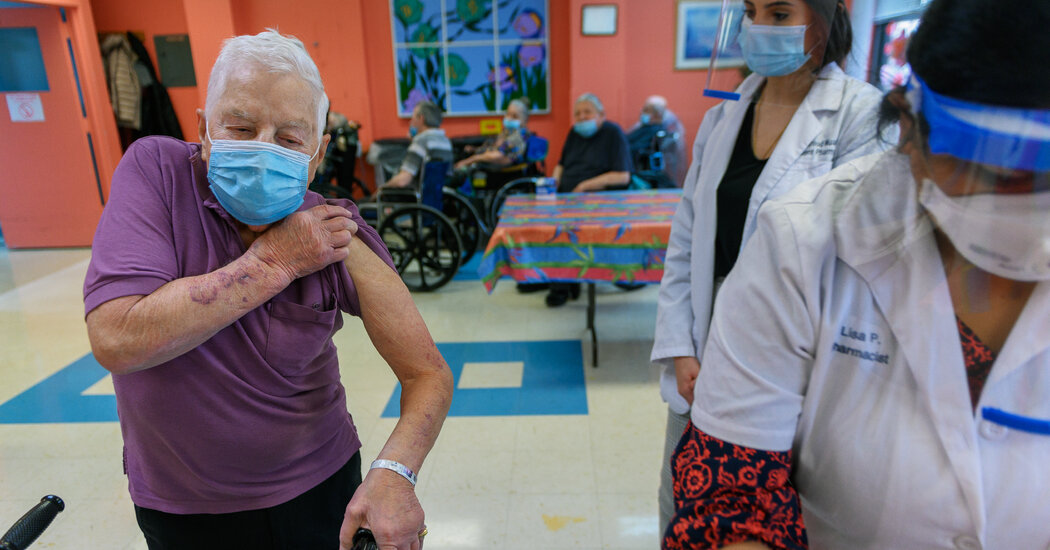
Americans over 65 remain the demographic most likely to have received the original series of vaccinations. But fewer are getting the follow-up shots, surveys indicate.Linda Brantman, a retired membership salesperson at a health club in Chicago, was paying attention last month when the Centers for Disease Control and Prevention recommended the new bivalent booster that protects against two variants of Covid-19. She went online and reserved an appointment at a Walgreens near her home.Ms. Brantman, 65, who was already vaccinated and boosted twice, has grappled with asthma on and off for years; she keeps an inhaler handy, even for an ordinary cold. If she were sick with Covid, she said, “I would definitely have breathing problems.” Within two weeks of the C.D.C. announcement, she had received the latest booster — and public health officials hope all Americans over 5 will also roll up their sleeves again.But many older Americans have responded more like Alan Turner, 65, who lives in New Castle, Del. and recently retired from an industrial design firm. He received the initial two doses of the vaccine but stopped updating his immunity after the first recommended booster. “I’ve become such a hermit,” he said. “I have virtually no contact with people, so I haven’t gotten around to it. I don’t see any particular need. I’m biding my time.”Although Americans over 65 remain the demographic most likely to have received the original series of vaccinations, at 92 percent, their interest in keeping their vaccinations up-to-date is steadily declining, data from the C.D.C. shows. To date, about 71 percent have received the first recommended booster, but only about 44 percent have received the second.Younger people have also been less likely to receive boosters than the original vaccinations, and only about one-third of people of all ages have received any booster, The New York Times vaccine tracker indicates. But seniors, who constitute 16 percent of the population, are more vulnerable to the virus’s effects, accounting for three-quarters of the nation’s 1.1 million deaths.“From the beginning, older people have felt the virus was more of a threat to their safety and health and have been among the earliest adopters of the vaccine and the first round of boosters,” said Mollyann Brodie, the executive director of public opinion at Kaiser Family Foundation, which has been tracking vaccination rates and attitudes.Now Kaiser’s most recent vaccine monitor survey, published last month, has found that only 8 percent of seniors said they had received the updated bivalent booster, and 37 percent said they intended to “as soon as possible.” As a group, older adults were better informed than younger respondents, but almost 40 percent said they had heard little or nothing about the updated bivalent vaccine, and many were unsure whether the C.D.C. had recommended it for them.(Currently the C.D.C. recommends that individuals over age 5 receive the bivalent vaccine, which is effective against the original strain of Covid-19 and the Omicron variant, if two months have passed since their most recent vaccination or booster.)“The messaging on boosters has been very muddled,” said Anne N. Sosin, a public health researcher at the Rockefeller Center for Public Policy and the Social Sciences at Dartmouth College. Partly as a result, she added, “older people are entering the winter with less protection than at earlier points in the pandemic.”Ms. Sosin and other experts noted that older Americans have several reasons to be on guard. Their immunity from previous vaccinations and boosters may have waned; mitigation policies like mandatory masking and vaccination have largely disappeared; and public testing and vaccination sites have shut down.Read More on the Coronavirus PandemicUpdated Boosters for Kids: The Food and Drug Administration broadened access to updated Covid booster shots to include children as young as 5.Long Covid: A study of tens of thousands of people in Scotland found that one in 20 who had been sick with Covid reported not recovering at all, and another four in 10 said they had not fully recovered many months later.A Persistent Variant: Ten months have passed since Omicron’s debut. Since then it has displayed a remarkable capacity to evolve new tricks.‘Anti-Vax’ Capital No More: Vaccine skeptics once found a home in Marin County, Calif. Now, the pandemic has made them unwelcome, as Covid vaccine rates soar there.Early on, Ms. Sosin said, many older adults changed their behavior by staying at home or masking and testing when they went out. Now they face greater exposure because “they’ve resumed their prepandemic activities.”“Many are no longer concerned about Covid,” she said.Public opinion polls bear that out. Older adults may also reason that improved treatments for Covid infections make the virus less dangerous.Eileen Nagle, 81, receiving the new bivalent Omicron booster shot at the Hebrew Home at Riverdale nursing home, in Riverdale, N.Y., in September.Andrew Seng for The New York TimesYet deaths in this age group doubled from April to July, exceeding 11,000 in both July and August, largely because of the increased transmissibility of the Omicron variant. Deaths began dipping again last month.For older people, the danger of Covid is “reduced, but it’s not gone,” said William Schaffner, an infectious disease specialist at Vanderbilt University Medical Center. “You can’t forget it. You can’t put it in the rearview mirror.”Two factors make older people more vulnerable to the virus. “Their immune systems become weaker with advancing age,” Dr. Schaffner said. “And they accumulate underlying conditions,” including heart and lung disease, smoking histories, diabetes and obesity, that increase their risks.“Should you become infected, you’re at risk for a more serious outcome,” he said. “All the more reason to protect yourself as best you can.”Studies have shown that vaccination and boosters protect against serious illness, hospitalization and death, although that immunity ebbs over time. “The data are rock-solid,” Dr. Schaffner said.The Department of Health and Human Services estimated this month that among seniors and other Medicare beneficiaries, vaccination and boosters resulted in 650,000 fewer hospitalizations for Covid and had saved 300,000 lives in 2021.But even in nursing homes, where the early months of the pandemic had a devastating toll, the booster uptake “has been very stagnant,” said Priya Chidambaram, a senior policy analyst at Kaiser Family Foundation and co-author of a survey published this month.As of September, an average of 74 percent of nursing home residents had received one or more boosters, but that figure ranged from 59 percent in Arizona to 92 percent in Vermont. Rates were far lower among nursing home staff; nationally, only about half had received a booster, and in Missouri, Alabama and Mississippi, only one-third had.A federal mandate requiring nursing home staff members to be vaccinated remains in place, but it does not include boosters. A federal on-site vaccination campaign for residents that relied on CVS and Walgreens bringing vaccines to nursing homes was effective but has not been repeated for boosters.“That push sort of died down,” Ms. Chidambaram said. “The federal government took its foot off the pedal.”Some older adults who do not live in nursing homes may be homebound or have difficulty traveling to pharmacies. But their sense of urgency also appears to have diminished. “Most older people were vaccinated,” Ms. Sosin said. “They weren’t hesitant or opposed.” But when it comes to boosters, she said, “they’re not very motivated and they haven’t been given a reason to be. There’s more a sense of, ‘Why bother?’”A number of public health experts are now urging a full-scale crusade — including mass-media campaigns; social media and digital communication; pop-up and drive-through sites; mobile vans; and home visits — to raise the vaccination rate among seniors, and everyone else, before a possible winter surge of the virus.“We have never seen an all-hands-on-deck approach to booster delivery,” Ms. Sosin said. “We should be flooding people with information, to the point where it gets irritating.”The Biden administration’s fall Covid plan, announced early last month, has incorporated many of these ideas. But Dr. Schaffner argued that it did not spell out details or take a sufficiently aggressive approach for nursing homes.Ms. Sosin was similarly skeptical. “I’m not seeing the elements in the plan materialize,” she said. “They’re not reflected in the numbers we’re seeing,” she said in reference to the number of people getting boosters.Individuals can play a role in this effort. Kaiser surveys have found that doctors and other health care professionals are trusted sources of information, and the older population is in frequent contact with them.“If more providers recognized that four in 10 older adults don’t realize there’s a new booster and they should get it, that’s a lot of opportunity to make an impact,” Dr. Brodie said.Family members, friends, co-workers and neighbors also influence health decisions and behavior, and Kaiser studies show that they can help increase vaccination rates.For those on the fence, Dr. Brodie said, “asking or reminding your parent or grandparent about the new booster can make quite a difference.”

Read more →


Lab Manipulations of Covid Virus Fall Under Murky Government Rules

Scientists at Boston University came under fire this week for an experiment in which they tinkered with the Covid virus. Breathless headlines claimed they had created a deadly new strain, and the National Institutes of Health rebuked the university for not seeking the government’s permission.As it turned out, the experiments, performed on mice, were not what the inflammatory media coverage suggested. The manipulated virus strain was actually less lethal than the original.But the uproar highlighted shortcomings in how the U.S. government regulates research on pathogens that pose a risk, however small, of setting off a pandemic. It revealed loopholes that allow experiments to go unnoticed, a lack of transparency about how the risk of experiments is judged and a seemingly haphazard pattern in the federal government’s oversight policy, known as the P3CO framework.Even as the government publicly reprimanded Boston University, it raised no red flags publicly about several other experiments it funded in which researchers manipulated coronaviruses in similar ways. One of them was carried out by the government’s own scientists.The Boston episode “certainly tells us the P3CO framework needs to be overhauled pretty dramatically,” said Angela Rasmussen, a virologist at the Vaccine and Infectious Disease Organization at the University of Saskatchewan in Canada. “The whole process is kind of a black box that makes it really difficult for researchers.”The N.I.H. said that every study it considers for funding is vetted for safety concerns by agency experts, who decide whether to escalate it to a higher-level dangerous pathogen committee.Some experiments, though, either because they are conceived later on or because they do not rely directly on federal funds, end up falling outside the scope of that process, leading to confusion, biosafety experts said. And the rules could be overhauled soon. After months of meetings, a committee of government advisers is expected to deliver updated recommendations for such research by December or January, the agency said.Evolving RulesThe government’s policy for such experiments is the Potential Pandemic Pathogen Care and Oversight, or P3CO framework. It was established five years ago in response to a set of contentious experiments in which researchers set out to transform an influenza virus that infected birds into one that could infect mammals.Under the policy, the N.I.H. and other agencies are supposed to flag grant applications for experiments that could potentially produce a new pandemic. Risky research may not be funded or may require extra safety measures.Critics of P3CO have complained that this evaluation happens largely in secret and ignores projects that aren’t funded by the U.S. government. In January of 2020, the government’s advisory panel, the National Science Advisory Board for Biosecurity, held a public meeting to discuss reforms. But subsequent meetings were canceled, ironically enough, because of Covid’s arrival.In the months that followed, Republican politicians attacked the N.I.H. for supporting past research on coronaviruses at the Wuhan Institute of Virology, suggesting that a lab leak there might have been responsible for the pandemic. (In July, Dr. Rasmussen and other scientists published studies pointing instead to a market in Wuhan as the origin.)Security personnel in February outside the Wuhan Institute of Virology in China during the visit by the World Health Organization team tasked with investigating the origins of Covid.Thomas Peter/ReutersUnder this growing scrutiny, the N.I.H.’s advisory board met in February, worked on new recommendations over the summer and released a draft last month. It proposed expanding the scope of pathogens that can prompt a review beyond those that have a high fatality rate. Unlike smallpox or Ebola, Covid has a low fatality rate but is so contagious that it still wreaked global devastation.In its ongoing discussions, the board has also considered the risk posed by computer software, such as programs that could figure out how to make a pathogen spread faster.Read More on the Coronavirus PandemicUpdated Boosters for Kids: The Food and Drug Administration broadened access to updated Covid booster shots to include children as young as 5.Long Covid: A study of tens of thousands of people in Scotland found that one in 20 who had been sick with Covid reported not recovering at all, and another four in 10 said they had not fully recovered many months later.A Persistent Variant: Ten months have passed since Omicron’s debut. Since then it has displayed a remarkable capacity to evolve new tricks.‘Anti-Vax’ Capital No More: Vaccine skeptics once found a home in Marin County, Calif. Now, the pandemic has made them unwelcome, as Covid vaccine rates soar there.Researchers had mixed reactions to the new guidelines.“The first draft makes some important advances and leaves a lot of things unaddressed,” said Marc Lipsitch, an epidemiologist at the Harvard T.H. Chan School of Public Health who has been pushing for tighter rules since the bird flu experiments more than a decade ago.In comments submitted to the advisory board last month, Dr. Lipsitch and his colleagues said that proposed experiments must be justified by real, practical benefits rather than unsupported claims.Other scientists, while welcoming clearer guidance, worried about onerous regulations that would bog down commonplace and innocuous experiments.“Tell us what paperwork we need to fill out so we can do our jobs, which is to help the public respond to these types of things when they come at us,” said Robert F. Garry, Jr., a virologist at Tulane University.Boston ExperimentsThe ambiguity of the government’s policy was laid bare this week when the news hit about the experiments at Boston University.Mohsan Saeed, a virologist at the school, and his colleagues posted a report online aiming to understand the differences between Omicron and other variants. The researchers made a new virus that was identical to the original version but carried an Omicron spike. They then put the modified virus into a strain of mice that is very sensitive to Covid and widely used to study the disease.Previous research had found that the original strain of Covid killed 100 percent of the mice. The new study found that the modified virus was less deadly, killing 80 percent.Colored scanning electron micrograph of the highly transmissible SARS-CoV-2 Omicron variant.Steve Gschmeissner/Science SourceLast Sunday, a story ran in The Daily Mail with a headline claiming that “scientists have created a new deadly Covid strain with an 80 percent kill rate.” The following day, an N.I.H. official, Emily Erbelding, told the news site Stat that Boston University should have discussed the experiments with the agency ahead of time.But, some researchers pointed out, the federal guidance is vague on what disclosures are required after a research proposal is approved. Science often takes unexpected turns, and officials do not generally apply the guidance to experiments that are conceived after funding has been granted.“The government should be providing the guidance to help people figure this out,” said Gregory Koblentz, a biodefense specialist at George Mason University.In a statement to The New York Times, Boston University said that the experiments were approved by its own safety committee as well as the Boston Public Health Commission.The university also said its scientists were not obligated to notify the N.I.H. because, although they had received government funding for related research, they used university funds to pay for the experiments in question. The agency said it is reviewing the matter.The highly publicized dispute over technical laboratory protocols sent mixed messages to the scientific community and the public, said Syra Madad, an infectious disease epidemiologist at NYC Health and Hospitals.“It seems like an epic communication failure,” said Dr. Madad, who is also on the National Science Advisory Board for Biosecurity. “This is why we’re revisiting the policy — to make sure that it’s clear, it’s transparent, it makes sense and it is operationally feasible.”Dr. Madad and other experts agreed that the proposal for the Boston University experiments should have gone through a more rigorous evaluation. “​​In my opinion, that certainly looks like it meets the criteria for P3CO review,” she said.But even if the study had gone through that process, some scientists said, it would have likely been given the green light.Boston University said that the experiments were approved by its own safety committee as well as the Boston Public Health Commission.Cydney Scott for Boston UniversityJesse Bloom, a virologist at the Fred Hutchinson Cancer Research Center, noted that the coronavirus is already rampant among humans and has evolved far beyond the variants used in the experiment. The hybrid lab virus would be unlikely to cause a serious threat if it escaped.“I understand why it worries people because you are making a virus for which you can’t totally predict the properties,” Dr. Bloom said. “But this does not seem to me to be a particularly high risk.”Similar StudiesThe N.I.H.’s stern public statements about Boston University’s research raised questions about the way it and other health agencies had assessed such experiments in the past. Last month, scientists with the Food and Drug Administration published a study in which they, like the Boston team, injected mice with coronaviruses engineered to carry an Omicron spike.The F.D.A. is required to follow the P3CO rules. But the agency said in a statement that the hybrid virus created as part of its study did not amount to “a new version of the virus.” The study did not fall under the dangerous pathogen guidelines, the statement said, because “we set out to understand how the virus works, not identify new ways to make it more potent.”Some independent experts said the agency’s rationale did not explain why the study passed muster: An experiment cannot bypass the approval process simply because the researchers did not intend to make a more dangerous virus.“If it’s research that could be anticipated to possibly result in the enhancement of a potential pandemic pathogen — a more transmissible and/or virulent strain than exists in nature — it needs to be reviewed. Period,” Dr. Tom Inglesby, the director of the Johns Hopkins Center for Health Security at the Bloomberg School of Public Health, said in an email.The F.D.A. researchers are not the only American scientists to tinker with coronaviruses in this manner. At the University of Texas Medical Branch in Galveston, scientists have relied partly on federal funding for studies on whether vaccines generate protection against coronaviruses altered to carry Omicron spikes.Those techniques can save scientists months of waiting for samples of Omicron viruses from human patients, allowing them to study the dangers of new variants and anticipate the need for booster shots. Outside experts said the Texas experiments were even less risky than the Boston study because they generally infected cells, not live animals, with the viruses.While proposals from the Texas team would have been reviewed by the N.I.H., they were not escalated to the dangerous pathogen committee. The agency did not say why. (Since 2017, only three studies that the N.I.H. proposed to fund were reviewed by that committee, it has said.)“There is really no one in charge of scanning the medical literature, and it can be random events that bring these particular experiments to public attention,” Dr. Inglesby said. “And it shouldn’t be that way.”Others raised a different problem: Research that isn’t funded by the government does not have to follow the government’s rules.“I think that ultimately we would all agree that publishing a policy that would be broadly applicable would be ideal,” said Karmella Haynes, a biomedical engineer at Emory University and a member of the National Science Advisory Board for Biosecurity. “Now how to actually enforce that, I think, is beyond our charge.”One possibility might be to come up with a policy modeled on the Federal Select Agent Program, which requires anyone seeking to work with certain dangerous substances, such as anthrax, to register with the government.“Any recommendation that does not include codifying the requirements in regulations with the force of law will not add up to anything,” said Richard Ebright, a molecular biologist at Rutgers University.Federal officials, he added, may be under pressure to strengthen oversight next year if Republican proponents of a crackdown win power in the midterm elections in November.On the other hand, a politically fractious debate could put better regulations even further out of reach, some said.“I worry about inhibiting our ability to understand these viruses that have killed millions of people,” said Gigi Gronvall, a biosafety specialist at the Johns Hopkins Bloomberg School of Public Health.

Read more →

NLCS: How the Phillies Decided to Travel Home Early

Despite a recommendation to stay the night in San Diego on Wednesday, Philadelphia’s road-weary players elected to get home as quickly as possible. So far, so good.PHILADELPHIA — Less science, more Schwarber.That’s not a guaranteed prescription for success, but it appears to be one route Philadelphia can take to earn its eighth National League pennant.When Manager Rob Thomson said before the team left San Diego last week that “the science tells you you should stay over” but the road-weary Phillies players decided they would prefer to fly home following Wednesday afternoon’s Game 2 rather than sleeping another night in Southern California, it was not a casual reference.The Phillies are one of five big-league clubs who consult with Dr. Chris Winter, a neurologist and sleep expert who has worked with Major League Baseball since 2006. The San Francisco Giants used his advice to tweak their October travel while winning three World Series rings during a five-year span from 2010-2014.Current clubs that use Winter’s expertise include both teams in this National League Championship Series, the Phillies and the Padres. The others are the Los Angeles Dodgers, the Cleveland Guardians and the Boston Red Sox.The “sleep science” to which Thomson was referring advised the Phillies that, based on travel direction and game timing, the smartest play was to stay put following Wednesday’s game.But because the team had been on the road for 22 of 24 days, once the players learned they were playing Wednesday afternoon instead of that night, the veterans talked and Bryce Harper reached out to Dave Dombrowski, the club’s president of baseball operations, and lobbied to get home earlier.“That’s what studies tell you, and I understand it,” Dombrowski said of the sleep science. “But I think sometimes you just have to go with what you think is best with your ball club in that regard.”He noted that the Padres were also traveling after Wednesday’s game so there would be no advantage either way.With the Phillies having traveled home from San Diego on Wednesday, Ranger Suárez, who started Game 3, was able to work out on Thursday afternoon in Philadelphia.Matt Rourke/Associated Press“Our guys have been away so long that I think the drive to get home and be there” is understandable, said Dombrowski, who noted that he also spoke with player representative Rhys Hoskins.Kyle Schwarber punctuated the homecoming Friday night by smashing a leadoff home run in the bottom of the first inning. His second homer in three games energized both his team and the sellout crowd of 45,279 at Citizens Bank Park.It came after the team landed in Philadelphia around 4 a.m. Thursday and Schwarber grabbed some sleep, went to the park for treatment and then enjoyed a nice, restful dinner.“We’ve been on the road for awhile,” Schwarber said. “But I think if you told us that we would be in this position, we would be happy to be on the road for that long.”Building itineraries, especially in October, is about far more than comfortable charter flights and top-shelf food. Especially when so many things remain unknown until the last minute and players and staff must adjust as circumstances change.The Phillies this autumn have had their share of fluidity. They had planned to fly home following an afternoon division series game at Atlanta on Oct. 12. But during a three-hour rain delay, Dombrowski met with the players and they decided to reverse course, stay in Atlanta that evening and fly the next day instead.The difference between that night and last week in San Diego, outfielder Nick Castellanos said, was geography and the length of the flight.With their team having been on the road for 22 of the previous 24 days, Phillies fans were in a frenzy during Game 3.Elsa/Getty Images“The positions we’re in during that six hours from San Diego, it’s much more restricted and confined” physically, Castellanos said. “Usually, after six hours of being in high altitude like that, there’s an adjustment period your body needs to take to loosen up again. I feel like, for me, from a performance standpoint, I like being able to get in and have a day to at least stretch and get acclimated and basically wash off that cross country flight on a regular charter airplane.”In a telephone interview during Game 3, Winter said that whatever his expert advice, he certainly understands a team being on the road as frequently in recent weeks as the Phillies wanting to get home. And despite the science, he said, that can be beneficial, too.“This is where players have taught me over the years about not sleeping in your own bed,” said Winter, who is based in Charlottesville, Va., and hosts a podcast called “Sleep Unplugged.” “Some 5-foot-8 sleep doctor can say one thing, but a player’s belief plays into it a lot. To me, the science is one of the metrics an organization can use, like ‘do we go with a guy who is a left-hander or right-hander?’”“It’s one piece of information that smart managers and G.M.s are able to manage with lots of data, and then they make the call.”A complicating — but welcome — factor in October is that the traveling party also includes the players’ families. The Phillies are using two charter planes, one for the team, and one for front office personnel and families.Asked what the most difficult part of packing has been, pitcher Kyle Gibson said, “That’s probably a better question for the wives and moms with kids. We were on an 18-day trip and I barely had more than one suitcase. But for the moms, they have to pack air mattresses, warm clothes, cold clothes. I would say the change of weather is probably the biggest thing. For me, I’m pretty basic. Give me some jeans a couple of shirts to wear to the field and I’m good.”In Philadelphia on Friday, Gibson said it felt as if the team hadn’t seen its home in forever.“Shoot, the house smelled a little like it had been closed up for three weeks,” he said. “Being there, it’s a welcoming sight for sure. We know that the fans are going to be fired up, we know we’ve been playing real good baseball and they recognize that. And we know it’s going to be an exciting atmosphere.”Time together traveling, of course, can act as a bonding agent.Players like Jean Segura and Bryson Stott are together for 12 to 14 hours a day during the season. “That’s where that chemistry that’s talked about is built,” said Rhys Hoskins.Denis Poroy/Getty Images“Twenty straight days on the road and just home for what felt like a blink and right back on the road,” Hoskins said. “Yeah, we’re around each other for 14 hours a day — 12, 14 hours a day for seven months straight. And then you couple that and kind of take a lot of the families out when we go on the road, we have to spend time with each other.“But that’s a good thing. That’s where that chemistry that’s talked about is built. That’s where trust is built. When you can trust the guy next to you on the field or behind you in a lineup, it makes the downs last a little shorter and the highs last a little longer. But there’s nothing like playing at home.”Clearly, planes, buses and hotels have not slowed the Phillies down. And who knows, the extra round of wild-card playoffs might make extended trips a thing. When Tampa Bay opened at Cleveland two weeks ago, the Rays had finished their season on a nine-game trip before visiting the Guardians.When someone asked Terry Francona whether he thought that would give his team an advantage, he didn’t hesitate.“If they’re out of underwear, yeah,” Francona said. “Nobody wants to be out of underwear.”The Phillies understand.“That and socks,” Schwarber said.

Read more →

Beryl Benacerraf, 73, Dies; Pioneered the Use of Prenatal Ultrasound

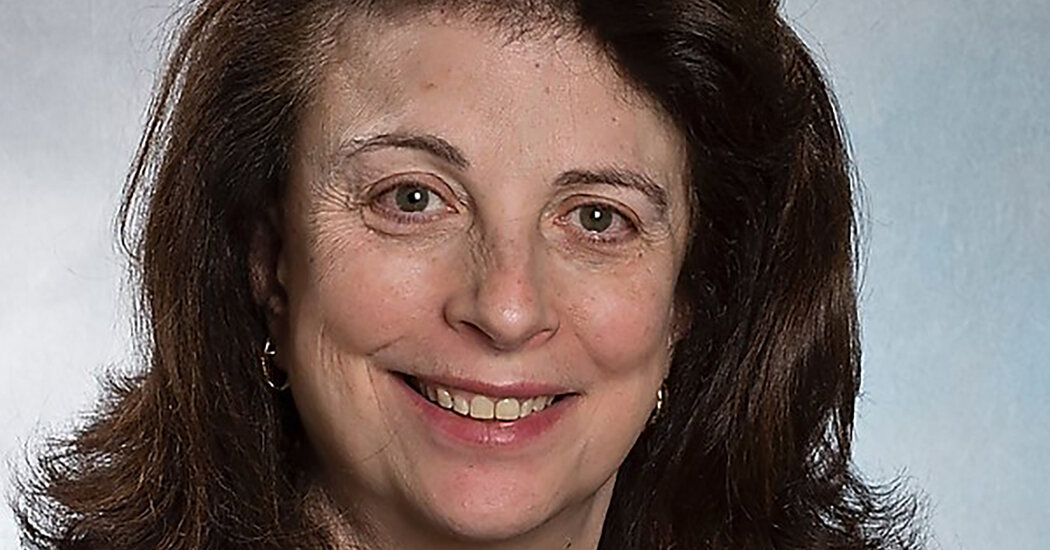
A radiologist with an uncanny visual sense, she revolutionized the diagnosis of fetal abnormalities like Down syndrome.Dr. Beryl Benacerraf, a radiologist with an uncanny visual sense who revolutionized the diagnosis of fetal abnormalities like Down syndrome through the use of ultrasound technology, died on Oct. 1 at her home in Cambridge, Mass. She was 73.Her son, Oliver Libby, said the cause was cancer.Dr. Benacerraf — who was a professor of obstetrics, gynecology and reproductive biology and radiology at Harvard Medical School and Brigham and Women’s Hospital in Boston in addition to having a private practice — had struggled academically when she was young because of what she eventually determined was undiagnosed dyslexia.Her later success in using ultrasound images to detect congenital anomalies and gynecological disorders, she said, was tied to “the flip side of that whole problem.”“Pictures just speak to me,” she said in an interview for an oral history project for Barnard College, her alma mater. “I can look at a picture and I can see the pattern. I can see things that nobody else can see.”Perhaps the most notable product of that ability was her discovery that a thickening of a patch of skin at the back of a fetus’s neck, known as the nuchal fold, was associated with Down syndrome and other chromosomal disorders.Before Dr. Benacerraf conducted her research, screening for such defects was generally limited to women 35 and older, those thought to be at greatest risk, and conducted by amniocentesis, an invasive procedure that in a small number of cases can cause miscarriage or other harm.Her first papers suggesting ultrasound’s potential for offering an effective, less invasive form of fetal screening — available to women of any age — were published in 1985. They were not warmly received.“I was almost booed off the stage at several national meetings, and papers emerged discrediting my research and me,” Dr. Benacerraf said in an interview with the American Journal of Obstetrics & Gynecology published last year. “I was devastated, but that much more determined to prevail because I knew I was right.”Her determination was vindicated: As ultrasound became a routine part of prenatal care, so did measuring the thickness of the nuchal fold. The screening, which is now typically augmented by blood tests, was based on her research.An ultrasound showing a thickened nuchal fold — a sign, Dr. Benacerraf discovered, of potential chromosomal disorders like Down syndrome.Brigham and Women’s HospitalBeryl Rica Benacerraf (pronounced buh-NASS-uh-raff) was born in Manhattan on April 29, 1949. Her father, Dr. Baruj Benacerraf, a Venezuelan-born immunologist, later shared the 1980 Nobel Prize in Physiology or Medicine for findings related to genetics.Her mother, Annette (Dreyfus) Benacerraf, a homemaker, belonged to a prominent French Jewish family that included the army captain at the center of the contentious episode known as the Dreyfus affair. Annette Benacerraf’s uncle Jacques Monod also shared a Nobel Prize in Physiology or Medicine, in 1965.The Benacerraf home in Manhattan was a “French oasis,” Dr. Benacerraf said in the 2021 interview. She was often asked to play the flute at dinner parties where the guests included classical music luminaries and scientists like Francis Crick, the British biologist who helped decipher the DNA molecule’s double-helix structure.Beryl, an only child, attended the private all-girls Brearley School in Manhattan but, she said, struggled because of her dyslexia. In an effort to cope with it, she adopted a method of completing assignments as soon as she got them — a practice she would employ throughout her life.“This habit keeps me organized and prevents me from taking on more tasks than what I know I can do,” she said.Despite poor grades, she was accepted at Barnard, her mother’s alma mater. She excelled academically and worked at the Columbia University radio station, WKCR, overseeing classical music programming and anchoring news reports.In an effort to overcome her dyslexia, she took the popular Evelyn Wood speed reading course, twice, to no avail. (She cashed in on the money-back guarantee both times.)After graduating in 1971, she traveled to Italy, unsure of a career path. While living there, she decided to become a doctor and took the Medical College Admission Test. Her predictably poor score became moot when the results were lost.She was accepted at the Columbia University College of Physicians and Surgeons, which at the time did not require the test. Her father’s stature helped ease her entry there, as well as her subsequent transfer to Harvard Medical School, but his admonitions loomed over her.“My father once told me that ‘whatever you end up doing, if you’re not the best in the world there’s no point in doing it,’” she said in the Barnard interview. “So I grew up with that kind of background.”Her dyslexia, she found, did not hamper her medical studies.“You can get through medical school by going to all the classes, by listening, by watching,” she said. “The books have a lot of graphs and images and charts.”In 1975, she met Peter Libby, a fellow Harvard medical student. They were married that year. When she graduated in 1976, she planned to become a surgeon and was accepted for an internship at Brigham and Women’s. But she found the field unwelcoming to women and decide to change course.Considering her options, she recalled what a senior radiologist had told her during a medical school rotation: that even from the back of a room, she could spot an abnormality in an image. “You have a gift that I’ve never seen before,” he told her.She completed a radiology residency at Massachusetts General Hospital, followed by a fellowship at Brigham and Women’s in ultrasound, which was then still a rudimentary discipline. She chose that field because she wanted to have children and did not want to be exposed to radiation.After completing her fellowship and giving birth to a son and a daughter precisely a year apart, Dr. Benacerraf was unable to get a hospital job in Boston and opened her own practice there, Diagnostic Ultrasound Associates, in 1982.In addition to her son and her husband, a cardiologist and a professor of cardiovascular medicine at Harvard Medical School, Dr. Benacerraf is survived by her daughter, Brigitte Benacerraf Libby, and three grandchildren.For 10 years after opening her practice, Dr. Benacerraf said in the oral history interview, she was effectively the only doctor in the Boston area who specialized in prenatal ultrasound. As a result, her practice grew quickly, as patients from around New England and beyond sought her out.During this period she arrived at her finding relating to the nuchal fold, as well as discoveries about, among other things, the development of fetal hearing. In recent years she shifted her focus to gynecological imaging and conditions like endometriosis, pelvic pain and ovarian cancer.In the course of her four-decade career, Dr. Benacerraf saw tens of thousands of patients while publishing hundreds of journal articles and several books. She also trained legions of doctors. One of them, Dr. Laura E. Riley, the chair of obstetrics and gynecology at Weill Cornell Medicine in New York, described Dr. Benacerraf in an interview as “incredibly brilliant” and “a great teacher.”She also called Dr. Benacerraf a “trailblazer” in using ultrasound in the service of women’s reproductive health — in most instances to reassure expectant mothers.“Her diagnostic ability,” Dr. Riley added, “was second to none.”

Read more →

Why late-night eating leads to weight gain, diabetes

Northwestern Medicine scientists have uncovered the mechanism behind why eating late at night is linked to weight gain and diabetes.
The connection between eating time, sleep and obesity is well-known but poorly understood, with research showing that over-nutrition can disrupt circadian rhythms and change fat tissue.
New Northwestern research has shown for the first time that energy release may be the molecular mechanism through which our internal clocks control energy balance. From this understanding, the scientists also found that daytime is the ideal time in the light environment of the Earth’s rotation when it is most optimal to dissipate energy as heat. These findings have broad implications from dieting to sleep loss and the way we feed patients who require long-term nutritional assistance.
The paper, “Time-restricted feeding mitigates obesity through adipocyte thermogenesis,” will be published online today, and in print tomorrow (Oct. 21) in the journal Science.
“It is well known, albeit poorly understood, that insults to the body clock are going to be insults to metabolism,” said corresponding study author Dr. Joseph T. Bass, the Charles F. Kettering Professor of Medicine at Northwestern University Feinberg School of Medicine. He also is a Northwestern Medicine endocrinologist.
“When animals consume Western style cafeteria diets — high fat, high carb — the clock gets scrambled,” Bass said. “The clock is sensitive to the time people eat, especially in fat tissue, and that sensitivity is thrown off by high-fat diets. We still don’t understand why that is, but what we do know is that as animals become obese, they start to eat more when they should be asleep. This research shows why that matters.”
Bass is also director of the Center for Diabetes and Metabolism and the chief of endocrinology in the department of medicine at Feinberg. Chelsea Hepler, a postdoctoral fellow in the Bass Lab, was the first author and did many of the biochemistry and genetics experiments that grounded the team’s hypothesis. Rana Gupta, now at Duke University, was also a key collaborator.

Read more →

A Vermont Town’s Water Official Resigns Amid Fluoridation Confusion

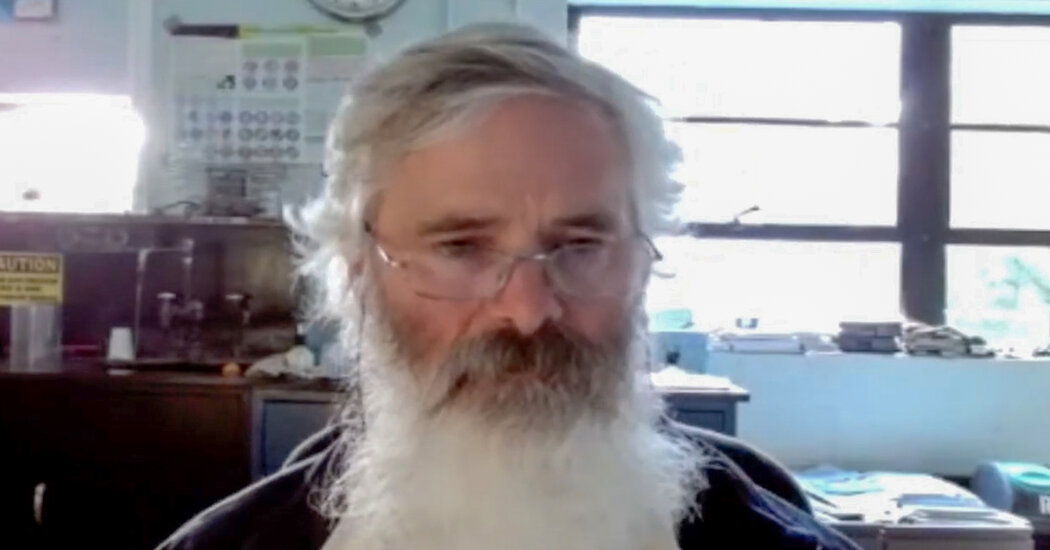
Kendall Chamberlin, the town’s water superintendent for over 30 years, said he had been lowering fluoride levels well below state guidelines for more than a decade.The water superintendent for Richmond, Vt., resigned this week after admitting that he had been lowering the fluoride levels in the town’s water below state guidelines for more than a decade.In a five-page resignation letter dated Oct. 17, the superintendent, Kendall Chamberlin, said he had lowered the fluoride level to 0.3 parts per million. The state recommends a level of 0.7 parts per million to protect residents’ dental health.Josh Arneson, the town manager, said in an email that he was first made aware of the fluoridation issue when the state’s health department reached out to him in June. The department informed him that the town’s water supply, which services 1,000 people, had not reached optimal fluoridation in more than three years. Mr. Arneson then followed up with the agency in September. Mr. Chamberlin — who was the water superintendent for over 30 years — later confessed in his resignation letter that the town’s water had not met the state’s recommended fluoride level since 2011, by his design.At a Richmond Water and Sewer Commission meeting on Sept. 19, Mr. Chamberlin said that he had spoken with some Richmond residents who supported lower fluoride levels. But others were shocked to learn about his actions, which were first reported by the local news outlet Seven Days.“That’s a long-term adjustment that he decided to make without notifying anyone, and you just don’t do that,” Kendra Ramsey, who has lived in Richmond since 2014, told The New York Times.“Virtually all water, including ground, surface and seawater has fluoride,” according to the Vermont Department of Health’s fluoridation guide, “but the level is usually less than the optimal amount to help prevent tooth decay.”Water fluoridation and fluoride dental products such as toothpaste and mouthwash were first introduced in the 1940s, the department’s fluoridation guide says. Despite unsubstantiated conspiracy theories that fluoridation causes health problems, the use of toothpaste and fluoridation are both credited with the decline of tooth decay in the United States, according to the American Academy of Pediatrics.Howard Novak, a dentist in Richmond, said he was “flummoxed” when he heard the news about the town’s water, and expressed concerns that some of his patients might experience tooth decay as a result.“It’s indicative of what one person can do in the proper position,” Dr. Novak said. “One person who pulls the strings can have a significant impact.”While Mr. Chamberlin maintained that he always reported accurate fluoride levels, the health department listed Richmond’s fluoridation at 0.7 parts per million in its most fluoridation guide, published in 2021. Mr. Chamberlin said that had been the department’s error.Richmond’s Water and Sewer Commission voted on Oct. 3 to raise the town’s fluoridation levels to 0.7 parts per million, in accordance with recommendations from the state and from the U.S. Department of Health and Human Services.In his resignation letter, Mr. Chamberlin said he was resigning because he believed that decision “poses unacceptable risks to ‘public health.’” Both in his letter and in meetings, Mr. Chamberlin expressed uneasiness about following the state guidelines.“My biggest concern is that right now, the only fluoride you can get is from China and you have no control over the quality control that happens there,” Mr. Chamberlin said at the Sept. 19 meeting.Tracy Boehmer, a fluoridation engineer at the U.S. Centers for Disease Control and Prevention, said in an email that while sodium fluoride and sodium fluorosilicate are supplied from overseas manufacturers in China and elsewhere in East Asia, all additives used to treat water are subject to testing.Forty-eight states, including Vermont, have laws or regulations that only allow the use of certified fluoride products that have been tested, Ms. Boehmer said.Dr. Novak said he thought that Mr. Chamberlin was a nice guy who was trying to do good in the town, but that he was misguided.“It goes to show the influence that things on the internet can have on the thought processes of people,” he said.At the Water and Sewer Commission meeting on Oct. 3, Mr. Chamberlin apologized and appeared to recognize that he might have acted on bad information.“Words cannot express how sorry I am for causing this controversy,” Mr. Chamberlin said. “Believe me when I say, I have always only had good intentions based on a misunderstanding.”

Read more →

What happens if your circadian rhythms are out of whack?

Scientists discovered an important molecular link between lung tumor growth and disrupted circadian rhythms, according to a new paper co-authored by a University of Rochester Wilmot Cancer Institute investigator and led by the Scripps Research Institute in California.
Circadian rhythms, sometimes called the “biological clock,” is the cellular process that rules sleep-wake cycles. The World Health Organization has proclaimed that disrupted circadian rhythms are a probable carcinogen.
The latest research, published in the high-impact journal Science Advances, describes that when the circadian clock gets off track it implicates a cancer-signature gene known as HSF1 that can trigger lung tumors. Lungs are under tight circadian control and seem to be particularly vulnerable to a disrupted biological clock.
The paper describes in mouse models the role of HSF1 signaling, a previously unknown mechanism that may explain tumor formation in response to rhythm disruption.
The findings also suggest that it may be possible to target HSF1 with drug therapy, to prevent cancer among people with frequently disturbed circadian rhythms.
Although this study was done in mice, other data link circadian disruption to human tumors, said co-author Brian Altman, Ph.D., an assistant professor of Biomedical Genetics at the University of Rochester Medical Center and a Wilmot faculty member.
“Everything points in the same direction,” he said. He noted that in this case, when the circadian clocks in mice are disrupted by inconsistent sleep, for example, the outcomes are highly relevant to people who work night shifts or rotating schedules.
Altman’s chief contribution to the study was to provide expertise on a scientific method to assess how the circadian clock behaves in tissues. The Scripps team reached out to Altman to collaborate after seeing a presentation he gave at a scientific meeting on use of the technique, which was invented in 2018 at Vanderbilt University by Jacob Hughey, Ph.D. Altman and his lab have been focused on circadian rhythms and the connection to cancer for several years.
Lead author of the study is Katja Lamia, Ph.D., associate professor of Molecular Medicine at Scripps. The Scripps news release is here. Funding was provided by the National Science Foundation and the National Institutes of Health.
Story Source:
Materials provided by University of Rochester Medical Center. Original written by Leslie Orr. Note: Content may be edited for style and length.

Read more →

Earlier mammograms for women with family history of breast cancer may not be needed

A new study released in the American Cancer Society journal Cancer reconsiders guidelines for when to start screening with mammograms if a woman has a mother, sister, or daughter who was diagnosed with breast cancer.
Women with a first-degree family relative diagnosed with breast cancer, who are otherwise at average risk, are often advised to get screened 10 years earlier than the relative’s diagnosis age. However, there is little evidence to support the long-standing recommendation.
UC Davis Comprehensive Cancer Center researcher Diana Miglioretti joined Danielle Durham, with the Department of Radiology at University of North Carolina at Chapel Hill, and five other researchers on the study. They analyzed data from the Breast Cancer Surveillance Consortium on screening mammograms conducted from 1996-2016 to evaluate when screenings should begin for women with a family history of breast cancer.
More than 300,000 women were included in the national study. Researchers compared cumulative 5-year breast cancer incidence among women with and without a first-degree family history of breast cancer by relative’s age at diagnosis and screening age.
“The study concluded that a woman with a relative diagnosed at or before age 45 may wish to consider, in consultation with her doctor, initiating screening 5-8 years earlier than their relative’s diagnosis age, rather than a decade earlier. That puts them at a risk that is equal to that of an average-risk woman who is age 50, which is the most recommended age for starting mammograms,” said Durham.
BRCA gene mutation carriers may benefit from starting screenings earlier. Women ages 30-39 with more than one first-degree relative diagnosed with breast cancer may wish to consider genetic counseling.
Increasing the age for initiating screening could reduce the potential harms of starting breast cancer screenings too early. These include increased radiation exposure and false positive results that require women to return to the clinic for diagnostic imaging and possibly invasive procedures, but do not result in a breast cancer diagnosis. The earlier a woman starts receiving mammograms, the more screenings they will undergo over their lifetime — and that increases the chances of experiencing these harms.
“Mammography also may not perform as well in younger women because they are more likely to have dense breasts which increase the difficulty of finding cancer on the images and results in more false-positives,” Miglioretti said.
The other authors on this study include Linn A. Abraham, Kaiser Permanente Washington Health Research Institute; Megan C. Roberts, UNC Eshelman School of Pharmacy; Carly P. Khan, Patient-Centered Outcomes Research Institute; Robert A. Smith, American Cancer Society and Karla Kerlikowske, UCSF Health. Miglioretti is an affiliate investigator with UC Davis Center for Healthcare Policy and Research and Kaiser Permanente Washington Health Research.
The study was supported through funding by the Cancer Prevention Fellowship Program, Division of Cancer Prevention and the National Cancer Institute (NCI) at the National Institutes of Health. Data collection by the Breast Cancer Surveillance Consortium was funded by the NCI (grant numbers P01CA154292, U54CA163303 and PCS-1504-30370).
Story Source:
Materials provided by University of California – Davis Health. Original written by Stephanie Winn. Note: Content may be edited for style and length.

Read more →

Maternal, paternal exercise in mice affects metabolic health in offspring

A mouse study by Kristin Stanford, a physiology and cell biology researcher with The Ohio State University College of Medicine at the Wexner Medical Center, provides new ways to determine how maternal and paternal exercise improve metabolic health of offspring.
Laurie Goodyear of the Joslin Diabetes Center and Harvard Medical School co-led the study, published online in the journal Diabetes.
This study used mice to evaluate how their lifestyles — eating fatty foods vs. healthy and exercising vs. not — affected the metabolites of their offspring.
Metabolites are substances made or used when the body breaks down food, drugs or chemicals, or its own fat or muscle tissue. This process, called metabolism, makes energy and the materials needed for growth, reproduction and maintaining health. Metabolites can serve as disease markers, particularly for type 2 diabetes and cardiovascular disease.
“Tissue metabolites contribute to overall metabolism, including glucose or fatty acid metabolism, and thus systemic metabolism. We have previously shown that maternal and paternal exercise improve health of offspring. Tissue and serum metabolites play a fundamental role in the health of an organism, but how parental exercise affects offspring tissue and serum metabolites has not yet been investigated. This new data contributes to how maternal or paternal exercise could improve metabolism in offspring,” Stanford said.
Other studies have linked development of type 2 diabetes and impaired metabolic health to the parents’ poor diet. In this study, researchers investigated the beneficial effects of parental exercise training in the presence of high-fat feeding on offspring metabolic health.
They used targeted metabolomics — the study of metabolites — to determine the impact of maternal exercise, paternal exercise, and the combination of maternal and paternal exercise on the metabolite profile in offspring liver, skeletal muscle and blood serum levels.
“We have long been interested in the role of parental exercise to improve offspring metabolic health. These data are a next step in learning mechanisms for how this works,” said Stanford, who is a member of Ohio State’s Dorothy M. Davis Heart and Lung Research Institute and the Diabetes and Metabolism Research Center.
This study found that all forms of parental exercise improved whole-body glucose metabolism in offspring as adults, and metabolomics profiling of offspring serum, muscle, and liver reveal that parental exercise results in extensive effects across all classes of metabolites in all of these offspring tissues.
“Any insight into how these tissue metabolites could be regulated could help us understand how tissue metabolism works and offer some ideas to benefit or improve tissue glucose or fatty acid metabolism. This could eventually lead to developing new therapeutic tool or targets to improve metabolism,” Goodyear said.
Future studies will elucidate the specific role of exercise to mediate these metabolites and determine their role to improve health of offspring, specifically in muscle and liver.
Funding from the National Institutes of Health supported this research.

Read more →

Early HIV diagnosis and treatment important for better long-term health outcomes

Starting antiretroviral treatment (ART) early in the course of HIV infection when the immune system is stronger results in better long-term health outcomes compared with delaying ART, according to findings presented today at the IDWeek Conference in Washington, D.C.
The findings are based on an extended follow-up of participants in the National Institutes of Health-funded Strategic Timing of Antiretroviral Treatment (START) study. In 2015, START demonstrated a 57% reduced risk of AIDS and serious non-AIDS health outcomes among participants who began ART when their CD4+ T-cell counts — a key indicator of immune system health — were greater than 500 cells per cubic millimeter (mm³) compared with those who did not begin ART until either their CD4+ counts fell below 350 cells/mm³ or they developed AIDS. Following the 2015 report of these findings, the participants in the deferred treatment arm were advised to begin ART.
Approximately, 1.2 million people in the United States are living with HIV, and roughly 13% do not know they are infected, according to the Centers for Disease Control and Prevention. When HIV diagnosis and treatment are delayed, HIV continues to replicate. This can negatively impact the infected individual’s health and increase the risk of transmitting the virus to others.
The international START study proved the benefit of early ART initiation, but longer-term follow-up of 4,446 participants was undertaken to determine whether the health benefits of early ART compared with deferred ART increased, remained constant, or declined after the participants in the deferred arm were advised to begin ART. The primary study endpoints included the number of participants who developed AIDS; those who developed serious non-AIDS health conditions, such as major cardiovascular disease, kidney failure, liver disease and cancer; and those who died.
For participants who began ART before the end of 2015, the median CD4+ cell count at the time of ART initiation was 648 cells/mm³ for the immediate arm and 460 cells/mm³ for the deferred arm. The analysis presented today compared the primary study endpoints before the end of 2015, with those in the extended follow-up period, from Jan. 1, 2016, to Dec. 31, 2021. In the latter period, most deferred-arm participants were taking ART. During the second period, people initiating ART in the deferred group had rapid and sustained declines in HIV viral load (less than or equal to 200 copies/mL); however, CD4+ cell counts remained, on average, 155 cells lower compared with that of individuals in the immediate ART group. While the risk of serious health outcomes was substantially diminished soon after ART was initiated in the deferred treatment group, some excess risk remained compared with the immediate treatment group. The deferred ART group continued to have a somewhat greater risk (21%) of serious health consequences or death in comparison to the immediate treatment group. Twenty-seven cases of AIDS occurred in the five-year follow-up period in the deferred treatment group compared with 15 cases in the early treatment group. Similarly, 88 cases of serious non-AIDS health issues occurred in the deferred treatment arm compared with 76 cases in the immediate treatment arm. Lastly, there were 57 deaths in the deferred treatment group compared to 47 in the immediate treatment arm.
These findings confirm that ART significantly improves the health of an individual with HIV and reduce the person’s risk of developing AIDS and serious health issues, and that early diagnosis and treatment are key to maximizing these benefits and reducing risk, according to the presenters.
The START study and its extended follow up was conducted by the International Network for Strategic Initiatives in Global HIV Trials (INSIGHT), funded in part by the National Institute of Allergy and Infectious Diseases (NIAID), part of NIH. It was led by principal investigator James D. Neaton, Ph.D., of the University of Minnesota, Minneapolis, and START study co-chairs Abdel Babiker, Ph.D., of the University College London, and Jens Lundgren, M.D., of the University of Copenhagen.

Read more →