TBX20 enhances reprogramming of heart fibroblasts into heart muscle cells

Mammalian hearts have almost no ability to grow new heart muscle cells, called cardiomyocytes, after birth. Thus, dead tissue after an adult heart attack is not repaired with new cardiomyocytes. It is instead replaced with scar tissue that weakens the pumping power of the heart and often leads to heart failure.
One promising strategy to remuscularize the injured heart is the direct cardiac reprogramming of heart fibroblast cells into cardiomyocytes. In a paper published in Circulation, University of Alabama at Birmingham researchers Yang Zhou, Ph.D., and Rui Lu, Ph.D., have identified TBX20 as the key missing transcription factor in existing cocktails for direct cardiac reprogramming of human fibroblasts.
Adding TBX20 to the reprogramming cocktail MGT 133, they report, promoted cardiac reprograming and activated genes associated with cardiac contractility, maturation and a ventricular location of the heart muscle cell. Mechanistically, they found that TBX20 synergistically colocalizes with the MGT reprogramming factors at cardiac gene enhancers, causing robust activation of target genes.
“Our study highlights the undocumented role of TBX20 as a vital regulator of direct human cardiac reprogramming,” Zhou said. “Enhancing the efficiency and quality of direct cardiac reprogramming from human fibroblasts is a critical step in the clinical translation of this technology.”
An important area for future investigation, Zhou says, will be testing TBX20 in vivo for direct reprogramming.
Current cocktails for direct reprogramming of human fibroblasts suffer from low efficiency and insufficient production of functional cardiomyocytes. The UAB researchers identified TBX20 as the most underexpressed factor when they compared cardiomyocytes induced from fibroblasts with a current cocktail versus functional cardiomyocytes. The addition of TBX20 promoted cardiac reprogramming, as seen in activation of cardiac genes related to sarcomere structure, ion channels and heart contractions. A sarcomere is the smallest functional unit of striated muscle.

Read more →

Spain lifts final Covid rules for UK travellers

Published1 hour agoSharecloseShare pageCopy linkAbout sharingImage source, ReutersBy Katy AustinTransport correspondentBrits travelling to Spain can enter the country without having to prove their Covid or vaccination status, after travel restrictions were dropped.Before, people needed to show they were fully-vaccinated, provide a negative Covid test or prove they had recently recovered.The drop in the remaining Covid restrictions comes as families prepare to head off on half-term holidays.Travel agents said a “final hurdle” for holidays had been removed.Other European destinations such as France, Italy and Greece lifted their rules prior to Spain, which is the most popular destination for UK overseas holidaymakers.The Spanish Healthy Ministry announced on Thursday that people entering from outside the European Union would no longer be subject to the controls, effective from Friday.Julia Lo Bue-Said, chief executive of the travel agent network Advantage Travel Partnership, said restrictions had been a barrier, particularly for people who were not vaccinated.”We saw other destinations where restrictions were eased earlier in the year, such as Greece, benefit from an overall increase in demand over the summer”, she said. Ms Lo Bue-Said described Spain’s move as “better late than never and good news”.It’s not the first time Spain has been relatively slow to ease its Covid rules. The requirement for children over the age of 12 to be double vaccinated to enter the Spanish mainland was only scrapped just before the February half-term, after tourism businesses warned that it was driving families to book trips to other countries instead.Many countries around the world including the US still have Covid entry rules in place.Travel firms have continued to report strong demand for bookings, despite the cost of living pressures affecting households, with Heathrow Airport saying it expects Christmas to be busy.However, it warned there was still uncertainty about the winter due to “growing economic headwinds, a new wave of Covid, and the escalating situation in Ukraine”. The industry had a difficult summer as demand for international travel bounced back strongly, but businesses found themselves struggling to cope amid staffing shortages.It still faces various challenges as it looks to recover, including in recruitment as the labour market remains tight.Elsewhere, the Port of Dover and Eurostar are in discussions with the French and UK governments about how a new EU border control system will work.The IT system due to come in next May, will require travellers to register their fingerprints and a photo when leaving the UK, but Dover is concerned that the registration process could cause queues.More on this storyDover summer travel warning over new border system29 September

Read more →

Three-dose hepatitis B vaccine regimen protects people with HIV

A three-dose course of the hepatitis B vaccine HEPLISAV-B fully protected adults living with HIV who had never been vaccinated against or infected with the hepatitis B virus (HBV), according to study findings presented today at the IDWeek conference in Washington, D.C. The National Institute of Allergy and Infectious Diseases (NIAID), part of the National Institutes of Health, sponsors the ongoing Phase 3 ACTG A5379 clinical study.
HBV is spread primarily through sexual contact and sharing of contaminated needles. It causes chronic hepatitis B infection and can lead to progressive liver disease. People living with HIV, including those who are taking antiretroviral therapy, are at greater risk of liver-related illness and death when co-infected with HBV. According to the Centers for Disease Control and Prevention, 10% of U.S. adults with HIV also have hepatitis B. People living with HIV are less likely to produce a protective immunological response to HBV vaccination. The HEPLISAV-B vaccine, made by the Dynavax Technologies Corp. based in Emeryville, California, was approved in 2017 by the U.S. Food and Drug Administration as a two-dose vaccine regimen for adults. However, little was known about its protective effects in people living with HIV.
Led by study chairs Kenneth E. Sherman, M.D., Ph.D., of the University of Cincinnati College of Medicine, and Kristen Marks, M.D., of Weill Cornell Medical College, New York City, the researchers tested a three-dose course of HEPLISAV-B among 68 adults living with HIV at 38 sites in the United States, South Africa, and Thailand. None of the participants had received a previous HBV vaccination or had evidence of a previous HBV infection; all were on antiretroviral therapy. Following the initial dose of HEPLISAV-B vaccine 0.5 milliliter (mL) as an intramuscular injection, study participants received additional doses at four weeks and 24 weeks. The objective of this part of the study was to assess anti-HBV surface antibodies (HBsAbs) greater than or equal to 10 milli-international units per milliliter (mIU/mL) at week 28 (defined as seroprotection from HBV) and to assess the vaccine’s safety.
All participants achieved seroprotection with 88% of participants achieving HbsAb levels greater than 1000 mIU/mL, according to findings presented today. High antibody levels are thought to be associated with long-term vaccine durability. At eight weeks after the second dose, 94.4% of participants achieved seroprotection; this percentage increased to 98.5% by week 24 prior to the third dose. The most common side effects related to vaccination were injection site pain, malaise, fatigue, muscle aches and headaches.
The international study will continue to examine the effects of two-dose HEPLISAV-B, as well as a three-dose regimen of another hepatitis B vaccine (ENGERIX-B, manufactured by GSK) among adult participants with HIV who were previously vaccinated against HBV but who did not achieve an adequate immunologic response. The clinical trial is estimated to complete vaccinations in March 2023.
Story Source:
Materials provided by NIH/National Institute of Allergy and Infectious Diseases. Note: Content may be edited for style and length.

Read more →

Scared of injections? Try a wearable soft robot to ease aversion to needles

While most of us are never without our smartphones, robots may also soon become indispensable companions. It certainly seems so based on the recent experiments conducted by researchers in Japan, who developed a hand-held soft robot that can improve the experience of patients while undergoing potentially unpleasant medical procedures, such as injections.
During the campaign to encourage vaccination against COVID-19, public health officials recognized that some people are simply afraid of needles, which contributed to reduced vaccination rates. While the problems of patient anxiety and pain during medical procedures have been well studied, there remains a need to test and implement solutions to help patients.
In a recently published study in Scientific Reports, researchers at the University of Tsukuba have developed a wearable soft robot for patients to use during treatments, in an attempt to ease their pain. On being subjected to a moderate heat stimulus, the study participants who wore the robot experienced less pain than in the tests in which they did not wear the robot. “Our results suggest that the use of wearable soft robots may reduce fear as well as alleviate the perception of pain during medical treatments, including vaccinations,” says senior author Professor Fumihide Tanaka.
The soft, fur-covered robot the scientists called Reliebo was designed to be attached to the participant’s hand; it contained small airbags that could inflate in response to hand movements. The researchers tested its effectiveness under various conditions based on the clenching of the participant’s hand, while applying the painful thermal stimulus to the other arm that was not being used to hold the robot. The researchers also measured the levels of oxytocin and cortisol (which are biomarkers for stress) from the patients’ saliva samples. Additionally, subjective pain ratings were recorded using an assessment scale, and a survey test was conducted to evaluate the patients’ fear of injections and psychological state before and after the experiments.
The researchers found that holding the robot helped relieve the experience for patients regardless of the experimental conditions used, and speculated that the feelings of well-being that can be created by human touch may have also been activated by the robot. “It is well known that interpersonal touch can reduce pain and fear, and we believe that this effect can be achieved even with nonliving soft robots,” states Professor Tanaka. This may be useful when actual human contact is not feasible, such as during pandemics. Future versions of the robot might use a controlled gaze or even AR (augmented reality) technologies to help build a connection with the patient or distract them from pain perception in various situations.
This work was supported by JSPS KAKENHI Grant Number 20K21800 and 22K19784.
Story Source:
Materials provided by University of Tsukuba. Note: Content may be edited for style and length.

Read more →

After 30 years — new guidelines for weight-loss surgery

Two of the world’s leading authorities on bariatric and metabolic surgery have issued new evidence-based clinical guidelines that among a slew of recommendations expand patient eligibility for weight-loss surgery and endorse metabolic surgery for patients with type 2 diabetes beginning at a body mass index (BMI) of 30, a measure of body fat based on a person’s height and weight and one of several important screening criteria for surgery.
The ASMBS/IFSO Guidelines on Indications for Metabolic and Bariatric Surgery — 2022, published online today in the journals, Surgery for Obesity and Related Diseases(SOARD) and Obesity Surgery, are meant to replace a consensus statement developed by National Institutes of Health (NIH) more than 30 years ago that set standards most insurers and doctors still rely upon to make decisions about who should get weight-loss surgery, what kind they should get, and when they should get it.
The American Society for Metabolic and Bariatric Surgery (ASMBS) is the largest group of bariatric surgeons and integrated health professionals in the United States and the International Federation for the Surgery of Obesity and Metabolic Disorders (IFSO) represents 72 national associations and societies throughout the world.
“The 1991 NIH Consensus Statement on Bariatric Surgery served a valuable purpose for a time, but after more than three decades and hundreds of high-quality studies, including randomized clinical trials, it no longer reflects best practices and lacks relevance to today’s modern-day procedures and population of patients,” said Teresa LaMasters, MD, President, ASMBS. “It’s time for a change in thinking and in practice for the sake of patients. It is long overdue.”
In the 1991 consensus statement, bariatric surgery was confined to patients with a BMI of at least 40 or a BMI of 35 or more and at least one obesity-related condition such as hypertension or heart disease. There were no references to metabolic surgery for diabetes or references to the emerging laparoscopic techniques and procedures that would become mainstay and make weight-loss surgery as safe or safer than common operations including gallbladder surgery, appendectomy, and knee replacement. The statement also recommended against surgery in children and adolescents even with BMIs over 40 because it had not been sufficiently studied.
New Patient Selection Standards — Times Have Changed
The ASMBS/IFSO Guidelinesnow recommend metabolic and bariatric surgery for individuals with a BMI of 35 or more “regardless of presence, absence, or severity of obesity-related conditions” and that it be considered for people with a BMI 30-34.9 and metabolic disease and in “appropriately selected children and adolescents.”

Read more →

Cough Syrup: What We Know About Tainted Medicine from India

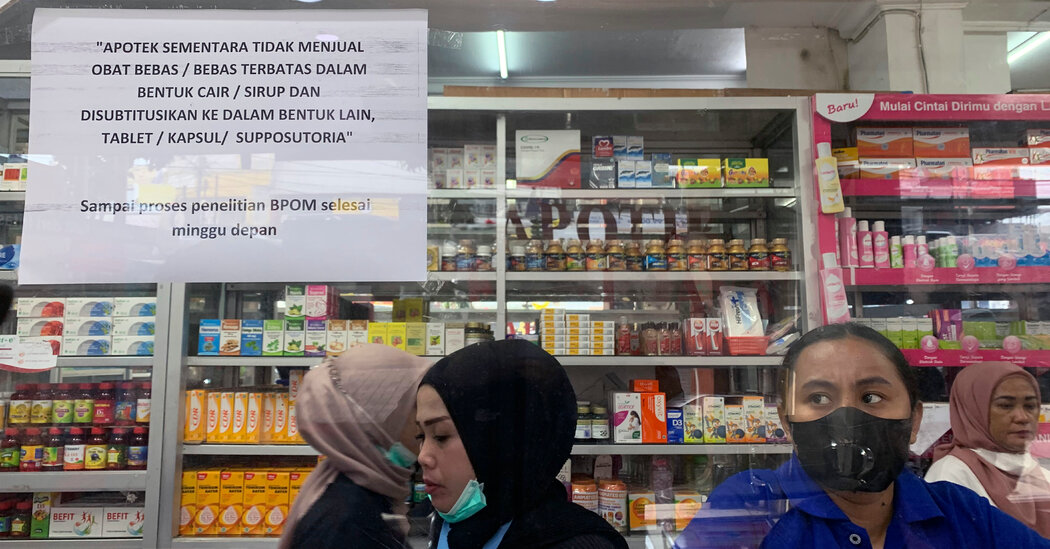
Tainted syrup from India may be connected to the deaths of dozens of children in Gambia, officials said. Indonesia banned cough syrup sales, though the link there is unclear.Early this month, the World Health Organization’s director said that ingredients in four cold and cough syrups made in India may have been linked to acute kidney injuries and the deaths of 66 children in Gambia — and that the products may have been distributed to other countries.Days later, the authorities in India began an investigation and halted all production by the company that made the tainted medication.This week, the authorities in Indonesia banned the sale of all cough syrups nationwide. They are now investigating the deaths of nearly 100 children from acute kidney injuries this year. But so far, there is no proof of a connection to tainted medicine there, though contaminated cough syrups have been found in some of the children’s homes.Here’s what we know so far:Where did the tainted syrup come from?The four medicines linked to the deaths in Gambia were produced by Maiden Pharmaceuticals, a company based in New Delhi that exports medicines across the developing world.The W.H.O.’s director, Tedros Adhanom Ghebreyesus, told reporters on Oct. 5 that the agency was conducting an investigation. In a medical product alert issued the same day, the agency said that analysis of the four medicines had found “unacceptable” amounts of diethylene glycol and ethylene glycol, two industrial chemicals that are toxic to people and can cause serious injury or death in children. The next day, the health authorities in Gambia ordered a recall of the four tainted products.The police in Gambia later said that the deaths of 69 children from acute kidney injury were linked to the four cough syrups made by Maiden Pharmaceuticals.Last week, the authorities in India said they had suspended all manufacturing by the company after discovering violations at its factory in Haryana State, outside New Delhi. The state drug regulator said the tainted products sold in Gambia had been made at the Haryana factory in December 2021.The Indian government formed a committee to investigate the tainted drugs and the deaths in Gambia. Vivek Goyal, the director of Maiden Pharmaceuticals, has said that the company is cooperating with investigators.Are the Indonesia deaths related?At this point, there is no evidence of that.This week, the government of Indonesia banned all syrup-based medications, saying it was investigating the deaths of 99 children from fatal acute kidney injury. Health Minister Budi Gunadi Sadikin said on Thursday that cough syrups containing diethylene glycol and ethylene glycol had been found in some of the homes where children had died.But it was not clear how many of the deaths, if any, were connected to tainted syrup. A 2020 academic study said that while epidemiological data on acute kidney injury cases in Indonesia was limited, the condition was a common problem in intensive care units of the country’s hospitals.Penny K. Lukito, the head of Indonesia’s food and drug agency, said on Oct. 15 that no products made by Maiden Pharmaceuticals, including the four medicines linked to the Gambia deaths, were registered in Indonesia. It is very unlikely that an imported drug could be sold legally in Indonesia without being registered.India has said that Maiden’s tainted products were sent only to Gambia, but the W.H.O. has said that they may have been distributed to other countries.Why are these two chemicals so harmful?Diethylene glycol and ethylene glycol are clear, colorless and syrupy alcohols used for antifreeze and other industrial applications. Unlike the kind of alcohol that humans drink safely, they are potentially deadly even in small quantities.The effects of ingesting them can include headache, abdominal pain, vomiting, diarrhea and inability to urinate. The chemicals can also damage the liver, kidneys and central nervous system.The primary way that medical professionals treat people who have taken the chemicals is by giving them a drug, fomepizole, that prevents the body from metabolizing them, said Leo Schep, a toxicologist in New Zealand.“But you’ve got to get in early” to ward off severe complications, he added. “Otherwise you’re on a slippery slope.”There is precedent for scandals like these.Diethylene glycol has been used in the past as a cheap substitute for glycerin, a sweet syrup that is a safe ingredient in many over-the-counter drugs.That has sometimes led to mass poisonings. At least 84 children died in Nigeria in 2009 after taking a medicine for teething pain that contained diethylene glycol.In India, 33 children died in 1998 after taking a contaminated cough expectorant. Eight children also died that year after taking paracetemol syrup. Both of those products contained diethylene glycol.Could something this deadly happen in the United States?It’s unlikely.After contaminated drugs killed more than 100 people across the United States in 1937, Congress passed a law that increased the federal government’s ability to regulate drugs.Dr. Schep said that because of that law and other regulations, the risk of another mass poisoning from contaminated medicine in the United States is low. The same is true for Australia, New Zealand and the European Union because they all have similar laws, he added.Hari Kumar

Read more →

A New Procedure Could Expand Reproductive Choices for Transgender Women

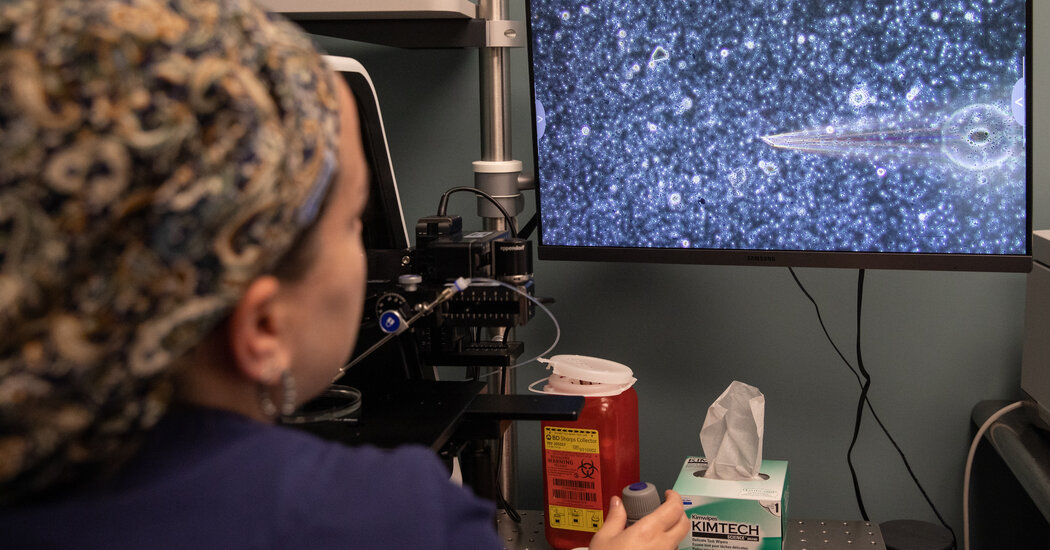
Retrieving viable sperm from men with low fertility and from people who have used estrogen therapy for years has been a challenge, doctors say. A new, less invasive technique has promise.Claire always knew that she wanted to start a family. But as a transgender woman who just turned 41, she also knew it could be complicated.Claire and her partner discussed having a baby together and, if possible, they wanted to use her sperm and her partner’s egg. But Claire, who spoke on the condition of anonymity to protect her family’s privacy, had been on estrogen therapy for 18 years, and the chances that doctors would find any viable sperm were slim.At the same time, Claire was scheduled to have her gender confirmation surgery, a vaginoplasty. The procedure would remove her penis and testicles and create a functional vagina, permanently ending her body’s sperm production.Transgender women take medications to suppress testosterone production and increase estrogen, which tend to decrease sperm production and often shut it down entirely. But a new procedure called extended sperm search and microfreeze, or E.S.S.M., makes retrieving that sperm possible, unless sperm production has stopped altogether.Using E.S.S.M., Dr. Michael Werner, a urologist specializing in sexual and reproductive health, was able to find and freeze more than 200 of Claire’s viable sperm. Her procedure was the first known time that doctors had been able to retrieve viable sperm in a transgender woman after more than two years of hormone treatments.Dr. Arie Berkovitz, an obstetrician and gynecologist and a male fertility expert at Assuta Hospital in Rishon LeZion, Israel, created the E.S.S.M. technique in 2017 as a treatment for men with low sperm counts.Sperm production requires consistent testosterone production in the testicles — 40 million total per ejaculate is considered normal. E.S.S.M. does not increase sperm production. With E.S.S.M., doctors are able to find and freeze small amounts of sperm from the ejaculate without side effects; finding such samples can otherwise be difficult in people who have undergone extended hormone therapy. Previously, patients with low sperm counts or those thoughts to have no sperm at all had to undergo an invasive surgery in which sperm was removed through a needle inserted into the testicle. The process can be painful and can damage the testes.“I was doing it for peace of mind so that I could be confident that I had tried everything,” Claire said of the procedure. “When I received the call that not only were there sperm but that there were so many, it was both astonishing and overwhelming.”In E.S.S.M., the semen sample is divided into tiny droplets and scanned using a high-powered microscope for several hours. Any sperm that are found are individually placed in a specialized device called a SpermVD and cryopreserved. Over 90 percent of them survive the freeze-and-thaw process.Dr. Michael Werner, a urologist specializing in sexual and reproductive health, at Maze Health in Manhattan.Jackie Molloy for The New York TimesDr. Joshua Safer, executive director for the Center for Transgender Medicine and Surgery at the Mount Sinai Health System, said the surgery’s success was promising for transgender women who would like to start a family later in life.On Being Transgender in America‘Top Surgery’: Small studies suggest that breast removal surgery improves transgender teenagers’ well-being, but data is sparse. Some state leaders oppose such procedures for minors.In Montana: Transgender people born in the state will no longer be able to change the sex listed on their birth certificate under a new rule that is among the most restrictive in the country.Generational Shift: The number of young people who identify as transgender in the United States has nearly doubled in recent years, according to a new report.The Battle Over Gender Therapy: More teenagers than ever are seeking transitions, but the medical community is deeply divided about why — and what to do to help them.“My reaction is twofold: I’m surprised and impressed,” he said. Referring to the surgery, he added: “As an endocrinologist, we don’t know what the limits are.”Before her procedure, Claire went to a fertility clinic in Boston, at her doctor’s suggestion, to see if the bank could retrieve and store her sperm before her surgery. The clinic could not find any gametes, or sperm, in her ejaculate, even though she had stopped taking her hormones 10 months earlier.Her urologist in New York referred her to Maze Men’s Sexual Health, a fertility clinic and sperm bank led by Dr. Werner. By then, her vaginoplasty was just one day away, and rescheduling could take a long time, given the waiting list. E.S.S.M seemed like a long shot, so she was surprised at the result..css-1v2n82w{max-width:600px;width:calc(100% – 40px);margin-top:20px;margin-bottom:25px;height:auto;margin-left:auto;margin-right:auto;font-family:nyt-franklin;color:var(–color-content-secondary,#363636);}@media only screen and (max-width:480px){.css-1v2n82w{margin-left:20px;margin-right:20px;}}@media only screen and (min-width:1024px){.css-1v2n82w{width:600px;}}.css-161d8zr{width:40px;margin-bottom:18px;text-align:left;margin-left:0;color:var(–color-content-primary,#121212);border:1px solid var(–color-content-primary,#121212);}@media only screen and (max-width:480px){.css-161d8zr{width:30px;margin-bottom:15px;}}.css-tjtq43{line-height:25px;}@media only screen and (max-width:480px){.css-tjtq43{line-height:24px;}}.css-x1k33h{font-family:nyt-cheltenham;font-size:19px;font-weight:700;line-height:25px;}.css-1hvpcve{font-size:17px;font-weight:300;line-height:25px;}.css-1hvpcve em{font-style:italic;}.css-1hvpcve strong{font-weight:bold;}.css-1hvpcve a{font-weight:500;color:var(–color-content-secondary,#363636);}.css-1c013uz{margin-top:18px;margin-bottom:22px;}@media only screen and (max-width:480px){.css-1c013uz{font-size:14px;margin-top:15px;margin-bottom:20px;}}.css-1c013uz a{color:var(–color-signal-editorial,#326891);-webkit-text-decoration:underline;text-decoration:underline;font-weight:500;font-size:16px;}@media only screen and (max-width:480px){.css-1c013uz a{font-size:13px;}}.css-1c013uz a:hover{-webkit-text-decoration:none;text-decoration:none;}What we consider before using anonymous sources. Do the sources know the information? What’s their motivation for telling us? Have they proved reliable in the past? Can we corroborate the information? Even with these questions satisfied, The Times uses anonymous sources as a last resort. The reporter and at least one editor know the identity of the source.Learn more about our process.Dr. Eric K. Seaman, a urologist who specializes in male reproductive health in Millburn, N.J., said that Claire’s success was uncommon.“It’s a Hail Mary that they were able to find any sperm after 18 years of hormonal therapy,” he said.Claire, who lives in Massachusetts, is one of about 1.6 million people in the United States who identify as transgender. For transgender women who want to undergo genital surgery, E.S.S.M. may be an option to preserve sperm.Dr. Safer, who is also the former president of the United States Professional Association for Transgender Health, said he believed this technology could benefit many of his patients. Since starting the Mount Sinai Center for Transgender Medicine and Surgery in 2016, he has seen a surge in transgender people seeking hormone therapy and surgery. The center performs 800 to 900 gender-affirming surgeries each year, he said.“More and more people are feeling safer about identifying themselves as transgender and getting hormones and having medical interventions,” he said. “But in the gender-affirming care world, our clinics need to do a better job of getting kids to do fertility preservation before they’re getting on hormones.”But Dr. Seaman said he was concerned that there could be an increase in the miscarriage rate related to the use of E.S.S.M. The sperm that is recovered using the technique tends to be more fragile because of the extra time it takes to travel through the epididymis, part of the duct systems of the male reproductive organs, compared with surgical retrieval from the testicles, where the sperm and its DNA are more robust.Cryo-tanks are used for long-term storage of sperm samples at Maze Health. Jackie Molloy for The New York TimesThe treatment — and its potential drawbacks — do not apply only to transgender women. About 1 percent to 2 percent of men who are infertile, Dr. Seaman added, have severe male factor infertility, a condition in which no sperm is found in the semen; half of all infertile couples have male factor infertility, too. While there may be a higher chance of miscarriage for couples using sperm retrieved using E.S.S.M., the procedure is much less invasive than — and preferable to — having sperm surgically retrieved from the testes, Dr. Berkovitz said.“It’s an operation, and there are no invasive procedures without complications,” he said about surgical retrieval of sperm from the testes.Men with severe male factor infertility are already at a higher risk of causing pregnancies that result in miscarriage, he added, because sperm may be damaged as a result of the condition.As long as transgender women have normal sperm production, E.S.S.M. should not interfere with their producing a healthy baby, Dr. Berkovitz said.“In this case, she didn’t have low sperm count,” he said. “Genetically, her sperm was normal,” so her fertility would be preserved for future use.Doctors were able to freeze enough of Claire’s sperm for her to have 30 cycles of in vitro fertilization in the future.“It’s a second chance for transgender patients,” he said. “We can offer them fertility preservation without any pain or discomfort, and without an invasive procedure or operation.”Still, Dr. Werner encourages transgender young people to bank their sperm before any medical intervention to avoid the potential risks of fertility loss and leave their options open for the future.“Unfortunately, the vast majority of trans women who are transitioning aren’t given the option to bank their sperm, and once they’re put on hormones and have their testes surgically removed, their options have closed,” he said.He is now starting to see more transgender women coming to the clinic to bank their sperm.Claire said she also wished she had sought guidance sooner.“I’d encourage young people to bank their sperm,” she said. “I know I wish I’d done it earlier.”

Read more →

Biden Administration to Offer Plan to Get Addiction-Fighting Medicine to Pregnant Women

Pregnant women are more likely to die of a drug overdose than the average woman of childbearing age, but less likely to be accepted for medication-based treatment.The Biden administration will use federal courts and health programs to expand the use of medication to treat substance abuse disorders in pregnant women, according to a report by the White House to be released Friday. The plan is part of the administration’s broader effort to combat a drug crisis that now kills more than 100,000 Americans annually.Under the new initiative, the Justice Department, the Department of Veterans Affairs and the Indian Health Service will be responsible for improving women’s access to medicines like buprenorphine and methadone. These treatments have been controversial, but are increasingly being embraced as a scientifically proven way to reduce dependency and save lives.Opioid use disorder among pregnant women has more than quadrupled in recent years, according to the Centers for Disease Control and Prevention, and is associated with low birth weight, preterm labor and miscarriage. Pregnant women are more likely to die of a drug overdose than the average woman of childbearing age, but less likely to be accepted for appointments with buprenorphine providers.“This is a bold statement, a big moment, coming from the president and the vice president, to show that pregnancy is the golden opportunity to help women get into recovery,” said Dr. Anna Lembke, the medical director of addiction medicine at Stanford, who was not involved in the plan’s design.But the administration’s blueprint is vague on funding, and some policy analysts worry that it falls short on the mechanisms and detail needed to push agencies and health institutions to move faster.Most items in the plan do not require additional appropriations from Congress. But officials asked for hundreds of millions of dollars more toward various child welfare initiatives in fiscal year 2023, including tripling mandatory funding to $60 million from $20 million for one program focused on families navigating substance abuse.Andrew Kessler, the founder of the behavioral health consultancy Slingshot Solutions, said that without sufficient funding from Congress, this initiative won’t amount to lasting change. He likened the administration’s “deeply researched” plan to the thick black outlines found in a coloring book.Fentanyl Overdoses: What to KnowCard 1 of 5Devastating losses.

Read more →

Flu comes early in England, with hospital cases rising

Published45 minutes agoSharecloseShare pageCopy linkAbout sharingImage source, Getty ImagesBy Michelle RobertsDigital health editorCases of flu have climbed quickly in the past week in England, suggesting the season has begun earlier than normal, say officials. People may have little immunity to flu after a break from the disease during Covid pandemic restrictions.The UK Health Security Agency (UKHSA) says hospital and ICU admissions for the respiratory disease are rising the fastest in children under five.Hospital rates are going up among the elderly too. It’s not clear how big a wave the UK might be in for – levels are still relatively low overall.But health experts are urging anyone who is eligible for a flu shot to get one. Many southern hemisphere nations have just had their most rampant influenza season for years and officials have been warning that the UK must prepare for a big, early wave of flu too.More than 40 million people in the UK are being offered a flu jab this year. For the first time this includes all secondary school children up to the age of 16.The over-50s and younger adults with health conditions are also being offered a Covid booster jab this autumn and winter.Vaccination can help prevent people getting very sick.Both shots are recommended for those at higher risk of illness, which includes: everyone over 50pregnant womenpeople with certain underlying health conditionscare-home residentsfront-line health and social care workersThe UKHSA says this year’s flu jab is a good match for the type of seasonal influenza that is circulating – a strain called H3N2. In Australia, which had a reasonably severe flu season during its winter, the jab was well matched to that strain. It is the same one that caused a bad flu season for the UK in 2017-18. Covid symptoms: Is it a cold or coronavirus?Flu jab vital this winter along with Covid vaccineHow can I get a flu jab?Dr Mary Ramsay, Director of Public Health Programmes at the UKHSA, said: “Our latest data shows early signs of the threat we expected to face from flu this season. “We’re urging parents in particular not to be caught out as rates of hospitalisations and ICU admissions are currently rising fastest in children under five. This will be a concern for many parents and carers of young children, and we urge them to take up the offer of vaccination for eligible children as soon as possible.”Experts use several measures to monitor flu, including reporting from GPs and the general public, as well as tests done in hospitals and in other healthcare settings. In the week ending 16 October, the hospital admission rate for confirmed cases of flu was nearly one per 100,000 people – more than seen in recent years for mid-October, suggesting the flu season has come early. The rate is still relatively low overall. Cases were highest among young children, followed by adults over 85. Meanwhile, Covid cases in the community and in hospitals appear to be stable or decreasing. Dr Ramsay said: “It’s possible that we’re already seeing the benefits from so many people taking up their Covid autumn booster in England. Encouragingly, the latest data shows a small decrease in Covid cases and hospitalisation rates over the past week. “There’s no room for complacency though, as cases could rise again at any point and we need to be armed in readiness through vaccination of everyone who’s eligible.”More on this storyOver-50s invited for Covid and flu jabs in England13 OctoberUK must brace for big, early wave of flu – experts28 SeptemberRelated Internet LinksWeekly Flu and COVID-19 Report – UKHSAThe BBC is not responsible for the content of external sites.

Read more →

India vaccine maker destroys 100 million doses of expired Covid jab

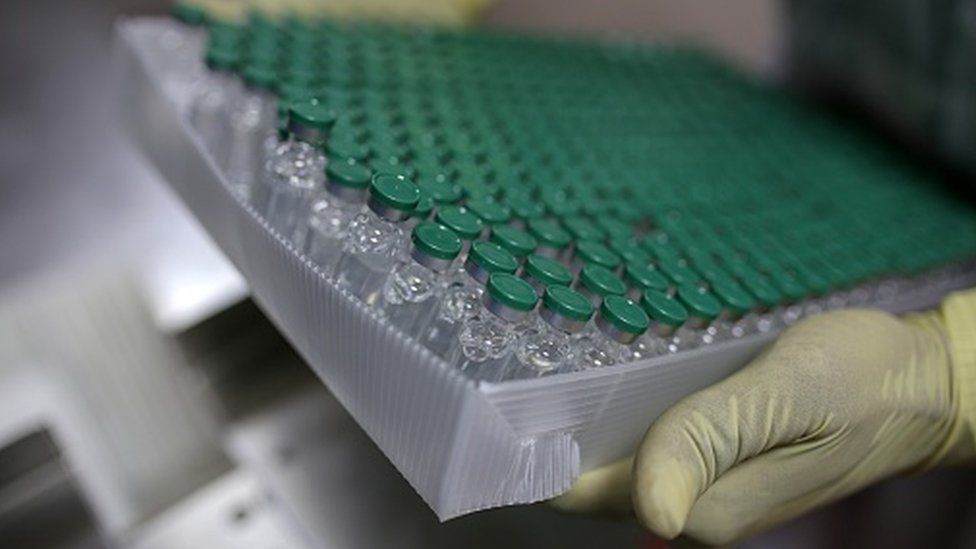
Published1 hour agoSharecloseShare pageCopy linkAbout sharingImage source, Getty ImagesIndian vaccine maker Serum Institute of India (SII) has said it had to dump 100 million doses of their Covid-19 vaccine after they expired.The firm stopped producing Covishield in December last year due to low demand, CEO Adar Poonawalla said on Thursday.SII, the world’s largest vaccine maker, has been making the local version of AstraZeneca’s Vaxzevria jab.Covishield accounts for over 90% of the doses given in India.India has administered over two billion doses of Covid-19 vaccines. More than 70% of the Indian population has taken at least two doses, according to the federal health ministry.In January 2022, India began giving boosters to healthcare and frontline workers, and those above 60 years with comorbidities. It was later expanded to all adults.In July, free booster doses – or precaution doses as the government calls it – were provided to all adults for 75 days to mark 75 years of India’s independence.But so far, India has administered just 298 million booster doses, according to the health ministry.”The booster vaccines have no demand as people now seem fed up with Covid,” Mr Poonawala told reporters on Thursday. “Honestly, I’m also fed up. We all are.”According to Mr Poonawala, the SII had around 100 million doses of Covishield in stock. The vaccines – which have a shelf life of nine months – expired in September this year.The CEO was speaking on the sidelines of the annual general meeting of the Developing Countries Vaccine Manufacturers Network (DCVMN) in the western Indian city of Pune.”Going forward, when people take a flu shot every year, they may take a Covid vaccine along with it,” Mr Poonawala said. “But in India, there is no culture of taking a flu shot every year, like in the West.”Meanwhile, Mr Poonawala said the SII had completed trials for the Covid vaccine Covovax as a booster dose. The company expects the vaccine to get approval within the next two weeks.It has also partnered with the US biotech company Novavax for an Omicron-specific booster, he said.Read more India stories from the BBC:India’s virtual stars whose real faces you won’t seeCan a non-Gandhi Congress chief take on India PM Modi?’Good guy’ Binny is world’s richest cricket board chiefIndia PM Modi’s government okayed rapists’ releaseIndia inquiry after men crash women’s college eventWhy drugs made in India are sparking safety concernsIndian boy king’s warm friendship with British QueenThe man who made burgers and pizzas popular in IndiaMore on this storyHow this Indian firm is vaccinating the world28 February 2021World’s top Covid vaccine maker halves production8 December 2021

Read more →