A revolutionary method to observe cell transport

Membrane proteins are key targets for many drugs. They are located between the outside and inside of our cells. Some of them, called ”transporters”, move certain substances in and out of the cellular environment. Yet, extracting and storing them for observation is particularly complex. A team from the University of Geneva (UNIGE), in collaboration with the University of Zurich (UZH), has developed an innovative method to study their structure in their native environment: the cell. The technique is based on electron spin resonance spectroscopy. These results, just published in the journal Science Advances, may facilitate future development of new drugs.
In living organisms, each cell is surrounded by a cell membrane (or ”cytoplasmic membrane”). This membrane consists of a double layer of lipids. It separates the contents of the cell from its direct environment and regulates the substances that can enter or leave the cell. The proteins attached to this membrane are called ”membrane proteins”.
Located at the interface between the outside and inside of the cell, they carry various substances across the membrane — into or out of the cell — and play a crucial role in cell signaling, i.e. in the communication system of cells that allows them to coordinate their metabolic processes, development and organisation. As a result, membrane proteins represent more than 60% of current drug targets.
Difficult objects to study
The biophysical study of their structure — the spatial organization of the constituent amino acids — is therefore essential. To characterize them, scientists must extract these proteins from the cell membrane in which they are found and isolate them from all other proteins. Once extracted, membrane proteins cannot be studied in aqueous solutions. They must be maintained in liquid solutions composed of detergents. They can also be inserted into artificial membranes called ”nanodiscs”, made of proteins and lipids, or in pure lipidic membranes.
In any case, these strategies remove them from their physiological environment and do not allow their functioning to be finely observed in situ. Proteins outside their native environment might show different structural properties, therefore misleading drug development.

Read more →

New study identifies unique type of microglia associated with stroke in the I/R injured brain

A research team, affiliated with UNIST has identified a new type of microglia associated with stroke in the ischemia/reperfusion (I/R) injured brain. This breakthrough has been led by Professor Sung Ho Park and his research team in the Department of Biological Sciences at UNIST, in collaboration with a research team, led by Professor Goo Taeg Oh from Ewha Womans University.
Microglia, the primary immune cells in the central nervous system (CNS), are known to eliminate unwanted germs and debris and remove dying neurons. In this study, the research team classified a new type of microglia with enhanced antioxidant function and markers similar to those of disease-associated microglia (DAM), designated them as stroke-associated microglia (SAM).
Through animal experiments, the research team demonstrated that the presence of the typical antioxidant gene, Peroxiredoxin-1 (Prdx1), protects against acute I/R injury and is required for SAM activation and the consequent reduction of microglial cell death and inflammatory responses.
In addition, after performing transient middle cerebral artery occlusion (tMCAO) surgery to induce ischemic stroke in mice, the research team found that Prdx1−/− mice were more severely injured by acute I/R injury, as confirmed by TTC staining, neurological deficit scores, motor tests, and the survival rate, indicating that Prdx1 has a protective function.
“In this study, we have, for the first time, identified a specialized and distinctive type of microglia with enhanced antioxidant function in stroke mice,” says Professor Park. “Prdx1-dependent SAM may be a potential biomarker and therapeutic target for protecting microglial function and treating brain I/R injury,” He adds, “Although this new cluster will require further study, our findings provide a new perspective that Prdx1-mediated microglial heterogeneity is important in ischemic stroke.”
This study has been jointly participated by Wonhyo Lee, a doctoral researcher within the Department of Biological Sciences at UNIST and Sinai Kim, a doctoral researcher within the Department of Life Sciences at Ewha Womans University, as first authors. Their findings have been published in the August 2022 issue of Redox Biology. This study was carried out with the support of the National Research Foundation of Korea (NRF).
Story Source:
Materials provided by Ulsan National Institute of Science and Technology(UNIST). Original written by JooHyeon Heo. Note: Content may be edited for style and length.

Read more →

Novel derivative of 'love hormone' oxytocin improves cognitive impairment in Alzheimer's

Alzheimer’s disease (AD), characterized by an accumulation of β-amyloid protein (Aβ) in brain tissue, is a leading cause of dementia. Researchers at Tokyo University of Science have previously reported on the oxytocin-induced reversal of impaired synaptic plasticity triggered by amyloid β peptide (25-35) (Aβ25-35). They now show that an oxytocin derivative with modifications to enhance brain perfusion can reverse Aβ25-35-induced cognitive impairment in mice.
The cognitive decline and memory loss observed in Alzheimer’s disease (AD) is attributed to the accumulation of β-amyloid protein (Aβ), which impairs neural function in the brain. Experimentation has shown that oxytocin, a peptide hormone primarily responsible for parturition, bonding, and lactation, also regulates cognitive behavior in the rodent central nervous system (CNS). This finding, along with the identification of oxytocin receptors in CNS neurons, has spurred interest in the potential role of oxytocin in reversing memory loss tied to cognitive disorders like AD.
However, peptides like oxytocin are characterized by weak blood-brain barrier permeability, and so can only by efficiently delivered to the brain via intracerebroventricular (ICV) administration. ICV, however, is an invasive technique which is impractical to implement clinically.
Delivering peptides to the CNS via intranasal (IN) administration is a viable clinical option. Prof. Chikamasa Yamashita at Tokyo University of Science recently patented a method to increase the efficiency of peptide delivery to the brain, by introducing cell-penetrating peptides (CPPs) and a penetration accelerating sequence (PAS) through structural modifications. Previous work had confirmed that both CPPs and the PAS benefit the nose-to-brain delivery pathway. Now, a group of researchers, led by Prof. Akiyoshi Saitoh and Prof. Jun-Ichiro Oka, leveraged this approach to prepare an oxytocin derivative: PAS-CPPs-oxytocin. Their findings were published online in Neuropsychopharmacology Reports on 19 September 2022.
“We have previously shown that oxytocin reverses amyloid 𝛽 peptide (25-35) (A𝛽25-35)-induced impairment of synaptic plasticity in rodents. We wanted to see if PAS-CPPs-oxytocin could be delivered more efficiently to the mouse brain for clinical application, and if it improved cognitive functional behavior in mice,” states Prof. Oka
The group first developed an A&β25-35 peptide-induced amnesia model by supplying Aβ25-35 to the mouse brain using ICV delivery. During the course of the study, the spatial working and spatial reference memories of these mice were evaluated using the Y-maze and Morris water maze (MWM) tests. After confirming that memory was affected in Aβ25-35-impaired mice, PAS-CPPs-oxytocin and native oxytocin were administered using the IN and ICV routes respectively, to see if learning and memory improved in the treated mice. Finally, the distribution of the IN-administered oxytocin derivative in brain tissue was profiled by imaging of a fluorescent-tagged oxytocin derivative.
The results of this study were quite promising! The tagged PAS-CPPs-oxytocin showed distribution throughout the mouse brain following its IN administration. While the ICV administration of native oxytocin improved test outcomes in both the Y-maze and MWM tests, the IN administered PAS-CPPs-oxytocin yielded memory improving effects in the Y-maze test. Hailing the team’s discovery, Prof. Oka says,”My team is the first to show that the oxytocin derivative can improve the A𝛽25-35-induced memory impairment in mice. This suggests that oxytocin may help reduce the cognitive decline we see in Alzheimer’s disease.”
Why are these findings clinically useful? Prof. Oka explains the broader implications of their work,”The oxytocin derivative enters the brain more efficiently. Furthermore, since IN delivery is a non-invasive procedure, this modified version of the hormone could potentially be a clinically viable treatment for Alzheimer’s disease.”
Story Source:
Materials provided by Tokyo University of Science. Note: Content may be edited for style and length.

Read more →

Better ventilation could be key for London Underground to manage air quality, finds new study

A lack of fresh air was found in a deep London Underground station, and air pollution is at its worst during the evening rush hour, according to new research led by the University of Surrey, which was conducted as part of the Engineering and Physical Sciences Research Council-funded INHALE project.
Surrey’s Global Centre for Clear Air Research (GCARE) collected airborne particulates on a deep-level (around 18 meters below ground) platform in South Kensington station. The results found that the underground environment they tested exceeded the World Health Organization air quality guidelines for fine and coarse air pollution particles*, although remains well within the limits set by the Health and Safety Executive.
The pollution collected was analysed using an electron microscope by Imperial College London to test their makeup, which detected tiny amounts of ultrafine (100 nanometers or less) particles, including iron, manganese and traces of chromium and toxic organic matter.
Professor Prashant Kumar, study lead and Director of GCARE at the University of Surrey, said:
“More work needs to be done to understand how the metal traces in the small airborne particles impact people’s health. In the meantime, we recommend that consideration is given to improving ventilation on the London Underground where possible.
“We accept that air pollution on platforms is a very complex problem to solve and that an effort is being made to clean the Underground during quieter periods. Our team points to the newly opened Elizabeth Line as an example of good practice — in particular, the use of a screen between the train and the platform to protect passengers from pollution caused by the trains.”
The monitoring and collection of particles took place on the eastbound Piccadilly Line platform in South Kensington station, which also serves the District and Circle Lines. The Piccadilly Line is a deep-level line that is relatively closed to outside air.

Read more →

Dig in: Sand serves up a possible cure for obesity

Engineered particles of purified sand could be the next anti-obesity therapy as new research from the University of South Australia shows that porous silica can prevent fats and carbohydrates from being adsorbed in the body.
The engineered silica particles are made from purified sand and are optimally designed with a high surface area that enables them to soak up large amounts of digestive enzymes, fats, and sugars within the gastrointestinal tract.
Funded by the Channel 7 Children’s Research Foundation, the study is the first to validate how porous silica particles can impede digestive processes and stop fat and sugar adsorption.
Developed in partnership with Glantreo Limited, the new silica-based therapy will be gentler on the stomach with fewer of the unpleasant side effects associated with the mainstream anti-obesity drug, Orlistat.
Lead researcher, UniSA’s Dr Paul Joyce says this breakthrough finding could change the health outcomes for billions of people struggling with obesity.
“Obesity is a global issue that affects more than 1.9 billion people worldwide,” Dr Joyce says.

Read more →

'When I couldn't fix George, I climbed a mountain'

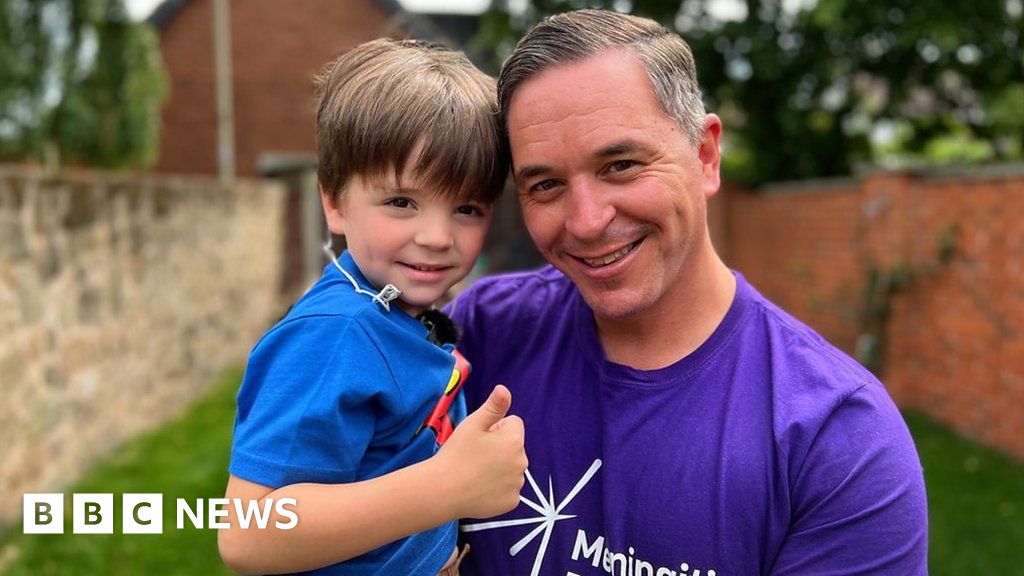
A father climbed Mount Kilimanjaro while wearing a special vest that weighed 20kg (44lbs) to represent his son’s weight in a bid to raise awareness about meningitis. James’s son, George, was diagnosed with bacterial meningitis at three years old and spent several days in intensive care before having a seizure and losing his hearing.The family, from Leicestershire, want to raise money for meningitis research and, in the process, make people aware of the warning signs before diagnosis.He said: “I think people know about the disease but don’t have a clue about the symptoms.”If one parent takes the time to Google the symptoms, maybe we can prevent more children from becoming seriously ill.”Claire Wright, head of evidence and policy at Meningitis Research Foundation, said: “Meningitis is difficult to spot and hard to distinguish from other common illnesses like flu or Covid in the early stages.”It’s important to know that temperatures can fluctuate and a rash won’t always appear.”Not everyone gets all the symptoms and they can appear in any order. Always trust your instincts and seek urgent medical advice if you have any concerns.”Video journalist: Chris WaringFollow BBC East Midlands on Facebook, Twitter, or Instagram. Send your story ideas to eastmidsnews@bbc.co.uk.

Read more →

The One Where Matthew Perry Writes an Addiction Memoir

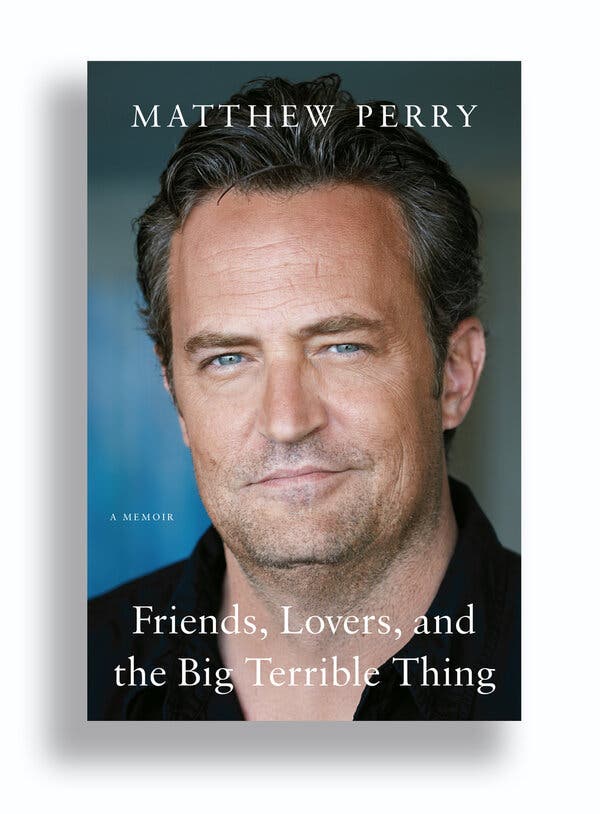
BEVERLY HILLS, Calif. — When I pictured Matthew Perry, the actor frequently known as Chandler Bing, I saw him on the tangerine couch at Central Perk or seated on one of the twin recliners in the apartment he shared with Joey Tribbiani.In September, after arriving at his 6,300-square-foot rental house and being ushered through a driveway gate by his sober companion, I sat across from Perry, who perched on a white couch in a white living room, a world away from “Friends,” the NBC sitcom that aired for 10 seasons and catapulted all six of its stars into fame, fortune and infinite memes. Instead of the foosball table where Chandler, Joey, Monica, Phoebe, Rachel and Ross gathered, nudging each other through the first chapters of adulthood, Perry, 53, had a red felt pool table that looked untouched. There was plenty of light in the house, but not a lot of warmth.I have watched every episode of “Friends” three times — in prime time, on VHS and on Netflix — but I’m not sure I would have recognized Perry if I’d seen him on the street. If he was an ebullient terrier in those 1990s-era Must See TV days — as memorable for his full-body comedy as he was for the inflection that made “Can you BE any more [insert adjective]” the new “Gag me with a spoon” — he now seemed more like an apprehensive bulldog, with the forehead furrows to match.As his former co-star Lisa Kudrow confesses in the foreword to his memoir, “Friends, Lovers and the Big Terrible Thing,” the first question people ask about “Friends” is often “How’s Matthew Perry doing?”Perry answers that question in the book, which Flatiron will publish on Nov. 1, by starkly chronicling his decades-long cage match with drinking and drug use. His addiction led to a medical odyssey in 2018 that included pneumonia, an exploded colon, a brief stint on life support, two weeks in a coma, nine months with a colostomy bag, more than a dozen stomach surgeries, and the realization that, by the time he was 49, he had spent more than half of his life in treatment centers or sober living facilities.Most of this is covered in the prologue. At one point, he writes in a parenthetical, “Please note: for the next few paragraphs, this book will be a biography rather than a memoir because I was no longer there.”The book is full of painful revelations, including one about short-lived, alcohol-induced erectile dysfunction, and another in which Perry describes carrying his top teeth to the dentist in a baggie in his jeans pocket. (He bit into a slice of peanut butter toast and they fell out, he writes: “Yes, all of them.”)Perry said he had a moment after he recorded his audiobook when he thought, “Oh my God, what a terrible life this person has had!” Then he realized, “Wait a minute, it’s me! I’m talking about me.”Quietly and then, as he relaxed, at a volume that allowed me to stop worrying about my recording device, Perry settled into the conversation about his substance abuse. It started with Budweiser and Andrès Baby Duck wine when he was 14, then ballooned to include vodka by the quart, Vicodin, Xanax and OxyContin. He drew the line at heroin, a choice he credits with saving his life.“I would fake back injuries. I would fake migraine headaches. I had eight doctors going at the same time,” Perry said. “I would wake up and have to get 55 Vicodin that day, and figure out how to do it. When you’re a drug addict, it’s all math. I go to this place, and I need to take three. And then I go to this place, and I’m going to take five because I’m going to be there longer. It’s exhausting but you have to do it or you get very, very sick. I wasn’t doing it to feel high or to feel good. I certainly wasn’t a partyer; I just wanted to sit on my couch, take five Vicodin and watch a movie. That was heaven for me. It no longer is.”Perry said he had been clean for 18 months, which means that he was newly drug- and alcohol-free when the “Friends” reunion aired in May 2021.“I’ve probably spent $9 million or something trying to get sober,” he estimated.Most addicts don’t have Perry’s resources. But they have what he called “the gift of anonymity,” while his bleakest moments have been photographed, chronicled and occasionally mocked. For the record, Perry isn’t a huge fan of secrecy as it pertains to Alcoholics Anonymous, where he sponsors three members. He explained: “It suggests that there’s a stigma and that we have to hide. This is not a popular opinion, by the way.”Perry’s demeanor brightened when we talked about pickleball, his latest obsession. He built a court at the house he’s moving into in the Palisades. He plays with friends and hired pros. He said, “I thought it would be a good idea, to pump myself up, to play pickleball before this interview, but basically I’m about to fall asleep in your lap.”So what inspired him to write a book?After his extended stay in a Los Angeles hospital, Perry started tapping out his life story on the Notes app on his phone. When he hit 110 pages, he showed them to his manager, who told him to keep going. He worked at his dining room table for about two hours a day, no more: “It was hard to face all this stuff.”Perry has written for television (“The Odd Couple,” “Mr. Sunshine”) before but, “writing a book I had not really thought of before,” he said. “Whenever I bumped into something that I didn’t really want to share, I would think of the people that I would be helping, and it would keep me going.”Over the course of the next hour, Perry returned to the idea of helping fellow addicts 15 times. The dedication at the front of the book reads: “For all of the sufferers out there. You know who you are.”He said: “It’s still a day-to-day process of getting better. Every day. It doesn’t end because I did this.”“I married Monica and got driven back to the treatment center,” Perry writes.Danny Feld/Warner Bros.The memoir came together without a ghostwriter, which is rare for household-name authors. Megan Lynch, the senior vice president and publisher at Flatiron, said of the proposal she read last year: “There was a real voice to it. It was clear that he was going to share intimate details not just about his time on the show but about his entire life, and that felt revelatory. I’m not working on an assembly line of books by celebrities and it’s something as an editor I want to be very choosy about. For me, this really rose to a level that I do not ordinarily see.”Lynch, who watched “Friends” when she was 14 and credits it with providing a vision for a future life in New York City, added, “Unlike any celebrity that I think anyone has ever worked with, Matthew turned in his manuscript ahead of the deadline.”Although Perry hopes that “Friends, Lovers and the Big Terrible Thing” will eventually be shelved in the self-help section of bookstores, “Friends” fans will find poignant nuggets in its pages. Perry writes gratefully and glowingly of the 10 seasons he and his co-stars worked together, earning $1 million per episode at their peak.He recalls the time Jennifer Aniston came to his trailer and said, “in a kind of weird but loving way,” that the group knew he was drinking again. “‘We can smell it,’” she said — and, he writes, “the plural ‘we’ hits me like a sledgehammer.” Another time, the cast confronted him in his dressing room.Perry also drops a sad bombshell about his onscreen wedding: “I married Monica and got driven back to the treatment center — at the height of my highest point in ‘Friends,’ the highest point in my career, the iconic moment on the iconic show — in a pickup truck helmed by a sober technician.”In a phone interview, Kudrow said: “It’s a hideous disease, and he has a tough version of it. What’s not changing is his will to keep going, keep fighting and keep living.”She added: “I love Matthew a lot. We’re part of a family. I’m basically ending this with ‘I’ll be there for you’ [the ‘Friends’ theme song], but it’s true. I’ll always be there for him.”Perry’s childhood friends Christopher and Brian Murray echoed this sentiment. “He’s gone through more than any human being I know and he’s come out on the good side of it,” said Brian, the older of the two brothers who have known Perry since first grade. Riding bikes around their rural corner of Ottawa, the trio would belt out the theme song from “The Rockford Files” and rib one another in the cadence that Perry later immortalized on “Friends.”“A lot of it was tough to understand,” Christopher said. “You wouldn’t wish that on anybody. Fundamentally, his personality and his heart are absolutely in the same place they were when he was a kid.”“Alcohol really did save me for a while,” Perry said. “Then it didn’t. It’s like your best friend turns to you and goes, Now I’m going to kill you. And then you raise your hand and say, I need help here.”Michelle Groskopf for The New York TimesFailed relationships were among the hardest things to write about, Perry said (“I’m lonely, but there’s a couple of people on the payroll to keep me safe”), though he hopes to marry and have children in the future. “I think I’d be a great father,” he said.Eighteen years after “Friends” aired its last episode, Perry is tickled by its staying power, and its popularity among the children of its original viewers. “There are 15-year-old people wandering around, seeing me and wondering why I look so old,” he said.When I mentioned I’d seen a young woman in my hotel gym wearing a “Friends” sweatshirt — you rarely see merch from, say, “E.R.,” which capped off NBC’s Thursday night lineup in the ’90s — he laughed. “You should set me up with that girl,” he said. “Just say, I know this guy, he’s as single as they come.”Perry’s candid, darkly funny book now earns him an honorary folding chair — and shelf space — beside David Carr, Caroline Knapp, Leslie Jamison, Nic Sheff, Sarah Hepola and other authors who have explored the minute-to-minute, tooth-and-nail skirmish of recovery.“There is a hell,” Perry writes. “Don’t let anyone tell you different. I’ve been there; it exists; end of discussion.”He said, “Now I feel better because it’s out. It’s out on a piece of paper. The ‘why’ I’m still alive is definitely in the area of helping people.”

Read more →

A ‘Tripledemic’? Flu and Other Infections Return as Covid Cases Rise

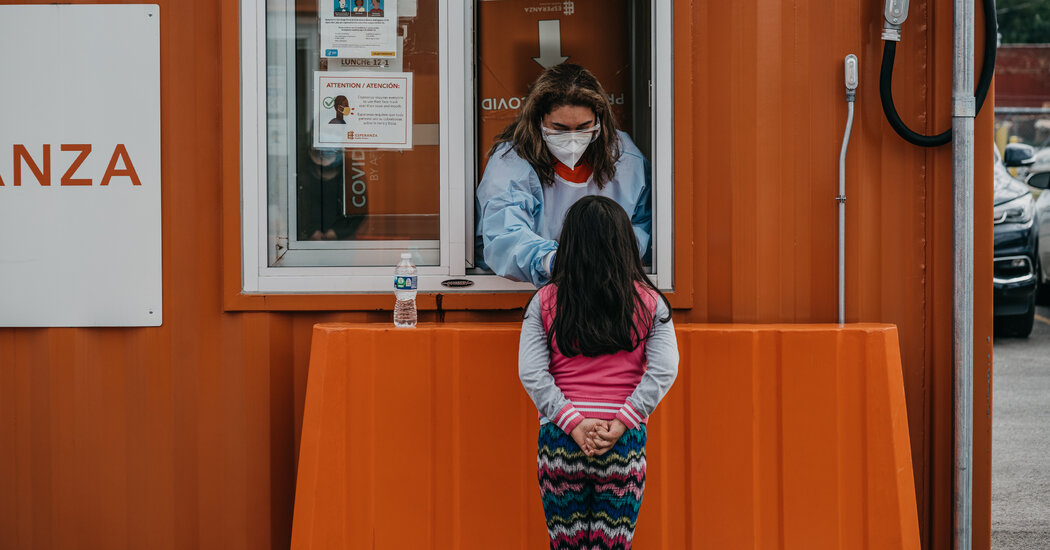
Flu cases are higher than usual for this time of year and are expected to soar in the coming weeks. A third virus, R.S.V., is straining pediatric hospitals in some states.For more than two years, shuttered schools and offices, social distancing and masks granted Americans a reprieve from flu and most other respiratory infections. This winter is likely to be different.With few to no restrictions in place and travel and socializing back in full swing, an expected winter rise in Covid cases appears poised to collide with a resurgent influenza season, causing a “twindemic” — or even a “tripledemic,” with a third pathogen, respiratory syncytial virus, or R.S.V., in the mix.Cases of flu have begun to tick up earlier than usual, and are expected to soar over the coming weeks. Children infected with R.S.V. (which has similar symptoms to flu and Covid), rhinoviruses and enteroviruses are already straining pediatric hospitals in several states.“We’re seeing everything come back with a vengeance,” said Dr. Alpana Waghmare, an infectious diseases expert at Fred Hutchinson Cancer Center and a physician at Seattle Children’s Hospital.Most cases of Covid, flu and R.S.V. are likely to be mild, but together they may sicken millions of Americans and swamp hospitals, public health experts warned.“You’ve got this waning Covid immunity, coinciding with the impact of the flu coming along here, and R.S.V.,” said Andrew Read, an evolutionary microbiologist at Penn State University. “We’re in uncharted territory here.”The vaccines for Covid and flu, while they may not prevent infection, still offer the best protection against severe illness and death, experts said. They urged everyone, and especially those at high risk, to get their shots as soon as possible.Older adults, immunocompromised people and pregnant women are most at risk, and young children are highly susceptible to influenza and R.S.V. Many infected children are becoming severely ill because they have little immunity, either because it has waned or because they were not exposed to these viruses before the pandemic.BioMaxima S.A. introduced a new proprietary genetic test that allows the identification of several pathogens, including SARS-CoV-2, influenza viruses and R.S.V. A and B, in one P.C.R. tube.Wojtek Jargio/EPA, via ShutterstockR.S.V. causes about 14,000 deaths among adults 65 and older and up to 300 deaths among children under 5 each year. No vaccine is available, but at least two candidates are in late-stage clinical trials and appear to be highly effective in older adults. Pfizer is also developing an antiviral drug.“As of today, we are seeing equal numbers of Covid, flu and R.S.V. and that’s really concerning because we are very early for flu and R.S.V. activity,” said Dr. Diego Hijano, a pediatric infectious disease specialist at St. Jude Children’s Research Hospital. “It’s going to be a rough winter,” he said.Another Covid wave?Coronavirus cases are low, but are beginning to rise in some parts of the country. Several European countries, including France, Germany and Britain, are experiencing an uptick in hospitalizations and deaths, prompting experts to worry that the United States will follow suit, as it has with previous waves.Some of the coronavirus variants that are picking up momentum are adept at dodging immunity and drugs such as Evusheld and Bebtelovimab, which are especially important for protecting immunocompromised people.People with weakened immune systems “remain at risk even despite getting all of the recommended or even additional doses of vaccine,” Dr. Waghmare said.Public health experts are particularly concerned about a constellation of Omicron variants that seem to dodge immunity from the vaccines and even from recent infection better than previous variants did.The latest booster vaccines made by Pfizer and Moderna were designed for the variants that dominated this summer but not for these newer variants. Still, they raise antibody levels overall, and should help stave off severe symptoms and abridge the duration of illness, said Aubree Gordon, an epidemiologist at the University of Michigan.The BA.5 variant was the most immune evasive variant until recently, but it is rapidly being replaced by others, including two that show an even greater ability to sidestep immunity.One of them, known as BQ.1.1, is the leading candidate for causing a winter wave, and it has already sent cases soaring in Europe. Although it and a closely related variant called BQ.1 together account for only about 11 percent of cases in the United States, their share has grown rapidly from just 3 percent two weeks ago.Jose Atencio-Rodriguez after receiving the new covid bivalent booster for the Omicron strain at Bellevue Hospital in Manhattan in September.Andrew Seng for The New York TimesA combination of two Omicron subvariants called XBB has been fueling a wave of cases in Singapore, among the most highly vaccinated nations in the world. Its subvariant XBB.1 has just arrived in the United States. Another variant, called BA.2.75.2, is also highly immune evasive and causes more severe disease, but is so far responsible for less than 2 percent of cases nationwide.Most of the other variants don’t appear to cause more severe symptoms than earlier versions of the virus, but the trend toward immune evasiveness is likely to continue, experts said.“Now things have shifted with the massive degree of immunity that people have against previous variants,” said Cornelius Roemer, a computational biologist in Richard Neher’s group at the University of Basel.The Food and Drug Administration has authorized boosters designed for BA.5 for all Americans 5 and older, but so far, only a small fraction of people who qualify for a shot have received one. Fewer than one in three children ages 5 to 11 has completed even the primary series of Covid vaccines.That may change as people see a rapid rise in cases, Dr. Gordon said.Signs of a bad flu seasonBefore the coronavirus walloped the world, flu viruses sickened millions each winter, and killed tens of thousands of Americans. In the 2018-2019 season, the flu was responsible for 13 million medical visits, 380,000 hospitalizations and 28,000 deaths.Flu season in the southern hemisphere, typically between May and October, is highly predictive of winters in the northern hemisphere. This year, flu began weeks earlier than usual in Australia and New Zealand, and the number of cases and hospitalizations were markedly higher.Dr. Gordon tracks influenza rates among children in Nicaragua, which has one flu season in June and July, and a larger one in the late fall. More than 90 percent of the population was considered fully vaccinated against Covid by January 2022, and many people had also gained immunity from one or more infections.Still, the country saw high rates of both Covid and influenza in the first half of this year. Influenza rates among children were higher than in the 2009 flu pandemic, and the children were sicker on average than in previous years. “We saw a lot of hospitalizations,” Dr. Gordon said.Bins storing Covid vaccines and the flu shot at a vaccine site in Ted Watkins Memorial Park in Los Angeles, California, in March.Alisha Jucevic for The New York TimesA registered nurse preparing the Covid booster at a vaccine and booster event at the Quinn Center in Maywood, Ill., in September.Jamie Kelter Davis for The New York TimesIn the United States, flu typically begins to pick up in October and runs through March, peaking sometime between December and February. But in some states, this year’s season is already underway.About 3 percent of tests nationwide were turning up positive for flu as of Oct. 8, according to the C.D.C., but the rates are higher than 10 percent in some Southeastern states and higher than 5 percent in the South Central region. In Texas, the proportion of tests positive for flu jumped to 5.3 percent in early October from 3.7 percent the week before.Some southern states are also reporting a rise in the use of ventilators. In New York, health officials declared early this month that flu was already widespread in the state.Public health experts urged Americans, especially those at high risk, to get a flu shot before cases rise much higher. Like the Covid vaccines, the flu vaccine may not be a perfect match for the circulating variant, but even so, it roughly halves the risk of hospitalization in both children and adults.Antibodies kick in roughly two weeks after a shot, so a vaccine now may in fact extend protection through the winter wave better than one received in September.Last year, flu vaccination rates decreased slightly in all age groups compared with the previous year, according to an analysis by the C.D.C. The vaccination rate for children 6 months to 4 years of age, who are at high risk, showed the biggest drop — to 67 percent from 75 percent before the arrival of the coronavirus.The lower rate may be because mistrust of Covid vaccines has spilled over to those for the flu, or simply because parents have forgotten the danger flu poses to young children. It is too soon to tell whether the numbers will improve this year. Older adults and immunocompromised people should get both Covid and flu shots, public health experts said. Healthy young adults may also want to opt for both vaccines if they don’t want to get sick or cannot afford to miss work, or to protect others around them who are at higher risk.Some communities are at increased risk of severe illness and hospitalization for flu. During flu seasons from 2009 to 2022, rates of hospitalization were 80 percent higher among Black adults, 30 percent higher among American Indian/Alaska Native adults and 20 percent higher among Hispanic adults compared with white adults, according to a C.D.C. report released this week.Yet flu vaccination rates were much lower in these groups. Vaccine coverage also declined by about 9 percentage points from the previous year in pregnant women across all racial and ethnic groups.In February 2020, Dr. Gordon was preparing to talk to her 7-year-old daughter’s class about the coronavirus when a boy in the class died of an infection with influenza B virus.“Most of the time it doesn’t make you very sick, but sometimes it can,” Dr. Gordon said of the flu. “We do have an effective vaccine against influenza, so I’d encourage people to go get vaccinated.”

Read more →

Did the Pandemic Change Your Personality? Possibly.

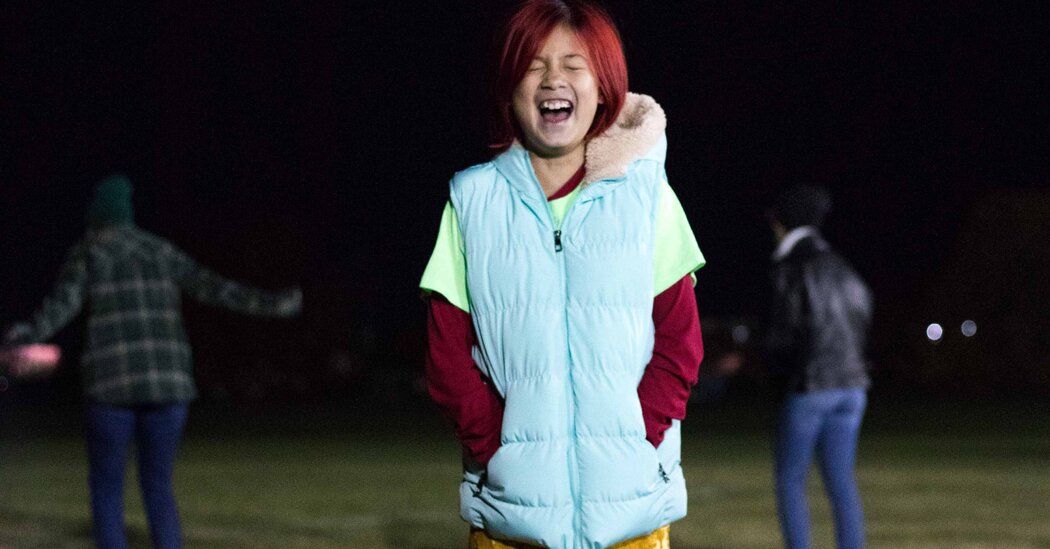
For more than two years, Covid disrupted social rituals and rites of passage. Now a recent study suggests we have become less extroverted, creative, agreeable and conscientious. The declines in some traits were sharper among young people.Whether it was attending school lectures, making memorable first impressions at that first office job or packing the floor at a concert, many of the social rituals that had been rites of passage for young people were disrupted by the coronavirus pandemic.That has left people like Thuan Phung, a junior at the Parsons School of Design who lives in Hell’s Kitchen in Manhattan, feeling “weird” about real-life interactions. After two years of virtual instruction, he is back in the classroom.“On Zoom you can mute,” Mr. Phung, 25, said. “It took me a while to know how to talk to people.”Now, a recent study of people’s personalities suggests that the discomfort he’s feeling is not uncommon for people in his generation, who were forced into the isolation of pandemic restrictions in their 20s, already a time of social anxiety for many of them.Covid has not only reshaped the way we work and connect with others, but has also redrawn the way we are, according to the study, which found some of the most pronounced effects among young adults.Our key personality traits may have dimmed so that we have become less extroverted and creative, not as agreeable and less conscientious, according to the study, published last month in the journal PLOS ONE.These declines amounted to “about one decade of normative personality change,” the study said. People under 30 years old exhibited “disrupted maturity.” That change is the opposite of how a young adult’s personality normally develops over time, the study’s authors wrote.“If these changes are enduring, this evidence suggests population-wide stressful events can slightly bend the trajectory of personality, especially in younger adults,” the study said.The authors of the personality study relied on data from the Understanding America Study, an ongoing internet panel at the University of Southern California that first began collecting survey answers in 2014, drawing upon publicly available data from about 7,000 participants who responded to a personality assessment administered before and during the pandemic.Angelina Sutin, the paper’s lead author and a professor at Florida State University, said the study results showed that on average, personality was altered during the pandemic, though she emphasized that the findings captured “one snapshot in time” and could be temporary.“Personality tends to be pretty resistant to change. It might take something like a global pandemic,” Dr. Sutin said. “But it is hard to pinpoint exactly what it was about the pandemic that led to these changes.”Read More on the Coronavirus PandemicUpdated Boosters for Kids: The Food and Drug Administration broadened access to updated Covid booster shots to include children as young as 5.Long Covid: A study of tens of thousands of people in Scotland found that one in 20 who had been sick with Covid reported not recovering at all, and another four in 10 said they had not fully recovered many months later.A Persistent Variant: Ten months have passed since Omicron’s debut. Since then it has displayed a remarkable capacity to evolve new tricks.‘Anti-Vax’ Capital No More: Vaccine skeptics once found a home in Marin County, Calif. Now, the pandemic has made them unwelcome, as Covid vaccine rates soar there.Dr. Sutin and her co-authors also don’t know if those personality changes will persist.The researchers analyzed five dimensions of personality: neuroticism, one’s tolerance of stress and negative emotions; openness, defined as unconventionality and creativity; extroversion, or how outgoing a person is; agreeableness, or being “trusting and straightforward”; and conscientiousness, how responsible and organized a person is.Gerald Clore, a professor emeritus of psychology at the University of Virginia, said the authors were “appropriately cautious” in their conclusions and on emphasizing the need for further study to re-examine the findings.The pandemic itself was a “hell of an experiment,” said Dr. Clore, theorizing that it may have been the restructuring of routines instead of overall stress that reshaped people’s personalities.Perhaps echoing the changes, interest in psychotherapy soared throughout the pandemic, several therapists said. Virtual therapy has also boomed.At Talkspace, a platform that offers therapy online, the number of individual active users rose 60 percent from March 2020 to a year later, said John Kim, a spokesman for the company.The number of teens seeking therapy at BetterHelp grew nearly fourfold since 2019, a spokeswoman for the online therapy company said.Therapists practicing in the United States say they have observed their clients struggling with navigating the confines of pandemic living and dealing with the vicissitudes of social norms.Nedra Glover Tawwab, a therapist based in Charlotte, N.C., with a private practice and an Instagram following of more than a million, said that she noticed escalating discomfort as people slowly reintegrated into past routines, such as working in an office.“We have grown so accustomed to isolating that we now think we love it,” Ms. Glover Tawwab said. “But is that really who you are? Or is that what you had to accept during that time?”Some people have coped with the amplified stress, exhaustion and frustration of the period by finding a new outlet: screaming outside with others. The trend has been attracting participants for more than a year.Sarah Harmon, a therapist in Boston, organized her first primal scream event in March 2022 to let go of feelings that she said she was exploding with.“The pandemic didn’t give us anything; it didn’t allow any of that deflating, any of that recharging,” Ms. Harmon said.She said the proliferation and popularity of those scream events underscored how people had unmet needs and few ways to process or release pent-up feelings like rage.Since April, Heather Dinn, of Zionsville, Ind., has been hosting monthly group screams on a local soccer field. She said the scream was an opportunity for people who had bottled up frustrations to clear an “overflowing” emotional load before they erupted.Heather Dinn leads a group scream at the Zionsville Youth Soccer Fields.Kaiti Sullivan for The New York TimesLindsay Farley participates in the group scream.Kaiti Sullivan for The New York Times“When we let it all get stuck in there, it just sits there and it’s not going anywhere,” Ms. Dinn, a health and lifestyle coach, said.Delta Hunter, a therapist in New York City who facilitates a social-anxiety therapy group, said that the pandemic “compounded” existing anxiety.“People want to connect and process together and we weren’t able to do any of that,” Ms. Hunter said. “People felt really lost because of that.”Younger adults, and especially teens, have faced greater restrictions on activities and experiences typical of adolescence and youth, Ms. Sutin’s study concluded. It found that individuals under 30 exhibited the sharpest drops in conscientiousness and agreeableness.“When your whole world goes into the virtual space, you lose that training ground for being able to be more conscientious,” Ms. Harmon said, adding that she saw a lot of social anxiety in younger generations, perhaps because they had not accumulated as many in-person experiences and coping skills.Several months ago, Anviksha Kalscheur’s practice in Chicago established a teen support program to help young people address feelings of disconnect and isolation.The teenagers have expressed an overall negative outlook toward the future and heightened social anxiety, she said. The therapists picked up on a “little bit of a dark cloud” in their clients’ outlook when it came to perceiving the uncertainty of the years ahead, Ms. Kalscheur said.Connection, attachment and interaction with others are critical to developing personality, Ms. Kalscheur said, adding that identity and personality are still being formed in younger teens.“You’re at that stage of development, where they’re not getting those cues, those attachments, those learning, like all those different pieces that happen that you don’t even often think about,” she said. “So of course, your environment has such a huge impact and in that particular time frame.”How long the changes of the pandemic period will last remains an open question, the study’s authors said.Therapists like Ms. Glover Tawwab said the transition period into in-person life after the worst of the crisis could present an opportunity to reintegrate slowly and to reconnect with people and experiences more intentionally.“This is a wonderful time to really observe what things you miss, and what things you enjoy being away from,” she said. “So we have this time now to create what we really want.”Grace Wilentz, a 37-year-old poet who lives in Dublin, said that the pandemic’s silver lining for her has been gaining greater self-awareness that has caused her to rekindle lapsed friendships. She has been taking time to reconnect with old friends over workday lunches.“I was expecting that those relationships would be kind of hard to revive,” she said. “In a certain way, they’re kind of richer and more solid.”Positive transformation is possible in times of uncertainty, Ms. Kalscheur said.“Sometimes, like, it takes a real breakdown in our social, cultural, even our mental health norms to transform into something that’s better,” she said. “It’s almost like you break down to rebuild back up.”

Read more →

Cultural Bereavement: Naming the Grief Refugees May Feel

The things Nataliya Pleshkova misses most about her childhood home in central Ukraine are the smells.In 2011, Ms. Pleshkova, 42, moved to Estes Park, Colo., with her daughter, seeking better work opportunities, and, in September of this year, her mother followed, fleeing their war-torn homeland.“Mama packed some of the clothes I had left in Ukraine, and the first thing I did was bury my head and nose into the pile because it smelled like home,” she said. “Memories of my childhood rushed through my head. I remembered playing hide and seek in the wardrobe where these clothes hung.”For her mother, Tamara Plieshkova, it is her husband’s grave in the cemetery back home that she knows she’ll miss, and her pets — a dog and a cat — that she had to leave with a neighbor.“She said she feels like she’s an old, mature tree being replanted into new soil,” Ms. Pleshkova said, translating for her 69-year-old mother who does not speak English, and was fresh off a 96-hour journey from Ukraine to the United States, via Poland and France.Feeling uprooted is something many immigrants are familiar with, split between the here and the back there, between the push to assimilate and the pull to preserve parts of themselves and their culture. And it is often the intangibles from home — the smells and sounds, the metaphors and jokes in a native tongue that can’t be translated, and cherished rituals — that they long for.When Nataliya Pleshkova, pictured left, moved to Estes Park, Colo., she packed a black and white framed photograph of her grandmother, taken in 1937, that reminds her of home. This September, her mother, pictured top right, fled their war-torn country, leaving behind a community of friends and her beloved pets, pictured middle right.Top left and bottom: Theo Stroomer for The New York Times; Top right and middle right: via Nataliya PleshkovaThough it is not well-known, that feeling has a name: cultural bereavement. Coined in 1991 by Dr. Maurice Eisenbruch, a psychiatrist and professor at Monash University in Melbourne, Australia, while interviewing Cambodian refugees, it is more complex than culture shock. Dr. Eisenbruch felt as though he needed more precise vocabulary to capture the refugees’ emotions and mental health; their experiences did not fit neatly under anxiety or depression or post-traumatic stress disorder, he explained in a paper at the time. Research from 2005 expanded the concept beyond refugees to all migrants and also children of migrants.Coping With Grief and LossLiving through the loss of a loved one is a universal experience. But the ways in which we experience and deal with the pain can largely differ.What Experts Say: Psychotherapists say that grief is not a problem to be solved, but a process to be lived through, in whatever form it may take.How to Help: Experiencing a sudden loss can be particularly traumatic. Here are some ways to offer your support to someone grieving.A New Diagnosis: Prolonged grief disorder, a new entry in the American Psychiatric Association’s diagnostic manual, applies to those who continue to struggle long after a loss.The Biology of Grief: Grief isn’t only a psychological experience. It can affect the body too, but much about the effects remains a mystery.“The tragedy for migrants is that their identity as a migrant quite often trumps everything else,” said Dinesh Bhugra, a professor of mental health and cultural diversity at King’s College London and the lead author of the 2005 study. “You are not a doctor who just happens to be a migrant; you’re suddenly a migrant doctor.” That “reorganization of the self” can lead to “multiple layers of stress,” he added, and depression or high levels of anxiety.Now, the term is slowly gaining recognition. Researchers around the world are starting to explore the phenomenon further, applying Dr. Eisenbruch’s original framework to other groups of refugees and migrants. One small study of Ethiopian refugees in South Korea, published in January, confirmed that cultural bereavement is characterized by complex mental distress. Nonprofit organizations that regularly work with refugees and new migrants are beginning to open up conversations about the phenomenon.But it is still rarely taught in the Western-trained mental health sphere or understood among clinicians and therapists. “While I was in grad school, I was taking a grief-counseling class, there wasn’t anything that covered cultural bereavement in what I was learning,” said Sahaj Kaur Kohli, who received a master’s degree in clinical mental health counseling and created Brown Girl Therapy, a social media account that discusses the specific mental health struggles that people of color experience.This summer she shared on social media that she was navigating cultural bereavement, and said in an interview that it quickly became one of her higher-performing posts, with dozens of people commiserating in the comments.“I just assumed that there was always going to be a part of me that felt alone and isolated. I would feel ashamed because I should know more about my family or my history,” Ms. Kohli said. “But when I talked about it openly on Brown Girl Therapy, I realized, oh my gosh, we’re all kind of navigating this in some capacity.”Why Cultural Bereavement Gets OverlookedWhat complicates matters is that cultural bereavement often manifests as amorphous depression or anxiety without an obvious cause, experts said. And the more an immigrant assimilates, the more intensely they might feel the grief of “losing familiar social structures, cultural values and self-identity,” as Dr. Eisenbruch described it.“When refugees or immigrants come to America, we know we’ve lost our country, food, language, all those clear objects, but we quickly jump into assimilation,” said Shinhee Han, a psychotherapist at the counseling center of the New School in New York City and co-author of the book “Racial Melancholia, Racial Dissociation.” “We think ‘I must lose the accent’ or ‘I must not smell like my food,’ without stopping to think about the consequences of shedding those parts of an identity.”The pandemic, which hindered family reunions, might have also intensified those feelings. “The losses that have been incurred over time or intergenerationally exploded during the pandemic because, all of a sudden, we couldn’t go see our families. I have patients who still have not been able to go to Hong Kong or other parts of the world to see their family members,” Dr. Han said. “So there is this kind of melancholia — an undercurrent of mourning.”The author Min Jin Lee, seated at her home in New York, saw signs of cultural bereavement in the experiences of her parents after they moved from Seoul, South Korea. Her father, pictured middle left during a work trip to Tokyo in the 1960s, was a marketing executive back home. But when Ms. Lee’s family, pictured middle right at the airport in Seoul, moved in 1976, he bought and ran a newsstand in what is now Koreatown, where he received little respect from customers. “That humiliation or loss of status would have been felt very keenly,” Ms. Lee said. Framed pictures of her family and childhood back in Seoul help Ms. Lee feel connected to her roots.Top and Bottom: Christopher Lee for The New York Times, Middle left and middle right: via Min Jin LeeDr. Eisenbruch noted in his 1991 research paper that a big part of the sadness associated with cultural bereavement comes from the inability to complete significant rites and rituals, like birth ceremonies or burials, in culturally specific ways.Paurvi Bhatt, 56, a health care executive in Minneapolis, Minn., said one of the hardest parts of losing her parents — who migrated from India in the 1960s — was recreating funerals for them the way that her family might have done at home. “We have to scatter the cremated ashes into the water,” she said. “That is very difficult to do here” because individuals have to get permits to dispose of anything into the water, hindering her ability to carry out that Hindu tradition.The author Min Jin Lee, 53, who often touches on the feelings of loss and grief associated with migration in her work, including in her novel “Pachinko,” witnessed degrees of cultural bereavement in her own parents after they moved to New York from Seoul, South Korea, in 1976. Her father was a marketing executive back home. After moving, he bought a newsstand in what is now the Koreatown neighborhood of the city.“I remember, as a little girl, watching people throw a dime at him or 15 cents to purchase the daily paper,” she said. “In Korea, when you hand an object to another person, you use both hands. That’s a sign of respect and he faced so many of these kinds of indignities.”Ms. Lee found others expressing that same sentiment when she conducted interviews for her books. “It’s not a nation or a place and it’s not just that they miss the taste of food — it’s that all those things are essentially associated with a loss of an identity.”To reconnect with her ancestors, Sahaj Kaur Kohli, a mental health professional, wears a bangle and ring that belonged to her grandmother. She has picked up a passion for collecting East Asian ceramics, pictured middle left, from her mother, shown middle right in India with Ms. Kohli’s father, who grew up in Japan.Top, middle left, and right: Gabriela Bhaskar for The New York Times; Middle right: via Sahaj Kaur KohliThough Ms. Pleshkova moved to the U.S. for better professional opportunities, she could only find work as a camp counselor and a day care worker, despite her experience as an English literature professor in Ukraine. “I was upset when I found out that the payment is not adequate,” she said. “And I did feel like I could do better. I’m suddenly at the bottom of the food chain.”She eventually decided to put aside her passion for teaching and now works in event planning for a steakhouse in her town. ‘My Feet are Hurting’The fact that people from different cultures tend to express sadness in different ways can further complicate how those individuals seek help, said Ms. Kohli. Oftentimes, given cultural stigmas around mental health, many people might not feel comfortable asking at all.“When my dad is stressed out, he’ll never say he’s stressed; he’ll say, ‘My feet are hurting.’ Or my mom will say, ‘I have a headache.’ She won’t say ‘I’m overwhelmed,’” Ms. Kohli said. “And that will show up in the room with a clinician as well, and there’s no rule book for a Western-trained practitioner that says, ‘Here’s the criteria for this type of grief, here’s how to medicate it, treat it and so on.’”Ms. Kohli suggests seeking out therapists who may have a deeper understanding of different cultural expressions of grief or anxiety and depression. During the pandemic, more and more of her Brown Girl Therapy followers were reaching out to Ms. Kohli asking for references to therapists who would understand their cultural background, so she made a spreadsheet of names that she linked to from her Instagram page.Even using and understanding the term cultural bereavement can be “powerful,” she said.“Naming it makes the grief more manageable. If you were to go to a clinician and say, ‘I think I’m struggling with cultural bereavement,’ I would hope a good clinician will do their research and will want to explore that with you to understand how it’s impacting you,” she said.There are also ways to cope beyond therapy. While it can look different for everyone, dealing with cultural bereavement often involves variations of two things. The first is rediscovering or relearning one’s history, culture and self, said Dr. Han, and the second is finding and building your community.She often recommends that her Asian American patients, for example, read books by Asian American authors or watch movies that represent their different cultures so that they can see their own experiences reflected back and feel less alone in their grief. It also helps resurrect the things — the food, the language, the smells — that were perhaps pushed to the side in an attempt to assimilate.After Ms. Kohli’s last grandparent died in 2019, she realized that she had lost all physical connection to her ancestry. So she started relearning her mother tongue, Punjabi, and is hoping to learn some family recipes from her mother.Seeking out community, Dr. Han said, can reduce feelings of isolation and help people recreate the kind of social network they might have had at home. This can involve befriending people at work or in your neighborhood who might have similar cultural backgrounds, and participating in or even organizing culturally specific annual celebrations, like the Lunar New Year.When Dr. Bhugra moved from Punjab to Cork, Ireland, in the 1980s, no one spoke his language. One day, “somebody told me about a guy in Dublin who spoke Punjabi,” Dr. Bhugra said. He looked up this stranger’s phone number and “rang him, just to speak Punjabi. I know it sounds rather silly but you miss those things; you miss language, you miss art and so on.”Ms. Bhatt said her parents were very deliberate in building community around them. “My mom and I would have a Diwali open house,” she said, referring to the annual Hindu new year festival of lights. “We’d open our doors, our neighbors were invited, anyone and everyone could come. That became a way for us all to feel a bit closer.”

Read more →