Legal Abortions Fell Around 6 Percent in Two Months After End of Roe
New data shows that the number of abortions fell by more than 10,000.In the first two months after the Supreme Court overturned Roe v. Wade on June 24, legal abortions nationwide declined by more than 10,000, a drop of about 6 percent, according to the first attempt at a nationwide count of abortions since the decision.Thirteen states banned or severely restricted abortion during those months, mostly in the South, and legal abortions in those states fell to close to zero, according to detailed estimates made by a consortium of academics and abortion providers. Nine more states added major abortion restrictions, and legal abortions in those states fell by a third. In states with bans and restrictions, there were about 22,000 fewer abortions in July and August, compared with the baseline of April, before the decision.In states where abortion remained legal, the number of abortions increased by roughly 12,000, or 11 percent. That suggests that around half of women who were unable to get abortions in states with bans traveled to another state to get one.But even with those increases, thousands of abortions appear to have been prevented by the new state laws.Dr. Alison Norris, a professor of epidemiology at Ohio State and a co-author of the report, called the decline “a shock to the system.”The data comes from a new organization called WeCount, which is led by the Society of Family Planning, a group that supports abortion rights. It is collecting abortion data from clinics, hospitals and telemedicine providers across the United States. It obtained detailed abortion counts from 79 percent of the nation’s abortion providers, which were responsible for 82 percent of all abortions before the court’s Dobbs decision. Researchers used adjustments based on state data and time trends to estimate the missing data.Read More on Abortion Issues in AmericaWhat Is Abortion?: In the aftermath of the Supreme Court’s decision to overturn Roe v. Wade, simply defining the word abortion has taken on new political, legal and medical consequences.Military: The Pentagon is seeking to reassure service members worried about having access to abortions in states where the procedure is banned with travel funds and other support. Risking Everything: Doctors and midwives in blue states are working to get abortion pills into red states. In doing so, they are setting the stage for a historic legal clash.A Proposed Nationwide Ban: Sen. Lindsey Graham’s proposal to ban abortion nationwide after 15 weeks of pregnancy would be much earlier than many state laws. Here’s how it compares.The total decrease in abortions is likely to be lower than the cited estimate because the data does not include abortions outside the regulated U.S. health system, including so-called self-managed abortions that do not involve a medical provider. A growing number of women have been ordering abortion pills online from overseas providers or obtaining them from Mexico, where a pill that can end a pregnancy early in gestation is available over-the-counter as an ulcer medicine. Some women might also have turned to herbs or other methods to end pregnancies.“We are celebrating the fact that at least 10,000 babies have a chance at life,” said Kristan Hawkins, the president of the anti-abortion group Students for Life.“It’s a sign of course correction and of ordinary Americans finally having a say in how many lives are tragically lost to the tragedy of abortion,” she said.Detailed information about how many abortions are performed in the United States has typically taken years to collect and publish. WeCount was created to provide more real-time data from a more comprehensive group of providers.Because the WeCount data is new, it cannot compare abortion numbers this summer from those last summer. Studies suggest that abortion typically follows a seasonal pattern, peaking in February and March before declining in summer months. Some of the measured decline may also reflect such trends.The changes were calculated by comparing the number of legal abortions in the months after the decision with the number of abortions provided in April. At that time, Texas had already imposed a major abortion restriction, and abortion was difficult to get in other states, but it was still legal in all 50 states.WeCount also found that abortions nationwide increased in the two-month period after the draft of the Supreme Court decision was leaked but before Roe was overturned, perhaps indicating that some women were seeking abortions earlier in pregnancy than they might have otherwise, or that clinics were expanding capacity in preparation for bans.Studies of previous abortion restrictions have shown that while some women without access to a nearby clinic travel long distances to obtain abortions, many do not. The typical abortion patient is poor, unmarried and a mother. And the women who are most affected by bans are those who struggle with the cost and logistical challenges of interstate travel, including transportation, lodging, child care and time off work.“Some of these states where abortion was banned — Alabama, Louisiana, Mississippi, for example — are some of the poorest states in our country, and people would have to cross multiple state lines to get to another state where abortion remains legal,” said Kari White, who studies reproductive health at the University of Texas at Austin and is on WeCount’s research committee. “Even for the people who make it to another state, this is a hardship.”Since the Supreme Court ruling, a growing network of nonprofit groups has raised money to help women seeking abortion with travel and logistical costs. The WeCount data suggests that, even with these efforts, many women who might have had abortions if they were available nearby did not obtain them in other states.Melissa Fowler is the chief program officer at the National Abortion Federation, an association of independent abortion clinics. She said her members had opened new locations and expanded hours. The organization has hired a team of social workers and receptionists to help women arrange appointments and travel. But, she said, she was not surprised to see abortions declining. “With all this preparation, and all the resources that are available, we know there are still people who are being denied care,” she said.Although the WeCount report did not document where interstate abortion travelers came from, the states with large increases were located near states that banned abortions. (Not all clinics gave this information to the group when they shared the number of abortions they had provided.) North Carolina, Kansas, Colorado and Illinois had the largest increases by percent. But some women did travel outside of their region: New York, which does not border any states that banned abortion, had a substantial increase.Number of Legal Abortions by State in 2022Abortions declined nearly to zero in states that banned them, but they increased in many states where abortion remained legal.

Read more →

Indonesia syrup deaths: Parents demand accountability as toll rises

Published29 minutes agoSharecloseShare pageCopy linkAbout sharingImage source, SUPPLIEDBy Frances Mao & Valdya BaraputriBBC NewsWhen 17-month-old Nadira fell sick with a cough and flu, her mother Agustina Maulani bought her some paracetamol cough syrup from a health centre in south Jakarta.”I gave her medicine every four hours, because her fever refused to go down. She would recover, but then have a fever again. In the end she stopped urinating,” she told the BBC. Nadira was taken to hospital but didn’t get any better. Laboratory diagnosis showed she had excessive levels of urea and creatine; waste products that build up after kidneys shut down. She fell into a coma and died.”At the end she passed away quickly. With pain that was really terrifying,” said Agustina, crying.Indonesia is grappling with a horrifying wave of deaths: at least 157 children have died this year from acute kidney injury and other complications, believed to have been caused by contaminated medicines. Almost all were under the age of five.Nadira died in August. In October the Indonesian authorities said she had been among a wave of children to die of unexplained kidney conditions. The government then banned the sale of all liquid medicines. It later limited the ban to about 100 suspect products – which had been found in the homes of the children who fell sick.Pharmacies across the country have pulled bottles from their shelves, advising parents instead to crush pills for their children if they need medicine.Indonesia’s health minister Budi Gunadi Sadikin said traces of the harmful substances ethylene glycol, diethylene glycol and ethylene glycol butyl ether had been found in the victims.Diethylene glycol and ethylene glycol are typically used in antifreeze solutions for air-conditioners, fridges and freezers and as a solvent for many products including cosmetics at very low concentrations. The World Health Organization (WHO) says they are never used in medicines.”It is confirmed that (acute kidney injury) was caused by (those) substances,” the minister said.The cases come weeks after the deaths of nearly 70 children in The Gambia. The WHO said it found an “unacceptable amount” of diethylene glycol and ethylene glycol in four Indian-made cough syrups available in The Gambia. There is no suggestion that the two scandals are linked. Indian authorities and manufacturer Maiden Pharmaceuticals say the four syrups were exported to The Gambia only. Indonesia says the Indian-made syrups aren’t available locally.Last Monday Indonesia’s food and drug agency – BPOM – said it would investigate two pharmaceutical companies that had recently changed their suppliers for some of the ingredients from pharma suppliers to chemical suppliers.”There are indications in their products… that are highly excessive, highly toxic, and suspected to cause the kidney injury,” BPOM chief Penny Lukito told a news conference.Image source, EPAMeanwhile dozens of sick children are being treated for acute kidney injury and Indonesia has asked Singapore and Australia for supplies of a rare antidote – fomepizole – to treat them.The tragedy has stunned Indonesia. Last week the country’s Ombudsman criticised the health ministry and BPOM, which it said had not done enough to test products on sale to ensure they complied with standards.In an enraged editorial, the Jakarta Post newspaper said the BPOM had handed over responsibility for testing to the pharmaceutical companies themselves – a “terrifying” finding that showed the state had “given up its authority”.”As our hearts are wrenched as parents continue to lose the lives of their precious children, we now find gross negligence and a lack of supervision by the government,” the newspaper said.Prof Eric Chan at the National University of Singapore told the BBC he was astonished to hear that deaths of this type were continuing to occur – and described events in Indonesia as a “human calamity”.Diethylene glycol had been used in the past to make medicines taste sweeter – but was now known to be a toxicant, he said.When diethylene glycol metabolises in the body it forms diglycolic acid that accumulates in and damages kidney cells – it can be life-threatening if not treated in time, he said. A reduction in urination is an early hallmark of kidney poisoning.Prof Chan said the fact that cases had been seen across Indonesia suggested a pharmaceutical company with wide distribution networks was involved. Medical staff in local hospitals may not be used to handling drug-induced poisoning, he added, borne out by the fact that many of the children were taken from hospital to hospital for treatment. “We have to keep in mind the number of deaths may still go up,” he warned.Image source, SUPPLIEDIn Bekasi, east of Jakarta, Siti Suhardiyati has forced herself to clear her son’s toys from the floor.Umar Abu Bakar was two years old when he died on 24 September. He was diagnosed with kidney failure too, by the doctors at his final hospital in Jakarta.Just two weeks prior he had come down with a fever and a cold. He also had diarrhoea, so Siti took him to a local clinic for treatment.The family were given three types of medicine, including paracetamol syrup. Three days later Umar stopped urinating.”I usually change his diapers in the morning as they are full, but this time there was nothing,” she said. He was taken to a local hospital for treatment before being rushed to Cipto Mangunjusomo Hospital in the capital. But it was too late.”How can there be stuff that is dangerous in this cough syrup? If it really has been BPOM-approved, it should have been tested,” Ms Suhardiyati said.Nadira’s mother Ms Maulani is also seeking answers.”If this was negligence… we demand accountability for the cases that have befallen our children,” she said.How was toxic cough syrup sent to The Gambia?Why drugs made in India are sparking safety concernsMothers demand justice over cough syrup scandalMore on this storyIndonesia bans syrup medicines after 99 child deaths20 OctoberIndia cough syrup plant halted after child deaths13 OctoberMothers demand justice over cough syrup scandal8 OctoberGlobal alert over cough syrups after child deaths6 October

Read more →

Apple: Chinese workers flee Covid lockdown at iPhone factory

Published1 hour agoSharecloseShare pageCopy linkAbout sharingImage source, Getty ImagesBy Sam HancockBBC NewsWorkers have broken out of Apple’s largest iPhone assembly factory in China after a Covid outbreak forced staff to lockdown at the workplace.Video shared online showed about 10 people jumping a fence outside the plant, owned by manufacturer Foxconn, in the central city of Zhengzhou.Chinese people and businesses are continuing to grapple with President Xi Jinping’s rigid zero-Covid policy.It is not clear how many cases of Covid have been identified at the factory.However in the last week, Zhengzhou, the capital of China’s Henan province, reported 167 locally transmitted infections – up from 97 the week before, according to Reuters news agency. The city of about 10 million people was partially locked down as a result, as China continues to use strict lockdown measures to deal with Covid.Foxconn, which acts as a supplier to US-based Apple, has hundreds of thousands of workers at its Zhengzhou complex and has not provided an official count of how many are infected. The Taiwan-based company claimed on Sunday that it would not stop workers from leaving.’We feel numb’: Wuhan back in China Covid lockdownVideos emerge of rare Covid protests in TibetDo I need to isolate if I have Covid? However, in footage shared on Chinese social media, and by the BBC’s China correspondent Stephen McDonnell, workers were allegedly filmed escaping from the grounds to begin lengthy walks back to their hometowns in a bid to avoid being caught on public transport.One 22-year-old worker, surnamed Xia, told the Financial Times it was “total chaos in the dormitories” he and colleagues were being kept in. “We jumped a plastic fence and a metal fence to get out of the campus,” he added. Workers also claimed the area surrounding the plant had been locked down for days, with Covid-positive workers being subjected to daily testing and quarantines to try to contain the outbreak.Last week, on 19 October, Foxconn announced it was banning all dine-in catering at the Zhengzhou plant and required workers to eat meals in their rooms.At the same time, the company told reporters it was maintaining “normal production” as the plant ramped up production of the latest iPhone 14 models.”The government agreed to resume dine-in meals to improve the convenience and satisfaction of employees’ lives,” Foxconn said in a statement on Sunday. It added that for those wanting to return home, “the [plant] is co-operating with the government to organise personnel and vehicles to provide a point-to-point orderly return service for employees from today”.The BBC has reached out to Foxconn for comment. Under China’s strict zero-Covid policy, cities are given powers to act swiftly to quell any outbreaks of the virus. This includes anything from full-scale lockdowns to regular testing and travel restrictions. Many had hoped President Xi would drop the legislation before the end of the year but at the recent 20th Communist Party congress, he made clear this was unlikely to happen anytime soon.More on this storyVideos emerge of rare Covid protests in Tibet2 days agoUniversal Resort shuts due to Beijing Covid cases4 days agoXi speech: Zero-Covid and zero solutions16 October

Read more →

Lebanon cholera: 'We're afraid of everything now'

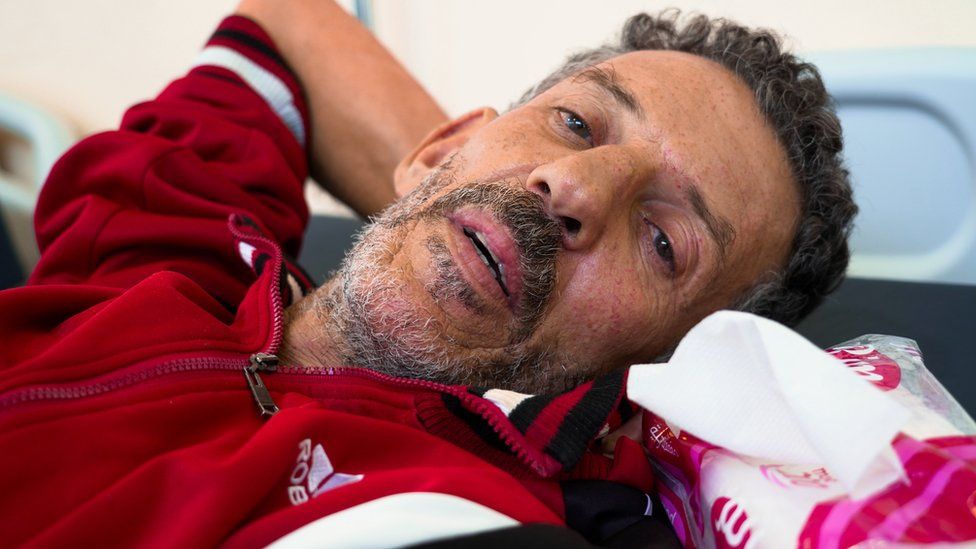
Published18 minutes agoSharecloseShare pageCopy linkAbout sharingBy Anna FosterBBC News, BeirutMohamad Akel can’t breathe. He heaves over onto his side, retching, and begs for the water he isn’t allowed to drink. He arrived at the hospital emergency ward from his home in Minyel just a few hours ago. The doctor suspects cholera. “All my body aches, I have fever and chills,” he groans. “Now I really can’t take anything in. If I did it would go out again from here and here.” He gestures first to his mouth, and then further down. He hasn’t got time for this. Mohamad is a farmer, and needs to be out working in his fields. He coughs again, rolling from side to side on the bed in pain. But he’s determined to tell me who he blames. “There is a Nobel prize for peace? Lebanon deserves the Nobel prize for failure. All of our politicians are corrupt. It’s no surprise we got to this situation.”The country’s political failures are tightly woven into this outbreak. Despite elections in May, no new government has been formed. The national electricity grid provides just an hour of power a day, if that. The currency has lost around 90% of its value, and medicines can be hard to find. More than 80% of the population here is living in poverty. Lebanon has collapsed from a reasonably affluent country into one at risk from the chaos that a preventable, treatable disease like cholera can cause. It’s transmitted through unclean water, and in a place where the most basic sanitation systems have broken down, the spread can be rapid.The last Lebanese cholera case was three decades ago. It returned on 6 October. There’ve been hundreds of suspected cases since then, but because there aren’t simple diagnostic tests the true figure could be thousands. Now Lebanon is one of 29 countries to have reported outbreaks since January of this year.Neighbouring Syria is already dealing with thousands of cases, and Afghanistan, Pakistan and Haiti are among those affected. In the last five years fewer than 20 countries on average have reported cases, and the World Health Organisation has called 2022’s rise in infections “unprecedented”. It’s even had to suspend its two-dose cholera vaccine strategy because of a shortage in the global supply. Cost of careAs I walk from room to room on the children’s floor of the Abdallah Elrassi hospital, the patients keep getting younger. Ziad Al Ali is five. He lies quietly, his brown eyes gazing at the ceiling. Mira Sofan, a Syrian refugee, is 18 months old. Her drip needs replacing, but she’s crying and thrashing as her mother tries to soothe her. Jad Hussam Al Jundi was born just four months ago, and his sleeping body is a small dot on the expanse of white hospital bed. His proud new parents have brought him all the way here from Tripoli, nearly an hour away. They couldn’t find treatment any closer to home.The sound here is unlike a normal hospital ward. The silence isn’t punctuated with the usual beeping and whirring of sophisticated machines. Each child has little more than a bag of intravenous fluid hanging quietly by the bed. With the right care cholera is easily treatable. But the response has to be fast.One Lebanese man was desperate to tell me about the difficulties he faced getting treatment for his daughter. “They wouldn’t take her unless we paid two million Lebanese lira [$50 according to the black market rate]. What should we do? Steal? Kill? We don’t carry arms. We are poor”. The Lebanese government has now agreed to cover the medical costs for its citizens who contract cholera. But for the country’s around one million refugees – it’s hard to know exactly how many live here – the situation is less clear-cut. The UN refugee agency UNHCR provides for their medical care, but many Syrians fear having to pay for it themselves.Sometimes it means they avoid going to hospital until the last minute. For a disease that moves as swiftly as cholera, that delay can be deadly. River of brown water The Abdallah Elrassi hospital is the only public hospital in Akkar, in Lebanon’s north. This is the poorest part of the country. The hospital’s Director, Dr Mohamad Khodreen, fears they could be overwhelmed by the growing outbreak. “We have now dedicated 70% of our beds to cholera cases,” he says.”And after the Health Minister Firass Abiad visited here he asked us to provide even more. Soon we’ll have around 120 beds. But this is a small hospital for a big area, and cases are increasing. If the problem isn’t contained, we won’t be able to cope”. Most parts of the country have now recorded cholera cases, and it’s also been detected in the wastewater in the capital, Beirut.Bebnine in the north has seen one of the biggest cholera outbreaks in Lebanon so far. A man-made channel of brown water cuts right through the heart of the town. It’s completely opaque, and looking into it you can’t see even a hint of what lies below the surface. Houses perch right next to the water’s edge as it flows lazily downstream. One of them is home to Hussein Ali. His brother, Hasan, died from cholera three days before we meet. His wife, niece and nephew are all being treated too. “We don’t know where we got infected from” he says. “Is it the air or the water? We are living in a state of panic, we are afraid of everything now.” His grief is still raw, and he wipes his face with his hand. “I lost the most valuable person I had. He was my soulmate, my wingman. He was my friend all day long, we only separated at night to sleep.” Normally when there’s a death, members of the community flock to pay their condolences. Average numbers can reach 1,000. But outside Hussein’s home the brown plastic chairs remain stacked, and a tray of welcoming dates is almost untouched. Hardly anybody visited the family, because they’re too scared of catching cholera themselves. The river of brown water often ends up being used to irrigate crops, and it’s making the spread of cholera worse. Homes have visible pipes leading up from the channel to bring water indoors, and others that hang out over it discharging household waste back in. Umm Ahmad, her husband and children live on a smallholding, and have to grow produce for their landlord as part of their rent agreement. In a few days they’ll be digging fresh shoots into the brown earth beneath the polytunnels. She knows that there’s a strong chance the pipes that water them will bring cholera from the stream. But she tells me they have no choice. “Of course I’m worried,” she frowns. “My brother caught cholera and a number of our neighbours have died from it, including a young man just today. We try to avoid it but we don’t always have a choice.”Ettie Higgins, the Deputy Representative in Lebanon of the UN children’s agency UNICEF, says they’d been warning of a cholera outbreak for more than a year. There were dangerous markers suggesting that if it transferred across from Syria, the dire conditions here would only aid its spread. One big problem was the breakdown of Tripoli’s wastewater treatment plant – another casualty of Lebanon’s electricity crisis. It would normally deal with everything from human faeces to industrial waste from factories and slaughterhouses. But now there’s nowhere for it to go. “Normally this waste goes through an initial screening,” Ms Higgins explains, “and it gets pumped out 1,600 metres [5,250 ft] into the sea. But because of the lack of fuel, they were unable to even pump it out to sea. So it was just being deposited directly onto the shoreline instead.”Cholera cases in Lebanon are still growing by the day, and the problems causing it are so numerous that they’re a huge challenge to fix. But until there are real, tangible improvements to the country’s infrastructure, it’s hard to see how this outbreak can be brought under control.More on this storySyria cholera outbreak threat to region – UN13 SeptemberFirst global pledge to end cholera3 October 2017

Read more →

Young People on TikTok Are Self-Diagnosing

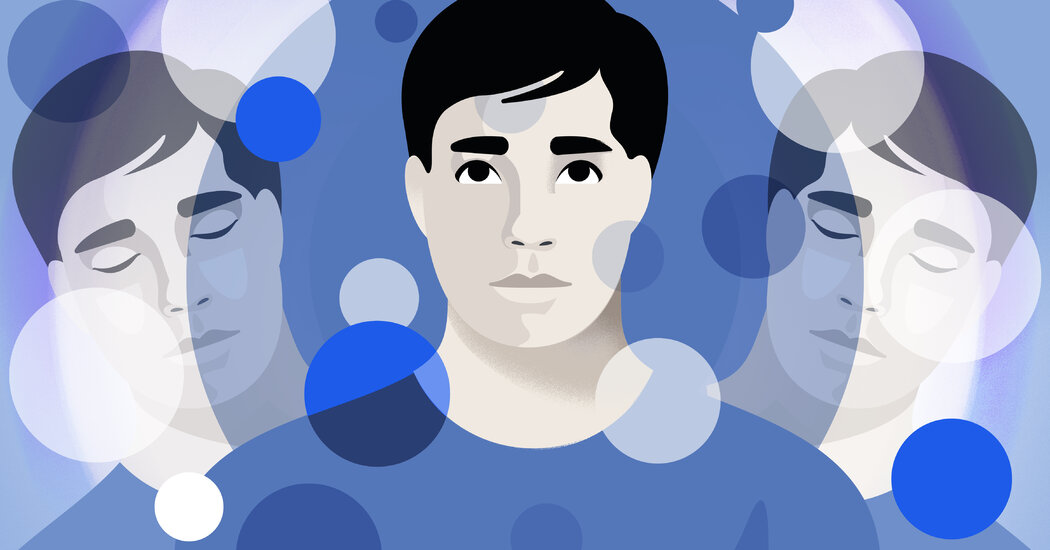
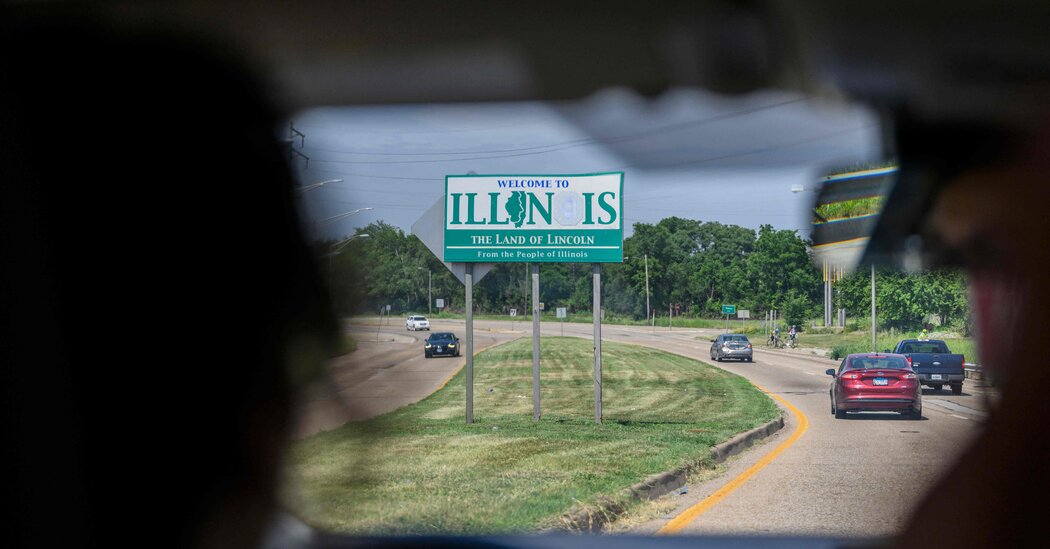
While social media can help people feel less alone, using it to evaluate symptoms has several downsides.About a year into the pandemic, Kianna, a high school student in Baltimore, was feeling increasingly isolated. While sitting alone in her bedroom there was too much time to think, she said, so sometimes she would fixate on her seclusion or start critiquing her appearance.“I remember just being on TikTok for hours during my day,” added Kianna, 17, who asked to be referred to by only her first name when speaking about her mental health. “That’s when my self-esteem started declining.”At the time, in early 2021, her 10th grade classes were virtual, and she had begun texting with her friends instead of talking to them. Her anxiety bred headaches, poor sleep and the odd feeling of living outside of her body. Then, she started seeing videos on TikTok about depersonalization disorder, a type of dissociative condition that can make people feel disconnected, as though their body is detached from their thoughts, almost like being in a dream.“I have this,” she recalled thinking to herself. But mental illness wasn’t the type of thing she would normally discuss with her friends or family. She didn’t tell anyone about her revelation. “I was so in my head that something was wrong with me.”In recent years, discussions about mental health have proliferated on social media, particularly on TikTok, where the format allows for easily digestible, intimate videos that appear in a never-ending algorithmic feed. And for those researching various disorders, it has become increasingly easy to find bite-sized definitions and self-assessment quizzes online. While this bounty of unfiltered resources can serve to reduce the stigma associated with mental illness, there are downsides.A number of mental health providers say that they are seeing an uptick in teenagers and young adults who are diagnosing themselves with mental illnesses — including rare disorders — after learning more about the conditions online. In some cases, this information can lead them toward getting the help they need, but it can also result in people incorrectly labeling themselves, avoiding a professional assessment and embracing ineffective or inappropriate treatments.Annie Barsch, a licensed marriage and family therapist in Elburn, Ill., a suburb of Chicago, has fielded multiple inquiries from teenagers and adolescents who arrive at her office with a specific diagnosis in mind.“People go, ‘Well, if I have the symptom, I have to have the disorder’ — but it’s not that kind of relationship,” she said.Some will say, “I’m so O.C.D.,” she added.But “if you’re organized and you have structure and you like things a certain way and you’re functioning, you don’t have obsessive-compulsive disorder — you’re organized,” Ms. Barsch said. “People who have O.C.D. cannot function because of their compulsions.”Some adolescents will choose to believe TikTok over a therapist, she added, and for several sessions they “keep pushing the same agenda.”Tips for Parents to Help Their Struggling TeensCard 1 of 6Are you concerned for your teen?

Read more →

Inspired by nature: Silencing bacteria

Bacteria love moist surfaces. Once they have settled there, they do not live as solitary organisms but form larger communities that are embedded in a protective film. These biofilms are found on various surfaces, for example at home on light switches, in the bathroom, on toys or keyboards, on shopping carts or ATMs that many people touch with their hands. This can lead to contact infections. The bacteria, such as the pathogenic bacterium Pseudomonas aeruginosa, are often persistent and defy the body’s own immune system or chemical biocides. Current research approaches are therefore trying to prevent bacterial colonization of material surfaces or at least to make it more difficult. A team from Johannes Gutenberg University Mainz (JGU) and the German Federal Institute of Hydrology (BfG) in Koblenz has now developed a new approach using ceria nanoparticles.
Modified signaling molecules prevent the formation of biofilms
For bacterial life in communities, it is important that the individual cells “talk” to each other. Communication proceeds nonverbally with the help of signaling molecules that are continuously emitted to the environment, whereby different “languages” and “dialects” can occur depending on the specific bacterium. As bacterial concentration increases so does the concentration of the signaling molecules. This allows bacteria to detect the number of other bacteria in their environment and activate processes that enable the formation of biofilms.
To prevent colonization with bacterial biofilms, various hosts defend themselves with a strategy that ” silences” the bacteria by enzymatically modifying the signaling molecules. This is done, for example, with the help of haloperoxidases, a group of enzymes that halogenate signaling molecules through a complex reaction chain.
These modified signaling molecules have a similar structure as the original molecules and can still bind to receptors. However, they can no longer activate the process chains that lead to biofilm formation. This interference in bacterial gene regulation is also of pharmacological interest, because pathogenic bacteria can evade the attack of the immune defense or the effect of antibiotics by forming biofilms.
Ceria nanoparticles take over the function of natural enzymes
The researchers from Mainz and Koblenz mimic these processes with nanoparticles of cerium dioxide (CeO2). CeO2 nanoparticles are, as the researchers explain in their recent article in ACS Nano, a functional substitute for haloperoxidase enzymes. However, the molecular mechanisms underlying biofilm inhibition are difficult to unravel in detail, because not only do many competitive reactions occur in bacterial cultures, but vast numbers of other biomolecules are also present in addition to the halogenated signaling molecules.
The cooperation partners from Mainz and Koblenz demonstrate the enzyme-analog catalytic participation of the CeO2 nanoparticles via an analysis of the reaction cascade at the molecular level. The halogenated signaling molecules were first identified in model reactions. In bacterial cultures, their detection was not possible directly because the products are being degraded too quickly. However, chromatographic workup and mass spectrometric analysis unexpectedly revealed the formation of further halogenated signaling molecules from the family of so-called quinolones. This shows that the CeO2 nanoparticles interfere with biological processes just like native enzymes by modifying and inactivating signaling molecules.
Antibacterial surfaces without the risk of resistance formation made possible
“Cerium dioxide is non-toxic, chemically very stable, and it is contained, for example, in modern vehicle exhaust catalytic converters,” stated Dr. Eva Pütz, who carried out her doctoral thesis on this project. She is convinced that cerium dioxide is a viable and cost-effective alternative to conventional biocides. “One practical application of our findings is to block bacterial growth and prevent bacterial infections,” she said. The quinolone signaling molecules lead to the formation of small colony variants in the multidrug-resistant bacterium Staphylococcus aureus, which are often diagnostically undetectable. Since the halogenated quinolone signal molecules suppress colony formation, dangerous infections by P. aeruginosa and S. aureus, for example, can be prevented with the help of paint dispersions containing CeO2 nanoparticles,” added Dr. Athanasios Gazanis, who investigated the microbiological aspects in his doctoral thesis.
“Here we have an environmentally compatible component for a new generation of antibacterial surfaces that mimic nature’s defense system. Most importantly, it works not only in the lab, but also in everyday use,” emphasized Nils Keltsch, who performed the biological trace analysis in his doctoral thesis.
The danger in combating biofilms with biocides and antibiotics is the formation of resistance. However, this could be effectively circumvented in an environmentally friendly way by coating polymers with CeO2 nanoparticles.

Read more →

Pandemic Learning Loss Is Not an Emergency

What is the panic about pandemic learning loss actually about?There are some legitimate reasons for concern. The testing declines are real and significant, returning national performance in math and reading to levels last seen a couple of decades ago, and imposing the largest and more worrying setbacks on the most vulnerable students. At the nationwide level, educational gains are exceedingly hard to come by, which means even modest setbacks are worrying, too. There are, as always, good reasons to ask what can be done to address learning shortfalls, and how to best support teachers and schools in addressing them — particularly as billions in federal funding to counter learning loss awaits distribution.But when I look at the data in detail, I just don’t see the signs of catastrophe that so many others seem to. I’m inclined to see that data as, at least, a glass half full, if not quite a best-case scenario. That’s because the declines, all told, strike me as relatively small, given the context: a brutal pandemic that terrified the country and killed more than a million of its citizens, upending nearly every aspect of our lives along the way.The panic of parents and policymakers is both unsurprising and, to a degree, productive: As we approach the three-year anniversary of the beginning of the pandemic, we should be thinking about what went right and what went wrong, with school closures and other mitigation policies. But in doing so let’s try not to forget the scale of the impact or the context in which it happened.As a country, prompted in part by midterm elections, we are now doing some of that reckoning — mostly in a one-sided way, with Republicans running on the Covid excesses of liberals and Democrats mostly trying to avoid the subject. But it isn’t just partisanship skewing things. We are talking a lot more about possible policy overreach — on school closures, on mask mandates — than we are about how brutal and disorienting the pandemic actually was. And we aren’t doing that in a world in which the whole thing turned out to be no big deal, or some false alarm panic that made initial precautions seem absurd and retrospective policy questions abstract. We’re doing it in a world in which a million Americans died — and we’re judging choices made before vaccines and Paxlovid and widespread natural immunity, when the risk of death was 10 times higher, by the much more laissez-faire standards we settled on much later.Could we have managed the first year of the pandemic more strategically, doing more to protect the vulnerable and prioritize essential functions like schools? Almost certainly. (Personally, I would’ve liked to have seen schools open nationwide in fall 2020, with additional focus on rapid testing and improved ventilation.) Do we know how well each mitigation measure suppressed spread and saved lives? Not as clearly as we might like if we were trying to strategize a plan for future pandemics, and we may well be less universally restrictive if given another chance. But however open these questions may seem to you today, they were first asked not in the context of endemic Covid but of mass death and illness, uncertainty and anxiety and social disarray.In that context, how did the kids fare? Last month, I wrote about early learning loss data from the National Assessment for Educational Progress tests, which showed, that for the country’s 9-year-olds, average test scores for math fell to 234 (out of 500) in 2022, down from 241 in 2020. For reading the scores fell to 215 in 2022 from 220 in 2020. These declines represented a setback of a couple of decades, since the average math score had been 232 in 1999 and the average reading score had been 216 in 2004. The scores varied from student to student and district to district, but nationally the effect did not resemble the cancellation of school. It was the equivalent of taking the nation’s schoolchildren, putting them in a time machine, and sending them off to be educated sometime around the year 2000.This week, N.A.E.P. released new data covering 450,000 fourth and eighth graders, generating a new round of hand-wringing. (The Washington Post called it “a generational emergency.”) But the new data only confirms the same story.For fourth graders, national performance in math fell from 241 in 2019 to an average of 236 in 2022 (close to what it had been in 2005). In reading, average scores by fourth graders fell to 217 in 2022 from 220 in 2019, more or less matching the average performance of 219 by fourth graders from 2005. For eighth graders, the average reading score in 2022 was 260, down from 263 in 2019. In math, the decline was a bit bigger, falling to an average of 274 in 2022 from 282 in 2019, erasing a couple of decades of gains and matching the scores achieved in 2000, when the national average was 273.All told, at least as judged by test scores, the effect of extensive and perhaps excessive disruption to schooling was to return the country as a whole to the levels of educational achievement of the No Child Left Behind years.State by state, it is hard to draw a line between school closures and learning loss, since some states that stayed closed longest fared best, and vice versa. Earlier research showed a clearer relationship between school closures and learning loss at the district level, but at a news conference announcing the latest N.A.E.P. report, the commissioner of the National Center for Education Statistics said, “There’s nothing in this data that tells us there is a measurable difference in the performance between states and districts based solely on how long schools were closed.”In New York City, the nation’s largest school district, schools reopened in September 2020. There, average scores for reading fell by about a point for fourth graders and improved by about a point for eighth graders; in math, fourth-grade scores fell by nine points (statewide scores fell by 12) and eighth-grade scores fell by four points (statewide scores fell by six). In Los Angeles, the second-largest district, schools stayed closed through January 2021. There, average scores actually improved in fourth-grade reading, eighth-grade math and eighth-grade reading, where they improved by a robust nine points (to 257 from 248). Scores fell only in fourth-grade math (to 220 from 224).In a vacuum, the pandemic declines look like bad news, if at a relatively small scale. But none of this happened in a vacuum. I’ve mentioned the million deaths not to fearmonger about how much higher those numbers might have been without school closures — the scale of that impact is, I believe, an open question — but just to point out the enormous and widespread human impact of the disease itself. And that impact was much larger than measured simply by mortality. More than 3.5 million Americans were hospitalized, according to one estimate, and probably at least as many suffered from long Covid. In the spring of 2020, the country’s unemployment rate exploded, jumping to nearly 15 percent from about 4 percent; for a brief period in April, six million new jobless claims were filed each week. In a single quarter, U.S. GDP fell by 9 percent. Murder rates grew by 30 percent; deadly car crashes spiked, too. Overdose deaths rose 30 percent in 2020 and 15 percent in 2021. According to some research, rates of depression tripled in the United States when the pandemic first hit. Some 600,000 teachers left the profession.This is the world in which American students — most of them learning remotely for many months, many of them for close to a year, and some for longer — fell off by a handful of points, on their reading and math exams, compared with their prepandemic peers.“The sudden onset of the pandemic has been the most catastrophic event in recent American history, making the expectation that there would not be something called ‘learning loss’ bizarre,” Keeanga-Yamahtta Taylor wrote recently in The New Yorker. “The idea that life would simply churn on in the same way it always has only underscores the extent to which there have been two distinct experiences of the pandemic,” she went on, emphasizing how much harder the pandemic was for the poor and marginalized to navigate, compared with those for whom its secondary effects were buffeted by wealth.International comparisons offer another bit of context for test score declines. In England, schools closed in the spring of 2020, opening again in some places in early summer and across the country in the fall (with an Omicron interruption of about a month that winter of 2021). In retrospect, that would have been a plausible but relatively aggressive school reopening approach in the United States, where many schools stayed remote well into the 2020-2021 school year. It also resulted in a drop of six percentage points in proficiency scores, roughly comparable to the American experience. In other words, in England, with a close-to-optimal school reopening, they fared no better.In the Netherlands, where schools were even less disrupted than in Britain, student performance fell by three percentage points — a bit better, but still below the standards set in prepandemic years. At the most extreme end of the spectrum, there is Sweden, which did not close schools at all, and which, some reporting has suggested, experienced no such declines. But the country also suspended its testing program, which means the data on which such claims might be based is pretty shaky.The American data, by contrast, is quite strong, and the picture is clear: Almost everywhere, there have been declines, generally modest. And yet rhetoric about the costs of school closure appears to be only intensifying — with the secretary of education calling the test scores “appalling and unacceptable,” for instance, adding that our response to the declines will determine “our nation’s standing in the world.”Perhaps it makes sense that in this period of reflection, schools would become such a hotly debated pandemic touchstone. Schools are hugely important, educational gains exceedingly hard to come by, and the setbacks are both real and large enough to justify plenty of genuine concern. Schools are also among the civic institutions Americans are most engaged with and involved in, which means that — unlike the running of hospitals, say, or pandemic policy in the military — the question of school closure felt much more immediate to many more people, including those whose lives were otherwise relatively untouched by pandemic disruption.School closures also had costs that went well beyond test scores — the social and emotional costs of isolation for children and the additional impact on many parents — and those scores are perhaps one way of talking generally about that larger burden. Like crime, school performance is a perennial and widespread source of American anxiety, and earlier conflicts — between reformers and teachers’ unions, between parents and local bureaucracies — offered a kind of road map for fights over pandemic policy. Those concerned about social inequalities could see easily and clearly, beginning in the fall of 2020, just how differently the matter of reopening was being handled by private schools, public schools in wealthy places and public schools in poor places — and be rightfully outraged by divergence.But I think, alongside those explanations, there’s something else: Americans as a whole are not exactly happy with how those two years went, and the pandemic has left almost all of us with some excess of rage and frustration. Early on, that was channeled into partisanship, with liberals blaming President Donald Trump for the pandemic itself and conservatives blaming liberals for pandemic restrictions. But the lines of Covid partisanship are much muddier now — a few years on, there’s a Democrat in the White House, and a growing recognition that, while policy matters and political leadership have surely failed the country, the virus was going to wreak some amount of havoc regardless.But that idea remains uncomfortable for many, that the pandemic was not just a policy failure or political choice but a generational and global public-health trauma against which very few of our peer countries fared very well either. And yet even as it grows harder to pin responsibility on one party or one president, we want to pin it somewhere, on some human or humans or human institution, if only to tell ourselves that if we make the right choices we will never have to live through all that again. As a country, we burden our schools with an almost impossible set of responsibilities — undoing racial disparities, for instance, or closing yawning income gaps. It makes sense that we’ve piled additional frustration and rage on them, wanting to believe schools could have navigated the pandemic smoothly, too. But to judge by the test scores, at least, they came remarkably close.David Wallace-Wells (@dwallacewells), a writer for Opinion and a columnist for The New York Times Magazine, is the author of “The Uninhabitable Earth.”

Read more →

Heat waves driven by climate change have cost global economy trillions since 1990s

Massive economic losses due to sweltering temperatures brought on by human-caused climate change are not just a problem for the distant future. A study in the journal Science Advances has found that more severe heat waves resulting from global warming have already cost the world economy trillions of dollars since the early 1990s — with the world’s poorest and lowest carbon-emitting nations suffering the most.
Dartmouth College researchers combined newly available, in-depth economic data for regions worldwide with the average temperature for the hottest five-day period — a commonly used measurement of heat intensity — for each region in each year. They found that from 1992-2013, heat waves statistically coincided with variations in economic growth and that an estimated $16 trillion was lost to the effects of high temperatures on human health, productivity and agricultural output.
The findings stress the immediate need for policies and technologies that protect people during the hottest days of the year, particularly in the world’s warmest, most economically vulnerable nations, the researchers report.
“Accelerating adaptation measures within the hottest period of each year would deliver economic benefits now,” said first author Christopher Callahan, a doctoral candidate in geography at Dartmouth. “The amount of money spent on adaptation measures should not be assessed just on the price tag of those measures, but relative to the cost of doing nothing. Our research identifies a substantial price tag to not doing anything.”
The study is the among the first to specifically examine how heat waves affect economic output, said senior author Justin Mankin, an assistant professor of geography at Dartmouth.”No one has shown an independent fingerprint for extreme heat and the intensity of that heat’s impact on economic growth. The true costs of climate change are far higher than we’ve calculated so far,” Mankin said.
“Our work shows that no place is well adapted to our current climate,” Mankin said. “The regions with the lowest incomes globally are the ones that suffer most from these extreme heat events. As climate change increases the magnitude of extreme heat, it’s a fair expectation that those costs will continue to accumulate.”
Climate models and previous research have included heat waves among other extreme events resulting from climate change, such as more frequent flooding and greater storm intensity, Callahan said. But heat waves have a unique signature, he said. They occur on shorter timescales than droughts and the temperatures of the hottest days of the year are projected to increase much quicker than the global average temperature as human activity continues to drive climate change.

Read more →

Tracking the pathway to immunity, one cell at a time

Vaccines work their magic by effectively creating immune cells that are long lived, often for over decades. These immune cells create both a protective barrier that can prevent or minimize re-infection and a memory that allows us to recognize an old invader like a virus and to kill it before it causes disease. The antibody in our blood that is the barrier is made by “long lived plasma cells” and while the importance of these cells has always been know, how and when they are generated following a vaccination has remained a mystery.
Until now.
A research team led by Dr. Marcus Robinson and Professor David Tarlinton from Monash University’s Immune Memory Laboratory, and published in the Science Immunology journal, has shown in real time how immune memory cells are stored in the bone marrow at around one single cell per hour for several weeks after immunization. The researchers used a genetic system in mice to map the gradual accumulation of these cells. This system, called timestamping, allows the researchers to indelibly mark all the plasma cells present at a given time after vaccination and then to return later and identify those that have survived and are thus long-lived. By doing this regularly following vaccination, the researchers revealed the history of the accumulation of these long-lived cells, pinpointing when they were made and where they went.
After receiving a vaccination we remain largely immune to that disease because our bodies provide an ongoing supply of antibodies against the immunized disease — essentially making sure we remain topped up with these antibodies. While we have known the sites in the body where these long lived plasma cells have been generated including lymph nodes, tonsils and gut — just what makes some vaccines lead to these cells sticking around for decades versus those that disappear after a few months has been unknown. Given the global interest in long term immunity provided by COVID vaccines there is an increased urgency in understanding this process.
Using a mouse model that expressed a fluorescent protein (called the TdTomato protein) only in cells specifically producing antibodies against a specific vaccine.
Because these cells fluoresced it was possible to track individual cells as they were produced and where they were stored.
The research used a series of tools to identify only those plasma cells that were generated by the vaccine. All plasma cells in the mouse model expressed a fluorescent protein (called TdTomato protein), and among those, they identified those recognising the vaccine and finally, by using the timestamp, they knew when those cells had been made and thus how old they were.
According to Professor Tarlinton, studying these individual cells as they are born, mature and get stored to protect us against repeat invasion by a particular virus or bacteria “can inform our understanding of how the recruitment of long-lived plasma cells occurs.”
The intricacy of the study has allowed the researchers to determine other aspects of the building up of specific immunity: How these plasma cells enter the bone marrow Whether these plasma cells must displace other cells when they get stored in areas such as bone marrow Or if these cells “find” a niche made vacant by previous plasma cells either dying or moving elsewhereMapping of these cells revealed that one particular vaccination in a mouse, led to the generation of around 40,000 persisting plasma cells in the bone marrow. These cells, after the initial flourish, then decline at a rate of around 0.1% a day with a half life of about 700 days, providing both an estimate of the duration of protection and identifying for further study the long-lived cells themselves.
According to Professor Tarlinton, understanding how these long-lived plasma cells are generated, live and die “will inform our ability to modulate their recruitment, through different vaccine combinations or delivery strategies — ultimately allowing us to be able to increase the longevity of immunity,” he said.
“In fact, there is exciting work recently reported in Nature that describes how altering the mechanics of vaccination can dramatically influence the character of the immune response, and we would predict the production of these special cells that have been the focus of our work.”
Story Source:
Materials provided by Monash University. Note: Content may be edited for style and length.

Read more →

New clues into a serious neurodegenerative disease

Dementia encompasses a range of neurodegenerative conditions that lead to memory loss and cognitive deficiencies and affect some 55 million people worldwide. Yet despite its prevalence, there are few effective treatments, in part because scientists still don’t understand how exactly dementia arises on a cellular and molecular level.
Now, a team led by scientists at Harvard Medical School and Harvard T. H. Chan School of Public Health has made progress in unraveling the mechanism underlying a type of dementia that strikes early in life.
In a study published Oct. 7 in Nature Communications, researchers discovered that a genetic form of frontotemporal dementia (FTD) is associated with accumulation of specific lipids in the brain — and this accumulation results from a protein deficiency that interferes with cell metabolism.
The results, based on experiments in human brain cells and in animal models, provide new insights into FTD that could inform the design of new therapies. Additionally, the findings highlight a mechanism of metabolic disruption that may be relevant in other forms of neurodegeneration, the researchers said.
A Black Box
There are several different types of dementia, each with complicated genetics that involve various mutations. FTD, characterized by a loss of cells in the frontal and temporal lobes of the brain, accounts for 5 to 10 percent of dementia cases. Often diagnosed in patients between 45 and 65 years old, the genetic forms tend to cluster in families. Around 15 percent of the time, FTD is linked to a specific mutation in the GRN gene, which causes brain cells to stop making a protein called progranulin.

Read more →