New light on key differences in immune response to SARS-CoV-2 vaccines

The total magnitude of the T-cell responses induced by mRNA and inactivated SARS-CoV-2 vaccines are comparable; however, the similarity ends here, according to a new study led by Duke-NUS Medical School scientists. They found that the inactivated vaccines, which expose the immune system to the entire non-viable virus, elicit a broad immune response against different proteins on the virus. Publishing in Cell Reports Medicine, the findings add to the growing literature that will help scientists improve vaccine strategies for an ever-changing virus.
“Inactivated SARS-CoV-2 vaccines were used extensively in Asia, but are often considered inferior due to their induction of a lower antibody response compared to other types of vaccines,” said Dr Anthony Tanoto Tan, Senior Research Fellow with the Duke-NUS’ Emerging Infectious Diseases (EID) Programme and a senior co-author of the study. “This means that they might not have been as good at preventing infection, but several studies have shown that they are highly capable of thwarting the development of severe COVID-19.”
The research team compared the T-cell immune response in blood samples from people who received inactivated SARS-CoV-2 and spike mRNA vaccines. While mRNA vaccines can only induce T cells targeting SARS-CoV-2’s spike protein, which contains numerous mutations in the Omicron variant, the inactivated vaccines stimulated a broad T-cell response not only against the virus’s spike protein, but also the membrane and nucleoprotein that has much fewer mutations in Omicron.
“This combination of membrane, nucleoprotein and spike-specific T-cell response is quantitatively comparable to the sole spike T-cell response induced by the mRNA vaccine. It also effectively tolerates the mutations characterising the Omicron lineage,” said Ms Joey Lim Ming Er, first author of the study and a second-year student PhD with the Integrated Biology and Medicine PhD track at Duke-NUS.
However, unlike the mRNA vaccines, the inactivated virus vaccines did not appear to trigger cytotoxic CD8 T cells known for their ability to kill virus-infected cells. They mainly stimulated a type of T cells called CD4 T helper cells. When these T cells recognise a viral antigen, they release chemicals, called cytokines that helps the activation other types of immune cells, hence their name.
Senior author of the study Professor Antonio Bertoletti from Duke-NUS’ EID Programme said: “The Omicron variant can effectively evade antibody neutralisation, moving the evaluation of vaccination efficacy away from preventing infection and towards ameliorating disease. T cells are likely to play a more important role in this compared to antibodies, due to their ability to target virus-infected cells.
“Since inactivated SARS-CoV-2 vaccines can generate T cell responses towards other viral proteins, this more heterogenous response could be beneficial, in comparison to the current Spike targeting strategy of other vaccines. However, larger studies are needed to clarify the impact of these T cells responses in SARS-CoV-2 pathogenesis to better design vaccines for controlling severe COVID-19 after infection by Omicron or future variants.”
To dig deeper into the implications of the different T-cell responses, the scientists called for further research with larger numbers of participants, to compare the ability of the multi-protein CD4 T cell response induced by inactivated virus vaccines with that of the single spike protein coordinated CD4 and CD8 T cell response induced by mRNA vaccines to ameliorate COVID-19 disease severity.
Story Source:
Materials provided by Duke-NUS Medical School. Note: Content may be edited for style and length.

Read more →

A new paradigm to enhance tumor targeting with biomimetic nanovectors

A new technique to improve the coating of nanoparticles used in cancer therapy may enhance tumour targeting, a new study carried out in collaboration between the University of Eastern Finland and Anhui Medical University in China concludes.
Tumour targeting is a prerequisite for effective cancer therapy because it enhances the therapeutic outcome and decreases adverse effects. However, effective targeting is challenging to achieve with nanoparticles (NPs) coated with synthetic targeting ligands, which are the current gold standard.
The cell membrane (CM) coating technique offers a new approach to overcome this challenge. CM coating endows the NPs with various biological properties, e.g., immune escape, prolonged systemic circulation time and efficient tumour targeting. However, the researchers had previously discovered that most of the CM-coated NPs reported in the literature were only partially coated, as quantified by a fluorescence quenching assay. The mechanism associated with this partial coating has remained largely unknown, limiting the further development of the coating technique and hindering the improvement of tumour targeting efficiency.
Published in Nature Communications, a new study suggests a simple method to fix the partial CM coating. This technique involves external phospholipids as a helper to increase the CM fluidity, promoting the final fusion of adjacent CM patches.
The researchers identified the mechanism by which the coating process, i.e., adsorption, rupture, and fusion of CM vesicles, is responsible for partial coating.
“Although the rupture of CM vesicles can occur during extrusion through the computational simulation results, the membrane fluidity was determined as a critical factor for fixing the partial coating,” says the first author of the study, Lizhi Liu, from the University of Eastern Finland.
“The improvement of partial coating was then achieved by introducing external unsaturated phospholipids to increase the CM fluidity,” he continues.
“The fixing of partial CM coating effectively improved the accumulation of NPs in tumour tissue, which was due to the enhanced immune escape and improved specific cancer targeting capability of fixed biomimetic NPs,” explains Dr Wujun Xu, one of the corresponding authors.
“We have confirmed the universality of this hybrid coating method using various core NPs, such as mesoporous silica, gold, and poly(lactic-co-glycolic acid) (PLGA). With deep understanding of the coating mechanism, our finding introduces a new era of better biomimetic nanovector design for advanced tumour targeting,” Professor Vesa-Pekka Lehto of the University of Eastern Finland concludes.
Story Source:
Materials provided by University of Eastern Finland. Note: Content may be edited for style and length.

Read more →

Reprogramming of immune cells shown to fight off melanoma

A new way of reprogramming our immune cells to shrink or kill off cancer cells has been shown to work in the otherwise hard to treat and devastating skin cancer, melanoma. The University of Bristol-led discovery, published in Advanced Science today [31 October], demonstrates a new way to clear early stage pre-cancerous and even late-stage tumour cells.
Using miniature artificial capsules called protocells designed to deploy reprogramming cargoes that are taken up by inflammatory cells (white blood cells), the scientists show they were able to transform these cells into a state that makes them more effective at slowing down the growth and killing of melanoma cells. They showed that this was possible for both animal and human immune cells.
The study is the first to test the capacity of a protocell to deliver cargoes for reprogramming immune cells and offers a promising novel target for the development of cancer immunotherapies.
Paul Martin, Professor of Cell Biology in the School of Biochemistry at the University of Bristol and one of the study’s lead authors explained what happens when our immune system comes into contact with cancer cells: “Our immune cells have a surveillance capacity which enables them to detect pre-cancerous cells arising at any tissue site in the body. However, when immune cells encounter cancer cells they are often subverted by the cancer cells and instead tend to nourish them and encourage cancer progression. We wanted to test whether it might be possible to reprogramme our immune system to kill these cells rather than nurture them.”
First, the team tested the proof of concept in zebrafish larvae which are used due to their translucency, allowing researchers to watch inflammatory immune cells interact with cancer cells in ways not possible in our own tissues.
Protocells loaded with anti-miR223 molecules that bind to and interfere with signalling machinery in the inflammatory immune cells and work by effectively prolonging their pro-inflammatory state, were shown to drive altered immune cell-cancer cell interactions, slowing the growth of cancerous cells and driving increased tumour cell death in the larvae.
To find out whether this approach might be upscaled as a feasible therapeutic strategy for shrinking larger, more established, and growing cancers, the experiment was repeated in adult fish with tailfin melanomas, showing this approach significantly inhibited melanoma cell growth.
To fully investigate the feasibility of using protocells to deliver ‘reprogramming’ anti-miR223 cargoes in humans, the experiment was conducted again using an in vitro assay with primary human immune cells from the Toye lab, also in Bristol’s School of Biochemistry. Results from this experiment demonstrated that the protocells were able to effectively deliver and reprogramme human immune cells toward a more persistent pro-inflammatory and potentially anti-cancer state.
Professor Stephen Mann from Bristol’s School of Chemistry and the Max Planck Bristol Centre for Minimal Biology added: “Our results highlight the therapeutic benefits of harnessing host immunity to eradicate cancers and demonstrate the feasibility of using protocells to deliver cargoes for reprogramming innate immune cells. While our experiments in zebrafish are early pre-clinical studies, our results indicate that the same is possible for human immune cells, at least in vitro, and can be similarly reprogrammed to supress cancer growth.”
The study was supported by grants from the Spanish Rafael del Pino Foundation, a Bristol Cancer Bequest, EU Marie Curie fellowship funded through HORIZON 2020, BBSRC (BrisEngBio), Wellcome, Elizabeth Blackwell Institute, the European Research Council (ERC) and Cancer Research UK (CRUK).
Story Source:
Materials provided by University of Bristol. Note: Content may be edited for style and length.

Read more →

Stealth-care system: Scientists test 'smart' red blood cells to deliver antibiotics that target specific bacteria

Physicists at McMaster University have identified a natural delivery system which can safely carry potent antibiotics throughout the body to selectively attack and kill bacteria by using red blood cells as a vehicle.
The platform, described in a new paper in the journal ACS Infectious Diseases, could help to address the ongoing antibiotic resistance crisis, say the scientists. They modified and then tested red blood cells as a carrier for one of the world’s only remaining resistance-proof antibiotics: Polymyxin B (PmB), widely considered a treatment of last resort due to its toxicity and harmful side effects, which include kidney damage.
It is used to fight particularly dangerous and often drug-resistant bacteria such as E. coli, which is responsible for many serious conditions such as pneumonia, gastroenteritis and bloodstream infections.
Researchers have developed a way to open red blood cells and remove the inner components, leaving only a membrane — known as a liposome — which can be loaded with drug molecules and injected back into the body.
The process also involves coating the outside of the membrane with antibodies, allowing it to stick to bacteria and deliver the antibody safely.
“Essentially, we are using red blood cells to conceal this antibiotic within so it can no longer interact or harm healthy cells as it passes through the body,” explains Hannah Krivic, a graduate student of biophysics at McMaster and lead author of the study. She conducted the work with undergraduate students Ruthie Sun and Michal Feigis, and Thode postdoctoral fellow Sebastian Himbert, all based in the Department of Physics & Astronomy.
“We designed these red blood cells so they could only target bacteria we want them to target,” says Krivic.
The team, supervised by Maikel Rheinstädter, a professor in the Department of Physics & Astronomy, had also focused on red blood cells in previous work (hyperlink) because they are stable, sturdy and have a naturally long lifespan, approximately 120 days, giving them ample time to reach different target sites.
“With many traditional drug therapies there are challenges. They tend to degrade rapidly when they enter our circulation system and are randomly distributed throughout our bodies,” Rheinstädter explains. “We often have to take higher doses or repeated doses, which increases exposure to the drug and heightens the risk of side effects.”
Scientists are working on additional applications of the technology, including its potential as a platform to deliver drugs across the blood-brain barrier and directly to the brain, helping patients who suffer from Alzheimer’s or depression, for example, to receive treatment much more quickly and directly.
Story Source:
Materials provided by McMaster University. Original written by Michelle Donovan. Note: Content may be edited for style and length.

Read more →

Possible biological explanation for increased cancer risk in dense breasts

The risk of developing breast cancer is higher in what are known as dense breasts, which appear white in mammograms, than in nondense breasts, which appear grey. Researchers at Linköping University, Sweden, have now shown that there are major biological differences dense breasts and nondense breasts. The results, published in the British Journal of Cancer, suggest that the properties of dense breasts promote cancer growth.
Not all breasts are the same in appearance or composition. Some breasts are “dense,” and the risk of developing cancer is five times higher in these than in nondense breasts. Mammography is regularly offered to all women in Sweden older than 40 years, while other methods used to detect tumours include magnetic resonance imaging (MRI) and ultrasound. The latter methods can be used as a supplement to mammography, but have not been evaluated for use in screening. Currently, dense and nondense breasts are treated in the same way in the Swedish healthcare system.
“The problem is that we don’t know what to do with the women who have dense breasts. Large studies would be needed before introducing a screening programme for such women, such that we can identify those with greatest risk and follow them in the healthcare system. This is necessary to prevent putting many women through unnecessary examinations,” says Charlotta Dabrosin, professor in the Department of Biomedical and Clinical Sciences at Linköping University and consultant at the Oncology Clinic at Linköping University Hospital.
The density of a breast mainly depends on the connective tissue, or to be more precise, on everything that is not fatty tissue, since the fraction of glandular tissue is approximately the same in all breasts, dense and nondense. In mammograms, both glandular tissue and connective tissue appear white. And cancer also appears white in mammograms. This means that it can be more difficult to detect cancerous changes in dense breasts by mammography. However, the difficulty of detecting a tumour does not fully explain the higher risk of cancer in women with dense breasts, and we do not at the moment know which other factors lie behind the increased risk.
Charlotta Dabrosin has led a study and recently published the results in the British Journal of Cancer. The researchers investigated whether the biological properties of dense and nondense breasts differ. For this, they developed an MRI method that can measure breast density and other distinguishing factors of breasts more accurately than current methods.
Forty-four women, some with dense breasts and some with nondense breasts, were investigated using contrast-enhanced MRI. The researchers also used another technique, microdialysis. In this, a thin catheter is introduced into the breast tissue to obtain samples of the fluid that surrounds the cells, also known as the microenvironment. The researchers can measure the amounts of various proteins in this fluid. In previous studies, Charlotta Dabrosin has shown that the microenvironment in dense breasts is very similar to that in breast tumours.

Read more →

Mass school shootings are not caused by mental illness, study finds

A research team at Columbia University Irving Medical Center and the New York State Psychiatric Institute (NYSPI) examining 82 mass murders that occurred at least partially in academic settings throughout the world, found that most mass murderers and mass shooters did not have severe mental illness.
The study, led by Ragy R. Girgis, MD, and Gary Brucato, PhD, associate research scientist, also found that most mass murderers used firearms, and semi- or fully-automatic firearms most commonly. Among incidents of mass school murder not involving firearms, stabbing was the most common method.
The research, published online Oct. 27, in the Journal of Forensic Sciences, according to study authors, is largest analysis ever conducted on mass school shootings.
“Our findings suggest that mass school shootings are different from other forms of mass murder, and that they should be looked at as a distinct phenomenon,” said Dr. Girgis, director of the Center of Prevention and Evaluation (COPE), a research clinic at Columbia/NYSPI specializing in the study and treatment of young adults at high risk for schizophrenia and other psychoses. “To prevent future mass school shootings, we need to begin to focus on the cultural and social drivers of these types of events, such as the romanticization of guns and gun violence, rather than on individual predictors.”
To conduct their study, the researchers analyzed data from the Columbia Mass Murder Database (CMMD), developed by the COPE team to gain much-needed insight into the relationship between serious mental illness and mass shootings. Creating the CMMD involved extensive review of 14,785 murders publicly described in English in print or online, occurring worldwide between 1900 and 2019.
For the mass school shooting study, the researchers isolated cases of mass murder perpetrated at least in part at schools, colleges, and universities and categorized them by location (within or outside of the US), and whether firearms were used.
Of the 82 incidents of mass murder involving academic settings: Nearly half (47.6%) and most involving firearms (63.2%) were U.S.-based Consistent with previous reports, perpetrators of mass shootings involving academic settings are primarily Caucasian (66.7%) and male (100%) Severe mental illness (e.g., psychosis) was absent in the majority of perpetrators; when present, psychotic symptoms are more associated with mass murders in academic settings involving means other than firearms About half (45.6%) of mass school shootings ended with the perpetrator’s suicideCoauthor Paul S. Appelbaum, MD, the Elizabeth K. Dollard Professor of Psychiatry, Medicine and Law at Columbia, said that identifying mental illness as a primary cause of violence is misleading.
“The findings strongly suggest that focusing on mental illness, particularly psychotic illness, when talking about mass school shootings risks is missing other factors that contribute to the vast majority of cases, as well as exacerbating the already widespread stigma surrounding severe mental illness,” said Dr. Appelbaum.
Noting that almost half of mass shooters took their own lives at the scene, the authors hypothesize that perpetrators may see themselves as engaging in some form of final act.
The researchers hope that the findings will help lawmakers and law enforcement officials better understand the phenomenon of mass school shootings, as well as how mass school shootings differ from other forms of mass murder. The authors also emphasize that these data cannot be used to predict behavior on an individual level.

Read more →

Family members caring for COVID patients after ICU discharge face unique challenges

Roughly 21% of hospitalized COVID-19 patients at the height of the pandemic required an intensive care stay and the bulk were cared for by family upon discharge. However, not much is known about how these caregivers and patients adapted.
To learn more, University of Michigan researchers surveyed COVID-19 ICU patients who were hospitalized in Southeastern Michigan between the start of the U.S. pandemic and October 2020. Researchers interviewed 32 patients after discharge, along with 32 caregivers.
Findings suggest COVID-19 presents caregivers with unique challenges not evident in other patients. Data also confirm previous research that, in general, the bulk of family caregiving falls to women, with 75% of the COVID-19 caregivers in the study identifying as female and 75% of patients identifying as male.
COVID-19 and cognitive changes
Six themes emerged and three were unique to COVID: managing infection, engaging support services and patient independence.
“The desire to be independent is definitely something that we would likely see across many disabling illnesses,” said Sheria Robinson-Lane, assistant professor at the School of Nursing and the study’s first author. “However, the cognitive changes that can occur with a severe COVID-19 infection are perhaps more unexpected for families, not usually discussed, and can make caregiving … extra stressful.”
Managing infection was especially challenging before vaccines and other treatments because patients were so sick and COVID is highly transmissible, Robinson-Lane said. Caregivers, at risk for infection themselves, were forced to balance their self-care needs with potential risks to public health.

Read more →

New insights on antibody responses to Omicron variants

Knowing how well vaccination against one SARS-CoV-2 strain (with or without previous infection) counteracts infection with a different strain is a critical research question. The answers could guide strategies to continue to subdue the COVID pandemic, even as the coronavirus regains ground.
Recent scientific studies in this area have been led by the labs of David Veesler, associate professor of biochemistry at the University of Washington in Seattle and Howard Hughes Medical Institute Investigator, and Davide Corti of Humabs BioMed SA of Vir Biotechnology in Switzerland.
Their latest findings appear in this week’s Science magazine in the paper “Imprinted antibody response against SARS-CoV-2 Omiron sublineages.”
The lead authors on the paper are Young-Jun-Park, Dora Pinto, Alexandra C. Walls and, Zhuoming Liu. Young-Jun-Park and Lexi Walls are from the Veesler lab, Dora Pinto is from the Corti lab, and Zhuoming Liu is at Washington University in St. Louis.
The international team looked at several aspects of the effects of exposure to earlier forms of the SARS-CoV-2 spike antigen — or immune-provoking protein — on the immune system’s reaction to the Omicron variants.
The Omicron variants of the SARS-CoV-2 virus appeared at the end of 2021 and have marked genetic differences from the ancestral SARS-CoV-2. The many, distinct mutations in their infection machinery have enabled them to escape from antibodies elicited from the original series of vaccines, from a history of infection, or from both of those two immune-system training events.

Read more →

Study identifies potential new treatment target for sleep apnea

In a new study with obese mice, Johns Hopkins Medicine researchers say they have added to evidence that specialized channel proteins are possible therapeutic targets for sleep apnea and similar abnormally slow breathing disorders in obese people.
The protein, a cation channel known as TRPM7, is found in carotid bodies, tiny sensory organs in the neck that detect oxygen and carbon dioxide changes, and certain hormones such as leptin, in the bloodstream. TRPM7 proteins help transport and regulate the stream of positively charged molecules in and out of the carotid bodies’ cells.
The new research, carried out in the Johns Hopkins Medicine Polotsky Research Lab and led by postdoctoral fellow Lenise Kim, Ph.D., builds on previous findings from the lab that show that TRPM7 contributed to the development of high blood pressure in mice.
The latest experiments, described in a report first published October 10 in The Journal of Physiology, revealed that TRPM7 plays a role in suppressing breathing in obese mice with symptoms of sleep-disordered breathing conditions.
Sleep-disordered breathing is characterized by breathing that stops and starts throughout sleep and is estimated to affect up to 45% of obese Americans. Untreated, the condition can worsen heart disease progression and diabetes, cause significant fatigue, as well as death from poor oxygenation. Lifestyle changes such as weight loss and nightly use of continuous positive airway pressure devices, or CPAP, can alleviate sleep apnea, but CPAP treatment is often poorly tolerated by patients.
“CPAP actually works for most patients, the fact is that most patients are not adherent to this treatment,” says Kim. “So knowing that TRPM7 contributed to high blood pressure and sleep-disordered breathing, we wondered if blocking or eliminating that channel could offer a new treatment target.”
Using silencing RNA, the researchers knocked out the gene responsible for the production of the TRPM7 channel protein, reducing the number of TRPM7 channels in the carotid bodies of obese mice. Mice then underwent a sleep study, during which researchers observed their breathing patterns and blood oxygen levels.

Read more →

Cholera Outbreaks Surge Worldwide, Following Floods, Droughts and Wars

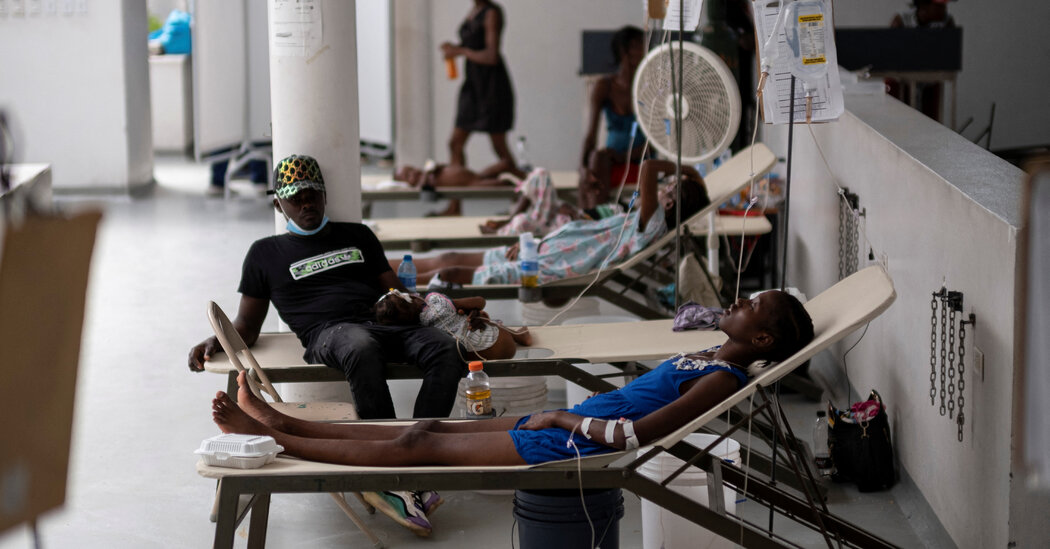
A record number of outbreaks has drained the cholera vaccine supply, leading the W.H.O. to ration emergency vaccinations.A record number of cholera outbreaks around the globe, driven by droughts, floods and armed conflicts, has sickened hundreds of thousands of people and so severely strained the supply of cholera vaccines that global health agencies are rationing doses.Outbreaks have been reported in the Caribbean, Africa, the Middle East and South Asia, putting the health of millions at risk and overwhelming fragile health systems. Untreated, the disease, which is commonly spread through contaminated water, can cause death by dehydration in as little as one day, as the body tries to expel a virulent bacteria in gushes of vomit and watery diarrhea.Cholera is typically fatal in about 3 percent of cases, but the World Health Organization says it is killing at an accelerated rate in recent outbreaks, even though it is relatively cheap and easy to treat. It is most often fatal in children, who progress swiftly to severe illness and organ failure. Cholera outbreaks tend to follow displacement: When droughts, floods, famines or the threat of violence force large groups of people to move, and they lose access to clean water and adequate sanitation facilities, cholera bacteria can race through a population. This year has seen cholera both in places where it is a familiar threat, and in countries that have not confronted it for decades.“The situation is very concerning, very worrying,” Dr. Philippe Barboza, who leads the World Health Organization’s cholera response, said. “We have had to worry about war and poverty and population movements, and that has not changed. But now we have climate change on top of that.” He called the profusion of cholera outbreaks “a fire that is just going to keep getting bigger.”In Nigeria, a million people have been displaced by floods in recent weeks, and there are at least 6,000 cases of cholera. The authorities in Kenya are reporting suspected cholera in people fleeing violence in Somalia and arriving at the mammoth Dadaab refugee camp, where tens of thousands of children are at risk.A recently opened medical center for cholera in the Syrian town of Darkush, on the outskirts of the rebel-held northwestern province of Idlib.Aaref Watad/Agence France-Presse — Getty ImagesIn Haiti, cholera has broken out as whole neighborhoods of people displaced by violence are packed into small open patches in Port-au-Prince, sharing a single cracked pipe of water that runs through untreated waste. Cholera is also festering in the country’s severely overcrowded prisons.In Syria, millions of people displaced by the civil war lack access to clean water, while the years of fighting have destroyed sanitation infrastructure. Raw sewage is being pumped into the Euphrates River, which hundreds of thousands of people depend on for water. The United Nations reports more than 20,000 suspected cholera cases and 75 deaths there.In Pakistan, where a third of the country is fully under water after massive monsoon flooding, and close to 10 million people have been displaced, there are reports of cholera cases in a dozen locations. These are not yet full-blown outbreaks, and vaccination could help stave off disaster.Read More About Extreme WeatherReversing Course: The Netherlands, a country long shaped by its overabundance of water, is suddenly confronting drought. Its population is hoping to engineer its way to safety.Water Crisis: A megafire in New Mexico that displaced thousands of people has set off a drinking water crisis — the latest chapter in a catastrophe created by the federal government when Forest Service employees lost control of two prescribed burns set this spring.Smoke Pollution: Smoke from wildfires has worsened over the past decade, potentially reversing decades of improvements in Western air quality made under the Clean Air Act, according to new research.But demand for vaccination is so high that the World Health Organization has suspended the recommended two-dose vaccination regimen and switched to a single dose, in an effort to stretch supply so enough is available to be able to respond to more outbreaks that could occur in the coming months.“We have never had to make a decision like this about vaccination before, that’s the severity of this crisis,” Dr. Barboza said.If enough single doses are given in a region, it should be enough to quell an outbreak, she said. But the length of the protection is significantly shorter. A single dose of the cholera vaccine gives between six months and two years of immunity, while the full regimen of two doses delivered a month apart gives adults four years of protection, she said. If a second dose can be delivered within six months, it should give three years of protection. But the evidence on the exact duration of protection is limited; it is known to be much shorter in children.A hospital worker at a disinfecting station at the cholera treatment unit of the Médecins Sans Frontières hospital in Cite Soleil, a densely populated neighborhood of Port-au-Prince.Ricardo Arduengo/ReutersSome 36 million doses of the oral cholera vaccine were expected to be produced in 2022, and of those, 24 million have been shipped for vaccination campaigns. The remaining eight million doses have already been designated for a second round of emergency vaccination in four countries — Cameroon, Malawi, Pakistan and Kenya — the W.H.O. said.That prompted the coordinating body that allocates cholera vaccines to decide to switch the vaccination regimen to a single shot until new supply is available, most likely by the end of the year. (That body is made up of the W.H.O., UNICEF and the aid organizations Médecins Sans Frontières and the International Federation of Red Cross and Red Crescent Societies, which staff cholera emergency centers around the globe.)Dr. Seth Berkley, the chief executive officer of GAVI, a nongovernmental organization that manages the global stockpile of vaccines for cholera among other pathogens, said that he believed as many as five million doses would be produced through the end of 2022 and that some existing requests would be canceled, so that 12 million doses could still be available this year.Dr. Daniela Garone, M.S.F.’s international medical coordinator, said the vaccine demand had left the agencies to make grim choices. “It leaves you sitting at a table literally having to have conversations like, well, do we send it to Haiti or do we send it to Syria?” she said. “Do we send it to Zimbabwe?”Ideally there would be regional vaccination in southern Africa right now, Dr. Garone said. For example: An outbreak in Malawi threatens neighboring countries because there is a lot of movement of people across borders with Zambia and Mozambique. But there are insufficient supplies to do that kind of preventive campaign in the region, or in India, Pakistan, Nigeria or the Democratic Republic of Congo.“There is just not enough vaccine,” she said. “And it’s the chicken or the egg: Do you prevent or you react? At the moment we are only on the reacting, trying to prevent mortality, and we cannot prevent.”A cholera vaccination campaign does not aim to cover the entire population of a country, but rather the area around a hot spot of transmission. The primary goal is to buy a country time to put sanitation measures in place, such as setting up latrines and trucking in sources of clean water, that are key to stopping transmission.A boy stands at a flooded stream following torrential rains in Sana’a, Yemen, in July 2022, that created a high-risk environment for cholera.Yahya Arhab/EPA, via ShutterstockThe bulk of the world’s cholera vaccine is made by a South Korean company called EuBiologics. Some 15 percent of the global stockpile was produced by Shantha Biotechnics, a wholly owned Indian subsidiary of the French drugmaker Sanofi, but the company decided two years ago to stop production of its cholera vaccine by the end of this year and end supply by the end of 2023. That planned exit from the market coincides with the spike in demand.Dr. Barboza said that EuBiologics was producing at capacity and working to expand its production, and that another drugmaker would soon begin to produce the vaccine.“But even a sharp increase in production will be low compared to the need,” he said.Drugmakers in high-income countries have little interest in making the vaccine, which typically sells for about $1.50 a shot, Dr. Barboza said. “It’s a marker of vulnerability and poverty and will never affect a rich country not at war.”A second problem is that the funds to buy more cholera vaccines often come out of the same limited envelope allotted for the drinking water and sanitation work that is necessary in an outbreak, said Gian Gandhi, the chief of health emergencies strategy for UNICEF’s supply division.While the global cholera case count is high, death numbers, at the moment, remain relatively low, which reflects the fact that cholera treatment is relatively cheap and simple. “Even countries that have not been exposed to cholera before, they can learn quickly,” Dr. Garone said.The International Center for Diarrheal Disease Research, Bangladesh hospital, where the cholera treatment was pioneered and which played a key role in the development of the vaccine, saw a record number of cholera patients in March and April this year. Instead of a typical 400 patients a day, the hospital treated 1,500, most of them in giant tents erected outside the facility to absorb the crowds, Dr. Ahmed said. There, the driver was not flood but heat: Extreme temperatures led to large-scale population movement, leaving people without clean water.But only a few people died, he said, because simple oral rehydration salts and antibiotics will cure most cases. Then, to help end that outbreak, more than two million people were vaccinated using contact tracing to hot spots. Bangladesh has been working toward preventive vaccination in known cholera flashpoints in an effort to keep outbreaks from starting.Dr. Berkley said that currently 85 percent of the supply was being used in emergencies. “If you could go in and do preventive vaccination in these hot spots, you could blot out these different places that are where the disease is transmitted from,” he said.Dr. Barboza said that while cholera outbreaks were difficult to predict, the W.H.O. anticipates that there will be more, because of climate change. While flooding disasters such as those in Nigeria and Pakistan right now immediately evoke fears of cholera, the risk from drought can be even greater, he said.“When water is scarce you can have people packed even more closely, perhaps all using a single spring that is not protected, and more people means more risk of contamination,” he said. “They don’t have water to wash, or to wash their vegetables, and it’s a spiraling effect.”If some of the outbreaks underway now continue past six months, the immunity of the people vaccinated with just one dose will have waned, and they will need to be revaccinated, he said. Ideally that would be with the full two-dose regimen, if supplies have been built back up. But, he added, the same factors driving outbreaks — insecurity and floods — make it hard to vaccinate.

Read more →