Humans are leaving behind a 'frozen signature' of microbes on Mount Everest

Almost 5 miles above sea level in the Himalayan mountains, the rocky dip between Mount Everest and its sister peak, Lhotse, lies windswept, free of snow. It is here at the South Col where hundreds of adventurers pitch their final camp each year before attempting to scale the world’s tallest peak from the southeastern side.
According to new University of Colorado Boulder-led research, they’re also leaving behind a frozen legacy of hardy microbes, which can withstand harsh conditions at high elevations and lie dormant in the soil for decades or even centuries.
The research not only highlights an invisible impact of tourism on the world’s highest mountain, but could also lead to a better understanding of environmental limits to life on Earth, as well as where life may exist on other planets or cold moons. The findings were published last month in Arctic, Antarctic, and Alpine Research, a journal published on behalf of the Institute of Arctic and Alpine Research (INSTAAR) at CU Boulder.
“There is a human signature frozen in the microbiome of Everest, even at that elevation,” said Steve Schmidt, senior author on the paper and professor of ecology and evolutionary biology.
In decades past, scientists have been unable to conclusively identify human-associated microbes in samples collected above 26,000 feet. This study marks the first time that next-generation gene sequencing technology has been used to analyze soil from such a high elevation on Mount Everest, enabling researchers to gain new insight into almost everything and anything that’s in them.
The researchers weren’t surprised to find microorganisms left by humans. Microbes are everywhere, even in the air, and can easily blow around and land some distance away from nearby camps or trails.

“If somebody even blew their nose or coughed, that’s the kind of thing that might show up,” said Schmidt.
What they were impressed by, however, was that certain microbes which have evolved to thrive in warm and wet environments like our noses and mouths were resilient enough to survive in a dormant state in such harsh conditions.
Life in the cryosphere
This team of CU Boulder researchers — including Schmidt, lead author Nicholas Dragone and Adam Solon, both graduate students in the Department of Ecology and Evolutionary Biology and the Cooperative Institute for Research in Environmental Science (CIRES) — study the cryobiosphere: Earth’s cold regions and the limits to life in them. They have sampled soils everywhere from Antarctica and the Andes to the Himalayas and the high Arctic. Usually, human-associated microbes don’t show up in these places to the extent they appeared in the recent Everest samples.
Schmidt’s work over the years connected him with researchers who were headed to Everest’s South Col in May of 2019 to set up the planet’s highest weather station, established by the National Geographic and Rolex Perpetual Planet Everest Expedition.

He asked his colleagues: Would you mind collecting some soil samples while you’re already there?
So Baker Perry, co-author, professor of geography at Appalachian State University and a National Geographic Explorer, hiked as far away from the South Col camp as possible to scoop up some soil samples to send back to Schmidt.
Extremes on Earth, and elsewhere
Dragone and Solon then analyzed the soil in several labs at CU Boulder. Using next-generation gene sequencing technology and more traditional culturing techniques, they were able to identify the DNA of almost any living or dead microbes in the soils. They then carried out extensive bioinformatics analyses of the DNA sequences to determine the diversity of organisms, rather than their abundances.
Most of the microbial DNA sequences they found were similar to hardy, or “extremophilic” organisms previously detected in other high-elevation sites in the Andes and Antarctica. The most abundant organism they found using both old and new methods was a fungus in the genus Naganishia that can withstand extreme levels of cold and UV radiation.
But they also found microbial DNA for some organisms heavily associated with humans, including Staphylococcus, one of the most common skin and nose bacteria, and Streptococcus, a dominant genus in the human mouth.
At high elevation, microbes are often killed by ultraviolet light, cold temperatures and low water availability. Only the hardiest critters survive. Most — like the microbes carried up great heights by humans — go dormant or die, but there is a chance that organisms like Naganishia may grow briefly when water and the perfect ray of sunlight provides enough heat to help it momentarily prosper. But even for the toughest of microbes, Mount Everest is a Hotel California: “You can check out any time you like/ But you can never leave.”
The researchers don’t expect this microscopic impact on Everest to significantly affect the broader environment. But this work does carry implications for the potential for life far beyond Earth, if one day humans step foot on Mars or beyond.
“We might find life on other planets and cold moons,” said Schmidt. “We’ll have to be careful to make sure we’re not contaminating them with our own.”
Additional authors on this publication include: Anton Seimon, Department of Geography and Planning, Appalachian State University; and Tracie Seimon, Wildlife Conservation Society, Zoological Health Program, Bronx, New York.
This work was supported by the National Geographic and Rolex Perpetual Planet Everest Expedition, the Department of Ecology and Evolutionary Biology, and the University of Colorado Boulder Libraries Open Access Fund

Read more →

New test quickly identifies patients whose postoperative pain can be effectively treated by hypnosis

Hypnosis is an effective treatment for pain for many individuals but determining which patients will benefit most can be challenging. Hypnotizability testing requires special training and in-person evaluation rarely available in the clinical setting. Now, investigators have developed a fast, point-of-care molecular diagnostic test that identifies a subset of individuals who are most likely to benefit from hypnosis interventions for pain treatment. Their study, in The Journal of Molecular Diagnostics, published by Elsevier, also found that a subset of highly hypnotizable individuals may be more likely to experience high levels of postoperative pain.
“Since hypnotizability is a stable cognitive trait with a genetic basis, our goal was to create a molecular diagnostic tool for objectively identifying individuals who would benefit from hypnosis by determining ‘treatability’ at the point-of-care,” explained co-lead investigator Dana L. Cortade, a recently graduated PhD in Materials Science and Engineering, School of Engineering, Stanford University, Stanford, CA, USA. “The advancement of nonpharmacological adjuvant treatments for pain is of the utmost importance in light of the opioid epidemic.”
Prior research established that the genetic basis for hypnotizability includes four specific single-nucleotide polymorphisms (SNPs), or genetic variations, found in the catechol-o-methyltransferase (COMT) gene for an enzyme in the brain that is responsible for dopamine metabolism in the prefrontal cortex. Although SNPs can contain valuable information on disease risk and treatment response, widespread use in clinical practice is limited because of the complexities, costs, and time delays involved in sending samples to laboratories for testing.
The investigators developed a SNP genotyping assay on a giant magnetoresistive (GMR) biosensor array to detect the optimal combination of the COMT SNPs in patient DNA samples. GMR biosensor arrays are reliable, cheaper, sensitive, and can be easily deployed in point-of-care settings using saliva or blood samples.
The study investigated the association between COMT diplotypes and hypnotizability using a clinical hypnotizability scale called the Hypnotic Induction Profile (HIP) in individuals who had participated in one of the three previous clinical trials in which an HIP was administered. An additional exploratory study of the association between perioperative pain, COMT genotypes, and HIP scores was conducted with the patients in the third cohort, who had undergone total knee arthroplasty (TKA). DNA was extracted from blood samples previously collected in the first cohort, and saliva samples were collected by mail from participants in the other two trials. Participants were considered treatable by hypnosis if they had HIP scores of 3 or higher on a scale of zero to 10.
For participants identified with the optimal COMT diplotypes by the GMR biosensor array, 89.5% scored highly on the HIP, which identified 40.5% of the treatable population. The optimal COMT group mean HIP score was significantly higher than that in the suboptimal COMT group. Interestingly, further analysis revealed that the difference was observed only in women.
“Although we had expected some difference in effect between females and males, the association between hypnotizability and COMT genotypes was strongest in the females in the cohort,” said co-lead investigator Jessie Markovits, MD, Department of Internal Medicine, Stanford School of Medicine, Stanford, CA, USA. “The difference may be due to lower numbers of males in the cohort, or because COMT is known to have interactions with estrogen and to differ in activity by sex. Additional gene targets including COMT, with stratification by sex, could be the focus of future study.”
In the exploratory analysis of the relationship between COMT genotypes and pain after TKA surgery, the same optimal COMT individuals had significantly higher postoperative pain scores than the suboptimal group, indicating a greater need for treatment. “This supports the body of evidence that COMT genotypes impact pain, and it is also known that COMT genotypes affect opioid use after surgery. Pain researchers can use this technology to correlate genetic predisposition to pain sensitivity and opioid use with response to an evidence-based, alternative remedy: hypnosis,” Dr. Cortade said.
COMT SNPs alone are not a complete biomarker for identifying all individuals who will score highly on a hypnotizability scale and experience high pain sensitivity. The GMR sensor nanoarray can accommodate up to 80 SNPs, and it is possible that other SNPs, such as those for dopamine receptors, are needed to further stratify individuals.
The investigators observe that this study highlights the utility and potential of the evolving applications of precision medicine. “It is a step towards enabling researchers and healthcare professionals to identify a subset of patients who are most likely to benefit from hypnotic analgesia,” Dr. Markovits said. “Precision medicine has made great strides in identifying differences in drug metabolism that can impact medication decisions for perioperative pain. We hope to provide similar precision in offering hypnosis as an effective, non-pharmacological treatment that can improve patient comfort while reducing opioid use.”

Read more →

Innovative approach opens the door to COVID nanobody therapies

COVID is not yet under control. Despite a bevy of vaccines, monoclonal antibodies, and antivirals, the virus continues to mutate and elude us. One solution that scientists have been exploring since the early days of the pandemic may come in the form of tiny antibodies derived from llamas, which target various parts of the SARS-CoV-2 spike protein.
In a new study in the Journal of Biological Chemistry, researchers describe a less expensive way to isolate and identify these so-called nanobodies. The findings will make it easier for scientists around the world to try their hand at discovering nanobodies that target SARS-CoV-2 or other viruses. “Our method is more straightforward and less expensive than existing techniques,” says Rockefeller’s Michael P. Rout. “You do need a llama, but that — along with all the most complicated parts of the process — can be outsourced.”
The authors have already used this optimized method to identify multiple nanobodies that appear to work against key variants of the virus, including omicron. “COVID is clearly going to be a problem for some time,” Rout says. “We show that many of the nanobodies we have identified with this method target variants-of-concern, so they have real therapeutic potential.”
Nanobody Novelty
Nanobodies may work where larger antibodies fail, in part due to their compact size. Studies have shown that nanobodies can squeeze into parts of the SARS-CoV-2 virus that larger antibodies cannot reach. Nanobodies also have unusually long shelf-lives, cost very little to mass-produce and, because of their unique physical properties, could theoretically be inhaled.
Camelids such as llamas naturally produce nanobodies when exposed to a virus, and Rout and colleagues have developed enormous libraries of promising SARS-CoV-2 nanobodies by giving a small dose of COVID protein to llamas (which produce nanobodies in response, much as humans produce antibodies in response to a vaccine). After taking small blood samples from the llamas and sequencing the nanobody DNA, the scientists later transfer key genes to bacteria which, in turn, produce many more nanobodies for lab analysis.

But screening these nanobody libraries to see how well they work (and which variants they work against) can be time-consuming and expensive. Rout and colleagues have long relied on the “mass spectrometry” technique, which works extraordinarily well but requires substantial expertise to perform and expensive equipment. They wondered whether a recently discovered “yeast display method,” which was potentially far less expensive and simpler, could also effectively sort through their nanobody library.
Rout, in collaboration with Rockefeller’s Fred Cross, started by first optimizing the yeast display method. (The two heads-of-lab took the unusual step of performing most of the benchwork themselves). They then used their optimized method to screen a library of nanobodies that they had previously screened with the mass spectrometry technique. They found that their version of the yeast display method not only identified many of the same nanobody candidates as the other approach, but also identified numerous other candidates that they had missed.
“The method is not ours,” Cross clarifies. “But we made it simpler.”
Toward Nanobody Therapy
The relatively simple and low-cost procedure described in the paper could empower laboratories in low-resource areas to generate nanobodies against SARS-CoV-2, as well as other viruses. “A researcher anywhere in the world, with fairly limited resources, could use this technique,” Rout says. “The llama-related stuff could be FedEx-ed from North America.”
For COVID, the long-term goal is that techniques such as these will lower the bar for entry into nanobody research and ultimately produce therapies that prevent infection. “How we’d make the therapeutic is unestablished, as yet,” Cross says. “The specificity is there and the activity is there, but we don’t have a drug yet. It’d be nice if we did. Hopefully someday.”
Because with COVID now transitioning to an endemic disease, novel methods for preventing the infection cannot come soon enough. “New variants become prevalent by evading the immune system,” Cross says. “It’s important to have a fast way to find new nanobodies targeting the variants.”

Read more →

Solving the Alzheimer's disease puzzle: One piece at a time

Researchers from Drexel University have uncovered a novel regulatory mechanism in the brain that is essential for making the right kinds of proteins that promote healthy brain function, and its malfunctioning may be an early contributor of the development of Alzheimer’s disease.
Brain cells are continuously undergoing changes in response to environmental stimuli and to record new memories. Such complex brain capability relies on the ability of brain cells to generate different functional variants of the same protein using a process known as alternative RNA splicing.
Recent studies have reported defects in RNA splicing of genes in the brains of Alzheimer’s patients, which has led to the conclusion that splicing disruptions are considered an indicator of Alzheimer’s disease. Causes for these splicing disruptions in the brain are still unknown, which has hindered the development of treatments focused on this defect.
The team led by Akanksha Bhatnagar, a PhD student, and Felice Elefant, PhD,a professor, who are biology researchers in Drexel’s College of Arts and Sciences, is the first to uncover the role of the Tip60 enzyme in binding to certain RNA in the brain to control how they are spliced.
This function is particularly important, the researchers suggest, because such RNA splicing ultimately generates the protein diversity required for learning and memory and the majority of RNA that Tip60 binds to are encoded by genes implicated in Alzheimer’s disease progression.
A 2018 Drexel study by Elefant’s lab showed that restoration of the enzyme Tip60 created a balancing of the enzymes in the brain and reversed symptoms in an Alzheimer’s model system. Building on that study, Elefant, Bhatnagar, and their team — whose findings were published in the Journal of Neuroscience — discovered that Tip60 doesn’t just regulate gene activation to make RNA, it also regulates the way RNA is spliced to generate diverse protein variants, which has been shown to contribute to the reversal of Alzheimer’s symptoms.

“We have previously shown that Tip60 enzyme levels are depleted in Alzheimer’s disease brains and this depletion results in some genes getting inactivated. However, with this new RNA splicing function, we now show Tip60 is also not present to bind to the RNA to allow for appropriate splicing in the brain and may be causing some of the splicing defects observed in Alzheimer’s disease,” said Elefant.
The researchers found that restoring depleted amounts of Tip60 in Alzheimer’s models, not only rescues gene activation, but also partially protects against splicing disruptions — demonstrating that the Tip60 enzyme can be a drug target to protect against two different processes that go awry in Alzheimer’s.
“RNA is essential in coding, decoding, regulation and the expression of genes,” said Akanksha Bhatnagar. “In the Alzheimer’s brain, not only is production of RNA being turned off, but also the way the RNA is being assembled to generate proteins is not correct. This is a critical piece in the Alzheimer’s disease puzzle that has opened new doors for understanding disease causes.”
The Elefant Lab at Drexel also explores how environmental changes can impact Alzheimer’s disease.
“More than 95% of Alzheimer’s cases do not have a clear genetic link with parents, they are arising sporadically due to external factors, or epigenetics,” said Bhatnagar. “We want to know how and why environmental changes can impact Alzheimer’s and one of the ways this can happen is through the enzyme we study, Tip60.”
These findings could lead to important developments for drug design and the treatment of Alzheimer’s, according to the team.
“If we can figure out what genes are being altered before deficits occur, there is a possibility that these RNA variations could serve as biomarkers to identify Alzheimer’s disease early on,” said Bhatnagar.
In addition to Bhatnagar and Elefant, Keegan Krick, Bhanu Chandra Karisetty, Ellen Armour and Elizabeth Heller contributed to this research. The research was supported by the National Institutes of Neurological Disorders and Stroke of the NIH.

Read more →

COVID-19 pandemic has long-lasting effects on adolescent mental health and substance use

The COVID-19 pandemic has had a long-lasting impact on adolescent mental health and substance use, according to a new population-based study are based on survey responses from a nationwide sample of over 64,000 13- to 18-year-old North American and Icelandic adolescents assessed prior to and up to two years into the pandemic. The study was conducted by faculty at Columbia University Teachers College and Mailman School of Public Health and a team of Icelandic and other North American clinical, behavioral and social scientists. The findings are published in published in The Lancet Child & Adolescent Health.
This same research team published a population-based study in The Lancet Psychiatry in 2021 showing an increase in depressive symptoms and decrease in mental well-being among 13-18-year-old adolescents within one year of the global spread of the COVID-19 pandemic. A decline in substance use, in particular cigarette smoking, e-cigarette use and alcohol intoxication, was also observed. Expanding on these findings, this new study shows that the negative effect on adolescent mental health has been persisted up to two years into the pandemic.
“It is worrisome that we still see an increase in mental health problems among adolescents two years into the pandemic. And this is occurring despite social restrictions having been eased in Iceland,” said Thorhildur Halldorsdottir, assistant professor of psychology at Reykjavik University and senior author of the study.
The initial decrease in cigarette smoking and e-cigarette use observed shortly after the arrival of the pandemic was also maintained up to two years into the pandemic. The frequency of adolescent alcohol intoxication, however, appeared to be returning to pre-pandemic levels. “It is of course positive to see that the reduction in cigarette smoking and vaping has been maintained,” said Dr. Ingibjorg Eva Thorisdottir, chief data analyst at Planet Youth and lead author of the study. She continued: “We will need to monitor alcohol intoxication among adolescents in years to come, especially given the increase in mental health problems.”
The association of immigration status, residency, parental social support and nightly sleep duration with adolescent mental health and substance use was also examined in this study. Parental social support and an average of 8 hours or more of sleep per night was associated with better mental health and less substance use among adolescents. The relationship between immigration status and residency with adolescent mental health was less clear. These findings suggest that stress exposure, like the COVID-19 pandemic, affects all adolescents to some extent rather than only vulnerable subgroups.
As such, policy makers should consider implementing large-scale evidence-based prevention efforts focusing on depressive symptoms to mitigate the negative effect of the pandemic,” said John Allegrante, the Charles Irwin Lambert Professor of Health Behavior and Education at Teachers College and professor of sociomedical sciences at Columbia Mailman School of Public Health, and a senior collaborating investigator on the study.
The research was supported by the Icelandic Research Fund.

Read more →

Global maternal Strep B vaccination program could save millions and prevent thousands of deaths worldwide

A global maternal immunization program for group B Streptococcus — strep B — would save millions in healthcare costs by reducing death and disability, but without tiered pricing, equitable access would likely not be achieved. Several vaccines are currently under development, and an assessment of the impact and value of a global program is publishing March 14 in the open access journal PLOS Medicine. It finds that this could avert over 200,000 cases and more than 31,000 deaths, and reduce disability in children.
Strep B can infect pregnant women and their babies, causing sepsis and meningitis in newborns, and sometimes leading to death or disability. It is linked to increased risks of stillbirth and preterm births. As vaccines get closer to approval, a global economic evaluation of vaccination will inform investment decisions in further vaccine development as well as guide fair financing and pricing.
Simon Procter of London School of Hygiene & Tropical Medicine, United Kingdom, and colleagues developed a model to assess the cost-effectiveness of Strep B vaccines in 140 million pregnant women in 183 countries in 2020. They used recent global estimates of the health burden of strep B in pregnant women and their children and estimated costs to healthcare systems, calculating quality-adjusted life years lost due to infant mortality and long-term disability.
Based on the World Health Organization’s published list of preferred features for a Strep B vaccine, the team assumed that the vaccine would prevent infection in 80% of women vaccinated, and that women receiving at least four antenatal visits would get vaccinated. They assumed a cost of $50 a dose in high income countries, $15 in upper-middle income and $3.50 in low- and lower-middle income countries. Vaccination could avert 127,000 early-onset and 87,300 late-onset infant iGBS cases, 31,100 deaths, 17,900 cases of moderate and severe neurodevelopmental impairment, and 23,000 stillbirths.
The study is limited by a lack of some data, such as on the impact of Step B on health-related quality of life and long-term costs of disability, but it estimates that a 1-dose vaccine program could cost $1.7 billion globally, while saving $385 million in healthcare costs. The team caution that regional sensitivities to vaccine prices could affect policy decisions and that tiered vaccine pricing would enable equitable access.
Dr. Procter adds, “By reducing severe GBS infections, an effective maternal GBS vaccine deployed worldwide could prevent tens of thousands of newborn deaths and stillbirths each year. Our findings suggest maternal vaccination against GBS could be cost-effective in most countries, and we hope this will encourage the further investment needed to bring GBS vaccines to market.”

Read more →

Polish Court Convicts Rights Activist of Aiding an Abortion by Providing Pills

It was the first conviction of its type in the country and in Europe, offering a glimpse of the implications of a near-total ban on abortion.A court in Poland on Tuesday found a women’s rights activist guilty of aiding an abortion by providing pills, the first conviction of its type in the country and Europe, highlighting the growing risks for women in a nation with the strictest anti-abortion law on the continent.The activist, Justyna Wydrzynska, a founder of the Abortion Dream Team, an organization that provides information about how to safely terminate pregnancies, was sentenced to eight months of community service, but vowed to continue her work.“I don’t feel guilty at all,” Ms. Wydrzynska said on Tuesday, surrounded by scores of people who had stood outside the court building in Warsaw for hours in the rain to show their support. “I don’t accept this verdict. I will continue picking up the phone calls.”Ms. Wydrzynska said she would appeal the verdict. The woman she helped never used the abortion pills and had a miscarriage, according to Ms. Wydrzynska.The prosecutor had asked for 10 months of community service, saying that “her behavior shows, even manifests, that she would do it again without hesitation.”Ms. Wydrzynska had acted, the prosecutor said, “with direct intent,” adding, “The degree of the social harmfulness should be assessed as significant, taking into account the violated good — life in the prenatal period.”The case in Poland offered a glimpse of the implications of a near-total abortion ban, and activists in the United States were closely watching the verdict. In the 13 American states that have outlawed abortion since the Supreme Court overturned Roe v. Wade in 2022, supplying medication to end pregnancies is governed by a patchwork of state laws.Last week in Texas, which has banned abortions at all stages of pregnancy except in life-threatening medical emergencies, a man filed a lawsuit against three women who he said had helped his ex-wife obtain abortion pills.In Poland, where abortion had been legal for decades under Communist rule, performing the procedure was outlawed in 1993 under pressure from the Roman Catholic Church, leaving exceptions for fetal abnormalities, rape, incest and when a woman’s health or life is at risk.Despite the exceptions, in practice, the law constitutes a near total ban because rape victims must obtain a special certificate from a prosecutor and many doctors fear breaching the law because of what many view as its ambiguous phrasing.And though a woman cannot be prosecuted for getting an abortion or obtaining abortion pills under the law, helping someone to terminate a pregnancy is illegal. This means that the provider, not the woman, faces legal consequences, with a potential penalty of up to three years in prison.The law was tightened further in 2021, scrapping the exception for fetal abnormalities, despite the largest protests in Poland’s post-Communist history. Since the ban was tightened, at least three women have died in Poland after doctors refused an abortion or delayed the procedure.The legislation had repeatedly failed to pass in the Polish Parliament but, in a trajectory that resembles the overturning of Roe v. Wade, Poland’s top court said that abortions for fetal abnormalities were unconstitutional.Ms. Wydrzynska after being found guilty in a Warsaw district court on Tuesday of providing abortion assistance. Wojtek Radwanski/Agence France-Presse — Getty ImagesIn the ruling, the court’s president, Julia Przylebska, said that allowing abortions in cases of fetal abnormality amounted to “eugenic practices with regard to an unborn child, thus denying it the respect and protection of human dignity.”Because the Polish Constitution guarantees a right to life, she added, terminating a pregnancy based on the health of the fetus amounted to “a directly forbidden form of discrimination.”Ms. Wydrzynska, who has been an abortion rights activist in Poland for the past 16 years, said in an interview last summer with The Times that she had always been careful to provide only instructions on buying and using abortion medications, and not to provide the pills themselves.But in February 2020, she said in the interview, she received a desperate message from a woman identified as Anna who was seeking an abortion. The call from the woman, who, the court heard, was in an abusive relationship, revived Ms. Wydrzynska’s own traumatic memories of a violent relationship and getting an abortion. It prompted her, she said, to do something she had never done before — send the woman a package of pills.“I sent Anna pills because I found out that she had experienced violence like me,” Ms. Wydrzynska told the court in her closing statement on Tuesday, barely holding back tears. The woman’s partner read the messages between the two women, the court heard, and reported Ms. Wydrzynska to the police. She was charged with “possession of drugs without authorization in order to place them on the market” and “aiding abortion.” The court in Warsaw found Ms. Wydrzynska guilty of aiding abortion by sending misoprostol pills, an abortion medication, and sentenced her to 30 hours of community service a month for eight months.Ordo Iuris, a Polish Catholic legal organization and anti-abortion group that was registered as a civil party in the trial, had demanded prison time for Ms. Wydrzynska but had no legal right to do so.A representative of the group, Magdalena Majkowska, told the court on Tuesday that Ms. Wydrzynska’s conviction should “be regarded as a significant step towards real respect for the right to life of unborn children in Poland.”Ms. Wydrzynska said the court’s justification for its decision had not been made public.“I am innocent,” she said. “I say it loudly — the state is to blame. It has failed me, Anna, Iza from Pszczyna, Agnieszka from Częstochowa and millions of women in this country,” she added, referring to the women who died after having been refused abortions.Rights activists said that Ms. Wydrzynska’s case should never have been brought to court.Keina Yoshida, a senior legal adviser of the Center for Reproductive Rights, which has offices in New York and other cities around the globe, said: “Her prosecution sets a dangerous precedent for the targeting of human rights defenders in Poland who are working to advance reproductive rights and challenge Poland’s de facto ban on abortion.”“Criminalizing abortion and prosecuting those providing assistance and support to people in need of health care is wrong. It contravenes international human rights treaties and flies in the face of modern medical practice and World Health Organization guidelines.”

Read more →

The U.S. Program That Brought H.I.V. Treatment to 20 Million People

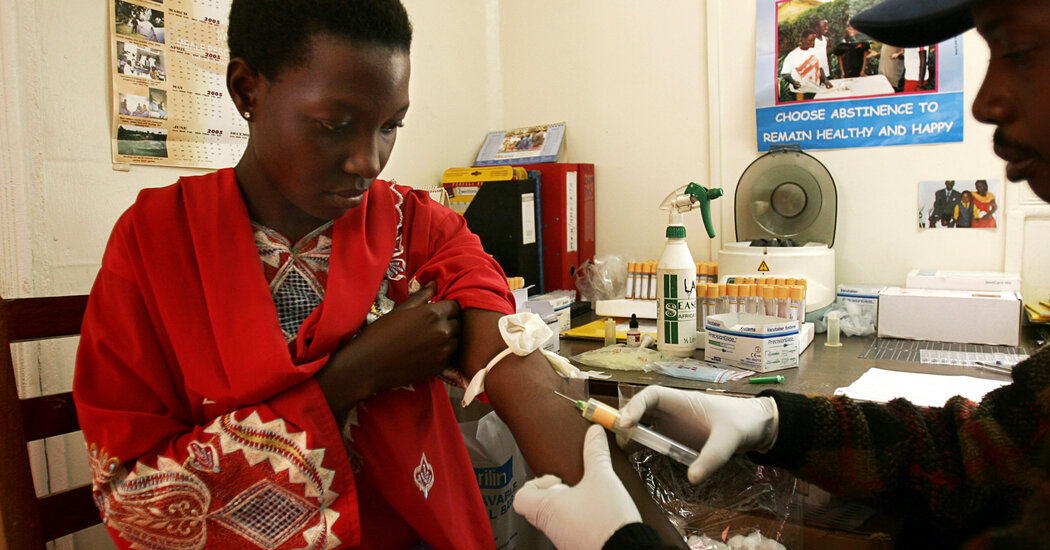
Over two decades, Pepfar may have saved an estimated 25 million lives, helping to slow the AIDS pandemic.In the 20 years since its inception, the President’s Emergency Plan for AIDS Relief has delivered lifesaving treatment to more than 20 million people in 54 countries, the most successful global health campaign of its kind, according to a report released on Tuesday.The $7.5 billion program, housed in the State Department, is due for reauthorization by Congress this year. In the past, it has received strong bipartisan support.President George W. Bush announced the establishment of Pepfar in January 2003, when treatment for H.I.V. was unavailable in many parts of the world. In 2004, the program began providing antiretroviral drugs to people in Africa.The initial goal was to treat two million people with H.I.V. over five years. Now, Pepfar is estimated to have saved as many as 25 million lives.“I knew it was going to be big, but I think it turned out to be even bigger and better than we thought,” Dr. Anthony S. Fauci, the program’s architect, said in an interview. “It should serve as a model of what can be done when you make a major commitment.”About 38 million people were living with H.I.V. in 2021, and about 29 million of them were receiving treatment. About 650,000 people died from an H.I.V.-related cause that year, and about 1.5 million people became newly infected with the virus.Antiretroviral drugs can suppress H.I.V. levels, prevent transmission of the virus to sexual partners and cut the risk of transmission from infected pregnant women to their babies.Pepfar “was trying to do something that had never been done before, to provide treatment to millions of persons with H.I.V. in Africa where there was no care infrastructure,” said Dr. Carlos del Rio, an infectious-disease expert at Emory University in Atlanta and chair of Pepfar’s scientific advisory board.“Americans should be proud of this amazing program,” Dr. del Rio said.To assess Pepfar’s success, researchers from the Centers for Disease Control and Prevention analyzed data from six countries that received funding from the program. Between January 2004 and September 2022, the program increased the number of people receiving treatment by 300 times, the team found.“Pepfar’s efforts have dramatically altered the course of the global H.I.V. epidemic,” the C.D.C.’s chief medical officer, Dr. Debra Houry, said in a statement.In Uganda, one of the first countries supported by Pepfar, the program has prevented nearly half a million H.I.V. infections since 2004 and saved more than 600,000 lives. In Eswatini, the rate of new H.I.V. infections fell by half from 2011 to 2016.In Nigeria, the number of people newly diagnosed with H.I.V. who started treatment increased by eight times in 18 months.Still, H.I.V. treatment is patchy among some vulnerable groups, including young children, pregnant women, men who have sex with men and transgender people. “Eliminating H.I.V. as a global public health threat demands that we understand and address the root causes of health disparities, including stigma, discrimination and social inequities,” Hank Tomlinson, director of the Division of Global H.I.V. & Tuberculosis at the C.D.C., said in a call with reporters on Tuesday.The C.D.C. is a key implementing agency of Pepfar and has provided treatment to 62 percent of those who have received it. The agency also supports more than 10,000 labs or testing sites worldwide, trains health care workers and strengthens surveillance to detect areas of high need.The infrastructure Pepfar built “has been critical to confront other infections like Covid and now will be used to tackle other major problems like hypertension and diabetes,” Dr. del Rio said.The Biden administration named Dr. John Nkengasong to lead the program in 2021, about 18 months after Dr. Deborah Birx, the program’s previous director, left to join the White House coronavirus task force. Dr. Nkengasong is the first person of African origin to head the program.

Read more →

Her Doctor Said Her Illness Was All in Her Head. This Scientist Was Determined to Find the Truth.

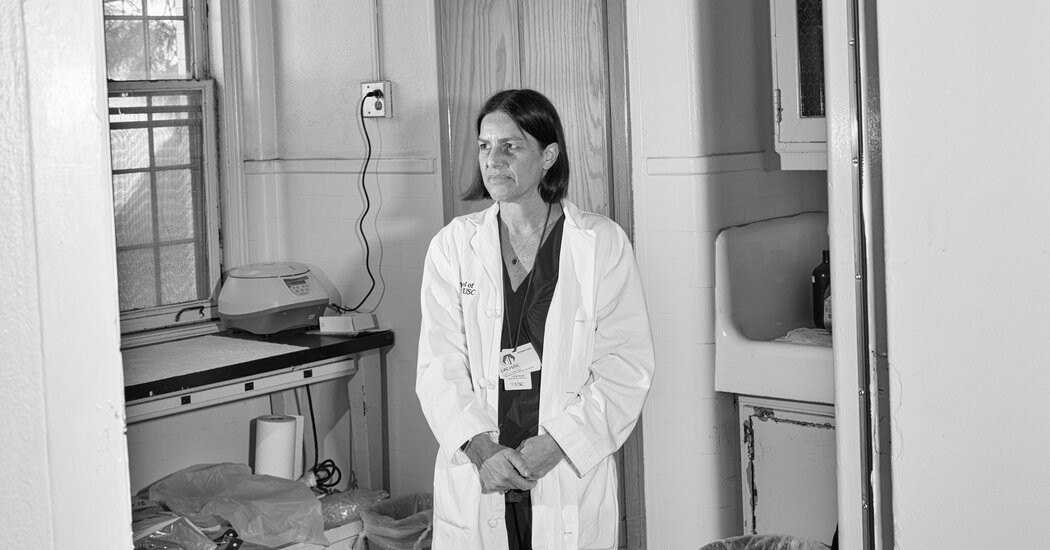
After enduring severe nausea and vomiting in pregnancy, the geneticist Marlena Fejzo made finding the cause of her condition, hyperemesis gravidarum, her life’s work.Taped above a tidy wooden desk in the corner of her bedroom, right at eye level, is a piece of paper that Marlena Fejzo has saved for 24 years.It’s a portrait of Dr. Fejzo at age 31 during the worst ordeal of her life. Her face and body are drawn in the gaunt greens and yellows of illness; her hollowed cheeks are marked with tears. The colored pencil drawing, made by her sister in 1999, is the only image she has held on to from that time. The few photos her mother took “were too horrible” to keep, said Dr. Fejzo, now 55.A little nausea and vomiting in pregnancy were normal, she knew. But she experienced weeks of debilitating illness when she was pregnant with her son, and when expecting her second child, Dr. Fejzo was so ill that she couldn’t move without vomiting.She couldn’t go to work or care for her little boy, or swallow so much as a teaspoon of water, let alone a bite of toast or a prenatal vitamin. Her empty gastrointestinal tract would spasm so violently and for so long that she couldn’t breathe.“Every living moment was torture,” she said.For at least a month, Dr. Fejzo couldn’t keep down any food or drink, and she received fluids through an IV. Her weight dropped to 90 pounds from an already slight 105, after which she grew too weak to stand on a scale.“I was starving,” she said, “and the doctor just kept trying higher doses of drugs and different drugs, and nothing helped.”Finally, her doctor agreed to deliver liquid nutrients through a catheter running into a large vein near her heart, but Dr. Fejzo believes this step came too late. Fifteen weeks into her pregnancy, the fetus’s heart stopped beating.Dr. Fejzo was devastated. “All that incredible suffering for nothing,” she said.Dr. Fejzo, who was then a postdoctoral fellow at the University of California, Los Angeles, is now a faculty researcher in the department of obstetrics and gynecology at the University of Southern California Keck School of Medicine.During her pregnancy, she suffered from hyperemesis gravidarum, a condition whose hallmark symptoms include nausea and vomiting so severe and relentless that it can cause dehydration, weight loss, electrolyte imbalances and hospitalization.The complication is rare, affecting about 2 percent of pregnancies, but its consequences can be devastating. In surveys, women have described their experiences with the condition in harrowing terms: “I was depressed and bedridden for 20 weeks. I wanted to die,” one wrote; “I am terrified to experience another pregnancy,” another said.Some wrote of feeling “miserable, with no hope”; or lonely and abandoned, with references to suicide. “I sobbed when I awoke in the mornings because I realized, I was still alive.”In a recent survey of more than 5,000 hyperemesis patients, 52 percent had considered — and 5 percent had gone through with — terminating a wanted pregnancy; and 32 percent reported contemplating suicide.Maggie Shannon for The New York TimesYet despite the gravity of hyperemesis, as it’s colloquially called, doctors are often slow to treat it. Sometimes, they dismiss it as a temporary discomfort, or even a psychological disorder, said Dr. Jone Trovik, a gynecologist and a professor of clinical science at the University of Bergen in Norway.“My doctor pretty much thought it was all in my head,” Dr. Fejzo said. He told her that women make themselves sick during pregnancy to gain the sympathy of their husbands, and later, that her illness was a ploy for attention from her parents, who were helping with her medical care.That her doctor would blame her suffering on her own psyche infuriated Dr. Fejzo. So she made it her life’s work to find the condition’s true cause.“It was so devastating what happened to me that I don’t want that to happen to anyone else,” she said.Career interruptedMarlena Fejzo grew up a few miles from her current home in the affluent Brentwood neighborhood of Los Angeles, one of four siblings in a household humming with cousins and friends. It was a charmed California childhood, Dr. Fejzo said, with regular trips to ski at Mammoth Mountain, hike in Yosemite National Park and vacation in Palm Springs.She graduated near the top of her high school class from the prestigious Harvard-Westlake School (then known as the Westlake School for Girls), and then studied applied math at Brown University.During her third year at Brown, an introductory genetics class captivated her, and she decided to pursue a doctorate in the field at Harvard University — a surprise to her family of lawyers, language scholars and musicians.As a graduate student at Harvard, Dr. Fejzo discovered two genes involved in the development of uterine fibroids, and she received national recognition for her research from the American Society of Human Genetics.It was a rare honor for a young scientist, particularly one working on a health problem that didn’t affect men, said Cynthia Morton, a professor of obstetrics, gynecology and reproductive biology at Harvard Medical School and Dr. Fejzo’s doctoral adviser.“She was a hard worker and dedicated to the work,” Dr. Morton said. “She could do anything.”In 1995, Dr. Fejzo began a postdoctoral fellowship in breast cancer genetics at the University of California, San Francisco, setting her sights on a tenure track faculty position and a career researching the genetics of conditions that affect women. But first, she and her husband wanted to start a family.Within a few weeks of becoming pregnant with her first child in 1996, she was hit with constant nausea and vomiting — similar to the symptoms that would afflict her second pregnancy, though not as severe. Still, she could barely eat and was unable to work for eight weeks, and she twice needed IV fluids for dehydration.About 70 percent of pregnancies come with some degree of nausea and vomiting, but health care providers can be slow to differentiate between regular “morning sickness” and hyperemesis, and to offer treatment for it.Maggie Shannon for The New York TimesThis was Dr. Fejzo’s first experience with hyperemesis, though her doctor at the time never told her the name of her condition or offered medication to treat it.By her second trimester, she felt well enough to return to work, and the rest of her pregnancy was normal. “When my son was born, I was ecstatically happy, and it was all great, which is why you do it again,” Dr. Fejzo recalled.Dr. Fejzo’s second pregnancy came two years later, in 1999, after she moved back to Los Angeles and began a second postdoctoral position at U.C.L.A. That was when, she said, she experienced the worst ordeal of her life, leading to 10 weeks of severe illness and her miscarriage.Dr. Fejzo’s sister, Melanie Schoenberg, now 45, a public defense lawyer for Los Angeles County, remembered seeing her at the end of her ordeal. She was in a wheelchair, too weak to walk and wrapped in a blanket, sobbing and shaking with grief.“She looked like a ghost,” Ms. Schoenberg said. “Like a pile of bones.”An under-researched conditionAt age 31, as Dr. Fejzo regained her strength, she made two life-altering decisions. First, she said, she wouldn’t try another pregnancy; her twin daughters would later be born with the help of a surrogate. Second, she was determined to find the cause of hyperemesis.She scoured the medical literature for clues. Why had she gotten so sick when most pregnancies had far milder symptoms? “Nothing was known,” she said. “There was so little research.”Hyperemesis has long been under researched and under recognized, in part because about 70 percent of pregnancies come with some degree of nausea and vomiting, which is usually not dangerous, Dr. Trovik said. Health care providers can be slow to differentiate between the more common “morning sickness” and the rarer but more severe hyperemesis, and to offer treatment, including medications and nutrition, she said.“It was so devastating what happened to me that I don’t want that to happen to anyone else,” Marlena Fejzo said of her experience with hyperemesis, and of her doctor’s dismissal of the condition as being all in her head.Maggie Shannon for The New York TimesBefore IV fluids became routinely available in the 1900s, hyperemesis killed pregnant women often enough that medical literature listed excessive vomiting as a reason to induce abortion because of the danger it posed to the mother’s life. Some experts believe that the death of the author Charlotte Brontë in 1855 was most likely caused by hyperemesis, not tuberculosis, as was listed on her death certificate.Today, deaths from hyperemesis are rare, but they do occur, as do serious complications.Electrolyte imbalances caused by excessive vomiting and dehydration can bring about heart arrhythmias and cardiac arrest. Malnutrition and deficiency in the B vitamin thiamin can lead to a brain disorder called Wernicke’s encephalopathy, which can result in miscarriage, brain damage and death.Hyperemesis is also linked with a higher risk of pregnancy complications including preterm birth, pre-eclampsia and blood clots.In a recent survey of more than 5,000 patients with hyperemesis in the United Kingdom, 52 percent had considered — and 5 percent had gone through with — terminating a wanted pregnancy; and 32 percent reported contemplating suicide. A 2022 study found that hyperemesis is one of the main predictors for postpartum depression.Most babies born from hyperemesis pregnancies are healthy, but recent studies have shown that they have a small increase in risk of having low birth weight, and of having cognitive, mental health and behavioral difficulties in childhood — effects that could be caused by malnutrition and stress in the womb, researchers hypothesize.Over the last century, physicians have claimed, without evidence, that hyperemesis is a subconscious attempt at “oral abortion,” as if trying to throw up a pregnancy; a rejection of femininity; a product of sexual frigidity; a strategy for taking a “time out” from stressful household responsibilities; or a bid for attention, as Dr. Fejzo’s doctor had told her.As a result, women have often been blamed and punished for their own illnesses. In the 1930s, hospitalized hyperemesis patients were “denied the solace of the vomit-bowl” and forced to lie in their own vomit.To this day, patients hospitalized with the condition are sometimes isolated in a dark room and prohibited from having visitors or access to their cellphones. This treatment has been based in part on the theory that hyperemesis is caused by a woman’s subconscious rejection of pregnancy, and that isolation would make her accept it, said Dr. Philippe Deruelle, a professor of obstetrics and gynecology at the University of Strasbourg, via email.The practice is “misogynist” and “indefensible,” he said, but it still occurs at least occasionally in France and elsewhere in Europe. In 2022, the College of French Gynecologists and Obstetricians issued new guidelines that included a statement condemning it.Dr. Fejzo was haunted by the dismissal of her illness as having a psychological cause, and by the lack of effective treatments to help her. Nothing would change as long as the condition’s true cause was unknown, she thought.A decade of FridaysWhen Dr. Fejzo returned to her lab at U.C.L.A. after her miscarriage, she told her boss, the chair of the genetics department, that she wanted to find the cause of hyperemesis. “She just laughed at me,” Dr. Fejzo said, “like it was a joke.”Unable to find a mentor interested in hyperemesis, Dr. Fejzo took a job studying ovarian cancer at the university, a position she stayed in, mostly part-time, for 20 years. But she began piecing together research on hyperemesis during her evenings and weekends and on Fridays when she wasn’t working in the lab.Her younger brother, Rick Schoenberg, 51, a statistician at U.C.L.A., helped her create an online survey of hyperemesis patients, and the Hyperemesis Education and Research (HER) Foundation offered collaborators and small grants to fund her work. In 2005, Dr. Fejzo also began partnering with obstetrician-gynecologists at the University of Southern California.Tallying survey responses, “I saw right away that it was running in families,” Dr. Fejzo said. “The answers kept coming in where people were like, ‘Yeah, my sister has it; my mom has it.’”In 2011, Dr. Fejzo and her collaborators published their findings in the American Journal of Obstetrics and Gynecology. Women who had sisters with hyperemesis, they found, had a 17-fold higher risk of developing the condition than those who didn’t, providing some of the first clear evidence that the condition could be passed down from parents.Dr. Fejzo knew that DNA analysis would be crucial to understanding the genetics of hyperemesis. So in 2007, she began collecting saliva samples from people who had experienced the condition and those who hadn’t.Every Friday for 10 years, she called study participants — more than 1,500 in all — to request their medical records and consent to participate, and mailed them saliva collection kits from her home.But Dr. Fejzo wasn’t sure how she would pay for the genetic analyses. Her grant proposals to the National Institutes of Health were rejected. Since 2007, the agency has funded only six hyperemesis studies, totaling $2.1 million.That amount is small in comparison with the economic burden of the condition, said Kimber MacGibbon, executive director of the HER Foundation. (Amy Schumer, who publicly documented her struggles with hyperemesis, is on the foundation’s board of directors.)Hyperemesis hospitalizations are thought to cost patients and insurers about $3 billion per year, she said, and then there are the expenses of medications, home health care, lost work and complications like postpartum depression. “The costs of it are just astronomical,” she said.‘This is it’Without funding to analyze the saliva samples accumulating in the lab freezer, Dr. Fejzo discovered an alternative strategy when her older brother gave her a 23andMe DNA testing kit for her 42nd birthday.After registering her kit, she received a standard email giving her the option of participating in the company’s research studies by completing an online survey and consenting to the use of her genetic data.“I saw what they were doing, which I thought was brilliant,” she said.She asked 23andMe if they would include a few questions about nausea and vomiting in pregnancy on their customer survey, and they agreed. A few years later, she worked with the company to scan the genetic data of tens of thousands of consenting 23andMe customers, looking for variations in their DNA associated with the severity of nausea and vomiting during pregnancy. The results were published in the journal Nature Communications in 2018.A handful of gene mutations were flagged as significantly different, but the most striking was for one that makes a protein called growth differentiation factor 15, or GDF15. Dr. Fejzo had never heard of it, but as soon as she started reading about it, “I was like, ‘Oh my God, this is it,’” she recalled.GDF15 acts in a part of the brainstem that suppresses appetite and sets off vomiting, and it had already been shown to cause appetite and weight loss in cancer patients. Blood levels of the protein are naturally increased in pregnancy and have since been found to be even higher in those with severe nausea and vomiting.Researchers speculate that GDF15 may have evolved to help pregnant women detect and avoid unsafe foods that might harm fetal development early in gestation. But in hyperemesis, this normally protective mechanism seems to run in overdrive, at least in part because of too much GDF15, said Stephen O’Rahilly, director of the metabolic diseases unit at the University of Cambridge, who now collaborates with Dr. Fejzo on GDF15 research.In a study published in 2022, Dr. Fejzo and her colleagues confirmed the link between hyperemesis and GDF15 in the patients she had enrolled over a decade of Fridays. The analyses were conducted without charge by the biotechnology company Regeneron.When that study was published, Dr. Fejzo wrote on Twitter, “My life’s work is out.”But she isn’t done. She’s watching closely as several pharmaceutical companies have begun testing GDF15-based drugs that aim to reduce nausea and improve appetite in cancer patients, with promising early results.A smaller number are working on similar medications for hyperemesis, Dr. Fejzo said. Among them is a newly formed company called Materna Biosciences, which recruited Dr. Fejzo as chief scientific officer.There are significant hurdles to testing new medications in those who are pregnant, Dr. Fejzo said, but if done carefully, this step could improve treatment options for hyperemesis patients and definitively prove that GDF15 is the condition’s primary cause.And, Dr. Fejzo hopes, it could finally put to rest the idea that the condition is psychological.“I would be devastated to see my daughters go through this without having tried everything in my power to make things better,” Dr. Fejzo said. “If I don’t keep going, who will?”

Read more →

Novo Nordisk Says It Will Slash the Price of Insulin

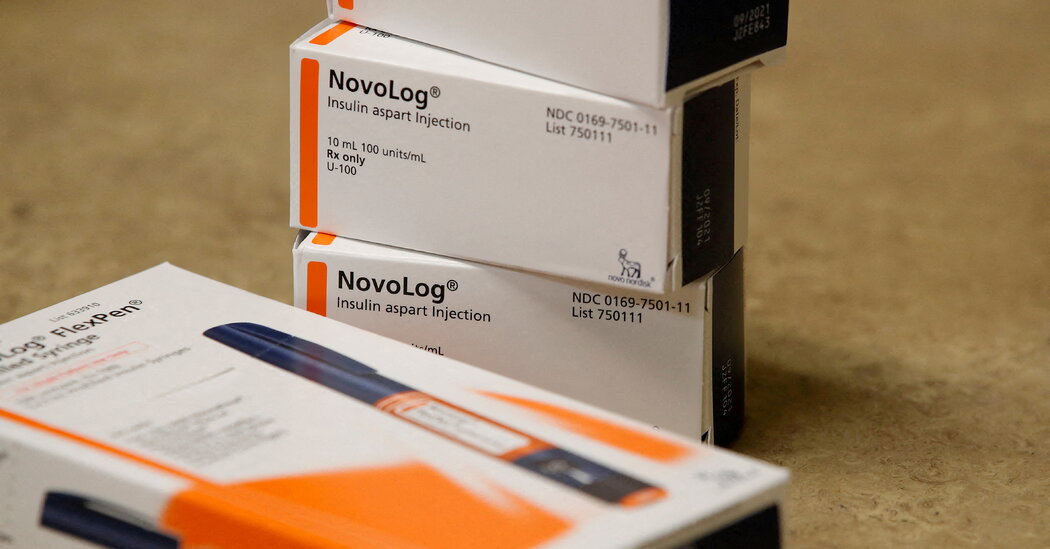
The company’s decision follows a similar move by its rival, Eli Lilly, this month.The drug company Novo Nordisk on Tuesday said it would reduce the sticker prices of several of its insulin products by up to 70 percent, reversing years of price increases in the face of mounting pressure.The company did not announce any changes to the out of pocket costs for patients with diabetes, but it said that its existing programs kept those costs as low as $25 per vial for many patients. Instead, the price cut will affect only the list price, which is the starting point for a series of negotiations and discounts that ultimately determine how much a drug costs.The decision by Novo Nordisk, one of the world’s largest insulin manufacturers, follows a similar move by its rival, Eli Lilly, this month. It comes after President Biden, lawmakers and patient advocates called on the company to reduce costs for patients. At the start of this year, a federally mandated cap went into effect, limiting out of pocket costs for insulin, to $35 per month, for older people covered by Medicare.Novo Nordisk said its price reductions would go into effect at the start of next year. The list price of a vial of rapid-acting NovoLog, one of the most widely used insulin products, will fall to $72, from $289. The new price was still about twice what it was when NovoLog was introduced in 2000.Novo Nordisk said its price cuts would also apply to NovoLog injection pens, long-acting Levemir, intermediate-acting Novolin and several generic insulins.Insulin, which millions of diabetes patients depend on to stay alive, has for years been a flash point as concern has mounted over high drug prices. Although manufacturers have long had programs designed to limit out of pocket costs, patients don’t always know about them and even when they do, they can have strict eligibility requirements and be onerous to navigate. Some patients, facing out of pocket costs of hundreds of dollars per month, have had to resort to rationing insulin.The effects of the manufacturers’ price cuts may be limited. There is often a wide gulf between an insulin product’s list price and the net price that the company charges insurers after accounting for discounts and rebates. Insulin manufacturers, which repeatedly increased their prices for years, have blamed pharmacy benefit managers, which act as middlemen to negotiate prices on behalf of health plans, for clawing back larger rebates.Sanofi, the third of the three manufacturers that dominate the insulin market in the United States, declined to comment on whether it would follow its rivals. Olivier Bogillot, a Sanofi executive, said in a statement that all commercially insured and uninsured patients were eligible for programs that would significantly limit their out of pocket costs.

Read more →