How the gut creates a cozy home for beneficial microbiome species

The digestive tract of fruit flies remodels itself to accommodate beneficial microbiome species and maintain long-term stability of the gut environment, according to new research led by Carnegie’s William Ludington and Allan Spradling. Their findings are published in Nature Communications.
The gut microbiome is an ecosystem of hundreds to thousands of microbial species living within the human body. These populations affect our health, fertility, and longevity. But there is still so much to learn about how these microbial species interact with our bodies and with each other.
“Every day, we encounter, and even ingest, a diverse array of bacterial species,” explained Ludington, who has been probing microbiome acquisition and composition for several years at Carnegie. “Despite this, the gut microbiome remains relatively stable over time — a phenomenon that is maintained across many species ranging from mammals to insects.”
He, Spradling, and their collaborators wanted to determine how our guts can maintain such remarkably consistent microbiome compositions. Because the human microbiome is so complex, they studied fruit flies, which are only colonized by a handful of microbial species.
Using sophisticated methods and powerful microscopes, the research team — which included Carnegie’s Ren Dodge, Haolong Zhu, Daniel Martinez, Chenhui Wang, Kevin Aumiller — showed that the fruit fly gut creates physical conditions that selectively promote colonization by certain species.
“The fruit fly gut essentially builds a cozy niche that allows a desirable species of primary colonizers to succeed, fostering a mutually beneficial situation for both the insect and the microbe,” explained Spradling, a longstanding global leader in molecular biology who has developed breakthrough techniques in studying fruit fly genetics.
The researchers found that colonization by a beneficial bacterial strain initiates physical changes in the fruit fly gut that increase the number of binding sites available and produces substances that aid attachment, easing the way for a secondary species to move in.
“Because we’ve discovered this niche in the most powerful model organism for understanding the genetic basis of animal development, it opens up a whole new field of possibilities for understanding the mechanisms by which animals select and control their microbiome,” Ludington concluded.
Their team’s research focused on one particular section of the fruit fly gut that’s transformed into an ideal niche for colonization by two microbial species. Looking ahead, they want to use fly genetics to understand the mechanisms of niche construction and maintenance, as well as search for other potential niches in fruit flies and other animals, including humans.
Other co-authors included Eric Jones and David Sivak of Simon Fraser University, Benjamin Obadia of University of California Berkeley, Andrés Aranda-Díaz and Kerwyn Casey Huang of Stanford University, Zhexian Liu of Johns Hopkins University, Marco Voltolini and Eoin L. Brodie of Lawrence Berkeley National Lab, and Jean Carlson of University of California Santa Barbara.

Read more →

New mouse study reveals a key process in how the brain forms memories

The process by which memories are formed in the hippocampus region of the brain is complex. It relies on a precise choreography of interactions between neurons, neurotransmitters, receptors and enzymes.
A new mouse study led by researchers at the UC Davis School of Medicine has identified an intricate molecular process involving gene expression in the neurons that appears to play a critical role in memory consolidation. The research was published in Science Signaling.
“This is an exciting mechanism. It shows that an enzyme like phosphodiesterase is key in controlling gene expression necessary for memory consolidation,” said Yang K. Xiang, a professor in the Department of Pharmacology and senior author of the paper.
Xiang’s research focuses on understanding how dysregulation or impairment of cellular and molecular mechanisms in the heart and brain can lead to diseases like heart failure and Alzheimer’s.
Multiple steps in neuron appear critical for memory
The new study focuses on the central adrenergic system. The ability to pay attention, which is essential in learning and memory, is controlled by the central adrenergic system in the brain.

To understand the components critical for memory, the researchers looked at beta-2 adrenergic receptors. The receptors are present in different cell types throughout the body. They are also found on nerve cells in the hippocampal region of the brain.
The researchers show that when beta-2 adrenergic receptors are activated — through a series of molecular steps known as a signaling pathway — they stimulate the nucleus of the neuron to export an enzyme, phosphodiesterase 4D5 (PDE4D5).
Previous studies have identified PDE4D5 as having a role in promoting learning and memory.
Lack of phosphorylation leads to poor memory
A crucial step to stimulating this memory-related gene expression — the export of PDE4D5 — appears to be the attachment of a phosphate group (known as phosphorylation) to the receptor. This is accomplished by an enzyme known as a kinase.

The kinase involved in this case is a G-protein receptor kinase.
The researchers used genetically altered mice to test whether phosphorylation of the beta-2 adrenergic receptors by G-protein receptor kinase was necessary for gene expression — the export of the PDE4D5 enzyme.
The mice lacked a phosphorylation site on their beta-2 adrenergic receptors, meaning their neurons could not follow the normal signaling pathway when the receptors were activated.
The researchers found that, as expected, these genetically altered mice exhibited poor memory related to space and location. This is the same memory pathway that is disrupted during the early stages of Alzheimer’s disease.
However, when they provided the memory-impaired mice with a drug known as a PDE4 inhibitor (comparable to the PDE4D5 enzyme that would normally be exported), the mice’s ability to learn and retain memories was increased.
“The gene expression forms the material foundation of the memory in your brain. If you don’t have gene expression, you won’t have memory,” Xiang explained.
PDE inhibitors in Alzheimer’s have had mixed results
The use of PDE inhibitors is being explored for Alzheimer’s disease. Studies of the PDE5 inhibitor sildenafil, known as Viagra, have had mixed results. A 2021 NIH study found Viagra was associated with a reduced risk of Alzheimer’s disease, but a later study found Viagra was not associated with lower Alzheimer’s risk.
“We need to understand what is causing impairment in diseases like Alzheimer’s so we can find interventions that allow patients to regain ability or slow down the disease progression,” said Xiang. “This study highlights the potential of PDE inhibitors in rescuing memory in Alzheimer’s patients.”
Additional authors on the paper are Joseph M. Martinez, Aleksandra Jovanovicand Josephine de Chabotfrom UC Davis; Ao Shen from UC Davis and Guangzhou Medical University; Bing Xufrom UC Davis and VA Northern California Health Care System; and Jin Zhang from, UC San Diego.

Read more →

Living with pet cats or dogs is associated with fewer food allergies in young children, study finds

In an analysis of over 65,000 infants from Japan, children exposed to pet cats or indoor dogs during fetal development or early infancy tended to have fewer food allergies compared to other children, according to a study published March 29, 2023 in the open-access journal PLOS ONE by Hisao Okabe from the Fukushima Regional Center for the Japan Environment and Children’s Study, Japan, and colleagues.
Across some high-income countries, more than one in ten children are diagnosed with food allergies, and the incidence of food allergies in children continues to rise. Previous research has suggested a potential link between dog or farm animal exposure in pregnancy and early childhood and the reduction of food allergies.
In this study, Okabe and colleagues used data from the Japan Environment and Children’s Study (a nationwide, prospective birth cohort study) to study 66,215 children for whom data on exposure to various pets and food allergies were available. About 22 percent were exposed to pets during the fetal period (most commonly indoor dogs and cats). Among children exposed to indoor dogs and cats, there was a significantly reduced incidence of food allergies, though there was no significant difference for children in households with outdoor dogs. Children exposed to indoor dogs were significantly less likely to experience egg, milk, and nut allergies specifically; children exposed to cats were significantly less likely to have egg, wheat, and soybean allergies. Perhaps surprisingly, children exposed to hamsters (0.9 percent of the total group studied) had significantly greater incidence of nut allergies.
The data used here were self-reported (supplemented by medical record data gathered during the first trimester of pregnancy, at delivery, and at the one-month check-up), so relies on the accurate recall of participants. Additionally, this study cannot determine if the link between pet exposure and food allergy incidence is causative. Still, the authors suggest that these results can help guide future research into the mechanisms behind childhood food allergies.

Read more →

Excess death gap widens between U.S. and Europe, study finds

A new analysis shows that, compared to similarly high-income European countries, the US continues to have substantially higher death rates at all but the oldest ages, resulting in more “excess deaths,” and this gap widened during the Covid-19 pandemic. Patrick Heuveline, of the University of California, Los Angeles (UCLA), presents these findings in the open-access journal PLOS ONE on March 29, 2023.
Calculating excess death rates can be useful for comparing mortality between different countries or sub-populations, as well as before and after the onset of a health crisis. Prior research has documented a substantial widening of the mortality gap between the US and five high-income European countries between 2000 and 2017. Mounting evidence suggests that, compared to those countries, the US has experienced even higher Covid-19 mortality during the pandemic.
Building on those earlier studies, Heuveline calculated excess death rates in the US relative to the same five countries — England & Wales, France, Germany, Italy, and Spain — for 2017 through 2021. The calculations account for different population sizes between the countries.
Heuveline found that the number of excess deaths between the US and the five European countries did indeed increase between 2017 and 2021, and that Covid-19 mortality contributed to this increase. Between 2019 and 2021, the annual number of excess deaths in the US nearly doubled, however, 45 percent of this rise was due to causes other than Covid-19. In 2021, 25 percent of all excess deaths in the US were attributed to Covid-19, representing 223,266 deaths out of 892,491 total excess deaths from any cause.
Further research will be needed to identify specific underlying reasons for how, exactly, the Covid-19 pandemic helped to drive the widening excess deaths gap between the US and Europe. For instance, Heuveline suggests, such research could explore differences in vaccination rates or social conditions that place a disproportionate impact on minority populations.
Heuveline adds: “The mortality gap widened during the pandemic, but not just due to the US handling of the crisis mortality from Covid-19. The chronic toll of excess deaths due to causes other than Covid-19 continued to increase as well, further demonstrating the US health policy failure to integrate the social, psychological and economic dimensions of health, from a weak social security net and lack of health care access for all to poor health behaviors.”

Read more →

Imaging brain connections can predict improvements in obsessive-compulsive disorder patients after deep brain stimulation

Deep brain stimulation (DBS) is a promising therapy for treatment-resistant obsessive-compulsive disorder (OCD). A first-of-its-kind collaborative study led by researchers at Texas Children’s Hospital, Baylor College of Medicine, and Brigham & Women’s Hospital has found that mapping neural connections in the brains of OCD patients offers key insights that explain the observed improvements in their clinical outcomes after DBS. The study was published in Biological Psychiatry.
Neuropsychiatric disorders such as obsessive-compulsive disorder are a result of dysfunction across broad neural networks and typically involve brain domains responsible for cognitive and higher-order decision-making such as the prefrontal cortex.
“The goal of neuromodulatory therapies like DBS is to restore the functional balance within these networks. Since the extent of functional dysfunction in these networks varies between individuals, it is important to customize DBS surgery for each patient. To do that reliably, we first need to precisely map the neural connections involved in the specific condition and then understand how these connections are affected by DBS,” said co-corresponding author Dr. Sameer Sheth, professor in the department of neurosurgery at Baylor College of Medicine, director of the Cain Foundation Labs, and principal investigator at the Jan and Dan Duncan Neurological Research Institute (Duncan NRI) at Texas Children’s Hospital.
In 2020, a seminal study by Dr. Andreas Horn and his team at Brigham & Women’s Hospital identified an ‘OCD response tract’ — a white matter circuit that precisely mapped the specific fiber bundles and brain regions whose modulation by DBS could improve clinical outcomes in OCD patients. The present study is the first one to conduct blind testing of the OCD response tract model with the goal of developing a predictive ‘connectomic’ model.
Connectomic imaging strategies such as white matter tractography — a three-dimensional magnetic resonance imaging (MRI) technique that maps the location and direction of white matter bundles and their constituent fibers within the brain — are becoming increasingly reliable methods to identify these networks that inform surgeons where to implant DBS electrodes in the brain of the patient during surgery. Here, Sheth and colleagues used this approach to rank and conduct ‘blind’ comparison of clinical outcomes in ten OCD patients who had undergone a specific DBS procedure six months prior to the study.
DBS programming was performed by Dr. Wayne Goodman, Chair of the department of psychiatry at Baylor College, and patient outcomes were periodically assessed by Dr. Eric Storch, Vice Chair of psychology, for changes in the severity of their OCD and mood symptoms.
Then the Brigham & Women’s Hospital (BWH) team led by Dr. Andreas Horn analyzed the imaging data and provided rank predictions based solely on the neuroimaging data and stimulation parameters. This team was not involved in DBS planning or programming and did not have prior knowledge of clinical outcomes. The outcomes predicted by the BWH team closely matched the actual clinical outcomes that the Baylor team observed in these patients.
“To our knowledge, this is the first example of such a collaborative ‘blinded’ team effort by two research centers to validate DBS therapy for a brain tract proposed on the basis of retrospective data,” co-corresponding author, Dr. Horn added. “This is also a big step in the continued optimization and improving the efficacy of DBS procedures that target this brain tract to treat OCD, even as efforts are underway to make this therapy more widely available to patients. Finally, this two-center ‘blinded’ approach could serve as a model for validating and optimizing DBS therapies for other neurological conditions in the future.”
Others involved in the study were Ron Gadot, Ningfei Li, Ben Shofty, Michelle Avendano-Ortega, Sarah McKay, Kelly Bijanki, Megan Robinson, Garrett Banks, and Nicole Provenza. They are affiliated with one or more of the following institutions: Baylor College of Medicine, Charité — Universitätsmedizin Berlin, Germany; University of Utah, and Brigham and Women’s Hospital. This research was funded by the National Institutes for Health and the McNair Foundation.

Read more →

Do your headaches happen at the same time of day?

Both cluster headache and migraine have strong links to the circadian system, the internal clock that regulates body processes, according to a meta-analysis published in the March 29, 2023, online issue of Neurology®, the medical journal of the American Academy of Neurology.
The meta-analysis included all available studies on cluster headache and migraine that included circadian features. This included information on the timing of headaches during the day and during the year as well as studies on whether genes associated with the circadian clock are more common in people with these headaches.
The researchers also looked at studies on cluster headache and migraine and hormones related to the circadian system, including cortisol and melatonin.
“The data suggest that both of these headache disorders are highly circadian at multiple levels, especially cluster headache,” said study author Mark Joseph Burish, MD, PhD, of the University of Texas Health Science Center at Houston in Texas and a member of the American Academy of Neurology. “This reinforces the importance of the hypothalamus — the area of the brain that houses the primary biological clock — and its role in cluster headache and migraine. It also raises the question of the genetics of triggers such as sleep changes that are known triggers for migraine and are cues for the body’s circadian rhythm.”
For cluster headache, the meta-analysis found a circadian pattern of headache attacks in 71% of people. Attacks peaked in the late hours of the night to early hours of the morning. During the year, people had more attacks in the spring and fall. On the genetic level, cluster headache was associated with two main circadian genes, and five of the nine genes that increase the likelihood of having cluster headache are genes with a circadian pattern of expression.
People with cluster headache also had higher cortisol levels and lower melatonin levels than people without cluster headache.
For migraine, the meta-analysis showed a circadian pattern of attacks in 50% of people. While the peak for attacks during the day was broad, ranging from late morning until early evening, there was a circadian low point during the night when few attacks happened. Migraine was also associated with two core circadian genes, and 110 of the 168 genes associated with migraine were genes with a circadian pattern of expression.
People with migraine had lower levels of melatonin in their urine than people without migraine. In addition, melatonin levels were lower during a migraine attack.
“These results raise the potential for using circadian-based treatments for headache disorders,” Burish said. “This could include both treatments based on the circadian rhythm — such as taking medications at certain times of the day — and treatments that cause circadian changes, which certain medications can do.”
A limitation of the study was that researchers did not have information on factors that could influence the circadian cycle, such as medications, other disorders such as bipolar disorder or circadian rhythm issues such as night shift work.
The study was supported by the Will Erwin Headache Research Foundation.

Read more →

Novel drug offers hope for heart failure patients

A novel drug is showing promise for alleviating heart failure, a common condition associated with sleep apnoea and a reduced lifespan.
The drug, known as AF-130, was tested in an animal model at Waipapa Taumata Rau, the University of Auckland where researchers found it improved the heart’s ability to pump, but, equally important, prevented sleep apnoea, which itself reduces lifespan (see Nature Communications). “This drug does offer benefit for heart failure, but it’s two for the price of one, in that it’s also relieving the apnoea for which there is currently no drug, only CPAP (a breathing device), which is poorly tolerated,” says Professor Julian Paton, director of the University’s Manaaki Manawa, Centre for Heart Research.
When a person has a heart attack and subsequent heart failure, the brain responds by activating the sympathetic system, the ‘fight or flight’ response, as a way to stimulate the heart to pump blood. However, the brain persists with this activation of the nervous system, even when it is no longer required, and this together with the consequent sleep apnoea, contributes to the patient’s reduced life expectancy. Most patients die within five years of a heart failure diagnosis.
“This study has revealed the first drug to temper the nervous activity from the brain to the heart thereby reversing the heart’s progressive decline in heart failure,” says Professor Paton.
The part of the brain that sends nervous impulses to the heart is also controlling respiration, so this drug has a dual function, reducing the ‘fight or flight’ response while also stimulating breathing to stop the sleep apnoea. “These findings have real potential for improving the wellness and life expectancy of almost 200,000 people living with heart disease in Aotearoa New Zealand,” says Professor Paton.
Another exciting factor for the scientists, who are from the University of Auckland and the University of São Paulo, Brazil, is that the drug is soon to be FDA approved, albeit for a different health issue, paving the way for human trials in the next year or two, Professor Paton says.
“Over recent decades there have been several classes of drugs that have improved the prognosis of heart failure,” says cardiology consultant and Associate Professor, Martin Stiles. “However, none of these drugs work in the way that this new agent does. So it is exciting to see a novel method that potentially reverses some features of heart failure.”

Read more →

¿Cómo usar el Narcan, el aerosol para revertir sobredosis?

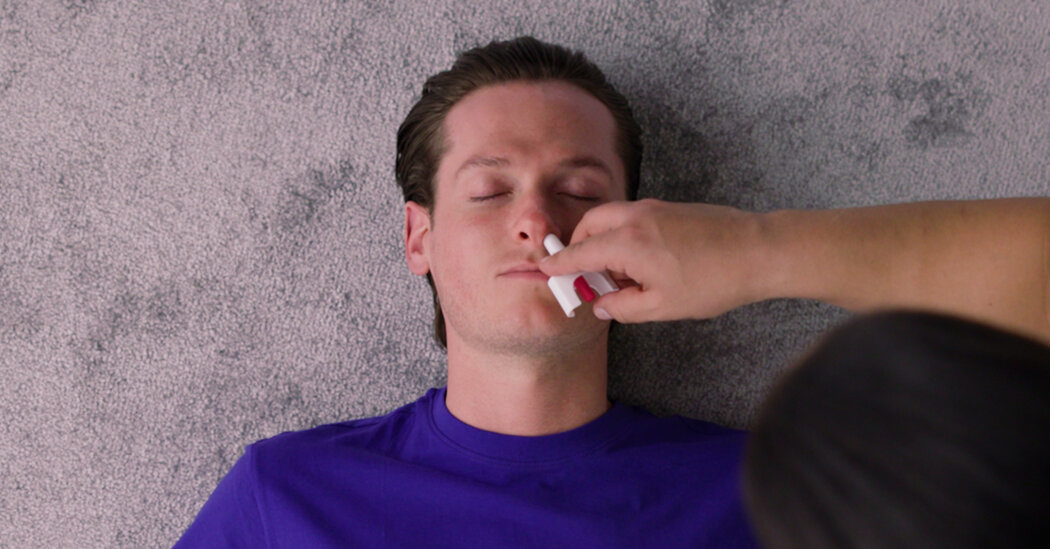
Esta versión de la naloxona, el fármaco que bloquea el efecto de los opiáceos en el cerebro, puede salvar vidas. Este es el modo de usarlo correctamente.Narcan, un atomizador nasal que puede revertir rápidamente una sobredosis de opioides, ha recibido la aprobación federal para ser vendido sin receta médica en Estados Unidos. A finales del verano, debería estar ampliamente disponible, no solo en las farmacias, sino también en tiendas de conveniencia, grandes cadenas y, posiblemente, a través de minoristas en línea.Si se utiliza a tiempo, Narcan, una versión del fármaco naloxona, que bloquea el efecto de los opiáceos en el cerebro, puede salvar la vida de alguien que tome opiáceos, como oxicodona, heroína o fentanilo.Piensa en Narcan o en cualquier atomizador nasal de naloxona como en un extintor de incendios, dijo Corey Davis, director del Proyecto Legal de Reducción de Daños de la Red para la Ley de Salud Pública. “Con suerte nunca lo necesitarás”, dijo. “Pero en algún momento puede que la cocina se incendie y no tengas tiempo de correr a la tienda por extintores”.Aquí encontrarás una guía para usar Narcan de forma correcta:¿Cómo sé si alguien tiene una sobredosis?Su respiración puede ser lenta, con gorgoteos o detenerse por completo. Sus pupilas pueden estrecharse hasta tener el tamaño de la punta de un alfiler, y sus labios o uñas pueden volverse azules o morados. La piel puede estar húmeda al tacto. Incluso sacudiéndolos y gritándoles, no los puedes despertar.¿Qué contiene la caja de Narcan?Una caja contiene dos dispositivos de atomizador nasal del tamaño de la palma de la mano, cada uno con cuatro miligramos de naloxona.¿Debo probar primero el atomizador para asegurarme de que funciona?No. Si aprietas el atomizador liberarás la dosis y la desperdiciarás.¿Cómo debo usarlo?Inclina suavemente hacia atrás la cabeza de la persona. Introduce la punta del atomizador en una fosa nasal hasta que ambos dedos estén contra la nariz. Empuja el atomizador para liberar la dosis completa.¿No debería llamar primero al 911?Llama al 911 después de utilizar el atomizador. Se trata de una emergencia, pero al avisar a un operador puedes perder minutos valiosos.¿Qué hago después de aplicar el atomizador y llamar al 911?Asegúrate de que las vías respiratorias de la persona están protegidas y despejadas. Coloca a la persona de lado, apoyando sus manos bajo su cabeza. Dóblale las rodillas para evitar que caiga boca abajo o boca arriba.Quédate con la persona unas horas o hasta que llegue el personal de emergencias.Los paquetes tienen dos dosis. ¿Debo emplear la segunda?Por lo general, una dosis es suficiente. Pero si la persona no ha empezado a despertarse al cabo de dos o tres minutos, aplica la segunda dosis en la otra fosa nasal, sobre todo si sabes que podría haber consumido un opioide más fuerte, como el fentanilo.¿Será perjudicial el atomizador si resulta que la persona no tenía una sobredosis de opioides?No. A menos que alguien sea alérgico a la naloxona, lo cual es poco frecuente, lo más seguro es utilizar el atomizador.¿Tiene efectos secundarios?El Narcan puede provocar síntomas de abstinencia, como vómitos. Hay que mantener abiertas las vías respiratorias para evitar el ahogamiento.Otros síntomas de abstinencia son: diarrea, dolores corporales, aumento del ritmo cardíaco, fiebre, piel de gallina, sudoración e irritabilidad. Recuerda que, aunque la abstinencia de opiáceos sea terrible, estás salvando una vida.¿Quién debe llevar consigo naloxona?Según informes de los Centros para el Control y la Prevención de Enfermedades, en 2021, en el 46 por ciento de las sobredosis mortales de opiáceos había transeúntes presentes. Si hubieran llevado naloxona y supieran cómo usarla, se podrían haber salvado vidas.Si conoces a personas que consumen drogas, aunque sea de forma ocasional, o si tú mismo consumes opiáceos, no hay ningún inconveniente en llevar Narcan. Si trabajas en una empresa que tiene un botiquín de primeros auxilios a mano, ¿por qué no guardar en él un aerosol de naloxona? Padres de adolescentes o adultos jóvenes, ¿qué tal una caja en su botiquín? ¿En las residencias universitarias? ¿En la enfermería del colegio? ¿En las bibliotecas?Piensa en el atomizador como si fuera un EpiPen para las alergias, un inhalador para el asma o, de hecho, un extintor de incendios.Jan Hoffman escribe sobre salud conductual y legislación sanitaria. Sus reportajes incluyen temas tan variados como los opioides, las tribus, los derechos reproductivos, la salud mental de los adolescentes y las dudas sobre las vacunas. @JanHoffmanNYT

Read more →

Blood tests may spare cancer patients chemo

Published22 minutes agoShareclose panelShare pageCopy linkAbout sharingBy Fergus WalshMedical editor A blood test which can detect traces of cancer cells could spare thousands of patients unnecessary chemotherapy every year.A major bowel cancer trial is examining whether the test can show if surgery has removed all of the tumour.Doctors say half of patients with stage 3 bowel cancer are cured by surgery alone so by using chemotherapy they are over-treating many people. About 1,600 bowel cancer patients are being recruited to the UK study.Ben Cooke runs a hair salon on the King’s Road in Chelsea, London, and also works as a stylist for fashion shoots. In early March last year, he noticed some dark blood in his poo. He rang NHS 111 and was sent to A&E. He was diagnosed with stage 3 bowel cancer, which was successfully treated with surgery. The gold standard treatment is to then have intravenous chemotherapy to mop up any remaining tumour cells and reduce the risk of the cancer returning. But the chemotherapy used in bowel cancer, oxaliplatin, can cause painful tingling and numbness in the hands and feet, called peripheral neuropathy.This nerve damage can be long-term, and Ben was worried it might affect his ability to do the job he loves. “I would not be able to cope with that,” he says. “I need to work – it’s my therapy.”The 52-year-old enrolled in a study at London’s Royal Marsden Hospital, which is evaluating whether a blood test can show if chemo is really needed. His test showed he was clear of cancer, so he avoided intravenous chemotherapy.Instead, like everyone taking part in the trial, he took an oral chemo tablet twice a day. This had minimal side effects and allowed him to carry on working. “The fact that I didn’t have any tingling in my hands has just been an absolute blessing,” he says.The blood tests work by looking for microscopic traces of cancer in the bloodstream called circulating tumour DNA. The presence of these markers indicates whether the patient has been cured by their surgery or not. Such tiny fragments would be invisible on a scan. Ben’s consultant at the Marsden, Dr Naureen Starling, is the principal investigator on the trial. She says the outcome could affect the way thousands of bowel cancer patients are treated every year.”Half of patients with stage 3 bowel cancer are cured by surgery alone, so we are over-treating a large proportion of patients,” she says.The hope is that this specialised technology could spare many cancer patients unnecessary chemotherapy.”That’s good for the patient, it’s good for the health service, it’s good for cost savings within the NHS. That would be a win-win,” says Dr Starling.The trial, called TRACC, is using a test created by US company Guardant Health. The samples are sent to their labs in California for analysis with the results coming back within around two weeks. Survival outcomesThe trial will examine any difference in survival rates after three years between those patients whose treatment was guided by the blood test compared with the standard-of-care chemotherapy group.Trials are also under way in the UK to monitor patients with lung and breast cancer in the same way.Dr Starling says the potential for this new technology across cancer care is “immense”, not just when it comes to detecting residual disease after surgery, but also for early diagnosis.What is clear already, from multiple studies, is that so-called “liquid biopsy” blood tests can reveal the lingering presence of cancer long before it would be found using traditional methods. A trial in Greece published in Nature in January, found that liquid biopsies could show cancer recurrence at least four years before it would be detectable via a scan. That study followed a small group of breast cancer patients after surgery.At the American Society of Clinical Oncology conference in Chicago last June, a study in 455 bowel cancer patients found that by using the blood tests to guide treatment, the number of patients needing post-surgery chemotherapy was nearly halved without the risk of relapse.But Dr Starling says the far bigger randomised trial in the UK is essential to calibrate exactly how much reliance can be placed on liquid biopsies, especially when it means considering the withdrawal of chemotherapy.The tests have already been available to private patients. Susanne Winter, an artist from Surrey, was diagnosed with stage 3 bowel cancer in March 2022 and had successful surgery to remove the tumour and some cancerous lymph nodes. She initially thought she would need chemotherapy to ensure the cancer was entirely gone, but she had the ctDNA test done privately which showed she was clear of cancer.Susanne, 58, had cancelled all her commitments to prepare for several months of chemotherapy, but the negative test result meant she was free to concentrate on her art. She even had two works accepted for the Royal Academy summer exhibition.She feels incredibly lucky to have avoided chemotherapy. “I knew how toxic it can be. You’re psyching yourself up for it, so to hear that you aren’t going to need it is just unbelievable,” she says.What is considered the holy grail of cancer detection is to be able to spot the disease at the very earliest stage, when it is most easy to cure.Blood tests are also being trialled to see if they can diagnose a whole range of cancers.More than 140,000 volunteers aged 50-77 have been recruited across England to see if the test could pick up more than 50 types of tumours, most of which have no screening programmes. The NHS-Galleri trial is made by Californian company Grail, and some interim results are due early next year.

Read more →

F.D.A. Approves Narcan for Over-the-Counter Sales

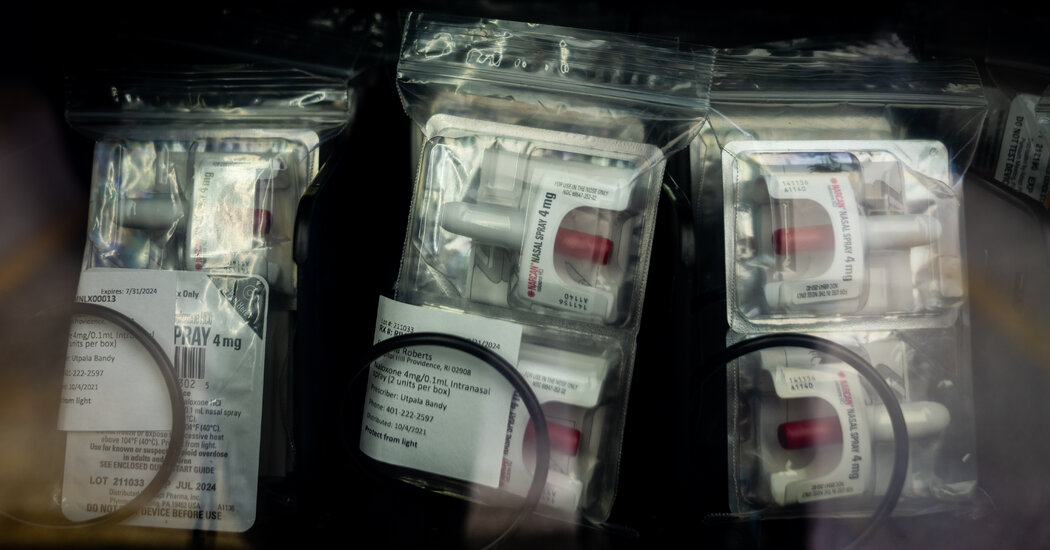
The nasal spray reverses opioid overdoses and public health officials hope that making it more widely available could save lives and reduce the nation’s high rates of drug fatalities.Narcan, a prescription nasal spray that reverses opioid overdoses, can now be sold over the counter, the Food and Drug Administration said on Wednesday, authorizing a move long-sought by public health officials and treatment experts, who hope wider availability of the medicine will reduce the nation’s alarmingly high drug fatality rates.By late summer, over-the-counter Narcan is expected to be for sale in big-box chains, supermarkets, convenience stores, gas stations and online retailers. New York City plans to install Narcan vending machines later this year.The commissioner of the F.D.A., Dr. Robert M. Califf, said in a statement that the over-the-counter authorization was meant to address a “dire public health need.”“Today’s approval of O.T.C. naloxone nasal spray will help improve access to naloxone, increase the number of locations where it’s available and help reduce opioid overdose deaths throughout the country,” Dr. Califf said. “We encourage the manufacturer to make accessibility to the product a priority by making it available as soon as possible and at an affordable price.”Narcan is a nasal spray version of naloxone, a drug that blocks an opioid’s effect on the brain. As the overdose crisis has worsened, with more than 100,000 drug-related deaths in the United States for each of the last two years, millions of doses have been administered by outreach workers, health care providers and emergency responders.But for people who use drugs, as well as for their friends and relatives, ready access to the prescription medication has been elusive.Naloxone access laws in every state allow pharmacists to have a standing prescription so they can dispense Narcan or a generic brand to anyone who requests it. But many pharmacies choose not to do so, preferring not to engage customers around illicit drug use, especially without a doctor’s oversight. Of the nearly 17 million naloxone doses distributed in 2021, only 2.64 million were from pharmacies, according to a recent report.Public health officials were quick to hail the F.D.A.’s authorization, the first time that an overdose reversal spray has been deemed safe for over-the-counter sales. With overdoses and overdose fatalities occurring in college dorms, public libraries, households, night clubs and restaurants, public health advocates hope that naloxone nasal sprays will soon become a staple of first-aid kits and family medicine cabinets.“Naloxone can mean the difference between life and death for someone experiencing an overdose and — as a city and a country — we have every reason to want people to have it in hand,” Dr. Ashwin Vasan, the health commissioner of New York City, said. “It is safe and effective, and with increasing fentanyl in our drug supply, we need it everywhere, to save lives.” The city provided more than 200,000 Narcan kits to community groups in 2022.One reason the F.D.A. approved Narcan for general sales is that it is easy to administer. Bystanders who see that a person slumped over is unresponsive to shaking and shouting, with slowed breathing — signs of a possible overdose — only have to unwrap the palm-size device, insert the tip into the person’s nostril and depress the plunger. In most situations, the medication revives the person within two or three minutes.Narcan will not work if the person has taken nonopioid drugs like methamphetamines or xylazine, an animal tranquilizer that has been infiltrating street drug supplies. But addiction experts note that because the supply of illegal drugs has become increasingly tainted with fentanyl, an opioid, there is no downside to using Narcan, regardless of what drug the person was believed to have taken.Although over-the-counter status will make Narcan more widely available, the cost of the medicine could be a deterrent to many.Currently, a two-dose pack of prescription Narcan is often free to people covered by Medicaid or private insurance, or has a co-pay of less than $10. But public and private insurance programs do not cover most over-the-counter medicines. Whether an exception will be made for Narcan could take months to resolve.This month, a big-box pharmacy in Manhattan was charging $98 for the two-dose box of prescription Narcan to customers without insurance. Another pharmacy chain in New Jersey charged $73.The company that makes Narcan, Emergent BioSolutions, declined to disclose the price it plans for an over-the-counter version, which will take several months to relabel and repackage. On Wednesday morning, after the F.D.A.’s announcement, the company released a statement that did not discuss cost.“We are dedicated to improving public health and assisting those working hard to end the opioid crisis — so now with leaders across government, retail and advocacy groups, we must work together to continue increasing access and availability, as well as educate the public on the risks of opioid overdoses and the value of being prepared with Narcan to help save a life,” Robert G. Kramer, the company’s chief executive officer, said in the statement.In its announcement of the authorization, the F.D.A. acknowledged the concern about price, urging other manufacturers of prescription naloxone to apply for over-the-counter approval, which could make pricing more competitive.“We will work with any sponsor seeking to market a nonprescription naloxone product,” said Dr. Patrizia Cavazzoni, director of the F.D.A.’s Center for Drug Evaluation and Research. She added that they were encouraging manufacturers “to contact the agency as early as possible to initiate discussions. ”The price of Narcan, or any naloxone nasal spray, can affect where the product is placed in a store. One intention behind making Narcan more widely available was to help consumers leapfrog awkward conversations with pharmacists and possible entanglements with insurance providers.But higher-priced items are vulnerable to shoplifting, so retailers may consign them to being secured behind a pharmacist’s counter, or in a locked glass box, both of which would require the customer to seek out a salesperson. Those placements, public health advocates said, could be a barrier to people who can afford Narcan, but may be too embarrassed to ask for it. Naloxone is also manufactured in vials of liquid that are accompanied with a syringe, which is substantially cheaper than the nasal spray and an option favored by many community outreach groups.“All naloxone should have been moved over the counter,” said Dennis Cauchon, president of Harm Reduction Ohio, a nonprofit group that distributes free naloxone doses. “Now you have the expensive version available without a prescription but the cheaper versions need a prescription. It’s important that brand name Narcan be priced much lower over the counter than it is now. The price needs to be less than $30 for a two-dose kit, preferably much lower.”

Read more →