T cells in human blood secrete a substance that affects blood pressure and inflammation

Acetylcholine regulates blood flow, but the source of blood acetylcholine has been unclear. Now, researchers at Karolinska Institutet have discovered that certain T cells in human blood can produce acetylcholine, which may help regulate blood pressure and inflammation. The study, which is published in PNAS, also demonstrates a possible association between these immune cells in seriously ill patients and the risk of death.
Blood flow regulation by acetylcholine is long established and highlighted by the 1998 Nobel Prize in Physiology or Medicine. Yet the sources of acetylcholine in human blood have been unclear. Previous research, such as studies by Peder Olofsson’s group at Karolinska Institutet in Sweden, has shown that a certain type of immune cell known asChAT+ T cells can produce acetylcholine and affect endothelial cells in the blood vessels of mice. However, it has not been known if these types of T cells exist in humans.
“We now show that human T cells can also release acetylcholine,” says the study’s joint first author Laura Tarnawski, assistant professor at the Department of Medicine (Solna), Karolinska Institutet. “This corroborates previous findings in different model systems and may contribute to the development of treatments for cardiovascular disease and inflammatory diseases.”
Acetylcholine also plays a vital role as a neurotransmitter in the brain and nervous system, but the researchers are particularly interested in its role in inflammation.
“We’re interested in how the brain communicates with the immune system, which is something we still know relatively little about,” says the other first author Vladimir Shavva, assistant professor at the same department. “Our new study shows that acetylcholine in the blood can be secreted by immune cells, which can regulate inflammation in the blood vessels.”
The findings are based on analyses of blood from healthy blood donors. The researchers also studied 33 patients with severe circulatory failure who had been admitted for intensive care, and found that higher relative blood levels of ChAT+ T cells were associated with reduced risk of death.
“Our findings are of clinical interest and could contribute to new diagnostic and therapeutic opportunities for seriously ill patients with excessive inflammation,” says principal investigator Peder Olofsson, senior researcher at the Department of Medicine (Solna).
The group now plans to map the presence of ChAT+ T cells in different patient groups and different organs, and how they affect metabolic and inflammatory processes.
The study was financed by the Swedish Research Council, the Swedish Heart Lung Foundation, the Knut and Alice Wallenberg Foundation, MedTechLabs, the ALF project scheme, the Lars Hierta Memorial Foundation, the Gösta Fraenckel Foundation, the Loo and Hans Osterman Foundation and the Foundation for Geriatric Diseases at Karolinska Institutet. Peder Olofsson is a shareholder of Emune AB. Co-author Michael Eberhardson has received lecture and consultancy fees from AbbVie, Merck (MSD), Takeda, Ferring, Orion Pharma, Otsuka, Tillotts, ITH, Novartis, Pfizer, Bristol Myers Squibb and Janssen and research grants from AbbVie and MSD. All other authors report no conflicts of interest.

Read more →

Studies Link Common Childhood Viruses to Rare Hepatitis Cases

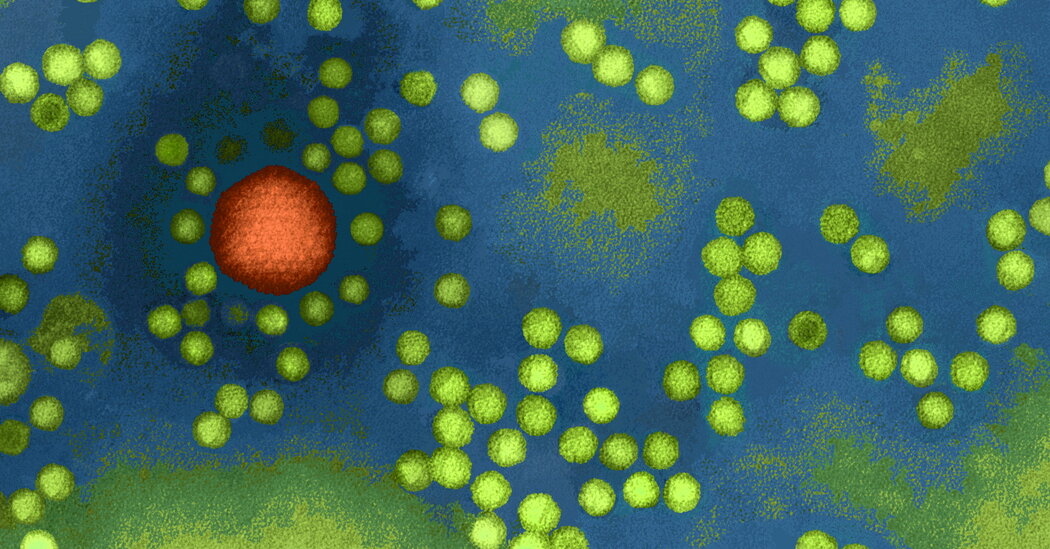
Infection with multiple common viruses may be responsible for the cases that puzzled doctors last year.Last year, reports of severe, unexplained hepatitis in previously healthy children puzzled health experts around the world.Now, a small new study of American children adds to the evidence that the cases, which remained extremely rare, may have been caused by a simultaneous infection with multiple common viruses, including one known as adeno-associated virus type 2, or AAV2.AAV2 is not typically associated with disease, and it requires a second “helper” virus in order to replicate. Many of the children with unexplained hepatitis, or liver inflammation, were infected with multiple helper viruses, the researchers found.Although the idea remains speculative, the timing of the outbreak may have been related to the loosening of pandemic precautions, leaving large numbers of young children exposed to common viruses they had not previously encountered.“It may have resulted in a population that was highly vulnerable to getting infected with multiple viral infections,” said Dr. Charles Chiu, an infectious disease specialist and microbiologist at the University of California, San Francisco, and an author of the new study.The research appeared Thursday in the journal Nature, alongside two British studies that also implicated AAV2 in the hepatitis cases. Preliminary versions of the British studies were posted online last summer.The consistent findings are “quite striking,” said Dr. Frank Tacke, head of the gastroenterology and hepatology department at the Charité University Medical Center in Berlin, who was not involved in the research but wrote an accompanying commentary. “The fact that three independent groups found this from different areas of the world actually makes it really convincing.”Still, the findings are not definitive, and many uncertainties remain, including how these infections might trigger hepatitis and whether AAV2 plays a causal role or is “just a bystander,” Dr. Tacke said. (There has also been some debate about whether the cases truly became more common last year or whether they were part of a previously unrecognized phenomenon.)The cases date back to the fall of 2021 but seemed to peak last spring and summer before tapering off, experts said. By last July, more than 1,000 probable cases had been reported in 35 countries, including the United States, according to the World Health Organization. Roughly 5 percent of children required liver transplants, and 2 percent died.In several early studies, scientists found that many of the affected children were infected with adenoviruses, particularly adenovirus 41, which typically causes gastrointestinal symptoms. Adenoviruses are not typically known to cause hepatitis in otherwise healthy children, but they are common helper viruses for AAV2.The new study was a collaboration among academic researchers, state health departments and the Centers for Disease Control and Prevention, among other institutions. The researchers studied biological samples from 16 American children, from six states, with unexplained hepatitis. All had previously tested positive for an adenovirus. They also studied samples from 113 control children, a group that included healthy children, children with gastroenteritis and children with hepatitis from a known cause.Blood samples were available from 14 of the children with unexplained hepatitis. The researchers found AAV2 in 13 of those children, or 93 percent of them, compared with 3.5 percent of control children. Among the 30 children who had hepatitis linked to a known cause, none tested positive for AAV2.Most of the children with unexplained hepatitis also tested positive for at least one herpes virus, which means that many were infected by at least three viruses: AAV2, an adenovirus and a herpes virus.In the British studies, which were also small, scientists found AAV2 in the blood and livers of affected children. Many were also infected with an adenovirus or herpes virus. In one study, 25 of 27 affected children shared an immune-related genetic variant that is relatively uncommon in the general population. The finding suggests that this variant might predispose some children to hepatitis when they are infected by AAV2 and one or more helper viruses.“It may turn out that in rare cases, you have kind of a perfect storm of events, where there’s a subset of children who were uniquely susceptible,” Dr. Chiu said.More research is necessary to determine whether one or more of these viruses were injuring the liver directly, he said.An alternative explanation is that, in a small subset of children, infection with multiple viruses triggers an overly strong immune response, which damages the liver.Nailing down the mechanism would have important implications for treatment, Dr. Tacke added. If the viruses are damaging the liver, then antivirals might be the best course of treatment; if an immune overreaction is to blame, then suppressing the immune response with steroids might be a better choice, he said.

Read more →

Machine learning models rank predictive risks for Alzheimer's disease

Once adults reach age 65, the threshold age for the onset of Alzheimer’s disease, the extent of their genetic risk may outweigh age as a predictor of whether they will develop the fatal brain disorder, a new study suggests.
The study, published recently in the journal Scientific Reports, is the first to construct machine learning models with genetic risk scores, non-genetic information and electronic health record data from nearly half a million individuals to rank risk factors in order of how strong their association is with eventual development of Alzheimer’s disease.
Researchers used the models to rank predictive risk factors for two populations from the UK Biobank: White individuals aged 40 and older, and a subset of those adults who were 65 or older.
Results showed that age — which constitutes one-third of total risk by age 85, according to the Alzheimer’s Association — was the biggest risk factor for Alzheimer’s in the entire population, but for the older adults, genetic risk as determined by a polygenic risk score was more predictive.
“We all know Alzheimer’s disease is a later-onset disease, so we know age is an important risk factor. But when we consider risk only for people age 65 or older, then genetic information captured by a polygenic risk score ranks higher than age,” said lead study author Xiaoyi Raymond Gao, associate professor of ophthalmology and visual sciences and of biomedical informatics in The Ohio State University College of Medicine. “That means it’s really important to consider genetic information when we work on Alzheimer’s disease.”
A low household income also emerged as an important risk factor, ranking either third or fourth after the effects of age and genetics.

“The finding related to income is very, very interesting,” said Gao, also a member of Ohio State’s Division of Human Genetics faculty, whose lab uses biomedical big data and artificial intelligence to study the genetics behind Alzheimer’s and ocular diseases. “We all want to have a healthy life, and income can be such an important factor to decide what you can afford to eat, where you can afford to live, education level, access to care — and all of these possibly contribute to Alzheimer’s disease.”
Of the 457,936 UK Biobank participants in the sample, 2,177 individuals had developed Alzheimer’s disease and 455,759 had not, and 88,309 were 65 or older.
A few non-genetic risk factors that differed between people with and without Alzheimer’s disease (AD) stood out: Results showed that in people with AD, higher systolic and lower diastolic blood pressure were more common, diabetes was more prevalent, household income and education were lower, and recent falls, hearing difficulty and a mother’s history of having AD were higher.
The top-20 list of risk factors for the full sample of adults also included diagnoses of high blood pressure, urinary tract infection, depressive episodes, fainting, unspecified chest pain, disorientation and abnormal weight loss. Other risk factors in the top 20 for people 65 and older included high cholesterol and gait abnormalities. These findings showed the power of adding condition codes from electronic health records to the models.
“Machine learning can explore relationships among all of those features, or variables, pick the important features and rank certain features at the top that contribute much more to Alzheimer’s disease risk than the rest of the features,” Gao said. “Typically, it’s not good to be highly obese, but we also see here that a lower body mass index is not good. High blood pressure is typically not good, but here we see lower diastolic blood pressure is not good. The models revealed some interesting patterns.”
Building the models was a two-step process. The team first conducted genome-wide association studies using data from the Alzheimer’s Disease Genetics Consortium to identify genetic variants linked to overall risk of developing Alzheimer’s disease and to development of the disease after a specific age. The separate collections of variants were used to establish two polygenic risk scores, which aggregate genetic effects across the genome into a single measure of risk for each individual.

Those scores were applied to DNA data from the UK Biobank participants and combined with biobank information on conventional risk factors such as sex, education, body mass index and blood pressure, and more than 11,000 electronic health record condition codes that had been cited in individuals’ records.
The team also used an algorithm in interpreting the model’s output to ensure risk factor variables were weighted objectively in the analysis.
We are born with our genetic risk for disease already established, but information about how other health and socioeconomic factors affect our risk for Alzheimer’s — as well as glaucoma, which Gao also studies — gives us power to take preventive measures, he said.
“If people know more about risk factors, they can possibly adjust their lifestyle. For both Alzheimer’s and glaucoma, there is no cure, so prevention can help a lot,” Gao said. “I also hope constructing models to make these predictions could help with drug development and effective and low-cost screening programs.”
This work was supported by the National Institutes of Health.
Co-authors include Marion Chiariglione, Ke Qin and Douglas Scharre of Ohio State; Yi-Ju Li of Duke University; and Karen Nuytemans and Eden Martin of the University of Miami.

Read more →

Scientists see anti-aging potential in an invasive weed

The fruit of the cocklebur plant, which grows worldwide and is often considered a noxious weed, has antioxidant and anti-inflammatory components that could make it useful as a skin protectant, according to new research.
Researchers found that compounds in the species’ spiky fruits reduced damage from UVB exposure and sped wound healing in laboratory tests using cells and tissues. The cocklebur extracts also appear to influence the production of collagen, a protein that gives skin its elasticity and prevents wrinkles.
“We found that cocklebur fruit has the potential to protect the skin and help enhance production of collagen,” said Eunsu Song, a doctoral candidate at Myongji University in South Korea, who conducted the research with Myongji University Professsor Jinah Hwang. “In this regard, it could be an attractive ingredient for creams or other cosmetic forms. It will likely show a synergistic effect if it is mixed with other effective compounds, such as hyaluronic acid or retinoic acid, against aging.”
Song will present the new research at Discover BMB, the annual meeting of the American Society for Biochemistry and Molecular Biology, March 25-28 in Seattle.
Cocklebur is a plant native to Southern Europe, Central Asia and China that has spread worldwide, often found in moist or sandy areas such as roadside ditches and riverbanks. Its distinctive fruits, covered in stiff husks and burrs, have been used for centuries in traditional medicines for headache, stuffy nose, disorders of skin pigmentation, tuberculosis-related illness and rheumatoid arthritis. In recent years scientists have explored its potential use in treatments for rheumatoid arthritis and cancer.
The new study is the first to examine the fruit’s properties as a wound-healing agent and skin protectant. Researchers first studied the molecular properties of cocklebur fruit extracts and isolated particular compounds that could contribute to anti-oxidant and anti-inflammatory effects. They then used cell cultures and a 3D tissue model with properties similar to human skin to study how these compounds affect collagen production, wound healing and damage from UVB radiation.
The results showed that the cocklebur fruit extracts encouraged collagen production, sped wound healing and exerted a protective effect against UVB radiation. Comparing the bioactivity of cocklebur fruits grown in different places, the researchers found that fruits grown in South Korea had slightly higher anti-oxidant and anti-inflammatory properties and greater wound-healing activity than those grown in China.
Researchers cautioned that high doses of cocklebur fruit extract can be harmful and further research is needed to determine how to use it safely in cosmetic or pharmaceutical applications.
“In its burrs, cocklebur fruit also has a toxic constituent, carboxyatractyloside, which can damage the liver,” said Song. “Cocklebur showed a potential as a cosmetic agent by increasing collagen synthesis; however, it showed negative results with higher concentrations. Therefore, finding the proper concentration seems very important and would be key to commercializing cocklebur fruit extracts in cosmetics.”
Moving forward, the researchers plan to further study the biological mechanisms involved and conduct experiments in animal alternatives to explore ways to safely adapt cocklebur fruit extracts for use in cosmetic products.

Read more →

Researchers identify how steroids benefit severe COVID-19 patients

In the early months of the COVID-19 pandemic, doctors tried a variety of medications to determine what was helpful to prevent the deaths caused by a virus which humans had no natural immunity against.
At the same time, researchers tried to decipher the nature of the complex immune responses to the SARS-CoV-2 virus and develop effective drugs and vaccines. It was reported that using dexamethasone, a common steroid, prevented deaths in patients who had severe COVID-19 and were on ventilators in the intensive care unit, but it was not known why it helped.
In the summer of 2020, a team of University of Cincinnati researchers led by Ameet Chimote, PhD, from the laboratory of Laura Conforti, began studying the mechanisms of how dexamethasone works to treat COVID-19. They recently published their findings in the journal Frontiers in Immunology.
Shifting focus
Conforti’s laboratory researches factors that decrease immune cell functions in cancers and has identified that alterations in molecules on the surface of immune cells called ion channels contribute to this decrease in function.
While at home during the pandemic lockdown and unable to physically be in the laboratory and continue their cancer research, the team shifted its focus to COVID-19.

“In those uncertain days, COVID-19 was on everyone’s minds. We all wanted to do our best to help move forward and do our small part in contributing to the scientific research that was happening all over the world to understand this disease,” said Laura Conforti, PhD, corresponding author on the study and a professor in the Division of Nephrology in the Department of Internal Medicine. “So we decided, why don’t we take our expertise on how ion channels affect immune cell functions in cancer and apply our knowledge to understanding the immune response to COVID-19?”
Cytokine storms
In patients with severe COVID-19, the virus attacks the lungs, triggering a response from the body’s immune cells aimed at eliminating the virus from the body.
“The immune cells congregate in the lungs and secrete proteins called cytokines that try to kill the virus, which in turn also attract other immune cells to strengthen the attack,” said Chimote, lead author on the study and a research scientist in Conforti’s lab.
“What happens during severe COVID-19 infections is that, as a response to high levels of the virus, a whole bunch of immune cells are recruited that secrete a lot of cytokines to kill the virus, but while doing so, they trigger a very bad inflammatory response in the lung, which damages the lung tissue,” he added.

The damaged lung tissue causes the lungs to begin filling up with fluid and the patients start having trouble breathing, which often leads to patients needing supplemental oxygen or to be placed on a ventilator. This process of lung damage caused by an abundance of immune cells and inflammation in the lungs is called a “cytokine storm,” and it remains the main cause for deaths in patients that have severe COVID-19.
A paper published in the New England Journal of Medicine in July 2020 identified that the steroid drug dexamethasone prevented deaths caused by cytokine storms in severe COVID-19 patients.
“Dexamethasone has since then become a standard of care for any person with severe COVID-19 who is on a ventilator in the ICU,” Chimote said. “Steroids are known to inhibit your immune system, but what are the mechanisms? And why was dexamethasone lifesaving in severely ill COVID-19 patients experiencing cytokine storms? Nobody knew.”
Working together to make a difference
Supported by a pilot research grant from the Department of Internal Medicine, Conforti, Chimote and their colleagues set out to describe why dexamethasone prevents cytokine storms, especially by studying its effect on ion channels and ion channel-mediated immune cell function (that includes cytokine production), the focus of their research.
“The only thing that worked at that time to prevent deaths in severe COVID-19 was dexamethasone. At that time there was no COVID-19 vaccination, at that time no single drug or antibody treatments were shown to be beneficial,” he said. “So we wanted to see what are the pathways by which dexamethasone was inhibiting cytokine storm and proving to be a lifesaver.”
The team obtained samples through the UC-based Cincinnati COVID-19 Repository, which collected blood and plasma specimens of COVID-19 patients at the height of the pandemic and was led by Kristin Hudock, MD, and Margaret Powers-Fletcher, PhD.
“Along with banking the COVID-19 patient samples, they had compiled a large database of the clinical features of these individuals, so we knew what medications they were receiving, how sick they were, their demographics, their clinical outcomes, including how many days they were in the ICU and what oxygen or ventilatory support they had,” Chimote said.
Using samples from patients with mild COVID-19, severe COVID-19 and severely ill patients who had been treated with dexamethasone, the team measured around 700 different genes through RNA analysis.
“We identified what kind of immune cells and what kind of immune cell function-related pathways were altered by the disease severity,” Chimote said. “We further conducted data analysisto determine what disruptions were happening within the immune system of mild and severe patients. We also wanted to evaluate the alterations in the immune cells from the severely ill patients after they were administered dexamethasone in the ICU.”
The research found that dexamethasone specifically inhibited many inflammatory pathways and several critically important genes contributing to the cytokine storm, inflammatory signaling and antiviral responses in immune cells. This could prevent the immune cells from attacking and destroying the patient’s lungs, thus avoiding deaths due to cytokine storm.
“All of the genes that trigger cytokine storm in severe COVID-19 were inhibited by dexamethasone,” Chimote said. “We also saw that dexamethasone inhibited the expression and function of ion channels that regulate immune responses, especially cytokine production.”
Moving forward, Chimote said the COVID-19 virus is continuing to mutate quickly, highlighting the need to identify a specific target or drug to make treatments more effective.
“Just giving monoclonal antibody infusions is not going to help long term because the viral mutations are happening, and newer and newer strains are coming,” he said. “But if we try to understand the mechanism by which the inflammation or the severity of the disease is produced, then maybe we can identify something that can be consistently targeted.”
“Our findings that dexamethasone may act by inhibiting the ion channels also raises an exciting prospect that drugs that inhibit the function of these ion channels (that are currently in clinical trials in autoimmune diseases) can be used as a treatment modality in severe COVID-19,” added Conforti, “and this could also be of benefit in other pathologies where cytokine storm occurs such as microbial infections and autoimmunity.”
Ongoing research is also needed to understand the immune system mechanisms that lead to systemic problems like long COVID-19.

Read more →

'Comprehensive' map of volcanoes on Venus — all 85,000 of them

Intrigued by reports of recent volcanic eruptions on Venus? WashU planetary scientists Paul Byrne and Rebecca Hahn want you to use their new map of 85,000 volcanoes on Venus to help locate the next active lava flow.
Their study was posted online ahead of print in JGR Planets.
“This paper provides the most comprehensive map of all volcanic edifices on Venus ever compiled,” said Byrne, an associate professor of earth and planetary sciences in Arts & Sciences at Washington University in St. Louis. “It provides researchers with an enormously valuable database for understanding volcanism on that planet — a key planetary process, but for Venus is something about which we know very little, even though it’s a world about the same size as our own.”
Byrne and Hahn used radar imagery from NASA’s Magellan mission to Venus to catalog volcanoes across Venus at a global scale. Their resulting database contains 85,000 volcanoes, about 99% of which are less than 3 miles (5 km) in diameter.
“Since NASA’s Magellan mission in the 1990s, we’ve had numerous major questions about Venus’ geology, including its volcanic characteristics,” Byrne said. “But with the recent discovery of active volcanism on Venus, understanding just where volcanoes are concentrated on the planet, how many there are, how big they are, etc., becomes all the more important — especially since we’ll have new data for Venus in the coming years.”
“We came up with this idea of putting together a global catalog because no one’s done it at this scale before,” said Hahn, a graduate student in earth and planetary sciences at Washington University, first author of the new paper. “It was tedious, but I had experience using ArcGIS software, which is what I used to build the map. That tool wasn’t available when these data first became available back in the ’90s.

“People back then were manually hand-drawing circles around the volcanoes, when I can just do it on my computer.”
“This new database will enable scientists to think about where else to search for evidence of recent geological activity,” said Byrne, who is a faculty fellow of the university’s McDonnell Center for the Space Sciences. “We can do it either by trawling through the decades-old Magellan data (as the new Science paper did) or by analyzing future data and comparing it with Magellan data.”
Byrne and Hahn’s new study includes detailed analyses of where volcanoes are, where and how they’re clustered, and how their spatial distributions compare with geophysical properties of the planet such as crustal thickness.
Taken together, this work provides the most comprehensive understanding of Venus’ volcanic properties — and perhaps of any world’s volcanism so far.
That’s because, although we know a great deal about the volcanoes on Earth that are on land, there are still likely a great many yet to be discovered under the oceans. Lacking oceans of its own, Venus’ entire surface can be viewed with Magellan radar imagery.

Although there are volcanoes across almost the entire surface of Venus, the scientists found relatively fewer volcanoes in the 20-100 km diameter range, which may be a function of magma availability and eruption rate, they surmise.
Byrne and Hahn also wanted to take a closer look at smaller volcanoes on Venus, those less than 3 miles across that have been overlooked by previous volcano hunters.
“They’re the most common volcanic feature on the planet: they represent about 99% of my dataset,” Hahn said. “We looked at their distribution using different spatial statistics to figure out whether the volcanoes are clustered around other structures on Venus, or if they’re grouped in certain areas.”
The new volcanoes dataset is hosted at Washington University and publicly available for other scientists to use.
“We’ve already heard from colleagues that they’ve downloaded the data and are starting to analyze it — which is exactly what we want,” Byrne said. “Other people will come up with questions we haven’t, about volcano shape, size, distribution, timing of activity in different parts of the planet, you name it. I’m excited to see what they can figure out with the new database!”
And if 85,000 volcanoes on Venus seems like a large number, Hahn said it’s actually conservative. She believes there are hundreds of thousands of additional geologic features that have some volcanic properties lurking on the surface of Venus. They’re just too small to get picked up.
“A volcano 1 kilometer in diameter in the Magellan data would be 7 pixels across, which is really hard to see,” Hahn said. “But with improved resolution, we could be able to resolve those structures.”
And it’s exactly that kind of data that future missions to Venus will acquire in the 2030s.
“NASA and ESA (the European Space Agency) are each sending a mission to Venus in the early 2030s to take high-resolution radar images of the surface,” Byrne said. “With those images, we’ll be able to search for those smaller volcanoes we predict are there.
“This is one of the most exciting discoveries we’ve made for Venus — with data that are decades old!” Byrne said. “But there are still a huge number of questions we have for Venus that we can’t answer, for which we have to get into the clouds and onto the surface.
“We’re just getting started,” he said.

Read more →

The shape of your heart matters

Curious to know if you’re at risk for two common heart conditions? Your doctor may want to check the shape of your heart.
Investigators from the Smidt Heart Institute at Cedars-Sinai have discovered that patients who have round hearts shaped like baseballs are more likely to develop future heart failure and atrial fibrillation than patients who have longer hearts shaped like the traditional Valentine heart.
Their findings, published in Med — Cell Press’ new peer-reviewed medical journal — used deep learning and advanced imaging analysis to study the genetics of heart structure. Their results were telling.
“We found that individuals with spherical hearts were 31% more likely to develop atrial fibrillation and 24% more likely to develop cardiomyopathy, a type of heart muscle disease,” said David Ouyang, MD, a cardiologist in the Smidt Heart Institute and a researcher in the Division of Artificial Intelligence in Medicine.
The risk was identified after investigators analyzed cardiac MRI images from 38,897 healthy individuals from the UK Biobank. Using this same database, researchers then used computational models to identify genetic markers of the heart that are associated with these cardiac conditions.
“By looking at the genetics of sphericity, we found four genes associated with cardiomyopathy: PLN, ANGPT1, PDZRN3, and HLA DR/DQ,” said Ouyang. “The first three of these genes were also associated with a greater risk of developing atrial fibrillation.”
Atrial fibrillation, the most common type of abnormal heart rhythm disorder, greatly increases a person’s risk of having a stroke. The condition is rising in prevalence and projected to affect 12.1 million people in the U.S. by 2030.
Cardiomyopathy is a type of heart muscle disease that makes it harder for the heart to pump blood to the rest of the body and can eventually lead to heart failure. The main types of cardiomyopathies — dilated, hypertrophic, arrhythmogenic and restrictive — affect as many as 1 of every 500 adults.
Cedars-Sinai cardiologists say the shape of one’s heart changes over years, typically becoming rounder over time and especially after a major cardiac event like a heart attack.
“A change in the heart’s shape may be a first sign of disease,” said Christine M. Albert, MD, MPH, chair of the Department of Cardiology in the Smidt Heart Institute and a study author. “Understanding how a heart changes when faced with illness — coupled with now having more reliable and intuitive imaging to support this knowledge — is a critical step in prevention for two life-altering diseases.”
Ouyang says the findings provide more clarity on the potential use of cardiac imaging to diagnose more effectively — and prevent — many conditions. He also emphasized the need for additional studies.
“Large biobanks with cardiac imaging data now offer an opportunity to analyze and define variation in cardiac structure and function that was not possible using traditional approaches,” said Ouyang. “Deep learning and computer vision also allow for faster as well as more comprehensive cardiac measures that may help to identify genetic variations affecting a heart — up to years or even decades before any obvious heart disease develops.”

Read more →

Ancient DNA reveals Asian ancestry introduced to East Africa in early modern times

While serfs toiled and knights jousted in Europe and samurai and shoguns rose to power in Japan, the medieval peoples of the Swahili civilization on the coast of East Africa lived in multicultural, coral-stone towns and engaged in trade networks spanning the Indian Ocean.
Archaeologists, anthropologists, and linguists have been locked in a century-long debate about how much people from outside Africa contributed to Swahili culture and ancestry. Swahili communities have their own histories, and evidence points in multiple directions.
The largest-yet analysis of ancient DNA in Africa, which includes the first ancient DNA recovered from members of the Swahili civilization, has now broken the stalemate.
The study reveals that a significant number of people from Southwest Asia moved to the Swahili coast in medieval and early modern times and had children with the people living there. Yet the research also shows that hallmarks of the Swahili civilization predated those arrivals.
“Archaeological evidence overwhelmingly showed that the medieval Swahili civilization was an African one, but we still wanted to understand and contextualize the nonlocal heritage,” said co-senior author Chapurukha Kusimba, professor of anthropology at the University of South Florida.
“Taking a genetics pathway to find the answers took courage and opened doors beyond which lie answers that force us to think in new ways,” he said.

The analyses, published online March 29 in Nature, included the newly sequenced ancient DNA of 80 individuals from the Swahili coast and inland neighbors dating from 1300 CE to 1900 CE.
They also included new genomic sequences from 93 present-day Swahili speakers and previously published genetic data from a variety of ancient and present-day eastern African and Eurasian groups.
The international team was led by Kusimba and David Reich, professor of genetics in the Blatavnik Institute at Harvard Medical School and professor of human evolutionary biology at Harvard University.
Mixing between Asia and Africa
The study revealed that around 1000 CE, a stream of migrants from Southwest Asia intermingled with African people at multiple locations along the Swahili coast, contributing close to half of the ancestry of the analyzed ancient individuals.

“The results provide unambiguous evidence of ongoing cultural mixing on the East African coast for more than a millennium, in which African people interacted and had families with immigrants from other parts of Africa and the Indian Ocean world,” said Reich.
The study confirmed that the bedrock of Swahili culture remained unchanged even as the newcomers arrived and Islam became a dominant regional religion, said Kusimba; the primary language, tomb architecture, cuisine, material culture, and matrilocal marriage residence and matriarchal kinship remained African and Bantu in nature.
The findings contradict one widely discussed scholarly view, which held that there was little contribution from foreigners to Swahili peoples, the authors said.
The researchers added that the findings also refute a diametrically opposed viewpoint prevalent in colonial times, which held that Africans provided little contribution to the Swahili towns.
“Ancient DNA allowed us to address a longstanding controversy that could not be tested without genetic data from these times and places,” Reich said.
The researchers found that the initial waves of newcomers were mainly from Persia. These findings align with the oldest Swahili oral stories, which tell of Persian (Shirazi) merchants or princes arriving on the Swahili shores.
“It was exciting to find biological evidence that Swahili oral history probably depicts Swahili genetic ancestry as well as cultural legacy,” said Esther Brielle, research fellow in genetics in the Reich lab.
Brielle is co-first author of the paper with Stephanie Wynne-Jones at the University of York and Jeffrey Fleisher at Rice University.
After about 1500 CE, ancestry sources became increasingly Arabian. In later centuries, intermingling with other populations from Asia and Africa further changed the genetic makeup of Swahili-coast communities.
Ancestry contributions from women from India
Analyses also showed that the initial stream of migrants had about 90 percent ancestry from Persian men and 10 percent ancestry from Indian women.
Although South Asian-associated artifacts are well documented at Swahili archaeological sites and Indian words have been integrated into Swahili, “no one had previously hypothesized an important role for Indian people in contributing to the populations of the medieval Swahili towns,” said Reich.
Extreme sex differences in genetic contributions
The predominant groups that contributed to Swahili-coast populations during the initial influx in 1000 CE were male Persians and femaleAfricans. Similar genetic signatures of sex imbalances in other populations around the world sometimes indicate that incoming men forcibly married local women, but that scenario does not align with the tradition of matriarchal Swahili societies, the authors said.
A more likely explanation, said Reich, is that “Persian men allied with and married into local trading families and adopted local customs to enable them to be more successful traders.”
The authors say their hypothesis is supported by the fact that the children of Persian fathers and Swahili-coast mothers passed down the language of their mothers and that the region’s matriarchal traditions did not change even after locals settled down with people from traditionally patriarchal regions in Persia and Arabia and practiced the Islamic religion of their male ancestors.
Genetics and identity
The team found that the proportion of Persian-Indian ancestry has decreased among many people of the Swahili coast in the last several centuries. Many among those in present-day Kenya who identify as Swahili and had their genomes analyzed were “genetically very different” from the people who lived in the region during medieval times, the authors found, while others retained substantial medieval ancestry.
“These results highlight an important lesson from ancient DNA: While we can learn about the past with genetics, it does not define present-day identity,” said Reich.
Decolonizing history
In addition to helping to diversify the populations included in ancient DNA research, the study pushes back against “a profoundly difficult history” of more than 500 years of colonization in this region of Africa, which continues to be a major problem today, said Reich.
“The story of Swahili origins has been molded almost entirely by non-Swahili people,” he said.
The study results “contradict and complicate” narratives advanced in archaeological, historical, and political circles, said Kusimba, who has spent 40 years working to recover the Swahili past and to address injustices experienced by descendants of the Swahili civilization.

Read more →

Drug overdose fatalities among U.S. older adults has quadrupled over 20 years, research finds

Overdose mortality among people age 65 and older quadrupled over 20 years, suggesting the need for greater mental health and substance use disorder policies addressed at curbing the trend, a new research paper finds.
The deaths stemmed from both suicides and accidental overdoses, with nearly three-fourths of the unintended fatalities involving illicit drugs such as synthetic opioids like fentanyl, heroin, cocaine, and methamphetamines. Prescription opioids, antidepressants, benzodiazepines, antiepileptics and sedatives were used in 67% of intentional overdoses.
“The dramatic rise in overdose fatalities among adults over 65 years of age in the past two decades underscores how important it is for clinicians and policymakers to think of overdose as a problem across the lifespan,” said co-author Chelsea Shover, assistant professor of medicine in the division of general internal medicine and health services research at the David Geffen School of Medicine at UCLA. “Updating Medicare to cover evidence-based treatment for substance use disorders is crucial, as is providing harm reduction supplies such as naloxone to older adults.”
The paper will be published March 29 in JAMA Psychiatry.
The researchers used the U.S. Centers for Disease Control and Prevention Wide-ranging Online Data for Epidemiologic Research (WONDER) database to calculate annual overdose deaths among seniors from 2002 to 2021, comparing demographics, specific drugs, and whether the deaths were intentional, unintentional, or undetermined.
Overall, they found that fatal overdoses quadrupled from 1060 in 2002 (3 per 100,000 population) to 6,702 (12 per 100,000) in 2021. The highest rates were among Blacks, at 30.9 per 100,000.
Among the other findings: By 2021, 1 in 370 senior deaths stemmed from overdoses, with 3814 of those (57%) involving opioids, 2587 (39%) from stimulants, and 1204 (18%) a combination of both About 13% (882) of overdoses in 2021 were intentional, 83% (5,541) were unintentional, and 4% (274) were undetermined, and 5 (0.07%) were homicide Females accounted for 505 489 of 882 (57%) of intentional overdoses and 1594 of 5541 (29%) of accidental overdoses Intentionality differed by race and ethnicity: 31 of 83, or 37%, of overdoses among Asians were intentional, compared to, 805 of 4848 (17%) among whites, and 15 of 1665 (1%) among Blacks Alcohol poisoning deaths rose from 10 (less than 0.03per 100,000) to 281 (0.5 per 100,000)”Even though drug overdose remains an uncommon cause of death among older adults in the U.S., the quadrupling of fatal overdoses among older adults should be considered in evolving policies focused on the overdose epidemic,” the researchers write. “Current proposals to improved mental health and substance use disorder coverage within Medicare, for example, applying mental health parity rules within Medicare, acquire greater urgency in light of this study’s results.”
Keith Humphreys of Stanford University and Veterans Affairs Palo Alto Health Care System was the study’s co-author.

Read more →

Diminishing health benefits of living in cities for children and teens

The advantages of living in cities for children and adolescents’ healthy growth and development are shrinking across much of the world, according to a new global analysis of trends in child and adolescent height and body mass index (BMI) led by Imperial College London and published in Nature.
The research, by a global consortium of more than 1500 researchers and physicians, analysed height and weight data from 71 million children and adolescents (aged 5 to 19 years) across urban and rural areas of 200 countries from 1990 to 2020.
Cities can provide a multitude of opportunities for better education, nutrition, sports and recreation, and healthcare that contributed to school-aged children and adolescents living in cities being taller than their rural counterparts in the 20th century in all but a few wealthy countries.
The new study found that in the 21st century, this urban height advantage shrank in most countries as a result of accelerating improvements in height for children and adolescents in rural areas.
The study also assessed children’s BMI — an indicator of whether they have a healthy weight for their height. The researchers found that on average children living in cities had a slightly higher BMI than children in rural areas in 1990. By 2020, BMI averages rose for most countries, albeit faster for urban children, except in sub-Saharan Africa and south Asia, where BMI rose faster in rural areas.
Nevertheless, over the 30-year period, the gap between urban and rural BMI remained small — less than 1.1kg/m² globally (less than 2kg in weight for a child who is 130cm tall or less than 3kg in weight for an adolescent who is 160cm tall).

Dr Anu Mishra, lead author of the study, from Imperial College London’s School of Public Health, said: “Cities continue to provide considerable health benefits for children and adolescents. Fortunately, in most regions, rural areas are catching up to cities thanks to modern sanitation and improvements in nutrition and healthcare.
“The results of this large global study challenge the commonly held perceptions about the negative aspects of living in cities around nutrition and health.”
While height and BMI has increased around the world since 1990, the researchers found that the degree of change between urban and rural areas varied greatly among different middle and low-income countries, while small urban-rural differences remained stable across high-income countries.
Middle-income and emerging economies, such as Chile, Taiwan, and Brazil, have seen the biggest gains in rural children’s height over the three decades, with children living in rural areas growing to similar heights as their urban counterparts.
Professor Majid Ezzati, senior author for the study, from Imperial College London’s School of Public Health, said: “These countries have made great strides in levelling up. Using the resources of economic growth to fund nutrition and health programmes, both through schools and in the community, was key to closing the gaps between different areas and social groups.”
And contrary to the widespread assumption that urbanisation is the main driver of the obesity epidemic, the study found that many high-income western countries have had very little difference in height and BMI over time — with the gap between urban and rural BMI differing by less than one unit in 2020 (close to 1.5kg of weight for a child of 130cm).

Professor Ezzati added: “The issue is not so much whether children live in cities or urban areas, but where the poor live, and whether governments are tackling growing inequalities with initiatives like supplementary incomes and free school meal programmes.”
The trend in sub-Saharan Africa is also a cause for concern, researchers say. Boys living in rural areas have plateaued in height or even become shorter over the three decades, in part because of the nutritional and health crises that followed the policy of structural adjustment in the 1980s.
Professor Andre Pascal Kengne, co-author for the study, from the South African Medical Research Council, said: “Rural sub-Saharan Africa is now the global epicentre of poor growth and development for children and adolescents. As the cost of food skyrockets and countries finances get worse due to the COVID-19 pandemic and the war in Ukraine, the rural poor in Africa are at risk of falling further behind.”
Particularly large height gaps between urban and rural boys in 2020 were seen in Rwanda (around 4cm) and in the Democratic Republic of Congo, Ethiopia, and Mozambique — all by 2-3.5cm.
Over time, boys and girls in sub-Saharan Africa also gained weight more rapidly in rural areas than cities, which meant that in some countries they went from being underweight to gaining too much weight for healthy growth.
Professor Ezzati said: “This is a serious problem at every level, from individual to regional. Faltering growth in school-aged children and adolescents is strongly linked to poor health through life, lost educational attainment and the immense cost of unrealised human potential.”
“Our findings should motivate policies that counter poverty and make nutritious foods affordable to make sure that children and adolescents grow and develop into adults who have healthy and productive lives.
“Programmes like healthy food vouchers for low-income families and free school meal programmes can also provide lifelong benefits for children and adolescent’s health and wellbeing.”

Read more →