Johns Hopkins scientists grow a mini human brain that lights up and connects like the real thing

Johns Hopkins University researchers have grown a novel whole-brain organoid, complete with neural tissues and rudimentary blood vessels — an advance that could usher in a new era of research into neuropsychiatric disorders such as autism.
“We’ve made the next generation of brain organoids,” said lead author Annie Kathuria, an assistant professor in JHU’s Department of Biomedical Engineering who studies brain development and neuropsychiatric disorders. “Most brain organoids that you see in papers are one brain region, like the cortex or the hindbrain or midbrain. We’ve grown a rudimentary whole-brain organoid; we call it the multi-region brain organoid (MRBO).”
The research, published in Advanced Science, marks one of the first times scientists have been able to generate an organoid with tissues from each region of the brain connected and acting in concert. Having a human cell-based model of the brain will open possibilities for studying schizophrenia, autism, and other neurological diseases that affect the whole brain — work that typically is conducted in animal models.
To generate a whole-brain organoid, Kathuria and members of her team first grew neural cells from the separate regions of the brain and rudimentary forms of blood vessels in separate lab dishes. The researchers then stuck the individual parts together with sticky proteins that act as a biological superglue and allowed the tissues to form connections. As the tissues began to grow together, they started producing electrical activity and responding as a network.
The multi-region mini brain organoid retained a broad range of types of neuronal cells, with characteristics resembling a brain in a 40-day-old human fetus. Some 80% of the range of types of cells normally seen at the early stages of human brain development was equally expressed in the laboratory-crafted miniaturized brains. Much smaller compared to a real brain — weighing in at 6 million to 7 million neurons compared with tens of billions in adult brains — these organoids provide a unique platform on which to study whole-brain development.
The researchers also saw the creation of an early blood-brain barrier formation, a layer of cells that surround the brain and control which molecules can pass through.
“We need to study models with human cells if you want to understand neurodevelopmental disorders or neuropsychiatric disorders, but I can’t ask a person to let me take a peek at their brain just to study autism,” Kathuria said. “Whole-brain organoids let us watch disorders develop in real time, see if treatments work, and even tailor therapies to individual patients.”
Using whole-brain organoids to test experimental drugs may also help improve the rate of clinical trial success, researchers said. Roughly 85% to 90% of drugs fail during Phase 1 clinical trials. For neuropsychiatric drugs, the fail rate is closer to 96%. This is because scientists predominantly study animal models during the early stages of drug development. Whole-brain organoids more closely resemble the natural development of a human brain and likely will make better test subjects.
“Diseases such as schizophrenia, autism, and Alzheimer’s affect the whole brain, not just one part of the brain. If you can understand what goes wrong early in development, we may be able to find new targets for drug screening,” Kathuria said. “We can test new drugs or treatments on the organoids and determine whether they’re actually having an impact on the organoids.”

Read more →

Alzheimer’s risk may start at the brain’s border, not inside it

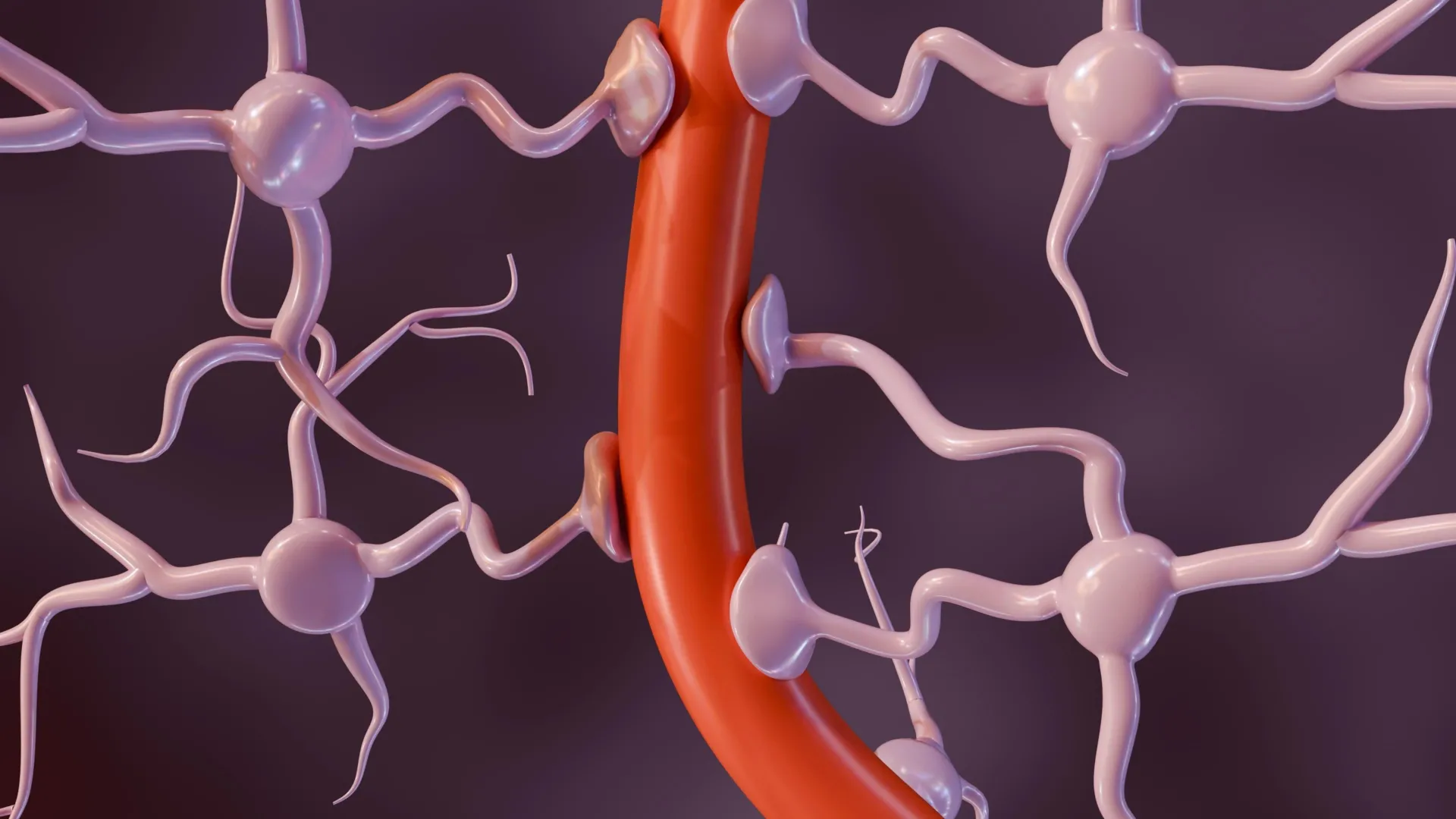
The brain’s health depends on more than just its neurons. A complex network of blood vessels and immune cells acts as the brain’s dedicated guardians — controlling what enters, cleaning up waste, and protecting it from threats by forming the blood-brain barrier.
A new study from Gladstone Institutes and UC San Francisco (UCSF) reveals that many genetic risk factors for neurological diseases like Alzheimer’s and stroke exert their effects within these very guardian cells.
“When studying diseases affecting the brain, most research has focused on its resident neurons,” says Gladstone Investigator Andrew C. Yang, PhD, senior author of the new study. “I hope our findings lead to more interest in the cells forming the brain’s borders, which might actually take center stage in diseases like Alzheimer’s.”
The findings, published in Neuron, address a long-standing question about where genetic risk begins and suggest that vulnerabilities in the brain’s defense system may be a key trigger for disease.
Mapping the Brain’s Guardians
For years, large-scale genetic studies have linked dozens of DNA variants to a higher risk of neurological diseases like Alzheimer’s, Parkinson’s, or multiple sclerosis.
Yet, a major mystery has persisted: over 90% of these variants lie not in the genes themselves, but in the surrounding DNA that does not contain the code for making proteins, once dismissed as “junk DNA.” These regions act as complex dimmer switches, turning genes on or off.

Until now, scientists haven’t had a full map of which switches control which genes or in which specific brain cells they operate, hindering the path from genetic discovery to new treatments.
A New Technology Finds Answers
The blood-brain barrier is the brain’s frontline defense — a cellular border made up of blood vessel cells, immune cells, and other supporting cells that meticulously controls access to the brain.
Yet, these important cells have been difficult to study, even using the field’s most powerful genetic techniques. To overcome this, the Gladstone team developed MultiVINE-seq, a technology that gently isolates the vascular and immune cells from postmortem human brain tissue.
This technology allowed the team, for the first time, to simultaneously map two layers of information: the gene activity and the “dimmer switch” settings — known as chromatin accessibility — within each cell. The scientists studied 30 brain samples from individuals with and without neurological disease, giving them a detailed look at how genetic risk variants function across all major brain cell types.
Working closely with Gladstone Investigators Ryan Corces, PhD, and Katie Pollard, PhD, lead authors Madigan Reid, PhD, and Shreya Menon integrated their single-cell atlas with large-scale genetic data from studies of Alzheimer’s, stroke, and other brain diseases. This revealed where disease-associated variants are active — and many were found to be active in vascular and immune cells rather than neurons.

“Before this, we knew these genetic variants increased disease risk, but we didn’t know where or how they acted in the context of brain barrier cell types,” Reid says. “Our study shows that many of the variants are actually functioning in blood vessels and immune cells in the brain.”
Different Diseases, Different Disruptions
One of the study’s most striking findings is that genetic risk variants affect the brain’s barrier system in fundamentally different ways, depending on the disease.
“We were surprised to see that the genetic drivers for stroke and Alzheimer’s had such distinct effects, even though they both involve the brain’s blood vessels,” Reid says. “That tells us they involve really distinct mechanisms: structural weakening in stroke, and dysfunctional immune signaling in Alzheimer’s.”
In stroke, genetic variants primarily affected genes responsible for the structural integrity of blood vessels, potentially weakening the vessels’ physical structure. Whereas in Alzheimer’s, the variants amplified genes that regulate immune activity, suggesting that overactive inflammation — not structural weakness — is the key issue.
Among the Alzheimer’s-associated variants, one stood out. A common variant near the PTK2B gene, which is found in more than a third of the population, was most active in T cells, a type of immune cell. The variant enhances expression of the gene, which may promote T cell activation and entry into the brain, putting immune cells into overdrive. The team found these super-charged immune cells near amyloid plaques, the sticky protein buildups that mark Alzheimer’s.
“Scientists are debating the role of T cells and related components of the immune system in Alzheimer’s,” Yang says. “Here, we provide genetic evidence in humans that a common Alzheimer’s risk factor may work through T cells.”
Excitingly, PTK2B is a known “druggable” target, and therapies that inhibit its function are already in clinical trials for cancer. The new study opens a fresh avenue to investigate whether such drugs could be repurposed for Alzheimer’s disease.
Location, Location, Location
The study’s findings on the brain’s “guardian” cells point to two new opportunities for protecting the brain.
Located at the critical interface between the brain and the body, the cells are continually influenced by lifestyle and environmental exposures, which could synergize with genetic predispositions to drive disease. Their location also makes them a promising target for future therapies, potentially allowing for drugs that can bolster the brain’s defenses from the “outside” without needing to cross the formidable blood-brain barrier.
“This work brings the brain’s vascular and immune cells into the spotlight,” Yang says. “Given their unique location and role in establishing the brain’s relationship with the body and outside world, our work could inform new, more accessible drug targets and lifestyle interventions to protect the brain from the outside in.”
About the Study
The study, “Human brain vascular multi-omics elucidates disease risk associations,” was published in the journal Neuron on July 28, 2025.
In addition to Yang, Reid, Corces, and Pollard, the study’s other authors are Shreya Menon, Hao Liu, Haoyue Zhou, Zhirui Hu, Bella Ding, Zimo Zhang, Sophia Nelson, and Amanda Apolonio of Gladstone; Simon Frerich of UC San Francisco; Shahram Oveisgharan and David A. Bennett of Rush University Medical Center; and Martin Dichgans of LMU Munich.
The work was supported by the National Institute of Neurological Disorders and Stroke (1R01NS128909-01), Alzheimer’s Association (ADSF-24-1345199-C, AARF-22-923641), BrightFocus Foundation (A2022027F), Cure Alzheimer’s Fund, the Ludwig Family Foundation, the Dolby Family Fund, the Bakar Aging Research Institute, National Institute of Mental Health (R01- 503 MH123178), National Institute of Aging (P01-AG073082, U01-AG072573), The Leducq Foundation (22CVD01, BRENDA), the Joachim Herz Foundation, and the National Human Genome Research Institute (UM1-HG012076).

Read more →

Obesity jab patients need a plan to stop weight coming back, health experts say

People coming off obesity jabs like Wegovy and Mounjaro should have check-ups for at least a year to make sure they don’t pile weight back on, new advice for the NHS says.It’s not uncommon for people to regain most of what they shed once they stop treatment, experience shows. The guidance, from health assessment body NICE, warns weight management is a long-term journey, not a short-term fix.Patients may need extra support and a plan for how to stay at their new weight, such as eating healthily and hitting the gym or going for walks, it says.In England alone, obesity affects around one in four adults.An estimated 1.5 million people are on weight loss jabs in the UK, but the vast majority are paying for them privately so will not be eligible for NHS support as they come off the treatment.Wegovy (semaglutide) is already available on the NHS on prescription, but only to those most in need (with health problems due to their weight and a high BMI) for a period of two years.Around 240,000 people are expected to be offered Mounjaro (tirzepatide) over the next three years. There’s currently no specified time limit for being prescribed the drug.Both drugs help reduce appetite and can lead to life-changing weight loss. They are prescribed alongside programmes that support healthy weight loss through changes to diet and physical activity.In a Wegovy drug trial, patients regained around two-thirds of their original weight once they came off the injections. It’s a similar story for those on Mounjaro.New advice from NICE, the National Institute for Health and Care Excellence, encourages patients to build long-term behavioural habits, use self-monitoring tools, and draw on wider support “from online communities to family-led interventions and local activities.”Prof Jonathan Benger from NICE said: “Successful weight management doesn’t end when medication stops or when someone completes a behavioural programme.”We know that the transition period after treatment is crucial, and people need structured support to maintain the positive changes they’ve made.”Prof Kamila Hawthorn from the Royal College of GPs said: “There is no one-size fits all approach to tackling obesity – what works for one patient will likely not work for another.”We also need to see a greater focus on prevention, stopping people becoming overweight in the first place so they don’t require a medical intervention later.”Obesity can cause people difficulties in their daily lives, and put them at more risk of serious health problems, such as heart disease, type 2 diabetes, and some types of cancer.

Read more →

Researchers discover key social factors that triple long COVID risk

Mass General Brigham investigators led a nationwide study that found that financial hardship, food insecurity, lack of healthcare access, and other social risk factors are linked to higher risks of long COVID.
Long COVID includes a wide range of symptoms that present or persist three or more months after SARS-CoV-2 infection. Although in recent years researchers have gained greater insight into the prevalence, symptoms and effects of long COVID through the longitudinal Researching COVID to Enhance Recovery (RECOVER) Initiative, social risk factors for developing long COVID remain incompletely understood. In a new analysis of the RECOVER-Adult cohort, Mass General Brigham researchers found a two- to three-times higher risk of long COVID in those with social risk factors, including financial hardship, food insecurity, experiences of medical discrimination, and skipped medical care due to cost. Findings are published in Annals of Internal Medicine.
“During the pandemic, we saw the overwhelming role that social risk factors played in determining who was infected with COVID-19 and what the severity and mortality from disease was,” said lead author Candace Feldman, MD, MPH, ScD, of the Division of Rheumatology, Inflammation and Immunity at Brigham and Women’s Hospital (BWH), a founding member of the Mass General Brigham healthcare system. “We wanted to understand whether those risk factors also play a significant role in the longer-term, chronic symptoms that can affect people months and even years after SARS-CoV-2 infection.”
In this study, the researchers analyzed 3,700 participants from the RECOVER-Adult cohort, who had a SARS-CoV-2 infection during the Omicron variant outbreak, completed a baseline survey about social and economic factors at the time of infection, and completed a six-month follow-up survey assessing long COVID symptoms. The RECOVER-Adult participants were from 33 states, Washington, D.C., and Puerto Rico, and joined the study between October 2021 and November 2023.
In the baseline survey, the researchers assessed four major individual-level social risk factors: economic instability, education and language access barriers, health care access and quality challenges, and lack of social and community support using a series of questions and previously validated surveys. They also used ZIP code data to study area-level measures of risk, like household crowding.
After adjusting for variables including hospitalization for SARS-CoV-2 infection (as a marker of disease severity), vaccination history, pregnancy status, age, sex, race and ethnicity, the researchers found significant associations between nearly all the individual-level social risk factors studied and increased risk of developing long COVID. Furthermore, a greater number of social risk factors conferred a higher risk of long COVID. Living in areas with more household crowding was also associated with a greater risk of long COVID.
There was a significantly higher burden of social risk factors among racially or ethnically minoritized groups. However, the researchers found that social risk factors appeared to affect white, Black and Hispanic people’s risks of long COVID similarly.

Going forward, RECOVER Initiative researchers hope to determine whether these findings extend to children with long COVID and whether certain long COVID symptoms may be linked to specific social risk factors. They also hope to study symptoms of COVID-19 lasting a year or longer to better understand how social factors might contribute to these symptoms’ persistence.
“While rates of COVID-19 have decreased, long COVID is a chronic disease that many people still suffer from,” said senior author Elizabeth Karlson, MD, MS, of the Division of Rheumatology, Inflammation and Immunity at BWH. “As with other chronic diseases, many different parts of people’s social environment influence long COVID risk. Future interventions must address these factors to effectively reduce adverse outcomes among people with high burden of social risk factors.”
Authorship: In addition to Feldman and Karlson, Mass General Brigham authors include Leah Santacroce, Ingrid V. Bassett, Tanayott Thaweethai, Yuri Quintana, Bruce D. Levy, and Cheryl R. Clark.
Additional authors include Radica Alicic, Rachel Atchley-Challenner, Alicia Chung, Mark P. Goldberg, Carol R. Horowitz, Karen B. Jacobson, J. Daniel Kelly, Stacey Knight, Karen Lutrick, Praveen Mudumbi, Sairam Parthasarathy, Heather Prendergast, Nasser Sharareh, Judd Shellito, Zaki A. Sherif, Brittany D. Taylor, Emily Taylor, Joel Tsevat, Zanthia Wiley, Natasha J. Williams, Lynn Yee, Lisa Aponte-Soto, Jhony Baissary, Jasmine Berry, Alexander W. Charney, Maged M. Costantine, Alexandria M. Duven, Nathaniel Erdmann, Kacey C. Ernst, Elen M. Feuerriegel, Valerie J. Flaherman, Minjoung Go, Kellie Hawkins, Vanessa Jacoby, Janice John, Sara Kelly, Elijah Kindred, Adeyinka Laiyemo, Emily B. Levitan, Jennifer K. Logue, Jai G. Marathe, Jeffrey N. Martin, Grace A. McComsey, Torri D. Metz, Tony Minor, Aoyjai P. Montgomery, Janet M. Mullington, Igho Ofotukun, Megumi J. Okumura, Michael J. Peluso, Kristen Pogreba-Brown, Hengameh Raissy, Johana M. Rosas, Upinder Singh, Timothy VanWagoner.
Disclosures: Feldman receives grant support to her institution for health equity research and consults for several organizations on unrelated content. Knight receives research funding from Janssen. Alicic, Parthasarathy, Aponte-Soto, Singh, Levitan, and Mullington receive NIH or other research funding or consulting support unrelated to this manuscript.
Funding: This study was funded in part by the National Institutes of Health (OTA OT2HL161841, OTA OT2HL161847, and OTA OT2HL156812).

Read more →

Lupus often fades with age. Scientists finally know why

Lupus is a “classic” autoimmune disease.
It causes the immune system’s first-line viral defenses — known as interferons — to attack the body. Nearly every organ is at risk, leading to conditions like kidney and heart disease.
But unlike many other autoimmune or chronic illnesses, lupus can improve as patients reach their 60s and 70s.
“I see my younger lupus patients in their 20s, 30s, and 40s every few months, monitoring them closely for signs of severe disease, but many of my older patients just once a year to touch base,” said Sarah Patterson, MD, assistant professor of medicine in the division of rheumatology at UCSF. “If patients make it through those risky decades, they sometimes see a dramatic improvement.”
Now, Patterson and colleagues have published a study in Science Translational Medicine that reveals how this works.
By analyzing blood samples from patients across the age spectrum, the team discovered that aging turns down the activity of certain immune genes in people with lupus, leading to fewer interferons and other inflammatory proteins in the body.
The study found that in healthy adults, inflammation-related genes and proteins rose slowly over the years, a process that has been dubbed “inflammaging.” In patients with lupus, however, the expression of these genes and proteins were abnormally high in mid-life but decreased as the decades went by.

“Inflammaging seemed to be reversed in the lupus patients,” said Chaz Langelier, MD, PhD, associate professor of medicine at UCSF and senior author of the paper. “But it wasn’t fully reversed. The lupus patients still had a greater level of inflammatory signaling compared to healthy adults in older age.”
That reversal reflected what Patterson has seen in her patients — a return to something approaching healthy older age.
Next, the team intends to test whether drugs that block interferons are more or less effective in lupus patients at different ages. They also hope to extend the approach to understand other inflammation-related conditions, such as rheumatoid arthritis, COPD, and atherosclerosis.
Authors: Other UCSF authors are Rithwik Narendra, Hoang Van Phan, Ana Almonte-Loya, Emily C. Lydon, MD, Christina Love, Michiko Shimoda, PhD, Padmini Deosthale, MS, Lenka Maliskova, Walter Eckalbar, PhD, Gabriela K. Fragiadakis, PhD, Jinoos Yazdany, MD, MPH, Maria Dall’Era, MD, Patricia Katz, PhD, Chun Jimmie Ye, PhD, and Marina Sirota, PhD. For a complete author list see the paper.
Funding: This work was funded by the National Institutes of Health (R01 AR069616, K23AT011768, P30 AI027763), the US Centers for Disease Control and Prevention (CDC), and the Chan Zuckerberg Biohub.

Read more →

NHS in England told to keep Welsh patients waiting

3 hours agoShareSaveEmilia BelliWestminster correspondent, BBC Wales NewsShareSaveMel WallaceNHS patients from Wales who need knee and hip operations in England face lengthy delays after a health board asked English hospitals to copy Wales’ longer waiting times.Powys health board announced the change as it could not afford the cost of how quickly operations over the border were being carried out, but patients have said they were not informed.Mel Wallace, 59, from Howey, Powys, was initially told she would have a 12-month wait for her hip replacement, but now faces another 45-week wait after already waiting 59 weeks.Health board chief executive Hayley Thomas said people in the area “should be treated in the same timeframe as residents of anywhere else in Wales”.Previously there was no difference in how patients were treated but, since 1 July, the health board has asked that any planned treatment for its patients at hospitals in Hereford, Shrewsbury, Telford and Oswestry are based on average NHS Wales waiting times.Almost 40% of Powys Teaching Health Board’s (PTHB) budget is spent on services outside its own borders – it does not have its own district general hospital.Latest figures show there were 10,254 waits of two years or more for planned treatments in Wales, compared to just 158 in England.The Welsh government said it remained “committed to reducing waiting times and ensuring everyone in Wales – including those in Powys – has equitable and timely access to treatment”.With shorter waiting times in England, the Powys health board could not afford to pay the bills due to the speed the operations and other planned care like cataract surgery and diagnostic tests were being carried out.According to its annual plan, applying NHS Wales waiting times would save £16.4m – the Welsh government has said it must save at least £26m and has intervened in the health board’s finances, strategy and planning to address serious concerns.This means people from Powys face two-year waits for some procedures, but it does exclude various high-risk patients including children and those with cancer.Ms Wallace used to enjoy walking her dogs, gardening, going to the gym and riding her motorbike but now struggles to get out of the car or put her socks on.She moved to her home near Llandrindod Wells from Herefordshire in 2021 for the scenery and lifestyle, but her experience with the Welsh NHS has made her “wish I hadn’t moved here”.Despite her wait for an operation starting before the rule change, Ms Wallace said “they can’t even be bothered to send a letter to let people know that this is going to affect them”.She wants the policy overturned but, in the meantime, said waiting times given to those already on the list should be honoured.Stephen Evans, 66, a local government officer from Builth Wells, was scheduled for a double knee replacement and told in May that his first operation would be “within the next few weeks” in Hereford.When he called the hospital to follow up, he was told his wait would be at least another year and said he had not had any contact from the health board or Welsh NHS.”When your life is put on hold because of a decision like this, you deserve the truth, not some excuse,” he said.”I choose to live here, but I’m still entitled to the same sort of medical treatments as a person who lives across the border in England.”John Silk, 92, from Talgarth, was a regular golfer and went to the gym until his osteoarthritis got too bad.”I have a stick to walk down the path from the front door now and driving in the car is a nightmare,” he said.He was due to have an operation in Hereford in June and had been to the hospital twice in preparation.When he phoned to ask why his knee replacement had been delayed, he was told by an “apologetic” secretary that he would have to wait another year due to budget cuts.Like others, he has not heard anything from NHS Wales. “I want them confronted with what they’re doing.”They’re causing unnecessary pain and suffering. I don’t think that’s the idea of politics, do you?”Health board chief executive Ms Thomas said: “We understand that the changes we have made to the way we commission planned care services will be frustrating and disappointing for patients and their families.”It is vital that we live within our means. We cannot continue to spend money we do not have to offer faster access care to some parts of the county.”Instead, we need to take a fairer approach that protects essential services for everyone.”Liberal Democrat MP for Brecon, Radnor and Cwm Tawe, David Chadwick, said he could not understand the decision given reducing waiting lists and getting people back into work were priorities of Labour governments in Cardiff and Westminster.”It’s not good enough and that’s why the Welsh government has to make sure that it gives Powys Teaching Health Board enough funding to process those people faster,” he said.The Wye Valley NHS Trust has also raised concerns, with managing director Jane Ives telling a board meeting that 10,000 appointments or elective procedures would be affected there due to the knock-on effects.”This is a very poor value for money proposition and has real impacts on patients,” she said.Meanwhile a PTHB meeting last week also heard Shrewsbury and Telford Hospital NHS Trust had not yet implemented the policy as negotiations continue “with an increasing risk of escalation”.Shropshire and Community NHS Trust said they would “continue to prioritise patient care on the basis of clinical need”.

Read more →

Perfectly timed cancer combo wipes out tumors by supercharging the immune system

Head and neck squamous cell carcinomas (HNSCC) are a group of cancers that affect cells in and around our mouth and nose. With 890,000 new cases and 450,000 deaths annually, HNSCC accounts for roughly 4.5% of cancer diagnoses and deaths worldwide. Treatment options for HNSCC are very limited, so nearly half of affected patients with HNSCC die from the disease. Current therapies consist of surgery, radiotherapy and chemotherapy, which can be effective but often have limited success and significant side effects.
To meet this unmet medical need, researchers at the University of California San Diego School of Medicine are exploring new approaches to improve the effectiveness of treatments for HNSCC. In a new study of oral cancer, a type of HNSCC, they demonstrate how precisely timing two different treatments can potentially improve treatment outcomes by protecting tumor-draining lymph nodes, which are located close to tumors and have an important role in mediating the immune system’s response to the tumor.
The researchers found: In mice with oral cancer, delivering radiation therapy that preserves tumor-draining lymph nodes then later delivering immunotherapy resulted in a complete and durable tumor response, meaning the tumors became undetectable. This happened in 15/20 mice treated with this approach. The two treatments synergized to enhance migration of a specific type of immune cell, called activated CCR7+ dendritic cells, from tumors into lymph nodes. These cells helped trigger a stronger immune response to the tumor. This occurred in all treated mice.The study’s results could have significant implications for the treatment of HNSCC, as well as other cancers that are resistant or unresponsive to current standard treatment approaches. The research also provides valuable biological insight into the role of tumor-draining lymph nodes in cancer biology, which could have further implications for developing new therapies. While it will take further research to fully explore the potential of this timed treatment approach, the findings demonstrate the importance of optimizing the sequence and timing of therapies to maximize their benefit to the patient. The researchers are now conducting clinical trials in collaboration with investigators at Providence Earl Chiles Cancer Center to leverage these strategies to improve outcomes in head and neck cancer patients.
The study, published in Nature Communications, was led by Robert Saddawi-Konefka, M.D., Ph.D.,PGY-8, resident physician and Joseph Califano, M.D., professor and interim chair in the Department of Otolaryngology and Iris and Matthew Strauss Chancellor’s Endowed Chair in Head and Neck Surgery at UC San Diego School of Medicine. Califano is also director of the Hanna and Mark Gleiberman Head and Neck Cancer Center at Moore’s Cancer Center. The study was supported, in part by a National Cancer Institute funded R01 grant led by. Califano and Andrew Sharabi, M.D., Ph.D., associate professor and Jacobs Chancellor’s Endowed Chair in the Department of Radiation Medicine and Applied Sciences at UC San Diego School of Medicine, as well as a member of the Head and Neck Cancer Center at Moores Cancer Center. The authors declare no competing interests.

Read more →

‘I’m in control of my sexual health’ – UK gonorrhoea vaccine rollout begins

8 hours agoShareSaveJosh ParryLGBT & Identity ReporterShareSaveJoey KnockGonorrhoea vaccines will be widely available from today in sexual health clinics across the UK, in a bid to tackle record-breaking levels of infections.The jabs will first be offered to those at highest risk – mostly gay and bisexual men who have a history of multiple sexual partners or sexually transmitted infections.NHS England say the roll out is a world-first, and predict it could prevent as many as 100,000 cases, potentially saving the NHS almost £8m over the next decade.The Terrence Higgins Trust, who campaigned for the vaccine to be introduced in the UK, told the BBC it was “a huge win” for sexual health.Gonorrhoea is a bacterial infection that is transmitted through unprotected sex.Symptoms can include pain, unusual discharge, inflammation of the genitals and infertility, but in some cases it can have no symptoms at all.The NHS says it can be avoided by the proper use of condoms and by accepting the vaccine if offered.Doctors are becoming increasingly worried about the number of infections, and hope the vaccine, which is 30-40% effective, will also help slow the growing number of antibiotic-resistant cases.The vaccine, known as the 4CMenB vaccine, was designed for preventing meningitis B in babies, but the bacteria that causes the two diseases are so closely related that the jab is also effective against gonorrhoea.There were more than 85,000 cases of gonorrhoea in 2023 – the highest since records began almost 100 years ago.One of those diagnosed was Joey Knock, who says the infection gave him diarrhoea, made him feel “wiped out” and led to him taking time off work to recover.He told BBC News: “I discussed it with my friends and I definitely had worse symptoms [than them] with it.”I felt really bad, I couldn’t keep food down and I just felt totally run down.”Private vaccinationBecause he has many sexual partners, the 35-year-old decided to pay a private pharmacy for a course of gonorrhoea vaccinations in February 2024 before travelling abroad to a festival.He paid £220 and says he’s glad he did it.”It helps knowing that I’m taking control of my sexual health and doing what I can to stay safe and practise safer sex and be much less worried about the severity of the symptoms,” he says.Joey says he uses the protection the vaccine offers him alongside other methods of safer sex, including taking PrEP, a drug which helps prevent HIV, and DoxyPep – antibiotics taken after sex to prevent bacterial STIs, a treatment not widely available on the NHS.He says he also occasionally uses condoms – but sees the vaccine as an extra tool to keep him safe in situations where he or his partner doesn’t want to use them.Since being vaccinated, Joey has been re-infected with gonorrhoea but says the symptoms were much less severe.He told the BBC: “I’ve been able to get on with my day and it has just become something much more manageable, and getting tested regularly and knowing my body really helps too.”Matthew, a 63-year-old from East Scotland, was diagnosed with gonorrhoea 10 years ago and had a reaction known as reactive arthritis – extreme pain in your joints caused by your body’s reaction to an infection.He told the BBC that the experience, which has caused lasting damage to some of his fingers and toes, was so painful it’s left him fearful of becoming re-infected and has impacted his mental health.He says: “I’m constantly looking for symptoms and I’m constantly aware of it, and I feel a bit like I used to do in the 1980s when I was constantly fretting about HIV.”I’d get some sort of cough and think ‘oh my god, what’s happening?'”He is hoping to be one of the first people to get a vaccine in order to give himself and his sexual partners more protection.”You’re not just protecting yourself, you’re protecting your partners.”I think it will also relieve some of the burden on sexual health services, it’s getting difficult to get appointments so if it can work to reduce the incidence of STIs I think it’s really worth it.”Richard Angell, chief executive of the Terrence Higgins Trust, a leading sexual health charity, told the BBC the vaccine was a “remarkable addition to our toolkit on sexual health”.Dr Amanda Doyle, NHS national director for primary care and community services, said it was important “everyone eligible takes up the offer through sexual health services” in order to “keep each other safe”.”It’s a real step forward for sexual health,” she added.People who may be eligible for the vaccine are being asked to contact their local sexual health clinic for more information.

Read more →

Breakthrough lung cancer treatment supercharges immune cells with mitochondria

While chemotherapy remains a cornerstone of lung cancer treatment, it often weakens the immune system it relies on for long-term control. Now, researchers have found a way to turn this weakness into strength — by transplanting healthy mitochondria into the tumor environment. In advanced non-small cell lung cancer (NSCLC), combining mitochondrial transplantation with cisplatin not only enhanced immune cell infiltration but also reversed tumor metabolism and improved the drug’s effectiveness. This innovative approach transforms mitochondria from mere energy suppliers into active allies in cancer therapy, showing potential to reshape how we treat aggressive lung tumors.
Lung cancer causes more deaths than any other cancer worldwide, with non-small cell lung cancer (NSCLC) accounting for 85% of cases. Chemotherapy is the first-line treatment for advanced NSCLC, yet its effectiveness is hampered by toxic side effects and emerging resistance. Moreover, chemotherapy damages immune cells and reduces their presence in the tumor microenvironment, limiting long-term control. Adding to this challenge, tumors can hijack immune cell mitochondria through nanotube-like structures, further dampening immunity. Immunotherapy has improved outcomes for some, but many patients still fail to respond. Due to these limitations, there is a pressing need for strategies that restore immune power and metabolic balance during chemotherapy.
Researchers from Tongji University School of Medicine and Nantong University published a study in Cancer Biology & Medicine that introduces a novel approach to lung cancer therapy. They investigated whether direct mitochondrial transplantation could enhance the effects of chemotherapy in advanced NSCLC. By combining functional mitochondria with cisplatin, the team aimed to not only improve tumor response but also restore immune vigor inside the tumor microenvironment. Their findings mark a significant step toward integrative treatments that energize both cells and immunity.
The researchers isolated functional mitochondria from human cardiomyocytes — cells known for their high energy output — and transplanted them into NSCLC tumor models, both in vitro and in vivo. Alone, mitochondrial transplantation did not harm cancer cells, but when combined with cisplatin, it significantly amplified tumor suppression. This synergy reduced the IC50 of cisplatin from 12.93 μM to 6.7 μM, indicating greater drug sensitivity. Tumors in mice shrank more dramatically with the combination therapy than with chemotherapy alone, and immune infiltration markedly increased. Transcriptomic analysis revealed a striking shift in tumor metabolism: downregulation of glycolysis and hypoxia genes, and upregulation of oxidative phosphorylation pathways — reversing the Warburg effect. Markers of cell proliferation (Ki67, P53) and stemness (HIF-1α, CD44, CD133) were suppressed. Importantly, mitochondrial transplantation also restored mitochondrial activity in immune cells, enhancing the function of T cells and natural killer (NK) cells. The treatment caused no additional toxicity and preserved body weight and organ integrity. This work demonstrates that mitochondria can serve as metabolic and immunologic reinforcements, transforming the tumor landscape into one more susceptible to immune attack and chemotherapy.
“This research introduces a powerful dual-action strategy,” said Dr. Liuliu Yuan, lead investigator of the study. “By replenishing immune cells with functional mitochondria, we are not just enhancing their energy — but restoring their ability to fight. At the same time, tumor cells become more vulnerable to chemotherapy. It’s like rearming the immune system while disarming the tumor. This could be a promising avenue for patients who don’t respond well to conventional treatment.”
This discovery lays the groundwork for a new therapeutic paradigm — one that leverages the mitochondria’s unique biology to augment cancer treatment. In patients with advanced NSCLC, mitochondrial transplantation could enhance the effects of existing chemotherapy drugs while minimizing immune suppression. Beyond lung cancer, this approach may extend to other tumors where immune dysfunction and metabolic reprogramming are barriers to treatment success. With further refinement and clinical trials, mitochondrial transfer could evolve into a versatile platform for combination therapies, helping clinicians push past the current limits of cancer care and into a new era of bioenergetic and immune restoration.

Read more →

This vaccine uses dental floss instead of needles

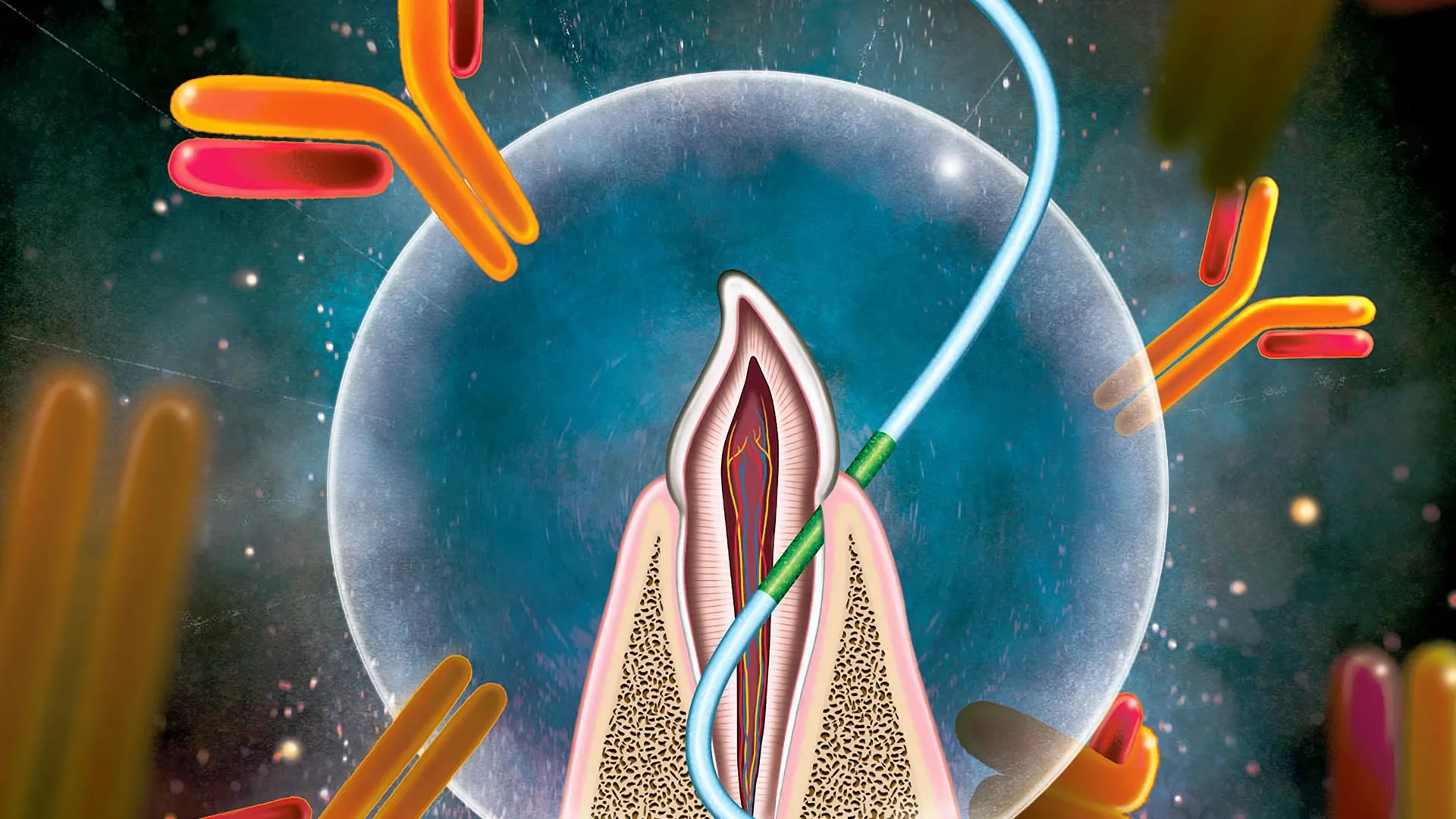
Researchers have demonstrated a novel vaccine delivery method in an animal model, using dental floss to introduce vaccine via the tissue between the teeth and gums. The testing found that the new technique stimulates the production of antibodies in mucosal surfaces, such as the lining of the nose and lungs.
“Mucosal surfaces are important, because they are a source of entry for pathogens, such as influenza and COVID,” says Harvinder Singh Gill, corresponding author of a paper on the work. “However, if a vaccine is given by injection, antibodies are primarily produced in the bloodstream throughout the body, and relatively few antibodies are produced on mucosal surfaces.
“But we know that when a vaccine is given via the mucosal surface, antibodies are stimulated not only in the bloodstream, but also on mucosal surfaces,” says Gill, who is the Ronald B. and Cynthia J. McNeill Term Professor in Nanomedicine at North Carolina State University. “This improves the body’s ability to prevent infection, because there is an additional line of antibody defense before a pathogen enters the body.”
This is where the junctional epithelium comes in. The term epithelium applies to the tissue that lines the surface of your body parts, such as the lining of your lungs, stomach and intestines. Most epithelial tissues include robust barriers that are designed to keep bad things – from viruses to dirt – from entering your blood stream. But the junctional epithelium is different.
The junctional epithelium is a thin layer of tissue located in the deepest part of the pocket between the tooth and the gum, and it lacks the barrier features found in other epithelial tissues. The lack of a barrier allows the junctional epithelium to release immune cells to fight bacteria – you find these immune cells in your saliva, as well as between your teeth and gums.
“Because the junctional epithelium is more permeable than other epithelial tissues – and is a mucosal layer – it presents a unique opportunity for introducing vaccines to the body in a way that will stimulate enhanced antibody production across the body’s mucosal layers,” says Gill.
To determine the viability of delivering vaccines via the junctional epithelium, the researchers applied vaccine to unwaxed dental floss and then flossed the teeth of lab mice. Specifically, the researchers compared antibody production in mice that received a peptide flu vaccine via flossing the junctional epithelium; via the nasal epithelium; or via placing vaccine on the mucosal tissue under the tongue.

“We found that applying vaccine via the junctional epithelium produces far superior antibody response on mucosal surfaces than the current gold standard for vaccinating via the oral cavity, which involves placing vaccine under the tongue,” says Rohan Ingrole, first author of the paper, who was a Ph.D. student under Gill at Texas Tech University. “The flossing technique also provides comparable protection against flu virus as compared to the vaccine being given via the nasal epithelium.”
“This is extremely promising, because most vaccine formulations cannot be given via the nasal epithelium – the barrier features in that mucosal surface prevent efficient uptake of the vaccine,” Gill says. “Intranasal delivery also has the potential to cause the vaccine to reach the brain, which can pose safety concerns. However, vaccination via the junctional epithelium offers no such risk. For this experiment, we chose one of the few vaccine formulations that actually works for nasal delivery because we wanted to see how junctional epithelium delivery compared to the best-case scenario for nasal delivery.”
The researchers also tested whether the junctional epithelium delivery method worked for three other prominent classes of vaccines: proteins, inactivated viruses and mRNA. In all three cases, the epithelial junction delivery technique produced robust antibody responses in the bloodstream and across mucosal surfaces.
The researchers also found that, at least in the animal model, it didn’t matter whether food and water were consumed immediately after flossing with the vaccine – the immune response was the same.
But while regular floss serves as an adequate vaccine delivery method for lab mice, the researchers know it’s not practical to ask people to hold vaccine-coated floss in their fingers. To address that challenge the researchers used a floss pick. A floss pick consists of a piece of floss stretched between two prongs that can be held by a handle.
Specifically, the researchers coated the floss in floss picks with fluorescent food dye. The researchers then recruited 27 study participants, explained the concept of applying vaccine via floss, and asked the participants to try to deposit the food dye in their epithelial junction with a floss pick.

“We found that approximately 60% of the dye was deposited in the gum pocket, which suggests that floss picks may be a practical vaccine delivery method to the epithelial junction,” Ingrole says.
“We’re optimistic about that work and – depending on our findings – may then move toward clinical trials,” Gill says.
While there are still many questions that need to be answered before the floss technique can be considered for clinical use, the researchers think there could be significant advantages beyond the improved antibody response on mucosal surfaces.
“For example, it would be easy to administer, and it addresses concerns many people have about being vaccinated with needles,” Gill says. “And we think this technique should be comparable in price to other vaccine delivery techniques.
There are also some drawbacks. For example, this technique would not work on infants and toddlers who do not yet have teeth.
“In addition, we would need to know more about how or whether this approach would work for people who have gum disease or other oral infections,” Gill says.
The paper, “Floss-based vaccination targets the gingival sulcus for mucosal and systemic immunization,” is published in the journal Nature Biomedical Engineering. Co-authors of the paper include Akhilesh Kumar Shakya, Chang Hyun Lee and Lazar Nesovic of Texas Tech; Gaurav Joshi of Texas Tech and NC State; and Richard Compans of Emory University.
The study was supported in part by the National Institutes of Health (NIH) under grants R01AI137846 and R01DE033759, and by funds from the Whitacre Endowed Chair in Science and Engineering at Texas Tech University.
Gill, Ingrole and Shakya are co-inventors on a patent related to targeting the junctional epithelium for vaccination.

Read more →