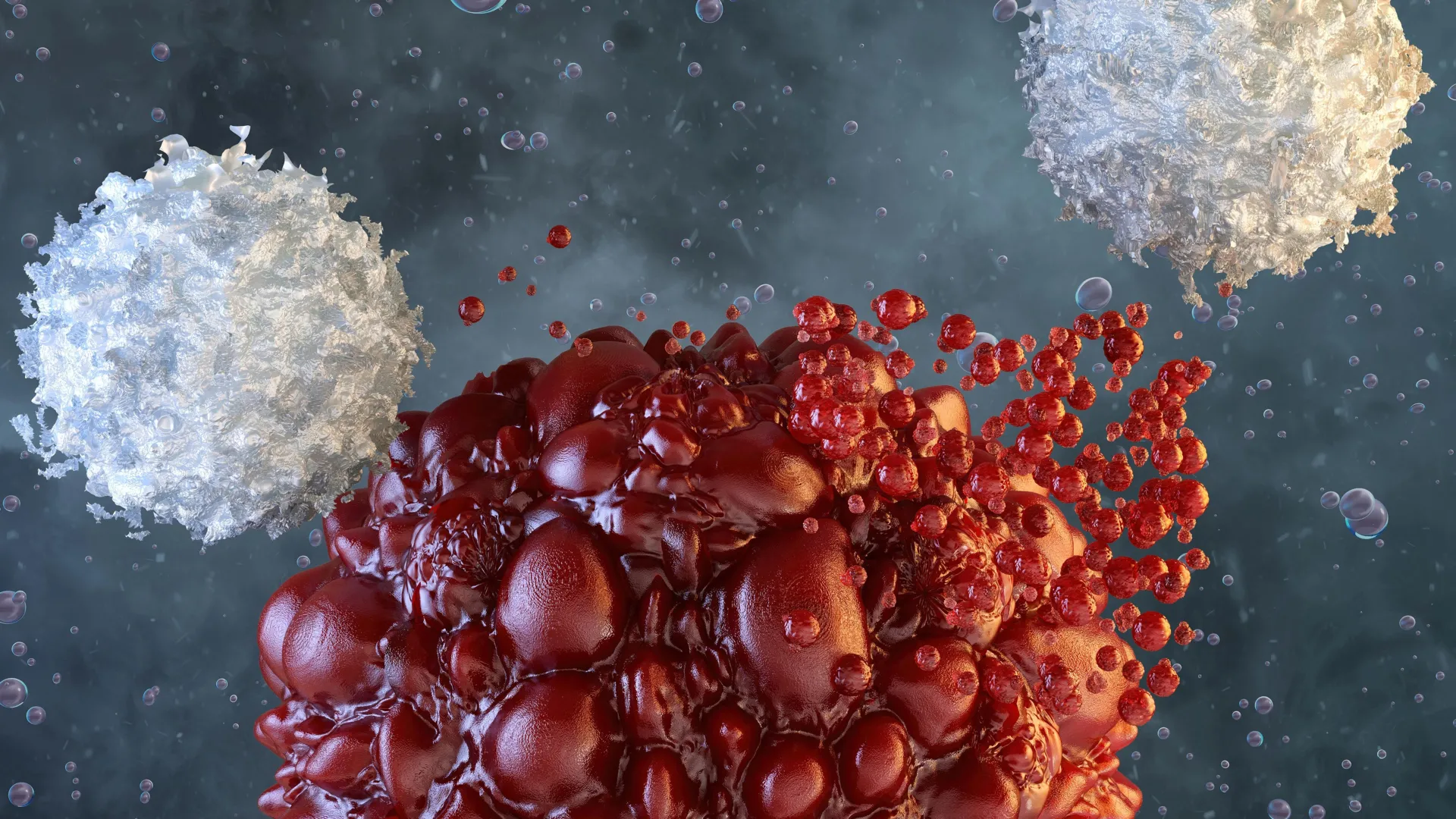
Is RFK Jr right to pull mRNA vaccine research funding?

33 minutes agoShareSaveJames GallagherShareSaveGetty ImagesmRNA vaccines were heralded as a medical marvel that saved lives during the Covid pandemic, but now the US is pulling back from researching them.US Health Secretary Robert F Kennedy Jr has cancelled 22 projects – worth $500m (£376m) in funding – for tackling infections such as Covid and flu.So does Kennedy – probably the country’s most famous vaccine sceptic – have a point, or is he making a monumental miscalculation?Prof Adam Finn, vaccine researcher at the University of Bristol, says “it’s a bit of both” but ditching mRNA technology is “stupid” and potentially a “catastrophic error”.Let’s unpick why.Kennedy says he has reviewed the science on mRNA vaccines, concluding that the “data show these vaccines fail to protect effectively against upper respiratory infections like COVID and flu”.Instead, he says, he would shift funding to “safer, broader vaccine platforms that remain effective even as viruses mutate”.So are mRNA vaccines safe? Are they effective? Would other vaccine technologies be better?And another question is where should mRNA vaccines fit into the pantheon of other vaccine technologies – because there are many:Inactivated vaccines use the original virus or bacterium, kill it, and use that to train the immune system – such as the annual flu shotAttenuated vaccines do not kill the infectious agent, but make it weaker so it causes a mild infection – such as the MMR (measles, mumps and rubella) vaccineConjugate vaccines use bits of protein or sugar from a bug, so it triggers an immune response without causing an infection – like for whooping coughmRNA vaccines use a fragment of genetic code that temporarily instructs the body to make parts of a virus, and the immune system reacts to thatEach has advantages and disadvantages, but Prof Finn argues we “overhyped” mRNA vaccines during the pandemic to the exclusion of other approaches, and now there is a process of adjusting.”But to swing the pendulum so far that mRNA is useless and has no value and should not be developed or understood better is equally stupid, it did do remarkable things,” he says.Do mRNA vaccines work?The claim that mRNA vaccines do not protect against upper respiratory infections like Covid and flu “just isn’t true”, says Prof Andrew Pollard from the Oxford Vaccine Group, who is soon stepping down as the head of the Joint Committee on Vaccination and Immunisation (JCVI), which advises the UK government.The vaccines were shown to provide protection – keeping people alive and out of hospital – in both clinical trials and then during intense monitoring of how the vaccines performed when they were rolled out around the world.In the first year of vaccination during the Covid pandemic, it was estimated that the Pfizer/BioNTech mRNA vaccine alone saved nearly 6 million lives. Against that there were a small number of cases of inflammation of heart tissue – called myocarditis – particularly in young men.”Very rare side effects should be balanced against the huge benefit of the technology,” says Prof Pollard.The pandemic was an era when the world was single-mindedly focused on Covid and the rollout of vaccines was monitored intensely. The consensus opinion remains they did overwhelmingly more good than harm.But that does not mean they are a perfect technology.Getty ImagesThe mRNA Covid vaccines train the immune system to target just one protein out of the whole virus. If that protein in the coronavirus changes or mutates then the body’s protection is lessened.We have seen the consequences of that – immunity wanes and the vaccines need to be updated.One theoretical argument is that a different vaccine approach – such as using the whole virus – would give better protection, as the immune system would have more to target.However, Prof Pollard says the mRNA vaccines performed better than the inactivated ones when tackling Covid.He says that is probably down to the way they are made – and the fact that the process of killing the virus also “changes the viral proteins so there is less stimulation of the immune system” in comparison with mRNA vaccines.The need to update vaccines is not a failing of mRNA technology that can be easily solved by pivoting from one technology to another – instead, it is down to the fundamental nature of some viruses.The same measles or HPV (human papilloma virus) vaccines have been effective for decades and show no sign of failing as the virus’s genetic codes are more stable in each case. But some viruses live in a perpetual state of flux.Flu, for example, is not one virus – but instead a constantly-shifting target. At any time, one strain will be in the ascendancy and be the most likely to cause trouble in winter.In flu, the inactivated flu injection that is given to adults is updated every year – as is the live vaccine that is given to children as a nasal spray. A future mRNA form of flu vaccine would work the same way.”The point about keeping up with variants is about all technologies, not just mRNA,” says Prof Pollard.mRNA is ‘streets ahead’ when speed is neededThere is a legitimate scientific question about which vaccine technology is used for which disease.What is causing concern among scientists is that pulling mRNA research means we will not have those vaccines at times when we need to do what no other technology can.Prof Pollard says: “I don’t think there’s the evidence they are hugely better for protection, but where RNA tech is streets ahead of everything else is responding to outbreaks.”The world is highly drilled at making new flu vaccines each year. But even then, there is a six-month process of deciding on the new flu strains to be targeted, growing the vaccine at scale in chicken eggs and then distributing it. Brand new vaccines take even longer.But with mRNA, you can have the new vaccine in six to eight weeks, and then tens or hundreds of millions of doses a few months later.Some of the projects that have had their funding pulled in the US were preparing for a bird flu pandemic. That virus, H5N1, has been devastating bird populations and jumping into a wide range of other animals including American cattle.”That doesn’t make sense and if we do get a human pandemic of bird flu it could be seen as a catastrophic error,” says Prof Finn.But the ramifications of the US turning away from mRNA research could be felt more widely.What impact does this move have on confidence in the current vaccines, mRNA or otherwise? How does it affect the world when the US is one of the most influential countries in medical research? And will it have a knock-on impact on other types of mRNA technology, such as cancer vaccines – or using the approach to treat rare genetic diseases?Prof Pollard poses another question after RFK Jr’s move: “Does it put us all at risk if a huge market is turning its back on RNA?”It is one of the most important technologies we’ll see this century in infectious disease, biotherapeutic agents for rare disease and critically for cancer. It’s a message I’m troubled about.”

Read more →


Union and government to restart talks on ending doctor dispute

17 minutes agoShareSaveShareSavePress AssociationThe government and the British Medical Association will restart talks in the coming days to end the long-running resident doctor dispute in England.It comes after BMA leaders met Health Secretary Wes Streeting on Tuesday, following a five-day walkout at the end of July.The BMA said it had agreed to a “window for negotiations”.This is understood to mean there will now be a series of talks over the coming weeks with no more strike action called in the meantime.Last week Streeting said he was willing to meet again but would not negotiate on pay as resident doctors, the new name for junior doctors, had received pay rises totalling nearly 30% in the past three years.Previous talks, held ahead of July’s five-day strike, the 12th since March 2023, had centred on career progression, working conditions – such as rotas, and out-of-pocket expenses like exam fees.The BMA said the meeting on Tuesday was “informative” and the two sides had reached a “greater mutual understanding” than previously.The union said it wanted to work with the government on non-pay items but, going forward, there still had to be movement on pay.The union argues that, despite the pay rises, resident doctors’ pay is still a fifth lower than it was in 2008, once inflation is taken into account.Jobs shortageBMA resident doctors committee co-chairs Dr Ross Nieuwoudt and Dr Melissa Ryan said: “We have agreed a window for negotiations, which we hope the government will use wisely.”We are working to ensure strike action does not need to be repeated and will give time to explore solutions. However, doctors and patients both deserve a resolution sooner rather than later.”They also said they wanted the government to address what they say is a shortage of jobs after the second year of training when resident doctors move into speciality training.This year there were more than 30,000 applicants for 10,000 jobs at this stage, although some will have been doctors from abroad.Resident doctors represent nearly half the medical workforce and range from doctors fresh out of university through to those with up to a decade of experience.

Read more →

Scientists uncover hidden gut ‘sense’ that talks to your brain

In a breakthrough that reimagines the way the gut and brain communicate, researchers have uncovered what they call a “neurobiotic sense,” a newly identified system that lets the brain respond in real time to signals from microbes living in our gut.
The new research, led by Duke University School of Medicine neuroscientists Diego Bohórquez, PhD, and M. Maya Kaelberer, PhD, and published in Nature, centers on neuropods, tiny sensor cells lining the colon’s epithelium. These cells detect a common microbial protein and send rapid messages to the brain that help curb appetite.
But this is just the beginning. The team believes this neurobiotic sense may be a broader platform for understanding how gut detects microbes, influencing everything from eating habits to mood — and even how the brain might shape the microbiome in return. 
“We were curious whether the body could sense microbial patterns in real time and not just as an immune or inflammatory response, but as a neural response that guides behavior in real time,” said Bohórquez, a professor of medicine and neurobiology at Duke University School of Medicine and senior author of the study.  
The key player is flagellin, an ancient protein found in bacterial flagella, a tail-like structure that bacteria use to swim. When we eat, some gut bacteria release flagellin. Neuropods detect it, with help from a receptor called TLR5, and fire off a message through the vagus nerve – a major communication line of communication between the gut and the brain.  
The team, supported by the National Institutes of Health, proposed a bold idea: that bacterial flagellin in the colon could trigger neuropods to send an appetite-suppressing signal to the brain — a direct microbial influence on behavior.
The researchers tested this by fasting mice overnight, then giving them a small dose of flagellin directly to the colon. Those mice ate less.  
When researchers tried the same experiment in mice missing the TLR5 receptor, nothing changed. The mice kept eating and gained weight, a clue that the pathway helps regulate appetite. The findings suggest that flagellin sends a “we’ve had enough” signal through TLR5, allowing the gut to tell the brain it’s time to stop eating. Without that receptor, the message doesn’t get through.
The discovery was guided by lead study authors Winston Liu, MD, PhD, Emily Alway, both graduate students of the Medical Scientist Training Program, and postdoctoral fellow Naama Reicher, Ph.D. Their experiments reveal that disrupting the pathway altered eating habits in mice pointed to a deeper link between gut microbes and behavior.
“Looking ahead, I think this work will be especially helpful for the broader scientific community to explain how our behavior is influenced by microbes,” said Bohórquez. “One clear next step is to investigate how specific diets change the microbial landscape in the gut. That could be a key piece of the puzzle in conditions like obesity or psychiatric disorders.”

Read more →

This common fruit has over 1,600 compounds that boost brain, heart, and gut health

A new article appearing in the current issue of the peer-reviewed Journal of Agriculture and Food Chemistry explores the concept of “superfoods” and makes a case that fresh grapes have earned what should be a prominent position in the superfood family. The author, leading resveratrol and cancer researcher John M. Pezzuto, Ph.D., D.Sc., Dean of the College of Pharmacy and Health Sciences at Western New England University, brings forth an array of evidence to support his perspective on this issue.
As noted in the article, the term “superfood” is a common word without an official definition or established criteria. Mainstream superfoods are typically part of the Mediterranean Diet and generally rich in natural plant compounds that are beneficial to a person’s health. Pezzuto addresses the broader topic of superfoods in detail, then makes the scientific case for grapes, noting that fresh grapes are underplayed in this arena and often not included with mention of other similar foods, such as berries.
Grapes are a natural source of over 1,600 compounds, including antioxidants and other polyphenols such as flavonoids, anthocyanidins, catechins, phenolic acids, resveratrol, and more. Polyphenols are credited with the health benefits of grapes, via antioxidant activity and influencing cellular processes. It is the whole grape and the unique matrix of these compounds within it that creates the biological effects, not a single component.
Over sixty peer-reviewed studies have been published in the scientific literature on grapes and health. The role of grapes on cardiovascular health is well established, including promoting relaxation of blood vessels and healthy circulation, as well as modulating cholesterol levels. Clinical trials also show that grapes support brain health (help maintain healthy brain metabolism and beneficial impacts on cognition), skin health (enhanced resistance to UV radiation and DNA damage in skin cells), gut health (modulating the gut microbiome and increasing diversity in the gut), and eye health (retinal impact via increase in macular pigment optical density). Finally, in the realm of nutrigenomics – the study of foods on gene expression in the body – grape consumption has been shown to positively alter gene expression in relevant body systems. Pezzuto suggests that it is these activities at the genetic level that are likely the driving force behind the health benefits of grapes.
“Dr. Pezzuto shows that based on the science, grapes are indeed a superfood, and should be recognized as such,” said Ian LeMay, president of the California Table Grape Commission, “and we are hopeful that using this nomenclature in association with grapes becomes common practice. Luckily, whether consumed for health or sheer enjoyment as a healthy snack, eating California grapes is a win for consumers.”

Read more →

Starving tumors makes cancer treatment work better

Cancer cells and tumors do not exist in a vacuum. Far from the isolation and self-sufficiency of the fictional Wakanda, tumors develop in and alter the nearby milieu of immune cells, connective tissue, blood vessels and a sea of proteins and carbohydrates that provide structure and other supportive functions.
Cancer cells interact with this neighborhood — which scientists term the tumor microenvironment — in many ways, including obtaining extra resources needed to fuel their unchecked growth. Like a fishing trawler deploying its net, pancreatic ductal adenocarcinoma (PDAC) cells reform their cell surfaces to grab additional nutrients from the jelly-like substance between cells called the extracellular matrix.
This cellular scavenging process — known as macropinocytosis — affects the area surrounding the tumor, making the connective tissue stiffer and preventing immune cells from reaching the tumor.
Scientists at the NCI-Designated Cancer Center at Sanford Burnham Prebys published findings July 24, 2025, in Cancer Cell demonstrating that blocking macropinocytosis reshapes the tumor microenvironment to be less fibrous and to allow more access to immune cells. These changes made immunotherapy and chemotherapy more effective in treating PDAC tumors in mice.
The researchers started by observing cells in the tumor microenvironment called fibroblasts that typically form connective tissue and produce many components of the extracellular matrix that are captured during macropinocytosis. In the presence of a tumor, some nearby fibroblasts are coerced to become cancer-associated fibroblasts (CAF) that help tumors grow.
“These CAFs are among the cells surrounding the tumor, and they will support tumor growth by providing metabolites and growth signals, as well as helping in other ways,” said Yijuan Zhang, PhD, a staff scientist at Sanford Burnham Prebys and lead author of the study.
The scientists found that blocking macropinocytosis exacerbated the metabolic stress experienced by CAFs that are deprived of glutamine, one of the 20 amino acids used to build proteins throughout the body. Because PDAC relies upon glutamine much more than other cancers, CAFs in the pancreatic cancer tumor microenvironment are routinely starved of glutamine. After preventing pancreatic CAFs from using the same scrounging strategy as PDAC tumors, the scientists observed a change to a different subtype of CAF marked by the expression of genes that promote inflammation.

“Most pancreatic CAFs are myofibroblasts that promote stiffness and density in the tumor microenvironment and make it more difficult for immune cells and drugs to reach the tumor,” said Cosimo Commisso, PhD, senior author and interim director and deputy director of the institute’s cancer center. “Our experiments led to a subtype reprogramming with fewer myofibroblasts and more inflammatory CAFs, and we wondered how this change would affect the overall tumor microenvironment.”
The research team found that significant changes in the tumor neighborhood resulted from preventing macropinocytosis in CAFs.
“There were fewer deposits of collagen that make the tumor microenvironment stiff or fibrotic, more access for CD4+ and CD8+ T cells to infiltrate the tumor, and vascular expansion, which means a widening of blood vessels that can promote drug delivery,” said Zhang.
The investigators then wanted to see how these tumor microenvironment modifications might make a difference for patients with PDAC and other cancers that rely on macropinocytosis for fuel. They tested the effects of combining a treatment to block macropinocytosis with immunotherapy and chemotherapy.
“Infiltrating T cells are rich in a cell surface protein called PD-1 that dampens the immune response, so we combined a macropinocytosis inhibitor called EIPA with an anti-PD-1 antibody,” said Commisso. “We found it significantly suppressed tumor metastasis and prolonged mouse survival.”
“Our findings were similar when using EIPA as a pre-treatment before using the chemotherapy gemcitabine,” said Zhang. “In addition to synergistically suppressing tumor growth in mice with PDAC, it also reduced the spread of micrometastases in the lungs.”
The scientists will continue to explore how to prevent tumors from scavenging energy to reshape the tumor microenvironment into one that makes cancer treatments more effective.

“We believe this is a very promising strategy to pursue for developing combination therapies for cancer patients,” said Commisso. “Especially for pancreatic cancer that is the third leading causes of cancer deaths despite accounting for only three percent of cases.”
Additional authors include: Li Ling, Rabi Murad, Swetha Maganti, Ambroise Manceau, Hannah A. Hetrick, Madelaine Neff, Cheska Marie Galapate, Shea F. Grenier, Florent Carrette, Karen Duong-Polk, Anindya Bagchi, David A. Scott, Yoav Altman, Jennifer L. Hope and Linda M. Bradley from Sanford Burnham Prebys Andrew M. Lowy from the University of California San DiegoThe study was supported by the National Institutes of Health and the National Cancer Institute.

Read more →

Brain fog, falls, and fatigue? This app helps seniors cut risky meds

McGill University researchers have developed and are licensing a digital tool to help safely reduce patients’ use of medications that may be unnecessary or even harmful to them.
When clinicians review a patient’s file, MedSafer flags potentially inappropriate medications. In a new clinical trial, the software helped deprescribe such medications in 36 percent of long-term care residents, nearly triple as many as when reviews were done without the tool.
“Sometimes we blame aging for memory loss or mobility issues when the real culprit is the medications,” said lead author Dr. Emily McDonald, Associate Professor in McGill’s Department of Medicine, Scientist at the Research Institute of the McGill University Health Centre (The Institute) and attending physician at the McGill University Health Centre. “I’ve seen patients go from barely responsive to having conversations again after stopping a sedating medication.”
Nearly two thirds of Canadian seniors take five or more medications a day, and the number is significantly higher in long-term care, she added.
How the tool fits into routine care
Medications are typically reviewed every three months in long-term care homes, but the scholars say there’s no standard approach to deprescribing.
MedSafer works as a checklist for clinicians. It scans a resident’s medication list alongside their health conditions, flags drugs that may no longer be appropriate and provides guidance on how to stop some medications or for safer alternatives.

The software was co-developed by McDonald and Dr. Todd Lee, Associate Professor in McGill’s Department of Medicine and Scientist at The Institute . The trial involved 725 residents in five long-term care homes in New Brunswick who were taking an average of 10 medications each.
The problem with ‘prescribing cascades’
Medications often accumulate over time and are sometimes prescribed to counteract the side effects of other drugs, a pattern known as a “prescribing cascade.”
“Some medications can increase the risk of falls, confusion and hospitalizations,” said Lee. “The more you take, the more side effects and interactions you can have.”
The researchers’ goal is to see MedSafer integrated into primary care, so that overmedication can be addressed before patients enter long-term care.
“This should be the new standard of care for older adults,” McDonald said. “No one should be on a medication that’s doing more harm than good.”
About the study
The research was funded by the Healthy Seniors Pilot Project, a joint initiative of the Public Health Agency of Canada and the Government of New Brunswick.
McDonald and Lee are co-founders of MedSafer Corp., which licenses the software used in the study.

Read more →

RFK Jr cancels $500m in mRNA vaccine development in the US

The US Department of Health and Human Services (HHS) plans to cancel $500m (£376m) in funding for mRNA vaccines being developed to counter viruses like the flu and Covid-19. The move will impact 22 projects being led by major pharmaceutical companies, including Pfizer and Moderna, for vaccines against bird flu and other viruses, HHS said.Health Secretary Robert F Kennedy Jr, a vaccine sceptic, announced he was pulling the funding over claims that “mRNA technology poses more risks than benefits for these respiratory viruses”.Doctors and health experts have criticised Kennedy’s longstanding questioning of the safety and efficacy of vaccines and his debunked views on health policies.The development of mRNA vaccines to target Covid-19 was critical in helping slow down the pandemic and saving millions of lives, said Paul Offit, director of the Vaccine Education Center at Children’s Hospital of Philadelphia.Dr Offit told the BBC that Kennedy’s move will put the US in a “more dangerous” position to respond to any potential future pandemic, since mRNA vaccines have a shorter development cycle, which is why they were able to be used to respond to the Covid pandemic. In a statement, Kennedy said his team had “reviewed the science, listened to the experts, and acted. “[T]he data show these vaccines fail to protect effectively against upper respiratory infections like COVID and flu,” he said. He said the department was shifting the funding toward “safer, broader vaccine platforms that remain effective even as viruses mutate”.But the mRNA vaccines are “remarkably safe” and key to helping prevent against severe infections from viruses like Covid, said Dr Offit, who invented the rotavirus vaccine. HHS said the department that runs the projects, Biomedical Advanced Research and Development Authority (BARDA), would focus on “platforms with stronger safety records and transparent clinical and manufacturing data practices”.While some vaccines use an inactivated virus to trigger an immune response, mRNA vaccines work by teaching cells how to make proteins that can trigger an immune response. Moderna and Pfizer’s mRNA vaccines were tested in thousands of people before being rolled out and were found to be safe and effective. Since taking office, Kennedy has taken a number of steps to transform how the nation’s health department develops and regulates vaccines. In June, he fired all 17 members of a committee that issues official government recommendations on immunisations, replacing them with some people who have criticized the safety and efficacy of vaccines. He also removed the Covid vaccine from the Center for Disease Control and Prevention’s recommended immunization schedule for healthy children and pregnant women.

Read more →

This diet helped people lose twice as much weight, without eating less

When given nutritionally matched diets, participants lost twice as much weight eating minimally processed foods compared to ultra-processed foods, suggesting that cutting down on processing could help to sustain a healthy weight long term, finds a new clinical trial led by researchers at UCL and UCLH.
The study, published in Nature Medicine, is the first interventional study comparing ultra-processed food (UPF) and minimally processed food (MPF) diets in ‘real world’ conditions, as well as being the longest experimental study of a UPF diet to date1.
The trial split 55 adults into two groups. One group started with an eight-week diet of MPF, such as overnight oats or homemade spaghetti Bolognese. After a four-week ‘washout’ period during which participants went back to their normal diet, they switched to a diet of UPF, such as breakfast oat bars or a lasagna ready meal. The other group completed the diets in the opposite order. In total, 50 participants completed at least one diet.
The provided diets were nutritionally matched in accordance with the Eatwell Guide, the UK’s official government advice on how to eat a healthy, balanced diet. This included levels of fat, saturated fat, protein, carbohydrate, salt and fiber, as well as providing recommended intakes of fruits and vegetables. Participants had plenty of food (i.e. more calories than they needed) delivered to their home and were told to eat as much or as little as they wanted, as they would normally. They were not told to limit their intake.
After eight weeks on each diet, both groups lost weight, likely as a result of the improved nutritional profile of what they were eating compared to their normal diet. However, this effect was higher (2.06% reduction) on the MPF diet compared to the UPF diet (1.05% reduction)2.
These changes corresponded to an estimated calorie deficit of 290 kilocalories (kcal) per day on the MPF diet, compared to 120 kcal per day on the UPF diet. To put this in context, the Eatwell Guide recommends a daily energy intake of 2,000 kcal for women and 2,500 kcal for men.
The greater weight loss experienced on the MPF diet came from reductions in fat mass and total body water, with no change in muscle or fat-free mass, indicating a healthier body composition overall.

The findings suggest that, when observing recommended dietary guidelines, choosing minimally processed foods may be more effective for losing weight.
Dr Samuel Dicken, first author of the study from the UCL Centre for Obesity Research and UCL Department of Behavioural Science & Health, said: “Previous research has linked ultra-processed foods with poor health outcomes. But not all ultra-processed foods are inherently unhealthy based on their nutritional profile. The main aim of this trial was to fill crucial gaps in our knowledge about the role of food processing in the context of existing dietary guidance, and how it affects health outcomes such as weight, blood pressure and body composition, as well as experiential factors like food cravings.
“The primary outcome of the trial was to assess percentage changes in weight and on both diets we saw a significant reduction, but the effect was nearly double on the minimally processed diet. Though a 2% reduction may not seem very big, that is only over eight weeks and without people trying to actively reduce their intake. If we scaled these results up over the course of a year, we’d expect to see a 13% weight reduction in men and a 9% reduction in women on the minimally processed diet, but only a 4% weight reduction in men and 5% in women after the ultra-processed diet. Over time this would start to become a big difference.”
Participants completed several questionnaires to assess their food cravings before starting the diets, and at weeks four and eight during the diets3.
There were significantly greater improvements in the number of cravings and ability to resist them (craving control) on the MPF diet compared to the UPF diet, despite greater weight loss on the MPF diet that might ordinarily be expected to lead to stronger cravings.
On the MPF diet compared to the UPF diet, participants reported a two-fold greater improvement in overall craving control, a four-fold greater improvement in craving control for savoury food, and an almost two-fold greater improvement in resisting whichever food they most craved.

Professor Chris van Tulleken, an author of the study from UCL Division of Infection & Immunity and UCLH, said: “The global food system at the moment drives diet-related poor health and obesity, particularly because of the wide availability of cheap, unhealthy food. This study highlights the importance of ultra-processing in driving health outcomes in addition to the role of nutrients like fat, salt and sugar. It underlines the need to shift the policy focus away from individual responsibility and on to the environmental drivers of obesity, such as the influence of multinational food companies in shaping unhealthy food environments.
“Stakeholders across disciplines and organisations must work together and focus on wider policy actions that improve our food environment, such as warning labels, marketing restrictions, progressive taxation and subsidies, to ensure that healthy diets are affordable, available and desirable for all.”
The trial also measured secondary health markers, such as blood pressure and heart rate, as well as blood markers such as liver function, glucose, cholesterol and inflammation. Across these markers, there were no significant negative impacts of the UPF diet, with either no change, or a significant improvement from baseline.
Generally, there weren’t significant differences in these markers between the diets, and the researchers caution that longer studies would be needed to investigate these measures properly in relation to the changes in weight and fat mass.
Professor Rachel Batterham, senior author of the study from the UCL Centre for Obesity Research, said: “Despite being widely promoted, less than 1% of the UK population follows all of the recommendations in the Eatwell Guide, and most people stick to fewer than half.
“The normal diets of the trial participants tended to be outside national nutritional guidelines and included an above average proportion of UPF, which may help to explain why switching to a trial diet consisting entirely of UPF, but that was nutritionally balanced, resulted in neutral or slightly favourable changes to some secondary health markers.
“The best advice to people would be to stick as closely to nutritional guidelines as they can by moderating overall energy intake, limiting intake of salt, sugar and saturated fat, and prioritizing high-fiber foods such as fruits, vegetables, pulses and nuts. Choosing less processed options such as whole foods and cooking from scratch, rather than ultra-processed, packaged foods or ready meals, is likely to offer additional benefits in terms of body weight, body composition and overall health.”
This research was supported by the National Institute for Health and Care Research UCLH Biomedical Research Centre and the Rosetrees Trust.
Notes MPF have undergone very little alteration from their natural state, such as fruits, vegetables, whole grains, meat, fish and dairy products like natural yoghurt. UPF have been significantly altered from their original form through processing, and typically contain ingredients not commonly used in home cooking, such as artificial flavours, preservatives and emulsifiers. Not all participants lost weight, with 10 individuals in each group gaining weight. This is thought to be due to a lack of adherence to the diet, particularly on the second diet that they undertook. When the unadjusted results from the first round of diets (either MPF or UPF) were considered in isolation, the weight loss was greater than when the average across both rounds of diets (4.09% reduction for MPF and 2.12% reduction for UPF). The Control of Eating Questionnaire (CoEQ) assesses overall craving control, craving for sweet foods, craving for savoury foods, positive mood, and the perceived ability to resist eating foods that are craved. The Power of Food Scale (PFS) assesses the appetite for and motivation to consume palatable foods when that food is available (but not physically present), when it is present (but not tasted), and when the food has been tasted (but not yet consumed).

Read more →

Nurses punched in face at violent children’s unit

2 hours agoShareSaveMatthew HillWest of England health correspondentShareSaveBBCNurses have been assaulted and “punched in the face” amid violent behavioural problems at a hospital’s children’s unit, staff have told the BBC.Since April, nurses at the Great Western Hospital (GWH) in Swindon say a series of troubled teenagers have assaulted nurses, hit another child and verbally abused very young patients and their families.Other incidents have included a patient who “ripped a TV” from a wall and broke a sink. Numerous staff are now taking sick leave.A spokesperson for the GWH said: “Our children’s ward is often the only place available locally for vulnerable children and young people up to the age of 18 with complex medical and mental health needs.”Avon and Wiltshire Mental Health Partnership closed the Riverside adolescent mental health unit as a “temporary measure” in February 2024.But its continued closure means GWH has to do its best to cope with teenagers suffering form psychiatric conditions. The unit provides care to children up to the age of 18 and the hospitals does not have an adolescent mental health ward as an alternative. Statistics obtained by the BBC show that in May there were 13 incidents relating to the behaviour of inpatients that involved harming themselves or others. There were another seven in June.Five staff or other patients and family members were assaulted in May, and another four in June.’Nothing has changed’The BBC has spoken to several nurses from the unit who say up to 15 members of staff have been off work because of violence.They said one nurse who remains off work was left seriously injured after being assaulted two years ago and has suffered ever since with hearing loss and PTSD. The nurses all want to remain anonymous.One said: “We kept saying what is it going to take? Still nothing has changed.”Is it going to take for a child to get hurt. We then had a child hurt on the ward.”The nurse added that the stats were likely lower than the real number because staff find it difficult to find time to report them.The nurse described how she felt some incidents were not being dealt with seriously enough.”It is often put to us these children are unwell so in terms of reporting to the police we are made to feel we are doing wrong against the child.”We are a secure ward and have to buzz people in and out.”It’s restrictions like that and some of the mental health patients we have to remove ligatures such as a hoody they then don’t like because we are stopping them from hurting themselves.”The biggest trouble is we do go up to 18. Most children’s wards go to 16. it almost feels like people run scared because it is children.”‘Punched in face’Another nurse said: “A lot of children are medically fit to go home. No one wants to take them because of their escalating behaviour. “It has caused a lot of holes in walls, damaged pipes and lots of staff being hit with people being punched in face.”The nurse went on to describe how four registered mental health nurses were unable to restrain one teenage girl who was also verbally abusing staff.”It is having a massive impact on patients and parents.”She added: “One of my colleagues went off sick as this girl was smacking her head against the wall. The registered mental health nurses were just watching.The nurse said they have an “assessment unit for children to be assessed” which was then closed. This has left the hospital unit dealing with these cases.”One teenager was ripping TVs off the wall, she broke a sink. The whole wall has had to be replaced it has … led to probably at least 15 staff being off sick,” the nurse added.The nurse said that managers had done very little to address the situation apart from introducing a ‘safe room’ which has not been opened yet. Another nurse said: “We had a young person who was with us because she had taken an overdose and her behaviour escalated to the point that she was being looked after by three registered mental health agency nurses . “Her behaviour escalated and she assaulted nurses and security staff. She punched quite a few people.”An NHS report in 2024 highlighted the difficulties of nursing teenagers on hospital wards alongside younger children.The South West director of the Royal College of Nursing, Susan Masters, said it is a national problem, adding: “This trust (GWH) is the local provision. There isn’t another provision anywhere else for these young people to go which is why its very difficult here.”Children with physical health difficulties, young people with illnesses and procedures need a bright, distracting fun environment.”Children and young people with mental health distress need the opposite-very calming very sombre. The other issue of course is specialist nursing staff.”So currently these children are being cared for in an acute unit with children’s’ nurses that are not necessarily trained in specialist mental health services.”A statement from GWH trust said: “We have individual rooms providing privacy and division between age groups, alongside two dedicated rooms for patients experiencing a mental health crisis.”Many of the children and young people we care for need specialised care and we are planning to recruit specialist mental health nurses so that we have the expertise to better support children and young people with severe mental health needs.”It’s unacceptable that NHS staff face violence and abuse and we do all we can to keep our staff, patients and visitors safe.”This is a national issue, however these incidents can be extremely distressing, and we offer a package of mental health support to our staff, which includes de-briefing sessions and counselling services.”Our Never OK campaign, in partnership with Wiltshire Police, encourages staff to report all incidents and the police regularly visit the hospital and support our own security team.”

Read more →

New town dentist disputes NHS ‘no need’ claim

A dental practice in Nottinghamshire says it has been told it cannot offer NHS treatment because there is deemed to be “no need” for it in the area.Toothbank aims to open in The Square, Beeston, later this month, offering private care but has been unable to obtain an NHS contract from the local integrated care board (ICB).Practice director Traceyanne Smith said she was told at a meeting in March that it would not be given any contracts and since then, further attempts to contact officials had not had a response. A spokesperson for the NHS Nottingham and Nottinghamshire ICB said dental services were commissioned based on data from the latest Oral Health Needs Assessment.Toothbank has moved into a council-owned property, which had been vacant for several years.Ms Smith said staff met NHS England in March and were denied a General Dental Services contract.Without this, it cannot even bid for emergency cover and further applications “have not even been acknowledged”, she added.The Nottingham and Nottinghamshire ICB, which is part of NHS commissioning, is made up of NHS organisations and the city and local councils, and co-ordinates the delivery of resources to support local healthcare.Ms Smith said: “It’s been massively frustrating. We are really wanting to serve the need in Beeston where there is a massive cry for NHS dentistry.”We have realised this in the past few weeks, with people just popping in to see if we can offer them appointments via the NHS.”I think it is really important for people to understand that it’s not us that makes that decision, it comes from NHS commissioning.”Without their go-ahead, we can’t even see children on the NHS.”Local and county councillor Teresa Cullen, who represents the Broxtowe Alliance party, said: “How can they say that there is no need for NHS places in Beeston? I hear from residents every day who are unable to get dental treatment close to home. “I am fighting tooth and nail with the ICB, NHS England, and our MP – I want this resolved.”Labour MP for Broxtowe Juliet Campbell said: “My constituents in Broxtowe, like many others across the country, are experiencing difficulties accessing NHS dentists after 14 years of failure by the Conservative government. “I have already spoken to the ICB to raise the particular requests from Toothbank and that discussions on allocation of ‘units of dentist activity’ are in progress.”In England in 2023-24, there were 34 million courses of dental treatment delivered, 4.3% more than 2022-23 but still fewer than before the Covid pandemic.A search on the NHS website shows of 11 dentists within 2.2 miles of Beeston, seven are not accepting new NHS patients, three are taking new registrations and one is accepting children only.In February, a parliamentary committee was told Dental Recovery Plan, launched a year before, to try to address a crisis in NHS dentistry in England, had been “unsuccessful”.A spokesman for the British Dental Association added: “In real terms, NHS dental budget has been cut by over a third since 2010 – a real cut of £1bn.”Official data estimates unmet need for NHS dentistry at over 13 million, or one in four of England’s adult population. “Recent polling has suggested that among those who could not get an NHS dental appointment, more than a quarter [26%] resorted to DIY dentistry, while 19% went abroad for treatment.”The government urgently needs to match its words on NHS dentistry with action to save the service.”A spokesperson for the NHS Nottingham and Nottinghamshire ICB said: “Dental services in Nottingham and Nottinghamshire are commissioned based on the latest Oral Health Needs Assessment, which looks at data like deprivation levels, access to NHS dentists, travel distances, oral cancer rates, and tooth decay. “This ensures we target our resources to those areas where they’ll make the biggest difference.”The ICB added “future NHS dental contract opportunities will be announced in line with national rules, so we can’t share details yet to keep the process fair”.

Read more →