This new drug could help PTSD patients finally let go of trauma
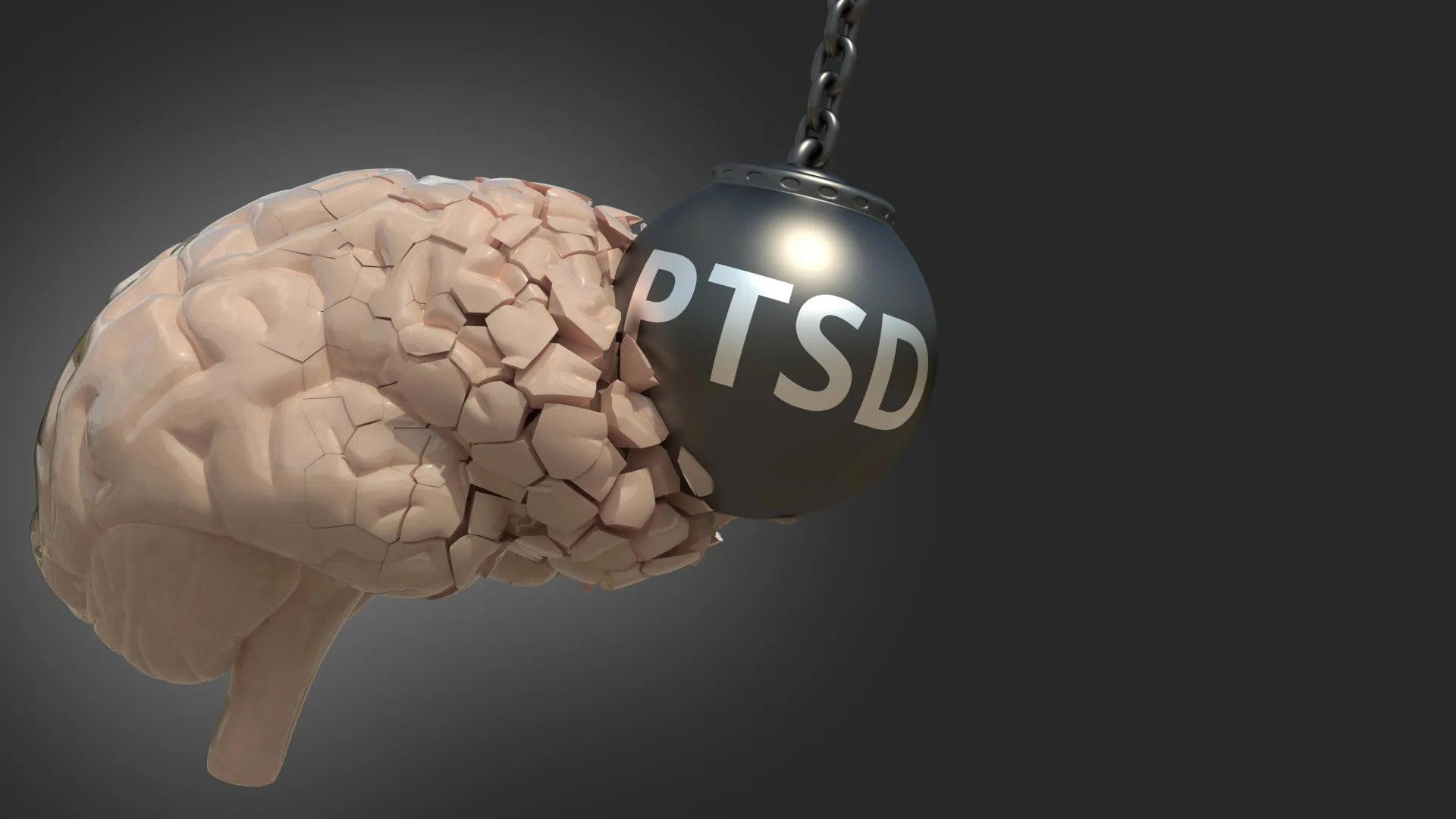
Did you know that patients with post traumatic stress disorder (PTSD) often struggle to forget traumatic memories, even long after the danger has passed? This failure to extinguish fear memories has long puzzled scientists and posed a major hurdle for treatment, especially since current medications targeting serotonin receptors offer limited relief for only a subset of patients.
In a new discovery, scientists at the Institute for Basic Science (IBS) and Ewha Womans University have uncovered a new brain mechanism driving PTSD — and a promising drug that may counteract its effects.
Led by Dr. C. Justin LEE at the IBS Center for Cognition and Sociality and Professor LYOO In Kyoon at Ewha Womans University, the team has shown that excessive GABA (gamma-aminobutyric acid) produced by astrocytes, which are star-shaped support cells in the brain, impairs the brain’s ability to extinguish fear memories. This deficit is a core feature of PTSD and helps explain why traumatic memories can persist long after the threat has passed.
Crucially, the researchers found that a brain-permeable drug called KDS2010, which selectively blocks the monoamine oxidase B enzyme responsible for this abnormal GABA production, can reverse PTSD-like symptoms in mice. The drug has already passed Phase 1 safety trials in humans, making it a strong candidate for future PTSD treatments.
PTSD remains difficult to treat, with current medications targeting serotonin pathways providing limited relief for many patients. The new study focused on the medial prefrontal cortex (mPFC), a region of the brain critical for regulating fear, and found that PTSD patients had unusually high levels of GABA and reduced cerebral blood flow in this area. These findings emerged from brain imaging studies of more than 380 participants. Importantly, GABA levels decreased in patients who showed clinical improvement, pointing to the chemical’s central role in recovery.
To uncover the origin of this excess GABA, the researchers examined postmortem human brain tissue and used PTSD-like mouse models. They discovered that astrocytes, not neurons, were producing abnormal amounts of GABA via the enzyme monoamine oxidase B (MAOB). This astrocyte-derived GABA impaired neural activity, blocking the brain’s ability to forget traumatic memories.
When the researchers administered KDS2010, a highly selective, reversible MAOB inhibitor developed at IBS, the mice showed normalized brain activity and were able to extinguish fear responses. The drug reduced GABA levels, restored blood flow in the mPFC, and re-enabled memory extinction mechanisms. The study thus confirms astrocytic MAOB as a central driver of PTSD symptoms, and MAOB inhibition as a viable therapeutic path.

A major challenge of the study was linking clinical findings in humans with cellular mechanisms in the lab. The researchers addressed this by applying a “reverse translational” strategy: they began with clinical brain scans and moved backward to identify the cellular source of dysfunction, then confirmed the mechanism and tested drug effects in animal models. This approach led to a new understanding of how glial cells — long thought to be passive — actively shape psychiatric symptoms.
“This study is the first to identify astrocyte-derived GABA as a key pathological driver of fear extinction deficit in PTSD,” said Dr. WON Woojin, a postdoctoral researcher and co-first author of the study. “Our findings not only uncover a novel astrocyte-based mechanism underlying PTSD, but also provide preclinical evidence for a new therapeutic approach using an MAOB inhibitor.”
Director C. Justin LEE, who led the study, emphasized that “This work represents a successful example of reverse translational research, where clinical findings in human guided the discovery of underlying mechanisms in animal models. By identifying astrocytic GABA as a pathological driver in PTSD and targeting it via MAOB inhibition, the study opens a completely new therapeutic paradigm not only for PTSD but also for other neuropsychiatric disorders such as panic disorder, depression, and schizophrenia.”
The researchers plan to further investigate astrocyte-targeted therapies for various neuropsychiatric disorders. With KDS2010 currently undergoing Phase 2 clinical trials, this discovery may soon lead to new options for patients whose symptoms have not responded to conventional treatments.


Read more →

Weight loss drug Ozempic could protect the brain from stroke

Three studies presented recently at the Society of NeuroInterventional Surgery’s (SNIS) 22nd Annual Meeting discussed whether using GLP-1 inhibitors could lessen the impacts of stroke and related brain injuries or reduce the risk of stroke altogether. These medications, which lower blood sugar and often cause weight loss, are commonly prescribed for type 2 diabetes and obesity and include drugs like semaglutide (Ozempic).
In the first study, “The Impact of Semaglutide (Ozempic) on Mortality and Survival in Patients with Acute Ischemic Stroke: A Nationwide and Institutional Retrospective Analysis,” researchers at the University of Wisconsin-Madison used patient data from both the university’s medical center and a global health collaborative to see whether patients on Ozempic who experienced strokes had better outcomes than patients not taking Ozempic. The global dataset included 2,021,704 patients who had experienced stroke, 43,338 of whom were also on Ozempic, and the University of Wisconsin dataset included 13,510 people who had experienced stroke, 190 of whom used Ozempic. Death from stroke was lower for Ozempic users across both cohorts. In the global dataset, 5.26% of Ozempic users initially died from their strokes compared to 21.61% of non-users, and Ozempic users also had a 77.5% chance of surviving their strokes long term compared to 30.95% of non-Ozempic users. The university cohort showed similar results, with 5.26% of Ozempic users dying from stroke versus 26.57% of patients not using Ozempic.
In the second study, also from the University of Wisconsin-Madison, “Association between Ozempic Use and Stroke Risk: A Nationwide Emergency Department Analysis,” researchers examined a large nationwide sample of emergency department records for people who experienced stroke and people who were likely using Ozempic. They found associations between potential Ozempic users and significantly reduced odds of stroke. The research team suggests taking this research further to evaluate data directly from pharmacies to be even more precise about the relationship between Ozempic and stroke prevention.
The third study, “Impact Of GLP-1 Agonists on Stroke, SAH, and ICH: A Propensity-matched Multi-institutional Cohort Study,” was presented by researchers from the University of Texas Medical Branch in Galveston. They investigated whether GLP-1 inhibitors could improve patient outcomes after brain hemorrhages (both spontaneous bleeds and those due to brain aneurysm rupture) and stroke. The team reviewed patient records from 6 months and 12 months after each brain hemorrhage and 1 year and 2 years after each stroke, finding that GLP-1 inhibitor use was connected to a reduced risk of cognitive side effects, seizures, future brain hemorrhage and death after brain hemorrhage and stroke.
According to Ahmed Elbayomy, MD, a research fellow and data scientist in the Department of Neurological Surgery at the University of Wisconsin-Madison and primary author of two of these studies, these results are very promising. “More research is certainly needed, but seeing the potential protection offered by these medications is a fascinating finding.”
“This research could introduce a new perspective to the discussion of preventing and mitigating the devastating effects of stroke and related brain injuries,” added Matias Costa, MD, from the Neurosurgery Department at the University of Texas Medical Branch and author of the third study.

Read more →

Hidden gene in leukemia virus could revolutionize HIV treatment

A research team from Kumamoto University has made a groundbreaking discovery that reveals how the human T-cell leukemia virus type 1 (HTLV-1) silently persists in the body, potentially laying the foundation for new therapeutic approaches. Their findings, published on May 13, 2025, in Nature Microbiology, identify a previously unknown genetic “silencer” element that keeps the virus in a dormant, undetectable state.
HTLV-1 is a cancer-causing retrovirus known to lead to adult T-cell leukemia/lymphoma (ATL), an aggressive and often fatal disease. Although most infected individuals remain asymptomatic for life, a fraction eventually develops leukemia or other inflammatory conditions. The virus achieves long-term persistence by entering a “latent” state, during which its genetic material hides inside the host’s genome with minimal activity — evading immune detection.
In this study, the research team, led by Professor Yorifumi Satou from the Joint Research Center for Human Retrovirus, Kumamoto University, identified a specific region within the HTLV-1 genome that functions as a viral silencer. This sequence recruits host transcription factors, particularly the RUNX1 complex, which suppresses the virus’s gene expression. When this silencer region was removed or mutated, the virus became more active, leading to greater immune recognition and clearance in lab models.
Remarkably, when the HTLV-1 silencer was artificially inserted into HIV-1 — the virus that causes AIDS — the HIV virus adopted a more latent-like state, with reduced replication and cell killing. This suggests that the silencer mechanism could potentially be harnessed to design better therapies for HIV as well.
“This is the first time we’ve uncovered a built-in mechanism that allows a human leukemia virus to regulate its own invisibility,” said Professor Satou. “It’s a clever evolutionary tactic, and now that we understand it, we might be able to turn the tables in treatment.”
The findings offer hope not only for understanding and treating HTLV-1, especially in endemic regions like southwestern Japan, but also for broader retroviral infections.

Read more →

Fatigue, anxiety, pain? They might be MS in disguise

The earliest warning signs of multiple sclerosis (MS) may emerge more than a decade before the first classical neurological symptoms occur, according to new research from the University of British Columbia.
Published on August 1 in JAMA Network Open, the study analyzed the health records of more than 12,000 people in British Columbia and found that those with MS began using healthcare services at elevated rates 15 years before their first MS symptoms appear.
The findings challenge long-held assumptions about when the disease truly begins, offering the most comprehensive picture to date of how patients engage with a range of healthcare providers in the years leading up to a diagnosis as they search for answers to ill-defined medical challenges.
“MS can be difficult to recognize as many of the earliest signs — like fatigue, headache, pain and mental health concerns — can be quite general and easily mistaken for other conditions,” said senior author Dr. Helen Tremlett, professor of neurology at UBC’s faculty of medicine and investigator at the Djavad Mowafaghian Centre for Brain Health. “Our findings dramatically shift the timeline for when these early warning signs are thought to begin, potentially opening the door to opportunities for earlier detection and intervention.”
The study used linked clinical and administrative provincial health data to track physician visits in the 25 years leading up to the onset of a patient’s MS symptoms, as determined by a neurologist through detailed medical history and clinical assessments.
It is the first study to examine healthcare usage this far back in a patient’s clinical history. Most previous studies only examined trends in the five to 10 years leading up to a patient’s first demyelinating event (such as vision problems) using administrative data. This is a much later benchmark compared to the neurologist-determined date of symptom onset.
The findings revealed that, when compared to the general population, people with MS had a steady build-up of healthcare engagement over 15 years with different types of doctor visits increasing at distinct points in time: 15 years before symptom onset: Visits to general practice physicians increased, as did visits to any physician for symptoms like fatigue, pain, dizziness and mental health conditions including anxiety and depression. 12 years before: Visits to a psychiatrist increased. Eight to nine years before: Visits to neurologists and ophthalmologists increased, which could relate to issues like blurry vision or eye pain. Three to five years before: Emergency medicine and radiology visits increased. One year before: Physician visits across multiple specialties peaked, including neurology, emergency medicine and radiology.”These patterns suggest that MS has a long and complex prodromal phase — where something is happening beneath the surface but hasn’t yet declared itself as MS,” said Dr. Marta Ruiz-Algueró, a postdoctoral fellow at UBC and the study’s first author. “We’re only now starting to understand what these early warning signs are, with mental health-related issues appearing to be among the earliest indicators.”

The study builds on previous work by Dr. Tremlett and her team to characterize the early stages of MS, or prodromal phase, when subtle symptoms appear before the hallmark signs become recognizable. Prodromal periods are well established in other neurological disorders, like Parkinson’s disease, where mood changes, sleep disturbances and constipation often arise years before the more familiar motor symptoms like tremors and stiffness.
While the researchers caution that the vast majority of people who experience general symptoms will not go on to develop MS, they say recognizing and characterizing the MS prodrome could one day help accelerate diagnosis and improve outcomes for patients.
“By identifying these earlier red flags, we may eventually be able to intervene sooner — whether that’s through monitoring, support or preventive strategies,” said Dr. Tremlett. “It opens new avenues for research into early biomarkers, lifestyle factors and other potential triggers that may be at play during this previously overlooked phase of the disease.”

Read more →

This sugar molecule could stop type 1 diabetes, by fooling the immune system

Scientific breakthroughs in one disease don’t always shed light on treating other diseases. But that’s been the surprising journey of one Mayo Clinic research team. After identifying a sugar molecule that cancer cells use on their surfaces to hide from the immune system, the researchers have found the same molecule may eventually help in the treatment of type 1 diabetes, once known as juvenile diabetes.
Type 1 diabetes is a chronic autoimmune condition in which the immune system errantly attacks pancreatic beta cells that produce insulin. The disease is caused by genetic and other factors and affects an estimated 1.3 million people in the U.S.
In their studies, the Mayo Clinic researchers took a cancer mechanism and turned it on its head. Cancer cells use a variety of methods to evade immune response, including coating themselves in a sugar molecule known as sialic acid. The researchers found in a preclinical model of type 1 diabetes that it’s possible to dress up beta cells with the same sugar molecule, enabling the immune system to tolerate the cells.
“Our findings show that it’s possible to engineer beta cells that do not prompt an immune response,” says immunology researcher Virginia Shapiro, Ph.D., principal investigator of the study, published in the Journal of Clinical Investigation.
A few years ago, Dr. Shapiro’s team demonstrated that an enzyme, known as ST8Sia6, that increases sialic acid on the surface of tumor cells helps tumor cells appear as though they are not foreign entities to be targeted by the immune system.
“The expression of this enzyme basically ‘sugar coats’ cancer cells and can help protect an abnormal cell from a normal immune response. We wondered if the same enzyme might also protect a normal cell from an abnormal immune response,” Dr. Shapiro says. The team first established proof of concept in an artificially-induced model of diabetes.
In the current study, the team looked at preclinical models that are known for the spontaneous development of autoimmune (type 1) diabetes, most closely approximating the process that occurs in patients. Researchers engineered beta cells in the models to produce the ST8Sia6 enzyme.

In the preclinical models, the team found that the engineered cells were 90% effective in preventing the development of type 1 diabetes. The beta cells that are typically destroyed by the immune system in type 1 diabetes were preserved.
Importantly, the researchers also found the immune response to the engineered cells appears to be highly specific, says M.D.-Ph.D. student Justin Choe, first author of the publication. Choe conducted the study in the Ph.D. component of his dual degree at Mayo Clinic Graduate School of Biomedical Sciences and Mayo Clinic Alix School of Medicine.
“Though the beta cells were spared, the immune system remained intact,” Choe says. The researchers were able to see active B- and T-cells and evidence of an autoimmune response against another disease process. “We found that the enzyme specifically generated tolerance against autoimmune rejection of the beta cell, providing local and quite specific protection against type 1 diabetes.”
No cure currently exists for type 1 diabetes, and treatment involves using synthetic insulin to regulate blood sugar, or, for some people, undergoing a transplant of pancreatic islet cells, which include the much-needed beta cells. Because transplantation involves immunosuppression of the entire immune system, Dr. Shapiro aims to explore using the engineered beta cells in transplantable islet cells with the goal of ultimately improving therapy for patients.
“A goal would be to provide transplantable cells without the need for immunosuppression,” says Dr. Shapiro. “Though we’re still in the early stages, this study may be one step toward improving care.”
The research was funded by grants from the National Institutes of Health.

Read more →

Found in the trash: A super opioid 1000x stronger than morphine

A synthetic opioid 1000 times more potent than morphine is infiltrating the street drug trade in Adelaide, Australia, sparking fears of a wave of overdoses that could be lethal.
In the first study of its kind in South Australia, University of South Australia researchers have detected traces of nitazene in samples of discarded injecting equipment, plastic bags, vials and filters from public disposal bins at local needle and syringe program sites.
Their findings were published on July 31 in the Drug & Alcohol Review.
Using highly sensitive chemical analysis, researchers identified nitazenes in 5% of 300 samples, mainly in combination with heroin and mostly found in syringes.
Nitazenes led to 32 overdose deaths in Australia between 2020 and 2024, with 84% of patients unaware the synthetic opioid was present in the drug they consumed. It is increasingly hidden in illicit drugs such as fentanyl and heroin, posing extreme overdose risks, often with fatal consequences.
“Nitazenes are among the most potent synthetic opioids in circulation today, some stronger than fentanyl, which is 50 times more potent than heroin,” according to lead researcher UniSA Associate Professor Cobus Gerber.
“These substances can be lethal in tiny quantities and are often mixed with other drugs, making them incredibly difficult to detect and monitor through traditional means,” he says.

Several different nitazenes were identified, some of them combined with the non-opioid veterinary sedative xylazine, which is not approved for human use.
“This is particularly alarming,” says Assoc Prof Gerber, “as xylazine has been linked to severe adverse effects, including necrotic skin lesions, prolonged sedation and depression.
“Finding xylazine alongside nitazenes in the same samples is a worrying sign because it mirrors what we are seeing overseas, especially in the United States, where these drug combinations are contributing to a wave of overdose deaths and complex clinical presentations.”
Less than one in five nitazene-related emergency cases in Australia involved people who knowingly took the drug, with most people mistakenly believing they consumed heroin, methamphetamine or other familiar substances.
“Accidental exposure is a key risk,” says co-author UniSA researcher Dr Emma Keller.
“When drugs are contaminated with nitazenes, the margin for error narrows dramatically. Standard doses can become fatal, especially for people who don’t know what their product contains or who don’t carry naloxone, a medication that can rapidly reverse the effects of an opioid overdose.”
The detection of these substances in South Australia comes amid growing calls for expanded drug-checking services, including the use of nitazene-specific drug strips and public health alerts.

Associate Prof Gerber says that chemical testing of used drug paraphernalia is a non-invasive, effective way to identify emerging threats in the drug supply.
“This kind of data can trigger rapid alerts to health agencies, treatment services and peer networks, allowing people who use drugs to make more informed choices.”
Wastewater analysis is also used to detect illicit drugs in the community, but due to the sporadic nature of drug use, other monitoring approaches like chemical testing are necessary.
Drug and Alcohol Services South Australia, who co-authored the study, has shared the findings with community advisory groups, healthcare providers and the state’s early warning system network.

Read more →

Did drunk apes help us evolve? New clues reveal why we digest alcohol so well

If scientists are to better understand whether the genes that let us safely welcome the weekend with a cold beer or enjoy a bottle of wine with dinner began with apes eating fermented fruit, then the habit needs a name, according to a new study.
“Scrumping” is the name coined in a paper led by researchers at Dartmouth and the University of St Andrews in Scotland for the fondness apes have for eating ripe fruit from the forest floor. These primates’ palate for picked-up produce has taken on new importance in recent years, the researchers report in the journal BioScience.
But scientists cannot fully understand the significance of this behavior — particularly for human evolution — because “we never bothered to differentiate fruits in trees from fruits on the ground,” says Nathaniel Dominy, the Charles Hansen Professor of Anthropology at Dartmouth and a corresponding author of the paper, which includes co-author Luke Fannin, a postdoctoral researcher at Dartmouth.
In other words, scrumping by no name at all just looks like eating fruit, Dominy says. The researchers write that geneticists reported in a 2015 study that eating fermented fruit may have triggered a single amino acid change in the last common ancestor of humans and African apes that boosted their ability to metabolize alcohol by 40 times.
“It’s a fascinating idea, but nobody studying these ape species, or Asian apes, had the data to test it. It just wasn’t on our radar,” Dominy says. “It’s not that primatologists have never seen scrumping — they observe it pretty regularly. But the absence of a word for it has disguised its importance. We’re hoping to fill an important void in scientific discourse.”
Scrumping, the researchers write, describes the act of gathering — or sometimes stealing — windfallen apples and other fruits. The word is the English form of the medieval German word “schrimpen,” a noun meaning “shriveled” or “shrunken” used to describe overripe or fermented fruit. In England today, scrumpy refers to a cloudy apple cider with an alcohol by volume content that ranges from 6 to 9%.
The researchers set out to better determine how common their new behavior classification is among great apes. They examined dietary reports of orangutans, chimpanzees, and mountain and western gorillas observed in the wild.

Feeding events were cross-referenced with how high off the ground the animal was when it ate, as well as the height at which the fruit grows. If an ape at ground level was recorded eating a fruit known to grow in the middle or upper levels of the forest canopy, it was counted as scrumping.
The researchers found that African apes “scrump” on a regular basis, but orangutans do not. These results corroborate the 2015 gene-sequencing study, which found the primary enzyme for metabolizing ethanol is relatively inefficient in orangutans and other non-human primates.
The authors of the BioScience paper propose that metabolizing ethanol may let African apes safely eat the ripe, fermented fruit they find on the ground. This adaptation could free them from competing with monkeys for unripe fruit in trees. It also could spare large apes the risk of climbing and possibly falling out of trees, which a 2023 study by Dominy and Fannin reports is so incredibly dangerous that it influenced human physiology.
Given that chimpanzees consume about 10 pounds of fruit each day, the team’s analysis suggests these animals ingest a non-trivial amount of alcohol, Dominy says. That level of intake suggests that chronic low-level exposure to ethanol may be a significant component of chimpanzee life, and a major force of human evolution.
The next step is measuring levels of fermentation in fruits in the trees versus fruits on the ground to better estimate alcohol consumption in chimpanzees, Dominy says.
“Scrumping by the last common ancestor of gorillas, chimpanzees, and humans about 10 million years ago could explain why humans are so astoundingly good at digesting alcohol,” Dominy says. “We evolved to metabolize alcohol long before we ever figured out how to make it, and making it was one of the major drivers of the Neolithic Revolution that turned us from hunter-gatherers into farmers and changed the world.”
Humans might also have retained social aspects that apes bring to scrumping, says Catherine Hobaiter, a professor of psychology and neuroscience at St Andrews and co-corresponding author of the study.

“A fundamental feature of our relationship with alcohol is our tendency to drink together, whether a pint with friends or a large social feast,” Hobaiter says. “The next step is to investigate how shared feeding on fermented fruits might also influence social relationships in other apes.”
The word scrumping will catch on if other scientists see its descriptive value, Dominy says. The paper in BioScience notes other words invented to capture new concepts, such as “symbiosis” — coined in 1877 — and the now ubiquitous “meme,” introduced by evolutionary biologist Richard Dawkins in 1976.
“These are great examples of words that we never knew we needed, until we did. If the term is useful, then it will catch on,” Dominy says. “That’s natural selection at work!”

Read more →

4,000-year-old teeth reveal the earliest human high — Hidden in plaque

In south-east Asia, betel nut chewing has been practiced since antiquity. The plants contain compounds that enhance the consumer’s alertness, energy, euphoria, and relaxation. Although the practice is becoming less common in modern times, it has been deeply embedded in social and cultural traditions for thousands of years. Chewing betel nuts typically results in dark, reddish-brown to black stained teeth.
Yet, teeth without staining may not mean that people didn’t chew betel nuts. Now, using a new method, an international team of researchers examined ancient dental plaque from Bronze Age Thailand and found evidence of betel nut chewing.
“We identified plant derivatives in dental calculus from a 4,000-year-old burial at Nong Ratchawat, Thailand,” said first author of the Frontiers in Environmental Archaeology study Dr Piyawit Moonkham, an anthropological archaeologist at Chiang Mai University in Thailand. “This is the earliest direct biomolecular evidence of betel nut use in south-east Asia.”
“We demonstrate that dental calculus can preserve chemical signatures of psychoactive plant use for millennia, even when conventional archaeological evidence is completely absent,” added Dr Shannon Tushingham, the senior author, who is the associate curator of anthropology at the California Academy of Sciences. “In essence, we’ve developed a way to make the invisible visible — revealing behaviors and practices that have been lost to time for 4,000 years.”
Hidden in plaque
At Nong Ratchawat, an archaeological site in central Thailand that dates back to the Bronze Age, 156 human burials have been unearthed since 2003. For the present study, the team collected 36 dental calculus samples from six individuals.
Back in the lab, they removed tiny amounts of plaque from the samples and the chemical residues found therein underwent analysis. The team also used betel liquid samples they produced themselves to ensure psychoactive compounds could be reliably detected through their analysis and to understand the complex biochemical interactions between ingredients. “We used dried betel nut, pink limestone paste, Piper betel leaves, and sometimes Senegalia catechu bark and tobacco. We ground the ingredients with human saliva to replicate authentic chewing conditions,” Moonkham said. “Sourcing materials and experimentally ‘chewing’ betel nuts to create authentic quid samples was both a fun and interesting process.”
The results showed that three of the archaeological samples – all stemming from a molar of the same individual, Burial 11 – contained traces of arecoline and arecaidine. These organic compounds, found in betel nuts but also plants like coffee, tea, and tobacco, have pronounced physiological effects on humans. This suggests that betel nuts were chewed as early as 4,000 years ago in Thailand.

‘Archaeologically invisible’ proof
“The presence of betel nut compounds in dental calculus does suggest repeated consumption, as these residues become incorporated into mineralized plaque deposits over time through regular exposure,” explained Tushingham. Accordingly, the absence of tooth-staining raises questions. It could be the result of different consumption methods, the team pointed out. It could also be due to post-consumption teeth cleaning practices, or post-mortem processes affecting stain preservation over 4,000 years.
While traces of betel nut chewing were found in samples from only one individual, there is currently no proof that Burial 11 received special treatment or was of elevated social status or unique ritual significance compared to the other burials at Nong Ratchawat. The presence of stone beads as grave goods, however, could provide hints as to the individual’s identity or lived experience. Studying more individuals at Nong Ratchawat and other local sites to learn when and to whom such grave goods were given could provide valuable evidence, the team said.
The methods the researchers applied can be used to examine the remaining burials at Nong Ratchawat and at other sites, they said. “Dental calculus analysis can reveal behaviors that leave no traditional archaeological traces, potentially revolutionizing our understanding of ancient lifeways and human-plant relationships,” Tushingham said. “It could open new windows into the deep history of human cultural practices.”
“Understanding the cultural context of traditional plant use is a larger theme we want to amplify — psychoactive, medicinal, and ceremonial plants are often dismissed as drugs, but they represent millennia of cultural knowledge, spiritual practice, and community identity,” Moonkham concluded. “Archaeological evidence can inform contemporary discussions by honoring the deep cultural heritage behind these practices.”

Read more →

Unwanted pregnancies surge with alcohol, but not with cannabis, study finds

A new study has found that, among women with a high desire to avoid becoming pregnant, those who drank heavily had a 50% higher risk of becoming pregnant than those who drank moderately or not at all. In contrast, participants who used cannabis were no more likely to have an undesired pregnancy than participants who did not use cannabis.
From a larger sample of over 2,000 non-pregnant women aged 15-34, researchers identified a subgroup of 936 who didn’t want to get pregnant. Within that subgroup, 429 reported heavy drinking (as measured using a standard alcohol screening questionnaire) and 362 reported using cannabis (including 157 who reported daily or almost daily use).
Those who drank heavily and those who used cannabis frequently had a higher overall desire to avoid pregnancy, compared with participants who drank moderately or not at all and participants who did not use cannabis.
Over the course of one year, 71 of the 936 women who most wanted to avoid pregnancy became pregnant. More than half of those undesired pregnancies (38) occurred among those who drank heavily, more than the combined number for those who drank moderately or not at all. In other words, heavy drinking was associated with a higher risk of undesired pregnancy compared with lower levels of drinking.
In contrast, less than half of the 71 undesired pregnancies (28) occurred among people who used cannabis, meaning that those who used cannabis did not show an elevated risk of undesired pregnancy compared with people who did not use cannabis.
Lead author Dr Sarah Raifman, of the University of California, San Francisco, School of Medicine, comments: “This study made two important findings. First, non-pregnant women who drink heavily appear, on average, to have a higher desire to avoid pregnancy than those who drink moderately or not at all. Second, drinking heavily as opposed to moderately or not at all appears to put those who most want to avoid pregnancy at higher risk of becoming pregnant within one year. Finding out why those pregnancies happen is the next step in our research.”
“In the meantime, given the potentially life-altering effects of fetal alcohol spectrum disorders (which occur when a fetus is exposed to alcohol through the mother’s drinking) and the fact that the risk of FASD increases with the amount and duration of the mother’s drinking, it’s important for doctors and clinicians to support women who drink heavily to stop drinking as soon as they suspect an unintentional pregnancy.”
This study was funded by the Eunice Kennedy Shriver National Institute of Child Health and Human Development (R01-HD108643) and by the National Institute on Alcohol Abuse and Alcoholism (F31AA028988).

Read more →

Older driver rules ‘could have saved mum’s life’

45 minutes agoShareSaveAmy GladwellBBC South West InvestigationsLauren WoodheadBBC England Data UnitShareSaveEady familyClaire Eady believes that if the rules for older drivers were different her mum would still be here today.Last summer 79-year-old Geraldine Gibson died after pulling out into oncoming traffic near her home in Cornwall.”I never thought I would have to say the words ‘my mum’s been killed in a car crash’,” said Mrs Eady, who said regulations for drivers over the age of 70 were “unsafe and inadequate” and needed an overhaul.At the moment there is no upper age limit for driving in the UK, with around 500 licence holders aged between 100 and 108.The government said it was committed to improving road safety.Claire EadyMrs Gibson was trying to cross the A30 at Plusha near Launceston to meet a friend when she pulled into the path of another car.An inquest heard there was nothing the other driver, who suffered minor injuries, could have done to avoid it.National Highways told the hearing the junction had since been altered after other accidents but Mrs Eady, from West Sussex, said older age was “absolutely a factor” in her mother’s crash.She learned her mother was struggling to manoeuvre beforehand and had a separate near-collision.Mrs Eady said she believed arthritis and an earlier stroke may also have affected her mum’s driving.”I don’t think my mum ever would have thought she needed to stop driving because there were too many things that depended on her being out in a car,” she said.Drivers have a legal responsibility to notify the Driver and Vehicle Licensing Authority (DVLA) of conditions affecting their fitness to drive, but Mrs Eady said this felt insufficient.”You can’t really rely on the individual to do that… especially if it’s their only way of getting out,” she added.She said she would like medical professionals to be legally required to notify authorities and for there to be mandatory testing for those over 70.What are the current rules regarding older drivers?Drivers must renew their licence aged 70 and every three years thereafterThere is no upper age limit for driving in the UK, with about 500 licence holders aged between 100 and 108Drivers have a legal responsibility to self-declare medical conditions that could affect driving to the DVLAGuidance by the DVLA states health professionals should inform the agency if a patient cannot or will not, but it is not a legal requirement As the UK population ages, the number of older drivers is also increasing, with licence holders aged 70 and over going up by about 200,000 a year, according to the DVLA.Department of Transport statistics show older drivers make up about 14% of all licence holders but account for a quarter of those killed on the roads, and that people aged over 75 and under 25 are at highest risk of being killed or seriously hurt in a crash.Rob Heard from the Older Drivers Forum, which supports motorists to continue driving safely for longer, said the “vast majority of older drivers have a wealth of experience, confidence and tolerance”.But he added: “As we age, our relative frailty means that older drivers are often over represented in serious injury collisions, particularly for the age group of 80 and above.”Mr Heard said elderly drivers were more likely to crash due to illness or errors in judgement, while accidents involving younger drivers were more likely through speed or taking risks.He said he supported mandatory referrals of medical conditions by health professionals and advised concerned family members to encourage mature driver assessments.The BBC has had exclusive access to a report, which said many people were “unaware” of their legal obligation to inform the DVLA of certain medical conditions and health professionals were “reluctant to” do so.The research, prepared for a coroner in April, showed less than 10% of DVLA notifications were made by medical professionals and other third parties.The report’s author, Dr Carol Hawley, research fellow at the University of Warwick, said the system “does need to change”.She said her research suggested there was underreporting of visual and medical conditions “because there are not that many notifications compared to the number of driving licence holders and the number of people that have those conditions”.Professor Kamila Hawthorne, chair of the Royal College of GPs, said the college would welcome a more formalised approach “to ensure that any necessary breaches of doctor-patient confidentiality are protected in law and avoid undermining patient trust”.The Association of Optometrists and The College of Optometrists said they “strongly support” the introduction of regular mandatory vision checks for all drivers and said the current system was “not fit for purpose”.Nias family handoutElsewhere in Cornwall, Hilary Nias said she “feels very strongly” that change is needed, following her sister-in-law’s fatal accident.”It was a tragic end to a really interesting life,” she said, adding family had repeatedly warned her that her driving was unsafe.Jennifer Nias, 90, pulled out onto the A39 at Devoran and crashed onto a roundabout when she mistook the accelerator pedal for the brake.She died from her injuries five months later.Nias family handoutMrs Nias said her sister-in-law could “only just” see over the dashboard and was having problems with spatial awareness. “That needed testing and assessing… it could possibly have avoided my sister-in-law’s ghastly accident – and many others,” she said.Jennifer Nias applied for her driving licence to be renewed within the three years before her accident and no medical conditions were declared.Following her inquest Emma Hillson, assistant coroner for Cornwall, wrote to the Department of Transport and the DVLA, highlighting the lack of any “requirement for there to be any form of medical check or assessment to confirm fitness to drive”.Mrs Nias said she was “frankly depressed” by the response, which did not suggest any changes to the current system.There is a higher proportion of elderly people in the South West of England than the national average, and some here see driving as a lifeline.In Bodmin, 130 older people meet weekly at the town hall at an Age Concern social group. Some drive to get there.Widower Reg Harris, 85, said giving up driving would “absolutely crucify” his lifestyle.Alvin Trevenna, 88, added: “I wouldn’t be able to get anywhere, do anything… I’d just as well sit in the armchair and wait to die.”Drivers can refer themselves for an older driving assessment by Driving Mobility at a cost, but referrals from the DVLA, police or NHS are free. The charity said more than 10,000 people aged over 70 in England underwent one in 2024 – 0.2% of drivers of that age. The local road safety partnership Vision Zero South West wants more public awareness as well as tighter regulation.It said 176 drivers aged over 60 were killed or seriously injured on Cornwall and Devon’s road network in 2024.Chair Alison Hernandez said: “We want to protect people’s lives because it is absolutely devastating when this happens to people and their families.”Asked what could be done to support older drivers who felt they had no choice but to carry on because public transport often was not good enough in rural areas, Hernandez said her office was planning to run a campaign “to educate older drivers on how they can be at their best behind the wheel”.The government told the BBC the DVLA was analysing findings from recent inquests, and from a 2023 call for evidence on the legislative framework governing driver licensing for people with medical conditions.It said the DVLA would continue to engage with healthcare professionals and their regulatory bodies to understand if there may be circumstances where they “could be encouraged or supported in notifying DVLA of a patient’s medical condition”.A Department for Transport spokesperson added: “The NHS recommends adults should have their eyes tested every two years and drivers are legally required to inform the DVLA if they have a condition which affects their ability to drive. “We are committed to improving road safety and continue to explore ways to achieve this.”Additional reporting by Lauren Woodhead, England Data UnitMore on this storyRelated internet links

Read more →