Scientists discover brain layers that get stronger with age
The human brain ages less than thought and in layers – at least in the area of the cerebral cortex responsible for the sense of touch. Researchers at DZNE, the University of Magdeburg, and the Hertie Institute for Clinical Brain Research at the University of Tübingen come to this conclusion based on brain scans of young and older adults in addition to studies in mice. Their findings, published in the journal Nature Neuroscience, also provide new insights into how the ability to process sensory information changes with age.
The human cerebral cortex is only a few millimeters thick and arranged in numerous folds. This tissue usually becomes thinner with age. “This is a hallmark of aging. It is attributed, among other things, to the loss of neurons. As a result, some abilities deteriorate. In any case, it is generally assumed that less brain volume means reduced function,” explains Prof. Esther Kühn, a neuroscientist at DZNE and the Hertie Institute for Clinical Brain Research. “However, little is known about how exactly the cortex actually ages. This is remarkable, given that many of our daily activities depend on a functioning cortex. That’s why we examined the situation with high-resolution brain scans.”
A processor for tactile input
Together with colleagues from Tübingen and Magdeburg, Esther Kühn focused on a part of the cerebral cortex where signals from the tactile sense are processed. This “primary somatosensory cortex” is located on the left and right side of the top of the head and extends along a strip about a finger’s width wide towards each ear. “This brain area is relevant for the perception of one’s own body and for interacting with the environment,” explains the neuroscientist. “When I pick up a key, grasp a door handle or even walk, I constantly need haptic feedback to control my movements. The corresponding stimuli converge in this area and are also processed here.”
An unexpected finding
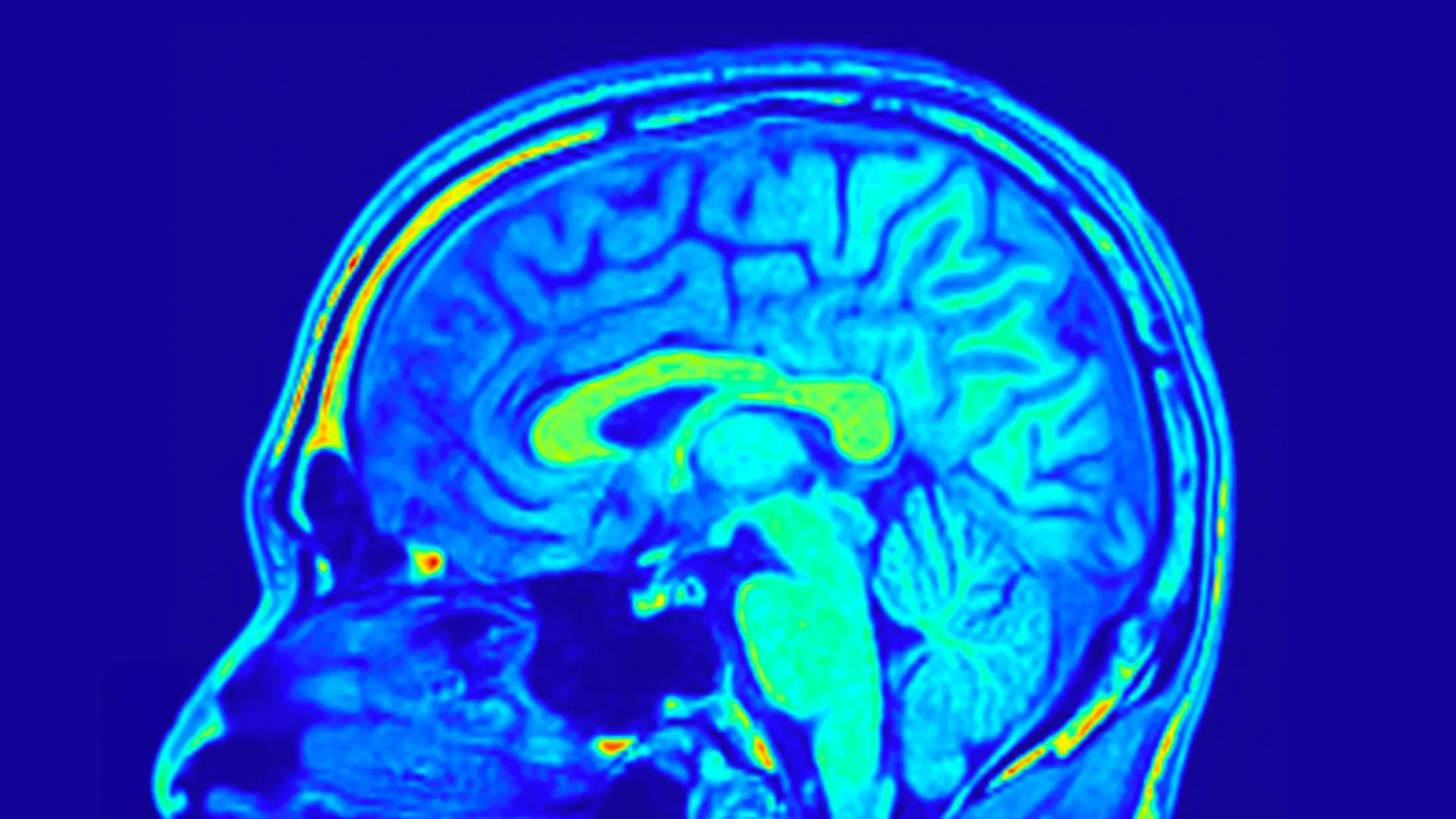
Using magnetic resonance imaging (MRI), the researchers were able to map this area of the cerebral cortex with unprecedented accuracy. To do this, they employed a particularly sensitive scanner with a magnetic field strength of seven Tesla, enabling them to image minute brain structures about the size of a grain of sand. A total of around 60 women and men between the ages of 21 and 80 were examined. “Until now, it had not been considered that the primary somatosensory cortex consists of a stack of several extremely thin layers of tissue, each with its own architecture and function. We have now found that these layers age differently. Although the cerebral cortex becomes thinner overall, some of its layers remain stable or, surprisingly, are even thicker with age. Presumably because they are particularly solicited and thus retain their functionality. We therefore see evidence for neuroplasticity, that is, adaptability, even in senior people.”
Stacked architecture
The layered structure of the primary somatosensory cortex also occurs in similar form in other areas of the human brain – and even in other organisms. “From an evolutionary perspective, processing sensory information in this way has apparently proven beneficial,” says Kühn. In the current study, not only the middle layer of the cortex but also the areas above were found to be remarkably resistant to the aging process. The different layers were distinguished based on their content of myelin, a substance essential for the transmission of nerve signals. “The middle layer is effectively the gateway for haptic stimuli. In the layers above, further processing occurs,” says Kühn. “For example, in the case of sensory stimuli from the hand, the upper layers are particularly involved in the interaction between neighboring fingers. This is important when grasping objects. We therefore also did tests on the tactile sensitivity and motor ability of the hand with our study participants. Furthermore, we performed so-called functional MRI scans to capture the function of the middle layer of the cortex, where the signals are received.”

Modulated stimuli
Only the deeper layers of the cerebral cortex showed age-related degeneration: they were thinner in older study participants than in younger ones. In the lower layers of the cortex, a process called modulation takes place: tactile signals are amplified or attenuated depending on the context. “This has something to do with concentration and attention,” explains Kühn. “For example, if I’m wearing a ring on my finger, at some point I’ll stop feeling it, even though the tactile stimuli are still there. This only reoccurs when I consciously notice the ring again.”
What is used is preserved
“The middle and upper layers of the cortex are most directly exposed to external stimuli. They are permanently active because we have constant contact with our environment,” Kühn continues. “The neural circuits in the lower layers are stimulated to a lesser extent, especially in later life. I therefore see our findings as an indication that the brain preserves what is used intensively. That’s a feature of neuroplasticity. This is also consistent with our observations regarding a study participant, who was 52 years old. He had to rely on just one arm throughout his life, as he was born with a missing limb. The corresponding middle layer of his cerebral cortex, the one getting sensory inputs, was comparatively thin.” In addition, differences in the aging of the brain’s layers may explain why some abilities decline with age, while others do less. “Sensorimotor skills that are repeatedly practiced, such as typing on a keyboard, can remain stable for a long time, even in old age,” says Kühn. “However, if there are interfering stimuli, such as a noisy environment, older people usually find such activities particularly difficult. This could be because the functionality of the deep layers of the cortex has deteriorated, the modulation of sensory stimuli thus being impaired.”
Evidence for compensation
However, the researchers found evidence that mechanisms in the deep layers of the cerebral cortex counteract age-related functional decline to some extent. “Although the deep layers became thinner with age, their myelin content, surprisingly, increased. In fact, we also observed these effects in studies on mice, which we did for comparison. We then found that the rise in myelin is due to an increase in the number of certain neurons,” says Kühn. “These are known to have a positive effect on the modulation of nerve impulses. They sharpen the signal, so to speak. Apparently, compensatory mechanisms counteract specific cellular degeneration. With regard to prevention, it would be interesting to study whether these mechanisms can be specifically promoted and maintained. In fact, our data from mice suggests that this compensation disappears at a very advanced age.”
An optimistic view on aging
“Together, our findings are consistent with the general idea that we can do something good for our brains with appropriate stimulation. I think it’s an optimistic notion that we can influence our aging process to a certain degree,” says Kühn. “But of course, everyone has to find their own way to tap into this potential.”

Read more →

Scientists reversed memory loss by powering the brain’s tiny engines

Mitochondria, the tiny organelles without which our bodies would be deprived of energy, are gradually revealing their mysteries. In a new study published in Nature Neuroscience, researchers from Inserm and the University of Bordeaux at the NeuroCentre Magendie, in collaboration with researchers from the Université de Moncton in Canada, have for the first time succeeded in establishing a causal link between mitochondrial dysfunction and the cognitive symptoms associated with neurodegenerative diseases.
Thanks to the creation of a specific and unprecedented tool, they succeeded in increasing mitochondrial activity in animal models of neurodegenerative diseases, where they observed an improvement in memory deficit symptoms. While these are only initial results, they open the door to considering mitochondria as a new therapeutic target.
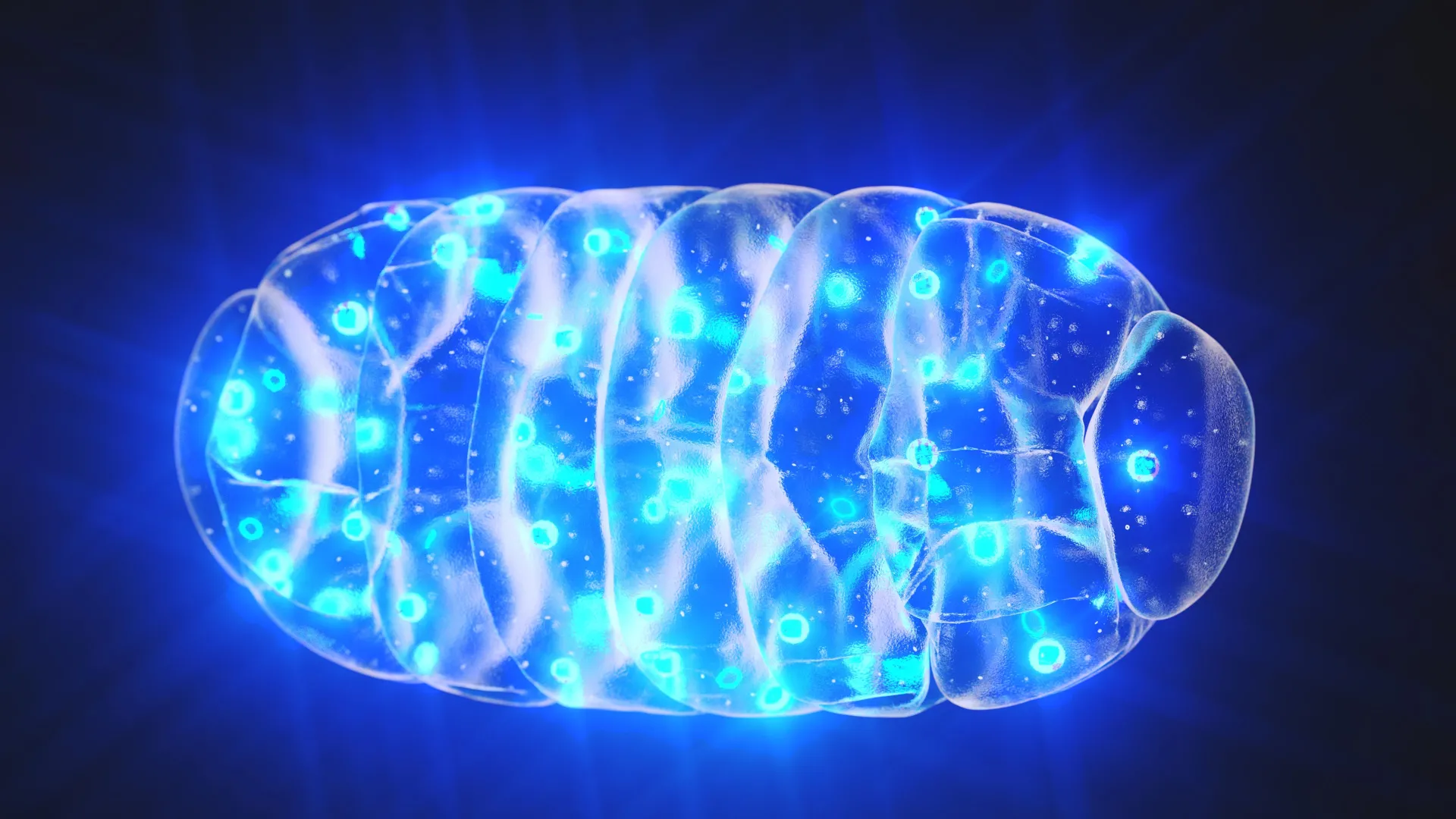
The mitochondrion is a small intracellular organelle that provides the energy needed by the cell to function properly. The brain is one of the most energy-demanding organs, and neurons rely on the energy produced by mitochondria to communicate with one another. Indeed, when mitochondrial activity is impaired, neurons do not have the energy required to function correctly.
Neurodegenerative diseases are characterized by a progressive impairment of neuronal functions leading to the death of brain cells. In Alzheimer’s disease, for example, it has been observed that neuronal degeneration, which precedes cell death, is accompanied by impaired mitochondrial activity. However, due to the lack of suitable tools, it has been difficult in the past to determine whether mitochondrial alterations play a causal role in these conditions or are simply a consequence of the pathophysiological process.
In this new study, researchers from Inserm and the Université de Bordeaux, in collaboration with researchers from the Université de Moncton in Canada, developed for the first time a tool that allows to temporarily stimulate mitochondrial activity. They hypothesized that if this stimulation led to an improvement of symptoms in animals, this would mean that the impairment of mitochondrial activity precedes the loss of neurons in the context of a neurodegenerative disease.
In previous studies, the research teams already described the specific role of G proteins[1] in the modulation of mitochondrial activity in the brain. In the present paper, the researchers succeeded in generating an artificial receptor, called mitoDreadd-Gs, able to activate G proteins directly in the mitochondria, thereby stimulating mitochondrial activity. The stimulation of mitoDreadd-Gs in the brain led to the normalisation of both mitochondrial activity and memory performance of dementia mouse models.
“This work is the first to establish a cause-and-effect link between mitochondrial dysfunction and symptoms related to neurodegenerative diseases, suggesting that impaired mitochondrial activity could be at the origin of the onset of neuronal degeneration,” explains Giovanni Marsicano, Inserm research director and co-senior author of the study.
“These results will need to be extended, but they allow us to better understand the important role of mitochondria in the proper functioning of our brain. Ultimately, the tool we developed could help us identify the molecular and cellular mechanisms responsible for dementia and facilitate the development of effective therapeutic targets,” explains Étienne Hébert Chatelain, professor at the Université de Moncton and co-senior author of the study.
“Our work now consists of trying to measure the effects of continuous stimulation of mitochondrial activity to see whether it impacts the symptoms of neurodegenerative diseases and, ultimately, delays neuronal loss or even prevents it if mitochondrial activity is restored,” added Luigi Bellocchio, Inserm researcher and co-senior author of the study.
Notes G-proteins have the specific role of enabling the transfer of information within cells.

Read more →

The parasite that turns off your body’s pain alarm and sneaks in

New research, published in The Journal of Immunology, discovered that a parasitic worm suppresses neurons in the skin to evade detection. The researchers suggest that the worm likely evolved this mechanism to enhance its own survival, and that the discovery of the molecules responsible for the suppression could aid in the development of new painkillers.
Schistosomiasis is a parasitic infection caused by helminths, a type of worm. Infection occurs during contact with infested water through activities like swimming, washing clothes, and fishing, when larvae penetrate the skin. Surprisingly, the worm often evades detection by the immune system, unlike other bacteria or parasites that typically cause pain, itching, or rashes.
In this new study, researchers from Tulane School of Medicine aimed to find out why the parasitic worm Schistosoma mansoni doesn’t cause pain or itching when it penetrates the skin. Their findings show that S. mansoni causes a reduction in the activity of TRPV1+, a protein that sends signals the brain interprets as heat, pain, or itching. As part of pain-sensing in sensory neurons, TRPV1+ regulates immune responses in many scenarios such as infection, allergy, cancer, autoimmunity, and even hair growth.
The researchers found that S. mansoni produces molecules that suppress TRPV1+ to block signals from being sent to the brain, allowing S. mansoni to infect the skin largely undetected. It is likely S. mansoni evolved the molecules that block TRPV1+ to enhance its survival.
“If we identify and isolate the molecules used by helminths to block TRPV1+ activation, it may present a novel alternative to current opioid-based treatments for reducing pain,” said Dr. De’Broski R. Herbert, Professor of Immunology at Tulane School of Medicine, who led the study. “The molecules that block TRPV1+ could also be developed into therapeutics that reduce disease severity for individuals suffering from painful inflammatory conditions.”
The study also found that TRPV1+ is necessary for initiating host protection against S. mansoni. TRPV1+ activation leads to the rapid mobilization of immune cells, including gd T cells, monocytes, and neutrophils, that induce inflammation. This inflammation plays a crucial role in host resistance to the larval entry into the skin. These findings highlight the importance of neurons that sense pain and itching in successful immune responses
“Identifying the molecules in S. mansoni that block TRPV1+ could inform preventive treatments for schistosomiasis. We envision a topical agent which activates TRPV1+ to prevent infection from contaminated water for individuals at risk of acquiring S. mansoni,” said Dr. Herbert.
In this study, mice were infected with S. mansoi and evaluated for their sensitivity to pain as well as the role of TRPV1+ in preventing infection. Researchers next plan to identify the nature of the secreted or surface-associated helminth molecules that are responsible for blocking TRPV1+ activity and specific gd T cell subsets that are responsible for immune responses. The researchers also seek to further understand the neurons that helminths have evolved to suppress.

Read more →

Knee implant used by NHS known for years to be faulty

19 minutes agoShareSaveJim Booth, Adrian Goldberg & Nazrin WilkinsonFile On 4 InvestigatesShareSaveBBCA knee-replacement implant, used in thousands of UK operations, was known to have a concerning failure rate eight years before it was finally withdrawn, the BBC has discovered.Patients have told File on 4 Investigates how they were left immobile or addicted to painkillers after receiving the NexGen knee implant, because it ended up slipping out of place. Hundreds of people have now had to undergo a second corrective operation.Knee surgeons say the implant’s US manufacturer, Zimmer Biomet, took too long to acknowledge there was a problem with one particular component.Zimmer Biomet says patient safety is its “top priority” and that its products are approved in accordance with the relevant regulations.Debbie Booker from Southampton had an operation to replace her left knee in 2016.Although initially it appeared to have been successful, she started to experience severe pain a year later while on holiday in Majorca.”I laid a bag of ice on my knee and for four days I had to do that every few hours because I was in agony,” she says.A knee replacement involves removing damaged surfaces of the femur (thigh bone) and the tibia (shin bone) and replacing them with artificial components.Debbie says the pain resulted from the knee implant slipping from the tibia and wearing away the bone.Over the next few months she says she became reliant on prescription painkillers: “I was on fentanyl and morphine. It took me a long time to come off of the morphine because I was addicted.”She has since had a second knee replacement, but the problems caused by the initial failed implant have caused long-lasting health problems, she says.”It’s put my whole body out of alignment, I walk with a limp,” says Debbie. As a result, she is now awaiting a hip replacement.Another patient, “Diana” (not her real name), had a knee implant fitted in 2021 which also slipped and started to wear away her shin bone, leaving her virtually immobile.”The consultant told me every time I stood up, I was standing on a broken leg. It was absolute agony,” she says.Diana asked to be anonymous as she used to work in the NHS.As part of their knee replacements, both Debbie and Diana had received a specific implant section, known as a “stemmed option tibial component”, also known as a “tibial tray”. In broad terms, this section lacked a layer of plastic contained in earlier, well-regarded versions of the NexGen replacement knee.Zimmer Biomet started marketing this modified version in 2012. It was cheaper than the earlier model, so it made financial sense for the NHS, according to Prof David Barrett, a knee specialist at Southampton University.”[The NHS] were justified by saying, ‘we have every reason to think it’ll be fine,'” he says.In the decade that followed, more than 10,000 patients were fitted with this version of the implant.However, File on 4 Investigates has discovered that concerns were first flagged in 2014 by the National Joint Registry (NJR) which keeps a record of implant surgery across England, Wales and Northern Ireland.At that point, there was insufficient data to draw any reliable conclusions, the NJR told us. It is not an easy task to isolate a specific component that is not working as it should, it added.Further concerns about the implant were raised in Ireland two years later, in 2016, by Prof Eric Masterson, a knee surgeon in Limerick.Prof Masterson’s corrective-surgery rate had soared after he started using NexGen implants in 2012 and he found his professional competence being called into question.”That was a lonely place,” he tells File on 4 Investigates. “You spend a lifetime building up a career and a reputation, and it’s very easy to have that career shredded.”When he raised questions with Zimmer Biomet representatives, they assured him there wasn’t a widespread problem, he says – an account echoed by NHS surgeons who told us they had found themselves in similar situations.Prof Masterson asked to be put in touch with surgeons in the UK to compare notes. However, confidential internal company documents seen by File on 4 Investigates reveal the company was only willing to contact surgeons on his behalf if they were considered “friends of Zimmer Biomet” and “happy with their NexGen patients”.Zimmer Biomet failed to act quickly enough after the problem was identified, according to Prof Leila Biant, one of the UK’s leading knee surgeons. She says concerns were raised by herself and other colleagues as far back as 2017.”The issue is [the company’s] initial reluctance to acknowledge a problem and to not really engage with a process to evaluate these patients until [Zimmer Biomet] got to a situation where they had to,” she tells us.In 2022, the NJR estimated that patients were nearly twice as likely to need corrective surgery after receiving the NexGen implant, when compared with the average knee implant.In the same year, Zimmer Biomet recalled any unused implants from the UK market.Estimations of failure rates for the tibial tray component in this NexGen implant vary from 6% (twice as much as should be expected) to 19%, according to peer-reviewed academic studies.In a statement, the company told the BBC: “Zimmer Biomet is committed to the highest standards of patient safety, quality, and transparency. When new data becomes available, we act appropriately, responsibly, and in accordance with applicable regulatory requirements.”All 10,000 patients fitted with the problematic implants should now have been recalled for a review by the hospitals where they had their initial operations. Hundreds have already had to have a second operation, and others are likely to follow as problems come to light.The cost of rectifying the problem is not cheap. Each revision costs between £10,000 and £30,000 because the implant is very specialised, says Prof Barrett from Southampton University.”Patients are in hospital for a lot longer and they require more support. So this is a very significant expense,” he says.As a result, the total bill is estimated to run into millions of pounds.Zimmer Bionet did not respond when File on 4 Investigates asked if it would be contributing to the cost of these operations. However, we have seen a confidential company email, sent in 2022, telling sales staff to say that “Zimmer Biomet will not cover diagnostic, follow-up or revision costs up front”.NHS England told us it was “currently reviewing the case involving Zimmer Biomet NexGen knee implants”.

Read more →

What scientists discovered about french fries and diabetes

Eating three servings of French fries a week is associated with a 20% increased risk of developing type 2 diabetes, but eating similar amounts of potatoes cooked in other ways — boiled, baked or mashed — does not substantially increase the risk, finds a study published by The BMJ on August 6.
What’s more, replacing any form of potatoes with whole grains was associated with a lower type 2 diabetes risk, but swapping them for white rice was linked to an increased risk, the results show.
Potatoes contain several nutrients including fiber, vitamin C, and magnesium, but they also have a high starch content and therefore a high glycemic index, so have been linked to a higher risk of developing type 2 diabetes.
But neither the preparation method for potatoes nor specific foods that potatoes would replace have been considered, both of which are key to evaluating the overall health impact of potatoes.
To address this, researchers investigated the association between intake of potatoes prepared by different methods (boiled, baked, or mashed versus French fries) and risk of type 2 diabetes. They also looked at the impact on health of replacing potatoes with other major carbohydrates, such as whole grains and rice.
Their findings are based on more than 205,000 health professionals from three large US studies carried out between 1984 and 2021. Participants were free of diabetes, heart disease or cancer and completed detailed food questionnaires every four years.
During almost 40 years of follow up, 22,299 people were diagnosed with type 2 diabetes.

After adjusting for lifestyle and dietary factors related to diabetes risk, the researchers found that for every three weekly servings of total potato, the rate of type 2 diabetes increased by 5% and for every three weekly servings of French fries, the rate increased by 20%. However, similar intake of baked, boiled, or mashed potatoes was not associated with a significantly increased risk.
Replacing three weekly servings of total potato with whole grains lowered the type 2 diabetes rate by 8%. Substituting baked, boiled, or mashed potatoes with whole grains lowered the rate by 4%, and replacing French fries lowered the rate by 19%.
In contrast, replacing total potatoes or baked, boiled, or mashed potatoes with white rice was associated with an increased risk of type 2 diabetes.
This is an observational study so no firm conclusions can be drawn about cause and effect and the researchers can’t rule out the possibility that other unmeasured factors may have influenced their results. Most participants were also health professionals of European ancestry, so findings may not apply to other populations.
Nevertheless, they conclude: “Our findings underscore that the association between potato intake and type 2 diabetes risk depends on the specific foods used as replacement. The findings also align with current dietary recommendations that promote the inclusion of whole grains as part of a healthy diet for the prevention of type 2 diabetes.”
So, are potatoes back on the plate? Well, it depends, say researchers in a linked editorial, who note that it is important to consider preparation method and replacement food when guiding the public or informing policy.
They point out that with their relatively low environmental impact and their health impact, baked, boiled, or mashed potatoes can be part of a healthy and sustainable diet, though whole grains should remain a priority, but say future studies from more diverse populations that account for both preparation methods and substitution analysis are needed.

Read more →

How NASA’s Lunar Trailblazer was lost before reaching the Moon

The small satellite was to map lunar water, but operators lost contact with the spacecraft the day after launch and were unable to recover the mission.
NASA’s Lunar Trailblazer ended its mission to the Moon on July 31. Despite extensive efforts, mission operators were unable to establish two-way communications after losing contact with the spacecraft the day following its Feb. 26 launch.
The mission aimed to produce high-resolution maps of water on the Moon’s surface and determine what form the water is in, how much is there, and how it changes over time. The maps would have supported future robotic and human exploration of the Moon as well as commercial interests while also contributing to the understanding of water cycles on airless bodies throughout the solar system.
Lunar Trailblazer shared a ride on the second Intuitive Machines robotic lunar lander mission, IM-2, which lifted off at 7:16 p.m. EST on Feb. 26 aboard a SpaceX Falcon 9 rocket from the agency’s Kennedy Space Center in Florida. The small satellite separated as planned from the rocket about 48 minutes after launch to begin its flight to the Moon. Mission operators at Caltech’s IPAC in Pasadena established communications with the small spacecraft at 8:13 p.m. EST. Contact was lost the next day.
Without two-way communications, the team was unable to fully diagnose the spacecraft or perform the thruster operations needed to keep Lunar Trailblazer on its flight path.
“At NASA, we undertake high-risk, high-reward missions like Lunar Trailblazer to find revolutionary ways of doing new science,” said Nicky Fox, associate administrator, Science Mission Directorate at NASA Headquarters in Washington. “While it was not the outcome we had hoped for, mission experiences like Lunar Trailblazer help us to learn and reduce the risk for future, low-cost small satellites to do innovative science as we prepare for a sustained human presence on the Moon. Thank you to the Lunar Trailblazer team for their dedication in working on and learning from this mission through to the end.”
The limited data the mission team had received from Lunar Trailblazer indicated that the spacecraft’s solar arrays were not properly oriented toward the Sun, which caused its batteries to become depleted.

For several months, collaborating organizations around the world — many of which volunteered their assistance — listened for the spacecraft’s radio signal and tracked its position. Ground radar and optical observations indicated that Lunar Trailblazer was in a slow spin as it headed farther into deep space.
“As Lunar Trailblazer drifted far beyond the Moon, our models showed that the solar panels might receive more sunlight, perhaps charging the spacecraft’s batteries to a point it could turn on its radio,” said Andrew Klesh, Lunar Trailblazer’s project systems engineer at NASA’s Jet Propulsion Laboratory in Southern California. “The global community’s support helped us better understand the spacecraft’s spin, pointing, and trajectory. In space exploration, collaboration is critical — this gave us the best chance to try to regain contact.”
However, as time passed, Lunar Trailblazer became too distant to recover as its telecommunications signals would have been too weak for the mission to receive telemetry and to command.
Technological Legacy
The small satellite’s High-resolution Volatiles and Minerals Moon Mapper (HVM3) imaging spectrometer was built by JPL to detect and map the locations of water and minerals. The mission’s Lunar Thermal Mapper (LTM) instrument was built by the University of Oxford in the United Kingdom and funded by the UK Space Agency to gather temperature data and determine the composition of silicate rocks and soils to improve understanding of why water content varies over time.
“We’re immensely disappointed that our spacecraft didn’t get to the Moon, but the two science instruments we developed, like the teams we brought together, are world class,” said Bethany Ehlmann, the mission’s principal investigator at Caltech. “This collective knowledge and the technology developed will cross-pollinate to other projects as the planetary science community continues work to better understand the Moon’s water.”
Some of that technology will live on in the JPL-built Ultra Compact Imaging Spectrometer for the Moon (UCIS-Moon) instrument that NASA recently selected for a future orbital flight opportunity. The instrument, which has has an identical spectrometer design as HVM3, will provide the Moon’s highest spatial resolution data of surface lunar water and minerals.

More About Lunar Trailblazer
Lunar Trailblazer was selected by NASA’s SIMPLEx (Small Innovative Missions for Planetary Exploration) competition, which provides opportunities for low-cost science spacecraft to ride-share with selected primary missions. To maintain the lower overall cost, SIMPLEx missions have a higher risk posture and less-stringent requirements for oversight and management. This higher risk acceptance bolsters NASA’s portfolio of targeted science missions designed to test pioneering mission approaches.
Caltech, which manages JPL for NASA, led Lunar Trailblazer’s science investigation, and Caltech’s IPAC led mission operations, which included planning, scheduling, and sequencing of all spacecraft activities. Along with managing Lunar Trailblazer, NASA JPL provided system engineering, mission assurance, the HVM3 instrument, and mission design and navigation. Lockheed Martin Space provided the spacecraft, integrated the flight system, and supported operations under contract with Caltech. The University of Oxford developed and provided the LTM instrument, funded by the UK Space Agency. Lunar Trailblazer, a project of NASA’s Lunar Discovery and Exploration Program, was managed by NASA’s Planetary Missions Program Office at Marshall Space Flight Center in Huntsville, Alabama, for the agency’s Science Mission Directorate in Washington.

Read more →

Lucy Letby’s new expert supporters claim no babies were deliberately harmed. Who should we believe?

5 hours agoShareSaveJonathan CoffeyBBC PanoramaShareSaveBBCWhen it comes to the Lucy Letby case, there are two parallel universes. In one, the question of her guilt is settled. She is a monster who murdered seven babies and attempted to murder seven more while she was a nurse at the Countess of Chester Hospital between 2015 and 2016.In the other universe, Letby is the victim of a flawed criminal justice system in which unreliable medical evidence was used to condemn and imprison an innocent woman. This is what Letby’s barrister Mark McDonald argues. He says he has the backing of a panel of the best experts in the world who say there is no evidence any babies were deliberately harmed.These extremes are both disturbing and bewildering. One of them is wrong – but which? Who should we believe?An alternative version of eventsThe families of the infants say there is no doubt. Letby was convicted after a 10-month trial by a jury that had considered a vast range of evidence. They say Letby’s defenders are picking on small bits of evidence out of context and that the constant questioning of her guilt is deeply distressing.I have spent almost three years investigating the Letby case – in that time I have made three Panorama documentaries and cowritten a book on the subject with my colleague Judith Moritz. Yet, if true, the new evidence, presented by Mark McDonald in a series of high-profile press conferences and media releases, is shocking.According to his experts, the prosecution expert medical case is unreliable. Mark McDonald has not released the panel’s full reports, which are currently with the Criminal Cases Review Commission (CCRC), the body he needs to persuade to reopen Letby’s case, but he has released summaries of the panel’s findings.PanoramaLetby was found guilty of 15 counts of murder and attempted murder, and the jury in her original trial reached unanimous verdicts on three of those cases. That is a good indication of where the strongest medical evidence might lie.To get a sense of the imperfections woven through both the prosecution and the defence arguments, it’s worth looking at one of those cases in which the guilty verdict was unanimous: that of Baby O.What really happened to Baby O?Baby O was born in June 2016, one of triplet brothers. At Letby’s trial, the jury was told that his death was in part the result of liver injuries, which the prosecution pathologist described as impact-type injuries – similar to those in a car accident.As in other cases for which Letby was convicted, the prosecution said circumstantial evidence also tied her to the crime.However, a paediatric pathologist who was not involved in the case but has seen Baby O’s post-mortem report, says it was “unlikely” Baby O’s liver injuries were caused by impact – as the prosecution claims.”You can’t completely rule out the possibility,” says the pathologist, who does not want to be identified. “But in my view, the location of the injuries and the condition of the liver tissue itself don’t fit with that explanation.”Which raises the obvious question – if the prosecution were wrong about Baby O’s liver injuries, then why did he die?Questions around air embolismLetby was accused of injecting air into the blood of Baby O as well as that of other babies. This, the prosecution said, caused an air bubble and a blockage in the circulation known as air embolism.During the trial the prosecution pointed to several pieces of evidence to make their case, including a 1989 academic study of air embolism in newborn babies, which noted skin discolouration as one possible feature of it. Prosecutors argued that these same skin colour changes were observed in several babies in the Letby case.ReutersHowever, Dr Shoo Lee, a Canadian neonatologist and one of the authors of that 1989 study, is now part of Letby’s team of defence experts working with Mark McDonald. He argues that his study was misused.He says skin discolouration has not featured in any reported cases of air embolism in babies where the air has entered the circulation via a vein – which is what the prosecution alleged happened in the Letby case. In other words, the prosecution was wrong to use skin discolouration as evidence of air embolism.It sounds significant. But is it enough to defeat the air embolism allegations? As with many aspects of the Letby case, the answer is not clear-cut.The prosecution did not rely on skin discolouration alone to make their case for air embolism. And although there have not been any reported cases of skin discolouration in babies where air has entered the circulation via a vein, some critics have argued that the number of reported air embolism cases is small and that the theory is still possible.Andy Rain/ EPA – EFE/REX/ShutterstockTo muddy the waters further, another of Mark McDonald’s panel of experts has said that in fact there was post-mortem evidence of air embolism in the babies. “We know these babies suffered air embolism because of the post-mortem imaging in some of them,” says Neena Modi, a professor of neonatal medicine.She believes this is highly likely to have occurred during resuscitation, and that there are much more plausible explanations for the collapses and deaths of the babies in the Letby case than air embolism. The air embolism theory, she said, was “highly speculative”. But her remarks show the debate is far from settled.The needle theory: another explanation?There has been another explanation for Baby O’s death.In December 2024, Mark McDonald called a press conference in which one of his experts, Dr Richard Taylor, claimed that a doctor had accidentally pierced the baby’s liver with a needle during resuscitation. This, he argued, had led to the baby’s death.Dr Taylor added: “I think the doctor knows who they are. I have to say from a personal point of view that if this had happened to me, I’d be unable to sleep at night knowing that what I had done had led to the death of a baby, and now there is a nurse in jail, convicted of murder.”The doctor accused of causing the baby’s death was subsequently identified as Stephen Brearey – one of Letby’s principal accusers at the Countess of Chester Hospital. Mr Brearey says: “Given the ongoing investigations and inquiries, and to respect the confidentiality of those involved, I will not be making any further comment at this time.”Julia Quenzler / BBCIt was a bombshell claim. But does the evidence support it? One indication that the needle theory might be shaky was that Dr Taylor, by his own admission, had not seen Baby O’s medical notes and was relying on a report that had been written by two other experts.Another obvious problem with the needle theory is that it had already been examined at length during Letby’s trial. The prosecution pathologist concluded that there was no evidence that a needle had pierced Baby O’s liver while he was alive and the paediatric pathologist we spoke to agrees.They told us: “These injuries weren’t caused by a needle. They were in different parts of the liver and there was no sign of any needle injury on the liver.”Even if the needle had penetrated the baby’s liver, it cannot explain why Baby O collapsed in the first place or why he died – the needle was inserted after the baby’s final and fatal collapse towards the end of the resuscitation.When asked if he still stood by his comments about the doctor’s needle, Dr Taylor told us that while the needle may not have been the primary cause of death, his “opinion has not substantially changed”.He said the “needle probably penetrated the liver” of Baby O, and “probably accelerated his demise”.Lack of consensus among the expertsThe question of where this leaves the case presented by Mark McDonald’s panel of experts when it comes to the needle theory is a difficult one to answer.It would appear that among Letby’s defenders, there is not consensus.Consultant neonatologist Dr Neil Aiton is one of the authors of the original report on which Dr Taylor based his comments. Dr Aiton says that he has examined the evidence independently and has concluded that Baby O’s liver injuries were caused by inappropriate resuscitation attempts, including hyperinflation of the baby’s lungs.However, he also says it was “pretty clear” a needle had punctured the liver during resuscitation.When Dr Aiton was told that other experts, including the paediatric pathologist who spoke to the BBC, have examined the case of Baby O and said that it is implausible to conclude this happened, he said that there were two possibilities. Either the liver ruptured because of a needle or it ruptured spontaneously. Dr Aiton’s position appears to be that poor resuscitation caused the baby’s liver injuries and whether it was a needle or not is “not important”.That is a contrast from what Dr Taylor said in that December press conference. And critics say Dr Aiton’s account still does not explain why Baby O collapsed in the first place and why he needed such desperate resuscitation.A summary report from Letby’s expert panel appears to back further away from the needle theory. It says a needle “may have” punctured the liver.Other experts, including the paediatric pathologist, said that Dr Aiton’s observation of hyper-inflated lungs would not explain Baby O’s liver injuries.Once again, the case illustrates how difficult it is to distinguish between plausible and implausible claims.The debate around birth traumaSince that press conference, other experts working for Letby’s defence team have put forward another theory for Baby O’s death. They say his liver injuries were the result of traumatic delivery at the time of birth.Professor Modi says this was a “highly plausible cause”.But that has been contested from a surprising direction. Dr Mike Hall, a neonatologist, was Lucy Letby’s original defence expert and attended court throughout her trial. He has been a staunch critic of her conviction, arguing her trial wasn’t fair and that there is no definitive medical evidence that babies were deliberately harmed.PanoramaHowever, Dr Hall’s view is that evidence for the birth trauma theory is simply not there. He notes that Baby O was born in good condition by caesarean section and there is no record of a traumatic delivery in the baby’s medical notes.”There’s still no evidence that anyone did anything deliberately to harm Baby O,” he adds. “However, something was going on with Baby O, which we haven’t explained.”We don’t know what the cause of this is. But that doesn’t mean that we therefore have to pretend that we know.”The insulin evidenceFor the jury, Baby O was one of the clearest cases that proved Letby was a killer. And yet there appears to be flawed expert evidence on both sides.There were two other cases where the jury returned unanimous verdicts – the cases of Babies F and L. The prosecution argued that both babies had been poisoned with insulin and highlighted blood tests that it said were clear evidence of this. For the prosecution, the insulin cases proved that someone at the Countess of Chester Hospital was harming babies.Letby’s defence have, meanwhile, marshalled numerous arguments against the insulin theory. One is that the blood test used – an immunoassay – is inaccurate and should have been verified. But even Letby’s experts accept the test is accurate around 98% of the time. Another argument is that premature babies can process insulin differently and that the blood test results are “within the expected range for pre-term infants”. But the medical specialists we’ve spoken to are baffled by this claim and say it goes against mainstream scientific understanding.PAOf course, mainstream opinion can be wrong. But it is difficult to tell because Letby’s defence team have not shared the scientific evidence.One of the experts behind the report – a mechanical engineer who carries out biomedical research – clarified that his analysis says the blood test results were “not uncommon”. However, Letby’s defence declined to show the BBC the published studies that support this claim.Once again, the claims of both the prosecution and defence are not clear-cut.Ultimately, the question of whether Letby’s case should be re-examined by the Court of Appeal now lies with CCRC. They have the task of studying Mark McDonald’s expert reports.If he is successful and Lucy Letby’s case is referred back to the Court of Appeal – that is ultimately where the expert evidence on both sides will face a true reckoning.Lead image credit: Cheshire Constabulary, PABBC InDepth is the home on the website and app for the best analysis, with fresh perspectives that challenge assumptions and deep reporting on the biggest issues of the day. And we showcase thought-provoking content from across BBC Sounds and iPlayer too. You can send us your feedback on the InDepth section by clicking on the button below.

Read more →

Plan to boost jobs for newly-qualified nurses and midwives

New measures to make it easier for NHS employers in England to take on newly qualified nurses and midwives have been announced by the government.The move comes after warnings there are up to three times more graduates than vacancies in some areas of the health service.The aim is to free up trusts in England to recruit more easily by cutting red tape and simplifying regulations, including allowing them to employ staff based on what they think they might need and before vacancies formally arise.The Royal College of Nursing welcomed the move but said the test would be if students could actually find jobs. Employers said it was not clear how the new measures would be fully funded.Health officials said there were 4,000 more nursing and midwifery graduates than vacancies. This is out of a total of 24,870 who have already graduated or are due to over the next six months.New measures would also see some support worker posts be temporarily converted to midwifery roles to create new openings for graduates.The Department of Health said the changes would tackle concerns about jobs after record numbers chose to train for NHS professions during the pandemic – with fewer nurses and midwives quitting. Health Secretary Wes Streeting said: “It is absurd that we are training thousands of nurses and midwives every year, only to leave them without a job before their career has started. “I am sending a clear message to every newly qualified nurse and midwife. We’re here to support you from day one so you can provide the best care for patients and cut waiting lists.”The Royal College of Nursing general secretary Prof Nicola Ranger said she welcomed the news, noting it should “provide hope to students”, but added a note of caution.”When the health service urgently needs nursing staff, it was absurd to leave people in limbo,” she said. “The test of this will be if students can find jobs, vacant posts are filled, and patients receive the care they deserve.”Gill Walton, chief executive of the Royal College of Midwives, said: “We’re pleased that the government has listened to the voices of student midwives who are desperate to start their career, only to find those opportunities blocked. “I know today’s announcement will come as a relief to student midwife members.”But it was not clear in the announcement what extra money there might be for employers already under pressure to cut costs. Daniel Elkeles, chief executive of NHS Providers which represents trusts, said it was good that staff concerns were being addressed – but added that there were questions over the finances.He said: “It’s not clear how this will be fully funded, nor what it could mean for other staff groups facing similar challenges.”Trust budgets are already under enormous pressure. There is no spare money.”The health union Unison said ministers should also deal with a lack of opportunities for new graduates in occupational therapy as well as paramedics and other professions.The attempts to make it easier for newly qualified nurses and midwives to get jobs comes at a time of a growing row with the government over NHS pay in England.The Royal College of Nursing is calling for talks with ministers over pay issues after a consultative ballot of members showed a large majority opposing the 3.6% pay award. Future strike action has not been ruled out.Another health union, the GMB, has said there will be talks on Monday at the Department of Health after its members also came out against the wage award in a ballot.

Read more →

How much damage are ultraprocessed foods really doing to your health?

Most ultraprocessed foods (UPFs) are characterized by poor nutritional quality, contributing to excessive calories, and are typically high in saturated fats, added sugars and sodium (salt), the combination of which is often abbreviated as HFSS, which contribute to adverse cardiometabolic health outcomes, including heart attack, stroke, obesity, inflammation, Type 2 diabetes and vascular complications. Observational studies have found links between eating higher amounts of UPFs and an increased risk of cardiovascular disease, chronic illness and mortality. Emerging evidence also suggests certain additives and industrial processing techniques may have negative health effects. However, not all UPFs are junk foods or have poor nutritional quality; some UPFs have better nutritional value and can be part of an overall healthy dietary pattern. Experts recommend multilevel strategies, including more research to uncover how UPFs specifically impact the body, refining dietary guidance to discourage excessive consumption of nutrient-poor UPFs, clarifying the impact of the limited number of UPFs with more favorable nutrition profiles, more research on the health impacts of food additives and evidence-based policies to evaluate and regulate food additives.Ultraprocessed foods or UPFs are a growing concern due to their widespread consumption and impact on potential health risks. Most UPFs, particularly those commonly seen in U.S. dietary patterns, are high in saturated fat, added sugars and sodium (salt), the combination of which is often abbreviated as HFSS, and contribute to excess calories. These include sugar-sweetened drinks, ultraprocessed meats, refined grains, candy and commercial baked goods, among others. A limited number of ultraprocessed foods, such as certain commercial whole grains, low-fat-low-sugar dairy, and some plant-based items, have positive nutritional value and, therefore, can be part of an overall healthy dietary pattern. This overlap is confusing for health care professionals and the public.A new Science Advisory from the American Heart Association, “Ultraprocessed Foods and Their Association with Cardiometabolic Health: Evidence, Gaps and Opportunities,” summarizes current knowledge about UPFs and their impact on cardiometabolic health, and outlines opportunities for research, policy and regulatory reform to improve dietary intake and overall health. The manuscript published on August 8 in Circulation, the flagship journal of the American Heart Association.
“The relationship between UPFs and health is complex and multifaceted,” said Maya K. Vadiveloo, Ph.D., R.D., FAHA, volunteer chair of the writing group for this Science Advisory. “We know that eating foods with too much saturated fat, added sugars and salt is unhealthy. What we don’t know is if certain ingredients or processing techniques make a food unhealthy above and beyond their poor nutritional composition. And if certain additives and processing steps used to make healthier food like commercial whole grain breads have any health impact.”
The rapid rise in UPF consumption since the 1990s disrupted traditional dietary patterns, potentially contributing to adverse health effects. It is estimated that 70% of grocery store products in the U.S. contain at least one ultraprocessed ingredient. As detailed in a CDC report published on August 7, 55% of calories consumed by people ages 1 and older in the U.S. were UPFs. Among youth ages 1-18 years of age, total UPF calories jumped to nearly 62%, and among adults ages 19 and older total UPF calories was 53%. In addition, families with lower mean income had a higher percentage of UPFs consumed per day: 54.7% for the lowest income group vs. 50.4% for highest income group.[1]
UPFs are relatively inexpensive, convenient for use and aggressively marketed, particularly toward youth and under-resourced communities, often displacing healthier alternatives. This shift resulted in lowering the overall nutritional quality of typical eating patterns in the U.S. and is misaligned with the American Heart Association’s dietary guidance.
This new Science Advisory reinforces current dietary guidelines from the American Heart Association to: Reduce the intake of most UPFs, especially those high in saturated fat, added sugars and sodium, and those that contribute to excessive calories; and Replace UPF consumption with healthier options like vegetables, fruits, whole grains, beans, nuts, seeds and lean proteins.How are ultraprocessed foods classified?

UPFs are multi-ingredient foods containing additives (likely intended to enhance shelf life, appearance, flavor or texture) widely used in industrial food production and not commonly used in home cooking. Human diets are increasingly including more industrially processed foods, leading to various systems for classifying foods based on processing criteria. Multiple food classification systems exist currently; this Science Advisory focuses on the Nova framework for food classification. The Nova system, the most widely used, is based on the nature, extent and purpose of the food’s industrial food processing. However, the Nova categorization does not consider the nutritional quality of foods. Certain types of industrial food processing are beneficial for preservation and safety, and/or lowering cost, such as techniques that extend shelf life, control microbial growth, mitigate chemical toxicants, preserve functional, nutritional and sensory (taste) qualities, and reduce food loss and waste.
Efforts to understand UPFs are hindered by differing definitions, limitations in dietary assessment tools and food composition databases, which often lack detailed information on additives and processing methods. Currently, U.S. manufacturers are not required to disclose processing techniques or cosmetic additive quantities, which contributes to the variability in risk estimates and confusion for consumers.
The writing group cautions that an overreliance on the degree of processing as a proxy for healthfulness of foods could sway the food industry to reduce or remove the markers of ultraprocessing from foods that are high in saturated fats, added sugars and sodium and promote them as “better-for-you alternatives.”
Health Impact of UPFs
A meta-analysis of prospective studies cited in the advisory found a dose-response relationship between UPF consumption and cardiovascular events, such as heart attack, transient ischemic attack and stroke, Type 2 diabetes, obesity and all-cause mortality. High versus low UPF intake was linked to a 25%-58% higher risk of cardiometabolic outcomes and a 21%-66% higher risk of mortality. More research is needed to understand the appropriate thresholds for daily consumption of UPFs — what a safe amount is and the incremental risks of eating more UPFs.
Research has also found that there may be underlying mechanisms that affect eating behaviors and obesity for some people, and that UPFs may promote obesity. UPFs frequently contain combinations of ingredients and additives that are uncommon in whole foods to enhance palatability and reduce cost, and these may influence reward-related brain activity. For example, ingredients like artificial flavors may mimic sweetness without sugar, and this disruption in flavor-nutrient relationships often leads to irregular eating habits, and results in weight gain.

Opportunities for research and policy
Balancing multiple priorities, including the practical need for a nutrient-dense, affordable food supply, current evidence supports the following key research and policy changes to improve public health and reduce risks related to UPFs: Introduce approaches for individuals, food manufacturers and the retail industry that help shift eating patterns away from UPFs high in saturated fat, added sugars and sodium toward patterns high in vegetables, fruits, nuts, seeds, legumes, whole grains, nontropical liquid plant oils, fish and seafood, low-fat-low-sugar dairy, and, if personally desired, lean poultry and meats. Enact multipronged policy and systems-change strategies (e.g., front-of-package labels) to help reduce intake of HFSS products. Increase research funding to explore critical questions about UPFs: To what extent is it the ultraprocessing itself that makes a UPF unhealthy vs. the fact that ultraprocessed foods tend to have unhealthy ingredients? Most UPFs overlap with HFSS foods that are already targeted for cardiometabolic risk reduction, so a better understanding of the root causes of UPFs’ link to poor health is fundamental to effective reduction strategies. Enhance ongoing efforts to improve food additive science, including streamlined and efficient evaluation and regulation of food additives.”More research is needed to better understand the mechanisms of how UPFs impact health. In the meantime, the Association continues to urge people to cut back on the most harmful UPFs that are high in saturated fats, added sugars and sodium, and excessive calories and instead follow a diet rich in vegetables, fruits, nuts, seeds and whole grains, low-fat-low-sugar dairy, and lean proteins like fish, seafood or poultry — for better short- and long-term health,” said Vadiveloo.
This Science Advisory was prepared by the volunteer writing group on behalf of the American Heart Association Council on Lifestyle and Cardiometabolic Health; the Council on Cardiovascular and Stroke Nursing; the Council on Clinical Cardiology; the Council on Genomic and Precision Medicine; and the Stroke Council. American Heart Association scientific statements and advisories promote greater awareness about cardiovascular diseases and stroke issues and help facilitate informed health care decisions. Scientific statements outline what is currently known about a topic and what areas need additional research. While scientific statements inform the development of guidelines, they do not make treatment recommendations. American Heart Association guidelines provide the Association’s official clinical practice recommendations.
Notes Ultra-processed Food Consumption in Youth and Adults: United States, August 2021-August 2023. National Center for Health Statistics. National Health and Nutrition Examination Survey. Data Brief No. 536. August 2025. U.S. Centers for Disease Control and Prevention https://www.cdc.gov/nchs/products/index.htm.Additional co-authors and members of the writing group include Vice Chair Christopher D. Gardner, Ph.D., FAHA; Sara N. Bleich, Ph.D.; Neha Khandpur, Sc.D.; Alice H. Lichtenstein, D.Sc., FAHA; Jennifer J. Otten, Ph.D., R.D.; Casey M. Rebholz, Ph.D., M.S., M.P.H., FAHA; Chelsea R. Singleton, Ph.D., M.P.H.; Miriam B. Vos, M.D., M.S.P.H., FAHA; and Selina Wang, Ph.D. Authors’ disclosures are listed in the manuscript.

Read more →

Losing weight but gaining weakness? What Ozempic might be doing to your muscles

As use of the popular anti-diabetic and weight-loss drug Ozempic skyrockets, so have concerns about the medication’s side effects. One such side effect is loss of “lean mass” — body weight that isn’t fat — raising concerns that Ozempic could be reducing muscle mass and strength.
New research in mice suggests that muscle mass changes less than expected, but muscles may still get weaker, pointing out an urgent need for clinical studies to pin down the full effects of the popular medications.
“If we want to really help the individuals who may be losing muscle mass, then we need to know that they’re actually losing muscle mass,” says Katsu Funai, PhD, associate professor of nutrition and integrative physiology in the University of Utah College of Health and the senior author on the study. “We have data in mice that suggest that things are not as straightforward as they might seem.”
The results are published in Cell Metabolism.
A weighty concern
Researchers found that Ozempic-induced weight loss did decrease lean mass by about 10%. Most of this lost weight wasn’t from skeletal muscles but instead from other tissues like the liver, which shrunk by nearly half. The researchers emphasize that more research is needed to determine whether similar changes to organ size occur in humans — and whether those changes come with any risks.
“Loss of mass in metabolically active organs, such as the liver, is expected as part of healthy weight loss,” says Ran Hee Choi, PhD, research instructor in nutrition and integrative physiology at U of U Health and co-first author on the study. In both mice and humans, weight gain and loss can affect the size of organs like the liver without affecting their function. “It’s unlikely that the observed lean mass loss represents a serious adverse effect,” says Takuya Karasawa, PhD, postdoctoral researcher in the U of U Molecular Medicine Program and co-first author on the study.

Some skeletal muscles did shrink as the mice lost weight — on average, by about 6%, not enough to explain the overall loss in lean mass. Other muscles stayed the same size.
Some of this loss in muscle mass is a return to baseline, the researchers say. Gains in fat also tend to lead to gains in skeletal muscle, since the body must do more work to move around. So loss of fat can lead to loss of muscle without affecting overall quality of life.
Size isn’t strength
Interestingly, when the researchers tested the amount of force the mice’s muscles could exert, they found that, for some muscles, strength decreased as the mice lost weight, even when the size of the muscle stayed roughly the same. For other muscles, strength was unchanged. It’s unknown how weight loss drugs affect this balance in people, the researchers say.
A potential loss of strength when taking Ozempic may be of particular concern for adults over the age of 60, who are at higher baseline risk for muscle loss and reduced mobility. “The loss of physical function is a strong predictor of not just quality of life but longevity,” Funai adds.
Clinical trials are needed
The researchers caution against extrapolating their results directly into humans, because mice and humans gain and lose weight in different ways. In people, obesity is associated with lower physical activity, but mice don’t tend to become less active when they gain weight. And the mice in this study became overweight because they ate a high-fat diet, whereas people become overweight for a wide variety of reasons that include genetics, diet, sleeping patterns, and age.

Instead of drawing a one-to-one parallel with humans, the researchers say their results emphasize the need for more clinical studies. “There remains a significant need for validation in humans, especially concerning muscle strength,” Karasawa says.
Funai adds that clinical trials should check for changes in muscle strength not just for Ozempic but also future weight-loss drugs. “There are many additional weight loss drugs that are in clinical trials and coming out in the next three to five years,” Funai says. “But with all those clinical trials, if they’re interested in measuring lean mass loss, they need to consider physical function.”
“Our findings are really interesting, but this is a preclinical model,” he adds. “We need these data in people.”
The results were published in Cell Metabolism as “Unexpected effects of semaglutide on skeletal muscle mass and force-generating capacity in mice.”
This study was supported by the National Institutes of Health, including the National Institute of Diabetes and Digestive and Kidney Diseases (grant numbers DK107397 and DK127979), the National Institute of General Medical Sciences (grant number GM144613), the National Institute on Aging (grant numbers AG074535, AG065993, AG076075, and AG086328), and the National Cancer Institute (grant number CA286584), as well as by the Grant-in-aid for Japan Society for Promotion of Science Fellows (grant number 24KJ2039). Content is solely the responsibility of the authors and does not necessarily represent the official views of the National Institutes of Health.

Read more →