Blood pressure cuff errors may be missing 30% of hypertension cases

Researchers have found why common cuff-based blood pressure readings are inaccurate and how they might be improved, which could improve health outcomes for patients.
High blood pressure, or hypertension, is the top risk factor for premature death, associated with heart disease, strokes and heart attacks. However, inaccuracies in the most common form of blood pressure measurement mean that as many as 30% of cases of high blood pressure could be missed.
The researchers, from the University of Cambridge, built an experimental model that explained the physics behind these inaccuracies and provided a better understanding of the mechanics of cuff-based blood pressure readings.
The researchers say that some straightforward changes, which don’t necessarily involve replacing standard cuff-based measurement, could lead to more accurate blood pressure readings and better results for patients. Their results are reported in the journal PNAS Nexus.
Anyone who has ever had their blood pressure taken will be familiar with the cuff-based method. This type of measurement, also known as the auscultatory method, relies on inflating a cuff around the upper arm to the point where it cuts off blood flow to the lower arm, and then a clinician listens for tapping sounds in the arm through a stethoscope while the cuff is slowly deflated.
Blood pressure is inferred from readings taken from a pressure gauge attached to the deflating cuff. Blood pressure is given as two separate numbers: a maximum (systolic) and a minimum (diastolic) pressure. A blood pressure reading of 120/80 is considered ‘ideal’.
“The auscultatory method is the gold standard, but it overestimates diastolic pressure, while systolic pressure is underestimated,” said co-author Kate Bassil from Cambridge’s Department of Engineering. “We have a good understanding of why diastolic pressure is overestimated, but why systolic pressure is underestimated has been a bit of a mystery.”
“Pretty much every clinician knows blood pressure readings are sometimes wrong, but no one could explain why they are being underestimated — there’s a real gap in understanding,” said co-author Professor Anurag Agarwal, also from Cambridge’s Department of Engineering.

Previous non-clinical studies into measurement inaccuracy used rubber tubes that did not fully replicate how arteries collapse under cuff pressure, which masked the underestimation effect.
The researchers built a simplified physical model to isolate and study the effects of downstream blood pressure — the blood pressure in the part of the arm below the cuff. When the cuff is inflated and blood flow to the lower arm is cut off, it creates a very low downstream pressure. By reproducing this condition in their experimental rig, they determined this pressure difference causes the artery to stay closed for longer while the cuff deflates, delaying the reopening and leading to an underestimation of blood pressure.
This physical mechanism — the delayed reopening due to low downstream pressure — is the likely cause of underestimation, a previously unidentified factor. “We are currently not adjusting for this error when diagnosing or prescribing treatments, which has been estimated to lead to as many as 30% of cases of systolic hypertension being missed,” said Bassil.
Instead of the rubber tubes used in earlier physical models of arteries, the Cambridge researchers used tubes that lay flat when deflated and fully close when the cuff pressure is inflated, the key condition for reproducing the low downstream pressure observed in the body.
The researchers say that there is a range of potential solutions to this underestimation, which include raising the arm in advance of measurement, potentially producing a predictable downstream pressure and therefore predictable underestimation. This change doesn’t require new devices, just a modified protocol.
“You might not even need new devices, just changing how the measurement is done could make it more accurate,” said Agarwal.

However, if new devices for monitoring blood pressure are developed, they might ask for additional inputs which correlate with downstream pressure, to adjust what the ‘ideal’ readings might be for each individual. These may include age, BMI, or tissue characteristics.
The researchers are hoping to secure funding for clinical trials to test their findings in patients, and are looking for industrial or research partners to help refine their calibration models and validate the effect in diverse populations. Collaboration with clinicians will also be essential to implement changes to clinical practice.
The research was supported by the Engineering and Physical Sciences Research Council (EPSRC), part of UK Research and Innovation (UKRI).
Read more →

The deadly cancers left behind by 50 years of success

The number of people surviving cancer has improved hugely in the past 50 years, but experts warn progress has been uneven with some of the cancers with the worst survival rates falling further behind.For some, including melanoma skin cancer, 10-year survival is now above 90%, while for all cancers, half of patients can expect to live that long – double the figure in the early 1970s.But a study by the London School of Hygiene and Tropical Medicine said there had been little improvement in those affecting the oesophagus, stomach and lungs – and less than 5% survive pancreatic cancer for 10 years.The government said it was committed to making more progress with a new strategy due soon.The researchers said advances in treatment and earlier detection were behind the improvements in survival seen for many cancers.Breast cancer is a perfect example of this, with 10-year survival rates rising from 42% to more than 76% between 1971 and 2018 in England and Wales.The period saw the introduction of an NHS breast screening programme, plus targeted therapies for different types of breast cancer.In comparison, the cancers with the lowest survival rates tend to be the hardest to detect and have the fewest treatment options.Alongside pancreatic cancer, the study says these include oesophagus, stomach and lung cancers, which all still have 10-year survival rates below 20%, after only a small amount of progress since the 1970s.This has meant the gap between the cancers with the best and worst survival rates has nearly doubled.Matt Black is someone with first-hand experience of how the type of cancer you get makes a huge difference.In 2019 the 60-year-old lost his sister, Harriette, to pancreatic cancer, 20 years after his father-in-law died of oesophageal cancer.Five years ago he was diagnosed with bowel cancer which has above average survival rates. Soon after developing symptoms he had surgery and was given the all-clear.”NHS staff do an amazing job, but it’s such a difficult time to be a cancer patient, especially for those with cancers which aren’t easy to spot or treat. “It’s so important that there is more research and support for cancer services here, so that more people can be as fortunate as me,” says Matt. The researchers also warned that, while overall survival was still improving, the rate of progress had slowed during the 2010s. Longer waits for diagnosis and treatment are thought to be partly to blame. Michelle Mitchell, chief executive of Cancer Research UK, which funded the study, said: “Thanks to research, most patients today are far more likely to survive cancer than at any other point in the past.”But the reality is that this progress is slowing – and for some cancers it never got going in the first place.”The charity wants the government’s forthcoming strategy to focus on:cutting waiting timesearly detection, including full introduction of a lung cancer screening programmeinvestment in research, particularly targeting the most deadly cancersA Department of Health and Social Care spokesman said cancer care was a priority. with some progress already made on waiting times.”The national cancer plan will set out how we will improve survival rates further and address the unacceptable variation between different cancer types,” he added.

Read more →

Driving theory test to include CPR first aid questions

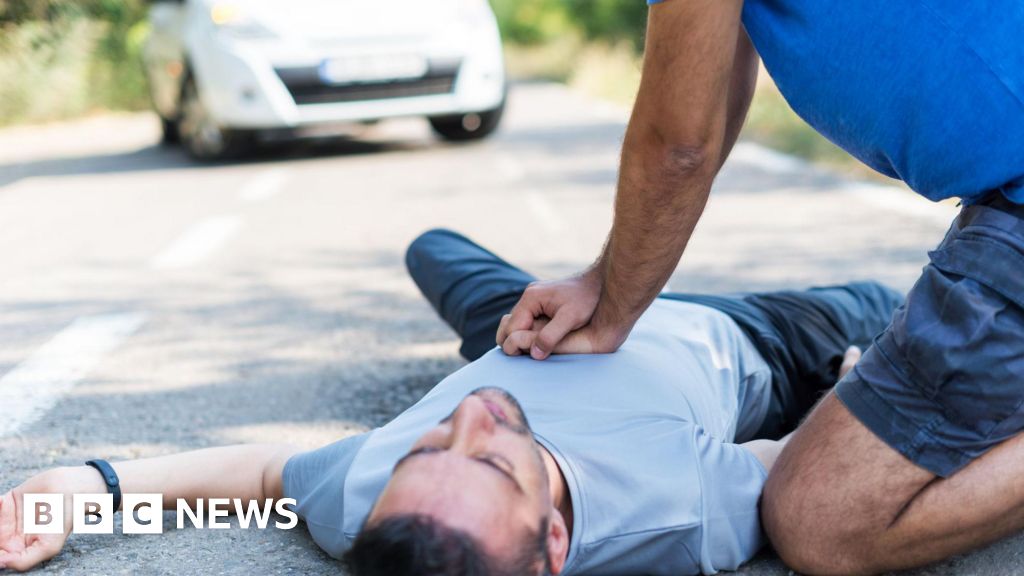
People sitting their driving theory test will soon need to swot up on life-saving cardiopulmonary resuscitation (CPR) skills, the UK’s Driver and Vehicle Standards Agency (DVSA) has decided. All road users are being encouraged to learn the basics and know how to use a defibrillator in an emergency. It’s hoped the questions, which will be added to the car and motorcycle theory test in early 2026, could prevent avoidable deaths. Drivers are often first on the scene when someone suffers a cardiac arrest, says the DVSA.Adding the information into the official learning materials means that the 2.4 million learner drivers who take their theory test each year will have a better understanding of the skills to use in an emergency, it says. Learning materials have already been updated with the new content, including questions such as “Who can use a public access defibrillator?” – the answer being “everyone”. A defibrillator gives a jolt of energy to the heart, which can help get it beating normally.The devices are designed to be user-friendly, with clear instructions.If CPR is given and a defibrillator used within the first minutes of collapse, survival rates could be as high as 70%, evidence suggests. Without it, fewer than one in 10 survive. If someone is unconscious and not breathing normally, call 999 and start CPR straight away.This can be “hands-only” CPR to deliver timely chest compressions to get blood pumping. One of the new theory test questions is about the correct depth to push down.James Cant, chief executive of Resuscitation Council UK, said: “We’re delighted to be working with the DVSA and other partners to introduce CPR and defibrillator awareness into the driving theory test.”By embedding these life-saving skills into such a widely taken assessment, we can help ensure that more people, from all communities, gain the knowledge and confidence to act during a cardiac arrest.”

Read more →

Scientists detect virus traces in blood that may unlock long COVID’s mystery

Researchers from the Translational Genomics Research Institute (TGen), part of City of Hope, and the Lundquist Institute for Biomedical Innovation at Harbor-UCLA Medical Center have identified a potential biomarker for long COVID.
If the findings of their study are confirmed by other research centers, the biomarker could be the first specific and quantifiable indicator for confirming long COVID. Currently, clinicians confer a diagnosis of long COVID based upon a collection of symptoms that patients develop after SARS-CoV-2 infection.
“If a patient arrives in clinic and they relate the persistence of typical signs and symptoms of long COVID, 12 weeks or more after COVID -19 infection, I give them a presumptive diagnosis, but I don’t have any blood tests or biomarkers to confirm this diagnosis,” said William Stringer, M.D., a Lundquist Institute investigator and senior author on the study.
The study results, reported in the journal Infection, detail the detection of SARS-CoV-2 protein fragments within extracellular vesicles (EVs) — tiny, naturally occurring packages that help cells share proteins, metabolites, and other materials. The researchers collected and analyzed blood samples from 14 patients over 12 weeks of aerobic exercise training (56 samples in all) in a clinical trial led by Stringer in long COVID.
The researchers found 65 distinct protein fragments from SARS-CoV-2 inside the EVs. These fragments come from the virus’s Pp1ab protein, an RNA Replicase enzyme which is key to how the virus copies itself and makes other viral particles. This protein is found uniquely in SARS-CoV-2, and not in uninfected human cells, noted Asghar Abbasi, Ph.D., a Lundquist Institute investigator and first author of the study.
Significantly, the researchers found that these viral peptides were demonstrated in each subject, but not each blood draw, in the EVs of Long COVID patients and were not detected in a separate control group of pre-pandemic EV samples.
These findings add to growing evidence that suggests that SARS-CoV-2 may persist in certain body tissues long after the initial infection. Some groups hypothesize these lingering viral reservoirs could play a role in Long COVID. How the virus reaches tissues without its usual entry points — such as the brain — remains an open question, and may be related to EV particles.

“We thought that maybe if the virus is circulating or moving in the body, we should try to see if EVs are carrying those viral fragments,” Abbasi explained.
This idea became part of an ongoing clinical trial led by Drs. Abbasi and Stringer, which was already studying EVs to see if they are linked to changes in immune function related to exercise and post-exertional malaise, a common symptom in these patients.
“While promising, the molecular signal of the viral peptides within the study samples was observed to be subtle and not consistently detected at every blood collection time point,” said Patrick Pirrotte, Ph.D., associate professor at TGen, director of the Integrated Mass Spectrometry Shared Resource at TGen and City of Hope, and co-senior author of the study. “There’s still a lot to unpack that we don’t know at this point.”
For instance, he added, the researchers don’t know if the exercise itself drives the expression of viral programs intracellularly, and then those viral programs result in proteins that are going to be shed, or if there is a permanent reservoir in those cells, and it’s just a matter of detecting it at a certain time point. Although the identified peptides originated from one of the virus’ largest proteins, the researchers did not detect other comparably large proteins indicative of active viral replication. It’s possible that the peptides contained in the EVs are just molecular “trash” leftover after the formation of new viral proteins.
“We haven’t run [our tests] on people without long COVID symptoms who are currently, or who were, infected with COVID,” said Stringer. “This raises the question: is this just continuing to take out the trash from the COVID infected cell or is this really ongoing replication someplace? I think that’s the mechanistic issue that needs to be resolved in future studies.”
The Pulmonary Education and Research Foundation (PERF) and the UCLA David Geffen School of Medicine (DGSoM)-Ventura County Community Foundation (VCCF) funded this research.

Read more →

Cats develop dementia in a similar way to humans

2 hours agoShareSaveCalum WatsonBBC Scotland NewsShareSaveGetty ImagesCats develop dementia in a similar way to humans with Alzheimer’s disease, leading to hopes of a breakthrough in research, according to scientists.Experts at the University of Edinburgh carried out a post-mortem brain examination on 25 cats which had symptoms of dementia in life, including confusion, sleep disruption and an increase in vocalisation. They found a build-up of amyloid-beta, a toxic protein and one of the defining features of Alzheimer’s disease. The discovery has been hailed as a “perfect natural model for Alzheimer’s” by scientists who believe it will help them explore new treatments for humans.Dr Robert McGeachan, study lead from the University of Edinburgh’s Royal (Dick) School of Veterinary Studies, said: “Dementia is a devastating disease – whether it affects humans, cats, or dogs. “Our findings highlight the striking similarities between feline dementia and Alzheimer’s disease in people.”This opens the door to exploring whether promising new treatments for human Alzheimer’s disease could also help our ageing pets.Microscopy images of older cats which had previously shown symptoms of feline dementia revealed a build-up of amyloid-beta within the synapses – the junctions of brain cells.University of EdinburghSynapses allow the flow of messages between brain cells, and losing these causes reduced memory and thinking abilities in humans with Alzheimer’s.The team believe the discovery in cats could help them get a clearer understanding of the process, offering a valuable model for studying dementia in people.Previously, researchers have studied genetically-modified rodents, although the species does not naturally suffer from dementia.”Because cats naturally develop these brain changes, they may also offer a more accurate model of the disease than traditional laboratory animals, ultimately benefiting both species and their caregivers,” Dr McGeachan said.Will this research benefit cats?The researchers found evidence that brain support cells – called astrocytes and microglia – engulfed the affected synapses. It’s known as synaptic pruning, an important process during brain development but which contributes to dementia.Prof Danielle Gunn-Moore, an expert in feline medicine at the vet school, said the discovery could also help to understand and manage feline dementia.”Feline dementia is so distressing for the cat and for its person,” she said. “It is by undertaking studies like this that we will understand how best to treat them. This will be wonderful for the cats, their owners, people with Alzheimer’s and their loved ones.”The study, funded by Wellcome and the UK Dementia Research Institute, is published in the European Journal of Neuroscience, and included scientists from the Universities of Edinburgh and California, UK Dementia Research Institute and Scottish Brain Sciences.Read more about Alzheimer’s

Read more →

When is it too hot to walk your dog?

3 hours agoShareSaveJennifer ClarkeBBC NewsShareSaveGetty ImagesAs temperatures rise across much of the UK, it’s not just humans who feel the heat. What can you do to make sure your pets are cool and comfortable?When is it too hot to walk your dog?The RSPCA says that exercise is the most frequent trigger of heatstroke for dogs and advises adjusting your routine during hot weather. It says there is no “safe” temperature for walks, as it depends on your dog’s breed, age, health and temperament. The charity also recommends the pavement test: if you can’t comfortably hold your hand on the ground for five seconds, it’s too hot for your dog’s paws. If you do walk your dog, go out in the early morning or late evening, look for shaded areas and walk on grass where possible. The charity says these signs could mean your dog is suffering in the heat:limping or refusing to walklicking or chewing at their feettheir foot pads are darker in colour or damagedthey have visible blisters or rednessYou should also avoid running or cycling with your dog when it is hot.If your dog is getting less exercise than usual, the RSPCA suggests keeping them engaged at home with puzzle toys or training games. What are the signs of heatstroke in dogs?Some dogs are more at risk of heatstroke than others. This includes those with underlying health conditions or thick coats which can trap heat. Puppies or older dogs may also struggle to regulate their temperature. Dogs pant to keep themselves cool, but the shorter snouts of certain flat-faced breeds like bulldogs and pugs make this difficult. This means they are at particular risk from overheating. According to the PDSA, symptoms of heatstroke include: excessive pantingdrooling or foamingconfusionshakingweakness and collapsevomiting or diarrhoeaseizuresIf you see these signs, first try to cool your dog down as quickly as possible.Move them to a shaded area and slowly pour cold water over their body. Do not cover them in damp or wet towels as this can trap heat.The faster you can bring their temperature down, the lower the risk of serious injury. Once your pet has started to cool down, contact your vet for guidance and possible further treatment. How can you keep dogs and other pets cool?Getty ImagesThe RSPCA says it is essential that animals have access to shaded spaces inside and outside. Provide plenty of clean water – you can add ice cubes to their water bowl. Pets may also enjoy frozen edible snacks.Put wet or damp towels underneath their body – but don’t place them directly on top.Several pet cooling mats and jackets are available, but make sure you follow the instructions. Products that need to be kept constantly wet can actually make your pet hotter if they dry out. Some animals may enjoy playing with frozen toys, or cooling off in a paddling pool – although you should always supervise pets around water.Keeping dogs and other furry animals like cats well-groomed prevents the build-up of matted fur, which can make it harder for them to stay cool. Make sure any indoor animal cages or fish tanks are not in direct sunlight.Never leave a pet in a locked car, caravan or other vehicle for any length of time, as temperatures can rise quickly to dangerous levels – which can be fatal. Similarly, don’t leave animals shut inside conservatories, sheds or greenhouses.You may also want to leave out extra water in your garden for birds, foxes and other wildlife creatures. Do pets need sunscreen?Dogs and cats can get sunburnt – especially if they are light-coloured or have thin patches of fur. Ears, noses, eyelids and bellies are also vulnerable. Sunburn can be painful for pets, and in extreme cases can lead to skin cancer. Some active ingredients in human sun cream are toxic to pets so vets recommend using a pet-safe waterproof sunscreen, with an SPF rating of 30 or higher. Some companies sell sunscreen with a bitter taste to stop animals licking it off. The PDSA suggests you apply sunscreen to a small area of skin first, and leave it for 24 hours to ensure the animal does not react. Once you know the sunscreen is safe, you can gently apply a thin layer of sunscreen on the exposed white and light patches of skin, plus their nose and ears. The PDSA warns pet owners to look out for the following symptoms of sunburn: blisterscrustingitchingrednessHow should you look after your dogs on the beach? Getty ImagesThe Dogs Trust advises owners to first check whether the beach they want to visit allows dogs.If it does, the charity recommends taking plenty of fresh water and making sure your dog doesn’t drink sea water. Check the temperature of the sand and, if there’s no natural shade, try to create some with a beach umbrella, sun tent or windbreak. If your dog likes to go in the sea, check the tide times and make sure you understand any swimming hazards.Keep your dog on a lead when you are near fast-flowing water or cliff edges. When you leave the beach rinse any sand and seawater off their coat and paws with tap water to stop it causing any irritation.

Read more →

Scientists discover the pancake secret that makes vegan eggs irresistible

As the demand for plant-based meat and dairy options grows, vegan burgers, nuggets, and beverages have been in the spotlight for sustainable protein alternatives. But unlike their meatless burger counterparts, plant-based eggs haven’t received the same attention from researchers — until now.
Enter Da Eun Kim, a doctoral student at the University of Illinois Urbana-Champaign, and Brenna Ellison, a professor at Purdue University. Together, they set out to answer a deceptively simple question: What makes someone willing to purchase a vegan egg?
Their new study is one of the first to examine this question. Using an experimental method known as a vignette design, researchers tested how factors such as price, product type, and setting influence people’s behavior.
“We wanted to measure the consumer’s perception about plant-based eggs,” said Kim, who is a graduate student in the Department of Agricultural and Consumer Economics, part of the College of Agricultural, Consumer and Environmental Sciences at Illinois. “A vignette experiment allowed us to create hypothetical scenarios and isolate what consumers really think.”
Instead of directly asking people if they would purchase a plant-based egg, the vignette method asked participants to imagine they were about to eat breakfast. This meal would take place either at home or in a restaurant, and consumers had a choice between scrambled eggs or pancakes made with plant-based eggs.
The results were both surprising and informative.
“We expected the setting to be more important, as we thought the novelty of the plant-based egg product would lead people to want to eat it in a restaurant where chefs know how to prepare the product in a way that tastes good,” Ellison said. “Surprisingly, the location of where you were eating, whether it be at a restaurant versus at home, didn’t have as much of an effect as we imagined.”
Additionally, consumers were more likely to purchase plant-based eggs when they were mixed into something familiar, like pancakes, instead of served on their own.

The team also asked participants to rate how plant-based eggs would compare to traditional ones. Unsurprisingly, expected taste and appearance still favor the classic egg. But the plant-based version came out on top for environmental impact and animal welfare. This reflects a broader trend in food science, where ethical motivations are beginning to influence consumer choices.
Does this mean every consumer will want to purchase plant-based eggs? “Probably not,” Ellison said. “However, we did find that consumers who had previous experience trying plant-based eggs were more likely to purchase them compared to people without that experience. This suggests that consumers had a positive experience with the product previously.”
While familiarity with plant-based eggs is helpful, familiarity with the end product, such as pancakes, may also be key. “Introducing them as an ingredient, especially in a product that consumers are comfortable with, is a way to get people over any ‘mental hurdles’ associated with trying plant-based eggs,” Ellison said.
These results offer a clear message for the industry: give people an easy, tasty, and recognizable way to try something new.
“There are still sensory barriers,” Kim said. “I’ve tried the liquid version that comes in a bottle, like egg whites. The taste was different, but I was surprised the texture was very similar to traditional eggs.”
That firsthand experience echoes the study’s findings; while taste and texture still matter, many consumers just need a nudge to take the first bite. And the best way to do that may be through a subtle swap in a familiar dish.
While plant-based eggs might not be ready to replace the classic scramble at every breakfast table, they are finding their niche. Science shows that people may not be ready to eat them plain — but mix them in, make it easy, and meet consumers where they are.

Read more →

Men being over-treated for prostate cancer, says charity

The NHS is over-treating men for prostate cancer, a charity says, with around 5,000 a year undergoing treatment for cancers unlikely ever to cause harm.Around one in four prostate cancers are so slow growing that men can opt for regular monitoring rather than treatment, such as surgery and radiotherapy, which can cause side-effects such as incontinence and erectile dysfunctionOf the 56,000 diagnosed in the UK each year, around 6,500 men opt for this, but an analysis by Prostate Cancer UK said another 5,000 could benefit.The charity said outdated guidelines were to blame. The National Institute for Health and Care Excellence (NICE), which produces them, said it was reviewing its advice.NICE recommends that monitoring, using blood tests and scans, should be offered to the lowest risk cases, where nine in 10 will have no signs of cancer spreading within five years.But research has suggested this could be extended to the next lowest risk group where eight in 10 men will have no signs of cancer spreading.Evidence gathered by Prostate Cancer UK suggests many hospitals have started offering monitoring to this wider group of patients, but a quarter have not.According to the charity’s analysis:in some hospitals in England, 24% of patients who could be monitored, instead undergo treatmentacross the UK, an average of 8% of men who could be monitored are treated instead, amounting to 5,000 a yearSome of this could be down to patient choice – men are generally given the option of treatment even if they are at low-risk.But the charity said if the NHS was more active in offering monitoring it could help strengthen the case for prostate cancer screening, which has gained traction since the diagnosis of Olympic cyclist Sir Chris Hoy.One argument against screening is that the prostate specific antigen (PSA) blood test, used to spot potential signs of the cancer, is unreliable and leads to unnecessary treatment.Amy Rylance of Prostate Cancer UK, said: “To reduce the harm caused by prostate cancer and build the foundations for a screening programme, we need to both save lives and prevent unnecessary treatment.”One patient who opted for monitoring was Michael Lewis, 63, from the West Midlands.He was diagnosed with prostate cancer in 2020 and, as it was judged low-risk, he opted for monitoring. Four years later tests suggested the cancer was worsening so he had his prostate removed. He said delaying treatment was so valuable.”I was able to continue my everyday life with no side effects.”NICE said the organisation was reviewing the prostate cancer guidelines and looking to update them.”We are committed to ensuring our guidelines continue to reflect the best available evidence and give patients the best possible outcomes,” said a spokesman.

Read more →

Cutting sugar won’t curb your sweet tooth, scientists say

Turns out, your sweet tooth may not be shaped by your diet. Findings from a new randomized controlled trial suggest that eating more sweet-tasting foods doesn’t increase someone’s preference for sweet tastes.
The researchers found that after six months on diets with varying amounts of sweet foods, study participants’ preference for sweetness stayed the same, no matter how much sweet-tasting foods they ate.
“We also found that diets with lower or higher dietary sweetness were not associated with changes in energy consumption or body weight,” said the study’s lead investigator, Kees de Graaf, PhD, emeritus professor in sensory science and eating behavior at the Division of Human Nutrition and Health at Wageningen University in The Netherlands. “Even though many people believe that sweet foods promote higher energy intake, our study showed that sweetness alone isn’t to blame for taking in too many calories.”
Eva Čad, a doctoral fellow at Wageningen University, will present the findings at NUTRITION 2025, the flagship annual meeting of the American Society for Nutrition.
“Most studies examining the effects of repeated exposure to sweet taste on the liking, or preference, for sweetness have been short-term, covering periods up to one day,” said de Graaf. “Without consistent data on the longer-term effects, the basic question of whether or not sweetness preferences are modifiable has been unanswered.”
To address this research gap, the investigators conducted a study based on a validated approach to measuring sweet taste preferences using foods and drinks developed especially for the trial and not administered as part of the intervention diets. The rigorous design followed a pre-registered and ethics-approved protocol with strict adherence throughout the trial.
For the study, three groups of about 60 volunteers — 180 participants total — were each given diets with mostly sweet, less sweet or a mix of foods. This was done by delivering food and drink packages every two weeks for six months, providing about half of each participant’s daily food items. The study participants received daily menus for guidance but could eat as much or as little of the provided foods as they wanted.

The researchers categorized foods based on their sweetness using data from their previous study that measured taste intensity in about 500 commonly eaten Dutch foods. Sweet products included items like jam, milk chocolate, sweetened dairy and sugar-sweetened drinks. Non-sweet items included foods like ham, cheese, peanut butter, humus, salted popcorn and sparkling water.
Each person’s preference for sweet taste was tested before the intervention diet began, two times during the diet, directly after the diet ended, and one and four months after people were no longer following the assigned diet. The investigators also looked at total energy and macronutrient intake, dietary intakes during the trial and physiological measures like body weight, body composition and blood markers for the risk of diabetes and cardiovascular diseases, such as glucose, insulin and cholesterol.
To make sure that there were no confounding factors, the carbohydrates, fat and protein composition of the foods and drinks provided to each group were matched. They also randomized people with similar sex, age and body weight to avoid large differences among the groups.
The researchers found that lower exposure to sweet-tasting foods did not lead to shifts in sweet taste preferences, changes in sweet taste perception, changes in food choice or energy intake. Likewise, the group eating more sweet-tasting foods did not experience an increased preference for sweet foods. They also found no association between the amount of sweet foods consumed with changes in body weight or biomarkers for diabetes and cardiovascular disease. After the intervention, the participants naturally returned to baseline levels of sweet food intake at the 1- and 4-month follow-ups.
“This is one of the first studies to measure and adjust sweetness across the whole diet within a realistic range of what people actually consume,” said de Graaf. “This matters because some people avoid sweet-tasting foods, believing that regular exposure will increase their preference for sweetness — but our results show that’s not the case.”
Next, the researchers would like to repeat the study with children, a group that may still be flexible in forming their taste preferences and eating habits.

Read more →