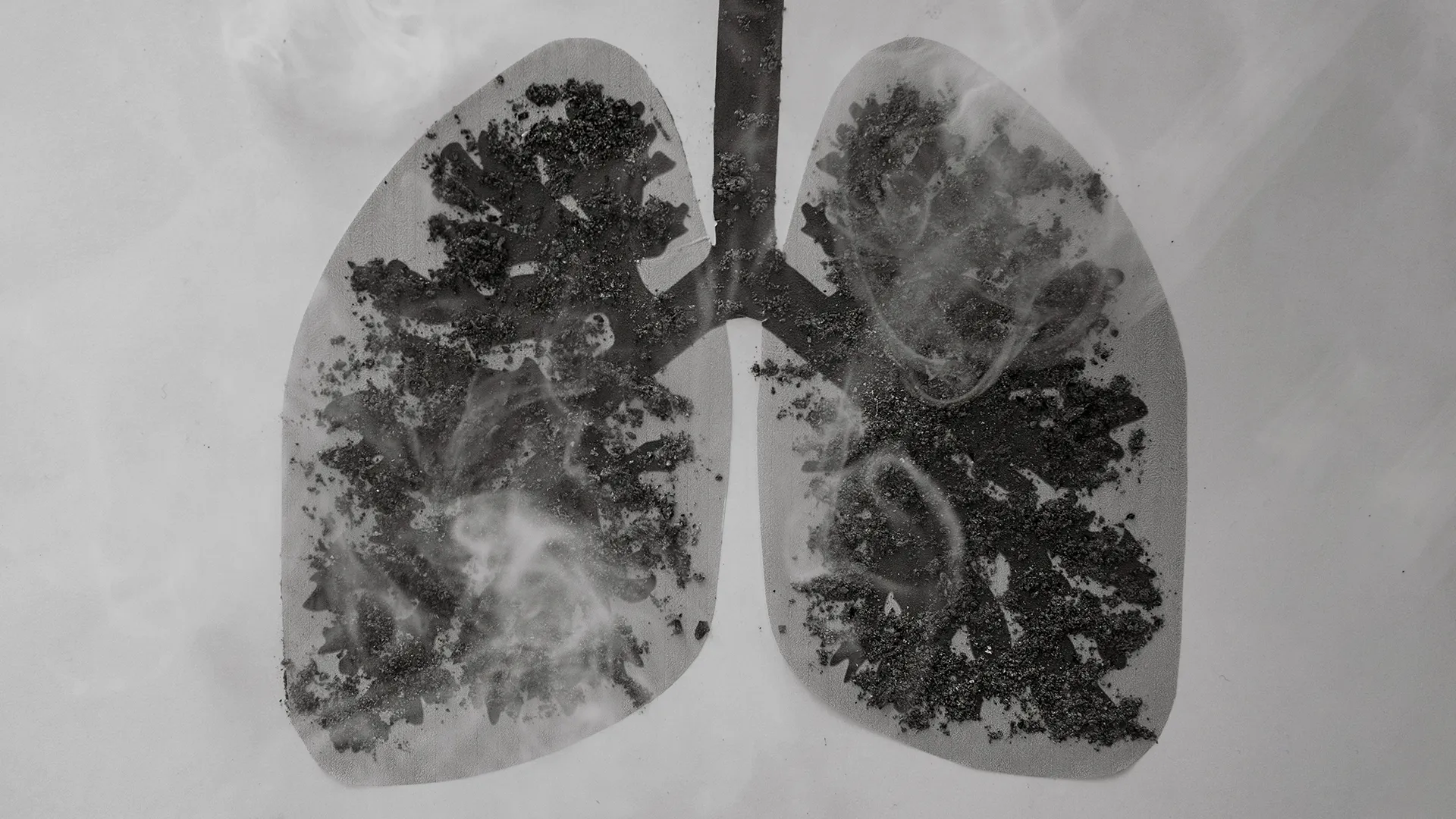
Smart nanoparticles launch genetic attack on lung cancer and cystic fibrosis
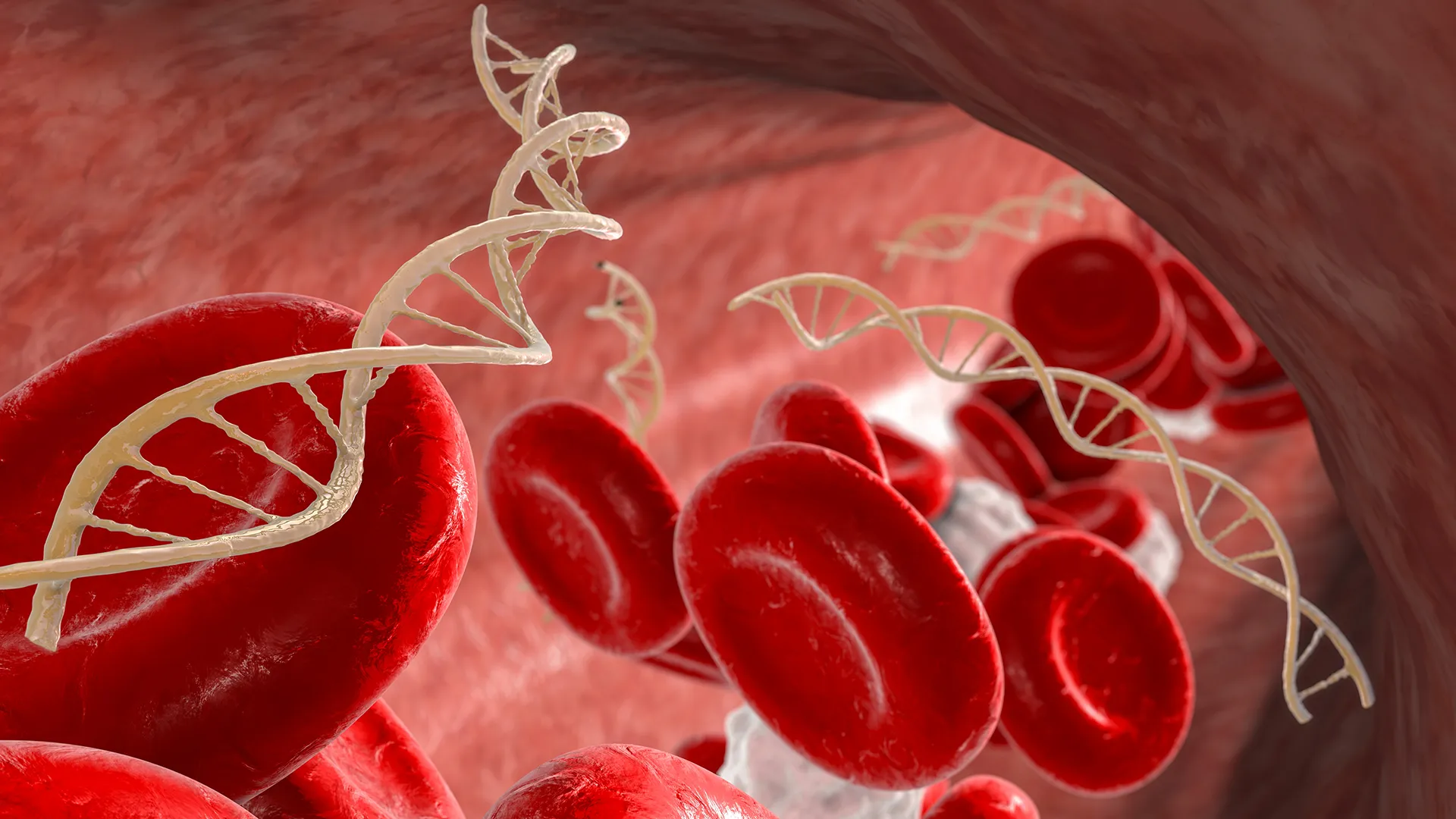
Scientists have made a key breakthrough for treating respiratory diseases by developing a new drug delivery system that transports genetic therapies directly to the lungs, opening promising possibilities for patients with conditions like lung cancer and cystic fibrosis.
The research, led by Gaurav Sahay of Oregon State University’s College of Pharmacy, was conducted in collaboration with Oregon Health & Science University and the University of Helsinki. Findings were published in a pair of papers, in Nature Communications and the Journal of the American Chemical Society.
Scientists created and tested more than 150 different materials and discovered a new type of nanoparticle that can safely and effectively carry messenger RNA and gene-editing tools to lung cells. In studies with mice, the treatment slowed the growth of lung cancer and helped improve lung function that had been limited by cystic fibrosis, a condition caused by one faulty gene.
Researchers also developed a chemical strategy to build a broad library of lung-targeting lipids used in the nanocarriers. These materials form the foundation for the new drug delivery system and could be customized to reach different organs in the body, Sahay said.
“The streamlined synthesis method makes it easier to design future therapies for a wide range of diseases,” he said. “These results demonstrate the power of targeted delivery for genetic medicines. We were able to both activate the immune system to fight cancer and restore function in a genetic lung disease, without harmful side effects.”
Oregon State’s K. Yu Vlasova, D.K. Sahel, Namratha Turuvekere Vittala Murthy, Milan Gautam and Antony Jozic were co-authors of the Nature Communications paper, which also included scientists from OHSU and the University of Helsinki. OSU’s Murthy, Jonas Renner, Milan Gautam, Emily Bodi and Antony Jozic teamed with Sahay on the other study.
“Our long-term goal is to create safer, more effective treatments by delivering the right genetic tools to the right place,” said Sahay. “This is a major step in that direction.”
These studies were funded by the Cystic Fibrosis Foundation, the National Cancer Institute and the National Heart, Lung and Blood Institute.

Read more →

The hunger switch in your nose: How smells tell your brain to stop eating

No more hunger after cooking? A newly identified network of nerve cells is responsible, a research group at the Max Planck Institute for Metabolism Research has discovered in mice. They discovered a direct connection from the nose to a group of nerve cells in the brain that are activated by the smell of food and, when activated, trigger a feeling of fullness. This was not the case in obese mice. This discovery suggests that treating obesity might require different advice about smelling food before a meal based on a person’s weight.
The researchers used brain scans to investigate which regions of the mice’s brains respond to food odours, and were able to identify a new group of nerve cells in the medial septum of the brain. These nerve cells respond to food in two steps: When the mouse smells food, the nerve cells fire and create a sensation of fullness. This happens within a few seconds because the nerve cells are directly connected to the olfactory bulb. The nerve cells react to different food smells, but not to other smells. When the mice started to eat, the nerve cells were inhibited. Overall, the mice ate less when these nerve cells are active before eating.
“We think this mechanism helps mice in the wild protect themselves from predators. By eating for shorter periods, they reduce their chances of being caught.,” explains Janice Bulk, the first author of the study.
Excess weight disturbs perception
In obese mice, the same group of nerve cells was not activated when the mice could smell food. The mice did not feel fuller and did not eat less overall. The authors point out that it is already known that obesity disrupts the olfactory system, including neuronal activity in the olfactory bulb. The newly identified group of nerve cells could also be affected by obesity.
And in humans?
The human brain contains the same group of nerve cells as the mouse, but it is not yet known whether they also respond to food odours. Studies by other research groups have shown that smelling some specific odors before a meal can reduce people’s appetite. In contrast, other studies have shown that overweight persons eat significantly more in the same situation.
“Our findings highlight how crucial it is to consider the sense of smell in appetite regulation and in the development of obesity. Our study shows how much our daily-lives’ eating habits are influenced by the smell of food. Since we discovered that the pathway only reduces appetite in lean mice, but not in obese mice, our study opens up a new way to help prevent overeating in obesity,” says Sophie Steculorum, the head of the study and research group leader at the Max Planck Institute for Metabolism Research.

Read more →

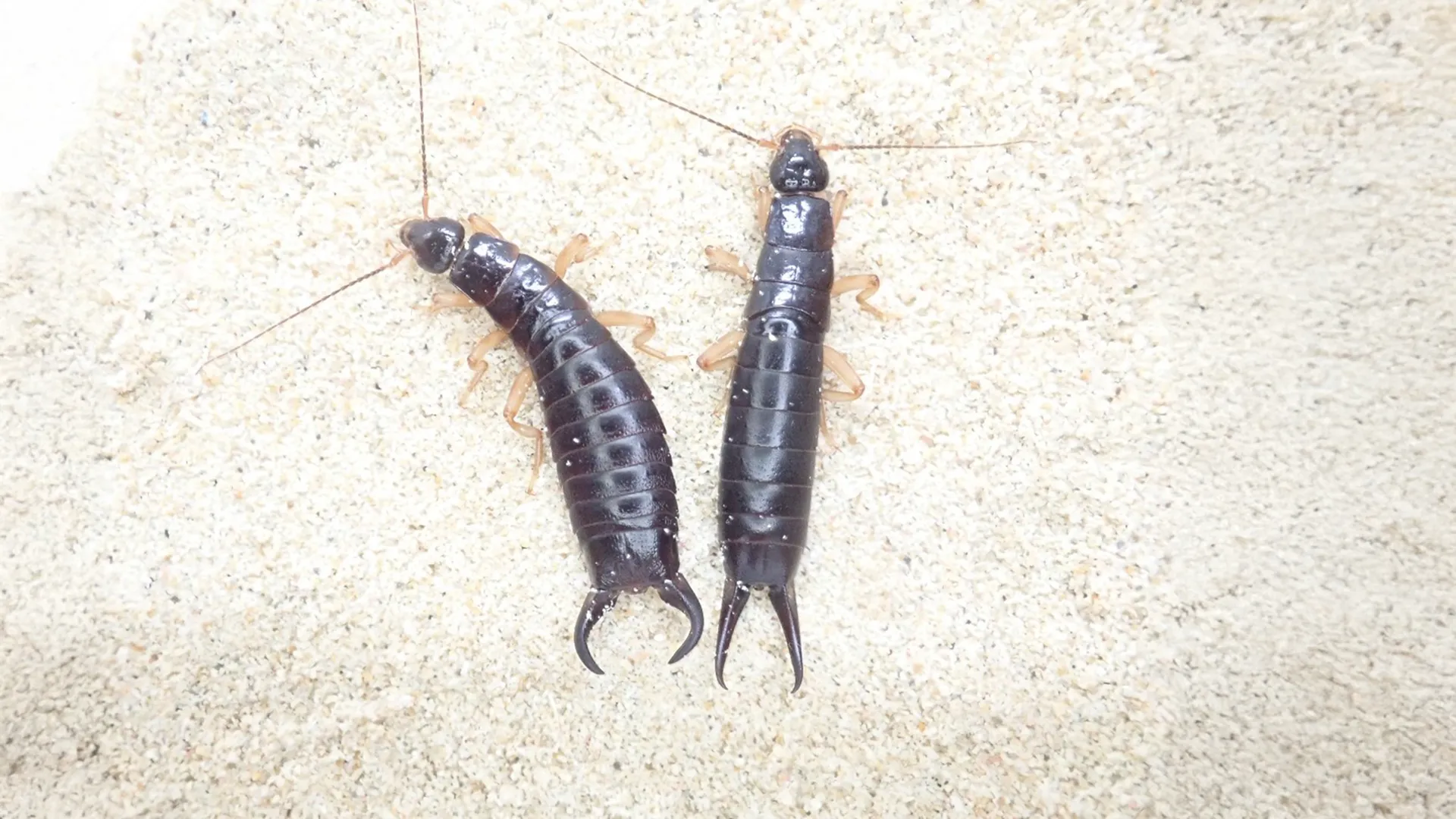
Pincer plot twist: How female earwigs evolved deadly claws for love and war

A new study from Toho University reveals that female earwigs exhibit a similar pattern of exaggerated forceps growth as males, suggesting that both sexes may have evolved these traits through sexual selection.
Do larger male elk have proportionally larger antlers? The answer is no. In fact, larger individuals tend to have disproportionately larger antlers — a phenomenon known as positive allometry. This pattern, where certain body parts grow disproportionately large relative to body size, is observed not only in mammals but also in animals such as beetles and fiddler crabs. Evolutionary biologists interpret such traits as evidence of sexual selection — a process in which physical features evolve because they offer an advantage in competing for mates.
Male earwigs are known to show positive allometry in their forceps — pincer-like appendages at the tip of the abdomen — which are believed to have evolved as weapons in battles with rivals. But what about females? Female earwigs also have forceps — so what purpose do they serve?
Tomoki Matsuzawa (then an undergraduate) and Associate Professor Junji Konuma from Toho University’s Department of Biology conducted the first quantitative study of female earwig forceps. Using morphometric analysis on the maritime earwigs Anisolabis maritima, they found that female forceps also display positive allometry — suggesting that they, too, may have evolved through sexual selection.
The team measured the head, thorax, abdomen, and bilateral forceps dimensions and analyzed shape differences in both sexes. They found that males have thick, short, and curved forceps, while females have thin, long, and straight ones — indicating clear sexual dimorphism. When they plotted body size against forceps width and length on a log-log scale, the results revealed a pattern of positive allometry in males: forceps width increased disproportionately with body size. Surprisingly, positive allometry was also found in females — in the length of the forceps. These results suggest that while the sexes differ in forceps shape, both may have evolved them as weapons — albeit in different ways.
Associate Professor Konuma explains:”A previous behavioral study has shown that female earwigs compete for small, non-aggressive males. Our findings suggest that female forceps may have evolved as effective weapons in such competition. While most earlier research focused only on males, our study highlights the importance of considering female traits as well when studying the evolution of insect morphologies.”
These findings were published on June 12, 2025, in the Biological Journal of the Linnean Society.

Read more →

RFK Jr. Announces Eight New Members of CDC Vaccine Advisory Panel

The health secretary promised not to pick “anti-vaxxers.” But some public health leaders accused him of breaking his word.Health Secretary Robert F. Kennedy Jr. on Wednesday named eight doctors and researchers, including four who have spoken out against vaccination in some way, to replace roughly half the members he fired from an expert panel that advises the Centers for Disease Control and Prevention.Mr. Kennedy made the announcement Wednesday on the social media platform X, two days after he fired all 17 members of the Advisory Committee on Immunization Practices. Arriving at the John F. Kennedy Center for the Performing Arts for a performance of “Les Misérables” that President Trump also attended, the health secretary told reporters that the firings were “a long time coming.”Mr. Kennedy said on X that his picks included “highly credentialed scientists, leading public-health experts, and some of America’s most accomplished physicians.” In a post on X late Tuesday night, a day after he removed the panel members, Mr. Kennedy promised he would not appoint “ideological anti-vaxxers.”After the new list was announced, infectious disease and vaccine experts immediately accused the health secretary of breaking his word. When Mr. Kennedy fired the entire committee, known as the A.C.I.P., he cited financial conflicts of interest and said a clean sweep was necessary to restore public trust in vaccination.But a White House official and a person close to Mr. Kennedy said on Tuesday that ideology was also at work. In addition to supposed financial conflicts, Mr. Kennedy was concerned that all of the members had been appointed by former President Joseph R. Biden Jr., and that some had donated to Democrats. The disclosure was shocking to public health leaders, who say that scientific advisers are chosen for their expertise, without consideration of party affiliation.“The biggest hit here is the irony of him, RFK, talking about regaining the public’s trust,” said Dr. Paul Offit of the Children’s Hospital of Philadelphia, who has served as a committee member and has frequently tangled with Mr. Kennedy.We are having trouble retrieving the article content.Please enable JavaScript in your browser settings.Thank you for your patience while we verify access. If you are in Reader mode please exit and log into your Times account, or subscribe for all of The Times.Thank you for your patience while we verify access.Already a subscriber? Log in.Want all of The Times? Subscribe.

Read more →

Scientists found the brain glitch that makes you think you’re still hungry

Researchers identify “meal memory” neurons in laboratory rats that could explain why forgetting lunch leads to overeating.
Scientists have discovered a specific group of brain cells that create memories of meals, encoding not just what food was eaten but when it was eaten. The findings, published today in Nature Communications, could explain why people with memory problems often overeat and why forgetting about a recent meal can trigger excessive hunger and lead to disordered eating.
During eating, neurons in the ventral hippocampus region of the brain become active and form what the team of researchers call “meal engrams” — specialized memory traces that store information about the experience of food consumption. While scientists have long studied engrams for their role in storing memories and other experiences in the brain, the new study identified engrams dedicated to meal experiences.
“An engram is the physical trace that a memory leaves behind in the brain,” said Scott Kanoski, professor of biological sciences at the USC Dornsife College of Letters, Arts and Sciences and corresponding author of the study. “Meal engrams function like sophisticated biological databases that store multiple types of information such as where you were eating, as well as the time that you ate.”
Distracted eating implications
The discovery has immediate relevance for understanding human eating disorders. Patients with memory impairments, such as those with dementia or brain injuries that affect memory formation, may often consume multiple meals in quick succession because they cannot remember eating.
Furthermore, distracted eating — such as mindlessly snacking while watching television or scrolling on a phone — may impair meal memories and contribute to overconsumption.

Based on the experiment’s findings, meal engrams are formed during brief pauses between bites when the brain of laboratory rats naturally survey the eating environment. These moments of awareness allow specialized hippocampal neurons to integrate multiple streams of information.
Kanoski said it can be assumed a human’s brain would undergo a similar phenomenon. When someone’s attention is focused elsewhere — on phone or television screens — these critical encoding moments are compromised. “The brain fails to properly catalog the meal experience,” said Lea Decarie-Spain, postdoctoral scholar at USC Dornsife and the study’s first author, “leading to weak or incomplete meal engrams.”
Mechanism of ‘meal memories’
The research team used advanced neuroscience techniques to observe the brain activity of laboratory rats as they ate, providing the first real-time view of how meal memories form.
The meal memory neurons are distinct from brain cells involved in other types of memory formation. When researchers selectively destroyed these neurons, lab rats showed impaired memory for food locations but retained normal spatial memory for non-food-related tasks, indicating a specialized system dedicated to meal-related information processing. The study revealed that meal memory neurons communicate with the lateral hypothalamus, a brain region long known to control hunger and eating behavior. When this hippocampus-hypothalamus connection was blocked, the lab rats overate and could not remember where meals were consumed.
Eating management implications
Kanoski said the findings could eventually inform new clinical approaches for treating obesity and weight management. Current weight management strategies often focus on restricting food intake or increasing exercise, but the new research suggests that enhancing meal memory formation could be equally important.

“We’re finally beginning to understand that remembering what and when you ate is just as crucial for healthy eating as the food choices themselves,” Kanoski said.
In addition to Kanoski, other study authors include Lea Decarie-Spain, Cindy Gu, Logan Tierno Lauer, Alicia E. Kao, Iris Deng, Molly E. Klug, Alice I. Waldow, Ashyah Hewage Galbokke, Olivia Moody, Kristen N. Donohue, Keshav S. Subramanian, Serena X. Gao, Alexander G. Bashaw and Jessica J. Rea of USC; and Samar N. Chehimi, Richard C. Crist, Benjamin C. Reiner and Matthew R. Hayes from the University of Pennsylvania’s Perelman School of Medicine; and Mingxin Yang and Guillaume de Lartigue from the Monell Chemical Senses Center; and Kevin P. Myers from the Department of Psychology at Bucknell University.
The study was supported by a Quebec Research Funds Postdoctoral Fellowship (315201), an Alzheimer’s Association Research Fellowship (AARFD-22-972811), a National Science Foundation Graduate Research Fellowship (DK105155), and a National Institute of Diabetes and Digestive and Kidney Diseases grant (K104897).

Read more →

This “Healthy” Fat May Secretly Be Fueling Obesity

Eating a high-fat diet containing a large amount of oleic acid – a type of fatty acid commonly found in olive oil – could drive obesity more than other types of dietary fats, according to a study published in the journal Cell Reports.
The study found that oleic acid, a monounsaturated fat associated with obesity, causes the body to make more fat cells. By boosting a signaling protein called AKT2 and reducing the activity of a regulating protein called LXR, high levels of oleic acid resulted in faster growth of the precursor cells that form new fat cells.
“We know that the types of fat that people eat have changed during the obesity epidemic. We wanted to know whether simply overeating a diet rich in fat causes obesity, or whether the composition of these fatty acids that make up the oils in the diet is important. Do specific fat molecules trigger responses in the cells?” said Michael Rudolph, Ph.D., assistant professor of biochemistry and physiology at the University of Oklahoma College of Medicine and member of OU Health Harold Hamm Diabetes Center.
Rudolph and his team, including Matthew Rodeheffer, Ph.D., of Yale University School of Medicine and other collaborators at Yale and New York University School of Medicine, fed mice a variety of specialized diets enriched in specific individual fatty acids, including those found in coconut oil, peanut oil, milk, lard and soybean oil. Oleic acid was the only one that caused the precursor cells that give rise to fat cells to proliferate more than other fatty acids.
“You can think of the fat cells as an army,” Rudolph said. “When you give oleic acid, it initially increases the number of ‘fat cell soldiers’ in the army, which creates a larger capacity to store excess dietary nutrients. Over time, if the excess nutrients overtake the number of fat cells, obesity can occur, which can then lead to cardiovascular disease or diabetes if not controlled.”
Unfortunately, it’s not quite so easy to isolate different fatty acids in a human diet. People generally consume a complex mixture if they have cream in their coffee, a salad for lunch and meat and pasta for dinner. However, Rudolph said, there are increasing levels of oleic acid in the food supply, particularly when access to food variety is limited and fast food is an affordable option.
“I think the take-home message is moderation and to consume fats from a variety of different sources,” he said. “Relatively balanced levels of oleic acid seem to be beneficial, but higher and prolonged levels may be detrimental. If someone is at risk for heart disease, high levels of oleic acid may not be a good idea.”

Read more →

Scientists discover natural cancer-fighting sugar in sea cucumbers

Sea cucumbers are the ocean’s janitors, cleaning the seabed and recycling nutrients back into the water. But this humble marine invertebrate could also hold the key to stopping the spread of cancer.
A sugar compound found in sea cucumbers can effectively block Sulf-2, an enzyme that plays a major role in cancer growth, according to a University of Mississippi-led study published in Glycobiology.
“Marine life produces compounds with unique structures that are often rare or not found in terrestrial vertebrates,” said Marwa Farrag, a fourth-year doctoral candidate in the UM Department of BioMolecular Sciences.
“And so, the sugar compounds in sea cucumbers are unique. They aren’t commonly seen in other organisms. That’s why they’re worth studying.”
Farrag, a native of Assiut, Egypt, and the study’s lead author, worked with a team of researchers from Ole Miss and Georgetown University on the project.
Human cells, and those of most mammals, are covered in tiny, hairlike structures called glycans that help with cell communication, immune responses and the recognition of threats such as pathogens. Cancer cells alter the expression of certain enzymes, including Sulf-2, which in turn modifies the structure of glycans. This modification helps cancer spread.
“The cells in our body are essentially covered in ‘forests’ of glycans,” said Vitor Pomin, associate professor of pharmacognosy. “And enzymes change the function of this forest – essentially prunes the leaves of that forest.

“If we can inhibit that enzyme, theoretically, we are fighting against the spread of cancer.”
Using both computer modeling and laboratory testing, the research team found that the sugar – fucosylated chondroitin sulfate – from the sea cucumber Holothuria floridana can effectively inhibit Sulf-2.
“We were able to compare what we generated experimentally with what the simulation predicted, and they were consistent,” said Robert Doerksen, professor of medicinal chemistry. “That gives us more confidence in the results.”
Unlike other Sulf-2 regulating medications, the sea cucumber compound does not interfere with blood clotting, said Joshua Sharp, UM associate professor of pharmacology.
“As you can imagine, if you are treating a patient with a molecule that inhibits blood coagulation, then one of the adverse effects that can be pretty devastating is uncontrolled bleeding,” he said. “So, it’s very promising that this particular molecule that we’re working with doesn’t have that effect.”
As a marine-based cancer therapy, the sea cucumber compound may be easier to create and safer to use.

“Some of these drugs we have been using for 100 years, but we’re still isolating them from pigs because chemically synthesizing it would be very, very difficult and very expensive,” Sharp said. “That’s why a natural source is really a preferred way to get at these carbohydrate-based drugs.”
Unlike extracting carbohydrate-based drugs from pigs or other land mammals, extracting the compound from sea cucumbers does not carry a risk of transferring viruses and other harmful agents, Pomin said.
“It’s a more beneficial and cleaner resource,” he said. “The marine environment has many advantages compared to more traditional sources.”
But sea cucumbers – some variants of which are a culinary delicacy in the Pacific Rim – aren’t so readily abundant that scientists could go out and harvest enough to create a line of medication. The next step in the research is to find a way to synthesize the sugar compound for future testing.
“One of the problems in developing this as a drug would be the low yield, because you can’t get tons and tons of sea cucumbers,” Pomin said. “So, we have to have a chemical route, and when we’ve developed that, we can begin applying this to animal models.”
The interdisciplinary nature of the scientific study, which featured researchers from chemistry, pharmacognosy and computational biology, underscored the importance of cross-disciplinary collaboration in tackling complex diseases like cancer, Pomin said.
“This research took multiple expertise – mass spectrometry, biochemistry, enzyme inhibition, computation,” Pomin said. “It’s the effort of the whole team.”
This work is based on material supported by the National Institutes of Health grant nos. 1P20GM130460-01A1-7936, R01CA238455, P30CA51008 and S10OD028623.

Read more →

Unusual carbon build-up found in lungs of COPD patients

Cells taken from the lungs of people with chronic obstructive pulmonary disease (COPD) have a larger accumulation of soot-like carbon deposits compared to cells taken from people who smoke but do not have COPD, according to a study published today, June 10, in ERJ Open Research. Carbon can enter the lungs via cigarette smoke, diesel exhaust and polluted air.
The cells, called alveolar macrophages, normally protect the body by engulfing any particles or bacteria that reach the lungs. But, in their new study, researchers found that when these cells are exposed to carbon they grow larger and encourage inflammation.
The research was led by Dr James Baker and Dr Simon Lea from the University of Manchester, UK. Dr Baker said: “COPD is a complex disease that has a number of environmental and genetic risk factors. One factor is exposure to carbon from smoking or breathing polluted air.
“We wanted to study what happens in the lungs of COPD patients when this carbon builds up in alveolar macrophage cells, as this may influence the cells’ ability to protect the lungs.”
The researchers used samples of lung tissue from surgery for suspected lung cancer. They studied samples (that did not contain any cancer cells) from 28 people who had COPD and 15 people who were smokers but did not have COPD.
Looking specifically at alveolar macrophage cells under a microscope, the researchers measured the sizes of the cells and the amount of carbon accumulated in the cells.
They found that the average amount of carbon was more than three times greater in alveolar macrophage cells from COPD patients compared to smokers. Cells containing carbon were consistently larger than cells with no visible carbon.

Patients with larger deposits of carbon in their alveolar macrophages had worse lung function, according to a measure called FEV1%, which quantifies how much and how forcefully patients can breathe out.
When the researchers exposed macrophages to carbon particles in the lab, they saw the cells become much larger and found that they were producing higher levels of proteins that lead to inflammation.
Dr Lea said: “As we compared cells from COPD patients with cells from smokers, we can see that this build-up of carbon is not a direct result of cigarette smoking. Instead, we show alveolar macrophages in COPD patients contain more carbon and are inherently different in terms of their form and function compared to those in smokers.
“Our research raises an interesting question as to the cause of the increased levels of carbon in COPD patients’ macrophages. It could be that people with COPD are less able to clear the carbon they breathe in. It could also be that people exposed to more particulate matter are accumulating this carbon and developing COPD as a result.
“In future, it would be interesting to study how this carbon builds up and how lung cells respond over a longer period of time.”
Professor Fabio Ricciardolo is Chair of the European Respiratory Society’s group on monitoring airway disease, based at the University of Torino, Italy, and was not involved in the research. He said: “This set of experiments suggest that people with COPD accumulate unusually large amounts of carbon in the cells of their lungs. This build-up seems to be altering those cells, potentially causing inflammation in the lungs and leading to worse lung function.
“In addition, this research offers some clues about why polluted air might cause or worsen COPD. However, we know that smoking and air pollution are risk factors for COPD and other lung conditions, so we need to reduce levels of pollution in the air we breathe and we need to help people to quit smoking.”

Read more →

Democrats Grill N.I.H. Leader on Cuts: Who Is Calling the Shots?

Senators criticized the head of the National Institutes of Health for not taking responsibility for Trump administration cuts to research funding.As the Trump administration clamped down on the country’s medical research funding apparatus in recent months, scientists and administrators at the National Institutes of Health often privately wondered how much autonomy the agency’s director, Dr. Jay Bhattacharya, had.After all, the Department of Government Efficiency, Elon Musk’s signature cost-cutting project, helped drive decisions to cancel or delay research grants. Other projects fell victim to President Trump’s face-off with universities over antisemitism. But given an opportunity before a Senate panel on Tuesday to dispel suspicions about who wields influence at the N.I.H., Dr. Bhattacharya did little to claim ownership of perhaps the rockiest period in the agency’s many decades of funding research institutions.Decisions to freeze grant payments to Northwestern University “happened before I got into office,” Dr. Bhattacharya told the panel, members of the Senate Appropriations Committee.He repeatedly said a proposal to shrink the N.I.H. budget by $18 billion — nearly 40 percent — was “a collaboration between Congress and the administration” and declined to talk in detail about how the cuts would affect the agency.And pressed on an effort to curtail funding to universities for research overhead expenses — a cost-cutting move that is baked into the administration’s 2026 budget proposal — Dr. Bhattacharya said, “I don’t want to get into that,” citing ongoing litigation.Several Democrats on the committee said they were confused about who was pulling the strings at the agency.We are having trouble retrieving the article content.Please enable JavaScript in your browser settings.Thank you for your patience while we verify access. If you are in Reader mode please exit and log into your Times account, or subscribe for all of The Times.Thank you for your patience while we verify access.Already a subscriber? Log in.Want all of The Times? Subscribe.

Read more →

The Welfare Queen Is Back, but With a Video Game Console in Hand

Republicans targeting safety net programs once invoked women they claimed were living lavishly on government funds. Now as they seek to pare back Medicaid, the imagery has changed — but not the argument.Ronald Reagan and his fellow Republicans once invoked what they referred to as “welfare queens” as they made the case for reining in social spending in the 1970s and 1980s, painting a picture of unscrupulous women bilking the system to finance a sumptuous lifestyle.Now as they try to justify cuts to Medicaid, congressional Republicans are focused on a different deadbeat poster child: the shiftless male video gamer who lazes around the house attached to his console while getting free health care that should go to more deserving people.The imagery has changed, but the political tactic from the G.O.P. remains the same. By making broad generalizations about the types of people who could inappropriately benefit from federal benefits, they make the idea of cutting back seem virtuous rather than stingy.With a new, restrictive work requirement for Medicaid and other cost-cutting measures emerging as main points of contention in the political debate over their sweeping domestic policy bill, Republicans have sought to play down the potential fallout for Americans who rely on the health care program for the poor. They say no one who truly merits help will lose benefits.To bolster their case, they assert that ridding the Medicaid rolls of slackers and undocumented immigrants who should not be getting taxpayer help will shave off billions of dollars without touching benefits for those in need. Their message is that the necessary savings can be achieved by going after the old standbys of waste, fraud and abuse.“You don’t want able-bodied workers on a program that is intended, for example, for single mothers with two small children who is just trying to make it,” Speaker Mike Johnson said on CNN in February as he began laying the groundwork for the Medicaid cuts. “That’s what Medicaid is for, not for 29-year-old males sitting on their couches playing video games.”We are having trouble retrieving the article content.Please enable JavaScript in your browser settings.Thank you for your patience while we verify access. If you are in Reader mode please exit and log into your Times account, or subscribe for all of The Times.Thank you for your patience while we verify access.Already a subscriber? Log in.Want all of The Times? Subscribe.

Read more →