Guest molecules ride perfect waves in dna droplets—A breakthrough for synthetic biology
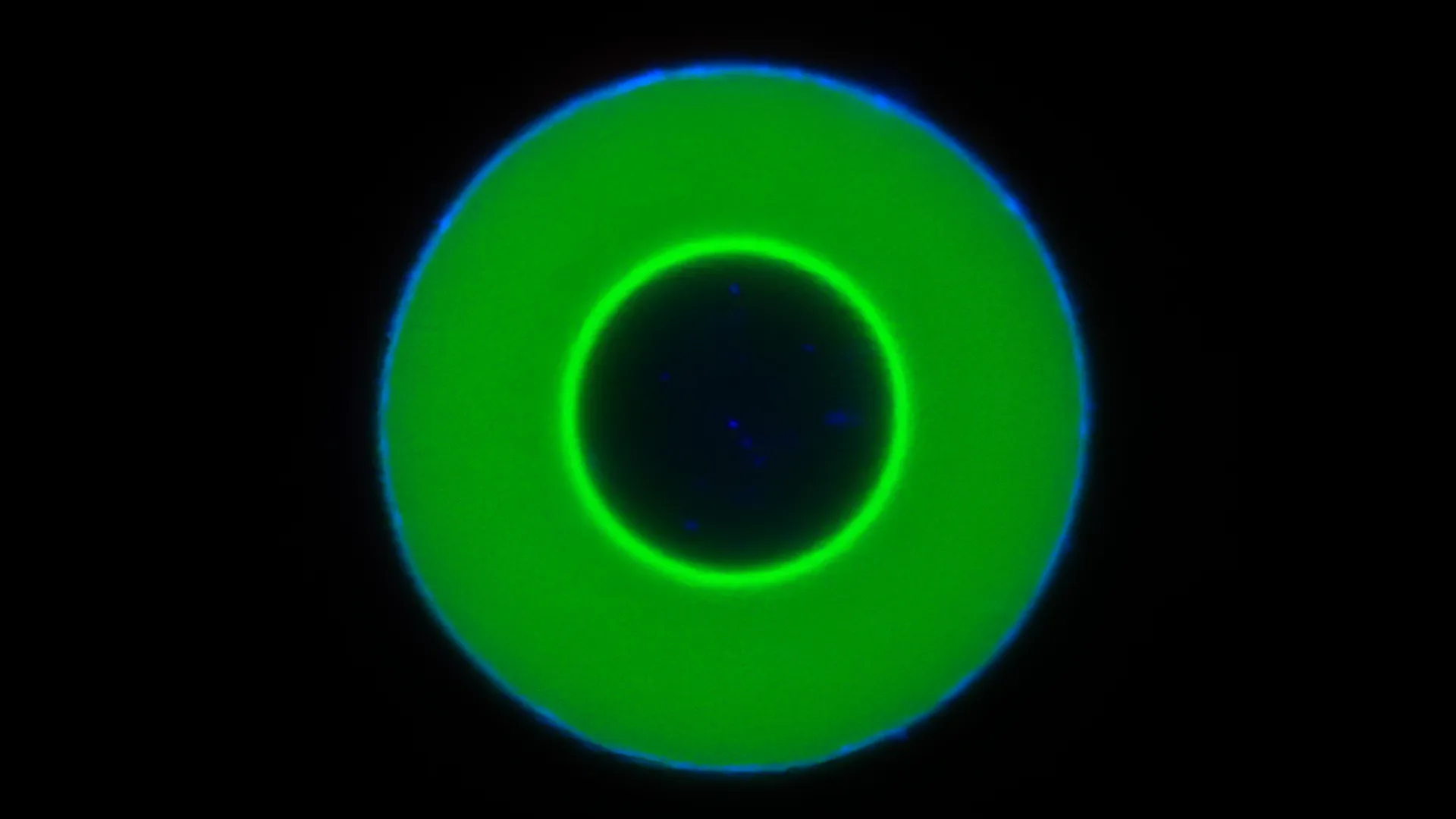
Researchers at Johannes Gutenberg University Mainz (JGU), the Max Planck Institute for Polymer Research and the University of Texas at Austin have identified a form of molecular motion that has not previously been observed. When what are known as ‘guest molecules’ – molecules that are accommodated within a host molecule – penetrate droplets of DNA polymers, they do not simply diffuse in them in a haphazard fashion, but propagate through them in the form of a clearly-defined frontal wave. “This is an effect we did not expect at all,” points out Weixiang Chen of the Department of Chemistry at JGU, who played a major role in the discovery. The findings of the research team have today been published in an article in the prestigious journal Nature Nanotechnology. The new insights are not only fundamental to our understanding of how cells regulate signals, but they could also contribute to the development of intelligent biomaterials, innovative types of membranes, programmable carriers of active ingredients and synthetic cell systems able to imitate the organizational complexity of the processes in living beings. Molecular wave patterns instead of conventional diffusion
It is usually the case that molecules are distributed throughout liquids by means of simple diffusion. For instance, if you add a blue dye to a glass of water, the dye gradually disperses in the liquid, forming soft, blurry color gradients. However, the observed behavior of guest molecules in DNA droplets is quite different. “The molecules move in a structured and controlled manner that is contrary to the traditional models, and this takes the form of what appears to be a wave of molecules or a mobile boundary,” explains Professor Andreas Walther from JGU’s Department of Chemistry, who led the research project.
The research team used droplets made up of thousands of individual strands of DNA, structures that are also known as biomolecular condensates. What is of particular interest in this connection is the fact that the properties of the droplets can be precisely determined with the help of the DNA structures and other parameters, such as the concentration of salts. Moreover, these droplets have their counterparts in biological cells, which are able to employ similar condensates to arrange complex biochemical processes without the need for membranes. “Our synthetic droplets thus represent an excellent model system with which we can simulate natural processes and come to better understand them,” emphasizes Chen. Into their droplets, the researchers introduced specially designed ‘guest’ DNA strands that are able to specifically recognize the inner structure of the droplets and bind to them. According to the team, the intriguing motion of the guest molecules, that they have now detected for the first time, is in part attributable to the way that the added DNA and the DNA present in the droplets combine on the basis of the key-and-lock principle. This means that the surrounding material becomes less dense and no longer fixed in place, so that swollen, dynamic states develop locally. Chen adds: “The well-defined, highly concentrated front continues to move forward in a linear fashion over time, driven by chemical binding, material conversion and programmable DNA interactions. Something that is completely new when it comes to soft matter.”
New basis for understanding cellular processes
The findings are not only relevant to providing us with a better understanding of the physics of soft matter, but also to improving our knowledge of the chemical processes that occur in cells. “This might be one of the missing pieces of the puzzle that, once assembled, will reveal to us how cells regulate signals and organize processes on the molecular level,” states Walther. This would also be of interest when it comes to the treatment of neurodegenerative disorders in which proteins migrate from cell nuclei into the cytoplasm, forming condensates there. As these age, they transform from a dynamic to a more stable state and build the problematic fibrils. “It is quite conceivable that we may be able to find a way of influencing these aging processes with the aid of our new insights, so that, over the long term, an entirely new approach to the treatment of neurodegenerative diseases could emerge,” concludes Walther.

Read more →

World-first blood cancer therapy to be given on NHS

9 hours agoShareSaveJames GallagherShareSaveBBCA “Trojan horse” therapy that sneaks toxic drugs inside cancer cells is being made available on the NHS in England in a world first.It can halt the blood cancer myeloma for nearly three times longer than current therapies.The drug is an advanced form of chemotherapy that hits cancer with a bigger dose, while reducing side-effects.Paul Silvester, one of the first people to get it, says the therapy has been “life-changing” and he’s now planning history-themed adventures.Myeloma – also known as multiple myeloma – affects part of the immune system called plasma cells. These are made in the spongey bone marrow in the centre of our bones.Paul, who is 60 and from Sheffield, was diagnosed nearly two years ago after the cancer led to broken bones in his back.He had a bone marrow transplant last year, but relapsed around Christmas. He has since been on the new therapy – called belantamab mafodotin – as part of an early access scheme.Within weeks he was in remission.Paul SilvesterOther treatments could have left him isolating in his bedroom for months, so Paul says the therapy “is absolutely life-changing” and was “creating that opportunity to enjoy” life. Visiting Hadrian’s Wall is next on the agenda for history buff Paul; and he’s looking forward to one of his daughters graduating later this year. “Most people say ‘you look really really well’… I have a good normal life,” he told the BBC.How does this therapy work?Paul’s therapy – belantamab mafodotin – is a lethal chemotherapy drug that has been bound to an antibody, similar to the ones the body uses to fight infection. However, these antibodies have been designed to spot markings on the outside of plasma cells. So they travel to cancerous cells, stick to the surface and are then absorbed. Once inside they release their toxic payload, to kill the cancer. The therapy is named Trojan horse therapy after the siege of the city of Troy in Greek mythology, when a giant wooden horse was used to smuggle soldiers into the city.Myeloma cannot be cured, but clinical trials last year showed the Trojan horse therapy halted the cancer for three years, compared to 13 months with current therapies. Prof Peter Johnson, the national clinical director for cancer at NHS England, said the difference was “life-changing”.He told me: “This is a really important development for people with myeloma, because although we may not be able to cure the illness, giving them time free of the disease and free of the symptoms is really important.”We’ve seen in the last few years that using antibodies to deliver chemotherapy drugs directly into cells can make a big difference for a variety of different types of cancer.”Paul SilvesterAround 33,000 people are living with myeloma in the UK. The new drug will be used when the first-choice therapy fails, so around 1,500 patients a year could benefit.The decision comes after a review by the National Institute of Health and Care Excellence (NICE) concluded the drug was cost-effective for NHS use. NICE recommendations are normally adopted in England, Wales and Northern Ireland while Scotland has its own process. The therapy is kinder than other cancer treatments, but is not free from side-effects. After a cancer cell has been destroyed, the remaining chemotherapy drug will leak into the body. This can cause dry eyes and blurred vision. ‘These are very smart drugs’The technical name for these drugs is an antibody-drug-conjugate.This therapy was developed by GSK in the UK with early research taking place in Stevenage and the first clinical trials in London.Prof Martin Kaiser, team leader in myeloma molecular therapy at the Institute of Cancer Research, said these “are very smart drugs” and the difference in side effects compared to other drugs “is really remarkable”.While myeloma is still considered an incurable cancer, Prof Kaiser says drugs like this are “an important step towards a functional cure” and he thinks long-term remission will go “above 50% in the next five years”.Antibody drug conjugates are being developed for a range of cancers. The limitation is being able to design an antibody that can target the cancer alone. There is one that can target some types of breast cancer. Research is already taking place on stomach and bowel cancer.Shelagh McKinlay, from the charity Myeloma UK, said the approval would “transform the lives of thousands” and it was “fantastic to see the UK at the forefront of myeloma treatment”.Health Minister Karin Smyth, said: “This ground-breaking therapy puts the NHS at the forefront of cancer innovation.”

Read more →

Shining a Light on the World of Microproteins

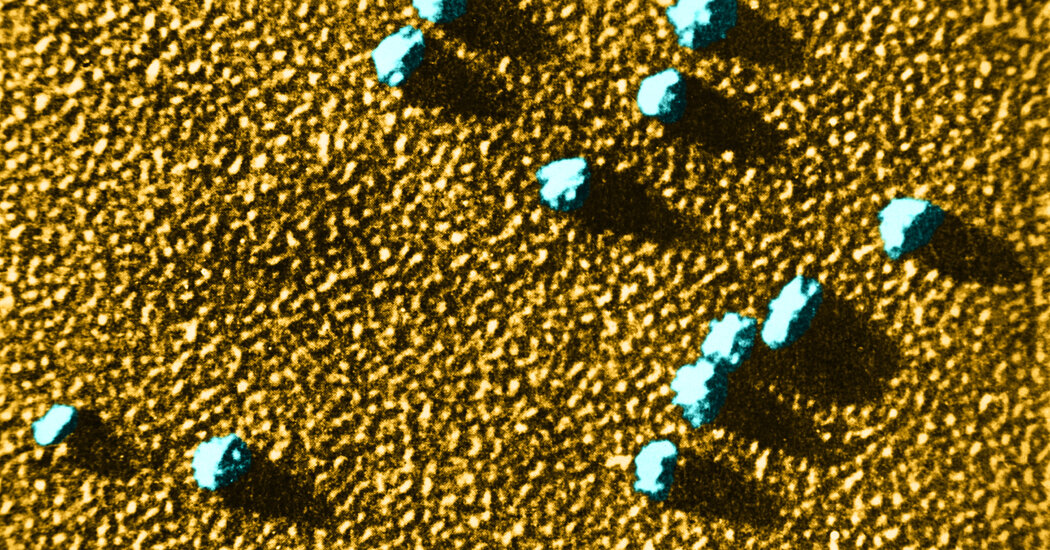
From viruses to humans, life makes microproteins that have evaded discovery until now.You could be forgiven for assuming that scientists know how many kinds of proteins exist. After all, researchers have been studying proteins for more than two centuries. They have powerful tools in their labs to search for the molecules. They can scan entire genomes, spotting the genes that encode proteins. They can use artificial intelligence to help decipher the complex shapes that allow proteins to do their jobs, whether that job entails catching odors in our noses or delivering oxygen in our blood.But the world of proteins remains remarkably mysterious. It turns out that a vast number of them have been hiding in plain sight. In a study published on Thursday, scientists revealed 4,208 previously unknown proteins that are made by viruses such as influenza and H.I.V. Researchers elsewhere have been uncovering thousands of other new proteins in bacteria, plants, animals and even humans.Many of these newly discovered proteins probably play a vital role in life, according to Thomas Martínez, a biochemist at the University of California, Irvine. “There is no way to get around this,” he said. “If we ever want to understand fully how our biology works, we have to have a complete accounting of all the parts.”For a long time, scientists depended on luck to find new proteins. In 1840, for example, the Friedrich Ludwig Hünefeld, a German chemist, became curious about earthworm blood. He collected blood from a worm and put it on a glass slide. When he looked through a microscope, Hünefeld noticed platelike crystals: He had discovered hemoglobin.A century later, scientists accelerated the search for proteins by working out how our bodies make them. Each protein is encoded by a gene in our DNA. To make a protein, our cells make a copy of this gene in the form of a molecule called messenger RNA, or mRNA. Then a cellular factory called a ribosome grabs the messenger RNA and uses it to assemble the protein from building blocks.The search sped up even faster when scientists began sequencing entire genomes in the 1990s. Researchers could scan a genome for protein-coding genes, even if they had never seen the protein before. Scanning the human genome led to the discovery of 20,000 genes.We are having trouble retrieving the article content.Please enable JavaScript in your browser settings.Thank you for your patience while we verify access. If you are in Reader mode please exit and log into your Times account, or subscribe for all of The Times.Thank you for your patience while we verify access.Already a subscriber? Log in.Want all of The Times? Subscribe.

Read more →

People Can Be Identified by Breathing Patterns Alone, Scientists Find

Every breath you take, they really may be watching you.Your thumbprint, the pattern of lines in the iris of your eye: These are known to be more or less unique to each person, including you, or at least specific enough to be useful for unlocking your phone. But in a paper published Thursday in the journal Current Biology, researchers report that your patterns of breathing through your nose are so distinctive that it may be possible to identify you by breath alone, suggesting we have “breath prints.”The study was conducted in 100 people who wore sensors for 24 hours, and the technique proved effective in distinguishing among individuals more than 90 percent of the time. The researchers who led the study also found that certain quirks of breath were linked to people’s scores on questionnaires about anxiety, among other traits, suggesting that breath monitoring over many hours may provide a useful window into mental states and disorders.Most people rarely think about breathing, but for researchers who study smell, like Noam Sobel and his colleagues at the Weizmann Institute of Science in Israel, that regular cycle of in and out contains tantalizing information about the brain. Each inhalation comes with a firing of sensory neurons and other cells involved in monitoring the environment, and Dr. Sobel and Timna Soroka, a graduate student at the institute, wondered whether it would be possible to identify individuals from long-term recordings of their breathing patterns.“We hypothesized, brains are unique, ergo breathing patterns would also be unique,” Dr. Sobel said.Ms. Soroka developed a wearable sensor that fit on volunteers’ upper backs, with tubes running around to capture the airflow out of each nostril. The researchers found that by using software to analyze a day’s worth of sensor information, they could tell people apart.There’s more to a cycle of breath than just inhaling and exhaling.One person might have a very consistent pause just before each inhale. Another might pause some of the time and barely at other times. Someone might tend to exhale very quickly, or sigh more frequently than another. For many people, one nostril might have a greater flow than the other for some of the day.Tubes beneath the nose measured airflow from each nostril, revealing each person’s unique breathing fingerprint.Soroka et al., Current BiologyWe are having trouble retrieving the article content.Please enable JavaScript in your browser settings.Thank you for your patience while we verify access. If you are in Reader mode please exit and log into your Times account, or subscribe for all of The Times.Thank you for your patience while we verify access.Already a subscriber? Log in.Want all of The Times? Subscribe.

Read more →

The Real-Life Dating Boot Camp That Inspired ‘Love on the Spectrum’

Thirty-six hours after dropping his date off at her apartment, Bradley Goldman was on a video call with his dating coach, breaking down the events of the evening.Listen to this article with reporter commentaryFor one thing, he told the coach, he had chosen the wrong venue for someone on the autism spectrum — a bar of the Sunset Strip hipster variety, so loud and overstimulating that he could almost feel himself beginning to dissociate.Mr. Goldman, a tall, rangy 42-year-old who works as an office manager, hadn’t decided in advance of the date whether to mention that he had been diagnosed with autism, or that he was working with a coach. So he deflected, and they found themselves, briefly, in a conversational blind alley.“I struggle with how to disclose,” he said. “Do I say I am ‘neuro-spicy’? Or ‘neurodiverse’? Or do I disclose at all?”His coach, Disa Jean-Pierre, was sympathetic. “You could just wait for it to come up naturally after a few dates,” she suggested.We are having trouble retrieving the article content.Please enable JavaScript in your browser settings.Thank you for your patience while we verify access. If you are in Reader mode please exit and log into your Times account, or subscribe for all of The Times.Thank you for your patience while we verify access.Already a subscriber? Log in.Want all of The Times? Subscribe.

Read more →

Beyond Ozempic: New weight loss drug rivals surgery

Weight loss drugs like Ozempic and Wegovy are used by over 15 million adults in the U.S., or 4.5% of the population. Despite their effectiveness, they have drawbacks. Their effect may not last after discontinuing use, and side effects including osteoporosis and muscle loss have raised concerns about long-term harms. They also induce nausea, which can make it difficult to stay the course of treatment.
Now Tufts researchers led by Krishna Kumar, Robinson Professor of Chemistry, have designed a new, next-generation compound with hopes that it could be more effective with fewer side effects, which they report in a paper in the Journal of the American Chemical Society.
While weight loss drugs currently on the market and in development target one, two, or even three hormone receptors related to glucose metabolism and the desire to eat, the Tufts team has identified a fourth target that could potentially further enhance the control strategy.
“Obesity is linked to over 180 different disease conditions, including cancer, cardiovascular disease, osteoarthritis, liver disease, and type 2 diabetes, and affects over 650 million people worldwide,” said Kumar. “What drives us is the idea that we can design a single drug to treat obesity and simultaneously mitigate the risk of developing a long list of health problems plaguing society.”
How the Drugs Work
After we eat a meal, our gut and brain trigger a hormonal “fuel gauge” that regulates levels of glucose and tells us when we have had enough to eat.
The hormone glucagon-like peptide 1 (GLP-1) is released to help stimulate the production of insulin and the uptake of glucose in muscle and other tissues. With the cells now loaded with fuel, the level of glucose in the blood returns to normal. Ozempic uses GLP-1 with slight modifications to increase its availability in the bloodstream. Its success in controlling blood glucose has prompted the American Diabetes Association to recommend it and other GLP-1-based drugs as the new first line injectable treatments for diabetes, ahead of insulin.

But GLP-1 also acts directly on the brain, making us feel full after having a meal, and it slows down the rate that the stomach contents are emptied into the intestines, creating a more evenly paced release of nutrients and glucose into the bloodstream. That’s why it has also become extremely popular as a weight loss treatment.
It’s still not a perfect drug strategy for weight loss, though. “The biggest problem with GLP-1 drugs is that they have to be injected once a week, and they can induce a very strong feeling of nausea,” said Kumar. “As much as 40% of people using these drugs give up after the first month.”
A second hormone released after eating is glucose-dependent insulinotropic peptide (GIP). It also makes us feel full after a meal. GIP looks a lot like GLP-1, so rather than administer two drugs, researchers created one peptide that incorporates structural elements of both — what’s called in drug development a chimera. That drug, called Mounjaro or Zepbound (the brand names for tirzepatide), has the added benefit of significantly reducing nausea. As a more tolerable treatment, it may overtake Ozempic in the weight loss market.
“And then there is a third hormone, glucagon,” said Kumar. “Paradoxically, it actually increases blood glucose, but at the same time increases the expenditure of energy in cells of the body, raises body temperature, and suppresses appetite.” By adding glucagon to the mix, GLP-1 and GIP end up neutralizing its glucose-enhancing effect, leaving the remaining functionalities of all three hormones working together to enhance weight loss.
Glucagon is also similar in structure to GLP-1 and GIP, so drug developers created a single chimera peptide that incorporates elements of all three hormones, which can be recognized by their three separate receptors. That drug, called retatrudide, is currently in clinical trials that indicate even greater achievable weight loss (up to 24%) compared to the original GLP-1 drugs (6-15%).
Going for the Weight Loss Gold Standard with a Fourth Target
“The goal that people are trying to shoot for is bariatric surgery,” said Kumar. That’s a surgical procedure significantly reducing the size of the stomach, which can achieve long-lasting weight loss up to 30%. “For individuals with persistent obesity and potential deadly associated conditions, it becomes a necessary but invasive treatment.”

Current injectable weight loss drugs still fall short of that gold standard, so the Tufts chemists are focused on a drug redesign that could match the 30% weight loss outcome.
“There is one more hormone we wanted to bring in to complete a weight control quartet,” said Tristan Dinsmore, a graduate student in the Kumar lab and the lead author of the study. “It’s called peptide YY (PYY). This molecule is also secreted by the gut after we eat a meal, and its job is to reduce appetite and slow the process of emptying food from the stomach, but via different mechanisms than either GLP-1 or GIP. It may also be involved in directly ‘burning off’ fat.”
PYY is from a separate and structurally unrelated class of hormones than the first three, so blending its structure into a chimeric peptide that also mimics GLP-1, GIP, and glucagon was not easy. Instead, the Tufts team was able to join two peptide segments end-to-end, creating a new ‘tetra-functional’ clinical candidate.
“One of the limitations of the current drugs is that individual variation, possibly including how people express target receptors or respond to their corresponding hormones, can lead to lesser than desired weight loss outcomes in many patients,” said Martin Beinborn, visiting scholar in the Department of Chemistry. “By hitting four different hormone receptors at the same time, we hope to improve the chances of averaging out such variation toward the goal of achieving greater and more consistent overall effectiveness.”
“A second issue is that patients tend to regain weight after discontinuing currently available GLP-1 related drugs,” said Beinborn, who notes that lifestyle changes should ideally be a complement to medication treatment. This two-pronged approach will not only support reaching and keeping one’s target weight, but may also help preserve bone and muscle mass.
“Recent studies indicate that weight rebound after drug discontinuation is delayed with the newer, more effective GLP-1 mimetics,” he said. “Extending from this observation, one may speculate that multi-chimeras along the lines of the one we discovered could get us closer to the bariatric surgery standard of lasting weight loss.”

Read more →

Brain-computer interface restores real-time speech in als patient

Researchers at the University of California, Davis, have developed an investigational brain-computer interface that holds promise for restoring the voices of people who have lost the ability to speak due to neurological conditions.
In a new study published in the scientific journal Nature, the researchers demonstrate how this new technology can instantaneously translate brain activity into voice as a person tries to speak — effectively creating a digital vocal tract.
The system allowed the study participant, who has amyotrophic lateral sclerosis (ALS), to “speak” through a computer with his family in real time, change his intonation and “sing” simple melodies.
“Translating neural activity into text, which is how our previous speech brain-computer interface works, is akin to text messaging. It’s a big improvement compared to standard assistive technologies, but it still leads to delayed conversation. By comparison, this new real-time voice synthesis is more like a voice call,” said Sergey Stavisky, senior author of the paper and an assistant professor in the UC Davis Department of Neurological Surgery. Stavisky co-directs the UC Davis Neuroprosthetics Lab.
“With instantaneous voice synthesis, neuroprosthesis users will be able to be more included in a conversation. For example, they can interrupt, and people are less likely to interrupt them accidentally,” Stavisky said.
Decoding brain signals at heart of new technology
The man is enrolled in the BrainGate2 clinical trial at UC Davis Health. His ability to communicate through a computer has been made possible with an investigational brain-computer interface (BCI). It consists of four microelectrode arrays surgically implanted into the region of the brain responsible for producing speech.

These devices record the activity of neurons in the brain and send it to computers that interpret the signals to reconstruct voice.
“The main barrier to synthesizing voice in real-time was not knowing exactly when and how the person with speech loss is trying to speak,” said Maitreyee Wairagkar, first author of the study and project scientist in the Neuroprosthetics Lab at UC Davis. “Our algorithms map neural activity to intended sounds at each moment of time. This makes it possible to synthesize nuances in speech and give the participant control over the cadence of his BCI-voice.”
Instantaneous, expressive speech with BCI shows promise
The brain-computer interface was able to translate the study participant’s neural signals into audible speech played through a speaker very quickly — one-fortieth of a second. This short delay is similar to the delay a person experiences when they speak and hear the sound of their own voice.
The technology also allowed the participant to say new words (words not already known to the system) and to make interjections. He was able to modulate the intonation of his generated computer voice to ask a question or emphasize specific words in a sentence.
The participant also took steps toward varying pitch by singing simple, short melodies.

His BCI-synthesized voice was often intelligible: Listeners could understand almost 60% of the synthesized words correctly (as opposed to 4% when he was not using the BCI).
Real-time speech helped by algorithms
The process of instantaneously translating brain activity into synthesized speech is helped by advanced artificial intelligence algorithms.
The algorithms for the new system were trained with data collected while the participant was asked to try to speak sentences shown to him on a computer screen. This gave the researchers information about what he was trying to say.
The neural activity showed the firing patterns of hundreds of neurons. The researchers aligned those patterns with the speech sounds the participant was trying to produce at that moment in time. This helped the algorithm learn to accurately reconstruct the participant’s voice from just his neural signals.
Clinical trial offers hope
“Our voice is part of what makes us who we are. Losing the ability to speak is devastating for people living with neurological conditions,” said David Brandman, co-director of the UC Davis Neuroprosthetics Lab and the neurosurgeon who performed the participant’s implant.
“The results of this research provide hope for people who want to talk but can’t. We showed how a paralyzed man was empowered to speak with a synthesized version of his voice. This kind of technology could be transformative for people living with paralysis.”
Brandman is an assistant professor in the Department of Neurological Surgery and is the site-responsible principal investigator of the BrainGate2 clinical trial.
Limitations
The researchers note that although the findings are promising, brain-to-voice neuroprostheses remain in an early phase. A key limitation is that the research was performed with a single participant with ALS. It will be crucial to replicate these results with more participants, including those who have speech loss from other causes, such as stroke.
The BrainGate2 trial is enrolling participants. To learn more about the study, visit braingate.org or contact [email protected].
Caution: Investigational device, limited by federal law to investigational use.

Read more →

Scientists warn of bat virus just one mutation from infecting humans

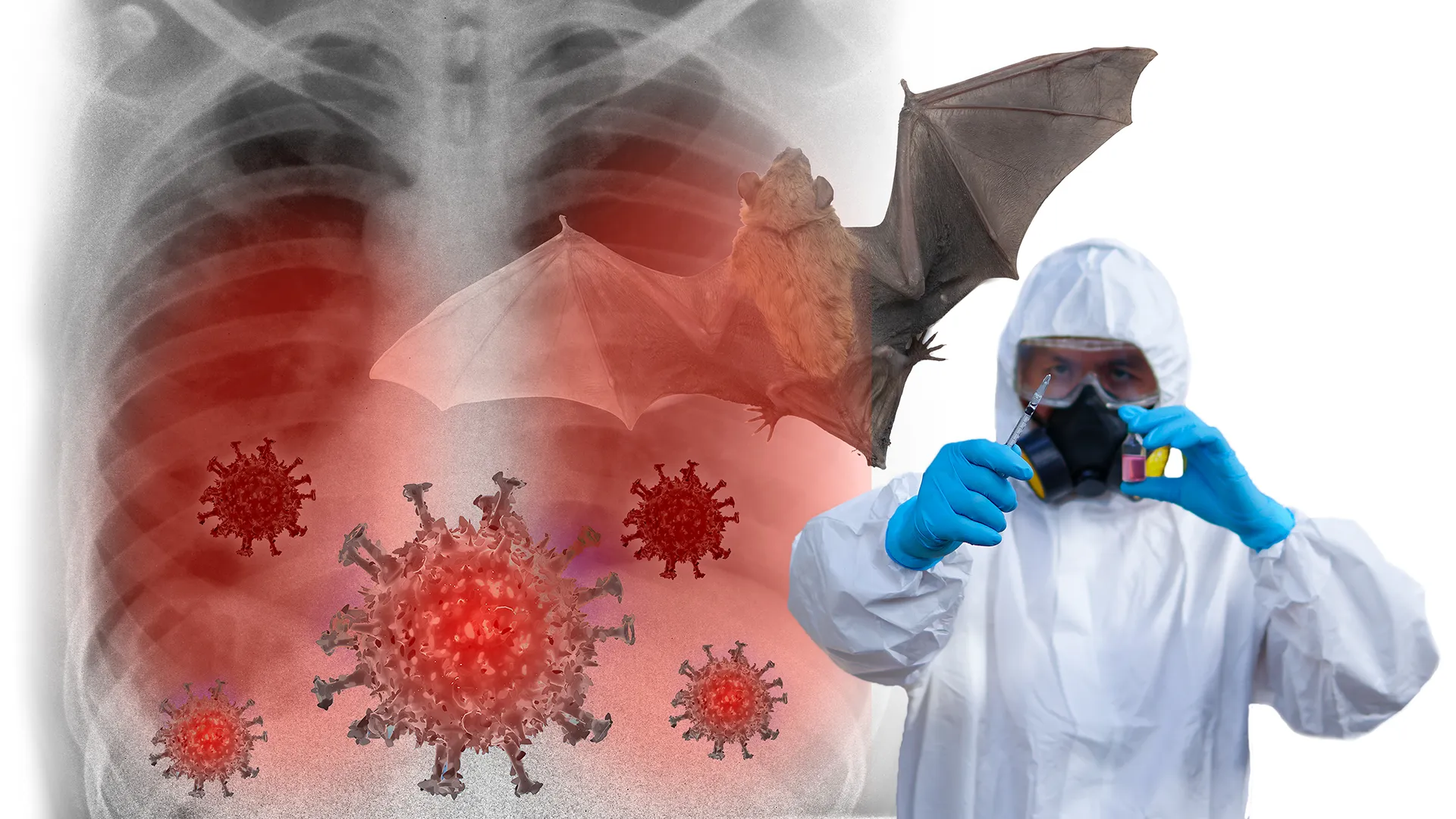
A group of bat viruses closely related to the deadly Middle East respiratory syndrome coronavirus (MERS-CoV) could be one small mutation away from being capable of spilling over into human populations and potentially causing the next pandemic.
A recent study published in the journal Nature Communicationsexamined an understudied group of coronaviruses known as merbecoviruses — the same viral subgenus that includes MERS-CoV — to better understand how they infect host cells. The research team, which included scientists at Washington State University, the California Institute of Technology and the University of North Carolina, found that while most merbecoviruses appear unlikely to pose a direct threat to people, one subgroup known as HKU5 possesses concerning traits.
“Merbecoviruses – and HKU5 viruses in particular – really hadn’t been looked at much, but our study shows how these viruses infect cells,” said Michael Letko, a virologist at WSU’s College of Veterinary Medicine who helped to spearhead the study. “What we also found is HKU5 viruses may be only a small step away from being able to spill over into humans.”
During the past two decades, scientists have cataloged the genetic sequences of thousands of viruses in wild animals, but, in most cases, little is known about whether these viruses pose a threat to humans. Letko’s lab in WSU’s Paul G. Allen School for Global Health focuses on closing that gap and identifying potentially dangerous viruses.
For their most recent study, Letko’s team targeted merbecoviruses, which have received limited attention apart from MERS-CoV, a zoonotic coronavirus first noted in 2012 that is transmitted from dromedary camels to humans. It causes severe respiratory disease and has a mortality rate of approximately 34%.
Like other coronaviruses, merbecovirusesrely on a spike protein to bind to receptors and invade host cells. Letko’s team used virus-like particles containing only the portion of the spike responsible for binding to receptors and tested their ability to infect cells in the lab. While most merbecoviruses appear unlikely to be able to infect humans, HKU5 viruses – which have been found across Asia, Europe, Africa and the Middle East – were shown to use a host receptor known as ACE2, the same used by the more well-known SARS-CoV-2 virus that causes COVID-19. One small difference: HKU5 viruses, for now, can only use the ACE2 gene in bats, but do not use the human version nearly as well.
Examining HKU5 viruses found in Asia where their natural host is the Japanese house bat (Pipistrellus abramus), the researchers demonstrated some mutations in the spike protein that may allow the viruses to bind to ACE2 receptors in other species, including humans. Researchers on another study that came out earlier this year analyzed one HKU5 virus in China that has already been documented to have jumped into minks, showing there is potential for these viruses to cross species-barriers.

“These viruses are so closely related to MERS, so we have to be concerned if they ever infect humans,” Letko said. “While there’s no evidence they’ve crossed into people yet, the potential is there — and that makes them worth watching.”
The team also used artificial intelligence to explore the viruses. WSU postdoctoral researcher Victoria Jefferson used a program called AlphaFold 3 to model how the HKU5 spike protein binds to ACE2 at the molecular level, which could help provide a better understanding of how antibodies might block the infection or how the virus could mutate.
Up until this point, such structural analysis required months of lab work and specialized equipment. With AlphaFold, Jefferson generated accurate predictions in minutes. The results matched those recently documented by a research team that used traditional approaches.
Letko noted the study and its methods could be used for future research projects and aid in the development of new vaccines and treatments.
The research was funded through a research project grant from the National Institutes of Health. Jefferson’s work was supported by an NIH T32 training grant.

Read more →

Hospital backlog drops to lowest level in two years

The backlog in routine hospital treatments in England has reached its lowest level for two years.Data for the end of April showed the waiting list dropped to 7.39 million, down from 7.42 million in March.But it is nine years since the NHS has met its target of 92% of patients being seen in 18 weeks – currently it is just below 60%. The government has made meeting the target one of its key missions for this parliament – and on Wednesday announced above-inflation rises for the NHS in the coming years to help achieve it.Responding to the latest figures, Health and Social Care Secretary Wes Streeting, said: “We are putting the NHS on the road to recovery.”And he added this was “just the start” as the extra investment announced in the spending review, which will see the NHS budget rise by 3% a year in the next three years, combined with reforms that will be announced in the 10-year plan due next month, would help build on what has been achieved.The drop in the numbers on the waiting list, which covers people waiting for routine treatments like hip and knee operations, came after March saw a rise in numbers – the first time in six months the waiting list had gone up.Although a little bit of fluctuation from month to month is normally seen, the government said it was clear the numbers waiting were on a downward trend.The peak occurred in September 2023, when the waiting list climbed to nearly 7.8 million.Meghana Pandit, of NHS England, said the progress being made was “thanks to NHS staff”.”We are determined to continue on this trajectory for patients as staff work to turn the tide for patients waiting for care, and while huge pressure on services remains, we are starting to see a real difference across our services.”Key targets for cancer care and A&E continue to be made, although there are signs of progress, the government said. The health services in the rest of the UK nations are also missing their key targets.Dr Tim Cooksley, president of the Society for Acute Medicine, said significant problems still remained in England, pointing out that the number of 12-hour waits in emergency departments went up last month compared with the previous year.He said a major problem facing hospitals was the lack of social care available in the community.This causes delayed discharges where patients fit to leave hospital cannot go, because they need support to return home or to a care home. That in turn slows the ability of hospitals to see new patients coming in via A&E, or for routine treatments.He said: “Social care remains unaddressed – and will do for the foreseeable future after the spending review announcement – so patients will continue to wait extended periods of time and often in corridors.”The issue remains that, for all the rhetoric of investment, plans and solutions, the government is too focused on short-term quick wins which will fail to deliver effective and lasting change.”

Read more →

Atom-thin tech replaces silicon in the world’s first 2D computer

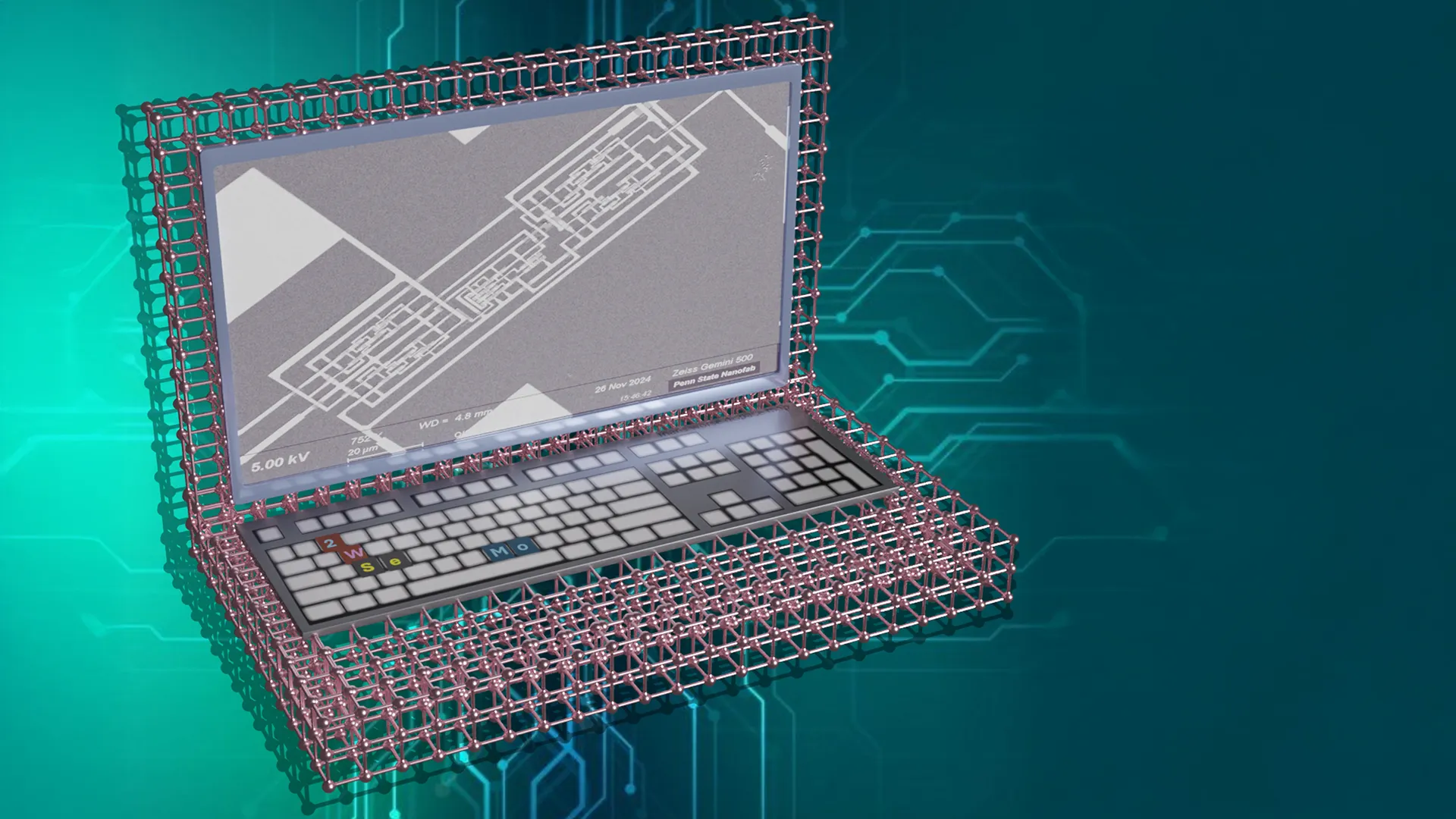
UNIVERSITY PARK, Pa. — Silicon is king in the semiconductor technology that underpins smartphones, computers, electric vehicles and more, but its crown may be slipping according to a team led by researchers at Penn State. In a world first, they used two-dimensional (2D) materials, which are only an atom thick and retain their properties at that scale, unlike silicon, to develop a computer capable of simple operations.
The development, published today (June 11) in Nature, represents a major leap toward the realization of thinner, faster and more energy-efficient electronics, the researchers said. They created a complementary metal-oxide semiconductor (CMOS) computer — technology at the heart of nearly every modern electronic device — without relying on silicon. Instead, they used two different 2D materials to develop both types of transistors needed to control the electric current flow in CMOS computers: molybdenum disulfide for n-type transistors and tungsten diselenide for p-type transistors.
“Silicon has driven remarkable advances in electronics for decades by enabling continuous miniaturization of field-effect transistors (FETs),” said Saptarshi Das, the Ackley Professor of Engineering and professor of engineering science and mechanics at Penn State, who led the research. FETs control current flow using an electric field, which is produced when a voltage is applied. “However, as silicon devices shrink, their performance begins to degrade. Two-dimensional materials, by contrast, maintain their exceptional electronic properties at atomic thickness, offering a promising path forward.”
Das explained that CMOS technology requires both n-type and p-type semiconductors working together to achieve high performance at low power consumption — a key challenge that has stymied efforts to move beyond silicon. Although previous studies demonstrated small circuits based on 2D materials, scaling to complex, functional computers had remained elusive, Das said.
“That’s the key advancement of our work,” Das said. “We have demonstrated, for the first time, a CMOS computer built entirely from 2D materials, combining large area grown molybdenum disulfide and tungsten diselenide transistors.”
The team used metal-organic chemical vapor deposition (MOCVD) — a fabrication process that involves vaporizing ingredients, forcing a chemical reaction and depositing the products onto a substrate — to grow large sheets of molybdenum disulfide and tungsten diselenide and fabricate over 1,000 of each type of transistor. By carefully tuning the device fabrication and post-processing steps, they were able to adjust the threshold voltages of both n- and p-type transistors, enabling the construction of fully functional CMOS logic circuits.
“Our 2D CMOS computer operates at low-supply voltages with minimal power consumption and can perform simple logic operations at frequencies up to 25 kilohertz,” said first author Subir Ghosh, a doctoral student pursuing a degree in engineering science and mechanics under Das’s mentorship.

Ghosh noted that the operating frequency is low compared to conventional silicon CMOS circuits, but their computer — known as a one instruction set computer — can still perform simple logic operations.
“We also developed a computational model, calibrated using experimental data and incorporating variations between devices, to project the performance of our 2D CMOS computer and benchmark it against state-of-the-art silicon technology,” Ghosh said. “Although there remains scope for further optimization, this work marks a significant milestone in harnessing 2D materials to advance the field of electronics.”
Das agreed, explaining that more work is needed to further develop the 2D CMOS computer approach for broad use, but also emphasizing that the field is moving quickly when compared to the development of silicon technology.
“Silicon technology has been under development for about 80 years, but research into 2D materials is relatively recent, only really arising around 2010,” Das said. “We expect that the development of 2D material computers is going to be a gradual process, too, but this is a leap forward compared to the trajectory of silicon.”
Ghosh and Das credited the 2D Crystal Consortium Materials Innovation Platform (2DCC-MIP) at Penn State with providing the facilities and tools needed to demonstrate their approach. Das is also affiliated with the Materials Research Institute, the 2DCC-MIP and the Departments of Electrical Engineering and of Materials Science and Engineering, all at Penn State. Other contributors from the Penn State Department of Engineering Science and Mechanics include graduate students Yikai Zheng, Najam U. Sakib, Harikrishnan Ravichandran, Yongwen Sun, Andrew L. Pannone, Muhtasim Ul Karim Sadaf and Samriddha Ray; and Yang Yang, assistant professor. Yang is also affiliated with the Materials Research Institute and the Ken and Mary Alice Lindquist Department of Nuclear Engineering at Penn State. Joan Redwing, director of the 2DCC-MIP and distinguished professor of materials science and engineering and of electrical engineering, and Chen Chen, assistant research professor, also co-authored the paper. Other contributors include Musaib Rafiq and Subham Sahay, Indian Institute of Technology; and Mrinmoy Goswami, Jadavpur University.
The U.S. National Science Foundation, the Army Research Office and the Office of Naval Research supported this work in part.

Read more →