Cold sore virus hijacks human genome in 3D–and scientists found its weak spot

Viruses are entirely dependent on their hosts to reproduce. They ransack living cells for parts and energy and hijack the host’s cellular machinery to make new copies of themselves. Herpes simplex virus-1 (HSV-1), it turns out, also redecorates, according to a new study in Nature Communications.
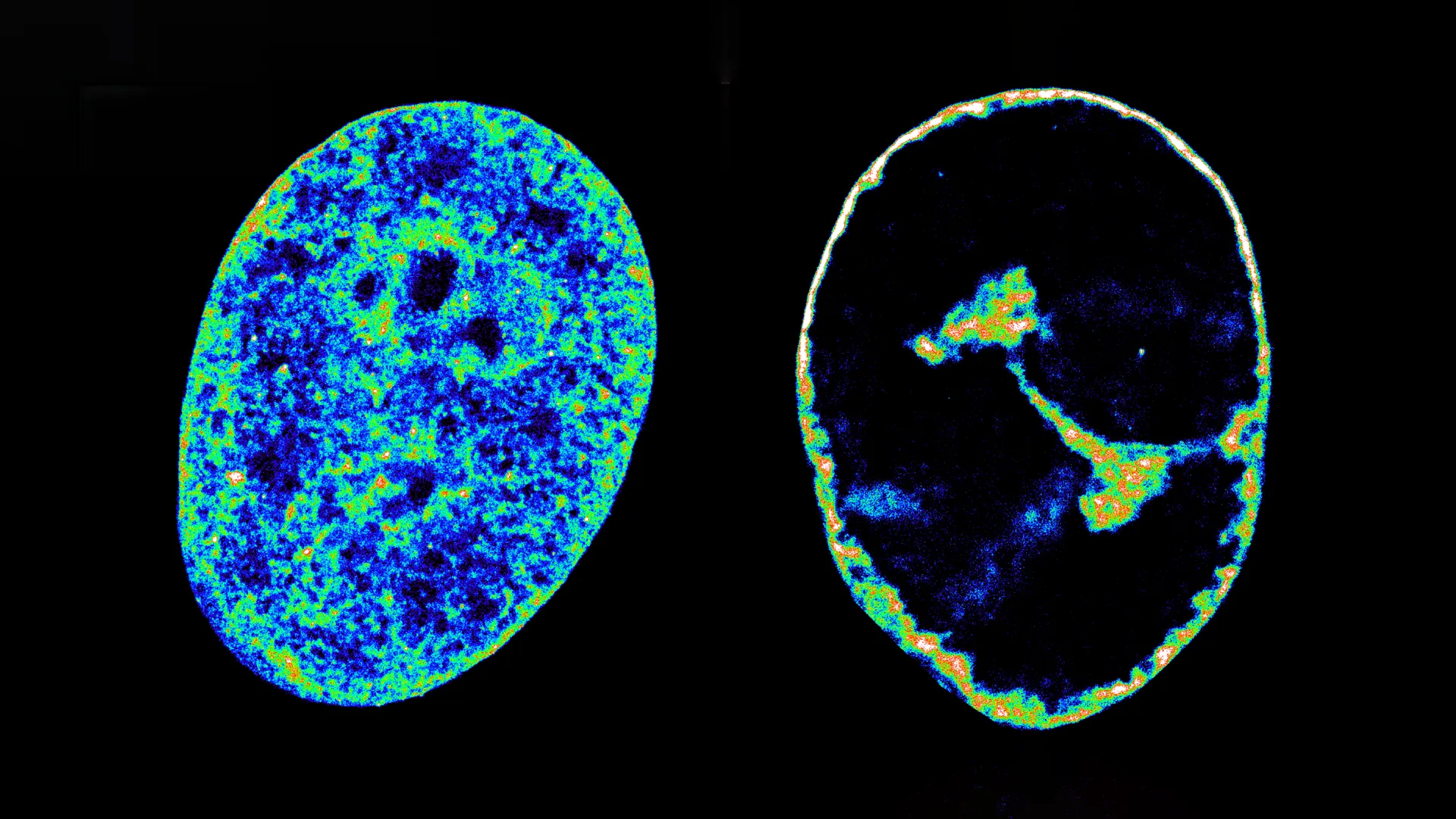
Researchers at the Center for Genomic Regulation (CRG) in Barcelona have discovered the cold sore virus reshapes the human genome’s architecture, rearranging its shape in three-dimensional space so that HSV-1 can access host genes most useful for its ability to reproduce.
“HSV-1 is an opportunistic interior designer, reshaping the human genome with great precision and choosing which bits it comes into contact with. It’s a novel mechanism of manipulation we didn’t know the virus had to exploit host resources,” says Dr. Esther González Almela, first author of the study.
While other herpes viruses have been seen compacting and reshaping host chromosomes, it was unclear whether it was a side effect of the virus invading and setting up its own viral replication factories. The study is the first proof that HSV-1 reshapes the human genome deliberately and within hours of infection.
Crucially, the researchers found that blocking a single host enzyme, topoisomerase I, completely blocked HSV-1’s ability to rearrange the human genome during infection, bringing the hostile takeover to a halt. The discovery represents a new potential strategy to control a virus which infects nearly four billion people worldwide.
“In cell culture, inhibiting this enzyme stopped the infection before the virus could make a single new particle,” says ICREA Research Professor Pia Cosma, corresponding author of the study at the Center for Genomic Regulation (CRG) in Barcelona. “That gives us a potential new therapeutic target to stop infection.”
The researchers made the findings by combining super-resolution microscopy, an imaging technique which can see structures 20 nanometers wide, around 3,500 times thinner than a strand of hair, with Hi-C, a technique that reveals which bits of DNA are touching inside the nucleus. They used both techniques to gain new mechanistic insights into how HSV-1 hijacks human cells.

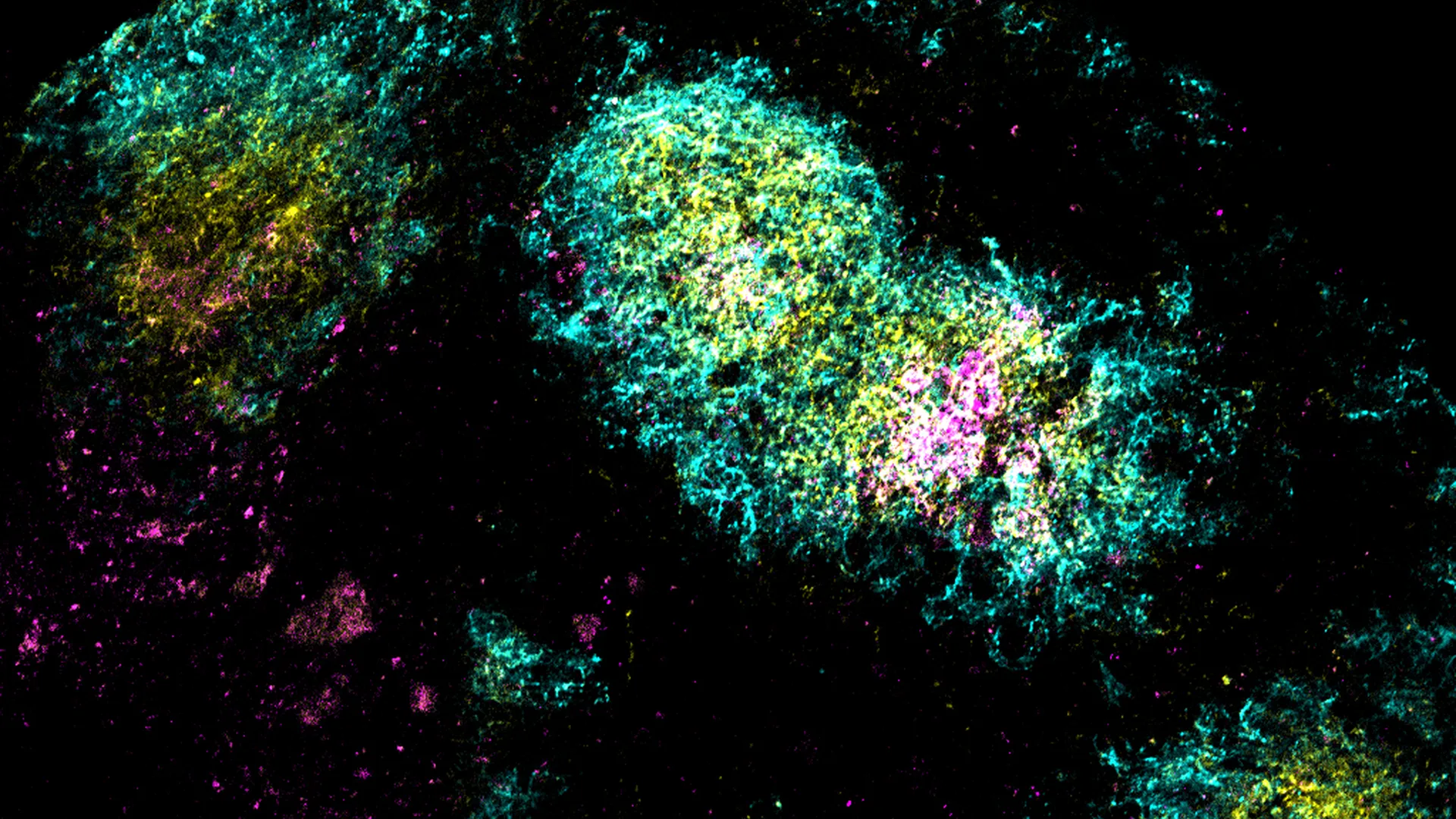
They found the hostile takeover begins within the first hour, with the virus hijacking the human RNA-polymerase II enzyme to help synthesize its own proteins. Topoisomerase I, an enzyme that snips DNA to release torsional stress, and cohesin, a structural protein, followed human RNA-polymerase II into the newly forming viral replication compartments.
Three hours after infection, most polymerase and a sizeable fraction of the other two factors had abandoned human genes. The wholesale theft causes transcription to collapse across the host genome, which in turn caused chromatin, the human genome’s natural state inside cells, to be crushed into a dense shell just 30% of its original volume.
This was an unexpected finding, as the structure of chromatin is thought to dictate transcription. “We always thought dense chromatin shut genes down but here we see the opposite: stop enough transcription first and the DNA compacts afterwards. The relationship between activity and structure might be a two-way street,” says Dr. Álvaro Castells García, co-first author of the study.
Two in every three people under age 50 live with HSV-1. Once infected, people have the virus for life, though most cases are asymptomatic or manifest as recurrent cold sores. Rarely, the virus can cause blindness or life-threatening disease in newborns and immunocompromised people.
The findings of the study can help address the public health burden of HSV-1, which is considered a global health challenge because of its prevalence and ability to cause recurrent outbreaks. Though treatments are available to manage symptoms, drug-resistant strains are on the rise, and there is no cure

Read more →

Fitness trackers are failing millions — this fix could change everything

For many, fitness trackers have become indispensable tools for monitoring how many calories they’ve burned in a day. But for those living with obesity, who are known to exhibit differences in walking gait, speed, energy burned and more, these devices often inaccurately measure activity — until now.hFor many, fitness trackers have become indispensable tools for monitoring how many calories they’ve burned in a day. But for those living with obesity, who are known to exhibit differences in walking gait, speed, energy burned and more, these devices often inaccurately measure activity — until now.
Scientists at Northwestern University have developed a new algorithm that enables smartwatches to more accurately monitor the calories burned by people with obesity during various physical activities.
The technology bridges a critical gap in fitness technology, said Nabil Alshurafa, whose Northwestern lab, HABits Lab, created and tested the open-source, dominant-wrist algorithm specifically tuned for people with obesity. It is transparent, rigorously testable and ready for other researchers to build upon. Their next step is to deploy an activity-monitoring app later this year that will be available for both iOS and Android use.
“People with obesity could gain major health insights from activity trackers, but most current devices miss the mark,” said Alshurafa, associate professor of behavioral medicine at Northwestern University Feinberg School of Medicine.
Current activity-monitoring algorithms that fitness trackers use were built for people without obesity. Hip-worn trackers often misread energy burn because of gait changes and device tilt in people with higher body weight, Alshurafa said. And lastly, wrist-worn models promise better comfort, adherence and accuracy across body types, but no one has rigorously tested or calibrated them for this group, he said.
“Without a validated algorithm for wrist devices, we’re still in the dark about exactly how much activity and energy people with obesity really get each day — slowing our ability to tailor interventions and improve health outcomes,” said Alshurafa, whose team tested his lab’s algorithm against 11 state-of-the-art algorithms designed by researchers using research-grade devices and used wearable cameras to catch every moment when wrist sensors missed the mark on calorie burn.

The findings will be published on June 19 in Nature Scientific Reports.
The exercise class that motivated the research
Alshurafa was motivated to create the algorithm after attending an exercise class with his mother-in-law who has obesity.
“She worked harder than anyone else, yet when we glanced at the leaderboard, her numbers barely registered,” Alshurafa said. “That moment hit me: fitness shouldn’t feel like a trap for the people who need it most.”
Algorithm rivals gold-standard methods
By using data from commercial fitness trackers, the new model rivals gold-standard methods of measuring energy burn and can estimate how much energy someone with obesity is using every minute, achieving over 95% accuracy in real-world situations. This advancement makes it easier for more people with obesity to track their daily activities and energy use, Alshurafa said.

How the study measured energy burn
In one group, 27 study participants wore a fitness tracker and metabolic cart — a mask that measures the volume of oxygen the wearer inhales and the volume of carbon dioxide the wearer exhales to calculate their energy burn (in kilocalories/kCals) and resting metabolic rate. The study participants went through a set of physical activities to measure their energy burn during each task. The scientists then looked at the fitness tracker results to see how they compared to the metabolic cart results.
In another group, 25 study participants wore a fitness tracker and body camera while just living their lives. The body camera allowed the scientists to visually confirm when the algorithm over- or under-estimated kCals.
At times, Alshurafa said he would challenge study participants to do as many pushups as they could in five minutes.
“Many couldn’t drop to the floor, but each one crushed wall-pushups, their arms shaking with effort,” he said, “We celebrate ‘standard’ workouts as the ultimate test, but those standards leave out so many people. These experiences showed me we must rethink how gyms, trackers and exercise programs measure success — so no one’s hard work goes unseen.”
The study is titled, “Developing and comparing a new BMI inclusive energy burn algorithm on wrist-worn wearables.”
Other Northwestern authors include lead author Boyang Wei, and Christopher Romano and Bonnie Nolan. This work also was done in collaboration with Mahdi Pedram and Whitney A. Morelli, formerly of Northwestern.
Funding for the study was provided by the National Institute of Diabetes and Digestive and Kidney Diseases (grants K25DK113242-01A1 and R01DK129843-01), the National Science Foundation (grant 1915847), the National Institute of Biomedical Imaging and Bioengineering (grant R21EB030305-01) and the National Institutes of Health’s National Center for Advancing Translational Sciences (grant UL1TR001422).

Read more →

Self-esteem skyrockets 131% after weight-loss surgery, study reveals

Self-esteem scores more than doubled within one year of weight-loss surgery, according to a new study* presented today at the American Society for Metabolic and Bariatric Surgery (ASMBS) 2025 Annual Scientific Meeting.
Researchers from Geisinger Medical Center found that after bariatric surgery self-esteem scores rose to 77.5 from 33.6 – a more than 40-point increase. The higher the score on a scale from 0 to 100, the higher the level of self-esteem and quality of life. The amount of weight loss appears to fuel the increase in self-esteem — scores were highest among those who lost the most weight despite demographics differences including gender, age, and race or type of bariatric procedure.
Researchers used a prospectively maintained database to identify 5,749 patients aged 18 and older with body mass index (BMI) of 35 or more who had metabolic and bariatric surgery between 2006 and 2019. Patients completed the Impact of Weight Quality of Life (iwQOL) survey pre-operatively and 12 months after the operation to assess weight stigma and their quality of life.
“Understanding weight stigma and psychosocial factors associated with obesity is essential to offering holistic care. While these factors should not dictate the decision to have bariatric surgery, they should be an important part of the conversation,” said study co-author Justin Dhyani, MD, Geisinger Medical Center in Danville, PA.
Weight stigma is associated with adverse health outcomes including depression, anxiety, disordered eating, and low self-esteem. Among adults with obesity, the prevalence of weight discrimination is 19% to 42%, with higher rates reported among those with higher BMIs and women.
“Weight stigma is a serious issue that places an extra psychological burden on patients struggling with obesity and there is no excuse for it,” said Ann M. Rogers, MD, MD, FACS, FASMBS, President, ASMBS, who was not involved in the study. “This study shows we need to understand what patients are going through and be supportive and empowering of them as they navigate their health and make decisions about treatment.”

Read more →

How does a £1.6m fine affect an NHS trust?

4 hours agoShareSaveAsha PatelBBC News, NottinghamShareSaveBBCThe NHS is largely funded by public money paid for through taxes and national insurance.In February, one of the busiest and biggest NHS trusts in England was given a record £1.6m fine over maternity failings in connection with the deaths of three babies.Nottingham University Hospitals (NUH) NHS trust is already at the centre of the largest maternity review of its kind in the NHS, following hundreds of baby deaths and injuries. When it was fined at Nottingham Magistrates’ Court, the judge said the trust was operating at a deficit of about £100m, and added there was “no money to pay any substantial fines without requiring the trust to make further cuts”.District Judge Grace Leong considered other court judgements and guidelines for comparable offences before handing down the fine.So why was an already struggling, publicly-funded service given such a large fine, and what justice did the fine bring for the families the trust let down? Emmie Studencki/Ryan ParkerThe details of the case Adele O’Sullivan died on 7 April 2021 – just 26 minutes old – Kahlani Rawson died on 15 June at four days old and Quinn Lias Parker died on 16 July at two days old. NUH pleaded guilty to six counts of failing to provide safe care and treatment to the babies and their mothers, in a prosecution brought by the healthcare watchdog, the Care Quality Commission (CQC). The court heard there were similar failings in all three cases, including a failure to expedite the delivery of the babies, not recognising serious conditions, communication issues and staff not being equipped to interpret anomalies in foetal heart monitoring. It was the second time the trust had been prosecuted by the CQC for maternity failings. Joe Giddens/PA WireIn 2023, the trust was fined £800,000 over the death of Wynter Andrews, who died shortly after her birth at the Queen’s Medical Centre in 2019. Until this year, that fine was the largest handed down for maternity failings. NUH prosecutions make up two of five maternity-related criminal prosecutions brought by the CQC. The watchdog gained powers under the Health and Social Care Act 2008 (Regulated activities) Regulations 2014, in 2015.This prosecution by the CQC is separate from any prosecution that could arise from a corporate manslaughter investigation, which was opened earlier this month.On 2 June, Nottinghamshire Police said it was examining whether maternity care provided by NUH had been grossly negligent.How did the judge decide on £1.6m?GoogleIn her sentencing remarks, District Judge Grace Leong said she would have to fix a “significant financial penalty” to mark the gravity of the offences, but also had to strike “a delicate balance”.”I cannot ignore the negative impact that the fine will have on services to patients at a time when the NHS continues to face unprecedented challenges both in terms of insufficient funding, the backlog of patients waiting for treatment and the demands placed upon the trust’s services from an ageing population,” the judge said.There was no ceiling to the level of fine the judge could impose.That meant the sentence was a matter of discretion, with the judge considering other sources of guidance – such as any High Court or Court of Appeal judgements – and other sentencing guidelines for comparable offences.It was reduced from a starting point of £5.5m, as the judge took into account the financial implications on the public body and its guilty pleas. How could the fine impact services? NUH did not want to put anyone forward for interview, and did not wish to detail how the fine might impact services. However, in response to the BBC, a statement from NUH chief executive Anthony May said: “We fully accept the findings from court, including the fine handed down by the judge. “The mothers and families of these babies have had to endure things that no family should after the care provided by our hospitals failed them, and for that I am truly sorry.”We will work to ensure to minimise the impact of the fine on our patients, including ongoing efforts to improve our maternity services.”NUHRoy Lilley, former chairman of the old Homewood NHS Trust in Chertsey, Surrey – which later merged with Ashford and St. Peter’s Hospitals NHS Trust – and now an independent commentator on health service issues, said some impact on services would be “inevitable”. “Clearly a chunk of money like £1.6m is going to have an impact on the trust’s ability to operate.”The day-to-day running of the trust is, of course, difficult enough with all the financial pressures but to have this kind of money taken out of its revenue balances, it makes it even more difficult,” he said. Mr Lilley – who has not worked for NUH – added: “It will certainly slow down some of the plans that they had in terms of improvements.””Generally it has a very bad effect, a big impact on the trust’s ability to respond,” he said. Mr Lilley said it was possible for trusts to seek loans from the Department of Health of Social Care (DHSC) in the face of financial difficulty. The BBC understands while NHS trusts are expected to meet their legal and financial obligations – including prosecution fines – they can access loans in some instances. The trust’s annual budget is £1.8bn.PA MediaWhat does the fine mean to the families?The families affected by NUH’s maternity failings have consistently called for accountability.Following the sentencing, solicitor Natalie Cosgrave – representing the parents of baby Quinn – said in a statement that the prosecution was “the only system that exists” to obtain it.Sadie Simpson, an associate clinical negligence solicitor who represented the families of Adele and Kahlani, told the BBC the trust’s guilty plea was “some level of accountability, but it’s only one part of a much bigger picture”.To the bereaved families, it is individuals who should be held accountable, not just the trust as an organisation, Ms Simpson said.Ms Simpson has also represented the families of Adele and Kahlani, as well as others, in civil claims against NUH. At each stage of the various investigations and proceedings they have endured – including inquests, internal reviews and court hearings – the families have called for more change and scrutiny. Ms Simpson said: “The judge was very clear that a fine is the only sentence that she can impose, and no fine is ever going to be enough when you’ve lost your child.”During the sentencing in February, the earlier case of Wynter Andrews – who died 23 minutes after being born – was referenced several times.Her parents Sarah and Gary Andrews watched the hearing from the public gallery “as concerned parents”, but did not know their daughter’s case would be mentioned “quite so prominently”. “I think for us it’s important to highlight that this process is the only avenue that families have to get some accountability,” he said.”The judge is in a really difficult position, I feel, but we’re counting pennies over babies’ lives.”Where does the money go?The fine is paid to HM Treasury – the government’s finance ministry which controls public spending – as with any prosecution fine.Families affected in this case will not receive any of the money from the prosecution.The trust was also told to cover prosecution costs of £67,755.23 and a victim surcharge of £190.Prosecution costs in this case will be paid to the CQC. The victim surcharge – which is imposed on offenders to ensure they hold some responsibility towards the cost of support victims and witnesses – goes to a general fund and not directly to those involved. That money provides a contribution towards Ministry of Justice-funded support services for victims and witnesses. The £1.6m fine is separate from the tens of millions of pounds the trust has paid out in damages for civil claims in relation to maternity care.What next for the trust? Nottinghamshire Police’s investigation into the trust’s maternity services – called Operation Perth – has seen more than 200 family cases referred to it so far.Meanwhile, the separate maternity review by senior midwife Donna Ockenden is currently examining the testimony of more than 2,000 cases. The review began in September 2022 and closed to new cases at the end of May. Ms Ockenden’s final report of findings is due to be published in June 2026.And last week, the trust announced plans to cut at least 430 jobs in an attempt to save £97m in the next year.The planned job cuts follow the government’s instruction to all trusts to reduce the size of their corporate and support services, and were not as a result of the record fine, the trust said.More on this storyRelated internet links

Read more →

‘I was poisoned by fake Botox’

4 hours agoShareSavePhilippa GoymerBBC North East InvestigationsShareSaveBBCIn recent weeks, 28 people in the north-east of England have been left with potentially fatal botulism after having anti-wrinkle injections believed to have been fake. Such reactions are usually so rare hospitals stock very little anti-toxin and they were in danger of running out. On one night in June, five people were in an accident and emergency department (A&E) in Durham suffering from serious adverse effects of anti-wrinkle injections – Nicola Fairley was one of them.Within days of having what she was told was a Botox jab, but which turned out to be an illegal copy, her throat began closing up, an eye swelled shut and one side of her face started to droop. She could not smile, struggled to eat and swallow, felt exhausted and was desperate to sleep.The 37-year-old mother of four from Bishop Auckland in County Durham told staff she had been given injections and was unwell.”They got the doctor to see me within five minutes and started some tests there and then,” Mrs Fairley recalls.Of the 28 people, mostly in the Durham and Darlington areas, who have found themselves in a similar position, four others ended up in the same hospital on the same night as Mrs Fairley.In an average year, the University Hospital of North Durham usually sees no cases at all of botulism that require treatment. Only six were recorded in the whole of England in 2023-24.Since being approached by the BBC the Medicines and Healthcare products Regulatory Agency (MHRA) has set up an investigation.Nicola FairleyBotulinum toxin is widely used to reduce facial wrinkles and treat muscle conditions. While cosmetic practitioners do not need to be licensed, the drug does. Only seven brands are licensed in the UK, with Botox the most well known.When used correctly the amounts are small and side effects are rare. But unregulated toxin, or larger quantities, can attack the nerves and cause botulism, a potentially life-threatening condition that causes paralysis. Mrs Fairley had anti-wrinkle injections before, paying £100 for three areas, but then won a round of treatment from the same provider in a competition. She was told it was a stronger type of the toxin and again had three areas injected.She says she had no idea this treatment was illegal.Within two hours her forehead was “frozen”, although genuine cosmetic injections should take several days to start working with the full effect visible after two weeks. Of those in A&E at the same time, some had used the same practitioner as Mrs Fairley. They were all diagnosed with botulism and one doctor told the group they had never seen that many people with the condition at the same time.It is so rare, hospitals do not typically keep large quantities of the anti-toxin – made from horse blood – that is used to stop the toxin spreading further.Nicola FairleyNorth Durham was already trying to source anti-toxin drugs from other hospitals as there had been a spate of cases in the days before Mrs Fairley and the others arrived in A&E.In an internal communication seen by the BBC, a hospital leader said: “We’ve just about exhausted all stock of the antitoxin from local holders (Newcastle, Carlisle and Leeds) and have 10 more coming from London.” They were “bracing” themselves for more patients.The MHRA told the BBC it was investigating allegations surrounding the illegal sale and supply of fake “Botox-type” products in the North East. Chief safety officer Dr Alison Cave said the body’s criminal enforcement unit “works hard to identify those involved in the illegal trade in medicines”.Buying anti-wrinkle injections and other medicines from illegal suppliers significantly increased the risk of getting a product which is either “falsified or not authorised” for use in the UK, she said. An aesthetic doctor based in Newcastle, Steven Land, believes anti-wrinkle injections in three areas for less than £150 is very cheap and this could suggest the supplier was using an illegal toxin. Dr Land, who has also worked in A&E, said he was contacted weekly by “fake pharmacies” offering to sell him the toxins for such small amounts he “knows they’re illegal”. Genuine injections were “very safe if done properly” but called for the industry to be regulated, he said. As things stand it is not regulated at all, with anyone able to provide cosmetic injections.”Your provider should be able to show you the product they are using and be happy to answer any of your questions – and have the answers,” he said.Dr Land said he had been fearing a botulism outbreak for years, noticing more and more businesses in the region offering injections that were suspiciously cheap.An investigation into the cause of the recent cases of botulism is being led by the UK Health Security Agency with partners including Durham County Council’s public health team. Director of public health Amanda Healy said they were urging anyone with symptoms to seek treatment. An incident management team had been set up to deal with the issue and they were working out if the cause of these incidents of botulism was the “type of toxin used or the way it was used”, she said. Mrs Fairley says the business owner who gave her the injections has apologised. “I know she hasn’t done this on purpose,” Mrs Fairley says. “I just don’t know where people get it from – it’s scary. “There needs to be more rules and stricter guidelines on who can do it – not just anybody who can go and do a course and just do it. “There’s that many people who do it – it’s part of your beauty regime like getting your nails done or your hair.” What happened, and the continuing side effects, has put Mrs Fairley off having cosmetic injections again. She urges anyone considering it to ask questions about the product and make sure it has been properly prescribed. The Department of Health and Social Care (DHSC) said people’s lives were being put at risk by “inadequately trained operators in the cosmetic sector” and said this was why the government was looking into new regulations.

Read more →

Leeds maternity units downgraded to ‘inadequate’

Just nowShareSaveShareSaveGetty ImagesDivya Talwar & Sarah BellBBC NewsMaternity services at two Leeds hospitals have been downgraded from “good” to “inadequate” by the healthcare regulator, because their failings posed “a significant risk” to women and babies.Concerns from staff and patients around quality of care and staffing levels were substantiated by the Care Quality Commission (CQC) during unannounced inspections at Leeds Teaching Hospitals (LTH) NHS Trust.England’s regulator has now issued a warning notice which requires the trust to take immediate action to improve. Neonatal services have also been downgraded from “good” to “requires improvement”.Over the past six months, the BBC has spoken to 67 families who say they experienced inadequate care at the trust, including parents who say their babies suffered avoidable injury or death. We also talked to five whistleblowers who said the previous CQC “good” rating did not reflect reality.In response to the CQC downgrade, LTH said it had committed to improving its maternity and neonatal services at Leeds General Infirmary (LGI) and St James’ University Hospital.’At risk of avoidable harm’During its December 2024 and January 2025 inspections, the CQC found official regulation breaches relating to risk management, safe environment, learning following incidents, infection prevention and control, medicines management and staffing.Areas of concern highlighted in the maternity units at both hospitals included:People being “not safe” and “at risk of avoidable harm” – while investigations into incidents, and points raised from these to enable learning, were not always evidentBabies and families not always being supported and treated with dignity and respectLeadership being “below acceptable standard” and not supporting the delivery of high-quality careStaff being reluctant to raise concerns and incidents – because “the trust had a blame culture”Staff, despite being passionate about their work, struggling to provide their desired standard of care because of staffing issuesLTH provided evidence to the CQC showing it had reported 170 maternity “red flag incidents”, indicating there had been staffing issues, between May and September 2024.The CQC’s findings also highlighted staffing concerns in neonatal services at both hospitals, with a shortage of qualified staff to care for babies with complex needs.This coming autumn, the trust says 35 newly qualified midwives are due to start work and it has also appointed additional midwifery leadership roles.The regulator will be monitoring the trust’s services closely, including through further inspections – says the CQC’s director in the north of England, Ann Ford – to make sure patients receive safe care while improvements are implemented.”We would like to thank all those people who bravely shared their concerns,” she said. “This helps us to have a better picture of the care being provided to people and to focus our inspection in the relevant areas.”MARTIN MCQUADE / BBCOne family who told the BBC they believe their child would have survived had they received better treatment is Amarjit Kaur and Mandip Singh Matharoo, whose baby was stillborn in January 2024.The CQC report highlights “how inadequate the service is, which leads to patient harm”, they told us.”Unfortunately, it’s too little too late for our daughter Asees and us, but we hope that this will trigger serious change within the system and take the concerns of patients using the service more seriously.”Fiona-Winser Ramm, whose daughter Aliona died in 2020 after what an inquest found to be a number of “gross failures”, described the CQC’s findings as “horrific”.”The concerns we have been raising for five years have been proved true,” she says. But she believes the CQC has been slow to act.”The CQC inspected Leeds in 2023 and somehow rated them as being good. Let’s be clear these problems haven’t just appeared in the last two years, they are systemic.”In response, the CQC said the 2023 inspection had been part of a national maternity inspection programme focussing specifically on safety and leadership, which found some areas for improvement, but also identified some good practice.”As the independent regulator we are committed to ensuring our assessments of the quality and safety of all services are accurate and reflect the experiences of the people that use them,” added Ann Ford.All 67 families who have spoken to the BBC want an independent review into the trust’s maternity services – and a group of them have asked Health Secretary Wes Streeting for it to be led by senior midwife Donna Ockenden.Some Leeds families also joined other bereaved parents from across England this week to urge Mr Streeting to hold a national inquiry into maternity safety – he is yet to make a decision.Chief executive of LTH, Prof Phil Wood, said in a statement: “My priority is to make sure we urgently take action to deliver these improvements.”The trust is committed to providing “safe, compassionate care”, he added, and has already started making improvements, including recruitment, and addressing concerns around culture.”We deliver more than 8,500 babies each year and the vast majority of those are safe and positive experiences,” he said. “But we recognise that’s not the experience of all families.”Do you have more information about this story?You can reach Divya directly and securely through encrypted messaging app Signal on: +44 7961 390 325, by email at divya.talwar@bbc.co.uk, or her Instagram account.

Read more →

In Appalachia, a Father Got Black Lung. Then His Son Did, Too.

Denver Brock and his son Aundra used to spend early mornings hunting rabbits in the wooded highlands of Harlan County, Ky. But they don’t get out there much these days. They both get too breathless trying to follow the baying hounds.Instead, they tend a large garden alongside Denver Brock’s home. Even that can prove difficult, requiring them to work slowly and take frequent breaks.“You get so dizzy,” Denver Brock said, “you can’t hardly stand up.”The Brocks followed a long family tradition when they became Appalachian coal miners. For it, they both now have coal workers’ pneumoconiosis, a debilitating disease characterized by masses and scarred tissue in the chest, and better known by its colloquial name: black lung.Mr. Brock, 73, wasn’t all that surprised when he was diagnosed in his mid-60s. In coal mining communities, black lung has long been considered an “old man’s disease,” one to be almost expected after enough years underground.But his son was diagnosed much younger, at just 41. Like his father, he has progressive massive fibrosis, the most severe form of the disease. And today, at 48, he’s even sicker.When he followed his father into mining, he thought he was entering a safer industry than the one prior generations had worked in. By the 1990s, safety standards and miner protections had nearly consigned the disease to history.We are having trouble retrieving the article content.Please enable JavaScript in your browser settings.Thank you for your patience while we verify access. If you are in Reader mode please exit and log into your Times account, or subscribe for all of The Times.Thank you for your patience while we verify access.Already a subscriber? Log in.Want all of The Times? Subscribe.

Read more →

Six ways to keep your home and yourself cool in hot weather

41 minutes agoShareSaveEsme StallardClimate and science reporterVisual Journalism TeamBBC NewsShareSaveGetty ImagesWhen temperatures soar, here are six simple things you can do to keep your home and yourself cool. 1. Let in cool air and encourage air flowOpen windows on opposite sides of the house to encourage air flow – releasing trapped warm air and allowing in cooler air.Do this when the air temperature outside is cooler than inside, which tends to be overnight or in the early part of the day.In flats which have windows on one side only, open doors and use a fan to encourage airflow.Hot air rises within houses, so if you have loft vents or windows you can open them to release some of the heat.The hot air can otherwise get trapped on the second floor, where you may be trying to sleep. Extra insulation can also help keep heat out in the summer, as well as reducing your energy bills and usage in the winter.2. Keep warmer air out during the dayIn the heat of the day it is best to keep your windows shut and blinds or curtains closed – especially on the side of your home where the sun is shining.3. Use a fan to enhance the breezeFans are a relatively cheap and energy efficient way to keep air moving and can help you stay cool.Using a freestanding fan for a 24-hour period typically costs between 15p and 31p, according to the latest guidance from the Energy Saving Trust.Putting the fan in front of an open window can encourage the fresh air from outside to be blown throughout the room – as long as it is cooler outside.Placing ice cubes in front of the fan can cool the air being blown in your direction. You can use more than one fan to create a cross current.Prof Mike Tipton of the University of Portsmouth says it is important to understand how the body works. “Fanning the face improves thermal comfort most, but fanning the whole body helps lower body temperature more,” he says.But he warns that using a fan when temperatures are above 35C may make things worse, as you are ultimately just directing hot air towards your body.Air conditioning is a much more expensive option than using fans. The Energy Saving Trust says 24 hours of continuous use costs between £4.84 – £6. 4. Limit hot activitiesOvens and cookers emit a lot of heat into the home during and after their use.Sticking to cold foods such as salads – especially during the hottest times of the day – can stop unnecessary heat being generated.Other appliances, such as washing machines and dishwashers, can also produce heat so try not to use them when it is hottest. Heat exhaustion can also be brought on by high humidity – moisture in the air – so it is worth reducing humidity levels by:taking shorter and colder showerswiping excess water from surfacesmoving indoor plants outside5. Cool yourself downTepid showers can help to cool your body temperature, saving both money and energy. But Prof Tipton warns not to go too cold: “The trick is to try and get the skin as cool as possible whilst maintaining maximum blood flow to it.”Too cold and the body will shut down blood to the skin and trap the heat in the body making it harder to get out.”Putting an ice pack or cold-water bottle on your body can achieve an instant feeling of relief. You may want to wrap it in a towel to avoid direct contact with your skin.Your clothes can also really affect your body temperature. Natural fibres like cotton and linen help to regulate body temperature and loose-fitting clothing allows room for the breeze to cool you down.This is also why cotton bed sheets can help you sleep when hot air fills a room.6. Find an alternative spaceAir-conditioned public buildings such as libraries, leisure centres and shopping centres can also provide relief if your home is too hot.Some local authorities have created a network of so-called “cool spaces” where the public can go, including London, Manchester and Bristol.

Read more →

99 trials later, fasting ties traditional diets in weight-loss showdown

Intermittent fasting diets appear to have similar benefits to traditional calorie-restricted diets for weight loss, suggests an analysis of trial evidence published by The BMJ on June 18.
Alternate day fasting also demonstrates greater benefits compared with both calorie restriction and other intermittent fasting approaches, but the researchers say longer trials are needed to substantiate these findings.
According to the World Health Organization in 2022, approximately 2.5 billion adults, 43% of the global adult population, were overweight, and about 890 million (16%) lived with obesity. 
Weight loss can reduce cardiometabolic risk factors, such as high blood pressure, cholesterol and blood sugar levels, and consequently lower the burden of serious chronic conditions like type 2 diabetes and cardiovascular disease.
Intermittent fasting is an eating pattern that cycles between periods of eating and fasting on a regular schedule and is becoming a popular alternative to traditional calorie-restricted diets, which are often unsustainable in the long term.
While no clear definition exists for intermittent fasting, its various methods can fall under three broad categories: time restricted eating (eg, the 16:8 diet involving a 16 hour fasting period followed by an 8 hour eating window), alternate day fasting (a 24 hour fast on alternate days), and whole day fasting (eg, a 5:2 diet involving five days of unrestricted eating and two days of fasting).
But the health effects of intermittent fasting compared with continuous caloric restriction or an unrestricted (ad-libitum) diet remain unclear.

To address this, researchers analyzed the results of 99 randomized clinical trials involving 6,582 adults (average age 45; 66% female) to compare the effect of intermittent fasting diets with continuous energy restriction or unrestricted diets on body weight and cardiometabolic risk factors.
Participants had an average body mass index (BMI) of 31 and almost 90% had existing health conditions.
The trials ranged from 3-52 weeks (average 12 weeks) and were of varying quality, but the researchers were able to assess their risk of bias and the certainty of evidence using recognized tools.
All intermittent fasting strategies and continuous energy restriction diets may lead to small reductions in body weight when compared with an unrestricted diet. 
Alternate day fasting was the only intermittent fasting diet strategy to show a small benefit in body weight reduction compared with continuous energy restriction (mean difference -1.29 kg).
Alternate day fasting also showed a small reduction in body weight compared with both time restricted eating and whole day fasting (mean difference -1.69 kg and -1.05 kg respectively).

However, these differences did not reach the minimally important clinical threshold of at least 2 kg weight loss for individuals with obesity, as defined by the study authors.
Alternate day fasting was also linked to lower levels of total and “bad” cholesterol compared with time restricted eating. Compared with whole day fasting, however, time restricted eating resulted in a small increase in cholesterol levels. No benefit was found for blood sugar or “good” cholesterol levels in any diet strategy comparison.
Estimates were similar among trials with less than 24 weeks follow-up. But longer trials of 24 weeks or more only showed weight loss benefits in diet strategies compared with an unrestricted diet.
The researchers point to several limitations, such as high variation (heterogeneity) among the diet strategy comparisons, small sample sizes of many included trials, and low to moderate certainty of evidence in most of the investigated outcomes.
Even so, this is highlighted as one of the first systematic reviews to combine direct and indirect comparisons across all dietary strategies, allowing for more precise estimates.
As such, they conclude: “The current evidence provides some indication that intermittent fasting diets have similar benefits to continuous energy restriction for weight loss and cardiometabolic risk factors. Longer duration trials are needed to further substantiate these findings.”
The value of this study is not in establishing a universally superior strategy but in positioning alternate day fasting as an additional option within the therapeutic repertoire, say researchers from Colombia in a linked editorial.
They point out that any structured intervention – including continuous energy restriction – could show benefits derived not only from the dietary pattern but also from professional support, planning, and nutritional education, while diet quality during free eating days could also affect alternate day fasting outcomes.
The focus should be on fostering sustainable changes over time, they say. “Intermittent fasting does not aim to replace other dietary strategies but to integrate and complement them within a comprehensive, patient centred nutritional care model.”

Read more →

One shot to stop HIV: MIT’s bold vaccine breakthrough

Researchers at MIT and the Scripps Research Institute have shown that they can generate a strong immune response to HIV with just one vaccine dose, by adding two powerful adjuvants — materials that help stimulate the immune system.
In a study of mice, the researchers showed that this approach produced a much wider diversity of antibodies against an HIV antigen, compared to the vaccine given on its own or with just one of the adjuvants. The dual-adjuvant vaccine accumulated in the lymph nodes and remained there for up to a month, allowing the immune system to build up a much greater number of antibodies against the HIV protein.
This strategy could lead to the development of vaccines that only need to be given once, for infectious diseases including HIV or SARS-CoV-2, the researchers say.
“This approach is compatible with many protein-based vaccines, so it offers the opportunity to engineer new formulations for these types of vaccines across a wide range of different diseases, such as influenza, SARS-CoV-2, or other pandemic outbreaks,” says J. Christopher Love, the Raymond A. and Helen E. St. Laurent Professor of Chemical Engineering at MIT, and a member of the Koch Institute for Integrative Cancer Research and the Ragon Institute of MGH, MIT, and Harvard.
Love and Darrell Irvine, a professor of immunology and microbiology at the Scripps Research Institute, are the senior authors of the study, which appears today in Science Translational Medicine. Kristen Rodrigues PhD ’23 and Yiming Zhang PhD ’25 are the lead authors of the paper.
More powerful vaccines
Most vaccines are delivered along with adjuvants, which help to stimulate a stronger immune response to the antigen. One adjuvant commonly used with protein-based vaccines, including those for hepatitis A and B, is aluminum hydroxide, also known as alum. This adjuvant works by activating the innate immune response, helping the body to form a stronger memory of the vaccine antigen.

Several years ago, Irvine developed another adjuvant based on saponin, an FDA-approved adjuvant derived from the bark of the Chilean soapbark tree. His work showed that nanoparticles containing both saponin and a molecule called MPLA, which promotes inflammation, worked better than saponin on its own. That nanoparticle, known as SMNP, is now being used as an adjuvant for an HIV vaccine that is currently in clinical trials.
Irvine and Love then tried combining alum and SMNP and showed that vaccines containing both of those adjuvants could generate even more powerful immune responses against either HIV or SARS-CoV-2.
In the new paper, the researchers wanted to explore why these two adjuvants work so well together to boost the immune response, specifically the B cell response. B cells produce antibodies that can circulate in the bloodstream and recognize a pathogen if the body is exposed to it again.
For this study, the researchers used an HIV protein called MD39 as their vaccine antigen, and anchored dozens of these proteins to each alum particle, along with SMNP.
After vaccinating mice with these particles, the researchers found that the vaccine accumulated in the lymph nodes — structures where B cells encounter antigens and undergo rapid mutations that generate antibodies with high affinity for a particular antigen. This process takes place within clusters of cells known as germinal centers.
The researchers showed that SMNP and alum helped the HIV antigen to penetrate through the protective layer of cells surrounding the lymph nodes without being broken down into fragments. The adjuvants also helped the antigens to remain intact in the lymph nodes for up to 28 days.

“As a result, the B cells that are cycling in the lymph nodes are constantly being exposed to the antigen over that time period, and they get the chance to refine their solution to the antigen,” Love says.
This approach may mimic what occurs during a natural infection, when antigens can remain in the lymph nodes for weeks, giving the body time to build up an immune response.
Antibody diversity
Single-cell RNA sequencing of B cells from the vaccinated mice revealed that the vaccine containing both adjuvants generated a much more diverse repertoire of B cells and antibodies. Mice that received the dual-adjuvant vaccine produced two to three times more unique B cells than mice that received just one of the adjuvants.
That increase in B cell number and diversity boosts the chances that the vaccine could generate broadly neutralizing antibodies — antibodies that can recognize a variety of strains of a given virus, such as HIV.
“When you think about the immune system sampling all of the possible solutions, the more chances we give it to identify an effective solution, the better,” Love says. “Generating broadly neutralizing antibodies is something that likely requires both the kind of approach that we showed here, to get that strong and diversified response, as well as antigen design to get the right part of the immunogen shown.”
Using these two adjuvants together could also contribute to the development of more potent vaccines against other infectious diseases, with just a single dose.
“What’s potentially powerful about this approach is that you can achieve long-term exposures based on a combination of adjuvants that are already reasonably well-understood, so it doesn’t require a different technology. It’s just combining features of these adjuvants to enable low-dose or potentially even single-dose treatments,” Love says.
The research was funded by the National Institutes of Health; the Koch Institute Support (core) Grant from the National Cancer Institute; the Ragon Institute of MGH, MIT, and Harvard; and the Howard Hughes Medical Institute.

Read more →