Stop telling me to lower my cortisol – it’s making me stressed!

19 minutes agoShareSaveRuth CleggHealth and wellbeing reporterShareSaveGetty ImagesIt could apparently change the shape of my face, add pounds to my midriff, and even make my hair fall out. I feel like warnings about cortisol – a stress hormone I know very little about – have hijacked my social media accounts. I see posts advising me to drink a cortisol cocktail – a blend of orange juice, coconut water and sea salt, take a range of different supplements, and massage lavender balm into my temples.Not knowing how high my cortisol levels are makes it difficult to know whether or not I need to lower them, but now I think about it my cheeks do seem a touch more puffy than usual and my jeans have started to feel a bit tight.Getty ImagesCortisol is one of several hormones that help control how our body responds to stress. Produced by the adrenal glands, it plays a vital role in everything we do – from making sure we wake up in the morning, to being able to fall asleep at night.Without it we would die – but it’s a fine balance. Too much cortisol can also cause a plethora of health problems. So, if I’m stressed, and my body is creaking under the strain of too much cortisol, how do I fix that?I pick up my phone, and start scrolling through my socials. Advice on one of the first posts that pops up is to turn my phone off – it’s a big stressor. And, by the way, stop doomscrolling.I didn’t know about my cortisol levels 10 minutes ago – now I can feel them rising.”It is very likely that we do live with higher levels of cortisol in our systems,” John Wass, Professor of Endocrinology at the University of Oxford, says, “partly because there is much more stress in the world, we can never switch off for a start.”With smartphones, you can’t get a moment’s peace.”But Prof Wass questions the direct link often being made on social media, between cortisol levels and changes in our body, describing that as “misleading”.”All these changes – weight gain, face swelling – there can be so many other reasons – a bad night’s sleep, certain medications, too much salt, too much alcohol for instance,” he says. “It’s highly unlikely that cortisol levels alone are to blame – it’s a complex picture.”Emma Lynch/BBCAs the managing director of a small technology company, in her late 20s Jasleen Kaur Carroll was at the top of her game. But she struggled to switch off and work became her life. Eventually things became so intense – with Jasleen feeling under constant pressure – that she experienced burnout, complete physical, mental and emotional exhaustion.”I began to feel like a zombie, like everything around me was failing,” the 33-year-old from London explains. “But I would tell myself, ‘I am Jas, I am strong, I can keep going.'”Jasleen turned to social media for advice on how to destress and lower her cortisol levels.”You name it, I tried it,” she says. “The cortisol cocktail, Ashwagandha tablets, turmeric, black pepper supplements, lavender balm on my forehead – anything.”But nothing worked. Jasleen’s body began to shut down, and the stress she was under triggered a flare-up of an autoimmune condition she has called lupus, where the immune system spirals out of control and starts to mistakenly target healthy cells.”I lost so much weight, I had severe joint pains, I was struggling to breathe because I had liquid around my lungs,” she says. “I was also warned about trying to have a baby because of how poorly I was.”JASLEEN KAUR CARROLLWhile in hospital receiving treatment for lupus, Jasleen realised that instead of trying to fix herself using social media hacks she had to stop, take time out and get help.”I was trying to fight all the symptoms of stress,” she says. “Instead, I needed to tackle the cause.” By having therapy she worked through trauma she had experienced in childhood and began to practice mindfulness – something which taught her to live more in the moment.”Stress is a wonderful thing,” says therapist Neil Shah, who runs the Stress Management Society. “Hormones like adrenaline and cortisol are vital to keep us safe from a perceived threat.”The problems come when we perceive threats everywhere – and that’s not helped by the 24/7 society we live in.”Neil advised Jasleen to try standing outdoors, barefoot on grass. Jasleen wasn’t convinced – but she decided to give it a go.”At that point I would have tried anything,” she says.A day after speaking to Jasleen, I’m on a video call with a mindfulness coach from Breathworks, a charity which specialises in pain and stress management. There are 12 other participants, who all want to learn how to manage stress levels and improve their overall health.Some studies suggest activities like mindfulness can have a positive effect on cortisol levels, helping to regulate the stress response system.Being focussed on the moment, rather than caught up in the past or looking to the future can also help change the structure of the brain and improve stress resilience, studies have shown.Best of weekend picksMy mindfulness coach Karen Liebenguth has a warm, soothing voice. I’m sceptical when she tells me to hold a raisin and look, feel, smell, listen and – eventually – put it in my mouth.By the time I chew it, I begin to understand that I am mindfully eating. My only thought is the raisin and its taste and texture. And, for the first time that day, my whole focus is on the present moment.Psychology professor and stress resilience expert David Creswell says mindfulness is one of several techniques found to help some individuals lower cortisol levels – and exercise, journalling, nurturing close relationships, and cognitive behaviour therapy (CBT) can also all help too.”Interestingly, each technique is training us to sometimes sit with discomfort,” Prof Creswell says. “They are like little mini stressors – which might help us deal with the big stressors life throws at us.”Experts warn some social media “quick fixes” not only fail to address the real issues many people might be experiencing, but can also prevent those who need medical treatment seeking help.”We are often fed simplistic solutions to a complex and potentially more serious problem,” wellbeing expert Professor Sir Cary Cooper explains.He seems taken aback when I tell him the ingredients in the cortisol cocktail I often see being touted on social media.”I mean, it’s not going to do any harm,” he says, “but it’s certainly not going to bring your cortisol levels down.”Prof Carey says sudden body changes should be checked by a medical professional to make sure there are no physical health problems.High levels of cortisol can cause weight gain around the face, upper back and stomach – which could indicate a very rare condition called Cushing’s Syndrome. The most common cause is taking high doses of steroid medicine for a long time.Sometimes, a small, non-cancerous growth in the pituitary gland (near the brain) or adrenal glands (near the kidneys) can also cause too much cortisol to be released. These glands help control the amount of certain hormones in your body, including cortisol.If you are stressed then there is “little point in just treating the symptoms”, Prof Carey says. “It’s all about the cause, and the cause could stem from a bad relationship, or financial worries or family problems. “Simple fixes on social media are not going to sort that.”Emma Lynch/BBCJasleen has a new job at a large digital marketing company. Despite being warned she might not be able to conceive, she gave birth to a baby girl eight months ago.She’s determined not to repeat the burnout she experienced in the past so every morning without fail, she says, she carries out several exercises. Each claims to stimulate the nervous system, which helps her relax and reduce her levels of stress.”I gently tap my body, grounding myself,” Jasleen explains. “I hold an imaginary ball between my hands, and I dry brush my body, stroking my skin, visualising the blood flowing to my heart.”Jasleen has a busy life, a successful career, and a baby girl to look after, but she says, she’s much more aware of her limits. On the whole she stays clear of socials, and her life is now “calmer”.”There are still elements that stress me out,” Jasleen says. “But now I have a toolbox of ways to help manage it and I can embrace the chaos!”

Read more →


Myth-busting study shows controversial seed oils reduce inflammation

New research that used blood markers to measure linoleic acid levels and their relation to cardiometabolic risk adds evidence that this omega-6 fatty acid may help to lower risks for heart disease and type 2 diabetes. The findings challenge claims that seed oils are harmful to cardiometabolic health.
Linoleic acid, which is found in vegetable oils — especially seed oils like soybean and corn oil — and plant foods, is the primary omega-6 fatty acid consumed in the diet.
“There has been increasing attention on seed oils, with some claiming these oils promote inflammation and raise cardiometabolic risk,” said Kevin C. Maki, Ph.D., adjunct professor at the Indiana University School of Public Health-Bloomington and chief scientist at Midwest Biomedical Research. “Our study, based on almost 1,900 people, found that higher linoleic acid in blood plasma was associated with lower levels of biomarkers of cardiometabolic risk, including those related to inflammation.”
Maki presented the findings at NUTRITION 2025, the flagship annual meeting of the American Society for Nutrition held in Orlando, Florida.
The new results are consistent with those from observational studies that have shown higher intake of linoleic acid to be associated with lower risks for type 2 diabetes and cardiovascular events, such as heart attacks and strokes.
“Although other studies have assessed relationships between linoleic acid and cardiometabolic risk factors, our study used objective biomarkers rather than diet records or food frequency questionnaires to assess linoleic acid intake,” said Maki. “We also measured a range of markers of inflammation and indicators of glucose metabolism.”
For the new study, the investigators performed a cross-sectional analysis on data from 1,894 people in an observational cohort focused on Covid-19. They found that higher levels of linoleic acid in plasma — indicative of dietary intake — were consistently associated with lower levels of risk factors for cardiovascular disease and type 2 diabetes.
Specifically, study participants with higher linoleic acid showed lower levels of glucose and insulin as well as HOMA-IR, a biomarker of insulin resistance. They also had lower levels of inflammation biomarkers, including C-reactive protein, glycoprotein acetyls, and serum amyloid A.
“We saw consistent results across the different biomarkers measured,” Maki said. “People with higher levels of linoleic acid in their blood tended to have a healthier overall risk profile for heart disease and diabetes.”
The researchers say that their findings support the need for additional intervention studies to test whether increasing linoleic acid intake improves cardiometabolic risk factors and lowers the incidence of heart attacks, strokes and type 2 diabetes. Next, they plan to investigate how different types of oils with varying fatty acid content affect cardiometabolic risk factors.

Read more →

Esther Rantzen urges Lords not to block assisted dying

12 hours agoShareSaveMaia Davies & Johanna ChisholmBBC NewsShareSaveGetty ImagesDame Esther Rantzen has appealed to the House of Lords not to block a bill giving terminally ill adults in England and Wales the right to an assisted death, after it was backed by MPs on Friday.The Terminally Ill Adults Bill was passed by 314 votes to 291 in the House of Commons – but will need to go through the Lords before becoming law.Broadcaster Dame Esther, who joined the Swiss assisted dying clinic Dignitas after being diagnosed with terminal lung cancer in 2023, told BBC Radio 4’s Today programme: “Their job is to scrutinise, to ask questions, but not to oppose.”Critics of the bill, including Conservative peer Lord Shinkwin, say it could see disabled and vulnerable people being coerced into ending their lives.This bill puts a price “on my head” and “the heads of so many disabled people” and older people, the prominent disability rights campaigner, who will get a vote in the Lords, told Today.Some peers, including Lord Shinkwin, have indicated they will attempt to amend the legislation to introduce more safeguards.Dame Esther, a prominent supporter of the bill, said she did not “need to teach the House of Lords how to do their job”.”People who are adamantly opposed to this bill – and they have the perfect right to oppose it – will try and stop it going through the Lords.”But she said the duty of peers was to make sure “law is actually created by the elected chamber, which is the House of Commons, who have voted this through”.Even though MPs have approved the bill, peers in the Lords could stop it from becoming law by voting against it or not approving it quickly enough.Under the proposals, mentally competent, terminally ill adults in England and Wales with a life expectancy of less than six months would be eligible for an assisted death.They would need to make two separate declarations, signed and witnessed, about their “clear, settled and informed” wish to die, and satisfy two independent doctors that they are eligible and have not been coerced.There would be at least a seven-day gap between each assessment.The application would then go before a multi-disciplinary panel comprising a psychiatrist, a social worker and a lawyer.If the panel approved the application, there would be a further 14-day “period of reflection” which could be cut to 48 hours if the patient is likely to die within a month.Lord Shinkwin explained that, only a few months ago, he had been in intensive care and found himself in an “extremely vulnerable” state.Had a doctor asked him at the time about assisted dying – which he said doctors would be allowed to do under the provision of the bill – he “would have felt under real pressure to do that”.The Conservative peer said he had concerns that safeguards, such as those in the bill’s current form, could be eroded, as suggested they had been in other jurisdictions where assisted dying legislation had been enacted.He added that some vulnerable groups – including older and disabled people – might feel they were a burden on “family, friends or society”.”I have to say, as a disabled person, feeling you are a burden goes with the territory,” Lord Shinkwin said. “And I don’t want people to feel under pressure.”Pressed about concerns that vulnerable people could be coerced into an assisted death, Dame Esther replied: “We have got this right.”She said the bill set out a “rigorous” process. An assisted death would only be available to those with six months to live who chose to ask for help with ending their lives, and had that request approved by doctors and a panel of experts.She added that that “disability will not qualify anyone for assisted dying, nor will mental disorder”.Dame Esther said she was “deeply relieved” by Friday’s vote – though she noted it was unlikely to become law in her lifetime.”At least I know that for future generations, if life becomes intolerable, unbearable, and they are terminally ill with six months or less to live, they will be able to ask for a pain-free, swift death.”Baroness Tanni Grey-Thompson, who will get a vote in the Lords, said that she had heard from “disabled people [who] are absolutely terrified” of the bill.The former Paralympian told BBC Breakfast that it was the “job in the Lords” to go “line by line” to ensure all amendments were fairly debated, adding: “I do think there are a lot more safeguards that could be put in.”The Commons vote in favour of the bill came after a debate that saw MPs tell their personal stories of seeing friends and relatives die.It is likely, though not guaranteed, that the Lords will approve the bill later this year.If that happens, ministers would have a maximum of four years to implement the measures, meaning assisted dying may not become available until 2029.Conservative MP Danny Kruger, a vocal opponent of the move, said he hoped the Lords would either reject the proposed legislation or “substantially strengthen it”.But Labour MP Kim Leadbeater, who proposed the bill, said she hoped there would be “no funny games” in the Lords, “because the process has been extremely thorough”.The “close” margin in the Commons, Lord Shinkwin argued, shows that “many MPs would appreciate the opportunity” to look at the legislation again.”If 12 members of Parliament had voted the other way, we would not be having this conversation right now.”Any changes made in the House of Lords would also have to be approved by MPs before the bill could become law.The legislation was approved with a majority of 23 MPs – less than half the margin of 55 in favour when it was first debated in November.MPs were given a free vote on the bill, meaning they did not have to follow a party policy. Prime Minister Sir Keir Starmer backed the legislation, while Conservative leader Kemi Badenoch and Health Secretary Wes Streeting voted against it.

Read more →

NHS plans to DNA test all babies to assess disease risk

Every newborn baby in England will have their DNA mapped to assess their risk of hundreds of diseases, under NHS plans for the next 10 years.The scheme, first reported by the Daily Telegraph, is part of a government drive towards predicting and preventing illness, which will also see £650m invested in DNA research for all patients by 2030.Health Secretary Wes Streeting said gene technology would enable the health service to “leapfrog disease, so we’re in front of it rather than reacting to it”.It comes after a study analysing the genetic code of up to 100,000 babies was announced in October.The government’s 10-year plan for the NHS, which is set to be revealed over the next few weeks is aimed at easing pressure on services.The Department for Health and Social Care said that genomics – the study of genes – and AI would be used to “revolutionise prevention” and provide faster diagnoses and an “early warning signal for disease”.Screening newborn babies for rare diseases will involve sequencing their complete DNA using blood samples from their umbilical cord.There are approximately 7,000 single gene disorders. The NHS study which began in October only looked for gene disorders that develop in early childhood and for which there are effective treatments.Currently, newborn babies are only given a heelprick blood test that checks for nine serious conditions, including cystic fibrosis.The health secretary said in a statement: “With the power of this new technology, patients will be able to receive personalised healthcare to prevent ill-health before symptoms begin, reducing the pressure on NHS services and helping people live longer, healthier lives.”

Read more →

Iron overload: The hidden culprit behind early Alzheimer’s in Down syndrome

Scientists at the USC Leonard Davis School of Gerontology have discovered a key connection between high levels of iron in the brain and increased cell damage in people who have both Down syndrome and Alzheimer’s disease.
In the study, researchers found that the brains of people diagnosed with Down syndrome and Alzheimer’s disease (DSAD) had twice as much iron and more signs of oxidative damage in cell membranes compared to the brains of individuals with Alzheimer’s disease alone or those with neither diagnosis. The results point to a specific cellular death process that is mediated by iron, and the findings may help explain why Alzheimer’s symptoms often appear earlier and more severely in individuals with Down syndrome.
“This is a major clue that helps explain the unique and early changes we see in the brains of people with Down syndrome who develop Alzheimer’s,” said Max Thorwald, lead author of the study and a postdoctoral fellow in the laboratory of University Professor Emeritus Caleb Finch at the USC Leonard Davis School. “We’ve known for a long time that people with Down syndrome are more likely to develop Alzheimer’s disease, but now we’re beginning to understand how increased iron in the brain might be making things worse.”
Down syndrome and Alzheimer’s
Down syndrome is caused by having an extra third copy, or trisomy, of chromosome 21. This chromosome includes the gene for amyloid precursor protein, or APP, which is involved in the production of amyloid-beta (Aβ), the sticky protein that forms telltale plaques in the brains of people with Alzheimer’s disease.
Because people with Down syndrome have three copies of the APP gene instead of two, they tend to produce more of this protein. By the age of 60, about half of all people with Down syndrome show signs of Alzheimer’s disease, which is approximately 20 years earlier than in the general population.
“This makes understanding the biology of Down syndrome incredibly important for Alzheimer’s research,” said Finch, the study’s senior author.

Key findings point to ferroptosis
The research team studied donated brain tissue from individuals with Alzheimer’s, DSAD, and those without either diagnosis. They focused on the prefrontal cortex — an area of the brain involved in thinking, planning, and memory — and made several important discoveries: Iron levels much higher in DSAD brains: Compared to the other groups, DSAD brains had twice the amount of iron in the prefrontal cortex. Scientists believe this buildup comes from tiny brain blood vessel leaks called microbleeds, which occur more frequently in DSAD than in Alzheimer’s and are correlated with higher amounts of APP. More damage to lipid-rich cell membranes: Cell membranes are made of fatty compounds called lipids and can be easily damaged by chemical stress. In DSAD brains, the team found more byproducts of this type of damage, known as lipid peroxidation, compared to amounts in Alzheimer’s-only or control brains. Weakened antioxidant defense systems: The team found that the activity of several key enzymes that protect the brain from oxidative damage and repair cell membranes was lower in DSAD brains, especially in areas of the cell membrane called lipid rafts.Together, these findings indicate increased ferroptosis, a type of cell death characterized by iron-dependent lipid peroxidation, Thorwald explained: “Essentially, iron builds up, drives the oxidation that damages cell membranes, and overwhelms the cell’s ability to protect itself.”
Lipid rafts: a hotspot for brain changes
The researchers paid close attention to lipid rafts — tiny parts of the brain cell membrane that play crucial roles in cell signaling and regulate how proteins like APP are processed. They found that in DSAD brains, lipid rafts had much more oxidative damage and fewer protective enzymes compared to Alzheimer’s or healthy brains.
Notably, these lipid rafts also showed increased activity of the enzyme β-secretase, which interacts with APP to produce Aβ proteins. The combination of more damage and more Aβ production may promote the growth of amyloid plaques, thus speeding up Alzheimer’s progression in people with Down syndrome, Finch explained.

Rare Down syndrome variants offer insight
The researchers also studied rare cases of individuals with “mosaic” or “partial” Down syndrome, in which the third copy of chromosome 21 is only present in a smaller subset of the body’s cells. These individuals had lower levels of APP and iron in their brains and tended to live longer. In contrast, people with full trisomy 21 and DSAD had shorter lifespans and higher levels of brain damage.
“These cases really support the idea that the amount of APP — and the iron that comes with it — matters a lot in how the disease progresses,” Finch said.
Looking ahead
The team says their findings could help guide future treatments, especially for people with Down syndrome who are at high risk of Alzheimer’s. Early research in mice suggests that iron-chelating treatments, in which medicine binds to the metal ions and allows them to leave the body, may reduce indicators of Alzheimer’s pathology, Thorwald noted.
“Medications that remove iron from the brain or help strengthen antioxidant systems might offer new hope,” Thorwald said. “We’re now seeing how important it is to treat not just the amyloid plaques themselves but also the factors that may be hastening the development of those plaques.”
The study was supported by the National Institute on Aging, National Institutes of Health (P30-AG066519, R01-AG051521, P50-AG05142, P01-AG055367, R01AG079806, P50-AG005142, P30-AG066530, P30-AG066509, U01-AG006781, T32AG052374, R01AG079806-02S1, and T32-AG000037); Cure Alzheimer’s Fund; Simons Collaboration on Plasticity in the Aging Brain (SF811217); Larry L. Hillblom Foundation (2022-A-010-SUP); Glenn Foundation for Medical Research; and the Navigage Foundation Award.

Read more →

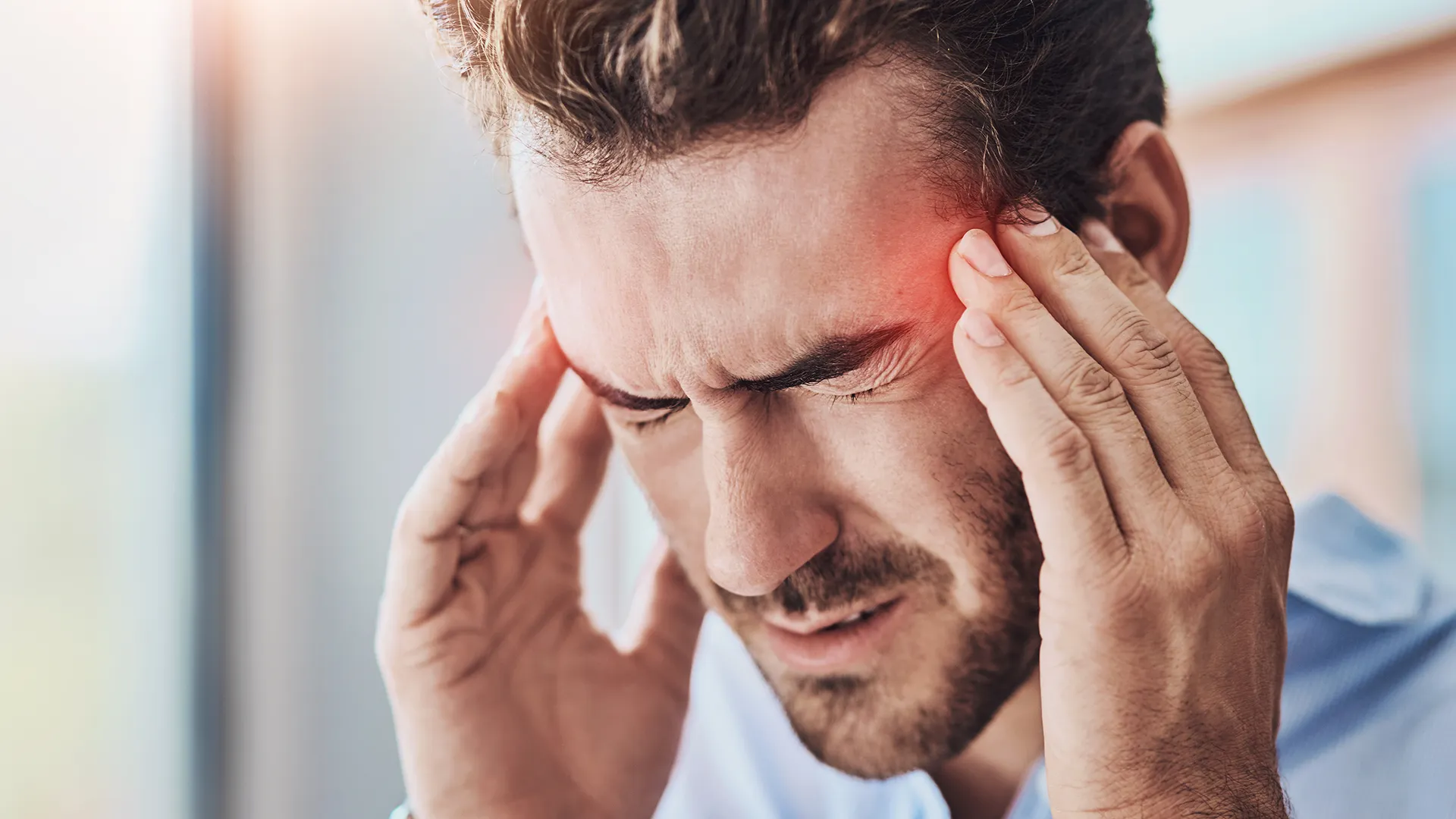
Diabetes drug cuts migraines in half by targeting brain pressure

A diabetes medication that lowers brain fluid pressure has cut monthly migraine days by more than half, according to a new study presented today at the European Academy of Neurology (EAN) Congress 2025.1
Researchers at the Headache Center of the University of Naples “Federico II” gave the glucagon-like peptide-1 (GLP-1) receptor agonist liraglutide to 26 adults with obesity and chronic migraine (defined as ≥15 headache days per month). Patients reported an average of 11 fewer headache days per month, while disability scores on the Migraine Disability Assessment Test dropped by 35 points, indicating a clinically meaningful improvement in work, study, and social functioning.
GLP-1 agonists have gained recent widespread attention, reshaping treatment approaches for several diseases, including diabetes and cardiovascular disease.2 In the treatment of type 2 diabetes, liraglutide helps lower blood sugar levels and reduce body weight by suppressing appetite and reducing energy intake.3,4,5
Importantly, while participants’ body-mass index declined slightly (from 34.01 to 33.65), this change was not statistically significant. An analysis of covariance confirmed that BMI reduction had no effect on headache frequency, strengthening the hypothesis that pressure modulation, not weight loss, drives the benefit.
“Most patients felt better within the first two weeks and reported quality of life improved significantly,” said lead researcher Dr Simone Braca. “The benefit lasted for the full three-month observation period, even though weight loss was modest and statistically non-significant.”
Patients were screened to exclude papilledema (optic disc swelling resulting from increased intracranial pressure) and sixth nerve palsy, ruling out idiopathic intracranial hypertension (IIH) as a confounding factor. Growing evidence closely links subtle increases in intracranial pressure to migraine attacks.6 GLP-1-receptor agonists such as liraglutide reduce cerebrospinal fluid secretion and have already proved effective in treating IIH.7 Therefore, building on these observations, Dr Braca and colleagues hypothesized that exploiting the same mechanism of action might ultimately dampen cortical and trigeminal sensitization that underlie migraine.
“We think that, by modulating cerebrospinal fluid pressure and reducing intracranial venous sinuses compression, these drugs produce a decrease in the release of calcitonin gene-related peptide (CGRP), a key migraine-promoting peptide,” Dr Braca explained. “That would pose intracranial pressure control as a brand-new, pharmacologically targetable pathway.”
Mild gastrointestinal side effects (mainly nausea and constipation) occurred in 38% of participants but did not lead to treatment discontinuation.

Following this exploratory 12-week pilot study, a randomized, double-blind trial with direct or indirect intracranial pressure measurement is now being planned by the same research team in Naples, led by Professor Roberto De Simone. “We also want to determine whether other GLP-1 drugs can deliver the same relief, possibly with even fewer gastrointestinal side effects,” Dr Braca noted.
If confirmed, GLP-1-receptor agonists could offer a new treatment option for the estimated one in seven people worldwide who live with migraine,8 particularly those who do not respond to current preventives. Given liraglutide’s established use in type 2 diabetes and obesity, it may represent a promising case of drug repurposing in neurology.
About the Expert:
Dr Simone Braca is a neurology resident and clinical research fellow at the Headache Centre of the University of Naples “Federico II,” Italy. His work focuses on the interplay between applied pharmacodynamics, intracranial-pressure regulation and primary headache disorders. Dr Braca has authored or co-authored several peer-reviewed papers on migraine therapeutics and serves as an early-career representative in the European Academy of Neurology (EAN) Headache Scientific Panel. He combines hands-on patient care with translational research, aiming to bring novel, mechanism-based treatments from bench to bedside.
References: Braca S., Russo C. et al.GLP-1R Agonists for the Treatment of Migraine: A Pilot Prospective Observational Study. Abstract A-25-13975. Presented at the 11th EAN Congress (Helsinki, Finland). Zheng, Z., Zong, Y., Ma, Y. et al. Glucagon-like peptide-1 receptor: mechanisms and advances in therapy. Sig Transduct Target Ther 9, 234 (2024). Lin, C. H. et al. An evaluation of liraglutide including its efficacy and safety for the treatment of obesity. Expert Opin. Pharmacother. 21, 275-285 (2020). Moon, S. et al. Efficacy and safety of the new appetite suppressant, liraglutide: A meta-analysis of randomized controlled trials. Endocrinol. Metab. (Seoul.) 36, 647-660 (2021). Jacobsen, L. V., Flint, A., Olsen, A. K. & Ingwersen, S. H. Liraglutide in type 2 diabetes mellitus: clinical pharmacokinetics and pharmacodynamics. Clin. Pharmacokinet. 55, 657-672 (2016). De Simone R, Sansone M, Russo C, Miele A, Stornaiuolo A, Braca S. The putative role of trigemino-vascular system in brain perfusion homeostasis and the significance of the migraine attack. Neurol Sci. 2022 Sep;43(9):5665-5672. doi: 10.1007/s10072-022-06200-x. Epub 2022 Jul 8. PMID: 35802218; PMCID: PMC9385793. Mitchell J.L., Lyons H.S., Walker J.K. et al. (2023). The effect of GLP-1RA exenatide on idiopathic intracranial hypertension: a randomised clinical trial. Brain. 146(5):1821-1830. Steiner T.J., Stovner L.J., Jensen, R. et al. (2020). Migraine remains second among the world’s causes of disability. The Journal of Headache and Pain. 21:137.

Read more →

People With Severe Diabetes Are Cured in Small Trial of New Drug

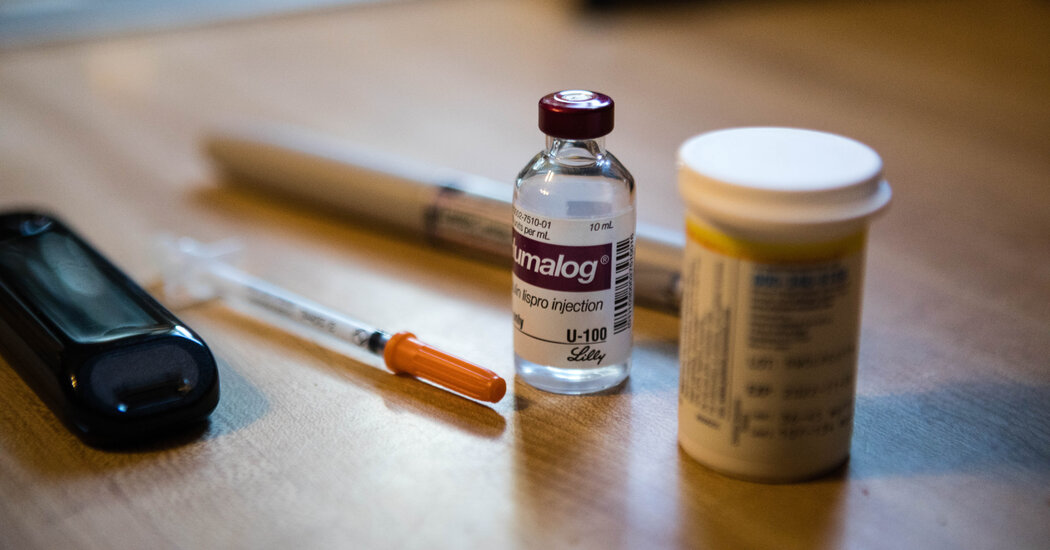
Most in a small group of patients receiving a stem cell-based infusion no longer needed insulin, but the drug may not suit those with more manageable type 1 diabetes.A single infusion of a stem cell-based treatment may have cured 10 out of 12 people with the most severe form of type 1 diabetes. One year later, these 10 patients no longer need insulin. The other two patients need much lower doses.The experimental treatment, called zimislecel and made by Vertex Pharmaceuticals of Boston, involves stem cells that scientists prodded to turn into pancreatic islet cells, which regulate blood glucose levels. The new islet cells were infused and reached the pancreas, where they took up residence.The study was presented Friday evening at the annual meeting of the American Diabetes Association and published online by The New England Journal of Medicine.“It’s trailblazing work,” said Dr. Mark Anderson, professor and director of the diabetes center at the University of California in San Francisco. “Being free of insulin is life changing,” added Dr. Anderson, who was not involved in the study.Vertex, like other drug companies, declined to announce the treatment’s cost before the Food and Drug Administration approves it.The treatment, said Vertex spokeswoman Dee Smith, could potentially help all patients with type 1 diabetes, although they would need to weigh the risks against the benefits of possibly not needing insulin.We are having trouble retrieving the article content.Please enable JavaScript in your browser settings.Thank you for your patience while we verify access. If you are in Reader mode please exit and log into your Times account, or subscribe for all of The Times.Thank you for your patience while we verify access.Already a subscriber? Log in.Want all of The Times? Subscribe.

Read more →

Insurers Pledge to Ease Controversial Prior Approvals for Medical Care

Major companies had faced mounting pressure to stop denying or stalling authorization of coverage for treatments and prescriptions.Facing regulatory crackdowns and intensifying criticism from patients and doctors, the nation’s biggest health insurers said on Friday that they would retreat from tactics that have delayed medical care and led at times to denials for necessary treatments.For years, the widespread practice known as prior authorization has vexed patients who might not have been notified until the day of surgery whether a procedure would be covered by their insurance or if a prescription medicine would be denied for no clear reason.Insurers often send unintelligible form letters, leaving patients to puzzle out the basis for the denial or what their next steps should be. Patients may delay or even abandon necessary medical care because they may not even be aware that they can appeal the decisions.Lawmakers, regulators and public outrage have drawn attention to abuses of the system, leading to mounting calls for reforms. Insurers have also been the target of myriad lawsuits, some of which attributed patient deaths to those denials and delays. The murder of Brian Thompson, a UnitedHealthcare executive, last December renewed criticisms of the tactic, unleashing a barrage of complaints that the practice was deployed to avoid covering care.“Prior authorization is a huge issue for people who are in managed care plans because it is one of the ways plans use to control their costs,” said David A. Lipschutz, co-director for the Center for Medicare Advocacy. He pointed to several studies showing that insurers may have inappropriately denied care, particularly in private Medicare plans.Various reports from federal regulators and researchers show that the vast majority of appeals are successful.We are having trouble retrieving the article content.Please enable JavaScript in your browser settings.Thank you for your patience while we verify access. If you are in Reader mode please exit and log into your Times account, or subscribe for all of The Times.Thank you for your patience while we verify access.Already a subscriber? Log in.Want all of The Times? Subscribe.

Read more →

Why today’s assisted dying vote is so significant

9 minutes agoShareSaveFergus WalshMedical editorShareSavePAToday’s vote is hugely significant. It now looks highly likely that assisted dying will be introduced in England and Wales.The vote by MPs to approve Kim Leadbeater’s bill is arguably the biggest vote regarding bodily autonomy since the legalisation of abortion in Great Britain in 1967.In the baking heat of London’s Parliament Square today, hundreds of campaigners stood chanting their views – both for and against assisted dying – amid a sea of colourful banners and placards.There was emotion too. Some carried photos of loved ones who died in pain, while others expressed their fears for the vulnerable in society.The debate around assisted dying has been a polarised one – and there are still hurdles to cross before it will be a reality here.What happens next?The Terminally Ill (End of Life) Bill will now go to the Lords, where it is likely to spend several months undergoing the same line-by-line scrutiny that it did before MPs.Later this year, perhaps around October, the bill would come back to the Commons for any changes to be voted on and it could then be sent for Royal Assent.So when could assisted dying become available in England and Wales?The government has said it could take up to four years to set up an assisted dying service, meaning it could be 2029 or even 2030 before the first medically-assisted death happens.Health minister Stephen Kinnock said this delay was needed to ensure “safe and effective implementation” of an “entirely new service with robust safeguards and protections” which would need to be “carefully developed and tested”.Under the proposals, mentally competent, terminally ill adults in England and Wales with a life expectancy of less than six months would be eligible for an assisted death.They would need to make two separate declarations, signed and witnessed, about their “clear, settled and informed” wish to die, and satisfy two independent doctors that they are eligible, and have not been coerced.There would be at least a seven-day gap between each assessment.The application would then go before a multidisciplinary panel comprising a psychiatrist, social worker and a lawyer.The panel would hear evidence from at least one of the doctors and the applicant, possibly via live video.If the panel approved the application there would be a further 14-day “period of reflection” which could be cut to 48 hours if the patient is likely to die within a month.PAMs Leadbeater has said the whole process could take up to two months, which does raise the risk of people dying while they are waiting for approval.The process is also far longer than other comparable services on which the Leadbeater bill is based.In Oregon, the first US state to legalise assisted dying nearly 30 years ago, there is a 15-day waiting period between the first and second request. Since 2020, this restriction has been lifted for patients at risk of imminent death.In California, the 15-day cooling off period has been cut to 48 hours because of the risk of patients dying before their medically assisted death is approved.England’s chief medical officer for England Professor Chris Whitty has cautioned against creating a system that would risk terminally ill patients being “stuck in a bureaucratic thicket” in their final months of life.While the Leadbeater bill contains a lot of detail, there is still plenty to sort out if it becomes law.Training for doctorsIf the legislation is passed, the Health Secretary Wes Streeting, who voted against the bill, will be required to set up an assisted dying service under the NHS This means sorting out the training for doctors who will assess patients for capacity and for any signs of coercion or pressure, plus creating safeguards for those with a learning disability.When MPs first voted on the issue in November, the plans included a High Court judge who would need to approve each case.That proposal has now been dropped and replaced with the panel.The new service will be overseen by a voluntary assisted dying commissioner, who will be either a serving or retired senior judge.Their role will include appointing members of review panels, referring cases to them and monitoring the operation of the law.PAAlthough the proposed law is based on legislation in 10 US states and Australia, there are important differences.In California, patients are able to store the lethal medication at home and they are not required to have a medical professional present when they die.Under the Leadbeater bill, a doctor would prepare the drug, and be present when the patient self-administers it.This would usually mean swallowing the lethal substance, although if that is not possible, the bill allows for a “medical device” to be used to enable the patient to ingest it.There will be strict limits on what a doctor can and can’t do. Mr Kinnock said it would be legal for them to help a patient sit up and make them comfortable, but not for them to tip a cup of pills into their mouth.The health secretary will regulate what drugs can be used. In all likelihood these will come in a powdered form and need to be mixed with liquid for swallowing.Elsewhere in the worldI was present at an assisted death in California and witnessed the doctor adding fruit juice to the drug in order to make it more palatable and less bitter for the patient to swallow.On that occasion the patient, Wayne Hawkins, was unconscious within a few minutes of swallowing the drug and died in around 35 minutes.Deaths usually occur within an hour although there have been rare cases of it taking several days.In some other countries that have legalised assisted dying, euthanasia is permitted, whereby a doctor or nurse administers the lethal dose, usually by injection.Euthanasia is allowed in the Netherlands, Belgium, Spain, Canada, Australia and New Zealand, but even for most supporters of assisted dying here, it is seen as a step too far.An impact assessment, carried out by civil servants estimated there could be between 1,042 and 4,559 assisted deaths in the 10th year after the law came into force.That upper estimate would represent around 1% of all deaths in England and Wales.Whatever happens to the Leadbeater bill in the coming months, assisted dying is coming to the British Isles.The Isle of Man has already approved an assisted dying bill and Jersey is also committed to changing the law.A bill to legalise assisted dying in Scotland has passed an initial vote at Holyrood, but faces further hurdles. The Scottish bill does not have a life expectancy timescale for eligibility and instead refers to advanced and progressive disease that is expected to cause premature death.Assisted dying, or assisted suicide as many critics prefer to call it, remains illegal in most of the world.Modern medicine means that healthcare systems can keep people alive longer than ever before, but often with limited quality of life.Supporters say that assisted dying gives autonomy and control to patients. For opponents it is a chilling and dangerous step which puts the vulnerable at risk of coercion.Whatever happens to the bill at Westminster, this heated and polarising debate will continue.

Read more →

Psych 101: What Is Tapping?

It looks a little goofy.A self-help method called “tapping,” which involves using the fingertips to perform acupressure while countering negative emotions with breathing exercises and positive affirmations, has elicited eye-rolls from some mental health professionals.“I’m safe in my car,” a woman on TikTok says as she practices the technique, using a finger to tap the top of her head, then the side of her eyebrow and the middle of her chin. “I am my safe space.”In the video, she explains that driving by herself is a struggle, but tapping has helped lower her anxiety and refocus her thoughts.Anecdotes like this are easy to find on social media. Over the last 15 years or so, tapping has also popped up on wellness podcasts, TV shows and even the best-seller list.As a result, the practice, also known as the Emotional Freedom Technique or E.F.T., has attracted a devoted following and become a big business. But many experts remain skeptical.Where did tapping come from?Tapping, which falls under the umbrella of energy psychology, originated from a technique called Thought Field Therapy developed by the psychologist Roger Callahan in the 1980s.We are having trouble retrieving the article content.Please enable JavaScript in your browser settings.Thank you for your patience while we verify access. If you are in Reader mode please exit and log into your Times account, or subscribe for all of The Times.Thank you for your patience while we verify access.Already a subscriber? Log in.Want all of The Times? Subscribe.

Read more →