Amber heat health alerts in place as temperatures above 30C likely

20 minutes agoShareSaveSimon KingLead Weather PresenterCachella SmithBBC NewsShareSavePA MediaAmber heat health alerts are in place across the whole of England with temperatures likely to exceed 30C for the first time this year.The alerts, which will last until 09:00 BST on Monday, come as an expected heatwave approaches much of the country.The UK Health Security Agency (UKHSA) said “significant impacts are likely” for health and social care services, including increased demand.Temperatures will widely be between 27C and 30C on Thursday across east Wales, the Midlands, and East and South East England with a few locations around Greater London and the home counties reaching 31C.Elsewhere, temperatures will climb to between 23C and 27C though along the coast it will feel cooler, with temperatures sitting around 20C.It follows a period of high temperatures across the UK with yellow heat health-alerts having previously been in place.The alert system works in conjunction with the Met Office but has a focus on health risks using four levels of warning; green, yellow, amber and red.An amber warning means weather impacts “are likely to be felt across the whole health service”.Among examples given by UKHSA are difficulties managing medicines, the ability of the workforce to deliver services and internal temperatures in care settings exceeding the recommended thresholds.The agency also refers to a possible rise in deaths – particularly among those aged 65 or over or with health conditions.At this level of alert, it is possible some health impacts will be seen across the wider population and not just affecting those who are most vulnerable.EPA-EFE/ShutterstockThe rising temperatures are down to an area of high pressure situated across the UK which, with a south-easterly wind, draws in hot weather from other parts of Western Europe.Friday will again see temperatures widely in the mid to high twenties across the UK, with a few spots in South East England once again exceeding 30C.Northern and western parts of the UK will see a slight fall in temperature on Saturday with the risk of some showers or thunderstorms – for central and eastern England it will be the peak in the heatwave with temperatures rising to between 30 and 33C.A temperature of 29.3C was recorded at St James’ Park in London on Wednesday evening, just slightly lower than the record for the year so far which stood at 29.4C and was recorded in Suffolk on 13 June.Some locations in Lincolnshire and Suffolk have already had two consecutive days where the temperature has exceeded the heatwave threshold of 27C. Thursday would make it a third day which would therefore place these parts in an official heatwave.For a heatwave to be declared by the Met Office a threshold temperature needs to be met for at least three consecutive days.The threshold varies from 25C across the north and west of the UK, to 28C in parts of eastern England.Regional fire services have issued warnings around water safety amid the high temperatures.Pam Oparaocha, assistant commissioner for prevention and protection at the London Fire Brigade, warned that strong currents, underwater hazards and cold water shock “can be deadly”.”With warm weather and school holidays on the horizon, we want people, especially young people, to enjoy our waterways safely, and that starts with education,” she added.”It’s important to know the risks and to familiarise yourself with lifesaving equipment like throwlines, which are available along many of London’s waterways.”PA MediaOther organisations have also provided advice over recent days.British Heart Foundation (BHF) told those with heart conditions to take precautions as high temperatures can put extra strain on the heart.Age UK encouraged people to check in on older relatives, friends and neighbours.A change in wind direction to a westerly on Sunday is set to cause the heatwave to break and all parts will be a little cooler. Although eastern areas won’t be as hot, temperatures will still be in the mid to high twenties.

Read more →
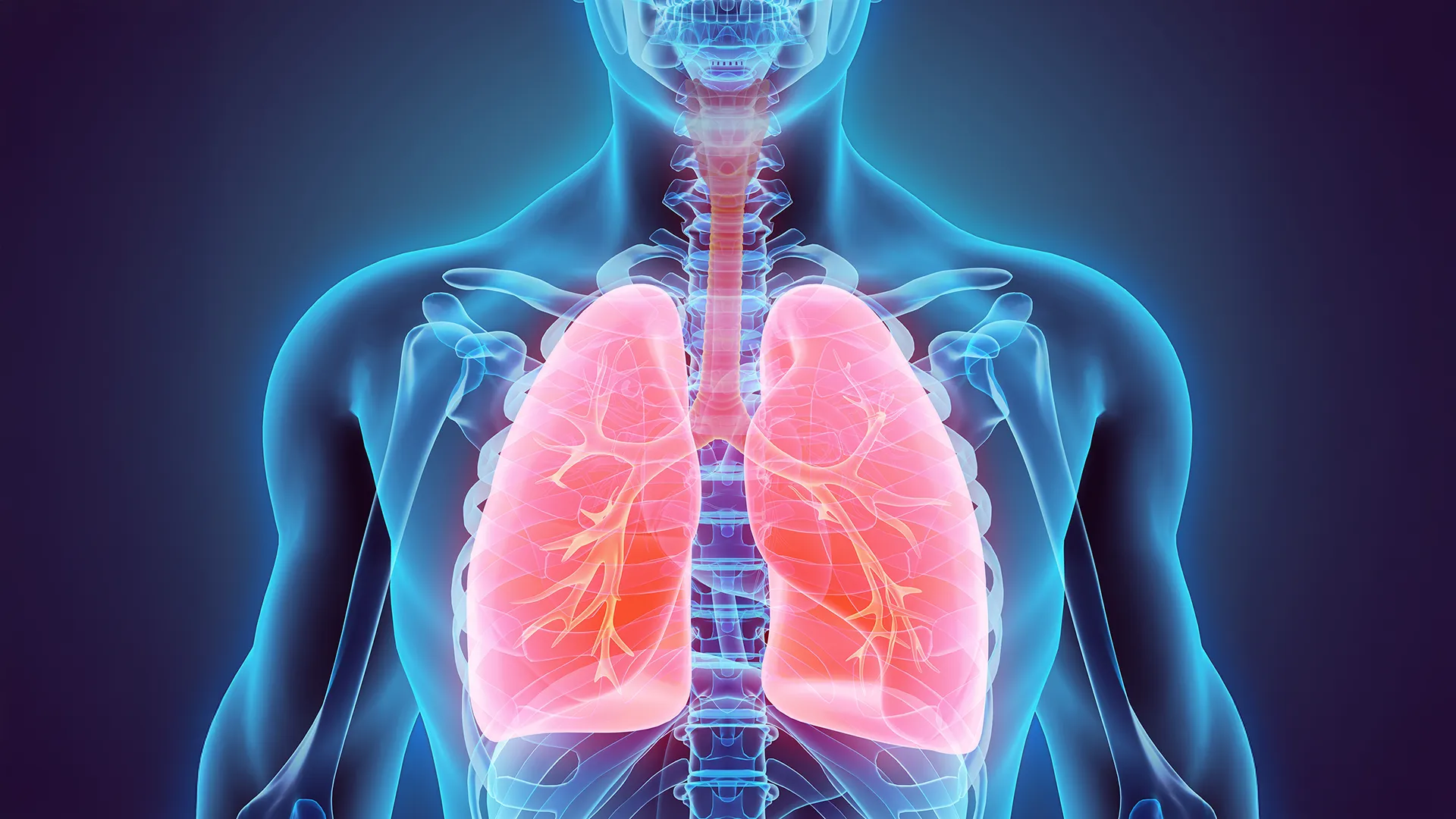
Microscopic heist: How lung bacteria forge weapons to steal iron and survive

Bacteria of the genus Pandoraea have not been studied much to date. Their name is reminiscent of Pandora’s box from Greek mythology, which is a symbol of uncontrollable dangers. “We have been working with an antibiotic-resistant bacterium,” says Elena Herzog. She is the first author of the publication and works as a doctoral researcher in the team of Christian Hertweck, the head of the study at the Leibniz Institute for Natural Product Research and Infection Biology (Leibniz-HKI). However, like so many things in nature, these pathogenic bacteria do not only have negative properties. “Pandoraea bacteria not only harbor risks. They also produce natural products with an antibacterial effect.”
Despite the high health risk posed by Pandoraea, their molecular properties were hardly known until now. “We only knew that these bacteria occur in nature and that they can be pathogenic because they have been found in the lung microbiome of patients with cystic fibrosis or sepsis,” explains Herzog.
The race for iron
As for most living organisms, iron is also essential for bacteria. “Iron plays a central role in enzymes and the respiratory chain of living organisms, for example,” explains Herzog. Particularly in iron-poor environments such as the human body, the conditions for sufficient absorption of the element are anything but ideal. Many microorganisms therefore produce so-called siderophores: small molecules that bind iron from the environment and transport it into the cell.
“However, there were no known virulence or niche factors in the Pandoraea bacteria that could help them survive,” says Herzog. The research team therefore wanted to find out how Pandoraea strains can survive in such a competitive environment.
Using bioinformatic analyses, the team identified a previously unknown gene cluster called pan. It codes for a non-ribosomal peptide synthetase – a typical enzyme for the production of siderophores. “We started with a gene cluster analysis and specifically searched for genes that could be responsible for the production of siderophores,” reports Herzog.
Through targeted inactivation of genes as well as culture-based methods and state-of-the-art analytical techniques – including mass spectrometry, NMR spectroscopy, chemical degradation and derivatization – the researchers from Jena succeeded in isolating two new natural products and elucidating their chemical structure: Pandorabactin A and B. Both are able to complex iron and could play an important role in how Pandoraea strains survive in difficult environments. “The molecules help the bacteria to take up iron when it is scarce in their environment,” says Herzog.

Less iron, fewer competitors
Bioassays have also shown that pandorabactins inhibit the growth of other bacteria such as Pseudomonas, Mycobacterium and Stenotrophomonas by removing iron from these competitors.
Analyses of sputum samples from the lungs of cystic fibrosis patients further revealed that the detection of the pan gene cluster correlates with changes in the lung microbiome. Pandorabactins could therefore have a direct influence on microbial communities in diseased lungs.
“However, it is still too early to derive medical applications from these findings,” emphasizes Herzog. Nevertheless, the discovery provides important information on the survival strategies of bacteria of the genus Pandoraea and on the complex competition for vital resources in the human body.
The study was carried out in close cooperation between the Leibniz-HKI and the universities of Jena, Heidelberg and Hong Kong. It was conducted as part of the “Balance of the Microverse” Cluster of Excellence and the ChemBioSys Collaborative Research Center and was funded by the German Research Foundation. The imaging mass spectrometer used for the analyses was funded by the Free State of Thuringia and co-financed by the European Union.

Read more →

What to do if you think someone has heat exhaustion or heatstroke

7 hours agoShareSaveMichelle RobertsDigital health editorShareSaveGetty ImagesDuring hot weather, it can be easy to overheat.Although heat exhaustion is not usually serious – as long as you can cool yourself down – heatstroke is a medical emergency which requires immediate treatment.What is the difference between heat exhaustion and heatstroke?Heat exhaustion happens when your body becomes too hot and struggles to regulate its temperature.An obvious sign is excessive sweating, as well as feeling very hot and unwell – which is your body’s way of warning you to cool down, fast.Other symptoms include:headachedizziness and confusionloss of appetite and feeling sickcramps in the arms, legs and stomachfast breathing or pulsetemperature of 38C or abovebeing very thirstyYoung children, who might not be able to tell you about how they are feeling, may become floppy and sleepy.Heat exhaustion can affect anyone, including fit and healthy people – especially if they have done strenuous exercise in high temperatures or have been drinking alcohol in the sun all day. It can come on quickly, over minutes, or gradually, over hours.Heat exhaustion can turn into heatstroke, which is a medical emergency. It means your body can no longer manage the heat and your core temperature is rising too high. You should get urgent medical help.The signs to watch for and quickly act on:feeling unwell after 30 minutes of resting in a cool place and drinking plenty of waternot sweating even while feeling too hota temperature of 40C or abovefast breathing or shortness of breathfeeling confuseda fit (seizure)loss of consciousnessnot responsiveOlder adults and young infants, as well as people with long-term health conditions, are particularly at risk.The body’s ability to regulate its temperature is not fully developed in the young and may be reduced by illness, medications or other factors in older adults. Being overweight or obese may also make it harder to cool down.What should you do if you think someone has heat exhaustion or heatstroke?If someone has heat exhaustion:get them to rest in a cool place – such as a room with air conditioning or somewhere in the shaderemove any unnecessary clothing, to expose as much of their skin as possiblecool their skin – use whatever you have available, a cool, wet sponge or flannel, spray water, cold packs around the neck and armpits, or wrap them in a cool, wet sheetfan their skin while it is moist – this will help the water to evaporate, which will help their skin cool downget them to drink water – sports or rehydration drinks are fine tooStay with them until they are better.They should start to cool down and feel better within 30 minutes.If they do not improve after 30 minutes of rest, and you think they may have heatstroke, you should get urgent medical help. Call 999 immediately.

Read more →

What does hot weather do to the body?

7 hours agoShareSaveJames GallagherShareSaveGetty ImagesHot weather during the summer can affect anyone, but some people run a greater risk of serious harm.Experts recommend checking on those who may be more vulnerable, such as older people and babies.What does extreme heat do to our bodies?As the body gets hotter, blood vessels open up. This leads to lower blood pressure and makes the heart work harder to push the blood around the body.This process can cause mild symptoms such as an itchy heat rash or swollen feet. At the same time, sweating leads to the loss of fluids and salt and, crucially, the balance between them in the body changes.This, combined with the lowered blood pressure, can lead to heat exhaustion. Symptoms include:dizzinessnauseafaintingconfusionmuscle crampsheadachesheavy sweatingtirednessIf blood pressure drops too far, the risk of heart attacks rises.Why do bodies react this way to heat?Our bodies strive to keep a core temperature of about 37C whether we are in a snowstorm or a heatwave.That is the temperature at which our bodies have evolved to work.But as the weather gets hotter, it is harder for the body to keep its core temperature down.It opens more blood vessels near the skin to lose heat to our surroundings and starts sweating.As the sweat evaporates, it dramatically increases the heat lost from the skin.How can I stay safe in the heat?The UK Health Security Agency (UKHSA) recommends looking out for those who may struggle to keep cool, such as older people, those with underlying conditions and and those who live alone.Other advice includes:staying cool indoors by closing curtains on rooms that face the sundrinking plenty of fluids and avoiding too much alcoholkeeping out of the sun between 11:00 and 15:00 when the sun’s rays are strongeststaying in the shade, using sunscreen with a high SPF and UVA rating, and wearing a wide-brimmed hatavoiding physical exercise in the hottest part of the daycarrying water with you if travellingAnyone tempted to cool off in rivers and open water should consult local warning signs and consider any hidden dangers. No one – especially babies, young children and animals – should ever be left in a locked vehicle. Getty ImagesWhat should I do if I think someone has heat exhaustion or heatstroke?If you see someone you think has heat exhaustion, the NHS says you should: move them to a cool placeget them to lie down and raise their feet slightlyget them to drink plenty of water – sports or rehydration drinks are also OKcool their skin – spray or sponge them with cool water and fan them. Cold packs around the armpits or neck are good tooIf they can be cooled down within half an hour, then heat exhaustion is not normally serious.However, if they do not recover within 30 minutes, then they are at risk of heatstroke.This is a medical emergency and you should call 999 immediately.People with heatstroke may stop sweating even though they are too hot. Their temperature could go over 40C and they might have seizures or lose consciousness.Who is most at risk from hot weather?People who are older or have some long-term conditions – such as heart disease – are sometimes less able to cope with the strain heat puts on the body.Diabetes can make the body lose water more quickly and some complications of the disease can alter blood vessels and the ability to sweat.Children and those who are less mobile may also be more vulnerable. Brain diseases, such as dementia, can also leave people unaware of the heat or unable to do anything about it.People who are homeless will also be more exposed to the sun. Those living in top-floor flats will also face higher temperatures.Do some drugs increase the risk of hot weather?Yes – but the NHS says people should keep taking their medication as normal, and focus on staying cool and hydrated.Diuretics – sometimes called “water pills” – increase the amount of water the body expels. They are taken widely, including for heart failure. In high temperatures, they increase the dangers of dehydration and imbalances in key minerals in the body.Antihypertensives – which lower blood pressure – can combine with the blood vessels that are dilating to cope with the heat and cause dangerous drops in blood pressure.Some drugs for epilepsy and Parkinson’s can block sweating and make it harder for the body to cool itself.Other drugs such as lithium or statins can become more concentrated and problematic in the blood if there is too much fluid loss.Does heat kill?During 2022 – which saw the highest recorded temperature in England at 40.3°C – there were an estimated 2,985 so-called “excess deaths” as a result of the heat. Most heat-related excess deaths are due to heart attacks and strokes caused by the strain of trying to keep body temperatures stable.The higher death rate starts to kick in once the thermometer passes 25C-26C.However, evidence suggests the deaths tend to be caused by higher temperatures in spring or early summer rather than during “peak summer”.This could be because we start to change our day-to-day behaviour as summer progresses and we get more used to dealing with the heat.The evidence from previous heatwaves is the increase in deaths happens very quickly – within the first 24 hours of a heatwave.

Read more →

Hot weather: How to sleep in the heat

7 hours agoShareSaveShareSaveGetty ImagesTemperatures are expected to be high over the coming days in many parts of the UK, so here are some tips to help you get a good night’s sleep during hot weather. 1. No nappingHot weather can make us feel a bit lethargic during the day. That is because we are using more energy to regulate our internal temperature.But if your sleep is disturbed at night, try to avoid napping during the day. When it is hot, sleepiness can be precious – save it for bedtime.2. Keep to routinesHot weather can encourage you to change your habits. Don’t. That can disrupt sleep.Try to keep to your usual bedtime and routines. Do the things you normally do before bed.3. Remember the basicsTake steps to make sure your bedroom is as cool as it can be at night.During the day, draw the curtains or blinds to keep out the sun. Make sure you close the windows on the sunny side of your home, to keep out hot air.Open all the windows before you go to bed, to get a through breeze.4. Use thin sheetsReduce your bedding but keep covers handy. Thin cotton sheets will absorb sweat.However hot it is in your bedroom, your body temperature will fall during the night. That is why we sometimes wake up feeling cold.5. Use a fan and chill your socksUsing even a small fan can be sensible in hot weather, especially when it is humid.It encourages the evaporation of sweat and makes it easier for your body to regulate your internal temperature.If you do not have a fan, try filling your hot water bottle with ice cold liquid instead.Alternatively, cool socks in the fridge and put those on. Cooling your feet lowers the overall temperature of your skin and body.6. Stay hydratedDrink enough water throughout the day but avoid drinking very large amounts before bed.Getty ImagesYou probably do not want to wake up thirsty – but you do not want to take an additional trip to the bathroom in the early hours either.7. But think about what you drinkBe careful about soft drinks. Many contain large amounts of caffeine, which stimulates the central nervous system and makes us feel more awake.Avoid drinking too much alcohol as well. Many people drink more when the weather is hot.Alcohol might help us fall asleep but it promotes early morning waking and a poorer quality of sleep overall.How do hot temperatures affect the body?Dehydration: Drink enough water to make sure you replace that lost through urination, sweating and breathingOverheating: This can be a particular problem for those with heart or breathing problems. Symptoms include tingling skin, headaches and nauseaExhaustion: This is when you start to lose water or salt from your body. Feeling faint, weak, or having muscle cramps are just some of the symptomsHeatstroke: Once a body temperature reaches 40C or higher, heatstroke can set in. Indicators are similar to heat exhaustion but the person may lose consciousness, have dry skin and stop sweatingWhat do heatwaves do to the body?8. Stay calmIf you are struggling to sleep, get up and do something calming. Try reading, writing, or even folding your washing.Just make sure you do not play on your phone or a video game – the blue light wakes us up and the activity is stimulating.Return to bed when you feel sleepy.9. Think of the childrenChildren are often quite robust sleepers – but they can be very sensitive to changes in family “mood” and routine.Getty ImagesMake sure usual bedtimes and bath times do not go out of the window just because it is warm.As part of the bedtime routine, lukewarm baths are recommended by the NHS UK website. Make sure they are not too cold, as that will boost circulation (your body’s way of keeping warm).A baby cannot let you know if they are too hot or too cold, so it is important to monitor their temperature. They generally sleep best when the room temperature is kept between 16C and 20C.You could install a thermometer where the baby is sleeping.10. Get over itMost of us need about seven to eight hours of good-quality sleep, external each night to function properly.But remember that most people can function well after a night or two of disturbed sleep.Although you might yawn a little more frequently than usual, you will probably be fine.These tips were based on suggestions by Prof Kevin Morgan, former director of the Clinical Sleep Research Unit at Loughborough University, and Lisa Artis, of the Sleep Council. This article was first published in July 2019.

Read more →

Police maternity investigation to interview staff

4 hours agoShareSaveAndy GiddingsBBC News, West MidlandsShareSaveBBCA police investigation into maternity services at two hospitals has started interviewing current and former members of staff.West Mercia Police began the inquiry in June 2020, while a review by senior midwife Donna Ockenden was ongoing – Ockenden would eventually find there had been catastrophic failings at the Shrewsbury and Telford Hospital Trust.The police investigation was set up to explore whether there was evidence to support a criminal case against the trust or any individuals involved.The hospital trust said it recognised it was important people get “the answers they have waited for” and that it was fully cooperating with police.The Ockenden inquiry examined maternity practices at Shrewsbury and Telford NHS Trust over a period of 20 years.Initially set up to examine 23 cases, it was widened to include almost 1,600 cases where there were concerns over maternity care.It found the failures may have led to the deaths of more than 200 babies, nine mothers and left other infants with life-changing injuries.Hundreds of the cases have been examined by police officers involved in Operation Lincoln.The senior officer in the police investigation, Supt Carl Moore, said the start of staff interviews represented a new phase.”We are committed to ensuring that the families involved are fully informed at each stage of our enquiries,” he said.Improvements made by hospitalsJo Williams, the chief executive of the trust which runs the Royal Shrewsbury Hospital and Telford’s Princess Royal Hospital, said: “We are truly sorry for the harm caused to those families who rightfully expected a safe experience under our care, and who were let down by us.”The trust also said its maternity services would remain fully open during the police investigation.It noted the most recent inspection of the hospitals by the CQC, in 2023, rated the maternity services as “good” overall.It said there had been improvements in midwifery staffing levels, training, risk assessments and the way it listens to women and families.But it said there would be more change to come and added: “We will continue to work with our colleagues, with families and with our local communities to provide the best standards of care.”More on this storyRelated internet links

Read more →

Breakthrough Alzheimer’s drugs too pricey for NHS

10 hours agoShareSaveJames GallagherShareSaveGetty ImagesTwo breakthrough Alzheimer’s drugs have been deemed far too expensive, for too little benefit, to be offered on the NHS.The medicines are the first to slow the disease, which may give people extra time living independently.The National Institute for Health and Care Excellence (NICE) concluded they were a poor use of taxpayers’ money and said funding them could lead to other services being cut.Campaigners say it is a disappointment, but other dementia experts have also supported the decision.The two drugs, donanemab and lecanemab, both help the body clear a gungy protein that builds up in the brains of people with Alzheimer’s disease.The medicines do not reverse or even stop the disease, rather brain power is lost more slowly with treatment.Clinical trials of these drugs were celebrated as a scientific triumph as they showed, for the first time, it was possible to change the course of Alzheimer’s.But since then a row has developed over the cost of the drugs and how meaningful the benefit is.The official price in the US is £20,000-£25,000 per patient per year. What the NHS would pay is confidential.Around 70,000 people in England with mild dementia would have been eligible, potentially putting the bill in the region of £1.5bn a year for the drugs alone.NHS resources, including infusing the drugs every two-to-four weeks and frequent brain scans to manage dangerous side effects, would also massively ramp up the cost.The benefit of the drugs is also debated. They potentially delay the transition from mild to moderate dementia by four-to-six months. That could mean more time without needing daily care, driving, being present for significant family events and socialising.But Prof Rob Howard, from University College London, said real-world benefits “were too small to be noticeable”. In trials of lecanemab, patients were better off by 0.45 points, on an 18-point scale ranging from healthy to severe dementia.Yet he said the cost would “have been close to the cost of a nurse’s salary for each treated patient”.The decision not to fund the drugs is not a surprise. The first assessment last year concluded they were not cost-effective.Helen Knight, director of medicines evaluation at NICE, acknowledged the latest news would be “disappointing” but said the benefits were “modest” at best while requiring “substantial resources”.”If they were approved they could displace other essential treatments and services that deliver significant benefits to patients,” she said.NICE said its appraisal had factored in potential savings in the cost of providing care, but the drugs were still deemed unaffordable.NICE decisions apply to the NHS in England, but are normally adopted by Wales and Northern Ireland too. Scotland has its own method for approving drugs.The pharmaceutical companies have three weeks to raise concerns about how the review was performed, otherwise the decision becomes final on 23 July.Both pharmaceutical companies involved, Eisai for lecanemab and Eli Lilly for donanemab, say they will appeal against the decision. Nick Burgin, from Eisai said the NHS “is not ready” for the challenge of tackling Alzheimer’s and flaws in the process meant their drug would have been rejected “even if Eisai provided lecanemab to the NHS for free”.Eli Lilly, the company behind donanemab, has already expressed its disappointment. “If the system can’t deliver scientific firsts to NHS patients, it is broken,” said Chris Stokes, Eli Lilly’s president and general manager of UK and Northern Europe. Is this a distraction or a disappointment?The sentiment was echoed by both the Alzheimer’s charities. Prof Fiona Carragher, from the Alzheimer’s Society said “the science is flying but the system is failing” and it was “highly disappointing” the drugs were not available on the NHS.Hilary Evans-Newton, the chief executive at Alzheimer’s Research UK, said the result was “painful” and patients will miss out on this and future innovations “not because science is failing, but because the system is”.However, others say NICE has made the right call. Tom Dening, professor of dementia research at the University of Nottingham, said he was “in complete support” as the benefits of the drugs were “minimal” and a “distraction” from the real issues in dementia.”[Namely the] unglamorous challenge of providing people with dementia and their families with activities, care and support that we already know are beneficial for their mental and physical health,” he said.Prof Atticus Hainsworth, from St George’s, University of London, said: “NICE is simply doing its job.”Beyond lecanemab and donenamab there are 138 dementia medicines being tested in 182 trials around the world.Prof Tara Spires-Jones, director of the centre for discovery brain sciences at the University of Edinburgh, said: “There is hope for safer, more effective treatments on the horizon.”

Read more →

Trump Travel Restrictions Bar Residents Needed at U.S. Hospitals

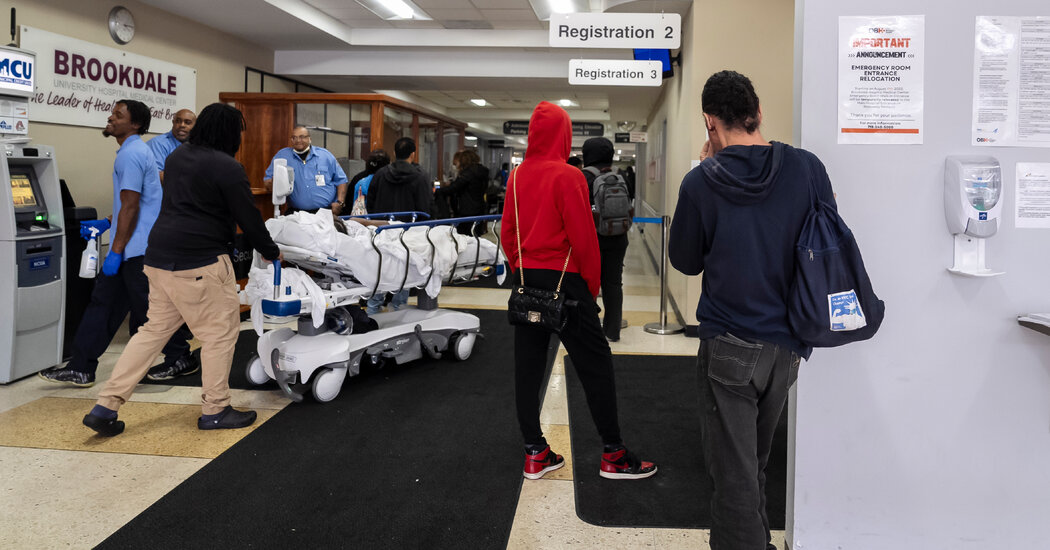
Limits on travel and visa appointments have delayed or prevented foreign doctors from entering the country for jobs set to begin in weeks.Travel and visa restrictions imposed by the Trump administration threaten patient care at hundreds of hospitals that depend on medical residents recruited from overseas. Foreign medical residents often serve as the frontline caregivers at busy safety-net hospitals in low-income communities. Normally the residents begin work on July 1. Orientation programs for some of them already started this week. Now some of those hospitals are racing to prevent staffing shortages.“If international medical graduates can’t start their medical residencies on time on July 1, the ramifications are so far-reaching that it is really unconscionable,” said Kimberly Pierce Burke, executive director of the Alliance of Independent Academic Medical Centers.Senior residents leave hospitals in June and go on to start their careers, she noted. Hospitals rely on new residents to replenish their ranks. “If they don’t come on July 1, that leaves a hole in the patient care team,” Ms. Burke said. “Who’s going to pick up the slack?”On May 27, the Trump administration suspended new interview appointments for foreign nationals applying for J-1 visas. The visas, for participants in cultural or educational exchange programs, are used by most medical residents arriving from overseas.On Wednesday, the State Department lifted the pause on visa appointments, according to an official who spoke anonymously to discuss an internal policy change. It was not immediately clear how many, or how quickly, physicians could be granted their visas. We are having trouble retrieving the article content.Please enable JavaScript in your browser settings.Thank you for your patience while we verify access. If you are in Reader mode please exit and log into your Times account, or subscribe for all of The Times.Thank you for your patience while we verify access.Already a subscriber? Log in.Want all of The Times? Subscribe.

Read more →

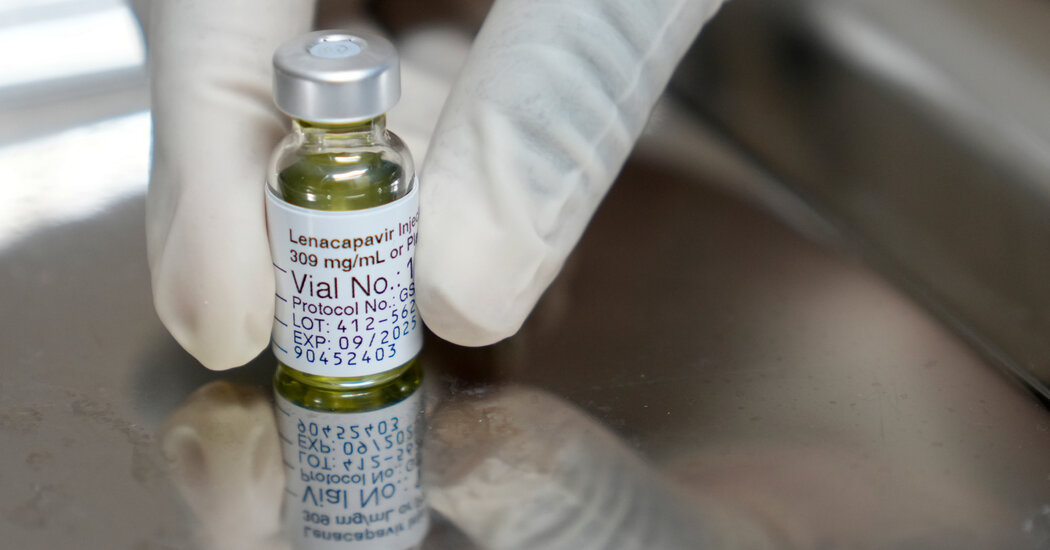
Regulators Approve Lenacapavir for H.I.V. Prevention

The drug could change the course of the AIDS epidemic. But the Trump administration has gutted the programs that might have paid for it in low-income countries.The Food and Drug Administration on Wednesday approved a twice-yearly injection that provided a near-perfect shield against H.I.V. infection in clinical trials.The approval is among the most anticipated developments in the prevention of H.I.V. But it arrives during deep cuts to global health programs that were expected to purchase and distribute the drug in low-income countries.To what extent the drug, called lenacapavir, can now be rolled out is uncertain.“We’re on the precipice of now being able to deliver the greatest prevention option we’ve had in 44 years of this epidemic,” said Mitchell Warren, executive director of the international H.I.V. prevention organization AVAC.“And it’s as if that opportunity is being snatched out of our hands by the policies of the last five months,” he said.With much less money available, governments abroad may instead choose to prioritize treatment of the infected.“We were so excited about the possibilities,” said Dr. Linda-Gail Bekker, who led a clinical trial of the drug. “I don’t think any of us envisaged this year going quite the way it has.”We are having trouble retrieving the article content.Please enable JavaScript in your browser settings.Thank you for your patience while we verify access. If you are in Reader mode please exit and log into your Times account, or subscribe for all of The Times.Thank you for your patience while we verify access.Already a subscriber? Log in.Want all of The Times? Subscribe.

Read more →

Under-fire NHS trust recorded patient ate breakfast three days after he died

33 minutes agoShareSaveAlison Holt & James MelleyBBC NewsShareSaveBBCAn NHS mental health trust, recently found guilty of serious failings in the care of a young patient who took her own life, has had serious concerns raised over the deaths of 20 other patients over the last 10 years, the BBC has found.Coroners have repeatedly highlighted issues about the North East London NHS Foundation Trust (NELFT), including about the quality of risk assessments and record-keeping.In two cases patient notes were found to have been falsified. Including one man who was recorded as eating breakfast three days after he had died.An Old Bailey jury last week found the trust guilty of health and safety breaches in the care of 22-year-old Alice Figueiredo who was an inpatient at NELFT’s Goodmayes hospital. This article contains distressing material related to suicide.Alice, who died in 2015, had attempted to harm herself on 18 occasions using plastic bags or bin liners, often taken from the same communal toilet. Despite this, the bags were not removed, and the toilet was left unlocked. On the 19th occasion Alice took her own life.The trust was cleared of the more serious charge of corporate manslaughter.After the trial, NELFT said it extended its “deepest sympathy for the pain and heartbreak” her family had suffered over the past 10 years, saying that it would “consider the verdict and its implications”. It will be sentenced in September.The BBC can now reveal in the decade since Alice’s death, NELFT has been repeatedly criticised by coroners for failures in patient care.Figueiredo familyIn the last decade, nearly 30 prevention of future deaths (PFD) reports from coroners have mentioned NELFT.Of these, the BBC has analysed 20 which raise the most serious concerns.In two cases where patients took their own lives inquests concluded records had been altered after their deaths.The most common criticism found the assessment of the risk patients posed to themselves was poor or incomplete. Cases also highlighted poor record-keeping, a lack of communication between teams, staff shortages and high caseloads.Two patients who died of overdoses were said to have been on short-term medication for 18 years and 20 years, with no record of that having been reviewed.In response, NELFT says it is continually improving “safety and treatment for patients, as well as the experience of families and carers”. It also says it is improving record-keeping, tackling historical staff shortages and changing the way staff assess and manage risk, with all in-patient staff undergoing training.Carole Charles, whose husband Winbourne’s case is one of the most disturbing, said the Trust needed “to look at everything”.Charles familyMr Charles was a patient at Goodmayes hospital nearly six years after Alice Figueiredo’s death.Carole describes him as “a beautiful man, a beautiful soul”, but during the Covid-19 pandemic, the 58-year-old became increasingly depressed.Sitting in her kitchen, she is looking at videos and photos of Winbourne. His close childhood friend, Winston Andrews, is sitting alongside her as they laugh and smile at the memories.”I had never known a part of my life when he wasn’t in it,” Winston says. “He was a brother rather than a friend.”But at the end of 2020, Winbourne became so unwell he was admitted to Goodmayes Hospital.Winston says they all felt they had “tried everything”, adding: “So maybe it is the right place for him to be, to try and get some help.”On 10 April 2021, five months after being admitted to the hospital, Winbourne took his own life.Charles familyCarole and her children had spoken to him on a video call the day before. She describes her shock at the news, saying she was “absolutely devastated”. She had thought “he was going in there to get better and come home”.Only at his inquest did Winbourne’s family and friends discover the failures in care which contributed to his death. The Prevention of Future Deaths report says a psychologist assessed Winbourne as being at high risk of harming himself. This was on his clinical record, but it was not read or discussed by the team of doctors and other clinicians overseeing his treatment.They concluded there was “no risk” of him self-harming. The family says it meant the observations or checks on him made by staff were reduced from every 15 minutes to one an hour.Even then, and against Trust policy, observations were stopped for all patients for an hour on the day he died. Between 16:00 and 17:00, the report says “all patients subject to general observation on the ward were ignored”.Winbourne was discovered soon after 17:00, about two hours after he was last checked.Staff ‘panicked’The report says “staff agreed they panicked”. The alarm bell was not sounded and doctors were not called promptly. A ligature cutter was locked in a box and no one knew the combination to unlock it. It also says: “Staff could not or would not provide a clear and relevant history to paramedics.”The report questions the credibility of the Trust staff who gave evidence to the inquest. It says observation records appeared to have been cut and pasted, including three entries that were made after he had died.”They’d written observations of Winbourne being in the day room, sitting there eating his breakfast, and this was three days after he’d passed away,” says Carole.”Key to the observations is that you actually do the observations,” says Winston. “You fill in the log. Clearly, they hadn’t done it.”Carole and Winston also say they were deeply shocked when one of the staff members who gave evidence by video link, tried to do this from his bed.”He was actually in bed. My mouth dropped,” says Winston. “In a microcosm that showed me what kind of care Winbourne was getting.”A second staff member was on the tube heading to catch a flight. In both cases the family says the coroner, Graeme Irvine, intervened quickly.Mr Irvine, senior coroner for east London, concluded Mr Charles had died from suicide, contributed to by neglect. He sent his PFD report to the trust and the Department of Health and Social Care to highlight what he had found.NELFT, which provides mental health services for nearly five million people living in north-east London, Essex, Medway and Kent and employs about 6,500 staff, said it “apologised unreservedly” for his death.It added: “We accepted all the findings from the coroner in April 2023, as well as the unacceptable behaviour of staff at the inquest.”Those staff were managed in line with human resources policies and disciplinary procedures, it said.The charity, Inquest, has provided support for many families around the country who believe their loved ones have been failed by the mental health system. In Ms Figueiredo’s case, her family spent 10 years fighting to get answers.Inquest’s director, Deborah Coles, said: “It should not be down to families to have to fight for cultural and policy change.”She said she believed avoidable deaths were happening “far too often” and trusts should “move away from a culture of defensiveness and denial and cover-up” to one that is concerned about learning and improvement and protecting patients.She said she hoped plans for a new duty of candour, known as the Hillsborough Law, would change attitudes.Mrs Charles, who has been a care worker for older and disabled people and says she knows what care is needed when people are vulnerable, remains sceptical about whether NELFT will learn from the deaths of patients like her husband and Alice Figueiredo.”They keep saying they are going to change and they don’t,” she says. “These are people’s lives which are taken. It leaves families devastated.”More on this storyRelated internet links

Read more →