C.D.C. Vaccine Meeting: What to Watch For

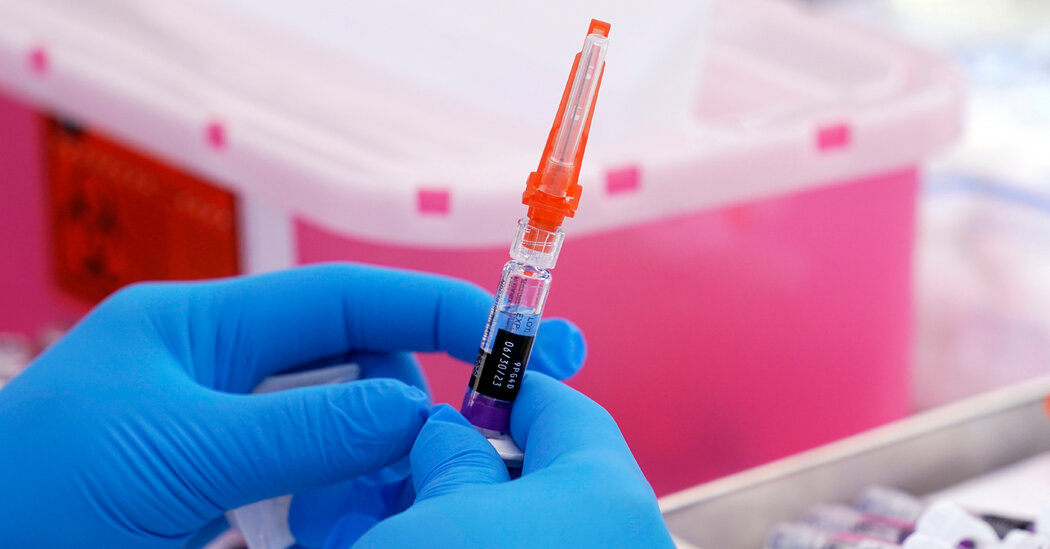
Hints of a more skeptical approach to immunizations have already surfaced.Some new members of the C.D.C.’s Advisory Committee on Immunization Practices, handpicked by health secretary Robert F. Kennedy Jr., have expressed deep skepticism of vaccines.One of them, Robert Malone, said on X that he considers the label “anti-vaxer” to be “high praise.” Mr. Kennedy named Dr. Malone a co-chair of the committee on Tuesday.The panel’s agenda on Wednesday includes some topics that are closely associated with the anti-vaccine movement and omits several others that were originally scheduled for discussion.Here’s what to watch for.The panelists: Most of the seven new committee members are not vaccine experts, and a few have not publicly expressed their views on childhood immunizations. The meeting should offer clues about their opinions on the safety of various vaccines.Thimerosal: A perennial target of the anti-vaccine movement, and of Mr. Kennedy, thimerosal is a mercury-based preservative that was falsely said to be a cause of autism. Most childhood vaccines in the United States have not contained thimerosal since 2001, even as autism rates have continued to rise.Flu vaccine: The panelists are scheduled to vote on the only pediatric formulation that contains thimerosal, a multidose vial of the flu shot, which uses it to prevent microbial contamination. That formulation accounts for a small fraction of flu vaccines administered to Americans. In a twist, Lyn Redwood, a former leader of Children’s Health Defense, the anti-vaccine group founded by Mr. Kennedy, is scheduled to present recommendations for the vaccine.M.M.R.V. vaccine: This combination vaccine for measles, mumps, rubella and chickenpox is on the agenda under “proposed recommendations” regarding its use in children younger than 4. It slightly increases the risk of febrile seizures, which can occur with any childhood illness but do not cause lasting harm. The C.D.C. already recommends administering the M.M.R. shot and the chickenpox shot separately in the first dose.Maternal and pediatric vaccines for respiratory syncytial virus: It may turn out to be a straightforward vote on recommending clesrovimab, a new monoclonal antibody approved by the Food and Drug Administration earlier this month, as an alternative to protect infants. But a scheduled update on the safety of the maternal vaccine opens the door to restrictions.The presenters: A dozen or more C.D.C. scientists typically present data to the panelists. This time, only a few senior scientists are scheduled to present most of the data.

Read more →

Promise of Victory Over H.I.V. Fades as U.S. Withdraws Support

A new drug that gives almost complete protection against the virus was to be administered across Africa this year. Now, much of the funding for that effort is gone.This was supposed to be a breakthrough year in the 44-year-long struggle against H.I.V.Decades of research and investment produced new approaches to vaccines that were going into their first significant clinical trials.The hunt for a cure was homing in on key mechanisms to block the virus, which can lurk dormant and near-untraceable in the body for years.Most critically, a breakthrough preventive drug, lenacapavir, a twice-yearly injection that offers total protection from H.I.V., was to be rapidly rolled out across eastern and southern Africa. The main target: young women. About 300,000 of them were newly infected with the virus last year — half of all new infections worldwide.Every one of these plans has been derailed by the Trump administration’s slashing of foreign assistance.There is more potential than ever before to end the H.I.V. epidemic, scientists and public health experts say. But now, H.I.V. programs across Africa are scrambling to procure drugs that the United States once supplied, replace lost nurses and lab technicians, and restart shuttered programs to prevent new infections.“We imagined we would be in a different world right now,” said Dr. Leila Mansoor, a senior research scientist at the Centre for the AIDS Program of Research in Durban, South Africa. She had planned to spend 2025 analyzing data from one H.I.V. prevention trial, preparing for another and tracking how lenacapavir was transforming the epidemic — alongside colleagues testing new vaccines and cure strategies.We are having trouble retrieving the article content.Please enable JavaScript in your browser settings.Thank you for your patience while we verify access. If you are in Reader mode please exit and log into your Times account, or subscribe for all of The Times.Thank you for your patience while we verify access.Already a subscriber? Log in.Want all of The Times? Subscribe.

Read more →

The Evolution of Trump’s Views on Foreign Aid

Foreign aid, a pillar of American foreign policy for generations, has been gutted since President Trump began his second term in office. The United States Agency for International Development and other government agencies that provide food, medical care and economic development assistance to the world’s poorest nations, have been largely defunded or eliminated in recent months.In justifying the administration’s destruction of the agency, Mr. Trump said U.S.A.I.D. had been run by “radical lunatics,” and he has made numerous false claims about the agency’s work in the developing world. It included preventing and treating H.I.V. and malaria; providing emergency food assistance; and advancing the country’s national security interests by establishing new markets for American goods.Mr. Trump has never been a big fan of foreign aid. But in his first term, he often reveled in the role of dispenser-in-chief of American largess.Not so anymore.To understand Mr. Trump’s evolution from foreign aid skeptic to enthusiastic supporter to, lately, its most determined and powerful foe, The New York Times reviewed nearly 1,000 speeches and interviews he has given over the past 15 years.2011As a presidential candidate in his first bid for office, Mr. Trump often described foreign assistance as wasteful and said the money would be better spent at home. “Foreign affairs is we take care of ourselves,” he said during an appearance on NBC’s “Today” show.

@media screen and (max-width: 600px) {

figure.img-sz-medium {
max-width: calc(100% – 40px);
}

.sizeMedium {
max-width: calc(100% – 40px) !important;
}

}

section div:first-of-type div p:first-of-type {
padding-bottom: 10px;
}

figcaption[data-testid=”photoviewer-children-caption”] {
margin: 12px auto 0 auto;
padding-right: 13px;
padding-left: 13px;
text-align: center;
}

#top-wrapper, sponsor-wrapper {
display: none;
}

We are having trouble retrieving the article content.Please enable JavaScript in your browser settings.Thank you for your patience while we verify access. If you are in Reader mode please exit and log into your Times account, or subscribe for all of The Times.Thank you for your patience while we verify access.Already a subscriber? Log in.Want all of The Times? Subscribe.

Read more →

1. 7 million patients reveal stunning link between semaglutide and lower dementia risk

Researchers at the Case Western Reserve School of Medicine have found that semaglutide, a popular diabetes and weight-loss drug, may lower the risk of dementia in people with type 2 diabetes (T2D).
Dementia, a condition that slowly makes it harder for people to remember things and think clearly, occurs when brain cells are damaged and their connections stop working properly. This damage, which worsens over time, can be caused by various modifiable factors, including obesity, T2D, cardiovascular diseases, traumatic brain injury and stroke.
According to the National Institutes of Health, more than 6 million people in the United States are diagnosed with dementia, and it causes more than 100,000 deaths each year. Encouragingly, research indicates that 45% of dementia cases could be prevented by addressing modifiable risk factors.
The study, published on June 24 in the Journal of Alzheimer’s Disease, suggests T2D patients taking semaglutide had a significantly lower risk of developing dementia compared to other antidiabetic medications. These results were more profound in women and older adults.
Semaglutide, a glucagon-like peptide receptor (GLP-1R) molecule that decreases hunger and helps regulate blood sugar in T2D, is also the active component in the diabetes and weight-loss drugs Wegovy and Ozempic. Semaglutide has shown a broad range of benefits, including reductions in cardiovascular diseases.
The research team — led by biomedical informatics professor Rong Xu — analyzed three years of electronic records of nearly 1.7 million T2D patients nationally. The researchers used a statistical approach that mimics a randomized clinical trial.
They found patients prescribed semaglutide had a significantly lower risk for Alzheimer’s disease-related dementia, compared to those who had taken any of seven other anti-diabetic medications, including other types of GLP-1R-targeting medications.
“There is no cure or effective treatment for dementia, so this new study provides real-world evidence for its potential impact on preventing or slowing dementia development among at-high risk population,” said Xu, who also directs the School of Medicine’s Center for AI in Drug Discovery and is a member of the Cancer Genomics Epigenomics Program at the Case Comprehensive Cancer Center.
Although their findings potentially support the idea that semaglutide could prevent dementia, the study’s limitations restrict the researchers from making firm causal conclusions, she said.
“Our results indicate that research into semaglutide’s use for dementia prevention will need to be further investigated through randomized clinical trials” Xu said.

Read more →

The molecule that might save your sight—and your heart

A new study from Washington University School of Medicine in St. Louis identifies a possible way to slow or block progression of age-related macular degeneration, a leading cause of blindness in people over age 50. The WashU Medicine researchers and their international collaborators implicated problems with cholesterol metabolism in this type of vision loss, perhaps helping to explain the links between macular degeneration and cardiovascular disease, which both worsen with age.
The new findings — identified using human plasma samples and mouse models of macular degeneration — suggest that increasing the amount of a molecule called apolipoprotein M (ApoM) in the blood fixes problems in cholesterol processing that lead to cellular damage in the eyes and other organs. Various methods of dialing up ApoM could serve as new treatment strategies for age-related macular degeneration and perhaps some forms of heart failure triggered by similar dysfunctional cholesterol processing.
The study appears June 24 in the journal Nature Communications.
“Our study points to a possible way to address a major unmet clinical need,” said senior author Rajendra S. Apte, MD, PhD, the Paul A. Cibis Distinguished Professor of Ophthalmology and Visual Sciences at WashU Medicine. “Current therapies that reduce the chance of further vision loss are limited to only the most advanced stages of macular degeneration and do not reverse the disease. Our findings suggest that developing treatments that increase ApoM levels could treat or even prevent the disease and therefore preserve people’s vision as they age.”
In macular degeneration, doctors can see cholesterol-rich deposits under the retina during an eye exam, according to Apte. In early stages, vision might still be normal, but the deposits increase inflammation and other damaging processes the lead to the gradual loss of central vision. In the most common type, “dry” macular degeneration, the cells in the central part of the retina can be damaged, causing a type of neurodegeneration called geographic atrophy, which is similar to what happens in the brain in conditions such as Alzheimer’s disease. Dry macular degeneration can turn into “wet” macular degeneration, in which abnormal blood vessel growth damages vision.
Geographic atrophy and wet macular degeneration are advanced forms of the disease that are accompanied by vision loss. Although some approved therapies for advanced disease are available, the disease process itself is not reversible at that stage.
A common culprit in eye disease and heart failure
In recent years, evidence has emerged that ApoM can serve as a protective molecule with known anti-inflammatory effects and roles in maintaining healthy cholesterol metabolism. With that in mind, Apte and co-senior author Ali Javaheri, MD, PhD, an assistant professor of medicine, were interested assessing whether reduced ApoM levels, which fall with age, could be involved in the dysfunctional cholesterol metabolism that is at the root of multiple diseases of aging, including macular degeneration and heart disease. They showed that patients with macular degeneration have reduced levels of ApoM circulating in the blood compared with healthy controls. And past work by Javaheri, a WashU Medicine cardiologist, showed that patients with various forms of heart failure also had reduced levels of ApoM in the blood.

This study revealed that ApoM is a key component in the “good cholesterol” pathways that mop up excess cholesterol — the bad kind that tends to drive inflammation — and clear it from the body through the liver.
Apte and Javaheri’s research suggests that when ApoM is low, cells in the retina and heart muscle can’t correctly metabolize cholesterol deposits and have a hard time getting rid of these accumulating lipids. When these lipids build up, it leads to inflammation and cellular damage.
To see if they could reverse the harmful effects of low ApoM, the researchers increased ApoM levels in mouse models of macular degeneration, using genetic modification or plasma transfer from other mice. The mice showed evidence of improved retinal health, improved function of light-sensing cells in the retina and reduced accumulation of cholesterol deposits. The researchers further found evidence that ApoM triggers a signaling pathway that breaks down the cholesterol in cellular compartments called lysosomes, which are known for playing important roles in disposing of cellular waste.
The researchers also found that ApoM must be bound to a molecule called sphingosine-1-phosphate (S1P) to get the beneficial effects of ApoM treatment in the mice.
Apte and Javaheri are working with Mobius Scientific, a WashU startup company that is working to harness this knowledge of the role of ApoM in macular degeneration to develop new approaches to treating or preventing the disease. Apte and Javaheri worked with WashU’s Office of Technology Management (OTM) to launch Mobius Scientific in 2022.
The findings also could have implications for future interventions that raise ApoM in patients with heart failure.

“One of the exciting things about this collaboration is realizing the links between retinal pigment epithelial cells and heart muscle cell, which are both vulnerable to low ApoM,” Javeheri said. “It is possible that the interaction between ApoM and S1P is regulating cholesterol metabolism in both cell types. We look forward to exploring strategies to increase ApoM in ways that could help the eye and the heart maintain healthy cholesterol metabolism over time and stave off two major diseases of aging.”
This work was supported by National Institutes of Health (NIH), grant numbers R01 EY019287, P30 EY02687, 1T32GM1397740-1, K08HL138262, 1R01HL155344, P30DK020579 and P30DK056341; the Jeffrey T. Fort Innovation Fund; the Starr Foundation AMD Research Fund; the Siteman Retina Research Fund; a Research to Prevent Blindness/American Macular Degeneration Foundation Catalyst Award for Innovative Research Approaches for Age-Related Macular Degeneration; the Carl Marshall and Mildred Almen Reeves Foundation; the Retina Associates of St. Louis Research Fund; a pilot project grant from the Washington University Genome Technology Access Center; an unrestricted grant from Research to Prevent Blindness to the John F. Hardesty, MD Department of Ophthalmology and Visual Sciences at Washington University School of Medicine in St. Louis; a Vitreoretinal Surgery Foundation Fellowship, number VGR0023118; the Children’s Discovery Institute of Washington University and St. Louis Children’s Hospital, grant number MC-FR-2020- 919; the Longer Life Foundation; and by the Austrian Science Fund, grant number SFB 10.55776/F73.
Apte and Javaheri have intellectual property applications licensed by Washington University to Mobius Scientific. Apte is currently the chief scientific officer at Mobius Scientific and both serve on the company’s advisory board.

Read more →

I paid £15,000 for arranging IVF – then the service went bust

18 minutes agoShareSaveEmer MoreauBusiness reporter, BBC NewsShareSaveSyreeta SandhuIVF patients are being warned over unregulated “concierge clinics” after a popular one went bust leaving scores of clients without treatment or refunds.As the number of privately funded IVF cycles has risen, online concierge companies have emerged, acting as “middlemen” between patients, donors and doctors.The fertility watchdog has said that as these clinics do not provide IVF treatment directly, it does not have powers to regulate them. It is calling for the law to be strengthened to protect patients.Syreeta Sandhu lost nearly £15,000 when her concierge clinic went bust. “You’re on your knees,” she said. “Upset has turned to frustration and anger.”The 40-year-old mother-of-two contacted online firm Apricity Fertility after four failed rounds of IVF and five miscarriages, in the hope of having a third child.She paid Apricity, which matched her with an egg donor and contracted established clinic King’s Fertility. She was due to start treatment in December last year when her appointments were cancelled without explanation.Syreeta found out via the company’s app that it was ceasing operations on 1 January.When she contacted King’s, the clinic said data protection rules meant it did not have access to her file or details of her egg donor. It had not been paid by Apricity so her treatment could not begin.”When you’re on this journey, every month counts. You’ll do anything, and you do throw lots of money at it,” she said.”It takes a long time to meet [medical staff] you can trust,” she said. “I spent almost 12 months building that trust and it just dropped off.”Concierge clinics offer services like matching patients with donors and doctors, booking appointments and posting medication.It is not clear how many there are operating in the UK but experts believe their number is growing.Satellite arrangements – where patients attend medical appointments with one doctor, usually their own GP, and then undergo the IVF process elsewhere – is an established set-up in fertility care. But concierge clinics don’t have physical premises or store eggs, sperm or embryos themselves.The fertility watchdog, the Human Fertilisation and Embryology Authority (HFEA), is warning patients that these new services are not covered by its protections.Clare Ettinghausen, director of strategy and corporate affairs at the HFEA, said: “The fallout from Apricity’s closure and the effect it had on patients highlights how the current law does not reflect the range and type of fertility treatments being offered today.”She said the watchdog was calling for the Human Fertilisation and Embryology Act to be revised to take account of the different ways fertility services are provided.Syreeta is one of 52 patients owed money by Apricity. The company owes a total of £119,000 to its patients, according to the liquidator appointed to manage its debts, Cork Gully.’There was no communication’Beth RodgersBeth Rodgers, 32, from Belfast has Turner syndrome, a rare genetic condition that means her ovaries do not produce eggs. Because Northern Ireland has a severe shortage of donor eggs, Beth had to secure a donor in England. She and her partner paid Apricity £4,600 and had been matched with an egg donor.”Then I saw a comment on a Facebook group saying ‘thinking of everyone affected by the Apricity news,'” she said. “There was no communication, no number to call.”The couple were able to claim some of the money back on their insurance but it did not cover a £385 fee for a doctor’s appointment and £985 for donor compensation. “Time was probably the biggest thing I felt I lost. It was such a long process,” said Beth.She has now restarted treatment with a regulated clinic. She has had appointments with a doctor in the Republic of Ireland and travelled to Manchester for the embryo transfer. That transfer was unsuccessful but she will be able to get another round of IVF on her insurance with a different egg donor.’No realistic chance of a refund’In recent years, more British couples have paid for private fertility treatment, in part because IVF on the NHS is a postcode lottery.Jonathan, not his real name, and his wife went through five failed rounds of IVF before they went to Apricity. They paid £10,000 for treatment with their savings and a loan.”We’ve been told there’s no realistic chance of getting our money back,” he said. “We haven’t been able to resume treatment yet as we’re still trying to raise finance.”Cork Gully told Jonathan and other patients in a letter seen by the BBC: “It is unlikely that there will be funds to pay to patients.”It said any affected patients should get in touch.The BBC asked Mel Chacksfield, who was chief executive of Apricity when it ceased operations, why the business had gone under and if patients would be refunded but she did not respond to our request. However, Caroline Noublanche, one of the company’s founders and the previous chief executive, told the BBC it had “faced sudden and irreversible financial difficulties in December when planned investment from an investor was withdrawn”.Clinics falling into regulatory gapProf Emily Jackson is a researcher in medical law and ethics at the London School of Economics. She said: “You need a licence to do things with embryos and sperm and eggs but you don’t need any licence to offer to arrange things on the internet. “For people thinking about their options, it is probably sensible to opt for treatment in an HFEA-licensed clinic, because they have responsibilities towards patients in the event of closure.”Those responsibilities mean that if an HFEA-licensed clinic closes, it has to give patients information and ensure they are supported. The clinic must also ensure all eggs, sperm and embryos that are in storage are kept safe.Getty ImagesA spokesperson for the Department of Health and Social Care told BBC News: “While digital or ‘virtual’ clinics do not currently fall within the remit of the Human Fertilisation and Embryology Authority, ministers have met with its chair to discuss the emerging regulatory challenges.”The government is currently considering the HFEA’s recommendations on modernising fertility law. We would advise all those looking at using digital clinics to carry out thorough research before making any decisions.”King’s Fertility, which was providing Syreeta’s treatment, was a contractor of Apricity’s and is now a creditor of the company.Its director, Dr Ippokratis Sarris, a consultant in reproductive medicine, said it was likely more concierge clinics would emerge in the future as patients look for convenience and flexibility.”The shift toward more remote and digital models of care is an inevitable progression in today’s world. This is increasingly what patients want, and often prefer, so it’s important that we don’t deny them that choice.”But he advised patients to do careful research before choosing a provider, and to be cautious about paying upfront for multi-cycle packages.”It’s wise to look into how long a clinic has been established, who owns it (NHS, private individual, or private equity), and make an informed choice,” he added.”We shouldn’t resist change, but we do need to be proactive in shaping it responsibly.”More on this story

Read more →

C.D.C. Vaccine Panel Gutted by R.F.K. Jr. Loses a Member Ahead of First Meeting

Health Secretary Robert F. Kennedy Jr. fired all 17 members of the panel and appointed eight new ones. Now, the board is down to just seven.Two weeks ago, Health Secretary Robert F. Kennedy Jr. fired all 17 members of an influential committee that recommends which vaccines Americans should get. He then named eight new members, at least half of whom have expressed some skepticism about vaccines.By Tuesday night, the panel, the Advisory Committee on Immunization Practices, was down to seven members.Dr. Michael Ross, a physician licensed in Virginia who is a former professor of obstetrics and gynecology, withdrew from the committee. He was not included in the list of voting members posted on the website of the Centers for Disease Control and Prevention on Tuesday.The new members were scheduled to meet on Wednesday and Thursday to evaluate data and vote on some new vaccines.The panel’s recommendations carry significant weight. Insurance companies and government programs like Medicaid are required to cover the costs of recommended vaccines, and states often base their mandates for school-aged children on the panel’s decisions.On Monday, Senator Bill Cassidy, Republican of Louisiana, called for delaying the meeting until the committee was “fully staffed with more robust and balanced representation — as required by law — including those with more direct relevant expertise.”But the meeting is likely to go ahead as planned. The agenda includes some items associated with the anti-vaccine movement that were settled decades ago.The panelists are expected to vote on flu vaccines that contain thimerosal, a mercury-based preservative that Mr. Kennedy and others have falsely linked to autism. The presentation before the vote is scheduled to be made not by a C.D.C. staff member, as would be the norm, but by Lyn Redwood, a former leader of Children’s Health Defense, an anti-vaccine group Mr. Kennedy founded.It is unclear why Dr. Ross stepped down from the panel. Andrew Nixon, a spokesman for the Department of Health and Human Services, said on Tuesday afternoon that reports of members withdrawing from the panel were “untrue” and “completely false.”On Tuesday night, Mr. Nixon amended his comments.“Dr. Michael Ross decided to withdraw from A.C.I.P. during the financial holdings review required of members before they can start work on the committee,” Mr. Nixon said.“The sacrifice to serve on A.C.I.P. varies from member to member, and we appreciate Dr. Ross’s willingness to go through this rigorous process,” he added. Some experts said they were unsurprised to hear that Dr. Ross was leaving the panel.“Given the H.H.S. interference into the A.C.I.P. process and meeting agenda, it’s no surprise to me that even members of this R.F.K. hand-selected committee would not feel comfortable participating in such an orchestrated event that bypasses scientific evidence and transparency,” said Dr. Lakshmi Panagiotakopoulos, who resigned from the C.D.C. this month.

Read more →

Millions of children at risk as vaccine uptake stalls

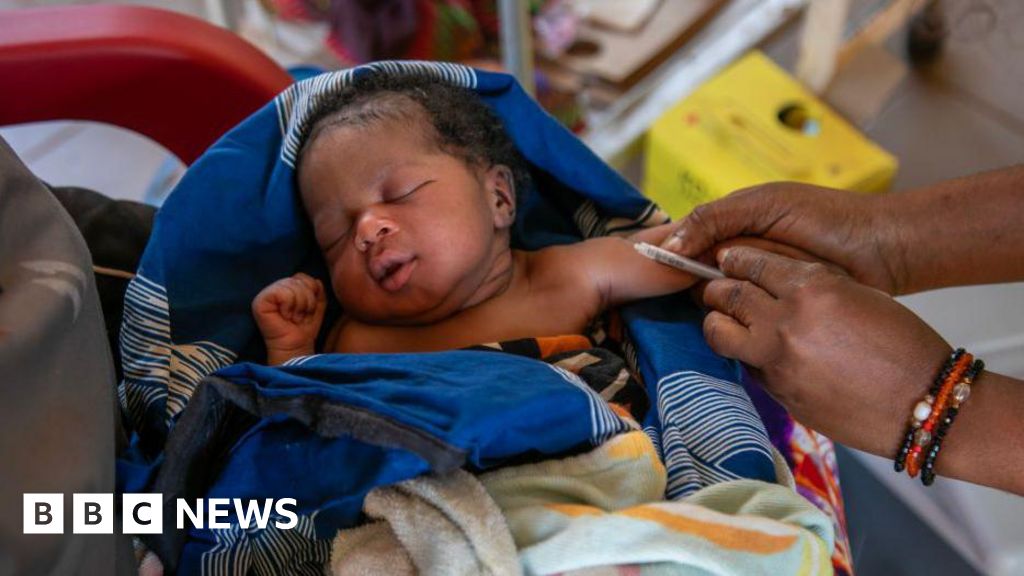
Progress in vaccinating children against a variety of life-threatening diseases has stalled in the past two decades – and even gone backwards in some countries – a new global study suggests.The situation has been made worse by the Covid pandemic, leaving millions of children unprotected from diseases such as measles, tuberculosis and polio. The researchers are calling for a concerted effort to provide better and more equal access to vaccines.Child health experts warn that cuts to international aid budgets that fund vaccination programmes, combined with vaccine scepticism, are creating a “perfect storm”.The global childhood vaccination programme has been a huge success.Since 1974, more than four billion children have been vaccinated, preventing an estimated 150 million deaths worldwide.In nearly half a century until 2023, researchers say vaccine coverage doubled.But since 2010 progress has stagnated, to the extent that there are now wide variations in vaccine coverage around the world.A study, published in the medical journal The Lancet, says measles vaccinations have declined in nearly 100 countries.The Covid-19 pandemic made things even worse, because of disruption to vaccine programmes during lockdowns.By 2023, there were nearly 16 million children who had not had any childhood vaccinations – most of them in sub-Saharan Africa and south Asia.Study author Dr Jonathan Mosser, from the Institute for Health Metrics and Evaluation at the University of Washington, in the United States, says large numbers of children remain under-vaccinated and un-vaccinated.”Routine childhood vaccinations are among the most powerful and cost-effective public health interventions available, but persistent global inequalities, challenges from the Covid pandemic, and the growth of vaccine misinformation and hesitancy have all contributed to faltering immunisation progress,” he said.Dr Mosser said there was now increased the risk of outbreaks of diseases such as measles, polio and diphtheria.All children should benefit from life-saving immunisations, he added.Wide discrepancies remain between vaccination rates in wealthier and lower-income countries.But the report’s authors warn that vaccination rates have fallen in Europe, the US and other wealthy countries too.Professor Sir Andrew Pollard, director of the Oxford Vaccine Group, says the findings present a concerning picture.”More children will be hospitalised, permanently damaged and die from fully preventable diseases if the trend is not reversed.”Alas, the cuts in global health funding mean that this situation is set to deteriorate,” Prof Pollard said.Dr David Elliman, from University College London, says many factors have contributed to the current situation.”Around the world, the increasing number of countries torn apart by civil unrest and wars, combined with the drastic cuts in foreign aid from rich nations, such as USA and UK, makes it difficult to get vaccines to many populations,” he said.”Where it appears that policy is being made on the basis of ill-informed opinion, rather than science, we have a perfect storm,” Dr Elliman added.The researchers recommend that all countries try to strengthen primary healthcare systems and combat misinformation around vaccines to prevent parents being hesitant about getting their children vaccinated.They also call for a concerted effort to provide better and more equal access to vaccines around the world.

Read more →

Watchdog ‘acted irrationally’ over gender clinic, court told

The High Court has heard claims that the health regulator, the Care Quality Commission, “acted irrationally” when it registered England’s first private clinic offering gender treatment to under-18s. The case, brought by a former nurse and the mother of a 16-year-old, claims the watchdog did not consider all relevant information and should also have imposed conditions on the clinic. The CQC says there is ample evidence that the clinic is committed to the safety and best interests of its patients.Lawyers for the Gender Plus Healthcare Clinic, which was rated outstanding last year, called the legal action “fatally flawed”. The former nurse, Susan Evans, and the mother – who wants to remain anonymous – are challenging the CQC’s decision to register the clinic in January last year.They are also challenging a decision made last December to continue the registration and to allow the clinic to prescribe cross-sex hormone treatment to 16- and 17-year olds. The clinic, which has services in Birmingham and Leeds, treats people aged 16 and over, including by prescribing hormones, such as oestrogen or testosterone. Cross-sex hormones are given to people who identify as a gender that is different to their biological sex. The medication helps someone who is transitioning to develop characteristics associated with their preferred gender.For instance, it would help a trans man, a biological female who identifies as a man, develop a deeper voice and facial hair. Existing NHS guidance allows the hormones to be prescribed to people aged 16 and over.However, in line with NHS rules, the new clinic does not prescribe puberty blockers which suppress the release of hormones.Tom Cross KC, barrister for the two women, told the court that in deciding the clinic should continue to be registered, “the CQC has acted irrationally”. He argued that the decision did not factor in some of the conclusions of last year’s Cass Review into gender treatment for young people “which serve as important safeguards for children within the cohort and were obviously material”. The Cass Review urged “extreme caution” when prescribing hormone treatment for under-18s. Mr Cross expressed concern that the private clinic lacked the safeguarding measures required by the NHS and urged the court “at the very least” to require the CQC “to think again about the adequacy of the safeguards”. For the CQC, Jamie Burton KC said the regulator had found no evidence of “improper decision-making or anything that might flag a concern” and that the clinic was found to be “committed to the safety and best interests of its patients” and was acting “in line with national guidance”. “In its professional judgment, it found the provider was taking reasonable steps to safeguard 16- and 17-year-olds by way of its existing processes,” he added. Peter Mant KC, barrister for Gender Plus Healthcare Ltd, said there was no requirement for private providers to mirror NHS care and that the claimants’ concerns “do not have a high quality evidence base”. The hearing will continue on Wednesday, with a judgment expected in writing at a later date.

Read more →

Cassidy, in Break With Kennedy, Calls for Vaccine Meeting Delay

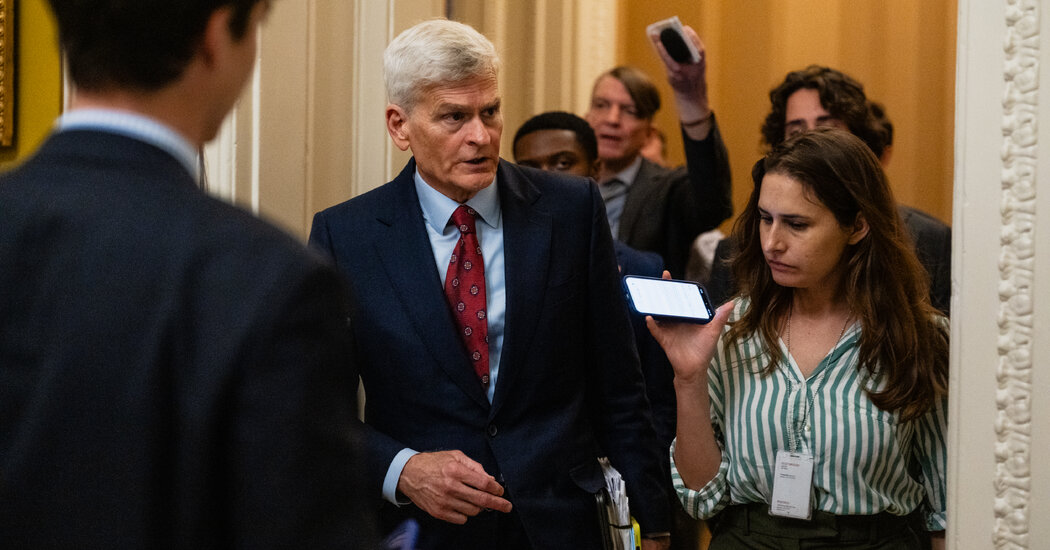
The Senate health committee chairman said new members of a key advisory panel who were appointed by Robert F. Kennedy Jr. “lack experience.”The chairman of the Senate health committee, in his first significant break with Health Secretary Robert F. Kennedy Jr., has called for a delay in this week’s meeting of a panel of vaccine advisers, saying the group Mr. Kennedy appointed lacks the experience and diversity of opinion necessary to ensure public faith in its recommendations.The chairman, Senator Bill Cassidy, Republican of Louisiana, made his comments in a social media post on Monday night. Mr. Cassidy, a physician and a strong proponent of vaccines, voted reluctantly to confirm Mr. Kennedy after announcing that the secretary had agreed to consult with him on significant matters and not to disband the advisory committee. The senator has carefully parsed his words about Mr. Kennedy.“Although the appointees to ACIP have scientific credentials, many do not have significant experience studying microbiology, epidemiology or immunology,” Mr. Cassidy wrote, using the acronym for the Advisory Committee on Immunization Practices, which advises the Centers for Disease Control and Prevention.“In particular,” Mr. Cassidy added, “some lack experience studying new technologies such as mRNA vaccines, and may even have a preconceived bias against them.”Mr. Kennedy, who has complained that committee members he fired were too close to the drug industry, defended the dismissals on Tuesday when he appeared before a House subcommittee to defend a budget blueprint for his department that called for major cuts. The health secretary called the old panel “a template for medical malpractice” during a fiery clash with Representative Frank Pallone Jr., Democrat of New Jersey.He then accused Mr. Pallone of being influenced by drug industry contributions to his campaigns, saying the lawmaker’s “enthusiasm” for the previous panel seemed to be “an outcome of those contributions.We are having trouble retrieving the article content.Please enable JavaScript in your browser settings.Thank you for your patience while we verify access. If you are in Reader mode please exit and log into your Times account, or subscribe for all of The Times.Thank you for your patience while we verify access.Already a subscriber? Log in.Want all of The Times? Subscribe.

Read more →