N.I.H. Memo Pauses Cancellations of Medical Research Grants

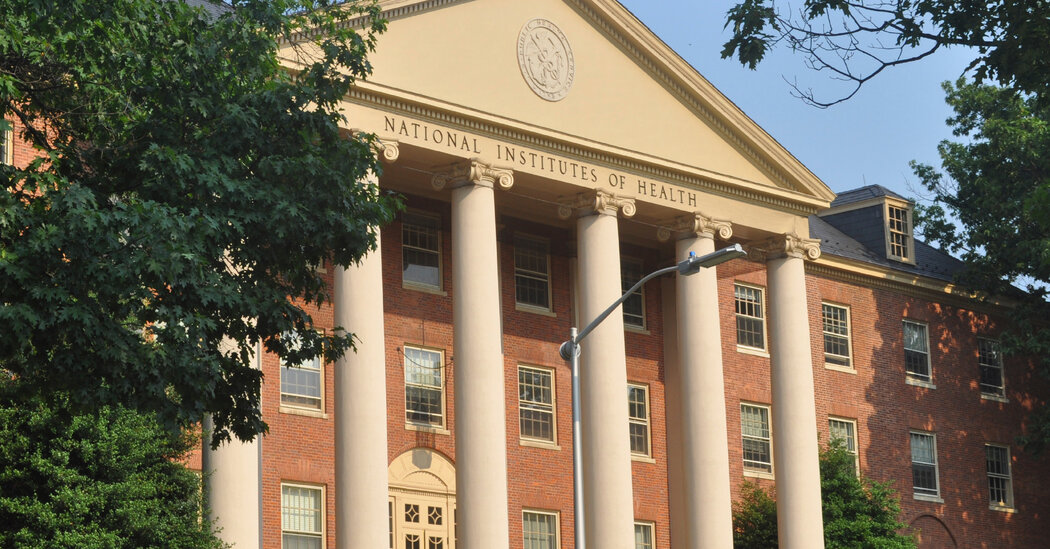
The directive, in a memo issued Tuesday, came after two court rulings that questioned the Trump administration’s swift cuts to funding.In the wake of two court rulings taking issue with the axing of medical research grants by the Trump administration, a senior official at the National Institutes of Health has directed agency staff members not to cancel any additional research projects, at least for now.The directive, in an internal memo sent Tuesday and reviewed by The New York Times, is a retreat by the agency. Since President Trump’s return to office, N.I.H. has slashed funding for medical research by ending hundreds of awards, part of his administration’s broader effort to end the use of public money on diversity issues and the health of sexual and gender minority groups.It was not clear how long the directive would hold. Neither the N.I.H. — which has also been accused of slow-walking funding to other projects by subjecting them to heavier scrutiny by political appointees — nor its parent agency, the Health and Human Services Department, responded to a request for comment on Wednesday.The memo was sent by Michelle Bulls, who helps oversee the agency’s external funding arm. “Effective immediately, please do not terminate any additional grant projects,” she wrote. The memo also instructed staff members to pause the cancellation of grants that were in the queue to be “terminated.”A federal judge in Massachusetts last week declared some of the Trump administration’s grant cancellations “void and illegal” and accused the government of racial discrimination and prejudice against L.G.B.T.Q. individuals. The judge ordered the government to restore much of that funding for now, pending an appeal.On Monday, a federal judge in California temporarily blocked the administration from canceling grants to the University of California. The judge said the termination of grants on “forbidden topics” like diversity, equity and inclusion violated the First Amendment.It was not immediately clear whether the N.I.H. had reinstated the grants at the center of those rulings. The health department said last week that it would explore whether to appeal the Massachusetts ruling.In the meantime, N.I.H. officials said they were continuing to categorize medical research grants based on whether they included topics disfavored by the Trump administration, even if they were not terminating those grants.

Read more →

Ransomware attack contributed to patient’s death

34 minutes agoShareSaveJess WarrenBBC NewsShareSaveEPAThe death of one person has been linked to a ransomware attack on NHS blood services at London hospitals and GP surgeries last June.King’s College Hospital NHS Foundation Trust confirmed that one patient had “died unexpectedly” during the cyber attack on 3 June 2024, which disrupted more than 10,000 appointments.A spokesperson for the trust said a number of contributing factors led to the patient’s death including “a long wait for a blood test result”.Patient data managed by Synnovis, an agency which manages labs for NHS trusts and GPs in south-east London, was stolen during the incident. A spokesperson for the trust said a detailed review had been undertaken of the patient’s care.”The patient safety incident investigation identified a number of contributing factors that led to the patient’s death,” they said.”This included a long wait for a blood test result due to the cyber-attack impacting pathology services at the time. “We have met with the patient’s family, and shared the findings of the safety investigation with them.”The spokesperson added they could not confirm the date of the death or the person’s age, citing confidentiality.Mark Dollar, chief executive of Synnovis, said: “We are deeply saddened to hear that last year’s criminal cyber attack has been identified as one of the contributing factors that led to this patient’s death.”Our hearts go out to the family involved.”More than 10,000 appointments were cancelled at the two London NHS trusts that were worst affected. A significant number of GP practices in London were unable to order blood tests for their patients.The Health Service Journal (HSJ) reported there were nearly 600 “incidents” linked to the attack, with patient care suffering in 170 of these. One case was of “severe” harm, 14 led to “moderate” harm and the remaining were identified as “low harm”, HSJ said.According to NHS guidance, severe harm occurs when patients either suffer permanent harm; need life saving care or could have reduced their life expectancy, among a number of other factors. ‘Not to blame’Deryck Mitchelson, from cyber security firm Check Point, said the cyber attacks were more than just “disruption” as they caused “patient harm”.Mr Mitchelson, formerly director of National Digital and chief information security officer for NHS National Services Scotland, said IT systems were only ever as secure as the weakest link in the chain.”The death now confirmed is tragic, but it is not surprising. When systems that underpin diagnostics and treatment are brought down at scale, the consequences are not hypothetical. This is the real-world cost,” he said.”This wasn’t a faceless act. It wasn’t just systems or data you targeted — it was care. It was people. One of them has now lost their life. That should weigh heavily.”Qilin, the Russia-based cyber-criminal group responsible for the attack, previously said it was “sorry” for all the harm caused but was “not to blame”.The ransomware gang spoke to the BBC in June 2024 on encrypted chat service qTox and attempted to justify the attack as a form of political protest.Qilin claimed it carried out the cyber-attack as revenge for the UK government’s actions in an undisclosed war.Additional reporting by Chris Vallance, BBC Technology.Related internet links

Read more →

Kennedy Accuses International Vaccine Agency of Ignoring Science

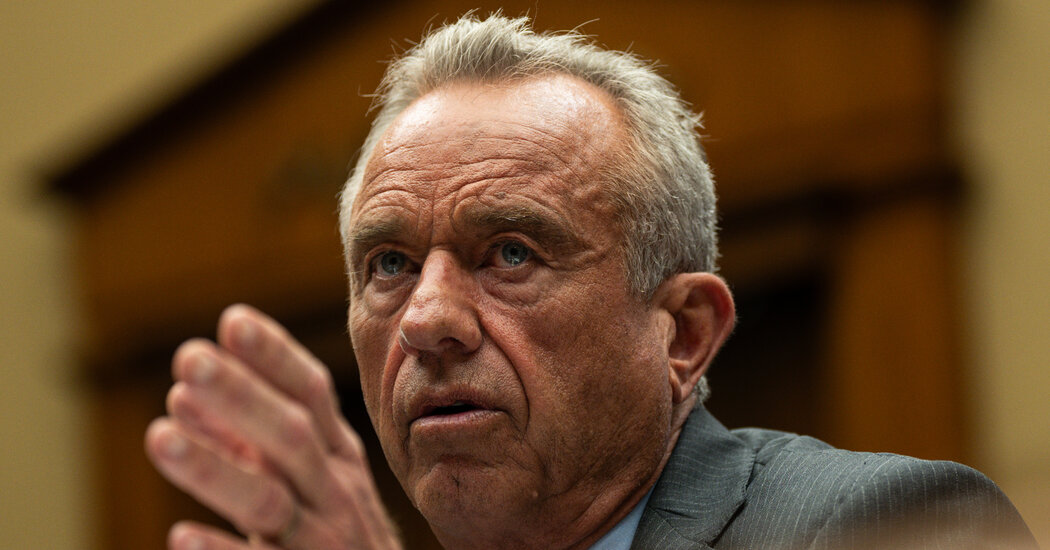
In a video address, the health secretary said the United States would no longer donate to Gavi, the vaccine agency. The organization rejected his claims.The United States will withdraw its financial support of Gavi, a global organization that helps purchase vaccines for children in poor countries, Robert F. Kennedy Jr., the United States secretary of Health and Human Services, told the group’s leaders on Wednesday, accusing them of having “ignored the science” in immunizing children around the world.Mr. Kennedy made the incendiary remarks in a brief, prerecorded video message sent overnight to a gathering of health ministers and other leaders in Brussels focused on raising funds to support the work of Gavi. It was to be played for the group later on Wednesday.“When vaccine safety issues have come before Gavi, Gavi has treated them not as a patient health problem, but as a public relations problem,” Mr. Kennedy said in the address.Mr. Kennedy said that Gavi’s leaders had been selective in their use of science to support vaccine choices, and that the United States would not deliver on a $1.2 billion pledge made by the Biden administration until the organization changed its processes.“In its zeal to promote universal vaccination, it has neglected the key issue of vaccine safety,” he said.In a statement, Gavi’s leaders rejected the suggestion that its vaccine purchases were driven by anything other than the best available evidence.We are having trouble retrieving the article content.Please enable JavaScript in your browser settings.Thank you for your patience while we verify access. If you are in Reader mode please exit and log into your Times account, or subscribe for all of The Times.Thank you for your patience while we verify access.Already a subscriber? Log in.Want all of The Times? Subscribe.

Read more →

The brain’s sweet spot: How criticality could unlock learning, memory—and prevent Alzheimer’s

In a new paper with implications for preventing Alzheimer’s disease and other neurological disorders, Keith Hengen, an associate professor of biology in Arts & Sciences at Washington University in St. Louis, suggests a new comprehensive approach to understanding how the brain works and the rules it must follow to reach optimal performance.
“There’s a common perception that the human brain is the most complicated thing in the universe,” Hengen said. “The brain is immensely powerful, but that power may arise from a relatively simple set of mathematical principles.”
Hengen starts with the premise that almost everything our brains do is learned or powerfully shaped by experience. In other words, we aren’t born with hard-wired circuits preprogrammed to help us read, drive cars or do anything else that we do every day. A healthy brain must be ready to learn anything and everything.
But how is a collection of neurons capable of learning? Hengen suggests that brains become learning machines only when they reach a special state called “criticality.” A concept borrowed from physics, criticality describes a complex system that is at the tipping point between order and chaos. At this razor’s edge, brains are primed to gain new information, Hengen said. “Brains need to reach criticality to think, remember and learn.”
Hengen proposed criticality as a unifying theory of brain function and disease in the prestigious journal Neuron. Woodrow Shew, a physicist at the University of Arkansas, is the co-author.
A biologist and a physicist may seem like an odd pairing, but the new unifying theory blends both realms of science. Physicists often describe criticality using the classic example of a sand pile: As sand is added, the pile will grow steeper and steeper until it eventually avalanches. Right before that final grain triggered a moment of chaos, the pile was at a critical angle, one step away from instability.
Shew explained that physicists first developed a deep understanding of criticality as a way to describe magnets and other materials. Around the turn of the 21st century, these ideas were expanded to explain a broader range of complex systems, including avalanches, earthquakes and, ultimately, living systems and the brain.

A defining aspect of critical systems is that they look the same at any scale: A sand pile on the brink of an avalanche has the same slope whether the pile is tiny or mountainous. In the brain, criticality is constant whether it’s measured in a handful of neurons or an entire region. Likewise, brain patterns that unfold in time are startlingly similar when considered in milliseconds or hours. “This matches our intuitive understanding of how brains work,” Hengen said. “Our internal experiences span milliseconds to months. They don’t have a scale.”
Hengen and Shew suggest that criticality isn’t just a theoretical concept; it’s a state that can be precisely measured and calculated through fMRI brain imaging technology. “Criticality is the optimal computational state of the brain,” Hengen said. “We’ve developed a mathematical way to measure how close the brain is to criticality, which should help us nail down the fundamental questions about how a human brain works.”
A new understanding of disease
The criticality framework offers a new perspective for understanding neurological disease. Rather than focusing on specific damaged brain regions or accumulated proteins, Hengen argues that diseases such as Alzheimer’s destroy something more basic: the brain’s ability to maintain criticality.
“Alzheimer’s and other neurodegenerative diseases don’t just damage neurons, they break the brain’s general ability to compute by slowly dissolving criticality,” Hengen explained. “As a brain moves further and further from criticality, it loses the ability to adapt and process information effectively.”
This framework explains a puzzling feature of brain diseases: Patients often appear completely normal until they’ve lost many neurons. “The brain has remarkable compensatory abilities that can mask functional problems even as criticality begins to erode,” Hengen said. “Traditional assessments miss the early stages because they focus on established endpoints that the brain tries to maintain through workarounds.”
As criticality gradually deteriorates, the brain works harder to achieve the same cognitive outcomes, Hengen said. “It’s like an engine that still runs but requires more fuel and generates more heat. By the time we notice memory problems or other symptoms, criticality has likely been compromised for years.”

Hengen’s collaboration with David M. Holtzman, MD, the Barbara Burton and Reuben M. Morriss III Distinguished Professor at WashU Medicine, has revealed that tau protein buildup in Alzheimer’s directly disrupts criticality, providing a clear link between the disease’s molecular hallmarks and cognitive collapse.
This connection between criticality and Alzheimer’s opens exciting diagnostic possibilities. In theory, a simple fMRI could help detect breakdowns in criticality years before symptoms appear. “In combination with cutting-edge blood tests, we could identify people at risk and intervene before irreversible damage occurs,” Hengen said.
In another collaboration, Hengen has teamed up with Deanna Barch, the Gregory B. Couch Professor of Psychiatry at WashU Medicine and a professor of psychological and brain sciences in Arts & Sciences, for an observational study to see how criticality at birth determines cognitive development and abilities in childhood. “From the beginning, some kids are closer to criticality than others, which, based on our theory, suggests they are going to be better learners,” Hengen said. “Many outside factors can affect their success in school, but criticality can explain an impressive amount of the variability between children.”
The sleep-mind connection
In early 2024, Hengen and co-author Ralf Wessel, a professor of physics in Arts & Sciences at WashU, used the concept of criticality to revisit an age-old question: Why do we need sleep? By tracking brain activity over multiple weeks, they found that sleep restores a state of criticality. “Being awake and active moves us away from criticality, and sleep is like a reset button,” Hengen explained.
That insight could help researchers unlock the power of sleep as a therapy for Alzheimer’s and other neurological diseases that push the brain away from its optimal state. Previous studies by Holtzman and others have found that people who don’t get the sleep they need — perhaps due to shift work or chronic insomnia — are at a much higher risk for Alzheimer’s as they age. And there’s already some evidence that sleep interventions can help slow the progression of Alzheimer’s symptoms.
Hengen believes that targeted, intensive sleep-based therapy could help restore criticality and improve learning and memory in people with brain disease. Studies of mice conducted by Holtzman and James McGregor, a postdoctoral researcher in Hengen’s lab, offer a glimpse of the possibilities: Mice specifically bred to have symptoms of Alzheimer’s become faster learners after a targeted sleep intervention reinforces criticality.
Critical future
There is much work to be done, but Hengen would eventually like to understand how criticality helps explain complex features of human neurobiology. “We may find that someone who is an amazing artist, for example, might be extremely close to criticality in parts of the brain involved in creative ideation,” he said. It’s also possible that a close look at criticality could point to undiscovered tendencies or talents that just need an outlet. “Maybe they never tried art, but we can see that the potential is there.”
In the meantime, Hengen, Shew, and others are spreading the word about the importance of criticality. Hengen presented a TEDx talk on the subject in 2024 and shared his work at Arts & Sciences’ inaugural research pitch competition, where he took second place. He hopes the new Neuron paper will inspire conversations among neurologists, doctors, reporters and the general public.
A unified theory of the mind could change the world, but first, it must unify the experts. “Woody (Shew) and I really think we’re on to something here,” Hengen said. “And, perhaps slowly, others are starting to agree.”
WashU was the ideal place for a new concept of the brain to emerge, Hengen said. “We’re surrounded by brilliant people in diverse fields, including physics, biology, psychology, mathematics and neuroscience, and the community here is remarkably supportive,” he said. “Everyone is ready to help.”

Read more →

Vitamin C flips your skin’s “youth genes,” reversing age-related thinning

The skin acts as the body’s first line of defense against external threats. However, as we age, the epidermis — the outermost layer of skin — gradually becomes thinner and loses its protective strength. About 90% of the cells in this layer are keratinocytes, which originate from deeper layers of the epidermis and migrate upward, ultimately forming the skin’s protective barrier. To combat aging’s impact on skin, numerous studies have emphasized the benefits of vitamin C (VC), a vitamin well known for its role in skin health and antioxidant properties.
Now, researchers in Japan have discovered that VC helps thicken the skin by directly activating genes that control skin cell growth and development. Their findings, published online in the Journal of Investigative Dermatology on April 20, 2025, suggest that VC may restore skin function by reactivating genes essential for epidermal renewal.
This study was led by Dr. Akihito Ishigami, Vice President of the Division of Biology and Medical Sciences at Tokyo Metropolitan Institute for Geriatrics and Gerontology (TMIG), Japan, in collaboration with Hokuriku University, and ROHTO Pharmaceutical Co., Ltd. Associate Professor Ayami Sato from TMIG (currently at the Toyo University); Associate Professor Yasunori Sato, Professor Toshiyuki Kimura, and Mr. Hideki Tanaka (currently at the University of Fukui Hospital) from Hokuriku University; and Ms. Florence, Ms. Akari Kuwano, Mr. Yasunari Sato, and Mr. Tsuyoshi Ishii from ROHTO Pharmaceutical Co., Ltd also co-authored the study.
“VC seems to influence the structure and function of epidermis, especially by controlling the growth of epidermal cells. In this study, we investigated whether it promotes cell proliferation and differentiation via epigenetic changes,” explains Dr. Ishigami, while talking about this study.
To investigate how VC affects skin regeneration, the team used human epidermal equivalents, which are laboratory-grown models that closely mimic real human skin. In this model, skin cells are exposed to air on the surface while being nourished from underneath by a liquid nutrient medium, replicating the way human skin receives nutrients from underlying blood vessels while remaining exposed to the external environment.
The researchers used this model and applied VC at 1.0 and 0.1 mM — concentrations comparable to those typically transported from the bloodstream into the epidermis. On assessing its effect, they found that VC-treated skin showed a thicker epidermal cell layer without significantly affecting the stratum corneum (the outer layer composed of dead cells) on day seven. By day 14, the inner layer was even thicker, and the outer layer was found to be thinner, suggesting that VC promotes the formation and division of keratinocytes. Samples treated with VC showed increased cell proliferation, demonstrated by a higher number of Ki-67-positive cells — a protein marker present in the nucleus of actively dividing cells.
Importantly, the study revealed that VC helps skin cells grow by reactivating genes associated with cell proliferation. It does so by promoting the removal of methyl groups from DNA, in a process known as DNA demethylation. When DNA is methylated, methyl groups attach to cytosine bases, which can prevent the DNA from being transcribed or read, thereby suppressing gene activity. Conversely, by promoting DNA demethylation, VC promotes gene expression and helps cells to grow, multiply, and differentiate.

The study suggests that VC supports active DNA demethylation by sustaining the function of TET enzymes (ten-eleven translocation enzymes), which regulate gene activity. These enzymes convert 5-methylcytosine (5-mC) into 5-hydroxymethylcytosine (5-hmC), a process in which Fe2+ is oxidized to Fe3+. VC helps maintain TET enzyme activity by donating electrons to regenerate Fe2+ from Fe3+, enabling continued DNA demethylation.
The researchers further identified over 10,138 hypomethylated differentially methylated regions in VC-treated skin and observed a 1.6- to 75.2-fold increase in the expression of 12 key proliferation-related genes. When a TET enzyme inhibitor was applied, these effects were reversed, confirming that VC functions through TET-mediated DNA demethylation.
These findings reveal how VC promotes skin renewal by triggering genetic pathways involved in growth and repair. This suggests that VC may be particularly helpful for older adults or those with damaged or thinning skin, boosting the skin’s natural capacity to regenerate and strengthen itself.
“We found that VC helps thicken the skin by encouraging keratinocyte proliferation through DNA demethylation, making it a promising treatment for thinning skin, especially in older adults,” concludes Dr. Ishigami.
This study was supported by grants from the Japan Society for the Promotion of Science (JSPS) KAKENHI: grant number 19K05902.

Read more →

Inside the tumor: AI cracks five hidden cell types to stop cancer’s comeback

A multinational team of researchers, co-led by the Garvan Institute of Medical Research, has developed and tested a new AI tool to better characterize the diversity of individual cells within tumors, opening doors for more targeted therapies for patients.
Findings on the development and use of the AI tool, called AAnet, have today been published in Cancer Discovery, a journal of the American Association for Cancer Research.
Not all tumor cells the same
Tumors aren’t made up of just one cell type – they’re a mix of different cells that grow and respond to treatment in different ways. This diversity, or heterogeneity, makes cancer harder to treat and can in turn lead to worse outcomes, especially in triple-negative breast cancer.
“Heterogeneity is a problem because currently we treat tumors as if they are made up of the same cell. This means we give one therapy that kills most cells in the tumor by targeting a particular mechanism. But not all cancer cells may share that mechanism. As a result, while the patient may have an initial response, the remaining cells can grow and the cancer may come back,” says Associate Professor Christine Chaffer, co-senior author of the study and Co-Director of the Cancer Plasticity and Dormancy Program at Garvan.
But while heterogeneity is a problem, researchers don’t know enough to characterize it: “So far researchers haven’t been able to clearly explain how adjacent cells in a tumor differ from each other, and how to classify those differences into meaningful ways to better treat tumors. But this is exactly what we need to know so we can kill all cells within that tumor with the right therapies,” Associate Professor Chaffer adds.
A new tool characterizes five new cancer cell groups
To solve this problem, the team developed and trained a powerful new AI tool called AAnet that can detect biological patterns in cells within tumors.

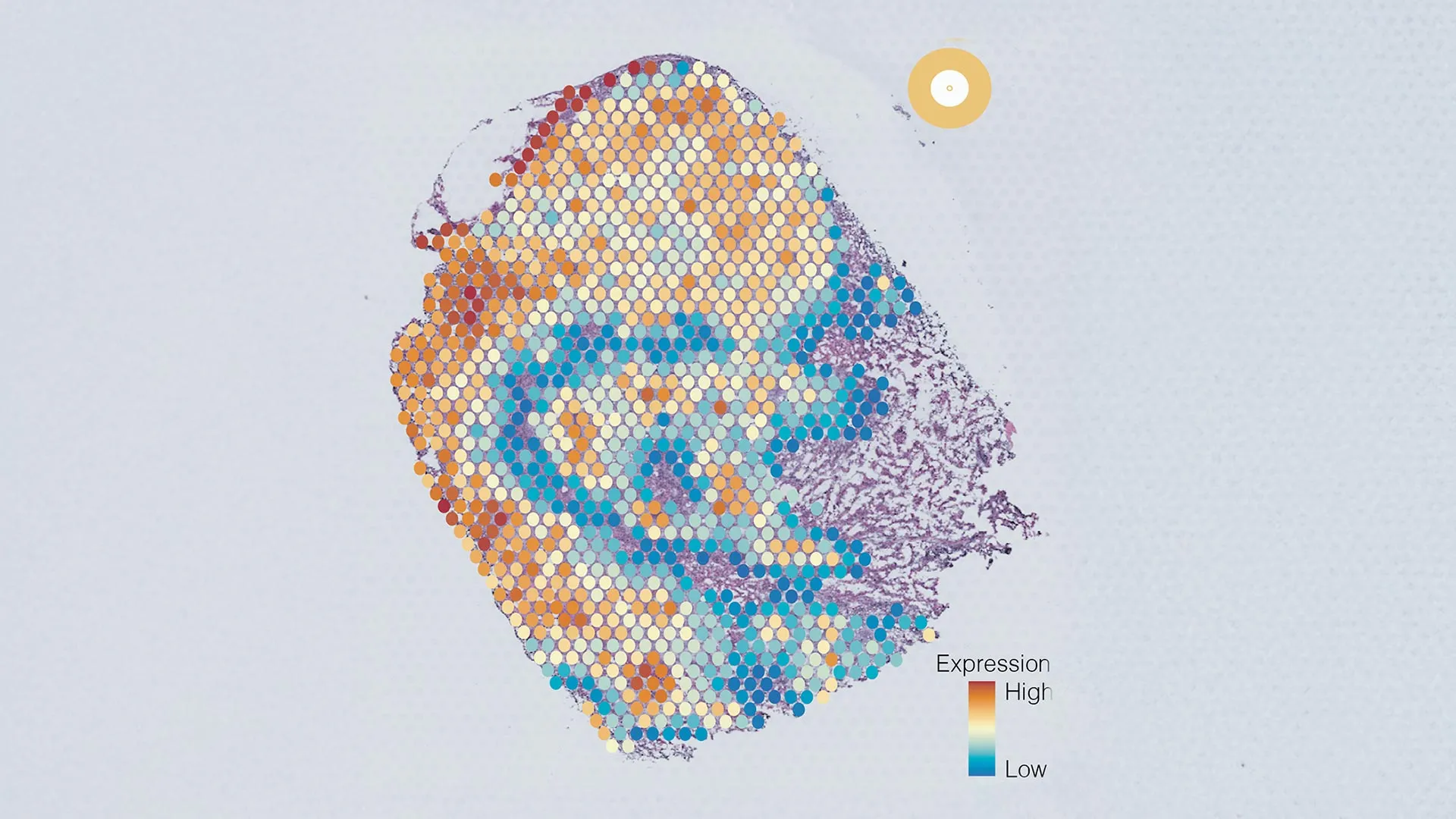
They then used the AI tool to uncover patterns in the level of gene expression of individual cells within tumors, focusing on preclinical models of triple-negative breast cancer and human samples of ER positive, HER2 positive and triple-negative breast cancer. Through this, they identified five different cancer cell groups within a tumor, with distinct gene expression profiles that indicated vast differences in cell behaviour.
“By using our AI tool, we were consistently able to discover five new groups of cell types within single tumors called ‘archetypes’. Each group exhibited different biological pathways and propensities for growth, metastasis and markers of poor prognosis. Our next steps are to see how these groups may change over time, for example before and after chemotherapy,” says Associate Professor Chaffer.
This is a first for cancer research. Co-lead, Associate Professor Smita Krishnaswamy from Yale University who led the development of the AI tool states: “Thanks to technology advances, the last 20 years have seen an explosion of data at the single-cell level. With this data we have been finding out that not only is each patient’s cancer different, but each cancer cell behaves differently from another. Our study is the first time that single-cell data have been able to simplify this continuum of cell states into a handful of meaningful archetypes through which diversity can be analyzed to find meaningful associations with spatial tumor growth and metabolomic signatures. This could be a game changer.”
New classification to drive better, targeted treatments
The researchers say the use of AAnet to characterize the different groups of cells in a tumor according to their biology opens doors for a paradigm shift in how we treat cancer.
“Currently the choice of cancer treatment for a patient is largely based on the organ that the cancer came from such as breast, lung or prostate and any molecular markers it may exhibit. But this assumes that all cells in that cancer are the same. Instead, now we have a tool to characterize the heterogeneity of a patient’s tumor and really understand what each group of cells is doing at a biological level. With AAnet, we now hope to improve the rational design of combination therapies that we know will target each of those different groups through their biological pathways. This has the potential to vastly improve outcomes for that patient,” says Associate Professor Chaffer.

On the application of AAnet, co-senior author of the study and Chief Scientific Officer of Garvan Professor Sarah Kummerfeld states: “We envision a future where doctors combine this AI analysis with traditional cancer diagnoses to develop more personalized treatments that target all cell types within a person’s unique tumor. These results represent a true melding of cutting-edge technology and biology that can improve patient care. Our study focused on breast cancer, but it could be applied to other cancers and illnesses such as autoimmune disorders. The technology is already there.”
This research was supported through the following sources.
In Australia: The NELUNE Foundation, Tour de Cure, Estee Lauder, The Kinghorn Foundation, The Paramor Family Foundation, University of New South Wales Scientia Research Fellowship, Ramaciotti Biomedical Research Award, ARC Development Project grant and NHMRC Ideas Grants and Investigator Grant.
In the US: Gruber Foundation Science Fellowship and the Eric and Wendy Schmidt Center at the Broad Institute of MIT and Harvard, National Science Foundation, Yale Cancer Center Pilot grant and Sloan Fellowship.
Christine Chaffer is a Conjoint Associate Professor at St Vincent’s Clinical School, Faculty of Medicine and Health, UNSW Sydney, Director of the Cancer Plasticity and Dormancy Program, and Lab Head at the Garvan Institute of Medical Research.
Smita Krishnaswamy is Associate Professor in Genetics and Computer Science, Yale School of Medicine.
Sarah Kummerfeld is a Conjoint Professor at St Vincent’s Clinical School, Faculty of Medicine and Health, UNSW Sydney and Chief Scientific Officer Garvan Institute of Medical Research.

Read more →

I lost £15,000 after going to an IVF middleman

25 June 2025ShareSaveEmer MoreauBusiness reporter, BBC NewsShareSaveSyreeta SandhuIVF patients are being warned over unregulated “concierge clinics” after a popular one went bust leaving scores of clients without treatment or refunds.As the number of privately funded IVF cycles has risen, online concierge companies have emerged, acting as “middlemen” between patients, donors and doctors.The fertility watchdog has said that as these clinics do not provide IVF treatment directly, it does not have powers to regulate them. It is calling for the law to be strengthened to protect patients.Syreeta Sandhu lost nearly £15,000 when her concierge clinic went bust. “You’re on your knees,” she said. “Upset has turned to frustration and anger.”The 40-year-old mother-of-two contacted online firm Apricity Fertility after four failed rounds of IVF and five miscarriages, in the hope of having a third child.She paid Apricity, which matched her with an egg donor and contracted established clinic King’s Fertility. She was due to start treatment in December last year when her appointments were cancelled without explanation.Syreeta found out via the company’s app that it was ceasing operations on 1 January.When she contacted King’s, the clinic said data protection rules meant it did not have access to her file or details of her egg donor. It had not been paid by Apricity so her treatment could not begin.”When you’re on this journey, every month counts. You’ll do anything, and you do throw lots of money at it,” she said.”It takes a long time to meet [medical staff] you can trust,” she said. “I spent almost 12 months building that trust and it just dropped off.”Concierge clinics offer services like matching patients with donors and doctors, booking appointments and posting medication.It is not clear how many there are operating in the UK but experts believe their number is growing.Satellite arrangements – where patients attend medical appointments with one doctor, usually their own GP, and then undergo the IVF process elsewhere – is an established set-up in fertility care. But concierge clinics don’t have physical premises or store eggs, sperm or embryos themselves.The fertility watchdog, the Human Fertilisation and Embryology Authority (HFEA), is warning patients that these new services are not covered by its protections.Clare Ettinghausen, director of strategy and corporate affairs at the HFEA, said: “The fallout from Apricity’s closure and the effect it had on patients highlights how the current law does not reflect the range and type of fertility treatments being offered today.”She said the watchdog was calling for the Human Fertilisation and Embryology Act to be revised to take account of the different ways fertility services are provided.Syreeta is one of 52 patients owed money by Apricity. The company owes a total of £119,000 to its patients, according to the liquidator appointed to manage its debts, Cork Gully.’There was no communication’Beth RodgersBeth Rodgers, 32, from Belfast has Turner syndrome, a rare genetic condition that means her ovaries do not produce eggs. Because Northern Ireland has a severe shortage of donor eggs, Beth had to secure a donor in England. She and her partner paid Apricity £4,600 and had been matched with an egg donor.”Then I saw a comment on a Facebook group saying ‘thinking of everyone affected by the Apricity news,'” she said. “There was no communication, no number to call.”The couple were able to claim some of the money back on their insurance but it did not cover a £385 fee for a doctor’s appointment and £985 for donor compensation. “Time was probably the biggest thing I felt I lost. It was such a long process,” said Beth.She has now restarted treatment with a regulated clinic. She has had appointments with a doctor in the Republic of Ireland and travelled to Manchester for the embryo transfer. That transfer was unsuccessful but she will be able to get another round of IVF on her insurance with a different egg donor.’No realistic chance of a refund’In recent years, more British couples have paid for private fertility treatment, in part because IVF on the NHS is a postcode lottery.Jonathan, not his real name, and his wife went through five failed rounds of IVF before they went to Apricity. They paid £10,000 for treatment with their savings and a loan.”We’ve been told there’s no realistic chance of getting our money back,” he said. “We haven’t been able to resume treatment yet as we’re still trying to raise finance.”Cork Gully told Jonathan and other patients in a letter seen by the BBC: “It is unlikely that there will be funds to pay to patients.”It said any affected patients should get in touch.The BBC asked Mel Chacksfield, who was chief executive of Apricity when it ceased operations, why the business had gone under and if patients would be refunded but she did not respond to our request. However, Caroline Noublanche, one of the company’s founders and the previous chief executive, told the BBC it had “faced sudden and irreversible financial difficulties in December when planned investment from an investor was withdrawn”.Clinics falling into regulatory gapProf Emily Jackson is a researcher in medical law and ethics at the London School of Economics. She said: “You need a licence to do things with embryos and sperm and eggs but you don’t need any licence to offer to arrange things on the internet. “For people thinking about their options, it is probably sensible to opt for treatment in an HFEA-licensed clinic, because they have responsibilities towards patients in the event of closure.”Those responsibilities mean that if an HFEA-licensed clinic closes, it has to give patients information and ensure they are supported. The clinic must also ensure all eggs, sperm and embryos that are in storage are kept safe.Getty ImagesA spokesperson for the Department of Health and Social Care told BBC News: “While digital or ‘virtual’ clinics do not currently fall within the remit of the Human Fertilisation and Embryology Authority, ministers have met with its chair to discuss the emerging regulatory challenges.”The government is currently considering the HFEA’s recommendations on modernising fertility law. We would advise all those looking at using digital clinics to carry out thorough research before making any decisions.”King’s Fertility, which was providing Syreeta’s treatment, was a contractor of Apricity’s and is now a creditor of the company.Its director, Dr Ippokratis Sarris, a consultant in reproductive medicine, said it was likely more concierge clinics would emerge in the future as patients look for convenience and flexibility.”The shift toward more remote and digital models of care is an inevitable progression in today’s world. This is increasingly what patients want, and often prefer, so it’s important that we don’t deny them that choice.”But he advised patients to do careful research before choosing a provider, and to be cautious about paying upfront for multi-cycle packages.”It’s wise to look into how long a clinic has been established, who owns it (NHS, private individual, or private equity), and make an informed choice,” he added.”We shouldn’t resist change, but we do need to be proactive in shaping it responsibly.”

Read more →

The pleasure prescription: Why more sex means less menopause pain

It’s no secret that women often become less interested in sex with age. However, orgasm and satisfaction have been shown to not decline significantly with age. A new study suggests regular sexual activity may limit vulvar pain, irritation, and dryness, which are all common reasons women have less sex as they get older. Results of the study are published online today in Menopause, the journal of The Menopause Society.
Estrogen deficiency during and after menopause may reduce the life expectancy of women and impair their quality of life through a condition called genitourinary syndrome of menopause (GSM). In 2014, GSM was defined as a collection of symptoms and signs associated with decreased estrogen and sex steroid levels. GSM includes genital, sexual and urinary symptoms — all of which can affect the frequency of sexual activity for women aged in their 40s to 70s.
In this new study involving more than 900 women aged 40 to 79 years, researchers sought to examine the association between sexual regularity and vulvovaginal-related problematic menopause symptoms. The vulva refers to the external female genitalia, and the vagina to the internal anatomy. Common problems experienced with menopause include itching, burning, pain, decreased lubrication, and changes in skin appearance.
Engaging in sexual activity in the past 3 months was defined as regular sexual activity, whereas engaging in sexual activity in the past year (but not in the past 3 months) was considered lower sexual activity. Not surprisingly, the researchers confirmed that the proportion of women having regular sexual activity decreased significantly with age, which aligns with the fact that Female Sexual Function Index scores for sexual desire, arousal, and lubrication also significantly decreased with age. The Female Sexual Function Index consists of 19 questions on female sexual function under six domains. Noteworthy, however, was that the scores for orgasm and satisfaction did not change with age.
Based on the results of the study, the researchers determined that some sexual functions and symptoms change with age but may be maintained in women who engage in more regular sexual activity. This study also revealed that women with regular sexual activity showed a low prevalence of GSM-related symptoms.
Study results are published in the article “Cross-sectional study of the association between regular sexual activity and sexual function and genitourinary syndrome of menopause-related symptoms.”
“The findings highlight the importance of diagnosing and treating GSM. Only 2.9% of the participants reported using hormone therapy. Local low-dose vaginal estrogen therapy is safe and highly effective at alleviating bothersome vulvovaginal symptoms contributing to pain and avoidance of intercourse. And although optimal sexual health is integral to overall well-being, it is also imperative to recognize the effect these symptoms can have on women who aren’t sexually active. Treatment should be offered to anyone with symptoms, whether engaging in sexual activity or not. Normalizing use of local low-dose estrogen therapy should be a thing,” says Dr. Monica Christmas, associate medical director for The Menopause Society.

Read more →

Kennedy’s Handpicked Vaccine Advisers Are Set to Meet for the First Time

The panelists will review measles vaccine recommendations and discuss a preservative that the health secretary has falsely claimed causes autism.A scientific meeting on vaccines, which will begin at the Centers for Disease Control and Prevention’s campus in Atlanta on Wednesday, promises to be nothing like previous ones.Health Secretary Robert F. Kennedy Jr., a longtime vaccine skeptic, fired all 17 members of the agency’s Advisory Council on Immunization Practices just two weeks ago. He replaced them with eight new members, at least half of whom have expressed some skepticism about vaccines.On Monday, Senator Bill Cassidy, Republican of Louisiana, said on X that the panelists did not have the experience and expertise needed to evaluate vaccines and called for delaying the meeting until the committee was “fully staffed with more robust and balanced representation — as required by law — including those with more direct relevant expertise.By Tuesday night, one of the eight, Dr. Michael Ross, had stepped down, according to a senior official with knowledge of the situation. Dr. Ross was no longer listed as a member of the committee on the agency’s website. At the moment, the meeting is likely proceed as planned.Over the next two days, the panelists are scheduled to debate the pros and cons of some new vaccines, and to reconsider some questions that were long thought to have been settled. The panel’s decisions may upend the availability of vaccines to the most vulnerable Americans, including young children, older adults and pregnant women.We are having trouble retrieving the article content.Please enable JavaScript in your browser settings.Thank you for your patience while we verify access. If you are in Reader mode please exit and log into your Times account, or subscribe for all of The Times.Thank you for your patience while we verify access.Already a subscriber? Log in.Want all of The Times? Subscribe.

Read more →