How brain cells meant to help may be making depression worse

Major depressive disorder (MDD) is a mental health condition that negatively affects the mood of a person and causes a loss of interest in activities that were previously associated with happiness. In addition to cognitive impairments and forgetfulness, MDD can significantly affect social and occupational areas of functioning. Studies investigating the pathophysiology of MDD indicate that several immune factors and cells — such as brain glial cells — play a key role in driving neuroinflammation, ultimately contributing to the development of MDD.
Microglial cells, the resident immune cells of the central nervous system (CNS), regulate inflammatory responses by releasing pro-inflammatory cytokines — chemical signaling molecules. While the neuroinflammatory functions of microglial cells are well-documented, the exact role of astrocytes (a specialized type of glial cell) in neural growth and development has remained unclear until recently. To shine light on the role of astrocytes in neuroinflammation and in the pathophysiology of MDD, a team of researchers, led by Dr. Gaurav Singhal from the Department of Surgery, University of Wisconsin, USA, conducted an in-depth review of literature. Their findings will be published in Neuroprotection.
Explaining the motivation behind the present study, Dr. Singhal says, “MDD is one of the leading causes of disability worldwide and affects more than 280 million people across all age groups and regions. Moreover, the economic burden of MDD is substantial, with annual costs in the United States alone exceeding $326 billion. Gaining insights into the role of astrocytes in neuroinflammation can aid the development of therapeutic approaches to treat depression and other psychiatric disorders.”
The research team began by conducting a comprehensive literature search using widely used online repositories such as PubMed and Google Scholar. They evaluated 226 research papers relevant to astrocytes, neuroinflammation, and depression. To ensure the high quality of their study, they followed the Preferred Reporting Items for Systematic Reviews and Meta-Analyses (PRISMA) guidelines.
In their analysis, the researchers found that astrocytes were key to maintaining the structural integrity of synaptic junctions between neurons. The release of neurotrophic factors such as brain-derived neurotrophic factor and fibroblast growth factor-2 by astrocytes were critical for the promotion of neurite growth and synapse formation. Besides stabilizing the tripartite synapse comprising of neuron-astrocyte-neuron, astrocytes further facilitated the effective communication between neurons via regulation of the ionic environment. Notably, changes in astrocyte morphology and function were associated with poor synaptic connectivity, contributing to the development of depressive symptoms.
Furthermore, they discovered a critical mechanism involving activated microglia and astrocytes that resulted in sustained neuroinflammation in MDD. The first step of the mechanism was the release of pro-inflammatory cytokines like tumor necrosis factor-α and interleukin-1 from activated microglia cells. These signals subsequently induced the secretion of additional inflammatory chemicals from astrocytes, thereby amplifying neuroinflammation.
Elaborating on the molecular crosstalk between microglia and astrocytes during MDD, Dr. Singhal explains, “Increased intracellular calcium levels within astrocytes can induce the release of adenosine triphosphate (ATP), which, in turn, triggers a delayed calcium response in microglial cells. Following multiple cycles of astrocyte-released ATP-based activation,  microglial cells eventually undergo apoptosis or programed cell death.”
Additionally, preclinical studies involving murine models showed that astrocytic lactate dehydrogenase A enzyme, responsible for lactate production, is important for maintaining neuronal excitability. A process known as histone lactylation — where lactate molecules are added to histone proteins in DNA — was found to alter gene expression, thereby contributing to astrocyte-driven neuroinflammation.
Taken together, this study highlights the molecular mechanisms underlying astrocytic dysfunction, wherein astrocytes switch from a neuroprotective role to one that promotes neuroinflammation by increasing the expression and secretion of inflammatory cytokines.

Read more →

Brain reboot: Gene therapy reverses Alzheimer’s memory loss in mice

Researchers at University of California San Diego School of Medicine have developed a gene therapy for Alzheimer’s disease that could help protect the brain from damage and preserve cognitive function. Unlike existing treatments for Alzheimer’s that target unhealthy protein deposits in the brain, the new approach could help address the root cause of Alzheimer’s disease by influencing the behavior of brain cells themselves.
Alzheimer’s disease affects millions of people around the world and occurs when abnormal proteins build up in the brain, leading to the death of brain cells and declines in cognitive function and memory. While current treatments can manage symptoms of Alzheimer’s, the new gene therapy aims to halt or even reverse disease progression.
Studying mice, the researchers found that delivering the treatment at the symptomatic stage of the disease preserved hippocampal-dependent memory, a critical aspect of cognitive function that is often impaired in Alzheimer’s patients. Compared to healthy mice of the same age, the treated mice also had a similar pattern of gene expression, suggesting that the treatment has the potential to alter the behavior of diseased cells to restore them to a healthier state.
While further studies will be required to translate these findings into human clinical trials, the gene therapy offers a unique and promising approach to mitigating cognitive decline and promoting brain health.
The study, published in Signal Transduction and Targeted Therapy, was led by senior author Brian Head, Ph.D., professor of anesthesiology at UC San Diego School of Medicine and Veterans Affairs research career scientist, and co-senior author Shanshan Wang, M.D. Ph.D., an assistant professor of anesthesiology at UC San Diego School of Medicine. The gene therapy technology was licensed by UC San Diego to Eikonoklastes Therapeutics in 2021. Eikonoklastes was granted Orphan Drug Designation (ODD) by the FDA for the use of the patented gene therapy in amyotrophic lateral sclerosis (ALS) also known as Lou Gehrig’s disease.

Read more →

COVID-19 protein triggers immune attacks on healthy cells — but a common drug can stop it

A new study reveals that the SARS-CoV-2 nucleocapsid protein can spread from infected to uninfected cells, triggering an immune response that mistakenly targets healthy cells. The research identifies how this viral protein binds to cell surfaces and shows that enoxaparin, a common anticoagulant, can block this harmful interaction, pointing to a potential avenue for treatment. These findings shed light on the mechanisms behind severe COVID-19 complications and immune-driven tissue damage.
A new study involving collaborative efforts of the laboratories of Dr. Alexander Rouvinski, Prof. Ora Schueler-Furman and Prof. Reuven Wiener, led by PhD students Jamal Fahoum and Maria Billan from the Faculty of Medicine at the Hebrew University of Jerusalem, uncovers a surprising mechanism by which the SARS-CoV-2 virus, responsible for COVID-19, might cause immune-mediated tissue damage by targeting cells it has never infected. A fruitful collaboration with clinicians: Dr. Dan Padawer, Prof Dana Wolf and Dr. Orly Zelig and their team members from several departments at Hebrew University — Hadassah Medical Center provided the complementary clinical data necessary for this work. SARS-CoV-2 infection experiments essential for this research were performed in the recently established high biocontainment national laboratory, Barry Skolnick Biosafety Level 3 (BSL3) National Unit at the Core Research Facility at the Faculty of Medicine of the Hebrew University of Jerusalem.
Published in Cell Reports, the study demonstrates that the virus’s nucleocapsid protein (NP), best known for its role in packaging viral RNA inside infected cells, is transferred to neighboring uninfected epithelial cells and attach to their surfaces. Once present on these otherwise healthy cells, NP is recognized by the immune system and is targeted by anti-NP antibodies, which mistakenly label the cells for destruction. This process activates the classical complement pathway, leading to inflammation and cellular damage that might contribute to severe COVID-19 outcomes and complications such as long COVID.
This research uncovers a surprising way in which the SARS-CoV-2 virus can misdirect the immune system, causing the attack of healthy cells, simply because they have been marked by a viral protein. Understanding this mechanism opens the door to new strategies for preventing immune-driven damage in COVID-19 and possibly other viral infections, which are a subject of the ongoing studies in the laboratories leading this research.
The researchers used laboratory grown cells, sophisticated imaging techniques, and samples from COVID-19 patients to understand how a specific viral protein, called the nucleocapsid protein attaches to healthy cells. They discovered that this protein sticks to certain sugar-like molecules found on the surface of many cells, called Heparan Sulfate proteoglycans. When this happens, clumps of the viral protein form on these healthy cells. The immune system then mistakenly attacks these clumps using antibodies, which sets off a chain reaction that might damage the cells, both infected and healthy cells in the infected organism.
The researchers also found that the drug enoxaparin, a commonly used blood thinner, can block the viral protein from sticking to healthy cells. It does this by taking over the spots the protein would normally bind to, being a heparin analog. In both lab experiments and when samples obtained from patients were tested in the lab, enoxaparin stopped the protein from attaching to cells and helped prevent the immune system from mistakenly attacking them.
The authors dedicate the article to the memory of the late Prof. Hervé (Hillel) Bercovier, a gifted microbiologist, an inspiring scientist, and a great mentor. This research was supported by several research funds, including major contributions from The Edmond and Benjamin de Rothschild Foundation and The Israel Science Foundation of the Israel Academy of Science and Humanities.

Read more →

USC’s new AI implant promises drug-free relief for chronic pain

Chronic pain is a debilitating condition that severely impacts quality of life, often leading to reliance on opioid medications with their severe side effects and addiction risks. According to the U.S. Pain Foundation, 51.6 million Americans live with chronic pain. For over 17 million sufferers, their chronic pain is high-impact – frequently limiting their life or work activities.
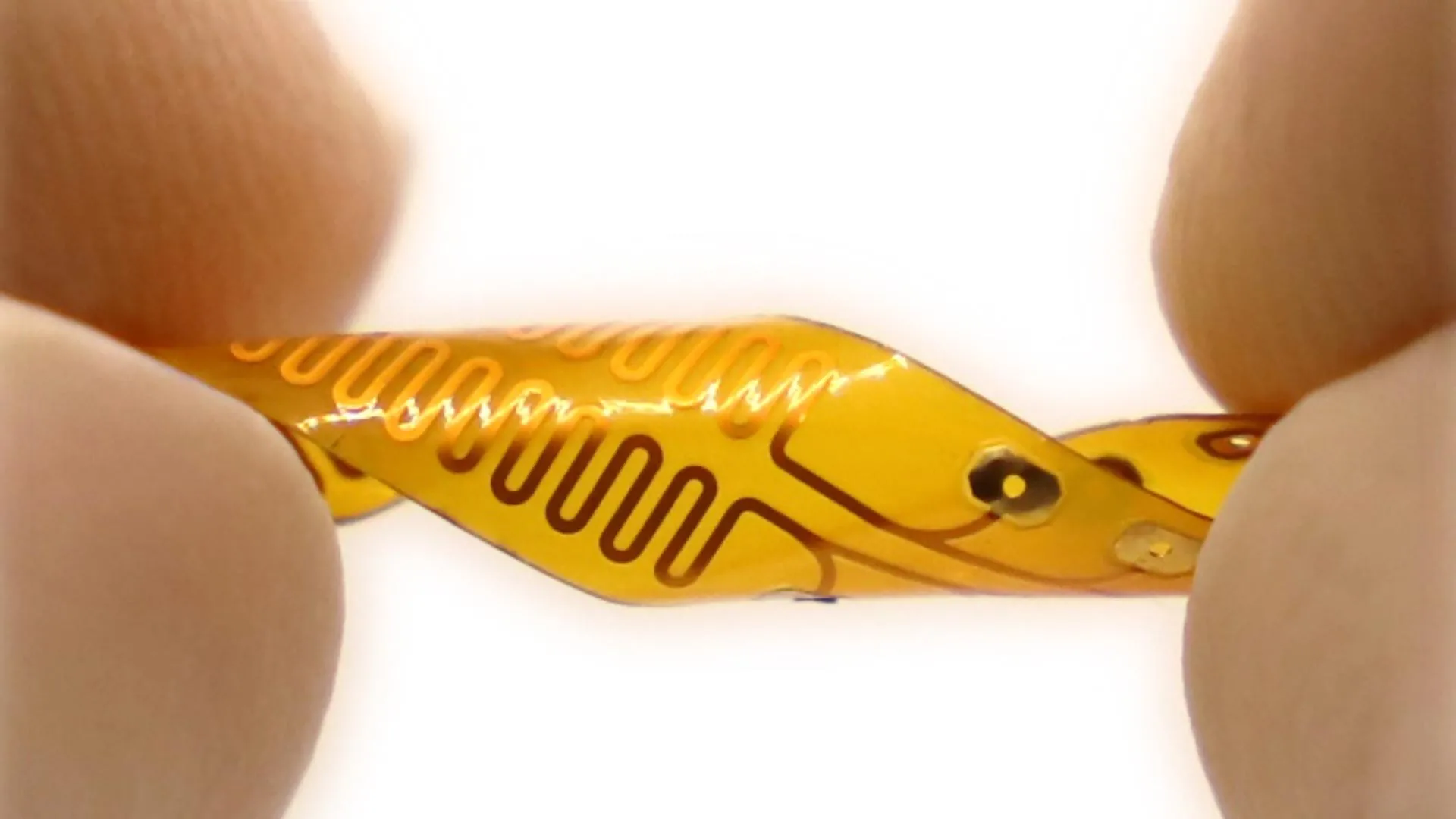
Current implantable electrical stimulators offer an alternative by stimulating the spinal cord to block pain signals from reaching the brain. But these devices come with drawbacks like high cost, invasive surgery, and the need for frequent battery replacements. Now, researchers from the Zhou Lab in USC Viterbi’s Alfred E. Mann Department of Biomedical Engineering, in collaboration with the Jun Chen Group at UCLA, have developed a revolutionary solution: a flexible ultrasound-induced wireless implantable (UIWI) stimulator secured to the spine and designed for personalized, self-adaptive chronic pain management.
This groundbreaking device, detailed in Nature Electronics, represents a significant leap forward in pain therapy. While current spinal cord stimulators can be unwieldy and are hard-wired to batteries, the new device is designed to bend and twist with movement and is powered by a wearable ultrasound transmitter without the need for a battery. It also harnesses machine learning algorithms to customize treatment for each patient. The work was led by Zohrab A. Kaprielian Fellow in Engineering Qifa Zhou, who is also a professor of ophthalmology at the Keck School of Medicine of USC.
Pain Relief on Demand: How the Implantable Stimulator Works
At the heart of this innovation is its wireless power supply, eliminating the need for bulky batteries and complex wired interfaces that often require repeated surgeries. The UIWI stimulator receives its energy from an external, wearable ultrasound transmitter (WUT). Ultrasound offers a safe, effective non-invasive method for deep-tissue penetration. The device converts mechanical waves into electrical signals through a phenomenon called the piezoelectric effect. The core of the UIWI stimulator is a miniaturized piezoelectric element made from lead zirconate titanate (PZT), a highly efficient material for converting incoming ultrasound energy into the electrical power needed for stimulation.
“What truly sets this device apart is its wireless, smart and self-adaptive capability for pain management,” Zhou said. “We believe it offers great potential to replace pharmacological schemes and conventional electrical stimulation approaches, aligning with clinical needs for pain mitigation.”
Ph.D. candidate in the Zhou Lab and lead author Yushun (Sean) Zeng said the wireless smart miniaturized stimulator had the ability to produce sufficient electrical stimulation intensity by using ultrasound energy, resulting in a more personalized, targeted and localized treatment.

“This energy-converting type is critical for deep stimulation, as ultrasound is a non-invasive and highly penetrating energy in clinical and medical areas,” Zeng said. “By leveraging wireless ultrasonic energy transfer and closed-loop feedback system, this UIWI stimulator removes the necessity for bulky implanted batteries and allows for real-time, precisely adjustable pain modulation.”
“From a clinical standpoint, incorporating deep learning-based pain assessment enables dynamic interpretation and response to fluctuating pain states, which is essential for accommodating patient-specific variability.” added Zhou Lab Ph.D. candidate Chen Gong, also a lead author on the paper.
The device works by:
Detecting pain: The system continuously monitors brain recordings, specifically electroencephalogram (EEG) signals, which reflect a patient’s pain levels. Harnessing AI to assess pain levels: A sophisticated machine learning model, based on a neural network called ResNet-18, analyzes these brain signals and classifies pain into three distinct levels: slight pain, moderate pain, and extreme pain. This AI model boasts a 94.8% overall accuracy in distinguishing between these pain states. Adapting treatment as needed: Once a pain level is identified, the wearable ultrasound transmitter automatically adjusts the acoustic energy it transmits. The UIWI stimulator can then sense the propagated energy and convert it into electrical intensity, stimulating the spinal cord. This creates a closed-loop system that provides real-time, personalized pain management. The UIWI stimulator itself is flexible, bendable, and twistable, allowing for optimal placement on the spinal cord. The electrical stimulation it provides to the spinal cord works by rebalancing the signals that transmit and inhibit pain, effectively suppressing the sensation of pain.
Demonstrated Success in the Lab The Zhou Lab team tested the UIWI stimulator in rodent models, with results demonstrating its effectiveness for pain management.
Researchers successfully relieved chronic neuropathic pain caused by both mechanical stimuli (like a pin prick) and acute thermal stimuli (infrared heat).

Lab tests showed that treatment from the UIWI stimulator led to significant reductions in pain indicators. In one experiment to evaluate whether an animal associates an environment with pain relief, rodents showed a clear preference for the chamber where the pain management system was activated, further confirming the device’s effectiveness.
The Future of Personalized Pain Relief
The successful development and testing of the UIWI stimulator mark a pivotal moment in the quest for advanced pain management. The flexible design of the implant and its integration with sophisticated AI algorithms offer a dynamic and personalized treatment approach that can adapt to the fluctuating and highly individual nature of chronic pain.
Looking ahead, Zhou and his collaborators are hoping for even more advanced applications of the device. Zhou said that future designs could miniaturize the components further, enabling less invasive device implantation — for instance, with a syringe. The wearable ultrasound transmitter could also evolve into an untethered, miniaturized device or even a wearable ultrasound array patch, potentially combining imaging capabilities with energy delivery for real-time monitoring and targeted stimulation. Future iterations could also be controlled by smartphone software, offering even more robust personalized pain management.
Zhou said the aim of the device was to transform chronic pain management, moving beyond the limitations of current solutions to offer a truly personalized, intelligent, and effective pathway to pain relief.
“Our findings highlight the potential of ultrasonic implantable electronics in clinical and translational chronic pain management,” Zeng said.

Read more →

Low aspirin dose ‘cuts cancer risk in some people’

3 hours agoShareSaveSharon BarbourShareSaveBBCA study to find the right dose of aspirin to reduce the risk of cancer in some patients has found the smallest amount works just as well as larger ones, according to a leading researcher.The trial involved 1,879 people with Lynch syndrome who were given three different-sized doses of the painkiller.Prof Sir John Burn, from Newcastle University, said he would ask health regulators to formally advise a low dose of 75mg be prescribed to those with the genetic condition, which puts them at a greater cancer risk.Nick James, who has Lynch syndrome – and who has lost nearly all of his family to cancer – was the first person to sign up to the trial. He said the findings were “massively reassuring”.The furniture maker, based in Newcastle, no longer has any family left alive in the UK.”Quite a few members of my family have had cancer – like colorectal cancers, or endometrial,” he explained.”My grandfather had bladder cancer, my mum had a certain kind of cancer. When you start looking at the family tree – it becomes quite apparent what’s going on. “We didn’t actually know it was Lynch syndrome until 13 years ago, and that’s when I learned about the aspirin trials.” Clare BowesTo try and stop himself from developing cancer, Mr James was the first person to sign up to the latest trial nearly 10 years ago.The Cancer Prevention Project 3 study (CaPP3), supported by Cancer Research UK, involved patients taking a different daily dose of aspirin: 100mg, 300mg or 600mg. In the trial, a European-sized dose of 100 mg aspirin was used. The established dose is 75mg per day in the UK, and 81mg in the US.It was only at the end of the study that Mr James learned he had been put on a 300mg dose.”The fact that I can now go down to a baby aspirin makes it feel less scary,” he said. “I didn’t have any major side effects – but it potentially reduces any.”That the research has shown that taking an aspirin reduces your risk of getting a cancer if you have Lynch syndrome is massively reassuring for me – and my family.” Optimal dose People with Lynch syndrome have inherited a faulty gene which can increase their chances of developing some cancers – including bowel and womb cancer.Prof Burn, who was involved in discovering Lynch syndrome and who led the international study, said he focused his research on those patients “because they get so many cancers”. “We already have NICE guidance saying people with Lynch syndrome should be recommended to take aspirin. Now we should recommend a baby aspirin.” An earlier study led by Prof Burn found a protective effect in those taking 600mg of aspirin every day for just over two years.He said the new results showed the lowest dose worked just as well as the larger doses.”So what we can now say with statistical confidence is that the people taking a baby aspirin are as protected as the people taking two aspirins – but also much less likely to have side effects,” he added. In some people, aspirin can cause bleeding, so Prof Burn said he wanted health regulators to now recommend the lowest dose be given to Lynch syndrome patients.”Roughly speaking, if someone with Lynch syndrome has about a 2% a year chance of getting mostly bowel cancers, we think if they take aspirin, that is halved – down to about 1% a year,” he explained. Prof Burn said the next big challenge was to find those who were unaware they even have Lynch syndrome.He said “about 150,000 patients in the UK” have the condition, but a small number are only tested when they realise cancer runs in their family.”It was only when they get cancer in their 40s and 50s, and remember their auntie had cancer, and their granddad.” NHS England said with only 5-10% of patients diagnosed, identifying more people with Lynch syndrome was a strategic priority. Once diagnosed, they can then be offered cancer screening and monitoring. Prof Burn said: “We can also put them on to a baby aspirin – and cut their risk.” The findings of the study will be presented at the Cancer Prevention Research Conference, taking place in London from Wednesday, in partnership with the American Cancer Society.More on this storyRelated internet links

Read more →

Your CT scan could reveal a hidden heart risk—and AI just learned how to find it

Mass General Brigham researchers have developed a new AI tool in collaboration with the United States Department of Veterans Affairs (VA) to probe through previously collected CT scans and identify individuals with high coronary artery calcium (CAC) levels that place them at a greater risk for cardiovascular events. Their research, published in NEJM AI, showed the tool called AI-CAC had high accuracy and predictive value for future heart attacks and 10-year mortality. Their findings suggest that implementing such a tool widely may help clinicians assess their patients’ cardiovascular risk.
“Millions of chest CT scans are taken each year, often in healthy people, for example to screen for lung cancer. Our study shows that important information about cardiovascular risk is going unnoticed in these scans,” said senior author Hugo Aerts, PhD, director of the Artificial Intelligence in Medicine (AIM) Program at Mass General Brigham. “Our study shows that AI has the potential to change how clinicians practice medicine and enable physicians to engage with patients earlier, before their heart disease advances to a cardiac event.”
Chest CT scans can detect calcium deposits in the heart and arteries that increase the risk of a heart attack. The gold standard for quantifying CAC uses “gated” CT scans, that synchronize to the heartbeat to reduce motion during the scan. But most chest CT scans obtained for routine clinical purposes are “nongated.”
The researchers recognized that CAC could still be detected on these nongated scans, which led them to develop AI-CAC, a deep learning algorithm to probe through the nongated scans and quantify CAC to help predict the risk of cardiovascular events. They trained the model on chest CT scans collected as part of the usual care of veterans across 98 VA medical centers and then tested AI-CAC’s performance on 8,052 CT scans to simulate CAC screening in routine imaging tests.
The researchers found the AI-CAC model was 89.4% accurate at determining whether a scan contained CAC or not. For those with CAC present, the model was 87.3% accurate at determining whether the score was higher or lower than 100, indicating a moderate cardiovascular risk. AI-CAC was also predictive of 10-year all-cause mortality — those with a CAC score of over 400 had a 3.49 times higher risk of death over a 10-year period than patients with a score of zero. Of the patients the model identified as having very high CAC scores (greater than 400), four cardiologists verified that almost all of them (99.2%) would benefit from lipid lowering therapy.
“At present, VA imaging systems contain millions of nongated chest CT scans that may have been taken for another purpose, around 50,000 gated studies. This presents an opportunity for AI-CAC to leverage routinely collected nongated scans for purposes of cardiovascular risk evaluation and to enhance care,” said first author Raffi Hagopian, MD, a cardiologist and researcher in the Applied Innovations and Medical Informatics group at the VA Long Beach Healthcare System. “Using AI for tasks like CAC detection can help shift medicine from a reactive approach to the proactive prevention of disease, reducing long-term morbidity, mortality and healthcare costs.”
Limitations to the study include the fact that the algorithm was developed on an exclusively veteran population. The team hopes to conduct future studies in the general population and test whether the tool can assess the impact of lipid-lowering medications on CAC scores.
Authorship: In addition to Aerts, Mass General Brigham authors include Simon Bernatz, and Leonard Nürnberg. Additional authors include Raffi Hagopian, Timothy Strebel, Gregory A. Myers, Erik Offerman, Eric Zuniga, Cy Y. Kim, Angie T. Ng, James A. Iwaz, Sunny P. Singh, Evan P. Carey, Michael J. Kim, R. Spencer Schaefer, Jeannie Yu, and Amilcare Gentili.
Funding: This work was funded by the Veterans Affairs health care system.

Read more →

At-home cervical screening tests offered in England

4 hours agoShareSaveShareSaveGetty ImagesWomen who have delayed coming forward for cervical screening will be offered a test to be taken at home, NHS England has said.The DIY test kits, available from January, contain a long cotton-wool bud to swab the lining of the vagina.The test is for human papillomavirus (HPV), which causes most cervical cancers, and women between the ages of 25 and 64 are offered it every few years.But more than five million women aren’t up to date with the test, according to the government.The Department for Health and Social Care in England said the scheme would tackle “deeply entrenched barriers” that keep women away from cervical screening.This can be due to embarrassment, discomfort, lack of time as well as religious or cultural concerns.Just 68.8% of women currently take up the offer of cervical cancer screening – well below the NHS England target of 80%.Younger women, those with a disability, ethnic minority communities and LGBT+ groups are more likely to miss appointments.A recent trial showed the rollout of home test kits across England could increase the proportion screened to 77% over three years.The Department of Health said women who had rarely or never attended cervical screening would be offered a self-sample kit to complete at home. The kits are sent out “in discreet packaging” and the return postage is pre-paid. The test checks for HPV alone, but if that’s detected then women will be invited for to see a doctor who will check for cell changes which could indicate cancer.Health and Social Care secretary Wes Streeting said: “We know the earlier cancer is diagnosed the better the chances are of survival. “By making screening more convenient, we’re tackling the barriers that keep millions of women from potentially life-saving tests.”Michelle Mitchell, chief executive of Cancer Research UK, said “beating cervical cancer means beating it for everyone” adding that at-home testing “helps to bring us closer to that goal”.’I’m absolutely thrilled’Hazel Stinson, 49, from Kent, suffers from chronic fatigue syndrome and was last able to visit the GP for a cervical screening six years ago.She says she is “absolutely thrilled” that at-home testing is being rolled out across England.”This will mean that I and millions of other people just like me will be able to have the test when otherwise they might not be able to do it,” she added.Ms Stinson said as someone with chronic fatigue, which is also known as myalgic encephalomyelitis or ME, “the most important thing is to advocate for yourself”.She says she has always been left “feeling fearful” that her inability to attend the GP regularly for tests like cervical screening could really affect her health.”I’m unwell enough as it is – I really don’t want anything else on top of this,” she explained.Main symptoms of cervical cancervaginal bleeding that’s unusual for you – including during or after sex, between periods or after the menopause – or heavier periods than usualchanges to vaginal dischargepain during sex or in the lower back, lower tummy or between the hip bones (pelvis)Source: NHS

Read more →

Recycled plastic is a toxic cocktail: Over 80 chemicals found in a single pellet

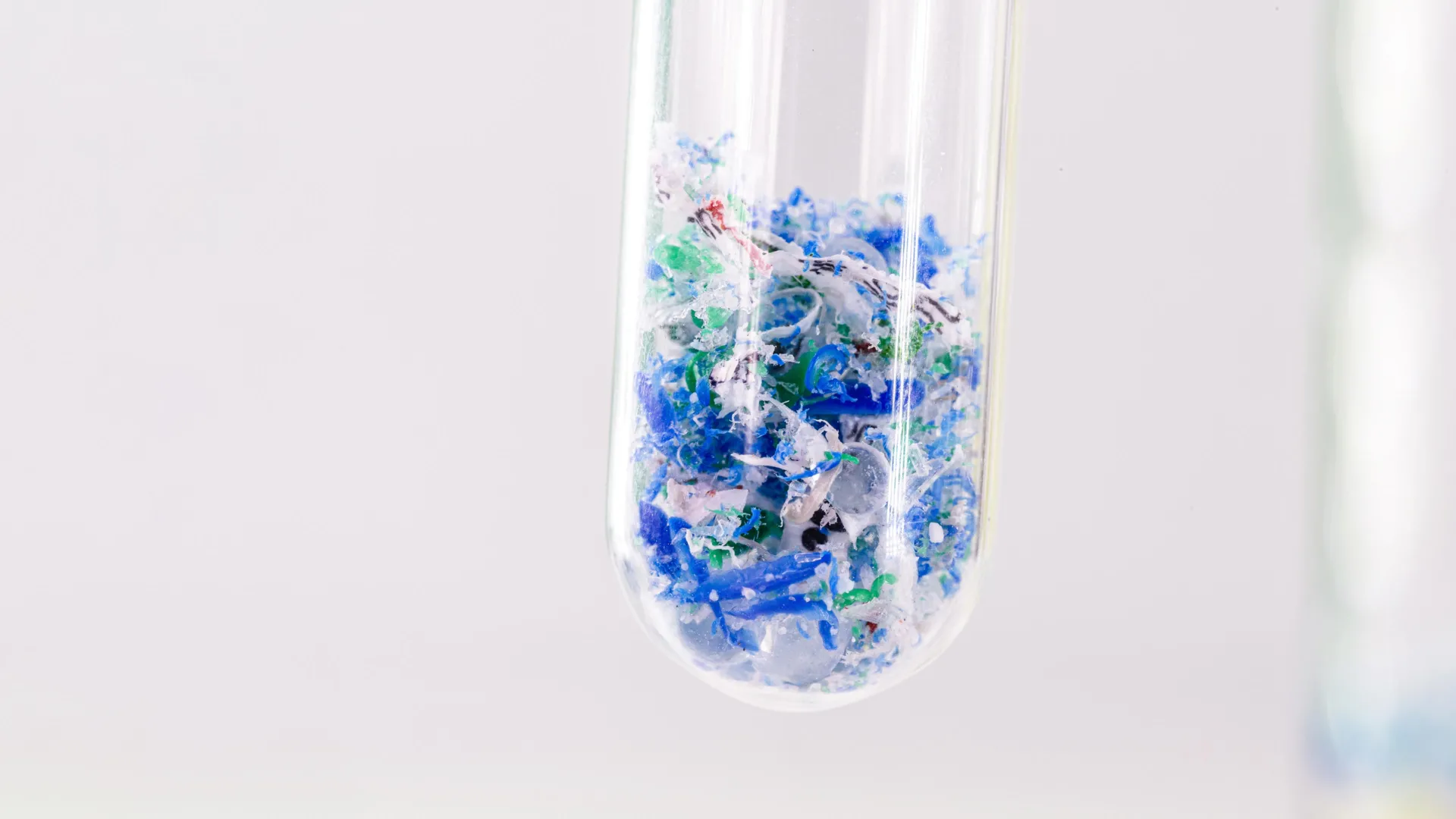
A single pellet of recycled plastic can contain over 80 different chemicals. A new study with researchers from University of Gothenburg and Leipzig shows that recycled polyethylene plastic can leach chemicals into water causing impacts in the hormone systems and lipid metabolism of zebrafish larvae.
The plastic pollution crisis has reached global levels, threatening both planetary and human health, and recycling is proposed as one of the solutions to the plastics pollution crisis. However, as plastics contain thousands of chemical additives and other substances that can be toxic, and these are almost never declared, hazardous chemicals can indiscriminately end up in recycled products.
Increasing gene expressions
In a new study, researchers bought plastic pellets recycled from polyethylene plastic from different parts of the world and let the pellets soak in water for 48 hours. After which zebrafish larvae were exposed to the water for five days. The experimental results show increases in gene expression relating to lipid metabolism, adipogenesis, and endocrine regulation in the larvae.
“These short leaching times and exposure times are yet another indicator of the risks that chemicals in plastics pose to living organisms. The impacts that we measured show that these exposures have the potential to change the physiology and health of the fish,” says Azora König Kardgar, lead author and researcher in ecotoxicology at the University of Gothenburg.
“Never full knowledge”
Previous research has shown similar effects to humans, including threats to reproductive health and obesity, from exposure to toxic chemicals in plastics. Some chemicals used as additives in plastics and substances that contaminate plastics are known to disturb hormones, with potential impacts on fertility, child development, links to certain cancers, and metabolic disorders including obesity and diabetes.

“This is the main obstacle with the idea of recycling plastic. We never have full knowledge of what chemicals will end up in an item made of recycled plastic. And there is also a significant risk of chemical mixing events occuring, which render the recycled plastic toxic,” says Bethanie Carney Almroth, professor at the University of Gothenburg and principal investigator on the project.
Different chemicals
Apart from the study on the impact that recycled plastics have on zebra fish larvae, the researcher also conducted a chemical analysis of the chemicals leaching from the plastic pellets to the water. And they found a lot of different chemical compounds, but the mixture altered between different samples of pellets.
“We identified common plastics chemicals, including UV-stabilizers and plasticizers, as well as chemicals that are not used as plastics additives, including pesticides, pharmaceuticals and biocides. These may have contaminated the plastics during their first use phase, prior to becoming waste and being recycled. This is further evidence of the complicated issue of plastics waste flows, and of toxic chemicals contaminating recycled plastics,” says Eric Carmona, researcher at Department of Exposure Science, Helmholtz Centre for Environmental Research in Leipzig.
“Ban hazardous chemicals”
Representatives from the nations of the world are preparing to head to Geneva, Switzerland, in August, for what is planned to be the final negotiating meeting for a Global Plastics Treaty at the Intergovernmental Negotiating Committee under the United Nations Environmental Program. The authors of the work stress that negotiators and decision-makers must include provisions to ban or reduce hazardous chemicals in plastics, and to increase transparency and reporting along plastics value chains. Plastics cannot be recycled in a safe and sustainable manner if hazardous chemicals are not addressed.
“This work clearly demonstrates the need to address toxic chemicals in plastics materials and products, across their life cycle,” says Professor Bethanie Carney Almroth. “We cannot safely produce and use recycled plastics if we cannot trace chemicals throughout production, use and waste phases.”
Facts: Polyethylene (PE)
Polyethylene, abbreviated PE, is a type of plastic used in a lot of packaging materials like bottle caps, plastic bags, agricultural mulch films, insulation for wiring and cables, pipes, ropes, toys and household items. It is the most widely produced and used polymer. On plastic products made of polyethylene, the number in the recycling code is either 2 or 4.

Read more →

From cursed tomb fungus to cancer cure: Aspergillus flavus yields potent new drug

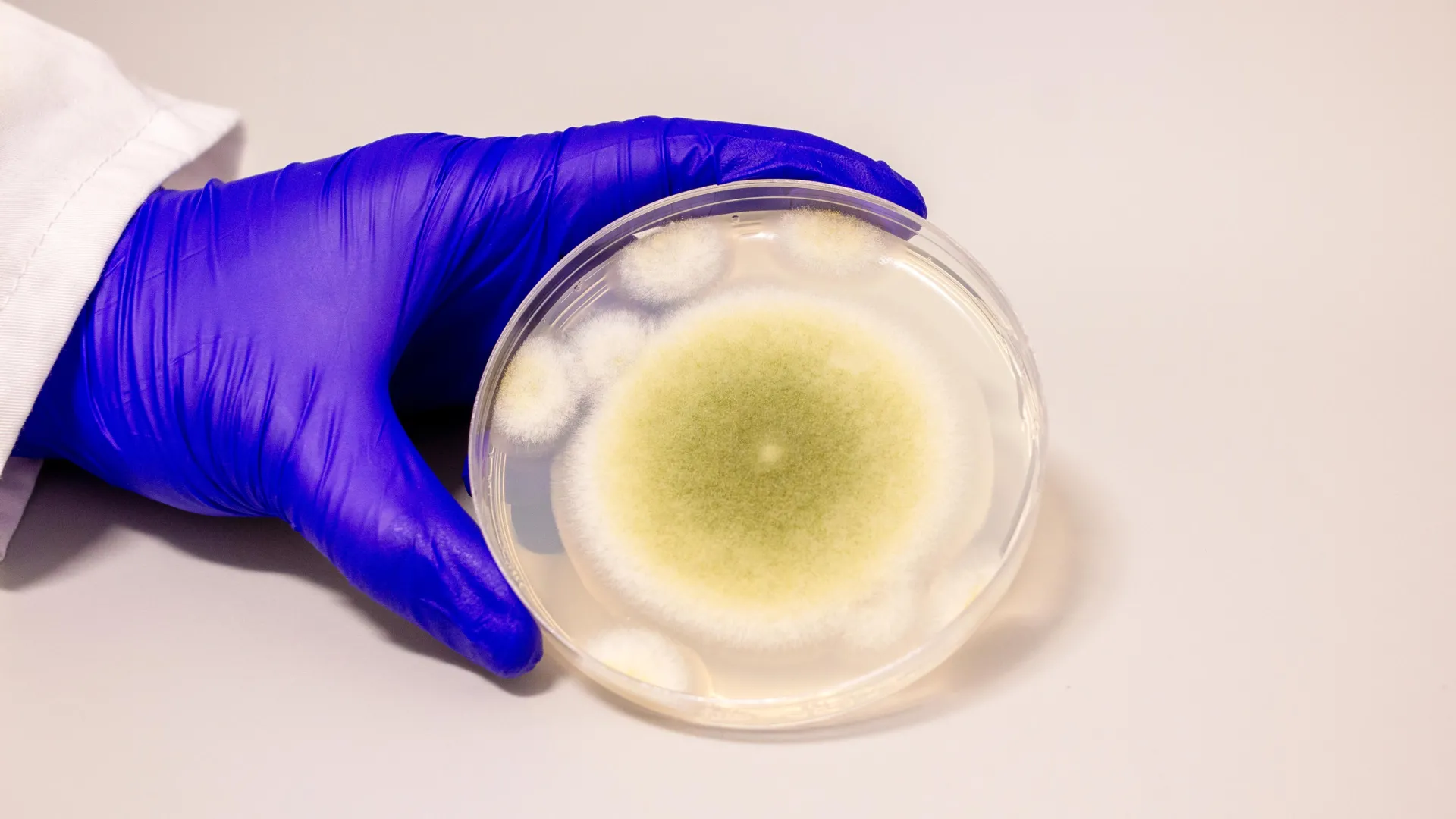
Penn-led researchers have turned a deadly fungus into a potent cancer-fighting compound. After isolating a new class of molecules from Aspergillus flavus, a toxic crop fungus linked to deaths in the excavations of ancient tombs, the researchers modified the chemicals and tested them against leukemia cells. The result? A promising cancer-killing compound that rivals FDA-approved drugs and opens up new frontiers in the discovery of more fungal medicines.
“Fungi gave us penicillin,” says Sherry Gao, Presidential Penn Compact Associate Professor in Chemical and Biomolecular Engineering (CBE) and in Bioengineering (BE) and senior author of a new paper in Nature Chemical Biologyon the findings. “These results show that many more medicines derived from natural products remain to be found.”
From Curse to Cure
Aspergillus flavus, named for its yellow spores, has long been a microbial villain. After archaeologists opened King Tutankhamun’s tomb in the 1920s, a series of untimely deaths among the excavation team fueled rumors of a pharaoh’s curse. Decades later, doctors theorized that fungal spores, dormant for millennia, could have played a role.
In the 1970s, a dozen scientists entered the tomb of Casimir IV in Poland. Within weeks, 10 of them died. Later investigations revealed the tomb contained A. flavus, whose toxins can lead to lung infections, especially in people with compromised immune systems.
Now, that same fungus is the unlikely source of a promising new cancer therapy.
A Rare Fungal Find
The therapy in question is a class of ribosomally synthesized and post-translationally modified peptides, or RiPPs, pronounced like the “rip” in a piece of fabric. The name refers to how the compound is produced — by the ribosome, a tiny cellular structure that makes proteins — and the fact that it is modified later, in this case, to enhance its cancer-killing properties.

“Purifying these chemicals is difficult,” says Qiuyue Nie, a postdoctoral fellow in CBE and the paper’s first author. While thousands of RiPPs have been identified in bacteria, only a handful have been found in fungi. In part, this is because past researchers misidentified fungal RiPPs as non-ribosomal peptides and had little understanding of how fungi created the molecules. “The synthesis of these compounds is complicated,” adds Nie. “But that’s also what gives them this remarkable bioactivity.”
Hunting for Chemicals
To find more fungal RiPPs, the researchers first scanned a dozen strains of Aspergillus, which previous research suggested might contain more of the chemicals.
By comparing chemicals produced by these strains with known RiPP building blocks, the researchers identified A. flavus as a promising candidate for further study.
Genetic analysis pointed to a particular protein in A. flavus as a source of fungal RiPPs. When the researchers turned the genes that create that protein off, the chemical markers indicating the presence of RiPPs also disappeared.
This novel approach — combining metabolic and genetic information — not only pinpointed the source of fungal RiPPs in A. flavus, but could be used to find more fungal RiPPs in the future.

A Potent New Medicine
After purifying four different RiPPs, the researchers found the molecules shared a unique structure of interlocking rings. The researchers named these molecules, which have never been previously described, after the fungus in which they were found: asperigimycins.
Even with no modification, when mixed with human cancer cells, asperigimycins demonstrated medical potential: two of the four variants had potent effects against leukemia cells.
Another variant, to which the researchers added a lipid, or fatty molecule, that is also found in the royal jelly that nourishes developing bees, performed as well as cytarabine and daunorubicin, two FDA-approved drugs that have been used for decades to treat leukemia.
Cracking the Code of Cell Entry
To understand why lipids enhanced asperigimycins’ potency, the researchers selectively turned genes on and off in the leukemia cells. One gene, SLC46A3, proved critical in allowing asperigimycins to enter leukemia cells in sufficient numbers.
That gene helps materials exit lysosomes, the tiny sacs that collect foreign materials entering human cells. “This gene acts like a gateway,” says Nie. “It doesn’t just help asperigimycins get into cells, it may also enable other ‘cyclic peptides’ to do the same.”
Like asperigimycins, those chemicals have medicinal properties — nearly two dozen cyclic peptides have received clinical approval since 2000 to treat diseases as varied as cancer and lupus — but many of them need modification to enter cells in sufficient quantities.
“Knowing that lipids can affect how this gene transports chemicals into cells gives us another tool for drug development,” says Nie.
Disrupting Cell Division
Through further experimentation, the researchers found that asperigimycins likely disrupt the process of cell division. “Cancer cells divide uncontrollably,” says Gao. “These compounds block the formation of microtubules, which are essential for cell division.”
Notably, the compounds had little to no effect on breast, liver or lung cancer cells — or a range of bacteria and fungi — suggesting that asperigimycins’ disruptive effects are specific to certain types of cells, a critical feature for any future medication.
Future Directions
In addition to demonstrating the medical potential of asperigimycins, the researchers identified similar clusters of genes in other fungi, suggesting that more fungal RiPPS remain to be discovered. “Even though only a few have been found, almost all of them have strong bioactivity,” says Nie. “This is an unexplored region with tremendous potential.”
The next step is to test asperigimycins in animal models, with the hope of one day moving to human clinical trials. “Nature has given us this incredible pharmacy,” says Gao. “It’s up to us to uncover its secrets. As engineers, we’re excited to keep exploring, learning from nature and using that knowledge to design better solutions.”
This study was conducted at the University of Pennsylvania School of Engineering and Applied Science; Rice University; the University of Pittsburgh; The University of Texas MD Anderson Cancer Center; Washington University School of Medicine, St. Louis; Baylor College of Medicine and the University of Porto.
The study was supported by the U.S. National Institutes of Health (R35GM138207, R35CA274235, R35GM128779), the University of Pennsylvania, the Welch Foundation (C-2033-20200401), the Houston Area Molecular Biophysics Program (NIH Grant T32 GM008280), the Cancer Prevention and Research Institute of Texas (RR220087, RR210029) and the National Science Foundation (OAC-2117681, OAC-1928147, OAC-1928224).
Additional co-authors include Fanglong Zhao, Xuerong Yu, Caleb Chang, Rory Sharkey, Bryce Kille, Hongzi Zheng, Kevin Yang, Alan Du, Todd Treangen, Yang Gao and Hans Renata of Rice University; Chunxiao Sun and Shuai Liu of Penn Engineering and Rice; Siting Li and Junjie Chen of MD Anderson; Mithun C. Madhusudhanan and Peng Liu of Pitt; Sandipan Roy Chowdhury, Dongyin Guan, Jin Wang, Xin Yu and Dishu Zhou of Baylor; Maria Zotova and Zichen Hu of Penn Engineering; Sandra A. Figueiredo and Pedro N. Leão of the University of Porto; and Andy Xu and Rui Tang of Wash U, St. Louis.

Read more →

National NHS maternity care investigation launched

Health Secretary Wes Streeting has announced a national investigation into maternity care in England.The “rapid” inquiry will urgently look at the worst-performing maternity and neonatal services in the country, including Leeds, Sussex, Gloucester, and Mid and South Essex.Streeting has met parents who have lost babies in a series of maternity scandals at some NHS trusts and said the investigation would “make sure these families get the truth and the accountability they deserve”. It will begin this summer and report back by December 2025.The review will look across the entire maternity system, bringing together the findings of past reviews into a clear national set of actions to ensure every woman and baby receives safe, high-quality and compassionate care.Making the announcement on Monday, Streeting apologised on behalf of the NHS to those families who had suffered avoidable harm.It comes after a series of maternity scandals, including in Morecambe Bay, East Kent, Shrewsbury and Telford and Nottingham.Streeting said the review would be co-produced with the victims of maternity scandals, giving families a voice into how the inquiry is run.He said he wants to ensure “no parent or baby is ever let down again”.

Read more →