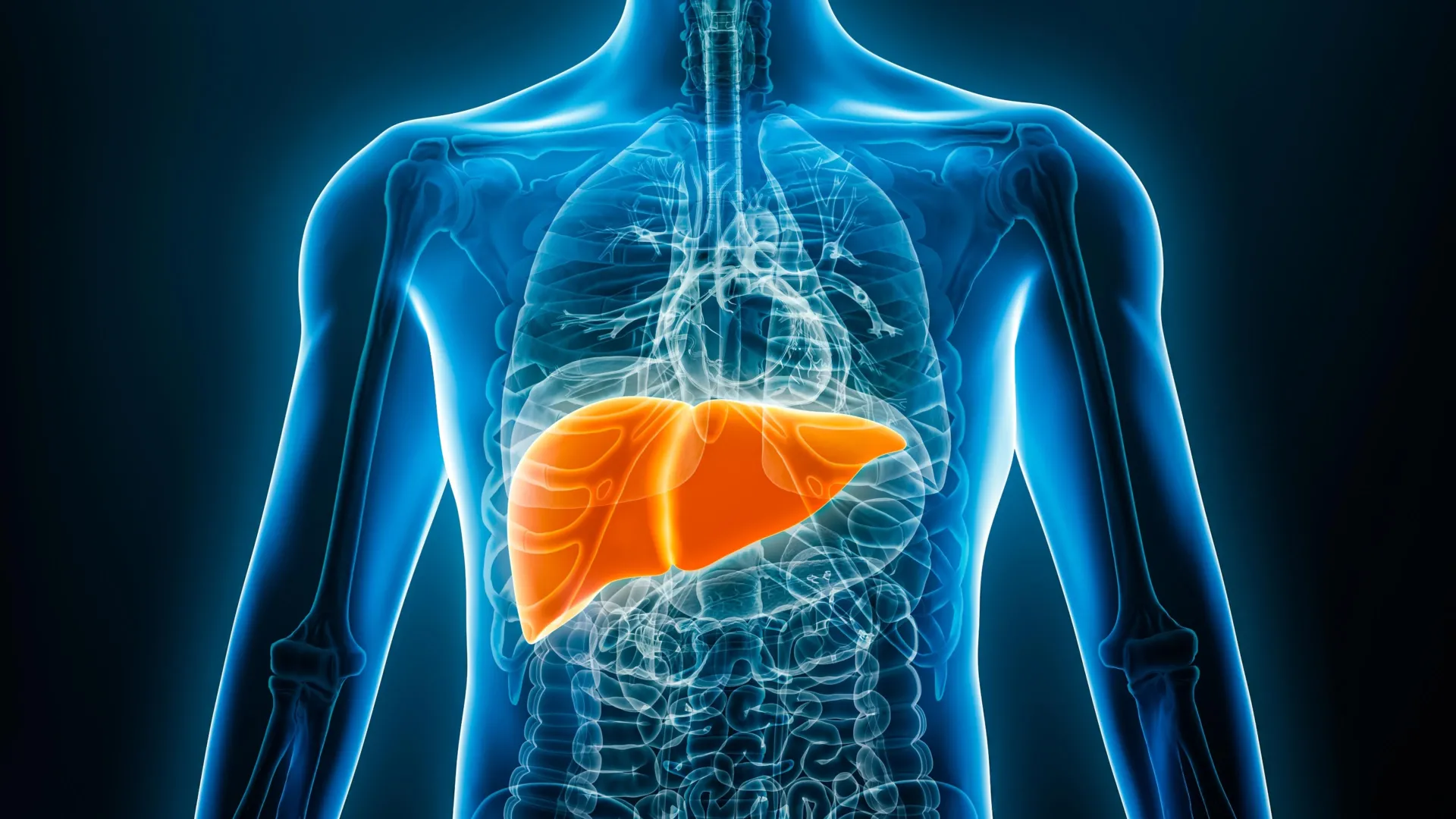
AI sees what doctors miss: Fatty liver disease hidden in chest x-rays

Fatty liver disease, caused by the accumulation of fat in the liver, is estimated to affect one in four people worldwide. If left untreated, it can lead to serious complications, such as cirrhosis and liver cancer, making it crucial to detect early and initiate treatment.
Currently, standard tests for diagnosing fatty liver disease include ultrasounds, CTs, and MRIs, which require costly specialized equipment and facilities. In contrast, chest X-rays are performed more frequently, are relatively inexpensive, and involve low radiation exposure. Although this test is primarily used to examine the condition of the lungs and heart, it also captures part of the liver, making it possible to detect signs of fatty liver disease. However, the relationship between chest X-rays and fatty liver disease has rarely been a subject of in-depth study.
Therefore, a research group led by Associate Professor Sawako Uchida-Kobayashi and Associate Professor Daiju Ueda at Osaka Metropolitan University’s Graduate School of Medicine developed an AI model that can detect the presence of fatty liver disease from chest X-ray images.
In this retrospective study, a total of 6,599 chest X-ray images containing data from 4,414 patients were used to develop an AI model utilizing controlled attenuation parameter (CAP) scores. The AI model was verified to be highly accurate, with the area under the receiver operating characteristic curve (AUC) ranging from 0.82 to 0.83.
“The development of diagnostic methods using easily obtainable and inexpensive chest X-rays has the potential to improve fatty liver detection. We hope it can be put into practical use in the future,” stated Professor Uchida-Kobayashi.

Read more →

How is your hospital doing as NHS battles to bring down waiting times?

3 hours agoShareSaveDaniel WainwrightData journalist, BBC VerifyShareSaveGetty ImagesNick TriggleShareSaveDoctors and patient groups warn that the NHS in England is facing an uphill struggle on the government’s number one NHS priority – improving hospital waiting times.They are concerned about the lack of progress towards hitting the 18-week waiting time target, one of Labour’s key election pledges. It has not been met since 2015.Since the election, the proportion of patients waiting less than 18 weeks has improved, but by less than a percentage point.And an analysis of hospital trusts by BBC Verify found over a third are seeing a smaller share of patients within 18 weeks since the NHS improvement plan was announced in January.But the government said it was premature to suggest progress was too slow as the NHS had only started to push forward with the government’s improvement plan in April. Before that, it had focussed on other priorities, including tackling the very longest waits.It said the fact waiting times had continued to improve even during winter – the first time this had happened for 10 years – was encouraging.And in an interview with the BBC, Health Secretary Wes Streeting said progress would go “further and faster” in the coming years, helped by the extra money being invested and the 10-year NHS plan, due to be published next week.He said lots had been achieved so far, including millions more appointments being carried out and the total number of patients on the waiting list dropping to below 7.4 million, its lowest level for two years.On the 18-week target, he acknowledged there was “much more to do”, before adding: “There’s a big challenge here. Are we going to meet it? Absolutely. We are not going to let people down.”The government has promised to hit the target by March 2029, which requires 92% of patients to be seen within 18 weeks.In January, every hospital trust was given their own individual performance targets to meet by March 2026 as the first step in achieving that pledge.BBC Verify is launching an interactive tool, which we will update when there is new data, so you can find out how well your local NHS services are doing. We have included NHS trusts in England that had at least 5,000 cases waiting in November.’I’ve forgotten what it is like to not be in pain’John WinnikJohn Winnik does not know when he will get treatment for a problem with his back.The grandfather from West Yorkshire, who has arthritis, has been on an NHS waiting list for nine months so far – much longer than the 18 weeks the health service says should be the limit.The 73-year-old paid privately to go to Lithuania for a right hip replacement last year, having spent more than a year on the NHS waiting list.He’s also having injections in his left hip, which will eventually need replacing.”I’m living in constant pain,” said Mr Winnik, a self-employed consultant in the glass lamination industry. “I’ve forgotten what it is like to not be in pain, to be honest. I haven’t played golf for two years and if I do five minutes of gardening, I’m shattered.”Royal College of Surgeons of England president Tim Mitchell said: “The NHS is changing course, but the sails still lack wind.”Progress is being made in some parts of the country, but it’s too slow to meet the government’s ambition of hitting the 18-week target by the end of this parliament.”Delayed operations mean patients left waiting in pain, with their condition potentially deteriorating.”He said the extra money being put into the NHS in the coming years would help, but “serious underinvestment” in infrastructure like operating theatres over the years is hampering efforts.Deborah Alsina, chief executive of the patient group Versus Arthritis, also has doubts, saying there was scepticism about whether the rapid progress needed could be achieved.And she added: “It is impossible to overstate the personal, physical and mental toll of being stuck on a waiting list in daily pain, sometimes for years.”There’s also a wider impact on society, with many people on waiting lists having to drop out of work, despite wanting to stay in employment, and becoming increasingly reliant on others.”The interim targets for March 2026 mean trusts either have to be seeing 60% of patients within 18 weeks of referral or improve on their November 2024 position by five percentage points – whichever is the greater.The NHS overall in England is expected to ensure 65% of patients do not wait longer than 18 weeks – currently less than 60% are.The majority of trusts have already started making progress, however a BBC Verify analysis shows 50 – more than one third – are now further away from the target since November 2024.Once the trusts that have improved are taken into account the overall trend though is positive.A handful of trusts have already got to where they need to be by next March – as long as they can keep their waiting lists down.Mersey and West Lancashire Hospitals NHS Trust had more than 48,000 patients waiting less than 18 weeks so far for treatment, 64.2% of the total, in April. That is up from 58.7% in November.East Sussex Healthcare NHS Trust also reached 60.1% in April, up from 54.9% in November.The biggest target for improvement was set for The Princess Alexandra Hospital Trust in Harlow, according to our analysis. In November, 41.8% of its patients were waiting less than 18 weeks. By April, that had risen to about 48.8% – one of the biggest improvements in England so far. But it needs to rise further by more than 11 percentage points by next March.PAHT chief executive Thom Lafferty said they were “delighted” with their progress.”We recognise the impact for patients who are waiting for care and we are enhancing integration and collaboration with our partners to ensure that patients can access the right care, in the right place, at the right time.”Some trusts have a higher mountain to climb because their figures have dipped since November.Mid and South Essex NHS Trust started out with 52.8% of patients waiting less than 18 weeks in November. But when the clock started in April, it had fallen to 47%.Two of its theatres at Basildon Hospital have been closed for work along with some of the trust’s procedure rooms and it has had an increase in referrals.Chief executive Matthew Hopkins said it was putting on extra clinics and had a new orthopaedic procedure room opening soon, adding: “We are confident we will improve our waiting times and improve patient experience.”Others that have fallen despite requiring large improvements include the Robert Jones and Agnes Hunt Orthopaedic Hospital (RJAH) in Shropshire (down from 48.3% to 44.9%) and Countess of Chester, down from 49.6% to 47.1%.Cathy Chadwick, chief operating officer for Countess of Chester, said more clinics and investment in new technology would bring down waiting lists and the trust was confident of meeting the target by next March.A spokesman for RJAH said: “We have a clear ambition to hit the target of 60% by March 2026, and are confident that the plans we have put in place will enable us to do so.”Targets in Scotland, Wales and Northern Ireland are different and the interim targets for next March set by the UK government do not apply.However, the NHS is not meeting the waiting time targets in any nation.While Scotland aims for 90% of patients to be treated within 18 weeks of referral, in Wales the target is for 95% of patients to wait less than 26 weeks.In Northern Ireland, 55% of patients should wait no longer than 13 weeks for day case or inpatient treatment.Interactive tool produced by Alli Shultes, Rebecca French, Ollie Lux Rigby, Chris Kay, Adam Allen, Avi Holden and Rebecca Wedge-Roberts

Read more →

Drug for rare disease brings ‘joy and hope’

3 hours agoShareSaveFergus WalshMedical EditorShareSaveBBCA teenager from Norfolk has become the first patient in Europe to be given a newly licensed treatment which could potentially cure her life-threatening, inherited disorder.Mary Catchpole, 19, lost her mother, grandmother and several other relatives to the rare condition which affects the immune system, reducing her ability to fight infections.”This treatment has brought me hope and joy,” Mary told BBC News: “I feel like I can do anything, but it is bittersweet because my family members passed away before they could benefit.”The newly licensed drug, leniolisib, is the first targeted treatment for her condition, Activated PI3-kinase Delta Syndrome or APDS.Not only is Mary the first patient to benefit from the drug but her family played a key role in research leading to the discovery of the ultra-rare condition.APDS was identified in 2013 by researchers at the University of Cambridge and clinicians at Addenbrooke’s hospital who found a faulty gene carried by several members of Mary’s family.Dr Anita Chandra, consultant immunologist at Addenbrooke’s Hospital and Affiliated Assistant Professor at the University of Cambridge said: “It is incredible to go from the discovery of a new disease in Cambridge to a treatment being approved and offered on the NHS, within the space of 12 years.”Mary’s father Jimmy said: “We just wanted to help, not just for our own sakes, but we’d heard there were other rare cases. “My wife volunteered for trials and, when Mary got old enough, she did too.”Mary’s mother Sarah died aged 43, her aunt aged 12, her uncle aged 39 and her grandmother at 48.One of Mary’s cousins was successfully treated as a child with a bone marrow transplant, but these carry significant risks.Mary, who was 12 when her mother died, told us: “It was always a fear that I would die young too but with this medication, I know I can have a longer life, which is what she wanted.”In APDS, an enzyme produced in the body is “switched on” all the time, disrupting the development of white blood cells and causing the immune system to be disregulated.People with the condition are vulnerable to repeated lung infections which can lead to irreversible damage. It can cause organs and lymph nodes to swell, and the body’s immune system to attack healthy tissue. Patients are also at risk of lymphoma, a cancer which affects a type of white blood cell.The drug, branded Joenja, is taken twice daily as tablets, and works by blocking the enzyme, allowing the immune system to work normally.Jimmy told the BBC: “This is something I have dreamt about since Mary was first diagnosed; it is giving her the chance to live a normal life.”Mary suffered regular chest infections as a child and has been repeatedly treated with intravenous antibiotics, nebulisers and immunoglobulin replacement therapy.She has been taking the leniolisib tablets for less than a month but has already stopped some other medication.Dr Chandra, who is Mary’s consultant and has treated several other family members, said the drug was a “potential cure”.Mary is rethinking about how she will live in future: “I want to go on more adventures and take risks because all I’ve ever known is medication, needles, and hospital appointments, whereas now I can find out who I truly am.”The faulty gene is carried on the maternal line so there is a 50:50 chance it will be passed to affected women’s children. Mary said she would like to become a dance teacher, while continuing her work as a teaching assistant. She said she had been cautious around people because of the risk of infection but no longer felt scared.Prof Sergey Nejentsev from the University of Cambridge who led the research that discovered APDS said: “As soon as we understood the cause of APDS, we immediately realised that certain drugs could be used to inhibit the enzyme that is activated in these patients. Leniolisib does precisely that. I am delighted that we finally have a treatment which will change the lives of APDS patients.”Leniolisib has a list price of £352,000 a year, but was approved as cost effective by the health regulator NICE after the NHS negotiated a substantial, confidential discount.NICE estimates the drug could benefit up to 50 patients over the age of 12 in England.Prof James Palmer, NHS England’s Medical Director for Specialised Commissioning, said: “This treatment could be life-changing for those affected by this debilitating genetic disorder, and this important step forward is another example of the NHS’s commitment to offering access to innovative medicines for those living with rare conditions.”

Read more →

RFK Jr.’s New Advisers Rescind Recommendations for Some Flu Vaccines

Panelists pulled back some endorsements for certain vaccines containing a preservative that critics have falsely linked to autism.Vaccine advisers recently appointed by Health Secretary Robert F. Kennedy Jr. voted on Thursday to stop recommending flu vaccines containing thimerosal, a mercury-based preservative used to prevent bacterial contamination, to children and pregnant women.Dozens of studies have shown thimerosal to be harmless, and it has not been a component of most childhood shots since 2001. Yet Mr. Kennedy and other critics have long insisted that the preservative might be linked to rising rates of autism.“The risk from influenza is so greater than the nonexistent risk as far as we know from thimerosal,” said the lone dissenter, Dr. Cody Meissner, a pediatrician at Tufts Children’s Hospital and widely considered to be the most qualified member of the new committee.“I find it very hard to justify” the panel’s decision, he added.In a separate vote, the new advisers recommended seasonal flu vaccines to all Americans 6 months and older.On the second day of their meeting, the advisers seemed to be warming to their roles as disrupters of the decades-old processes that have guided vaccines to Americans.In addition to certain flu vaccines, some panelists questioned the safety of other products already approved by the Food and Drug Administration and thoroughly vetted by independent experts.We are having trouble retrieving the article content.Please enable JavaScript in your browser settings.Thank you for your patience while we verify access. If you are in Reader mode please exit and log into your Times account, or subscribe for all of The Times.Thank you for your patience while we verify access.Already a subscriber? Log in.Want all of The Times? Subscribe.

Read more →

Acid-busting diet triggers 13-pound weight loss in just 16 weeks

Compared with a Mediterranean diet, dietary acid load decreased significantly on a low-fat vegan diet and was associated with weight loss, according to a randomized cross-over trial conducted by the Physicians Committee for Responsible Medicine and published in Frontiers in Nutrition.
“Eating acid-producing foods like meat, eggs, and dairy can increase the dietary acid load, or the amount of acids consumed, causing inflammation linked to weight gain,” says Hana Kahleova, MD, PhD, director of clinical research at the Physicians Committee and lead author of the study. “But replacing animal products with plant-based foods like leafy greens, berries, and legumes can help promote weight loss and create a healthy gut microbiome.”
This new research included 62 overweight adults who were randomized to a Mediterranean or a low-fat vegan diet for 16 weeks, separated by a four-week cleansing period, followed by an additional 16 weeks on the alternate diet.
Participants’ dietary records were used to calculate dietary acid load, which is commonly estimated by two scores: Potential Renal Acid Load (PRAL) and Net Endogenous Acid Production (NEAP). A higher score indicates a higher dietary acid load.
Animal products including meat, fish, eggs, and cheese cause the body to produce more acid, increasing dietary acid load, which is linked to chronic inflammation that disrupts metabolism and can lead to increased body weight. Plant-based diets, which are more alkaline, are associated with weight loss, improved insulin sensitivity, and lower blood pressure.
In the new analysis, both PRAL and NEAP scores decreased significantly on the vegan diet, with no significant change on the Mediterranean diet. The reduction in dietary acid load was associated with weight loss, and this association remained significant even after adjustment for changes in energy intake. Body weight was reduced by 13.2 pounds on the vegan diet, compared with no change on the Mediterranean diet.
The authors say that a vegan diet’s alkalizing effect, which increases the body’s pH level to make it less acidic, may also help promote weight loss. Top alkalizing foods include vegetables, particularly leafy greens, broccoli, beets, asparagus, garlic, carrots, and cabbage; fruits, such as berries, apples, cherries, apricots, or cantaloupe; legumes, for example lentils, chickpeas, peas, beans or soy; and grains, such as quinoa or millet.
Founded in 1985, the Physicians Committee for Responsible Medicine is a nonprofit organization that promotes preventive medicine, conducts clinical research, and encourages higher standards for ethics and effectiveness in education and research.

Read more →

Weight loss jabs study begins after reports of pancreas issues

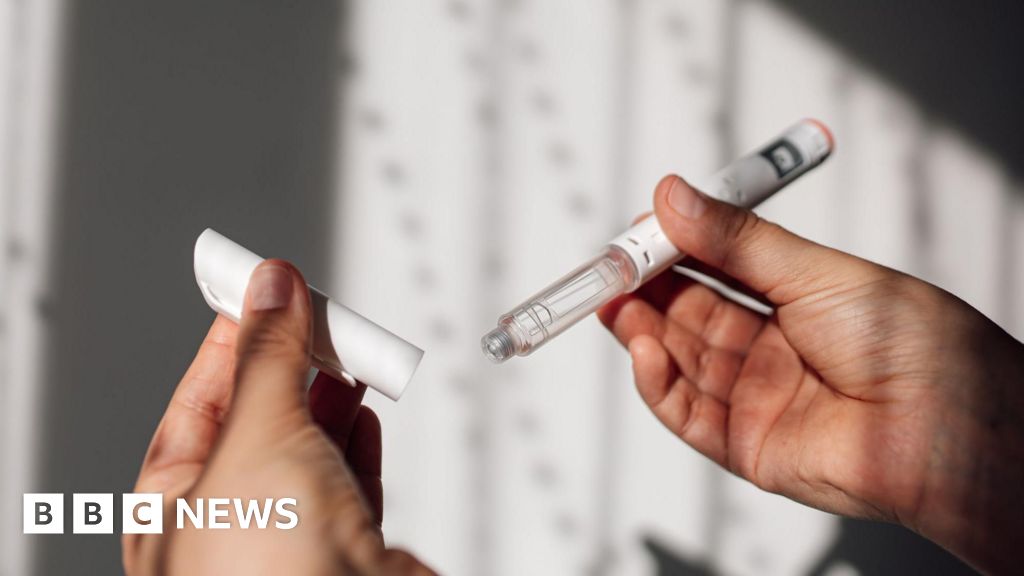
A study into potential serious side effects of weight loss jabs has been launched after hundreds of people reported problems with their pancreas. The Medicines and Healthcare Regulatory Agency (MHRA) and Genomics England are asking people on weight loss drugs who have been hospitalised by acute pancreatitis to get in touch.There have been hundreds of reports of acute and chronic pancreatitis from people who have taken drugs such as Mounjaro, Ozempic and Wegovy, although none are confirmed as being caused by the medicines. The aim is to “better predict those most at risk of adverse reactions”, said MHRA chief safety officer Dr Alison Cave. The study is being run through the MHRA’s Yellow Card scheme, which allows anyone to report an issue with a medicine, vaccine or medical device to help identify safety issues as early as possible.Patients aged 18 and over, with bad reactions to the weight loss jabs – which are also licensed for type 2 diabetes – are being asked to report the detail on the Yellow Card website.They will then be asked if they would be willing to take part in the study, which will check whether some people are at a higher genetic risk of acute pancreatitis when taking these medicines.Patients will be asked to submit more information and a saliva sample, with the overall aim of reducing the occurrence of the side effects in future, says the MHRA. Cases recorded on the Yellow Card website up until 13 May this year include 10 in which patients, who were using weight loss drugs, died from the effects of pancreatitis – but it is not clear whether other factors also played a part. It is impossible to know exactly how many people in the UK are on weight loss drugs as many users obtain them online through unregulated sources, rather than through their doctors. Health officials have suggested the jabs could help turn the tide on obesity. However, they have also warned the drugs are not a silver bullet and often come with side effects, commonly including nausea, constipation and diarrhoea. And the MHRA has also warned that Mounjaro could make the oral contraceptive pill less effective for some patients.Dr Alison Cave, the MHRA’s chief safety officer said information from the study “will help us to better predict those most at risk of adverse reactions, enabling patients across the UK to receive the safest medicine for them, based on their genetic make-up”. She said evidence showed almost a third of side effects to medicines could be prevented with genetic testing. “It is predicted that adverse drug reactions could cost the NHS more than £2.2bn a year in hospital stays alone,” she added. Prof Matt Brown, chief scientific officer at Genomics England, said: “GLP-1 medicines like Ozempic and Wegovy have been making headlines, but like all medicines there can be a risk of serious side effects. “We believe there is real potential to minimise these, with many adverse reactions having a genetic cause.”He said the next step would be to “generate data and evidence for safer and more effective treatment through more personalised approaches to prescription, supporting a shift towards an increasingly prevention-focused healthcare system”.

Read more →

Hot tubs outperform saunas in boosting blood flow and immune power

Hot tubs and saunas can both soothe aching muscles and provide welcome warmth, but hot tubs might offer greater health benefits.
That’s the takeaway from a new study done by researchers in the Bowerman Sports Science Center at the University of Oregon, which compared the physiological effects of soaking in a hot tub to sitting in a traditional dry heat sauna or a more modern far-infrared sauna.
By raising core body temperatures, soaking in hot water can help lower blood pressure, stimulate the immune system and, over time, improve the body’s response to heat stress. Moreover, those effects can last beyond the minutes spent directly in heat treatment.
“We compared the most commonly utilized modalities of passive heating as they’re used in everyday life and studied in scientific research,” said study lead author Jessica Atencio, a doctoral student in the lab of Christopher Minson. “No studies have compared the acute responses between the three.”
The results were published in June in the American Journal of Physiology.
Under the guidance of Minson, the Kenneth M. and Kenda H. Singer Endowed Professor of Human Physiology and director of the Bowerman Center, researchers monitored body temperature, blood pressure, heart rate, cardiac output (the amount of blood the heart pumps per minute) and immune cell populations and blood biomarkers of inflammation. Data were collected before, during and after subjects soaked in a hot tub and sat in traditional dry heat and far-infrared saunas.
The study looked at 10 men and 10 women who exercised regularly and ranged in age from 20 to 28 years old. The goal was to isolate the physiological responses to each heating method in a young, healthy population.

“We saw that hot water immersion was the most impactful in increasing core body temperature, which is the main stimulus for these subsequent responses,” Atencio said. “Increasing body temperature causes an increase in blood flow, and just the force of blood moving across your vessels is beneficial for your vascular health.”
While the research team took blood samples from subjects after each kind of heat therapy, only hot-water immersion produced an inflammatory response as measured by the levels of inflammatory cytokines, a kind of immune signaling molecule, and immune cell populations.
Atencio and her team were not surprised by those results.
“Hot water immersion gives you the most robust changes in core temperature because you can’t effectively dissipate heat as you can if you have contact with the air and you’re sweating to cool the body,” she said. “When you’re submerged in water, the sweat mechanisms aren’t efficient.”
Minson has studied heat therapies for more than two decades. He has focused on how heat interacts with factors such as age, exercise and illness in men and women.
“There’s no doubt in my mind that if people are willing to do some heat therapy, it’s going to align with improved health, as long as it’s done in moderation,” Minson said. “If you repeat these stresses over time, our lab and many others have shown that they are consistent with improved health.”
Regular exercise can provide benefits similar to and even better in some respects than those from heat therapy, he added, but individuals who are unable or unwilling to exercise may find that heat therapy provides an attractive option.

“It can be a very peaceful, sometimes religious, sometimes cultural and sometimes social experience,” Minson said. “And I think those aspects contribute to the health benefits and are critically important.”
“We want people to be smart and safe about it,” he added. “We need to make sure that they are cleared by their physicians or others for heat therapy or for exercise, whether it’s mild to moderate walking or jogging or strength training. Then they’ll be fine to do heat therapy.”
As a runner herself, Atencio knows people who like to combine heat therapy with exercise.
“We always say that exercise is the primary nonpharmacological treatment that people should be doing to promote health, but some people can’t or just won’t exercise,” she said. “Heat therapy is good supplementation.”

Read more →

Scientists reveal your morning coffee flips an ancient longevity switch

A new study from the Cellular Ageing and Senescence laboratory at Queen Mary University of London’s Cenfre for Molecular Cell Biology, reveals how caffeine — the world’s most popular neuroactive compound — might do more than just wake you up. The study in the journal Microbial Cell shows how caffeine could play a role in slowing down the ageing process at a cellular level.
Caffeine has long been linked to potential health benefits, including reduced risk of age-related diseases. But how it works inside our cells, and what exactly are its connections with nutrient and stress responsive gene and protein networks has remained a mystery — until now.
In new research published by scientists studying fission yeast — a single-celled organism surprisingly similar to human cells — researchers found that caffeine affects ageing by tapping into an ancient cellular energy system.
A few years ago, the same research team found that caffeine helps cells live longer by acting on a growth regulator called TOR (Target of Rapamycin). TOR is a biological switch that tells cells when to grow, based on how much food and energy is available. This switch has been controlling energy and stress responses in living things for over 500 million years.
But in their latest study, the scientists made a surprising discovery: caffeine doesn’t act on this growth switch directly. Instead, it works by activating another important system called AMPK, a cellular fuel gauge that is evolutionarily conserved in yeast and humans.
“When your cells are low on energy, AMPK kicks in to help them cope,” explains Dr Charalampos (Babis) Rallis, Reader in Genetics, Genomics and Fundamental Cell Biology at Queen Mary University of London, the study’s senior author. “And our results show that caffeine helps flip that switch.”
Interestingly, AMPK is also the target of metformin, a common diabetes drug that’s being studied for its potential to extend human lifespan together with rapamycin.
Using their yeast model, the researchers showed that caffeine’s effect on AMPK influences how cells grow, repair their DNA, and respond to stress — all of which are tied to ageing and disease.
“These findings help explain why caffeine might be beneficial for health and longevity,” said Dr John-Patrick Alao the postdoctoral research scientist leading this study. “And they open up exciting possibilities for future research into how we might trigger these effects more directly — with diet, lifestyle, or new medicines.”
So, the next time you reach for your coffee, you might be doing more than just boosting your focus — you could also be giving your cells a helping hand.

Read more →

Womb lining test offers miscarriage hope to women

2 hours agoShareSavePhilippa RoxbyHealth ReporterShareSaveCharlie BeattieUK scientists say they have developed a test which can help identify women with an abnormal womb lining that increases their risk of miscarriage.They say their work could pave the way for new treatments for those going through repeated pregnancy loss. In some women with a history of miscarriage, the womb lining doesn’t react the way it should – transforming into a supportive place for the embryo to implant, the Warwick University team discovered.Charities say the findings could help provide an explanation, in some cases, for the trauma and devastation of recurrent miscarriage.Around one in six of all pregnancies are lost, most before twelve weeks, and each miscarriage increases the risk of another one happening. To date, most research in this area has focused on the quality of the embryo, with much less known about the role of the womb lining. Dr Jo Muter, study author and researcher at Warwick Medical School, said: “Many women are told they’ve just had ‘bad luck’, but our findings show that the womb itself may be setting the stage for pregnancy loss, even before conception takes place.”The job of the womb lining is to receive the embryo and help it develop during pregnancy, thanks to a reaction which converts cells into a different, supportive state. But when that reaction is messed up and doesn’t fully happen, the risk of bleeding and early pregnancy rises.Once a woman has had one faulty reaction, she is more likely to have another, the researchers say. They’ve developed a new test which can measure signs of a healthy or defective reaction in the womb lining, which is being piloted to help more than 1,000 patients at Tommy’s National Centre for Miscarriage Research at University Hospital Coventry & Warwickshire (UHCW).’A tiny miracle’ Charlie Beattie, 37, had countless early miscarriages over the course of four years, to the point where “a positive pregnancy test wasn’t exciting any more”, she says.She and her husband Sam, from Leamington Spa, felt devastated and resigned to considering other options for having a family.Then they found out about at a trial taking place at the miscarriage research centre.Charlie had a sample of her womb taken, and the new test showed it was not “hospitable for babies”, she says.After taking the drug sitagliptin for three months, she had a pregnancy which finally stuck – and nine-week-old June is the joyful result.”She’s a tiny miracle. It doesn’t feel real,” says Charlie.She admits being anxious all the way through her pregnancy until June was safely in her arms.Even the pregnancy scans were a new experience.”We’d never seen anything on a scan before that moved,” she says. “When they said ‘I can see it, it’s in the right place’, we both burst into tears.”Anyone can refer themselves to the clinic, but it has a long waiting list and funding issues mean patients must contribute to the cost of the test. Dr Jyotsna Vohra, director of research at Tommy’s, said care and treatment for those who experience pregnancy or baby loss varied unacceptably across the UK. “There should be no barriers to accessing any test or treatment that has been proven to make a difference. “We hope NHS decision-makers will look carefully at the results of the Coventry pilot project and consider rolling this test out nationwide, so that everyone who might benefit has that opportunity.”Dr Muter says the next step is to use the test to assess potential drug treatments. Sitagliptin, usually used to treat diabetes, is the go-to option for womb lining issues but there may be other existing drugs which can be repurposed, she added.With 80% of drugs not tested on pregnant women, it’s unclear which ones might be effective.

Read more →

Grand Jury Indicts Russian Scientist on Smuggling Charges

Kseniia Petrova, a Harvard researcher, was detained in February after failing to declare scientific samples she was carrying into the country.A federal grand jury in Boston on Wednesday indicted Kseniia Petrova, a Russian researcher who works in a laboratory at Harvard Medical School, on criminal charges of smuggling goods into the United States and lying to customs officials.Ms. Petrova was detained on Feb. 16, when she returned from a vacation in France carrying samples of frog embryos from an affiliate laboratory in Paris at the request of her supervisor at Harvard.She then spent more than three months in an Immigration and Customs Enforcement detention center, eventually drawing attention from scientists around the world. Her defenders have condemned the government’s pursuit of her as draconian, conveying a chilling message to noncitizen academics.The grand jury found probable cause to charge Ms. Petrova, 31, with three felonies. The most serious of them, the smuggling charge, provides for a prison sentence of up to 20 years, or a fine of up to $250,000. The remaining two — concealment of material facts and false statements — each provide for a sentence of up to five years, and fines of up to $250,000.Ms. Petrova has acknowledged that she failed to declare the embryos, but her lawyer has argued that this would ordinarily be treated as a minor infraction, punishable with a fine. Instead, the customs official canceled Ms. Petrova’s visa and began proceedings to deport her to her native Russia. When she protested, saying she had fled Russia for political reasons and would face arrest or even death if she returned, she was transferred to an ICE detention center in Louisiana.In May, Christina Reiss, the chief judge of the U.S. District Court in Vermont, expressed skepticism about the government’s deportation case, remarking that, based on the evidence she had seen, “there does not seem to be either a factual or legal basis for the immigration officer’s actions” in stripping Ms. Petrova of her visa.We are having trouble retrieving the article content.Please enable JavaScript in your browser settings.Thank you for your patience while we verify access. If you are in Reader mode please exit and log into your Times account, or subscribe for all of The Times.Thank you for your patience while we verify access.Already a subscriber? Log in.Want all of The Times? Subscribe.

Read more →