I buy my children vapes to try to control their addiction

9 hours agoShareSaveRuth CleggHealth and wellbeing reporter, BBC NewsShareSaveGetty ImagesEmma is doing something she swore she would never do.In an attempt to have some control over her children’s vaping habits, she’s resorted to buying them the vapes herself.She’s not proud of it, but says it feels like the only way to keep her two teenagers safe and reduce the high levels of nicotine they were consuming.”It went against every bone in my body to do that, but they’re addicted,” Emma says. “It’s not a simple case of telling them to stop – it is so much harder than that.”Emma believes her son, who she has asked the BBC not to name, began vaping in primary school.He managed to keep it from her for a while, but by the time he got to high school, his protests of “that vape’s not mine” had started to wear thin.By the time Emma’s son was 15, he was becoming breathless, contracted tonsillitis, and, at one point, was in so much pain, Emma called an ambulance.”The paramedics said the incessant vaping could be causing this,” she says. “They told him to try and stop, or at the very least cut down.”It was then Emma decided something had to change – she was going to take control and buy the vapes – trying to reduce their nicotine intake from 20mg to 10mg.”I warned them – if I see them with a device that has more nicotine in – then I’ll stop buying them any, full stop.”Emma says she felt she could then be confident the vapes would be from a reputable supplier, they wouldn’t be illegal and contain other harmful products, and she could control the level of nicotine.More Weekend picksNot only is it illegal to sell vapes to anyone under the age of 18, it is also illegal to buy them for anyone underage. Emma knows what she is doing isn’t legal, but feels this was her only choice.She believes she has managed to reduce her son’s nicotine intake, in part by buying the vapes, but also by having such an open conversation with him.But Emma says the disposable vape ban, which came into effect on 1 June, has had little impact on her children’s nicotine consumption.It was introduced due to environmental concerns and to reduce the rising number of children and young people vaping.While vapes provide a far healthier alternative to cigarettes, there are concerns that vaping provides a gateway into nicotine addiction – with disposable vapes enticing children and young people with their fruity flavours and cheap prices.Health experts agree anyone who does not smoke should not start vaping, as it may cause long-term damage to the lungs, heart and brain.But weeks after the ban came into force, Kate Pike from the Chartered Trading Standards Institute, says she fears it won’t make any difference – and she says some rechargeable vapes, which are still legal to buy, are being marketed directly at children.”We are finding compliant products – vapes that are refillable and rechargeable – with packs of stickers in them,” she says. “What adult is going to want to decorate their vape with stickers?”She also says it is very difficult to tell the difference between the now-illegal disposables and the legal refillable vapes. And due to some being fitted with pre-filled pods, they are still being used “like disposable vapes and discarded.”At Alder Hey Children’s Hospital in Liverpool, home to the UK’s first NHS vaping clinic for children, Professor Rachel Isba says parents should not be hard on themselves – they are fighting a battle against the might of a huge vaping industry.”The important thing is not to judge your child; the world our young people live in is a difficult place to grow up in,” she says. “There are so many competing pressures.”Her clinic supports 11-15-year-olds who have been referred by other NHS healthcare professionals. It has been open since January and already has a six-week waiting list.”The children that come to see me have to want to see me and understand why they are here,” Prof Isba says. “It could be that they are noticing a change with their bodies – they struggle to play sport without being out of breath for instance, or they’re coughing up blood, or they just know they’re addicted and they want to stop or cut down.”She says some young people are sleeping with vapes under their pillows so they can get a nicotine hit in the middle of the night, and their addiction can be so strong they experience “micro withdrawals” in school.”They are consuming nicotine so frequently that they begin to feel anxious if they don’t have it – even for the length of a double maths lesson, for example.”They then think they need the vape to reduce the anxiety, she explains, but it is nicotine withdrawal that is causing those feelings in the first place.Prof Isba offers nicotine replacement therapy – such as gums and patches – and talks to them about how vaping affects their lives.”We might discuss ways they might be able to cut down, what triggers them to vape and even how much money they might save simply by not vaping.”She says the government’s Tobacco and Vapes bill is a good step forward but would like to see more paediatric addiction services across the NHS.The problem is “far greater” than her clinic, she says, and she is concerned vaping could become a gateway drug into smoking and other dependences.Dan from Twickenham, a father of three boys, agrees. He says the conversation about youth vaping is redundant because, he says, that “horse has bolted”.His 17-year-old got expelled from school in February because he was caught with cannabis in his vape, and his 14-year-old was close to losing his school place recently because of a similar issue.”Vaping is a gateway drug,” Dan says. “They become addicted to nicotine and then harder stuff follows.”They’ve definitely smoked [cigarettes] and now my eldest is addicted to nicotine pouches. It’s never ending.”A government spokesperson told the BBC it was taking “tough action” to tackle youth vaping – including giving Trading Standards the power to issue £200 on-the-spot fines to anyone found selling tobacco or vapes to people underage.They also added that single-use vapes were a “blight on our streets” and that the government had made it compulsory for all vape retailers to provide recycling bins.

Read more →

Emma is doing something she swore she never would – buying her kids vapes

28 June 2025ShareSaveRuth CleggHealth and wellbeing reporter, BBC NewsShareSaveGetty ImagesEmma is doing something she swore she would never do.In an attempt to have some control over her children’s vaping habits, she’s resorted to buying them the vapes herself.She’s not proud of it, but says it feels like the only way to keep her two teenagers safe and reduce the high levels of nicotine they were consuming.”It went against every bone in my body to do that, but they’re addicted,” Emma says. “It’s not a simple case of telling them to stop – it is so much harder than that.”Emma believes her son, who she has asked the BBC not to name, began vaping in primary school.He managed to keep it from her for a while, but by the time he got to high school, his protests of “that vape’s not mine” had started to wear thin.By the time Emma’s son was 15, he was becoming breathless, contracted tonsillitis, and, at one point, was in so much pain, Emma called an ambulance.”The paramedics said the incessant vaping could be causing this,” she says. “They told him to try and stop, or at the very least cut down.”It was then Emma decided something had to change – she was going to take control and buy the vapes – trying to reduce their nicotine intake from 20mg to 10mg.”I warned them – if I see them with a device that has more nicotine in – then I’ll stop buying them any, full stop.”Emma says she felt she could then be confident the vapes would be from a reputable supplier, they wouldn’t be illegal and contain other harmful products, and she could control the level of nicotine.More Weekend picksNot only is it illegal to sell vapes to anyone under the age of 18, it is also illegal to buy them for anyone underage. Emma knows what she is doing isn’t legal, but feels this was her only choice.She believes she has managed to reduce her son’s nicotine intake, in part by buying the vapes, but also by having such an open conversation with him.But Emma says the disposable vape ban, which came into effect on 1 June, has had little impact on her children’s nicotine consumption.It was introduced due to environmental concerns and to reduce the rising number of children and young people vaping.While vapes provide a far healthier alternative to cigarettes, there are concerns that vaping provides a gateway into nicotine addiction – with disposable vapes enticing children and young people with their fruity flavours and cheap prices.Health experts agree anyone who does not smoke should not start vaping, as it may cause long-term damage to the lungs, heart and brain.But weeks after the ban came into force, Kate Pike from the Chartered Trading Standards Institute, says she fears it won’t make any difference – and she says some rechargeable vapes, which are still legal to buy, are being marketed directly at children.”We are finding compliant products – vapes that are refillable and rechargeable – with packs of stickers in them,” she says. “What adult is going to want to decorate their vape with stickers?”She also says it is very difficult to tell the difference between the now-illegal disposables and the legal refillable vapes. And due to some being fitted with pre-filled pods, they are still being used “like disposable vapes and discarded.”At Alder Hey Children’s Hospital in Liverpool, home to the UK’s first NHS vaping clinic for children, Professor Rachel Isba says parents should not be hard on themselves – they are fighting a battle against the might of a huge vaping industry.”The important thing is not to judge your child; the world our young people live in is a difficult place to grow up in,” she says. “There are so many competing pressures.”Her clinic supports 11-15-year-olds who have been referred by other NHS healthcare professionals. It has been open since January and already has a six-week waiting list.”The children that come to see me have to want to see me and understand why they are here,” Prof Isba says. “It could be that they are noticing a change with their bodies – they struggle to play sport without being out of breath for instance, or they’re coughing up blood, or they just know they’re addicted and they want to stop or cut down.”She says some young people are sleeping with vapes under their pillows so they can get a nicotine hit in the middle of the night, and their addiction can be so strong they experience “micro withdrawals” in school.”They are consuming nicotine so frequently that they begin to feel anxious if they don’t have it – even for the length of a double maths lesson, for example.”They then think they need the vape to reduce the anxiety, she explains, but it is nicotine withdrawal that is causing those feelings in the first place.Prof Isba offers nicotine replacement therapy – such as gums and patches – and talks to them about how vaping affects their lives.”We might discuss ways they might be able to cut down, what triggers them to vape and even how much money they might save simply by not vaping.”She says the government’s Tobacco and Vapes bill is a good step forward but would like to see more paediatric addiction services across the NHS.The problem is “far greater” than her clinic, she says, and she is concerned vaping could become a gateway drug into smoking and other dependences.Dan from Twickenham, a father of three boys, agrees. He says the conversation about youth vaping is redundant because, he says, that “horse has bolted”.His 17-year-old got expelled from school in February because he was caught with cannabis in his vape, and his 14-year-old was close to losing his school place recently because of a similar issue.”Vaping is a gateway drug,” Dan says. “They become addicted to nicotine and then harder stuff follows.”They’ve definitely smoked [cigarettes] and now my eldest is addicted to nicotine pouches. It’s never ending.”A government spokesperson told the BBC it was taking “tough action” to tackle youth vaping – including giving Trading Standards the power to issue £200 on-the-spot fines to anyone found selling tobacco or vapes to people underage.They also added that single-use vapes were a “blight on our streets” and that the government had made it compulsory for all vape retailers to provide recycling bins.

Read more →
Maybe It’s Not Just Aging. Maybe It’s Anemia.

Significant numbers of older people have the condition. Many find relief with an effective treatment that is being more widely prescribed.Gary Sergott felt weary all the time. “I’d get tired, short of breath, a sort of malaise,” he said. He was cold even on warm days and looked pale with dark circles under his eyes.His malady was not mysterious. As a retired nurse-anesthetist, Mr. Sergott knew he had anemia, a deficiency of red blood cells. In his case, it was the consequence of a hereditary condition that caused almost daily nosebleeds and depleted his hemoglobin, the protein in red blood cells that delivers oxygen throughout the body.But in consulting doctors about his fatigue, he found that many didn’t know how to help. They advised Mr. Sergott, who lives in Westminster, Md., to take iron tablets, usually the first-line treatment for anemia.But like many older people, he found a daily regimen of four to six tablets hard to tolerate. Some patients taking iron complain of severe constipation or stomach cramps. Mr. Sergott felt “nauseated all the time.” And iron tablets don’t always work.After almost 15 years, he found a solution. Dr. Michael Auerbach, a hematologist and an oncologist who is the co-director of the Center for Cancer and Blood Disorders in Baltimore, suggested that Mr. Sergott receive iron intravenously instead of orally.Now Mr. Sergott, 78, gets an hourlong infusion when his hemoglobin levels and other markers show that he needs one, usually three times a year. “It’s like filling the gas tank,” he said. His symptoms recede, and “I feel great.”We are having trouble retrieving the article content.Please enable JavaScript in your browser settings.Thank you for your patience while we verify access. If you are in Reader mode please exit and log into your Times account, or subscribe for all of The Times.Thank you for your patience while we verify access.Already a subscriber? Log in.Want all of The Times? Subscribe.

Read more →

A tiny implant just helped paralyzed rats walk again—is human recovery next?

Spinal cord injuries are currently incurable with devastating effects on people’s lives, but now a trial at Waipapa Taumata Rau, University of Auckland offers hope for an effective treatment.
Spinal cord injuries shatter the signal between the brain and body, often resulting in a loss of function.”Unlike a cut on the skin, which typically heals on its own, the spinal cord does not regenerate effectively, making these injuries devastating and currently incurable,” says lead researcher Dr Bruce Harland, a senior research fellow in the School of Pharmacy at Waipapa Taumata Rau, University of Auckland.
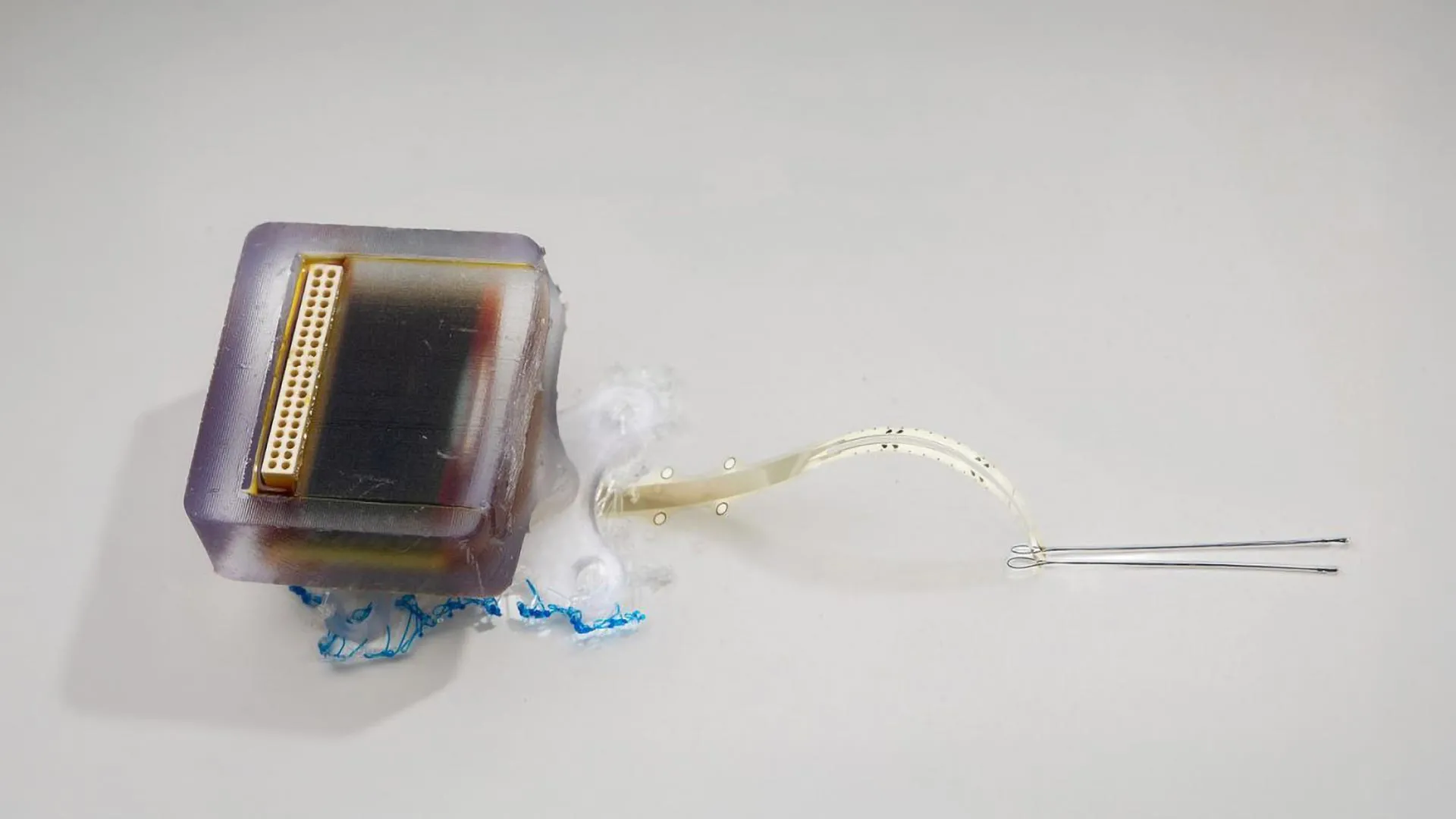
Before birth, and to a lesser extent afterwards, naturally occurring electric fields play a vital role in early nervous system development, encouraging and guiding the growth of nerve tissue along the spinal cord. Scientists are now harnessing this same electrical guidance system in the lab.An implantable electronic device has restored movement following spinal cord injury in an animal study, raising hopes for an effective treatment for humans and even their pets.
“We developed an ultra-thin implant designed to sit directly on the spinal cord, precisely positioned over the injury site in rats,” Dr Harland says.
The device delivers a carefully controlled electrical current across the injury site. “The aim is to stimulate healing so people can recover functions lost through spinal-cord injury,” Professor Darren Svirskis, director of the CatWalk Cure Program at the University’s School of Pharmacy says.
Unlike humans, rats have a greater capacity for spontaneous recovery after spinal cord injury, which allowed researchers to compare natural healing with healing supported by electrical stimulation.
After four weeks, animals that received daily electric field treatment showed improved movement compared with those who did not.

Throughout the 12-week study, they responded more quickly to gentle touch.
“This indicates that the treatment supported recovery of both movement and sensation,” Harland says. “Just as importantly, our analysis confirmed that the treatment did not cause inflammation or other damage to the spinal cord, demonstrating that it was not only effective but also safe.”
This new study, published in Nature Communications, has come out of a partnership between the University of Auckland and Chalmers University of Technology in Sweden.
“Long term, the goal is to transform this technology into a medical device that could benefit people living with these life-changing spinal-cord injuries,” says Professor Maria Asplund of Chalmers University of Technology.
“This study offers an exciting proof of concept showing that electric field treatment can support recovery after spinal cord injury,” says doctoral student Lukas Matter, also from Chalmers University.
The next step is to explore how different doses, including the strength, frequency, and duration of the treatment, affect recovery, to discover the most effective recipe for spinal-cord repair.

Read more →

Scientists turn beer yeast into mini factories for smart drugs

Scientists at Ca’ Foscari University of Venice, in collaboration with researchers from Japan, China, Switzerland, and Italy, have developed an innovative method to produce and rapidly analyze a vast array of macrocyclic peptides, molecules increasingly used in modern medicine. The research, published in Nature Communications, harnesses the familiar brewer’s yeast, turning billions of these tiny organisms into miniature fluorescent factories, each capable of creating a unique peptide with potential therapeutic applications.
Macrocyclic peptides are promising drugs because they combine precision targeting, stability, and safety, offering fewer side effects than traditional drugs. However, conventional methods for discovering and testing these peptides are often complex, difficult to control, slow, and environmentally unfriendly.
To overcome these limitations, the researchers engineered common brewer’s yeast cells to individually produce different macrocyclic peptides. Each yeast cell acts like a tiny factory that lights up when prod-ucing the compound, allowing scientists to swiftly identify promising peptides. Using advanced fluorescence-based techniques, the team screened billions of these micro-factories in just a few hours, a process that is significantly faster and more ecofriendly than existing methods.
Sara Linciano, lead author and postdoctoral researcher at Ca’ Foscari’s Department of Molecular Sciences and Nanosystems, explains: “We manipulated yeast cells so that each one functions as a ‘micro-factory’ that becomes fluorescent when producing a specific compound. This allowed us to analyze 100 million different peptides rapidly and effectively.”
Ylenia Mazzocato, co-leader of the study, highlights the sustainability of their approach: “By exploiting the natural machinery of yeast, we produce peptide molecules that are biocompatible and biodegradable, making them safe for health and the environment, a truly ‘green pharma’ approach.”
The team also clarified how these peptides precisely bind to their targets. Zhanna Romanyuk, who contributed to the structural analysis, says: “Using X-ray crystallography, we demonstrated the excellent binding properties of these peptides, confirming their precision and potency.”
This new method offers significant advancements for drug discovery, especially for challenging targets that conventional drugs cannot easily address. Alessandro Angelini, associate professor and study coordinator, emphasizes: “We are pushing the boundaries of this technology to create macrocyclic peptides that can deliver advanced therapies directly to specific cells, potentially revolutionising treatments. This could greatly benefit patient health and have substantial scientific and economic impacts.”
This work was part of the National Recovery and Resilience Plan (PNRR), supported by the European Union’s Next Generation EU initiative, involving multidisciplinary teams from Ca’ Foscari University of Venice, Kyoto Institute of Technology (KIT), Chinese Academy of Sciences, University of Padova, and École Polytechnique Fédérale de Lausanne (EPFL), including experts in chemistry, biophysics, biochemistry, and computational sciences.
Part of this technology has already been patented by Ca’ Foscari and was recently acquired by the startup Arzanya S.r.l. “Seeing our technology gain international recognition makes me proud,” Angelini concludes. “I I hope Arzanya S.r.l. can provide our talented young researchers with the opportunity to pursue their passions here in Italy, without necessarily needing to move abroad.”

Read more →

Candy colors, THC inside: How cannabis edibles are tricking teen brains

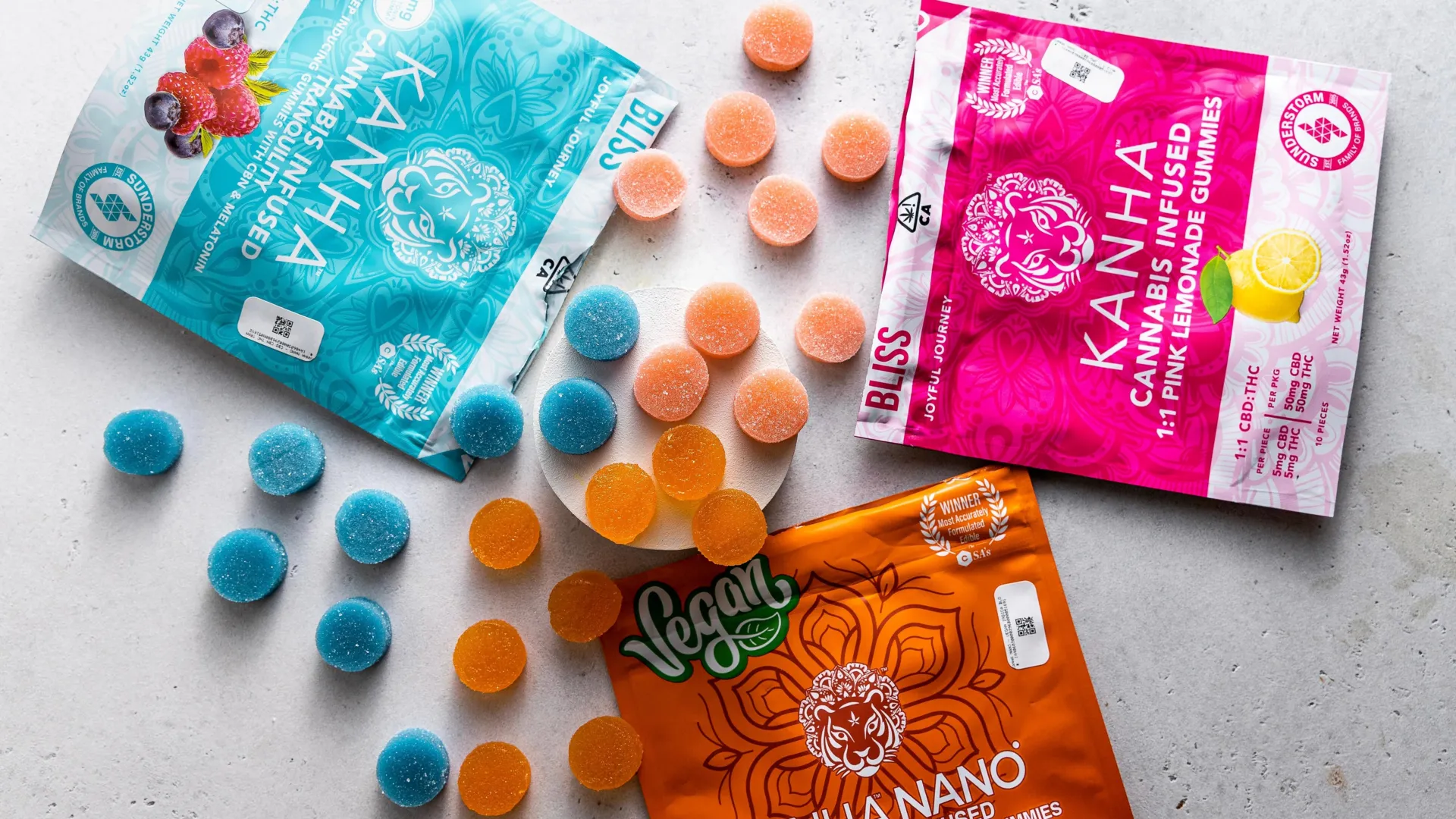
Bright colors, fruit imagery, and labels like “locally made” or “vegan” might seem harmless — but when used on cannabis edibles, they can send misleading messages to teens.
That’s according to a new Washington State University-led study examining how adolescents perceive the packaging of cannabis-infused products such as gummies, chocolates and sodas. Despite regulations barring packaging that targets youth, many teens in the study found these products appealing — often likening them to everyday snacks or health foods.
The research, conducted in collaboration with Public Health – Seattle & King County, is part of a broader effort to reduce accidental cannabis exposure among teens. The findings could help shape new rules aimed at limiting underage appeal.
“What surprised us was how often these products were interpreted as healthy or natural,” said Jessica Willoughby, associate professor in WSU’s Murrow College of Communication and co- author of the study, published in the Journal of Health Communication. “When you combine that with vibrant packaging and familiar fruit flavors, it’s easy to see how these items start to look like snacks — not something potentially harmful or illegal for teens.”
Researchers conducted virtual focus groups and interviews with 28 Washington teens, ages 13 to 17, using real product photos from stores to prompt discussion. With parental permission, participants shared which packaging elements caught their eye and why.
The teens consistently pointed to bright, colorful designs and packaging that resembled healthy snacks as particularly appealing. Some said they’d display the packaging in their rooms or use it in social media posts. Others said terms like “locally made” and “vegan” made the products feel more aligned with their personal values — even if they knew the items contained cannabis.
“Our findings suggest that teens are drawn not just to the look of these packages, but to what the design represents,” said Stacey Hust, a professor in WSU’s Murrow College and the study’s lead author. “They saw these products as trendy, natural and aspirational — qualities that resonate with their identities and beliefs.”
The study also showed that teens with greater familiarity with cannabis — either through personal use or family exposure — were more likely to notice warning labels and dosage information. Those with less knowledge often overlooked health warnings or didn’t recognize cannabis symbols at all.

The results raise concerns for health educators and policymakers as cannabis edibles become more prevalent. The researchers recommend incorporating teen perspectives into regulatory discussions and increasing cannabis literacy through targeted education efforts.
“Teens are telling us what speaks to them — and sometimes it’s not what adults expect,” said Sarah Ross-Viles, youth cannabis prevention manager with King County and study co-author. “If we’re serious about making cannabis packaging less appealing to youth, we need to use their insights to guide smarter, more effective regulations.”
The WSU team recently worked with Public Health – Seattle & King County health officials and the Washington State Liquor & Cannabis Board to conduct a follow-up quantitative study exploring how packaging elements correlate with perceived teen appeal and intent to use.
While broad changes like plain packaging may ultimately be difficult to implement, the researchers say practical updates — such as clearer warnings and limiting branding that mimics health food — could help reduce youth attraction.
“We’re not calling for a marketing ban,” Hust said. “We’re asking for thoughtful regulations that balance the rights of adult consumers with the need to protect kids.”
Ross-Viles agreed: “This is about ensuring cannabis packaging serves its real purpose — informing adult consumers — without confusing or enticing teens. And now, for the first time, we are getting direct feedback from Washington youth to help make that possible.”

Read more →

I found a bacteria-eating virus in my loo – could it save your life?

2 days agoShareSaveJames GallagherShareSaveBBCI’m on the hunt for a microbial saviour – a type of virus that can treat infections rather than cause them.We all know the viral bad guys – Covid, flu, norovirus, herpes, chicken pox, measles… the list goes on.But there’s a type of virus that’s not interested in infiltrating our bodies, instead it preys on bacteria.They’re known as bacteria eaters, or bacteriophage, or commonly as phage.Capturing them could give us new ways of treating infections, including superbugs that are becoming incurable.So, how to catch a killer?I’ve been promised it’s surprisingly easy. The team at the Phage Collection Project sent me some vials to collect samples, along with a pair of gloves. All I need to do is hunt for some dirty water, the dirtier the better, dip the vials in and screw on the lid.I tried a couple of ponds, the juice from a worm-composting bin and then I needed my dirtiest sample. I didn’t flush the toilet after a poo and left it for a couple of hours. I pop on a glove and hold my breath as I go in for the final sample. Strict hygiene instructions, including vigorous hand-washing, were followed, at all times.The vials were packaged up for collection and then three days later I headed off to the University of Southampton to see what was inside.”They were a bit dirty when I received them,” phage scientist Michelle Lin tells me as we don our blue lab-coats and matching gloves to go into the Containment Level 2 microbiology laboratory.We grab my samples from the fridge, which look much clearer now they have been filtered of any… debris. “It’s fine, it’s needed,” Michelle, who had the unpleasant job, reassures me.Filtering is the first step in looking for phage, next they get served dinner – a cocktail of yummy bacteria – to help them grow in number.Now comes the really cool bit – finding a useful phage. The scientists have been working with the local hospital to collect bacteria from patients with troublesome infections.Michelle grabs a petri dish that’s growing bacteria from a patient with a painful, urinary tract infection that keeps coming back.And to my amazement – one of the phage I collected from my toilet was able to kill this infection in the lab.”The way to see that the phage has infected bacteria is you get these zones where the bacteria are not growing and that’s because they’ve been killed by the phage,” says Michelle.You can see the leopard print pattern in the petri dish where the phage have been making light work of a bacterial infection that modern medicine was struggling to shift.”As crazy as it sounds, well done to the toilet sample,” says Michelle with great delight.And when I was offered the chance to name the phage, well of course it’s the Gallagher-phage.”Sounds amazing to me,” says Michelle.So far this is all good fun in the laboratory, but could my phage ever be given to a patient?”Yes and I hope so,” says associate professor Dr Franklin Nobrega as we look at images of my phage captured with an electron microscope.”Your phage, already in just 24 hours, we were able to get in a high concentration and able to be a very good killer, which means this is very promising for patients, so thank you,” said Dr Nobrega.Phage remind me of a moon lander – a big capsule on spindly legs – just instead of landing on the surface of the moon they use their legs to select their victim.They then hijack the bacteria and transform it into a mass-production factory for more phage, which burst out of their host, killing it in the process.There are pros and cons to phage. They reproduce as they go along so you don’t need constant doses like you would with drugs.They are also very picky eaters. You need a precise match between phage and the strain of bacteria you’re trying to treat whereas antibiotics tend to kill everything good and bad. So it is harder to find the right phage, but if you do it comes with fewer side effects.Dr Nobrega tells me infected wounds are a “very good application” for phage because you can apply them directly to the injury, but they can also be inhaled via a nebuliser to treat lung infections or to target urinary tract infections “which is our target currently”.Getty ImagesPhage – the friendly virusPhage science may sound new and exciting, but it is actually a century old idea stemming from the discoveries of Felix d’Hérelle and Frederick Twort in the 1910s.Bacteriophage therapy was a branch of medicine and the idea was compelling. Even as late as the 1940s there was an active pharmaceutical industry in western countries trying to produce phage-therapy to defeat bacterial infections.However, it was rapidly eclipsed by the wonder-drug of the 20th century.”Antibiotics were working so well that most people said ‘why bother’,” says Dr Nobrega.University of SouthamptonWork on phage therapy continued in places like Georgia and there are individual accounts of it working wonders; but there hasn’t been the same depth of medical research and clinical trials as there have for drugs.But just as the initial success of antibiotics suppressed phage research, the failure of antibiotics is reigniting excitement at their potential.More than a million people a year are already dying from infections caused by microbes that are resistant to treatment – it’s known as the “silent pandemic”. By 2050, that figure is projected to reach 10 million a year.This “antibiotic apocalypse” would mean common infections could kill again and undermine modern medicine. The drugs are also used to make organ transplants, open surgery and chemotherapy possible.”The predictions around antibiotic resistance are very frightening, but the reality is we’re seeing it now and it’s only going to get worse,” says Prof Paul Elkington, the director of the institute for medical innovation at the University of Southampton.He is also a doctor with a speciality in lung medicine and is already at the point where – after a year of treatment and turning to ever more toxic and less effective antibiotics – “in the end you have to have a conversation [and say] ‘we can’t treat this infection, we’re really sorry'”.He says we can’t rely solely on antibiotics in the future and phage are a potential alternative.But he warns the steps needed to get from the laboratory and into patients are “uncharted”.Things are changing. Phage therapy is available in the UK on compassionate grounds when other treatments have failed. And the drugs regulator – The Medicines and Healthcare products Regulatory Agency – has published its first official rules to support the development of phage therapy.”If one looks 15-20 years into the future, with the emerging methodologies, it’s going to be possible for them to be much more widely available and for doctors to prescribe phage instead of antibiotics for some infections,” says Prof Elkington.If you want to see if you can find a friendly virus too then The Phage Collection Project are launching their new sampling kits at the Summer Science Exhibition taking place this week at the Royal Society and through their website.”Antimicrobial resistance is something that could affect all of us,” says Esme Brinsden from the Phage Collection Project, “when the public get involved they may just find the next phage that can help treat and save a patient’s life”.Photography by the BBC’s Emma Lynch

Read more →

John Robbins, Author of ‘Diet for a New America,’ Dies at 77

He walked away from his family’s hugely successful ice cream business to crusade for a plant-based diet and against cruelty to animals.John Robbins, an heir to the Baskin-Robbins ice cream empire who rejected the family business to advocate plant-based nutrition, environmentalism and animal rights, died on June 11 at his home in Soquel, Calif., near Santa Cruz. He was 77.His son and collaborator, Ocean Robbins, said that the cause was complications of post-polio syndrome, which resulted in muscle weakness and other symptoms nearly seven decades after he contracted polio as a boy.Mr. Robbins was best known for his book “Diet for a New America,” published in 1987. The book, which is said to have sold more than a million copies, drew a link between the heavy consumption of animal-based products and the increased risk of chronic illnesses like heart disease and obesity; examined the environmental damage caused by factory farming; and raised ethical concerns about the treatment of animals in confined conditions.The book’s message, Mr. Robbins wrote, was “that the healthiest, tastiest and most nourishing way to eat is also the most economical, the most compassionate and least polluting.”“Diet for a New America” has been called “groundbreaking” and “the bible of the anti-meat campaign.” Its impact has been compared to that of Rachel Carson’s “Silent Spring,” which helped spur the modern environmental movement.StillpointThe Washington Post columnist Colman McCarthy in 1988 compared “Diet for a New America” and its impact on the way we think about food to Rachel Carson’s classic “Silent Spring” (1962), which warned how the unlimited use of agricultural pesticides like DDT had contaminated the soil and water and threatened the health of wildlife and humans, and which helped spur the modern environmental movement.We are having trouble retrieving the article content.Please enable JavaScript in your browser settings.Thank you for your patience while we verify access. If you are in Reader mode please exit and log into your Times account, or subscribe for all of The Times.Thank you for your patience while we verify access.Already a subscriber? Log in.Want all of The Times? Subscribe.

Read more →

Why asthma often comes back—even with powerful drugs

Biological drugs have improved the lives of many people with severe asthma. However, a new study from Karolinska Institutet in Sweden shows that some immune cells with high inflammatory potential are not completely eradicated after treatment.
Biological drugs (biologics) have become an important tool in the treatment of severe asthma.
“They help most patients to keep their symptoms under control, but exactly how these drugs affect the immune system has so far remained unknown,” says Valentyna Yasinska, consultant in pulmonary medicine at Karolinska University Hospital and doctoral student at Karolinska Institutet’s Department of Medicine in Huddinge.
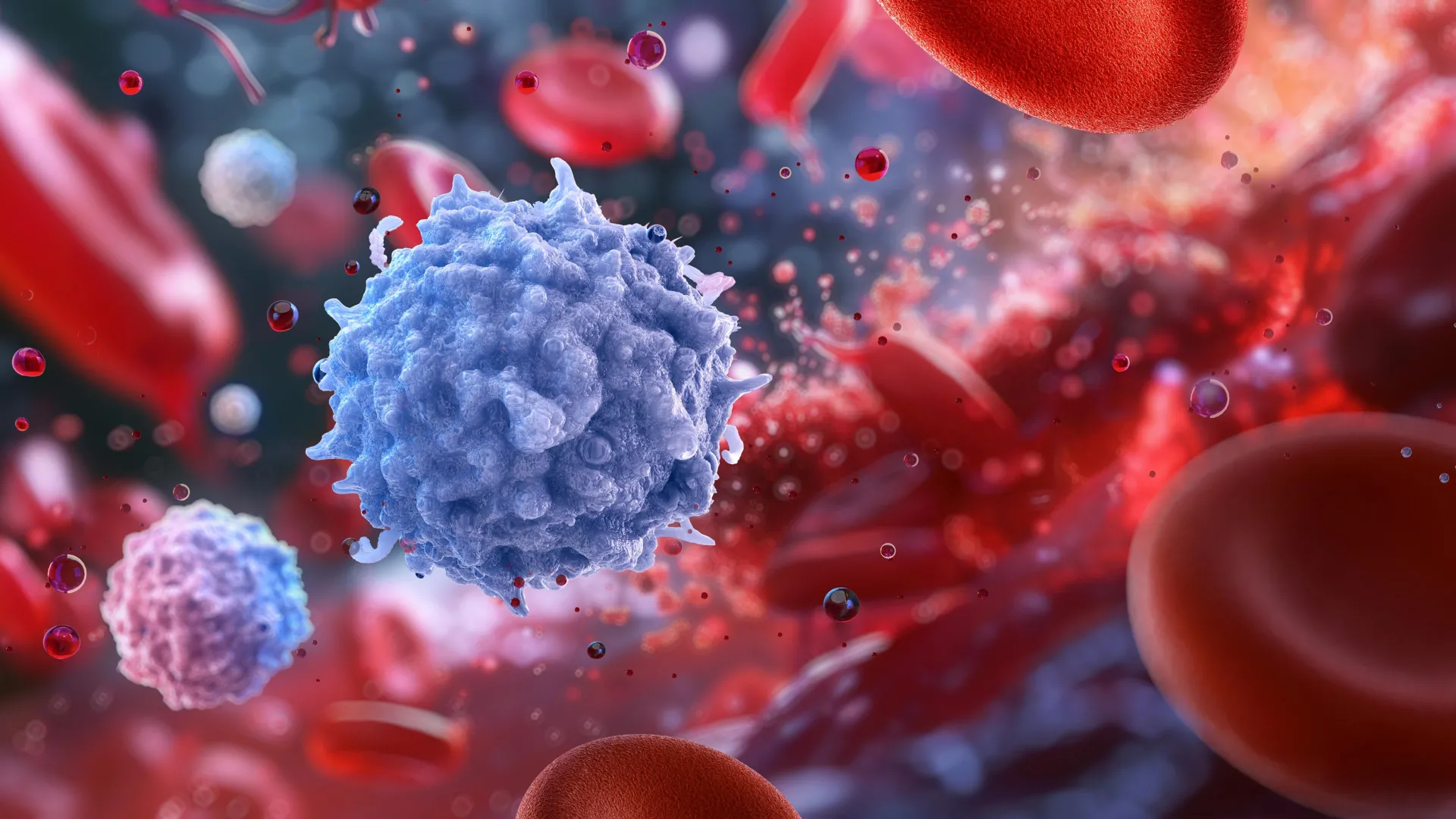
In a new study published in the scientific journal Allergy, researchers at Karolinska Institutet have explored what happens to the immune cells of patients being treated with biologics. By analyzing blood samples from 40 patients before and during treatment, they found that instead of disappearing during treatment, certain types of immune cell – which play a key part in asthma inflammation – actually increased.
“This suggests that biologics might not attack the root of the problem, no matter how much they help asthma patients during treatment,” says Jenny Mjösberg, professor of tissue immunology at Karolinska Institutet’s Department of Medicine in Huddinge. “Continued treatment might be necessary to keep the disease under control.”
The study is based on data from patients with severe asthma sourced from the BIOCROSS study. The researchers used advanced methods such as flow cytometry and single-cell sequencing to determine the properties and function of the immune cells.
“We were surprised to find that blood levels of inflammatory cells increased rather than decreased,” says Lorenz Wirth, doctoral student at the same department at Karolinska Institutet. “This could explain why inflammation of the airways often returns when the treatment is tapered or discontinued. It is important that we understand the long-term immunological effects of these drugs.”
Little is still known about the long-term effects of biologics like mepolizumab and dupilumab since they are relatively new, having been prescribed to asthmatics for less than ten years.

The next stage of the study will be to analyse samples from patients with a long treatment history and to study lung tissue to see how the immune cells are affected in the airways.
The study was financed by grants from the EU (Horizon 2020), the Swedish Heart-Lung Foundation, the Centre for Innovative Medicine, the Swedish state, the Torsten Söderberg Foundation, Karolinska Institutet and the ChAMP Consortium.
Any conflicts of interest are reported in the published paper.

Read more →

Parkinson’s may begin decades earlier — and your immune system might know first

Your T cells work hard to fight disease. Unfortunately, “friendly fire” from T cells can sometimes harm the body’s healthy tissues.
For people with autoimmune disease, T cell reactivity is a big problem. Haywire T cell responses lead to autoimmune diseases such as type 1 diabetes, rheumatoid arthritis, and inflammatory bowel disease.
In recent years, scientists at La Jolla Institute for Immunology (LJI) have discovered that T cells may also contribute to the development of Parkinson’s disease. Researchers in the laboratory of LJI Professor Alessandro Sette, Dr.Biol.Sci., have found that many people with Parkinson’s disease have T cells that target key proteins, called alpha-synuclein and PINK1, on vulnerable brain cells.
Earlier this year, Sette and his colleagues published a study in npj Parkinson’s Disease that sheds light on exactly which subtypes of T cells target alpha-synuclein. Their findings offered further clues that T cell reactivity plays a role in Parkinson’s disease. Still, the scientists didn’t have a timeline to show when T cells might contribute to disease development.
“We can see these reactive T cells in people after they develop Parkinson’s, but what happens before that?” says LJI Visiting Scientist Emil Johansson, Ph.D., a researcher in the Sette Lab and co-author of the study.
Now we have answers. In a new npj Parkinson’s Disease paper, Sette and his colleagues show that potentially harmful T cell reactivity is highest during the “prodromal” period in Parkinson’s — the years before patients receive a diagnosis.
“This T cell immunity could be a marker for early Parkinson’s treatment, even before people show symptoms,” says Sette, who was senior author on the new paper. “And there’s reason to think that treating Parkinson’s in the very early stages can lead to a better outcome.”
How the study worked

The prodromal period in Parkinson’s disease can last for decades before a person develops noticeable symptoms such as tremors and cognitive impairments.
Because prodromal Parkinson’s disease is very difficult to detect, the LJI team studied T cell reactivity in research volunteers at high risk of developing Parkinson’s disease. These volunteers had genetic risk factors for Parkinson’s and some had symptoms such as disrupted REM sleep cycles and loss of sense of smell, which can be early signs of Parkinson’s disease development.
The researchers used a technique called Fluorospot to learn more about T cells found in blood samples from these study volunteers. This technique revealed which volunteers had high levels of T cells that reacted to alpha-synuclein or PINK1 — and when those T cell numbers were highest.
Sette and his colleagues found that potentially harmful T cells show up early on, well before the onset of noticeable motor symptoms, such as tremors. “You can see that T cell reactivity before diagnosis,” says Sette.
In fact, T cell reactivity to PINK1 was at an all-time high before diagnosis.
Sette warns against jumping to conclusions. Parkinson’s is a complex disease, and the new research doesn’t prove that T cells are actually driving the inflammation associated with Parkinson’s disease.

“Parkinson’s disease is associated with the destruction of nervous system cells. Does that destruction cause autoimmunity — or is the autoimmunity the cause of the disease? That’s the chicken-and-the-egg of inflammation in Parkinson’s disease,” says Sette.
“Certainly, the fact that this T cell reactivity is highest when patients are closest to a diagnosis is intriguing,” Sette adds. “The finding suggests T cells could have something to do with it.”
Next steps for helping patients
The new research may guide the development of early diagnostic tools. In the meantime, LJI scientists are looking for ways to block inflammation and protect brain cells.
As Johansson explains, some T cells actually help dial back inflammation to protect our tissues. “We want to see if there are specific T cells that are protective,” says Johansson. “Could they interfere in inflammation and maybe reduce the number of autoimmune T cells?”
Sette and his colleagues are also working to understand the role of T cells in other neurodegenerative diseases.
“We are very interested in diseases such as Alzheimer’s, for example, where a lot of progress has been made toward identifying people in very early stages of the disease progression,” says Sette.
Additional authors of the study, “T cell responses towards PINK1 and α-synuclein are elevated in prodromal Parkinson’s disease,” included first author Antoine Freuchet, Gregory P. Williams, Tanner Michealis, April Frazier, Irene Litvan, Jennifer G. Goldman, Roy N. Alcalay, David G. Standaert, Amy W. Amara, Natividad Stover, Edward A. Fon, Ronald B. Postuma, John Sidney, David Sulzer, and Cecilia S. Lindestam Arlehamn.
This study was supported by LJI & Kyowa Kirin, Inc. (KKNA- Kyowa Kirin North America), the Swedish Research Council (grant references 2024-00175), Aligning Science Across Parkinson’s (ASAP-000375), and the Michael J. Fox Foundation.

Read more →