‘Notable’ rise in dads over 60 in England and Wales

57 minutes agoShareSaveShareSaveGetty ImagesBabies born to fathers over the age of 60 went up by 14.2% in 2024 compared to the year before, official figures show. Of 594,677 live births in England and Wales last year, 1,076 babies had dads over 60, according to the Office for National Statistics (ONS).Total births in England in 2024 rose slightly for the first time since 2021. Births where one or both parents were born outside of the UK also increased in both England and Wales.The ONS said the increase in the number of babies born to older dads was “notable”.Professor Allan Pacey, an expert in male fertility, said research shows men over the age of 40 are “about half as fertile” as men aged 25, making the rise even more interesting.The number of babies born to parents younger than 30 decreased last year, following the pattern of people waiting longer to start a family.Bucking the global trend for declining birth rates, the ONS reported a slight lift in the number of births in England.In 2024, there were 567,708 live births in England, an increase of 0.7% compared to the year before.However in Wales there were 26,832 live births – a decrease of 2% compared with 2023.Greg Ceely, head of population health monitoring at the Office for National Statistics, said the overall number of births in England and Wales “reverses the recent trend” of declining births. “Despite this overall rise, the number of births to mothers under 30 fell, as people continue to put off having children until later in life. “The largest decrease is seen amongst those under 20 years old, which fell by almost 5%,” he added.A number of celebrities have welcomed children later in life. Rod Stewart was 65 when his youngest was born. Robert De Niro was 79 when his 6th child was born and in October last year Al Pacino told the BBC is was “fun” being a new dad in his 80s.The UK government has recently been looking at ways to reduce child poverty. Rapidly increasing costs of living are often cited as a barrier to having children. The government has also launched a review of parental leave after acknowledging that one in three dads do not take paternity leave because they cannot afford to.Angela McConville, chief executive at childbirth charity NCT, said: “If government is serious about supporting people to have babies, they must create the right conditions for families to thrive. “That means access to safe, personalised maternity and postnatal care for everyone, as well as affordable childcare and action on the cost of living.”Last month Health Secretary Wes Streeting announced a national investigation into maternity care in England after a series of failings.The ONS figures also show an increase in the number of births to parents born outside of the UK in 2024.The percentage of live births where either one or both parents were born outside of the UK was 40.4% in England (up from 38.2% in 2023), and 19.4% in Wales (up from 17.5% in 2023).India remains the most frequent country of birth for non-UK born mothers and fathers for the third year in a row.When it comes to the timing of babies’ births, Boxing Day (26 December) was the least likely birthday for babies born last year – for the twelfth year in a row.The most common day for babies to be born was 23 February. The most popular day for arrivals was a Tuesday, with Saturdays and Sundays the least likely day for a baby’s birth.

Read more →

Scientists just mapped how the body rejects pig organs—and how to stop it

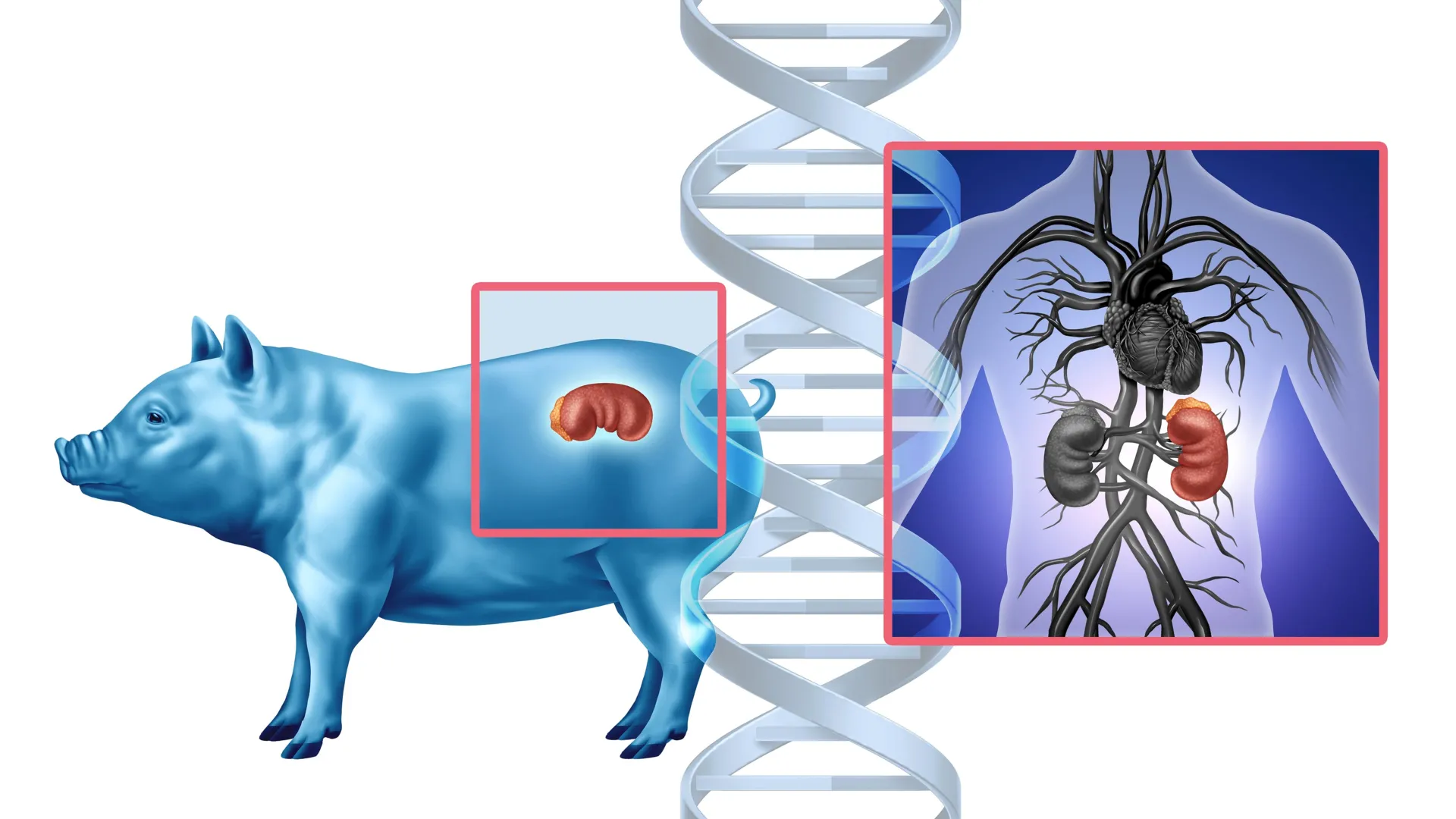
A pioneering study has provided unprecedented insights into the immune response following pig-to-human kidney xenotransplantation.1
The findings, presented today at the ESOT Congress 2025, mark a significant step forward in overcoming the biggest challenge in xenotransplantation: rejection by the human immune system.
Using cutting-edge spatial molecular imaging, researchers mapped how human immune cells interact with pig kidney tissue in transplanted organs, revealing critical early markers of rejection and potential intervention strategies. The study, led by Dr. Valentin Goutaudier and a collaborative international research team (Paris Institute for Transplantation and Organ Regeneration & NYU Langone Transplant Institute), highlights key molecular mechanisms that could shape the future of xenotransplantation.
One of the most striking discoveries was that human immune cells were found in every part of the pig kidney’s filtering system after the transplant. Researchers observed early molecular signs of antibody-mediated rejection as soon as Day 10 and peaking at Day 33, reinforcing previous findings that rejection begins rapidly but progresses over time.2 By tracking these immune responses for up to 61 days, the team identified a crucial window for targeted therapeutic intervention.
“Our study provides the most detailed molecular map to date of how the human immune system engages with a transplanted pig kidney,” explained Dr. Goutaudier. “By pinpointing specific immune cell behaviours and gene expressions, we can refine anti-rejection treatments and improve transplant viability.”
The study’s innovative approach used a bioinformatic pipeline to distinguish human immune cells from pig structural cells, allowing for precise mapping of immune infiltration patterns. Notably, macrophages and myeloid cells were the most prevalent immune cell types across all time points, further confirming their role as key mediators in xenograft rejection.
When targeted therapeutic interventions were introduced, immune-mediated signs of rejection were successfully weakened. Combined with novel spatial insights into how immune cells interact with pig kidney tissue, this marks a major breakthrough — paving the way for more refined anti-rejection strategies. These advances come at a pivotal time as the first US-based clinical trials of pig kidney transplantation into living human recipients begin in 2025.

With xenotransplantation poised to address the global organ shortage crisis, these findings bring researchers one step closer to making genetically modified pig kidneys a viable long-term solution. The next phase will focus on optimising anti-rejection treatments, refining genetic modifications in donor pigs, and developing early detection protocols to monitor and manage rejection responses.
“Understanding the specific immune interactions at a molecular level allows us to develop targeted interventions that can prevent rejection before it escalates,” explained Dr. Goutaudier. “This research lays the groundwork for safer and more effective pig-to-human transplants in the near future.”
As scientific progress accelerates, researchers remain cautiously optimistic that genetically modified pig kidneys could become a routine transplant option within the next decade. However, regulatory approvals will require consistent demonstration of safety and efficacy in diverse patient populations.
References: Goutaudier V., Williams, C., Morgand, E., et al. Application of a Novel Spatial Transcriptomic 6000-Plex Panel in Pig-to-Human Xenotransplantation. Presented at ESOT Congress 2025; 30th June 2025; London, United Kingdom. Loupy, A., Goutaudier, V., Giarraputo, A. et al. (2023). Immune response after pig-to-human kidney xenotransplantation: A multimodal phenotyping study.The Lancet, 402(10408), 1158-1169. https://doi.org/10.1016/S0140-6736(23)01855-3 Montgomery RA, Stern JM, Lonze BE, Tatapudi VS, Mangiola M, Wu M, Weldon E, Lawson N, Deterville C, Dieter RA, Sullivan B, Boulton G, Parent B, Piper G, Sommer P, Cawthon S, Duggan E, Ayares D, Dandro A, Fazio-Kroll A, Kokkinaki M, Burdorf L, Lorber M, Boeke JD, Pass H, Keating B, Griesemer A, Ali NM, Mehta SA, Stewart ZA. Results of Two Cases of Pig-to-Human Kidney Xenotransplantation. N Engl J Med. 2022 May 19;386(20):1889-1898. doi: 10.1056/NEJMoa2120238. PMID: 35584156.

Read more →

This virus infects millions—and we just discovered its secret weapon

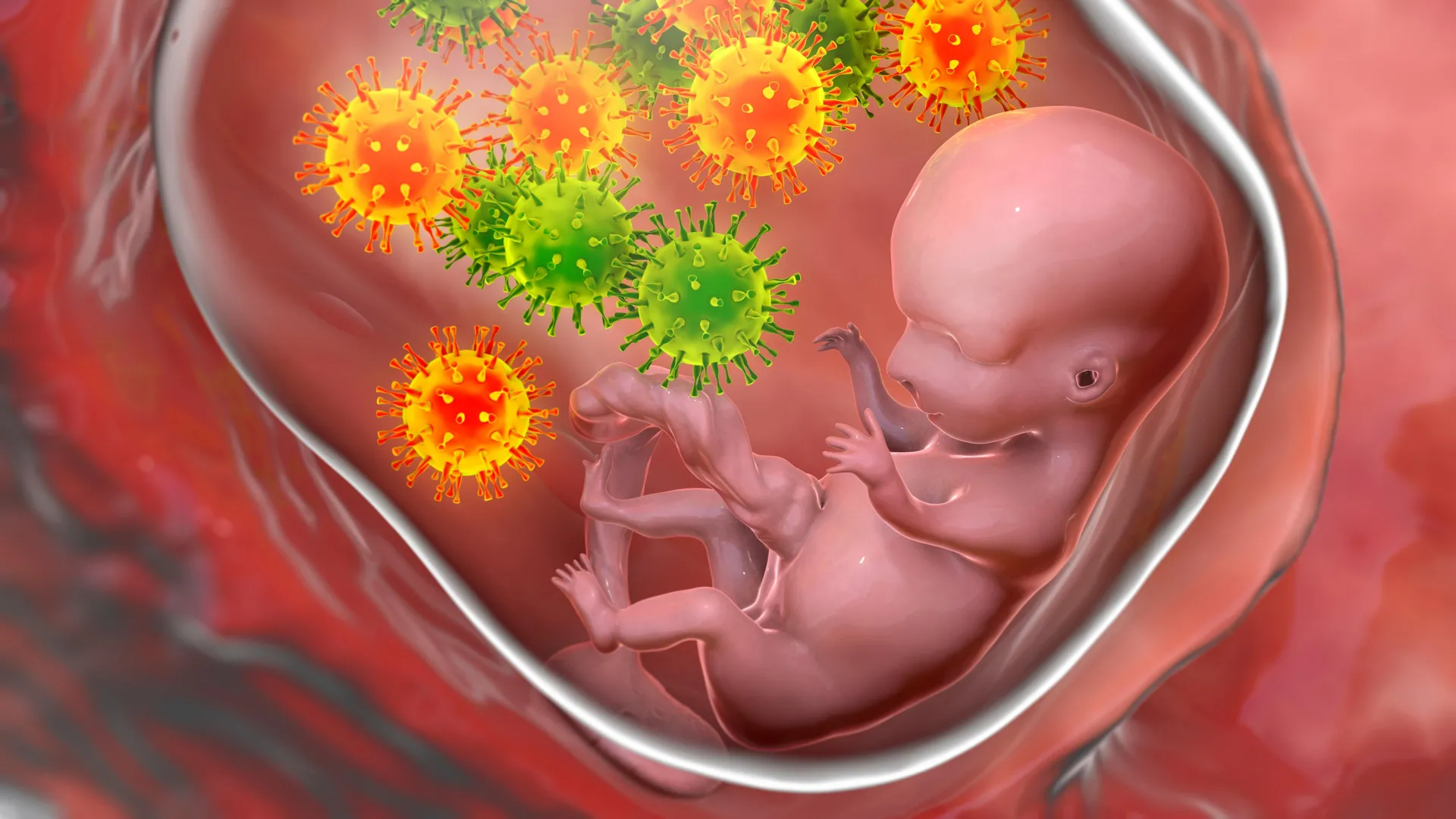
New research from the University of Pittsburgh School of Medicine and La Jolla Institute for Immunology, published today (June 30) in Nature Microbiology, reveals an opportunity for developing a therapy against cytomegalovirus (CMV), the leading infectious cause of birth defects in the United States.
Researchers discovered a previously unappreciated mechanism by which CMV, a herpes virus that infects the majority of the world’s adult population, enters cells that line the blood vessels and contributes to vascular disease. In addition to using molecular machinery that is shared by all herpes viruses, CMV employs another molecular “key” that allows the virus to sneak through a side door and evade the body’s natural immune defenses.
The finding might explain why efforts to develop prophylactic treatments against CMV have, so far, been unsuccessful. This research also highlights a new potential avenue for the development of future antiviral drugs and suggests that other viruses of the herpes family, such as Epstein-Barr and chickenpox, could use similar molecular structures to spread from one infected cell to the next while avoiding immune detection.
“If we don’t know what weapons the enemy is using, it is hard to protect against it,” said senior author Jeremy Kamil, Ph.D., associate professor of microbiology and molecular genetics at Pitt. “We found a missing puzzle piece that represents one possible reason why immunization efforts against CMV have been unsuccessful.”
In the United States, approximately one in every 200 babies is born with congenital CMV infection. Of the babies infected, one in five will have birth defects, such as hearing loss, or go on to have long-term health challenges. For most adults, CMV infections are asymptomatic. But a CMV infection during pregnancy presents significant health risks to the unborn child and could be deadly for people who are immunosuppressed, including organ transplant recipients.
Because of the large size of its genome and its complicated molecular machinery, CMV long evaded attempts to develop prophylactic treatments. Similar to other herpes viruses, CMV relies on a protein called gH to enter cells of the vessel lining. But unlike other herpes viruses, which use a protein partner called gL to facilitate infection, the new study found that CMV replaces gL with another partner called UL116 and recruits a protein called UL141. The resulting complex of gH-UL116-UL141, called GATE by the authors, then becomes an alternative tool for breaking into cells lining the blood vessels and causing internal damage while simultaneously preventing the body’s own immune system from recognizing the signs of infection.
The newly discovered GATE could become a potential vaccine target for CMV and other herpes viruses.
“Previous attempts to generate a CMV vaccine have failed, but that was before we identified the GATE complex. We hope that new strategies targeting GATE will improve our chances to combat CMV infection, and also perhaps cleanse our bodies of this lifelong infection,” said Chris Benedict, Ph.D., associate professor at La Jolla Institute for Immunology and co-senior author of the study with Kamil and LJI professor, president & CEO Erica Ollmann Saphire, Ph.D., MBA. “If we can develop antiviral drugs or vaccines that inhibit CMV entry, this will allow us to combat the many diseases this virus causes in developing babies and immune-compromised people.”
Other authors of this research are Michael Norris, Ph.D., of the University of Toronto; Lauren Henderson, Mohammed Siddiquey, Ph.D., both of Louisiana State University Health Shreveport; and Jieyun Yin, Ph.D., Kwangsun Yoo, Ph.D., Simon Brunel, Ph.D., Michael Mor, Ph.D., and Erica Ollmann Saphire, Ph.D., all of La Jolla Institute for Immunology.
This research was supported by the National Institutes of Health (grants AI11685, AI139749, AI101423 and T32HL155022) and by ARPA-H APECx contract 1AY1AX000055.

Read more →

Parents face hurdles vaccinating children – report

15 minutes agoShareSaveShareSaveGetty ImagesParents are being prevented from vaccinating their children because of obstacles such as difficulty booking appointments and a lack of reminders on what jabs are needed and when, a report suggests.Child health experts say “practical or logistical reasons” are discouraging families more often than fears over the vaccines.Vaccine uptake in the UK has fallen over the last decade, leading to outbreaks of measles and whooping cough.UK health officials say they are committed to working with the NHS to improve vaccine uptake among children.’Easier access’Since 2022, no childhood vaccine in the UK has met the World Health Organisation target of 95% of children vaccinated, which ensures protection of vulnerable people. As a result, measles and other preventable diseases have made a comeback.A commission of experts from the Royal College of Paediatrics and Child Health (RCPCH) spent a year looking at why.Dr Helen Stewart, officer for health improvement at RCPCH, said the steady decline in vaccination rates in a wealthy country like the UK was “extremely concerning”. But she said vaccine hesitancy, when parents waver over getting their children vaccinated, “is only part of a very complex picture”.”The reality is that there are many who simply need better support and easier access to appointments,” Dr Stewart said.Although confidence in vaccines is still relatively high, the report found barriers to accessing jabs are why many families don’t protect their children.Some of the most common barriers include:difficulties getting through to book appointments at GP surgeriesdifficulties getting time off work for appointmentslimited transport options or no parking at GP surgeriesnot seeing the same GP each time so lack of trustnot being able to speak to a GP or nurse to ask about the vaccineslack of reminders for jabs being sent out from GPnot enough clear information about what jabs their child needs and when”One of the findings of this new report is that parents have no easy way to check their child’s vaccination status,” says children’s emergency medicine specialist, Dr Stewart.”When I ask if the child is up to date with their vaccinations, the most common response is ‘I think so’.”Poorer families, some ethnic minority groups and migrant communities are much less likely to be vaccinated, and these inequalities have become more obvious since the pandemic, the report says.It also notes an absence of health visitors often means parents have no one they feel comfortable discussing vaccines openly with.Digital red bookThe report recommends using NHS apps to improve the experience of booking jabs, investing and expanding vaccination services, and funding health visitors to deliver some of them.It also calls on the development of the ‘digital red book’ to be finalised so parents can keep track of their children’s vaccinations.The NHS website lists the full schedule of vaccinations for children, from babies, up to the age of 15.Dr Julie Yates, deputy director for immunisation programmes at UK Health Security Agency, said plans were in place to improve childhood vaccine uptake by ensuring more flexible appointment booking systems, making vaccines more widely available across different locations, and making access easier in all communities.”Despite the challenges, it is also important to note that parents have high confidence in vaccinations with almost 90% agreeing vaccines are effective,” Dr Yates said.Alison Morton, chief executive of the Institute for Health Visitors, said the report presented “a compelling case” to ensure babies and children are protected against serious diseases which can cause so much unnecessary harm.Helen Bedford, professor of children’s health at University College London, said improvements needed investment in staff and infrastructure. “Our children have the right to be protected from preventable diseases which can cause illness, disability or even death,” she said, adding that a fall in children getting their vaccines had resulted in the deaths of 11 young babies from whooping cough last year. Falling vaccinations among children isn’t just an issue in the UK, in 2023 there were nearly 16 million children who had not had any vaccinations, most of them in south Asia and sub-Saharan Africa.

Read more →

Is RFK Jr’s divisive plan to Make America Healthy Again fearmongering – or revolutionary?

17 minutes agoShareSaveShareSaveBBCThere’s a saying that Robert F Kennedy Jr is very fond of. He used it on the day he was confirmed as US health secretary. “A healthy person has a thousand dreams, a sick person only has one,” he said as he stood in the Oval Office. “60% of our population has only one dream – that they get better.”The most powerful public health official in the US has made it his mission to tackle what he describes as an epidemic of chronic illness in America, a catch-all term that covers everything from obesity and diabetes to heart disease.His diagnosis that the US is experiencing an epidemic of ill health is a view shared by many healthcare experts in the country.But Kennedy also has a history of promoting unfounded health conspiracies, from the suggestion that Covid-19 targeted and spared certain ethnic groups to the idea that chemicals in tap water could be making children transgender.And after taking office, he slashed thousands of jobs at the Department of Health and Human Services and eliminated whole programmes at the Centers for Disease Control (CDC).”On the one hand, it’s extraordinarily exciting to have a federal official take on chronic disease,” says Marion Nestle, a retired professor of public health at New York University. “On the other, the dismantling of the federal public health apparatus cannot possibly help with the agenda.”Chip Somodevilla / Staff via GettyKennedy is reviled by parts of the medical and scientific communities. He was described to me as an “evil nihilist” by Dr Amesh Adalja, an infectious disease doctor and senior scholar at Johns Hopkins University.But even some of Kennedy’s critics accept that he is bringing drive and ambition to areas of healthcare that have been neglected. Is it possible that the man who attracts so much criticism – and in some quarters, hate – might actually start making America healthy again?American ‘kids swimming in a toxic soup’There’s one industry that Kennedy had set his sights on long before joining the Trump administration: multinational food companies have, he has said, poisoned American children with artificial additives already banned in other countries.”We have a generation of kids who are swimming around in a toxic soup right now,” he claimed on Fox News last year.His first target was food colourings, with a promise to phase out the use of petroleum-based dyes by the end of 2026.Chemicals, with names like ‘Green No. 3’ and ‘Red No. 40’, have been linked to hyperactivity and behavioural issues in children, and cancer in some animal studies.”What’s happening in this administration is really interesting,” says Vani Hari, a food blogger and former Democrat who is now an influential voice in the Make America Healthy Again (MAHA) movement. “MAHA is all about how do we get people off processed food, and one way to do that is to regulate the chemicals companies use.”There are some signs this pressure may be paying off.The food giant PepsiCo, for example, said in a recent trading update that Lays crisps and Tostitos snacks “will be out of artificial colours by the end of this year”.Kennedy struck a voluntary agreement with the food industry but it only came after individual states from California to West Virginia had already started introducing their own laws.”In the case of food dyes, companies will have to act because states are banning them [anyway] and they won’t want to have to formulate separate products for separate states,” says Prof Nestle, an author and longtime critic of the industry.More recently Kennedy has signalled he backs a radical food bill in Texas that could target additives in some products ranging from sweets, to cereals and fizzy drinksJeff Greenberg via Getty ImagesPackets may soon have to carry a high-contrast label stating, “WARNING: This product contains an ingredient that is not recommended for human consumption by the appropriate authority in Australia, Canada, the European Union, or the United Kingdom.”The Consumer Brands Association, which represents some of the largest food manufacturers, opposes this, saying the ingredients used in the US food supply are safe and have been rigorously studied.It’s difficult to imagine that kind of regulation could ever be signed off in a state like Texas without the political backing of Kennedy and President Trump.Is RFK ‘drifting into misinformation’?”He can’t change everything in a short amount of time, but I think the issue of food dyes will soon be history,” says Ms Hari, who testified before the Senate on this subject last year.But others worry that the flurry of announcements on additives is tinkering around the edges of what is a much wider problem.”While some of these individual actions are important, they are a drop in the ocean in the larger context of chronic disease,” argues Nicola Hawley, professor of epidemiology at Yale School of Public Health. “There is a focus on personal choice and access to natural food, but that completely ignores the big, systematic and structural barriers [to healthy eating] like poverty and really aggressive marketing of junk food to children.”The US government, for example, still heavily subsidises crops including corn and soya beans, key ingredients in processed foods.Kennedy is now updating the US national dietary guidelines, an important document used to shape everything from school meals to assistance programmes for the elderly. A reduction in added sugars and a switch to more locally-sourced whole foods is expected. Plus he has called on states to ban millions of Americans from using food stamps, a welfare benefit, to buy junk food or sugar-sweetened drinks.He has also backed local officials who want to stop adding fluoride to drinking water, describing it as a “dangerous neurotoxin”. It is used in some countries, including in parts of the US, to prevent tooth decay, and whilst there is still debate about the possible health effects, the NHS says a review of the risks has found “no convincing evidence” to support any concerns. Other fluoride research has found the mineral only has detrimental health effects at extremely high levels.Prof Hawley also argues there is a tension between Kennedy’s “important message” on food and chronic disease, and what she feels is a lack of policies backed by solid scientific evidence.”You’ve got this challenge of him drifting into misinformation about the links between additives and chronic disease, or environmental risk factors,” she argues. “And that really just undermines the science.”‘He is not anti vax, he is anti corruption’That tension is even clearer when it comes to another of Kennedy’s big concerns.Vaccines are still listed on the CDC website as one of the great public health achievements of the last century, alongside family planning and tobacco control. They prevent countless cases of disease and disability each year, and save millions of lives, according to the American Medical Association.Kennedy, though, is the best known vaccine sceptic in the country. The activist group he ran for eight years, Children’s Health Defense, repeatedly questioned the safety and efficacy of vaccination.In 2019 he described the disgraced British doctor Andrew Wakefield as the “most unfairly maligned person in modern history” and told a crowd in Washington that “any just society” would be building statues of him.Wakefield was struck off the UK medical register in 2010 after his research falsely linked the MMR (measles, mumps and rubella) vaccine to autism, leading to a spike in measles cases in England and some other countries.Over the last year, Kennedy has repeatedly insisted he is not “anti-vax” and will not be “taking away anybody’s vaccines”. Faced with a deadly measles outbreak in unvaccinated children in west Texas, he posted that the MMR was “the most effective way to prevent the spread of the disease”.In other comments though, he described vaccination as a “personal choice” and emphasised alternative treatments such as vitamin A supplements.A huge deal with the drugmaker Moderna to develop a vaccine to combat bird flu in humans was scrapped, and new rules were brought in which could mean some vaccines need extra testing before they can be updated each winter.In May, Kennedy posted a video on social media saying the government would no longer endorse Covid vaccines for healthy children and pregnant women.However, some doctors point out that reducing eligibility would simply bring the US into line with other countries, including the UK, where free Covid boosters are restricted to those over 75 or with weakened immune systems. “They are really just aligning themselves with everyone else, which is not in any way outrageous,” says Prof Adam Finn, a paediatric doctor and one of the UK’s leading experts on vaccines.EPAThen in June, Kennedy suddenly sacked all 17 members of the influential expert committee, which advises the CDC on vaccine eligibility. He accused the panel of being “plagued with persistent conflicts of interest” and rubber-stamping new vaccines without proper scrutiny.A new, much smaller, committee handpicked by the administration now has the power to change, or even drop, critical recommendations to immunise Americans for certain diseases, as well as shape the childhood vaccination programme.”It underscores just how much we are backsliding now,” says Dr Amesh Adalja, the infectious disease doctor and senior scholar at Johns Hopkins University. “I think increasingly the panel will become irrelevant if RFK Jr is able to shape it the way he wants to.”The new panel made its first decision last week, voting to stop recommending a small number of flu vaccines that still contain the preservative thimerosal, something Kennedy wrote a book about in 2015.His critics say that a new era of vaccine policy has arrived in the US. Whilst his supporters say no subject, including vaccine safety, should be considered off-limits.”Everything has to be open to discussion and Bobby Kennedy is not anti-vaccine, he’s anti-corruption,” argues Tony Lyons, who co-founded the political action committee that supported his independent presidential campaign.”It’s about being pro-science, pro-capitalism, and believing you have an obligation to the public to do a thorough job of researching any product that is put in the arms of 40 million children.”The autism puzzleWeeks after Kennedy took office news emerged that the CDC would open a research project into the link between vaccines and autism.Since Wakefield’s now-discredited Lancet paper in 1998, which linked autism to the MMR vaccine given to children, there have been numerous international studies that have looked at this in detail and found no reputable link.”There is nothing to debate any more, it has been settled by science,” says Eric Fombonne, an autism researcher and professor emeritus at Oregon Health & Science University.Kennedy, though, has hired David Geier, a noted vaccine sceptic, to look again at the data.Today autism is widely understood to be a lifelong spectrum condition. It can include those with high support needs who are non-speaking, and those with above-average intelligence who might struggle with social interaction or communication.Most researchers believe a rise in cases over decades is down to a broadening in the way children with autism are defined, as well as improved awareness, understanding and screening.But in April, Kennedy dismissed that idea, describing autism as “preventable”. He blamed a mysterious environmental trigger for the increase in eight-year-olds being diagnosed.”This is coming from an environmental toxin… [in] our air, our water, our medicines, our food,” he said.Alex Wong via Getty ImagesHe pledged a massive research effort to find that cause by September and “eliminate those exposures”.Dr Fombonne strongly disputes this. “It is nonsensical and shows a complete absence of understanding,” he says. “We have known for many years that autism has a strong genetic component.”In the same speech, Kennedy said that many autistic children will never “pay taxes, never hold a job. They’ll never play baseball. They’ll never write a poem. They’ll never go out on a date. Many of them will never use a toilet unassisted.”Many in the autism community are angry. “What we’re seeing here is a fear-based rhetoric and [a] misleading narrative that is causing harm and perpetuating stigma,” says Kristyn Roth from the Autism Society of America.But some parents of autistic children are more supportive.Emily May, a writer who is the mother of a child with autism, wrote in The New York Times that she found herself “nodding along as Mr Kennedy spoke about the grim realities of profound autism”.”His remarks echo the reality and pain of a subset of parents of children with autism who feel left out of much of the conversation,” she wrote.The administration has since watered down that promise to find the reasons for autism by September but it is still promising detailed findings of its research by March 2026.An imperfect messenger?Ultimately, Robert Kennedy has only been in the job a matter of months. Already though he’s asking some big questions – particularly about chronic disease – which have never been asked in the same way by a health secretary before.For the first time that issue has both political attention and bipartisan support in the US.He is clearly not afraid to take on what he perceives to be vested interests in the food and drug industries, and he is still firmly supported by President Trump.Tony Lyons, who has published books by Kennedy, calls him “uniquely qualified” for the most powerful job in US public health. “He’s a corruption fighter. He has seen what all these kinds of companies do, not just pharmaceutical companies but food companies, and he wants them to do a better job,” he says.Robert Kennedy’s background as an environmental lawyer taking on big business and the establishment has clearly shaped the views he holds today.But Jerold Mande, a former federal food policy advisor in three administrations, worries that Kennedy’s own views and biases will mean some of the solutions he’s reaching for are predetermined and unsupported by the evidence.Now a professor of nutrition at Harvard, Prof Mande describes Kennedy as an imperfect messenger and says he has “great concerns” about the administration’s approach to aspects of public health, from tobacco control to vaccination, where there is “no question that what he’s doing is going to result in enormous harm.””At a high level, I’m optimistic but you still need to come up with the right answers, and those answers can only be found through science,” says Prof Mande.”We now have a shot and he’s provided that by making it a priority. But it’s how you use that shot that’s going to determine whether it’s a success or not. And that is where the jury is still out.”Top image credit: Chip Somodevilla / Staff via GettyMore from InDepthBBC InDepth is the home on the website and app for the best analysis, with fresh perspectives that challenge assumptions and deep reporting on the biggest issues of the day. And we showcase thought-provoking content from across BBC Sounds and iPlayer too. You can send us your feedback on the InDepth section by clicking on the button below.

Read more →

Covid inquiry hears of care home ‘slaughter’

26 minutes agoShareSaveJudith BurnsBBC NewsAlison HoltJames MelleySocial Affairs ProducerShareSaveGetty ImagesA civil servant’s assertion that there was a “generational slaughter within care homes” in the early days of the pandemic is a phrase that “chimes with the experience of thousands of our families”, the Covid inquiry has heard.Pete Weatherby, barrister for the campaign group Covid-19 Bereaved Families for Justice UK, said the phrase might seem an exaggeration but it highlighted issues the inquiry must address.His opening statement came on the first day of the sixth part of the Covid inquiry which will focus on the impact of the pandemic on care services for elderly and disabled people.The government has said it is committed to learning lessons from the inquiry.Senior civil servant Alasdair Donaldson made the comment about generational slaughter in his written evidence to the inquiry, Mr Weatherby said. Mr Donaldson’s evidence also describes “complete chaos” in the Department of Health and Social Care when he started working there in April 2020, soon after the start of the pandemic. Mr Weatherby urged the inquiry to call Mr Donaldson to give evidence in person.Nearly 46,000 care home residents died with Covid in England and Wales between March 2020 and January 2022, many of them in the early weeks of the pandemic.Key questions the families hope the inquiry will answer include why the decision was made in March 2020 to rapidly discharge some hospital patients into care homes.They blame this in part for seeding the virus into care homes in the early weeks of the pandemic.There are also questions about blanket “do not resuscitate” notices being placed on some care home residents by medical services and about visiting policies which prevented families seeing their loved ones for months.The hearing began with filmed testimony from people who lost loved ones during the pandemic.Ann, from Wales, told the Inquiry’s Every Story Matters project that her dad, who had dementia, was living in a care home when the pandemic hit.When visits were limited “he didn’t have the understanding of why we were outside his window,” she said.He became increasingly confused, tearful and begging to be allowed to die.When he eventually passed away, Ann was told of his death via a phone call in the middle of the night.Julie from Yorkshire said she would “never come to terms” with the way her mother had passed away – sedated and alone.”There are so many of us that will never move on. It will be with us for the rest of our lives,” she said.And she added: “Things have to change. This is not right – you should have death in dignity.”Nicky Hastie attended the inquiry in person on Monday, clutching a photo of her mother Margaret. Nicky says she spotted that her mother was dying from Covid on a video call before staff had noticed, and described that time as “traumatic”. “She didn’t die with dignity and there was no alleviation for her pain and suffering,” she told BBC News. The barrister to the inquiry Jacqueline Carey KC set out the scope of the hearings, warning this section would undoubtedly be “emotive and distressing for many people participating in, and following, these proceedings”.Ms Carey also highlighted Every Story Matters testimony from care home workers.She quoted a worker at a Durham care home who described how the virus “spread like wildfire”.”At one point, 67 out of 87 residents tested positive, as well as a high percentage of our staff.”We were all terrified we would take the virus home to our families,” the care worker said.In particular, Ms Carey said the inquiry would investigate understaffing in care homes and the plight of care workers, many of whom were on the national minimum wage, and also migrant workers.Even before the pandemic, the state of the care sector “was fragile”, Ms Carey told the hearing.Covid testing capacity was extremely limited, particularly at the start of the pandemic where testing was limited to people who had symptoms.The inquiry will also look at the shortage of personal protective equipment (PPE) in care homes.Not only were supplies of PPE very hard to get, there were issues of whether staff had been trained to use it and, when it finally arrived, some of it was not fit for purpose, with straps that kept breaking, for example.This part of the inquiry is expected to last five weeks.It will hear evidence from bereaved relatives, disabled people, care worker associations and organisations representing care providers, as well as trade unions and local government.

Read more →

A Common Assumption About Aging May Be Wrong, Study Suggests

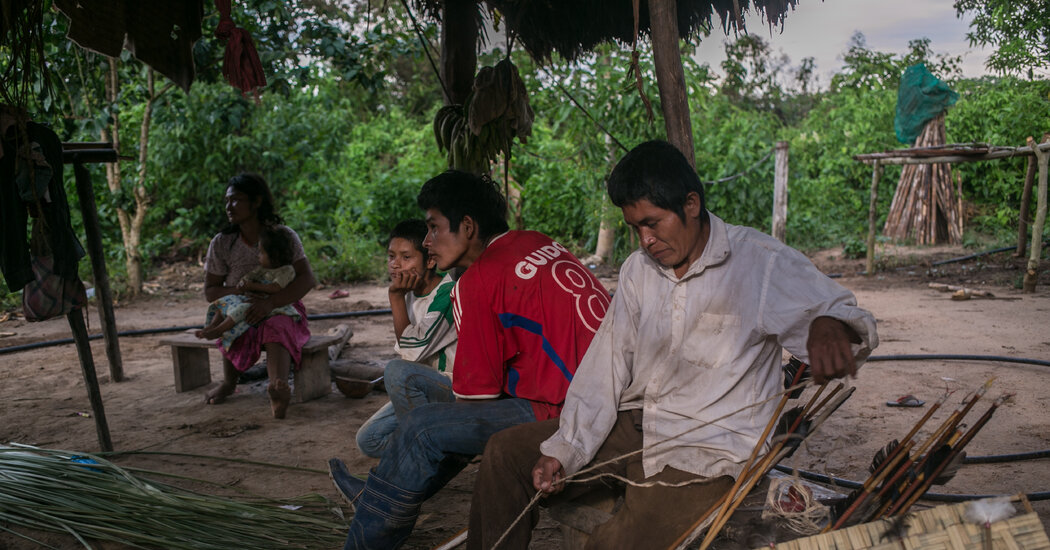
Experts have long pointed to inflammation as a natural part of getting older. But a new paper suggests it might be more a product of our environment.A new analysis of data gathered from a small Indigenous population in the Bolivian Amazon suggests some of our basic assumptions about the biological process of aging might be wrong.Inflammation is a natural immune response that protects the body from injury or infection. Scientists have long believed that long-term, low-grade inflammation — also known as “inflammaging” — is a universal hallmark of getting older. But this new data raises the question of whether inflammation is directly linked to aging at all, or if’s linked to a person’s lifestyle or environment instead.The study, which was published today, found that people in two nonindustrialized areas experienced a different kind of inflammation throughout their lives than more urban people — likely tied to infections from bacteria, viruses and parasites rather than the precursors of chronic disease. Their inflammation also didn’t appear to increase with age.Scientists compared inflammation signals in existing data sets from four distinct populations in Italy, Singapore, Bolivia and Malaysia; because they didn’t collect the blood samples directly, they couldn’t make exact apples-to-apples comparisons. But if validated in larger studies, the findings could suggest that diet, lifestyle and environment influence inflammation more than aging itself, said Alan Cohen, an author of the paper and an associate professor of environmental health sciences at Columbia University.“Inflammaging may not be a direct product of aging, but rather a response to industrialized conditions,” he said, adding that this was a warning to experts like him that they might be overestimating its pervasiveness globally.“How we understand inflammation and aging health is based almost entirely on research in high-income countries like the U.S.,” said Thomas McDade, a biological anthropologist at Northwestern University. But a broader look shows that there’s much more global variation in aging than scientists previously thought, he added.We are having trouble retrieving the article content.Please enable JavaScript in your browser settings.Thank you for your patience while we verify access. If you are in Reader mode please exit and log into your Times account, or subscribe for all of The Times.Thank you for your patience while we verify access.Already a subscriber? Log in.Want all of The Times? Subscribe.

Read more →

Scientists just found a sugar switch that protects your brain from Alzheimer’s

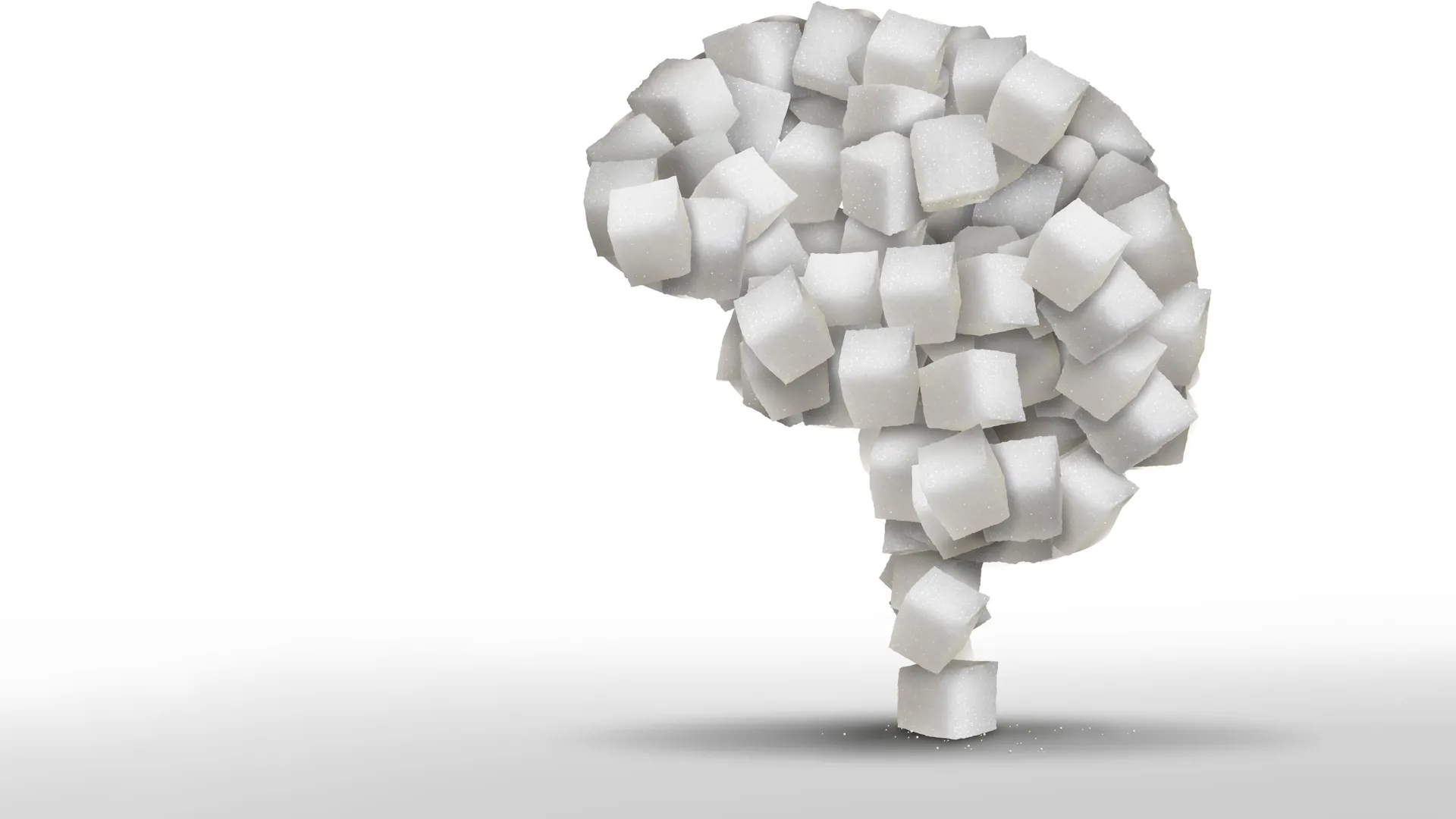
A new study from scientists at the Buck Institute for Research on Aging has revealed a surprising player in the battle against Alzheimer’s disease and other forms of dementia: brain sugar metabolism. Published in Nature Metabolism, the research uncovers how breaking down glycogen — a stored form of glucose — in neurons may protect the brain from toxic protein buildup and degeneration.
Glycogen is typically thought of as a reserve energy source stored in the liver and muscles. While small amounts also exist in the brain, particularly in support cells called astrocytes, its role in neurons has long been dismissed as negligible. “This new study challenges that view, and it does so with striking implications,” says Professor Pankaj Kapahi, PhD, senior scientist on the study. “Stored glycogen doesn’t just sit there in the brain; it is involved in pathology.”
The research team, led by postdoc Sudipta Bar, PhD, discovered that in both fly and human models of tauopathy (a group of neurodegenerative diseases including Alzheimer’s), neurons accumulate excessive glycogen. More importantly, this buildup appears to contribute to disease progression. Bar says tau, the infamous protein that clumps into tangles in Alzheimer’s patients, appears to physically bind to glycogen, trapping it and preventing its breakdown.
When glycogen can’t be broken down, the neurons lose an essential mechanism for managing oxidative stress, a key feature in aging and neurodegeneration. By restoring the activity of an enzyme called glycogen phosphorylase (GlyP) — which kicks off the process of glycogen breakdown — the researchers found they could reduce tau-related damage in fruit flies and human stem cell-derived neurons.
Rather than using glycogen as a fuel for energy production, these enzyme-supported neurons rerouted the sugar molecules into the pentose phosphate pathway (PPP) — a critical route for generating NADPH (nicotinamide adenine dinucleotide phosphate) and Glutathione, molecules that protect against oxidative stress. “By increasing GlyP activity, the brain cells could better detoxify harmful reactive oxygen species, thereby reducing damage and even extending the lifespan of tauopathy model flies,” said Bar.
Even more promising, the team demonstrated that dietary restriction (DR) — a well-known intervention to extend lifespan — naturally enhanced GlyP activity and improved tau-related outcomes in flies. They further mimicked these effects pharmacologically using a molecule called 8-Br-cAMP, showing that the benefits of DR might be reproduced through drug-based activation of this sugar-clearing system. “This work could explain why GLP-1 drugs, now widely used for weight loss, show promise against dementia, potentially by mimicking dietary restriction,” said Kapahi.
Researchers also confirmed similar glycogen accumulation and protective effects of GlyP in human neurons derived from patients with frontotemporal dementia (FTD), strengthening the potential for translational therapies. Kapahi says the study emphasizes the power of the fly as a model system in uncovering how metabolic dysregulation impacts neurodegeneration. “Work in this simple animal allowed us to move into human neurons in a much more targeted way,” he said.

Kapahi also acknowledges the Buck’s highly collaborative atmosphere as a major factor in the work. His lab, with expertise in fly aging and neurodegeneration, took advantage of proteomics expertise in the Schilling lab and the Seyfried lab (at Emory University) as well as the Ellerby lab which has expertise in human iPSCs and neurodegeneration.
Kapahi says this study not only highlights glycogen metabolism as an unexpected hero in the brain but also opens up a new direction in the search for treatments against Alzheimer’s and related diseases. “By discovering how neurons manage sugar, we may have unearthed a novel therapeutic strategy: one that targets the cell’s inner chemistry to fight age-related decline,” he says. “As we continue to age as a society, findings like these offer hope that better understanding — and perhaps rebalancing — our brain’s hidden sugar code could unlock powerful tools for combating dementia.”
Coauthors: Additional Buck collaborators include Kenneth A. Wilson, Tyler A.U. Hilsabeck, Sydney Alderfer, Jordan B Burton, Samah Shah, Anja Holtz, Enrique M. Carrera, Jennifer N. Beck, Jackson H Chen, Grant Kauwe, Tara E. Tracy, Birgit Schilling, and Lisa M. Ellerby. Other collaborators include Eric B. Dammer, Fatemeh Seifar and Nicholas T. Seyfried, Emory Center for Neurodegenerative Disease, Emory University School of Medicine, Atlanta, GA as well as Ananth Shantaraman, Department of Biochemistry, Emory University School of Medicine, Atlanta, GA
Acknowledgments: The work was supported by NIH grants R01AG038688, R21AG054121, AG045835, R01AG071995, R01AG070193, T32AG000266-23, R01AG061879, P01AG066591 and 1S10 OD016281. Other support came from the Hevolution Foundation, American Federation of Aging Research, the Larry L. Hillblom Foundation and the CatalystX award from Alex and Bob Griswold

Read more →

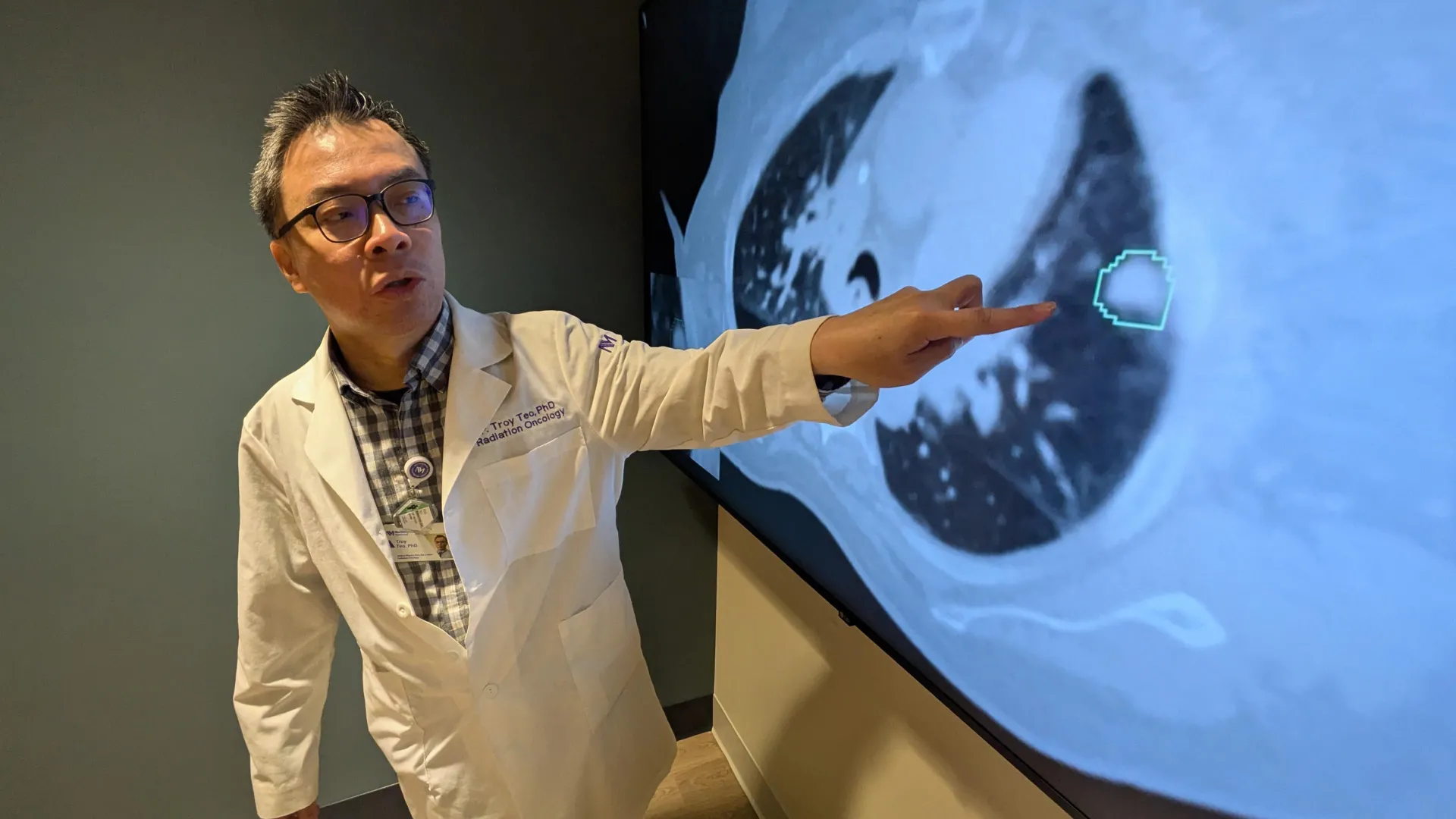
This AI tracks lung tumors as you breathe — and it might save lives

In radiation therapy, precision can save lives. Oncologists must carefully map the size and location of a tumor before delivering high-dose radiation to destroy cancer cells while sparing healthy tissue. But this process, called tumor segmentation, is still done manually, takes time, varies between doctors — and can lead to critical tumor areas being overlooked.
Now, a team of Northwestern Medicine scientists has developed an AI tool called iSeg that not only matches doctors in accurately outlining lung tumors on CT scans but can also identify areas that some doctors may miss, reports a large new study.
Unlike earlier AI tools that focused on static images, iSeg is the first 3D deep learning tool shown to segment tumors as they move with each breath — a critical factor in planning radiation treatment, which half of all cancer patients in the U.S. receive during their illness.
“We’re one step closer to cancer treatments that are even more precise than any of us imagined just a decade ago,” said senior author Dr. Mohamed Abazeed, chair and professor of radiation oncology at Northwestern University Feinberg School of Medicine.
“The goal of this technology is to give our doctors better tools,” added Abazeed, who leads a research team developing data-driven tools to personalize and improve cancer treatment and is a member of the Robert H. Lurie Comprehensive Cancer Center of Northwestern University.
The study was published today (June 30) in the journal npj Precision Oncology.
How iSeg was built and tested
The Northwestern scientists trained iSeg using CT scans and doctor-drawn tumor outlines from hundreds of lung cancer patients treated at nine clinics within the Northwestern Medicine and Cleveland Clinic health systems. That’s far beyond the small, single-hospital datasets used in many past studies.

After training, the AI was tested on patient scans it hadn’t seen before. Its tumor outlines were then compared to those drawn by physicians. The study found that iSeg consistently matched expert outlines across hospitals and scan types. It also flagged additional areas that some doctors missed — and those missed areas were linked to worse outcomes if left untreated. This suggests iSeg may help catch high-risk regions that often go unnoticed.
“Accurate tumor targeting is the foundation of safe and effective radiation therapy, where even small errors in targeting can impact tumor control or cause unnecessary toxicity,” Abazeed said.
“By automating and standardizing tumor contouring, our AI tool can help reduce delays, ensure fairness across hospitals and potentially identify areas that doctors might miss — ultimately improving patient care and clinical outcomes,” added first author Sagnik Sarkar, a senior research technologist at Feinberg who holds a Master of Science in artificial intelligence from Northwestern.
Clinical deployment possible ‘within a couple years’
The research team is now testing iSeg in clinical settings, comparing its performance to physicians in real time. They are also integrating features like user feedback and working to expand the technology to other tumor types, such as liver, brain and prostate cancers. The team also plans to adapt iSeg to other imaging methods, including MRI and PET scans.
“We envision this as a foundational tool that could standardize and enhance how tumors are targeted in radiation oncology, especially in settings where access to subspecialty expertise is limited,” said co- author Troy Teo, instructor of radiation oncology at Feinberg.
“This technology can help support more consistent care across institutions, and we believe clinical deployment could be possible within a couple of years,” Teo added.
This study is titled “Deep learning for automated, motion- resolved tumor segmentation in radiotherapy.”

Read more →