The pandemic pet boom was real. The happiness boost wasn’t

A new study challenges the belief in a universal “pet effect” on human well-being. Using data collected during COVID-19 lockdowns, researchers found no significant change in respondents’ well-being when they acquired or lost a pet in their household. The findings suggest that, even during a time of extreme isolation, human-animal bonds may not be as emotionally transformative as we like to believe.
Humans and their pets, a match made in heaven? Does adopting a new dog make you happier and less lonely? It is now commonplace to associate pet ownership with health and happiness for the human and the animal. Still, science has had a hard time pinning down the ‘pet effect’ — a hypothesised boost in life quality for those who surround themselves with cats, dogs, or other companion animals. Only a few years ago, circumstances presented us with a severe test of the importance of human-animal bonds — a global pandemic, COVID-19, which confined people to their homes, cutting them off from face-to-face contact in both work and personal life.
Researchers at ELTE Eötvös Loránd University have examined how pet acquisition and loss were experienced during the pandemic and the short- and long-term effects of acquiring a pet on the participants. The study was published in Scientific Reports. “Through a collaboration with a psychologist team led by Zsolt Demetrovics and Róbert Urbán, we had access to a unique data set,” explains Eniko Kubinyi, head of the MTA-ELTE ‘Momentum’ Companion Animals Research Group. “During the 2020 COVID-19 lockdowns, almost three thousand people across Hungary participated three times in data collection, several months apart. We noticed that 65 people acquired a pet and 75 lost one during the study, and decided to investigate how their well-being changed over time.”
The researchers found little support for the romanticised view we hold of pet owners and their emotional well-being. A short-lived boost in cheerfulness appeared after acquiring a dog, however, in a long run, dog owners’ calmness, life-satisfaction, cheerfulness, and activity had gone down. Most surprisingly, the researchers found that losing a pet did not leave a mark on the well-being of their former owners.
Ádám Miklósi, who initiated the data collection on companion animals, emphasises, “We rarely have access to data that documents spontaneous pet acquisition from people unbiased in their attitude toward pet ownership. Usually, pet lovers are identified and studied when the decision to adopt an animal is already settled. It appears that, at least during stressful periods, the average person, who may not be the primary caregiver but simply shares a household with the pet, is not significantly affected by the pet’s loss, nor is their well-being a strong predictor of the decision to acquire one.”
“What surprised me most,’ adds Judit Mokos, data scientist and one of the paper’s first authors, ‘was that a new pet in the household had no effect on the respondents’ loneliness. Dog adoption is often promoted as a solution for elderly and/or lonely people. Shelters and pet food companies promote adoption as a means of alleviating loneliness. However, our research suggests that dogs do not provide a real solution to loneliness; rather, they make the new owners more anxious.”
Kubinyi concludes, “Based on the data, most people, living together with a companion animal, do not seem to experience any long-term ‘pet effect’, nor do they bond strongly with their animal. It is possible that the dynamics of the pandemic have led many to make impulsive choices against their long-term interest, or that only certain groups — like devoted animal lovers or older adults living alone — truly benefit from pets in stressful times.”
It appears that during the COVID-19 pandemic, the emotional bonds people formed with animals often fell short of expectations.

Read more →

Tiny gut “sponge” bacteria found to flush out toxic PFAS “forever chemicals”

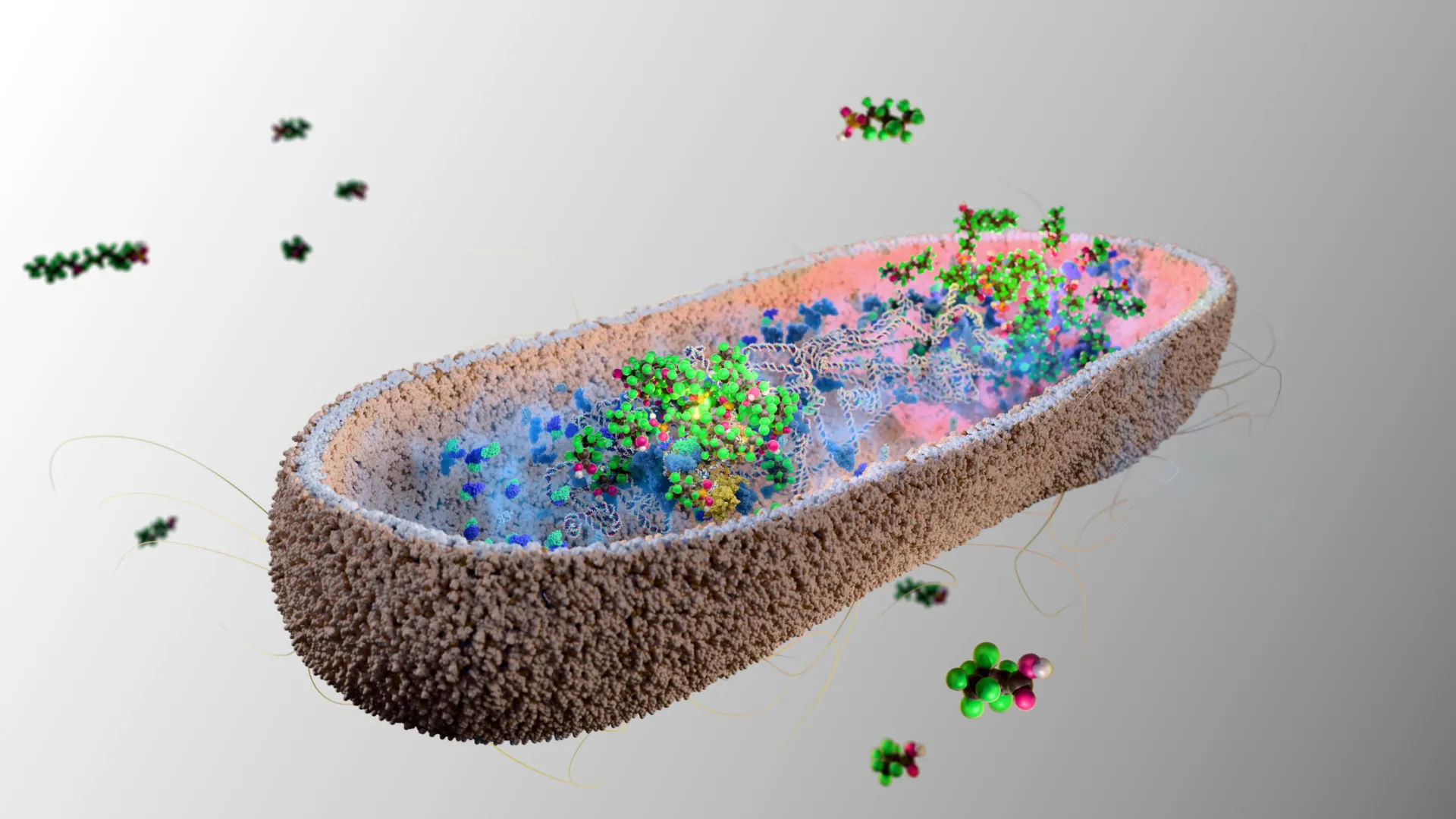
Scientists have discovered that certain species of microbe found in the human gut can absorb PFAS — the toxic and long-lasting ‘forever chemicals.’ They say boosting these species in our gut microbiome could help protect us from the harmful effects of PFAS.
PFAS have been linked with a range of health issues including decreased fertility, developmental delays in children, and a higher risk of certain cancers and cardiovascular diseases.
Scientists at the University of Cambridge have identified a family of bacterial species, found naturally in the human gut, that absorb various PFAS molecules from their surroundings. When nine of these bacterial species were introduced into the guts of mice to ‘humanise’ the mouse microbiome, the bacteria rapidly accumulated PFAS eaten by the mice — which were then excreted in faeces.
The researchers also found that as the mice were exposed to increasing levels of PFAS, the microbes worked harder, consistently removing the same percentage of the toxic chemicals. Within minutes of exposure, the bacterial species tested soaked up between 25% and 74% of the PFAS.
The results are the first evidence that our gut microbiome could play a helpful role in removing toxic PFAS chemicals from our body — although this has not yet been directly tested in humans.
The researchers plan to use their discovery to create probiotic dietary supplements that boost the levels of these helpful microbes in our gut, to protect against the toxic effects of PFAS.
The results are published today in the journal Nature Microbiology.
PFAS (Perfluoroalkyl and Polyfluoroalkyl Substances) can’t be avoided in our modern world. These man-made chemicals are in many everyday items including waterproof clothing, non-stick pans, lipsticks and food packaging, used for their resistance to heat, water, oil and grease. But because they take thousands of years to break down, they are accumulating in large quantities in the environment – and in our bodies.

Dr Kiran Patil, in the University of Cambridge’s MRC Toxicology Unit and senior author of the report, said: “Given the scale of the problem of PFAS ‘forever chemicals’, particularly their effects on human health, it’s concerning that so little is being done about removing these from our bodies.”
“We found that certain species of human gut bacteria have a remarkably high capacity to soak up PFAS from their environment at a range of concentrations, and store these in clumps inside their cells. Due to aggregation of PFAS in these clumps, the bacteria themselves seem protected from the toxic effects.”
Dr Indra Roux, a researcher at the University of Cambridge’s MRC Toxicology Unit and a co-author of the study said: “The reality is that PFAS are already in the environment and in our bodies, and we need to try and mitigate their impact on our health now. We haven’t found a way to destroy PFAS, but our findings open the possibility of developing ways to get them out of our bodies where they do the most harm.”
There is increasing concern about the environmental and health impacts of PFAS, and in April 2025 the UK launched a parliamentary inquiry into their risks and regulation.
There are over 4,700 PFAS chemicals in widespread use. Some get cleared out of the body in our urine in a matter of days, but others with a longer molecular structure can hang around in the body for years.
Dr Anna Lindell, a researcher at the University of Cambridge’s MRC Toxicology Unit and first author of the study said: “We’re all being exposed to PFAS through our water and food – these chemicals are so widespread that they’re in all of us.

“PFAS were once considered safe, but it’s now clear that they’re not. It’s taken a long time for PFAS to become noticed because at low levels they’re not acutely toxic. But they’re like a slow poison.”
Lindell and Patil have co-founded a startup, Cambiotics, with serial entrepreneur Peter Holme Jensen to develop probiotics that remove PFAS from the body, and they are investigating various ways of turbo-charging the microbes’ performance. Cambiotics is supported by Cambridge Enterprise, the innovation arm of the University of Cambridge, which helps researchers translate their work into globally-leading economic and social impact.
While we wait for new probiotics to become available, the researchers say the best things we can do to help protect ourselves against PFAS are to avoid PFAS-coated cooking pans, and use a good water filter.

Read more →

Researchers tested 200 toddlers — 96 chemicals were lurking in their bodies

A national study published in Environmental Science & Technology finds children aged 2 to 4 years in the United States are routinely exposed to a broad range of potentially harmful chemicals. Many of the chemicals the researchers identified are not routinely monitored and may pose health risks.
The research was conducted by multiple institutions across the United States in coordination with the Environmental influences on Child Health Outcomes (ECHO), a program supported by the National Institutes of Health (NIH).
The researchers analyzed urine samples from 201 children aged 2 to 4 years. They tested for 111 chemicals. Their study found: 96 chemicals were detected in at least five children. 48 chemicals were found in over half of the children. 34 chemicals were detected in more than 90% of children — including nine chemicals not currently tracked in national health surveys like the National Health and Nutrition Examination Survey (NHANES).”Our study shows that childhood exposure to potentially harmful chemicals is widespread. This is alarming because we know early childhood is a critical window for brain and body development,” said Deborah H. Bennett, lead author and UC Davis professor in the Department of Public Health Sciences. “Many of these chemicals are known or suspected to interfere with hormones, brain development and immune function.”
Children exposed to chemicals through everyday activities
The NIH-funded ECHO Cohort combines data from pregnancy and pediatric cohorts to examine the impacts of early environmental exposures on child health and development. This study looked at samples of 201 children from four states (California, Georgia, New York and Washington).
The researchers looked for childhood exposure to common environmental chemicals, including: Phthalates and phthalate alternatives used in plastics like toys and food packaging, as well as personal care products and household items. Parabens commonly used in cosmetics, lotions, shampoos and pharmaceuticals. Bisphenols found in plastic containers, food can linings and thermal paper receipts. Benzophenones found in sunscreens, cosmetics and plastics. Pesticides used in agricultural and residential pest control. Organophosphate esters (OPEs) used as flame retardants in furniture and building materials and as plasticizers in food packaging. Polycyclic aromatic hydrocarbons (PAHs), byproducts of combustion found in vehicle exhaust, grilled foods and tobacco smoke. Bactericides found in antibacterial soaps and personal care products.Children are exposed to these environmental chemicals through everyday activities, such as eating, drinking, breathing indoor and outdoor air and touching contaminated surfaces.

Frequent hand-to-mouth contact, playing close to the ground, and higher intake rates relative to their smaller body weight make kids especially vulnerable to chemical exposure.
Trends and disparities
In addition to the widespread exposure, the researchers noted some trends. Levels of triclosan, parabens, PAHs and most phthalates decreased over the years the samples were collected (from 2010 to 2021). An alternative plasticizer, DINCH (di-iso-nonyl-cyclohexane-1,2-dicarboxylic acid), and emerging pesticides, such as the neonicotinoid acetamiprid, pyrethroid pesticides, and the herbicide 2,4-D, showed an upward trend. Firstborn children had significantly lower chemical levels than their younger siblings. Chemical levels were often higher in younger children (age 2) than in 3- or 4-year-olds. Children from racial and ethnic minority groups had higher levels of parabens, several phthalates and PAHs.Most of the children’s mothers had provided urine samples during pregnancy. This allowed the researchers to analyze the chemicals in the mother’s urine with the chemicals in the children’s urine.
They found the children had higher levels of several chemicals than their mothers did during pregnancy. These included two phthalates, bisphenol S (often used as a BPA replacement) and the pesticide biomarkers 3-PBA and trans-DCCA.
Need for more monitoring and regulation
The researchers emphasize that further studies are necessary to comprehend the long-term health implications of these chemicals.

“Exposure to certain chemicals in early childhood — such as pesticides, plasticizers and flame retardants — has been linked to developmental delays, hormone disruption and other long-term health issues,” said Jiwon Oh, first author of the study and a postdoctoral scholar in the UC Davis Department of Public Health Sciences. “This new study highlights the urgent need for expanded biomonitoring and stronger regulations to protect children from harmful exposures.”
A complete list of authors and funders appears in the paper.
How to limit chemical exposure
It is impossible to eliminate all chemical exposures. Yet, there are many simple steps parents can take to help reduce their children’s contact with harmful chemicals. Choose safer products: Look for “phthalate-free,” “paraben-free” and “fragrance-free” labels. Avoid plastics labeled #3, #6, and #7: These may contain BPA or similar chemicals. Wash hands frequently, especially before eating. Ventilate your home and use HEPA filters, when possible. Limit pesticide exposure: Wash produce thoroughly and consider organic options. Clean regularly: Use a damp cloth to reduce dust that may contain chemical residues

Read more →

Ultrafast 12-minute MRI maps brain chemistry to spot disease before symptoms

A new technology that uses clinical MRI machines to image metabolic activity in the brain could give researchers and clinicians unique insight into brain function and disease, researchers at the University of Illinois Urbana-Champaign report. The non-invasive, high-resolution metabolic imaging of the whole brain revealed differences in metabolic activity and neurotransmitter levels among brain regions; found metabolic alterations in brain tumors; and mapped and characterized multiple sclerosis lesions — with patients only spending minutes in an MRI scanner.
Led by Zhi-Pei Liang, a professor of electrical and computer engineering and a member of the Beckman Institute for Advanced Science and Technology at the U. of I., the team reported its findings in the journal Nature Biomedical Engineering.
“Understanding the brain, how it works and what goes wrong when it is injured or diseased is considered one of the most exciting and challenging scientific endeavors of our time,” Liang said. “MRI has played major roles in unlocking the mysteries of the brain over the past four decades. Our new technology adds another dimension to MRI’s capability for brain imaging: visualization of brain metabolism and detection of metabolic alterations associated with brain diseases.”
Conventional MRI provides high-resolution, detailed imaging of brain structures. Functional MRI maps brain activity by detecting changes in blood flow and blood oxygenation level, which are closely linked to neural activity. However, they cannot provide information on the metabolic activity in the brain, which is important for understanding function and disease, said postdoctoral researcher Yibo Zhao, the first author of the paper.
“Metabolic and physiological changes often occur before structural and functional abnormalities are visible on conventional MRI and fMRI images,” Zhao said. “Metabolic imaging, therefore, can lead to early diagnosis and intervention of brain diseases.”
Both MRI and fMRI techniques are based on magnetic resonance signals from water molecules. The new technology measures signals from brain metabolites and neurotransmitters as well as water molecules, a technique known as magnetic resonance spectroscopic imaging. These MRSI images can provide significant new insights into brain function and disease processes, and could improve sensitivity and specificity for the detection and diagnosis of brain diseases, Zhao said.
Other attempts at MRSI have been bogged down by the lengthy times required to capture the images and high levels of noise obscuring the signals from neurotransmitters. The new technique addresses both challenges.

“Our technology overcomes several long-standing technical barriers to fast high-resolution metabolic imaging by synergistically integrating ultrafast data acquisition with physics-based machine learning methods for data processing,” Liang said. With the new MRSI technology, the Illinois team cut the time required for a whole brain scan to 12 and a half minutes.
The researchers tested their MRSI technique on several populations. In healthy subjects, the researchers found and mapped varying metabolic and neurotransmitter activity across different brain regions, indicating that such activity is not universal. In patients with brain tumors, the researchers found metabolic alterations, such as elevated choline and lactate, in tumors of different grades — even when the tumors appeared identical on clinical MRI images. In subjects with multiple sclerosis, the technique detected molecular changes associated with neuroinflammatory response and reduced neuronal activity up to 70 days before changes become visible on clinical MRI images, the researchers report.
The researchers foresee potential for broad clinical use of their technique: By tracking metabolic changes over time, clinicians can assess the effectiveness of treatments for neurological conditions, Liang said. Metabolic information also can be used to tailor treatments to individual patients based on their unique metabolic profiles.
“High-resolution whole-brain metabolic imaging has significant clinical potential,” said Liang, who began his career in the lab of the late Illinois professor Paul Lauterbur, recipient of the Nobel Prize for developing MRI technology. “Paul envisioned this exciting possibility and the general approach, but it has been very difficult to achieve his dream of fast high-resolution metabolic imaging in the clinical setting.
“As healthcare is moving towards personalized, predictive and precision medicine, this high-speed, high-resolution technology can provide a timely and effective tool to address an urgent unmet need for noninvasive metabolic imaging in clinical applications.”
This work was supported by the Arnold and Mabel Beckman Foundation.

Read more →

Anne Merriman, ‘Mother of Palliative Care’ in Uganda, Dies at 90

A medical doctor and former nun, she found an affordable way to expand palliative care in the developing world, bringing pain relief to poor, terminally ill patients.Working as a doctor in Singapore in the 1980s, Anne Merriman saw firsthand the agony that poor, terminally ill patients suffered after being released from the hospital. Treatment for pain, she discovered, was a matter of economic privilege, much like access to health care.The cost of intravenous morphine was prohibitive for many of her patients. So she came up with an alterative: powdered morphine.At her behest, a pharmacist at the National University of Singapore, where Dr. Merriman taught, developed a formula with just three ingredients: morphine powder, water and a preservative. The cost was a fraction of that of intravenous morphine. And the simplicity of the formula meant that, unlike medical cocktails containing sedatives and alcohol, it could be quickly adjusted and mixed for each patient to take home.For Dr. Merriman, a former nun who would go on to expand palliative care in the developing world — introducing a replicable, culturally flexible model of hospice to Africa, treating nearly 40,000 patients and training some 10,000 medical professionals across 37 countries on the continent — that small innovation was, she later wrote, “a game changer.”Dr. Merriman died on May 18 at her home in Kampala, Uganda. She was 90. The cause was respiratory failure, her cousin Chris Merriman said.Dr. Merriman in an undated photo. She expanded palliative care in the developing world by creating a replicable, culturally flexible model of hospice.via Merriman familyWe are having trouble retrieving the article content.Please enable JavaScript in your browser settings.Thank you for your patience while we verify access. If you are in Reader mode please exit and log into your Times account, or subscribe for all of The Times.Thank you for your patience while we verify access.Already a subscriber? Log in.Want all of The Times? Subscribe.

Read more →

Judge Halts Mass Firings and Organizational Changes at H.H.S.

In an order on Tuesday, a judge found the Trump administration’s plans to drastically change the structure and mission of the Department of Health and Human Service was probably unlawful.A federal judge on Tuesday temporarily blocked the Trump administration from moving forward with a dramatic reorganization of the Department of Health and Human Services, finding that the mass firings and organizational changes were probably unlawful.In an opinion accompanying the order, Judge Melissa R. DuBose of the U.S. District Court for the District of Rhode Island said that Health Secretary Robert F. Kennedy Jr.’s efforts to wipe out entire programs and reorient the agency’s priorities and work far exceeded his authority.“The executive branch does not have the authority to order, organize or implement wholesale changes to the structure and function of the agencies created by Congress,” she wrote.A coalition of 19 Democratic-led states and the District of Columbia had banded together in a lawsuit led by Letitia James, the New York attorney general, seeking to reverse Mr. Kennedy’s plan to cut 10,000 federal health workers after mass layoffs began in April. The lawsuit also challenged his reorganization of the sprawling department, which included paring down 28 federal divisions to 15.The layoffs and restructuring effectively eliminated programs that assisted local officials with a variety of public health issues ranging from testing for sexually transmitted diseases to anti-smoking campaigns to lead-poisoning outbreaks, the states contended, resulting in the loss of critical services almost overnight.In her order, Judge DuBose, an appointee of President Joseph R. Biden Jr., laid out a withering civics lesson, offering the government “a brief reminder about the bedrock doctrine of separation of powers that governs the relationship between the United States.” She added that the changes at the agency would have knock-on effects for the entire country, and that the Constitution expressly prevented someone in Mr. Kennedy’s position from attempting such a ”concentration of power in one part of the government.”We are having trouble retrieving the article content.Please enable JavaScript in your browser settings.Thank you for your patience while we verify access. If you are in Reader mode please exit and log into your Times account, or subscribe for all of The Times.Thank you for your patience while we verify access.Already a subscriber? Log in.Want all of The Times? Subscribe.

Read more →

Lucian Leape, Whose Work Spurred Patient Safety in Medicine, Dies at 94

Despite resistance from the medical establishment, he found systemic ways to reduce errors, paving the way for a global standard. Thousands of lives have been saved.Lucian L. Leape, a surgeon whose insights into medical mistakes in the 1990s gave rise to the field of patient safety, rankling much of the health care establishment in the process, died on Monday at his home in Lexington, Mass. He was 94.The cause was heart failure, his son James said.Dr. Leape’s investigations into medical errors planted the seeds for patient safety programs that are in place today across the globe and that have saved thousands of lives.He was chief of pediatric surgery at Tufts University in the 1980s when he noticed frequent mistakes leading to significant patient harm, even death.In a bold move late in his career, Dr. Leape left his full-time surgical practice and began collaborating with colleagues at Harvard on a study that chronicled for the first time the number of injuries and deaths that resulted from medical error. Known as the Harvard Medical Practice Study, it examined a large population of injured patients in New York State.That study led to a landmark report, “To Err Is Human: Building a Safer Health System,” published in 1999 by the Institute of Medicine (now the National Academy of Medicine).In the report, Dr. Leape and his co-authors estimated that 44,000 to 98,000 Americans died each year from medical errors, a majority of which arose from dysfunctional systems — not flawed individuals, as the medical profession and public had long believed.We are having trouble retrieving the article content.Please enable JavaScript in your browser settings.Thank you for your patience while we verify access. If you are in Reader mode please exit and log into your Times account, or subscribe for all of The Times.Thank you for your patience while we verify access.Already a subscriber? Log in.Want all of The Times? Subscribe.

Read more →

Is cheese secretly fueling your nightmares? Science weighs in

Scientists have found that eating too much dairy could ruin your sleep. Researchers questioned more than 1,000 students about the quality of their sleep, their eating habits, and any perceived link between the two, and found a strong association between nightmares and lactose intolerance — potentially because gas or stomach pain during the night affects people’s dreams.
“Nightmare severity is robustly associated with lactose intolerance and other food allergies,” said Dr Tore Nielsen of Université de Montréal, lead author of the article in Frontiers in Psychology. “These new findings imply that changing eating habits for people with some food sensitivities could alleviate nightmares. They could also explain why people so often blame dairy for bad dreams!”
Sweet dreams?
Although folk beliefs have long held that what you eat affects how you sleep, there’s very little evidence to prove or disprove them. To investigate, researchers surveyed 1,082 students at MacEwan University. They asked about sleep time and quality, dreams and nightmares, and any perceived association between different kinds of dreams and different foods. They also asked about participants’ mental and physical health and their relationship with food.
About a third of respondents reported regular nightmares. Women were more likely to remember their dreams and to report poor sleep and nightmares, and nearly twice as likely as men to report a food intolerance or allergy. About 40% of participants said that they thought eating late at night or specific foods affected their sleep; roughly 25% thought particular foods could make their sleep worse. People who ate less healthily were more likely to have negative dreams and less likely to remember dreams.
“We are routinely asked whether food affects dreaming — especially by journalists on food-centric holidays,” said Nielsen. “Now we have some answers.”
Cheesy culprits
Most participants who blamed their bad sleep on food thought sweets, spicy foods, or dairy were responsible. Only a comparatively small proportion — 5.5% of respondents — felt that what they ate affected the tone of their dreams, but many of these people said they thought sweets or dairy made their dreams more disturbing or bizarre.

When the authors compared reports of food intolerances to reports of bad dreams and poor sleep, they found that lactose intolerance was associated with gastrointestinal symptoms, nightmares, and low sleep quality. It’s possible that eating dairy activates gastrointestinal disturbance, and the resulting discomfort affects people’s dreams and the quality of their rest.
“Nightmares are worse for lactose intolerant people who suffer severe gastrointestinal symptoms and whose sleep is disrupted,” said Nielsen. “This makes sense, because we know that other bodily sensations can affect dreaming. Nightmares can be very disruptive, especially if they occur often, because they tend to awaken people from sleep in a dysphoric state. They might also produce sleep avoidance behaviors. Both symptoms can rob you of restful sleep.”
Eat well to sleep well?
This could also explain why fewer participants reported a link between their food and their dreams than in a previous study by Nielsen and his colleague Dr Russell Powell of MacEwan University, conducted eleven years earlier on a similar population. Improved awareness of food intolerances could mean that the students in the present study ate fewer foods likely to activate their intolerances and affect their sleep. If this is the case, then simple dietary interventions could potentially help people improve their sleep and overall health.
However, besides the robust link between lactose intolerance and nightmares, it’s not clear how the relationship between sleep and diet works. It’s possible that people sleep less well because they eat less well, but it’s also possible that people don’t eat well because they don’t sleep well, or that another factor influences both sleep and diet. Further research will be needed to confirm these links and identify the underlying mechanisms.
“We need to study more people of different ages, from different walks of life, and with different dietary habits to determine if our results are truly generalizable to the larger population,” said Nielsen. “Experimental studies are also needed to determine if people can truly detect the effects of specific foods on dreams. We would like to run a study in which we ask people to ingest cheese products versus some control food before sleep to see if this alters their sleep or dreams.”

Read more →

Synthetic storm: What’s really in your teen’s vape — and why scientists are alarmed

Novel research has revealed that adolescent vaping of current delta-9-tetrahydrocannabinol (THC), cannabidiol (CBD), and synthetic cannabinoids (SCs) has increased between 2021 and 2023. Also, adolescents are increasingly unsure about the substances they vaped in their e-cigarettes. A new study appearing in the American Journal of Preventive Medicine, published by Elsevier, sheds light on this alarming trend and contributes to informing evidence-based public health policies and harm reduction strategies aimed at protecting youth from the long-term consequences of vaping.
Vaping of substances other than nicotine has become increasingly popular among adolescents in the United States. The current study analyzed national trends of adolescent cannabis vaping from the National Youth Tobacco Survey for 2021, 2022, and 2023, comprising a total of 69,899 US middle and high school students (aged 11 to 18 years).
Lead investigator Jack Chung, BApsych (Hons), National Centre for Youth Substance Use Research, and School of Psychology, Faculty of Health and Behavioural Sciences, The University of Queensland, says, “We found a significant increase in adolescent vaping of THC, CBD, and SCs from 2021 to 2023. THC vaping peaked in 2022 while the use of SCs continued to increase. Adolescents increasingly expressed uncertainty about the substances they were vaping; for example, uncertain respondents answering ‘don’t know’ if they have vaped SCs tripled across the years. Our results also showed that females had a higher prevalence of THC, CBD, and SCs vaping compared to males.”
In 2023, it is estimated that 7.4% (or 2.55 million) of US adolescents were currently vaping THC, while 2.9% (or 999,000) were vaping CBD, and 1.8% (or 620,000) were vaping SCs. Individuals who vape cannabis exhibit more mental health symptoms compared to those who use traditional combustion methods of dry herbs and flowers. SCs are typically lab-synthesized to mimic the effects of naturally occurring cannabinoids and often bind more strongly to brain receptors, leading to more intense and unpredictable health consequences.
Mr. Chung remarks, “One of the most unexpected findings from our study was the continued rise in adolescent use of SCs. This trend is particularly alarming given that these substances are often accessed through unregulated, illicit markets, where there are no safety standards or quality controls. The growing popularity of SCs among youth raises serious concerns about potential health risks and highlights the urgent need for targeted public health interventions and regulatory oversight. These synthetic cannabinoids products could potentially be deadly, with many adolescents unknowingly vaping these harmful and synthetic substances.”
Co-investigator Gary C.K. Chan, PhD, National Centre for Youth Substance Use Research, Faculty of Health and Behavioural Sciences, The University of Queensland, adds, “We still know very little about the long-term health effects of cannabis vaping, which makes it even more important to understand what’s in your vape.”
This study is one of the first to track national adolescent vaping prevalence of THC, CBD, and SCs independently, given that most recent studies categorized various cannabinoids vaping under the umbrella term “cannabis vaping,” despite their vastly different psychological and health effects.
Mr. Chung concludes, “Experimentation with substance use among teenagers is often driven by peer influence, curiosity, and a desire for social acceptance. This age group may also be increasingly exposed to cannabis-related marketing on social media platforms such as TikTok and YouTube, as well as social media influencers and celebrities. I hope this study will raise awareness of youth cannabis vaping and divert public health resources into better psychoeducation on adolescent vaping, as well as tailored harm reduction interventions to protect our young generations.”

Read more →

Is that really ADHD? Why flawed trials may be misleading millions

Originally developed for children, the diagnosis of ADHD is often difficult to make in adults. This is partly because the diagnostic criteria are based on behaviour in children. When diagnosing adults, however, these criteria are often based on adults’ subjective experiences, e.g., of having difficulty concentrating or being very impulsive.
“The rising number of adults diagnosed with ADHD raises important questions about diagnostic validity — especially since many were never identified in childhood and are now seeking help, sometimes prompted by ADHD content on social media. That made us curious: how have randomized controlled trials on ADHD dealt with this diagnostic challenge?” Dr. Igor Studart explains.
Moreover, ADHD shares its symptoms with a number of other mental disorders such as depression, schizophrenia, and bipolar disorder, making it crucial to exclude these disorders when diagnosing ADHD. This requires a thorough diagnostic assessment by an experienced psychologist or psychiatrist.
But it is not always the case that such a thorough assessment is made. A new study from the University of Copenhagen and the University of Sao Paulo in Brazil now shows that even psychiatric research into ADHD often neglects this fundamental work.
“We have examined how 292 of the most credible studies in evidence-based medicine — the so-called randomised controlled trials — diagnosed their adult subjects,” says Professor of Psychiatry and Consultant Psychiatrist Julie Nordgaard, who conducted the study together with Associate Professor and Senior Researcher Mads Gram Henriksen and Dr. Igor Studart.
She continues:
“We conclude that half of the studies did not ensure a broad and thorough diagnostic assessment of the patients before the trial to rule out other disorders. This means that they can’t actually know, if their subjects have other mental disorders such as depression or schizophrenia. And that’s not all. More than half of the studies included subjects, who have also been diagnosed with other mental disorders, making the diagnosis even more difficult to allocate,” Julie Nordgaard explains.

According to the researchers, these methodological shortcomings are problematic, because they imply that it is impossible to know which disorders and symptoms the treatment investigated in these trials potentially had an effect on.
“This makes the research results from many of these clinical trials difficult to utilise. Yet, the results of randomised controlled trials are considered particularly trustworthy, and they may inform the guidelines we use to treat adult ADHD patients, even though the results from many of these trials should be assessed very carefully,” says Mads Gram Henriksen.
A need for consistent and robust diagnoses
According to the researchers, one of the problems with the diagnostic assessment in many of the clinical trials is that it seems to have been carried out by people who are not trained to do so. And often with methods that are not thorough enough.
“In 61% of the studies, they do not state who diagnosed the subjects. In only 35% of the studies, it is stated that a psychiatrist or psychologist made the diagnosis. But diagnostic assessment should always be performed by an experienced professional with the necessary training to ensure that the diagnosis is made correctly, and this should be stated in the studies’ method section,” explains Mads Gram Henriksen.
In some cases, the assessment and thus the diagnosis was made by the subject themselves, and in one particularly egregious case, it was done with the help of a computer, the researchers explain.
“In psychiatry, we really need that all diagnoses, not just ADHD, are made with the same uniform criteria and by trained professionals. Otherwise, we cannot rely on the results or compare them across studies,” says Julie Nordgaard and concludes:
“Especially in a situation where a diagnosis such as ADHD in adults is increasing, we need to be very thorough and have a solid foundation. Otherwise, we risk too many people getting a wrong diagnosis and not being able to give them the most effective treatment. Or they risk receiving unnecessary treatment that causes side-effects.”

Read more →