The fatal mutation that lets cancer outsmart the human immune system

New research from UC Davis Comprehensive Cancer Center has uncovered an evolutionary change that may explain why certain immune cells in humans are less effective at fighting solid tumors compared to non-human primates. This insight could lead to more powerful cancer treatments.
The study was published in Nature Communications. It revealed a tiny genetic difference in an immune protein called Fas Ligand (FasL) between humans and non-human primates. This genetic mutation makes the FasL protein vulnerable to being disabled by plasmin, a tumor-associated enzyme. This vulnerability seems unique to humans and is not found in non-human primates, such as chimpanzees.
“The evolutionary mutation in FasL may have contributed to the larger brain size in humans,” said Jogender Tushir-Singh, senior author for the study and an associate professor in the Department of Medical Microbiology and Immunology. “But in the context of cancer, it was an unfavorable tradeoff because the mutation gives certain tumors a way to disarm parts of our immune system.”
Tumor environment neutralizes key immune protein
FasL is an immune cell membrane protein that triggers a programmed cell death called apoptosis. Activated immune cells, including CAR-T cells made from a patient’s immune system, use apoptosis to kill cancer cells.
The UC Davis team discovered that in human genes, a single evolutionary amino acid change — serine instead of proline at position 153 — makes FasL more susceptible to being cut and inactivated by plasmin.
Plasmin is a protease enzyme that is often elevated in aggressive solid tumors like triple negative breast cancer, colon cancer and ovarian cancer.

This means that even when human immune cells are activated and ready to attack the tumor cells, one of their key death weapons — FasL — can be neutralized by the tumor environment, reducing the effectiveness of immunotherapies.
The findings may help explain why CAR-T and T-cell-based therapies can be effective in blood cancers but often fall short in solid tumors. Blood cancers often do not rely on plasmin to metastasize, whereas tumors like ovarian cancer rely heavily on plasmin to spread the cancer.
Plasmin inhibitors may enhance immunotherapy
Significantly, the study also showed that blocking plasmin or shielding FasL from cleavage can restore its cancer-killing power. That finding may open new doors for improving cancer immunotherapy.
By combining current treatments with plasmin inhibitors or specially designed antibodies that protect FasL, scientists may be able to boost immune responses in patients with solid tumors.
“Humans have a significantly higher rate of cancer than chimpanzees and other primates. There is a lot that we do not know and can still learn from primates and apply to improve human cancer immunotherapies,” said Tushir-Singh. “Regardless, this is a major step toward personalizing and enhancing immunotherapy for the plasmin-positive cancers that have been difficult to treat.”

Read more →

Deafness reversed: Single injection brings hearing back within weeks

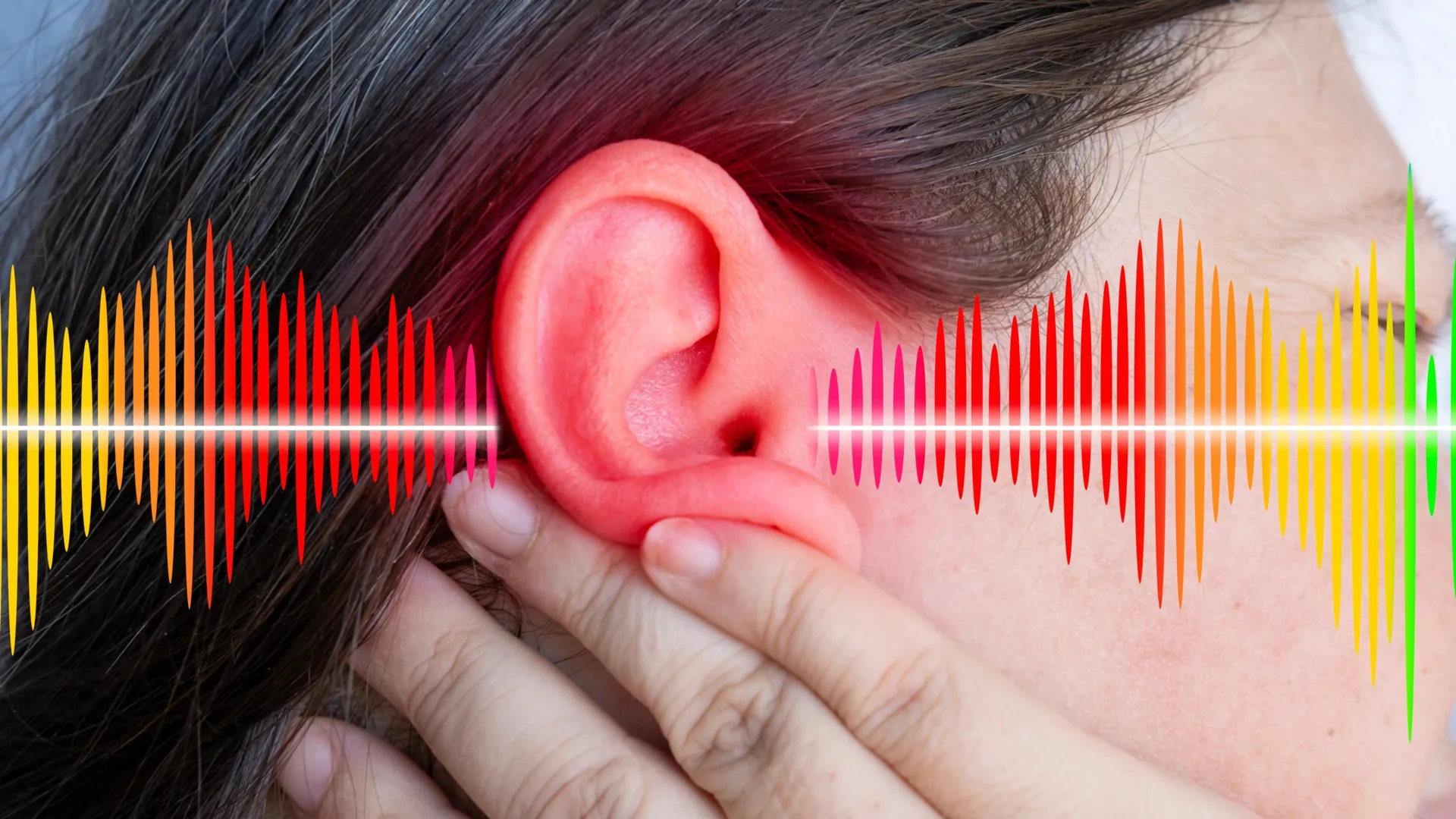
Gene therapy can improve hearing in children and adults with congenital deafness or severe hearing impairment, a new study involving researchers at Karolinska Institutet reports. Hearing improved in all ten patients, and the treatment was well-tolerated. The study was conducted in collaboration with hospitals and universities in China and is published in the journal Nature Medicine.
“This is a huge step forward in the genetic treatment of deafness, one that can be life-changing for children and adults,” says Maoli Duan, consultant and docent at the Department of Clinical Science, Intervention and Technology, Karolinska Institutet, Sweden, and one of the study’s corresponding authors.
The study comprised ten patients between the ages of 1 and 24 at five hospitals in China, all of whom had a genetic form of deafness or severe hearing impairment caused by mutations in a gene called OTOF. These mutations cause a deficiency of the protein otoferlin, which plays a critical part in transmitting auditory signals from the ear to the brain.
Effect within a month
The gene therapy involved using a synthetic adeno-associated virus (AAV) to deliver a functional version of the OTOF gene to the inner ear via a single injection through a membrane at the base of the cochlea called the round window.
The effect of the gene therapy was rapid and the majority of the patients recovered some hearing after just one month. A six-month follow-up showed considerable hearing improvement in all participants, the average volume of perceptible sound improving from 106 decibels to 52.
Best results in children
The younger patients, especially those between the ages of five and eight, responded best to the treatment. One of the participants, a seven-year-old girl, quickly recovered almost all her hearing and was able to hold daily conversations with her mother four months afterwards. However, the therapy also proved effective in adults.

“Smaller studies in China have previously shown positive results in children, but this is the first time that the method has been tested in teenagers and adults, too,” says Dr Duan. “Hearing was greatly improved in many of the participants, which can have a profound effect on their life quality. We will now be following these patients to see how lasting the effect is.”
No serious adverse reactions
The results also show that the treatment was safe and well-tolerated. The most common adverse reaction was a reduction in the number of neutrophils, a type of white blood cell. No serious adverse reactions were reported in the follow-up period of 6 to 12 months.
“OTOF is just the beginning,” says Dr Duan. “We and other researchers are expanding our work to other, more common genes that cause deafness, such as GJB2 and TMC1. These are more complicated to treat, but animal studies have so far returned promising results. We are confident that patients with different kinds of genetic deafness will one day be able to receive treatment.”
The study was conducted in collaboration with a number of institutions, including Zhongda Hospital, Southeast University, China, and was financed by several Chinese research program and Otovia Therapeutics Inc., the company that has developed the gene therapy and that employs many of the researchers involved in the study.

Read more →

Woman left fighting for life as fake Botox beautician apologises

17 minutes agoShareSaveShareSaveBBCPhilippa GoymerAn aesthetic beautician left one woman fighting for her life and several others seriously ill in hospital after injecting them with Toxpia, an illegal Botox-type anti-wrinkle treatment. As the BBC names the woman behind the jabs, two of her victims share their stories.The patch over Kaylie Bailey’s left eye is a daily reminder of when her beauty treatment nearly killed her.The 36-year-old mum-of-three from Peterlee, County Durham, had paid Gemma Gray £75 for three “Botox” injections, half of what it had cost on a previous visit – the bargain turned out to be too good to be true.Within days, Ms Bailey was struggling to see.Doctors at Sunderland Royal Hospital were initially baffled and diagnosed her with ptosis, an eye condition characterised by the drooping of the upper eyelid, and told her to go home to rest. The hospital trust said that when Ms Bailey was discharged she had been advised to visit her GP if her condition worsened, and it had been explained to her that her symptoms were probably related to the treatment she had had.It added that botulinum toxicity was a very rare condition “not seen by the majority of doctors during their careers”.Family handoutBut when her condition deteriorated over the following days, Ms Bailey rushed back to hospital where this time she was told she had botulism, a rare but life-threatening condition caused by a bacterium.By that point, she was one of 28 people to have been diagnosed with the toxic poisoning in north-east England after having anti-wrinkle jabs.Ms Bailey stopped breathing and required resuscitation. She spent three days on the Intensive Care Unit and was treated with an anti-toxin.”I remember lying on the bed thinking ‘I’m dying here and I don’t want to’,” Ms Bailey says, crying as she recalls her experience. Upon her release, and being required now to wear an eye patch until her eye heals, she contacted Mrs Gray and was told by her it was a “nationwide problem with the product”. “When I went in [to her appointment for the anti-wrinkle jabs], I felt like she was rushing that much it stung, my eyes were watering that much off it,” Ms Bailey says.”I cannot believe she’s even dared to do that to people. “She didn’t even know what was in it and we’re having to live with what she’s done to us. “I’ve nearly died because of it.” Paula Harrison suffered a similar fate when she visited Mrs Gray at a salon in Blackhall, Co Durham, in late May.The 54-year-old mother-of-two had previously been to the practitioner for a lip-filler procedure but this time decided to have what she thought was Botox and under-eye filler.After a few days, she too became unwell and also went to Sunderland Royal Hospital where she was admitted and spent four days, receiving an anti-toxin as part of her treatment. The BBC has previously reported how hospitals in the region ran out of their own stocks of the anti-toxin and needed to source it from hospitals across the country because of the unusually high number of patients who were presenting with symptoms of botulism. Mrs Harrison said her throat was closing up and she was unable to eat. “[Mrs Gray is] playing with people’s lives,” Mrs Harrison says. “Luckily, I’m all right, but I could have been dead.”Gemma GrayMrs Gray, formerly known as Gemma Brown, operates her business Belissimo Aesthetics, which is not linked to any other business of the same name, from her home near Bishop Auckland and at a salon in Blackhall.She administered an illegal type of botulinum toxin, the ingredient used in legal Botox-type products, to a number of patients.There are seven such products licensed for use in the UK, including the brand Botox which is the most commonly known. Mrs Gray used Toxpia, a product from South Korea which the Medicines and Healthcare Products Regulatory Agency says is not licensed for use in the UK and which is an offence to sell or supply.She told clients it was a “new type of Botox” and charged between £75 and £100 for three areas of treatment. The BBC tried to contact her to ask her about her involvement but she said she was not interested in speaking. The BBC is naming Mrs Gray after speaking to a number of her clients. It is understood another aesthetic practitioner, who is a business associate of Mrs Gray’s, bought the Toxpia from her and administered it to her own clients, many of whom also became ill.’Consider the health impacts’Mrs Gray has told clients how sorry she is for what happened and described how bad she feels that they became ill. She told Mrs Harrison that it was a “new treatment on trial” and that she was devastated.She also indicated it was a “nationwide” problem with the product and said people everywhere had become ill after using it. The BBC has seen no evidence to support this claim. Mrs Gray advertised her business as being “fully trained and insured”. An investigation, led by the UK Health Security Agency, is ongoing. The agency has issued guidance to anyone who wishes to have this type of treatment, advising them to research their practitioner and make sure the product they are given is a legal medicine and licensed for use in the UK. The Department of Health and Social Care said people’s lives were being put at risk by “inadequately trained operators in the cosmetic sector” and the government was looking into new regulations.”We urge anyone considering cosmetic procedures to consider the possible health impacts and find a reputable, insured and qualified practitioner,” a spokesperson said.More on this story

Read more →

New plan will fundamentally rewire NHS, says PM

17 minutes agoShareSaveJim ReedHealth reporterShareSaveGetty ImagesMillions of patients will be treated closer to home under plans to “fundamentally rewire” the NHS in England, the prime minister has said.A new network of neighbourhood health hubs will be set up to shift care out of hospitals and into the community.Sir Keir Starmer said the NHS needed to “reform or die” and provide patients with “easier, quicker and more convenient care, wherever they live”.But the Royal College of Nursing warned that moving services out of overcrowded hospitals would be impossible without policies to boost the “depleted and undervalued” nursing workforce.Sir Keir will use a speech in London later today to launch the government’s 10-year plan for the NHS in England.Over the next decade, around 200 new neighbourhood health centres will be set up, staffed by a mix of GPs, nurses, social care workers, pharmacists, mental health specialists and other medics.The centres will eventually be open 12 hours a day, six days a week, the government has said.The exact make-up of services will depend on the local area, with some outreach teams going door-to-door to contact vulnerable and hard-to-reach patients.”This shift is important, not just for the future of the NHS, but given the demographics, it’s really important for patients, their families and their communities,” said Sir Jim Mackey, the new chief executive of NHS England.”We have a model that is built on the default of hospitalisation and it’s just not right for them.”By 2035, the intention is that the majority of outpatient care will happen away from hospitals, including many scans, mental health checks, eye examinations and follow-up appointments after surgery.Local hubs could also offer extra services including debt advice and employment support, as well as stop smoking and weight management classes, the government suggested.The Health Secretary Wes Streeting said the plan will bring down “devastating hospital waiting lists and stop patients going from pillar to post to get treated”.As of April, there were 7.39 million people waiting for an operation or another planned appointment in England.Money and staffingThea Stein, the chief executive of the health think tank the Nuffield Trust, said the plan had the “right aspiration” but warned that moving care closer to home “doesn’t mean care on the cheap”.”Let’s be under no illusion: this is not a money saving measure,” she said.”Simply saying that the approach will be rolled out, without full details on how to bring it about, casts doubt on whether it will stick.”The government said the money to pay for the new service will come from the £29bn boost to NHS funding announced in the last Budget.A new workforce plan for the health service is expected to be announced later this year which will set targets to recruit new staff to work in community care.The Royal College of Nursing said teams of district nurses and health visitors, who keep patients safe and well at home, have fallen by thousands over the last 15 years in England.And the British Medical Association, which represents doctors, said that big questions remain about who will staff any new services and how they will be funded.”The limited workforce, who are already feeling undervalued must not be moved around like pieces on a chess board or made to work even harder,” said BMA council chair Dr Tom Dolphin.The Royal College of GPs said it was concerned about the current state of many GP practices which are “in dire need of renovation” and a lack of jobs for newly-qualified GPs.Other measures in the plan, which runs to more than 150 pages, include:GPs to be encouraged to use artificial intelligence (AI) to take patient notes, while technology will be introduced to speed up the answering of calls to surgeriesNewly-qualified dentists to be forced to work for the NHS for at least three years before moving into private practiceDental therapists, who tend to carry out some of the straightforward work of dentists, to undertake check-ups, treatment and referralsMatthew Taylor, the chief executive of the NHS Confederation which represents large NHS trusts, said that new neighbourhood health services would need sustained investment in buildings and digital infrastructure.”The reality is that without the radical action outlined in this plan, the NHS as a universal service is in unprecedented danger,” he said.The Conservative MP and shadow health secretary Edward Argar said the NHS needed “reform, not just more cash” and warned that Labour’s plan had to be “real and deliverable for patients”. Liberal Democrat leader Ed Davey said the whole 10-year NHS strategy would be a “castle built on sand” unless ministers tackled what he described as a “crisis in social care”.

Read more →

How to Stay Cool While Traveling in Paris, Italy, Spain and Parts of Europe

As Europe buckles under a punishing heat wave, residents and summer travelers are struggling to find relief. Here’s how and where to look for respite.As Europe buckles under a punishing heat wave, residents and summer travelers alike are struggling to stay cool — often without the convenience of air conditioning.Safety is paramount, and experts say staying hydrated is key. But if you find yourself in Paris, Rome or any other crowded European city this summer, there are plenty of places to cool off. Some options are self-evident: finding a public pool, for example, or settling into a breezy or shady spot at a public park. Other options might be less obvious, like taking an underground tour or heading into a cathedral.Here’s how and where to find respite from scorching temperatures during your summer travels in Europe.Cool museumsArtwork by Wangechi Mutu at the Galleria Borghese in Rome.Roberto Serra/Iguana Press, via Getty ImagesFees for museums, which often regulate temperatures and humidity levels to protect artworks and artifacts, may be a small price to pay for cooler air. While in Paris, try the Musée Marmottan Monet and the Musée de Carnavalet, both known for their cool basement areas.In Spain, the Center of Contemporary Culture and the Museum of the History of Barcelona are part of the city’s climate shelters network, a list of spaces that offer refuge from the heat in the summer.We are having trouble retrieving the article content.Please enable JavaScript in your browser settings.Thank you for your patience while we verify access. If you are in Reader mode please exit and log into your Times account, or subscribe for all of The Times.Thank you for your patience while we verify access.Already a subscriber? Log in.Want all of The Times? Subscribe.

Read more →

291 Hints That a Chatbot Wrote Part of a Biomedical Researcher’s Paper

Scientists show that the frequency of a set of words seems to have increased in published study abstracts since ChatGPT was released into the world.Scientists know it is happening, even if they don’t do it themselves. Some of their peers are using chatbots, like ChatGPT, to write all or part of their papers.In a paper published Wednesday in the journal Science Advances, Dmitry Kobak of the University of Tübingen and his colleagues report that they found a way to track how often researchers are using artificial intelligence chatbots to write the abstracts of their papers. The A.I. tools, they say, tend to use certain words — like “delves,” “crucial,” “potential,” “significant” and “important” — far more often than human authors do.The group analyzed word use in the abstracts of more than 15 million biomedical abstracts published between 2010 and 2024, enabling them to spot the rising frequency of certain words in abstracts.The findings tap into a debate in the sciences over when it is and is not appropriate to use A.I. helpers for writing papers.When ChatGPT was introduced in November 2022, a collection of words started showing up with unusual frequency. Those words, the investigators report, were not used so often before the release of ChatGPT. They infer that the change in word usage is a telltale sign of A.I.In 2024, there were a total of 454 words used excessively by chatbots, the researchers report. Based on the frequency of the A.I.-favored words, Dr. Kobak and his team calculate that at least 13.5 percent of all biomedical abstracts appeared to have been written with the help of chatbots. And as many as 40 percent of abstracts by authors from some countries writing in a few less selective journals were A.I.-generated.

.css-ktho12 {
font-family: nyt-imperial, georgia, ‘times new roman’, times, serif;
margin: 1px 20px 0;
text-align: center;
}

.vhs-plugin-controls-progress-timeline,
.vhs-plugin-controls-progress {
display: none;
opacity: 0;
}

We are having trouble retrieving the article content.Please enable JavaScript in your browser settings.Thank you for your patience while we verify access. If you are in Reader mode please exit and log into your Times account, or subscribe for all of The Times.Thank you for your patience while we verify access.Already a subscriber? Log in.Want all of The Times? Subscribe.

Read more →

Top F.D.A. Official Overrode Scientists on Covid Shots

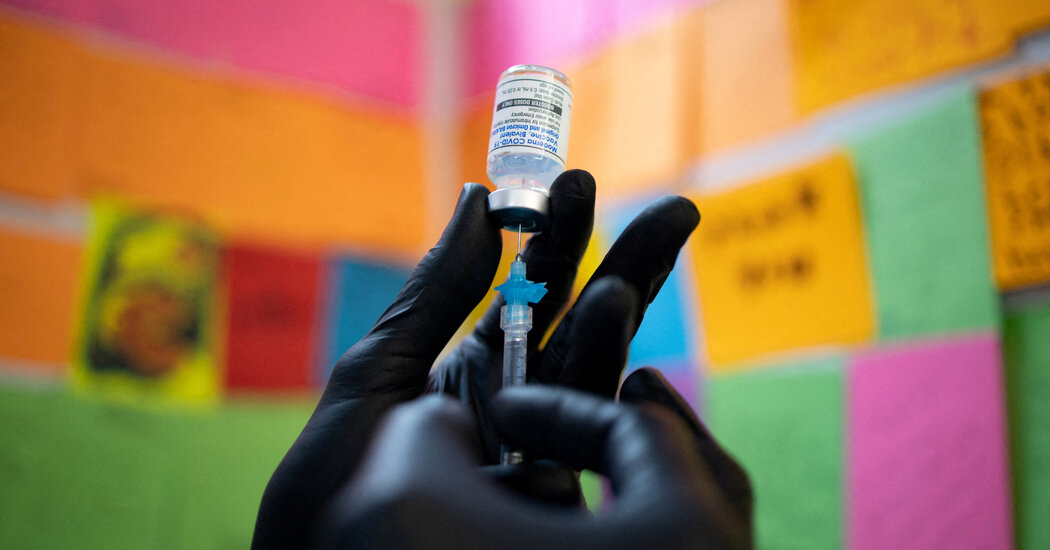
Records show that a top U.S. regulator rejected the recommendations of agency experts and limited the use of Covid vaccines.The Food and Drug Administration’s top vaccine official rejected broad uses of two Covid vaccines, citing unknown risks or injuries despite assurances of safety from dozens of staff experts, newly released documents show.The decisions by the official, Dr. Vinay Prasad, the agency’s new chief medical and scientific officer, stunned agency veterans. Records show that the F.D.A.’s vaccine staff members had signed off on approving the Novavax vaccine, an alternative to mRNA shots and weeks later on the next-generation of the mRNA Covid shot by Moderna for anyone 12 and older.Dr. Prasad overruled those recommendations by the end of May and instead advised restricting the use of both Covid vaccines. He wrote in two memos that the threat from the virus had fallen and changed the risk-benefit balance of vaccinating healthy, younger people.The changes for the two vaccines aligned with the agency’s broader plan that limited the use of all Covid vaccines to people 65 and older. For those younger than 65, the F.D.A. rolled back eligibility for Covid vaccines to those with a medical condition that would put them at high risk.The new documents offer a window into Dr. Prasad’s vision for the agency and his thinking on vaccine policy. The records reveal that F.D.A. staff members concluded that the vaccines were safe and effective based on clinical trials of the shots tested in thousands of people. But Dr. Prasad wrote that there could still be vaccine-related injuries that have yet to be discovered.Dr. Vinay PrasadFood and Drug AdministrationWe are having trouble retrieving the article content.Please enable JavaScript in your browser settings.Thank you for your patience while we verify access. If you are in Reader mode please exit and log into your Times account, or subscribe for all of The Times.Thank you for your patience while we verify access.Already a subscriber? Log in.Want all of The Times? Subscribe.

Read more →

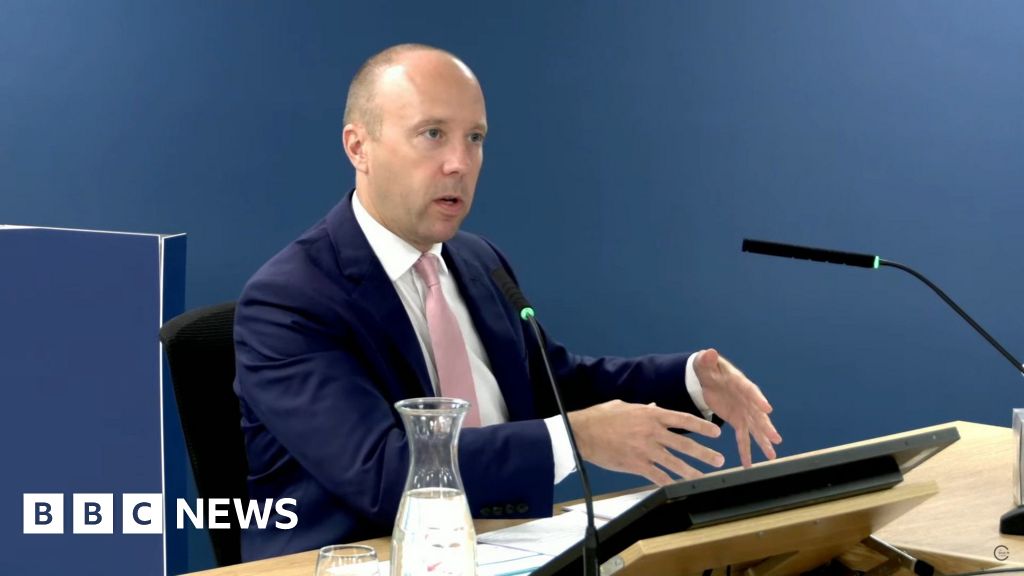
Covid care home policy was ‘least worst decision’ – Hancock

Former health secretary Matt Hancock has denied claims the government’s attempt to throw a protective ring around care homes in 2020, early in the Covid pandemic, was empty rhetoric.In an irritable exchange he urged the Covid Inquiry to focus on the substance of what the government was doing at the time.Mr Hancock said the decision to discharge patients from hospitals into care homes when testing was not available, was “the least worst solution”.Nicola Brook, a lawyer representing bereaved families called his comments “an insult to the memory of each and every person who died”.Mr Hancock was responsible for care services in England where more than 43,000 people died with Covid between March 2020 and January 2022, many of them in the early weeks of the pandemic.On Monday, the lawyer representing a bereaved families group quoted a civil servant who said the high number of deaths in care homes amounted to “generational slaughter”.Responding to questions from the barrister to the inquiry Jacqueline Carey KC, Mr Hancock said: “You know there may be campaign groups and politically-motivated bodies that say other things.”What I care about though is the substance, and frankly that’s what this inquiry should care about after all the millions of pounds that have been spent on it.”Inquiry chair Lady Hallett, responded: “And I can assure you, Mr Hancock, it is what I care about.”The current section of the Covid inquiry is likely to be “emotive and distressing”, Ms Carey has warned.Questioned by Ms Carey, Mr Hancock acknowledged the discharge policy was an “incredibly contentious issue”.But he added: “Nobody has yet provided me with an alternative that was available at the time that would have saved more lives.”And he told the inquiry: “It’s the least-worst decision that could have been taken at the time.”When the pandemic hit early in 2020, hospital patients were rapidly discharged into care homes in a bid to free up beds and prevent the NHS from becoming overwhelmed.However, there was no policy in place requiring patients to be tested before admission, or for asymptomatic patients to isolate, until mid-April.This was despite growing awareness of the risks of people without Covid-19 symptoms being able to spread the virus.As his seventh and likely final appearance at the inquiry drew to a close, Mr Hancock admitted his overstretched department was “unbelievably busy, responding to the biggest civil emergency in 100 years”.In sometimes tense exchanges, he fielded questions from Kate Beattie representing disabled people’s organisations and Pete Weatherby, barrister for Covid-19 Bereaved Families for Justice UK.Mr Weatherby asked whether Mr Hancock had used the lack of “levers” available to him to act on Covid at the start of the pandemic as “an excuse for things when they went wrong”.”This is a very easy thing to say with hindsight,” Mr Hancock responded.”The reality of the situation is that I had to act with the tools that I had and that’s what I did, and drove the life-saving effort to make sure things weren’t even worse than they were.”Elsewhere, in response to wide-ranging questioning, Mr Hancock described the concept of blanket ‘do not attempt resuscitation’ orders as “abhorrent”.He said he only saw this happen once “and we jumped on it”.If that policy was more widespread, he said: “It did not come to my attention and, if it did happen, it’s totally unacceptable.”Mr Hancock said the social care sector “was badly in need of and remains badly in need of reform”, adding that in the event of another pandemic, he feared the situation had become “worse not better”.Lawyer Nicola Brook said Mr Hancock knew at the time that many care homes did not have the ability to isolate people who would be discharged from hospital, and that Covid was airborne.”It’s frankly ridiculous and insulting that he says they tried to throw a protective ring around care homes when his department’s policies caused Covid to spread like wildfire amongst society’s most vulnerable loved ones,” she said.

Read more →

Catherine talks candidly of ‘life-changing’ cancer treatment

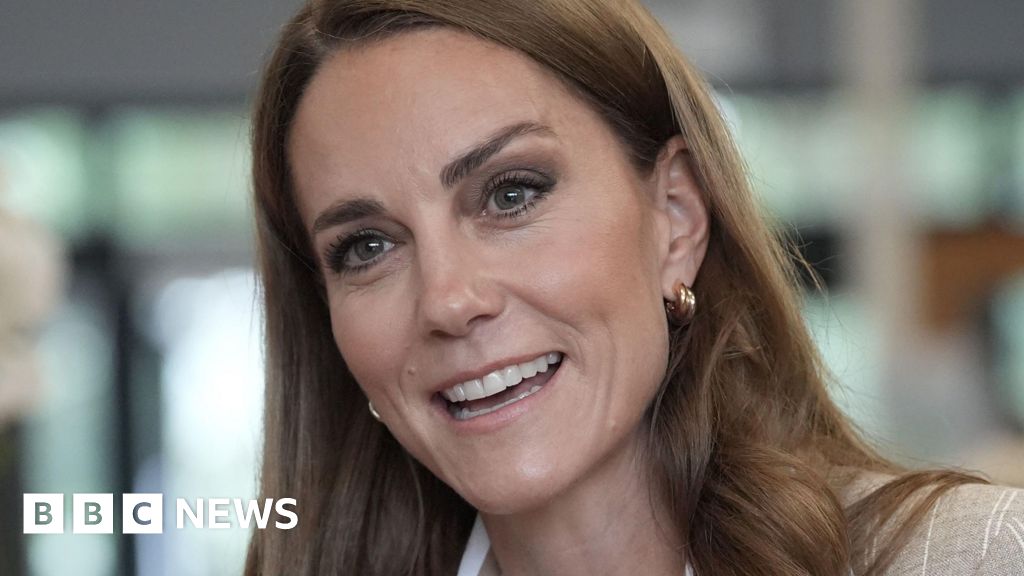
The Princess of Wales has spoken candidly about the life-changing long-term challenges of recovering after chemotherapy, as she visited a hospital in Essex.Catherine said during treatment “you put on a sort of brave face” but afterwards it can still feel “really difficult”.She told patients at the hospital about life after cancer treatment: “You’re not able to function normally at home as you perhaps once used to.”It was Catherine’s first public engagement since pulling out of an appearance at Royal Ascot, when it was said she needed to find the right balance in her return to work.In January, Catherine announced she was in remission from cancer, which had been diagnosed last year. But her latest comments are a reminder how this is a gradual path to recovery.She said: “You put on a sort of brave face, stoicism through treatment, treatment’s done – then it’s like ‘I can crack on, get back to normal’.”But actually the phase afterwards is really difficult, you’re not necessarily under the clinical team any longer, but you’re not able to function normally at home as you perhaps once used to,” said the princess.”But it’s life-changing for anyone, through first diagnosis or post treatment and things like that, it is life-changing experience both for the patient but also for the families as well. “And actually it sometimes goes unrecognised, you don’t necessarily, particularly when it’s the first time, appreciate how much impact it is going to have. “You have to find your new normal and that takes time… and it’s a rollercoaster it’s not one smooth plane, which you expect it to be. But the reality is it’s not, you go through hard times,” said Catherine.The princess was in a conversation with a group of patients – and one told her: “It can be very discombobulating, in that time when you’ve finished active treatment.””Your reality has completely changed,” the patient told the princess.Catherine talked of the need for recovery time: “There is this whole phase when you finish your treatment that you, yourself, everybody, expects you, right you’ve finished your time, go, you’re better, and that’s not the case at all.”There had been much attention paid when the princess did not take part in an engagement at the Ascot racecourse.But royal sources say that her comments on Tuesday will send an important message of support for other former cancer patients who are facing challenges in their own journey of recovery.She made the comments as she visited a “well-being garden” at Colchester, which helps to use nature to support patients in their recovery from illness.Catherine has spoken of the healing power of the natural world and how it has been a source of strength for her during her return from illness. She has described nature as her “sanctuary”.In May, the Royal Horticultural Society launched a “Catherine’s rose”, which was sold to raise funds for the Royal Marsden Cancer Charity, at a hospital where the princess had been treated.There are 50 of this variety of rose that have been donated to Colchester Hospital, with the princess helping to plant the roses during her visit.The well-being garden at the hospital is intended to provide a place to relax and recuperate for patients, recognising how nature can help people to feel better, both in their physical and mental health.

Read more →

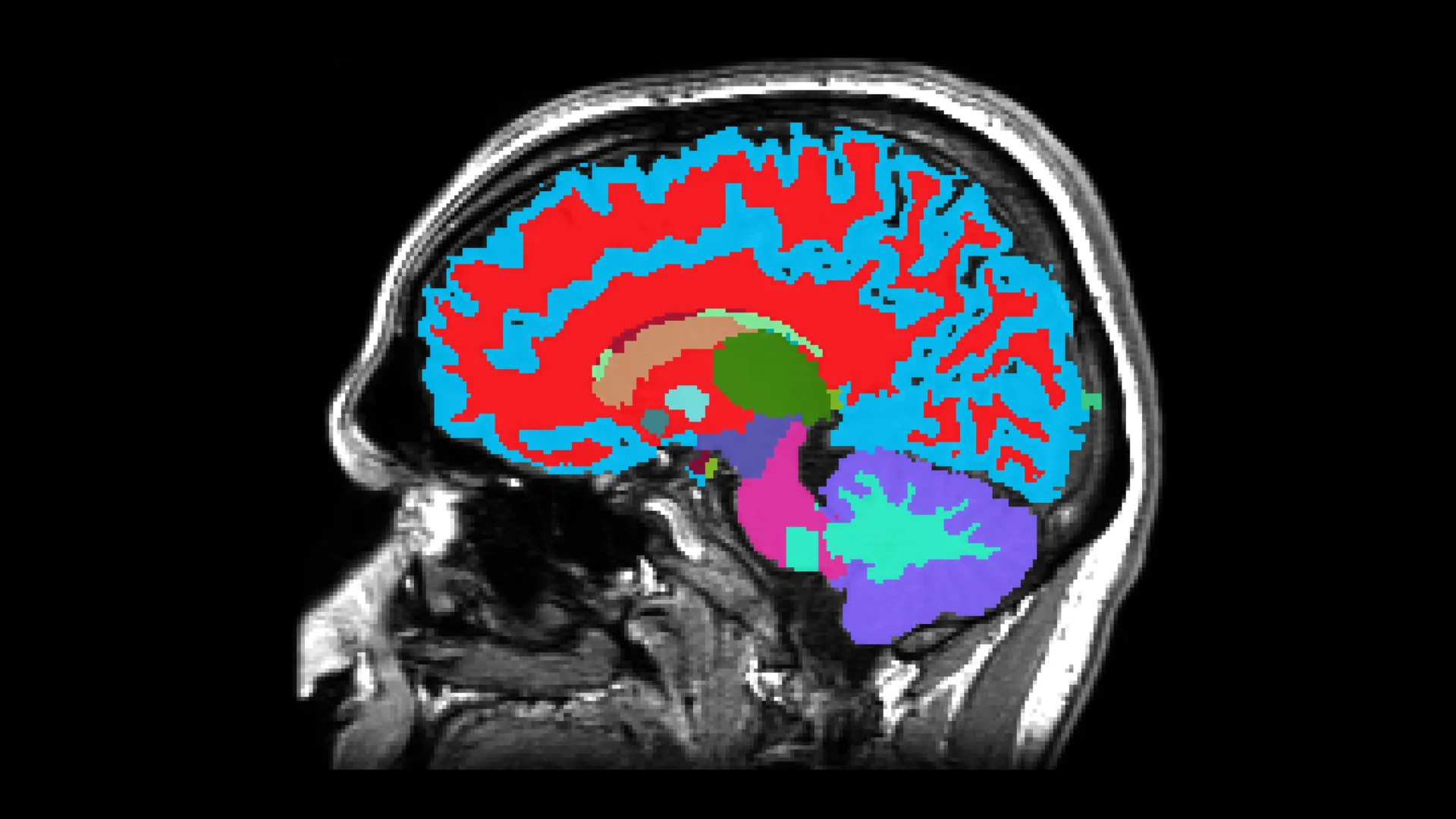
A midlife MRI that spots rapid aging and signals disease long before symptoms

Any high school reunion is a sharp reminder that some people age more gracefully than others. Some enter their older years still physically spry and mentally sharp. Others start feeling frail or forgetful much earlier in life than expected.
“The way we age as we get older is quite distinct from how many times we’ve traveled around the sun,” said Ahmad Hariri, professor of psychology and neuroscience at Duke University.
Now, scientists at Duke, Harvard and the University of Otago in New Zealand have developed a freely available tool that can tell how fast someone is aging, and while they’re still reasonably healthy — by looking at a snapshot of their brain.
From a single MRI brain scan, the tool can estimate your risk in midlife for chronic diseases that typically emerge decades later. That information could help motivate lifestyle and dietary changes that improve health.
In older people, the tool can predict whether someone will develop dementia or other age-related diseases years before symptoms appear, when they might have a better shot at slowing the course of disease.
“What’s really cool about this is that we’ve captured how fast people are aging using data collected in midlife,” Hariri said. “And it’s helping us predict diagnosis of dementia among people who are much older.”
The results were published July 1 in the journal Nature Aging.
Finding ways to slow age-related decline is key to helping people live healthier, longer lives. But first “we need to figure out how we can monitor aging in an accurate way,” Hariri said.

Several algorithms have been developed to measure how well a person is aging. But most of these “aging clocks” rely on data collected from people of different ages at a single point in time, rather than following the same individuals as they grow older, Hariri said.
“Things that look like faster aging may simply be because of differences in exposure” to things such as leaded gasoline or cigarette smoke that are specific to their generation, Hariri said.
The challenge, he added, is to come up with a measure of how fast the process is unfolding that isn’t confounded by environmental or historical factors unrelated to aging.
To do that, the researchers drew on data gathered from some 1,037 people who have been studied since birth as part of the Dunedin Study, named after the New Zealand city where they were born between 1972 and 1973.
Every few years, Dunedin Study researchers looked for changes in the participants’ blood pressure, body mass index, glucose and cholesterol levels, lung and kidney function and other measures — even gum recession and tooth decay.
They used the overall pattern of change across these health markers over nearly 20 years to generate a score for how fast each person was aging.

The new tool, named DunedinPACNI, was trained to estimate this rate of aging score using only information from a single brain MRI scan that was collected from 860 Dunedin Study participants when they were 45 years old.
Next the researchers used it to analyze brain scans in other datasets from people in the U.K., the U.S., Canada and Latin America.
Faster aging and higher dementia risk
Across data sets, they found that people who were aging faster by this measure performed worse on cognitive tests and showed faster shrinkage in the hippocampus, a brain region crucial for memory.
More soberingly, they were also more likely to experience cognitive decline in later years.
In one analysis, the researchers examined brain scans from 624 individuals ranging in age from 52 to 89 from a North American study of risk for Alzheimer’s disease.
Those who the tool deemed to be aging the fastest when they joined the study were 60% more likely to develop dementia in the years that followed. They also started to have memory and thinking problems sooner than those who were aging slower.
When the team first saw the results, “our jaws just dropped to the floor,” Hariri said.
Links between body and brain
The researchers also found that people whose DunedinPACNI scores indicated they were aging faster were more likely to suffer declining health overall, not just in their brain function.
People with faster aging scores were more frail and more likely to experience age-related health problems such as heart attacks, lung disease or strokes.
The fastest agers were 18% more likely to be diagnosed with a chronic disease within the next several years compared with people with average aging rates.
Even more alarming, they were also 40% more likely to die within that timeframe than those who were aging more slowly, the researchers found.
“The link between aging of the brain and body are pretty compelling,” Hariri said.
The correlations between aging speed and dementia were just as strong in other demographic and socioeconomic groups than the ones the model was trained on, including a sample of people from Latin America, as well as United Kingdom participants who were low-income or non-White.
“It seems to be capturing something that is reflected in all brains,” Hariri said.
The work is important because people worldwide are living longer. In the coming decades, the number of people over age 65 is expected to double, reaching nearly one fourth of the world’s population by 2050.
“But because we live longer lives, more people are unfortunately going to experience chronic age-related diseases, including dementia,” Hariri said.
Dementia’s economic burden is already huge. Research suggests that the global cost of Alzheimer’s care, for example, will grow from $1.33 trillion in 2020 to $9.12 trillion in 2050 — comparable or greater than the costs of diseases like lung disease or diabetes that affect more people.
Effective treatments for Alzheimer’s have proven elusive. Most approved drugs can help manage symptoms but fail to stop or reverse the disease.
One possible explanation for why drugs haven’t worked so far is they were started too late, when the Alzheimer’s proteins that build up in and around nerve cells have already done too much damage.
“Drugs can’t resurrect a dying brain,” Hariri said.
But in the future, the new tool could make it possible to identify people who may be on the way to Alzheimer’s sooner, and evaluate interventions to stop it — before brain damage becomes extensive, and without waiting decades for follow-up.
In addition to predicting our risk of dementia over time, the new clock will also help scientists better understand why people with certain risk factors, such as poor sleep or mental health conditions, age differently, said first author Ethan Whitman, who is working toward a Ph.D. in clinical psychology with Hariri and study co-authors Terrie Moffitt and Avshalom Caspi, also professors of psychology and neuroscience at Duke.
More research is needed to advance DunedinPACNI from a research tool to something that has practical applications in healthcare, Whitman added.
But in the meantime, the team hopes the tool will help researchers with access to brain MRI data measure aging rates in ways that aging clocks based on other biomarkers, such as blood tests, can’t.
“We really think of it as hopefully being a key new tool in forecasting and predicting risk for diseases, especially Alzheimer’s and related dementias, and also perhaps gaining a better foothold on progression of disease,” Hariri said.
The authors have filed a patent application for the work. This research was supported by the U.S. National Institute on Aging (R01AG049789, R01AG032282, R01AG073207), the UK Medical Research Council (MR/X021149/1), and the New Zealand Health Research Council (Program Grant 16-604).

Read more →