Cancer cells go up in flames—thanks to this deep-sea sugar

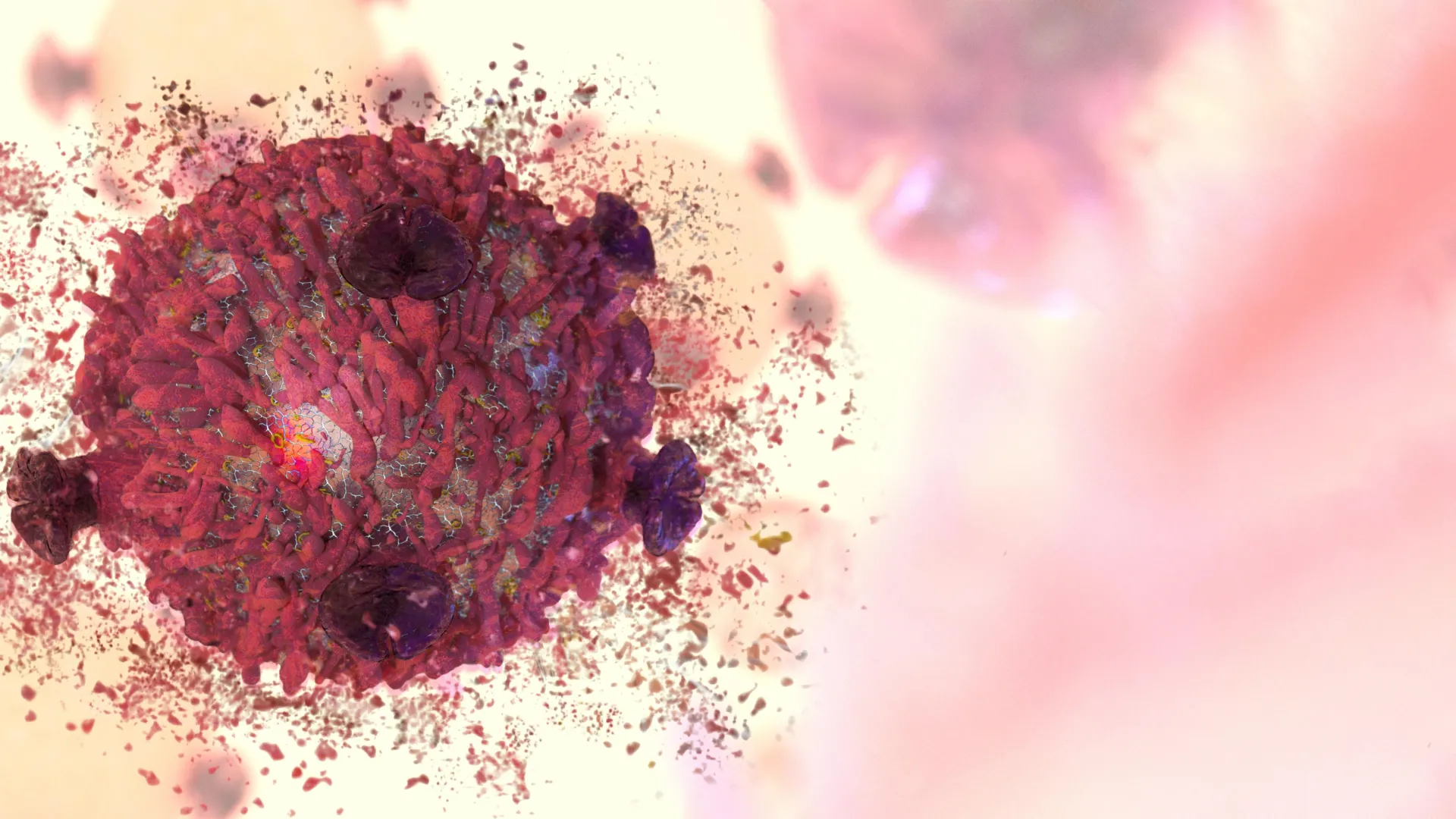
Promoting pyroptosis — an inflammatory form of programmed cell death — has become a promising treatment strategy for cancer. In research published in The FASEB Journal, investigators purified a long-chain sugar molecule, or exopolysaccharide, from deep-sea bacteria and demonstrated that it triggers pyroptosis to inhibit tumor growth.
The compound, called EPS3.9, consists of mannose and glucose and is produced by the Spongiibacter nanhainus CSC3.9 bacterial strain and other members of the genus Spongiibacter. Mechanistic analyses showed that EPS3.9 can directly target 5 membrane phospholipid molecules and exert tumor toxicity by stimulating pyroptosis in human leukemia cells. EPS3.9 also had significant anti-tumor effects in the mice with liver cancer and activated anti-tumor immune responses.
“Our work not only provides a theoretical basis for developing more carbohydrate-based drugs but also highlights the importance of exploring marine microbial resources,” said corresponding author Chaomin Sun, PhD, of the Chinese Academy of Sciences.
What Is Pyroptosis?
Pyroptosis is a fiery form of programmed cell death that helps the body fight infections and disease. Unlike regular cell death (apoptosis), pyroptosis is dramatic and explosive—cells swell, burst open, and release inflammatory signals that alert the immune system.Originally discovered as a defense against bacteria and viruses, pyroptosis has recently become a hot topic in cancer research. That’s because triggering pyroptosis in tumor cells can not only destroy them directly but also rally the immune system to join the attack, essentially turning the tumor into a signal flare for immune response.

Read more →

The fungus that makes bread better for you

New research in Plants, People, Planet indicates that bread wheat’s micronutrient content can be increased by cultivating it with a specific type of fungus.
When investigators grew different types of wheat with and without the arbuscular mycorrhizal fungus Rhizophagus irregularis, they observed that crops grown with fungi developed larger grains with greater amounts of phosphorus and zinc. The higher amount of phosphorus in the grain did not result in an increase in phytate (a compound that can hinder digestion of zinc and iron). As a result, bread wheat grown with fungi had higher bioavailability of zinc and iron overall compared with bread wheat grown in the absence of fungi.
“Beneficial soil fungi could be used as a sustainable option to exploit soil-derived plant nutrients. In this case, we found potential to biofortify wheat with important human micronutrients by inoculating the plants with mycorrhizal fungi,” said corresponding author Stephanie J. Watts-Williams, PhD, of the University of Adelaide, in Australia.
Rhizophagus irregularis is a species of arbuscular mycorrhizal fungus that forms beneficial relationships with the roots of many types of plants. It helps plants take in more nutrients—especially phosphorus and micronutrients—by extending its thin, root-like structures deep into the soil.This fungus is one of the most widely studied and used in agriculture and ecology because of its broad compatibility with crops and its ability to improve plant growth, health, and soil quality. By boosting nutrient uptake naturally, R. irregularis supports more resilient plants and reduces the need for chemical fertilizers, making it a valuable tool in sustainable farming and reforestation efforts.

Read more →

Video calls aim to cut cardiac arrest deaths

6 hours agoShareSaveNikki FoxBBC health correspondent, East of EnglandShareSaveSTEVE HUBBARD/BBCPeople calling 999 in the East of England to report a cardiac arrest will be the first in the UK to be offered live video support from advanced paramedics.During the call, staff in the East of England Ambulance Service Trust (EEAST) control room will coach them on cardiopulmonary resuscitation (CPR) via a video streaming platform.It follows a successful trial in Denmark that improved the bystanders’ hand position and the speed and depth of compressions.Resuscitation Council UK said when resuscitation was attempted following an out-of-hospital cardiac arrest, fewer than one in 10 people survived to hospital discharge and EEAST hopes the pilot will improve survival rates.NIKKI FOX/BBCLiam Sagi, an advanced paramedic, said survival had not “really changed in 40 years”.EEAST serves Bedfordshire, Hertfordshire, Essex, Norfolk, Suffolk and Cambridgeshire.It said it carried out resuscitation on 3,500 patients per year and its crews could restart more than 1,000 of the hearts of those patients, but that bystanders were crucial.Starting resuscitation immediately could quadruple the chances of survival, according to the National Institute for Health and Care Excellence.Mr Sagi said the public needed to know what to do.”We know that less than half of the public have learnt CPR and for every minute that goes by without getting CPR, your chances of survival drop by 10%,” he said.NIKKI FOX/BBCBystanders do not need to download an app. During the 999 calls, paramedics send a text message to them via the GoodSAM video platform.The caller clicks on a link within that message to initiate the video while they are still on the phone.The caller and paramedic can see each other in the two-way video call.EEAST said this allowed the paramedic to assess the situation visually and provide guidance on CPR technique until the ambulance service arrived.STEVE HUBBARD/BBCMr Sagi said: “We know that our call handlers do a fantastic job of coaching people through CPR over the telephone but there are trials internationally that show we can really improve the quality of the CPR delivered.”He said they would be looking at things like hand position and chest compression depth.”We want to understand if this helps people in really traumatic situations. Does it help confidence? Does it help improve quality of CPR, and does it help the person process things after it’s happened?”EEAST said video streaming worked best when there was more than one bystander present, so that one person could hold the phone while the other performed CPR. It said success would depend on video connectivity and the person being familiar with video calls.Nikki Fox/BBCJohn Newman, a community first responder from Epping, Essex, said: “Sometimes when we arrive, folk are so nervous they might hurt the person on the floor, they just stand back and watch apprehensively.”If they’re already lying there, they’re already in a life-threatening situation, so they should just get on and do it.”Essex and Herts Air Ambulance is helping to provide critical care paramedics for the scheme. Dr Gareth Grier, associate medical director, said: “Every day we see cases where high quality CPR has made a life-changing difference to patients.”This project will make sure that every patient gets the best chance of a good outcome.”NHS Charities Together has funded the scheme with a £142,000 grant.STEVE HUBBARD/BBCThe video stream will also be used to coach bystanders on how to use defibrillators correctly.Mr Newman said some people were “very apprehensive” about using one, but that the quicker they used it, the more likely they were to save a life.”The video will overcome the apprehension right at the beginning,” he said.”Our call handlers will tell you where the nearest defibrillator is. Someone else can go and get it, while you carry on with the chest compressions.”The out-of-hospital cardiac arrest desk will run four days a week, from 07:00 to 19:00.More on stories like thisRelated internet links

Read more →

‘My three children needed transplants, now I’m giving back’

12 hours agoShareSaveMichael FitzpatrickBBC News NIShareSaveBBCKindness, compassion and a free car ride goes a long way when you’re undergoing hospital treatment for health issues, such as terminal cancer or kidney dialysis.Often patients rely on the goodwill of strangers, many of whom become friends.The volunteer drivers for the Northern Ireland Ambulance Service (NIAS) are among the lesser known roles that keep the health service ticking along – and they do it all for free.”It is vital to the running of NIAS,” said Yvonne McMichael from NIAS.”They go above and beyond on the daily.”More than 75 people, from across Northern Ireland, give up their time – and cars – as part of NIAS’s Voluntary Car Service.Among them is Willie Hutchinson whose three children have all had kidney transplants.Before their transplants, they underwent dialysis – a procedure which removes waste products and excess fluid from the blood when the kidneys stop working.”They used the car service quite a lot to get to the renal units,” the former lorry driver told BBC News NI.For him, volunteering is his way of “pay back”.”Somebody did it for them so I’m doing it for somebody else,” he said.In 2023, the grandfather of six was awarded a British Empire Medal (BEM) for services to healthcare.Mr Hutchinson’s nominee was a patient he brought to and from hospital appointments for a number of years.”The day that I got the award, I had brought him home – he wasn’t well – and I took him into the house and he more or less fell into the chair,” he said.”I told his wife to ring for the doctor.”He died that afternoon so he never found out that I’d got the award after all the work he had done to put me forward for it.”It was a bit sad and bittersweet that he didn’t know I’d got it but his family were thrilled to bits for me.”‘Compassion and calmness’The volunteer drivers are not employed, or paid, by NIAS, and only receive a mileage allowance for transporting patients – in their own cars – to and from hospital appointments.The voluntary service saves NIAS money as it is significantly cheaper – and uses less resources – than taxis or ambulances.Tommy Nicholl, a former mayor of Mid and East Antrim, has been on dialysis for almost seven years and relies on the service.”I can tell you from experience that volunteer drivers are not just transport but they’re part of the caring system,” he said.”These volunteer drivers give of their time freely. It’s not just a lift to them, they have compassion, they bring calmness at a time when a patient like me needs that.”‘Not enough ambulances’ With ambulances in high demand and staff and resources stretched, Yvonne McMichael, who oversees the volunteer car service, says the work the volunteers do is “top tier”.”With the capacity levels that we have at the minute, we do not have enough ambulances to provide the service to everyone who needs to get,” she said.”They cover Northern Ireland, providing service to seven renal units and also transferring patients to the two cancer centres at Belfast City Hospital and Altnagelvin, as well as taking patients to other appointments.”Before becoming a volunteer driver, Martin Garrity had worked in an office for 35 years.”I wanted a wee change,” he said.”I was chatting to a friend of mine who was doing voluntary driving at the time and he suggested to me I try it and 15 years on, I’m still here.”For him, the best thing about it is the people he has met.”When you have your patients maybe three times a week, you build up a friendship with them and their families and they’re so appreciative,” he said.”You get close to them and they confide in you about certain things. Sometimes there’s bad news and it’s sad, it’s tough.”So will he still be volunteering in another 15 years?”I hope so,” he said.”The reward you get is worth it and I’d say the other drivers would say the same.”

Read more →

Teen bats are spawning new viruses—here’s why scientists are paying close attention

New research by the University of Sydney offers important insights into how and when new coronavirus variants arise in bats.
Bats are beneficial to our ecosystems and economy but, as habitat destruction and environmental stressors put them in closer proximity to humans, disease risks can emerge. The research, published in Nature Communications on July 17, offers an approach to anticipating the emergence of coronaviruses. It found young bats are infected more frequently and could be a key source of viral spillover into other species. The study also reveals the dynamics of coronaviruses circulating in Australian bats, which pose no known risk to humans.
Endemic in bat populations, most coronaviruses never infect humans. When they do, as with the SARS, COVID-19 and MERS outbreaks, they typically spill over from bats via a bridging animal host.
“Coronaviruses tend not to be of major concern to bats,” said Dr Alison Peel from the University’s School of Veterinary Science, who led the study. “But they can behave differently if they spill over to new species.”
In one of the most comprehensive single studies of its type, the researchers collected more than 2,500 faecal samples, via which bats shed coronaviruses, over three years. Samples were taken from black flying foxes and grey-headed flying foxes at five roost sites across Australia’s eastern seaboard.
Viral testing of the samples showed coronaviruses were most prevalent in young bats between March and July, when they were weaning and approaching maturity. This was consistent across the three-year study. Particularly notable was the high proportion of bats infected with multiple coronaviruses at once.
“We were surprised by that high rate of co-infection among juveniles and subadults,” Dr Peel said. “Co-infection presents the opportunity for a single cell to become infected with multiple viruses, an important natural precursor to the generation of new strains.”
The six coronaviruses detected in the study were nobecoviruses, a subclass which does not jump to humans. Three of these were new. They were useful to analyse because they pose minimal risk to people but are the evolutionary cousins of sarbecoviruses, so-called SARS-like viruses which are more prone to spill across to other species. Understanding the evolution of nobecoviruses offers parallel insights into the evolution of more dangerous coronaviruses.

“We safely tracked how and when coronaviruses circulated naturally in bat populations. Using genomics to track infections to individual animals,” Dr John-Sebastian Eden, a study co-author from the Westmead Insitute for Medical Research and the University’s Faculty of Medicine and Health.
“The results offer a model for scientists looking to understand coronavirus emergence and future risks in bat populations around the world. By focusing on co-infections in young bats during certain periods, researchers might better predict the natural evolution and emergence of riskier coronaviruses before they pose a risk to human health.”
Dr Peel said more research is needed to understand why young bats are more susceptible to infection and co-infection.
“It could be the result of newly weaned animals whose immune systems are still developing or the stress faced by teenage bats looking for a mate for the first time,” she said.
The changing environment could also be a factor.
“We know from previous research on other viruses that habitat loss caused by encroaching human populations and food shortages can create stress in bats that weakens immunity and makes them susceptible to infections. It will be important to find out if that’s also the case for coronaviruses.”
Dr Peel and Dr Eden’s research began in 2020, as the COVID-19 pandemic took hold. It built on earlier research into the spread of Hendra virus, which also originates in bats.
“It’s rare to see this scale and depth of data in virological research, even among human viruses,” said Dr Peel. “The gathering of samples from both individual bats and beneath roosts, and the tracking of individual strains across multiple sites and years, provides a strong foundation for ongoing research into the role of environmental stress on coronavirus emergence.”

Read more →

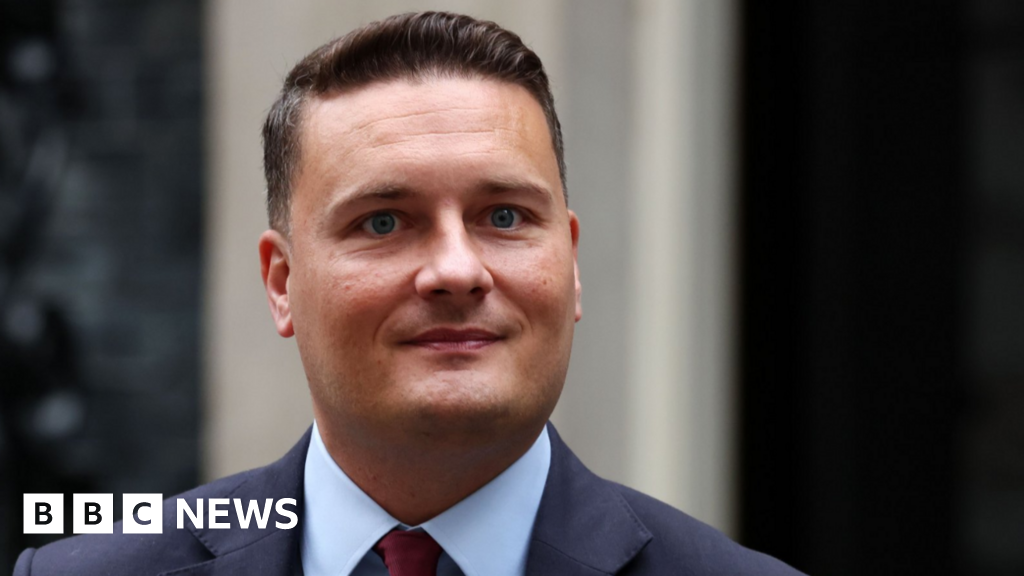
Call off doctor strike to continue talks, Streeting tells BMA

Health Secretary Wes Streeting has written to the British Medical Association offering further talks on better working conditions – but only if they call off this week’s strike. Streeting says negotiations which began on Thursday have been constructive – but with resident doctors, formerly known as junior doctors, due to walk-out for five days on Friday, he is urging them to postpone. Many hospitals have delayed cancelling appointments while talks continue, but are expected to start this on Wednesday so this is the last chance to stop major disruption.The BBC understands the BMA is meeting to discuss their response. A range of different non-pay related issues have been discussed over the past five days after Streeting made clear he could not shift on pay.This includes the government covering the cost of mandatory exam fees which can run to several thousand pounds during medical training as well as giving doctors more control over where they are placed during their first two years of training and more notice of rotas.Ways of speeding up career progression after the first two years of training has also been discussed. Resident doctors can spend 10 years or more in training.Student debts accrued during five-year university courses, which for doctors can run to £100,000, have also been brought up, but the government is thought unlikely to agree to writing off debts, even partially, despite reports last week.Resident doctors were awarded an average 5.4% pay rise for this financial year, following a 22% increase over the previous two years.But the British Medical Association says wages are still around 20% lower in real terms than in 2008 and are demanding “pay restoration”.A spokesperson for the Department of Health and Social Care said: “The letter from the secretary of state to the BMA’s resident doctor committee is the culmination of the constructive conversations that have been had in recent days.”It is now for the BMA to decide whether they want to take up the offer of further discussions on ways to improve the working conditions of resident doctors if they postpone their damaging strike action which is scheduled for later this week.”Earlier BMA deputy leader Dr Emma Runswick told the BBC the talks had been “constructive” and she said she hoped a solution could be found.It comes after the BMA said NHS England was putting patients at risk of harm in the upcoming strike.The union believes NHS England’s plan to limit the number of routine treatments being cancelled will stretch senior doctors covering for striking resident doctors too thinly.NHS England has ordered hospitals only to cancel non-urgent care, such as hip and knee operations, in exceptional circumstances.BMA deputy leader Dr Emma Runswick told the BBC the plan risked causing a host of last minute cancellations and “at worst could be risk and lead to harm”.”Senior doctors cannot physically be in two places at once,” said Dr Runswick.”We think the vast majority of planned and scheduled care should be shifted.”During previous strikes in 2023 and 2024 non-urgent work was cancelled in large quantities so senior doctors could provide cover in emergency and urgent services.This came after NHS England told hospitals that rescheduling bookings and appointments would be “sadly essential” to maintain safe care.At some hospitals up to half of planned care was cancelled.But this new approach is being overseen by Sir Jim Mackey, who became chief executive of NHS England in the spring after Amanda Pritchard stepped down.Sources at NHS England said he was determined to minimise the disruption, pointing out that cancelling non-urgent work comes at a risk to patients too.Dr Runswick also defended the sums being charged by senior doctors for covering resident doctors during the strike. The BMA has suggested consultants charge over £300 an hour for night shifts.Dr Runswick said sometimes the NHS needed to “incentivise” doctors to provide cover outside their normal work.

Read more →

NHS bosses putting patients at risk in strike, says BMA

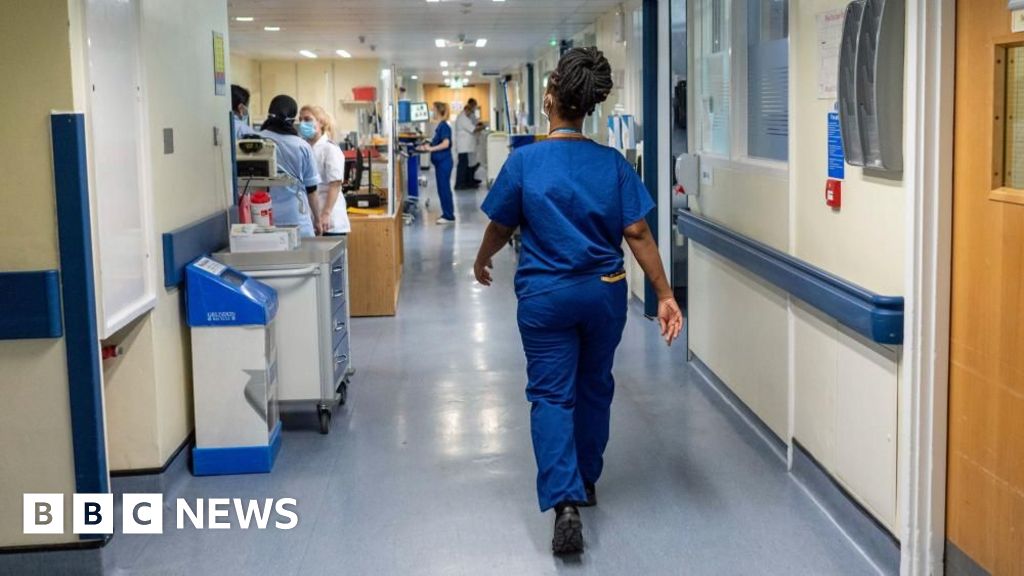
NHS bosses are putting patients at risk of harm in the upcoming doctors’ strike, the British Medical Association says.The union believes NHS England’s plan to limit the number of routine treatments being cancelled will stretch senior doctors covering for striking resident doctors too thinly.NHS England has ordered hospitals only to cancel non-urgent care, such as hip and knee operations, in exceptional circumstances.But BMA deputy leader Dr Emma Runswick told the BBC the plan risked causing a host of last minute cancellations and “at worst could be risk and lead to harm”.The walkout by resident doctors – the new name for junior doctors – is due to begin at 07:00 BST on Friday.”Senior doctors cannot physically be in two places at once,” said Dr Runswick. “We think the vast majority of planned and scheduled care should be shifted.”During previous strikes in 2023 and 2024 non-urgent work was cancelled in large quantities so senior doctors could provide cover in emergency and urgent services.This came after NHS England told hospitals that rescheduling bookings and appointments was going to be “sadly essential” to maintain safe care.At some hospitals up to half of planned care was cancelled.But this new approach is being overseen by Sir Jim Mackey, who became chief executive of NHS England in the spring after Amanda Pritchard stepped down.Sources at NHS England said he was determined to minimise the disruption, pointing out that cancelling non-urgent work comes at a risk to patients too.Dr Runswick also defended the sums being charged by senior doctors for covering resident doctors during the strike. The BMA has suggested consultants charge over £300 an hour for night shifts.Dr Runswick said sometimes the NHS needed to “incentivise” doctors to provide cover outside their normal work.The issue of how strike days should be organised has been discussed at meetings between NHS England the BMA over the last week and the union has now formally written to Sir Jim outlining their concerns.The letter warns staffing is being stretched “far too thinly”.Prof Meghana Pandit, NHS England‘s co-medical director, said: “The safest thing for patients is for the NHS to maintain as much urgent and planned care as possible during strikes – and we would encourage the BMA to work with us constructively to achieve this in the event industrial action goes ahead.”It comes as the government and BMA continue talks aimed at averting the strike. Discussions have been ongoing since Thursday.Resident doctors were awarded an average 5.4% pay rise for this financial year, following a 22% increase over the previous two years.But the British Medical Association says wages are still around 20% lower in real terms than in 2008 and are demanding “pay restoration”.Health Secretary Wes Streeting has made clear there will be no extra pay this year, but other aspects are thought to be being looked at including students debts, exam fees and working practices.If the strike is to be called off it is likely to have to be done before Wednesday morning to avoid major disruption. Nearly half of doctors are resident doctors – and two thirds of those are members of the BMA.Resident doctors took part in 11 separate strikes during 2023 and 2024, leading to the cancellation of hundreds of thousands of outpatient appointments and other hospital procedures.

Read more →

New genetic test predicts obesity before you start kindergarten

A new genetic analysis using data from over five million people has provided a clearer understanding of the risk of going on to live with obesity. New research led by the Universities of Copenhagen and Bristol shows analyzing genes at a young age may support early strategies to prevent obesity developing later in life.
The World Obesity Federation expects more than half the global population to become overweight or obese by 2035. However, treatment strategies such as lifestyle change, surgery and medications are not universally available or effective.
By drawing on genetic data from over five million people, an international team of researchers, have created a measure called a polygenic risk score (PGS) that is reliably associated with adulthood obesity and shows consistent and indicative patterns in early childhood. The findings could help to identify children and adolescents at higher genetic risk of developing obesity in later life, who could benefit from targeted preventative strategies, such as lifestyle interventions, at a younger age.
“What makes the score so powerful is the consistency of associations between the genetic score and body mass index before the age of five and through to adulthood – timing that starts well before other risk factors start to shape their weight later in childhood. Intervening at this point could theoretically make a huge impact,” said Assistant Professor Roelof Smit at the University of Copenhagen and lead author of the research published in the journal Nature Medicine.
Twice as effective at predicting obesity as the next best method
The subtle variations in people’s genomes can have a real impact on health when acting together. Thousands of genetic variants have been identified that increase the risk of obesity, for example, variants that act in the brain and influence appetite. A PGS is like a calculator that combines the effects of the different risk variants that a person carries and provides an overall score. The PGS was able to explain almost a fifth (17%) of a person’s variation in body mass index – much higher than in previous studies.
To create these PGS, the scientists drew on the genetic data of more than five million people – the largest and most diverse genetic dataset ever – including genetic data from the Genetic Investigation of ANthropometric Traits (GIANT) consortium and consumer DNA testing firm, 23andMe. The researchers then tested whether their new PGS was associated with obesity using datasets of the physical and genetic characteristics of more than 500,000 people, including BMI data tracked over time from the Children of the 90s study. They found that their new PGS was twice as effective as the previous best method at predicting a person’s risk of developing obesity.

Dr Kaitlin Wade, Associate Professor in Epidemiology at the University of Bristol and second author on this paper said: “Obesity is a major public health issue, with many factors contributing to its development, including genetics, environment, lifestyle and behaviour. These factors likely vary across a person’s life, and we believe that some of these originate in childhood.
“We were delighted to contribute data from the Children of the 90s study to this exceptional and insightful research into the genetic architecture of obesity. We hope this work will contribute to detecting individuals at high risk of developing obesity at an earlier age, which could have a vast clinical and public health impact in the future.”
Genetics is not destiny
The research team also investigated the relationship between a person’s genetic risk of obesity and the impact of lifestyle weight loss interventions, such as diet and exercise. They discovered that people with a higher genetic risk of obesity were more responsive to interventions but also regained weight more quickly when the interventions ended.
Despite drawing on the genomes of a wider population, the new PGS has its limitations. For example, it was far better at predicting obesity in people with European-like ancestry than in people with African ancestry. This flags the need for work like this in more representative groups.

Read more →

Magic mushrooms rewind aging in mice—could they do the same for humans?

As revenues from the anti-aging market — riddled with hope and thousands of supplements– surged past $500 million last year, Emory University researchers identified a compound that actively delays aging in cells and organisms.
A newly published study in Nature Partner Journals’ Aging demonstrates that psilocin, a byproduct of consuming psilocybin, the active ingredient in psychedelic mushrooms, extended the cellular lifespan of human skin and lung cells by more than 50%.
In parallel, researchers also conducted the first long-term in vivo study evaluating the systemic effects of psilocybin in aged mice of 19 months, or the equivalent of 60-65 human years. Results indicated that the mice that received an initial low dose of psilocybin of 5 mg, followed by a monthly high dose of 15 mg for 10 months, had a 30% increase in survival compared to mice that did not receive any. These mice also displayed healthier physical features, such as improved fur quality, fewer white hairs and hair regrowth.
While traditionally researched for its mental health benefits, this study suggests that psilocybin impacts multiple hallmarks of aging by reducing oxidative stress, improving DNA repair responses, and preserving telomere length. Telomeres are the structured ends of a chromosome, protecting it from damage that could lead to the formation of age-related diseases, such as cancer, neurodegeneration, or cardiovascular disease. These foundational processes influence human aging and the onset of these chronic diseases.
The study concludes that psilocybin may have the potential to revolutionize anti-aging therapies and could be an impactful intervention in an aging population.
“Most cells in the body express serotonin receptors, and this study opens a new frontier for how psilocybin could influence systemic aging processes, particularly when administered later in life,” says Louise Hecker, PhD, senior author on the study, and former associate professor at Emory University, where the research was initiated and funded.
While much of what researchers know about psilocybin relates to the brain, few studies have examined its systemic impacts. Many people associate psilocybin with the hallucinogenic impacts, but the majority of the cells in the body express serotonin receptors.

“Our study opens new questions about what long-term treatments can do. Additionally, even when the intervention is initiated late in life in mice, it still leads to improved survival,which is clinically relevant in healthy aging,” adds Hecker, currently an associate professor at Baylor College of Medicine.
This news comes on the heels of KFF’s recent report that U.S. life expectancy is still below that of other countries similar in income and size, with an average lifespan of 78.4 years, compared to 82.5 years elsewhere. Not only was it the lowest, but as the lifespan in similar countries increased by 7.9 years from 1980-2022, whereas the U.S. life expectancy has only increased by 4.7 years.
“This study provides strong preclinical evidence that psilocybin may contribute to healthier aging — not just a longer lifespan, but a better quality of life in later years,” says Director of Psychedelic Research at Emory University’s Department of Psychiatry Ali John Zarrabi, MD. “As a palliative care physician-scientist, one of my biggest concerns is prolonging life at the cost of dignity and function. But these mice weren’t just surviving longer — they experienced better aging,” adds Zarrabi, co-investigator of the study.
Zarrabi emphasized the importance of further research in older adults, as well as the well-documented overlap between physical and mental health.
“Emory is actively involved in Phase II and III clinical trials of psilocybin-assisted therapy for depression, and these results suggest we also need to understand psilocybin’s systemic effects in aging populations,” says Zarrabi. “My hope is also that if psilocybin-assisted therapy is approved as an intervention for depression by the FDA in 2027, then having a better quality of life would also translate into a longer, healthier life.”
The study was initiated at Emory University and funded by several awards, including the Imagine, Innovative, and Impact (I3) Award, Emory University School of Medicine; the Georgia CTSA NIH Award; and a grant from Emory’s Woodruff Health Sciences Center for Health in Aging.

Read more →

First Pill for Postpartum Depression Shows Varied Real-World Results

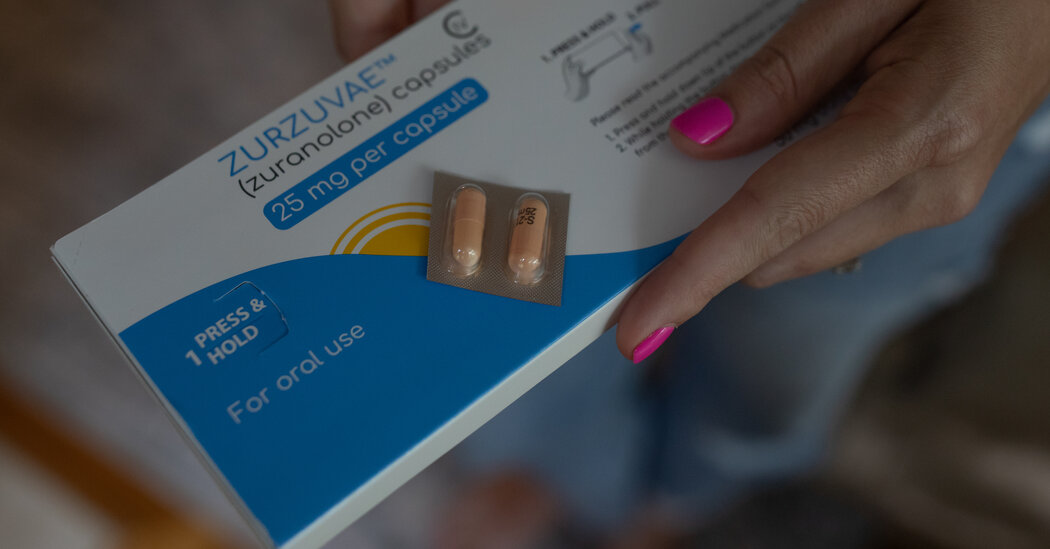
Depression descended on Samantha Cohn about two months after her baby boy was born.He was thriving, but she became convinced she was a terrible mother. “I felt like I wasn’t doing enough, I wasn’t doing anything right,” she said. She began to think her son and husband might be better off without her. When the baby was about 5 months old, she tried to take her life with a gun.Ms. Cohn, 30, who lives near Fayetteville, N.C., was hospitalized for weeks and underwent surgeries to repair damage to her jaw, nose, tongue and face. But her postpartum depression remained challenging to treat. The hospital’s maternal mental health specialists decided to have her try a medication that had recently become available: the first pill specifically for postpartum depression.Clinical trials had found that the drug, zuranolone, marketed as Zurzuvae and taken daily for 14 days, can ease symptoms for some women in as little as three days, while general antidepressants can take weeks. For Ms. Cohn, its impact was swift and striking. On her fourth day of taking it, she said she suddenly “felt so much clarity in my head, like I didn’t have nagging thoughts about not being good enough.”Now, a year and a half after the drug became available, thousands of women have tried it, and their experiences have run the gamut. For some, symptoms improved remarkably. Others described a modest benefit that didn’t last or said their depression persisted. And others didn’t complete the two-week regimen because profound drowsiness, a common side effect of the drug, interfered with their ability to care for their babies or to fulfill other responsibilities.One in eight women in the United States experiences depression during pregnancy or in the year after giving birth, the Centers for Disease Control and Prevention estimates, and effective treatments are crucially needed. While the fast-acting pill shows promise, doctors say the challenge now is to determine which patients will benefit and why some don’t.Clinical trials of the drug found that postpartum depression improved in about 60 percent of patients. “It’s not everyone,” Dr. Samantha Meltzer-Brody, a leader of the trials and director of the Center for Women’s Mood Disorders at the University of North Carolina at Chapel Hill, said at a National Institutes of Health conference. “So, what is it about the people that are going to respond versus those that don’t?”We are having trouble retrieving the article content.Please enable JavaScript in your browser settings.Thank you for your patience while we verify access. If you are in Reader mode please exit and log into your Times account, or subscribe for all of The Times.Thank you for your patience while we verify access.Already a subscriber? Log in.Want all of The Times? Subscribe.

Read more →