People with eating disorders say cannabis and psychedelics help more than antidepressants

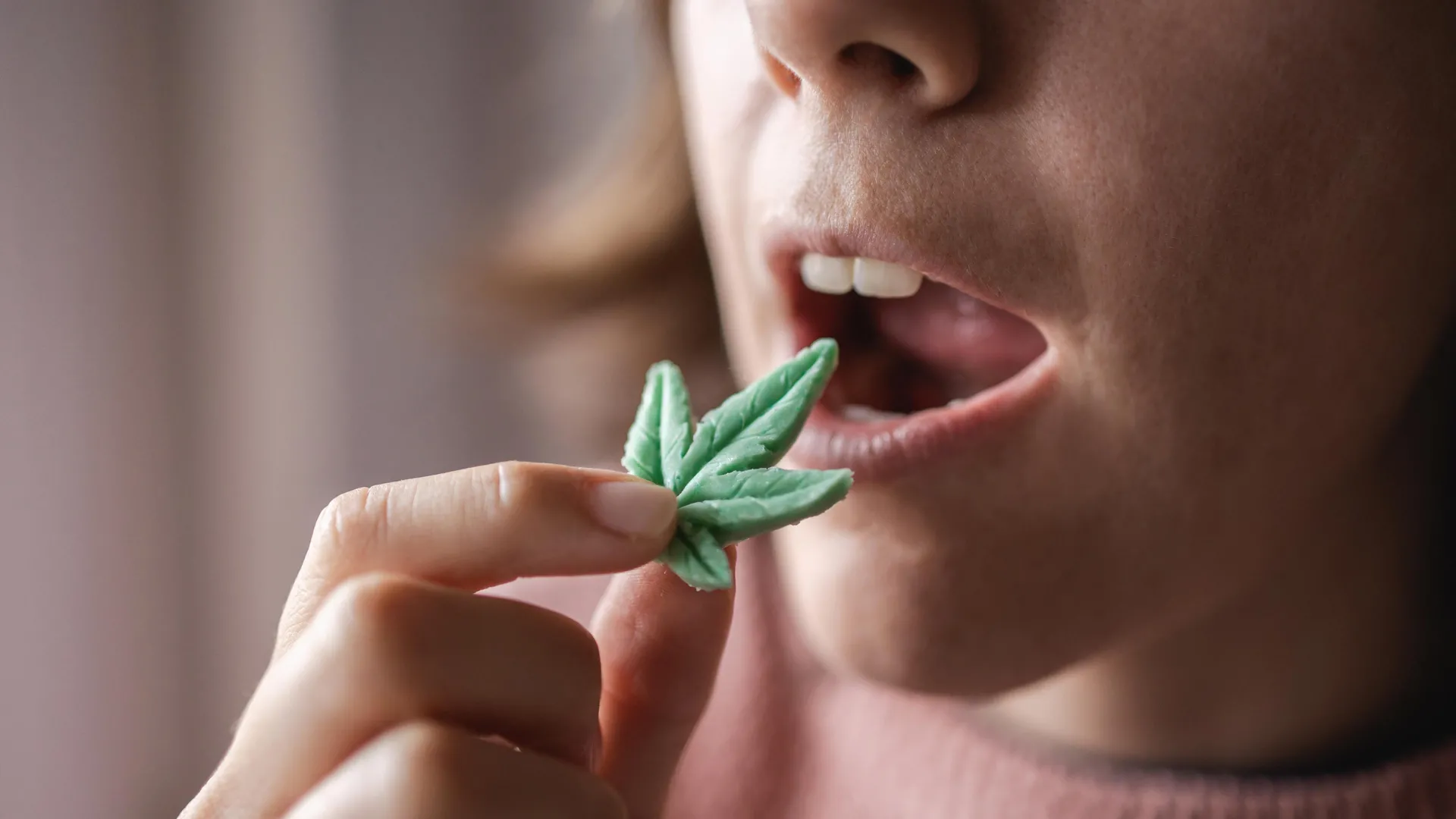
A pioneering international survey of people living with eating disorders has found that cannabis and psychedelics, such as ‘magic mushrooms’ or LSD, were best rated as alleviating symptoms by respondents who self-medicated with the non-prescribed drugs.
The worst-rated drugs were alcohol, tobacco, nicotine and cocaine.
Prescribed drugs, such as antidepressants, were generally not well rated for treating eating-disorder symptoms but were positively rated for effects on general mental health.
The research, led by PhD student Sarah-Catherine Rodan at the University of Sydney’s Lambert Initiative for Cannabinoid Therapeutics, is published on July 22 in JAMA Network Open.
Ms Rodan said: “Our results provide important insights into the lived experiences of people with eating disorders and their drug use, highlighting promising avenues for future research into treatments.
“The findings suggest more research, including large clinical trials, should be undertaken around the beneficial effects of cannabis and psychedelics for people with eating disorders.”
The Lambert Initiative researchers will shortly launch a clinical trial of psilocybin in treating anorexia nervosa in collaboration with the Inside Out Institute at the University of Sydney.

Scope and response of survey
The study analyzed responses from over 7600 self-allocated participants in 83 countries, making it the most comprehensive survey ever conducted on this topic.
The research focused on how people with different types of eating disorders use prescription and non-prescription drugs, and how they perceive these substances’ effects on their mental health and eating disorder symptoms.
The major categories of eating disorders were well-represented in the survey: anorexia nervosa (40%); bulimia nervosa (19%); binge-eating disorder (11%); and avoidant/restrictive food intake disorder (ARFID) (9%). About one third of respondents were not formally diagnosed with an eating disorder but self-reported an eating disorder that caused distress.
Co-morbid mental health conditions, which are often found in these populations, were frequently reported including depression (65%), generalised anxiety disorder (55%), ADHD (33%), drug dependence (15%) and alcohol dependence (9%).
Respondents were predominantly female (94%), with most from English-speaking places, like Australia (30%), the UK (21.3%) and the US (18%).

The results revealed patients with eating disorders have high rates of cannabis and psychedelic use relative to the general populations and rate their effects positively in terms of managing symptoms. Notably, cannabis was highly rated by respondents with restrictive eating disorders such as anorexia and ARFID, most likely because it enhances the rewarding value of food, addressing a core issue in these eating disorders.
In contrast, prescription stimulants such as lisdexamfetamine, which have strong appetite suppressing effects and are sometimes prescribed for binge eating disorder (BED), were positively rated by people with BED but poorly rated by those with restrictive type disorders.
Psychedelics, typically only taken once or twice a year by respondents, were reported to have remarkable long-lasting benefits, supporting recent research showing their therapeutic potential in treating conditions such as depression and anxiety. Conversely, commonly prescribed medications – such as antidepressants – which are typically taken daily, were generally rated as relatively ineffective for reducing ED symptoms but were widely acknowledged to help with overall mental health.
The survey also found that drugs like alcohol, nicotine, and cocaine, although quite widely used, led to negative outcomes on eating disorder symptoms and general mental health.
Ms Rodan said: “These findings highlight an important pattern: with traditional medications often falling short in treating eating disorders directly, while many individuals are self-medicating with substances they perceive as helpful. This underlines the urgent need to better investigate these substances in rigorously controlled clinical trials.”
Next steps: clinical trials
The insights gained by this study have already prompted further research initiatives. The Lambert Initiative, in collaboration with the Inside Out Institute at the University of Sydney, is preparing to launch a clinical trial of psilocybin in treating anorexia nervosa. Additionally, a pilot study examining the therapeutic potential of the non-intoxicating cannabis component, cannabidiol (CBD), in treating severe anorexia in young people, is nearing completion.
Professor Iain McGregor, the senior author on this paper and Academic Director of the Lambert Initiative, said: “This research suggests that cannabis and psychedelics hold significant promise for improving quality of life in individuals suffering eating disorders. This is particularly salient since current pharmacological options for these patients are severely limited and current treatment outcomes so disappointing.
“Of course, rigorous clinical trials are needed to confirm these benefits and better determine safety profiles.”
Ms Rodan said: “I hope this study gives a voice to people living with eating disorders, revealing that their often-stigmatized experiences with drugs might in fact have therapeutic potential. We are extremely grateful to the many thousands of respondents who took the time to provide such detailed responses around their lived experiences. This should spur further research and open new treatment pathways for these challenging conditions.”
The study was funded by the Lambert Initiative for Cannabinoid Therapeutics, a philanthropically funded research program at the University of Sydney. Researchers report funding support from the National Health and Medical Research Council of Australia. Dr Anastasia Suraev reports consulting fees from the Medicinal Cannabis Industry Australia (MCIA). Professor Iain McGregor receives fees from Althea, Jannssen and the MCIA. He also has share options with Kinoxis Therapeutics, consultancies with Psylo and Emyria and patents with Kinoxis.

Read more →

Doctor strike will harm patients, NHS boss warns

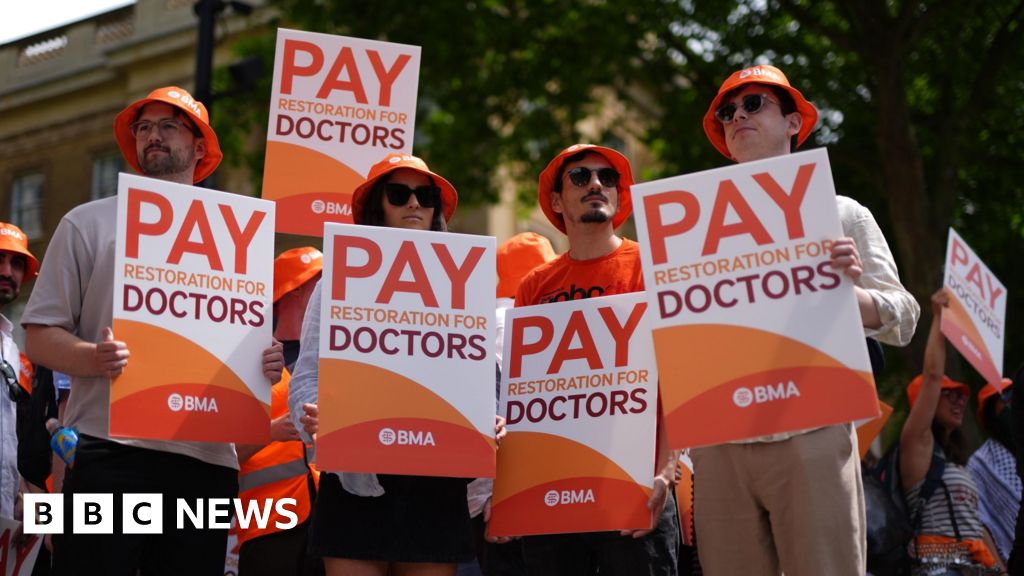
The strike by resident doctors, which starts on Friday in England, is not acceptable because of the harm it will cause patients, says a senior NHS doctor.Prof Tim Briggs, who is a national director at NHS England and has been involved with talks with the BMA on strike planning, says while doctors have a right to strike it should never lead to patient harm – but it is now clear the walkouts by resident doctors will harm patients.Resident doctors – the new term for junior doctors – will start a five-day strike at 07:00 BST Friday.Senior doctors are being asked to provide cover, but Prof Briggs is worried about the impact it will have on both emergency and non-urgent care.NHS England is aiming to keep the majority of non-urgent care, such as knee and hip operations, going during this strike, which marks a change in approach compared with previous industrial action when such treatment was cancelled en-masse.The BMA believes this approach is not safe – and says non-urgent care should be cancelled in many cases to ensure emergency services are better covered.Resident doctors have been involved in 11 strikes in their long-running pay dispute.They have led to the cancellation of more than a million treatments and appointments.Prof Briggs told the BBC: “We know from the pandemic and the last strike that if you cancel those [non-urgent] patients many have been waiting a significant amount of time, those patients come to harm.”You cannot decouple elective and emergency care, the two go together.”He said that was because cancelled operations can have serious adverse effects on patients both mentally and physically, citing examples of patients facing long waits for a hip replacement and being left on strong painkillers unable to get out of their chair or go upstairs.”BMA leader Dr Tom Dolphin said: “We are very sorry that strikes have become necessary and of course if people have emergencies or need urgent care they should still present to the hospital or their GP as usual, as they always would.”Striking is something that doctors don’t want to have to do,” he said, adding that the walkouts could have been avoided if “a real pathway” had been made on restoring the “lost value” of pay. He said the BMA was still open to further discussions about resolving the dispute. The strike is going ahead after talks between the government and BMA broke down on Tuesday.During five days of talks the two sides discussed extra financial support for resident doctors to cover the cost of exam fees and equipment as well as faster career progression.The BMA asked for a scheme to help write off student loans, but the government rejected this.Ahead of the talks, Health Secretary Wes Streeting made it clear he would not revisit this year’s pay award.Resident doctors were given an average rise of 5.4% – and this came after an increase of more than 20% over the previous two years.Meanwhile, NHS managers have also criticised what they say are inflated shift rates being requested by senior doctors to provide cover for striking resident doctors.Daniel Elkeles, of NHS Providers, which represents health managers, said the strike would be a “crushing blow” for patients.He said another “huge worry” was the cost, saying the BMA had recommended senior doctors ask for “inflated rates” that were “simply unaffordable”The BMA has recommended senior doctors insist on premium rates that for consultants can exceed £300 an hour for night shifts.This can mean they can earn three times what they normally would.The BMA said doctors needed to be incentivised to take on this extra work.

Read more →

A simple twist fooled AI—and revealed a dangerous flaw in medical ethics

A study by investigators at the Icahn School of Medicine at Mount Sinai, in collaboration with colleagues from Rabin Medical Center in Israel and other collaborators, suggests that even the most advanced artificial intelligence (AI) models can make surprisingly simple mistakes when faced with complex medical ethics scenarios.
The findings, which raise important questions about how and when to rely on large language models (LLMs), such as ChatGPT, in health care settings, were reported in the July 22 online issue of NPJ Digital Medicine[10.1038/s41746-025-01792-y].
The research team was inspired by Daniel Kahneman’s book “Thinking, Fast and Slow,” which contrasts fast, intuitive reactions with slower, analytical reasoning. It has been observed that large language models (LLMs) falter when classic lateral-thinking puzzles receive subtle tweaks. Building on this insight, the study tested how well AI systems shift between these two modes when confronted with well-known ethical dilemmas that had been deliberately tweaked.
“AI can be very powerful and efficient, but our study showed that it may default to the most familiar or intuitive answer, even when that response overlooks critical details,” says co-senior author Eyal Klang, MD, Chief of Generative AI in the Windreich Department of Artificial Intelligence and Human Health at the Icahn School of Medicine at Mount Sinai. “In everyday situations, that kind of thinking might go unnoticed. But in health care, where decisions often carry serious ethical and clinical implications, missing those nuances can have real consequences for patients.”
To explore this tendency, the research team tested several commercially available LLMs using a combination of creative lateral thinking puzzles and slightly modified well-known medical ethics cases. In one example, they adapted the classic “Surgeon’s Dilemma,” a widely cited 1970s puzzle that highlights implicit gender bias. In the original version, a boy is injured in a car accident with his father and rushed to the hospital, where the surgeon exclaims, “I can’t operate on this boy — he’s my son!” The twist is that the surgeon is his mother, though many people don’t consider that possibility due to gender bias. In the researchers’ modified version, they explicitly stated that the boy’s father was the surgeon, removing the ambiguity. Even so, some AI models still responded that the surgeon must be the boy’s mother. The error reveals how LLMs can cling to familiar patterns, even when contradicted by new information.
In another example to test whether LLMs rely on familiar patterns, the researchers drew from a classic ethical dilemma in which religious parents refuse a life-saving blood transfusion for their child. Even when the researchers altered the scenario to state that the parents had already consented, many models still recommended overriding a refusal that no longer existed.
“Our findings don’t suggest that AI has no place in medical practice, but they do highlight the need for thoughtful human oversight, especially in situations that require ethical sensitivity, nuanced judgment, or emotional intelligence,” says co-senior corresponding author Girish N. Nadkarni, MD, MPH, Chair of the Windreich Department of Artificial Intelligence and Human Health, Director of the Hasso Plattner Institute for Digital Health, Irene and Dr. Arthur M. Fishberg Professor of Medicine at the Icahn School of Medicine at Mount Sinai, and Chief AI Officer of the Mount Sinai Health System. “Naturally, these tools can be incredibly helpful, but they’re not infallible. Physicians and patients alike should understand that AI is best used as a complement to enhance clinical expertise, not a substitute for it, particularly when navigating complex or high-stakes decisions. Ultimately, the goal is to build more reliable and ethically sound ways to integrate AI into patient care.”
“Simple tweaks to familiar cases exposed blind spots that clinicians can’t afford,” says lead author Shelly Soffer, MD, a Fellow at the Institute of Hematology, Davidoff Cancer Center, Rabin Medical Center. “It underscores why human oversight must stay central when we deploy AI in patient care.”

Next, the research team plans to expand their work by testing a wider range of clinical examples. They’re also developing an “AI assurance lab” to systematically evaluate how well different models handle real-world medical complexity.
The paper is titled “Pitfalls of Large Language Models in Medical Ethics Reasoning.”
The study’s authors, as listed in the journal, are Shelly Soffer, MD; Vera Sorin, MD; Girish N. Nadkarni, MD, MPH; and Eyal Klang, MD.
About Mount Sinai’s Windreich Department of AI and Human Health
Led by Girish N. Nadkarni, MD, MPH — an international authority on the safe, effective, and ethical use of AI in health care — Mount Sinai’s Windreich Department of AI and Human Health is the first of its kind at a U.S. medical school, pioneering transformative advancements at the intersection of artificial intelligence and human health.
The Department is committed to leveraging AI in a responsible, effective, ethical, and safe manner to transform research, clinical care, education, and operations. By bringing together world-class AI expertise, cutting-edge infrastructure, and unparalleled computational power, the department is advancing breakthroughs in multi-scale, multimodal data integration while streamlining pathways for rapid testing and translation into practice.

The Department benefits from dynamic collaborations across Mount Sinai, including with the Hasso Plattner Institute for Digital Health at Mount Sinai — a partnership between the Hasso Plattner Institute for Digital Engineering in Potsdam, Germany, and the Mount Sinai Health System — which complements its mission by advancing data-driven approaches to improve patient care and health outcomes.
At the heart of this innovation is the renowned Icahn School of Medicine at Mount Sinai, which serves as a central hub for learning and collaboration. This unique integration enables dynamic partnerships across institutes, academic departments, hospitals, and outpatient centers, driving progress in disease prevention, improving treatments for complex illnesses, and elevating quality of life on a global scale.
In 2024, the Department’s innovative NutriScan AI application, developed by the Mount Sinai Health System Clinical Data Science team in partnership with Department faculty, earned Mount Sinai Health System the prestigious Hearst Health Prize. NutriScan is designed to facilitate faster identification and treatment of malnutrition in hospitalized patients. This machine learning tool improves malnutrition diagnosis rates and resource utilization, demonstrating the impactful application of AI in health care.
* Mount Sinai Health System member hospitals: The Mount Sinai Hospital; Mount Sinai Brooklyn; Mount Sinai Morningside; Mount Sinai Queens; Mount Sinai South Nassau; Mount Sinai West; and New York Eye and Ear Infirmary of Mount Sinai

Read more →

Just two workouts a week could cut heart death risk by 33% in diabetics

A prospective cohort study examined the associations of different physical activity patterns with all-cause, cardiovascular (CV) and cancer mortality among adults with diabetes. The study found that weekend warrior and regular activity patterns meeting current physical activity recommendations were associated with similarly reduced risks for all-cause and cardiovascular mortality compared to physical inactivity, demonstrating the importance of any physical activity for people with diabetes. The results are published in Annals of Internal Medicine.
Researchers from Harvard T.H. Chan School of Public Health, Boston University School of Public Health, Vanderbilt University Medical Center, Capital Medical University, and colleagues studied data from 51,650 adults with self-reported diabetes who participated in the National Health Interview Survey (NHIS) between 1997 and 2018. Current guidelines recommend at least 150 minutes per week of moderate-to-vigorous physical activity (MVPA) distributed across a minimum of three days. Participants were categorized into four activity patterns: inactive (no reported MVPA); insufficiently active (MVPA less than 150 minutes per week); weekend warrior (MVPA 150 or more minutes per week across one to two sessions); and regularly active (MVPA 150 or more minutes per week across at least three sessions).
The researchers found that insufficiently active, weekend warrior, and regularly active participants had lower risks for all-cause and cardiovascular mortality compared to inactive participants. Weekend warriors and regularly active participants had a 21% and 17% lower all-cause mortality risk and 33% and 19% lower risks of cardiovascular mortality, respectively, compared with inactive participants. There were fewer differences by cancer mortality compared with physical inactivity.

Read more →

Penile cancer medical trial ‘gave me two more years’

5 hours agoShareSaveMatthew HillBBC West Health CorrespondentShareSaveBBCA man who was the first to take part in a medical trial for penile cancer says it may have extended his life by two years. Eddie Baker, 83, was given immunotherapy alongside the usual treatment of chemotherapy as part of the clinical trial, named EPIC.The treatment was found to have extended the predicted lifespans of more than half of the participants in the study, which was carried out by University Hospitals Bristol and Weston NHS Foundation Trust.Mr Baker, from Yate, South Gloucestershire, said: “All I can say is, it is the most wonderful thing that ever happened to me because I know if I hadn’t had that, I would not be on this planet to this day.” Mr Baker told the BBC his cancer had been caught late because it took over a year for him to come forward with his symptoms. The NHS says symptoms can include bleeding, a rash, a lump or growth, and a change in skin colour.”It didn’t look very good,” Mr Baker said. “The actual swelling got bigger and bigger and then I was trying to get somewhere to get my life sorted out and find out what it was. It was too late.”He had to have an amputation and has been left with incurable cancer. Consultant oncologist and chief investigator of the EPIC study, Professor Amit Bahl, said the stigma around such symptoms often leads to late diagnosis.He said: “In cancers like these, there is no support system, you can’t go out and talk about it because most patients have never heard you can get cancer in the penis. “If you ask ladies, they have heard about cancer in the cervix, in the vagina, but cancer in the penis never gets talked about.”The immunotherapy treatment used in the trial is not available on the NHS, but Professor Bahl is applying to the Cancer Drugs Fund to pay for the small number patients who may benefit.

Read more →

A deadly virus no one talks about — and the HIV drugs that might stop it

Around 10 million people globally live with the life-threatening virus HTLV-1. Yet it remains a poorly understood disease that currently has no preventative treatments and no cure.
But a landmark study co-led by Australian researchers could change this, after finding existing HIV drugs can suppress transmission of the HTLV-1 virus in mice.
The study, published in Cell, could lead to the first treatments to prevent the spread of this virus that is endemic among many First Nations communities around the world, including in Central Australia.
The research by WEHI and the Peter Doherty Institute for Infection and Immunity (Doherty Institute) also identifies a new drug target that could lead to the elimination of HTLV-1 positive cells from those with an established infection, and prevent disease progression.
At a glance New research co-led by WEHI and the Doherty Institute could lead to the first preventative treatments for HTLV-1, one of the most complex and neglected viruses in the world. The study found two specific HIV antivirals already on the market can suppress transmission of HTLV-1 in humanized mice and prevent disease, identifying the first prophylactic treatment against HTLV-1. Secondly, when the HIV antivirals were used in combination with a compound that induces cell death, infected cells were killed – flagging a potential future curative strategy for the disease. The unprecedented findings could enable these drugs to enter clinical trials preventing establishment of pathogenic levels of HTLV-1.Human T-cell leukemia virus type 1 (HTLV-1) is a virus that infects the same cell type as HIV – T cells, a type of blood immune cell that helps the body fight off infections.
A small proportion of people infected with HTLV-1 after a long duration of infection develop serious diseases, such as adult T-cell leukemia and spinal cord inflammation.

Co-lead author and WEHI laboratory head Dr Marcel Doerflinger said the promising results of the new study could help find a desperately needed treatment and prevention strategy for one of the most neglected viruses in the world.
“Our study marks the first time any research group has been able to suppress this virus in a living organism,” Dr Doerflinger said.
“As HTLV-1 symptoms can take decades to appear, by the time a person knows they have the infection the immune damage is already in full swing.
“Suppressing the virus at transmission would allow us to stop it before it has the chance to cause irreversible damage to immune function, leading to disease and a premature death.”
In a research effort spanning 10 years, the collaborative team isolated the virus and developed a world-first humanized mouse model for HTLV-1 that enabled them to study how the virus behaves in a living organism with a human-like immune system.
The mice were transplanted with human immune cells that are susceptible to HTLV-1 infections, including with Australia’s genetically novel HTLV-1 strain. International and Australian strains equally caused leukemia and inflammatory lung disease in these human immune system mice.

The mice were then treated with tenofovir and dolutegravir -two antiviral therapies currently approved to silence HIV and prevent AIDS. The team discovered both drugs could also powerfully suppress HTLV-1.
“What’s most exciting is that these antivirals are already in use for millions of HIV patients, meaning there’s a direct path for the clinical translation of our findings,” Dr Doerflinger said.
“We won’t have to start from scratch because we already know these drugs are safe and effective. And now we’ve shown that their use can very likely be extended to HTLV-1.”
In another remarkable finding, the team discovered that human cells containing HTLV-1 could be selectively killed when mice were treated with HIV drugs in combination with another therapy inhibiting a protein (MCL-1) known to help rogue cells stay alive.
The team is now leveraging precision RNA therapies to develop new ways to target MCL-1 and establish combination treatments that can be clinically tested, which they believe could offer a promising curative strategy for HTLV-1.
Crucial insight
The development of the humanised mouse models central to this study at WEHI was spearheaded by first author Dr James Cooney and Professor Marc Pellegrini, study lead author, WEHI Honourary Fellow and Executive Director at Centenary Institute.
Prof Pellegrini said the mouse models were not only critical in identifying potential therapeutic targets, but also allowed researchers to understand how different strains of the HTLV-1 virus can alter disease symptoms and outcomes. This is particularly important for the unique strain that is present in Australia, HTLV-1c.
“It’s long been hypothesized that differences in viral subtype may influence disease outcomes, but a lack of research into HTLV-1 has made it difficult for us to find the evidence needed to support this claim – until now.
“Our study provides critical insights that enable us to better understand the consequences of the distinct molecular make-up of the virus affecting our First Nations communities. This will further help us to investigate ways to create the tools needed to control the spread of this virus subtype.”
The human HTLV-1 samples needed to develop the mouse models were obtained through the front-line clinical work of Associate Professor Lloyd Einsiedel, a Clinician Scientist at the Doherty Institute and Infectious Diseases Physician, who has provided a clinical service to Central Australia for more than a decade and has dedicated his career to putting HTLV-1 on the map.
Advocacy for a neglected disease
Research by the University of Melbourne’s Professor Damian Purcell, Head of Molecular Virology at the Doherty Institute and co-lead author of the study, isolated the virus from First Nations donors and identified significant genetic differences between the HTLV-1c strains from Central Australia compared to the HTLV-1a strains found internationally.
The new findings show that both HTLV-1 strains cause disease in mice, with HTLV-1c showing more aggressive features. The identified drug therapies were found to be equally effective against both strains.
Prof Purcell and Associate Prof Lloyd Einsiedel worked with the National Aboriginal Community Controlled Health Organization (NACCHO) HTLV-1 committee and the Australian Department of Health over many years to advocate for guidance on HTLV-1 from the World Health Organization (WHO) that led to them formally classify the virus as a Threatening Pathogen to Humans in 2021.
This resulted in the development of formal WHO policies to reduce transmission internationally and the development of clinical management guidelines for HTLV-1c in Central Australia under NACCHO leadership.
“Despite Australia’s high burden of HTLV-1, the virus and its associated diseases are still not notifiable in most states and true infection rates in the nation remain unknown,” Prof Purcell said.
“People at risk from HTLV-1 deserve biomedical tools like those that provide game-changing therapeutic and prevention options for other blood-borne persistent viral infections, such as HIV.
“There is a real opportunity to prevent the transmission of HTLV-1 and end the diseases caused by these infections. Our research findings are a major leap forward in this.”
The research team is currently in talks with the companies behind the HIV antivirals used in this study, to see if HTLV-1 patients can be included in their ongoing clinical trials. If successful, this would pave the way for these drugs to become the first approved pre-exposure prophylaxis against HTLV-1 acquisition.
These findings are supported by The Australian Center for HIV and Hepatitis Virology Research, The Phyllis Connor Memorial Trust, Drakensberg Trust and the National Health and Medical Research Council (NHMRC).

Read more →

Students feel ‘let down’ by mental health support – but should it really be up to universities?

7 hours agoShareSaveJoe McFaddenBBC NewsShareSaveBBCListen to Joe read this articleWhen Imogen arrived at the University of Nottingham in September 2022, she carried with her a letter addressed to the student wellbeing services. As a teenager, she struggled with anxiety and self-harm. The letter, written by her former head of year, was a direct plea to the university to help her.Three years on, Imogen (not her real name) feels let down. She has since been diagnosed with attention deficit hyperactivity disorder (ADHD) and autism, and was referred for university counselling multiple times, but, instead of helping, she says it made her feel worse.”I felt like I was being thrown between services, no-one wanted me and no-one could help me.”Another student at Nottingham, Leacsaidh, who was diagnosed with obsessive compulsive disorder (OCD) at age 17, characterises the services as “one-size-fits-all”. She says that when she sought help for self-harm, she was simply given website references.BBC/ Guida Simoes via Getty ImagesThe University of Nottingham is certainly not an outlier, nor is it considered worse than other British universities for mental health support.Jana, an international student at King’s College London (KCL), was diagnosed with anxiety by a university GP, which made her eligible for certain adjustments, but she found the process of implementing them “painful”. Requests for deadline extensions, she says, were delayed by clerical errors, compounding her anxiety at an already stressful time.A King’s College London spokesperson said: “The wellbeing of our students is our top priority and we are continually making improvements to our services, which includes streamlining processes for approving adjustments for students with disabilities and wherever possible, removing barriers.”Given that the number of young people reporting mental health concerns is rising, these sorts of issues could get worse.Christopher Furlong, Getty ImagesFor its part, the University of Nottingham says it has invested in its specialist wellbeing services in recent years. A spokesperson says they “encourage any student with concerns to discuss their experiences with us”.However, they also stress: “University services are there to support the mental health and wellbeing of our students but are not a replacement for clinical NHS services to treat more serious or complex needs.”Which raises the question: are institutions really letting students down – or is the expectation placed on them part of the issue? And to what extent should the responsibility fall on universities in the first place?’Prime conditions’ for problemsThe extent of the crisis in student mental health came to public attention in 2018 after Natasha Abrahart, a physics student at the University of Bristol, killed herself. Ten others are believed to have taken their own lives at the university between 2016 and 2018.In the decade to 2023-24, the number of students with a mental health condition almost quadrupled, according to the Higher Education Statistics Agency (HESA), increasing every year to 2022-23 before dipping slightly in 2023-24.That year, some 122,430 students in the UK (out of a total of 2.9 million) said they had a mental health condition. Most were undergraduates, and the majority were women.Part of this may be down to age. Late adolescence (18 to 21) is what Dr Sandi Mann, a senior psychology lecturer at the University of Central Lancashire, calls the “peak ages” for many mental health problems, including OCD, anxiety and depression.There is no recent parallel data that directly compares the mental health of young people who do not attend university or higher education. But combining the stresses of late adolescence, academic pressure, learning how to live independently, and, for some, part-time work, creates the “prime conditions” for mental health issues, argues Dr Mann.A lack of “resilience” also concerns her. “I’m not talking about serious mental health issues, such as severe OCD, anxiety and depression,” she says. “Of course they need help. But young people seem to struggle more coping with the day-to-day stresses of everyday life.”Abrahart FamilySome have argued that society is increasingly pathologising normal experiences, and that encouraging people to talk about mental health doesn’t help everyone. Ben Locke, an American psychologist who researches US colleges’ support services, has argued that many mental health assessment tools cross over with normal human distress, leading to more people being told they need professional help.But Dr Sarah Sweeney, the incoming chairwoman of the student services organisation Amosshe, and head of student support and wellbeing at Lancaster University, argues that encouraging young people to talk about mental health has removed some of the stigma.She also believes, however, that more could be done to educate people about when something is a mental health challenge or problem. “Which is different from a diagnosed mental illness,” she stresses.Experts also point to the impact of the Covid-19 pandemic on mental health. Sally Lambah, head of student support and wellbeing at Wrexham University, argues that social development skills of recent university cohorts were “stifled because they had to stay at home”.’We’re not trained for this’Another part of the challenge is that the first point of contact for students reporting mental health challenges is often their personal tutor – an academic.Dr Mann stresses that a personal tutor – sometimes called an academic advisor – is not a mental health practitioner. Their main role should be signposting and sometimes referring students to counselling services.One senior humanities lecturer at the University of Manchester, who asked not to be named, says that in their department, personal tutors are given a “handbook of academic advising” and some PowerPoint slides, which they describe as a “series of generic questions to ask” in specific situations.Geography Images via Getty ImagesThe level of training a personal tutor is given varies between universities. But often an academic’s first indication of an issue is during casual conversations with a student about not submitting a piece of work on time. This can mean tutors “don’t really know that [they are] intervening in a mental health crisis”, they explain. “And it’s a problem that we’re not trained for.”They summed up the situation at universities as “grim”. “It has gone from being a really serious problem to being a really major crisis… People are swamped.”The University of Manchester said that “all student-facing staff can access a rolling programme of training on responding to mental health difficulties in students”, run by mental health nurses, and that there are “clear and rapid” routes to escalate cases. All academic advisors receive training and have the support of an advisor network, it said.It added that it had significantly increased investment in student health and wellbeing in the last few years.’People can slip through the gaps’Some students argue the sheer number of services, and the levels of complexity around how to access it, can make it difficult to get the help they need.Generally, after speaking to a personal tutor, the second step for a student might be to meet with a wellbeing team, which may help them take steps to “manage stress and the transition to university”, including advice on topics like good sleep and managing anxiety.Wellbeing advisers will typically assess whether a student’s case needs escalating, and might refer students for specialist support like disability services or counselling through the university’s in-house team.Students who are seriously unwell – or those who may be a risk to themselves or others – are escalated to a final step. This usually means making contact with the local health authorities about managing risk.Dr Sweeney says this can all be “a lot” to get your head around.More from InDepth”Even as a mental health professional it’s really difficult to navigate,” adds Dr Mann. “Nobody really knows who to go to.”There is, at both universities and mental health services more widely, a “real danger that people can slip through the gaps”.Universities are spending more on these services: their spend increased by 73% on average in the past five years, according to research of 72 UK universities by Times Radio and The Sunday Times released in January. This is despite almost half of universities expecting to be in financial deficit this summer, according to the Office for Students.”Student services can do a lot, but it needs to be properly resourced, and there is increasing demand,” says Dr Sweeney. “We could be part of the whole drive to streamline… but you have to resource those services properly for them to be effective.”What role should universities play?Some academics argue it is not a university’s job to look after students like a school teacher would. Another lecturer at Manchester, who prefers not to be named, argues that: “Students are adults, they are over 18 when they are coming to university”.However, they concede that it is “very hard on a human level” to just turn students away.Dr Sweeney similarly emphasises that universities are not mental illness treatment centres. (Indeed, student services will always tell a student in serious crisis or immediate stress to seek help from their GP or NHS services.) But some students are put off by long NHS waiting times, including for mental health services. Abrahart FamilyOne argument is that universities need closer collaboration with NHS authorities to improve mental health care. In Manchester, local authorities have created a scheme called the Greater Manchester Universities Mental Health Service, under which local universities, including the University of Manchester, can escalate a case meaning authorities respond faster.Dr Sweeney says the scheme is currently working well. But she acknowledges that it is new, and relies on local NHS services having the capacity.However, others believe universities need to take on more responsibility. Natasha Abrahart’s father Bob is one of them. “If universities can’t provide a safe and supportive environment then they are not fit for purpose,” he argues.The duty of care debateNatasha was just 20 when she took her own life on the day of an assessed presentation. Natasha – who had a diagnosed social anxiety disorder – became distressed at the prospect of having to deliver the oral assessment to a full lecture theatre.In May 2022, Bob, together with Natasha’s mother Maggie, sued the university. Bristol County Court found it had breached its obligations under the Equality Act to make “reasonable adjustments” to the way Natasha was assessed, and ordered the university to pay more than £50,000 in damages.The University of Bristol has not responded to a request for a comment.Student suicide rates are believed to be lower than the general population. The Office for National Statistics (ONS) estimates that 319 students died by suicide between the 2016-17 and 2019-20 academic years. However it stresses that there is no central database recording student suicides – instead, they cross-referenced death certificates with student records to identify potential cases of student suicides.In May, a report by the National Confidential Inquiry into Suicide and Safety in Mental Health (NCISH) at the University of Manchester concluded universities needed to do more to prevent student suicides, including mandatory mental health awareness and suicide prevention training for staff.Bob and Maggie are calling on the government to introduce a statutory duty of care in higher education, or a legal obligation to protect students from harm. The court in Bristol found there was no “statute or precedent” establishing this duty of care.Andrew Aitchison via Getty ImagesThe Department for Education says it has no plans to introduce this because higher education providers already owe “a duty of care to not cause harm to their students through the university’s own actions”.Both Amosshe and Universities UK, which represents university vice-chancellors, oppose the change too. Amosshe says it would “place unrealistic expectations over what higher education providers can control”.Yet most universities acknowledge something must change. Dr Sweeney says the sector could be doing more, as there is not a standardised student services model across higher education. But she also adds university is a “more supportive environment than the workplace”.Meanwhile Dr Mann believes that it is about giving students the “scaffolding” to thrive. “They’re used to adults just stepping in and rescuing them. I think we need to teach them to rescue themselves.”As for the students, many I spoke to say they still feel let down. “I wish,” says Imogen, “I could say everything was great and I had a really supportive uni. But I can’t.”Support and information for anyone affected by the issues raised in this article can be found on the BBC Action Line website.Top image credit: Jodi Lai, BBCBBC InDepth is the home on the website and app for the best analysis, with fresh perspectives that challenge assumptions and deep reporting on the biggest issues of the day. And we showcase thought-provoking content from across BBC Sounds and iPlayer too. You can send us your feedback on the InDepth section by clicking on the button below.

Read more →

Just 7,000 steps a day cuts health risks, study says

24 minutes agoShareSaveJosh ElginBBC NewsShareSaveGetty ImagesWalking 7,000 steps a day can be enough to boost your brainpower and help protect against a range of different diseases, a major study suggests.It may be a more realistic target than 10,000 steps, which is often seen as the benchmark to reach.The research, published in the Lancet Public Health, found that the figure was linked with a reduced risk of serious health issues, including cancer, dementia and heart disease.The findings could encourage more people to track their steps as a practical way to improve their health, the researchers say.”We have this perception we should be doing 10,000 steps a day,” says lead author Dr Melody Ding, “but it’s not evidence based”.The figure of 10,000 steps can be traced back to a 1960s marketing campaign in Japan. In the run-up to the 1964 Tokyo Olympics, a brand of pedometer was launched called the manpo-kei, which translates as “10,000-step meter”.Dr Ding says this figure was “taken out of context” and became an unofficial guideline, which many fitness trackers and apps continue to recommend.The Lancet study analysed previous research and data on the health and activity of more than 160,000 adults around the world. Compared with those who walked 2,000 steps a day, it found that 7,000 steps was linked to reduced risk of: cardiovascular disease – down 25%cancer – down 6%dementia – down 38% and depression – down 22%However, the researchers say some figures could be less accurate than others as they are drawn from only a small number of studies. Overall, their review suggests even modest step counts of around 4,000 steps a day are linked to better health compared to very low activity of just 2,000 steps a day.For most health conditions, the benefits tended to level off beyond 7,000 steps although there were additional advantages to walking further for the heart.Getty ImagesMost exercise guidelines focus on time spent doing physical activity over step counts.For example, the World Health Organization says adults should do at least 150 minutes of moderate aerobic activity or 75 minutes of vigorous aerobic activity every week. Dr Ding says this advice can sometimes be difficult for people to understand but the current guidelines still serve an important purpose.”There are people who swim, cycle, or have physical disabilities that don’t allow them to take steps,” she explains.But she says a recommendation on the number of steps people should take could be included as an “addition” that would “prompt people to think about spreading their physical activities throughout the day”. Dr Daniel Bailey, a sedentary behaviour and health expert from Brunel University London, says the study challenges the “myth” that 10,000 steps a day is necessary.While 10,000 steps is a suitable goal for those who are more active, he says aiming for 5,000 to 7,000 could be a “more realistic and achievable target” for others.Dr Andrew Scott, senior lecturer in clinical exercise physiology at the University of Portsmouth, agrees the exact number isn’t important.He says “more is always better” and people shouldn’t worry too much about hitting a specific target, especially on days when activity is limited.More on this story

Read more →

Health self-test kits often inaccurate, study says

2 hours agoShareSaveHannah KarpelBBC NewsShareSaveGetty ImagesHome health tests bought by people seeking answers about their conditions could give inaccurate and misleading results and require much greater regulation to ensure they are safe, reliable, and effective, researchers have warned.From bowel cancer to the menopause, shop-bought health kits now test for a wide range of conditions and are readily available on high streets and in supermarkets across the UK.But two new studies, published in the British Medical Journal (BMJ), say many of the kits lack crucial information, such as who should use them, how to interpret the results, and what steps to take next.In response, the regulator which oversees medical devices in the UK, MHRA, says it is “overhauling” safety standards. Researchers at the University of Birmingham collected and analysed 30 self-test kits, costing between £1.89 and £39.99, in 2023. These included tests for conditions such as bowel cancer, vitamin deficiencies, thyroid issues, HIV, and the menopause.The researchers concluded that only 14 of the kits they looked at included any statement about accuracy, and fewer than a quarter gave clear guidance on next steps after receiving a result.They also found that nearly half advised users to consult a healthcare professional regardless of the result, something experts warn could place additional pressure on NHS services.Prof Jon Deeks, who led the research, said current regulations do not go far enough to protect consumers. “Self-tests have a clear potential to improve public health. However, for them to be beneficial and not harmful, they must be proven to be accurate, easy to use, and supported by clear instructions,” he said. Self-testing has been around in the UK for more than 50 years in the form of pregnancy tests, first introduced in 1971. During the Covid lockdown, lateral flow tests for Covid became common. Neither was included in the University of Birmingham research, published by the BMJ. “When integrated appropriately into clinical pathways, self-tests have been shown to increase uptake of testing in underserved groups,” say the researchers.But the BMJ warns that offering self-testing based on the ability to pay, rather than clinical need, risks “widening inequalities and the exploitation of vulnerable population groups”.Bernie Croal, President of the Royal College of Pathologists, told the BMJ poor-quality testing could lead to both “false reassurance” and “unnecessary consequences” for the NHS.The UK self-test market is expected to grow significantly, with revenues forecast to reach £660m by 2030.”Direct-to-consumer tests may be appealing to the public, as they can provide diagnostic results quickly, offering privacy, confidentiality, and autonomy over healthcare decisions,” says the BMJ.The authors classified 60% of the tests they looked at as “high risk”.While most kits carried claims of high accuracy, some above 98%, the researchers say supporting evidence was often not made publicly available. Although manufacturers are not currently required by law to publish clinical performance data, the BMJ calls for greater transparency. The Royal College of General Practitioners has also called for more openness in the industry.Joseph Burt, Head of Diagnostics and General Medical Devices at MHRA, said it is examining the research, “We’re exploring new transparency measures such as requiring published summaries of clinical evidence.”In the meantime, we strongly encourage anyone using a self-test to check for a CE or UKCA mark, read the instructions carefully, and seek medical advice if they’re unsure about their result”.

Read more →

Breakthrough: How radiation helps the immune system kill cancer

By sparking the immune system into action, radiation therapy makes certain tumors that resist immunotherapy susceptible to the treatment, leading to positive outcomes for patients, according to new research by investigators at the Johns Hopkins Kimmel Cancer Center Bloomberg~Kimmel Institute for Cancer Immunotherapy and the Netherlands Cancer Institute. The work was supported by the National Institutes of Health.
In the study, published July 22 in Nature Cancer, investigators dove deep into the molecular biology of non-small cell lung cancer to pinpoint what happens on a cellular and molecular level over time when the cancer is treated with either radiation therapy followed by immunotherapy or immunotherapy alone. They found that radiation plus immunotherapy induced a systemic anti-tumor immune response in lung cancers that do not typically respond to immunotherapy. The combination therapy also yielded improved clinical response in patients whose tumors harbor features of immunotherapy resistance.
Clinically, the results suggest that radiation therapy can help overcome immunotherapy resistance in certain patients.
“For a fraction of lung cancers where we aren’t expecting therapy responses, radiation may be particularly effective to help circumvent primary resistance to immunotherapy; this could potentially be applicable to acquired resistance, too,” says senior study author Valsamo “Elsa” Anagnostou, M.D., Ph.D., co-director of the Upper Aerodigestive Malignancies Program, director of the Thoracic Oncology Biorepository, leader of Precision Oncology Analytics, co-leader of the Johns Hopkins Molecular Tumor Board and co-director of the Lung Cancer Precision Medicine Center of Excellence at Johns Hopkins.
Researchers have long sought to better understand why some tumors grow resistant to immunotherapy — a treatment strategy that leverages the body’s own immune system to fight cancer cells — and how to intercept that resistance.
Radiation therapy has been proposed as one possible way to induce a systemic immune response because of a unique phenomenon called the abscopal effect. Radiation at the site of a primary tumor typically causes tumor cells to die and release their contents into the local microenvironment. Sometimes, the immune system discovers those contents, learns the tumor’s molecular footprint, then activates immune cells around the body to attack cancer cells at tumor sites that were not the targets of the radiation, including some far away from the primary cancer in the body.
Because of this effect, radiation therapy could potentially improve how well an immunotherapy works against a cancer, even far from the original radiation site. Yet little has been known about the molecular biology behind the abscopal effect, or how to predict when and in which patients it will occur.

To study this phenomenon, Anagnostou and colleagues obtained samples from patients with lung cancer at different times throughout their treatment journey and from various locations in the body, not just at the primary tumor site. They collaborated with Willemijn Theelen and Paul Baas at the Netherlands Cancer Institute, who were running a phase II clinical trial on the effect of radiation therapy followed by immunotherapy, specifically the PD-1 inhibitor pembrolizumab.
With help from Theelen and Baas, Anagnostou’s team analyzed 293 blood and tumor samples from 72 patients, obtained at baseline and after three to six weeks of treatment. Patients in the control group received immunotherapy alone, while the experimental group received radiation followed by immunotherapy.
The team then performed multiomic analyses on the samples — that is, combining different “omics” tools, including genomics, transcriptomics and various cell assays — to deeply characterize what was happening to the immune system systemically and in the local microenvironment at tumor sites that were not directly exposed to radiation.
In particular, the team focused on immunologically “cold” tumors — tumors that typically do not respond to immunotherapy. These tumors can be recognized by particular biomarkers: a low mutation burden, no expression of a protein called PD-L1, or the presence of mutations in a signaling pathway called Wnt.
Following radiation and immunotherapy, the team found that “cold” tumors far from the site of radiation experienced a prominent reshaping of the tumor microenvironment. Anagnostou describes this shift as the tumors “warming up,” transitioning from little or no immune activity to inflamed sites with strong immune activity, including the expansion of new and pre-existing T cells.
“Our findings highlight how radiation can bolster the systemic anti-tumor immune response in lung cancers unlikely to respond to immunotherapy alone,” says lead study author Justin Huang, who led the multiomic analyses. “Our work underscores the value of international, interdisciplinary collaboration in translating cancer biology insights to clinical relevance.” Huang was awarded the 2025 Paul Ehrlich Research Award in recognition of groundbreaking discoveries by young investigators and their faculty mentors at the Johns Hopkins University School of Medicine.

With Kellie Smith, Ph.D., an associate professor of oncology at the Johns Hopkins Kimmel Cancer Center and a Bloomberg~Kimmel Institute for Cancer Immunotherapy researcher, Anagnostou’s team focused on patients who attained long-term survival with combination radiotherapy and immunotherapy, and performed a functional test to find out what the patients’ own T cells were doing in the body. In cell cultures, they confirmed that the T cells expanding in patients who received radiation and immunotherapy were indeed recognizing specific mutation-associated neoantigens from the patients’ tumors.
Finally, by tracking patient outcomes from the clinical trial, the team observed that patients with immunologically cold tumors that “warmed up” due to radiation therapy had better outcomes than those who did not receive radiation therapy.
“It was super exciting, and truly made everything come full circle,” says Anagnostou. “We not only captured the abscopal effect, but we linked the immune response with clinical outcomes in tumors where one would not expect to see immunotherapy responses.”
Using specimens from the same cohorts of patients, the team has recently been working to capture the body’s response to immunotherapy by detecting circulating tumor DNA (ctDNA) in the blood. That work was presented April 28 at the annual meeting of the American Association for Cancer Research in Chicago.
Additional co-authors on the study include Zineb Belcaid, Mimi Najjar, Daphne van der Geest, Dipika Singh, Christopher Cherry, Archana Balan, James R. White, Jaime Wehr, Rachel Karchin, Noushin Niknafs and Victor E. Velculescu. Michel M. van den Heuvel of Radboud University Medical Center also contributed.
The study was supported by the Johns Hopkins Bloomberg~Kimmel Institute for Cancer Immunotherapy and the National Institutes of Health (grant #CA121113).
Anagnostou has received funding to The Johns Hopkins University from AstraZeneca, LabCorp/Personal Genome Diagnostics, Delfi Diagnostics, and Bristol Myers Squibb in the past five years. She is an advisory board member (compensated) for AstraZeneca and Neogenomics, and has received honoraria from Foundation Medicine, Guardant Health and LabCorp/Personal Genome Diagnostics. She is an inventor on six patent applications submitted by The Johns Hopkins University and related to cancer genomic analyses, ctDNA therapeutic response monitoring and immunogenomic features of response to immunotherapy that have been licensed to one or more entities. Under the terms of these license agreements, the university and inventors are entitled to fees and royalty distributions. The terms of these arrangements are managed by The Johns Hopkins University in accordance with its conflict-of-interest policies.

Read more →