‘As a GP I felt I had to work during my cancer scare’

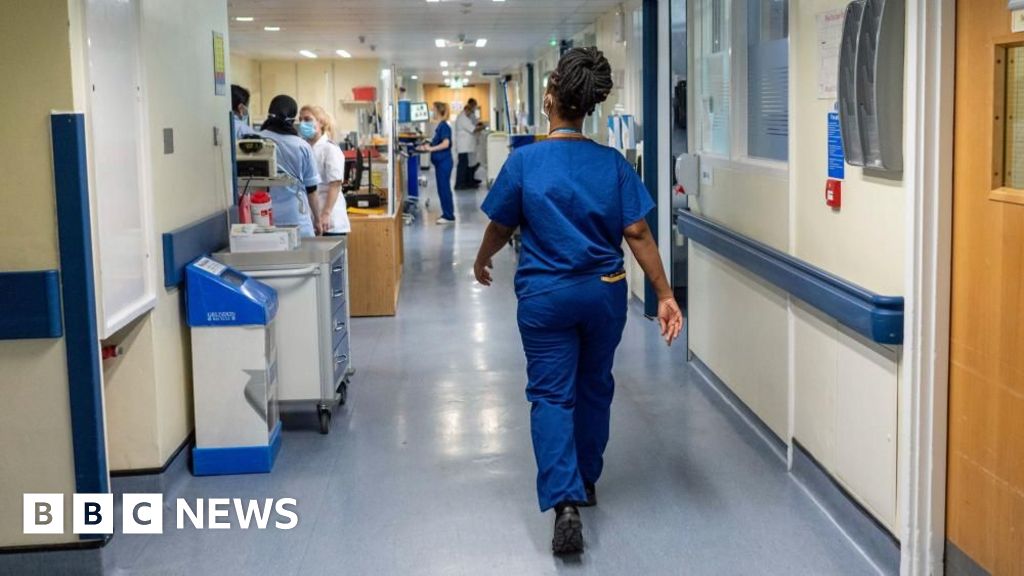
4 hours agoShareSaveTerel EdmundsBBC NewsShareSaveBBCA GP has said she kept on working through a cancer scare because otherwise her patients would not have been seen due to staffing issues made worse by funding.Dr Emily Jones is not alone feeling under pressure, as a colleague at their south Wales surgery worries she will make a mistake because she is seeing more patients than the recommended daily safe limit due to financial pressures.Some doctors claim these issues are made worse by an “outdated” health funding model which does not take into account how sick or poor a surgery’s catchment is.The Welsh government said parts of GP contracts, including funding formulas, would be considered as part of annual contract negotiations.The UK government has said it is reviewing the formula while the Welsh Parliament is looking at it as part of its inquiry into the future of GPs.”It puts the pressure on that I shouldn’t be getting sick,” Dr Jones said.The 37-year-old had nipped away from her practice to get an issue checked out and her doctor found a potentially cancerous lump in her abdomen.”My GP said that I should be going straight to the hospital,” she recalled.”But I couldn’t because I was the only doctor here, I couldn’t shut the surgery.”It was very stressful that afternoon trying to just keep going. I was in pain but there wasn’t really any other option.”Dr Jones said there was not enough staff to cover her that day because of a funding formula for GP surgeries in Wales and England that some say is no longer fit for purpose.When more doctors were in the following day, Dr Jones was able to attend the hospital appointment where the lump was found not to be cancerous.She said she has also felt awful taking time off to attend emergency hospital appointments and to have major operations because it put a strain on her surgery in Cardiff.”I hear quite a lot you don’t think about doctors getting sick, but I try to remind my patients that we’re all human,” added Dr Jones, a GP for eight years.Dr Rebecca TownerWhitchurch Road Surgery in the Heath area of the city currently has about 80 appointments a day for the approximate 8,000 patients on their list and has an estimated four-week wait for routine appointments. The surgery has said some staff are doing overtime every day to see as many patients as quickly as possible.”You have patient after patient coming in and the first five minutes is spent apologising for the fact they can’t get an appointment,” said Dr Rebecca Towner.The 44-year-old has said she could see 30 patients in a morning, which is beyond the safe daily limit of 25 suggested by the British Medical Association (BMA). The BMA said some GPs were seeing as many as 40 patients in a day due to an increased workload as some surgeries claim they cannot afford more doctors. “Every single day you worry you’re going to make a mistake,” added Dr Towner.”There’s more risk with seeing patient after patient and less time to think. We’re firefighting and it’s exhausting.”She has admitted the situation can be “demoralising” and doctors she knows have considered quitting multiple times. “I can’t imagine doing anything else other than being a GP, but it’s hard to see how we can carry on as it is at the moment,” added Dr Towner.Bosses at Whitchurch Road Surgery have put a cap on extra work “when possible” and claim a lack of funding because of the way the NHS pays GP surgeries means they have been unable to pay the same wages as other practices.They say that means they are unable to hire new staff which has added to their workload and subsequently increased appointment wait time for patients.The surgery’s own practice manager said he continued to work during his treatment for stage three oesophageal cancer in an attempt to lessen the impact on patients.”I think things will get worse before they get better,” said Gareth Lucocq, 47.”We have lots of doctors qualifying in autumn and unfortunately there are no jobs for them because practices can’t afford their wages.”GPs in Wales and England are mainly paid using a formula introduced in 2004, based on factors like how old and ill their patients are likely to be. Campaigners have said the data the Carr-Hill Formula uses is more than 25 years old and GP practices in towns and cities tend to lose out.Doctors complain the formula is not based on current data so when the NHS allocates cash, it does not take into account whether the GP surgery serves a particularly sick or deprived population.BBC Wales research shows that if Whitchurch Road Surgery was paid per patient, rather than using the Carr-Hill formula, it would receive an extra quarter of a million pounds a year.Based on this measurement, the biggest shortfall faced by any GP surgery in Wales would be just under £445,000.”There is systematically worse access to general practice in poorer parts of the country,” said Dr Becks Fisher of the Nuffield Trust, who did a study on the GP funding formula in England.”People who live in poorer parts of the country consistently have lower satisfaction with GP services and report more difficulty in accessing them.”GP practices in the Cardiff and Vale health board are the worst affected by the formula in Wales and almost half of Welsh surgeries claim they are allocated less cash than they say they need.”If you’re hundreds of thousands of pounds worse off, it doesn’t matter how hard you work,” said Dr Matthew Jones, who works at another surgery in Heath.”The formula just doesn’t work. It doesn’t accurately represent what your GP workload is and the figures and data they’re using are from 1998 to 2001.”The General Practitioners Committee, the body that represents UK GPs, believes there is a need to review the formula in Wales.”General practice is facing a crisis in Wales,” said Dr Gareth Oelmann, the BMA’s Welsh committee chair.The Royal College of General Practitioners has welcomed the “long overdue” UK government review into how funds are dished out to GP surgeries.”A patient’s postcode and where they live should not determine the level of NHS care they receive,” it said in a statement.”It can’t be right that people in deprived communities – who often have more complex health needs and would likely benefit from health interventions most – are less likely to receive it, because their GPs’ time is spread even more thinly.”In Wales, the Senedd’s Health and Social Care Committee is holding an inquiry into the future of GPs including its funding model and current financial pressures.”Various elements of the GP contract, including funding formulas, will be considered as part of annual contract negotiations between Welsh government, NHS Wales and the General Practitioner’s Committee,” the Welsh government said in a statement.

Read more →
‘Substantial changes’ on infected blood payouts

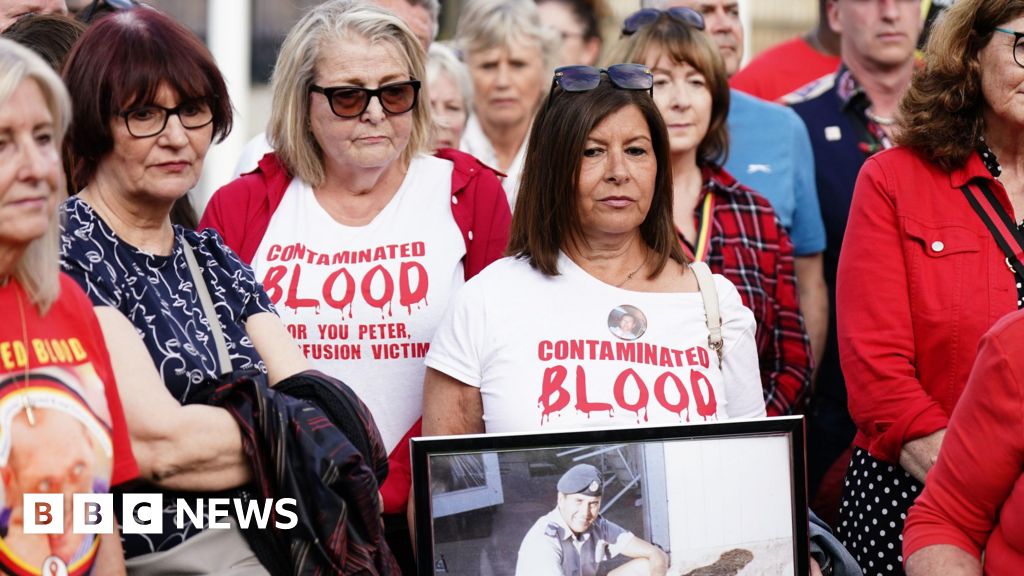
The government has said it is making “substantial changes” to the compensation scheme for thousands of victims of the infected blood scandal.The announcement was made in Parliament two weeks after a heavily critical report into the payment scheme by the chair of the public inquiry into the disaster.Cabinet Office minister Nick Thomas-Symonds said he wanted to restore trust to people who had been “let down too many times”.Victims’ groups “cautiously welcomed” the announcement but said it was disappointing that some changes were still subject to further consultation.It is thought 30,000 people were infected with HIV, hepatitis B or hepatitis C in the 1970s, 80s and early 90s after being given contaminated blood products on the NHS.The inquiry’s main report into the scandal, published last year, found that too little was done to stop the importing of contaminated blood products from abroad at the time, and that elements of the scandal had been covered up by the health authorities.Earlier this month the inquiry’s chair, Sir Brian Langstaff, published a 200-page follow-up report after receiving “email after email” expressing concerns about the way the government’s £11.8bn compensation scheme for victims had been managed.That described the speed that payments had been made as “profoundly unsatisfactory” and said that victims had been “harmed further” by the way they had been treated over the last 12 months.Responding in parliament, the government said it would immediately accept seven of the 16 recommendations made by the inquiry related to the design of the scheme, with the others subject to consultation with victims.The Infected Blood Compensation Authority (IBCA), an arms-length body set up by ministers to administer payments, said it would separately accept all 11 recommendations under its remit.The changes being made include:A new system will be created allowing people to register for compensation rather than wait to be invitedSupport payments for widows of those who died in the scandal will be reinstated until their compensation claim is finalisedPeople infected with HIV before a 1982 cut-off date will now be able to claim compensation whereas before they were ineligibleThe size of a supplementary payment for victims who were subject to unethical medical research will be reviewed along with the type of patient who qualifiesThomas-Symonds said: “Our focus as we move forward must be working together to not only deliver justice to all those impacted, but also to restore trust in the state to people who have been let down too many times.”The compensation scheme is open to those who were infected and also their family members, including parents, children and siblings, who can claim compensation in their own right as someone affected by the scandal.Under the old rules, family members who died before their own claim was settled would not have received any compensation whatsoever.That has now been changed so if they die before 31 December 2031 their payment can be passed on through their estate.The government will also consult on a number of other issues including how the scheme recognises the impact of interferon treatment for hepatitis C which has been linked to severe side effects, and how severe psychological harm is recognised.Thomas-Symonds said that the changes would cost £1bn on top of the £11.8bn already set aside to pay compensation over the course of this Parliament. An update on the total cost will be made in the next autumn budget.Andy Evans, the chairman of Tainted Blood, a group which represents 1,600 victims and their families, welcomed the announcement but said that some issues, including the level of compensation for hepatitis victims, had still not been properly addressed.”The government is clearly listening to us. It’s a shame that it took the further involvement of the inquiry for it to take our concerns seriously, but I hope that this statement marks the start of a better working relationship,” he said.”We must now press forward to ensure that this compensation scheme provides real justice, as far as money ever can, for all victims of this scandal.”

Read more →

F.D.A. Panel Debates ‘Black Box’ Warning for Antidepressants in Pregnancy

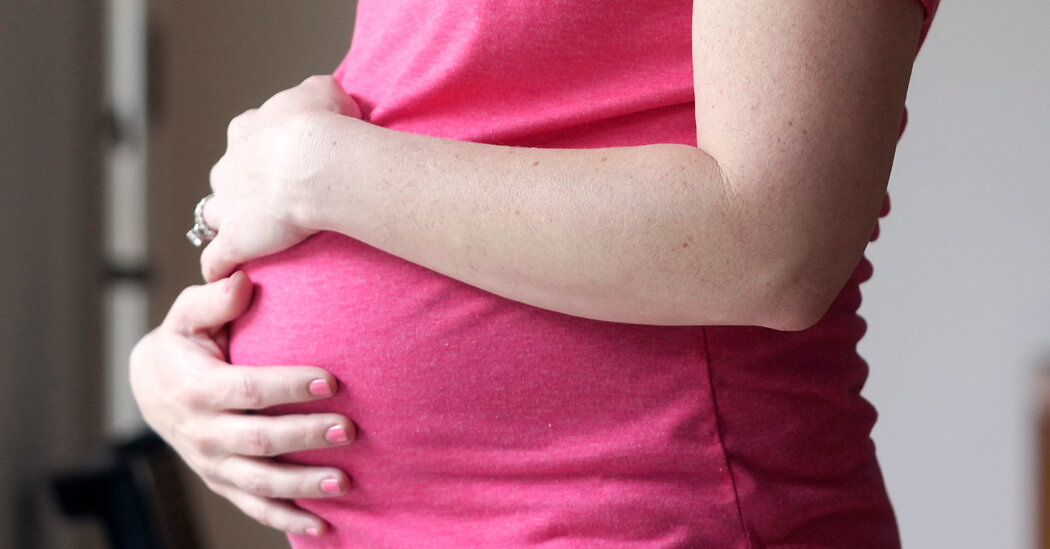
An agency-sponsored forum included critics of psychiatry who believe the drugs can harm a developing fetus. Other experts said antidepressants were safe and necessary. Over nearly four decades since Prozac was approved for the treatment of depression, waves of concern about the effects of antidepressants during pregnancy have resulted in a practical consensus: Though use of the drugs may be associated with a slight rise in the odds of birth defects, the risk of leaving a mother’s depression untreated is often greater.But a high-level shift is taking place within the Department of Health and Human Services under Secretary Robert F. Kennedy Jr., who has made reducing the prescription of psychotropic drugs a policy priority.Among the select group of experts convened by the Food and Drug Administration on Monday to discuss the safety of antidepressants during pregnancy, around half said that women should receive a more clear and forceful warning about potential risks to the fetus.Andrew Nixon, an H.H.S. spokesman, said the agency would not comment on whether there were plans to require a so-called black box warning about the use of selective serotonin reuptake inhibitors, or S.S.R.I.s, in pregnancy.In his introductory remarks, F.D.A. commissioner Dr. Marty Makary said that “some women are not aware” of the risks of taking antidepressants in pregnancy, suggesting openness to the idea. Around 5 percent of pregnant American women take antidepressants, he said.“Serotonin might play a crucial role in the development of organs of a baby in utero,” Dr. Makary said.We are having trouble retrieving the article content.Please enable JavaScript in your browser settings.Thank you for your patience while we verify access. If you are in Reader mode please exit and log into your Times account, or subscribe for all of The Times.Thank you for your patience while we verify access.Already a subscriber? Log in.Want all of The Times? Subscribe.

Read more →

Sanitariums and Stigma: When TB Was Common in the U.S.

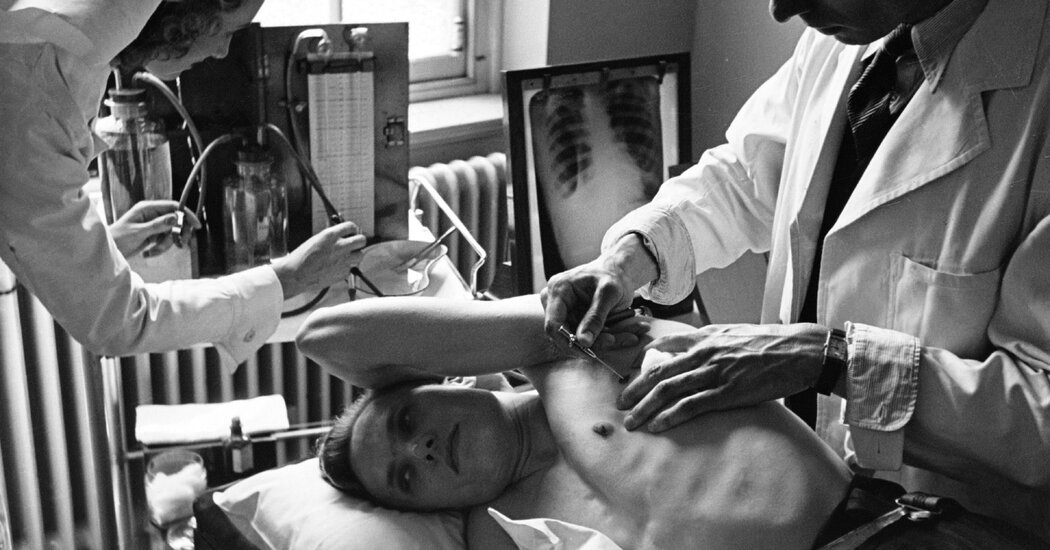
After The Times published an interview with John Green about his new book on tuberculosis, many readers wrote to share their families’ history with the disease.Recently, the writer John Green spoke with The New York Times about his best-selling book “Everything Is Tuberculosis” and the reason he developed an obsessive interest in the disease, which kills more people worldwide than any other infectious illness does. Tuberculosis has been rare in the United States for decades, but the conversation inspired many readers to write in to share their own families’ history with the disease.Here are excerpts from several.My mother, Babe, had TB in the early 1930s and was put in the Grasslands sanitarium in Valhalla, N.Y. She survived because her doctor gave her pneumothorax treatment, collapsing one lung at a time, to let the lung rest and repair. She said it was very painful. I was told the story over and over. She was so afraid I would get TB.One reason she lived is because she had met my father, Grant, on a trip to California and fallen in love. He wrote to her everyday and even said he would go east, climb the walls of the sanitarium and take her to the clean air of the mountains in California so she could get well. Grant was a writer and a stuntman in Hollywood. He had been Errol Flynn’s double in “Robin Hood.” So he really meant it when he said he’d climb the walls to get her out.He didn’t do that. But when Babe recovered, she took a train to California and married my father. Babe’s doctor was Dr. William Godfrey Childress, whom I have since found out was one of the well-known TB experts in those days. I met him when she went in for a checkup many years later. (I was born when Babe was 44!)— Wyn LydeckerWe are having trouble retrieving the article content.Please enable JavaScript in your browser settings.Thank you for your patience while we verify access. If you are in Reader mode please exit and log into your Times account, or subscribe for all of The Times.Thank you for your patience while we verify access.Already a subscriber? Log in.Want all of The Times? Subscribe.

Read more →

NHS strike days plan puts patients at risk, says BMA

A row has broken out between NHS England bosses and the British Medical Association over the level of cover that will be made available during a five-day strike by doctors.NHS England has ordered hospitals to only cancel non-urgent care, such as hip and knee operations, in exceptional circumstances.But the BMA has warned this will put patients at risk as it will mean non-striking doctors will be spread too thinly to staff emergency services.The walkout by resident doctors – the new name for junior doctors – is due to begin at 07:00 BST on Friday.The BMA has 48,000 resident doctor members, about two thirds of the workforce.During previous strikes in 2023 and 2024 non-urgent work was cancelled in large quantities so senior doctors could provide cover in emergency and urgent services.This came after NHS England told hospitals that rescheduling bookings and appointments was going to be “sadly essential” to maintain safe care.But this new approach is being overseen by Sir Jim Mackey, who became chief executive of NHS England in the spring after Amanda Pritchard stepped down.Sources at NHS England said he was determined to minimise the disruption, pointing out that cancelling non-urgent work comes at a risk to patients too.In a letter sent to hospitals managers last week, NHS England said rescheduling should only happen in exceptional circumstances and with its agreement.Following meetings between NHS England and the BMA, the union has now formally written to Sir Jim saying it is concerned about the approach.The letter, from BMA leader Dr Tom Dolphin and deputy leader Dr Emma Runswick, says: “It is vital that hospital care must adapt on strike days to the levels of staff available.”Your decision to instruct hospitals to run non-urgent planned care stretches safe staffing far too thinly.”It comes as the government and BMA continue talks aimed at averting the strike. Discussions have been ongoing since Thursday.Resident doctors were awarded an average 5.4% pay rise for this financial year, following a 22% increase over the previous two years.But the British Medical Association says wages are still around 20% lower in real terms than in 2008 and are demanding “pay restoration”.Health Secretary Wes Streeting has made clear there will be no extra pay this year, but other aspects are thought to be being looked at including students debts, exam fees and working practices.If the strike is to be called off it is likely to have to be done before Wednesday morning to avoid major disruption.Resident doctors took part in 11 separate strikes during 2023 and 2024, leading to the cancellation of hundreds of thousands of outpatient appointments and other hospital procedures.

Read more →

Disabled Americans Fear What Medicaid Cuts Could Do to Them

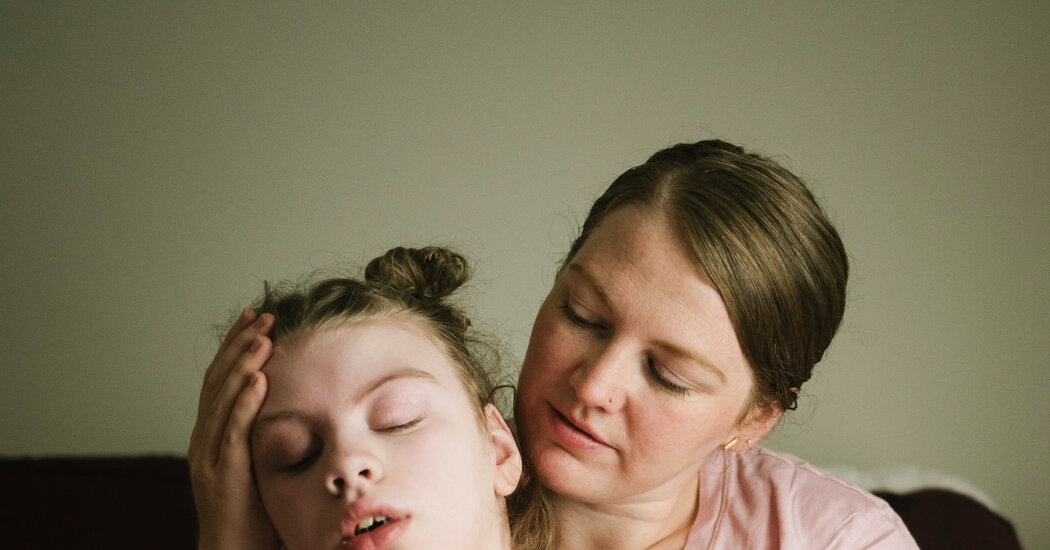
It takes round-the-clock care to keep 10-year-old June Rice alive.Her ileostomy bag needs to be emptied multiple times a day, and the exposed end of her intestine must be inspected. Her body has to be regularly repositioned in her wheelchair so that she won’t get sores. Her saliva needs to be suctioned from her mouth to prevent aspiration, and her food and medication must be administered through a gastric tube.June has rare diseases that affect her intestines and brain. Her parents do what they can for her, but they have jobs and two other children — they can’t do it all. What allows June to live at home, go to school and hang out with friends is a Medicaid program in Utah that provides in-home nurses, a type of benefit called home- and community-based care.That care means she doesn’t have to live in a nursing home or other medical institution, said her mother, Courtney Demmitt-Rice.“We would do anything to keep that from happening,” she said. “But your body can only give so much.”Medicaid is best known as a program for low-income people, but it is also a key vehicle by which disabled Americans of varying income levels receive health care that would otherwise be prohibitively expensive. June is one of about 4.5 million Americans who depend specifically on its home- and community-based care services, which often come through specialized programs known as waivers.That 4.5 million includes many older Americans who are on Medicare too but can’t get the home care they need through that. But it also includes many working-age adults, and about 14 percent of the total are 18 or younger, according to the health research group KFF.We are having trouble retrieving the article content.Please enable JavaScript in your browser settings.Thank you for your patience while we verify access. If you are in Reader mode please exit and log into your Times account, or subscribe for all of The Times.Thank you for your patience while we verify access.Already a subscriber? Log in.Want all of The Times? Subscribe.

Read more →

One pregnancy shot slashes baby RSV hospitalizations by 72% — and shields for months

Vaccination of pregnant women has been linked to a drop in newborns being admitted to hospital with a serious lung infection, research suggests.
Researchers found the respiratory syncytial virus (RSV) vaccine, introduced across the UK in late summer 2024, led to a 72 percent reduction in babies hospitalized with the virus if mothers were vaccinated.
The findings are the first to show the real-world effectiveness of the vaccine in pregnant women in the UK.
Uptake of the jab among pregnant women could help to limit the number of sick babies each winter, reducing hospital pressures, experts say.
RSV is a common virus that causes coughs and colds but can lead to a severe lung infection called bronchiolitis, which can be dangerous in babies, with some requiring admission to intensive care. The virus is the main infectious cause of hospitalization for babies in the UK and globally.
Receiving the vaccine during pregnancy helps to protect both mother and baby. Antibodies – proteins which help to prevent the virus causing severe infection – produced by the mother in response to the vaccine are passed to the fetus, providing protection from severe RSV for the first six months after birth.
The research team, led by the Universities of Edinburgh and Leicester, recruited 537 babies across England and Scotland who had been admitted to hospital with severe respiratory disease in the winter of 2024-2025, the first season of vaccine implementation. 391 of the babies tested positive for RSV.

Mothers of babies who did not have RSV were two times more likely to have received the vaccine before delivery than the mothers of RSV-positive babies – 41 percent compared with 19 percent.
Receiving the vaccine more than 14 days before delivery offered a higher protective effect, with a 72 percent reduction in hospital admissions compared with 58 percent for infants whose mothers were vaccinated at any time before delivery.
Experts recommend getting vaccinated as soon as possible from 28 weeks of pregnancy to provide the best protection, as this allows more time for the mother to generate and pass on protective antibodies to the baby, but the jab can be given up to birth.
Previous research has found that only half of expectant mothers in England and Scotland are currently receiving the RSV vaccine, despite its high success at preventing serious illness.
The findings highlight the importance of raising awareness of the availability and effectiveness of the new vaccine to help protect babies, experts say.
The study is published in the journal The Lancet Child and Adolescent Health. The research collaboration also included the Universities of Bristol, Oxford, Queen’s University Belfast, UCL and Imperial College London and 30 hospitals across England and Scotland.
The study was funded by the Innovative Medicines Initiative (IMI) Respiratory Syncytial Virus Consortium in Europe (RESCEU), the Wellcome Trust and National Institute for Health and Care Research (NIHR) Health Protection Research Unit in Respiratory Infections, Imperial College London.
Dr Thomas Williams, study lead from the University of Edinburgh’s Institute for Regeneration and Repair, and Paediatric Consultant at the Royal Hospital for Children and Young People in Edinburgh, said: “With the availability of an effective RSV vaccine shown to significantly reduce the risk of hospitalization in young infants in the UK, there is an excellent opportunity for pregnant women to get vaccinated and protect themselves and their infants from RSV bronchiolitis this coming winter.”
Professor Damian Roland from the Leicester Hospitals and University and Consultant in Paediatric Emergency Medicine, said: “Our work highlights the value of vaccination and in keeping with the treatment to prevention principle of the NHS 10 Year plan we would ask all health care systems to consider how they will optimize the roll out of RSV vaccination for mothers.”

Read more →

A tiny chemistry hack just made mRNA vaccines safer, stronger, and smarter

As millions of people know firsthand, the most common side effect of mRNA vaccines like the COVID-19 shot is inflammation: soreness, redness and a day or two of malaise. But what if mRNA vaccines could be redesigned to sidestep that response altogether?
In a new paper in Nature Biomedical Engineering, researchers at the University of Pennsylvania show that tweaking the structure of the ionizable lipid, a key component of the lipid nanoparticles (LNPs) that deliver mRNA, not only reduces inflammation but also boosts vaccine effectiveness for preventing or treating a range of diseases, from COVID-19 to cancer.
The key change? Adding phenol groups, chemical compounds with anti-inflammatory properties famously found in foods like olive oil. “By essentially changing the recipe for these lipids, we were able to make them work better with fewer side effects,” says Michael J. Mitchell, Associate Professor in Bioengineering (BE) and the paper’s senior author. “It’s a win-win.”
Revising the Recipe
Until now, the ionizable lipids in LNPs — one of four types of lipids in LNPs, and arguably the most important — have largely been synthesized using chemical reactions that combine two components into a new molecule, much like two halves of a sandwich coming together.
“Because these processes have been so successful, there hasn’t been much effort to look for alternatives,” says Ninqiang Gong, a former postdoctoral fellow in the Mitchell Lab and co-first author of the paper.
Looking back at the history of chemistry, the team found an alternative approach: the Mannich reaction, named after the German chemist who discovered it more than a century ago.

Rather than two components, the Mannich reaction combines three precursors, allowing for a greater variety of molecular outcomes. “We were able to create hundreds of new lipids,” says Gong.
Exploring that “library” of lipids led the team to discover that adding a phenol group — a combination of hydrogen and oxygen connected to a ring of carbon molecules — substantially reduced inflammation.
“It’s kind of like the secret sauce,” says Gong. “The phenol group not only reduces the side effects associated with LNPs, but improves their efficacy.”
The Power of Phenols
Previous studies have found that phenol-containing compounds reduce inflammation by negating the harmful effects of free radicals, molecules with unpaired electrons that can disrupt the body’s chemistry.
Too many free radicals and too few antioxidants result in “oxidative stress,” which degrades proteins, damages genetic material and can even kill cells.

By checking various markers associated with oxidative stress, the researchers compared the inflammatory effects of LNPs formulated using different lipids.
“The best-performing LNP, which we built using a phenol-containing ionizable lipid produced by the Mannich reaction, actually caused less inflammation,” says Emily Han, a doctoral student in BE and co-author of the paper.
Less Inflammation, Higher Performance
With these encouraging signs of reduced inflammation, the researchers next tested whether the new lipids also improved vaccine performance.
Across multiple experiments, C-a16 LNPs, which incorporated the most anti-inflammatory lipid, outperformed LNPs used in on-the-market mRNA technologies.
“Lowering oxidative stress makes it easier for LNPs to do their job,” says Dongyoon Kim, a postdoctoral fellow in the Mitchell Lab and co-first author of the paper.
C-a16 LNPs not only produced longer-lasting effects, but also improved the efficacy of gene-editing tools like CRISPR and the potency of vaccines for treating cancer.
Fighting Genetic Disease, Cancer and COVID-19
To test how well the new C-a16 lipids worked in an animal model, the researchers first used them to deliver into cells the gene that makes fireflies glow — a classic experiment for checking the strength of genetic instructions.
The glow in mice was about 15 times brighter compared to the LNPs used in Onpattro, an FDA-approved treatment for hereditary transthyretin amyloidosis (hATTR), a rare genetic liver disease.
The C-a16 lipids also helped gene-editing tools like CRISPR do a better job fixing the faulty gene that causes hATTR. In fact, they more than doubled the treatment’s effectiveness in a mouse model compared to current delivery methods.
In cancer treatments, the results were just as striking. In an animal model of melanoma, an mRNA cancer treatment delivered with C-a16 lipids shrank tumors three times more effectively than the same treatment delivered with the LNPs used in the COVID-19 vaccines. The new lipids also gave cancer-fighting T cells a boost, helping them recognize and destroy tumor cells more efficiently — and with less oxidative stress.
Finally, when the team used the C-a16 lipids for preparing COVID-19 mRNA vaccines, the immune response in animal models was five times stronger than with standard formulations.
“By causing less disruption to cellular machinery, the new, phenol-containing lipids can enhance a wide range of LNP applications,” says Kim.
Old Chemistry, New Frontiers
Besides investigating the immediate potential of the new lipids to reduce side effects in mRNA vaccines, the researchers look forward to exploring how overlooked chemical processes like the Mannich reaction can unlock new LNP-enhancing recipes.
“We tried applying one reaction discovered a century ago, and found it could drastically improve cutting-edge medical treatments,” says Mitchell. “It’s exciting to imagine what else remains to be rediscovered.”
This study was conducted at the University of Pennsylvania School of Engineering and Applied Science (Penn Engineering) and the Perelman School of Medicine (Penn Medicine), and was supported by a U.S. National Institutes of Health (NIH) Director’s New Innovator Award (DP2 TR002776), a Burroughs Wellcome Fund Career Award at the Scientific Interface (CASI), a U.S. National Science Foundation CAREER Award (CBET-2145491), the American Cancer Society (RSG-22-122-01-ET), two US National Science Foundation Graduate Research Fellowships (DGE 1845298, DGE 1845298), a GEM Fellowship, and the NIH/National Cancer Institute Pre-doc to Post-doc Transition Award (F99 CA284294).
Additional co-authors include Rohan Palanki, Qiangqiang Shi, Xuexiang Han, Lulu Xue, Junchao Xu and Christian G. Figueroa-Espada of Penn Engineering; Drew Weissman, Mohamad-Gabriel Alameh, Rakan El-Mayta and Garima Dwivedi of Penn Medicine; and Zilin Meng, Tianyu Luo and Jinghong Li of USTC.

Read more →

New Duke study finds obesity rises with caloric intake, not couch time

A newly released study from Duke University’s Pontzer Lab, housed in the Department of Evolutionary Anthropology in Trinity College of Arts & Sciences, looks at the correlations between economic development, daily energy expenditure and the rise in a country’s obesity level.
While many experts have offered that rising obesity rates are due to declining physical activity as societies become more industrialized, the findings show that people in wealthier countries expend just as much — or even more — energy daily. In an article recently published in PNAS, Duke researchers point instead to higher caloric intake as the primary driver, suggesting that diet rather than idleness plays the bigger role in the global obesity crisis.
“Despite decades of trying to understand the root causes of the obesity crisis in economically developed countries, public health guidance remains stuck with uncertainty as to the relative importance of diet and physical activity. This large, international, collaborative effort allows us to test these competing ideas. It’s clear that changes in diet, not reduced activity, are the main cause of obesity in the U.S. and other developed countries,” says Herman Pontzer, principal investigator with the Pontzer Lab and professor in the Department of Evolutionary Anthropology.
The researchers analyzed thousands of measurements of daily energy expenditure, body fat percentage and body mass index (BMI) from adults aged 18 to 60 across 34 populations spanning six continents. The more than 4,200 adults included in the study came from a wide range of lifestyles and economies, including hunter-gatherer, pastoralist, farming and industrialized populations. To further categorize the level of industrialization, they also integrated data from the United Nations Human Development Index (HDI) to incorporate measures of lifespan, prosperity and education.
“While we saw a marginal decrease in size-adjusted total energy expenditure with economic development, differences in total energy expenditure explained only a fraction of the increase in body fat that accompanied development. This suggests that other factors, such as dietary changes, are driving the increases in body fat that we see with increasing economic development,” says Amanda McGrosky, a Duke postdoctoral alumna and lead investigator for the study who is now an assistant professor of biology at Elon University.
The researchers hope the study helps clarify public health messaging and strategies to tackle the obesity crisis and explain that the findings do not mean that efforts to promote physical activity should be minimized. Instead, the data support an emerging consensus that both diet and exercise should be prioritized. “Diet and physical activity should be viewed as essential and complementary, rather than interchangeable,” the study notes. They will next work to identify which aspects of diet in developed countries are most responsible for the rise in obesity.

Read more →

Obesity Prediction Could Be Guided by Genetic Risk Scores

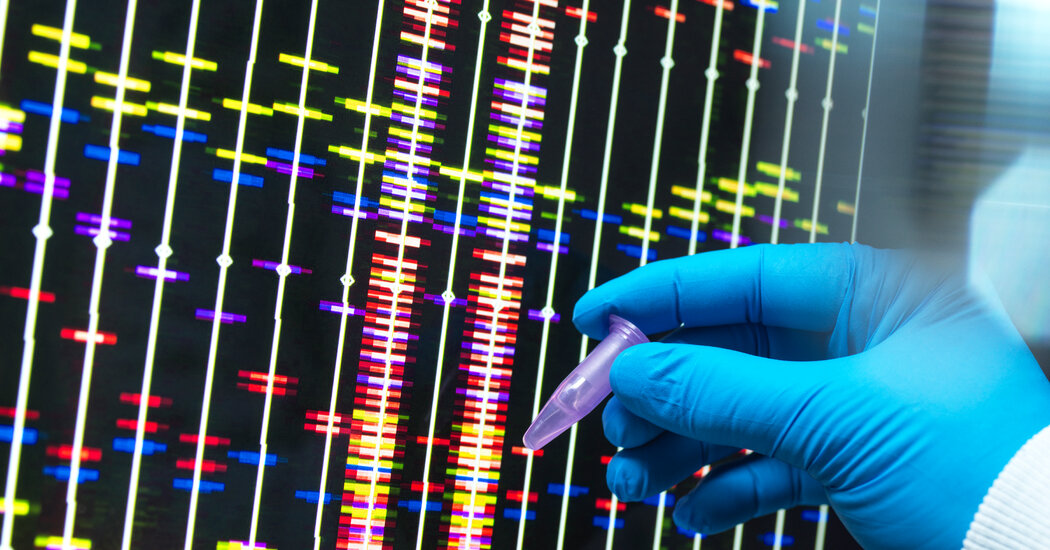
Researchers hope that a better understanding of which genes contribute to excess weight could help with prevention starting in childhood.Researchers have known for decades that genetics may be more powerful than environment in predicting who will develop obesity. Identical twins tend to have the same body mass index, even if they are reared apart. Adopted children tend to have a degree of obesity similar to their birth parents rather than their adoptive ones.Identifying the genetic roots of obesity could aid with prevention starting in childhood. But finding a genetic footprint for obesity has proved challenging. With rare exceptions, there’s not one gene or even a few that are the culprits. Instead, obesity is spurred by thousands of gene variants acting in concert. Each variant exerts a tiny effect.Now, using genetic data from five million people, an international group of hundreds of researchers reports that it has developed an obesity risk score, known also as a polygenic risk score. It combines thousands of gene variants to estimate individuals’ predicted body mass indexes, which continue to be used by doctors to anticipate weight-related health dangers.The researchers showed that the scores can predict which young children are at risk of obesity as adults. And, in another test, they found that overweight and obese adults with high risk scores quickly regain any weight that they lose with lifestyle programs.Their paper was published on Monday in the journal Nature Medicine.Dr. Joel Hirschhorn, an author of the paper and a professor of pediatrics and genetics at Boston Children’s Hospital, cautioned that genetics cannot account for the effects of environment and is therefore inherently limited in predicting obesity.“We will almost never be able to say a child will have a BMI of 38 as an adult,” he said. “Genetics is not that predictive.”We are having trouble retrieving the article content.Please enable JavaScript in your browser settings.Thank you for your patience while we verify access. If you are in Reader mode please exit and log into your Times account, or subscribe for all of The Times.Thank you for your patience while we verify access.Already a subscriber? Log in.Want all of The Times? Subscribe.

Read more →