Millipedes make ants dizzy — and might soon treat human pain

Millipedes get a bad rap — their many legs put people off and could classify them as “creepy crawly.” But these anthropods’ secretions could hold the key to new drug discovery for the treatment of neurological diseases and pain.
Chemist Emily Mevers and her team recently discovered a new set of complex structures in millipede secretions that can modulate specific neuroreceptors in ant brains.
The newly discovered structures fall into a class of naturally occurring compounds called alkaloids. The Mevers team named them the andrognathanols and the andrognathines after the producing millipede, Andrognathus corticarius, found on Virginia Tech’s Blacksburg campus in Stadium Woods. These discoveries were recently published in the Journal of the American Chemical Society.
A new compound discovery
Mevers specializes in leveraging the chemistry of underexplored ecological niches, in this case the millipede, in the name of drug discovery.
After collecting millipedes from under leaf litter and fallen branches in Stadium Woods, Mevers and team members used a variety of analytical tools to identify the compounds contained in the millipedes’ defensive glands. They also learned that the millipedes release these compounds to ward off predators while also sharing their location with their kin.
Broader implications
Despite their pervasiveness, much about millipedes remains mysterious — including their specific habitats, numbers, diets, behaviors, and chemistry. Mevers, in collaboration with millipede expert Paul Marek in the entomology department, is working to fill in some of these gaps and see if what they uncover could be useful for future medications.

Previously, Mevers and Marek examined a millipede native to the Pacific Northwest, Ishcnocybe plicata, and discovered that related alkaloids potently and selectively interact with a single neuroreceptor called Sigma-1. The interaction suggested that this family of compounds may have useful pharmacology potential for the treatment of pain and other neurological disorders.
The Mevers group discovered that the new alkaloids are actively secreted from the Hokie millipede when it is physically disturbed. The secretions cause disorientation in ants, a presumed natural predator. A subset of these compounds possesses similar interactions with the Sigma-1 neuroreceptor.
Moving toward drug development
With the newfound complex compounds in hand, the next step is finding people to actually make them in larger quantities and evaluate their biomedical applications.
“These compounds are quite complex, so they’re going to take some time to synthesize in the lab,” said Mevers.
Once larger quantities are available, Mevers will be able to better study their properties and potential in drug development.

Read more →

The plant virus that trains your immune system to kill cancer

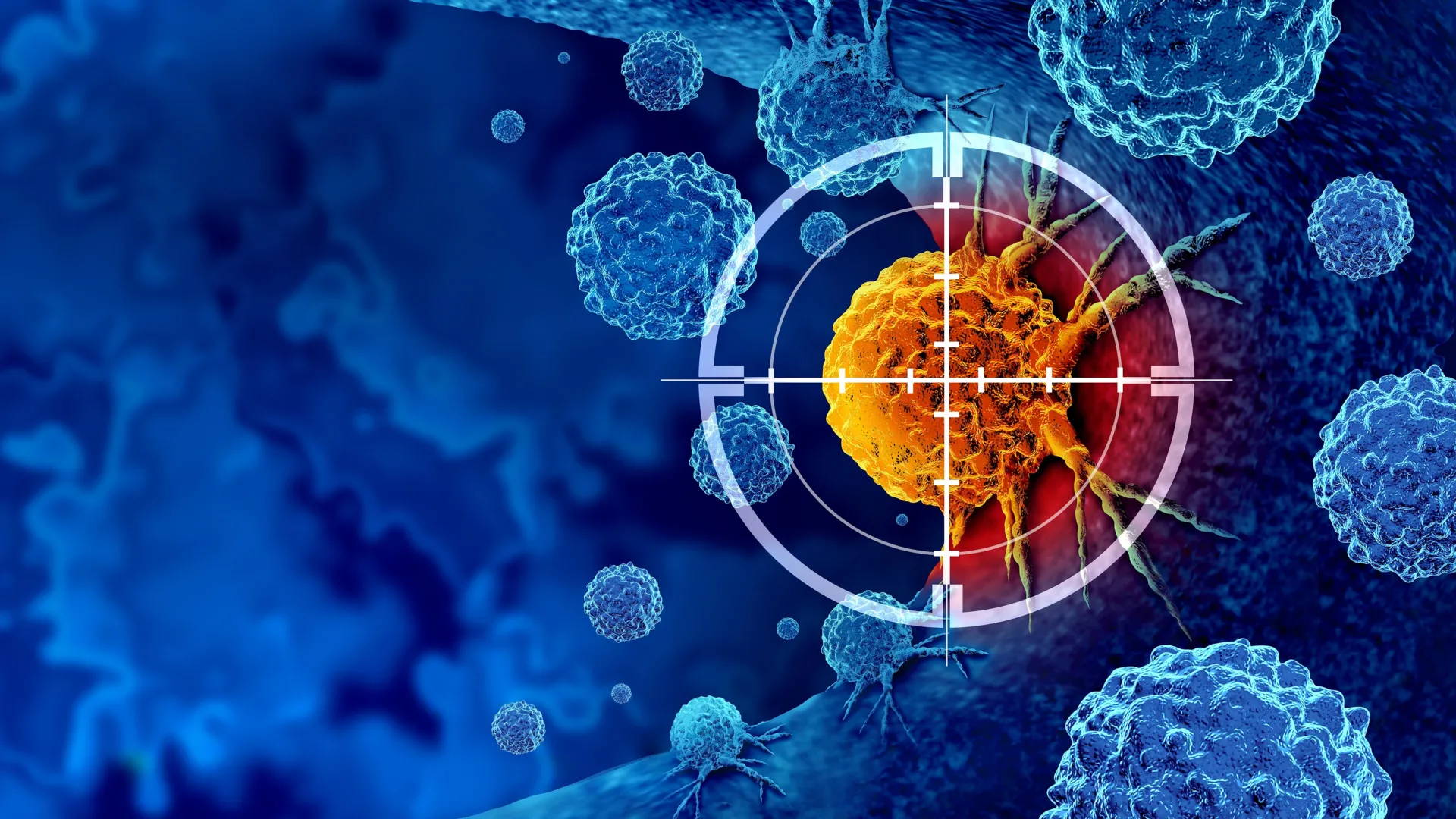
A virus that typically infects black-eyed peas is showing great promise as a low-cost, potent cancer immunotherapy — and researchers are uncovering why.
In a study published in Cell Biomaterials, a team led by chemical and nano engineers at the University of California San Diego took a closer look at how the cowpea mosaic virus (CPMV), unlike other plant viruses, is uniquely effective at activating the body’s immune system to recognize and attack cancer cells.
In preclinical studies, CPMV has demonstrated potent anti-tumor effects in multiple mouse models, as well as in canine cancer patients. When injected directly into tumors, CPMV therapy recruits innate immune cells — such as neutrophils, macrophages and natural killer cells — into the tumor microenvironment to destroy cancer cells. Meanwhile, it activates B cells and T cells to establish systemic, long-lasting anti-tumor memory. This immune reawakening not only helps clear the targeted tumor but also primes the immune system to hunt down metastatic tumors elsewhere in the body.
“It is fascinating that CPMV but not other plant viruses stimulates an anti-tumor response,” said Nicole Steinmetz, the Leo and Trude Szilard Chancellor’s Endowed Chair in the Aiiso Yufeng Li Family Department of Chemical and Nano Engineering at the UC San Diego Jacobs School of Engineering and the study’s corresponding author.
“This work gives us insight into how CPMV works so well,” said study first author Anthony Omole, a chemical and nano engineering Ph.D. student in Steinmetz’s lab. “What we found most exciting is that although human immune cells are not infected by CPMV, they respond to it and are reprogrammed towards an activated state, which ultimately trains them to detect and eradicate cancerous cells.”
A key question in translating CPMV to human cancer patients has been: what makes this plant virus so effective at fighting cancer?
To investigate, Omole, Steinmetz and colleagues at the National Cancer Institute’s ​​Nanotechnology Characterization Laboratory performed a side-by-side comparison of CPMV with the cowpea chlorotic mottle virus (CCMV), a closely related plant virus that does not exhibit anti-tumor effects when administered intratumorally. Both viruses form similarly sized nanoparticles and are taken up by human immune cells at similar rates. Yet, once inside, the viruses produce different outcomes.

CPMV, the team found, stimulates type I, II and III interferons — proteins with well-known anti-cancer properties. “This is particularly interesting because some of the earliest cancer immunotherapy drugs were recombinant interferons,” noted Omole. Meanwhile, CCMV stimulates a set of pro-inflammatory interleukins that do not translate to effective tumor clearance. Another difference lies in how these viruses’ RNAs are processed within mammalian cells. CPMV RNAs persist longer and get delivered to the endolysosome, where they activate toll-like receptor 7 (TLR7), a critical component in priming antiviral — and more importantly — anti-tumor immune responses. CCMV RNAs, on the other hand, fail to reach this activation point.
CPMV also offers a unique advantage as a cost-effective immunotherapy. Unlike many other therapies that require complex and costly manufacturing, CPMV can be produced using molecular farming. “It can be grown in plants using sunlight, soil and water,” Omole said.
The team is working toward advancing CPMV to clinical trials.
“The present study provides important insights into the mechanism of action of CPMV. We are diligently working toward the next steps to ensure that the most potent lead candidate is selected to achieve anti-tumor efficacy and safety,” Steinmetz said. “This is the time and we are poised to move this work beyond the bench and toward clinical trials.”
This work was supported in part by the National Institutes of Health (NIH grants R01 CA224605, R01 CA253615 and R01 CA274640); the American Cancer Society, F.M. Kirby Foundation Inc., Mission Boost Grant (MBGI-23-1030244-01-MBG); the Shaughnessy Family Fund for Nano-ImmunoEngineering (nanoIE) at UC San Diego; San Diego Fellowship Fund; the Alfred P. Sloan Foundation’s Minority PhD (MPhD) Program (G-2020-14067); and the Frederick National Laboratory for Cancer Research funded by the National Cancer Institute, part of the NIH (under contract 75N91010D00024).

Read more →

Streeting vows to keep disruption to a minimum as doctor strike begins

36 minutes agoShareSaveNick TriggleHealth correspondentShareSaveBBCHealth Secretary Wes Streeting is promising to keep NHS services running as a five-day walkout by resident doctors gets underway in England.He said the disruption would be kept to a minimum after NHS England ordered hospitals to only cancel treatments in exceptional circumstances.In previous strikes, the focus has been on staffing emergency care but this time the NHS is striving to keep non-urgent services running. Senior doctors are covering resident doctors – the new term for junior doctors who are striking – for the 12th time in the pay dispute.The British Medical Association warned that this risks stretching staff too thinly, saying ministers had every opportunity to stop the walkout.Writing in the Times ahead of the strike, Prime Minister Sir Keir Starmer urged resident doctors not to follow their union down the “damaging road” of strike action.Despite the efforts being put in by NHS leaders, he said the walkout would cause a “huge loss for the NHS and the country,” as he criticised the British Medical Association (BMA) for “rushing” into strikes.Sir Keir said the walkouts threatened “to turn back the clock on progress we have made in rebuilding the NHS over the last year”.Streeting said: “There is no getting around the fact that these strikes will hit the progress we are making on turning the NHS round.”But he added: “I am determined to keep disruption to patients to a minimum.”Members of the public have been urged to come forward for NHS care during the walkout, and are being asked to attend appointments unless told they are cancelled.GP surgeries will open as usual, and urgent care and A&E will continue to be available, alongside NHS 111, NHS England said.The strike is going ahead after talks between the government and BMA broke down on Tuesday.Those talks were focused on non-pay issues, such as the cost of exam fees and career progression, after Streeting had said pay was not open to negotiation.The BMA says, despite a 5.4% average pay rise this year following a 22% increase over the previous two years, pay is still down by a fifth since 2008, once inflation is taken into account.During their first foundation year after finishing their medical degree resident doctors in England now earn a basic salary of £38,831, for an average of 48 hours worked per week. In the second year, this rises to £44,439. By the end of training salaries exceed £73,000.Medics are often expected to work nightshifts, weekends and longer hours for extra payments. On average these top up their earnings by more than a quarter.BMA resident doctor co-leaders Dr Melissa Ryan and Dr Ross Nieuwoudt said: “Resident doctors are not worth less than they were 17 years ago. “Restoring pay remains the simplest and most effective route toward improving our working lives.”Mr Streeting had every opportunity to prevent this strike going ahead, but he chose not to take it.”Previous walkouts have led to mass cancellations, with more than one million appointments and treatments cancelled during resident doctor strikes which first began in March 2023.Some hospitals were only able to deliver half their normal amount of routine care on strike days.But NHS sources said, this time, some hospitals were planning full schedules after the new approach of prioritising both emergency and non-urgent care. “We’ve learnt lessons from the past strikes – this one will feel very different,” they added.Prof Meghana Pandit, a director at NHS England, said: “It’s really important to reduce cancellations, because people have been waiting, sometimes for months for their routine hip replacement or hysterectomy or any appointment, and actually rescheduling the appointments impacts on them and leads to physical and psychological harm.”But she said it was inevitable there would still be some disruption, however she warned patients to still use the NHS if they need it. While the majority of resident doctors work in hospitals, some GP practices and community services could also be affected. Resident doctors represent nearly half the medical workforce.One of those who has been impacted is Hassnain Shahid, 32, from Bradford, whose three-year-old daughter has had her lung surgery on Monday cancelled.She has a rare lung condition which means that if she catches a cough or cold she could be at serious risk.”It’s been an emotional rollercoaster. It’s very frustrating,” said Hassnain. The BMA, though, has warned the new approach could cause even greater problems and risk safety. It has written to NHS England to say that staff who are working could be stretched too thinly. The union said it would be better to significantly reduce non-urgent care as has happened previously.But Saffron Cordery, deputy chief executive of NHS Providers, which represents hospitals, said while hospitals were going to be trying to keep services running this would be done within “rigorous safety guidelines”.She said the situation was complicated by the fact that doctors were not obliged to say whether they would be turning up or not.”Nobody will know until they actually turn up for their shifts or not.”Around two thirds of resident doctors are BMA members.Conservative shadow health secretary Stuart Andrew said the strikes threatened to drag hospitals into chaos and leave patients “dangerously exposed”.”Labour’s spineless surrender to union demands last year opened the door to this. “They handed out inflation-busing pay rises without reform and now the BMA is back for more.”But Rory Deighton, of the NHS Confederation, which represents frontline health managers, said: “The impact of these strikes and the distress they will cause patients rests with the BMA.”

Read more →

AI turns immune cells into precision cancer killers—in just weeks

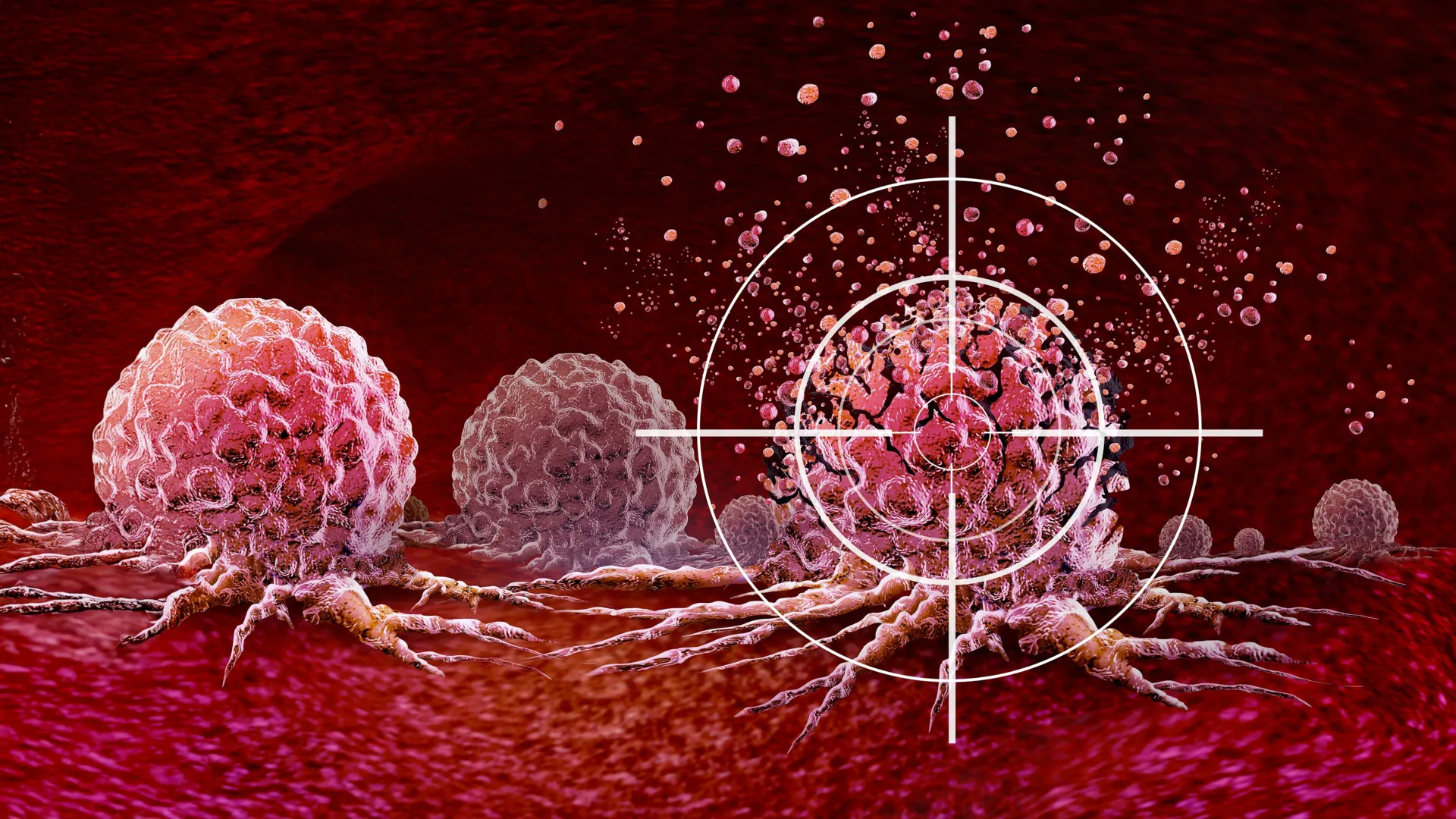
Precision cancer treatment on a larger scale is moving closer after researchers have developed an AI platform that can tailor protein components and arm the patient’s immune cells to fight cancer. The new method, published in the scientific journal Science, demonstrates for the first time, that it is possible to design proteins in the computer for redirecting immune cells to target cancer cells through pMHC molecules.
This dramatically shortens the process of finding effective molecules for cancer treatment from years to a few weeks.
“We are essentially creating a new set of eyes for the immune system. Current methods for individual cancer treatment are based on finding so-called T-cell receptors in the immune system of a patient or donor that can be used for treatment. This is a very time-consuming and challenging process. Our platform designs molecular keys to target cancer cells using the AI platform, and it does so at incredible speed, so that a new lead molecule can be ready within 4-6 weeks,” says Associate Professor at the Technical University of Denmark (DTU) and last author of the study Timothy P. Jenkins.
Targeted missiles against cancer
The AI platform, developed by a team from DTU and the American Scripps Research Institute, aims to solve a major challenge in cancer immunotherapy by demonstrating how scientists can generate target treatments for tumor cells and avoid damaging healthy tissue.
Normally, T cells naturally identify cancer cells by recognizing specific protein fragments, known as peptides, presented on the cell surface by molecules called pMHCs.It is a slow and challenging process to utilize this knowledge for therapy, often because the variation in the body’s own T-cell receptors makes it challenging to create a personalized treatment.
Boosting the body’s immune system
In the study, the researchers tested the strength of the AI platform on a well-known cancer target, NY-ESO-1, which is found in a wide range of cancers. The team succeeded in designing a minibinder that bound tightly to the NY-ESO-1 pMHC molecules. When the designed protein was inserted into T cells, it created a unique new cell product named ‘IMPAC-T’ cells by the researchers, which effectively guided the T cells to kill cancer cells in laboratory experiments.

“It was incredibly exciting to take these minibinders, which were created entirely on a computer, and see them work so effectively in the laboratory,” says postdoc Kristoffer Haurum Johansen, co-author of the study and researcher at DTU.
The researchers also applied the pipeline to design binders for a cancer target identified in a metastatic melanoma patient, successfully generating binders for this target as well. This documented that the method also can be used for tailored immunotherapy against novel cancer targets.
Screening of treatments
A crucial step in the researchers’ innovation was the development of a ‘virtual safety check’. The team used AI to screen their designed minibinders and assess them in relation to pMHC molecules found on healthy cells. This method enabled them to filter out minibinders that could cause dangerous side effects before any experiments were carried out.
“Precision in cancer treatment is crucial. By predicting and ruling out cross-reactions already in the design phase, we were able to reduce the risk associated with the designed proteins and increase the likelihood of designing a safe and effective therapy,” says DTU professor and co-author of the study Sine Reker Hadrup.
Five years to treatment
Timothy Patrick Jenkins expects that it will take up to five years before the new method is ready for initial clinical trials in humans. Once the method is ready, the treatment process will resemble current cancer treatments using genetically modified T cells, known as CAR-T cells, which are currently used to treat lymphoma and leukemia.Patients will first have blood drawn at the hospital, similar to a routine blood test. Their immune cells will then be extracted from this blood sample and modified in the laboratory to carry the AI-designed minibinders. These enhanced immune cells are returned to the patient, where they act like targeted missiles, precisely finding and eliminating cancer cells in the body.

Read more →

This bedtime snack swap could rewire your gut and help prevent diabetes

Prediabetes affects a third of people in the United States and most of them will develop Type 2 diabetes, yet effective dietary intervention strategies remain limited. Pistachios have shown promise in improving markers of diet quality, yet little is known about how they influence the gut microbiome — a key player in glucose regulation and inflammation.
A new study led by Kristina Petersen, associate professor of nutritional sciences at Penn State, determined that nighttime pistachio consumption affects gut bacteria in adults with prediabetes. Though the potential therapeutic implications of the findings remain unclear, according to Petersen, they may prove significant for people who are working to improve their metabolic health.
The findings, published in the journal Current Developments in Nutrition, suggested that replacing a traditional carbohydrate-based bedtime snack with pistachios may reshape the gut microbiome. A previous study by these researchers demonstrated that pistachios have a similar effect on blood glucose as 15 to 30 grams of carbohydrates.
“A common dietary recommendation for individuals with prediabetes is to consume a nighttime snack consisting of 15 to 30 grams of carbohydrates to help regulate overnight and morning blood glucose levels,” said Terrence Riley, lead author of this research who earned his doctorate in nutritional sciences at Penn State and currently works as a postdoctoral research fellow at Louisiana State University. “As an example, you could eat one or two slices of whole grain bread.”
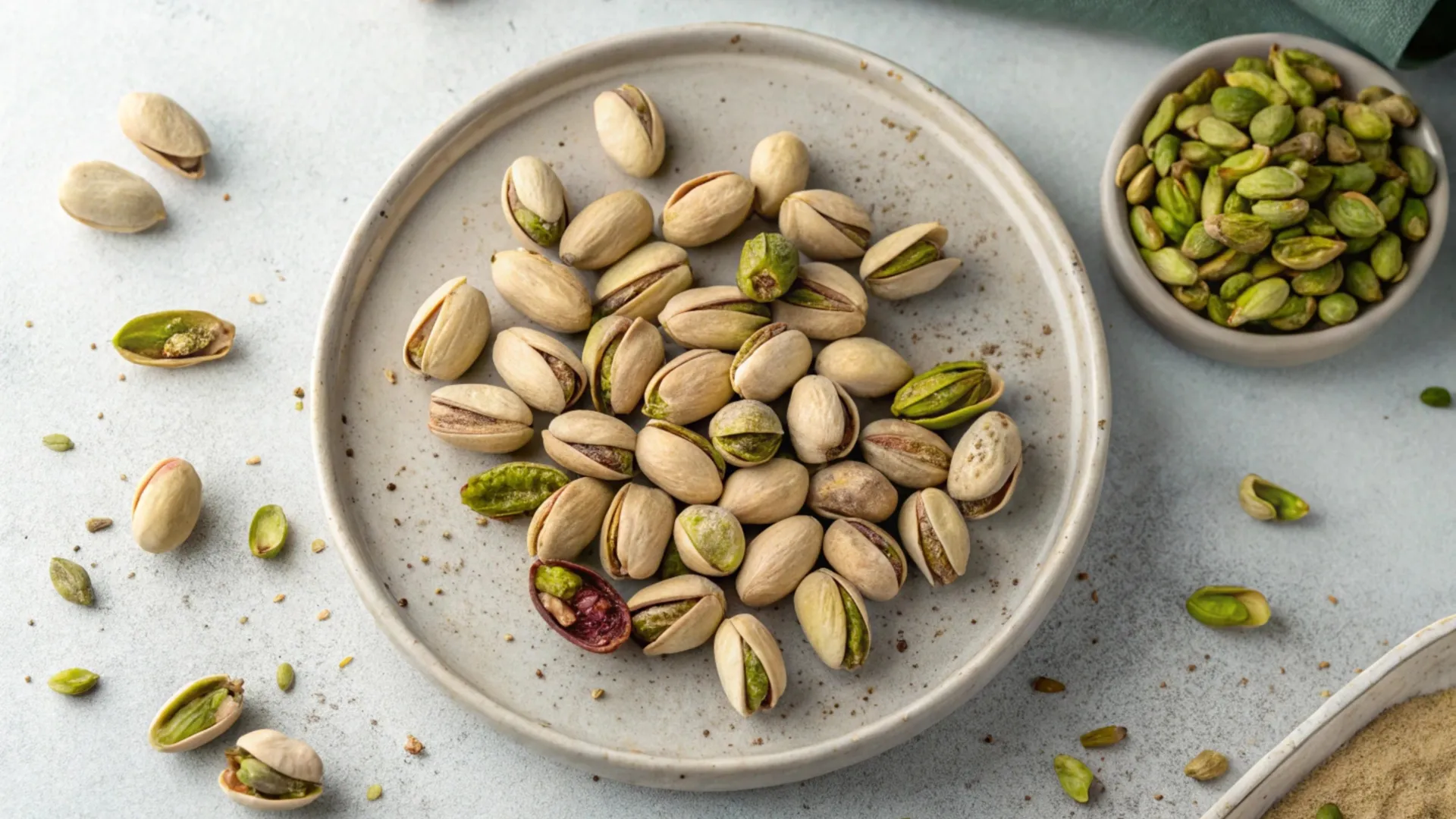
Researchers observed that consuming about two ounces of pistachios each night for 12 weeks resulted in significantly different stool microbial community profiles compared to those who consumed the recommended 15 to 30 grams of a carbohydrate snack. Specific bacterial groups, including Roseburia and members of the Lachnospiraceae family — known as “good” bacteria that produces beneficial short-chain fatty acids like butyrate — were more abundant following the pistachio condition.
According to Petersen, butyrate serves as a primary energy source for colon cells, helps maintain the gut barrier and supports anti-inflammatory processes.
“Pistachios seem to be able to meaningfully shift the gut microbial landscape in adults with prediabetes especially when consumed as a nighttime snack,” Petersen said. “These microbiome changes may offer other long-term health benefits — potentially helping to slow the development of Type 2 diabetes or to reduce systemic inflammation — which we hope to explore in future research.”
The study involved 51 adults with prediabetes and was conducted over two 12-week periods separated by a break, so the effects of the first part of the trial would not affect the second part. By the end of the study, all participants received both treatments. Stool samples were collected and analyzed using 16S rRNA gene sequencing, a technique that can help classify bacteria based on their genetic makeup.

Petersen noted that participants who ate pistachios also experienced reductions in several bacterial groups that have been linked to less favorable metabolic outcomes.
“Levels of Blautia hydrogenotrophica — a bacterium that helps produce compounds that can build up in the blood and harm kidney and heart health — were lower after pistachio consumption,” Petersen said. “Levels of Eubacterium flavonifractor, which breaks down beneficial antioxidant compounds from foods like pistachios, also decreased.”
Petersen added that the strength of this study is the design used — a randomized crossover clinical trial, in which all participants receive both treatments in a randomized order. By including all participants in the pistachio group and the standard care group, the study helped the researchers better understand how specific foods like pistachios can influence the gut microbiome.
While the study demonstrated shifts in gut bacteria, it remains unclear whether these changes directly translate to improvements in health — a question that requires further research, Petersen said.
Jordan Bisanz, assistant professor of biochemistry and molecular biology at Penn State; Penny Kris-Etherton, retired professor of nutritional sciences at Penn State; Justin Wright of Wright Labs, LLC; and Regina Lamendella, Jeremy Chen See and Khushi Kanani of Juniata College all contributed to this research.
The study was funded by the American Pistachio Growers, Penn State’s Clinical and Translational Science Institute through the National Center for Advancing Translational Sciences of the National Institutes of Health, and additional support from Juniata College and the U.S. National Science Foundation. It is registered at ClinicalTrials.gov (NCT04056208).
At Penn State, researchers are solving real problems that impact the health, safety and quality of life of people across the commonwealth, the nation and around the world.
For decades, federal support for research has fueled innovation that makes our country safer, our industries more competitive and our economy stronger. Recent federal funding cuts threaten this progress.

Read more →

Four hidden types of autism revealed — and each tells a different genetic story

Researchers at Princeton University and the Simons Foundation have identified four clinically and biologically distinct subtypes of autism, marking a transformative step in understanding the condition’s genetic underpinnings and potential for personalized care.
Analyzing data from over 5,000 children in SPARK, an autism cohort study funded by the Simons Foundation, the researchers used a computational model to group individuals based on their combinations of traits. The team used a “person-centered” approach that considered a broad range of over 230 traits in each individual, from social interactions to repetitive behaviors to developmental milestones, rather than searching for genetic links to single traits.
This approach enabled the discovery of clinically relevant autism subtypes, which the researchers linked to distinct genetic profiles and developmental trajectories, offering new insights into the biology underlying autism. Their results were published July 9 in Nature Genetics.
“Understanding the genetics of autism is essential for revealing the biological mechanisms that contribute to the condition, enabling earlier and more accurate diagnosis, and guiding personalized care,” said senior study author Olga Troyanskaya, director of Princeton Precision Health, the Maduraperuma/Khot Professor of Computer Science and the Lewis-Sigler Institute for Integrative Genomics at Princeton, and deputy director for genomics at the Center for Computational Biology of the Simons Foundation’s Flatiron Institute.
The study defines four subtypes of autism — Social and Behavioral Challenges, Mixed ASD with Developmental Delay, Moderate Challenges, and Broadly Affected. Each subtype exhibits distinct developmental, medical, behavioral and psychiatric traits, and importantly, different patterns of genetic variation. Individuals in the Social and Behavioral Challenges group show core autism traits, including social challenges and repetitive behaviors, but generally reach developmental milestones at a pace similar to children without autism. They also often experience co-occurring conditions like ADHD, anxiety, depression or obsessive-compulsive disorder alongside autism. One of the larger groups, this constitutes around 37% of the participants in the study. The Mixed ASD with Developmental Delay group tends to reach developmental milestones, such as walking and talking, later than children without autism, but usually does not show signs of anxiety, depression or disruptive behaviors. “Mixed” refers to differences within this group with respect to repetitive behaviors and social challenges. This group represents approximately 19% of the participants. Individuals with Moderate Challenges show core autism-related behaviors, but less strongly than those in the other groups, and usually reach developmental milestones on a similar track to those without autism. They generally do not experience co-occurring psychiatric conditions. Roughly 34% of participants fall into this category. The Broadly Affected group faces more extreme and wide-ranging challenges, including developmental delays, social and communication difficulties, repetitive behaviors and co-occurring psychiatric conditions like anxiety, depression and mood dysregulation. This is the smallest group, accounting for around 10% of the participants.”These findings are powerful because the classes represent different clinical presentations and outcomes, and critically we were able to connect them to distinct underlying biology,” said Aviya Litman, a Ph.D. student at Princeton and co-lead author.
Distinct genetics behind the subtypes
For decades, autism researchers and clinicians have been seeking robust definitions of autism subtypes to aid in diagnosis and care. Autism is known to be highly heritable, with many implicated genes.

“While genetic testing is already part of the standard of care for people diagnosed with autism, thus far, this testing reveals variants that explain the autism of only about 20% of patients,” said study co-author Jennifer Foss-Feig, a clinical psychologist at the Seaver Autism Center for Research and Treatment at the Icahn School of Medicine at Mount Sinai and vice president and senior scientific officer at the Simons Foundation Autism Research Initiative (SFARI). This study takes an approach that differs from classic gene discovery efforts by identifying robust autism subtypes that are linked to distinct types of genetic mutations and affected biological pathways.
For example, children in the Broadly Affected group showed the highest proportion of damaging de novo mutations — those not inherited from either parent — while only the Mixed ASD with Developmental Delay group was more likely to carry rare inherited genetic variants. While children in both of these subtypes share some important traits like developmental delays and intellectual disability, these genetic differences suggest distinct mechanisms behind superficially similar clinical presentations.
“These findings point to specific hypotheses linking various pathways to different presentations of autism,” said Litman, referring to differences in biology between children with different autism subtypes.
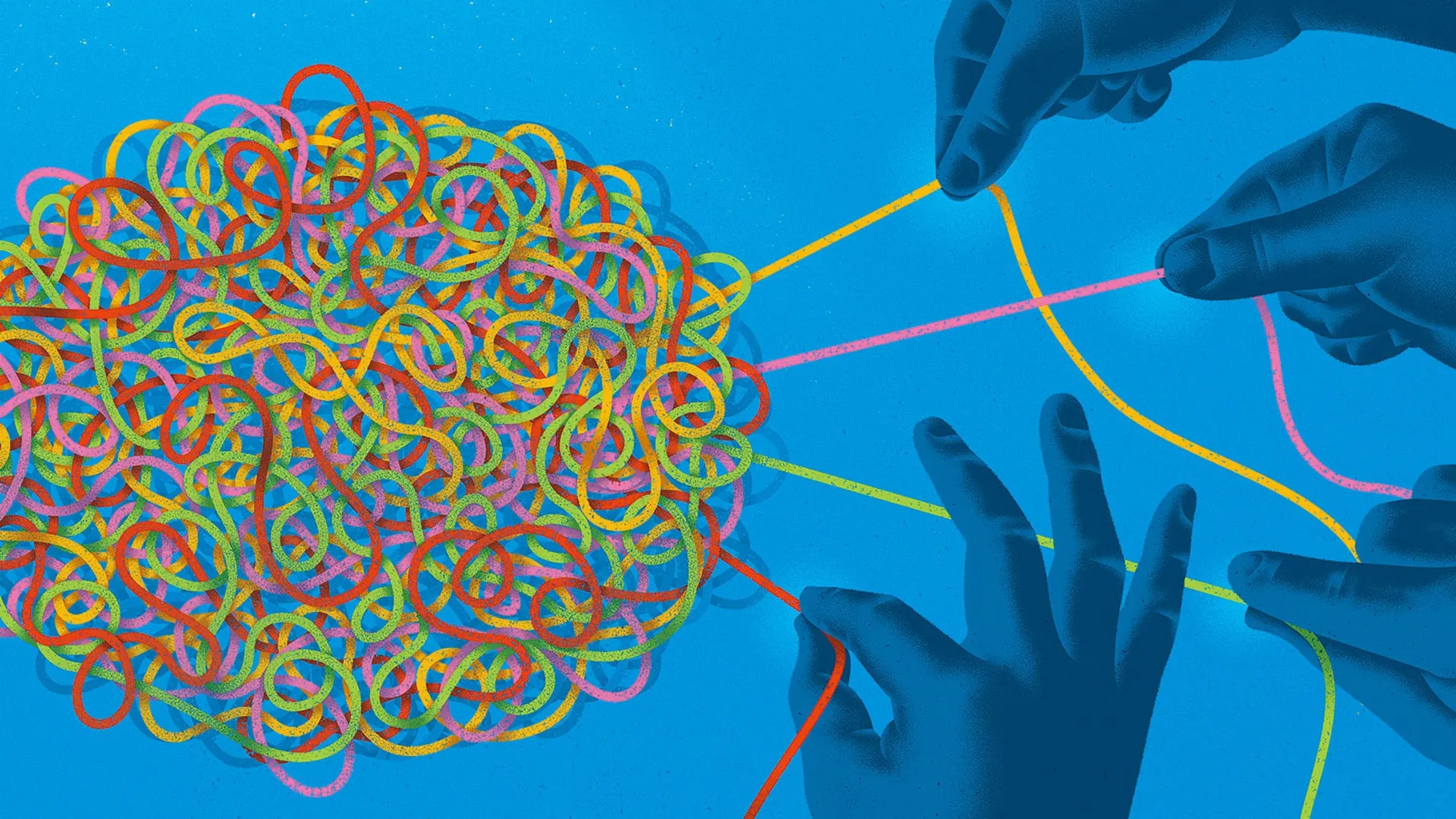
Moreover, the researchers identified divergent biological processes affected in each subtype. “What we’re seeing is not just one biological story of autism, but multiple distinct narratives,” said Natalie Sauerwald, associate research scientist at the Flatiron Institute and co-lead author. “This helps explain why past genetic studies often fell short — it was like trying to solve a jigsaw puzzle without realizing we were actually looking at multiple different puzzles mixed together. We couldn’t see the full picture, the genetic patterns, until we first separated individuals into subtypes.”
Autism biology unfolds on different timelines
The team also found that autism subtypes differ in the timing of genetic disruptions’ effects on brain development. Genes switch on and off at specific times, guiding different stages of development. While much of the genetic impact of autism was thought to occur before birth, in the Social and Behavioral Challenges subtype — which typically has substantial social and psychiatric challenges, no developmental delays, and a later diagnosis — mutations were found in genes that become active later in childhood. This suggests that, for these children, the biological mechanisms of autism may emerge after birth, aligning with their later clinical presentation.

“By integrating genetic and clinical data at scale, we can now begin to map the trajectory of autism from biological mechanisms to clinical presentation,” said co-author Chandra Theesfeld, senior academic research manager at the Lewis-Sigler Institute and Princeton Precision Health.
A paradigm shift for autism research
This study builds on more than a decade of autism genomics research led by Troyanskaya and collaborators, supported by the Simons Foundation and the U.S. National Institutes of Health, and most recently by Princeton Precision Health, an interdisciplinary initiative launched in 2022. It is enabled by the close integration of interdisciplinary expertise in genomics, clinical psychology, molecular biology, computer science and modeling, and computational biology — with experts from Princeton Precision Health, the Flatiron Institute and SFARI.
“It’s a whole new paradigm, to provide these groups as a starting point for investigating the genetics of autism,” said Theesfeld. Instead of searching for a biological explanation that encompasses all individuals with autism, researchers can now investigate the distinct genetic and biological processes driving each subtype.
This shift could reshape both autism research and clinical care — helping clinicians anticipate different trajectories in diagnosis, development and treatment. “The ability to define biologically meaningful autism subtypes is foundational to realizing the vision of precision medicine for neurodevelopmental conditions,” said Sauerwald.
While the current work defines four subtypes, “this doesn’t mean there are only four classes,” said Litman. “It means we now have a data-driven framework that shows there are at least four — and that they are meaningful in both the clinic and the genome.”
Looking ahead
For families navigating autism, knowing which subtype of autism their child has can offer new clarity, tailored care, support and community. “Understanding genetic causes for more individuals with autism could lead to more targeted developmental monitoring, precision treatment, and tailored support and accommodations at school or work,” said Foss-Feig. “It could tell families, when their children with autism are still young, something more about what symptoms they might — or might not — experience, what to look out for over the course of a lifespan, which treatments to pursue, and how to plan for their future.”
Beyond its contributions to understanding autism subtypes and their underlying biology, the study offers a powerful framework for characterizing other complex, heterogeneous conditions and finding clinically relevant disease subtypes. As Theesfeld put it: “This opens the door to countless new scientific and clinical discoveries.”
The paper, “Decomposition of phenotypic heterogeneity in autism reveals underlying genetic programs,” was published July 9 in Nature Genetics. In addition to Litman, Sauerwald, Foss-Feig, Theesfeld and Troyanskaya, co-authors include LeeAnne Green Snyder of the Simons Foundation, Christopher Y. Park and Yun Hao of the Flatiron Institute, and Ilan Dinstein of Ben Gurion University of the Negev, who contributed to the study during a sabbatical at the Simons Foundation. The research was supported in part by the U.S. National Institutes of Health and the Simons Foundation.

Read more →

Samaritans to close more than 100 branches

The Samaritans are planning to close more than 100 branches across the UK and Ireland, the BBC has learned.In a presentation to staff, the suicide prevention charity’s chief executive said “at least half” of their branches will close.Dozens of branches have voiced concerns, some fearing the proposals will lead to an exodus of volunteers: “They’re dismantling something that has worked for 70 years,” said one volunteer. The Samaritans said having more than 200 branches “is not sustainable and hinders us” from providing the best service. Founded in 1953, the Samaritans focus on preventing suicides by connecting trained volunteers with people who are struggling. The charity estimates it answers a call for help every 10 seconds.The proposals were revealed in a video message sent by the leadership of the charity to volunteers last week. Chief executive Julie Bentley, said while there wasn’t “a definitive view” on how many branches the charity needed: “It’s likely that within the next seven to 10 years our branch network will have reduced by at least half. “With less branches, we’ll look to move to fewer but bigger regions,” she added. If the charity’s board agrees to the plans at a meeting in September, the changes will begin in April in the UK and 2027 in Ireland. The list of branches which could close has not been decided.If the plans go ahead, most users’ interaction with the Samaritans will be done on the phone so people might not be aware of its branch structure and the charity’s leaders say users won’t notice a difference.The Samaritans, considered the fourth emergency service by its staff and volunteers, play a key role in suicide prevention, offering round the clock telephone support to people in distress. Volunteers who answer the calls are based in offices around the country, many of which will now close.The BBC has been told more than 50 branches, over a quarter of the total, have been raising concerns on an internal forum since the proposals were announced. Plans for “virtual volunteering” where people answer calls from home, have sparked fears volunteers could leave the charity due to the pressures of dealing with calls about suicide alone. Others only decided to help out due to feeling isolated at home. Female volunteers have also said they would be uncomfortable with remote working due to the number of abusive and sexual calls the charity receives.In her message to staff, Ms Bentley said some offices were failing to retain enough volunteers and “don’t support the effective delivery of our services to callers”.She also expressed concern that too much of the Samaritans’ income is spent on “maintaining bricks and mortars, rather than being used to improve our services”.But it is the loss of the intimacy and support the offices provide that worries many volunteers.They fear the charity’s proposals will create large, impersonal call-centres in big towns and cities, reducing the likelihood of people from rural areas being able to volunteer and undermining the meaning of being a Samaritans volunteer.In its latest accounts, for 2023-24, almost two thirds (£15.3m) of the charity’s £24.6m income was spent on staff costs and less than 4% on land and buildings. “We’re not against change,” one volunteer told the BBC, “but they’ve not provided any evidence these changes will improve the charity. It feels more like the professionalisation of the Samaritans.”The proposals, if enacted, would also see the charity withdraw from some current activities, including talks in schools and providing the Veterans Emotional Support Line. In a statement to BBC News, the Samaritans emphasised that their services would continue to be available every minute of every day, so people should always be able to contact them. “Samaritans provides a life-saving service, day and night, 365 days a year but the changing needs of our callers and volunteers mean thinking differently about the way our services need to work,” said Ms Bentley. “We are engaging with our volunteers on proposed improvements that will mean we are able to answer more calls, have more volunteers on duty and be there for more people in their darkest moments. “Samaritans volunteers are hugely dedicated to being there for our callers and they remain at the heart of our service, but it has become increasingly clear that having over 200 branches, varying in size from 10 to 300 volunteers, is not sustainable and hinders us providing the best possible service to people who need us,” she added.

Read more →

Starmer pleads with resident doctors to halt strike

4 days agoShareSaveNick TriggleAoife WalshBBC NewsShareSavePA MediaPrime Minister Keir Starmer has urged resident doctors not to follow their union down the “damaging road” of strike action, which is due to begin on Friday.Writing in the Times, Sir Keir said this would cause “huge loss for the NHS and the country,” as he criticised the British Medical Association (BMA) for “rushing” into strikes.Resident doctors – the new term for junior doctors – are to start a five-day strike in England at 07:00 BST in a dispute over pay. The BMA said the government had had every opportunity to stop the walkout.The public is being advised to attend planned appointments over the strike period, as NHS England hospital bosses attempt to keep routine operations going and only reschedule appointments in exceptional circumstances.Talks between the BMA and the government broke down on Tuesday with the union saying it was unhappy ministers were refusing to address their pay concerns.Sir Keir said the walkouts threatened “to turn back the clock on progress we have made in rebuilding the NHS over the last year”.This year resident doctors are getting an average pay rise of 5.4%, following a 22% increase over the previous two years. But the BMA said wages were still around 20% lower in real terms than in 2008, even after an increase in August.The BMA wants pay to be brought back in line with the level it was 17 years ago, when they say their pay started to be eroded.The prime minister’s comments come after Health Secretary Wes Streeting said he deeply regretted the “position we now find ourselves in” in a letter to resident doctors on Thursday.He said the government could not afford to go further on pay, but he was “prepared to negotiate on areas related to your conditions at work and career progression”.Streeting said the pay deal was “the highest pay award of the entire public sector for resident doctors”. He said that during the talks he had been prepared to reduce the costs doctors in training face for exam fees equipment and food and drink as well as speeding up career progression.The BMA asked for a scheme to help write off student loans, but the government rejected this.BMA resident doctor co-leaders Dr Melissa Ryan and Dr Ross Nieuwoudt said: “Resident doctors are not worth less than they were 17 years ago. Restoring pay remains the simplest and most effective route toward improving our working lives.”Mr Streeting had every opportunity to prevent this strike going ahead, but he chose not to take it.”However, NHS England and Streeting said they would be looking to limit the impact of the strike.Streeting said: “There is no getting around the fact that these strikes will hit the progress we are making on turning the NHS round but I am determined to keep disruption to patients to a minimum.”Senior doctors are being brought in to cover for resident doctors.In previous strikes, the focus has been on staffing emergency care – but this time the NHS wants to keep non-urgent services going as much as possible.NHS England has told hospitals to only cancel routine care, such as hip and knee operations, in exceptional circumstance.Patients in need of emergency medical care should use 999 or present at A&E as normal, or use 111 online as first port of call for urgent but not life-threatening issues during the strike, NHS England advised.Prof Meghana Pandit, of NHS England, said: “It’s really important to reduce cancellations, because people have been waiting, sometimes for months for their routine hip replacement or hysterectomy or any appointment, and actually rescheduling the appointments impacts on them and leads to physical and psychological harm.”Previous walkouts have led to mass cancellations with more than a million appointments and treatments cancelled during the resident doctor strikes which began in March 2023.Then, some hospitals were only able to deliver half their normal amount of routine care on strike days.But NHS sources said, this time, some hospitals were planning full schedules.But Prof Pandit said it was inevitable there would be some disruption.The BMA has written to NHS England to warn it is risking safety by spreading staff too thinly.Meanwhile, NHS managers have also criticised what they say are inflated shift rates being requested by senior doctors to provide cover for striking resident doctors.Daniel Elkeles, of NHS Providers, which represents health managers, said the strike would be a “crushing blow” for patients.He said another “huge worry” was the cost, saying the BMA had recommended senior doctors ask for “inflated rates” that were “simply unaffordable”.The BMA had recommended senior doctors insist on premium rates that for consultants can exceed £300 an hour for night shifts.This can mean they can earn three times what they normally would.The BMA said doctors needed to be incentivised to take on this extra work.

Read more →

Even without catching COVID, the pandemic may have quietly aged your brain

A new study, led by experts at the University of Nottingham, has found that the Covid-19 pandemic may have accelerated people’s brain health, even if they were never infected with the virus.
What does it mean to grow older, not just in years, but in terms of brain health? Can stress, isolation, and global disruption leave their mark on people’s minds?
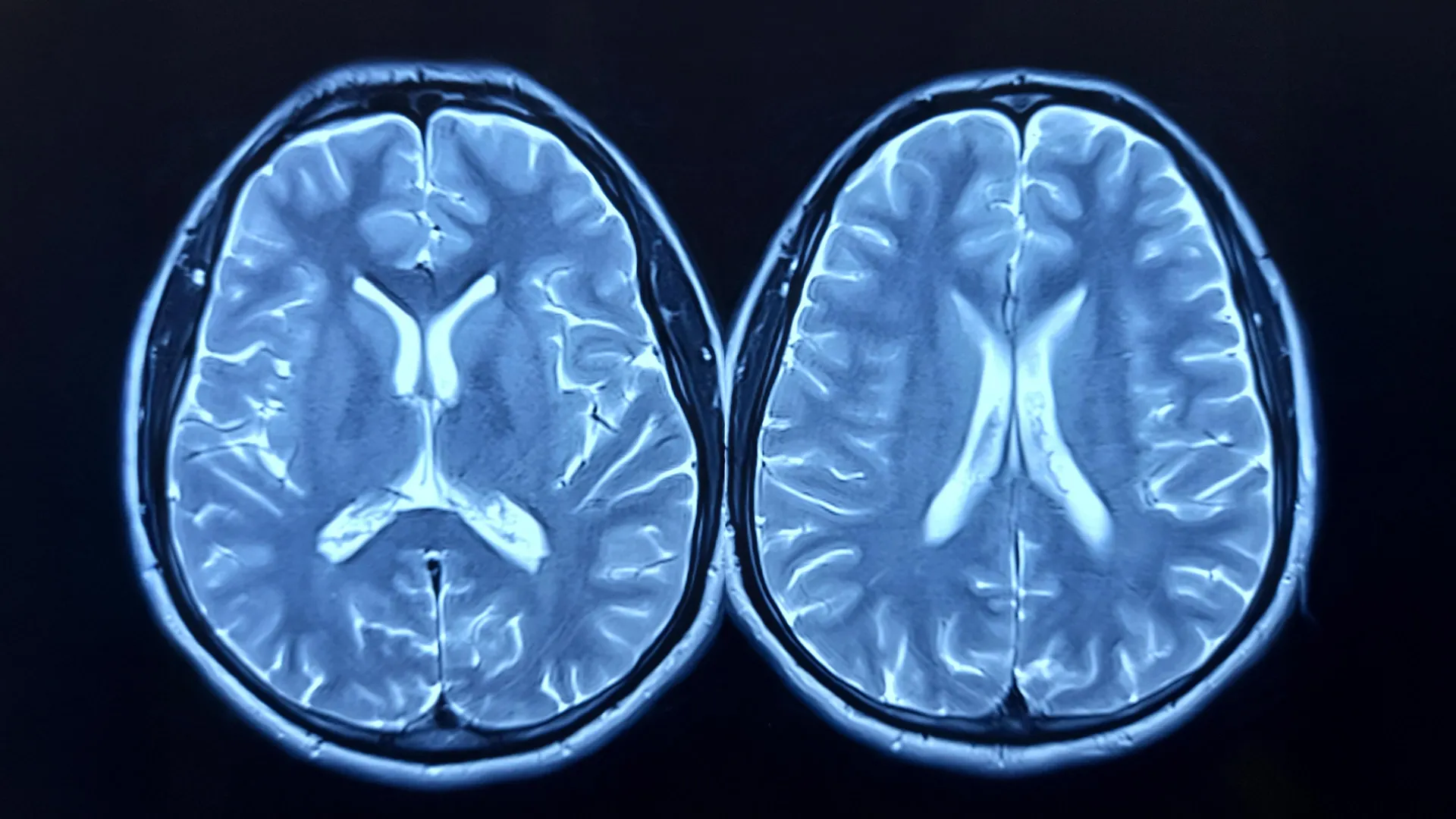
The findings of this new study, which are published in Nature Communications, showed that people who lived through the Covid-19 pandemic showed signs of faster brain aging over time than those scanned entirely before it. The changes were most noticeable in older individuals, in men, and in people from more disadvantaged backgrounds.
Only participants who were infected by Covid-19 between their scans showed a drop in certain cognitive abilities, such as mental flexibility and processing speed. This may suggest that the pandemic’s brain aging effect, on its own (without infection) may not cause symptoms. Also, the authors highlight that the observed brain aging may be reversible.
The study was led by a team of experts from the University’s School of Medicine and was supported by the National Institute for Health and Care Research (NIHR) Nottingham Biomedical Research Centre and the Medical Research Council (MRC) DEMISTIFI program.
Dr Ali-Reza Mohammadi-Nejad led the study, he said: “What surprised me most was that even people who hadn’t had Covid showed significant increases in brain aging rates. It really shows how much the experience of the pandemic itself, everything from isolation to uncertainty, may have affected our brain health.”
The research team looked at longitudinal brain scans from nearly 1,000 healthy adults, taken as part of the UK Biobank study. Some participants had scans before and after the pandemic; others, only before. Using advanced imaging and machine learning, the researchers estimated each person’s “brain age” — how old their brain appeared to be compared to their actual age.
The brain age model was developed using brain scans from over 15,000 healthy individuals, without comorbidities, allowing the researchers to build an accurate model for estimating brain age.
“This study reminds us that brain health is shaped not only by illness, but by our everyday environment,” said Dorothee Auer, Professor of Neuroimaging and senior author on the study. “The pandemic put a strain on people’s lives, especially those already facing disadvantage. We can’t yet test whether the changes we saw will reverse, but it’s certainly possible, and that’s an encouraging thought.”
Stamatios Sotiropoulos, Professor of Computational Neuroimaging, and co-lead author added: “The longitudinal MRI data acquired before and after the pandemic from the UK Biobank gave us a rare window to observe how major life events can affect the brain.”

Read more →

Scientists just resurrected the 1918 “Spanish Flu” virus—here’s what they found

Researchers from the universities of Basel and Zurich have used a historical specimen from UZH’s Medical Collection to decode the genome of the virus responsible for the 1918-1920 influenza pandemic in Switzerland. The genetic material of the virus reveals that it had already developed key adaptations to humans at the outset of what became the deadliest influenza pandemic in history.
New viral epidemics pose a major challenge to public health and society. Understanding how viruses evolve and learning from past pandemics are crucial for developing targeted countermeasures. The so-called Spanish flu of 1918-1920 was one of the most devastating pandemics in history, claiming some 20 to 100 million lives worldwide. And yet, until now, little has been known about how that influenza virus mutated and adapted over the course of the pandemic.
More than 100-year-old flu virus sequenced
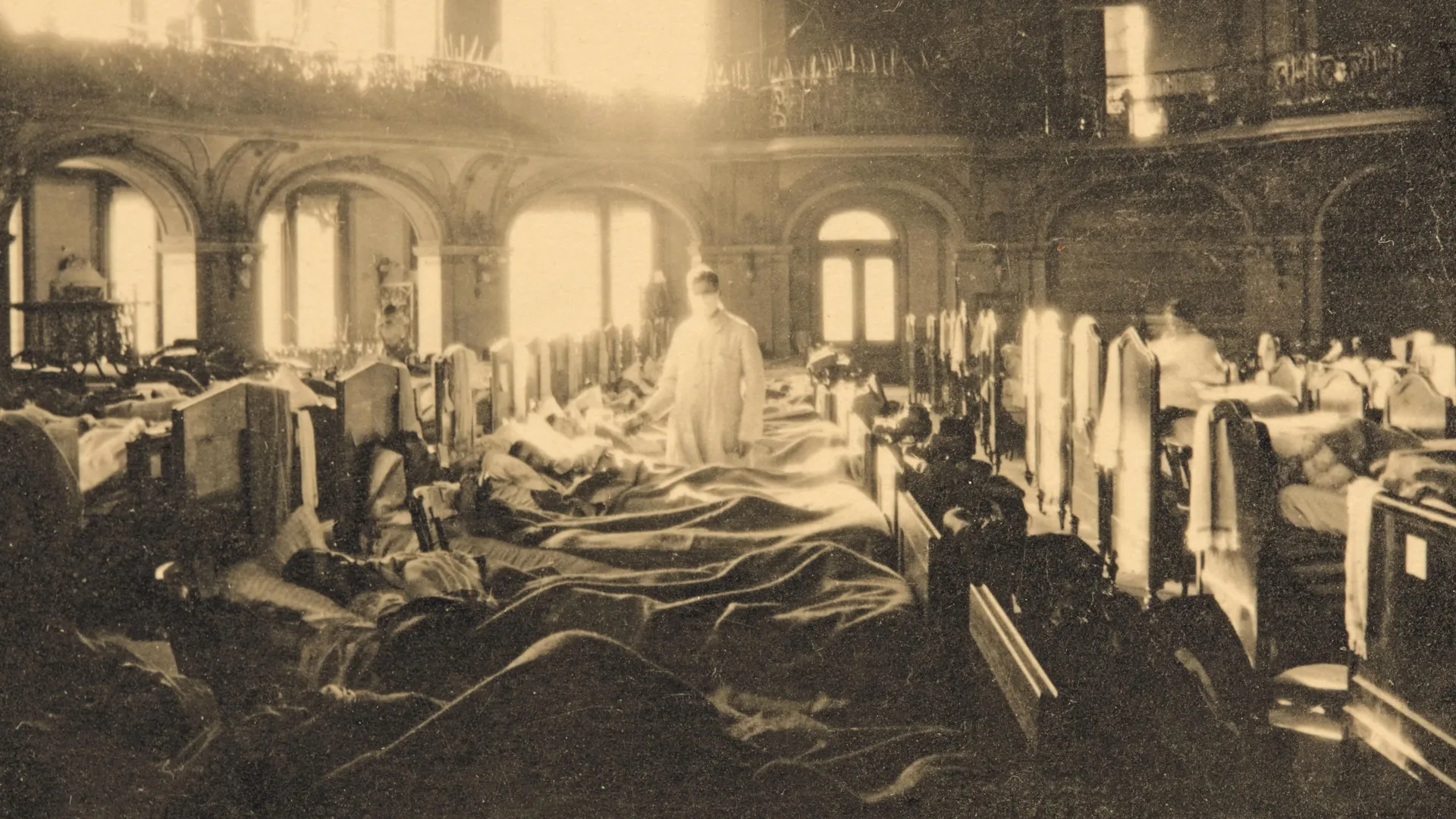
An international research team led by Verena Schünemann, a paleogeneticist and professor of archaeological science at the University of Basel (formerly at the University of Zurich) has now reconstructed the first Swiss genome of the influenza virus responsible for the pandemic of 1918-1920. For their study, the researchers used a more than 100-year-old virus taken from a formalin-fixed wet specimen sample in the Medical Collection of the Institute of Evolutionary Medicine at UZH. The virus came from an 18-year-old patient from Zurich who had died during the first wave of the pandemic in Switzerland and underwent autopsy in July 1918.
Three key adaptations in Swiss virus genome
“This is the first time we’ve had access to an influenza genome from the 1918-1920 pandemic in Switzerland. It opens up new insights into the dynamics of how the virus adapted in Europe at the start of the pandemic,” says last author Verena Schünemann. By comparing the Swiss genome with the few influenza virus genomes previously published from Germany and North America, the researchers were able to show that the Swiss strain already carried three key adaptations to humans that would persist in the virus population until the end of the pandemic.
Two of these mutations made the virus more resistant to an antiviral component in the human immune system – an important barrier against the transmissions of avian-like flu viruses from animals to humans. The third mutation concerned a protein in the virus’s membrane that improved its ability to bind to receptors in human cells, making the virus more resilient and more infectious.

New genome-sequencing method
Unlike adenoviruses, which cause common colds and are made up of stable DNA, influenza viruses carry their genetic information in the form of RNA, which degrades much faster. “Ancient RNA is only preserved over long periods under very specific conditions. That’s why we developed a new method to improve our ability to recover ancient RNA fragments from such specimens,” says Christian Urban, the study’s first author from UZH. This new method can now be used to reconstruct further genomes of ancient RNA viruses and enables researchers to verify the authenticity of the recovered RNA fragments.
Invaluable archives
For their study, the researchers worked hand in hand with UZH’s Medical Collection and the Berlin Museum of Medical History of the Charité University Hospital. “Medical collections are an invaluable archive for reconstructing ancient RNA virus genomes. However, the potential of these specimens remains underused,” says Frank Rühli, co-author of the study and head of the Institute of Evolutionary Medicine at UZH.
The researchers believe the results of their study will prove particularly important when it comes to tackling future pandemics. “A better understanding of the dynamics of how viruses adapt to humans during a pandemic over a long period of time enables us to develop models for future pandemics,” Verena Schünemann says. “Thanks to our interdisciplinary approach that combines historico-epidemiological and genetic transmission patterns, we can establish an evidence-based foundation for calculations,” adds Kaspar Staub, co-author from UZH. This will require further reconstructions of virus genomes as well as in-depth analyses that include longer intervals.

Read more →