The teenage caffeine pouch trend troubling US experts

14 minutes agoShareSaveMichelle RobertsDigital health editor, BBC NewsShareSaveGetty ImagesA growing number of US teenagers are using caffeine pouches to get an energy rush, say experts who worry the trend could soon take off in the UK. The small teabag-like pouches, placed between the lip and gum, deliver a quick caffeine hit, straight to the bloodstream. Some social media influencers are pushing products, recommending them to gym-goers for performance or to students who want to be alert for exams. TikTok Shop sells lots of brands and flavours that could appeal to young people, says Dr Rob van Dam from George Washington University.But with a single pouch containing as much caffeine as two cups of regular coffee, it could be easy to take too much and get bad side effects, he says.There is already growing concern in the UK about young people using nicotine pouches or snus.Caffeine pouches are also discreet – you may not be able to tell if someone has one in their mouth – making it easy to hide from parents and teachers. Some fans of the product boast online about “buzzing” from using two pouches at once for an extra big caffeine rush. As caffeine is rapidly absorbed, the effects may begin minutes after ingestion and last for a number of hours. Levels can go out of control. Dr van Dam told BBC News: “Young people may have less tolerance to caffeine and there’s a chance they could end up in the emergency room if they have too much.”Why caffeine and what happens if you have too much?Getty ImagesCaffeine is a stimulant that can make you feel more alert and less sleepy due to its effect on the brain and nervous system. Lewis James, from the School of Sport, Exercise and Health Sciences at Loughborough University, says there is good evidence that caffeine can help make exercise feel easier. It’s become one of the most regularly used supplements among athletes.As you exercise your body produces a chemical called adenosine which makes you feel tired. Caffeine blocks the adenosine receptors in your nerves, so your brain perceives less pain and fatigue.But it acts on other parts of the body too – including the cardiovascular system – which can be risky.High levels can cause a rapid heart rate, abnormal heart rhythms and seizures. Although rare, there are documented deaths from excess caffeine.Some people are more sensitive to caffeine than others and can feel nauseous, anxious and irritable, and get headaches even at lower doses. Generally, up to 400mg of caffeine a day appears to be safe for most healthy adults – that’s around four cups of instant coffee.Tea contains a bit less, so five cups a day is usually fine. Pregnant women are advised to halve daily intake to 200mg or less. Children and teenagers are also more susceptible to the risks and potential for an overdose. This is why energy drinks containing over 150mg of caffeine, for example, are already required by EU law to carry labels stating: “High caffeine content. Not recommended for children or pregnant or breast-feeding women”.Watch for other drinks or food that contain caffeineDr van Dam says it can be easy to overload. Caffeine is found in many drinks and some foods, so it is important to check how much you are consuming.”While it’s harder to overdose on coffee, with these products it’s easier, especially if young people are using energy drinks too.”He says some products, when you check them in the laboratory, contain more caffeine than they claim on the labelling.Getty ImagesCoffee: a mug contains about 100-140mg of caffeine, but it can vary widelyTea: a mug contains about 75mg Energy drinks: often contain 80mg in a 250ml can Soft drinks: typically contains about 40mg per canChocolate: there is around 25mg of caffeine in a 50g bar of dark chocolate and around 10mg in a 50g bar of milk chocolateDentists say using them over time can irritate the gums – similar to snus and nicotine pouches.Some experts worry caffeine pouches could be a gateway to using these. Bini Suresh is head of dietetics at the Cleveland Clinic, London, and a spokesperson for the British Dietetic Association. She says using pouches may feel “trendy” or harmless, but there’s a real risk of normalising stimulant use in teens and young adults, potentially creating patterns of dependency.She told the BBC: “While caffeine may give a temporary boost, it can disrupt sleep and worsen fatigue over time, especially in children and teens who are more sensitive to its effects.”If young people are going to have caffeine, the BDA and NHS both advise caution. The European Food Safety Authority suggests 3mg/kg body weight as the upper limit for children and adolescents, meaning a child weighing 30kg should have no more than 90mg in a day.Instead of reaching for caffeine, Ms Suresh says it’s far better to focus on regular meals, hydration and nutrient-rich foods that support steady energy levels throughout the day.A healthy diet with enough iron, protein and slow-releasing carbohydrates should do the job, she says.

Read more →


Former nurse loses legal challenge over private gender clinic

14 minutes agoShareSaveSophie HutchinsonHealth correspondentJudith BurnsBBC NewsShareSaveGetty ImagesA former nurse has lost her High Court challenge against the registration of England’s first private gender clinic for teenagers. Susan Evans, and a mother who asked not to be named, had argued that the health regulator, the Care Quality Commission (CQC) had “acted irrationally” in registering the Gender Plus Hormone Clinic. On Thursday, Mrs Justice Eady said she was satisfied the steps taken by the CQC were “rationally focused” and it had “patient safety foremost in mind” when it assessed the clinic.The clinic, which is rated “outstanding”, said the ruling “demonstrates the diligence and integrity” of its work.Ms Evans said she was “extremely disappointed”. The Gender Plus Hormone Clinic is believed to be the only private organisation in England which is registered to treat 16- and 17-year-olds with hormones for gender incongruence, defined as a mismatch between their biological sex and their gender identity. Cross-sex hormones, such as oestrogen or testosterone, are given to people who identify as a different gender to their biological sex. The medication helps someone who is transitioning to develop characteristics associated with their preferred gender. For instance, it would help a trans man, a biological female who identifies as a man, develop a deeper voice and facial hair. NHS guidance on the prescription of the hormones to young people was updated following the publication of the Cass Review last year. The review stressed the need for “extreme caution” when using hormones in the treatment of 16- to 17-year-olds.The two women alleged that when the CQC inspected and registered the Gender Plus clinic it did not take this into accountNHS guidance says all young people, who are recommended for hormone interventions, must have the decision reviewed and endorsed by a national multi-disciplinary team that can consider all aspects of their care.Gender Plus Hormone Clinic, which was set up by Dr Aidan Kelly and is led by nurse consultant Paul Carruthers, had told the court it follows the NHS guidance and had set up its own multi-disciplinary team. Its procedures were reviewed by the CQC inspectors.In the ruling, Mrs Justice Eady said: “I am satisfied the steps taken by the CQC were rationally focused on scrutinising the actual process by which the clinic provided the service in issue. I duly reject this objection.”What is, moreover, clearly apparent from the CQC’s evidence is the detailed scrutiny that was undertaken in order to be able to assess clinic’s compliance with the regulatory requirements.”It is apparent that this was an assessment that drilled down to the detail of the service provided… with patient safety foremost in mind.”She said the question whether the CQC had adequately considered “the particular, and changing, approach adopted by the NHS”, was important. But she concluded the criticisms of the clinic were about the internal structure of the organisation and “focused on issues of form rather than substance”.Speaking after the judgment, Ms Evans said: “I am extremely disappointed at the outcome of this judicial review.”The unnamed mother added: “To say I am disappointed is an understatement.” The NHS has opened three specialist children’s gender clinics and has plans for a further five, covering the seven NHS regions in England, by the end of 2026. It is understood the NHS multi-disciplinary team has not yet received any recommendations for hormone treatment for 16- and 17-year-olds since the Cass Review.The ruling means Gender Plus can continue to deliver services from its clinics in London, Birmingham and Leeds.Responding to the court ruling, Gender Plus Hormone Clinic said: “This Judicial Review further demonstrates the diligence and integrity of our work. “We operate according to the highest standards, always putting patient safety and wellbeing at the heart of every decision. We couldn’t have hoped for a better outcome.”A Care Quality Commission spokesperson said: “We are pleased that today’s ruling recognises CQC’s regulatory expertise. “It also supports the systems and processes at CQC that put the needs of people using services at their heart and help to ensure that people receive care and treatment in a safe way.”

Read more →

Reversing Alzheimer’s damage: Two cancer drugs demonstrate surprising power

Scientists at UC San Francisco and Gladstone Institutes have identified cancer drugs that promise to reverse the changes that occur in the brain during Alzheimer’s, potentially slowing or even reversing its symptoms.
The study first analyzed how Alzheimer’s disease altered gene expression in single cells in the human brain. Then, researchers looked for existing drugs that were already approved by the Food and Drug Administration (FDA) and cause the opposite changes to gene expression.
They were looking specifically for drugs that would reverse the gene expression changes in neurons and in other types of brain cells called glia, all of which are damaged or altered in Alzheimer’s disease.
Next, the researchers analyzed millions of electronic medical records to show that patients who took some of these drugs as part of their treatment for other conditions were less likely to get Alzheimer’s disease.
When they tested a combination of the two top drugs — both of which are cancer medications — in a mouse model of Alzheimer’s, it reduced brain degeneration in the mice, and even restored their ability to remember.
“Alzheimer’s disease comes with complex changes to the brain, which has made it tough to study and treat, but our computational tools opened up the possibility of tackling the complexity directly,” said Marina Sirota, PhD, the interim director of the UCSF Bakar Computational Health Sciences Institute, professor of pediatrics, and co-senior author of the paper. “We’re excited that our computational approach led us to a potential combination therapy for Alzheimer’s based on existing FDA-approved medications.”
The findings appeared in Cell on July 21. The research was funded in part by the National Institutes of Health and the National Science Foundation.

Big data from patients and cells points to a new Alzheimer’s therapy
Alzheimer’s disease affects 7 million people in the U.S. and causes a relentless decline in cognition, learning, and memory. Yet decades of research have only produced two FDA-approved drugs, neither of which can meaningfully slow this decline.
“Alzheimer’s is likely the result of numerous alterations in many genes and proteins that, together, disrupt brain health,” said Yadong Huang, MD, PhD, senior investigator and director of the Center for Translational Advancement at Gladstone, professor of neurology and pathology at UCSF, and co-senior author of the paper. “This makes it very challenging for drug development — which traditionally produces one drug for a single gene or protein that drives disease.”
The team took publicly available data from three studies of the Alzheimer’s brain that measured single-cell gene expression in brain cells from deceased donors with or without Alzheimer’s disease. They used this data to produce gene expression signatures for Alzheimer’s disease in neurons and glia.
The researchers compared these signatures with those found in the Connectivity Map, a database of results from testing the effects of thousands of drugs on gene expression in human cells.
Out of 1,300 drugs, 86 reversed the Alzheimer’s disease gene expression signature in one cell type, and 25 reversed the signature in several cell types in the brain. But just 10 had already been approved by the FDA for use in humans.

Poring through records housed in the UC Health Data Warehouse, which includes anonymized health information on 1.4 million people over the age of 65, the group found that several of these drugs seemed to have reduced the risk of developing Alzheimer’s disease over time.
“Thanks to all these existing data sources, we went from 1,300 drugs, to 86, to 10, to just 5,” said Yaqiao Li, PhD, a former UCSF graduate student in Sirota’s lab who is now a postdoctoral scholar in Huang’s lab at Gladstone and the lead author of the paper. “In particular, the rich data collected by all the UC health centers pointed us straight to the most promising drugs. It’s kind of like a mock clinical trial.”
A combination therapy poised for primetime
Li, Huang, and Sirota chose 2 cancer drugs out of the top 5 drug candidates for laboratory testing. They predicted one drug, letrozole, would remedy Alzheimer’s in neurons; and another, irinotecan, would help glia. Letrozole is usually used to treat breast cancer; irinotecan is usually used to treat colon and lung cancer.
The team used a mouse model of aggressive Alzheimer’s disease with multiple disease-related mutations. As the mice aged, symptoms resembling Alzheimer’s emerged, and they were treated with one or both drugs.
The combination of the two cancer drugs reversed multiple aspects of Alzheimer’s in the animal model. It undid the gene expression signatures in neurons and glia that had emerged as the disease progressed. It reduced both the formation of toxic clumps of proteins and brain degeneration. And, importantly, it restored memory.
“It’s so exciting to see the validation of the computational data in a widely used Alzheimer’s mouse model,” Huang said. He expects the research to advance soon to a clinical trial so the team can directly test the combination therapy in Alzheimer’s patients.
“If completely independent data sources, such as single-cell expression data and clinical records, guide us to the same pathways and the same drugs, and then resolve Alzheimer’s in a genetic model, then maybe we’re onto something,” Sirota said. “We’re hopeful this can be swiftly translated into a real solution for millions of patients with Alzheimer’s.”
Authors: Other UCSF authors are Carlota Pereda Serras, MS, Jessica Blumenfeld, Xinyu Tang, PhD, Antara Rao, PhD, Sarah Woldemariam, PhD, Alice Tang, PhD, Tomiko Oskotsky, MD, and Michael J Keiser, PhD. Other Gladstone Institutes authors are Min Xie, PhD, Yanxia Hao, Elise Deng, You Young Chun, Julia Holtzman, Alice An, Seo Yeon Yoon, MBA, Alex Zhang, Jeffrey Simms, MA, and Iris Lo.
Funding: This study was supported by the National Institute on Aging (R01AG060393, R01AG057683, RF1AG076647, R01AG078164, and P01AG073082), the National Science Foundation (2034836), and the Dolby Family Fund.

Read more →

Boost our pay or risk strike action, warn nurse leaders

Nursing leaders are warning the government in England must boost the pay of nurses or face possible strike action.A survey of Royal College of Nursing members showed 91% did not think the 3.6% pay increase this year was enough.The union had called the award “grotesque” after doctors were given more.It is seeking urgent talks with ministers about the way nurses are paid under their NHS contract, warning too many get stuck on the lowest pay bands, which does not reflect their expertise.If the government does not act over the summer, the union is threatening to run an industrial action ballot in the autumn.More than 170,000 took part in the survey, more than half of the eligible membership.The union warned there was widespread dissatisfaction with the NHS contract, known as Agenda for Change.Nurses begin on band five, with a starting salary of just over £31,000, after this year’s pay rise.Pay at the top of the band reaches nearly £38,000.Nearly half of nurses are on this bottom band and research shows many struggle to move on from it.The RCN has been calling for nurses to automatically move up to band six after working an initial preceptorship period, possibly 18-months.Sources at the union said this could be one way to address the low pay.They said they were not targeting an increase to this year’s pay because it was clear from the resident doctor dispute the government was not willing to revisit the pay awards which were recommended by an independent pay review process.Members in Wales and Northern Ireland also said the 3.6% increase was not enough.RCN general secretary Prof Nicola Ranger said: “My profession feels deeply undervalued and that is why record numbers are telling the government to wake up, sense the urgency here and do what’s right by them and by patients.”Record numbers have delivered this verdict on a broken system that holds back nursing pay and careers and hampers the NHS.”

Read more →

Fat melts away—but so does muscle: What Ozempic users need to know

Popular GLP-1 drugs help many people drop tremendous amounts of weight, but the drugs fail to provide a key improvement in heart and lung function essential for long-term good health, University of Virginia experts warn in a new paper.
The researchers emphasize that weight loss associated with GLP-1 drugs has many clear health benefits for people with obesity, type 2 diabetes and heart failure, including improving blood-sugar control, short-term cardiorenal benefits and improvements in survival outcomes. But doctors may need to consider recommending exercise programs or develop other approaches, such as nutrition supplements or complementary medications, to help GLP-1 patients get the full cardiorespiratory benefits of substantial weight loss over the long-run, the researchers say.
“Some patients literally told me that they felt that they were losing muscle or muscle was slipping away from them while they were on these medications,” said researcher Zhenqi Liu, MD, Professor of Medicine and James M. Moss Professor of Diabetes at the University of Virginia School of Medicine and former chief of UVA Health’s Division of Endocrinology and Metabolism. “This is a serious concern. Muscle, especially axial muscle, is essential for posture, physical function and overall well-being. Losing lean body mass can increase the risk of cardiovascular disease, all-cause mortality and diminished quality of life. We need to make sure that patients prescribed these medications aren’t already at risk for malnutrition or low muscle mass.”
About GLP-1 Drugs
While GLP-1 drugs help people lose fat, this comes with loss of fat-free mass, of which muscle makes up 40% to 50%. In fact, fat-free mass lost accounts for 25-40% of the total pounds lost, while age-related declines in fat-free mass are only 8% per decade.
Liu and his collaborators, graduate student Nathan R. Weeldreyer and Siddhartha S. Angadi, PhD, Associate Professor of Kinesiology at UVA’s School of Education and Human Development, wanted to better understand the potential long-term consequences of this muscle loss, so they reviewed available data on the drugs’ effects on cardiorespiratory fitness, or CRF.
CRF (or VO2max) is a measure of how well the body can use oxygen during exercise. It is a handy way for doctors to assess how well the heart, lungs, muscle and blood vessels work together, and it is used to predict all-cause and cardiovascular mortality (risk of death).

Patients with obesity often have low CRF. In some cases, this is because the person lacks muscle mass; in others, a person may have enough muscle, but the quality of that muscle is compromised by fat that has penetrated it.
“Cardiorespiratory fitness is a potent predictor of all-cause and cardiovascular mortality risk across a range of populations, including obesity, diabetes and heart failure,” said Angadi, a cardiovascular exercise physiologist with UVA’s Department of Kinesiology. “In a recent study by our group that examined mortality outcomes from almost 400,000 individuals across the world, we found that CRF was far superior to overweight or obesity status for predicting the risk of death. In fact, once CRF was factored in, body weight failed to predict the risk of mortality. This is why it’s so important to understand the effects of this new class of drugs on it.”
In their review of the available medical literature, the researchers found that GLP-1 drugs improve certain measures of heart function, yet those improvements don’t translate into significant improvements in VO2max.
Some small studies, they note, have suggested that exercise can help improve VO2max for patients taking GLP-1 drugs, but these had poor controls and larger, well-designed studies are needed to bear that out.
Ensuring Healthy Weight Loss
The researchers ultimately conclude that GLP-1 drugs “significantly reduce body weight and adiposity, along with a substantial FFM [fat-free mass] loss, but with no clear evidence of CRF enhancement.” They remain concerned that this could take a toll on patients’ metabolic health, healthspan/frailty and overall longevity. They are urging additional research to better understand the effects of the drugs and ensure patients get the best possible outcomes.

They note, however, that there are promising signs that we may be able to develop medications to help, such as a monoclonal antibody already in the pipeline that may be able to offset lean-muscle loss.
“This is an area of active research, and we are hopeful that better solutions are coming soon,” Liu said. “But for now it is important that patients prescribed GLP-1 drugs have conversations with their healthcare providers about strategies to preserve muscle mass. The American Diabetes Association recommends screening for malnutrition and low muscle mass risk before starting these medications and promoting adequate protein intake and regular exercise throughout treatment.”
“Finally,” Angadi added, “exercise training during GLP1 therapy remains to be assessed in its ability to preserve or improve VO2max during GLP1 therapy.”
Findings Published
The researchers have published their findings in JCEM, the Journal of Clinical Endocrinology & Metabolism. The work was supported by the National Institutes of Health, grants R01DK124344 and R01DK125330.

Read more →

Max-dose statins save lives—here’s why doctors are starting strong

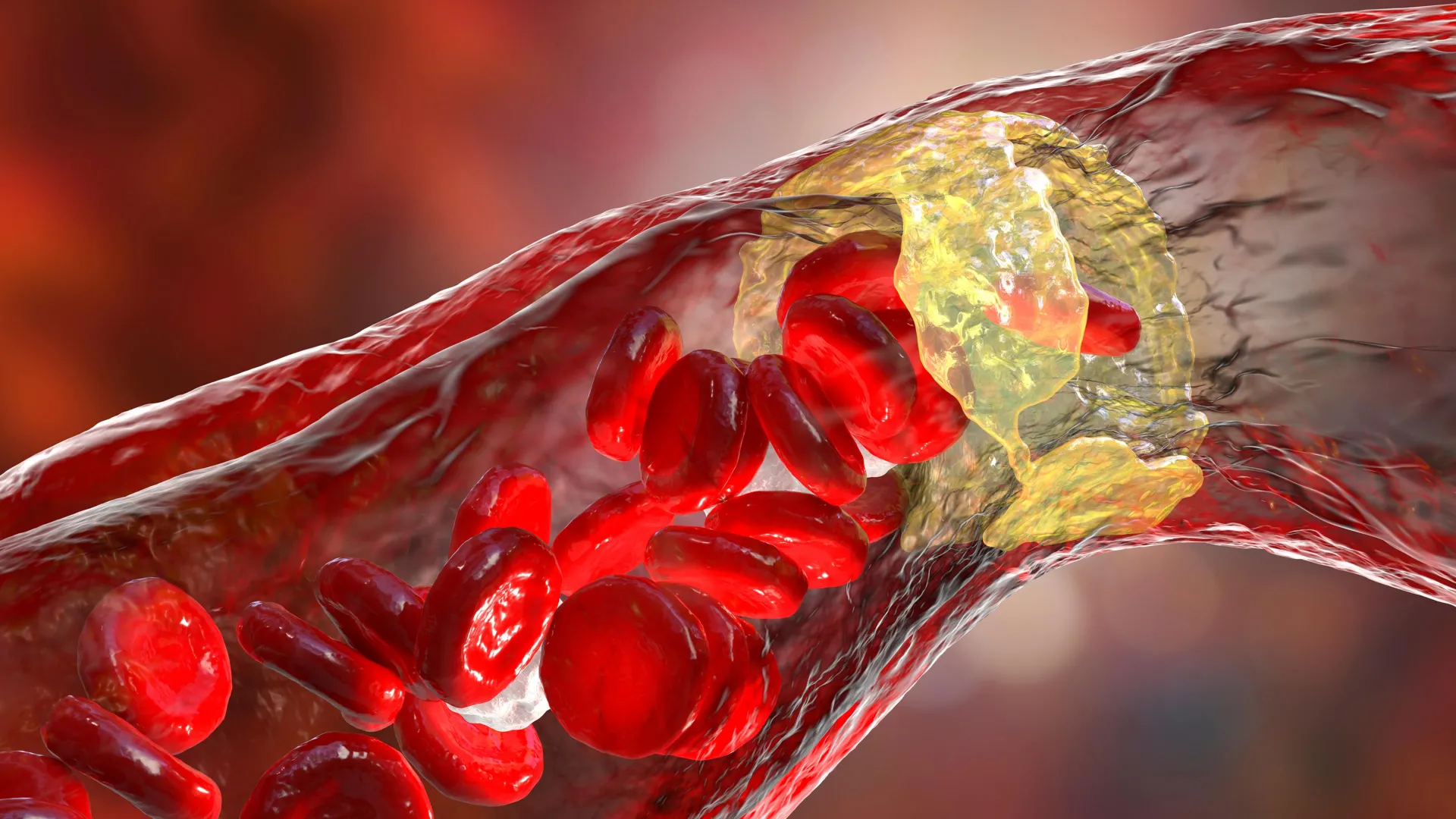
There is broad consensus that the overall body of evidence shows lowering LDL (low-density lipoprotein) cholesterol provides both statistically significant and clinically meaningful benefits in treating and preventing cardiovascular disease. Often referred to as the “bad” cholesterol, elevated levels of LDL can clog arteries and significantly increase the risk of heart attacks and strokes.
In an invited editorial published in the current issue of Trends in Cardiovascular Medicine, researchers from Florida Atlantic University’s Schmidt College of Medicine urge practicing cardiologists to achieve lower LDL cholesterol levels beginning with the highest doses of the most potent statins, namely rosuvastatin and atorvastatin. The authors emphasize that high-potency statins should be the primary pharmacologic in the treatment of cardiovascular disease as adjuncts to therapeutic lifestyle changes.
The researchers emphasize that therapeutic lifestyle changes will be effective in the absence and presence of adjunctive therapies in treating and preventing cardiovascular diseases. Lifestyle changes of proven benefit include avoidance or cessation of cigarette smoking, achieving and maintaining healthy body weight and blood pressure, regular physical activity, and restricting alcohol consumption.
Despite the proven effectiveness of therapeutic lifestyle changes, approximately 40% of adults in the United States have metabolic syndrome, a constellation of risk factors including obesity, hypertension, dyslipidemia, and insulin resistance. These individuals have a cardiovascular risk equivalent to those with prior heart attacks or strokes, yet many are underdiagnosed and undertreated.
The authors also underscore that only about 21% of Americans meet the minimum daily requirement for physical activity, and that meaningful increases in physical activity are possible at any age, including among older adults.
Based on the robust totality of randomized trial data and their meta-analyses, the authors conclude that statins – particularly rosuvastatin and atorvastatin – have the strongest and most consistent body of evidence supporting their prescription in treatment and prevention in both men and women including older adults.
Because most patients tend to stay on their initially prescribed statin dose, the authors recommend that cardiologists consider starting therapy with the highest dose of these agents and titrating down if necessary. They also highlight that the benefits of statins and aspirin are at least additive and potentially synergistic. Most secondary prevention patients should be prescribed aspirin. In primary prevention, however, individual clinical judgments are necessary, and aspirin should be considered after statins – and if the residual risk of occlusion exceeds that of major bleeding, predominantly gastrointestinal.

“Practicing cardiologists may wish to consider that all adjunctive drug therapies to therapeutic lifestyle changes should be added only after achieving maximal doses of statins. Further, statins have the largest and most persuasive body of evidence of any pharmacological adjunctive therapy in treatment and prevention of cardiovascular disease,” said Charles H. Hennekens, M.D, FACC, senior and corresponding author and the first Sir Richard Doll Professor of Medicine and Preventive Medicine, and interim chair, Department of Population Health, Schmidt College of Medicine.
The researchers offer cautious views of adjunctive therapies such as ezetimibe and evolocumab, which tend to be used more widely than optimal. For example, in the IMPROVE-IT trial, the addition of ezetimibe to simvastatin showed only a minor benefit, while the FOURIER trial demonstrated evolocumab’s efficacy in secondary prevention only in patients with familial hypercholesterolemia already on maximal statin doses. While FOURIER was a completed trial of secondary prevention, ILLUMINATE is an ongoing trial in high-risk primary prevention patients with familial hypercholesterolemia.
“These findings suggest that such therapies may be more appropriately reserved for select high-risk patients who have not achieved LDL goals with statins alone,” said Hennekens.
The authors also discuss the role of omega-3 fatty acids, noting that earlier trials were positive but later tended to show no net benefit. The authors opine that this may have been due to widespread statin use. They note that in REDUCE-IT, a large-scale randomized trial, icosapent ethyl was the only omega-3 fatty acid to demonstrate significant added benefits when added to evidence-based doses of high potency statins. Patients assigned at random to icosapent ethyl, a purified form of eicosapentanoic acid, experienced a significant 25% reduction in major cardiovascular events, with a number needed to treat of just 21.
Hennekens also reflected on the enduring relevance of Benjamin Franklin’s 1736 observation that “an ounce of prevention is worth a pound of cure.”
First author of the editorial is John Dunn, a third-year medical student in the Schmidt College of Medicine.

Read more →

Why cold feels good: Scientists uncover the chill pathway

Researchers at the University of Michigan have illuminated a complete sensory pathway showing how the skin communicates the temperature of its surroundings to the brain.
This discovery, believed to be the first of its kind, reveals that cool temperatures get their own pathway, indicating that evolution has created different circuits for hot and cold temperatures. This creates an elegant solution for ensuring precise thermal perception and appropriate behavioral responses to environmental changes, said Bo Duan, senior author of the new study.
“The skin is the body’s largest organ. It helps us detect our environment and separate, distinguish different stimuli,” said Duan, a U-M associate professor of molecular, cellular, and developmental biology. “There are still many interesting questions about how it does this, but we now have one pathway for how it senses cool temperatures. This is the first neural circuit for temperature sensation in which the full pathway from the skin to the brain has been clearly identified.”
This work deepens our understanding of fundamental biology and brings us closer to an explanation for how we evolved to inhabit safe temperatures and avoid dangerous extremes, Duan said. But it also has medical implications that can be explored to help improve the quality of life for people in the future.
For example, more than 70% of people who have undergone chemotherapy experience pain caused by cool temperatures, Duan said. The new study found that the neural circuit responsible for sensing innocuous cool does not mediate this type of cold pain. But, in understanding how the cool-sensing circuitry works when it’s functioning properly under normal conditions, researchers now have a better chance of discovering what goes wrong in disease or injury. It could also help develop targeted therapies that restore healthy sensation without impairing normal temperature perception.
This research was funded by the National Institutes of Health and performed in collaboration with Shawn Xu and his research team in the U-M Life Sciences Institute.
A cool amplifier discovery
In their study, published in the journal Nature Communications, Duan and his team used sophisticated imaging techniques and electrophysiology to observe how mice transmitted the sensation of cool temperatures from their skin to the brain.

It’s an approach the team has applied to other sensations in the past. Headed by postdoctoral research fellow Hankyu Lee and doctoral students Chia Chun Hor and Lorraine Horwitz, the team turned its focus to temperature in this work.
“These tools have allowed us to identify the neural pathways for chemical itch and mechanical itch previously,” Duan said. “Working together, the team identified this very interesting, very dedicated pathway for cool sensation.”
The cool signal starts at the skin, which is home to molecule sensors that can detect a specific range of temperatures between about 15 and 25 degrees Celsius — equivalent to 59 and 77 degrees Fahrenheit. When those sensors engage, they excite primary sensory neurons, which send the cool signal to the spinal cord. Here, the team found that the signal is amplified by specialized interneurons, which then activate projection neurons that connect to the brain.
Researchers had previously known about the skin’s molecular thermometers — they, in part, earned researchers in California the 2021 Nobel Prize in Physiology or Medicine — but the spinal cord’s amplifier was an unknown key ingredient. With the amplifier disabled, the cool signal becomes lost in the noise, the team found.
Although the study was performed in mice, each component of the circuit has been shown to be in humans through genetic sequencing, Duan said. So it’s likely that we have the same pathway to thank for the refreshing sensation of stepping into an air-conditioned room on a hot summer day.
Moving forward, the team is looking to identify the pathway or pathways involved in acute cold pain.

“I think the painful sensations are going to be more complicated,” Duan said. “When we’re in riskier situations, there could be multiple pathways involved.”
His team is also interested in how the brain processes these various skin signals and how we’ve evolved not only to differentiate between them, but also connect emotions with them to help protect ourselves. In fact, it’s the curiosity around those sorts of questions that originally motivated Duan’s work, which he is perpetually reminded of working in Michigan.
“In summer, I love walking along Lake Michigan and having a gentle breeze hit my face. I feel very cool, very comfortable,” Duan said. “But the winter is really terrible for me.”

Read more →

Major healthcare equipment firm on brink of failure

A major supplier of healthcare equipment to people who are being discharged from hospital or need support in their own homes, is believed to be on the brink of going bust.NRS Healthcare, which works with the NHS and about 40 councils in England and Northern Ireland, is expected to run out of cash by the end of the week, the BBC understands.In a letter, sent to the government early in July and seen by the BBC, councils warned of “a devastating impact” and “risk to life” and asked for a short-term loan for NRS while new arrangements were put in place. It is believed no loan was offered, but most councils have now managed to get plans in place to keep services running.Council leaders and social services bosses have since confirmed they are “exploring all options to maintain services, including alternative providers and local solutions”. “We are committed to ensuring that services remain as reliable as possible, especially to those people with the highest levels of need during this period of uncertainty,” said the Local Government Association, which represents councils in England, in a joint statement with the Association of Directors of Adult Social Services. But in a letter, sent to the Department for Health and Social Care (DHSC) on 4 July by councils in southeast England, they warned the firm’s expected failure would mean local authorities would be unable to meet their legal duties to provide important support in the community.It will be impossible to “discharge safely patients from hospital”, the councils added. The letter says NRS, which is owned by private equity, has contracts to supply about 40% of the healthcare equipment delivered in the community in England.Many of its services are in the southeast of England, particularly in London. Local authorities in that region estimate 60-70% of the orders made are for equipment to support someone who is being discharged from hospital and that the majority are urgent same-day or next-day requests.The firm, which employs about 1,500 people across the UK, according to its website, finds and supplies a wide range of equipment from wheelchairs and hoists to hospital beds and pendants which monitor falls. It also maintains and repairs equipment.The company’s accounts say it suffered a costly cyber attack last year and it is also understood to have been losing money on some of its contracts with councils.Like other firms, it will have been juggling the impact of inflation and rising costs, including employer’s national insurance.In a statement on Wednesday, NRS Healthcare said the firm had been working hard over the past few months “to turn around the business and explore all possible options to safeguard services and protect the communities who rely on them”.”We have already begun transferring all services to other providers and are implementing plans with the local authorities to preserve service provision and jobs,” said a spokesperson.

Read more →

Streeting invites doctors for fresh talks next week

Health Secretary Wes Streeting has invited resident doctors’ leaders for fresh talks next week in a bid to end the long-running pay dispute.It comes after the doctors’ union, the BMA, wrote to Streeting on Tuesday evening asking for negotiations.In response, Streeting said he would not negotiate on pay, but was willing to continue the talks that broke down last week looking at working conditions, including career progression, exam fees and rotas.However, he warned the union it had lost the government’s goodwill because of the latest strike, which finished on Wednesday.The British Medical Association has yet to respond to the invite, but the BBC understands its letter asked for talks on pay.Streeting’s letter said it was “ironic” the BMA was asking for talks, pointing out he had never left the negotiating table.The talks ended last Tuesday when the union confirmed its five-day walkout was going ahead.It was the twelfth strike since spring 2023, but the first under Labour.Shortly after the election, Streeting reached a deal with resident doctors that saw a pause to industrial action.It led to a 22% increase in pay over a two-year period. They have been given another 5.4% average rise this year, but the BMA renewed strike action arguing that was not enough since pay was still a fifth lower than it was in 2008.In his letter on Wednesday, Streeting said the latest strike action was “deeply disappointing” and “entirely unnecessary” given talks that had started could have made substantive improvements to the working lives of doctors.He said the strike had had a detrimental impact on patients.And Streeting added: “Your action has also been self-defeating, because you have squandered the considerable goodwill you had with me and this government.”But he said his door remained open, adding he was happy to meet early next week.It is not yet clear the scale of disruption to health services caused by the latest strike.The NHS has attempted to keep most of the non-urgent work going, such as knee and hip operations.Some hospitals reported they were able to do more than 80% of their normal activity – previously it had been as low as 50%.Resident doctors represent nearly half the medical workforce and range from doctors fresh out of university through to those with up to a decade of experience.

Read more →

Food hygiene plea after E.coli infections rise

16 minutes agoShareSaveShareSaveGetty ImagesInfections from a type of bacteria which can cause nasty stomach issues rose by 26% in England last year, with young children mostly affected, the UK Health Security Agency says.Illness from Shiga toxin-producing E.coli (STEC) can be mild but it can also cause symptoms like vomiting, diarrhoea and dehydration, and lead to a serious life-threatening kidney condition.To prevent infections, the agency is urging parents to make sure children wash their hands with soap and hot water before eating and after playing outside or with animals. The increase in infections was partly driven by a June 2024 outbreak linked to contaminated salad leaves, health officials say.E. coli are a diverse group of bacteria that normally live in human and animal intestines.Some types are harmless, but others can make people seriously ill.The bacteria are spread through contact with animals or their faeces, through consuming contaminated food or water and from person to person.Shiga-toxin-producing E. coli can be divided into two types: O157 and non-O157.After gradually increasing since 2022, infections rose from 2,018 in 2023 to 2,544 in 2024 in England.There were 357 infections in children aged one to four years old, higher than in any other age group, health officials say.This could be because young children’s bodies have less time to build up protection against infection, they are less likely to wash their hands properly or because they’re more exposed to risks such as animals at petting farms.Preventing infection”It’s important for people to take steps to prevent infection,” said Dr Gauri Godbole, from UK Health Security Agency (UKHSA).”If you have any STEC symptoms, like mild to bloody diarrhoea, stomach cramps, vomiting and dehydration, wash your hands with soap and warm water and use bleach-based products to clean surfaces. “Don’t prepare food for others if you have symptoms or for 48 hours after symptoms stop,” Dr Godbole added.Last year, there were five outbreaks of STEC involving 467 cases across the UK, including 348 in England.The sources for three of the outbreaks were contaminated beef, fresh fruit and salad leaves.The largest outbreak was linked to contaminated salad leaves. It resulted in 293 people being infected by this type of E-coli, 126 people needing hospital care and two deaths. Eleven people developed the serious kidney complication, haemolytic uraemic syndrome (HUS).The Food Standards Agency says it’s working with health officials to understand why there’s been a rise in STEC cases.It is also working with local authorities and industry to help businesses make sure food is safe. Before eating out, the public can check out food hygiene ratings on the FSA website.When preparing food at home, you can reduce your risk of food poisoning by following good hygiene practices.cook food correctly by following guidance on product labelschill your food below 5 degrees to stop growth of bacteriaclean food surfaces and equipment thoroughlyavoid cross-contamination which might spread bacteria via knives, chopping boards and reusable shopping bagsuse food and drink by the “use by” date, even if it looks and smells OKwash and clean hands thoroughly when preparing foodSource: Food Standards Agency

Read more →